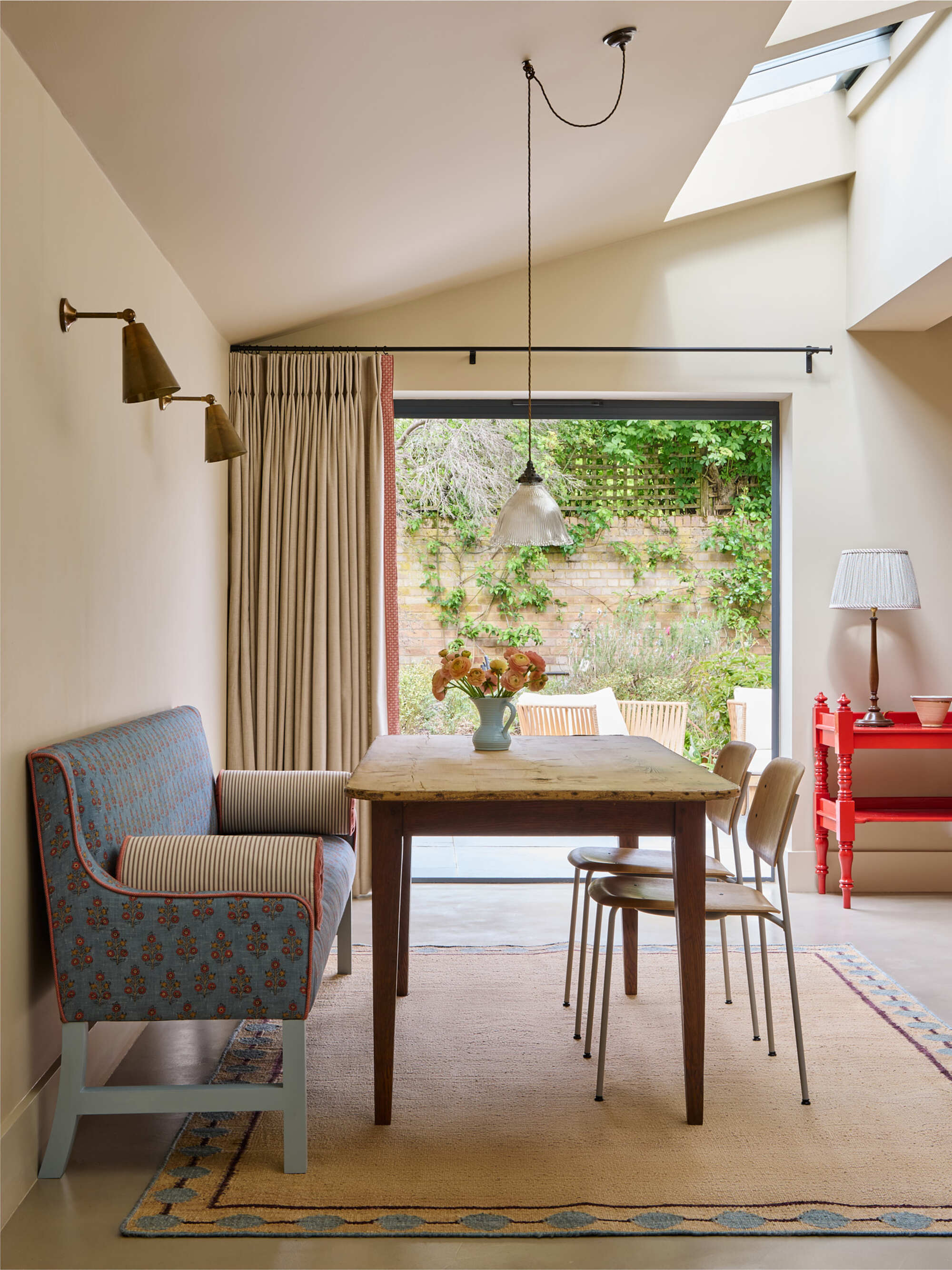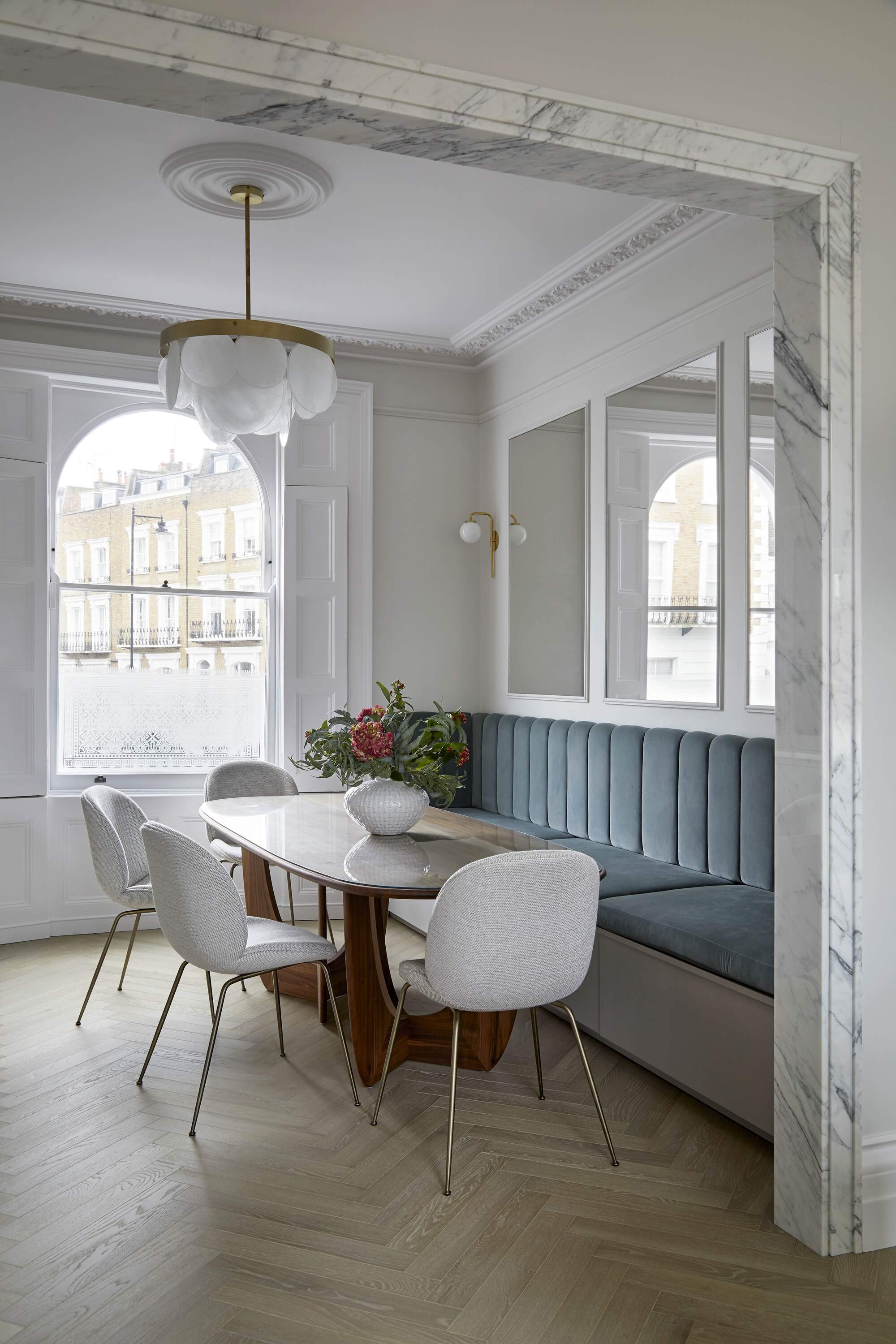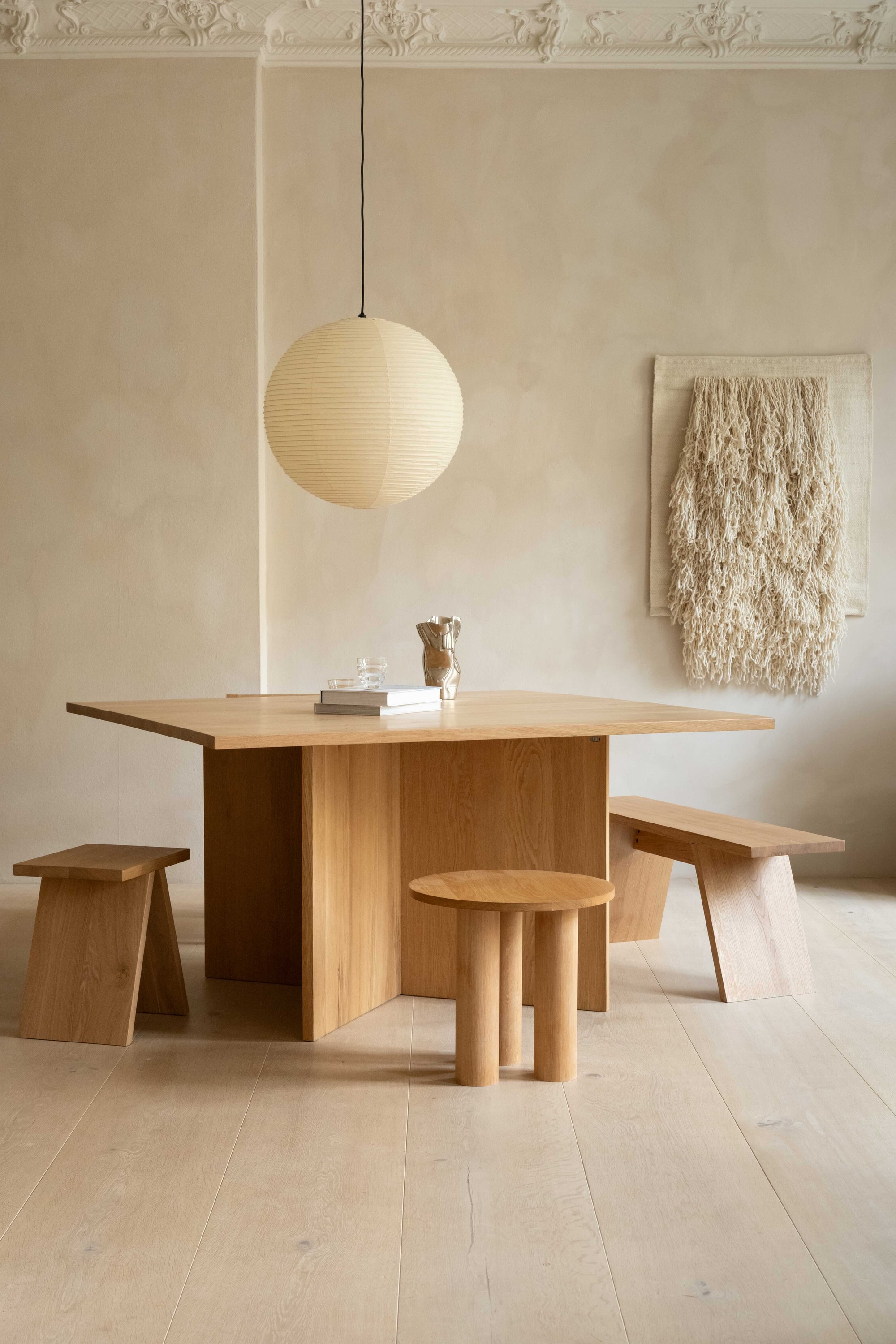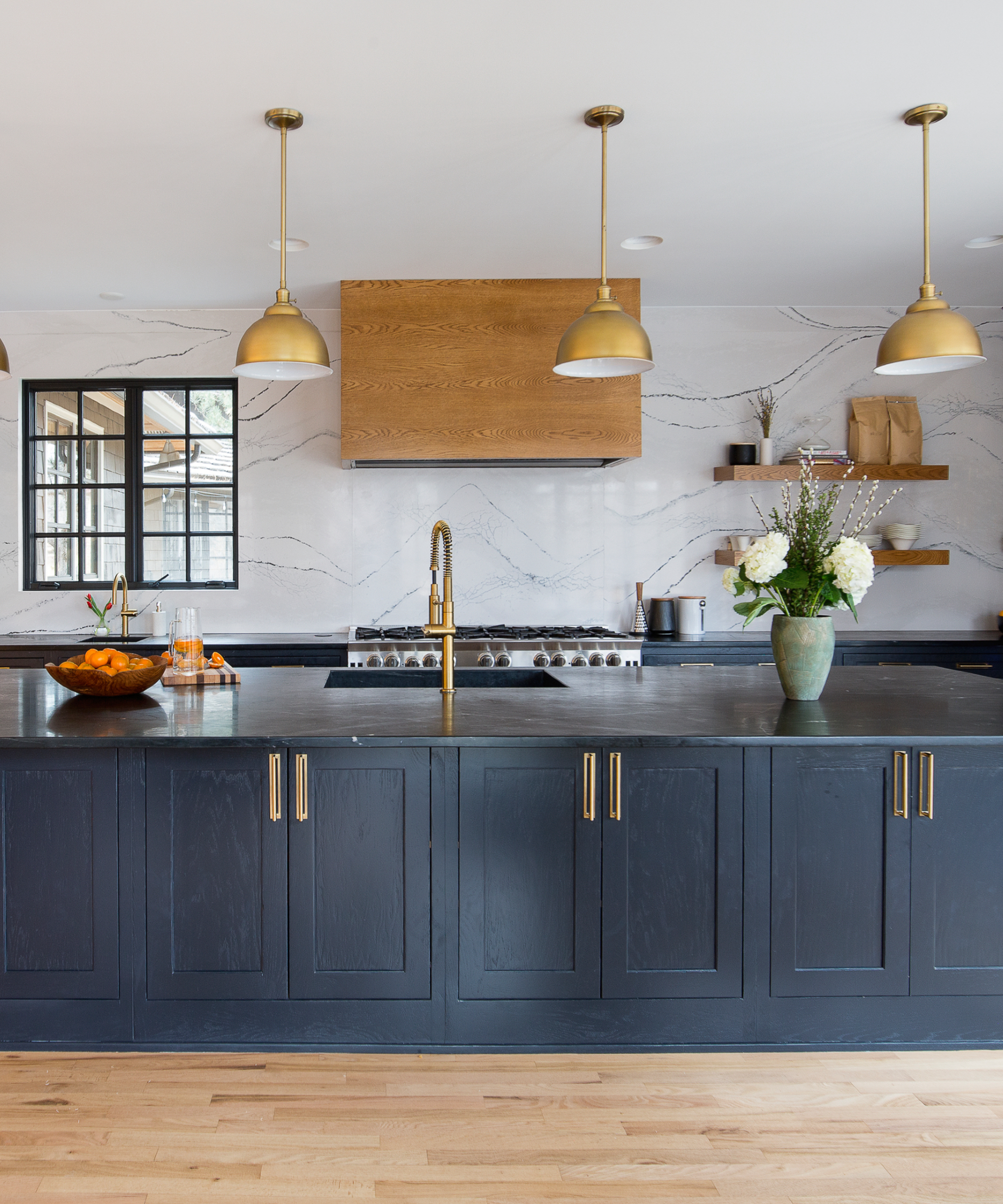
1/9
Move Over Dining Rooms, the Kitchen Island Just Became the Coziest Eating Spot — All You Need is the Right Seating
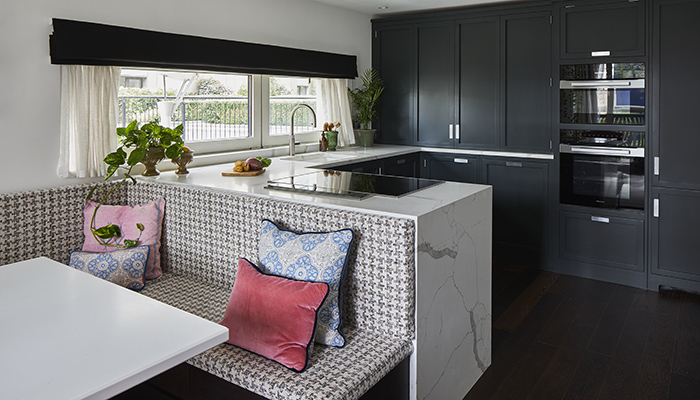
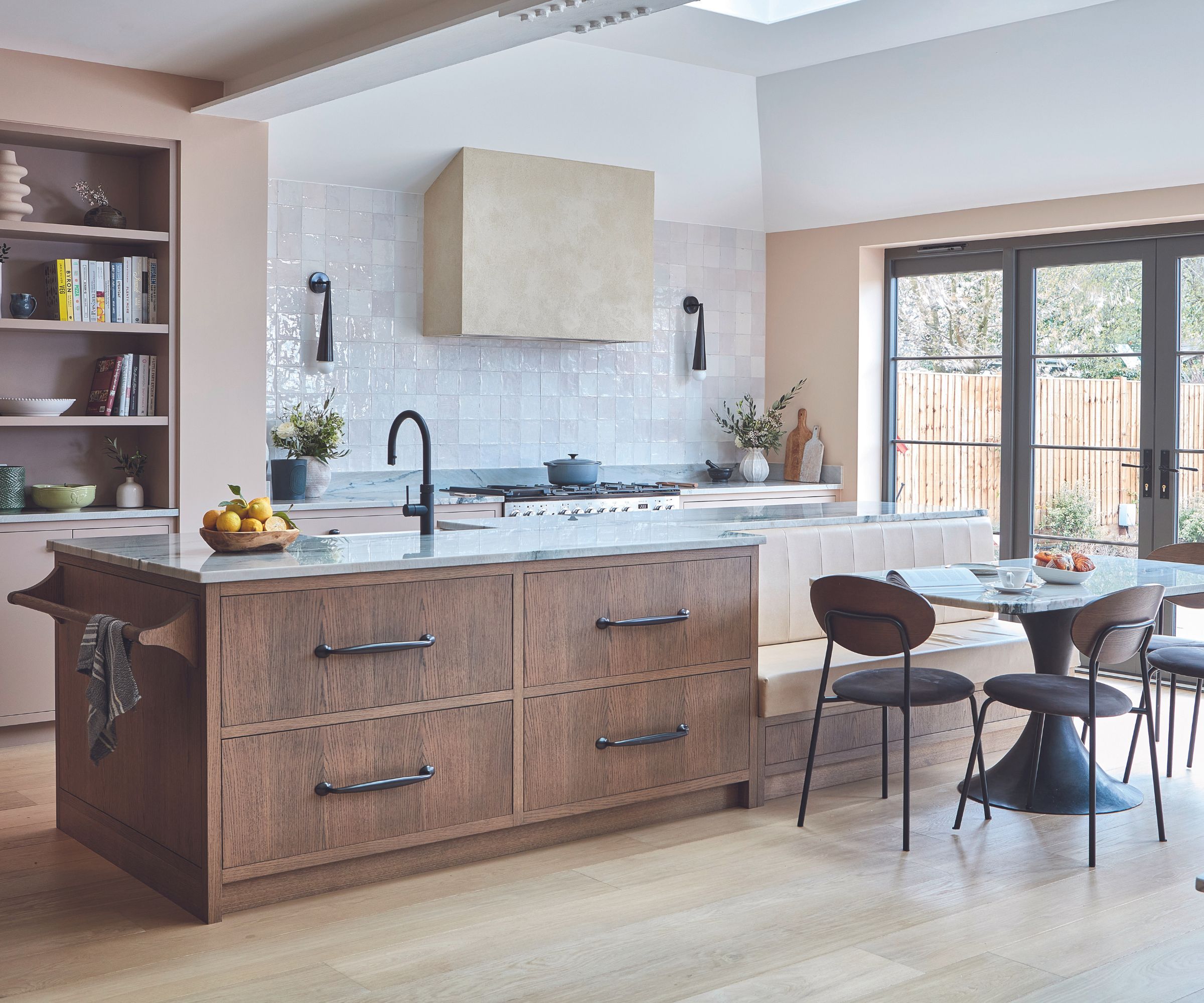
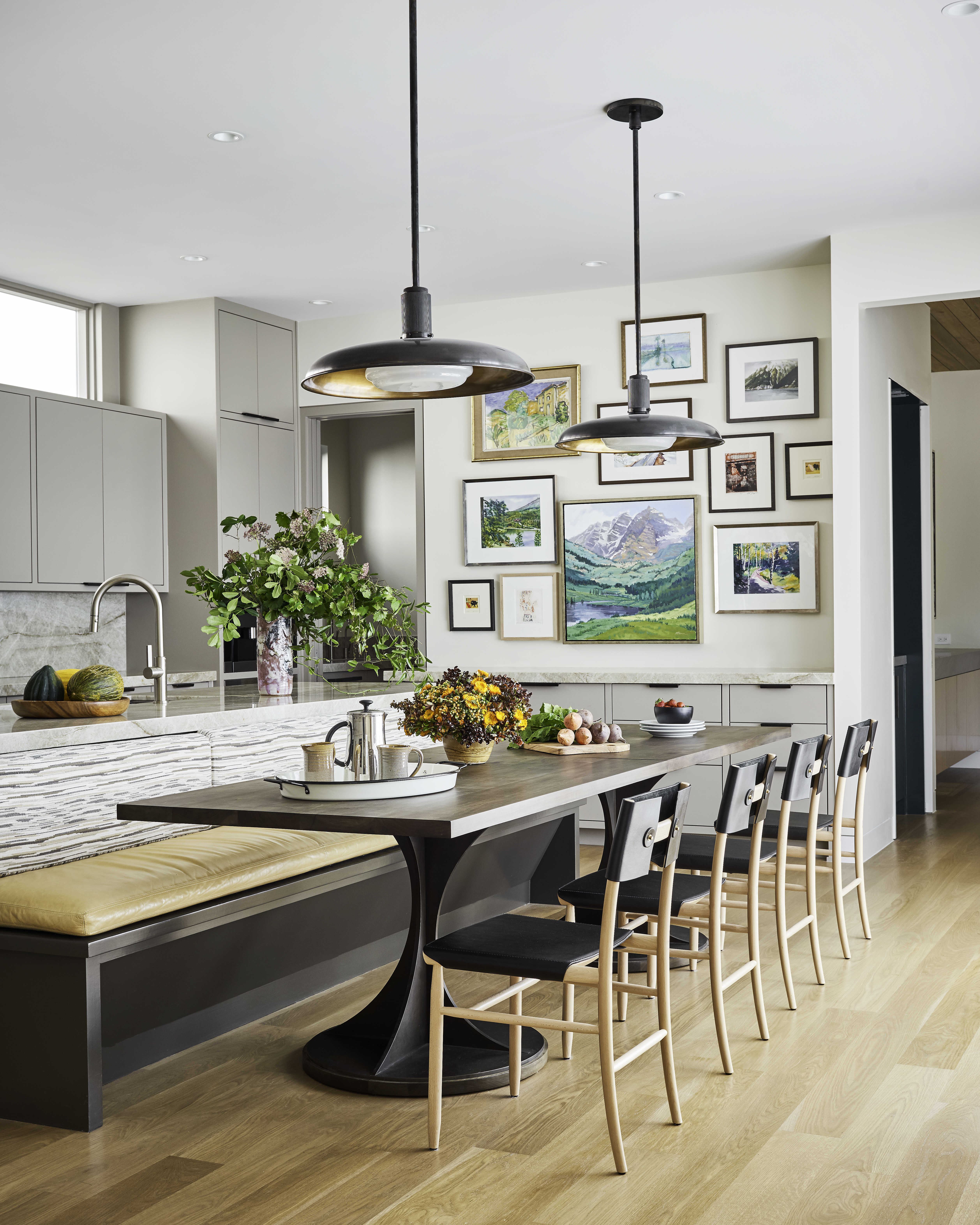
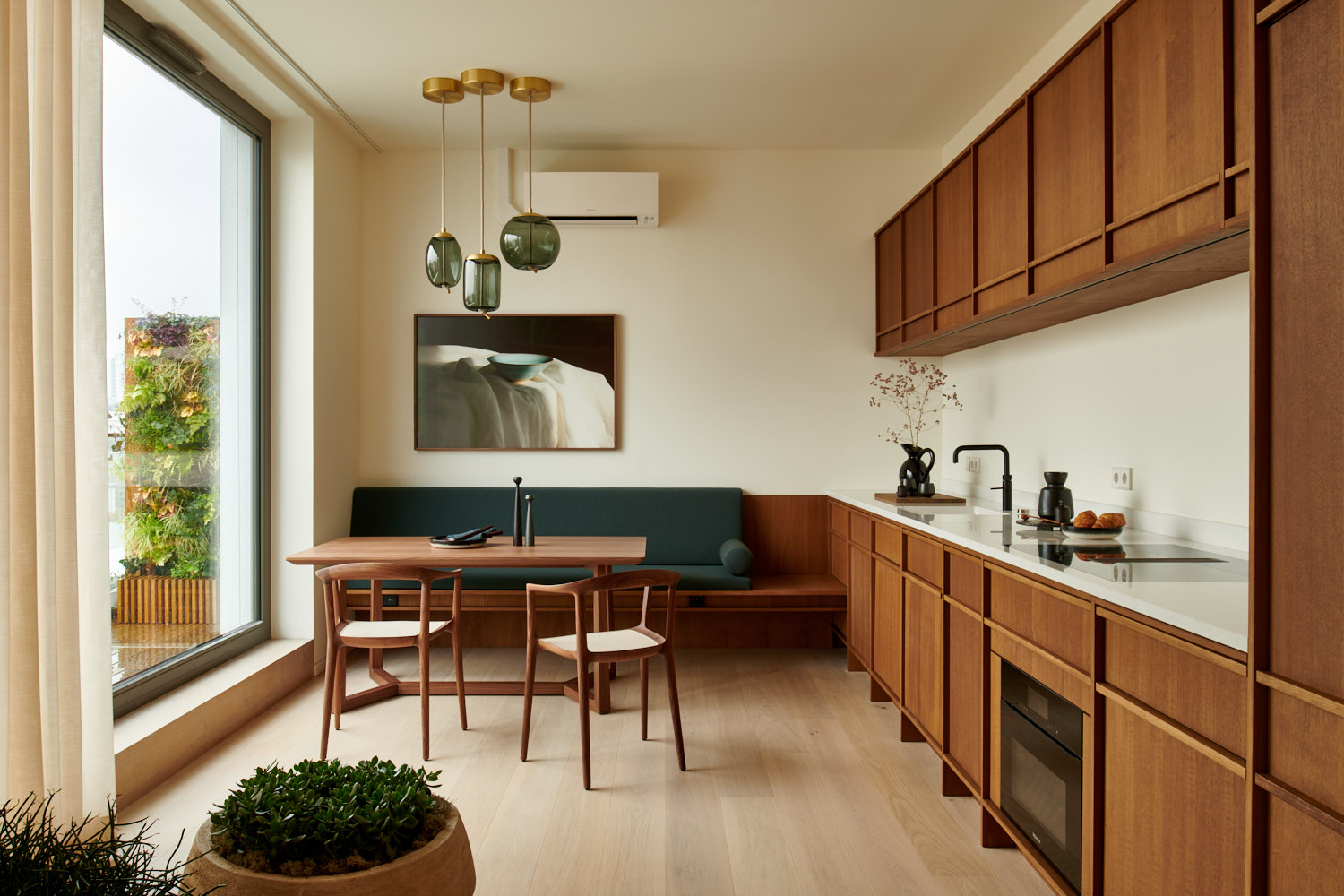
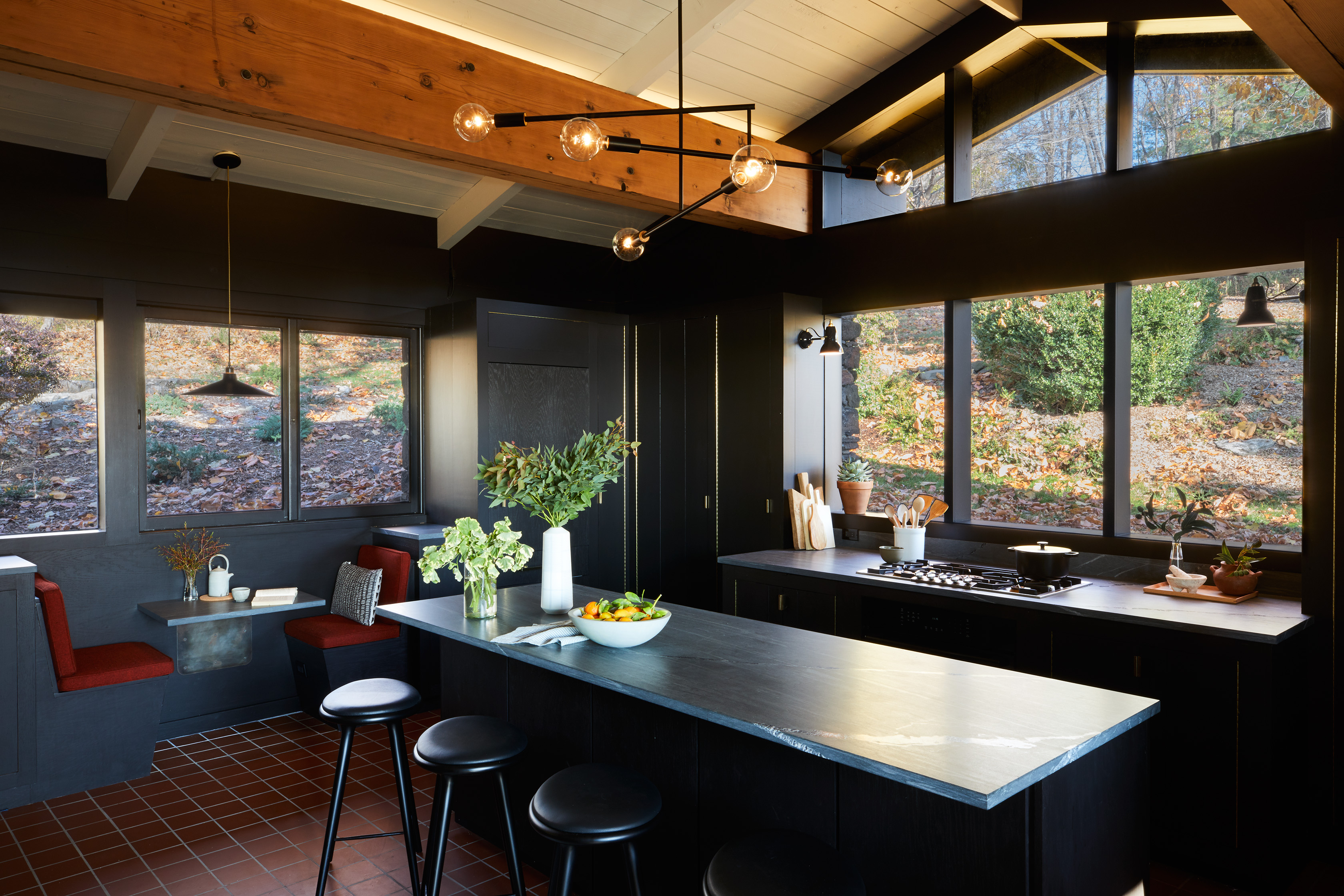
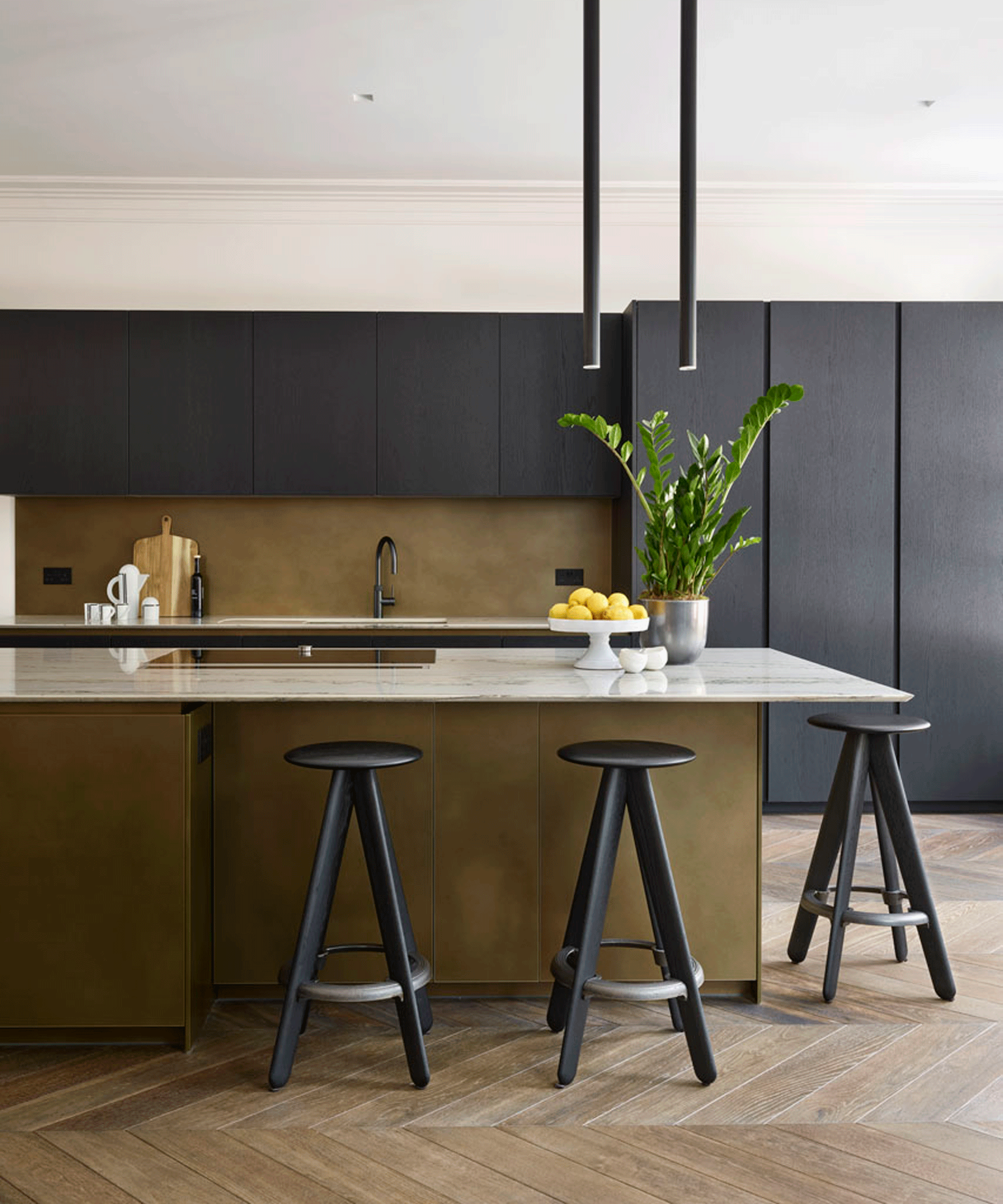
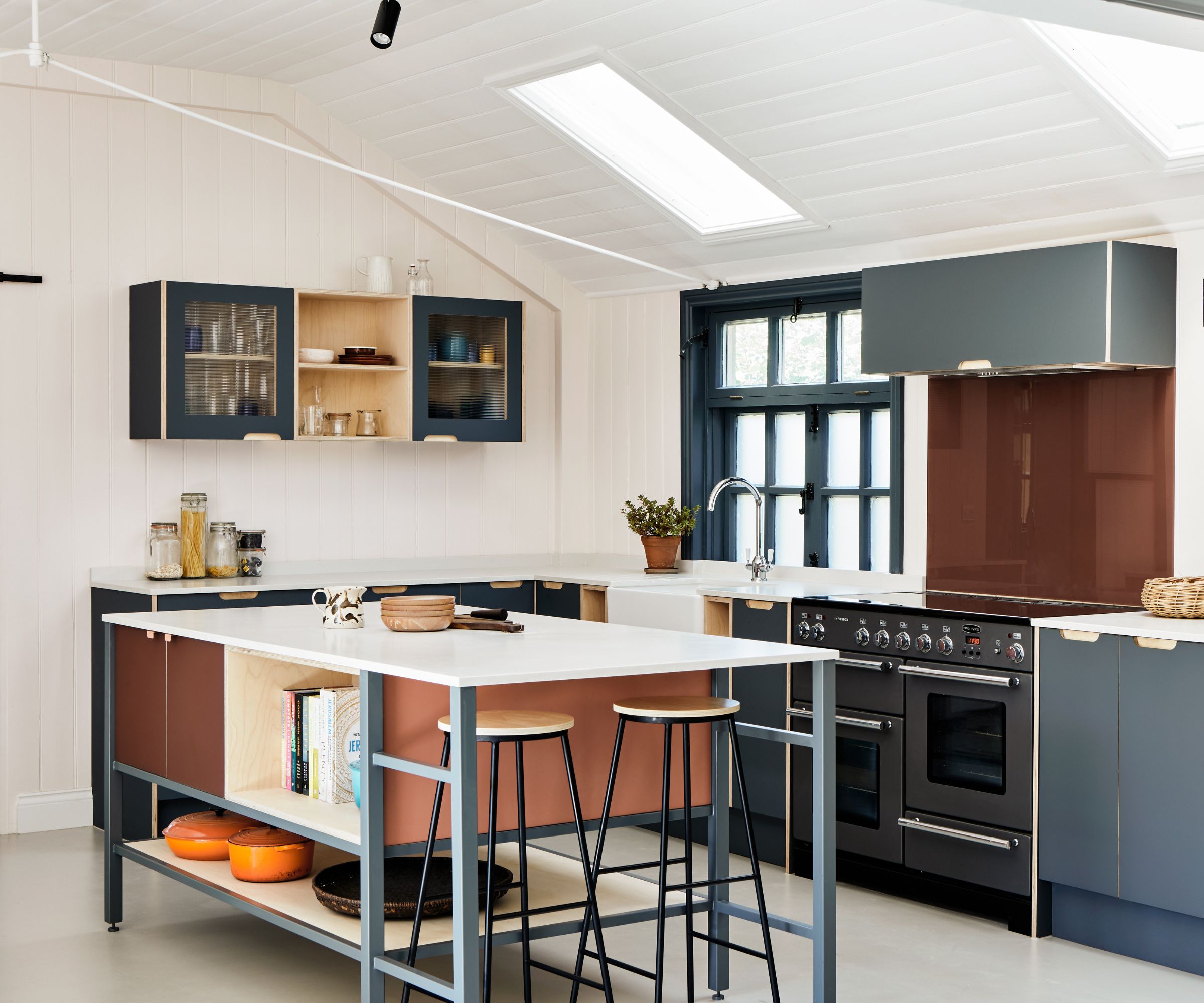
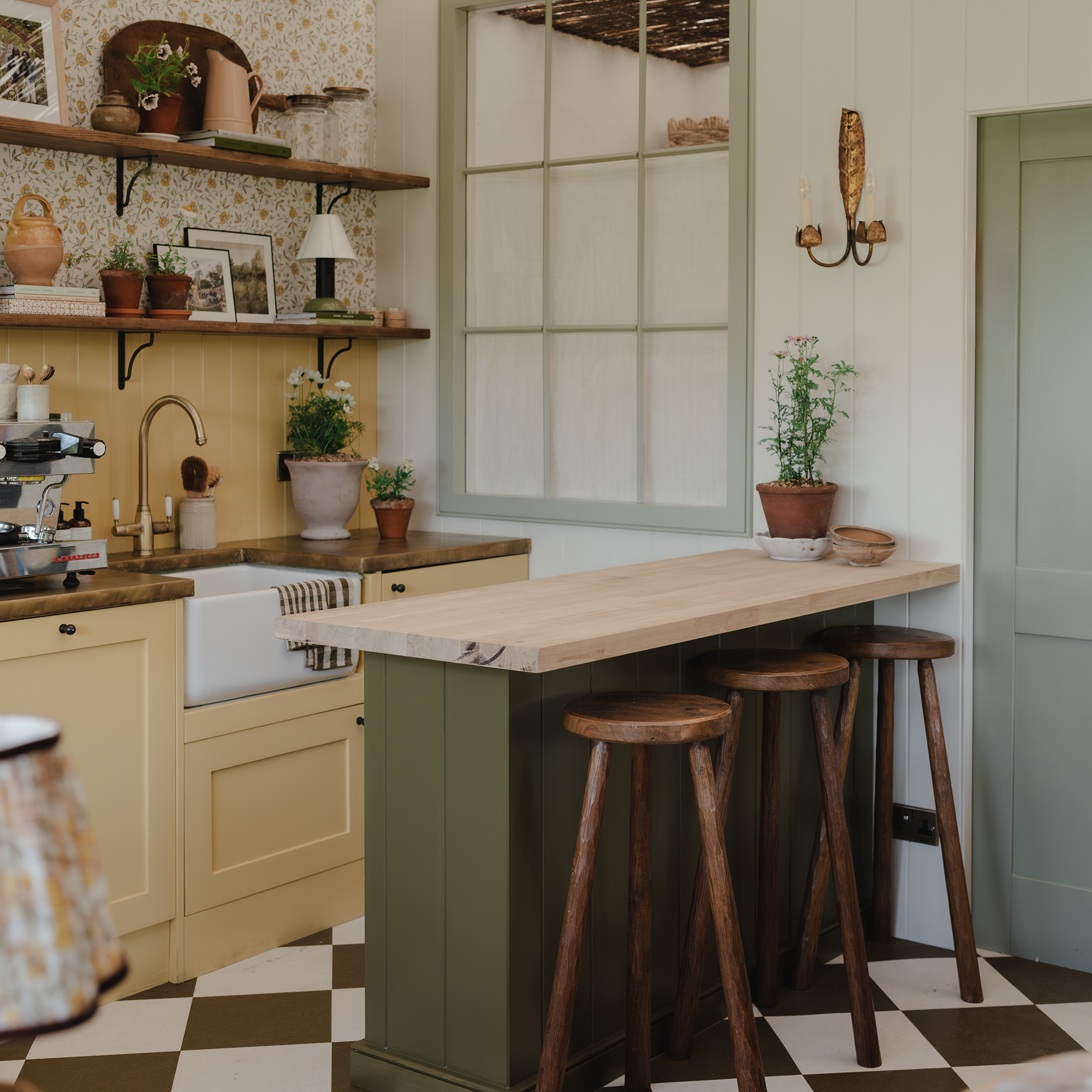
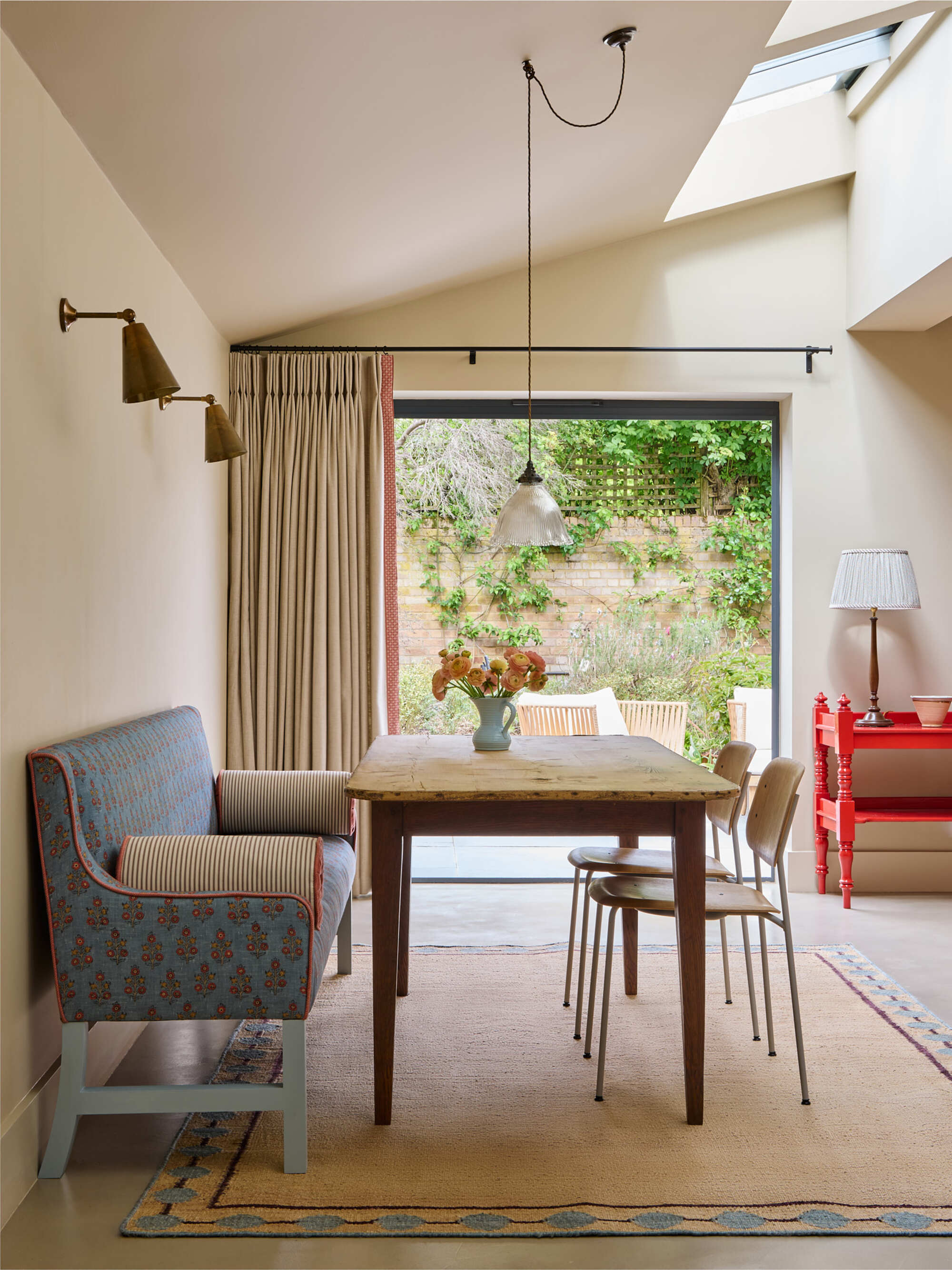
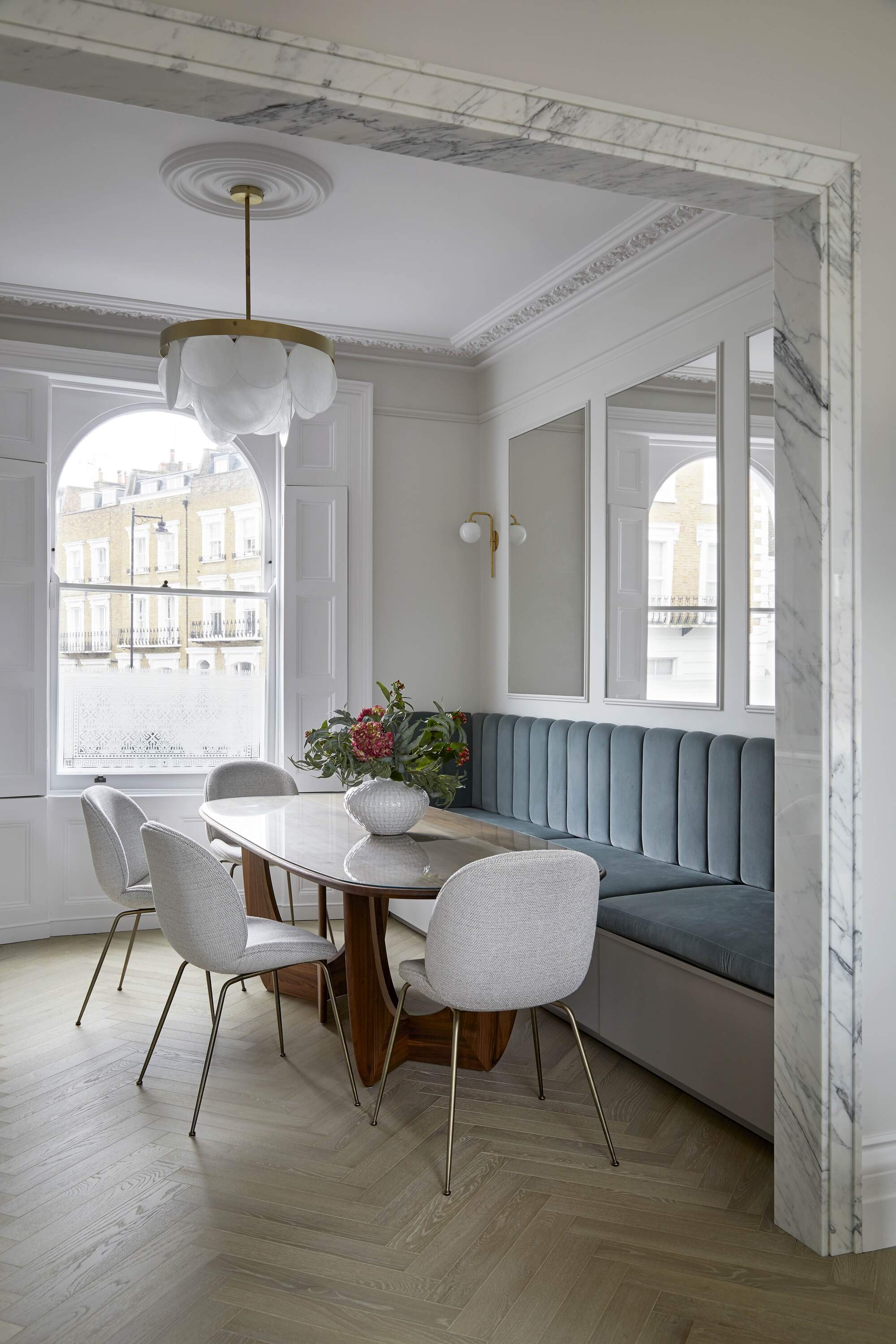
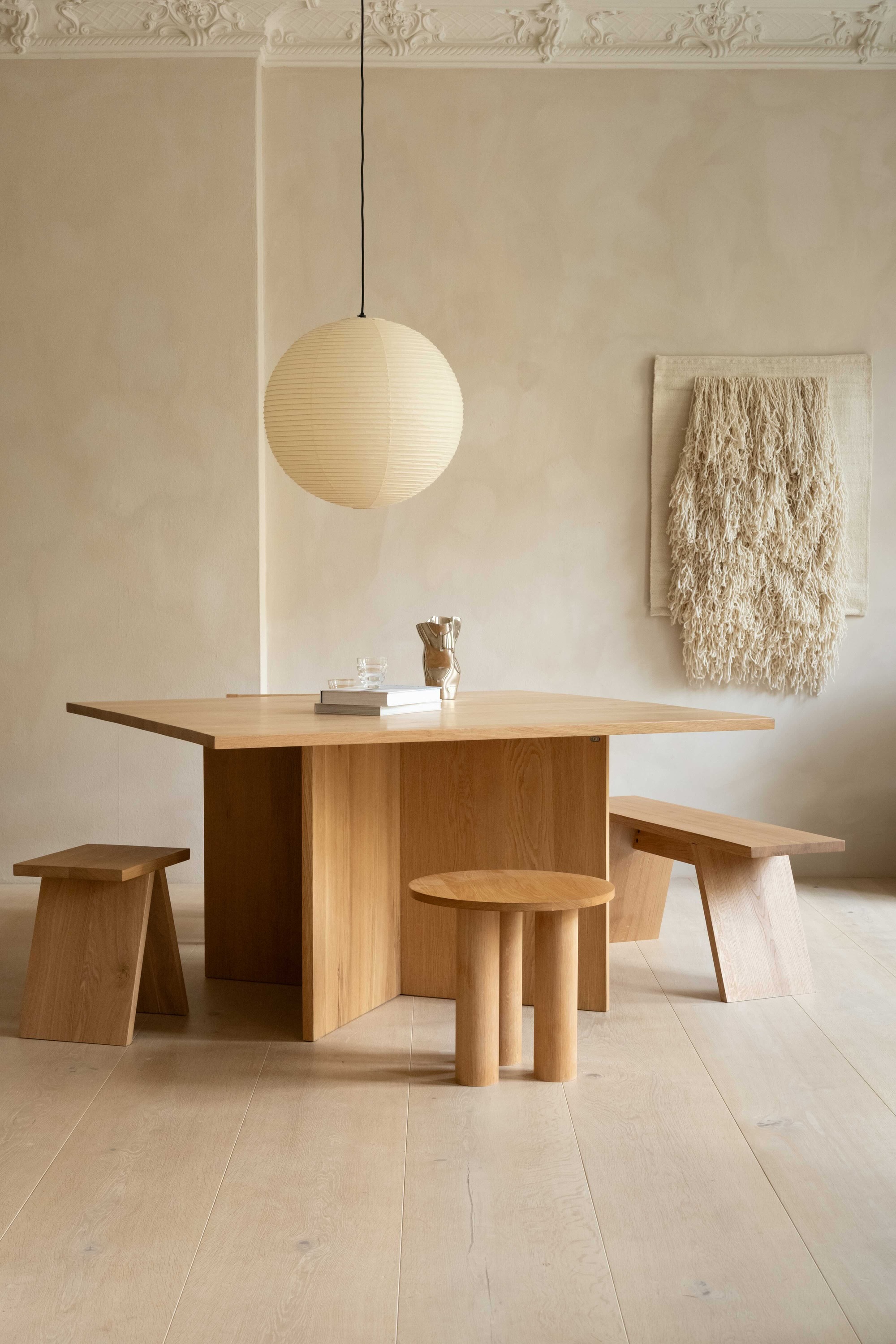
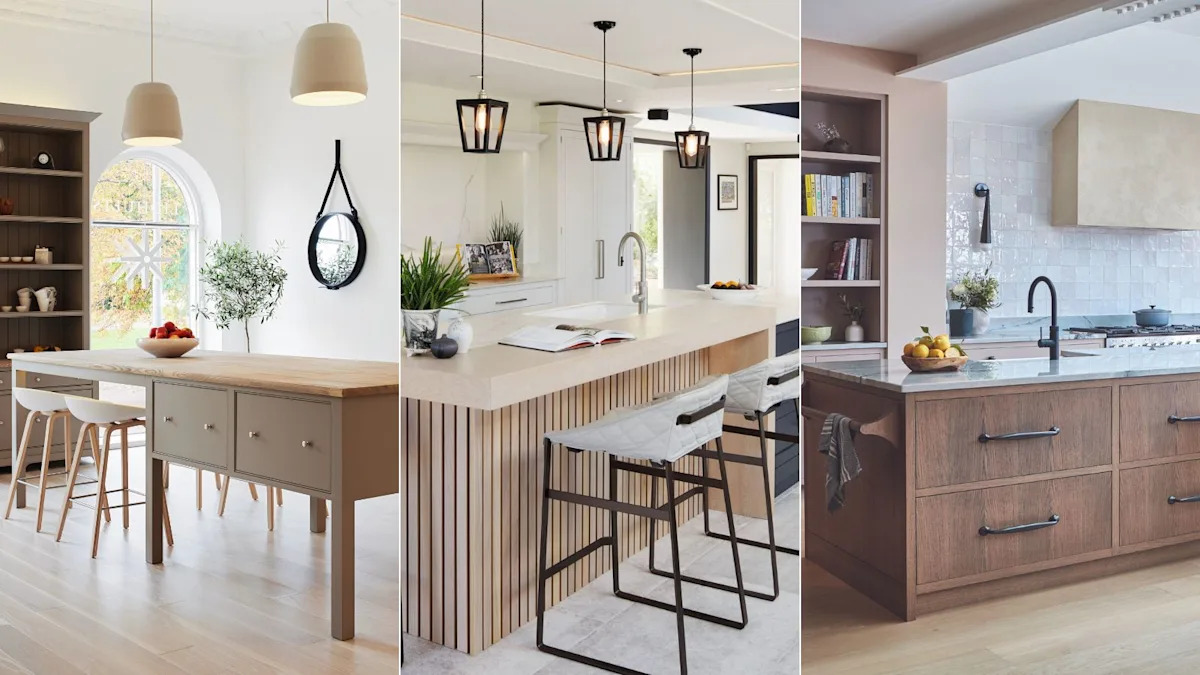
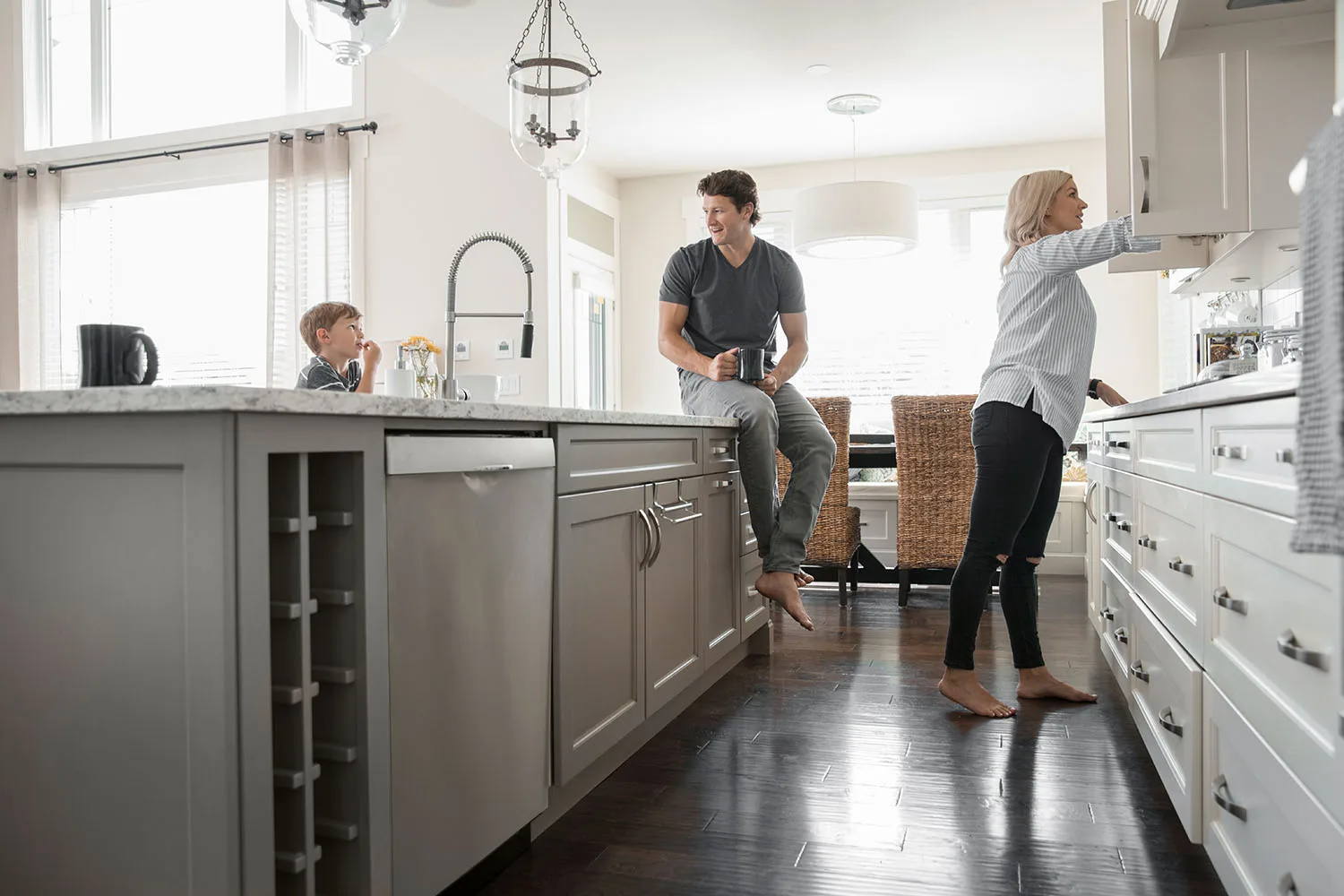
This article explores how kitchen islands can be transformed into comfortable and inviting eating spaces, offering a versatile alternative to traditional dining rooms. It emphasizes that kitchen islands serve multiple purposes, including providing additional storage and counter space for food preparation, and becoming a central gathering point for family and guests to enjoy quick meals, coffee, or wine. The key to achieving this cozy and functional setup lies in selecting the appropriate seating and ensuring correct measurements.
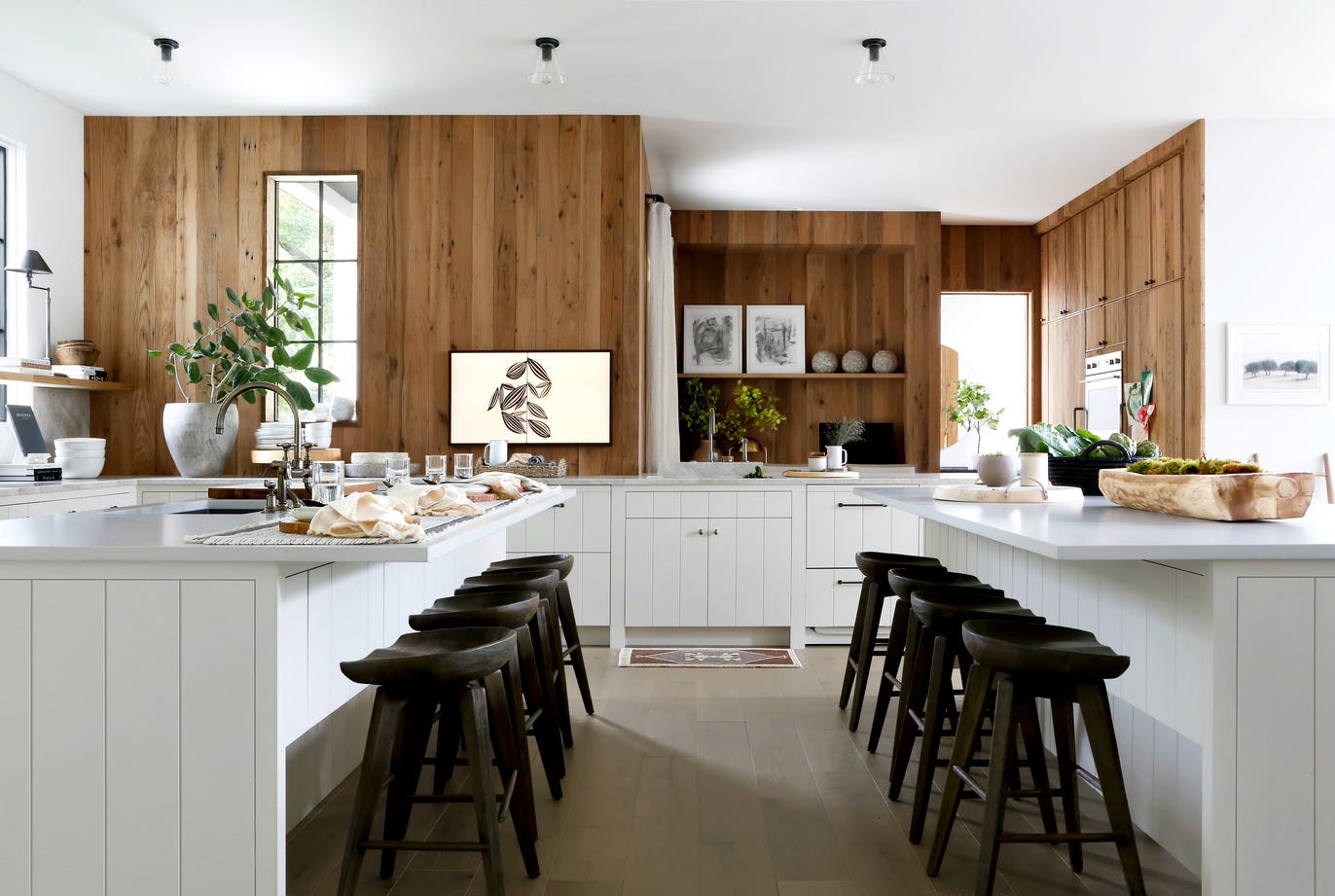
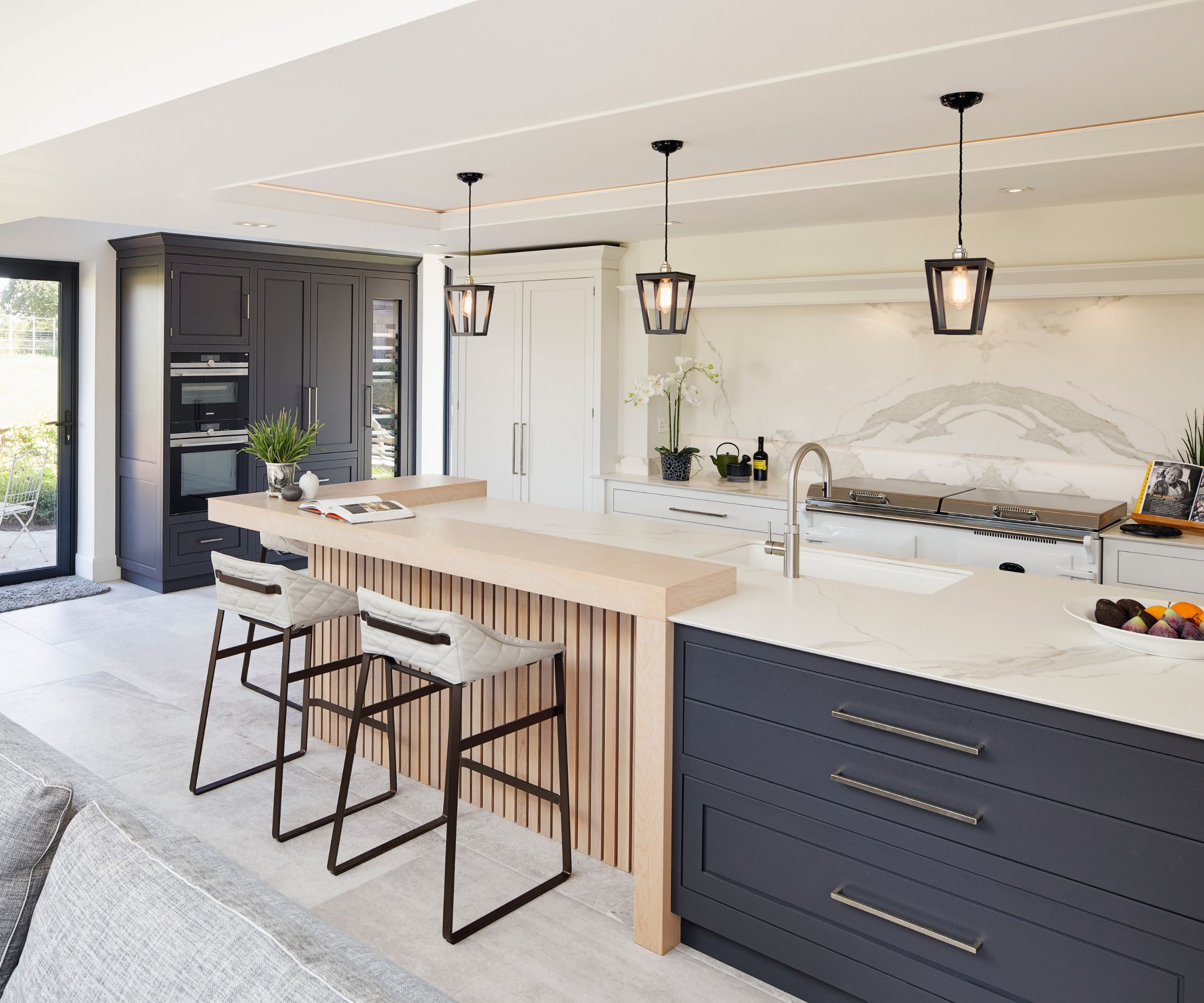
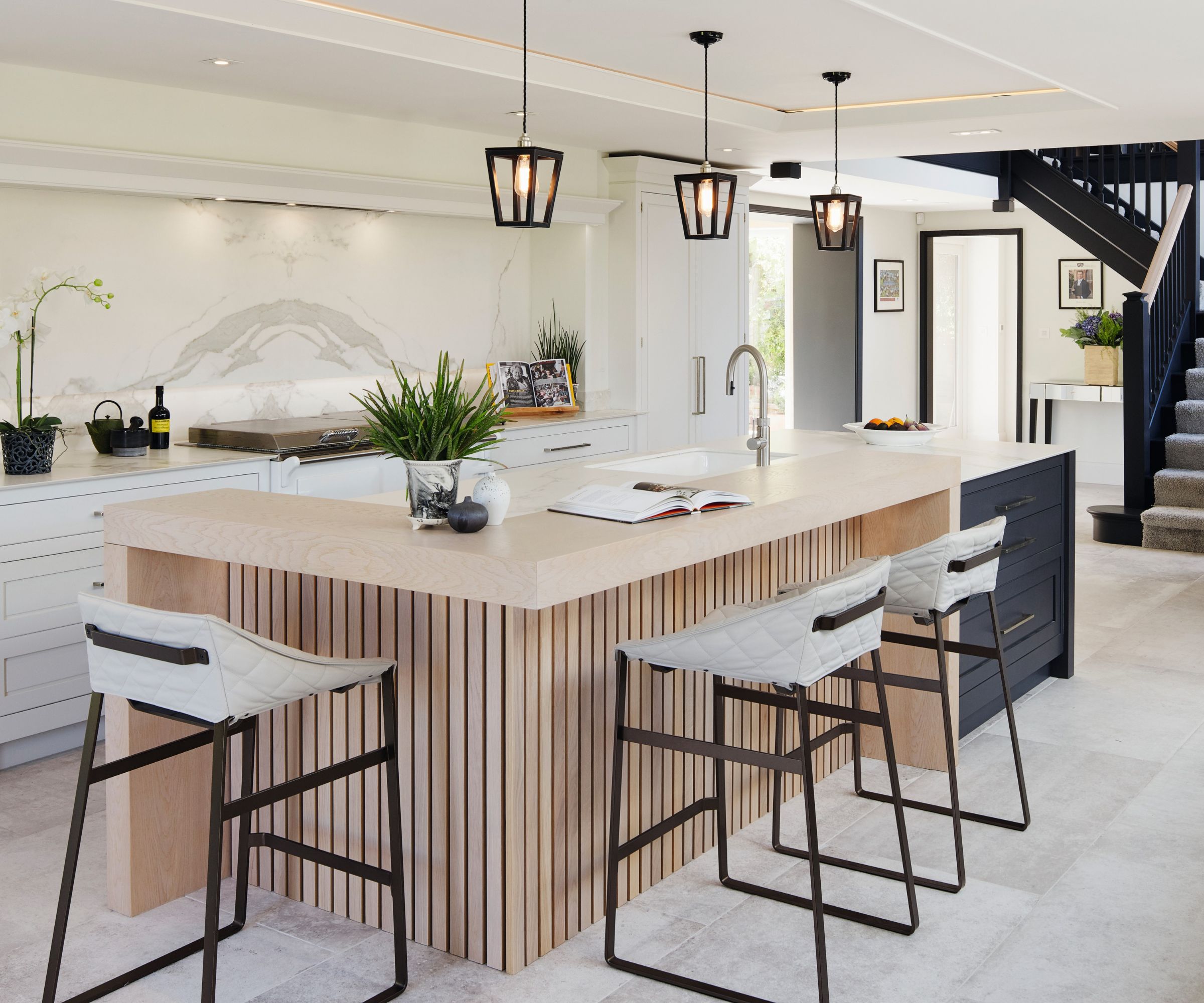
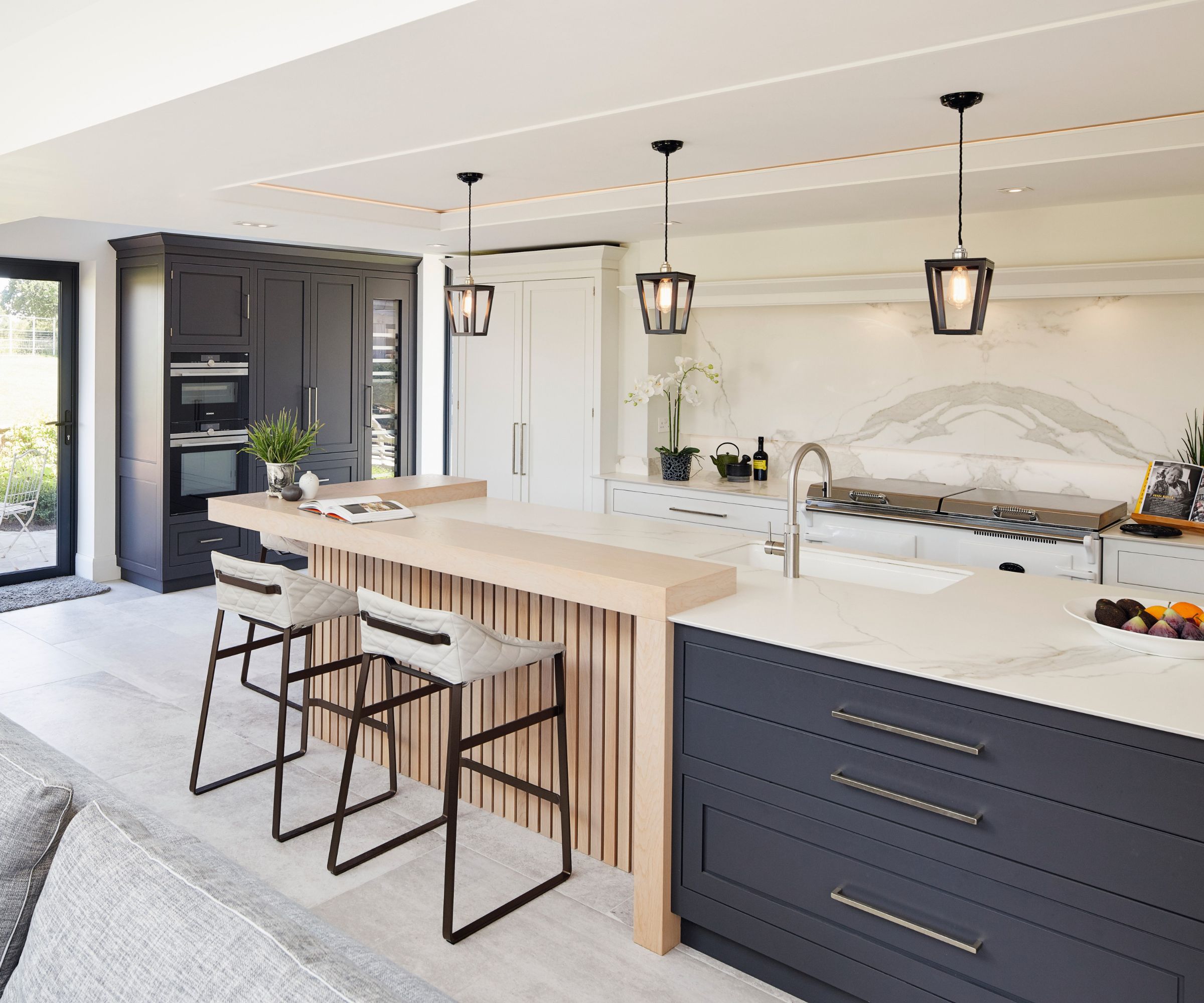
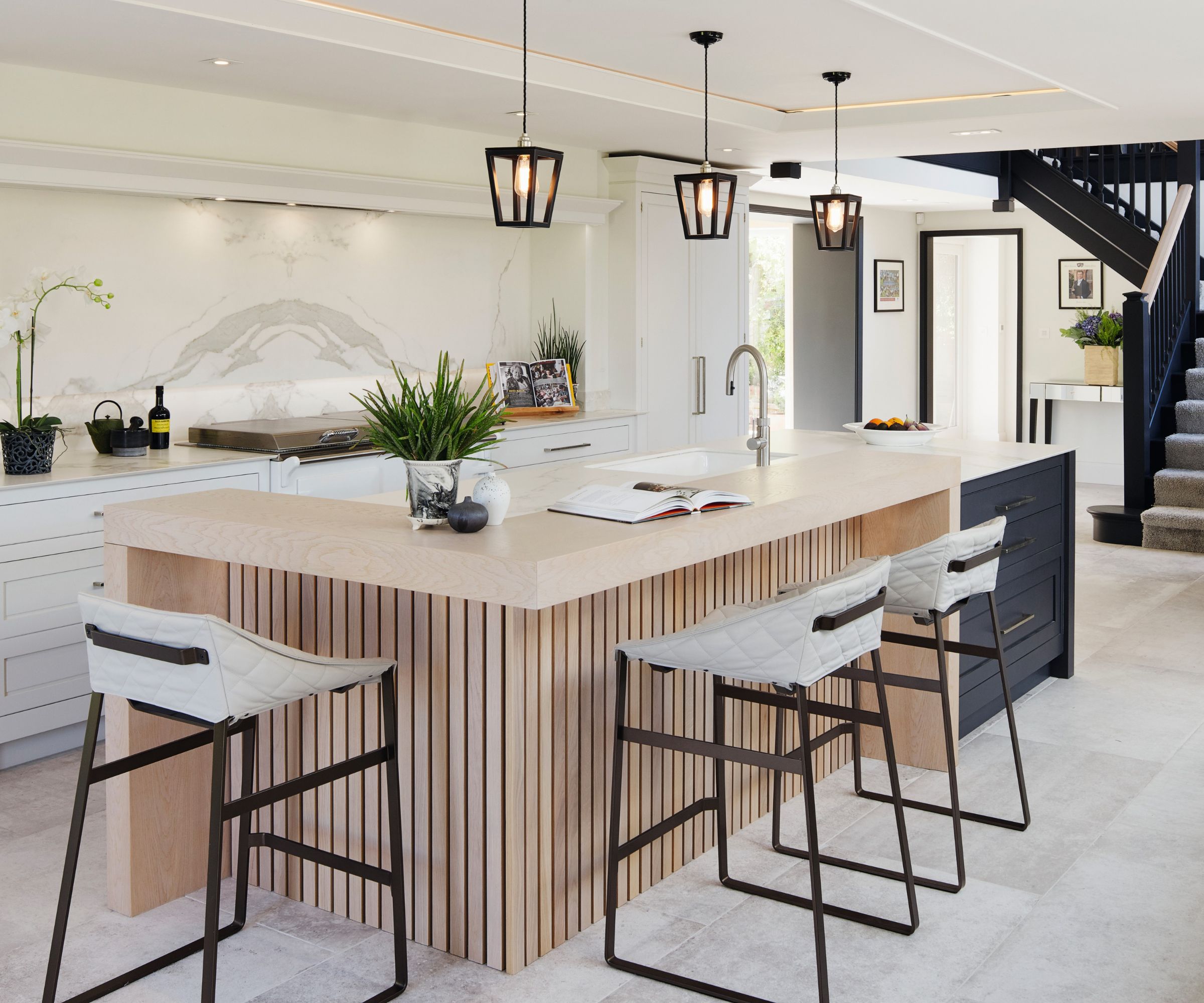
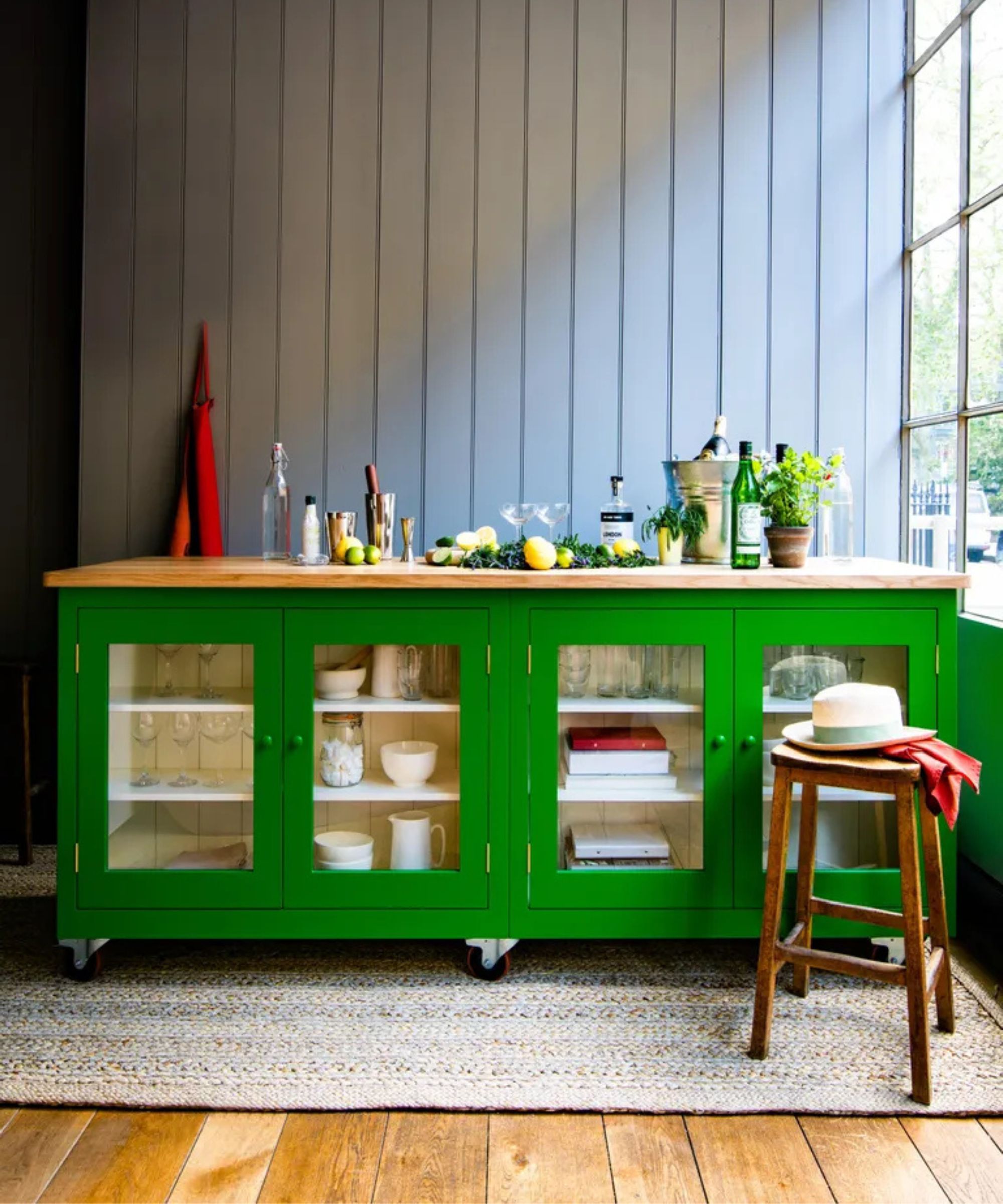
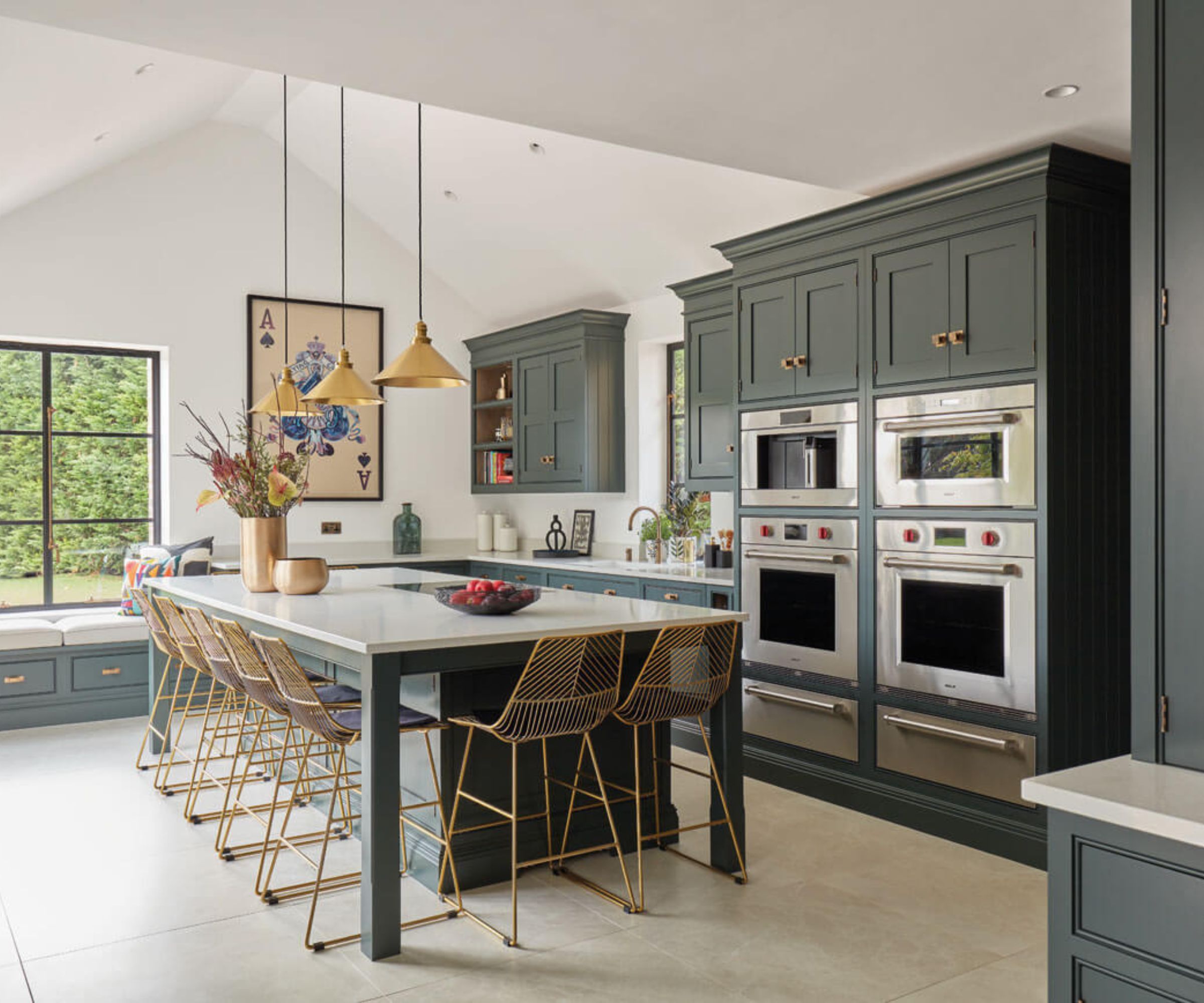
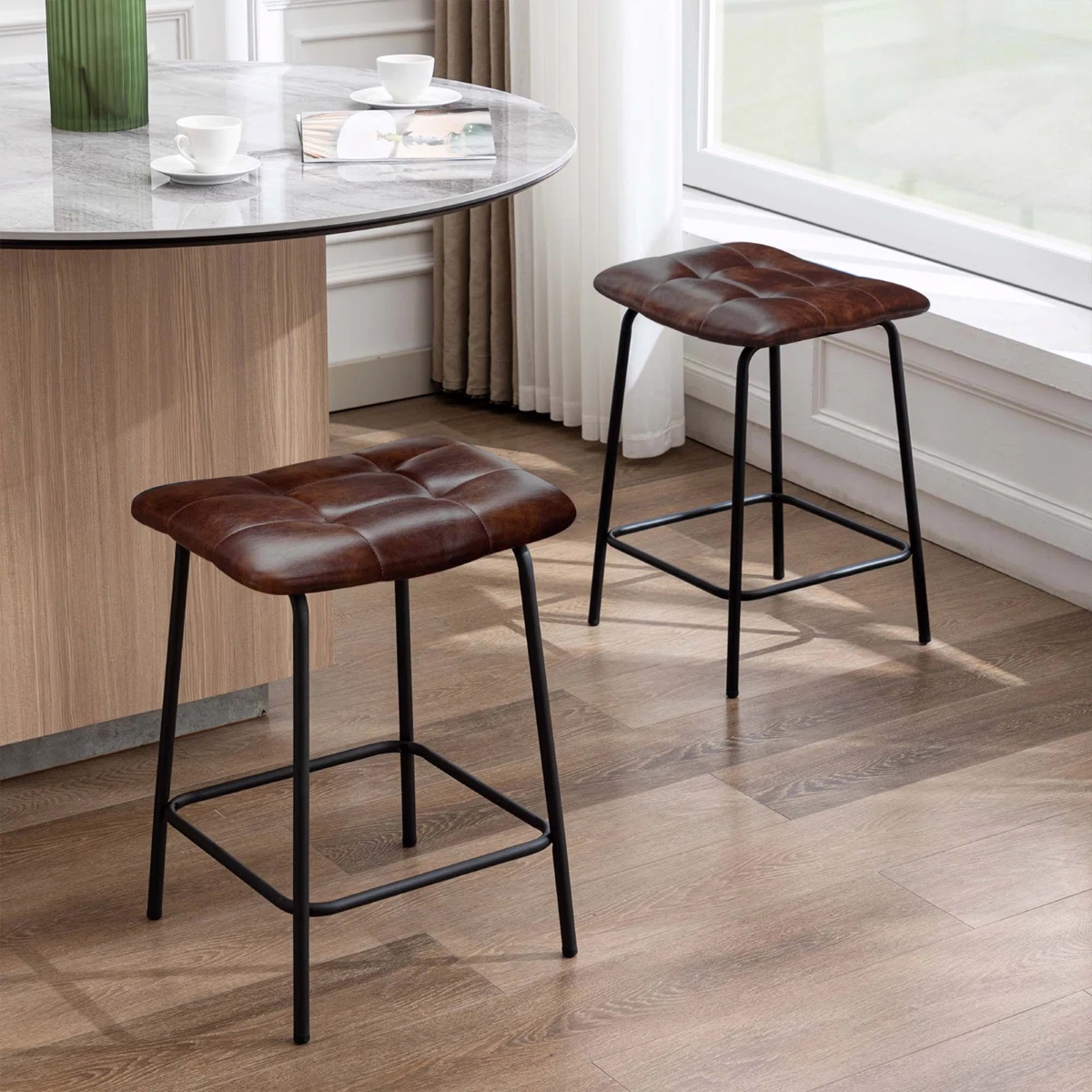
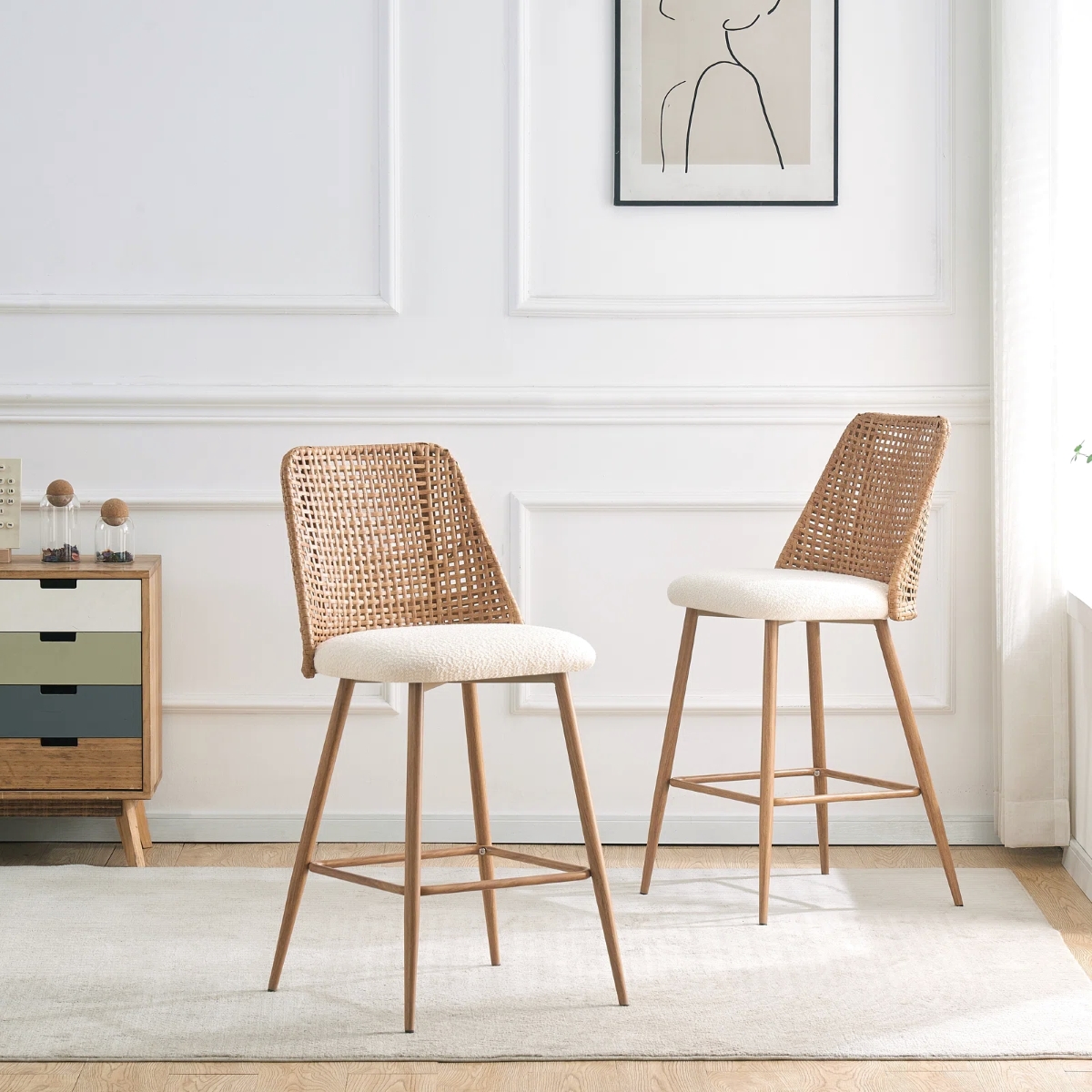

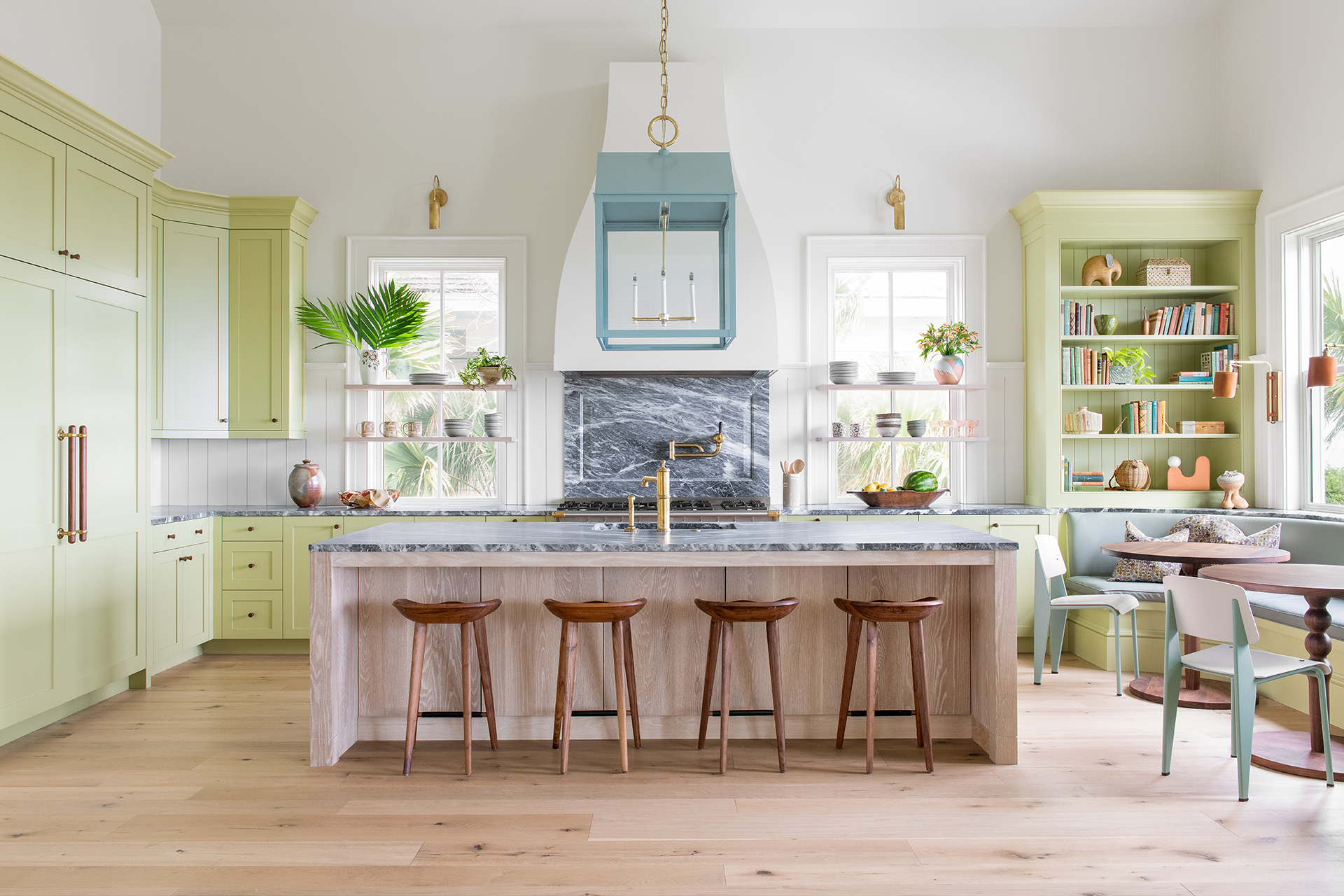
The article highlights five key considerations for optimizing kitchen island seating. Firstly, accurate measurements are crucial. It suggests a minimum island size of 2-by-4 feet and recommends standard 36-inch height for counter stools, or 30 inches for low stools and dining chairs. Experts, like Kristin Firine of Workshop APD, advise tailoring chair selection based on the client's needs, opting for petite stools for more seating or wider ones for fewer seats, always prioritizing dimensions.
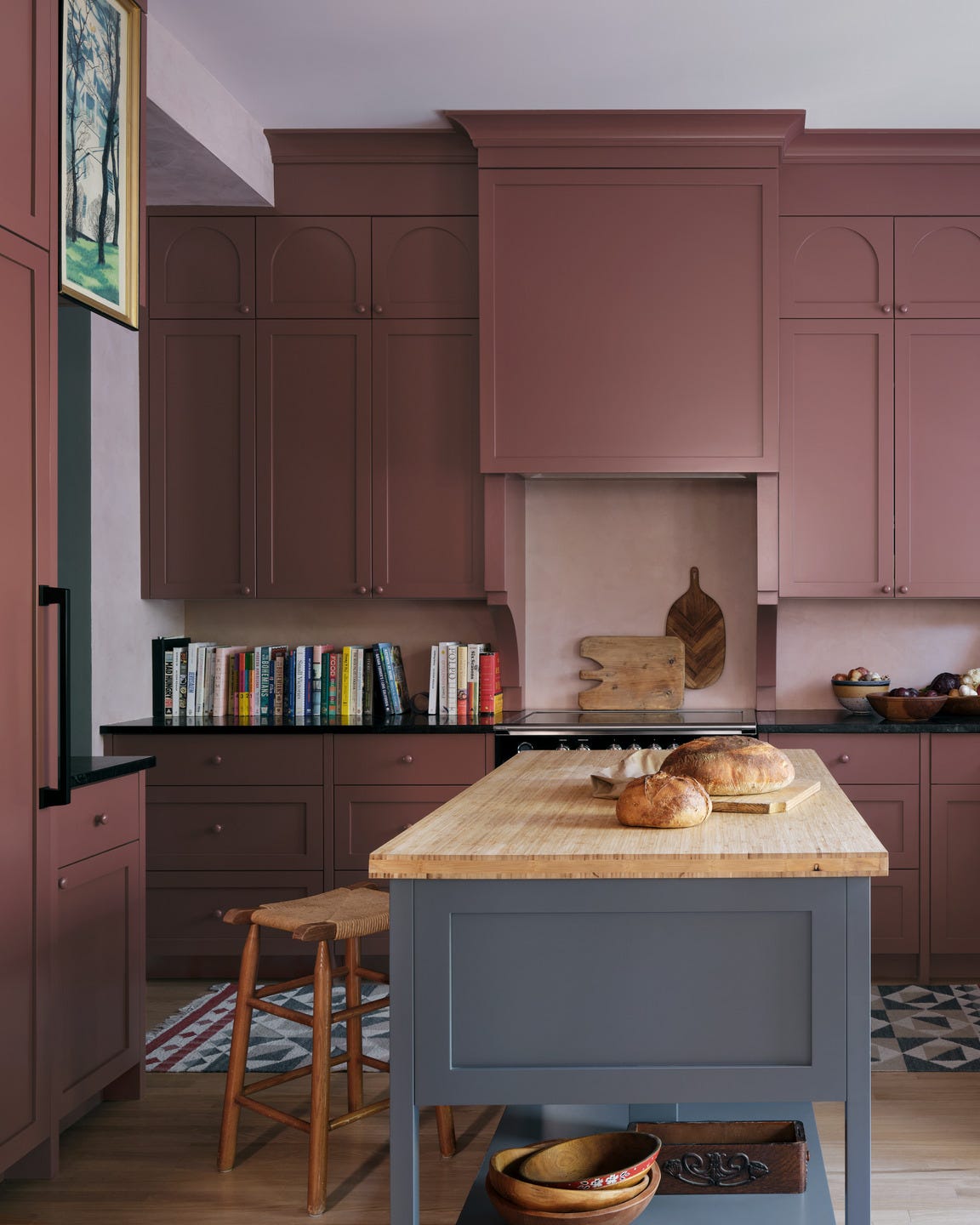
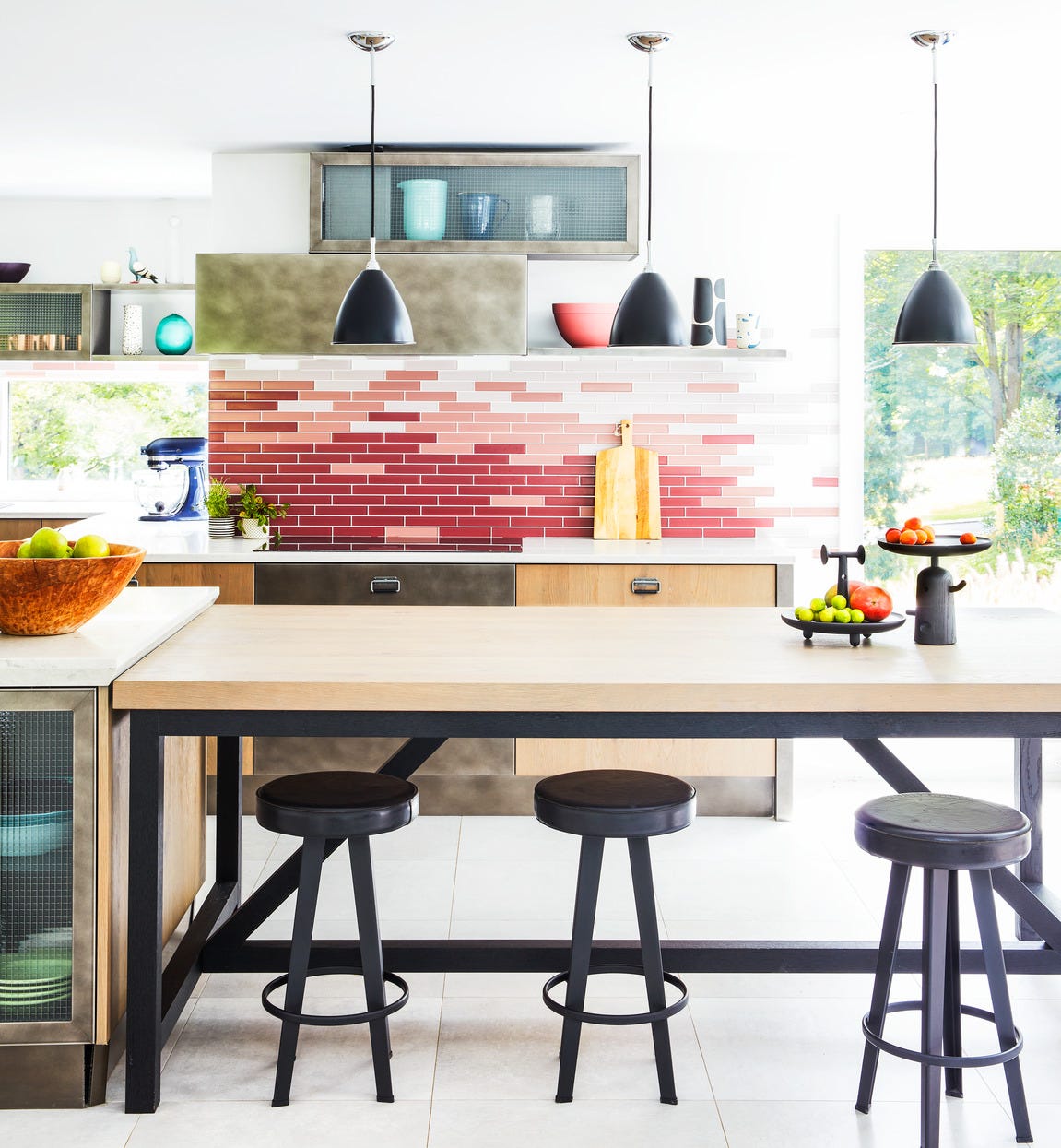
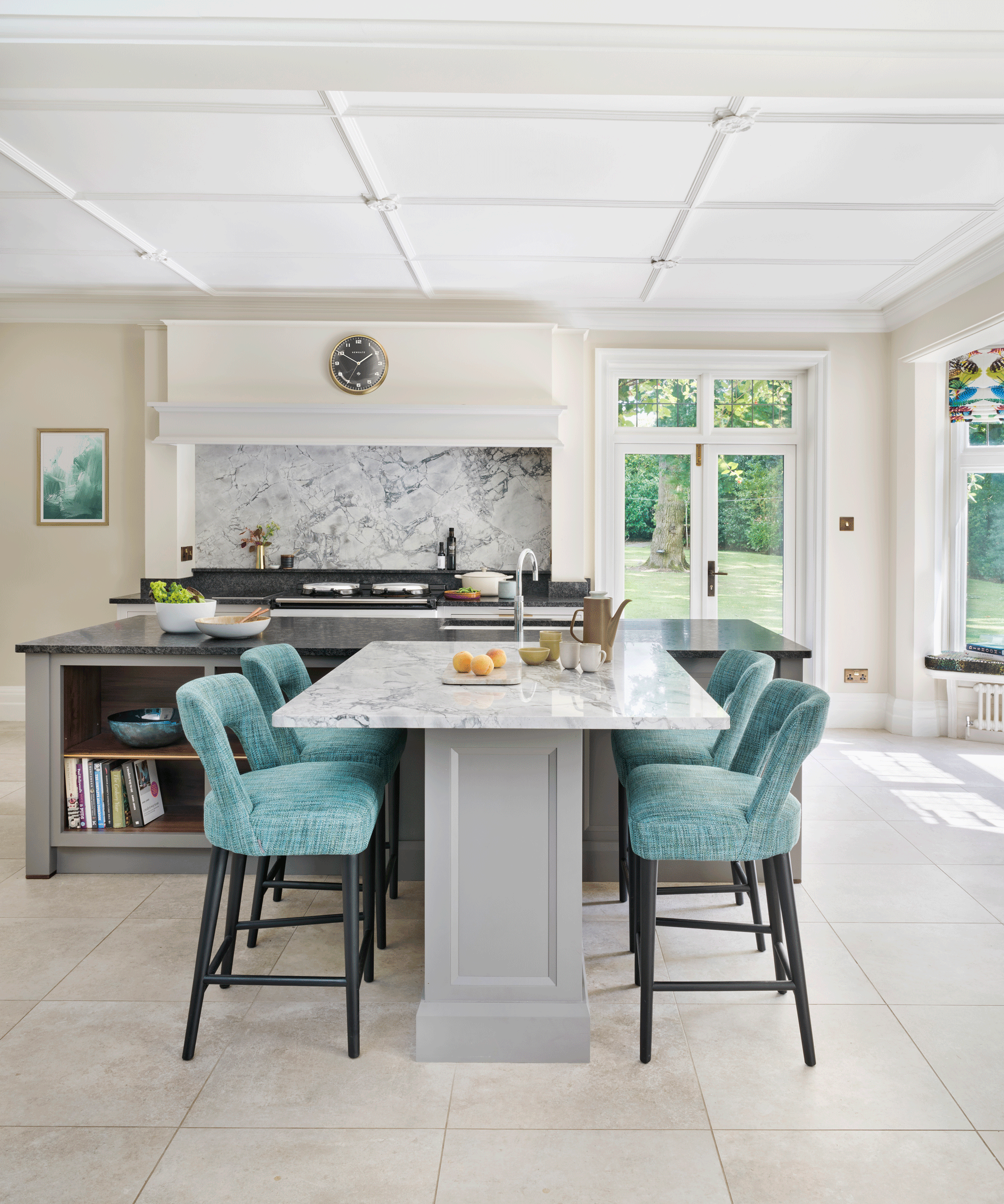
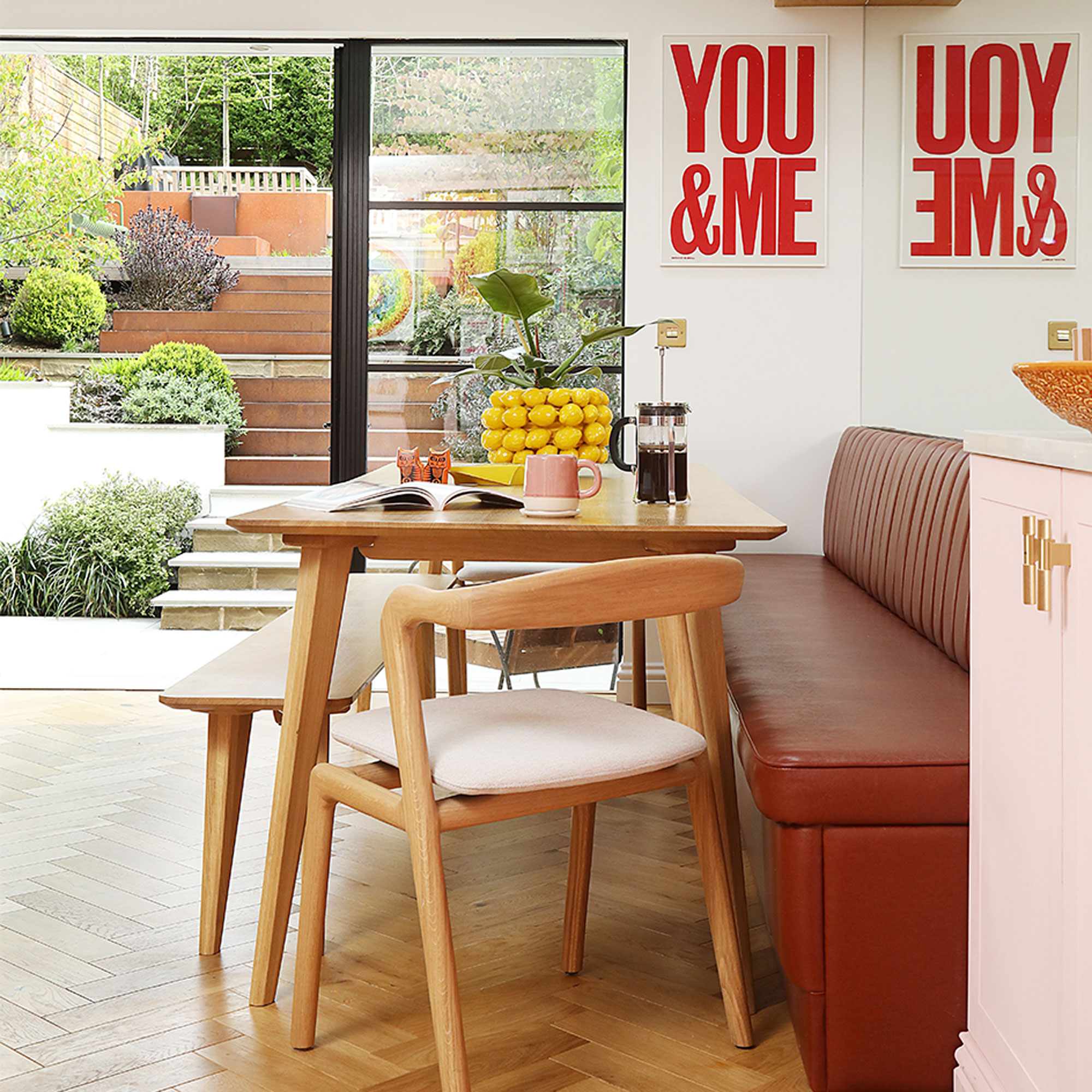
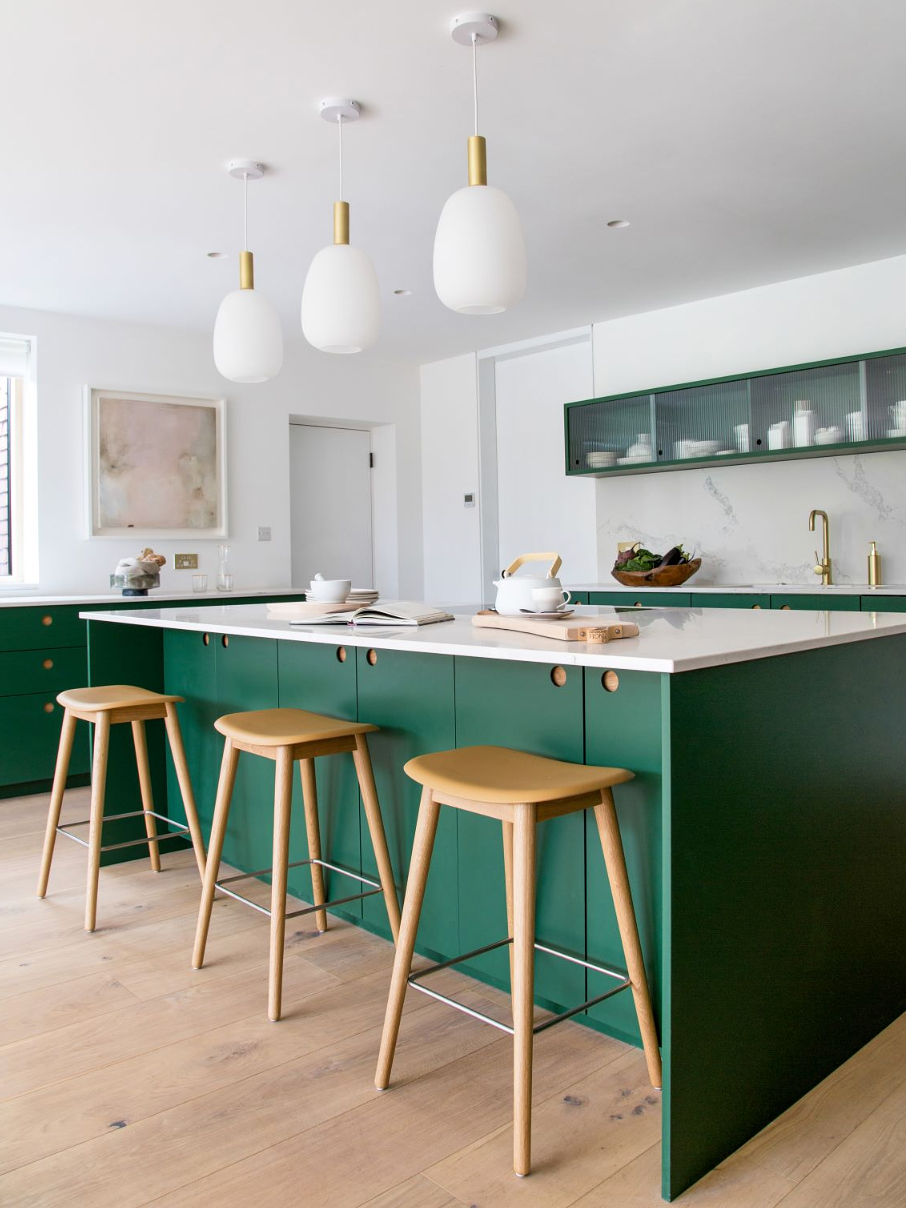
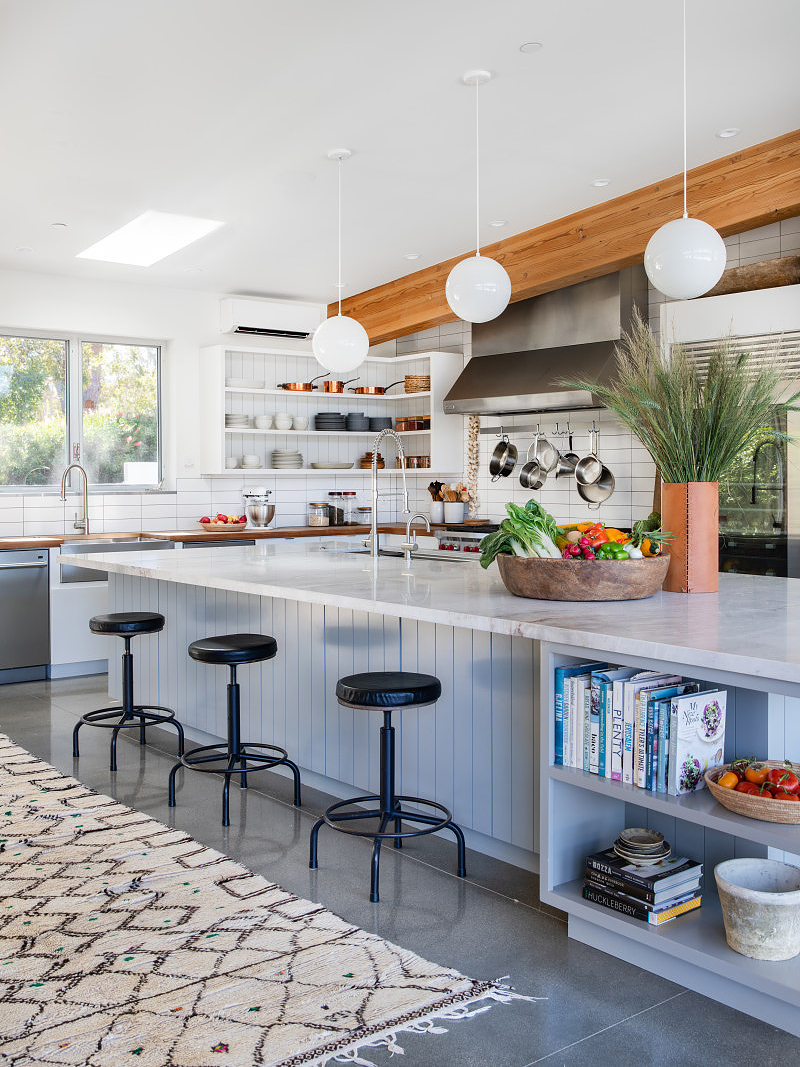
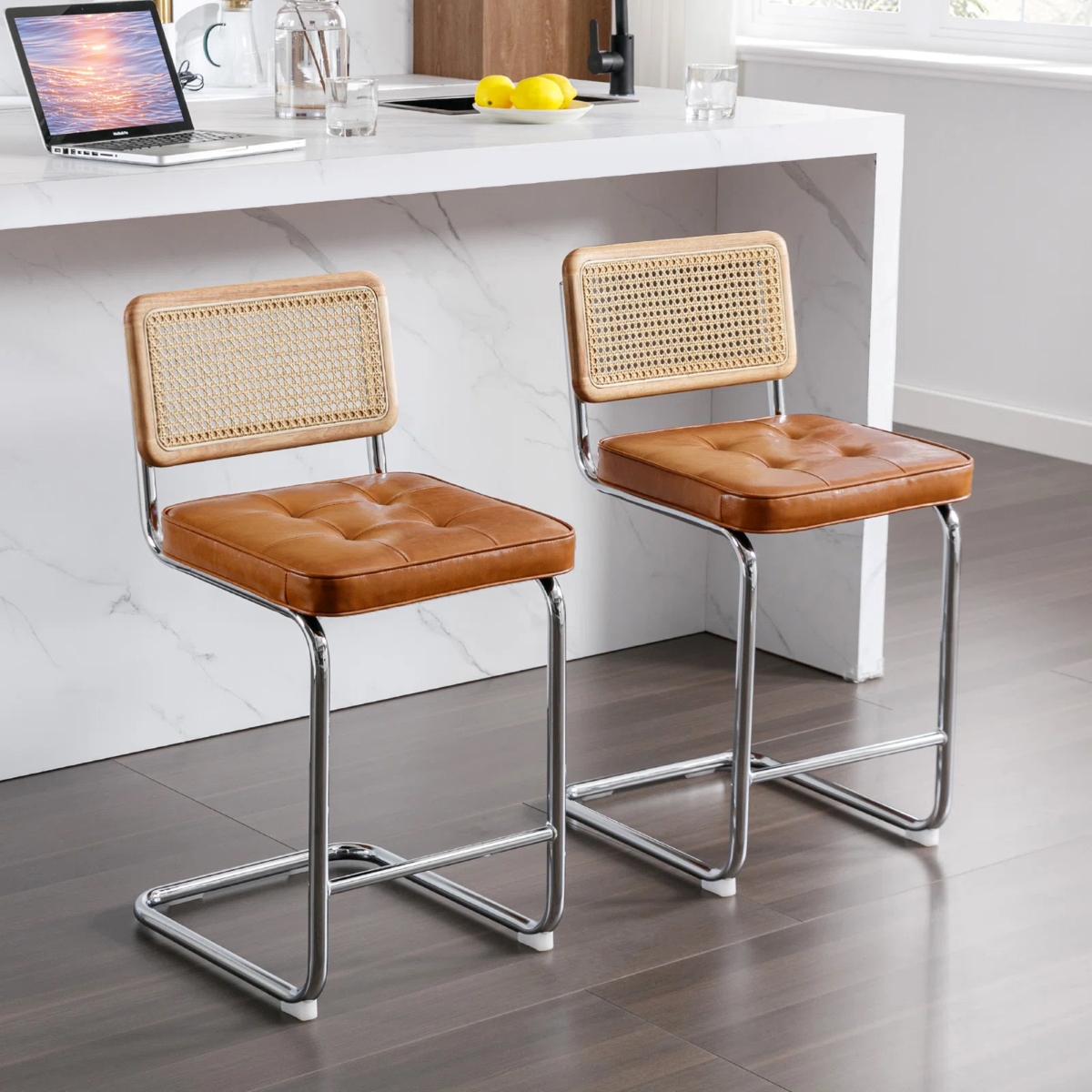
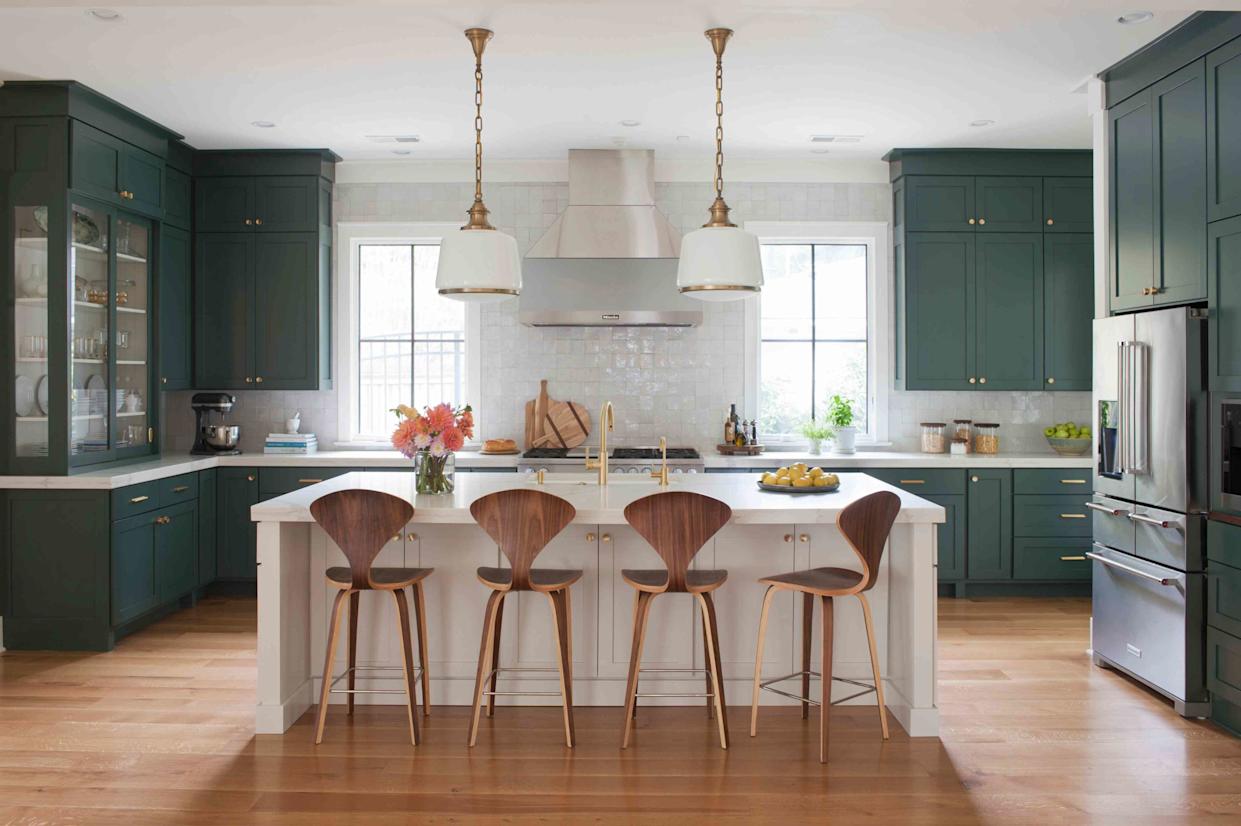
Secondly, comfort is paramount when choosing island seating. The article recommends selecting stools and chairs that offer maximum comfort, potentially featuring stylish designs in materials like brass or vibrant colors to enhance the kitchen's aesthetic. Kristin Firine stresses the importance of backs on chairs, even low ones, for improved comfort, especially for activities like working, entertaining, or accommodating children. Cushioning is also suggested for added comfort, with leather or faux leather being ideal choices for easy cleaning.
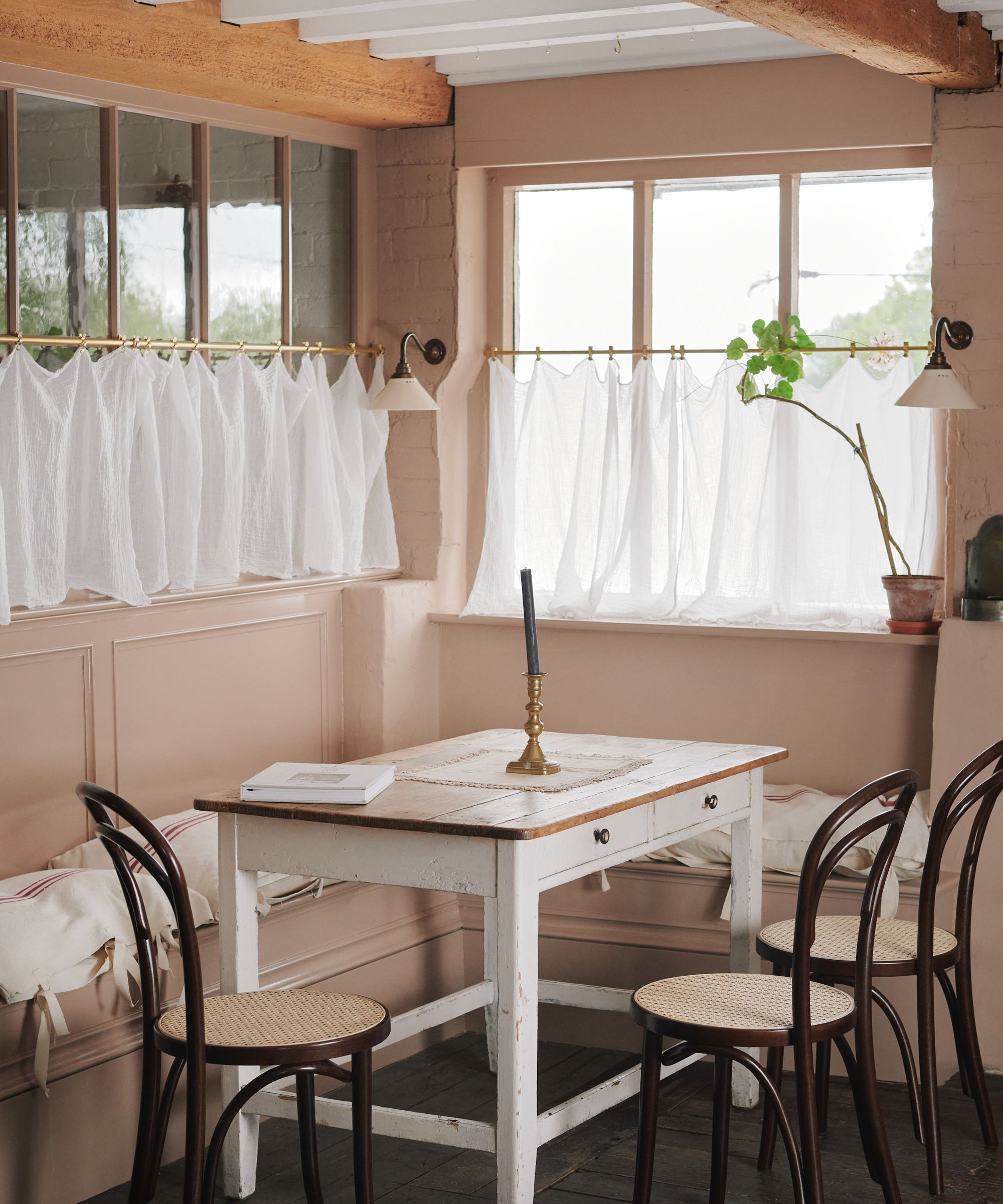
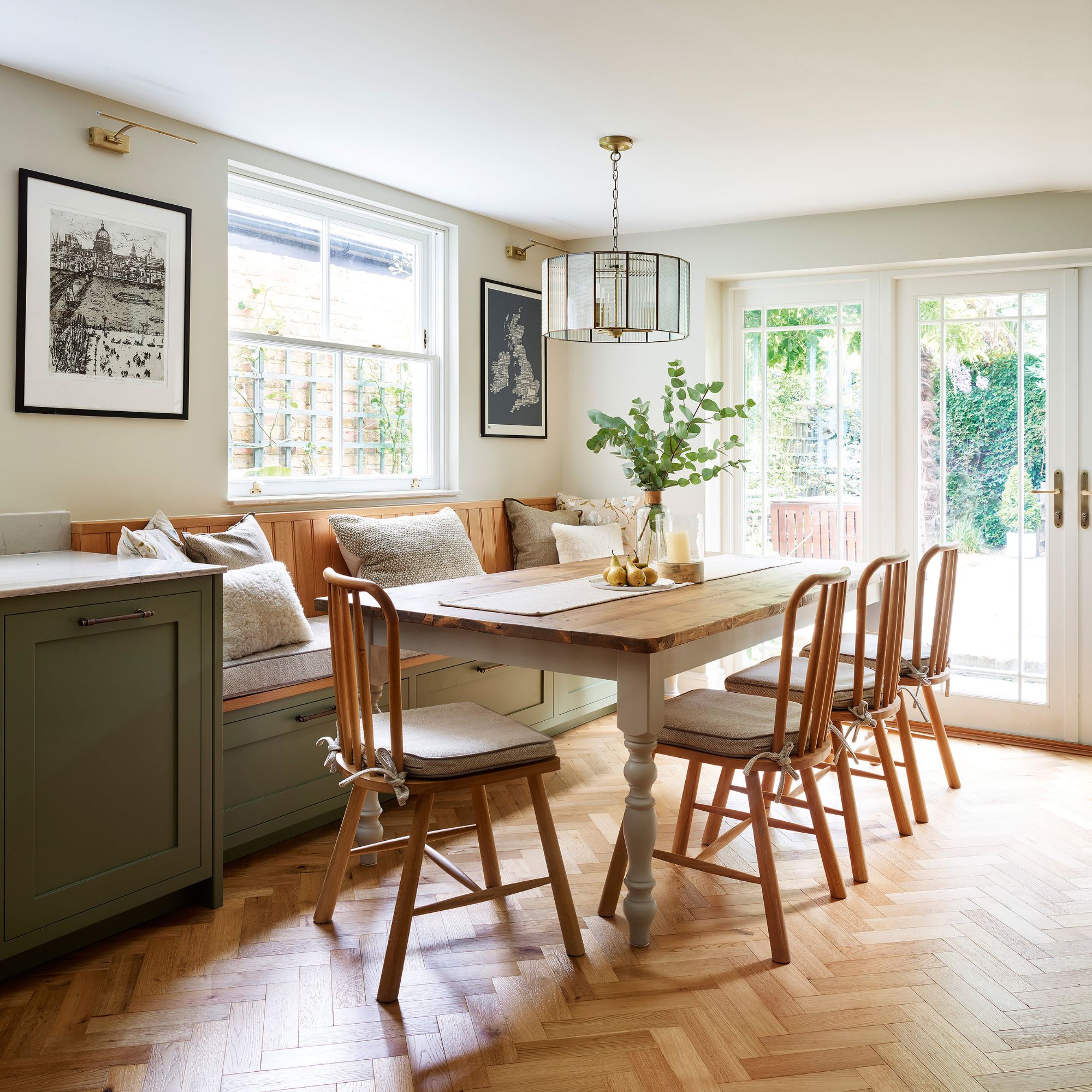
Thirdly, adding cushioning to seats is identified as a simple yet effective way to increase coziness. Shelagh Conway, founder of Triple Heart Design, suggests using sheepskin seating on solid barstools for extra warmth and comfort. She also notes that solid surface materials offer better cleanability than fabric but may sacrifice some comfort. To further enhance the ambiance, the article proposes incorporating warm kitchen lighting above the island, which can transition from task lighting during meals to mood lighting in the evenings.
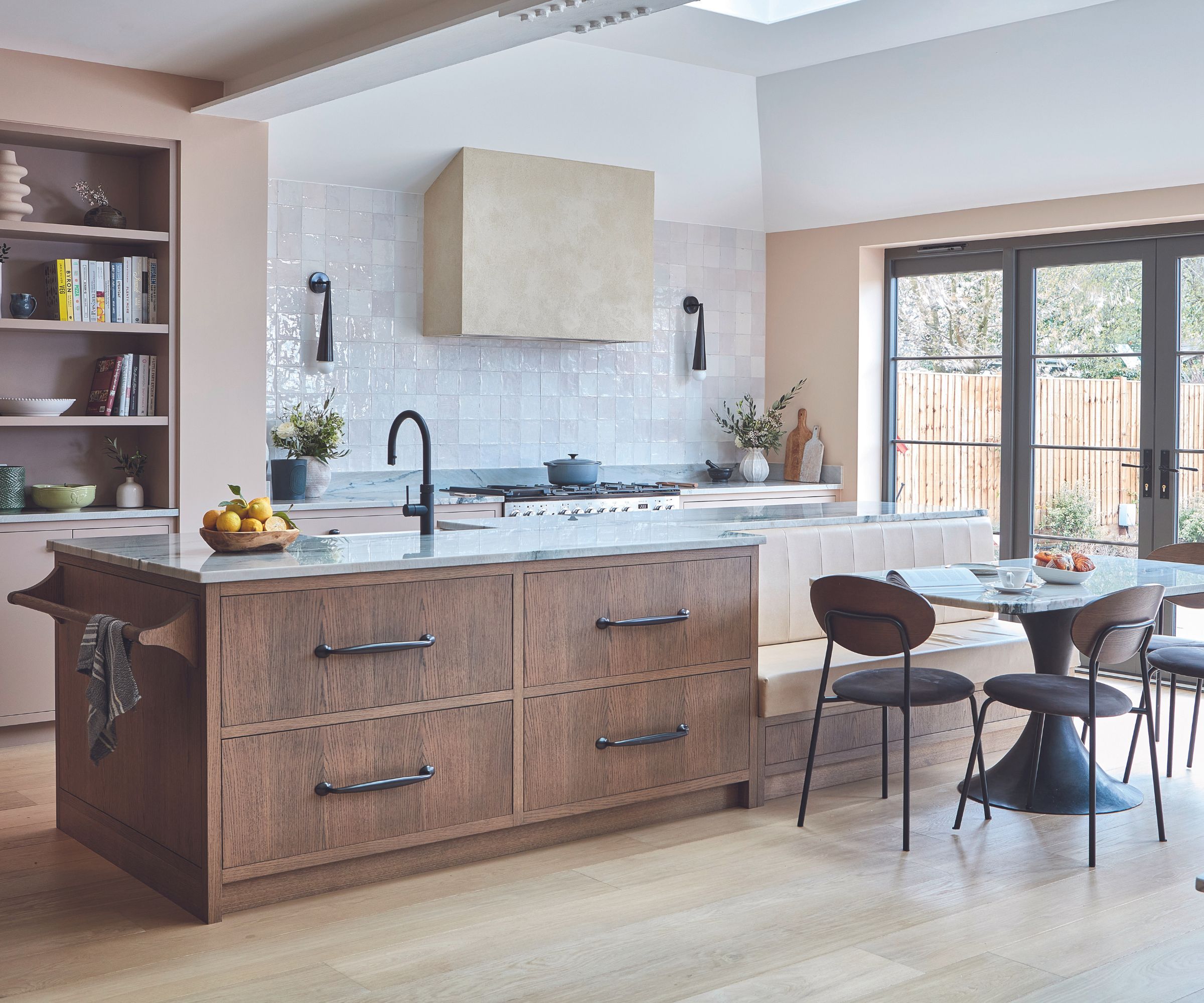
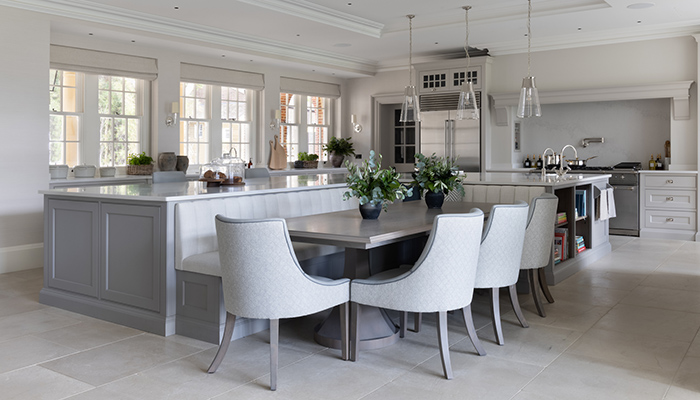
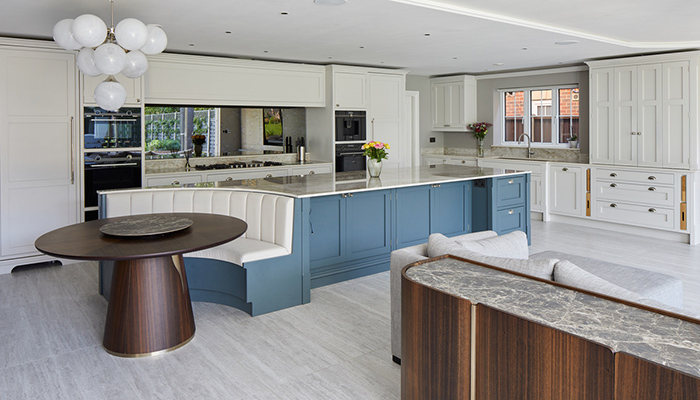
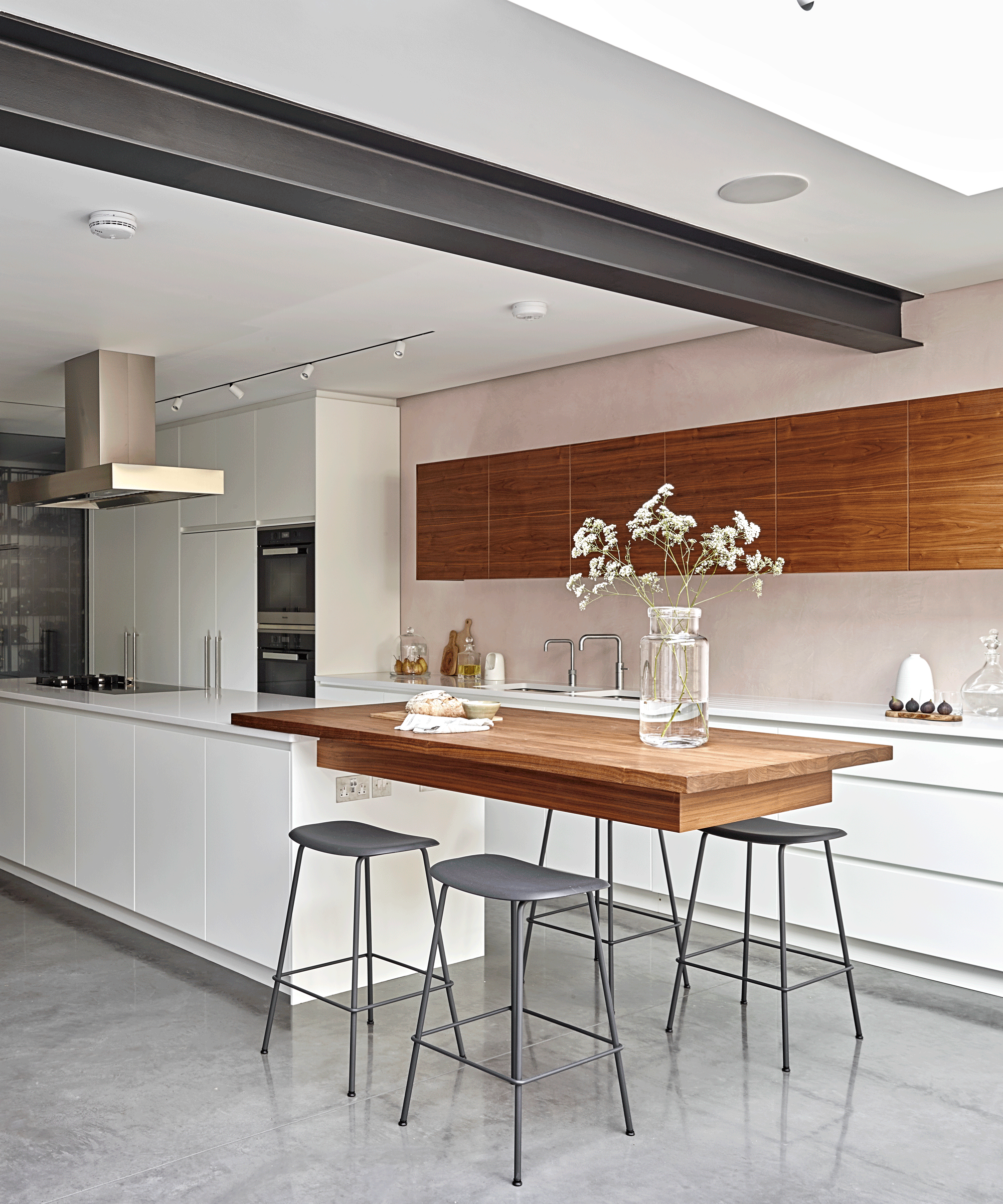
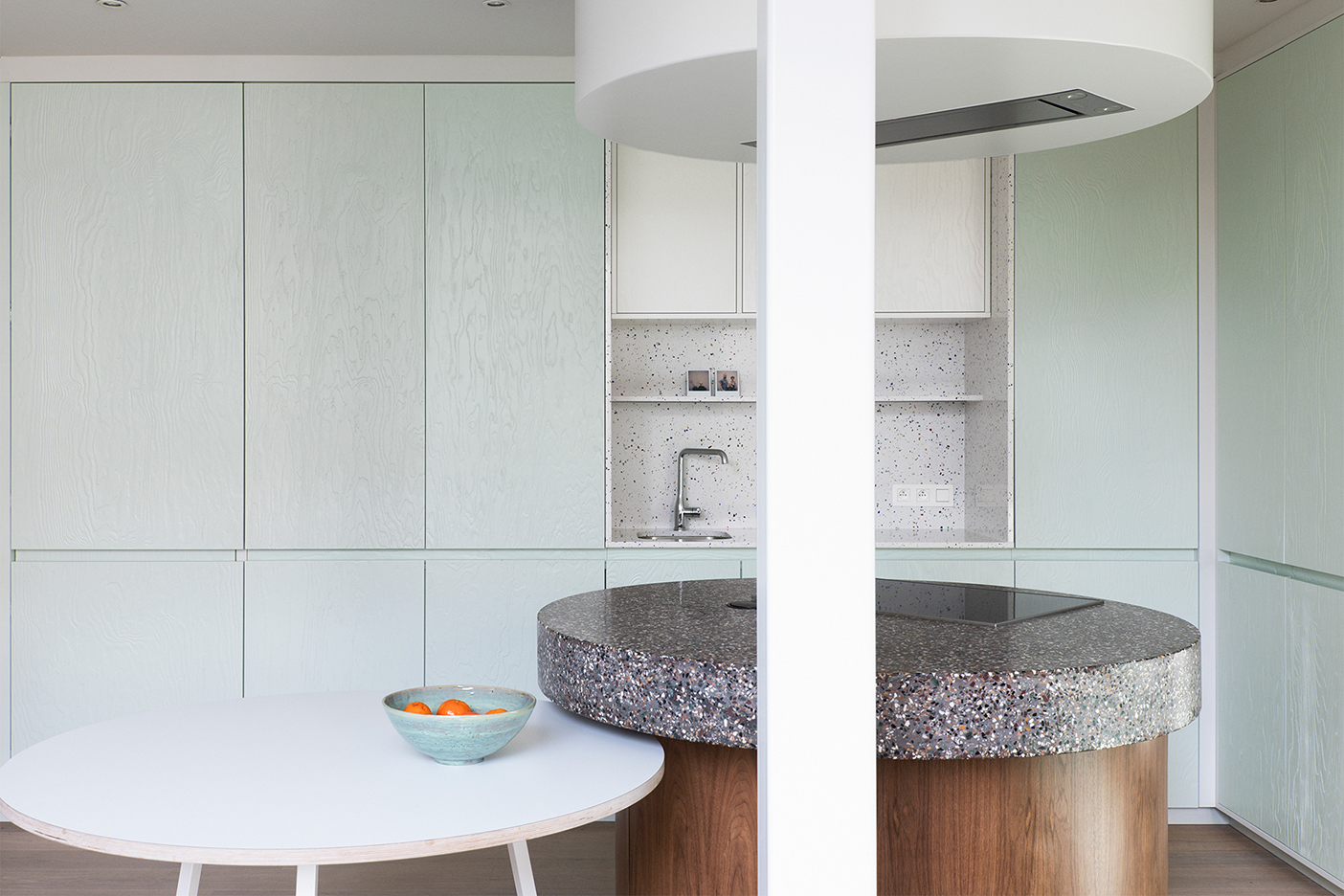
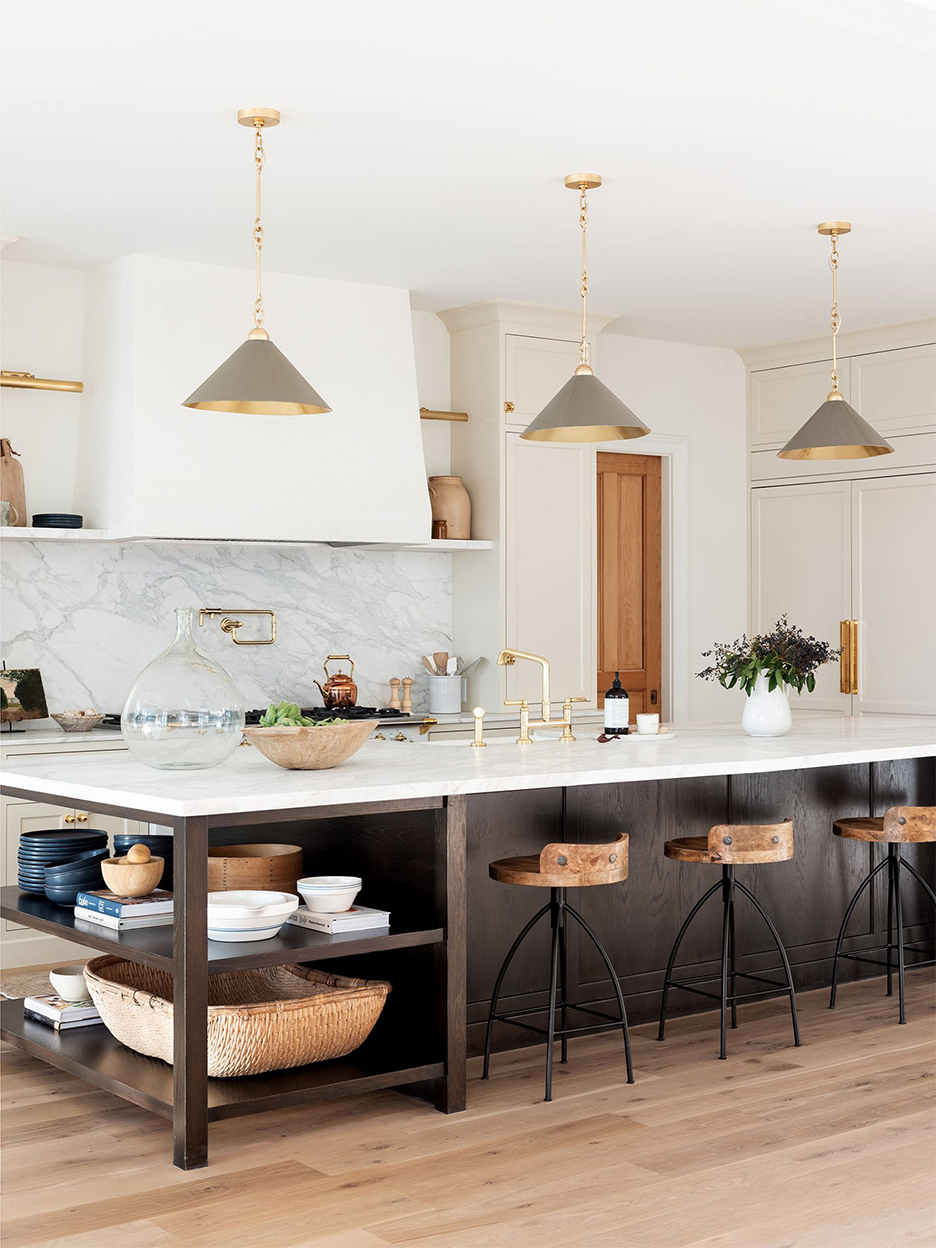
Fourthly, considering a curved island design is presented as an option for creating a snug and welcoming seating area. Curved islands not only introduce softness into the room but also become inviting perching spots. Hélène Pinaud, co-founder of Heju, explains how curved designs can complement existing architectural elements and how material choices, such as a stone with personality, can elevate the space. Finally, the article discusses the benefits of extended islands. These innovative designs are particularly useful for kitchens heavily used for cooking, prepping, and socializing, providing an additional platform for multiple tasks. An extendable countertop that slides neatly under the existing counter or an extension made of a different material allows for separate functionality, which Julia Mack, founder of Julia Mack Design, notes is great for multitasking during busy gatherings.
#KitchenDesign #KitchenIsland #InteriorDesign #HomeDecor #SeatingSolutions #ComfortableSeating #DesignTips #ModernKitchen #HomeImprovement #KitchenDesign #KitchenIsland #InteriorDesign #HomeDecor #SeatingSolutions #ComfortableSeating #DesignTips #ModernKitchen #HomeImprovement
0 comment in total
 No comments yet
You may also like
How to Add More Seating to Your Kitchen Island

Designers are in Love With the Trend of "Communal" Kitchen Seating — 'It Brings Families Together'
Forget Chairs — This Dining Room Seating Trend Takes Your Space From Casual to Comfortable, Convivial, and Curated
How to design a kitchen island with seating – 6 expert steps to the perfect, social space

How to design a kitchen island with seating – 6 expert steps to the perfect, social space

Kitchen island seating ideas – 15 ways to create comfort and style
The Most Inviting Spot in Your House Might Not Be in the Living Room

Cleverly Designed Kitchen Islands That Check Off Storage and Seating
Kitchen focus – Why integrated seating is a growing design trend
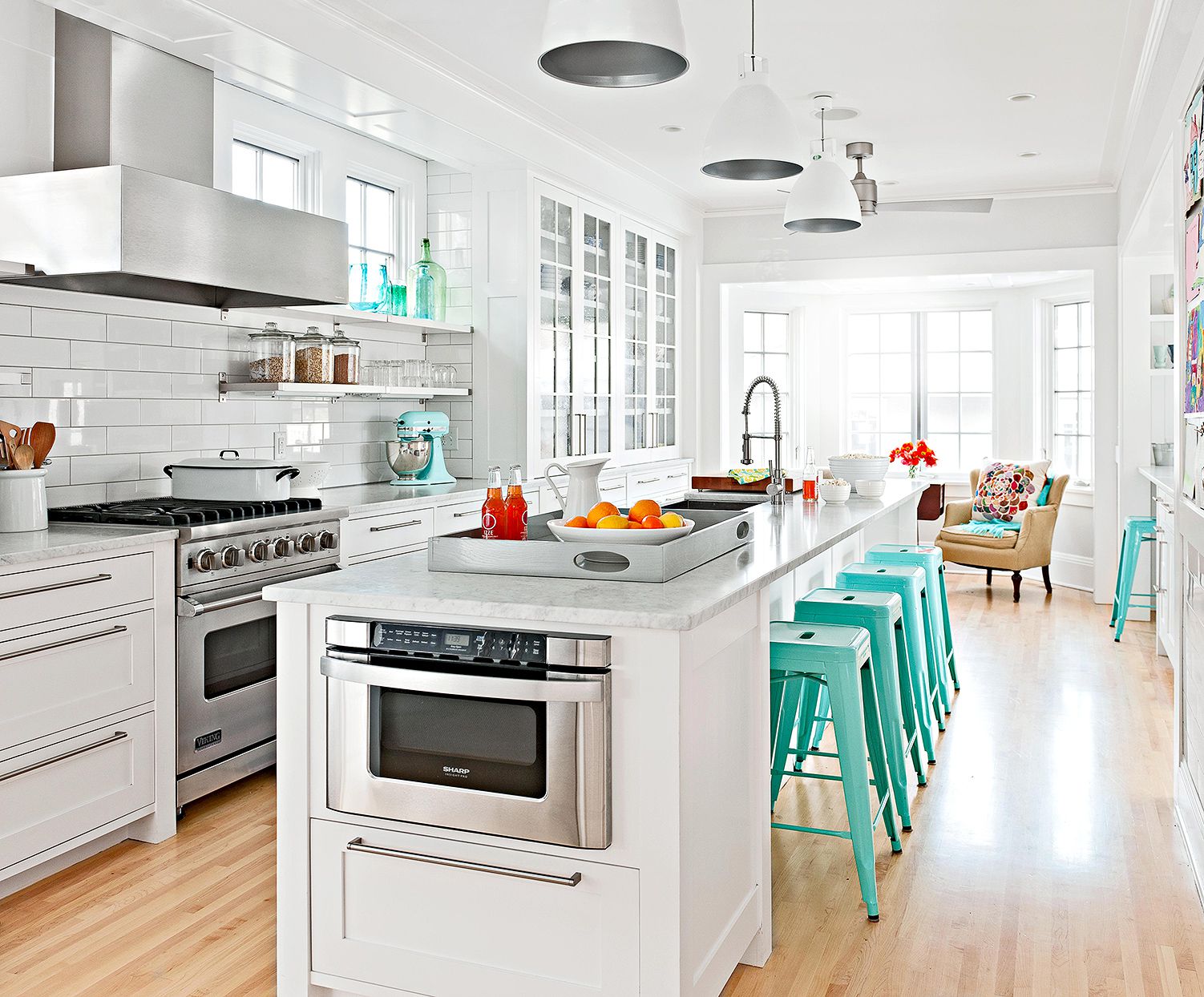
How to Choose a Kitchen Island with Seating to Create a Cozy Space

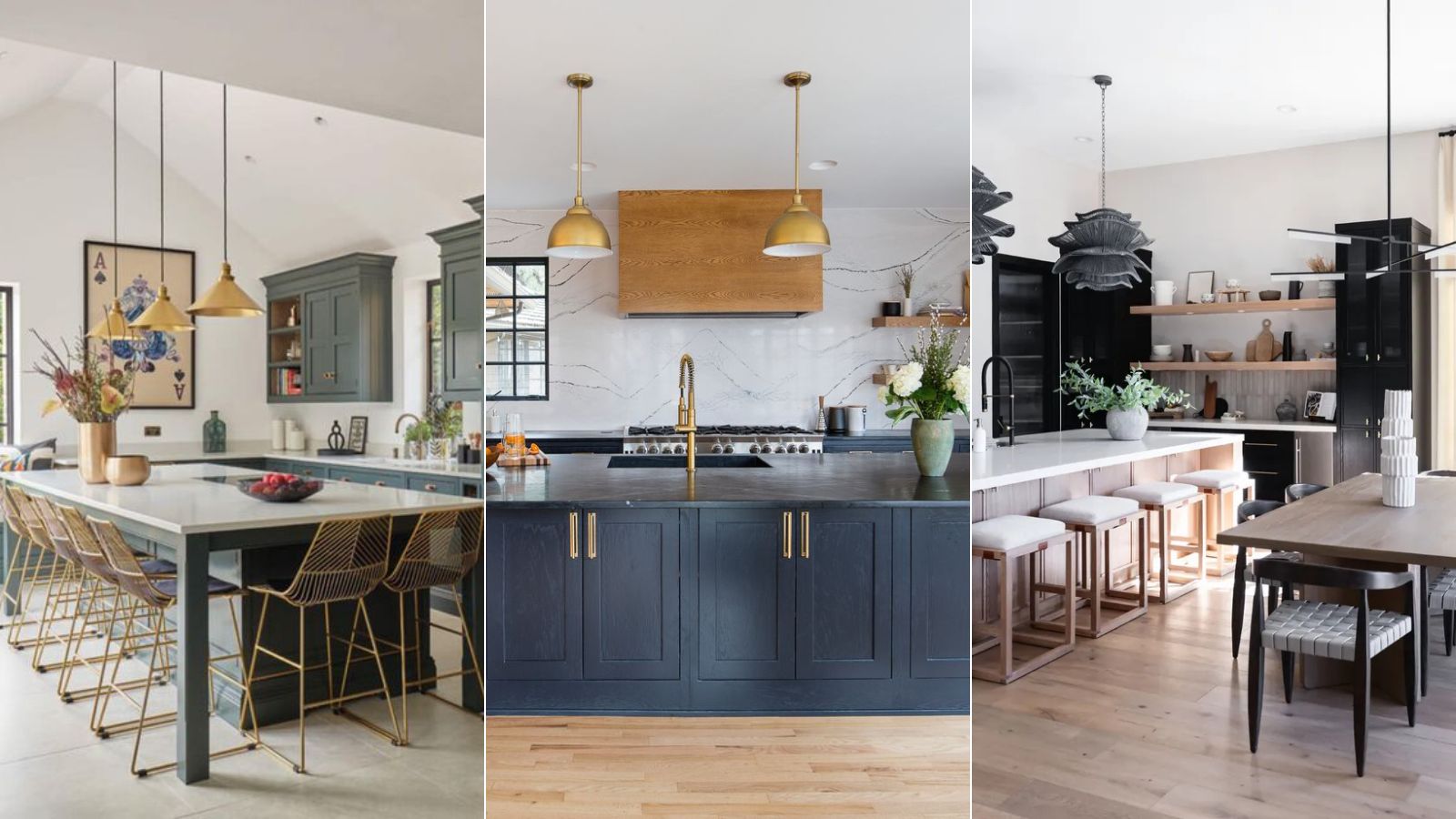
9 kitchen layout trends to have on your radar for 2025, according to designers
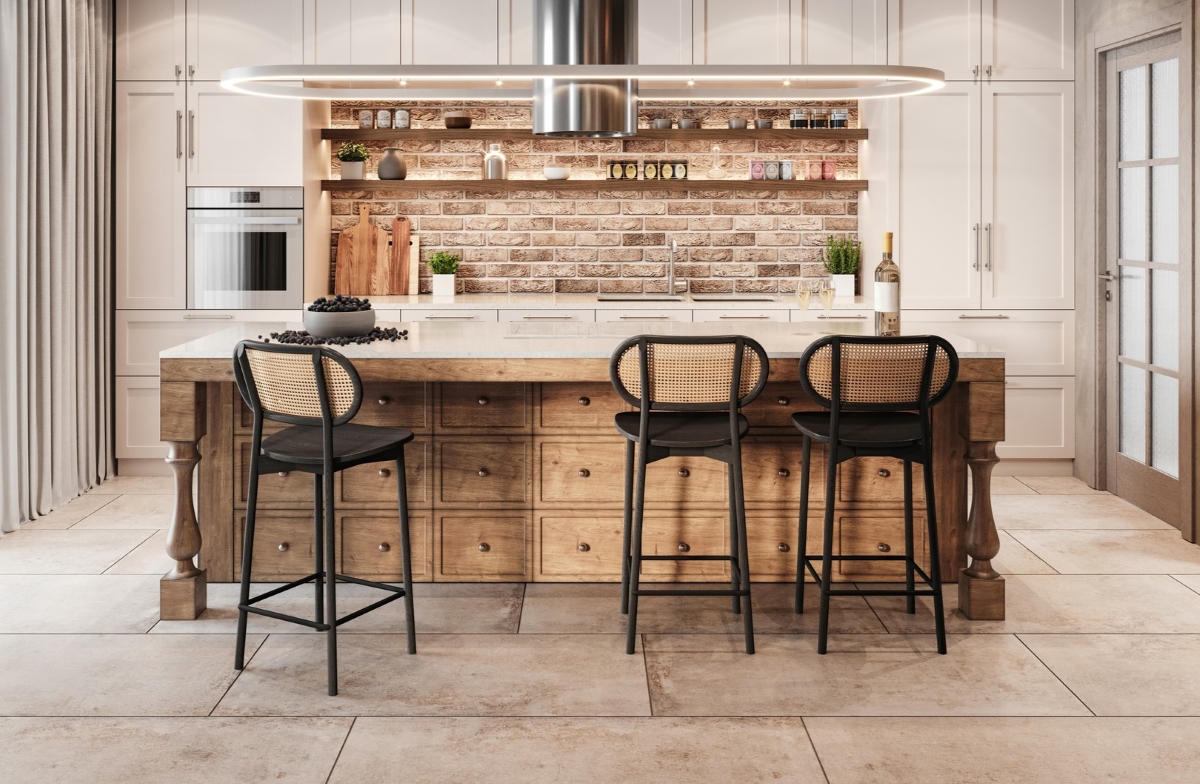
14 Ideas for Kitchen Island Seating to Go With Any Style

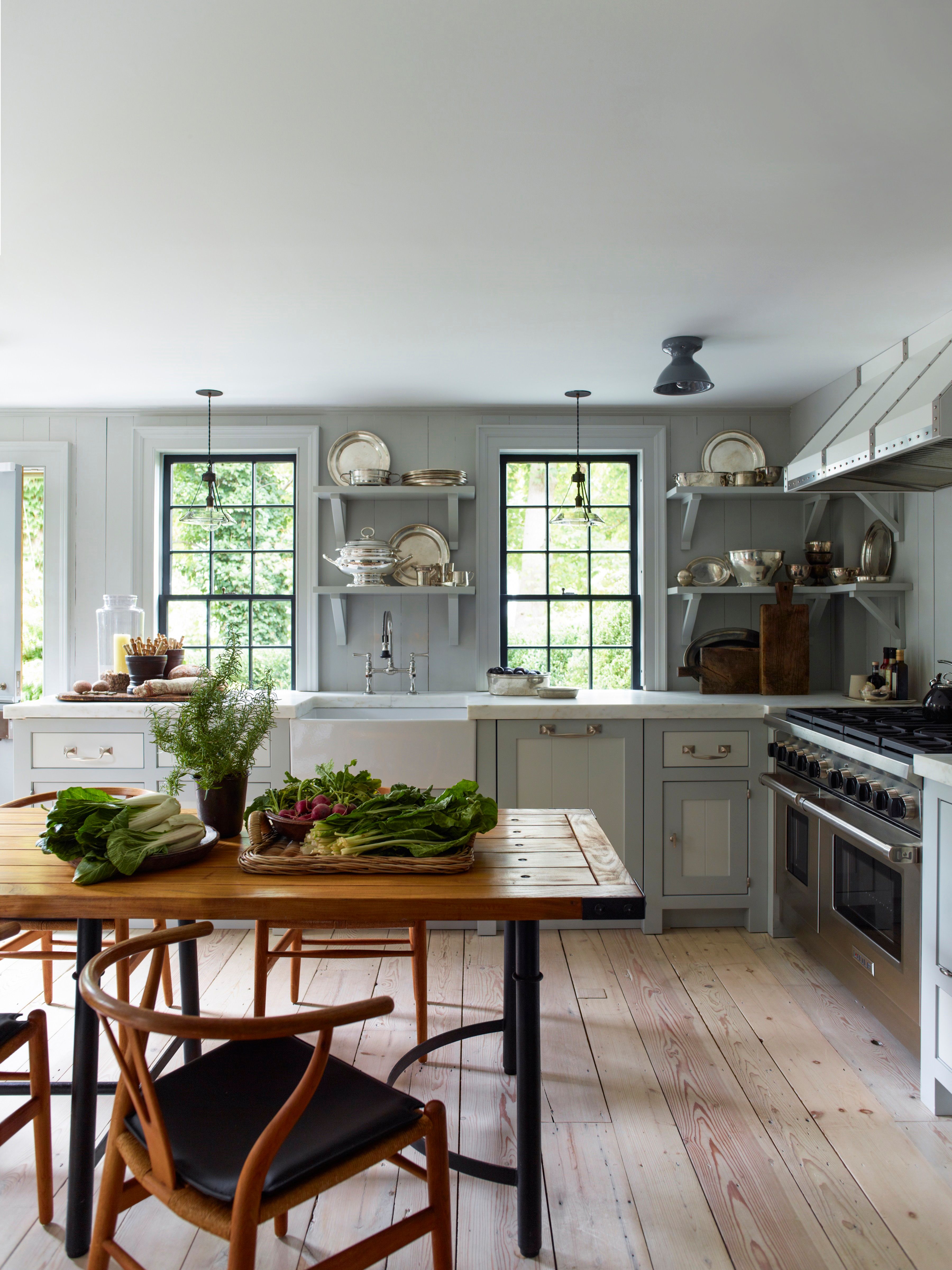
Move over, islands: Kitchen tables are making a comeback

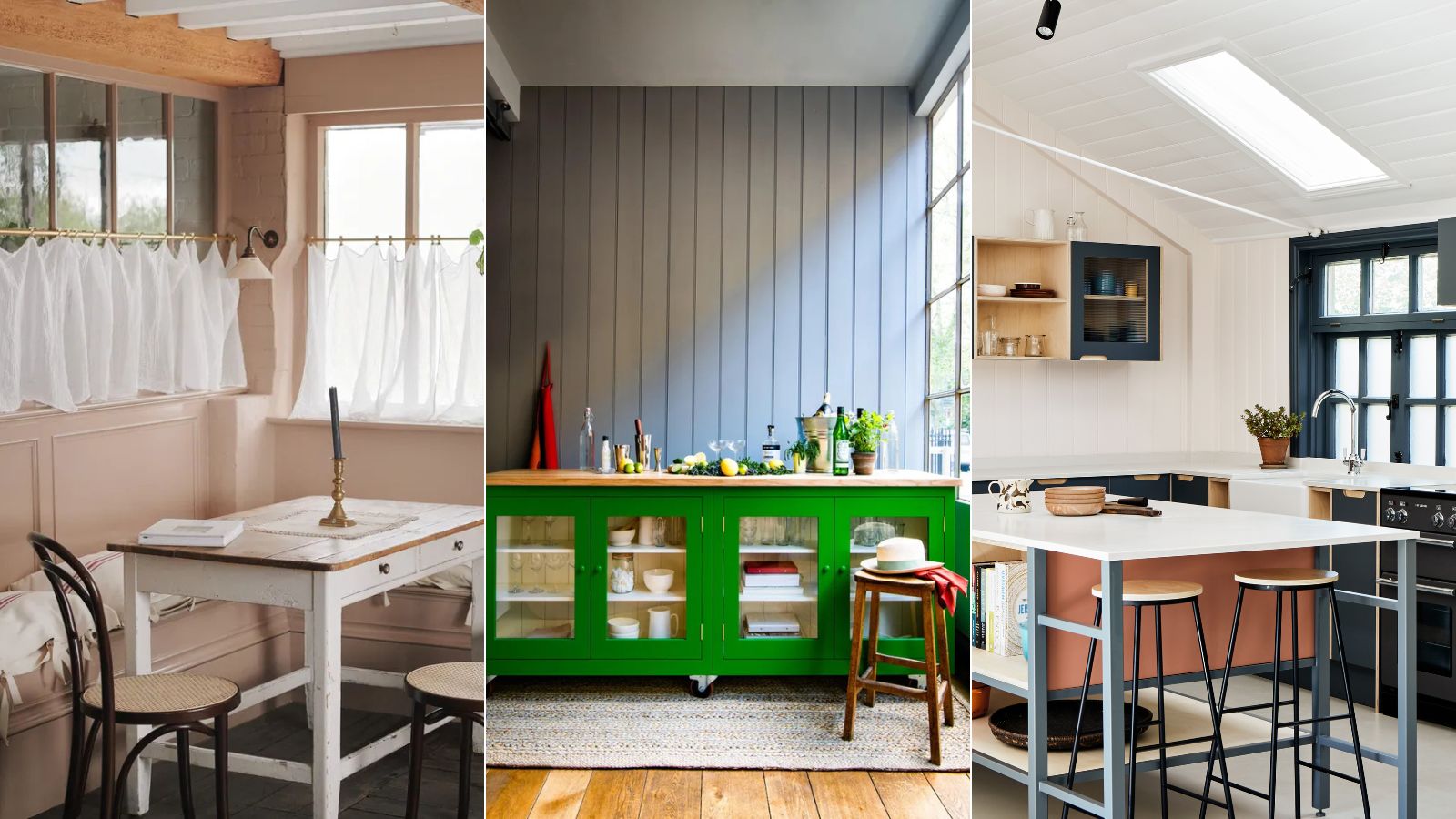
Can you put seating around a portable kitchen island? Design experts weigh in on navigating this tricky layout
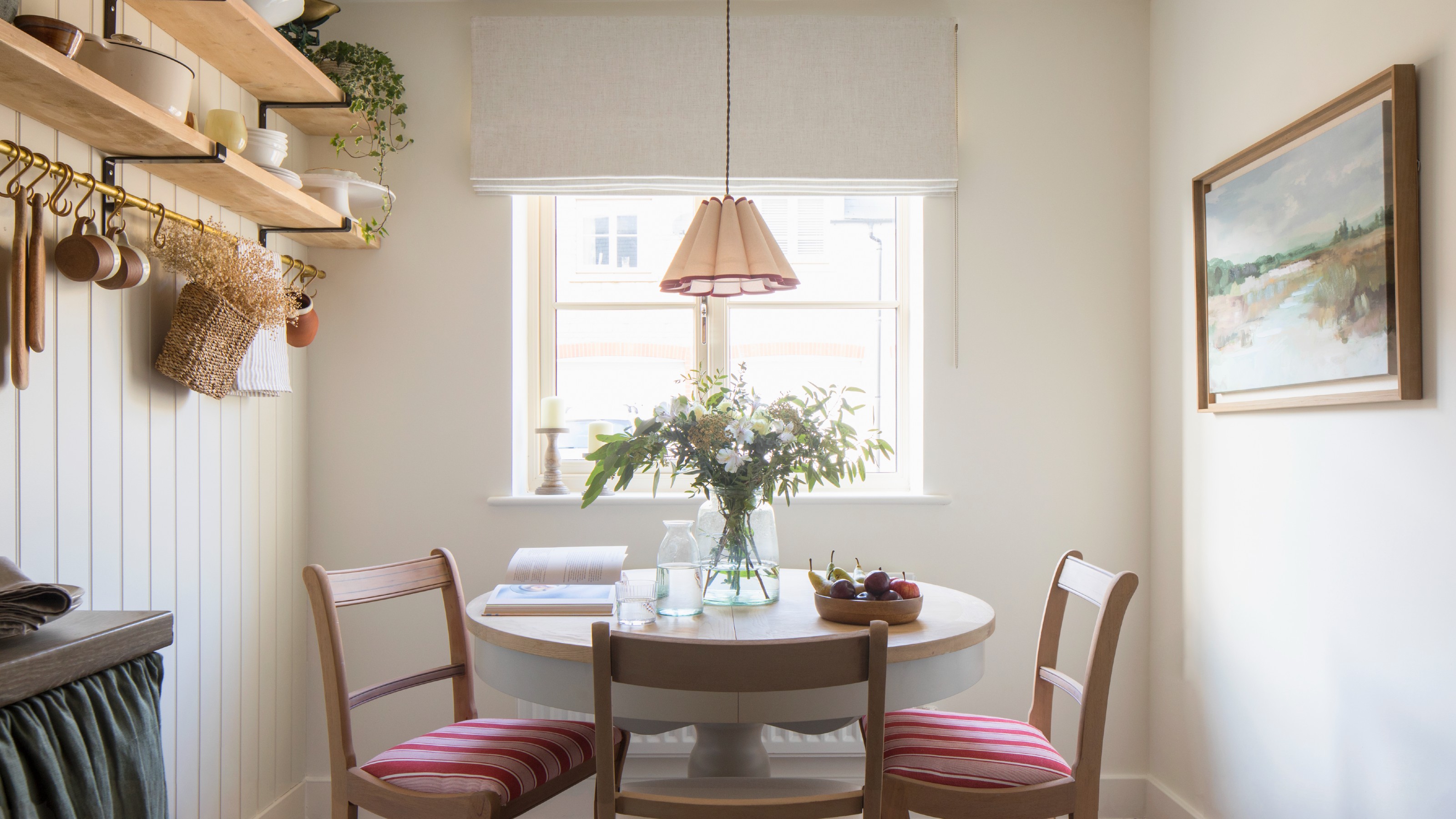
An 'eat-in' area is the cosy kitchen feature I can't get enough of - it's perfect for creating a sociable small kitchen
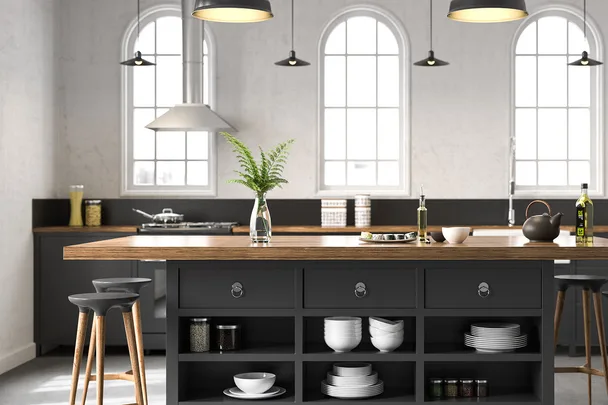
10 inspiring kitchen island design ideas

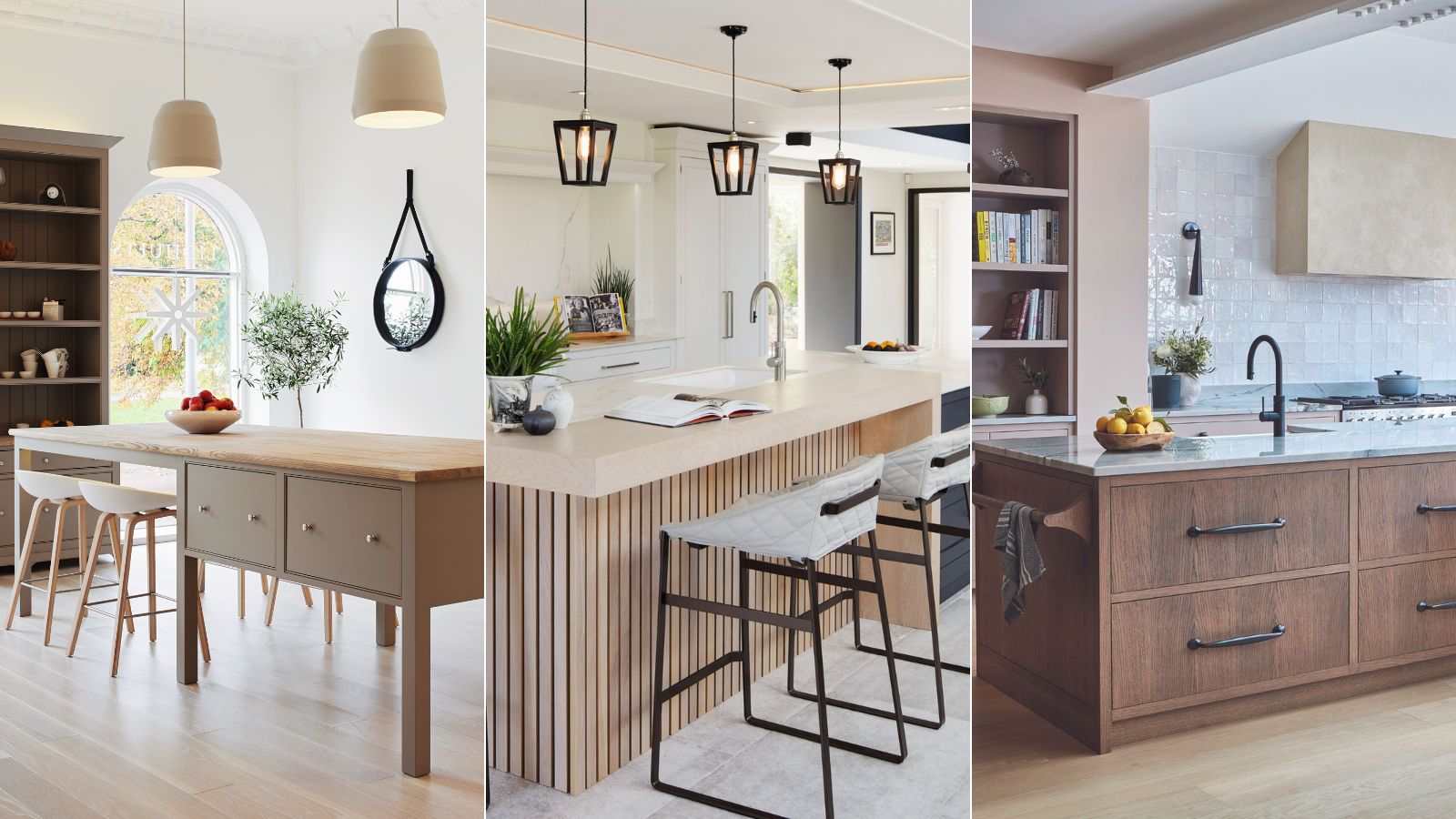
How to design a kitchen island with seating – 6 expert steps to the perfect, social space

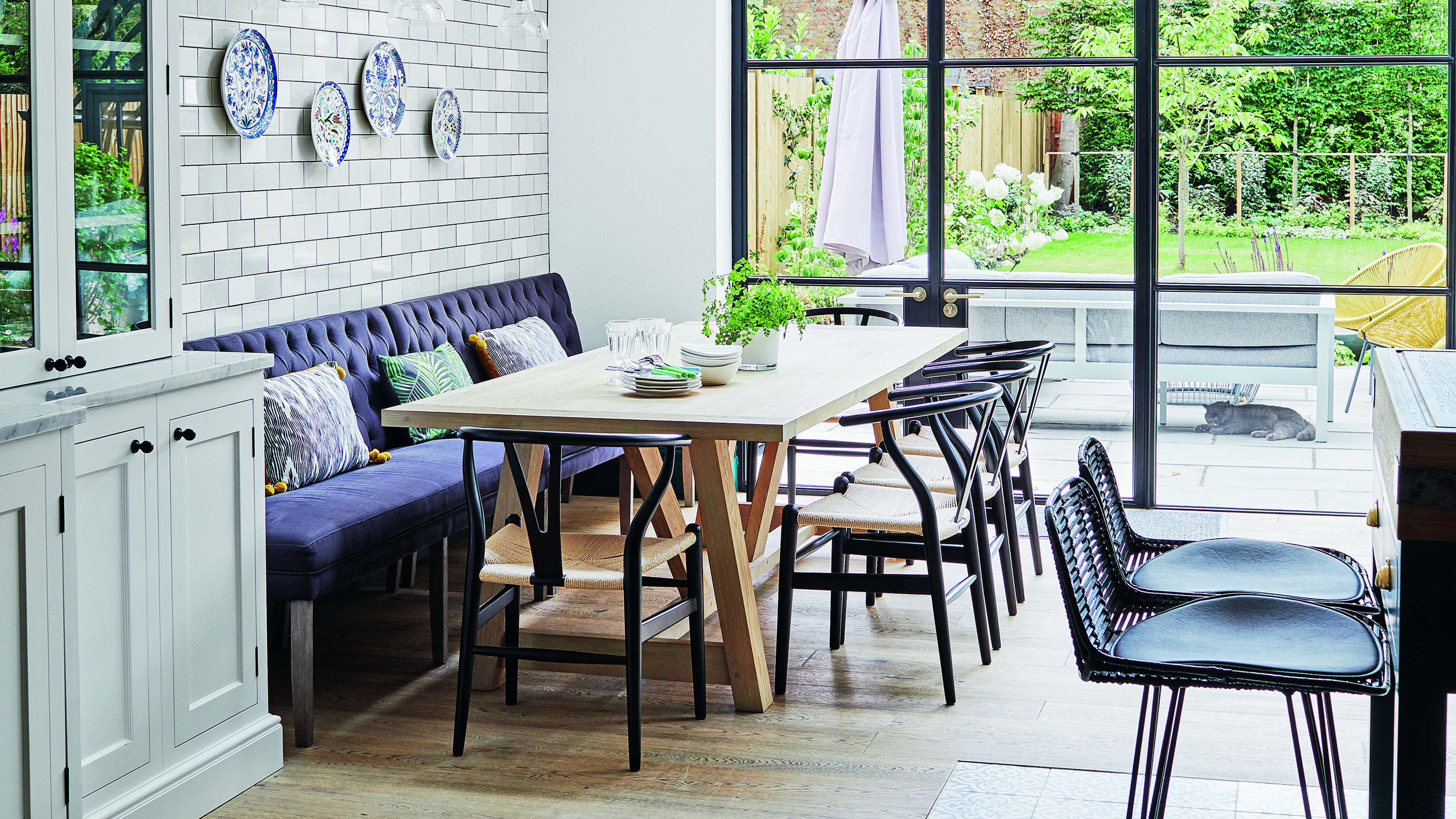
Is banquette seating replacing the kitchen island? Here's why this café-inspired look is trending in 2025
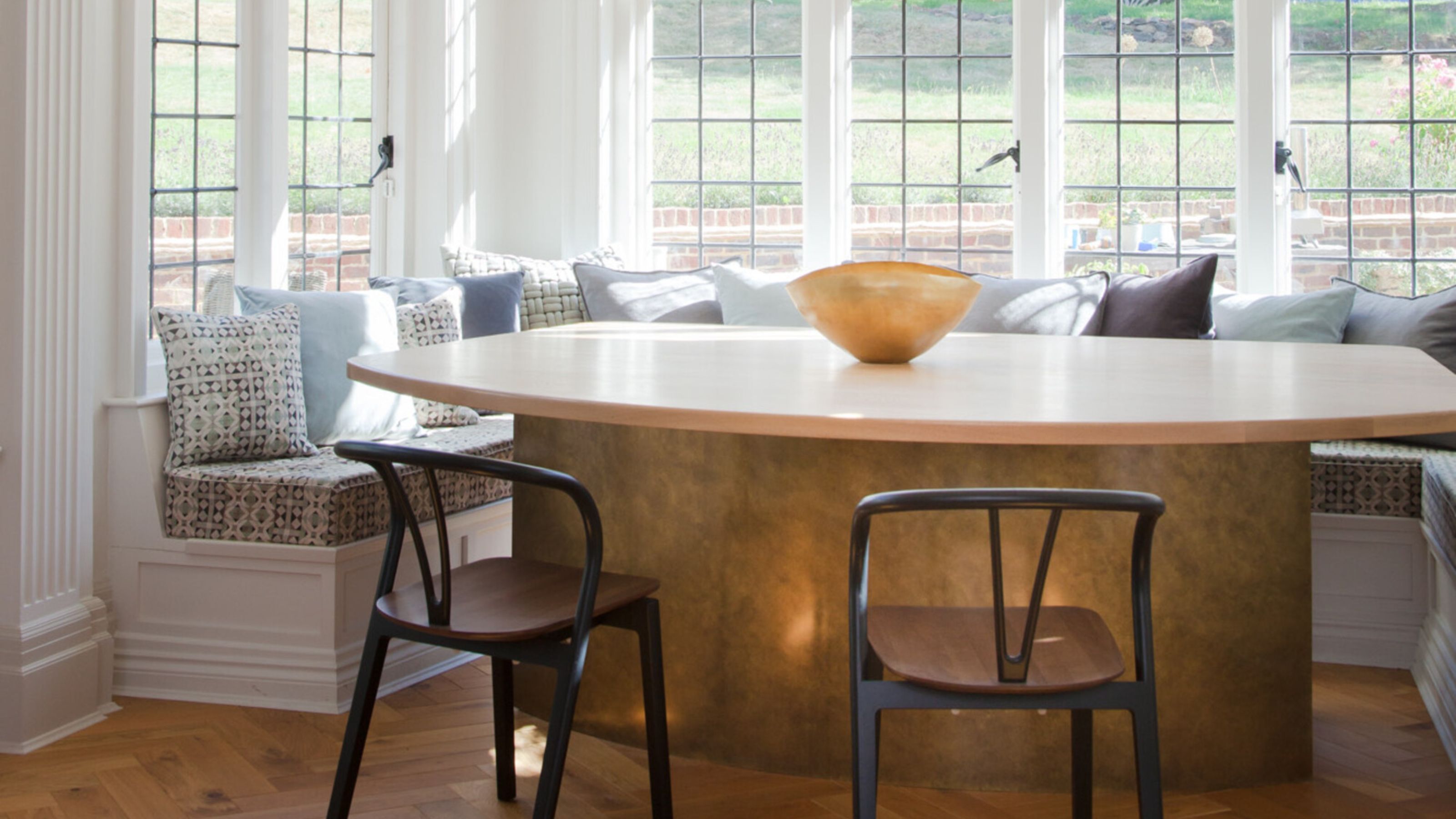
This Dining Room Seating Trend Transforms Your Setup

Meg Ryan's kitchen island is unlike anything I've seen