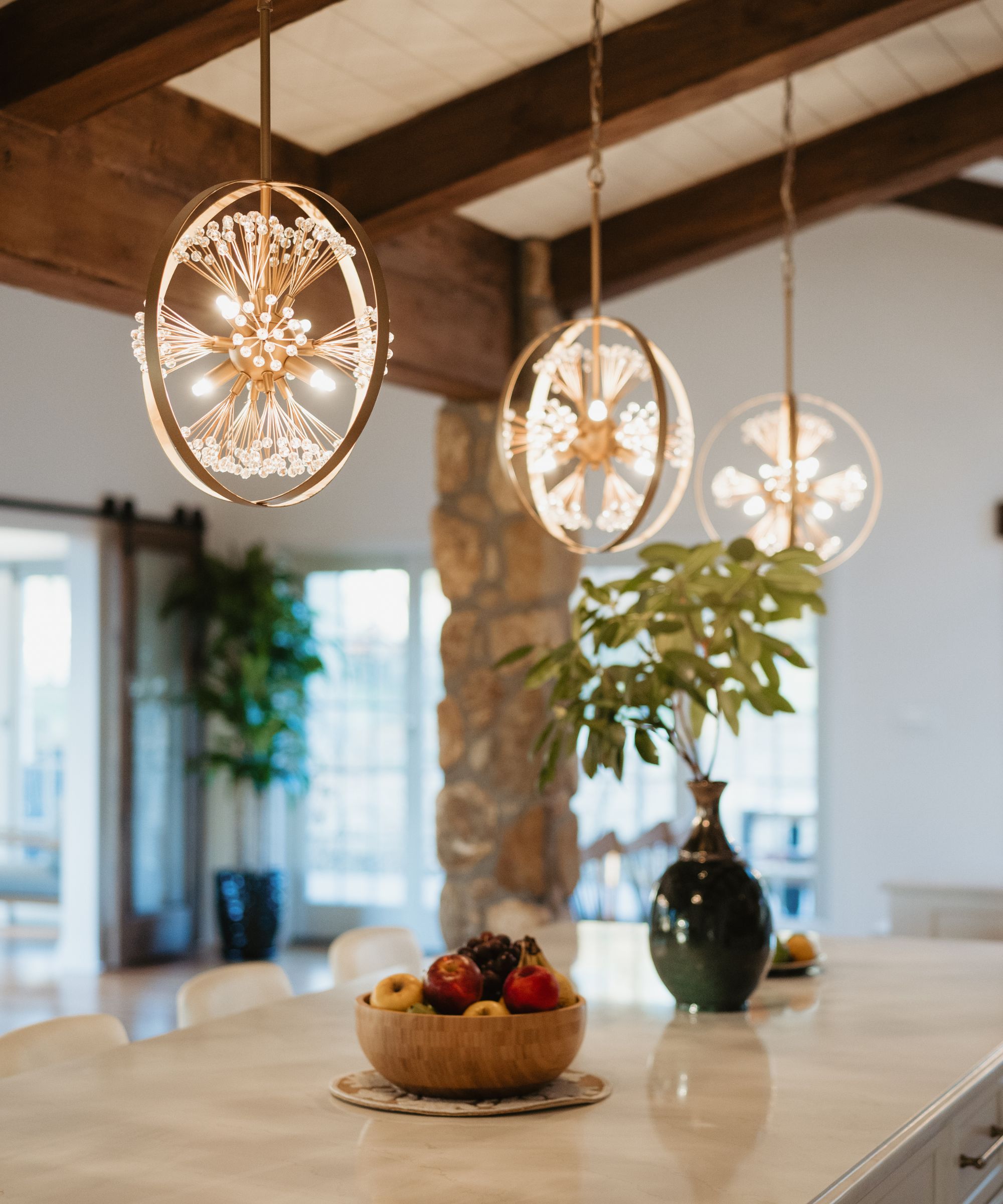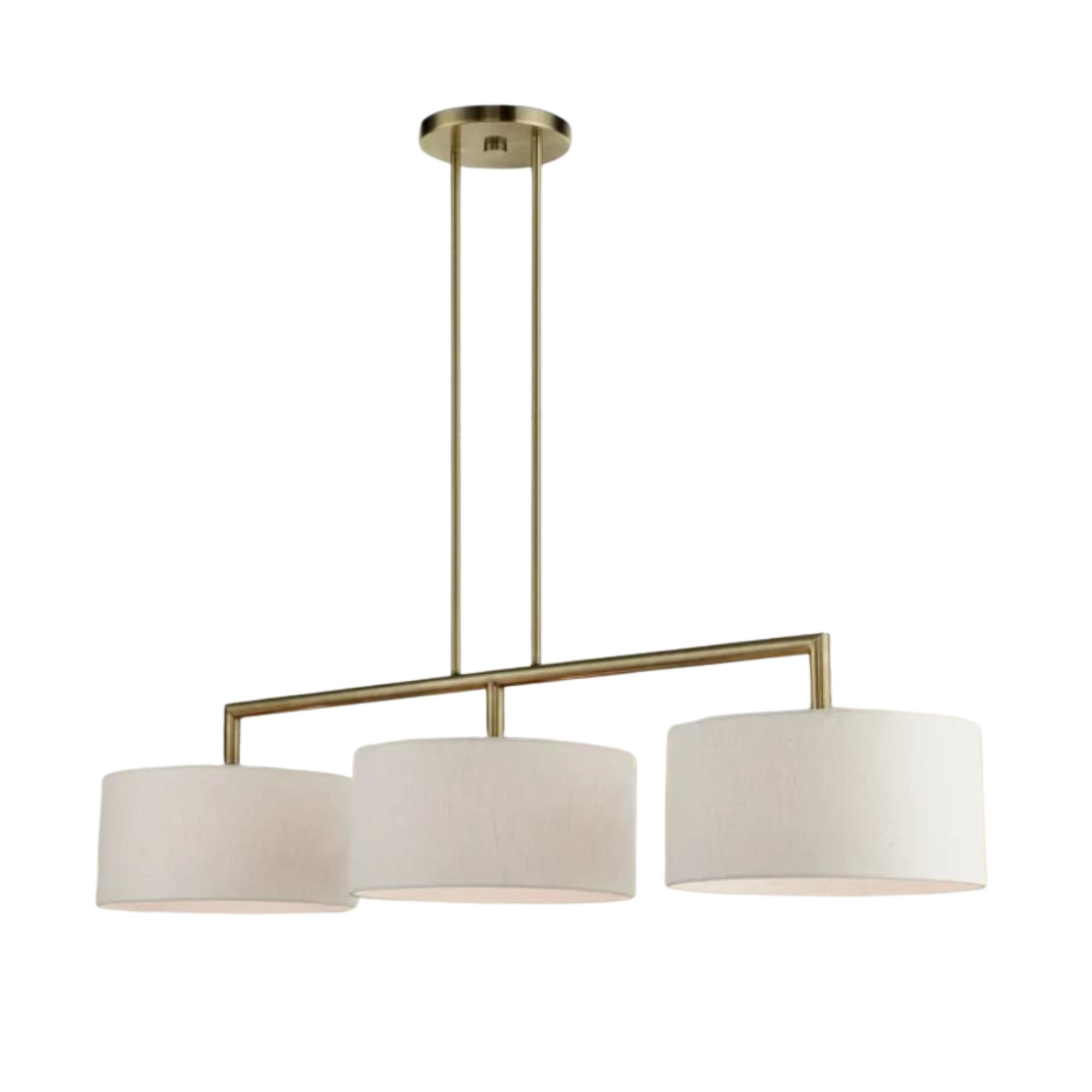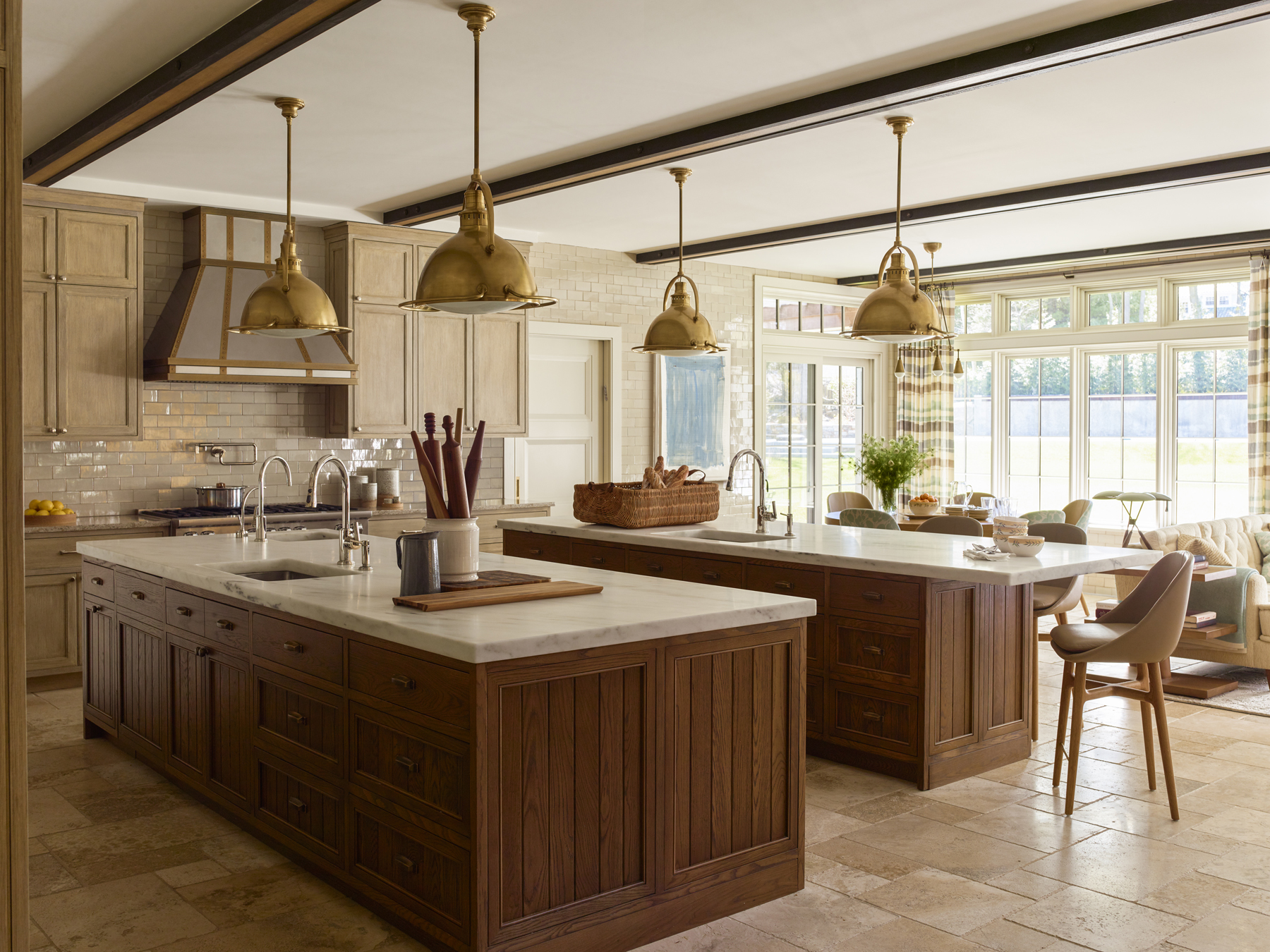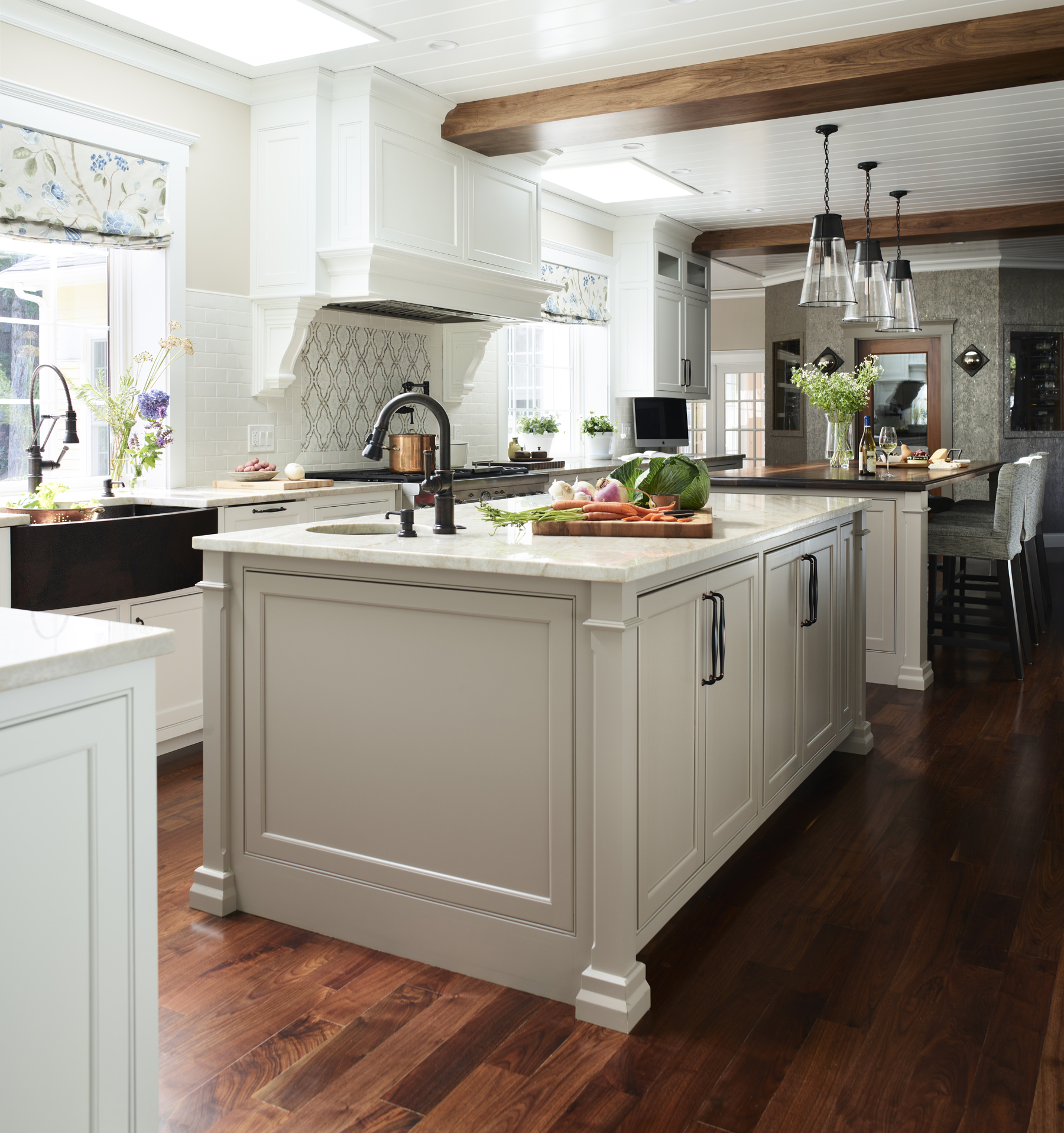
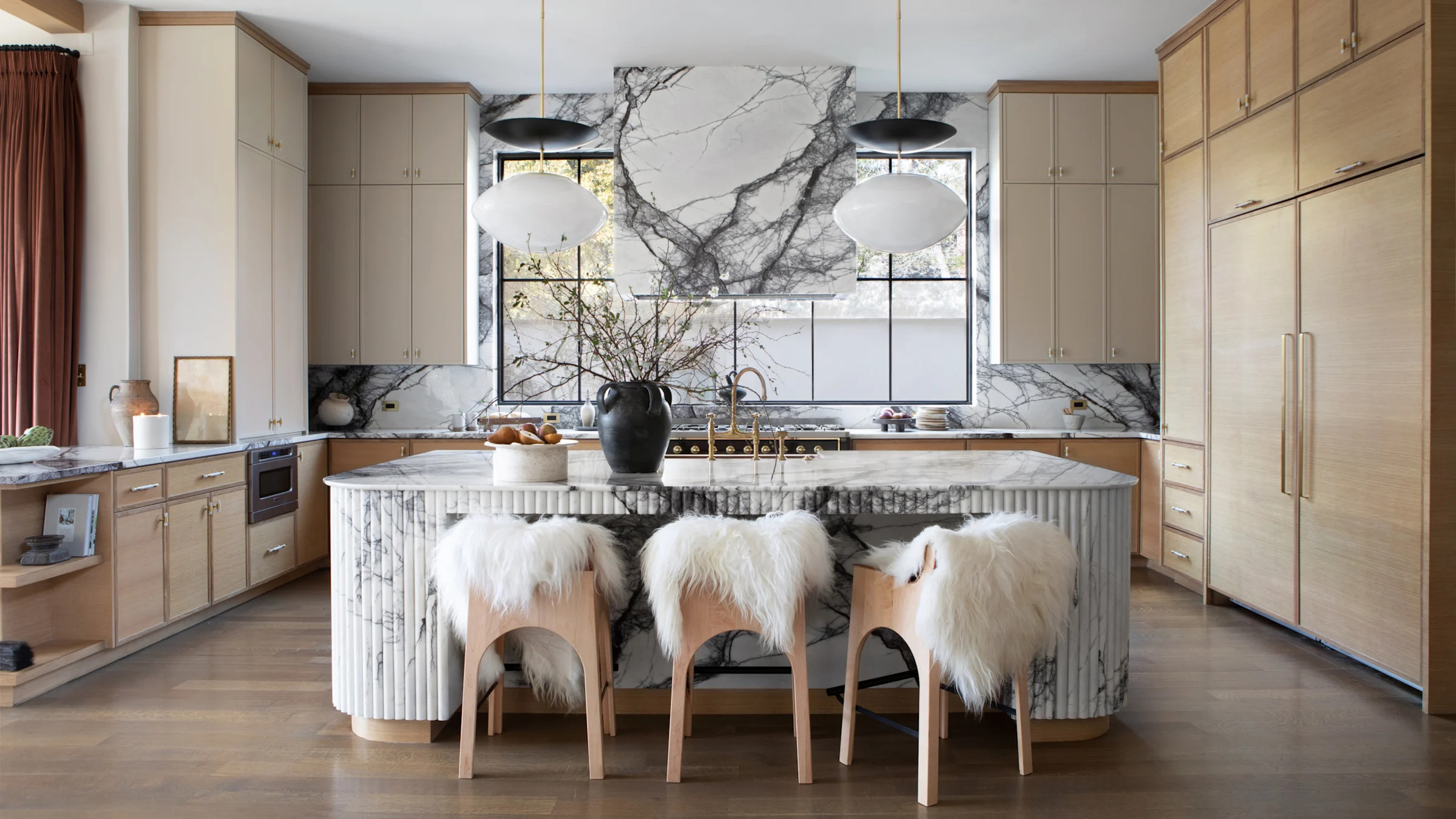
Kitchen island trends – 8 shapes, materials and finishes designers are choosing for elevated spaces
The article explores the latest kitchen island trends, focusing on innovative shapes, materials, and finishes that designers are incorporating into modern kitchen spaces. It highlights eight distinct trends that move beyond traditional island designs, emphasizing functionality, aesthetic appeal, and the ability to personalize a kitchen.
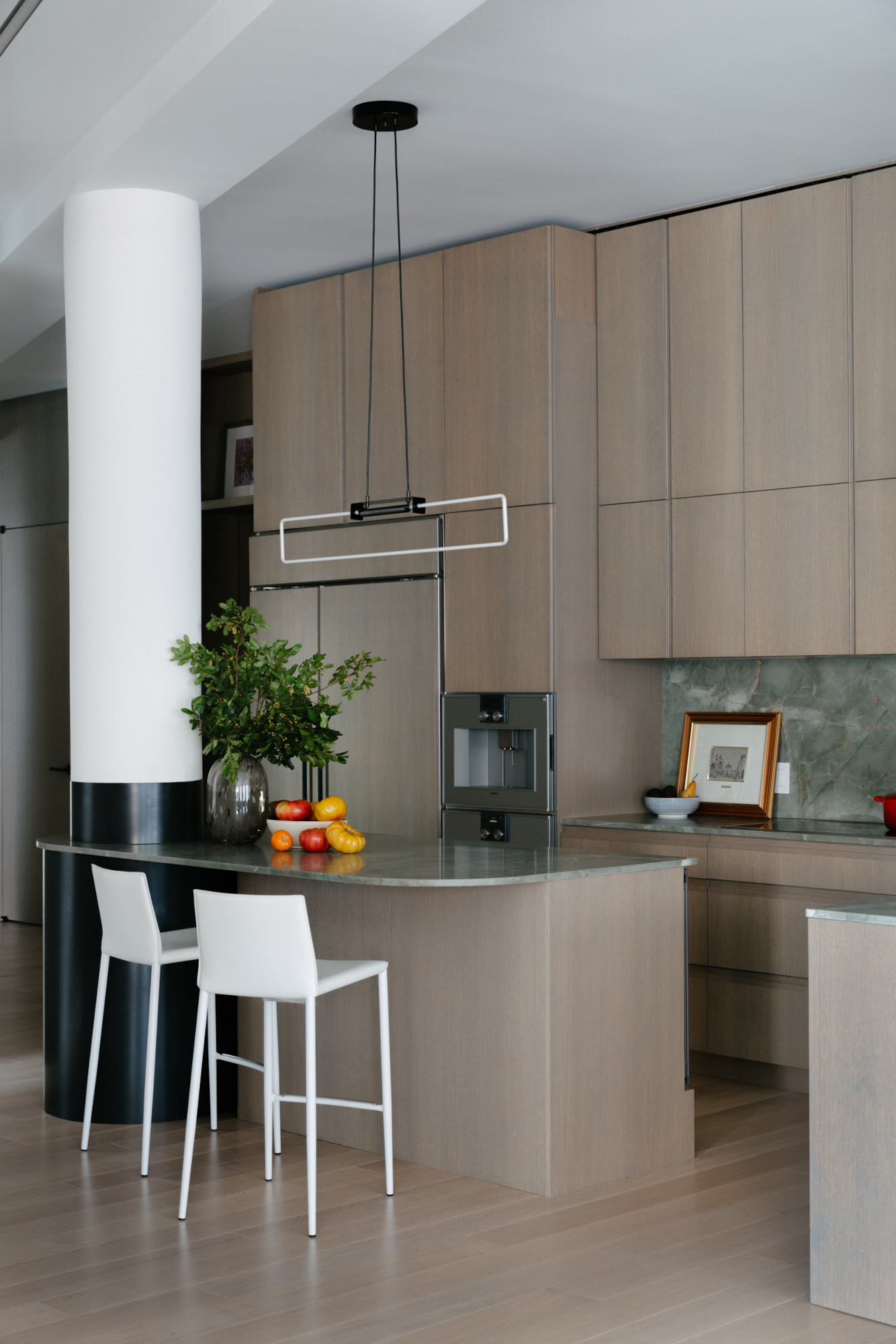
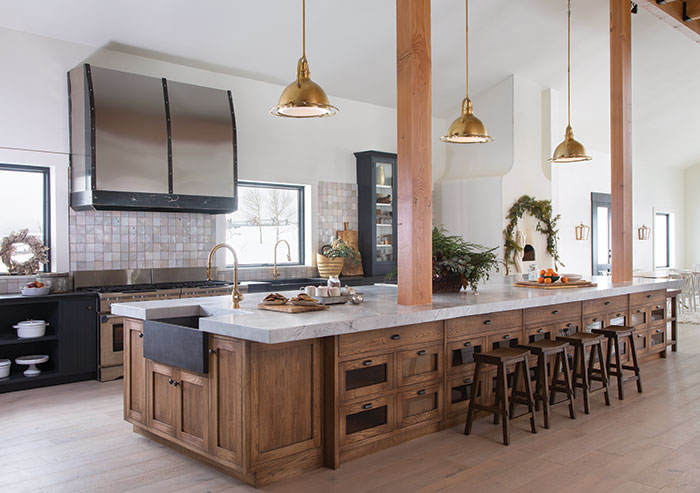
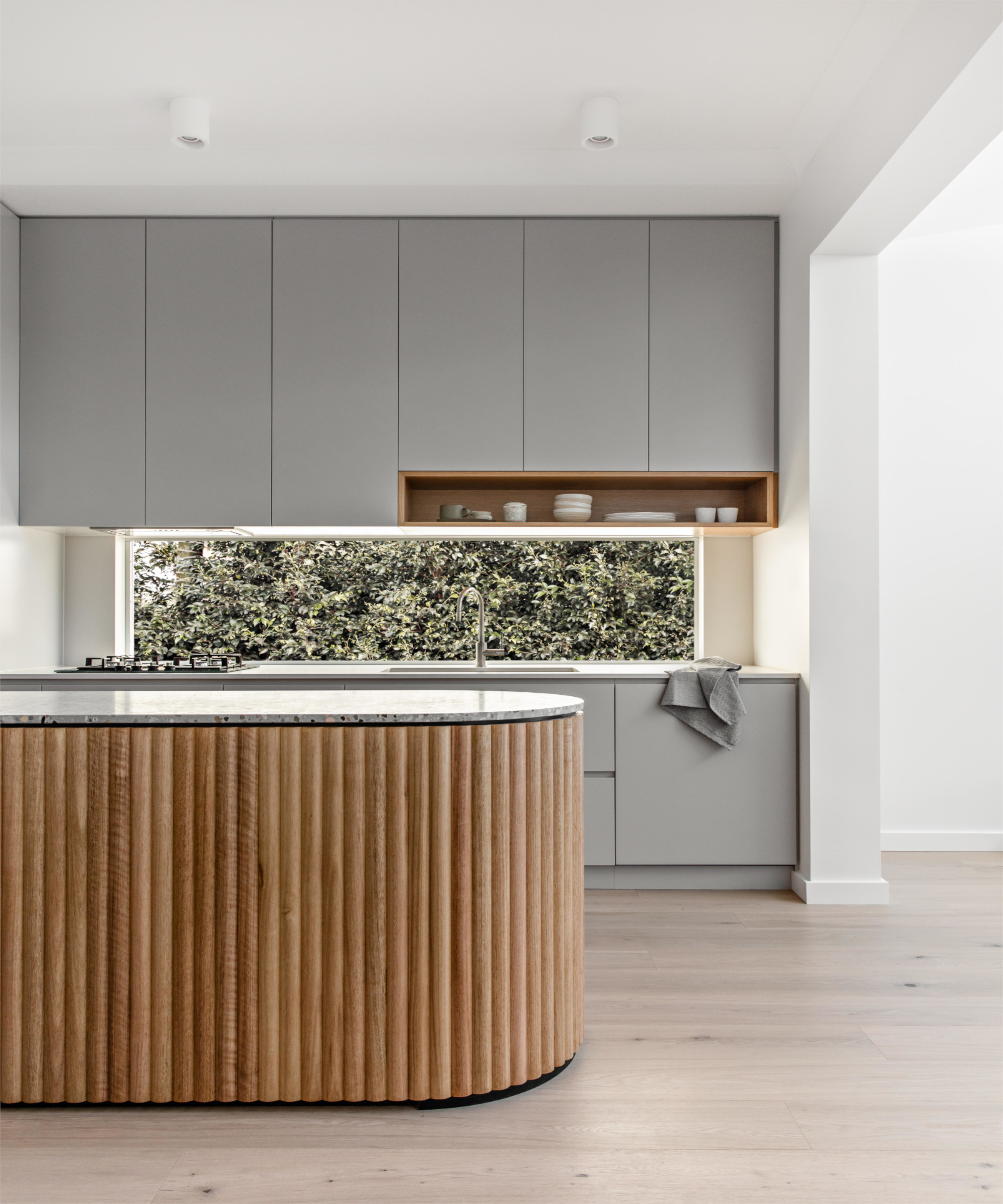
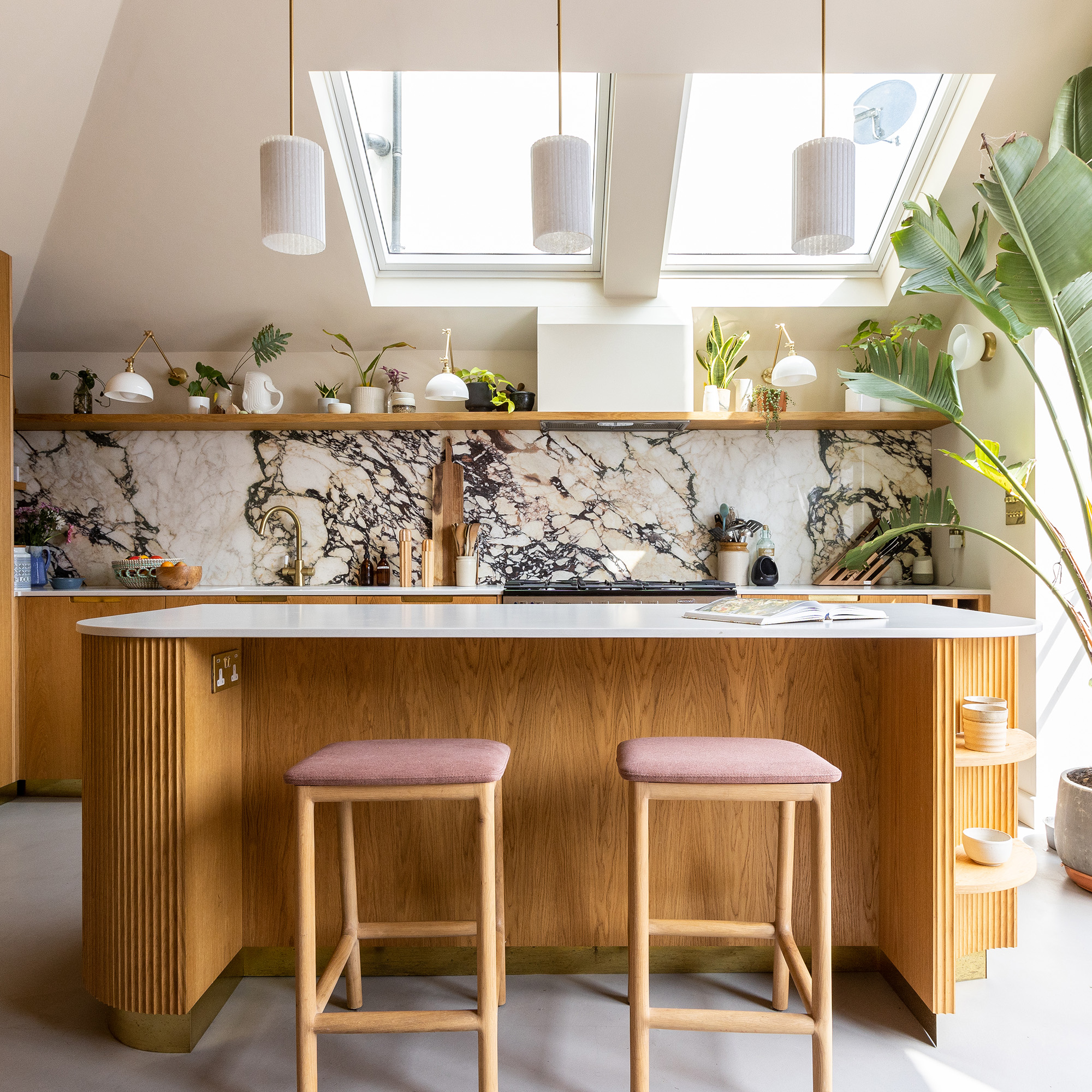
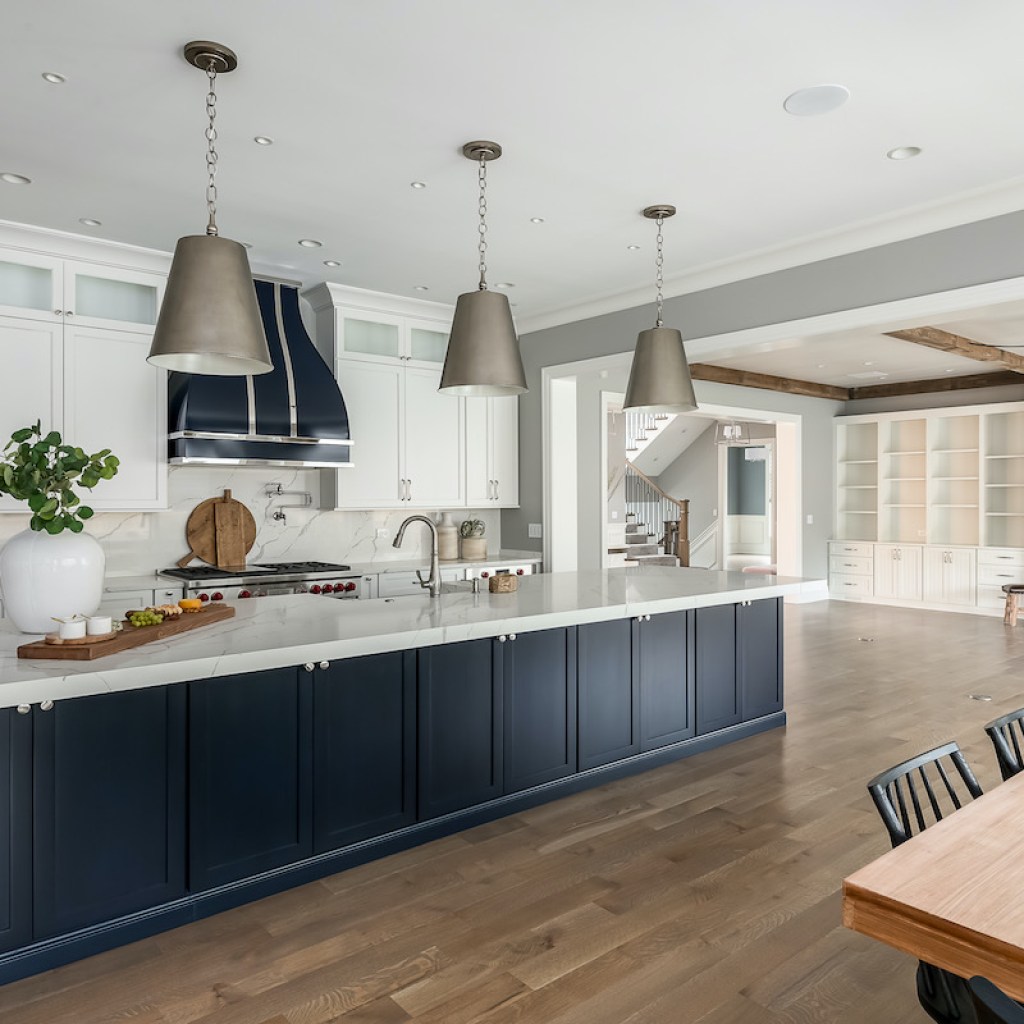
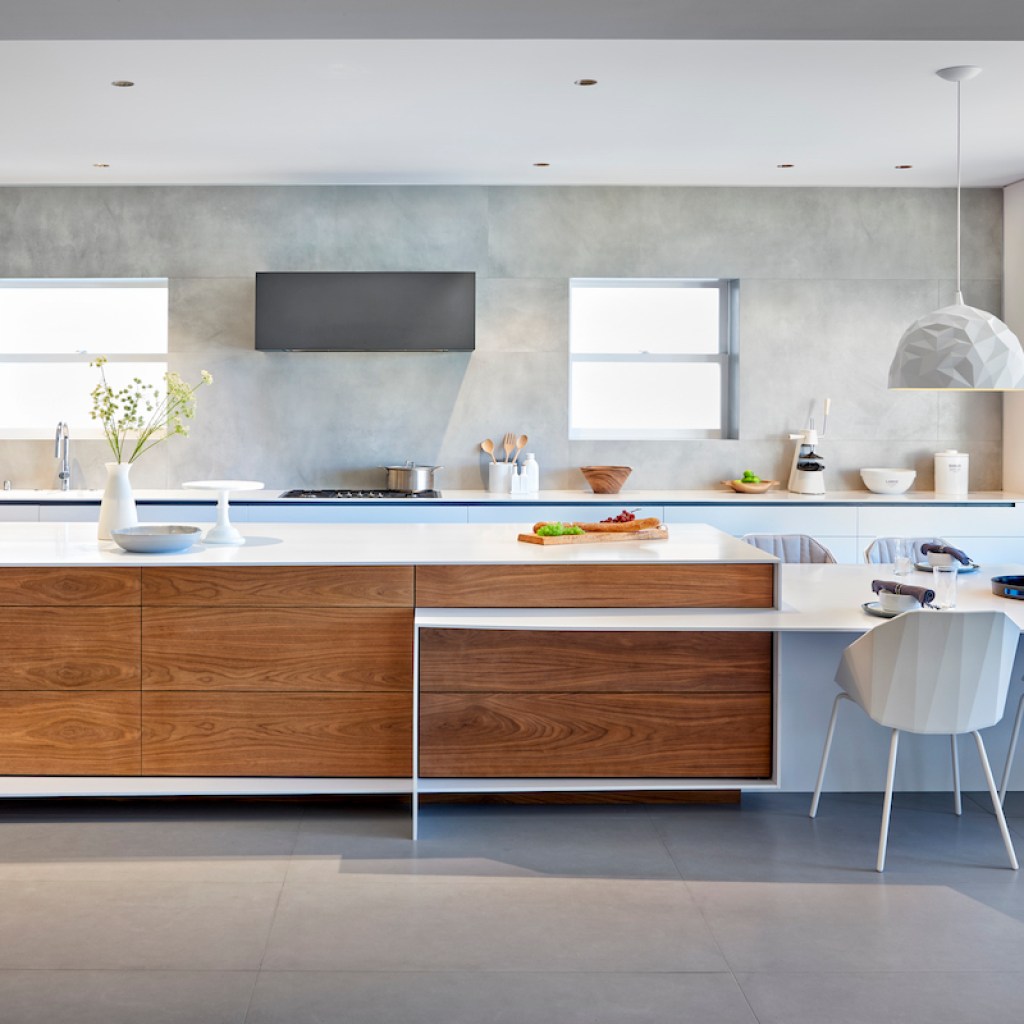
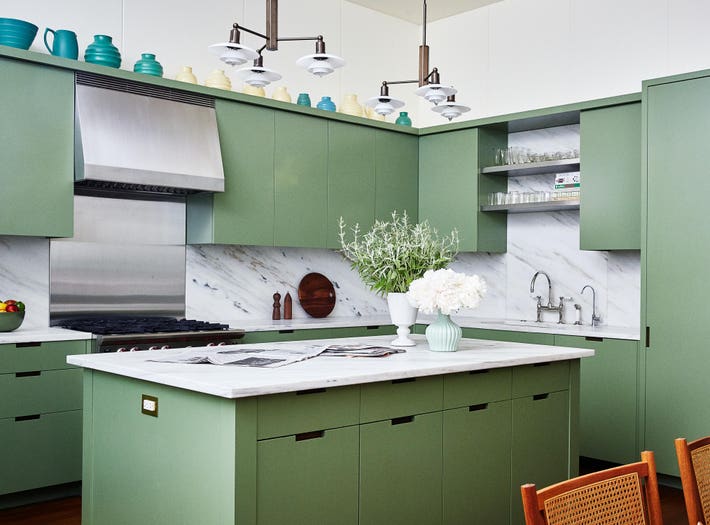
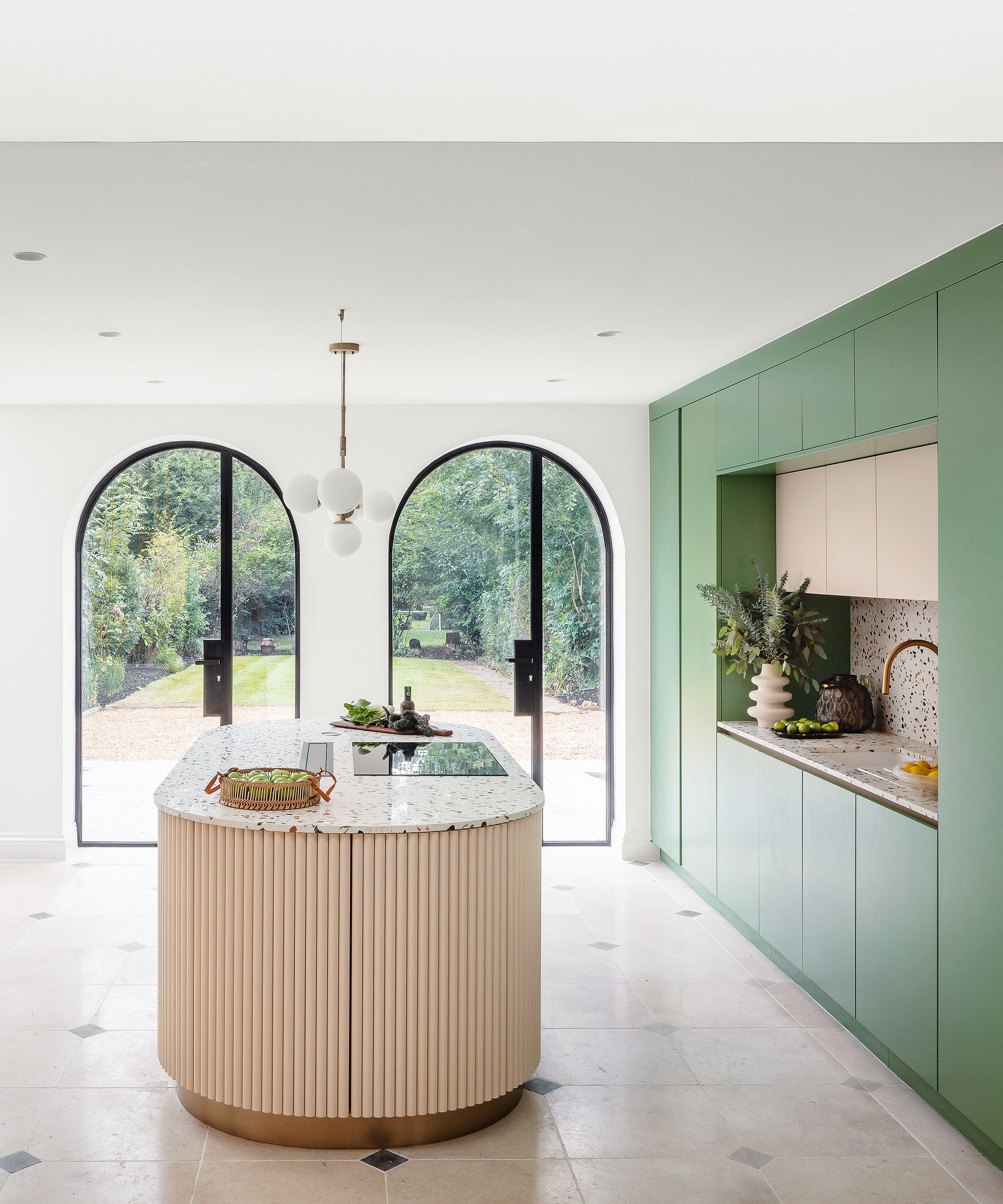
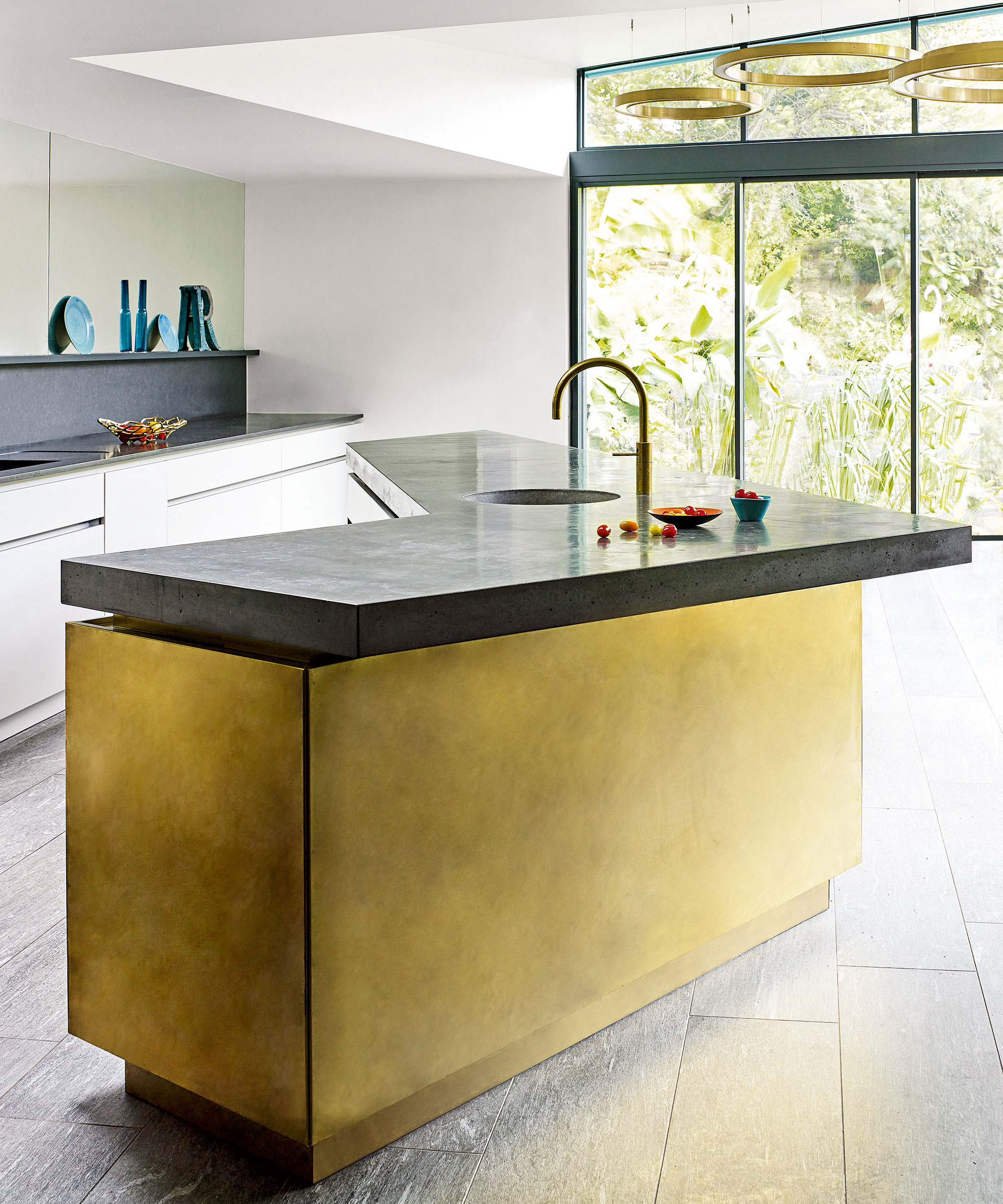
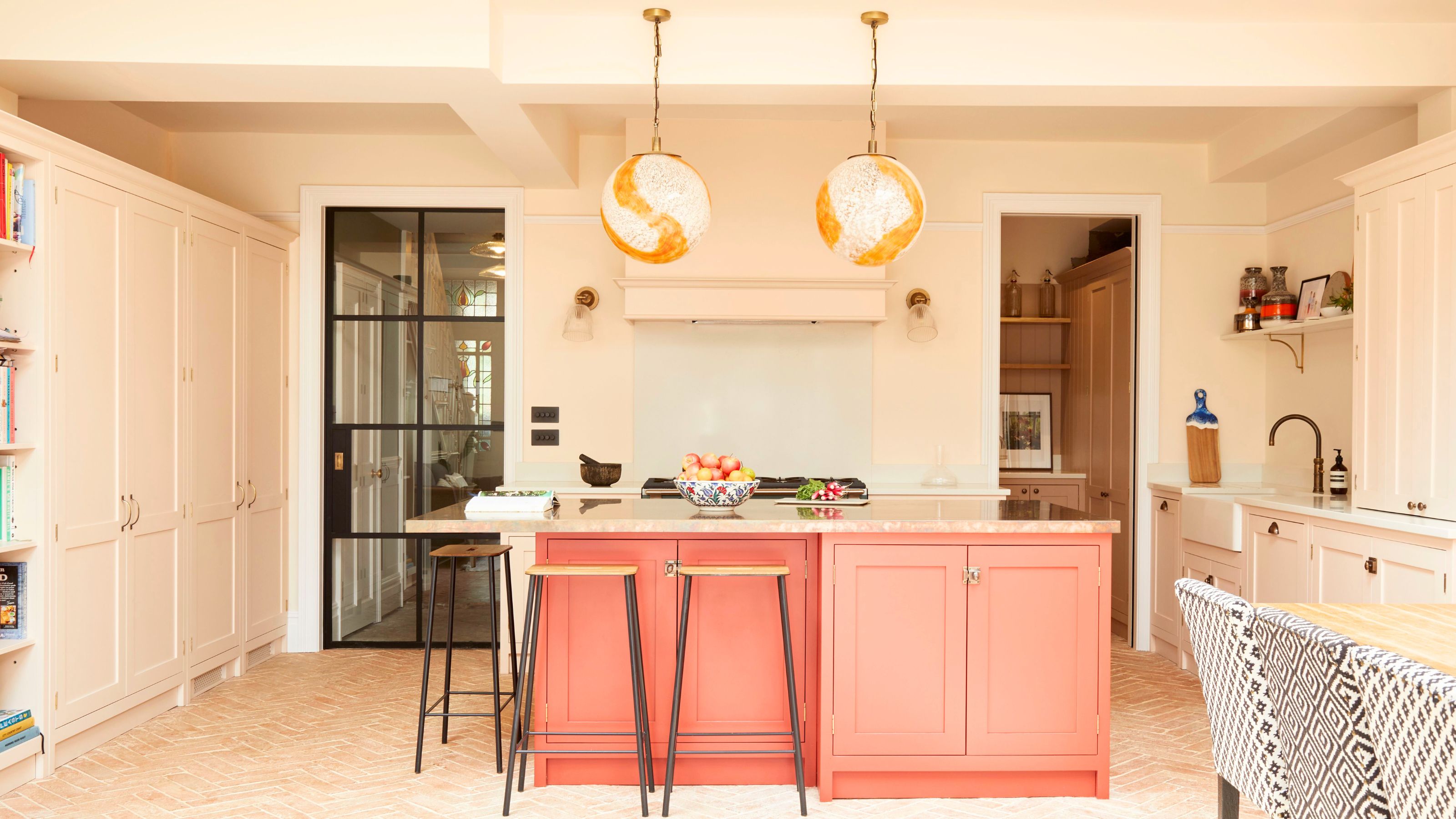
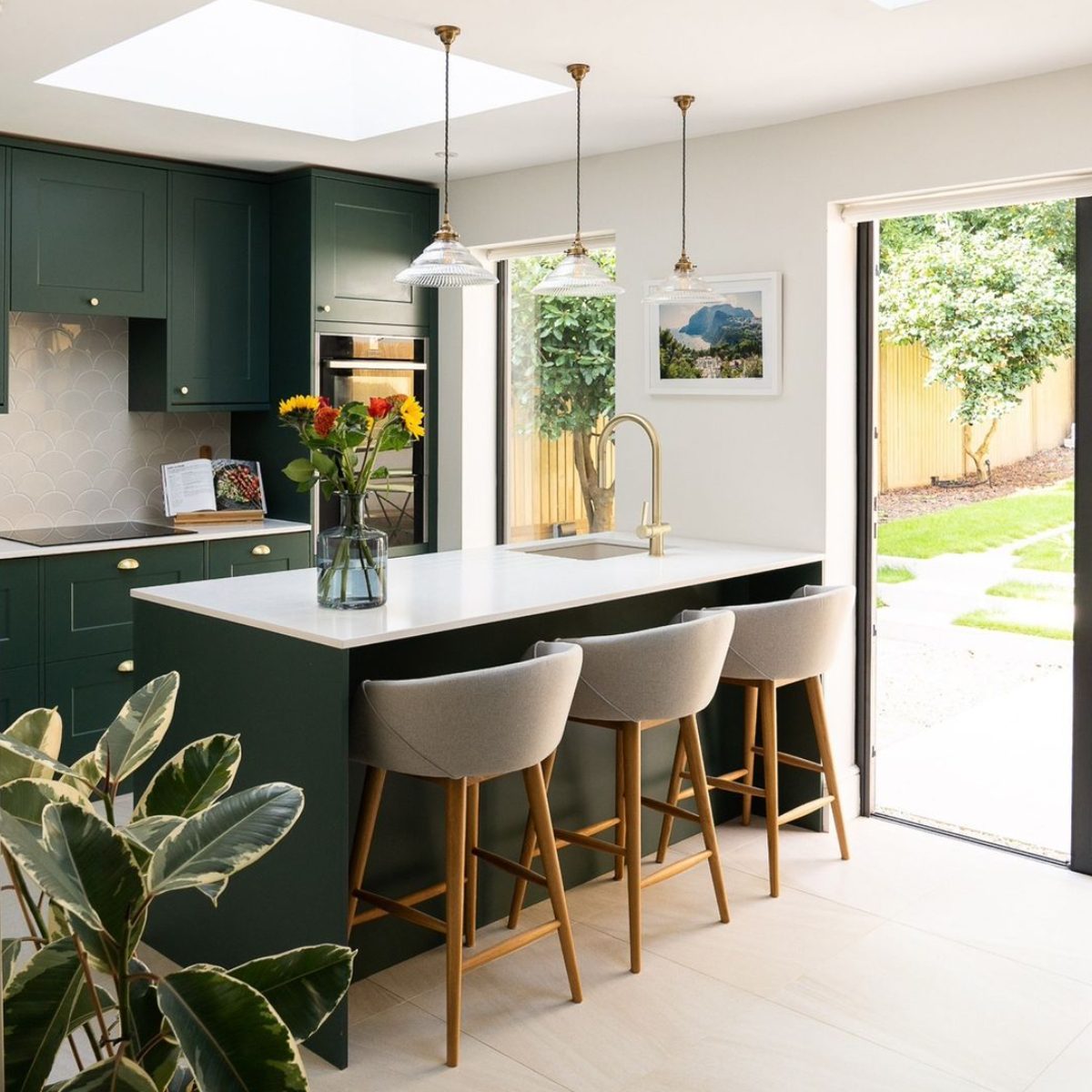
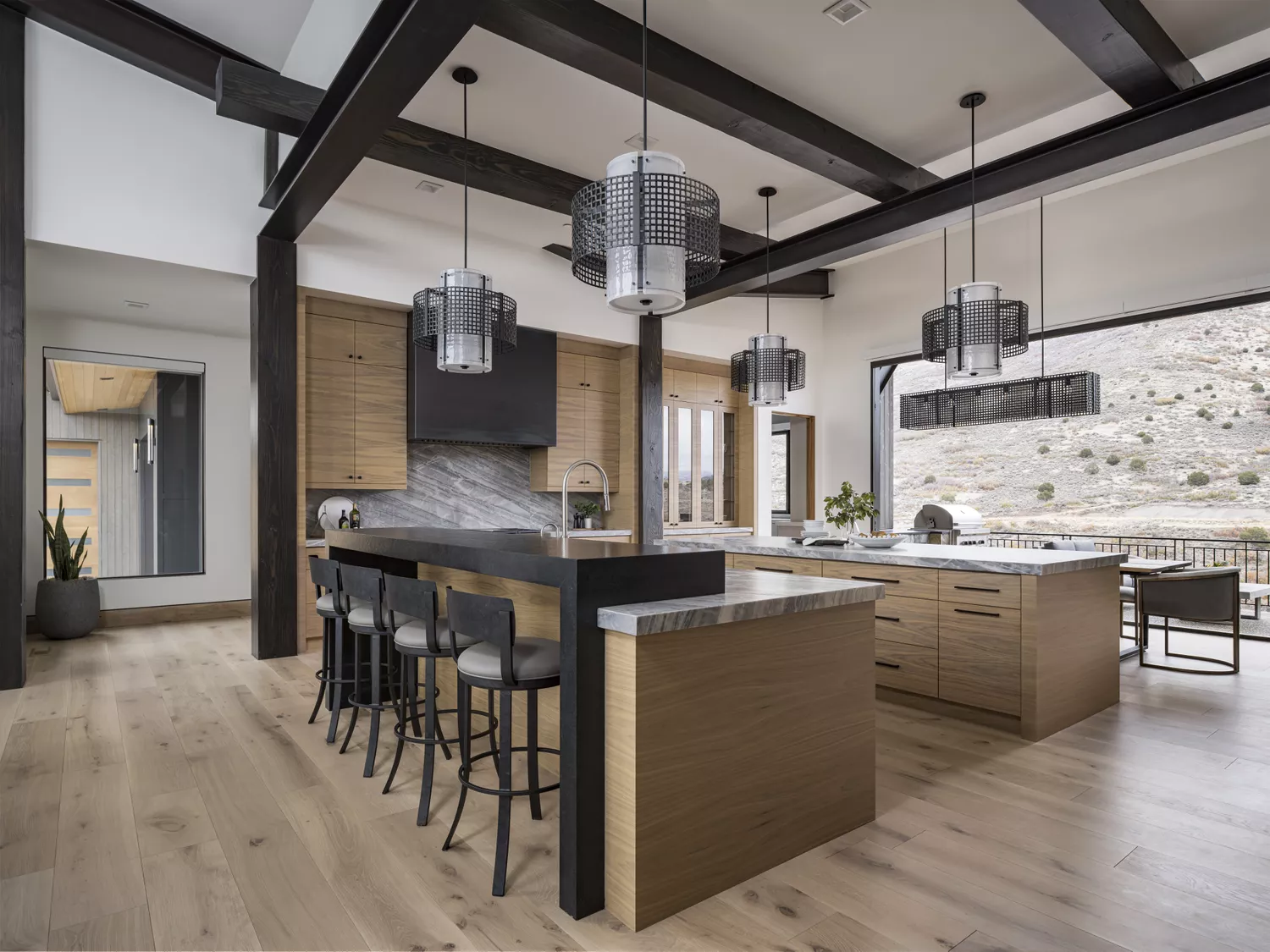
One significant trend is the use of unique shapes. Designers are moving away from standard rectangular islands towards curved, L-shaped, and multi-level designs. Curved islands, for instance, offer a softer aesthetic, improve traffic flow, and create a more intimate dining experience. L-shaped islands provide increased counter space and storage, making them highly practical for larger kitchens. Multi-level islands are also gaining popularity, with different heights for various functions like cooking, dining, and casual seating, adding dynamic visual interest and enhanced utility.
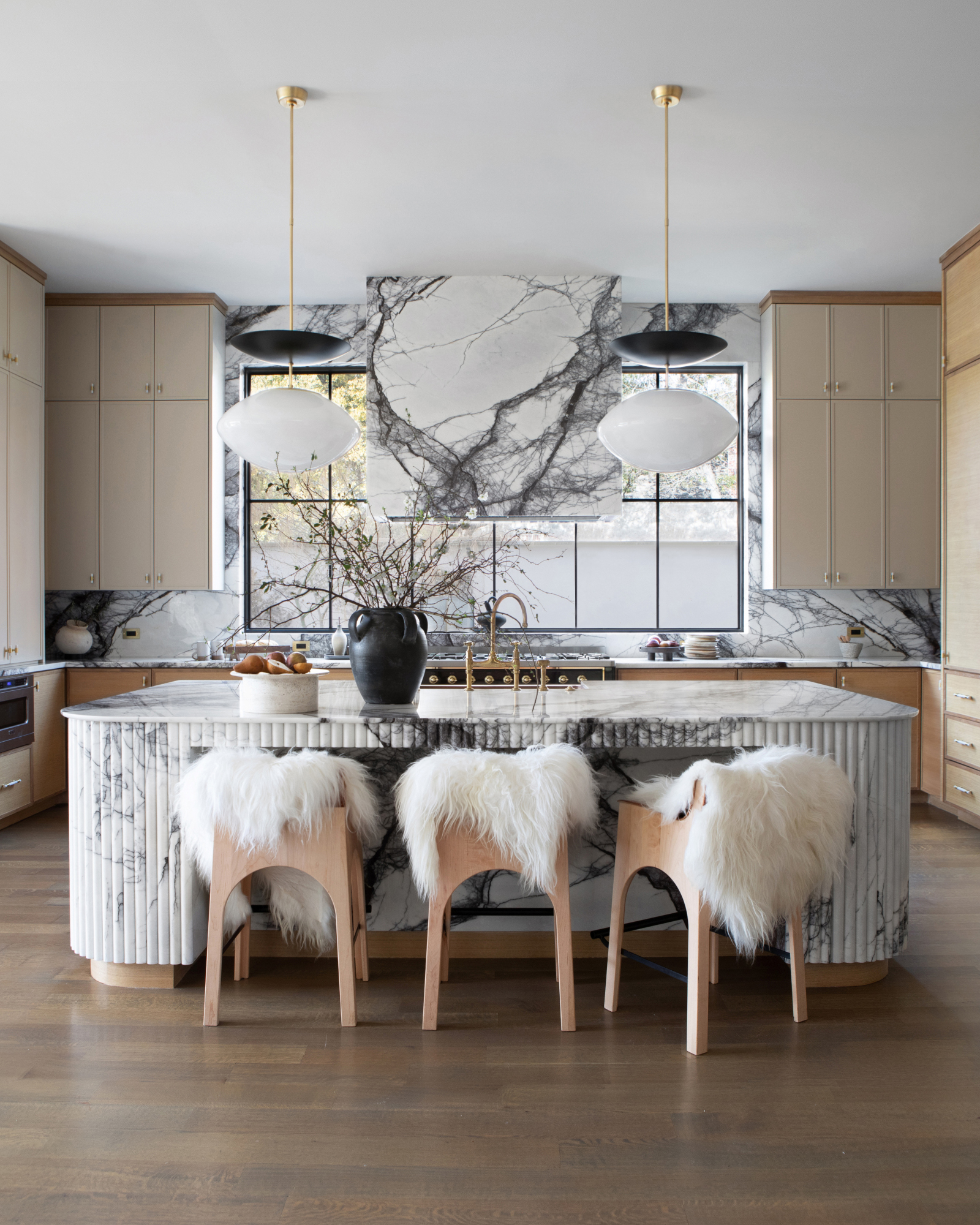
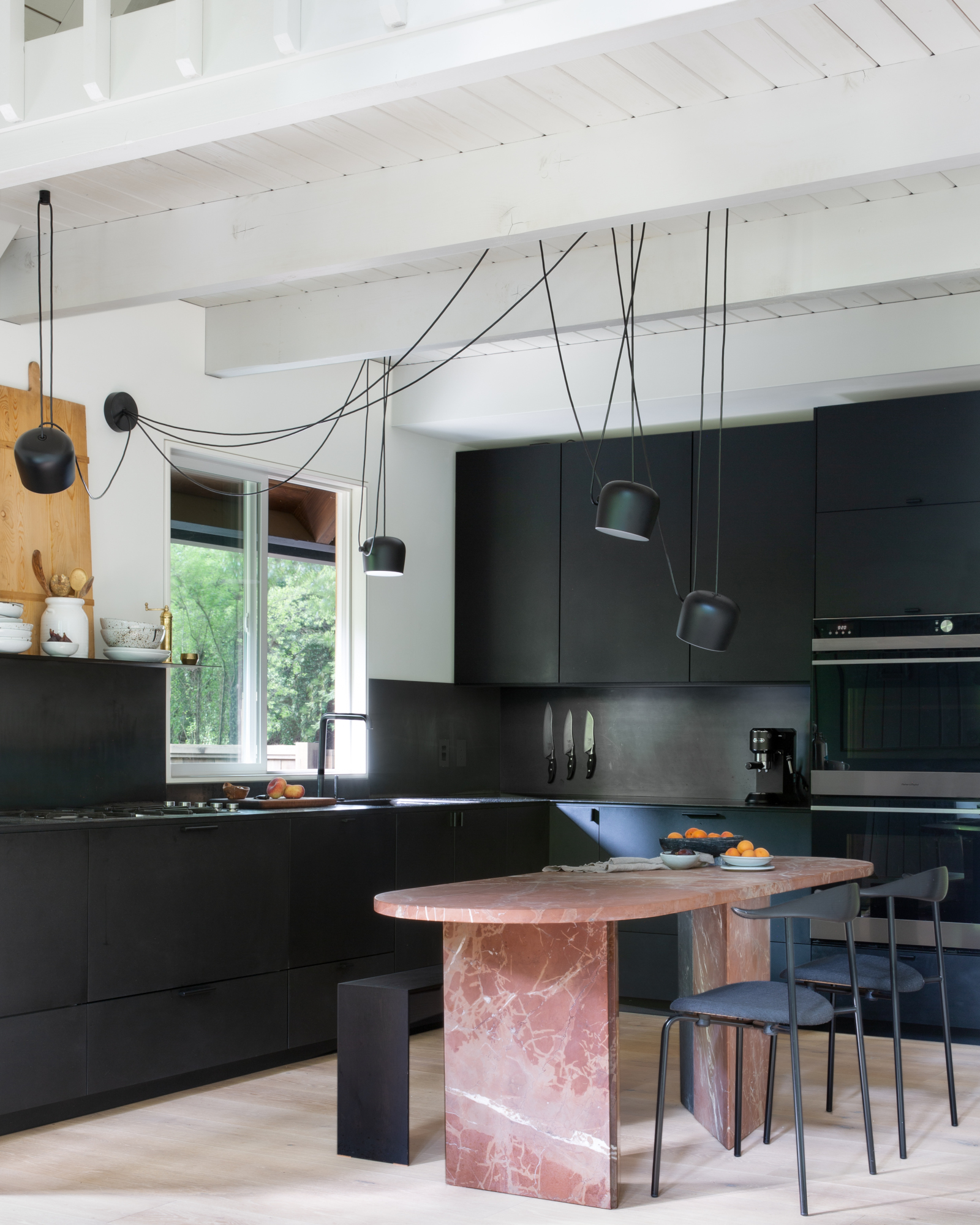
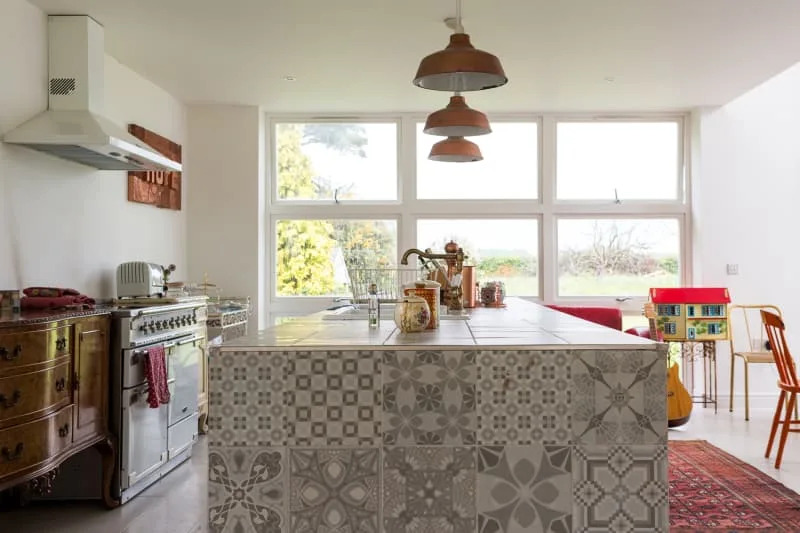
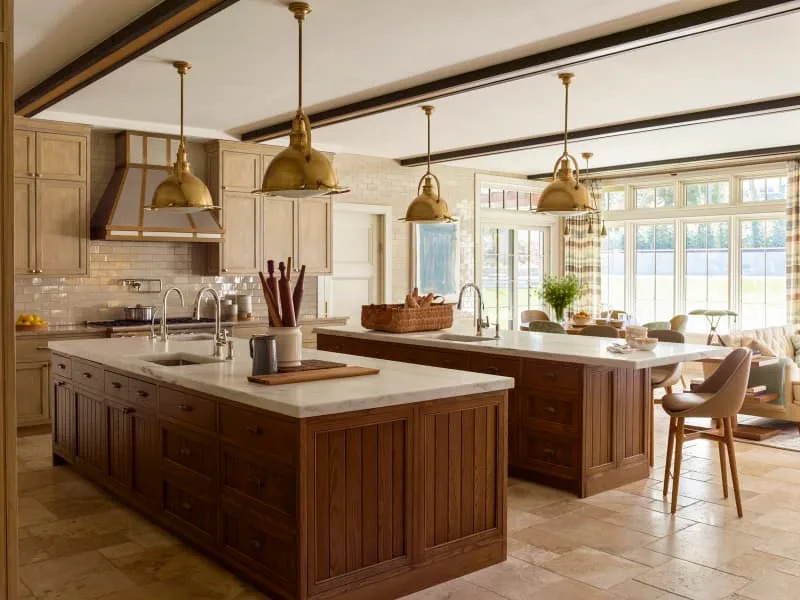
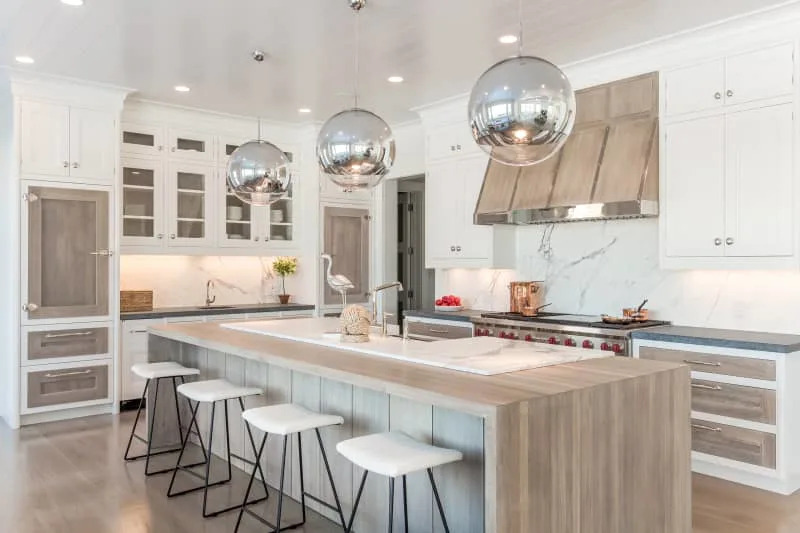
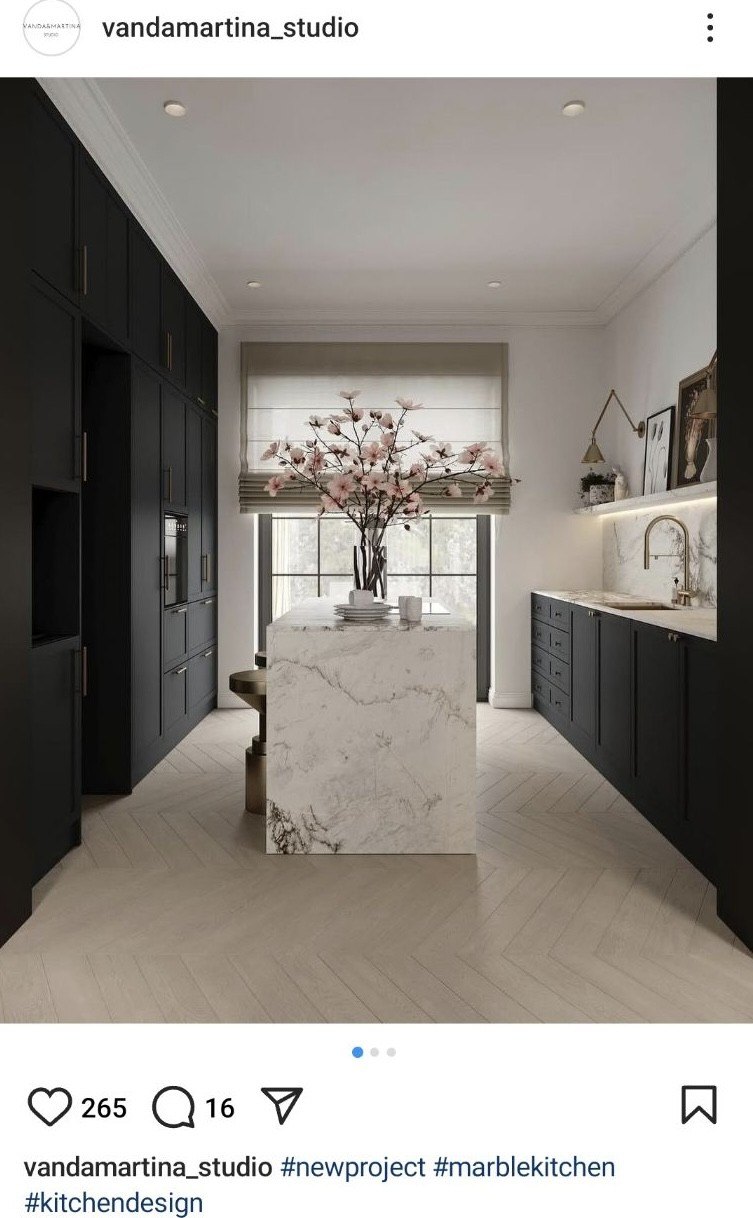
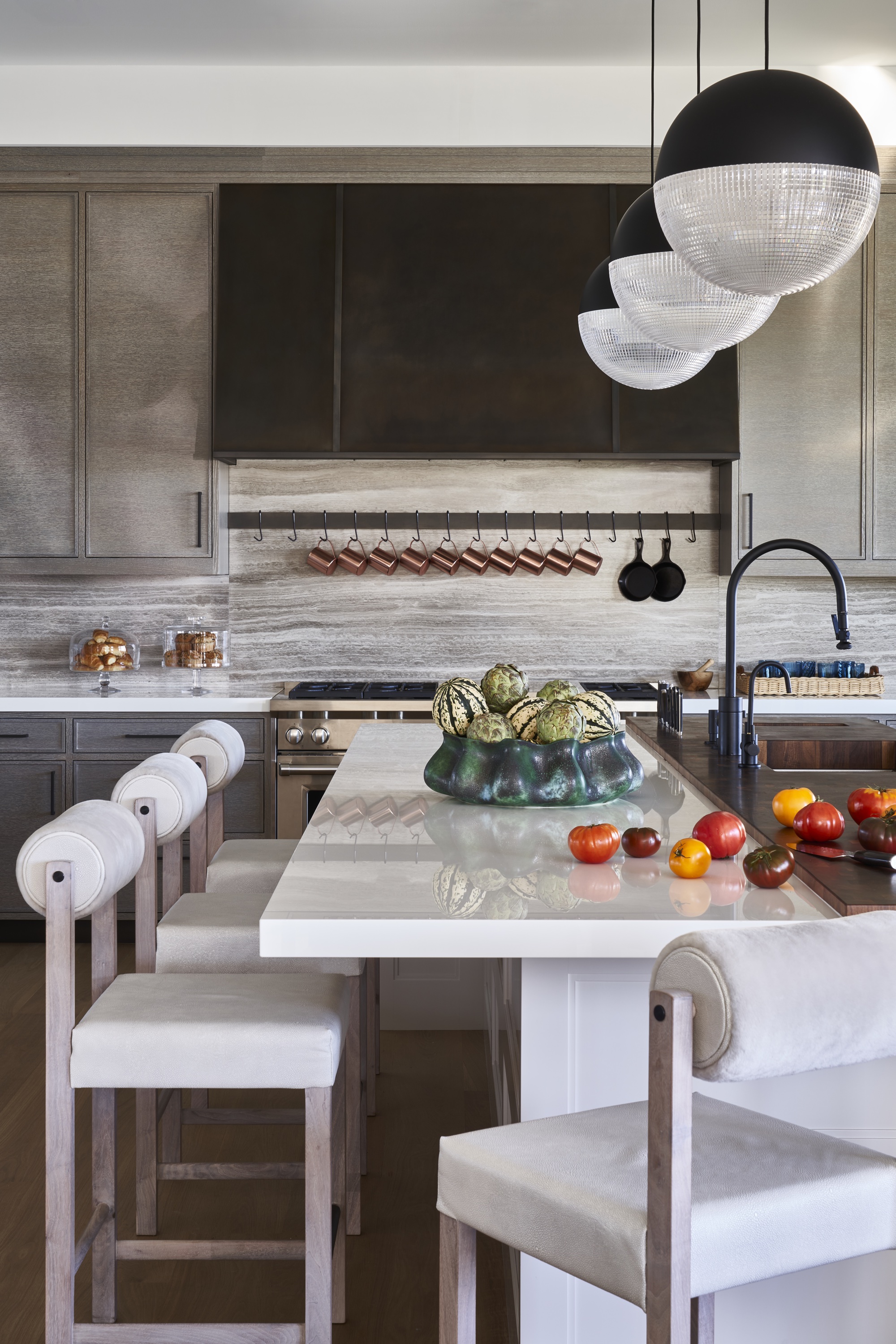
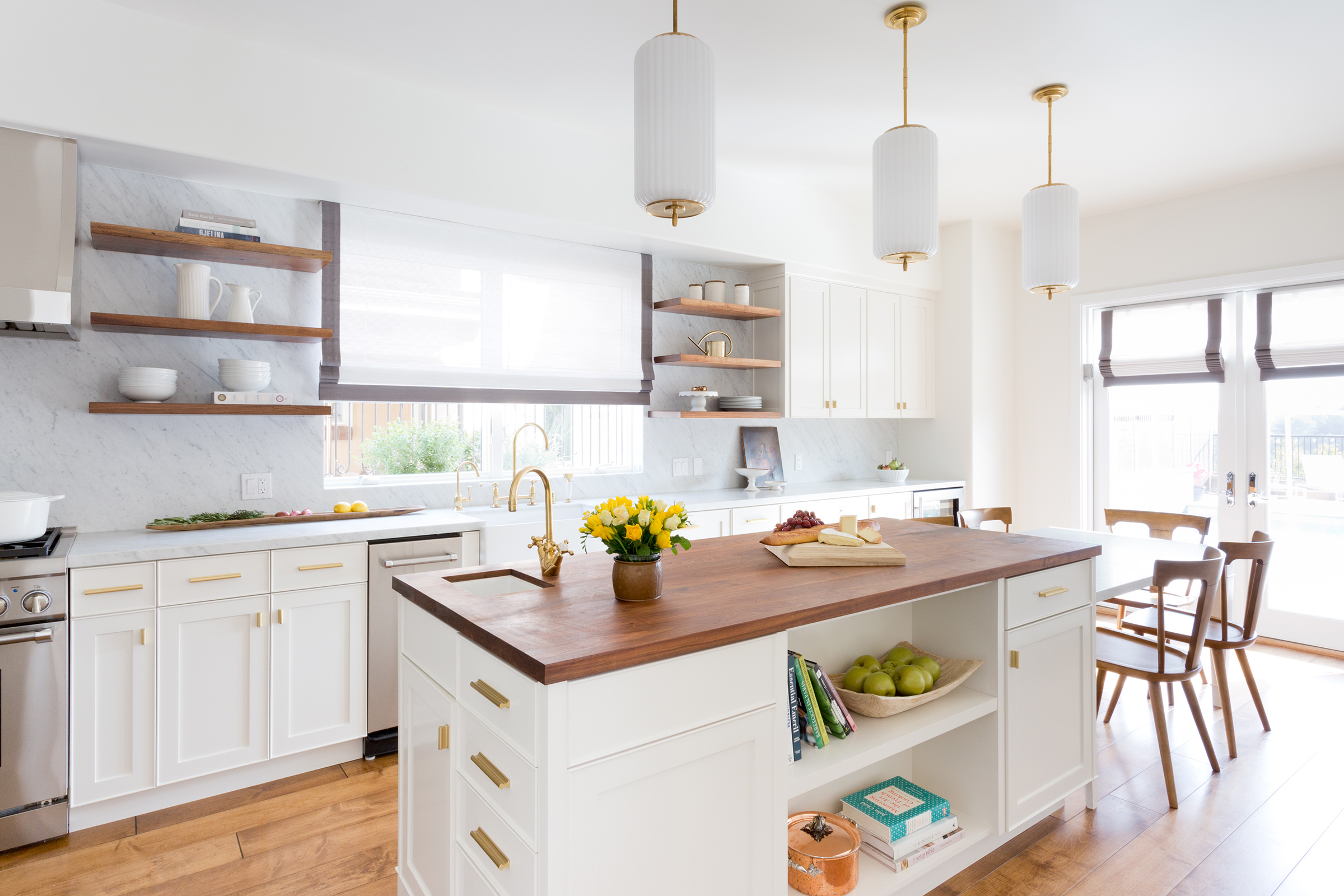
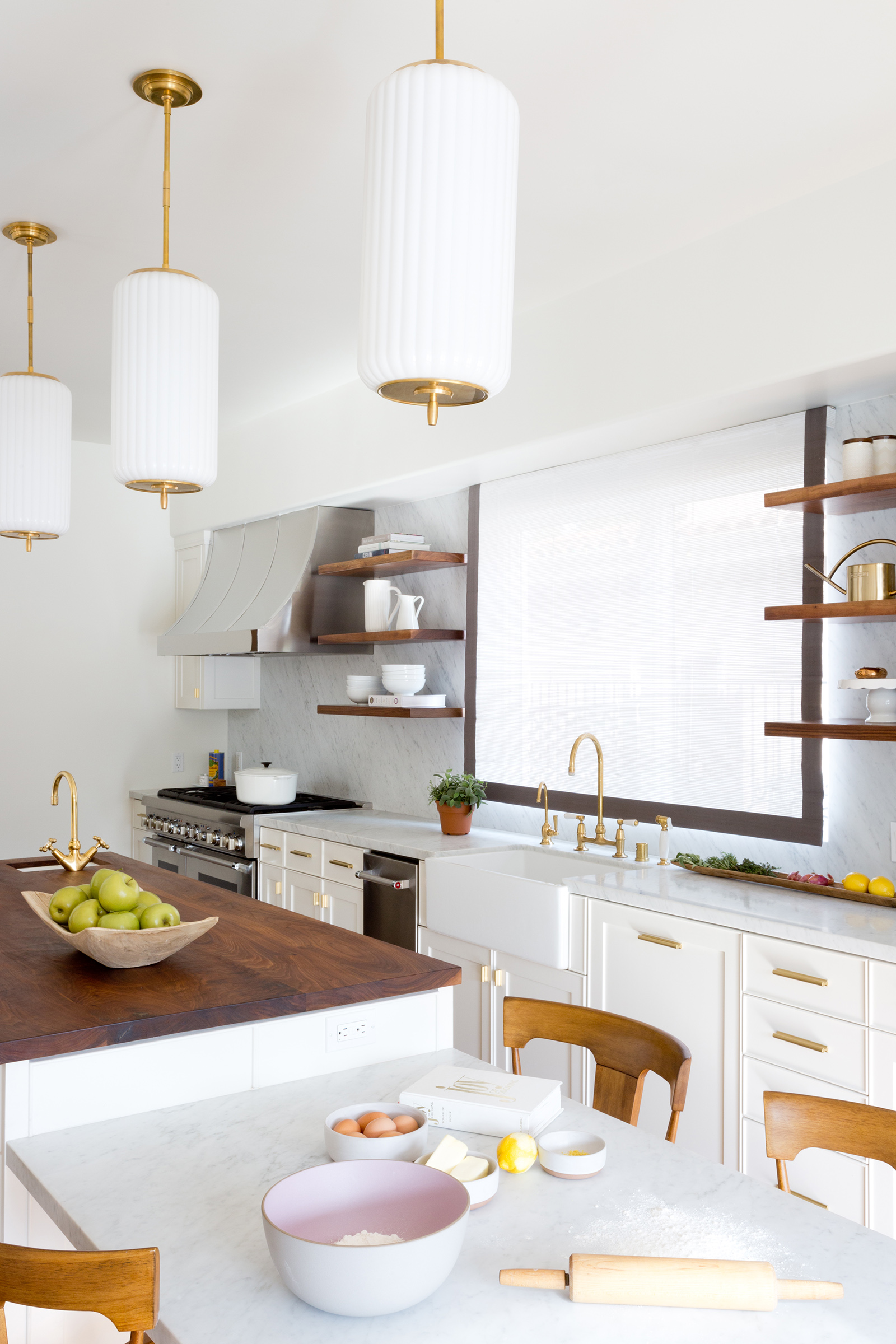
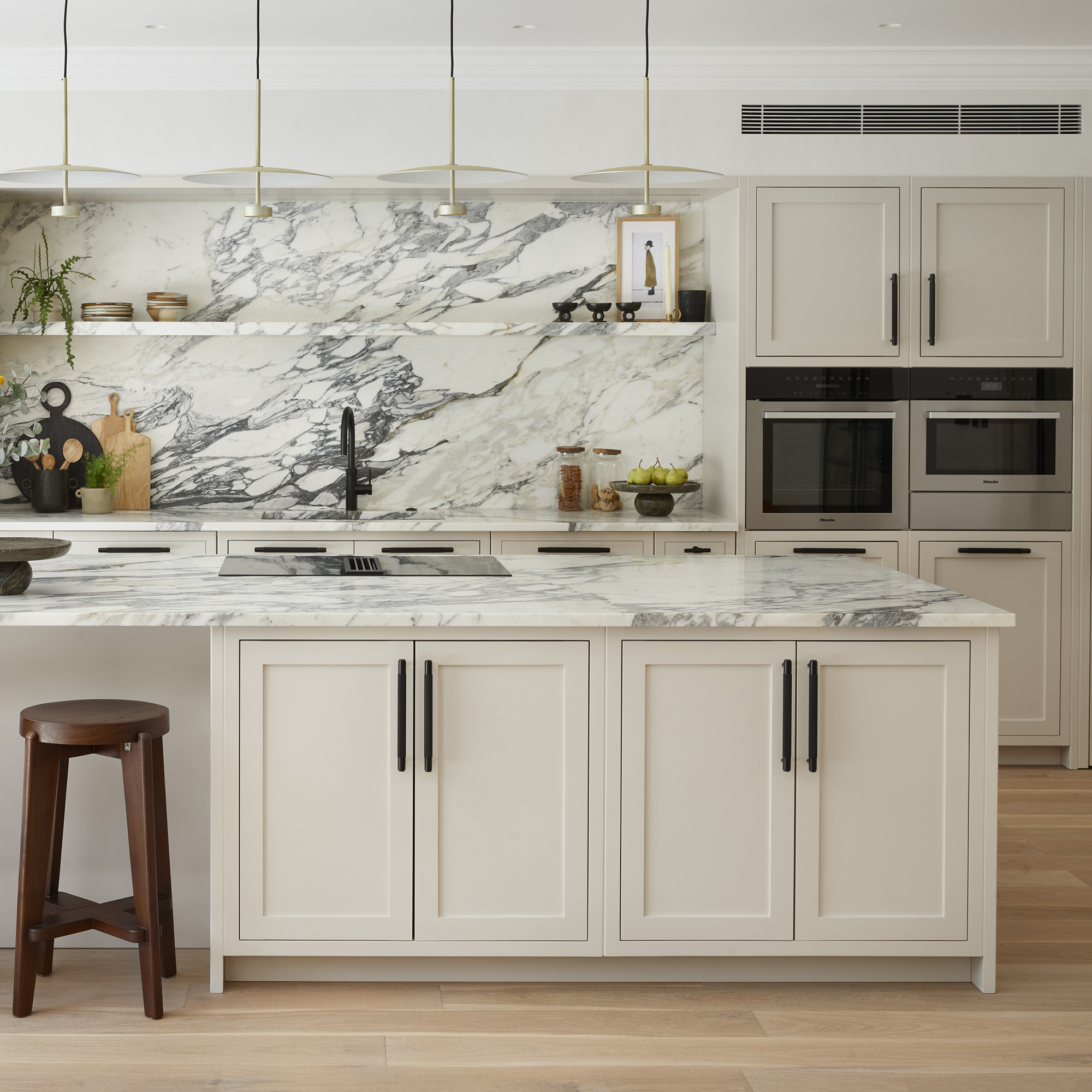
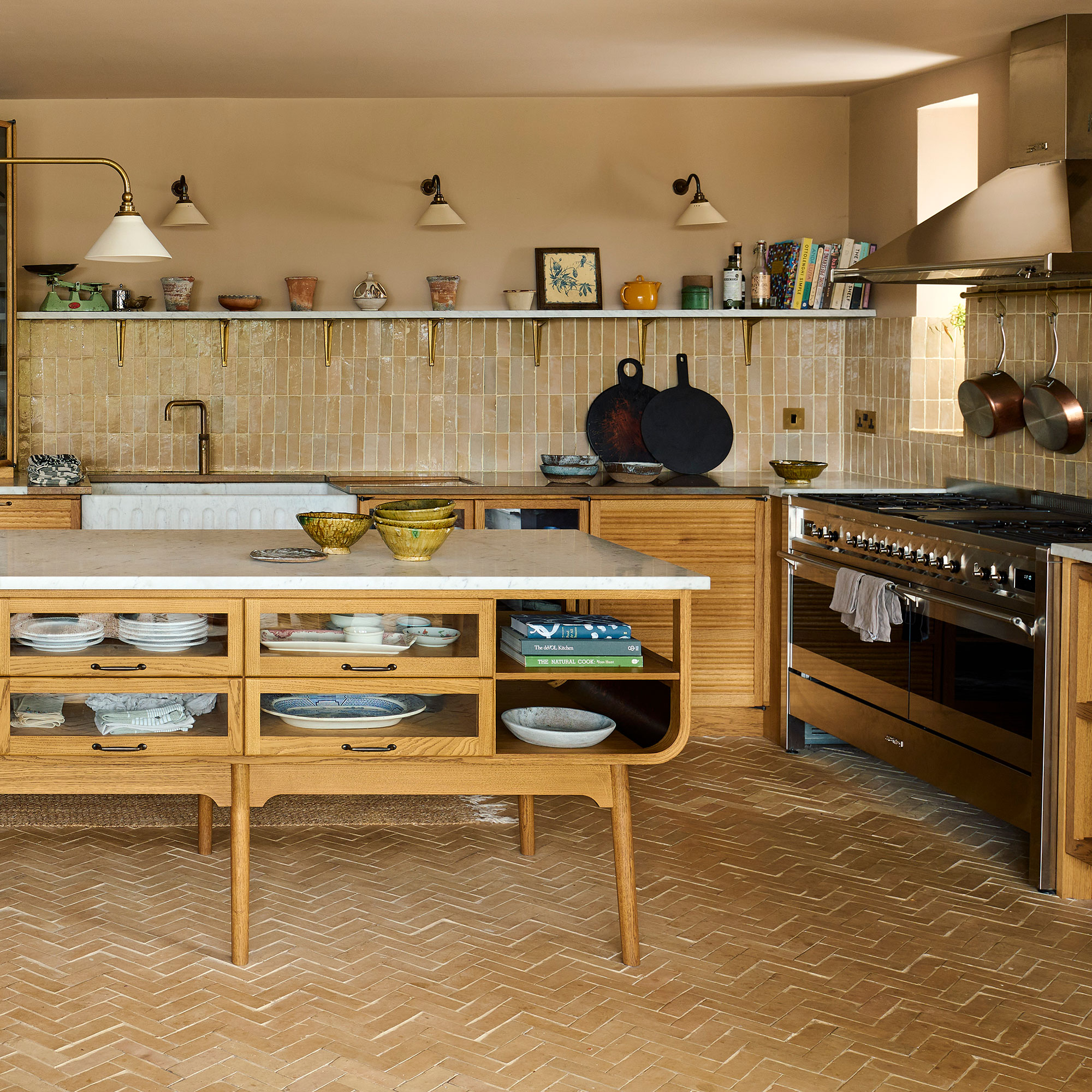
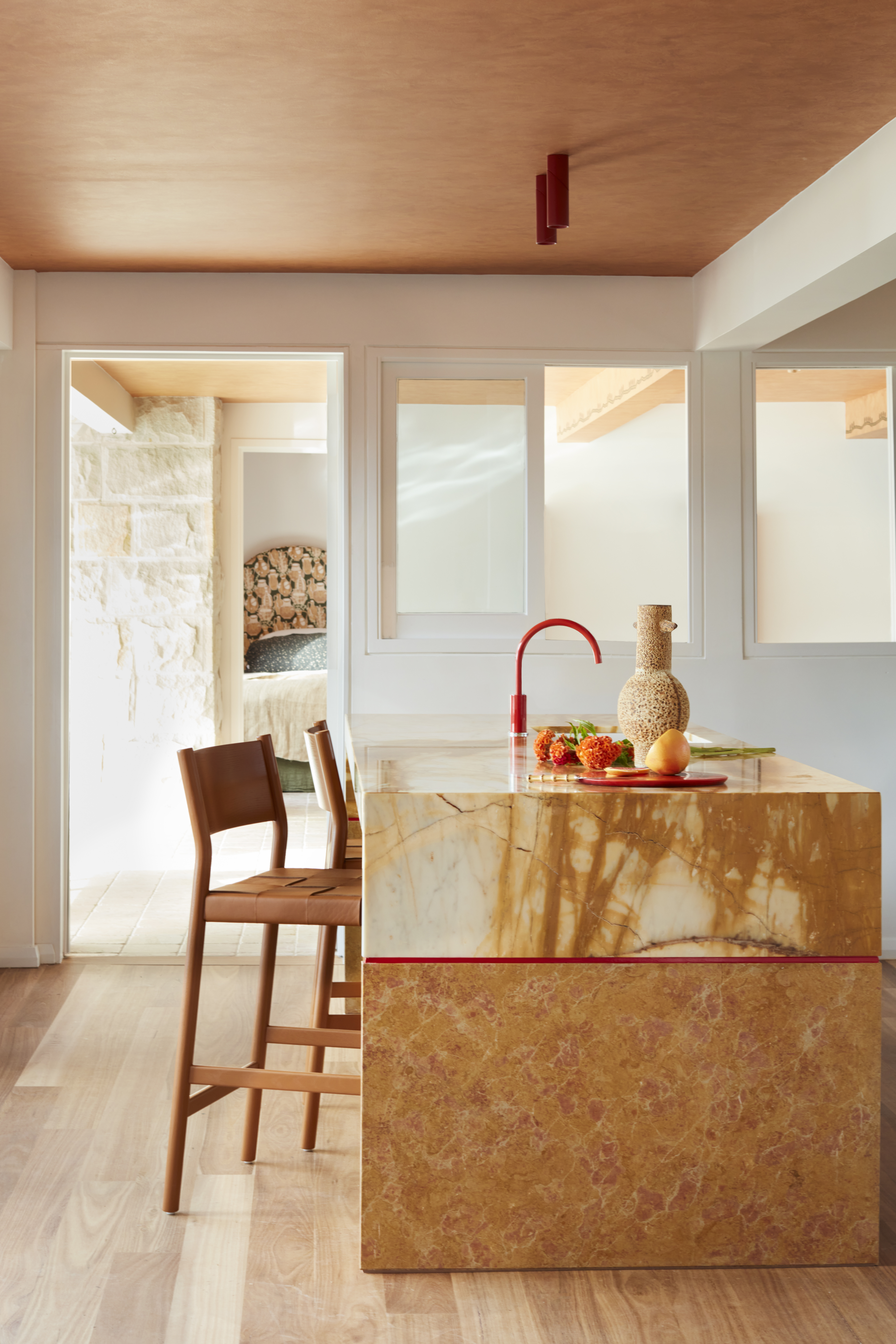
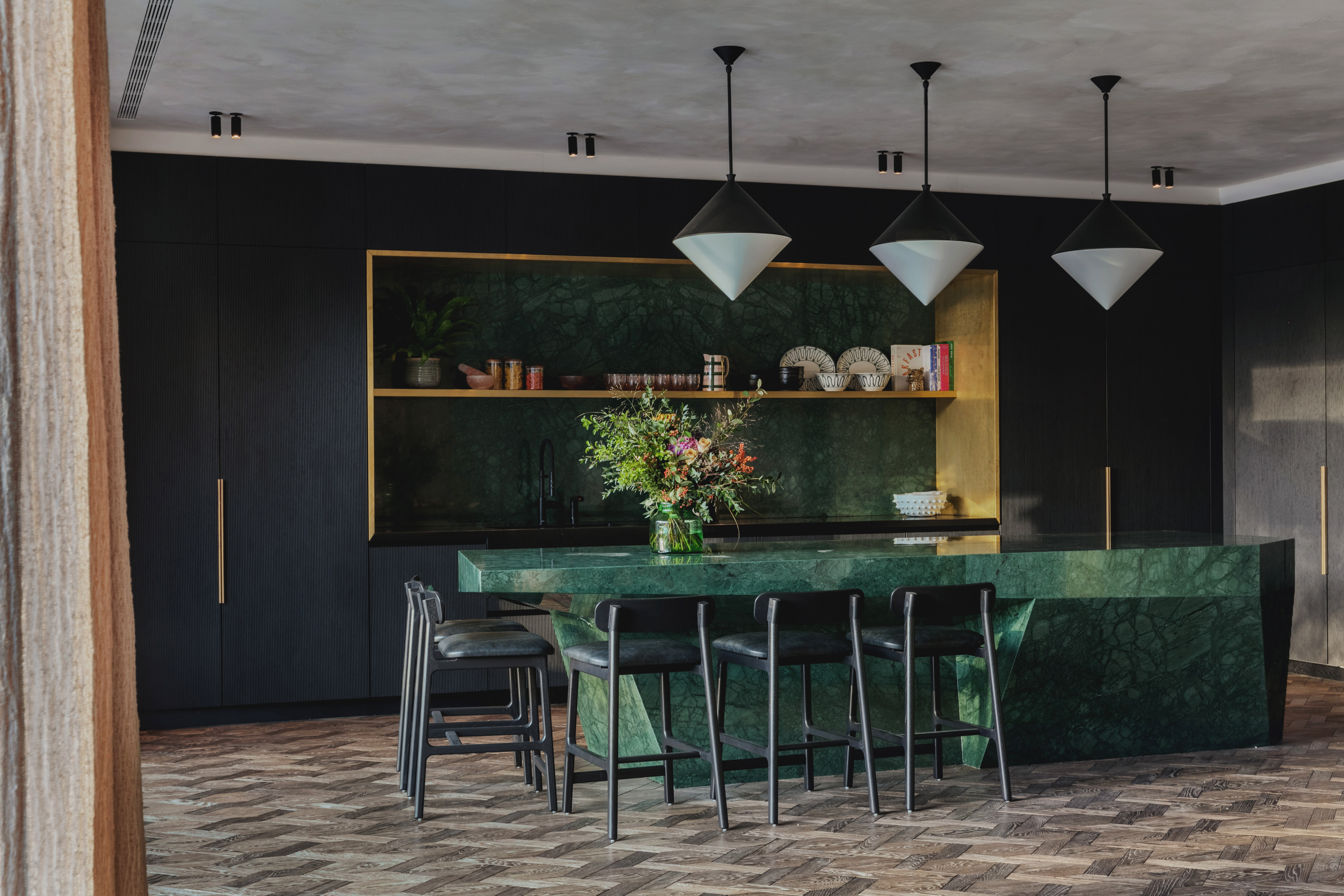
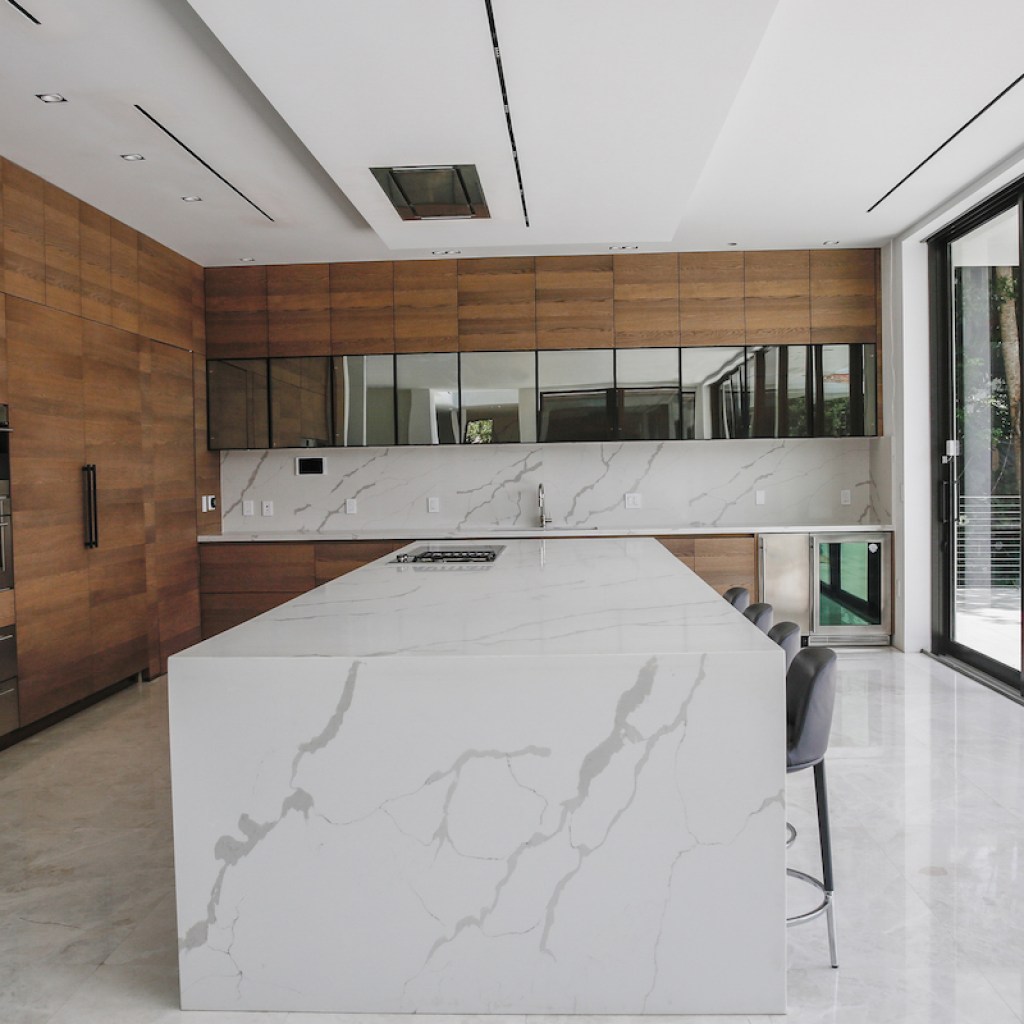
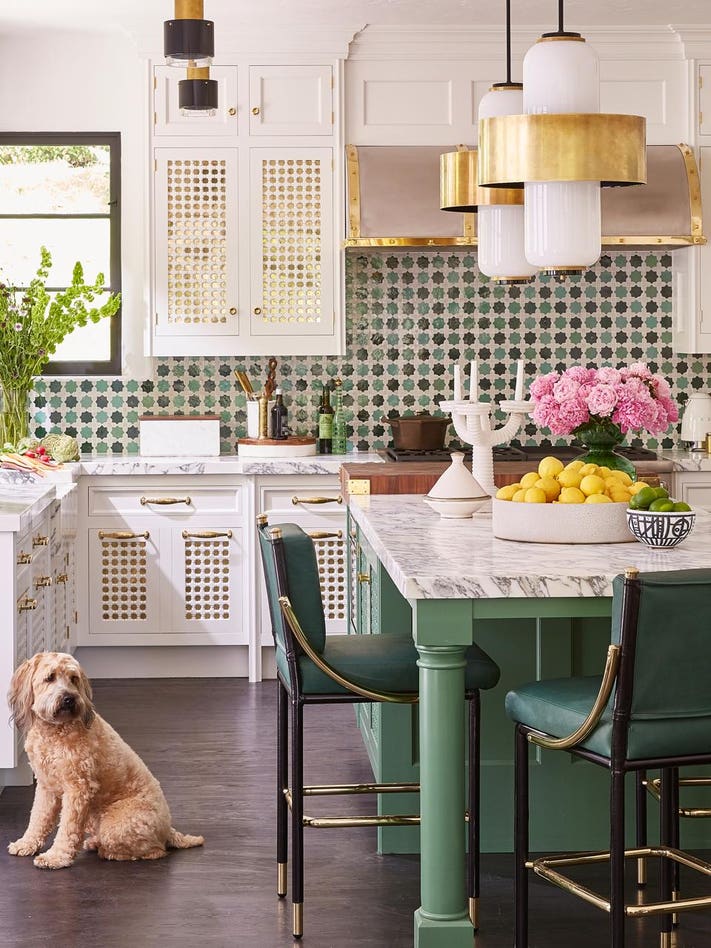
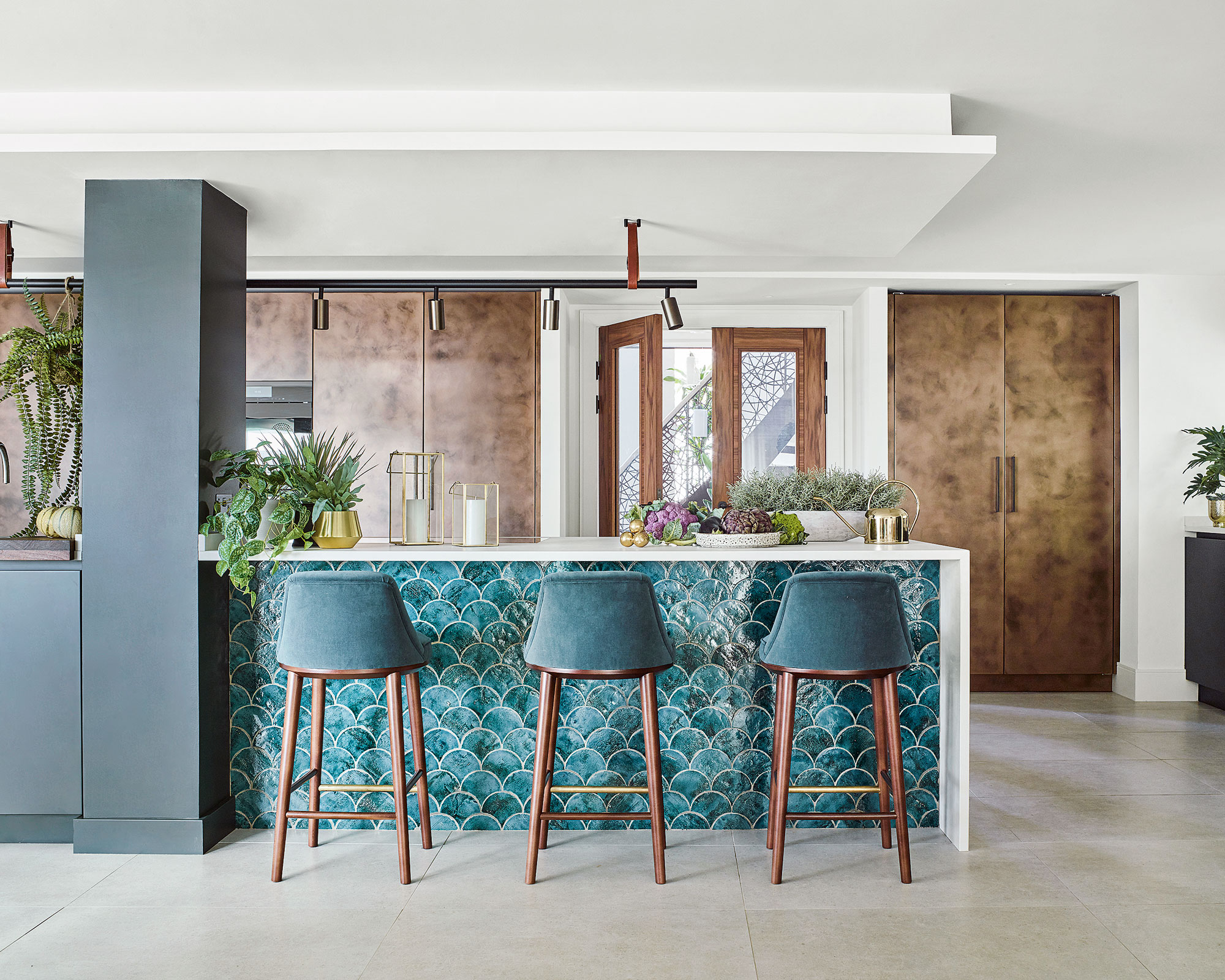
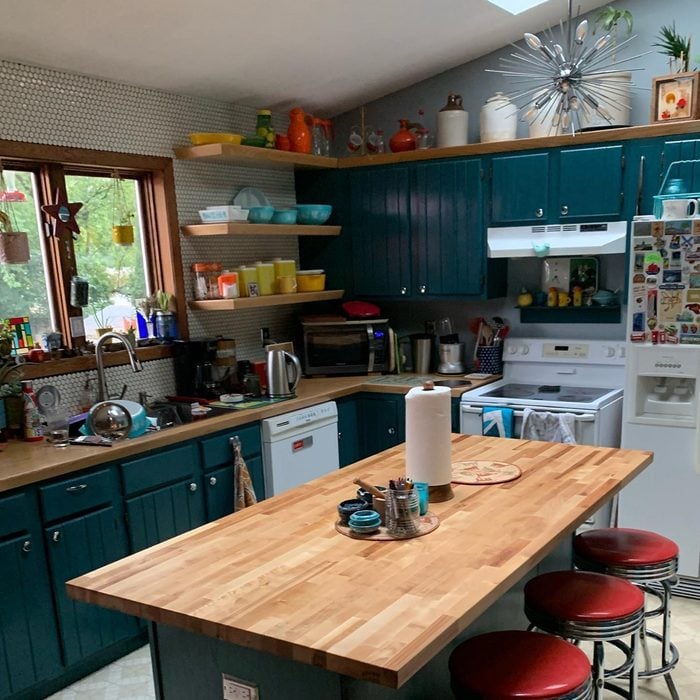
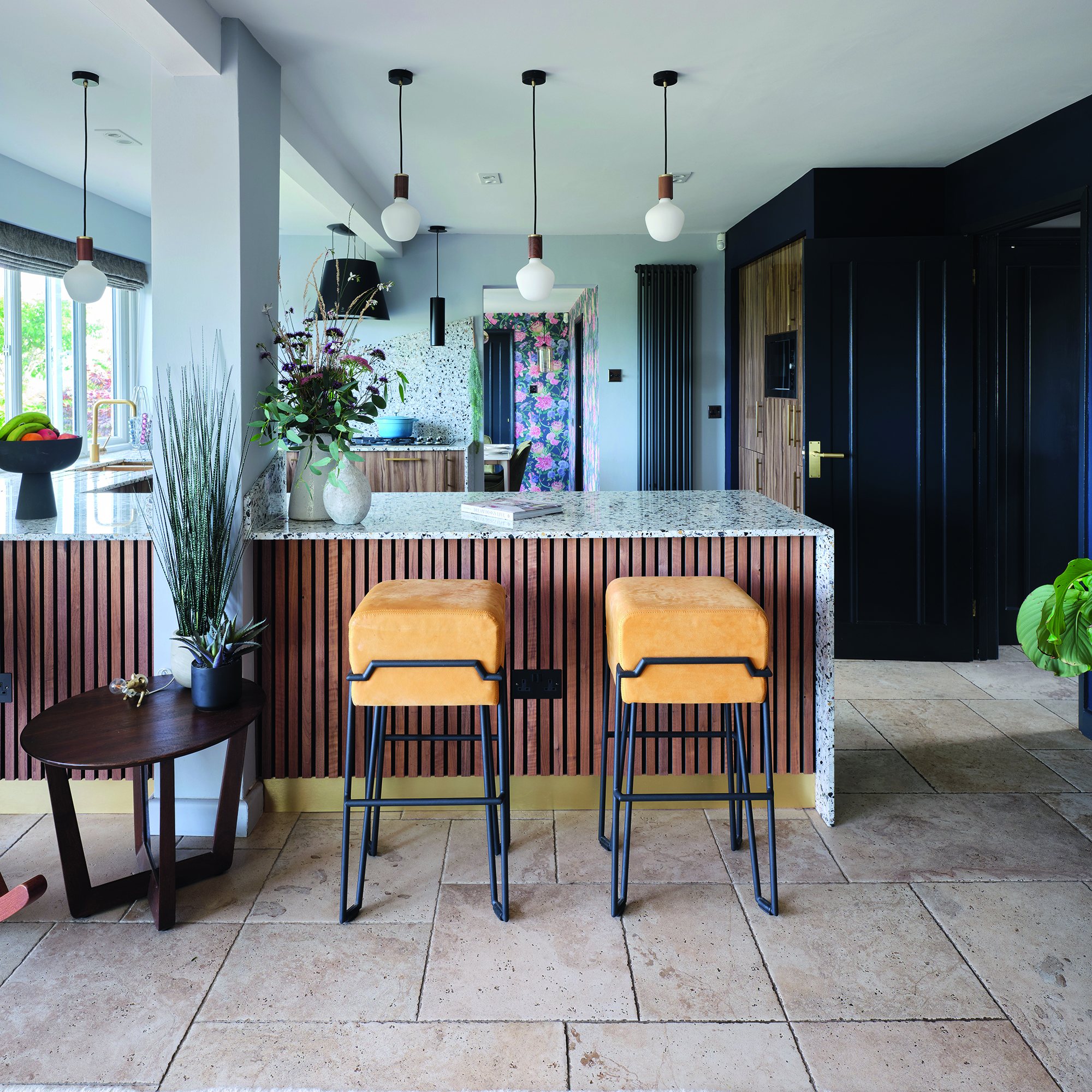
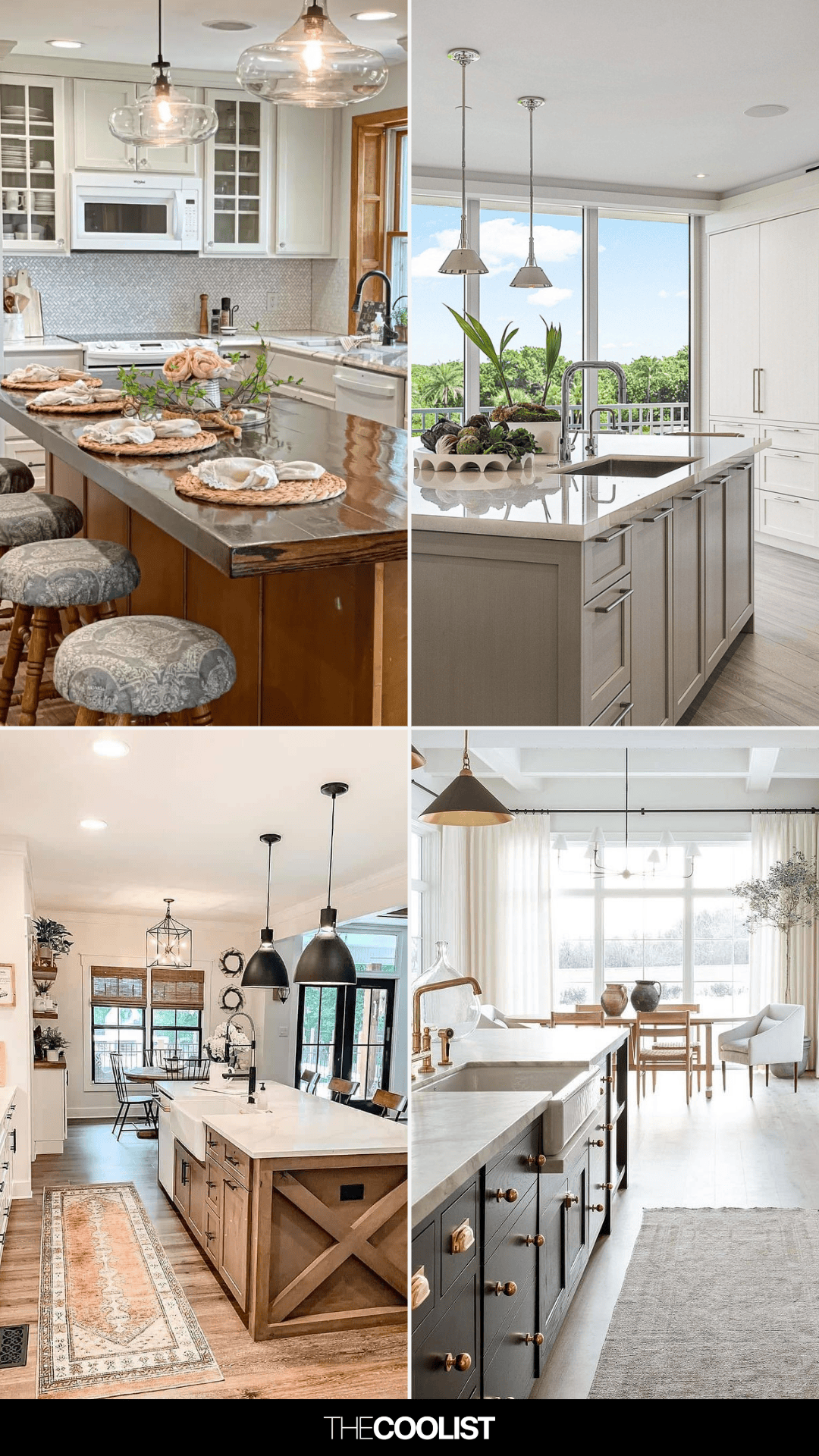
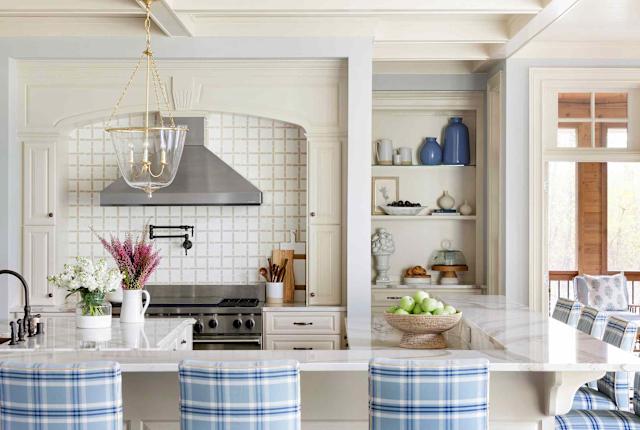
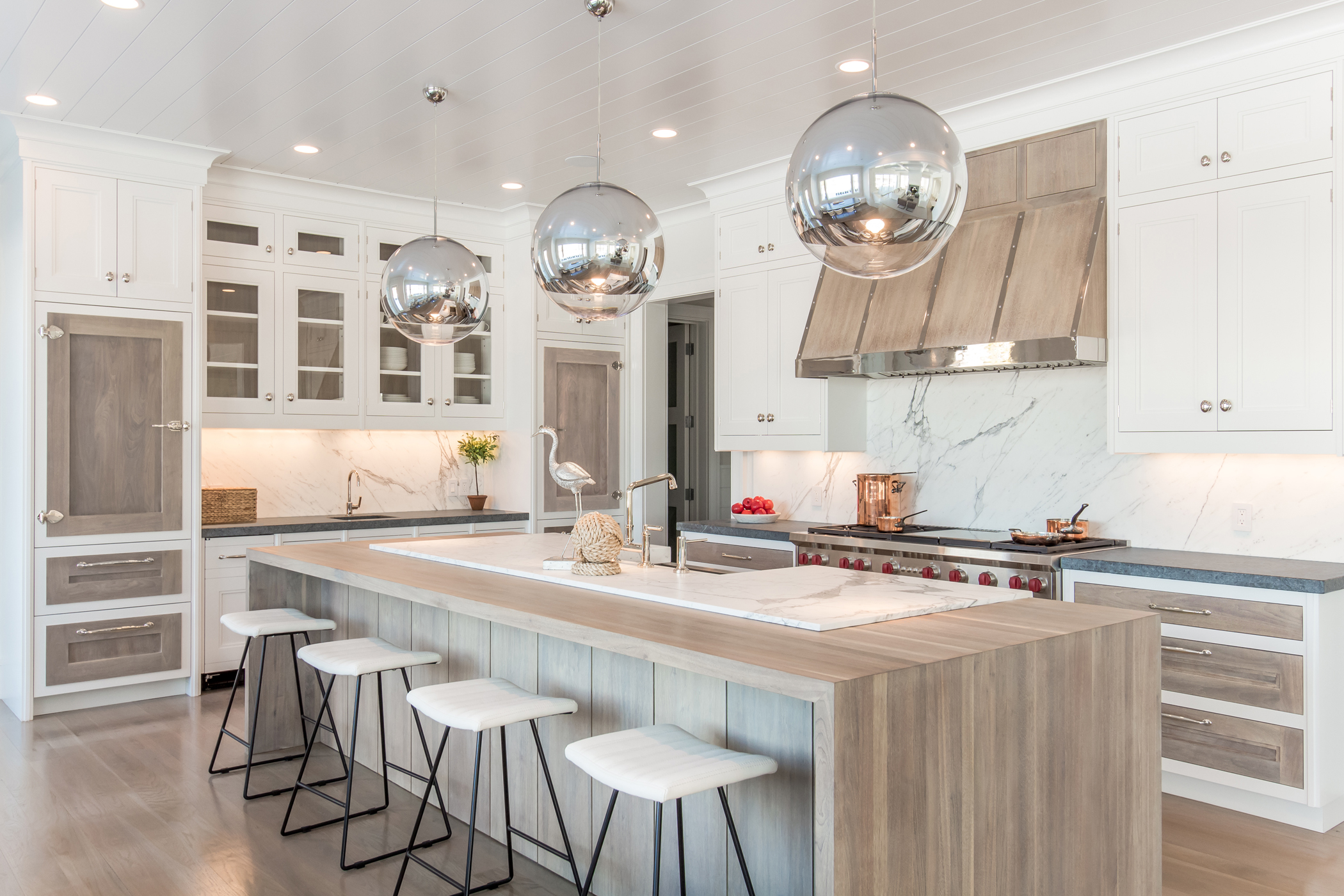
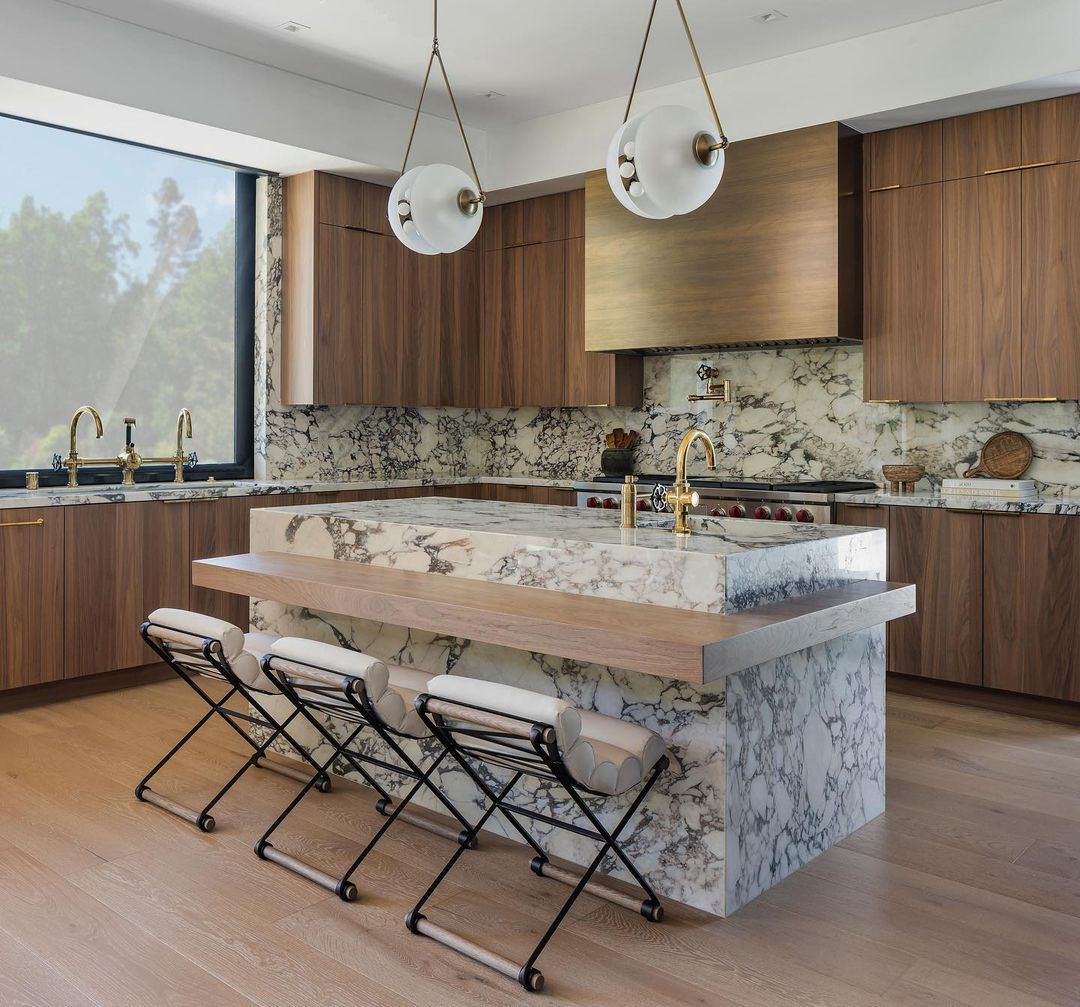
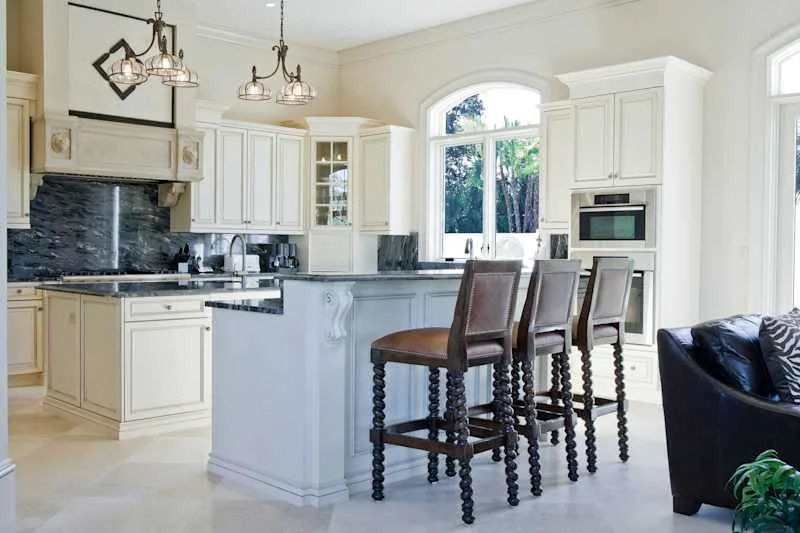
Material innovation is another key focus. While natural stone such as marble and granite remains popular for its luxurious appearance and durability, designers are also experimenting with alternative materials. Wood, particularly reclaimed or sustainable varieties, is being used to bring warmth and texture into the kitchen. Concrete islands offer an industrial-chic look, providing a robust and contemporary surface. Stainless steel, once primarily seen in professional kitchens, is now being adopted for its sleek, hygienic, and modern appeal. The combination of different materials on a single island is also trending, such as a wooden base with a marble countertop, to create contrasting textures and visual depth.
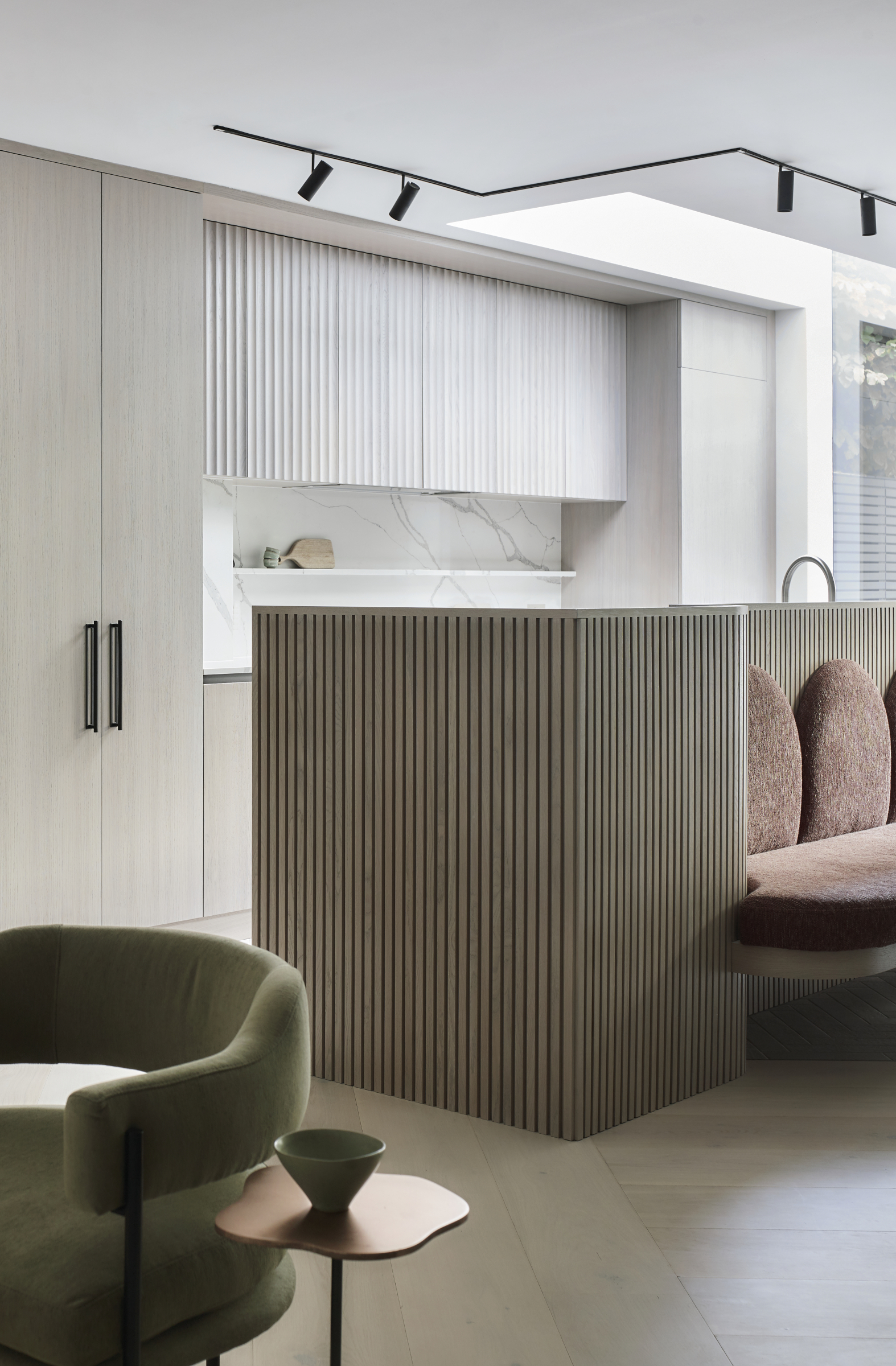
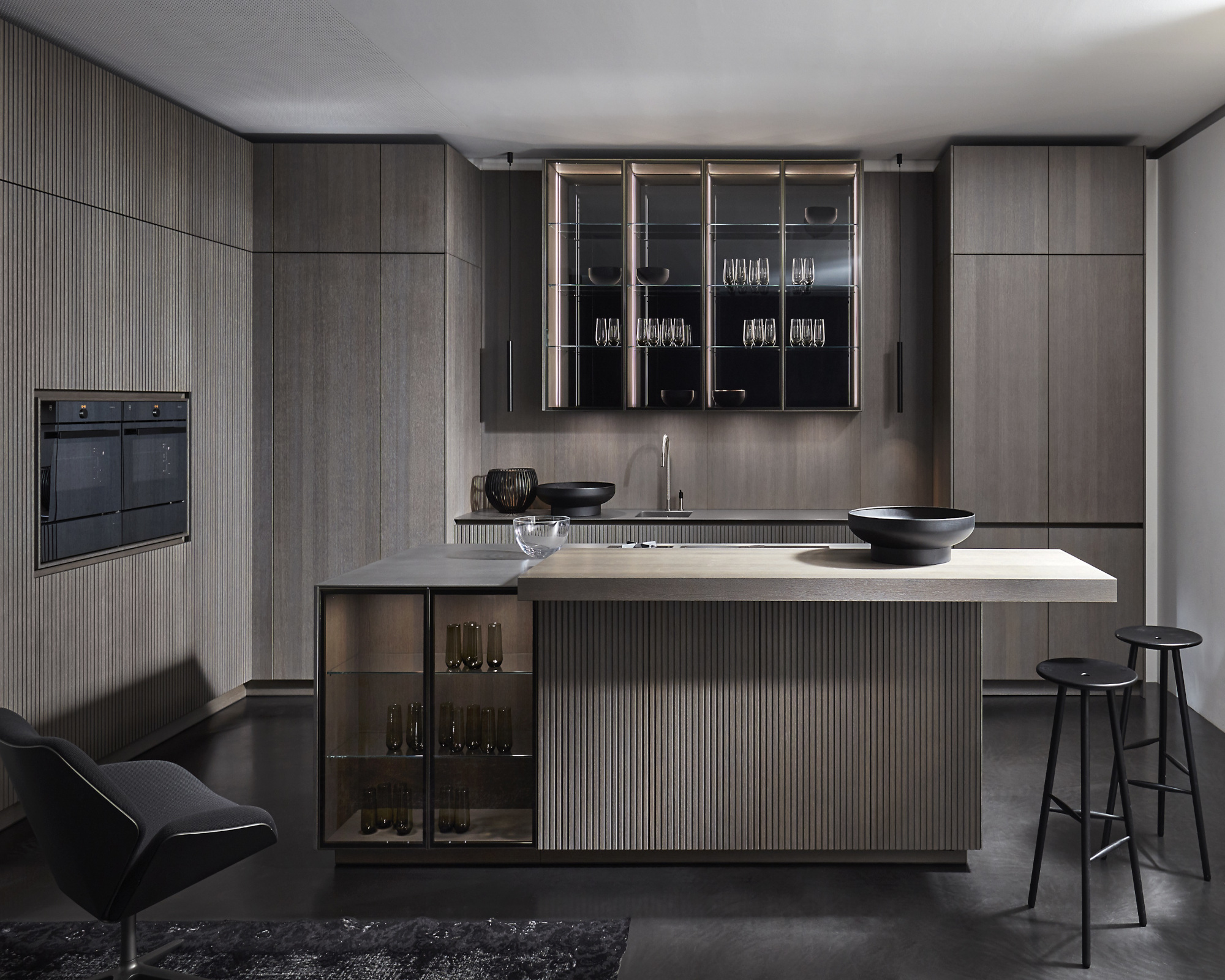
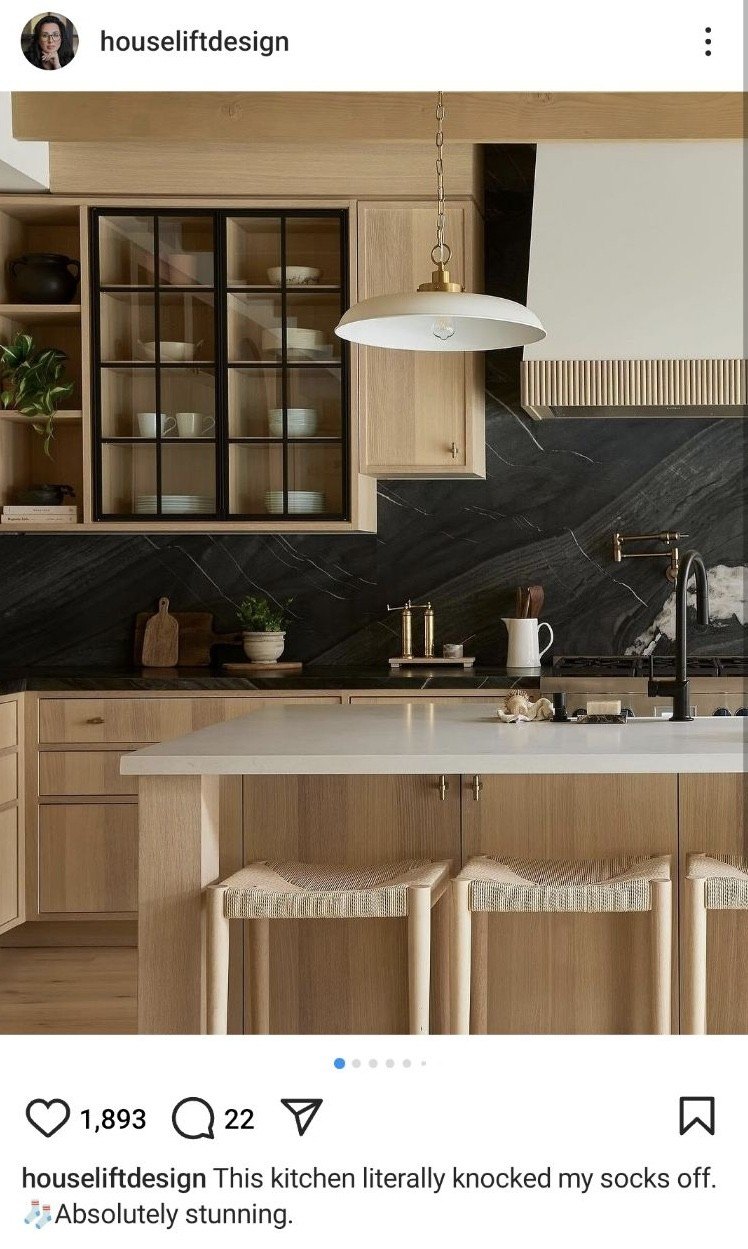
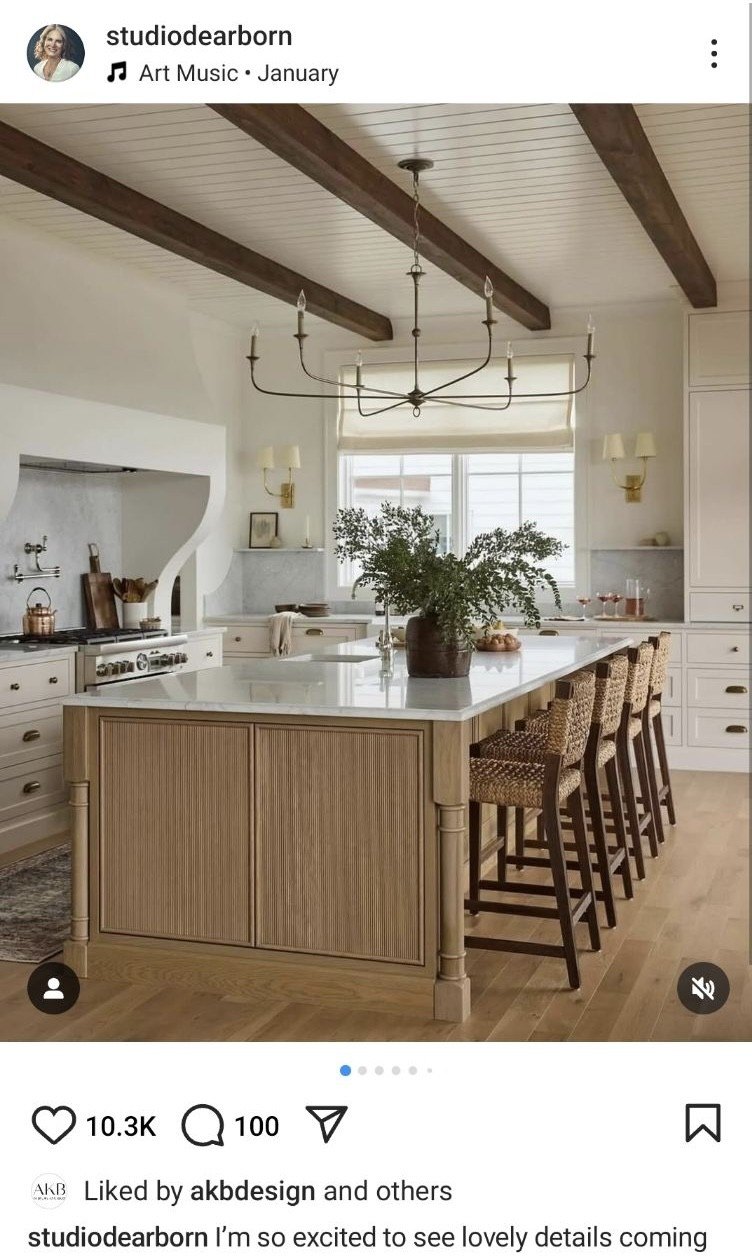
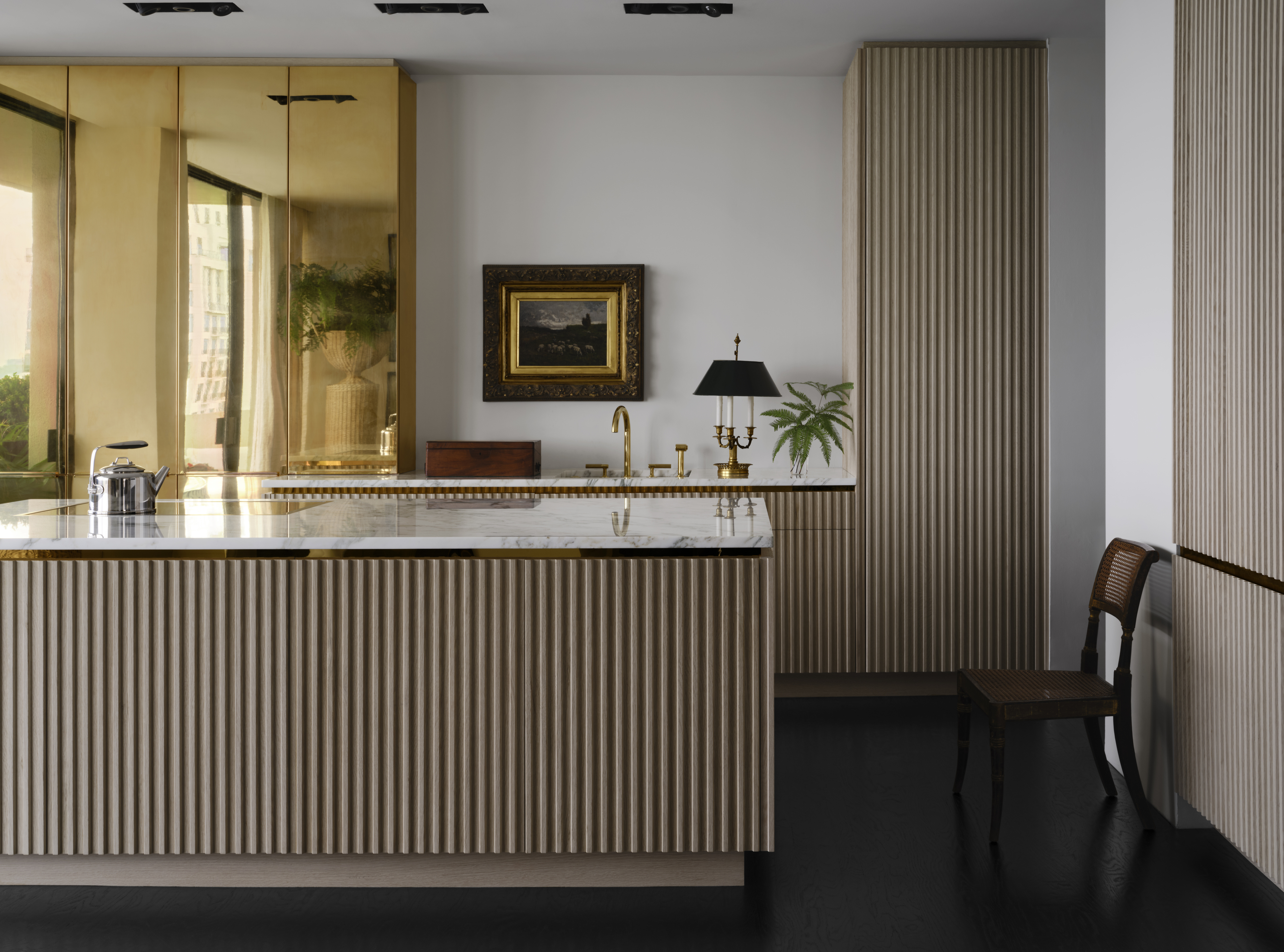
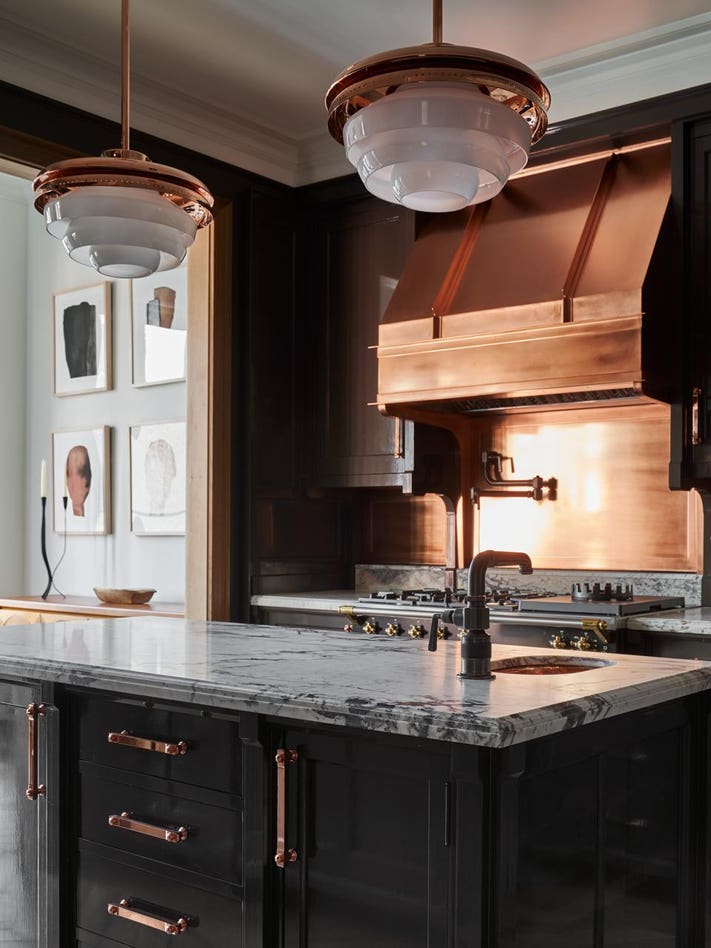
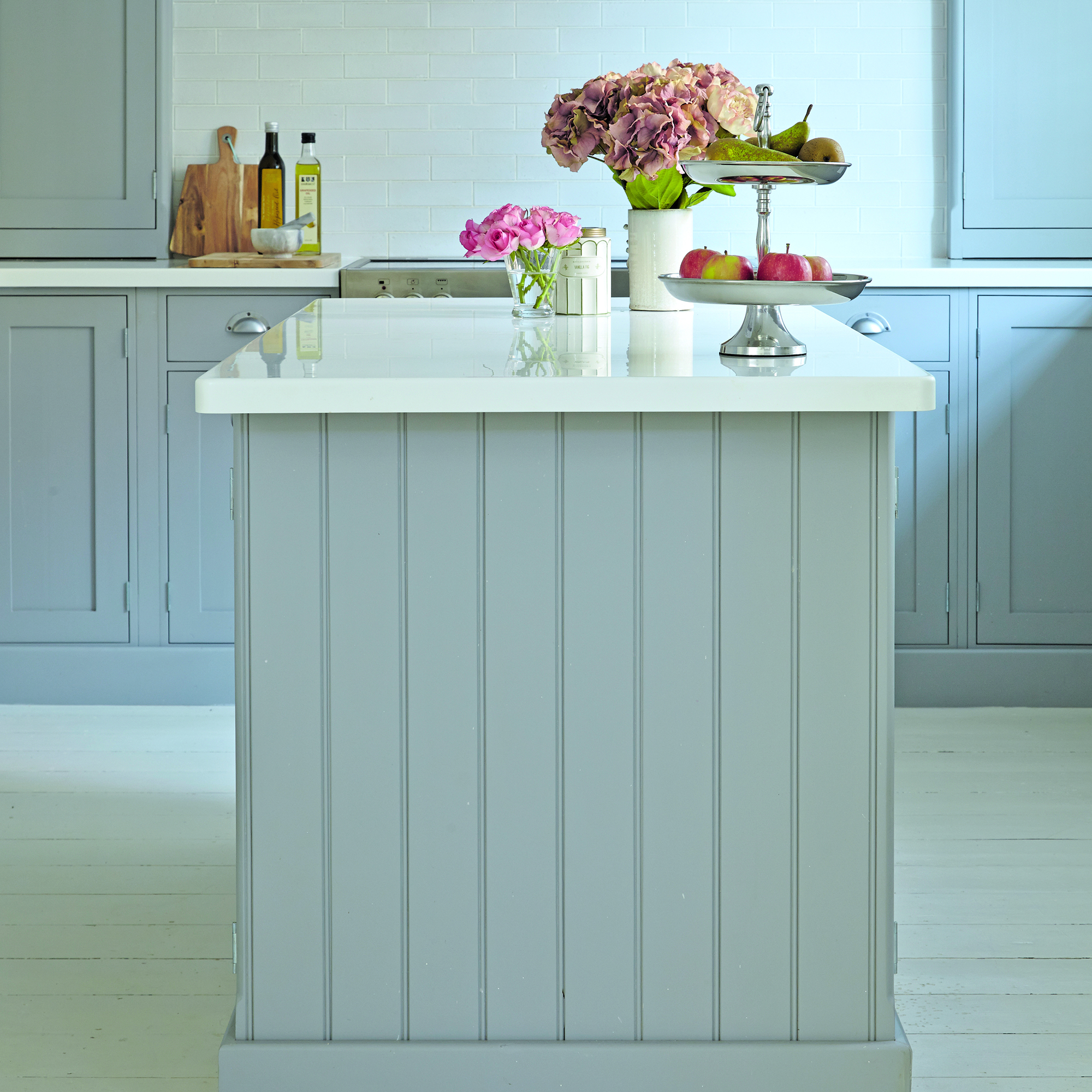
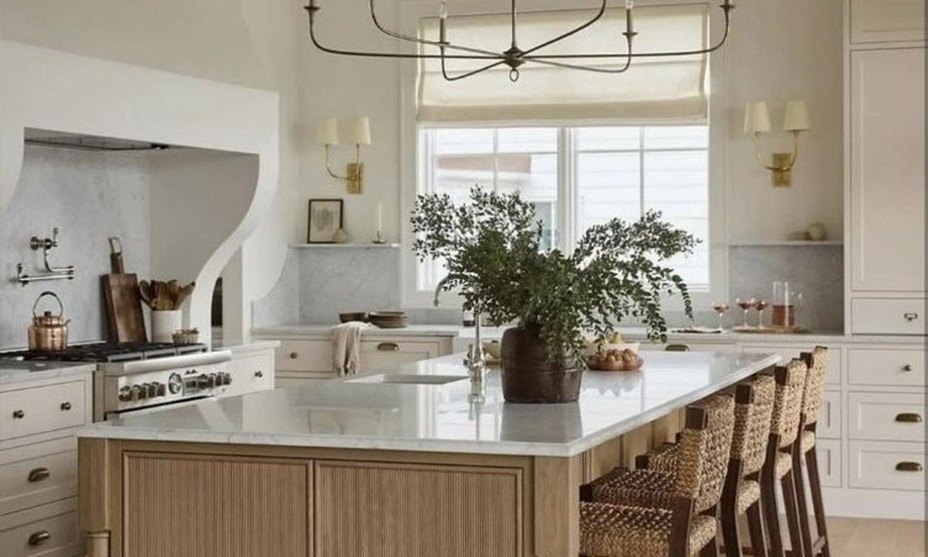
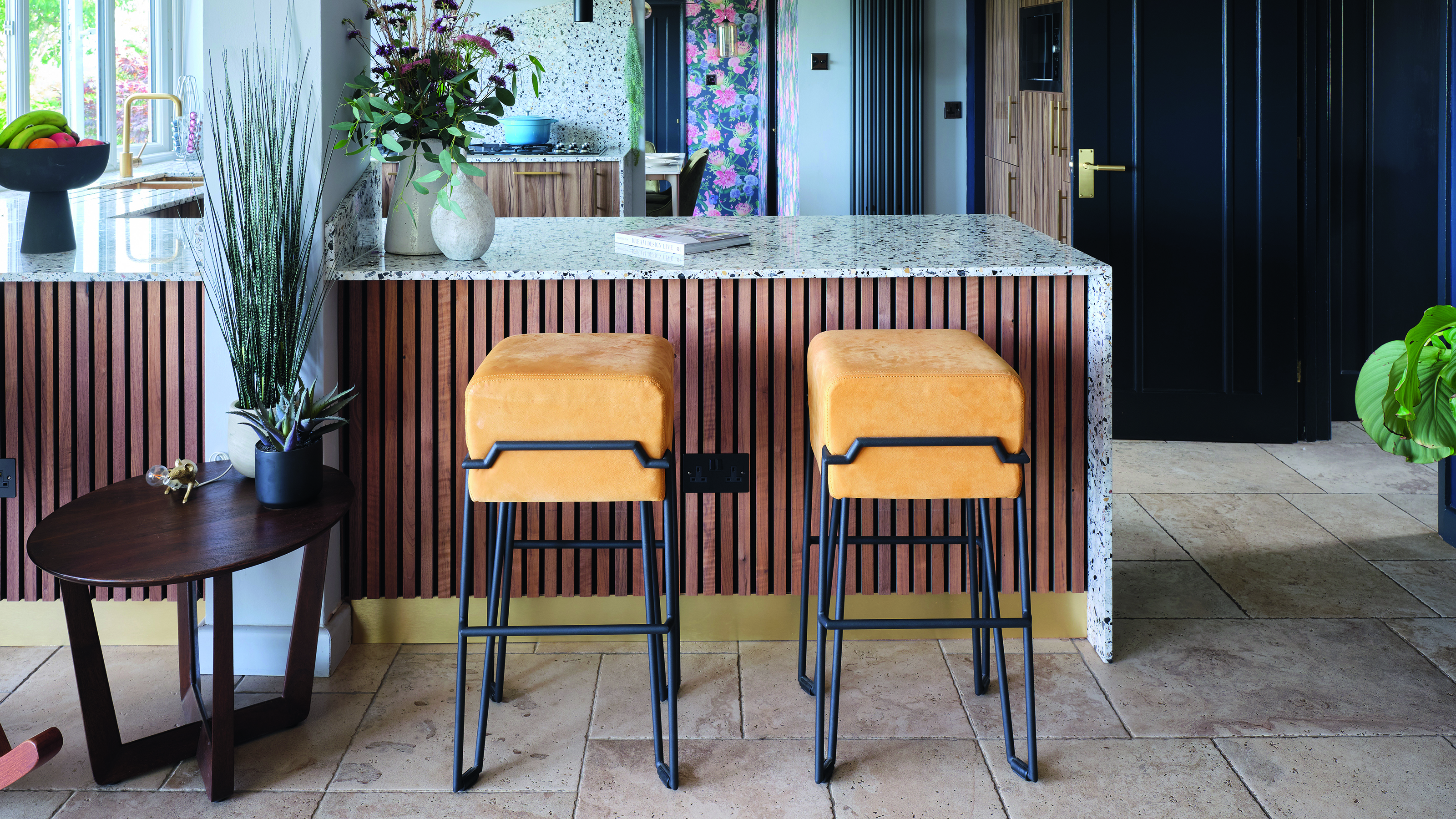
Finishes play a crucial role in defining the overall style of the kitchen island. Matte finishes, especially in dark colors like charcoal or black, are popular for their sophisticated and understated elegance. High-gloss finishes continue to be used to add a touch of glamour and reflect light, making the kitchen feel more spacious. Textured finishes, such as fluted wood or ribbed panels, are emerging to add tactile interest and a bespoke feel. Integrated lighting, both underneath the countertop and within shelving units, is being used to highlight the island's features and create a warm ambiance.
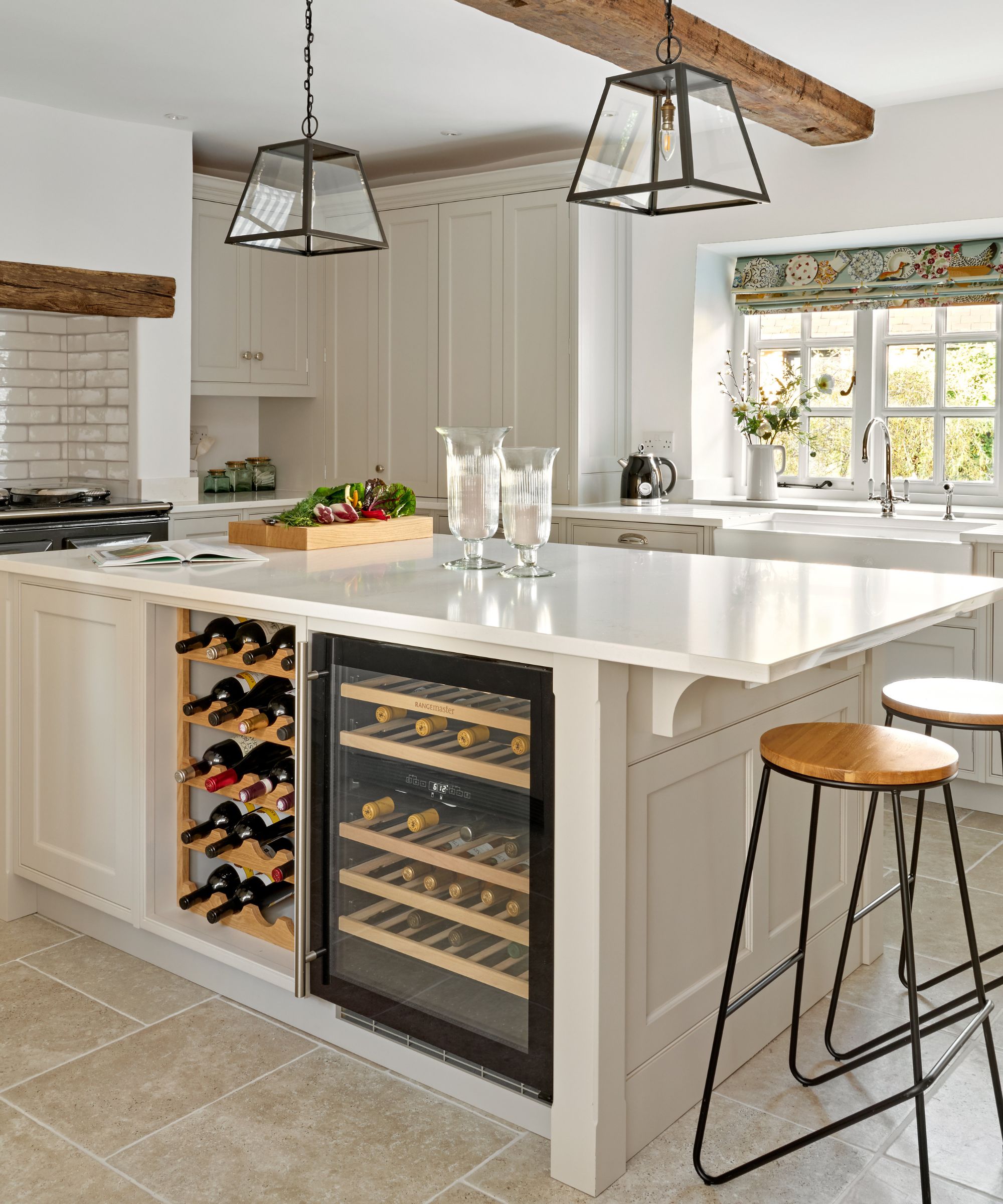
The article also touches upon the functional aspects of these trends. Kitchen islands are increasingly designed to be versatile, serving not only as preparation areas but also as informal dining spots, workstations, and entertainment hubs. Built-in appliances, hidden storage solutions, and integrated charging stations are common features that enhance the practicality of these modern islands. The emphasis is on creating a central, multi-functional piece that adapts to the diverse needs of a contemporary household.
Sustainability is an underlying consideration in some of these trends, with a preference for durable materials and timeless designs that reduce the need for frequent replacements. The trend towards personalized and unique islands reflects a broader desire among homeowners to infuse their personal style and needs into their living spaces, moving away from mass-produced or generic kitchen designs. Overall, the article emphasizes that the kitchen island is evolving beyond a mere utilitarian object to become a central design statement in the home, combining innovative design with practical utility.
#KitchenIslands #InteriorDesign #KitchenTrends #HomeDecor #DesignInnovation #KitchenMaterials #KitchenFinishes #HomeImprovement #KitchenIslands #InteriorDesign #KitchenTrends #HomeDecor #DesignInnovation #KitchenMaterials #KitchenFinishes #HomeImprovement
0 comment in total
 No comments yet
You may also like
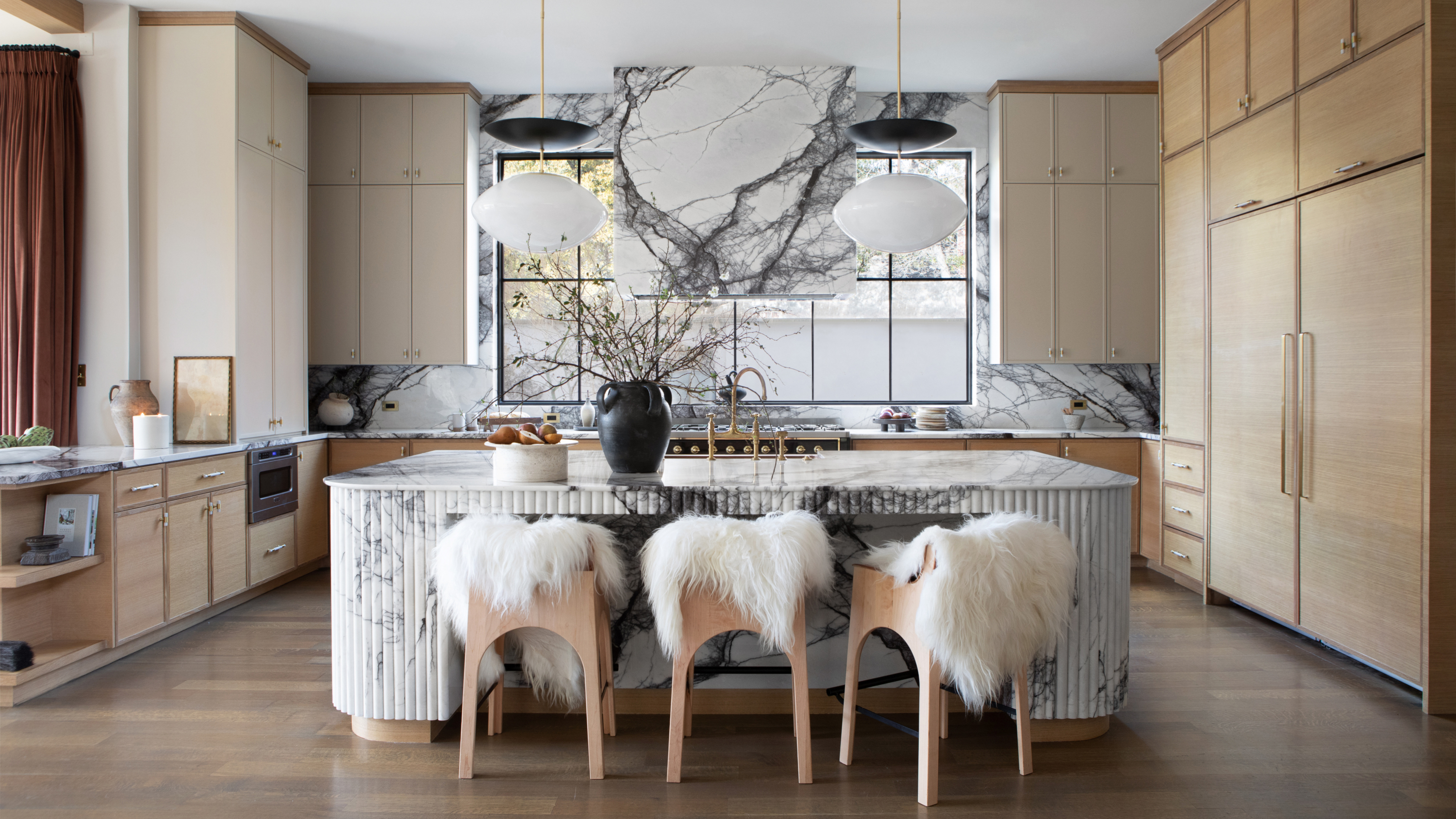
Kitchen island trends – 8 shapes, materials and finishes designers are choosing for elevated spaces

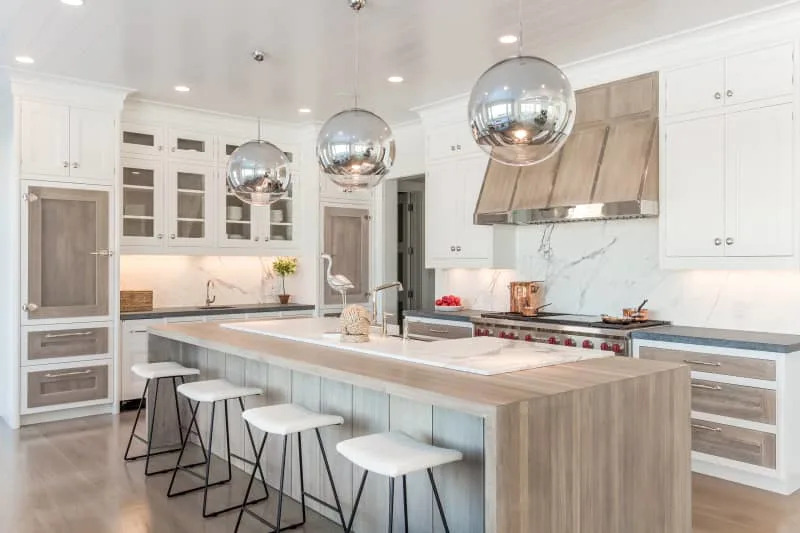
3 Kitchen Island Trends That Interior Designers Love (and 2 to Skip)
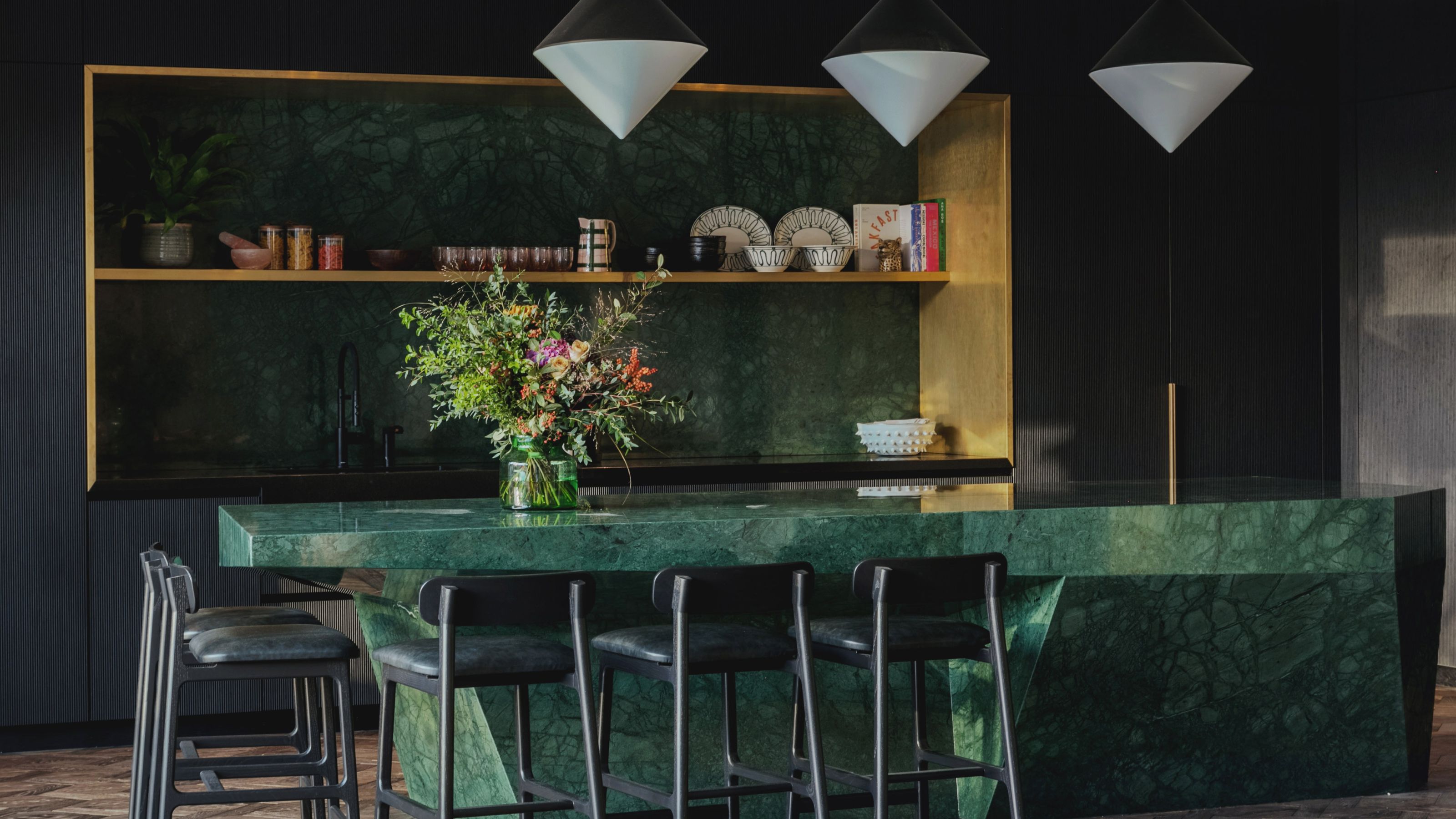
13 Trending Kitchen Islands That You'll See in All the Coolest Schemes Next Year
24 Kitchen Island Ideas That Add Function and Style to Your Cooking Space
Kitchen island trends — design pros say to try these 7 hot styles

5 Showstopping Kitchen Island Looks That Will Redefine Your Cook Space
11 Kitchen Island Décor Ideas That Add Style and Elegance to Your Cooking Space

8 Kitchen Design Ideas

Four trending ways to reimagine kitchen islands
Vinyl Flooring Is the Top Choice for Kitchens—and 5 More Design Trends to Look Forward to This Year

These are the kitchen trends designers say will elevate your design
Kitchen panelling is trending - here are 8 ways to achieve this affordable but luxury look
Elevate Your Space With 8 2025 Kitchen Trends You'll Love
What's the best material for split-level kitchen islands? Designers on getting this luxe decor trend exactly right
While We’re Spending Time At Home, Eight Kitchen Islands To Lust After

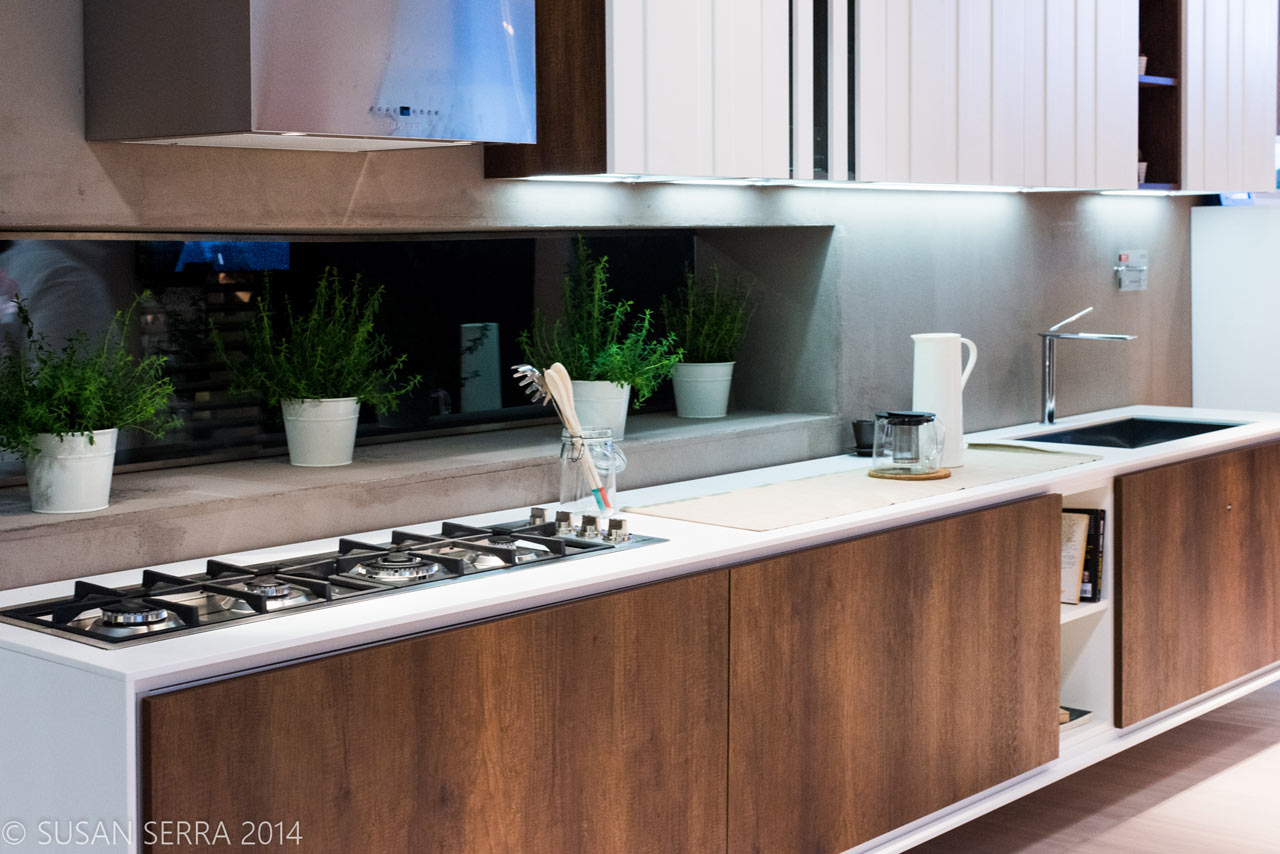
Current Kitchen Interior Design Trends

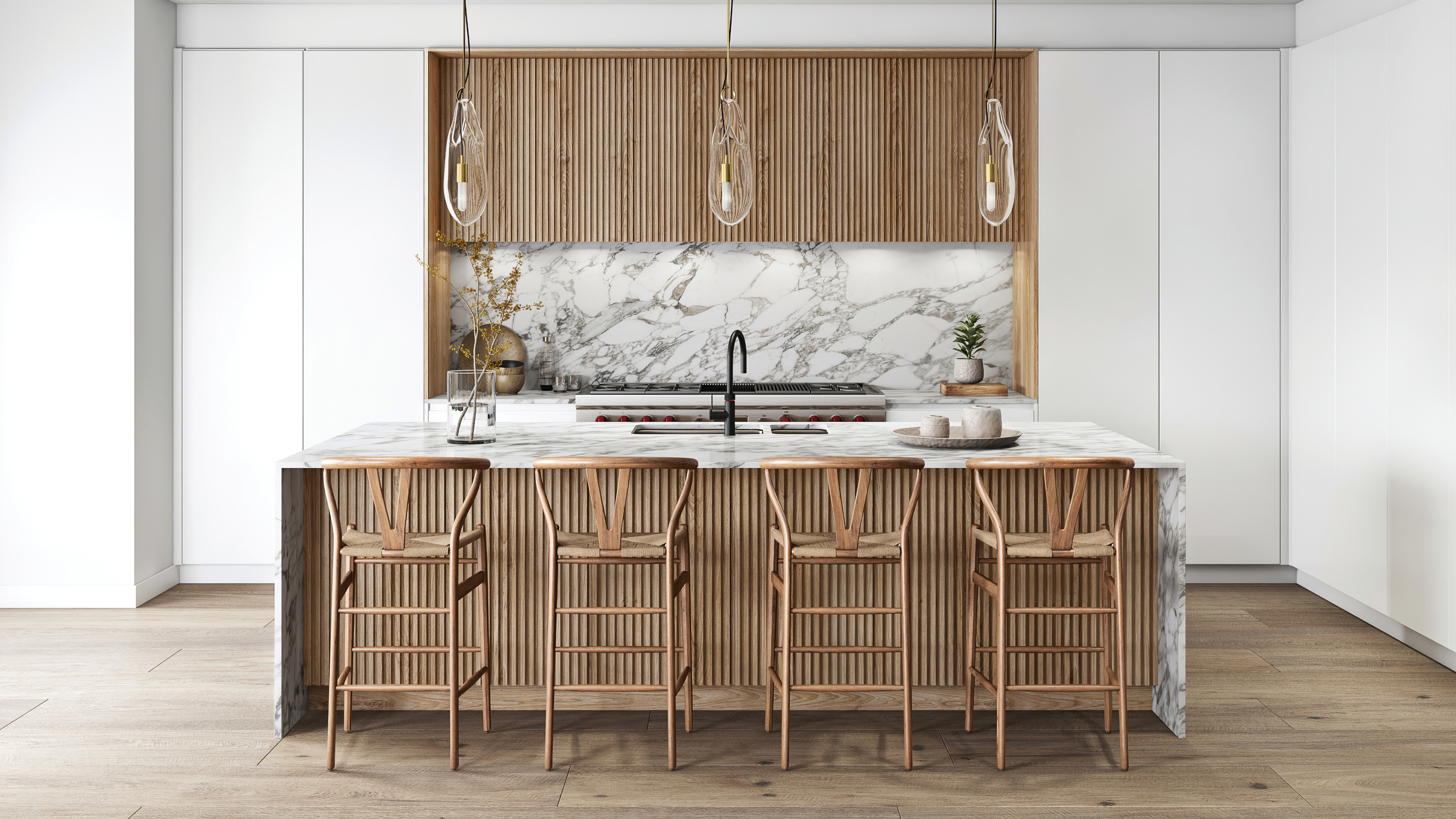
Fluted kitchen islands are the chicest new trend according to designers – here's how to get the look
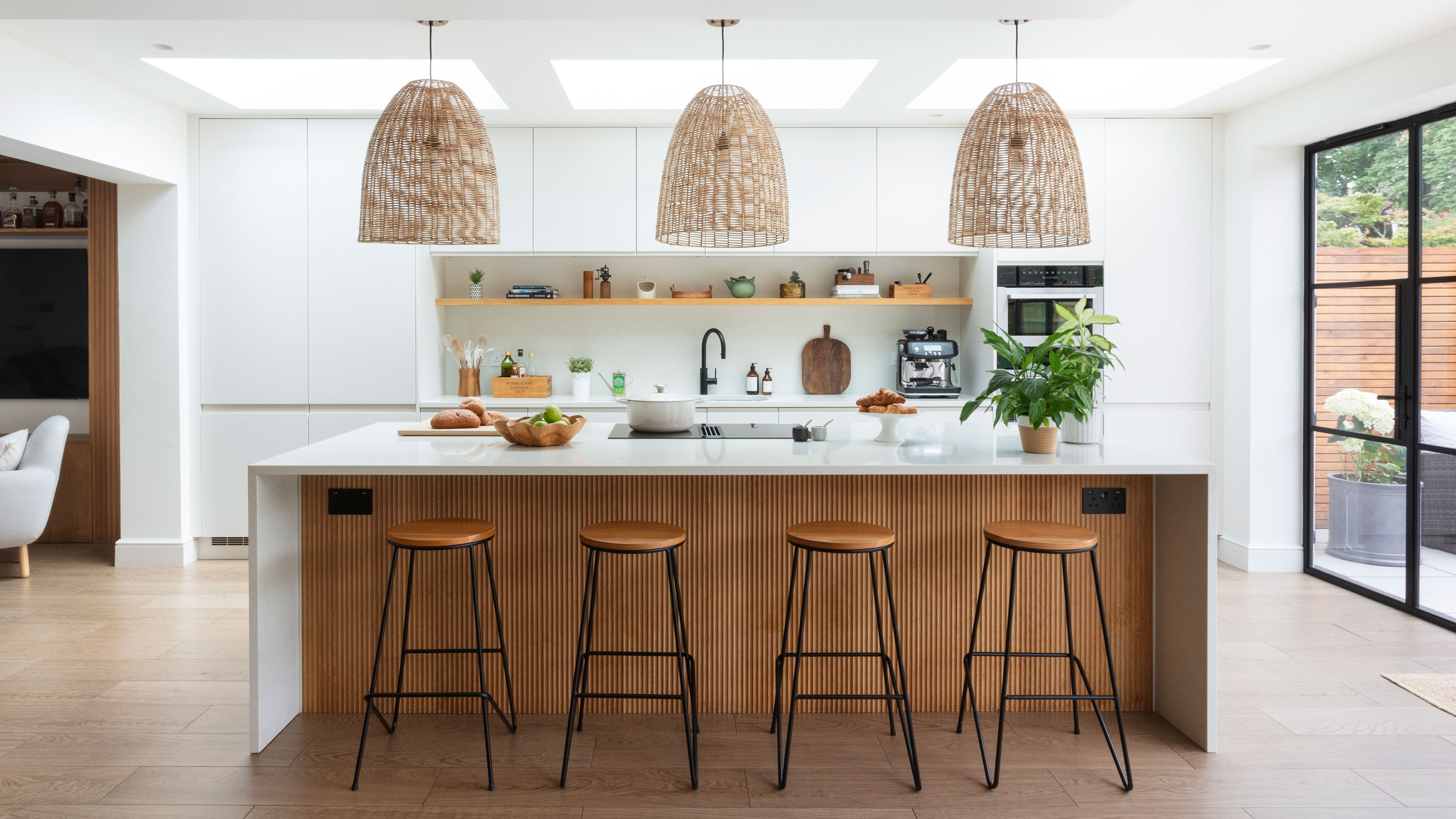
The kitchen island trends dominating 2025 - the liveable looks we predict will become new classics
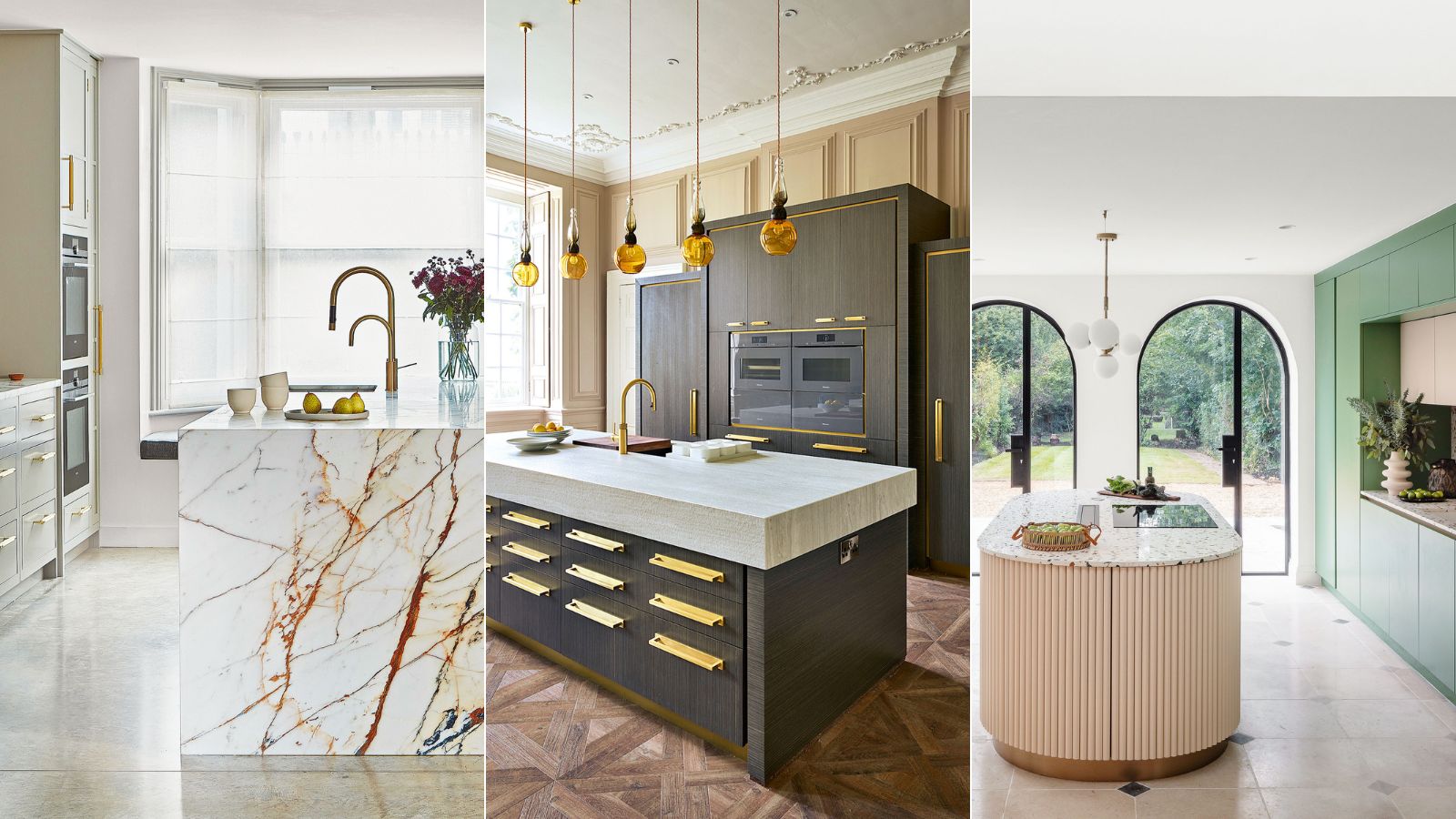
Kitchen island trends 2023 – 9 new looks for your kitchen's focal point that marry style and functionality

This ’90s Kitchen Island Trend Is Being Replaced with Something Far More Practical