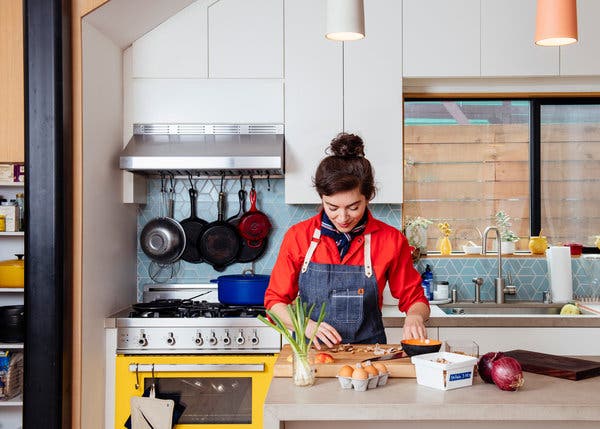
1/10
How to Organize Your Kitchen Like a Professional Chef (Published 2019)
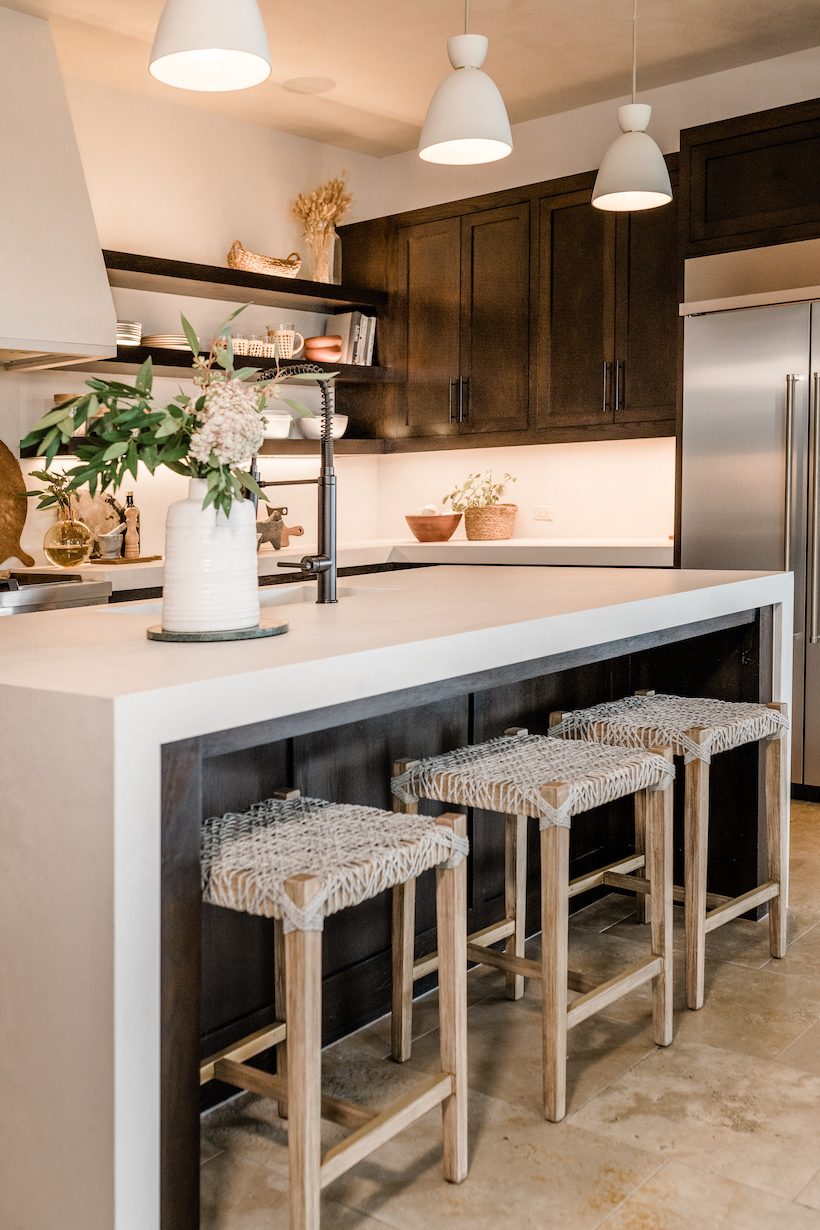
This article explores the principles of kitchen organization, drawing inspiration from professional culinary practices, particularly the French concept of 'mise en place,' meaning 'everything in its place.' It features Ellen Bennett, founder and CEO of the culinary and lifestyle brand Hedley & Bennett, who applies her experience as a line cook to maintaining an exceptionally organized home kitchen. Bennett, who once worked at renowned restaurants like Bäco Mercat and Providence, emphasizes that a systematic approach to organization eliminates the need to search for items, thereby saving time and effort in a fast-paced environment.
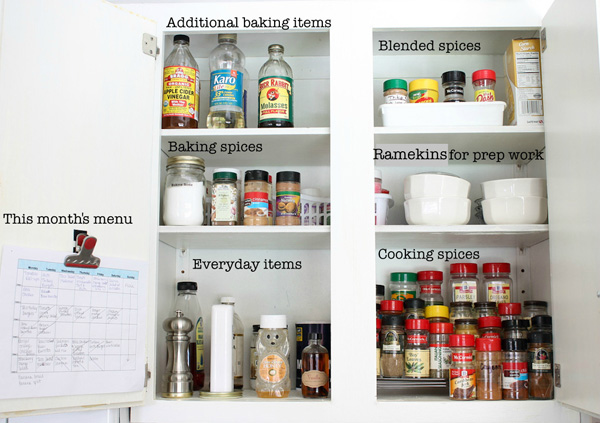
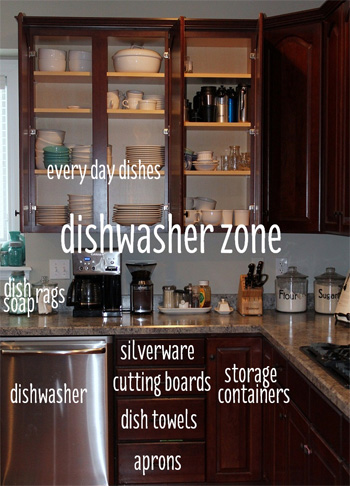
The article outlines several key methodologies Bennett employs, starting with 'divide and conquer.' She categorizes all cookware into four functional pillars: 'prep,' 'cook,' 'serve,' and 'store.' For instance, her 'PREP' drawer contains tools such as mixing bowls, a mortar and pestle, a scale, and a measuring glass, while 'COOK' houses pots and pans. Serving items like plates and glasses are kept in cupboards, and resealable containers have their own dedicated drawer, preventing intermingling of categories.
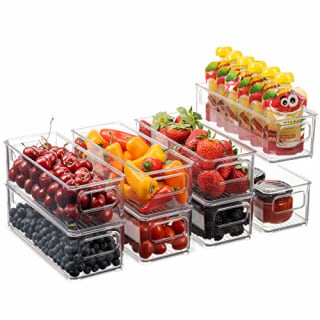
Another principle is to 'sort by flavor and function.' Bennett organizes her refrigerator contents based on flavor profiles and function, with designated sections for Asian sauces, American sauces, fruits, vegetables, and pickled items. On her countertop, she maintains a 'flavor station' consisting of a wooden bowl filled with essential aromatics like shallots, garlic, and red onions, which she considers fundamental to good flavor.
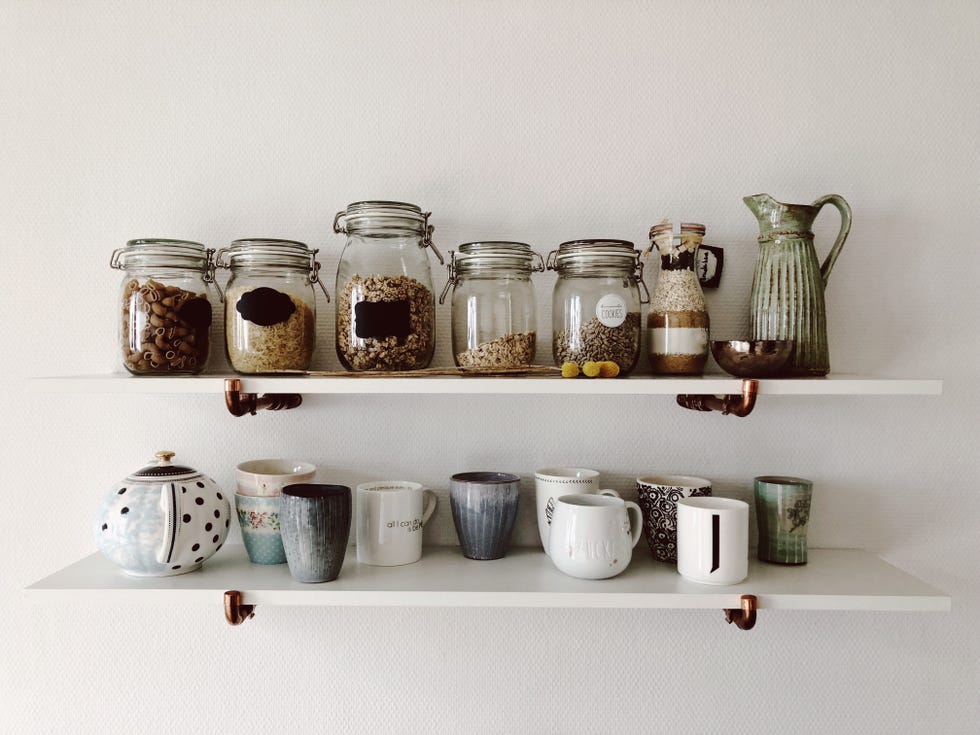
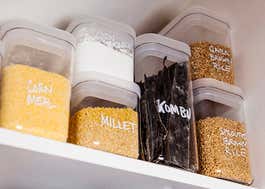
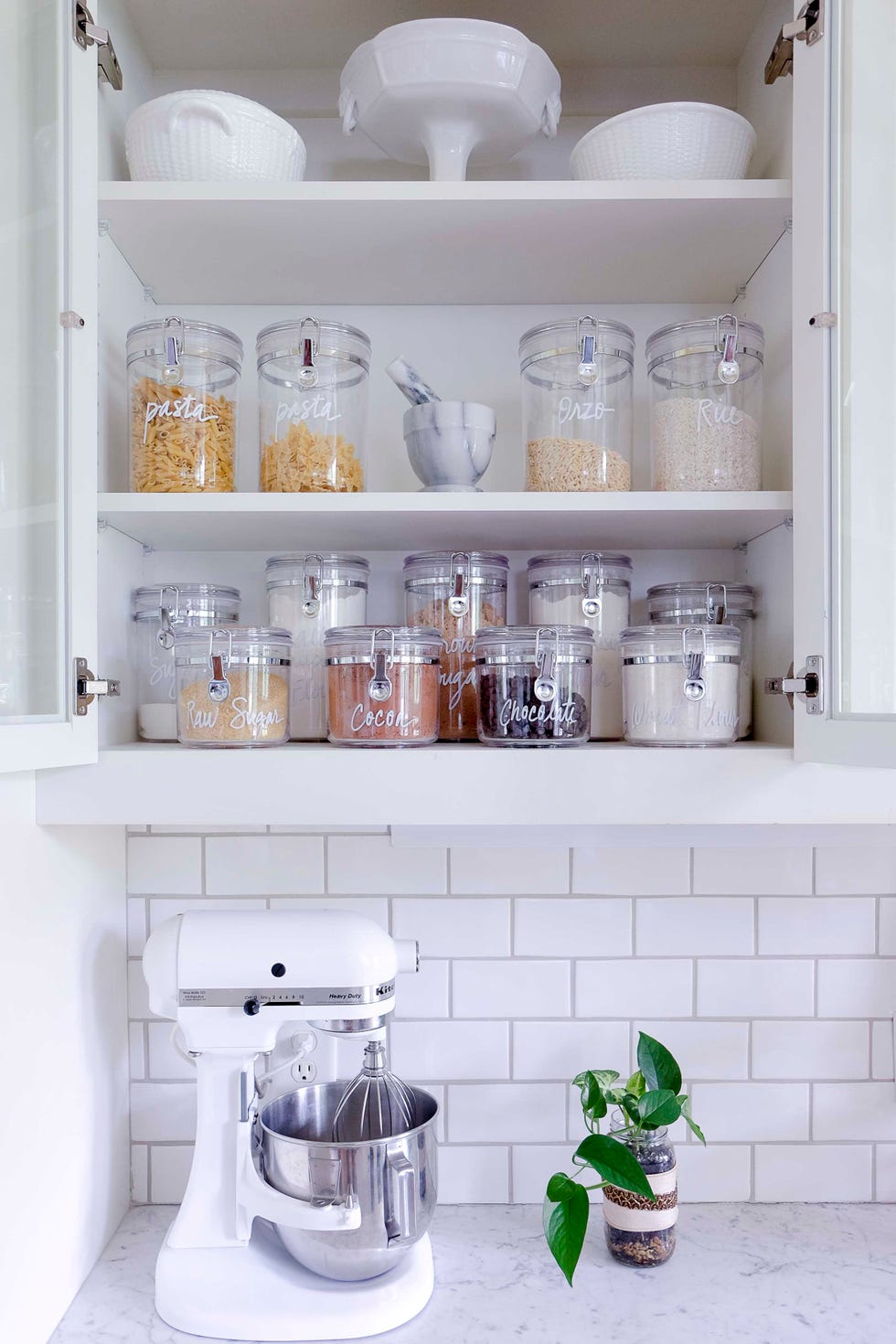
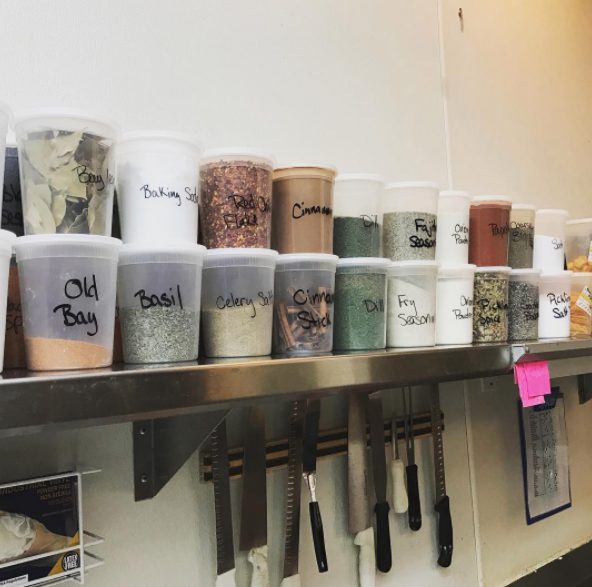
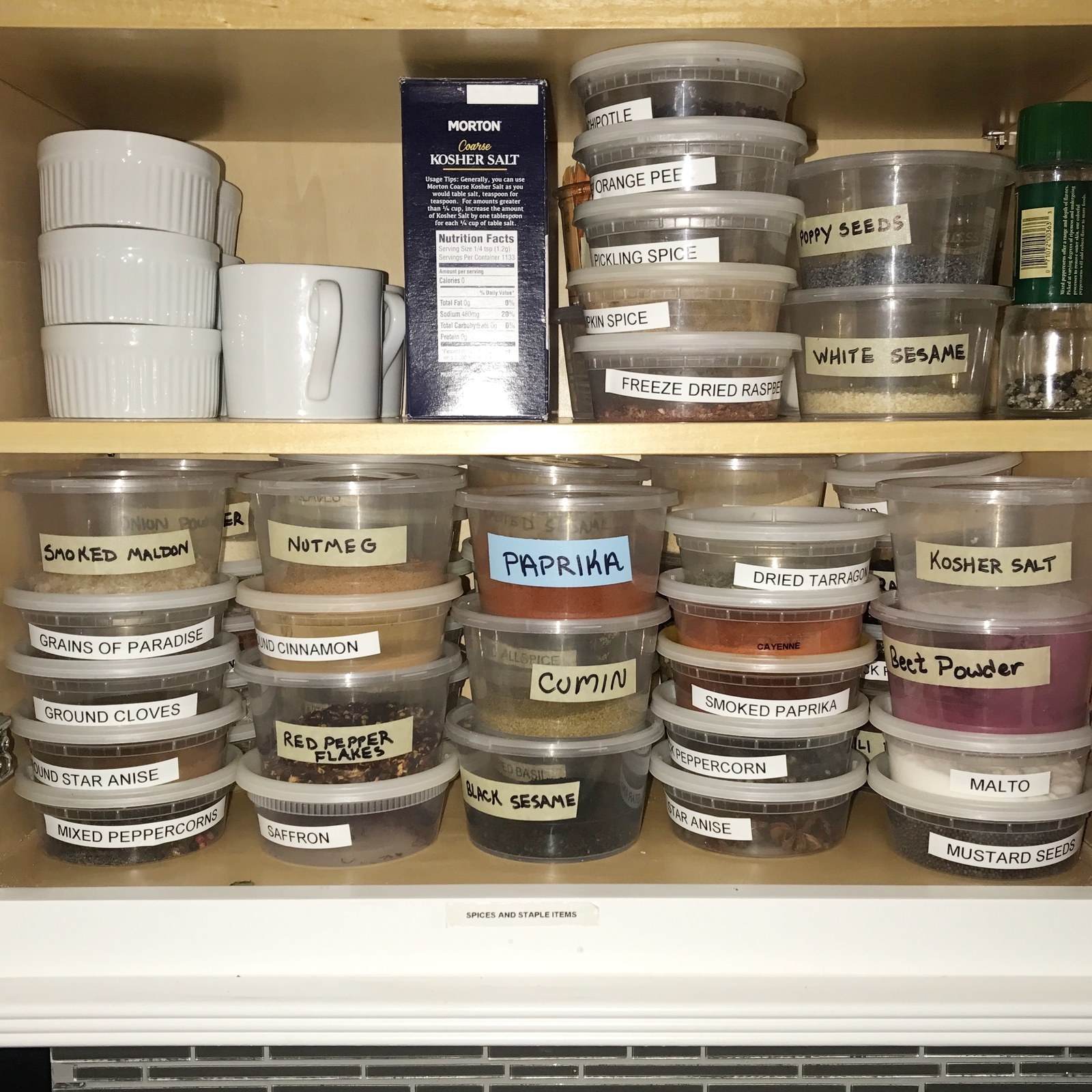
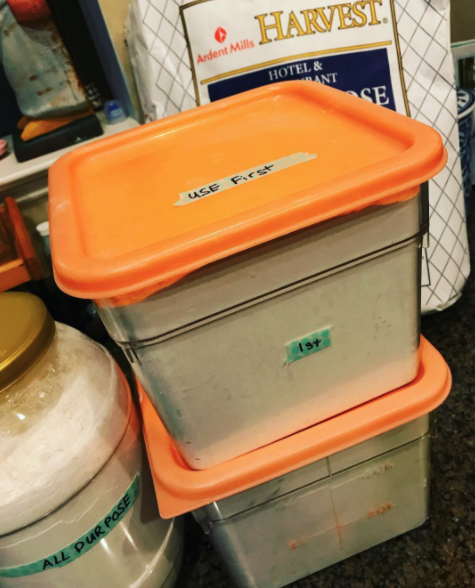
'Date and label' is also highlighted as crucial, especially with uniform storage containers. Instead of using a label maker, Bennett suggests chalkboard paint and pens for clear and aesthetically pleasing labeling, a method that is also easy to update. This practice, she notes, is common in professional kitchens where everything is labeled, often with painter's tape.
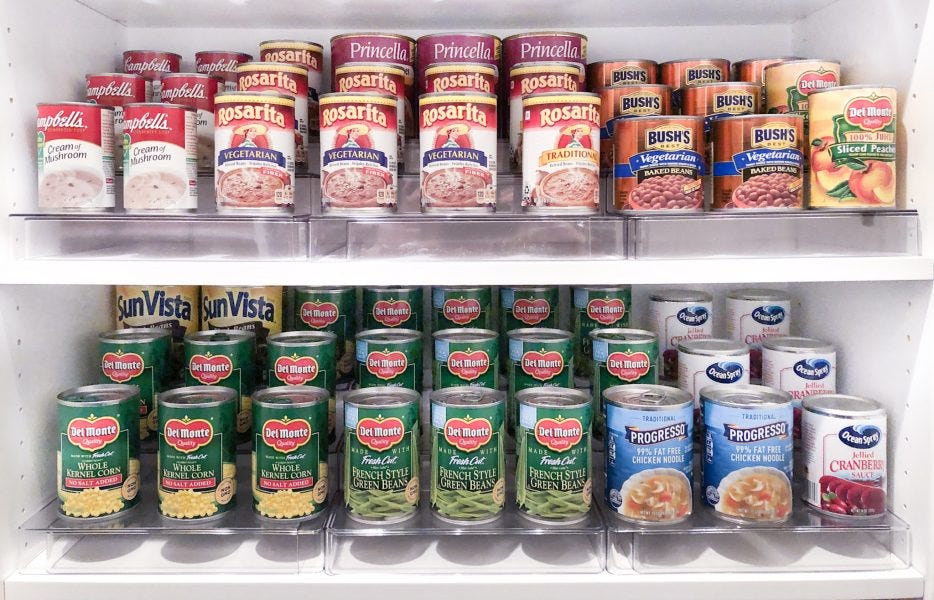
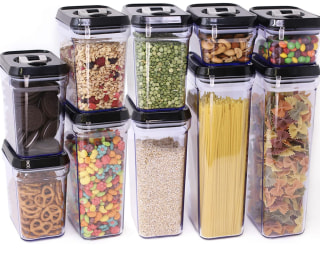
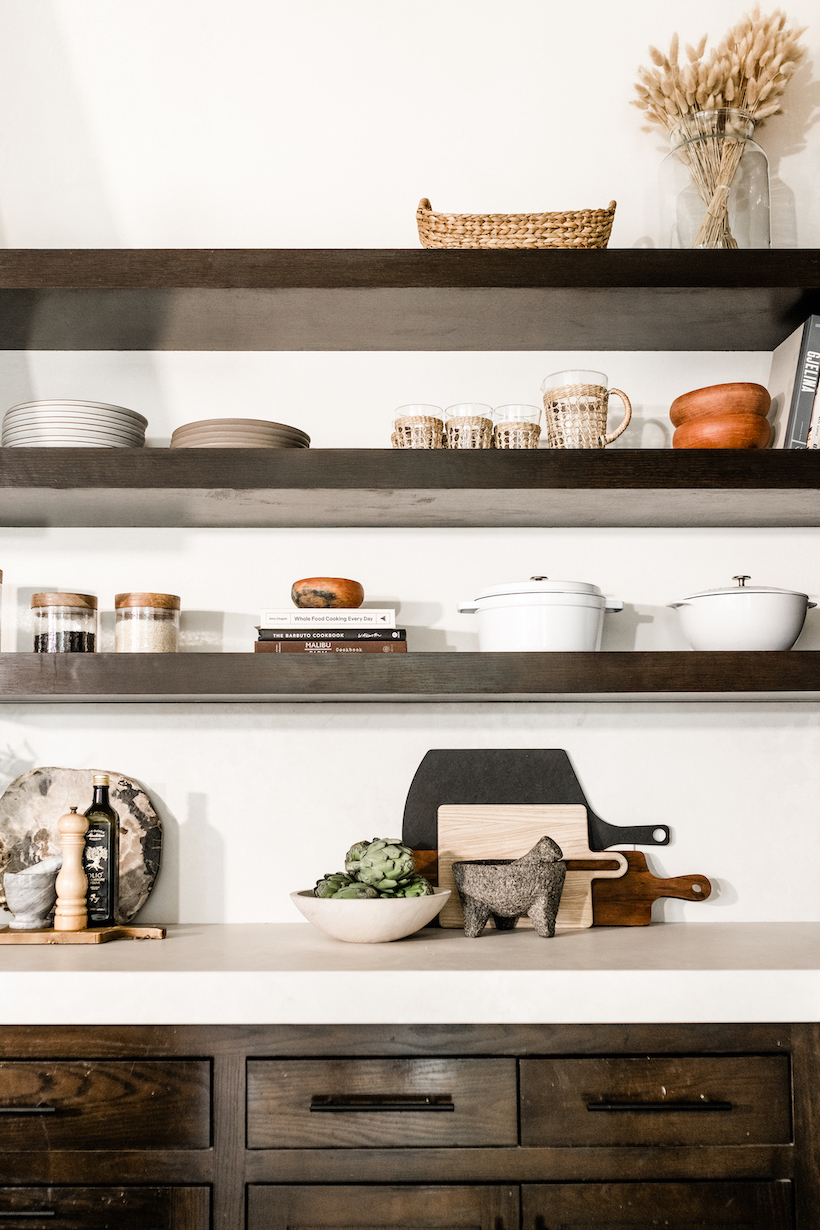
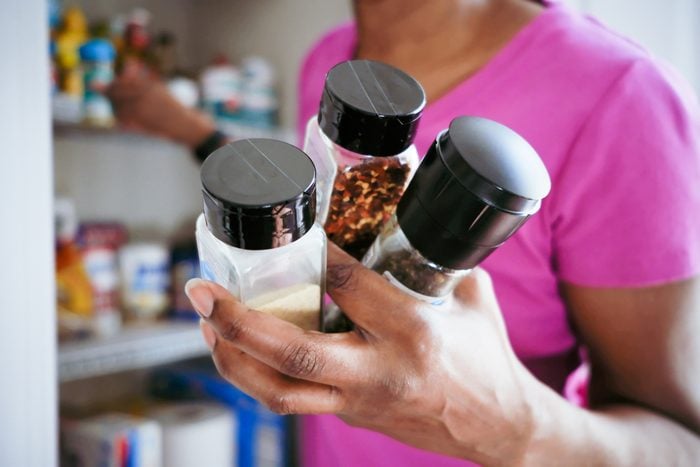
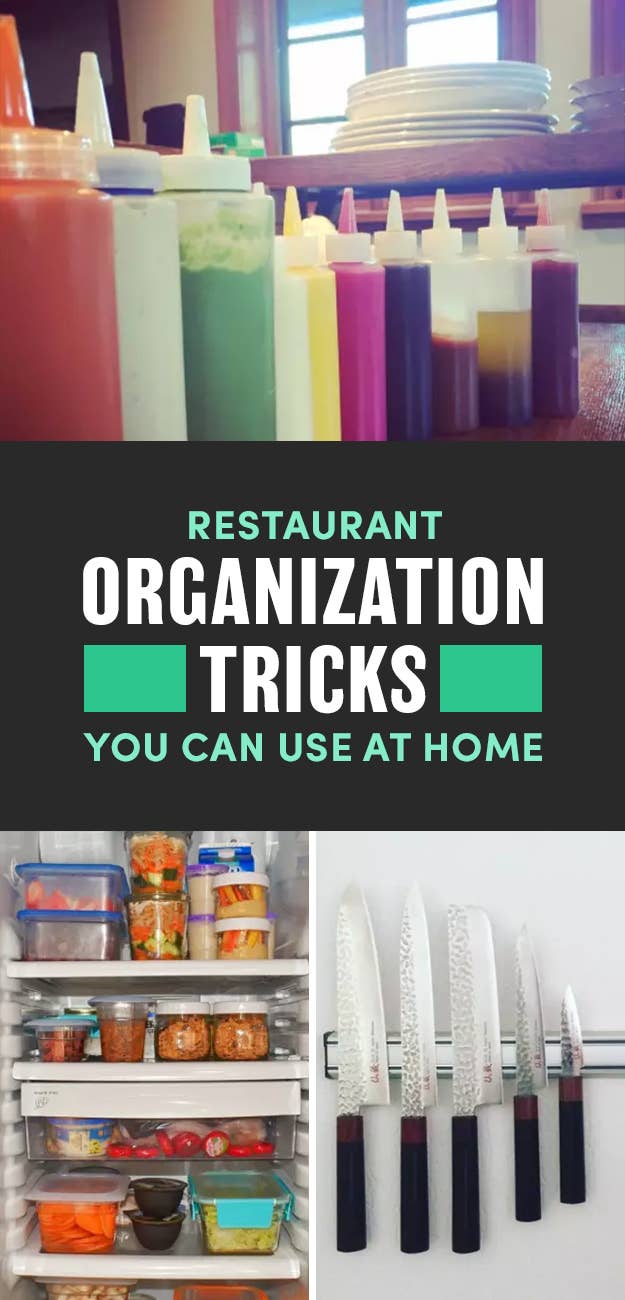
Bennett advocates for keeping 'everything in plain sight' to ensure accessibility and prevent guesswork. She prefers storing knives in a drawer or on a magnetic strip rather than in a butcher block. Similarly, dry goods are transferred to labeled, transparent plastic or glass containers. This visibility, learned from restaurant inventory management, allows for immediate assessment of stock levels, helping to anticipate when items need to be replenished.
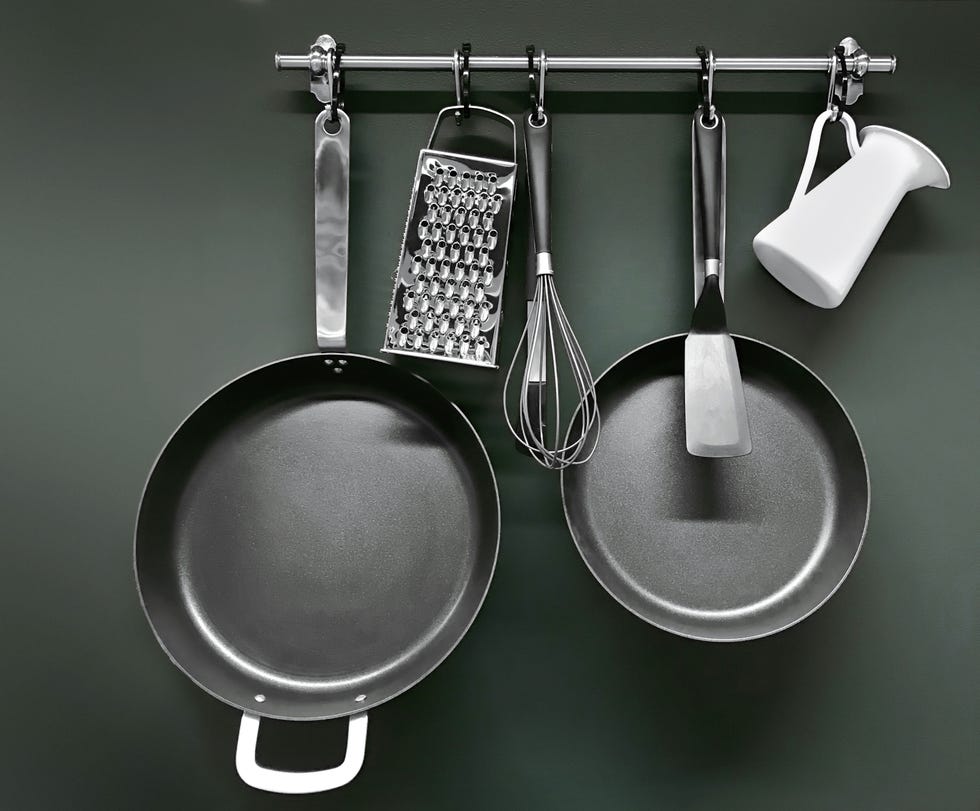
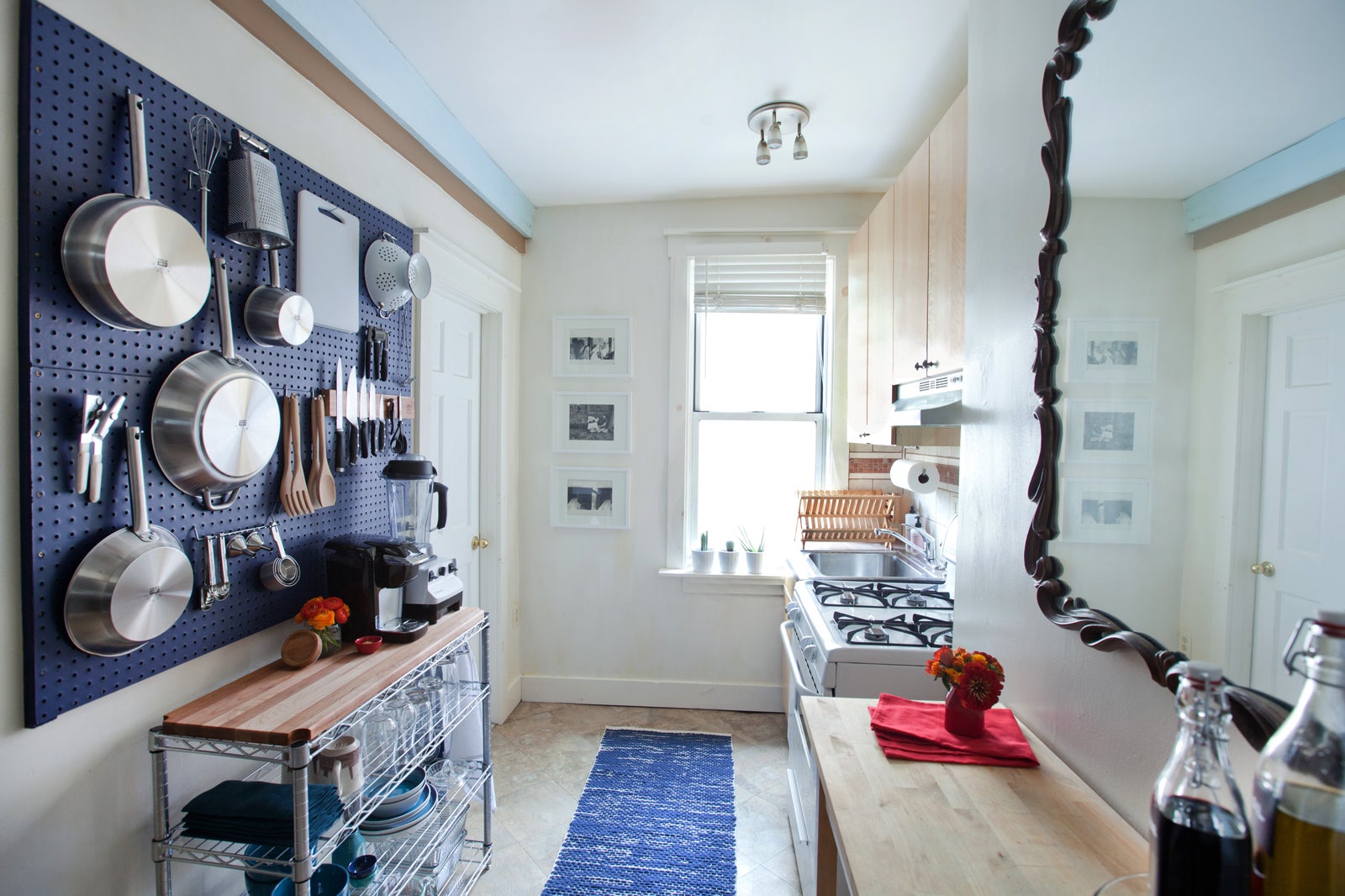
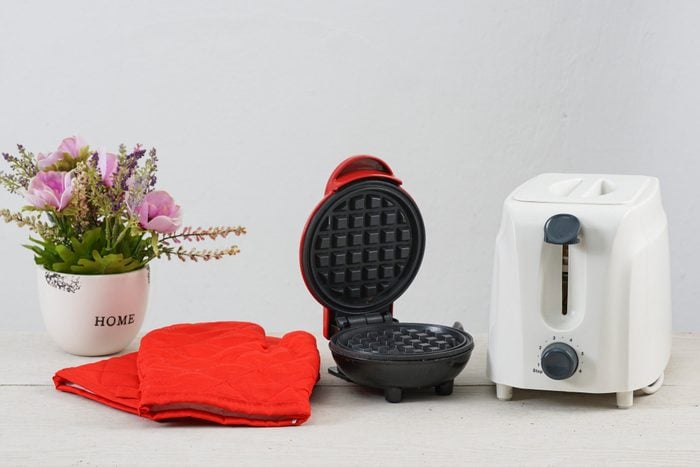
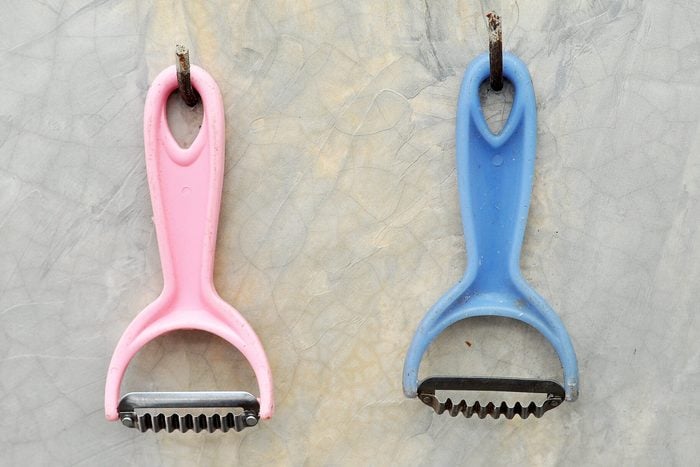
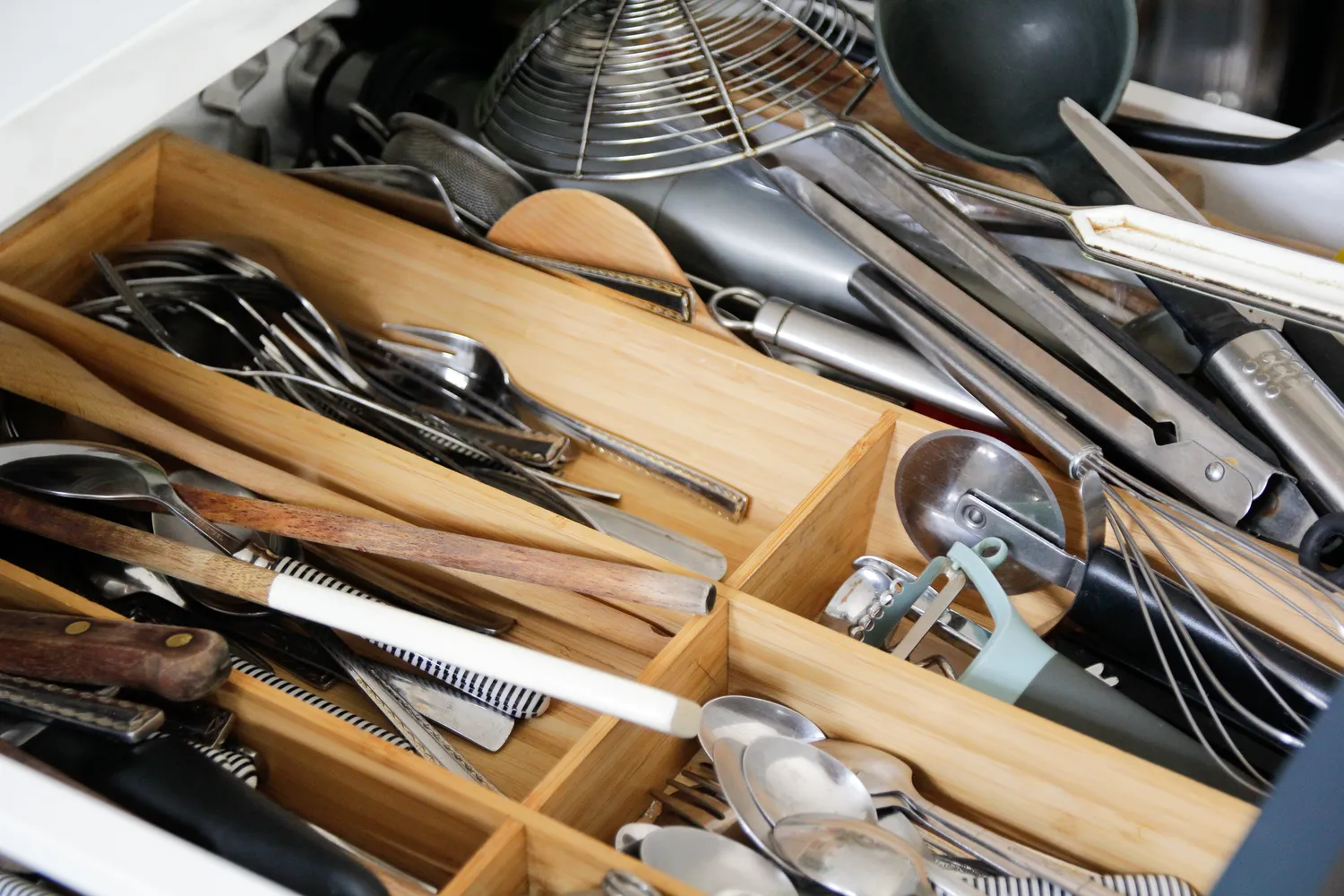
She also advises keeping 'gadgets to a minimum,' suggesting that only essential tools should remain in the kitchen. She recently discarded a rarely used juicer and opposes single-utility items like cherry pitters or garlic presses, emphasizing the importance of mastering basic tools like a chef's knife. The recommended kitchen drawer essentials include a chef’s knife, a paring knife, a bread knife, and scissors.
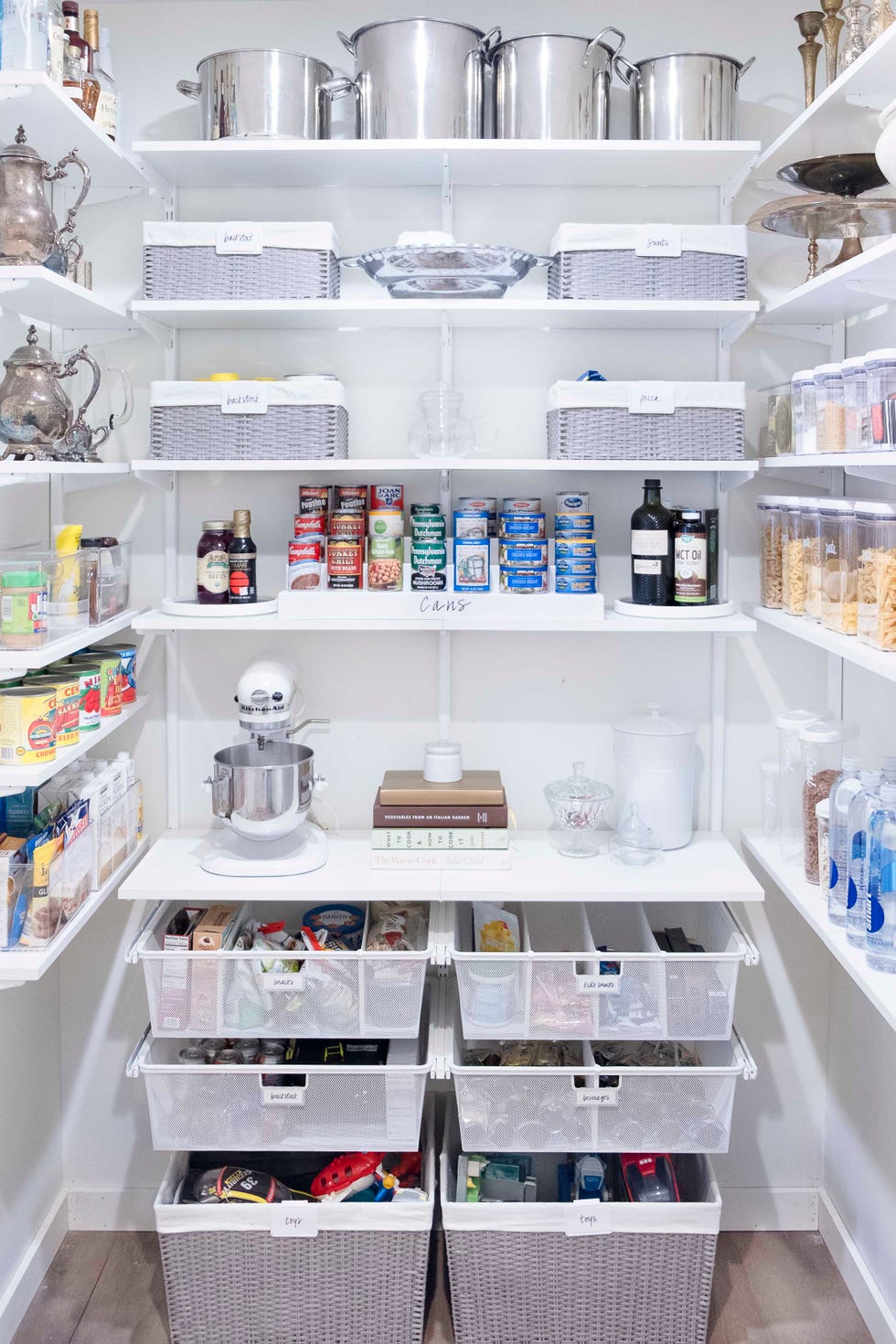
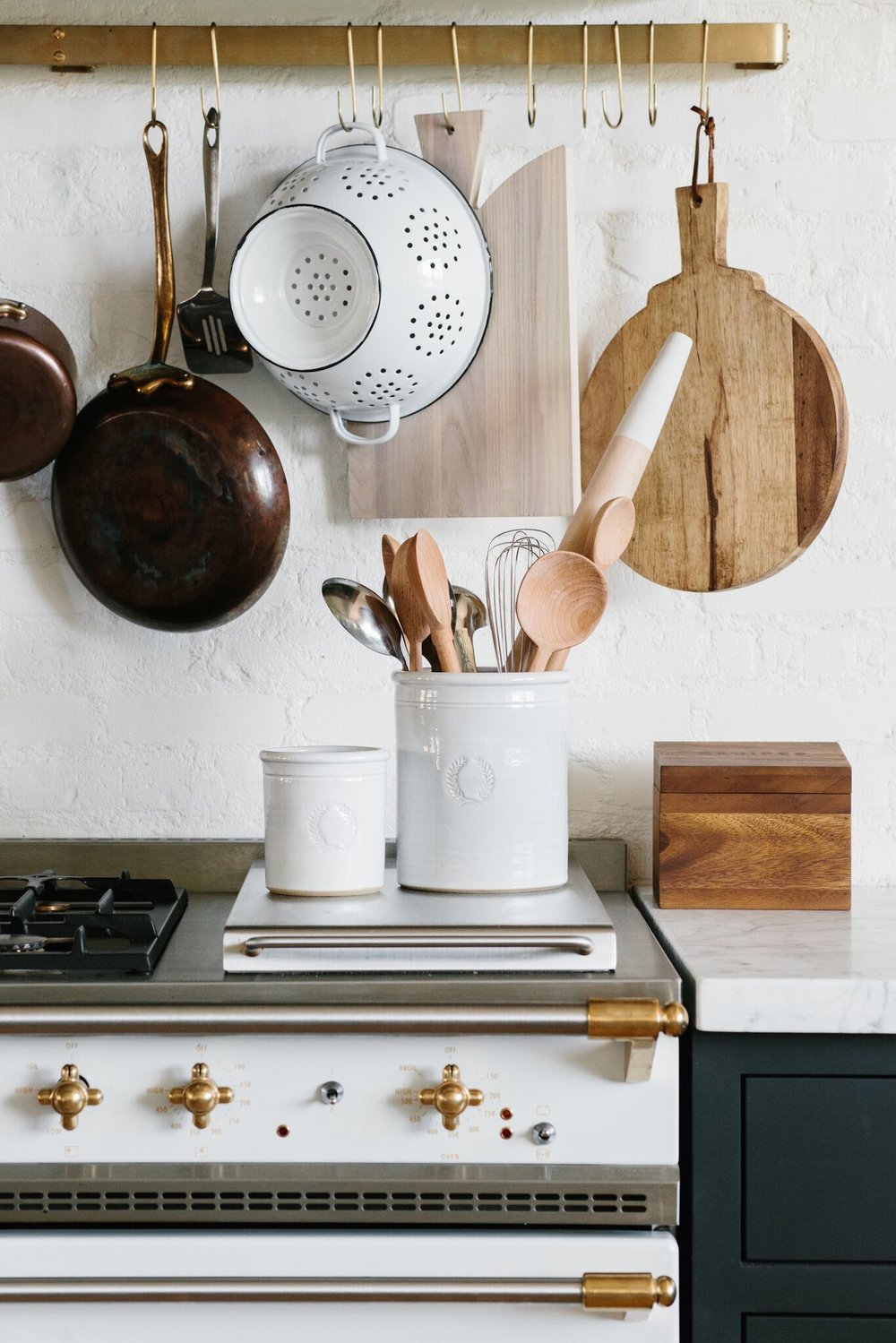
Furthermore, Bennett suggests that individuals 'don’t keep all your eggs in one basket' by separating like items into different trays and baskets. Her vitamins and medicine bottles are consolidated in one fridge tray, utensils are organized in open rectangular boxes within drawers, and a pantry hamper stores irregularly shaped bagged items like chips and pet food. Finally, she recommends keeping 'shopping bags in the car' to ensure they are always available for market trips and storing 'essentials close at hand' on the counter, such as butter, salt, pepper, oil, and frequently used cooking utensils, reserving prime counter space for truly necessary items.
#KitchenOrganization #MiseEnPlace #HomeKitchen #ProfessionalCooking #EllenBennett #HedleyAndBennett #CulinaryTips #KitchenEfficiency #KitchenOrganization #MiseEnPlace #HomeKitchen #ProfessionalCooking #EllenBennett #HedleyAndBennett #CulinaryTips #KitchenEfficiency
0 comment in total
 No comments yet
You may also like
6 cooking experts on how to organise your kitchen

Know your way around the kitchen

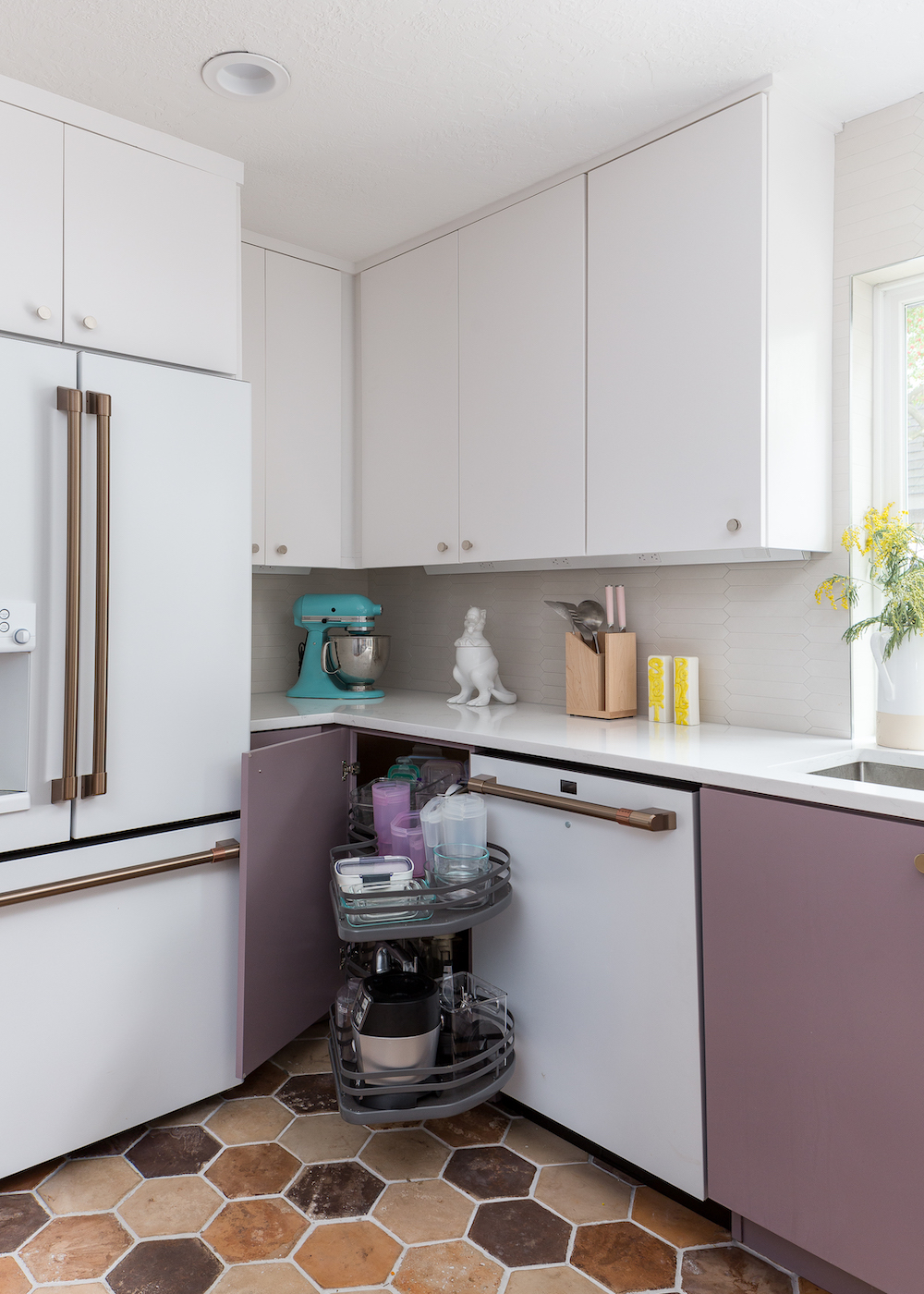
This Pro Organizer Had the Best Solution for Her Tricky Corner Cabinets
I Deep Cleaned My Sister's Kitchen for the First Time in Ages and I Threw Out These 9 Things Immediately

9 Tools to Organize Your Kitchen Like a Pro | Reviews by Wirecutter
16 Kitchen Organization Tricks I Learned Working In Restaurants

How to organize your fridge, with tips from chefs
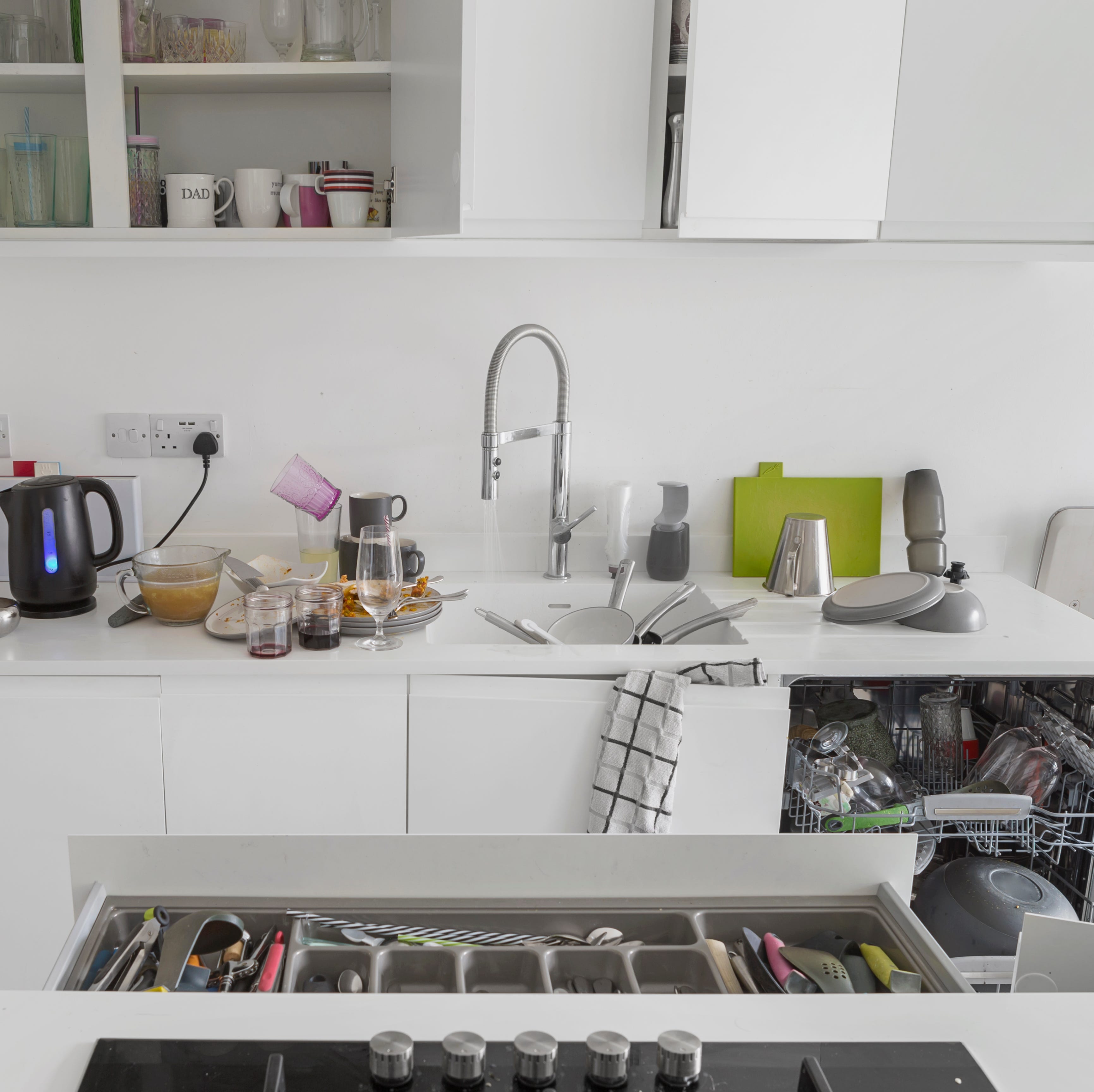
12 Things That People Over 30 Should NEVER Have In Their Kitchen

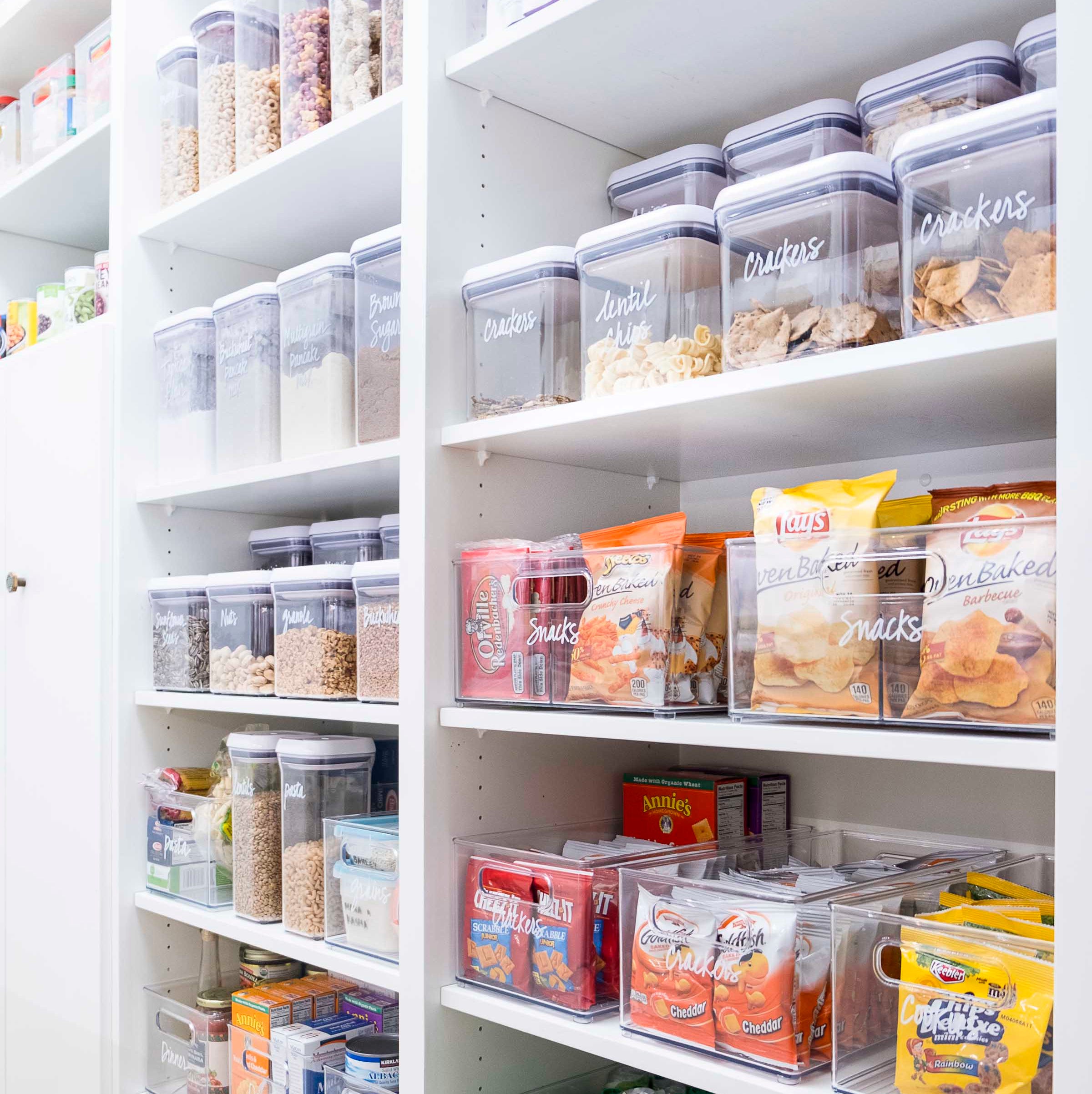
This Is the Home Edit’s Guide to Organizing Your Kitchen in 2020
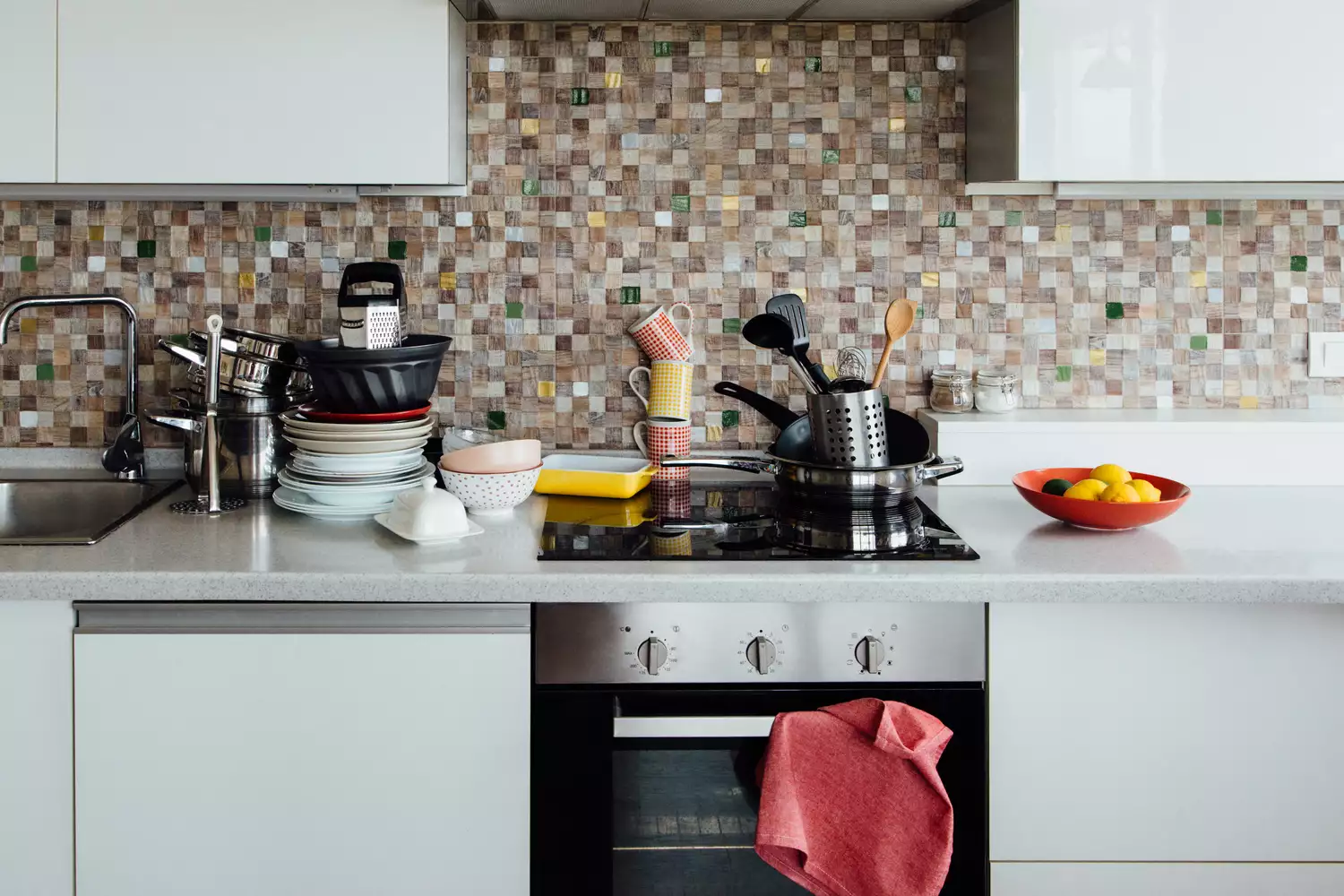
7 Common Kitchen Features That Actually Give Designers the "Ick"
Best kitchen organization ideas from experts - TODAY
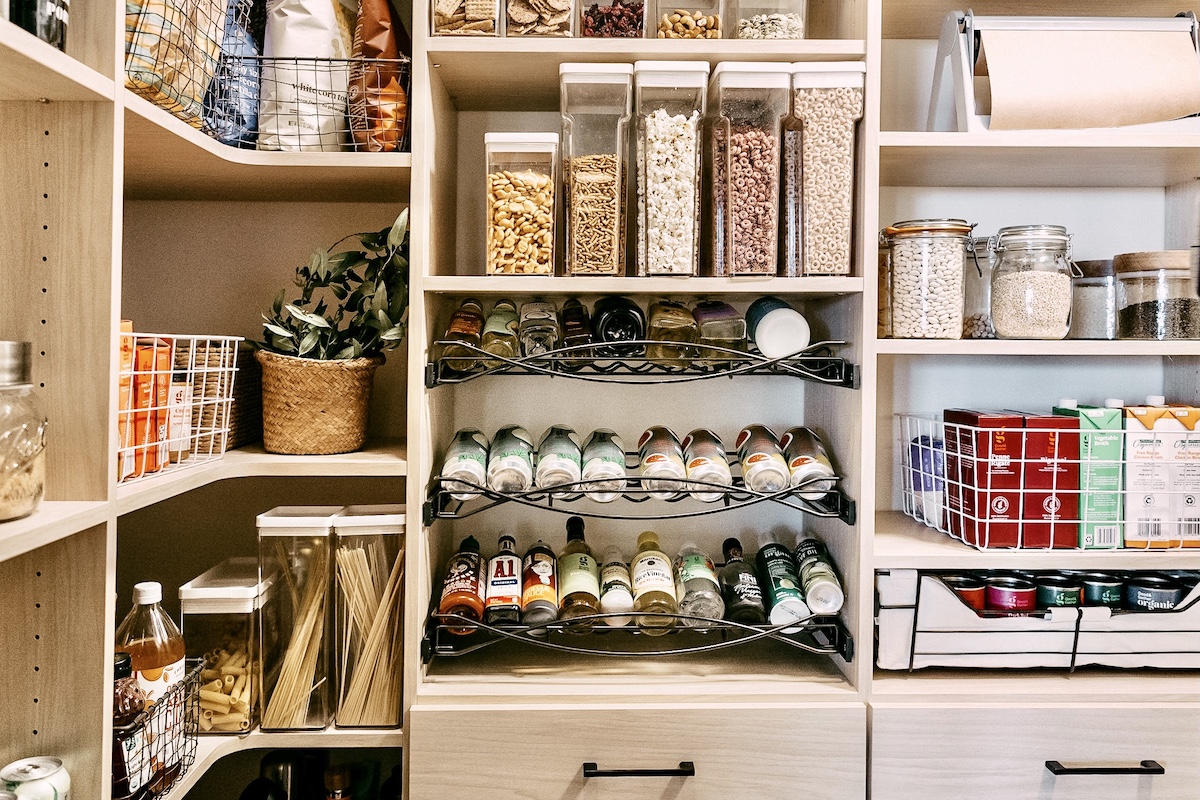
Finally, An Expert Guide on How to Organize Your Kitchen Cabinets

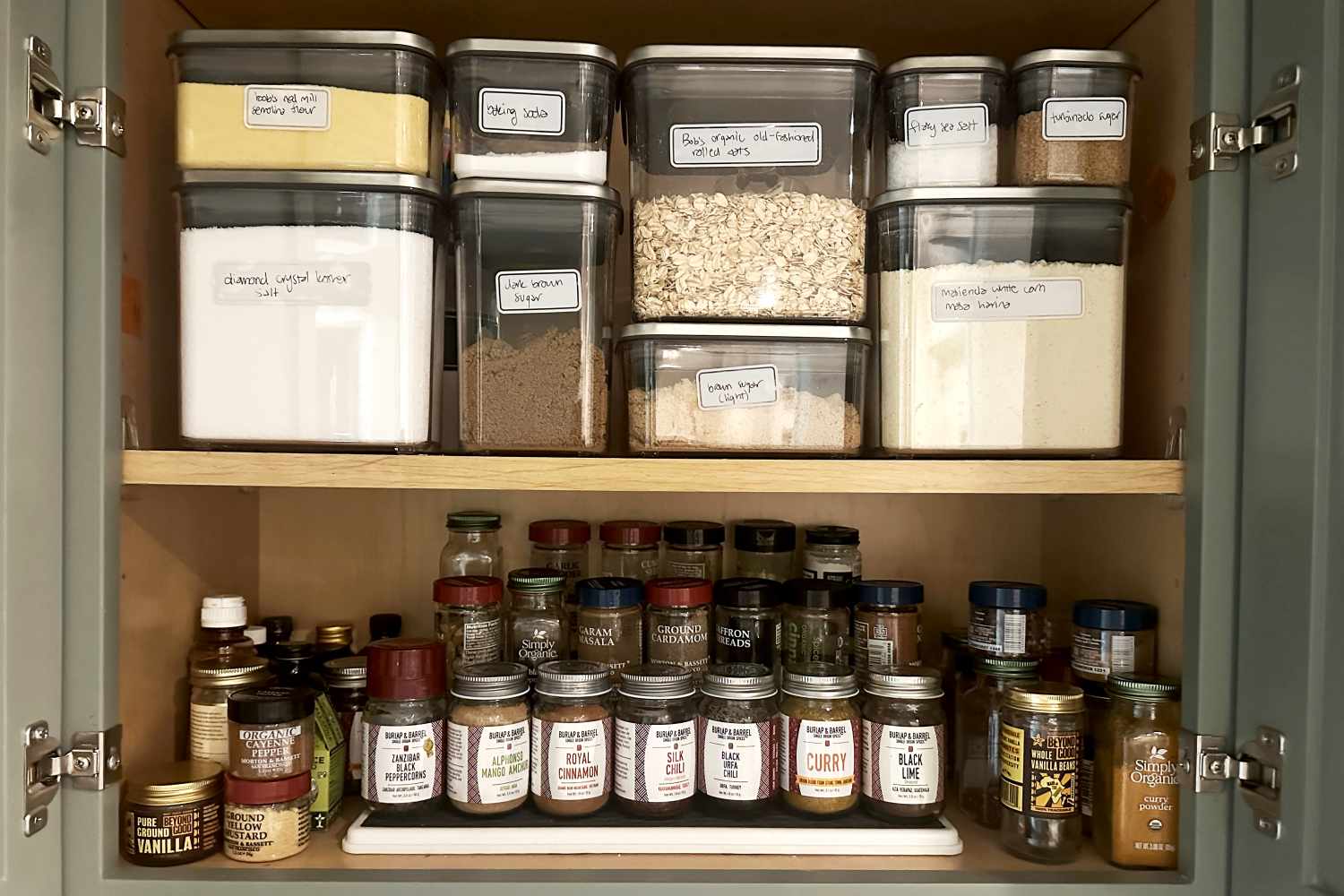
I’m a Recipe Developer, and My Secret to an Organized Kitchen Is on Sale at Amazon

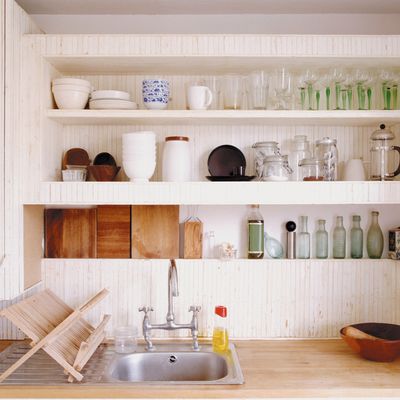
How to Organize Your Kitchen and Pantry, According to Professional Organizers
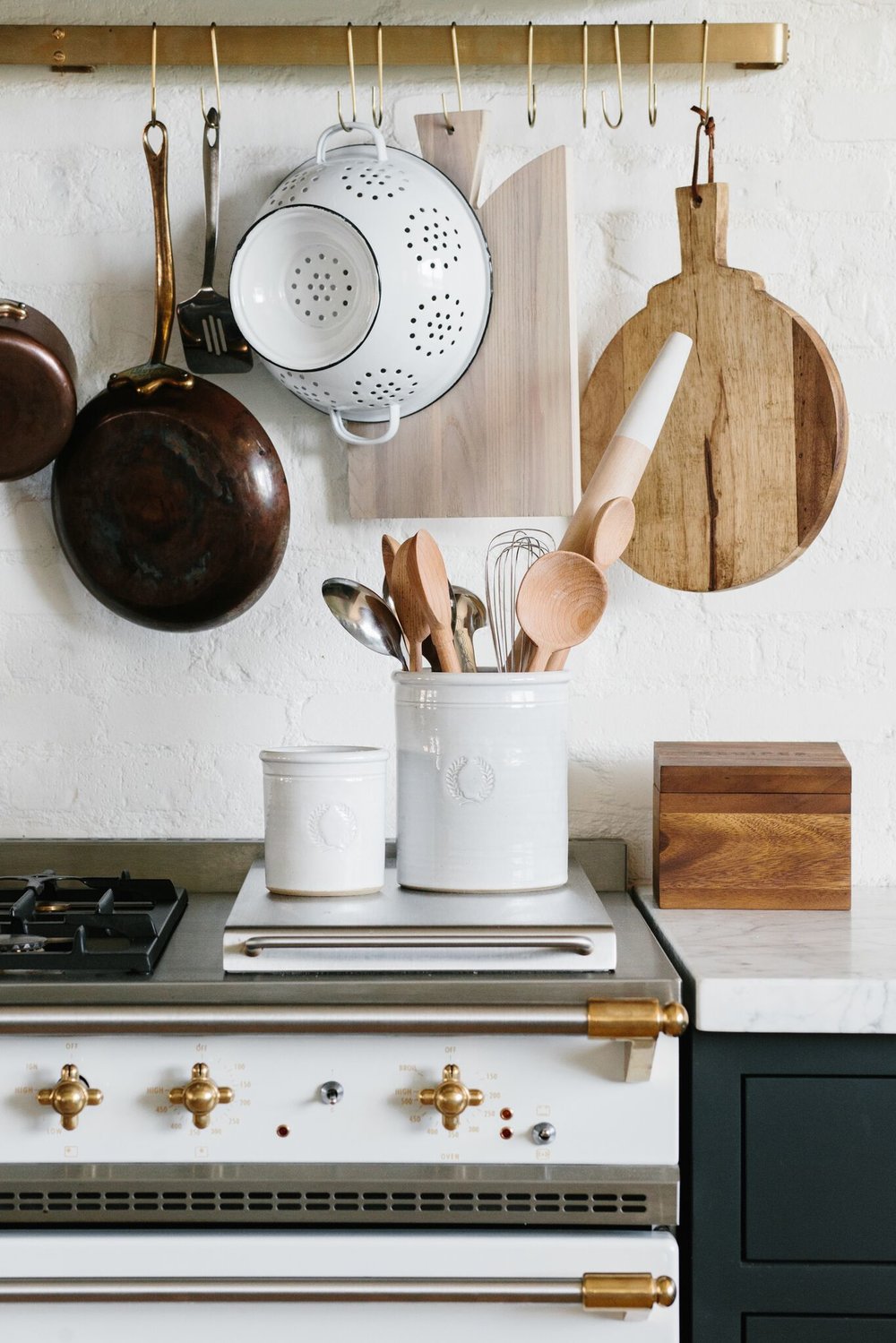
Kitchen Organization With The Home Edit
15 Items in Your Kitchen That Professional Organizers Would Throw Out

All The Secrets To Organize Your Kitchen

8 appliance placement rules for harmony in the kitchen, according to experts

Kitchen Ideas, Designs and Repair

7 Things All Organized Kitchens Have in Common, According to Professional Organizers