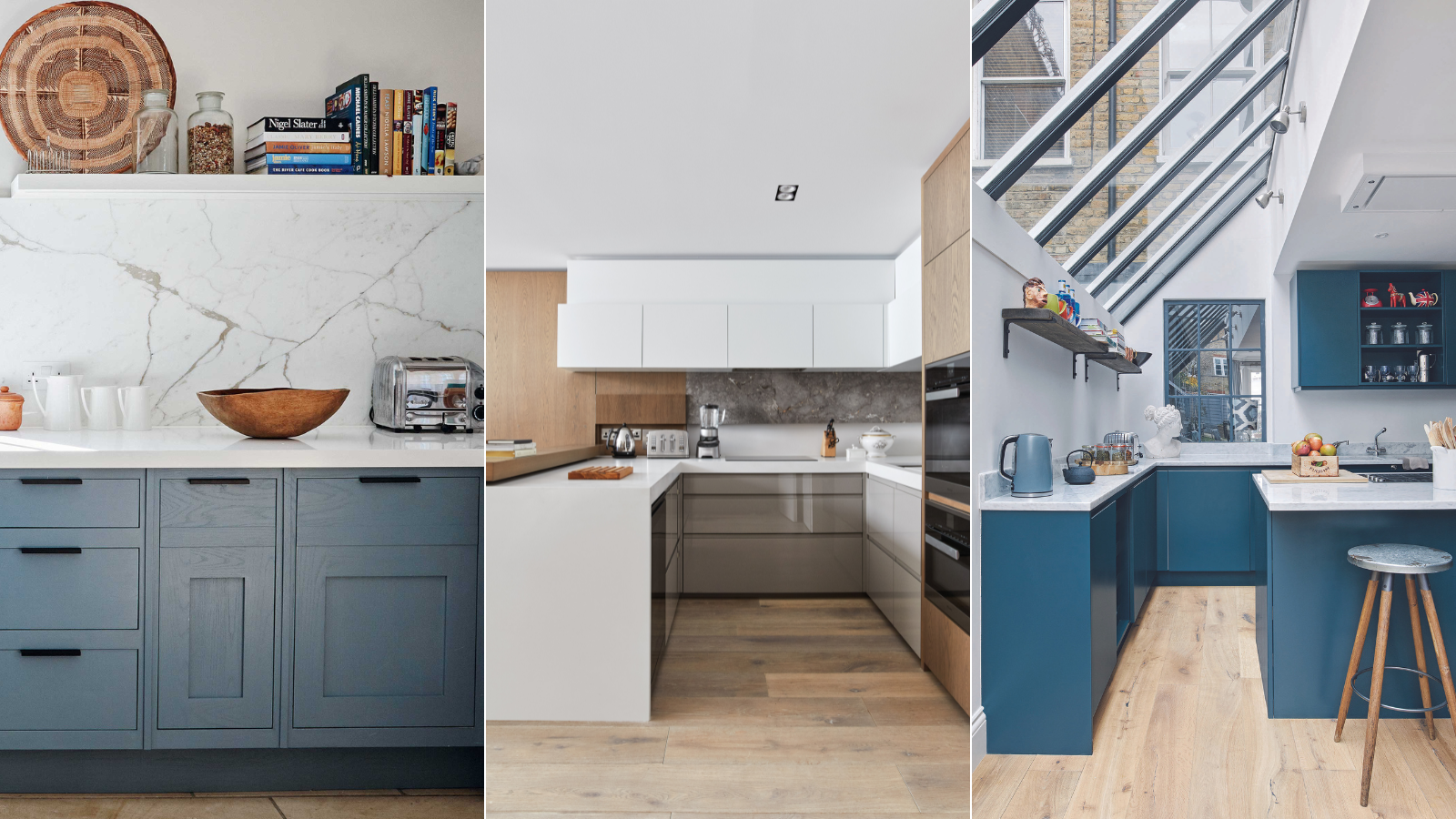
1/6
8 appliance placement rules for harmony in the kitchen, according to experts
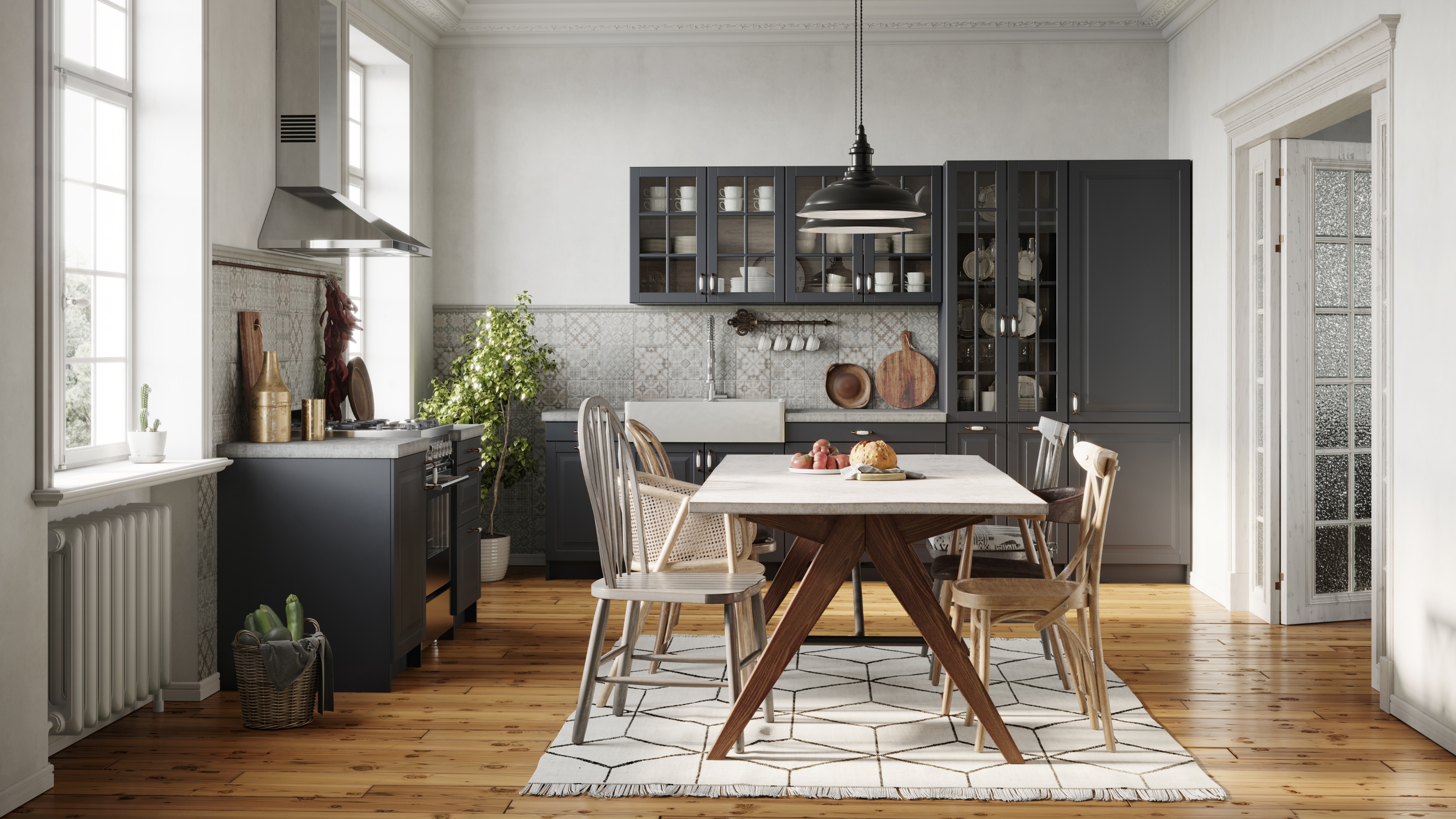
Achieving a harmonious and functional kitchen often hinges on the strategic placement of appliances. This article, drawing on expert advice, provides eight key rules to consider when integrating both new and existing appliances into a home's design, aiming to balance practicality with visual appeal without creating clutter. The core philosophy emphasizes viewing appliance purchases as investments and aligning their placement with the home's natural workflow.
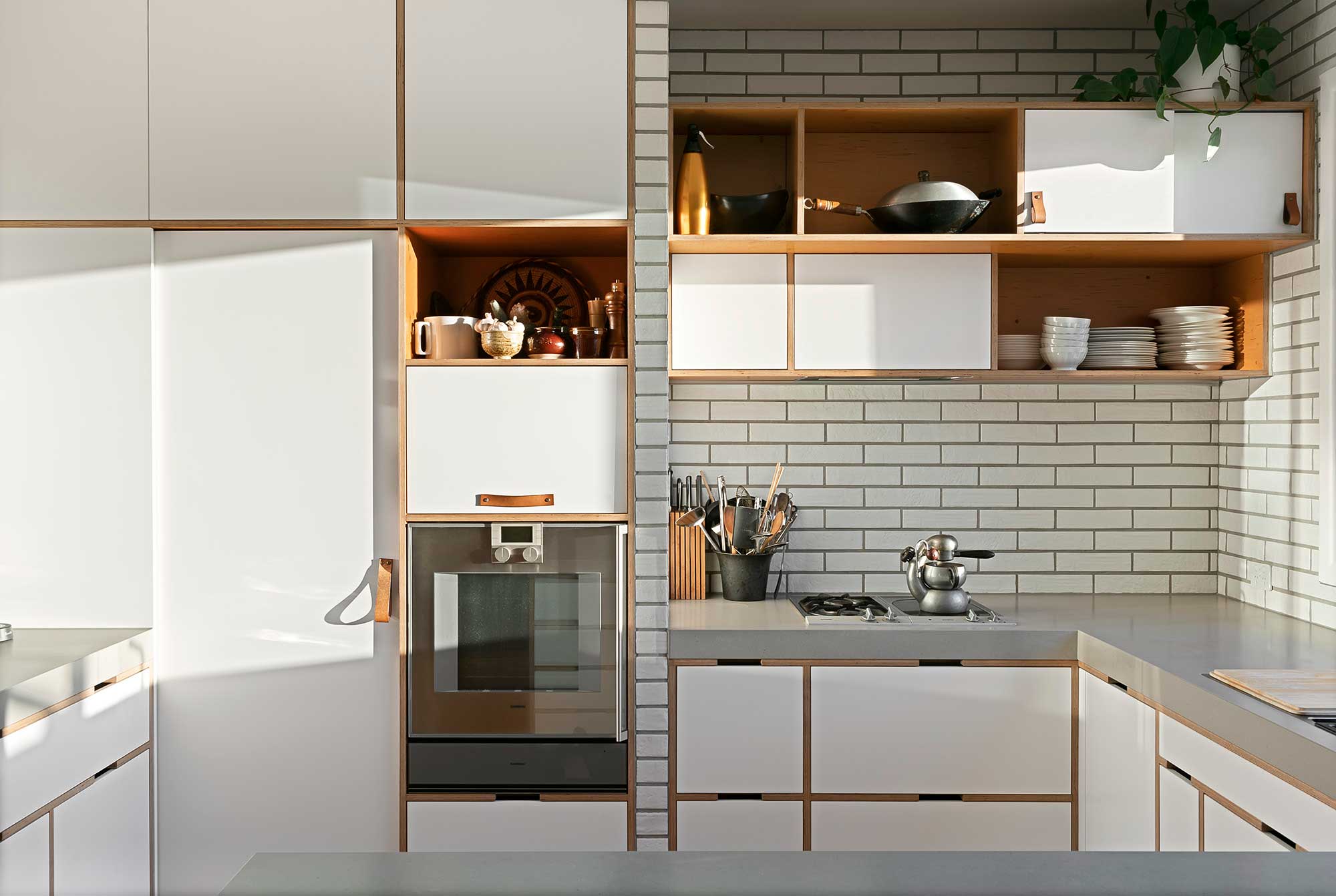
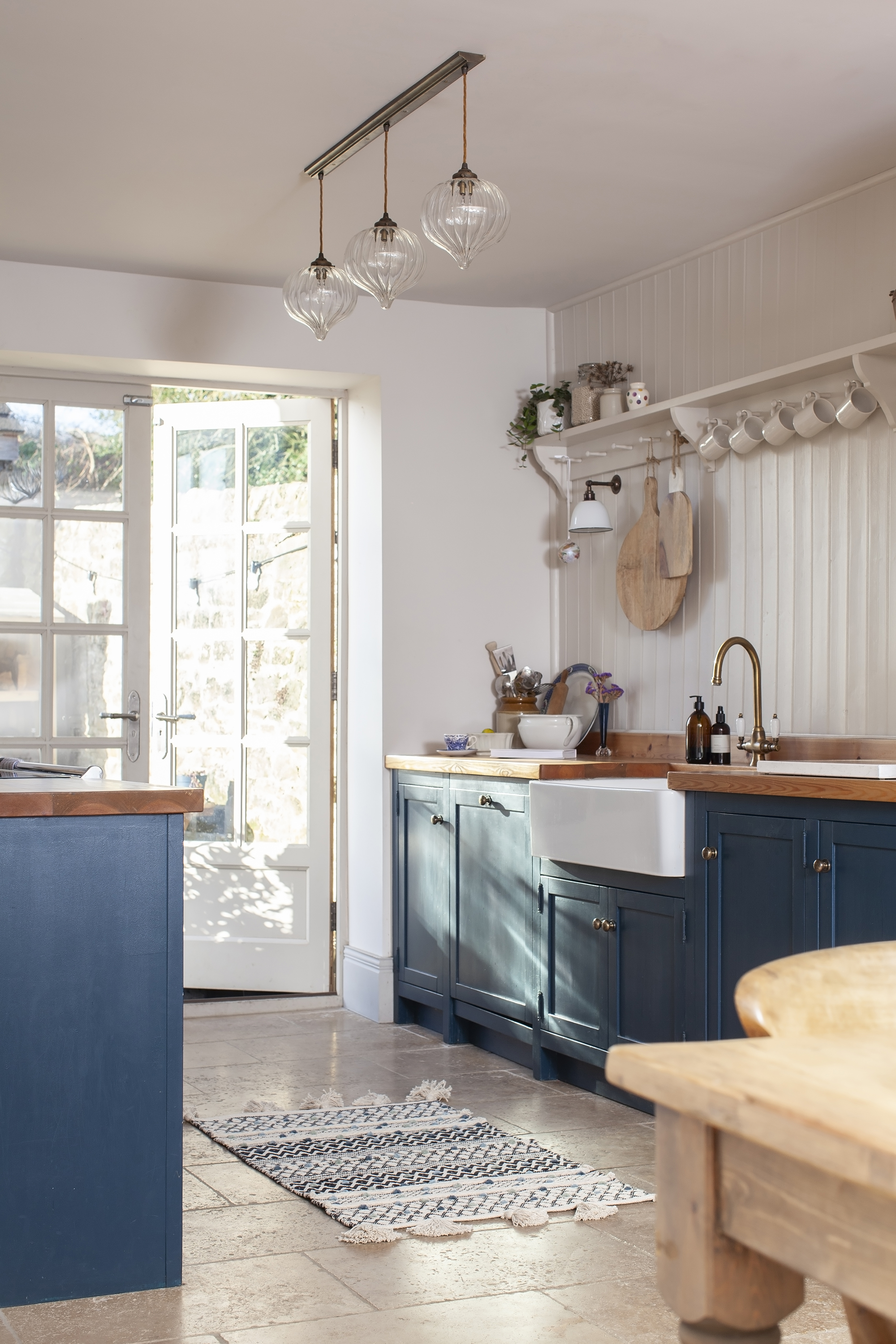
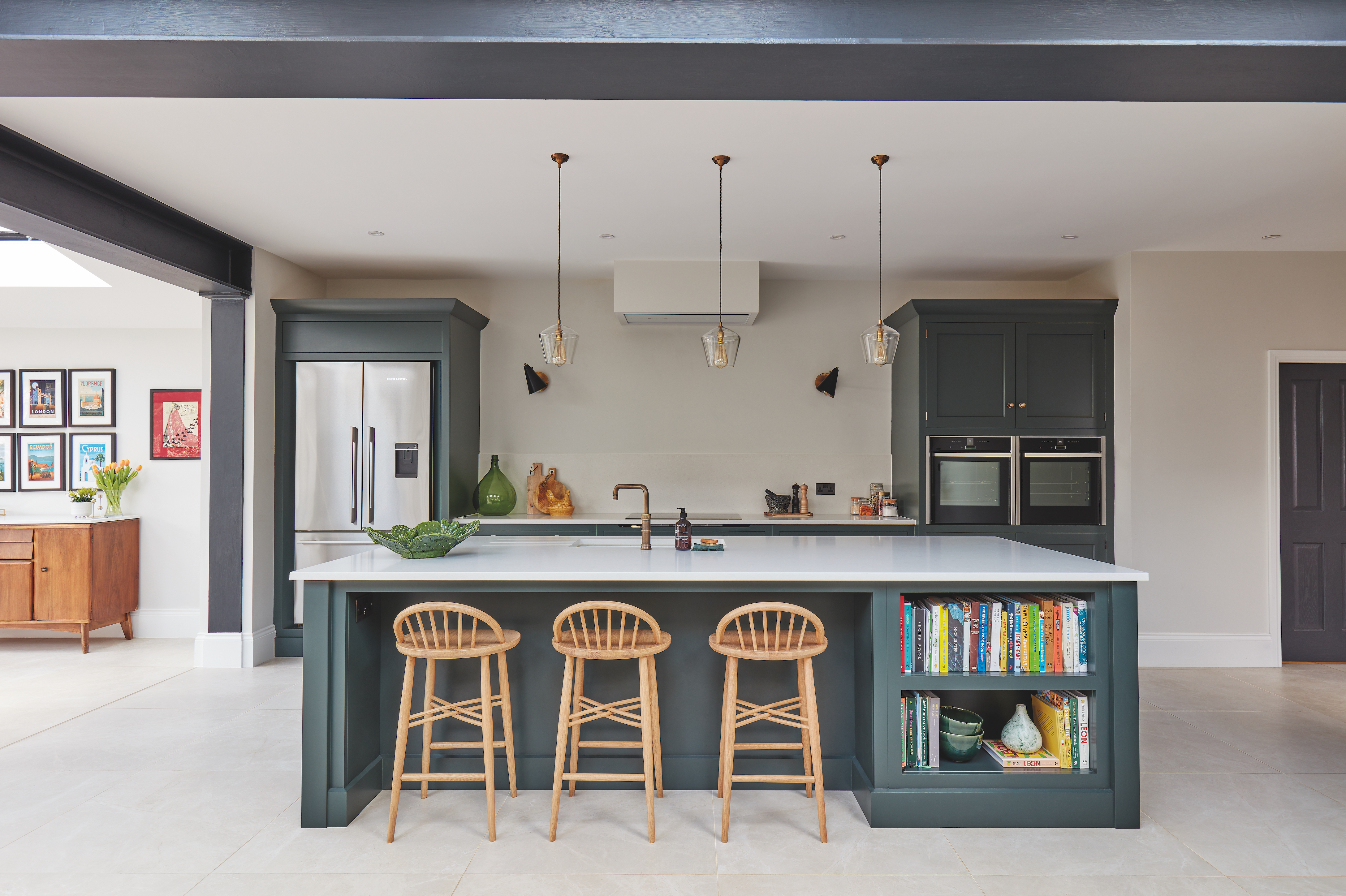
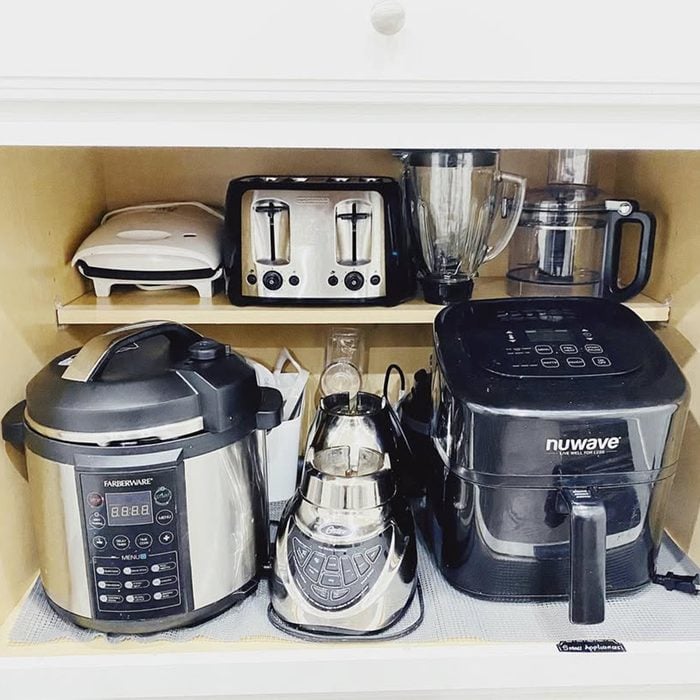
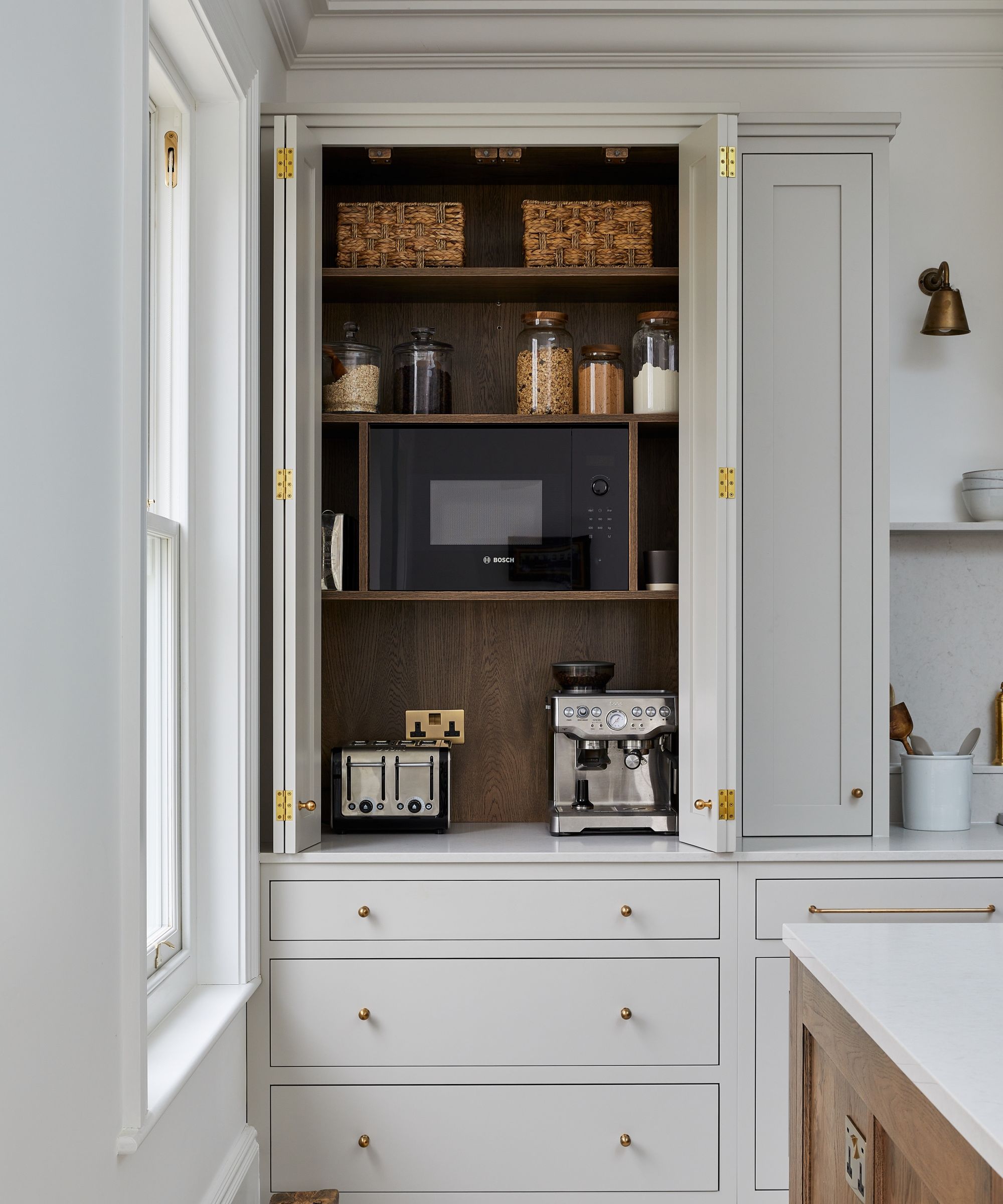
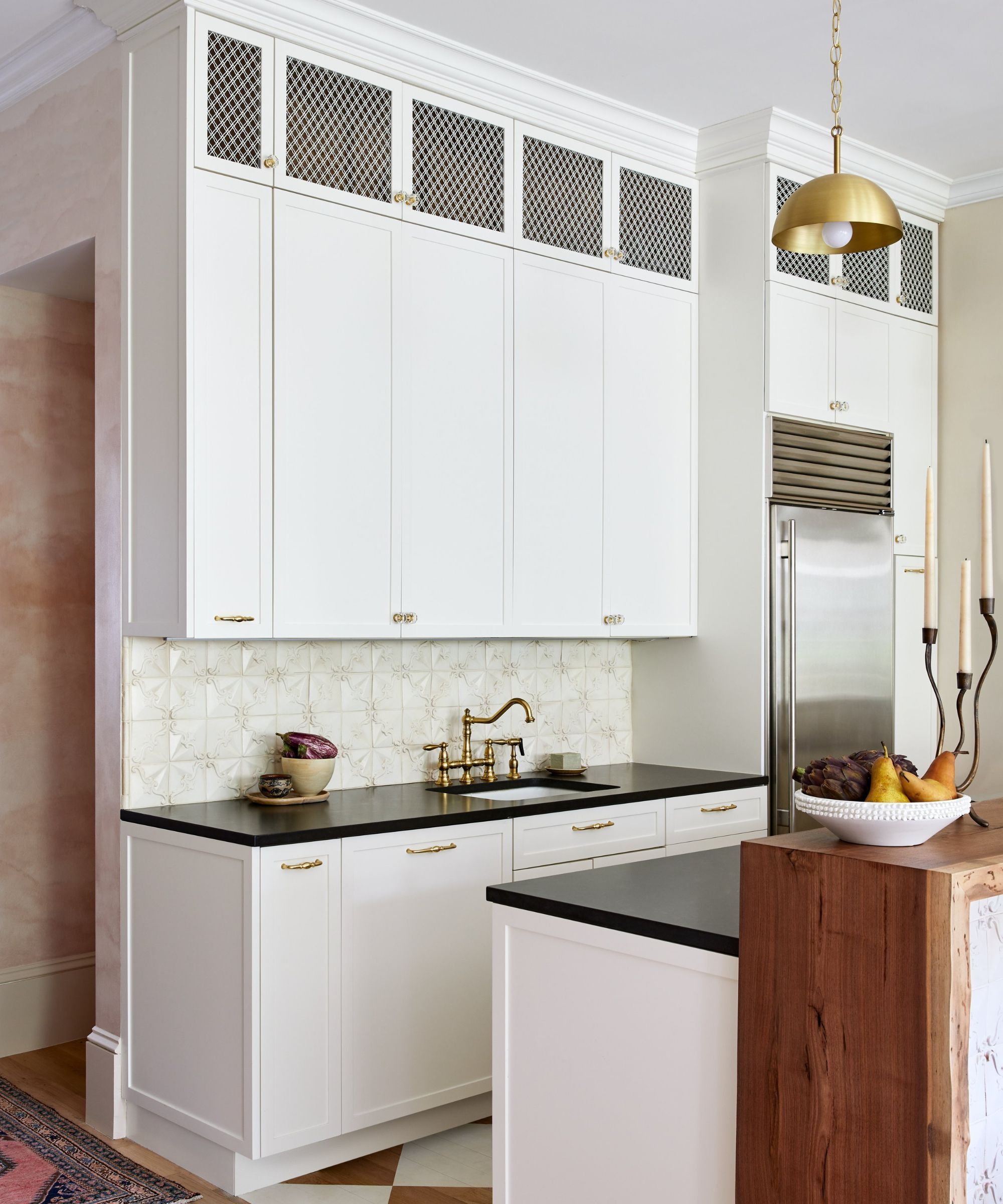
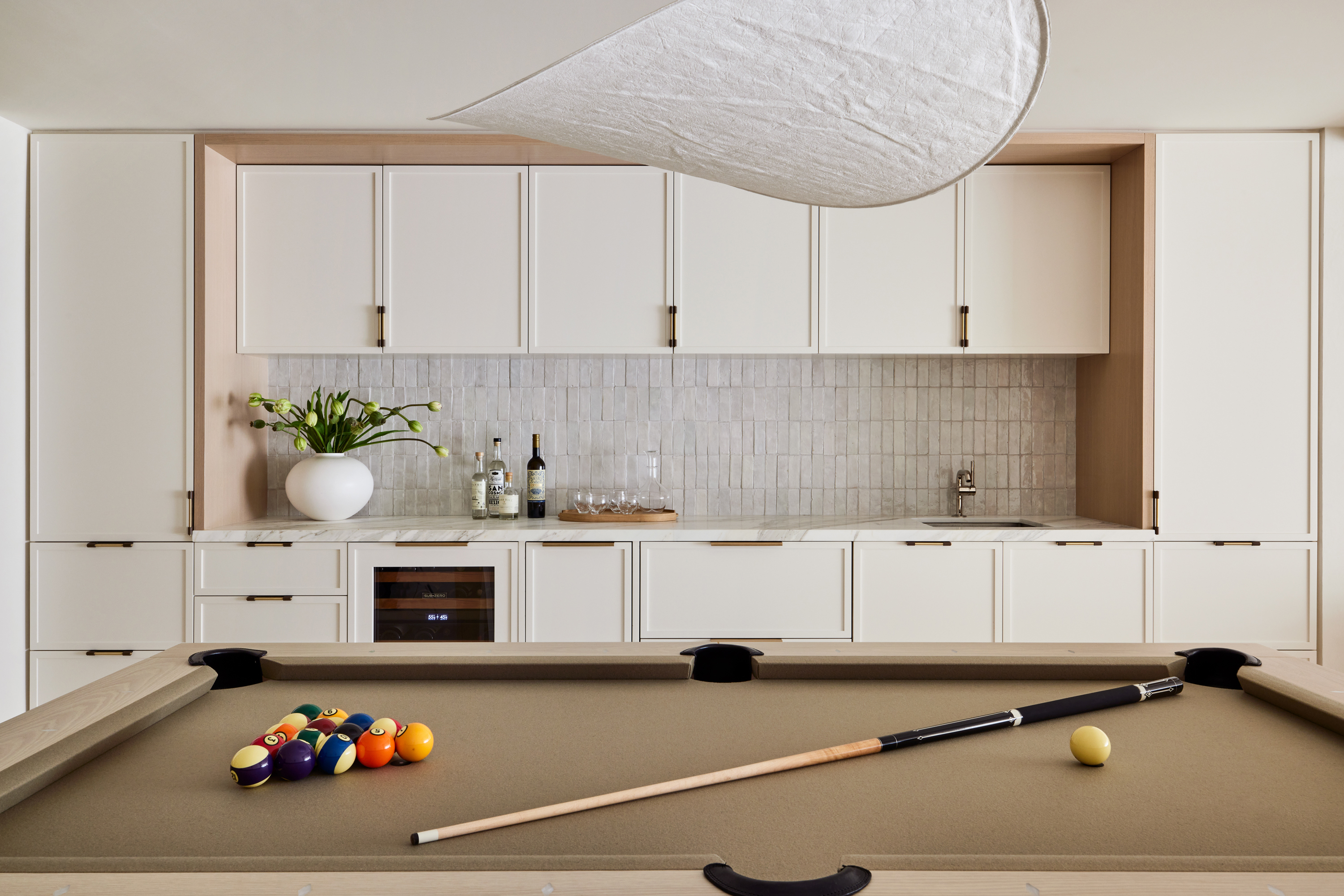
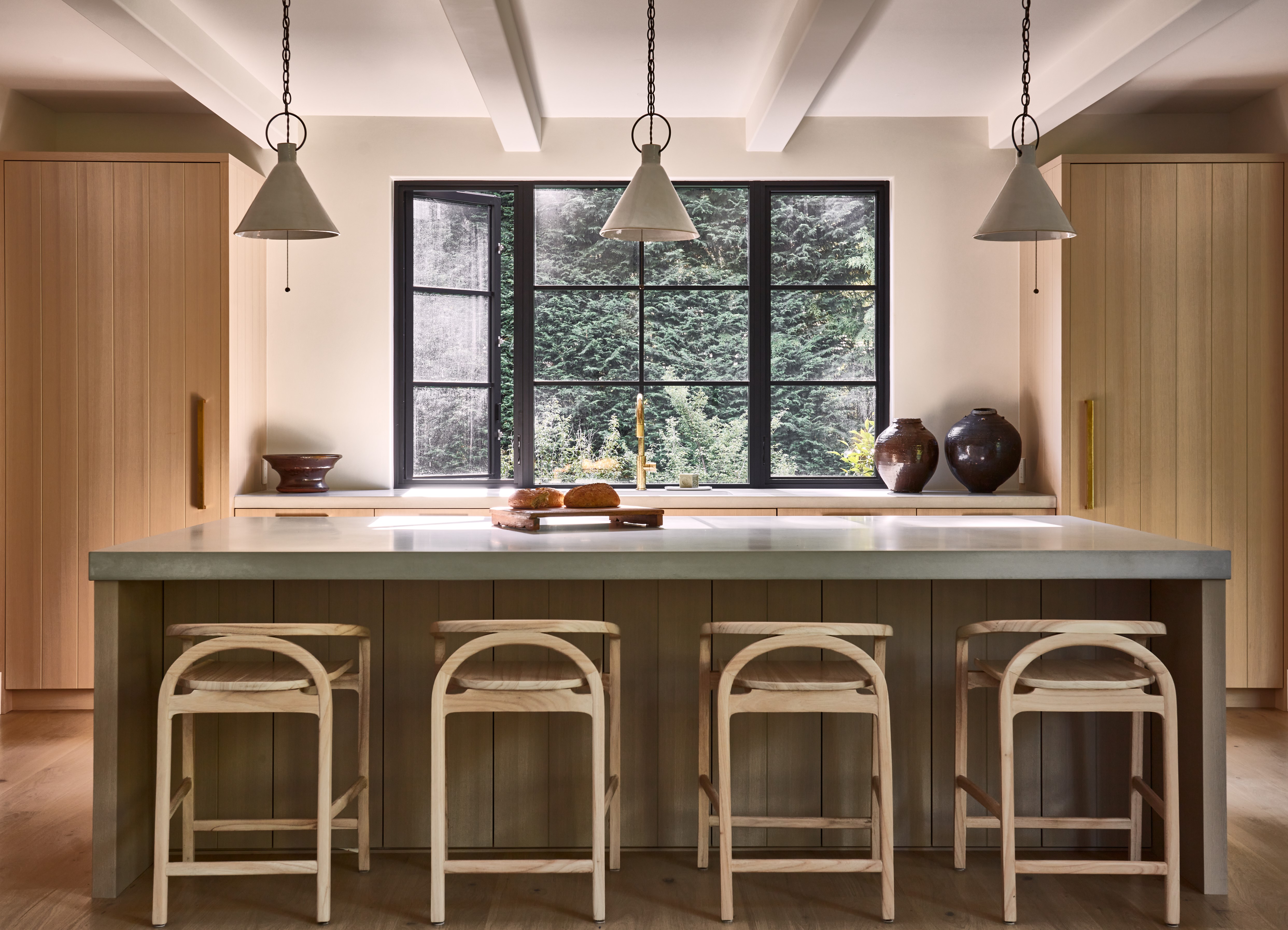
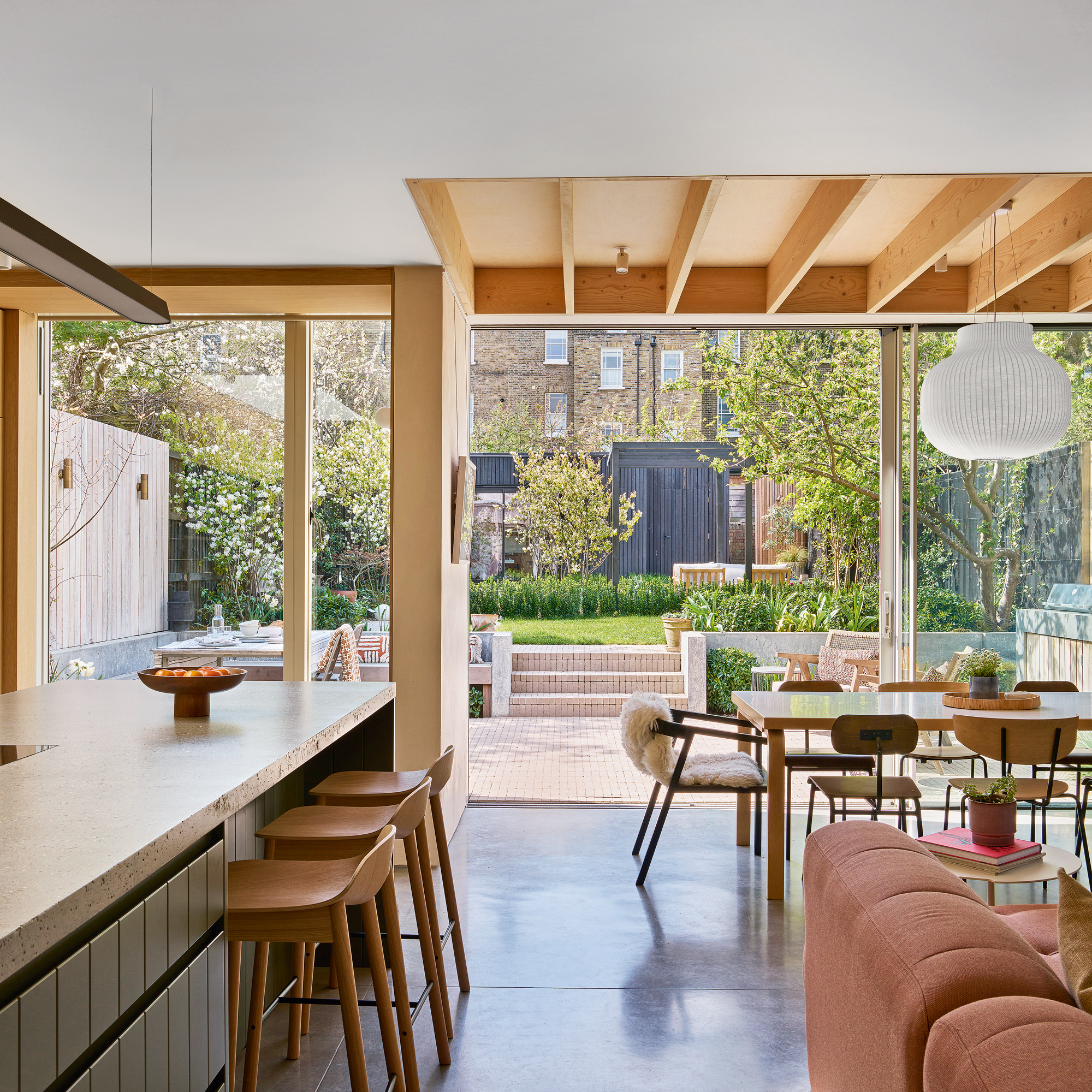
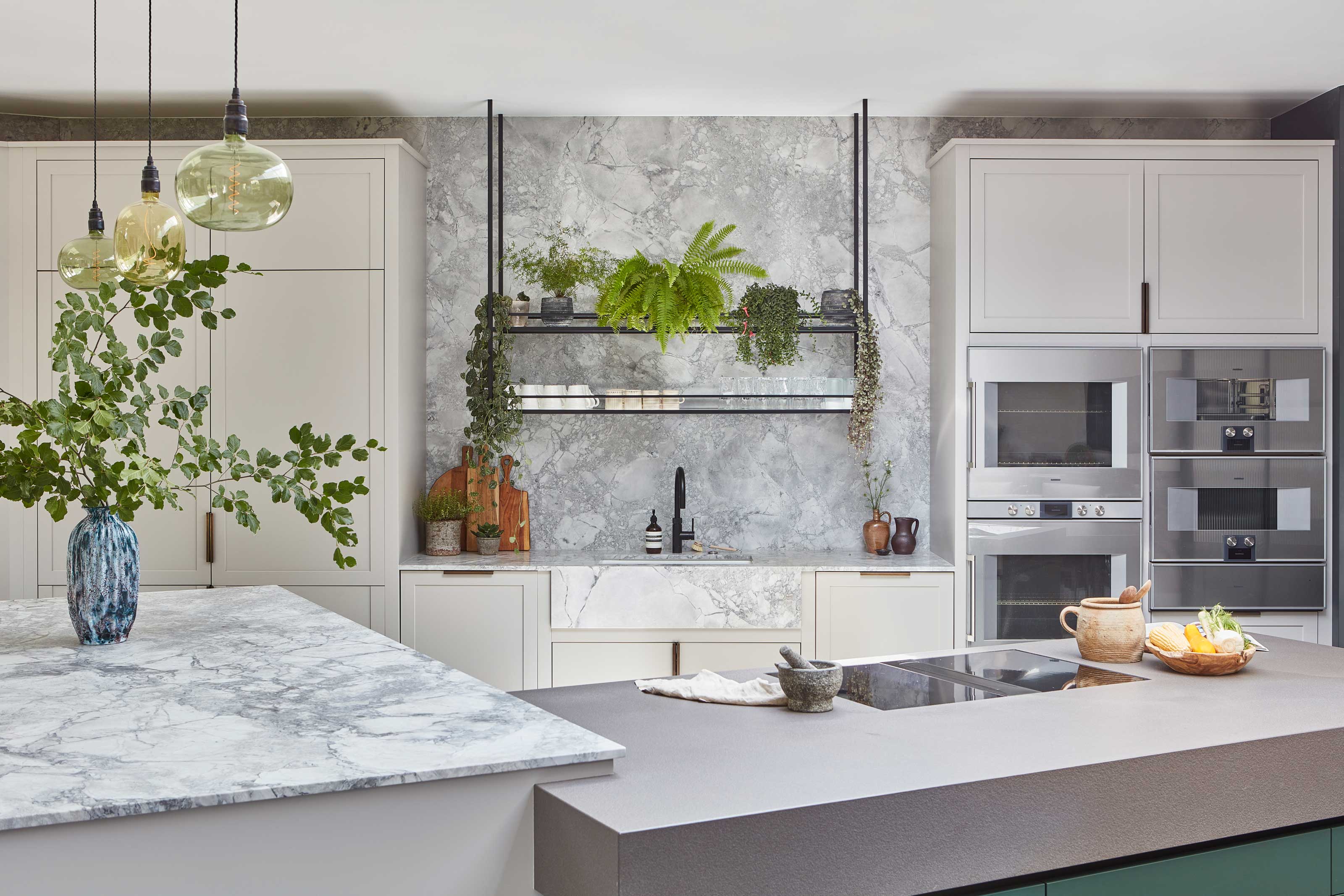
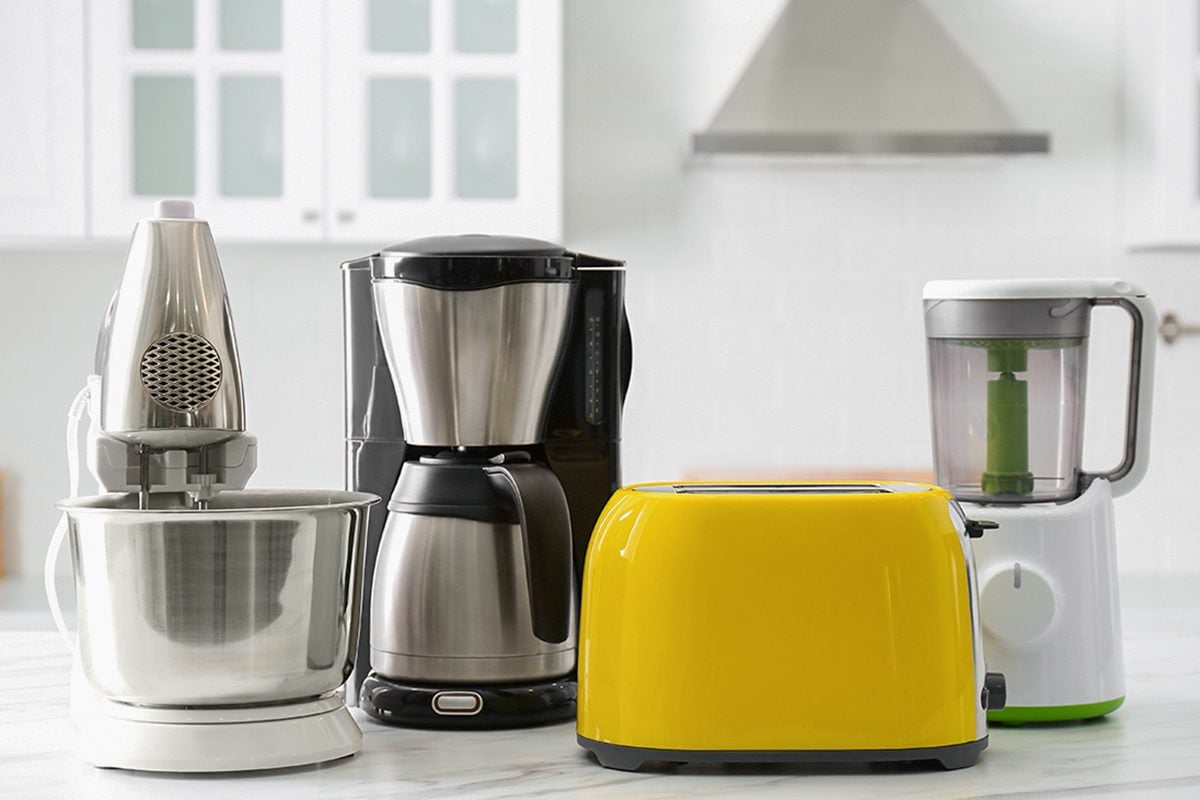
One crucial aspect is considering how often an appliance will be used. Frequently used items like coffee makers and toasters should be easily accessible on countertops to facilitate a smooth daily routine. For larger or less aesthetically pleasing appliances, subtle spatial changes and custom cabinetry offer effective solutions. Built-in appliances, such as dishwashers and refrigerators, can seamlessly blend with existing cabinetry, maximizing storage and creating an integrated look. This approach is particularly popular for kitchens and utility rooms. Interior design experts suggest reserving bespoke solutions for larger appliances and camouflaging those that don't fit the desired aesthetic, possibly by using appliance garages to group and conceal them.
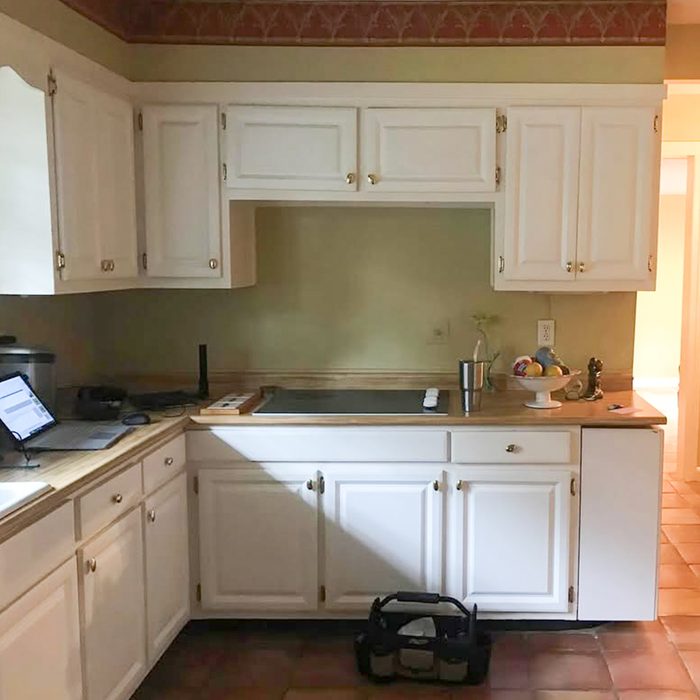
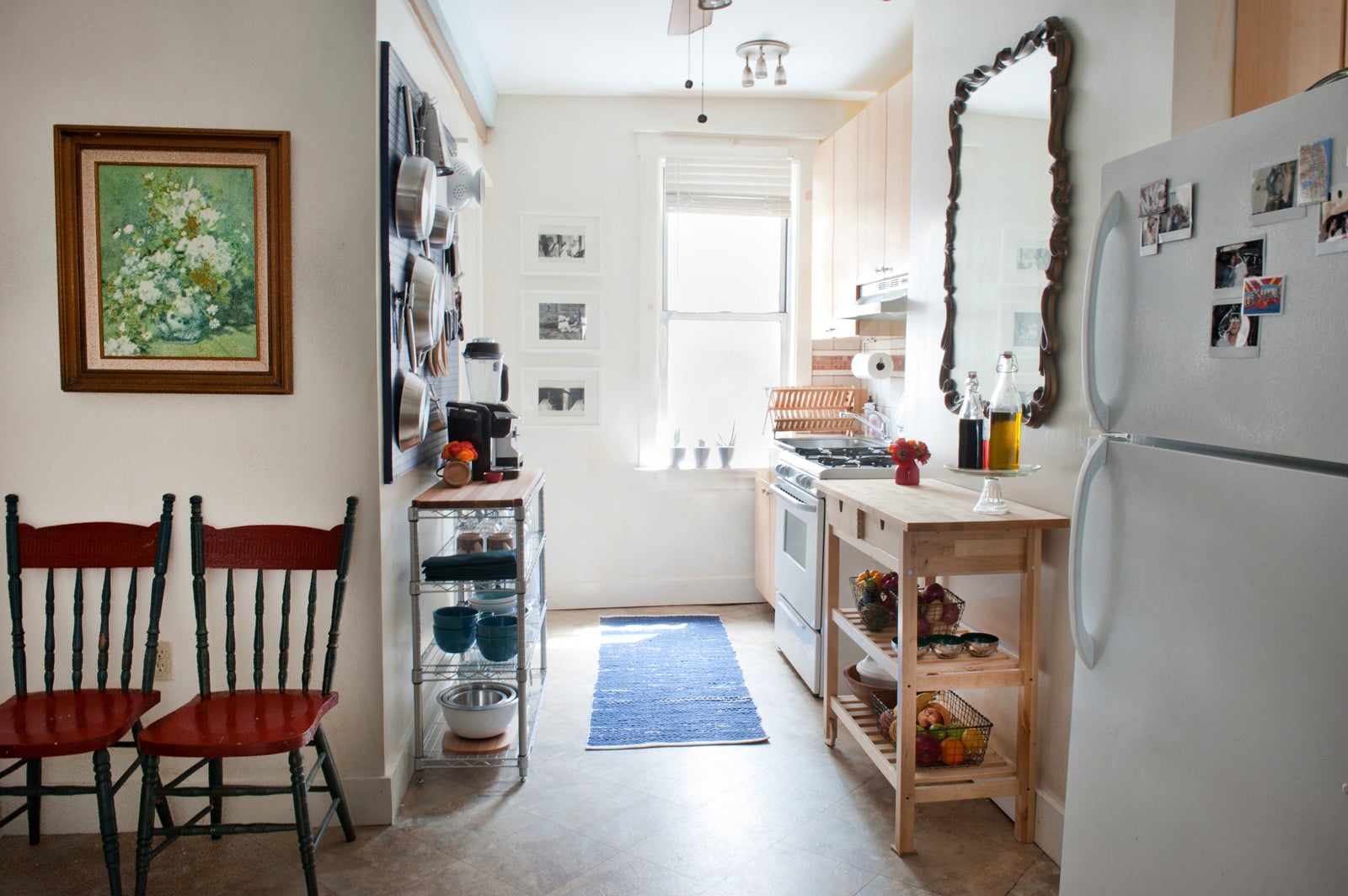
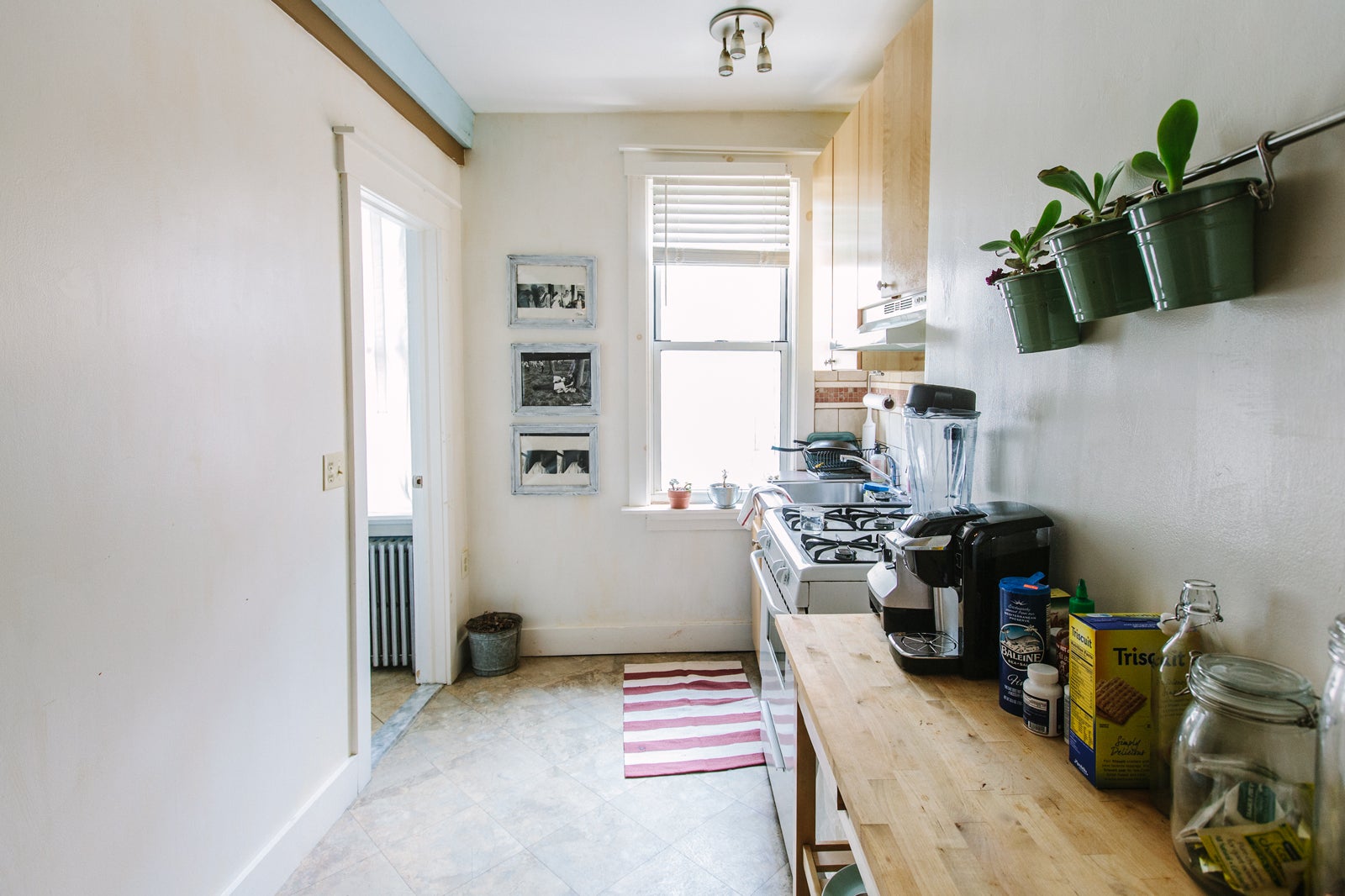
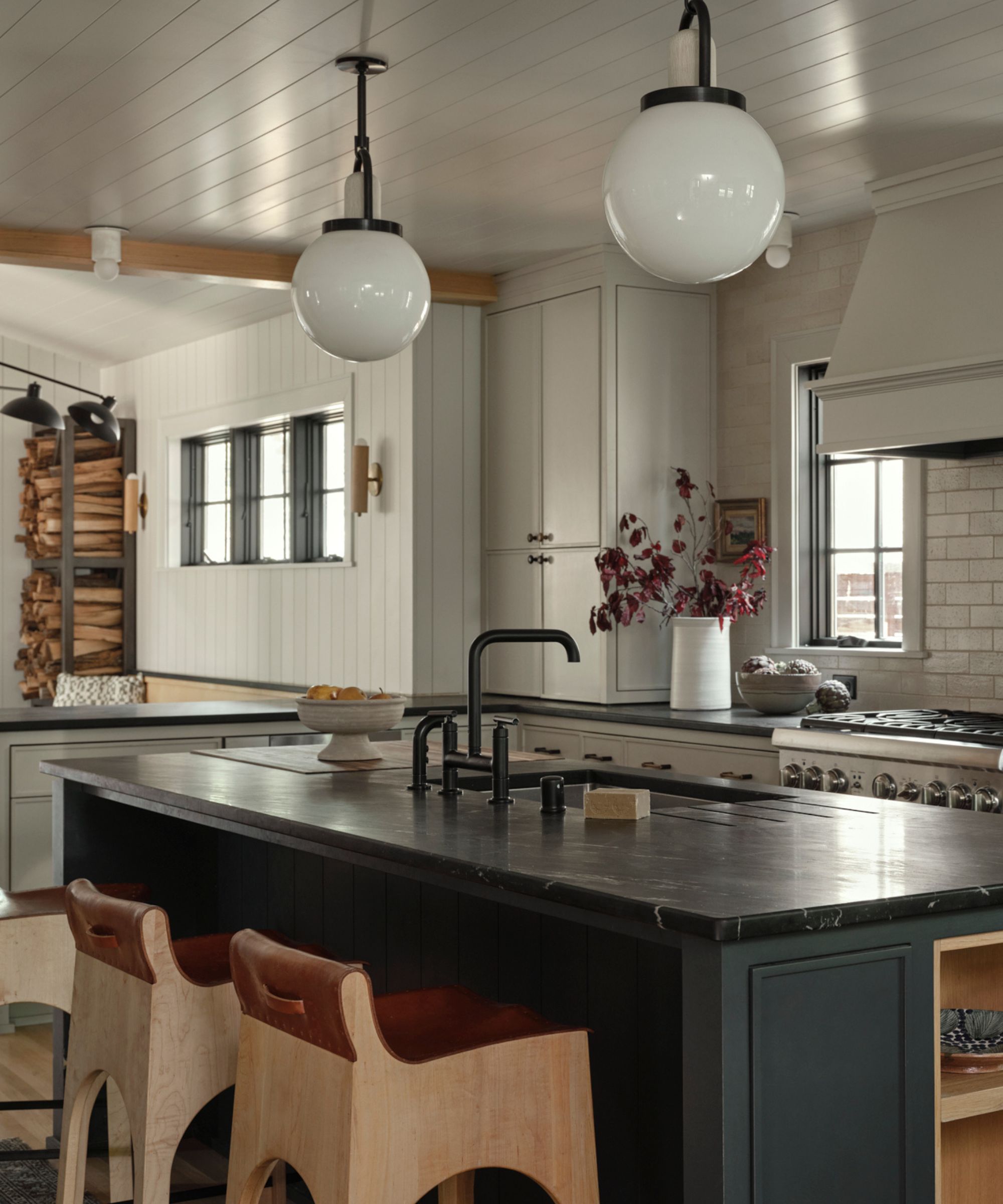
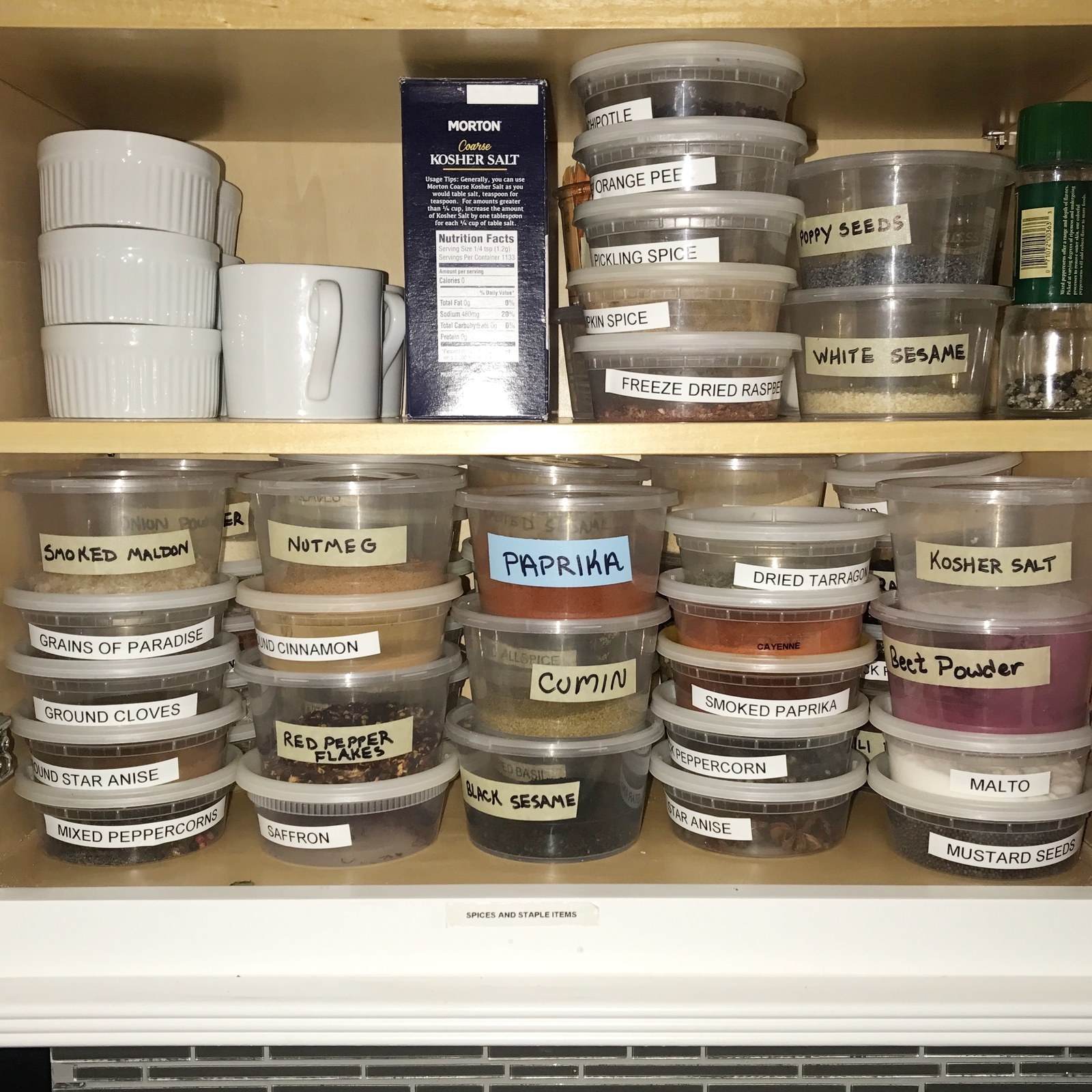
Countertop space management is another significant consideration. A general rule suggests keeping kitchen appliances at least four feet apart, meaning only one or two appliances per countertop. This practice helps prevent overwhelming the space and maintains a clean, organized appearance. Only frequently used appliances should remain on the counter, while less-used items should be stored in cupboards. If appliances are rarely used, alternatives such as donation or recycling, and exploring trade-in options when purchasing new items, are encouraged.
Beyond the kitchen, relocating certain appliances can free up space and streamline routines. For instance, a coffee machine can be placed in a bedroom or dining room, provided it's positioned safely and artistically. When moving appliances, it's essential to ensure proper storage conditions: clean, dry areas, covered to prevent dust, and with organized cords to prevent damage. Specific safety guidelines, such as avoiding water near plug outlets, must always be followed, and user manuals should be consulted.
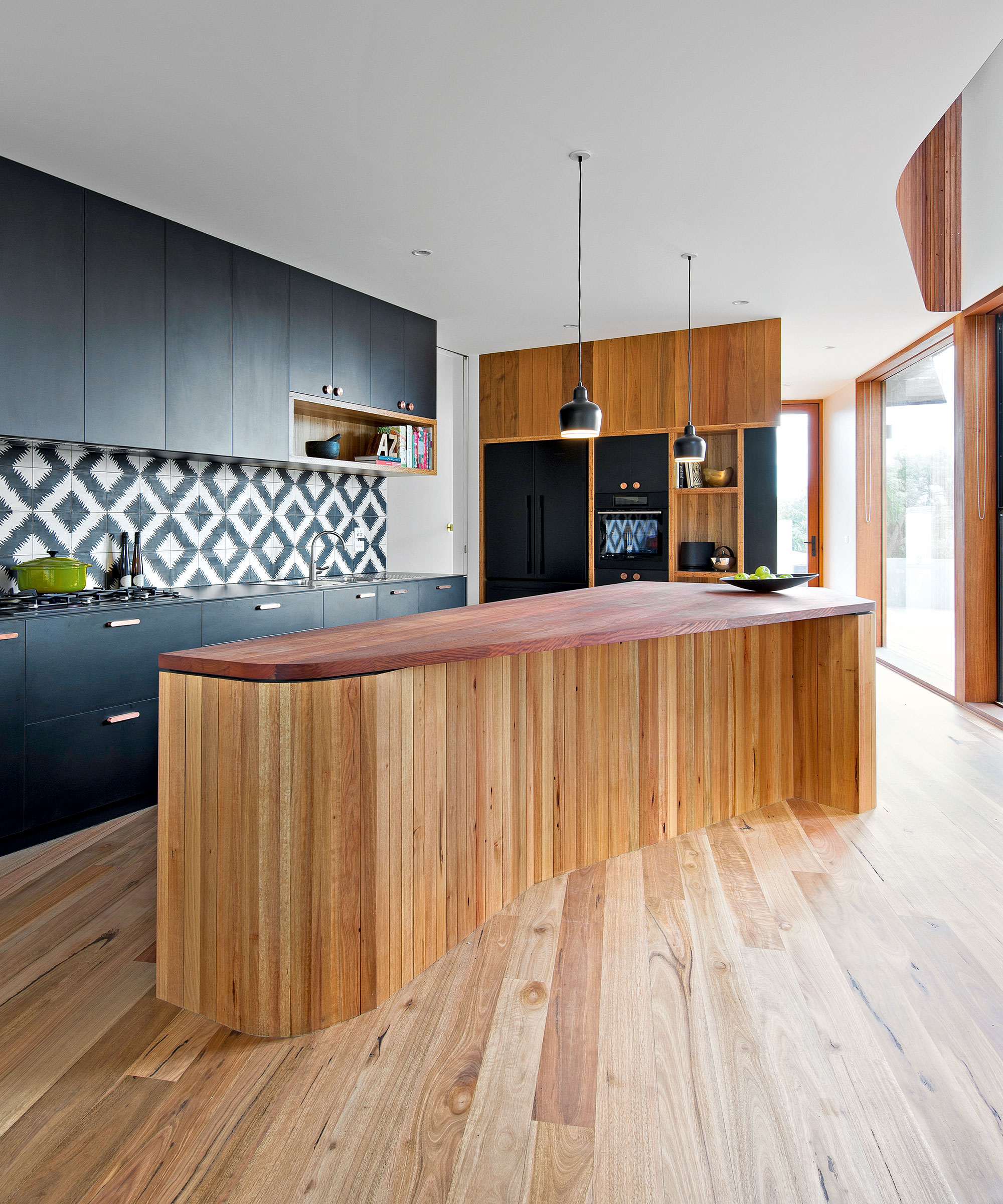
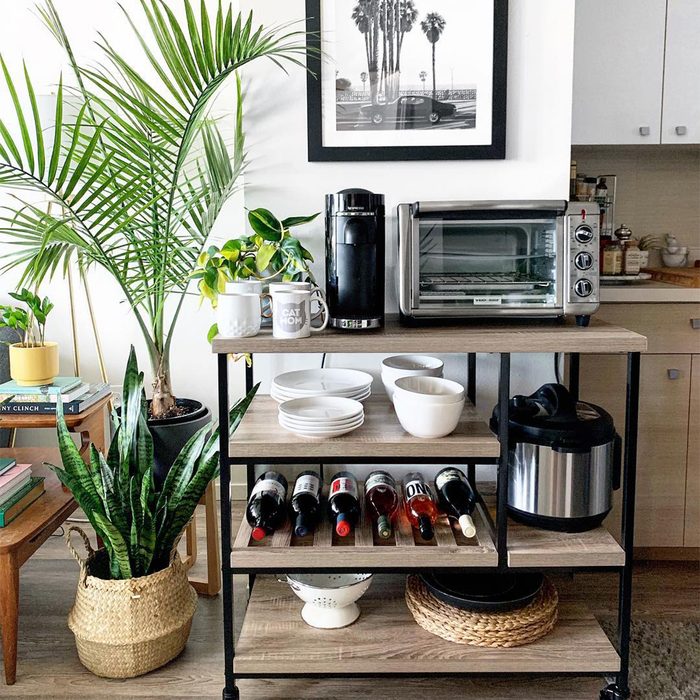
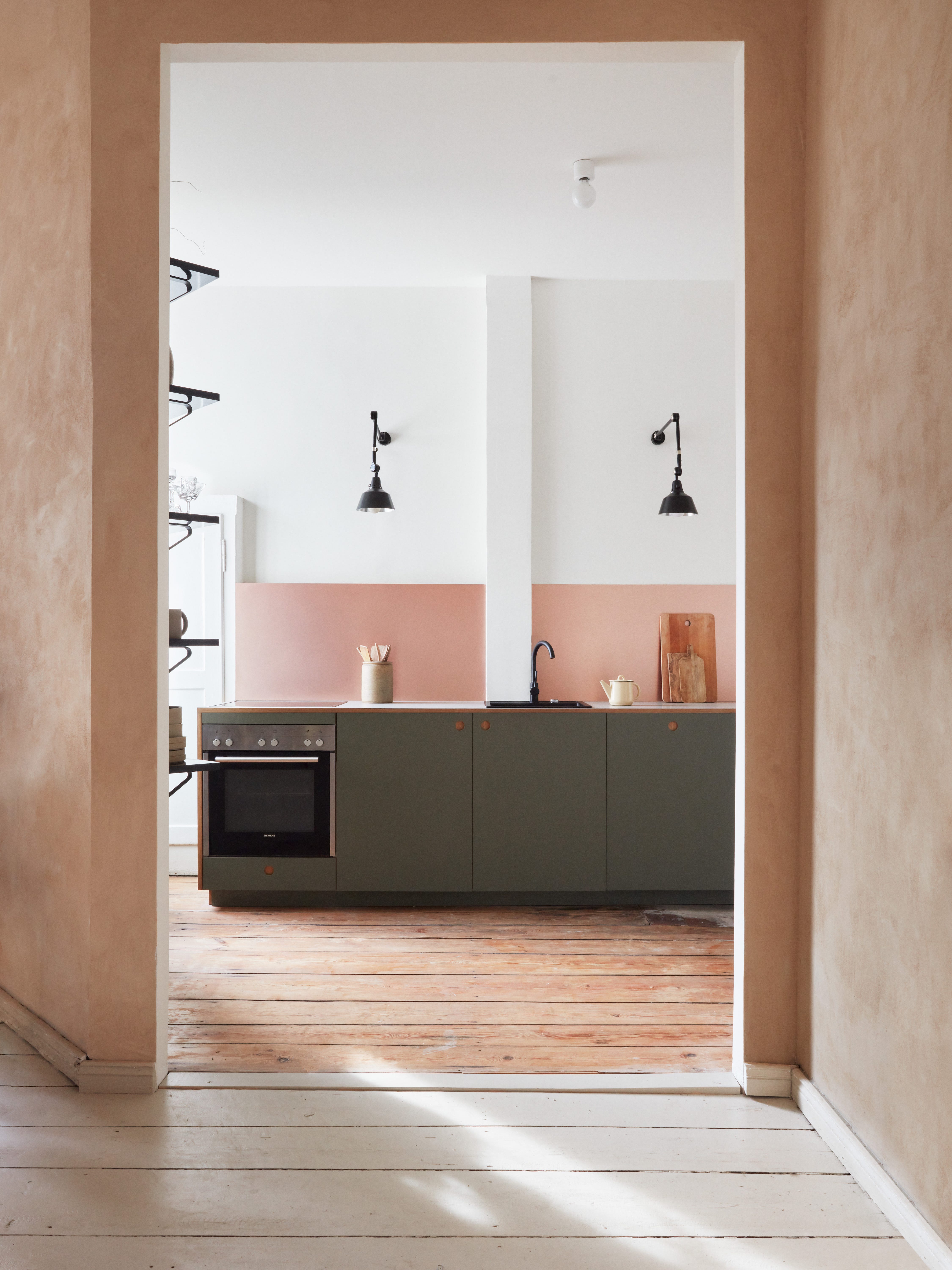
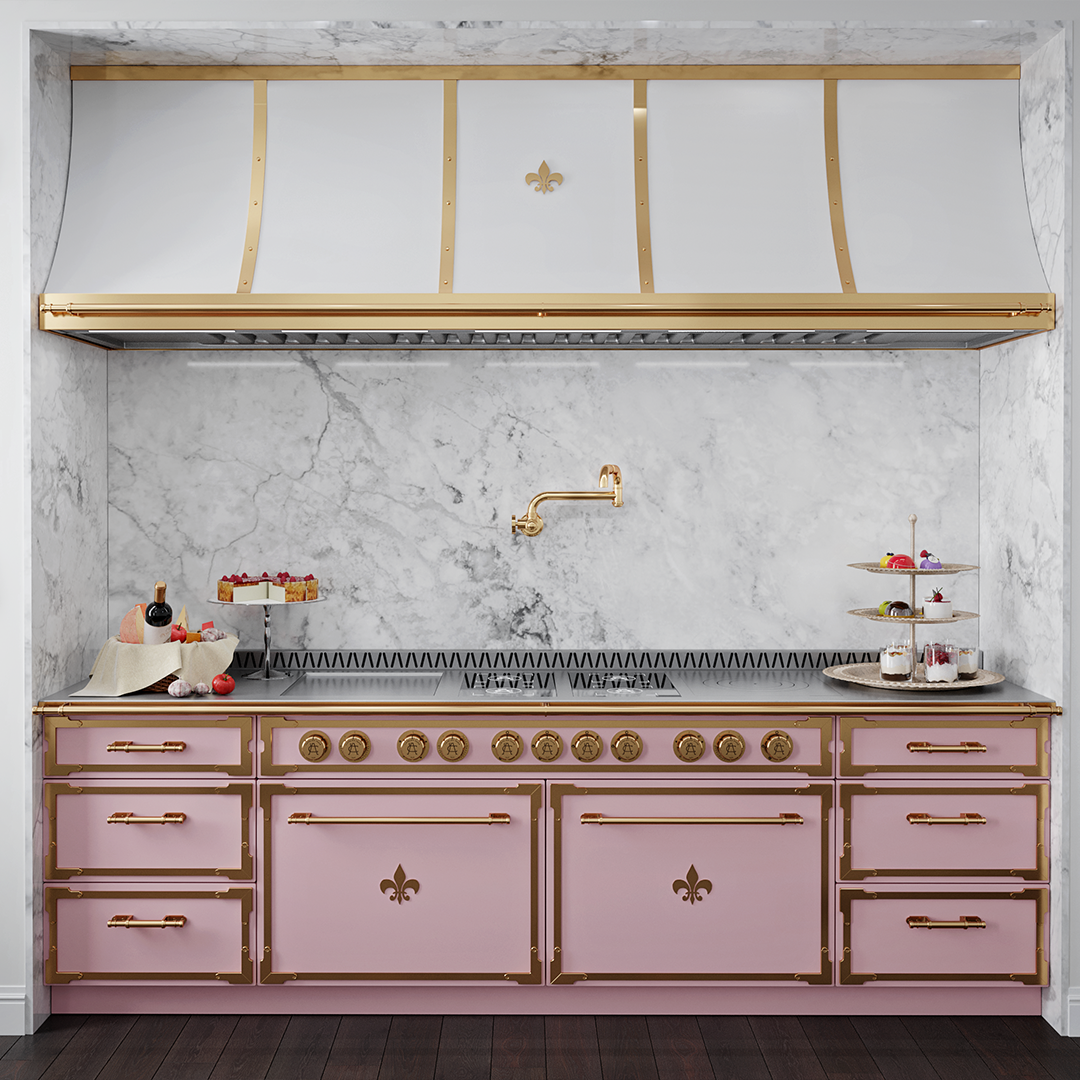
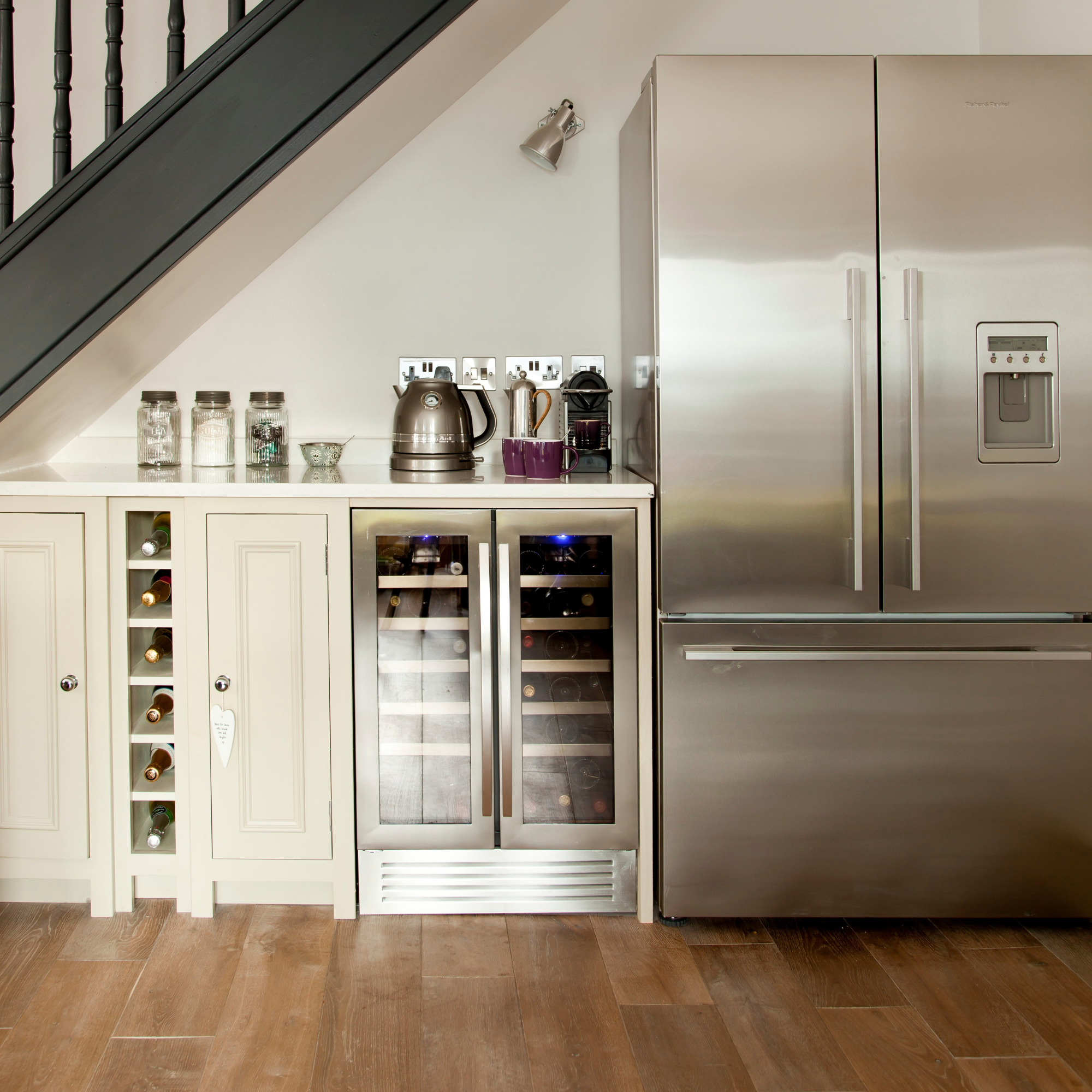
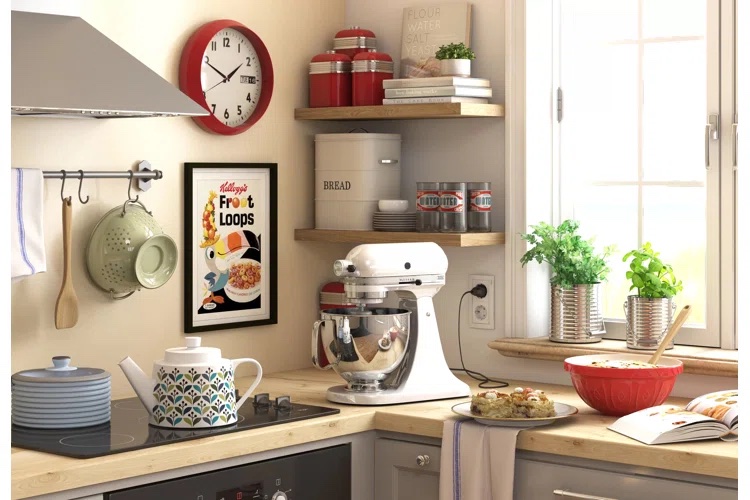
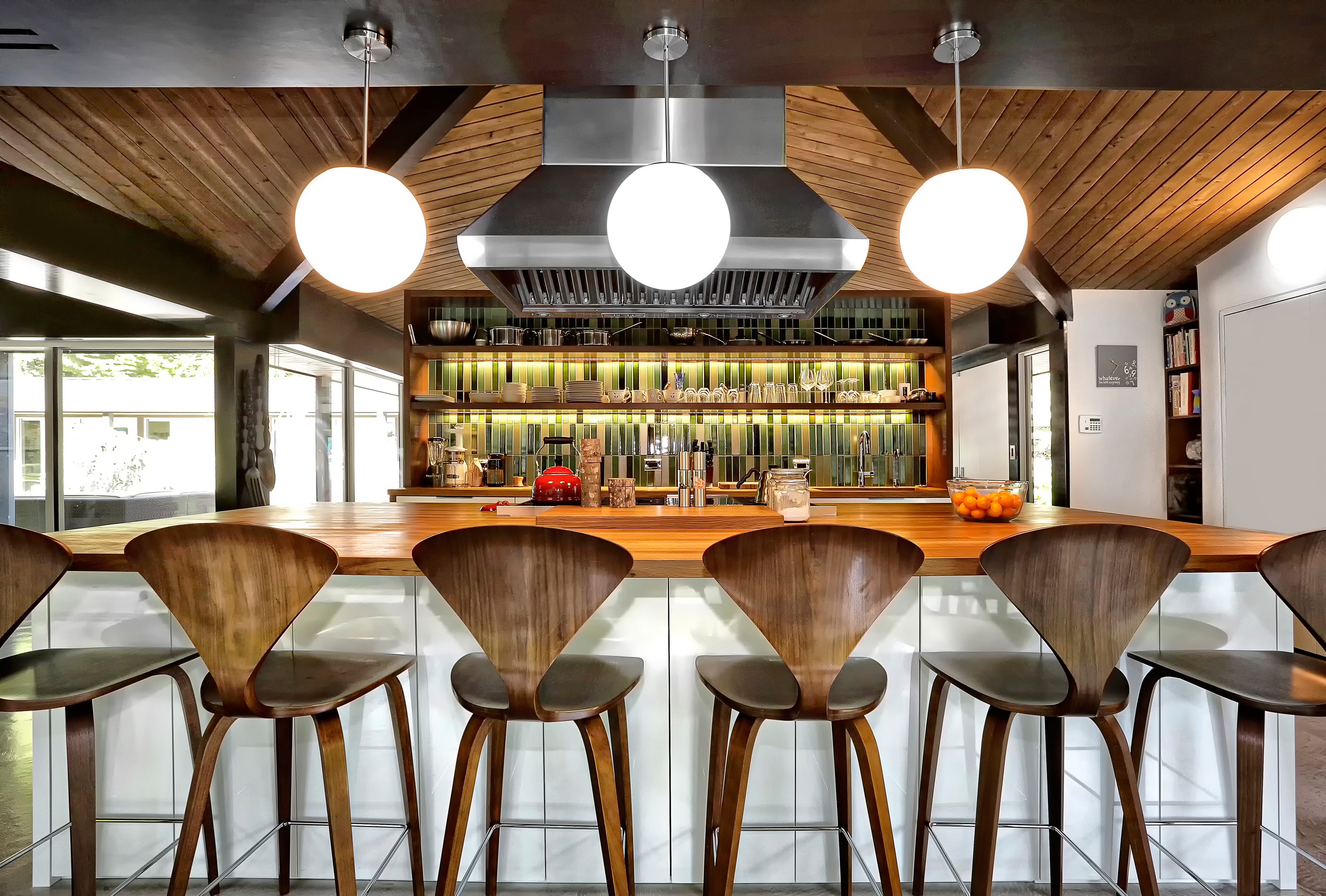
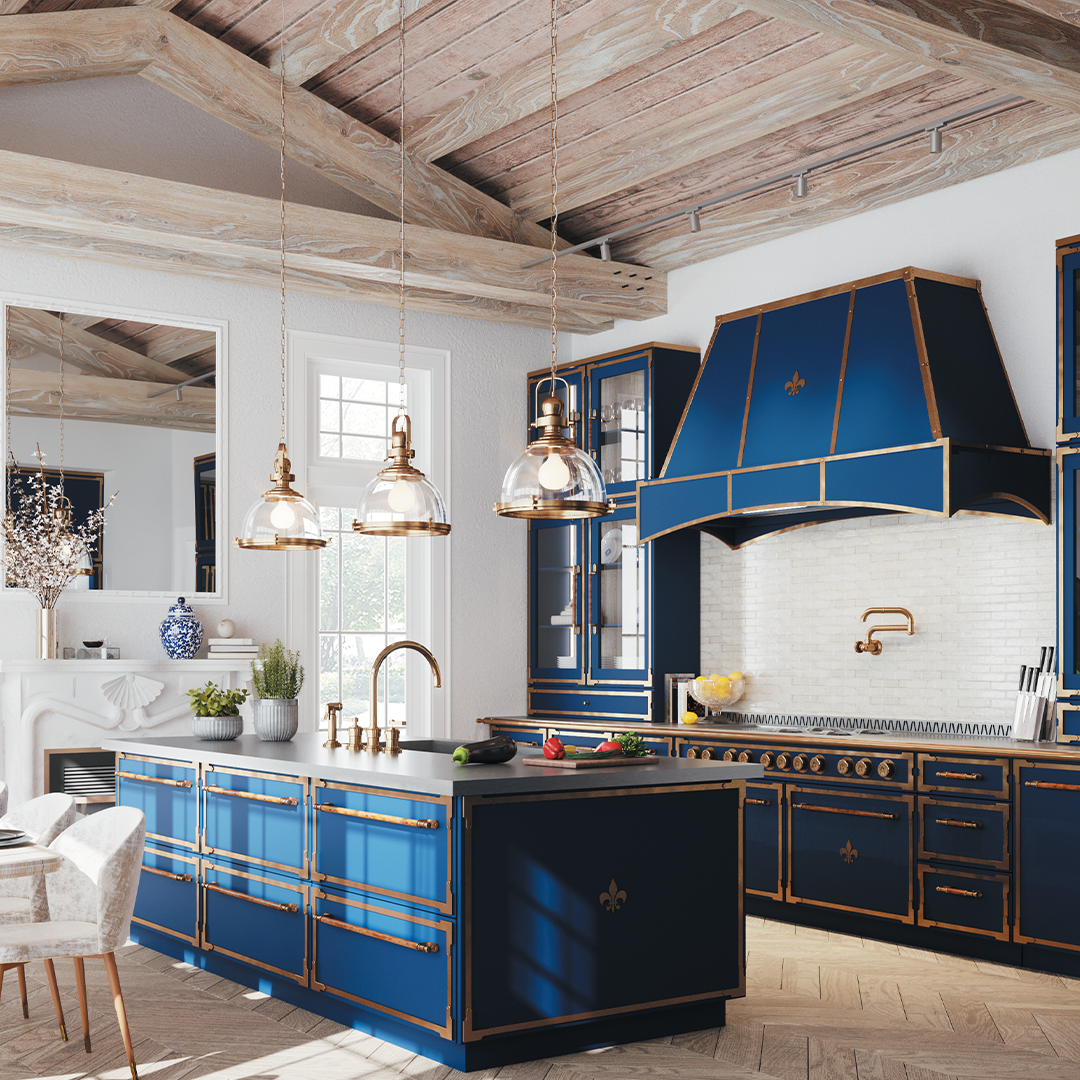
Categorizing appliances extends beyond mere function; visual grouping also plays a role in maintaining flow. Grouping related items, such as creating a coffee station with a coffee maker, mugs, and sugar, enhances organization. Furthermore, grouping appliances by similar colors or styles can contribute to a more cohesive visual impression. Some appliances, due to their design, can serve as focal points. A statement refrigerator or a vintage toaster can add personality, with strategic lighting further emphasizing these design choices.
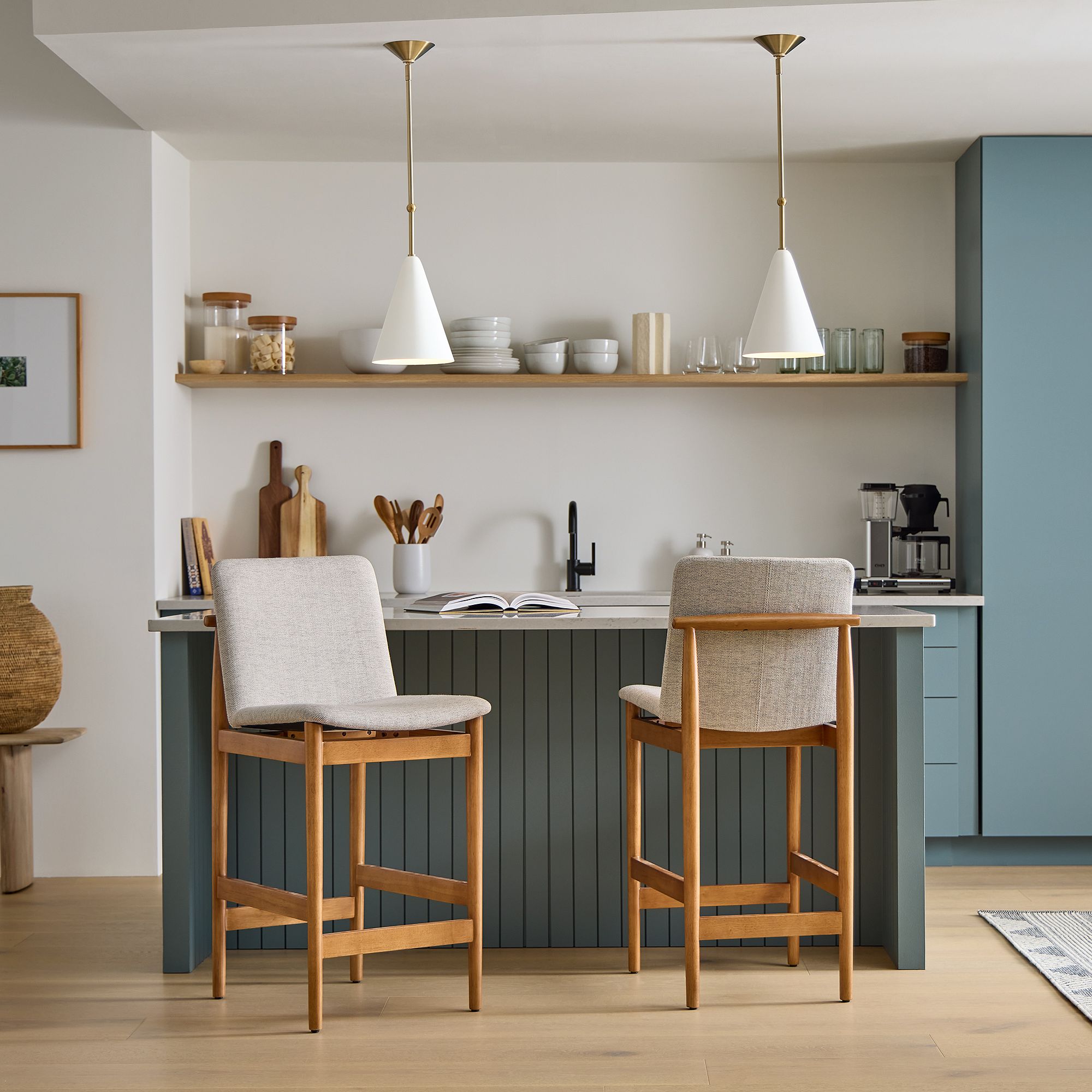
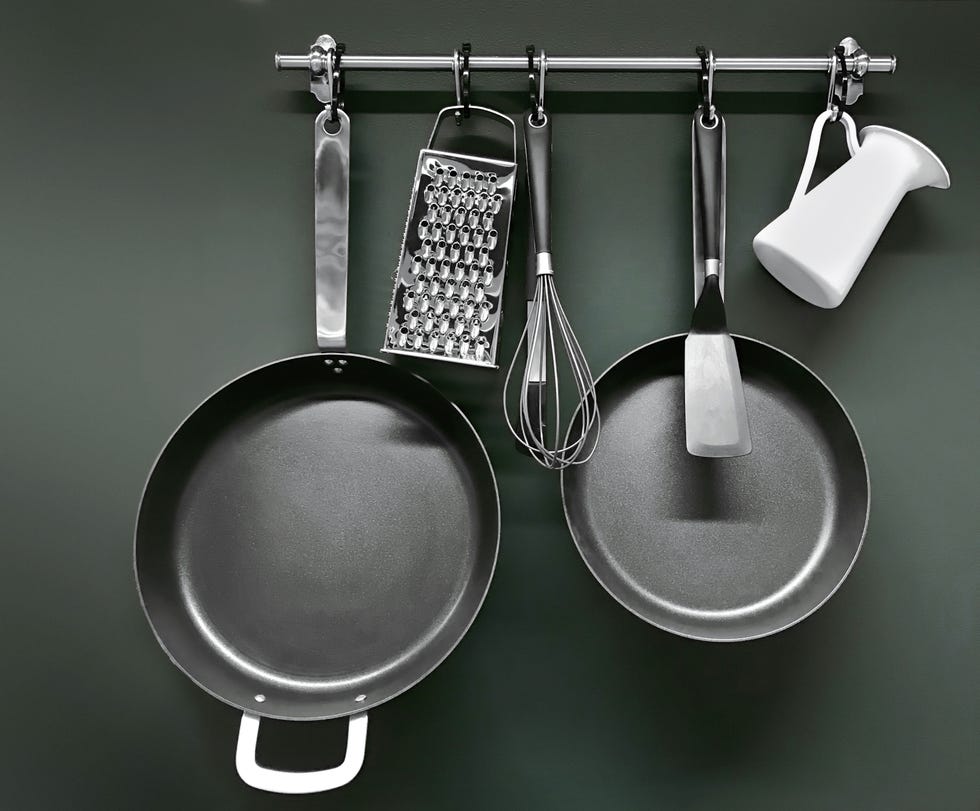
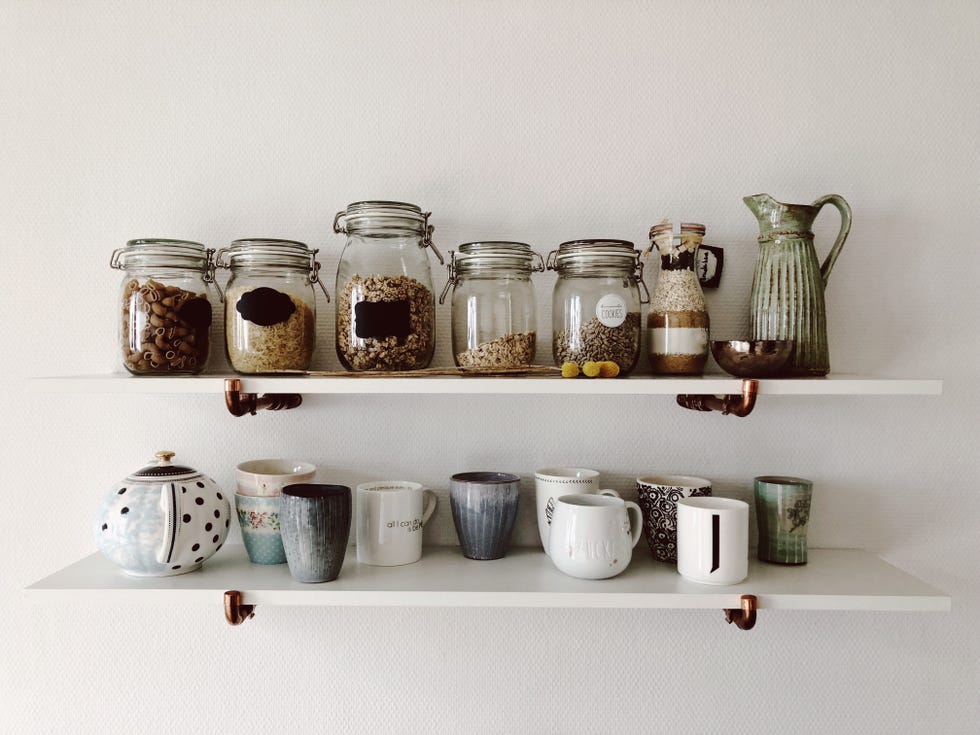
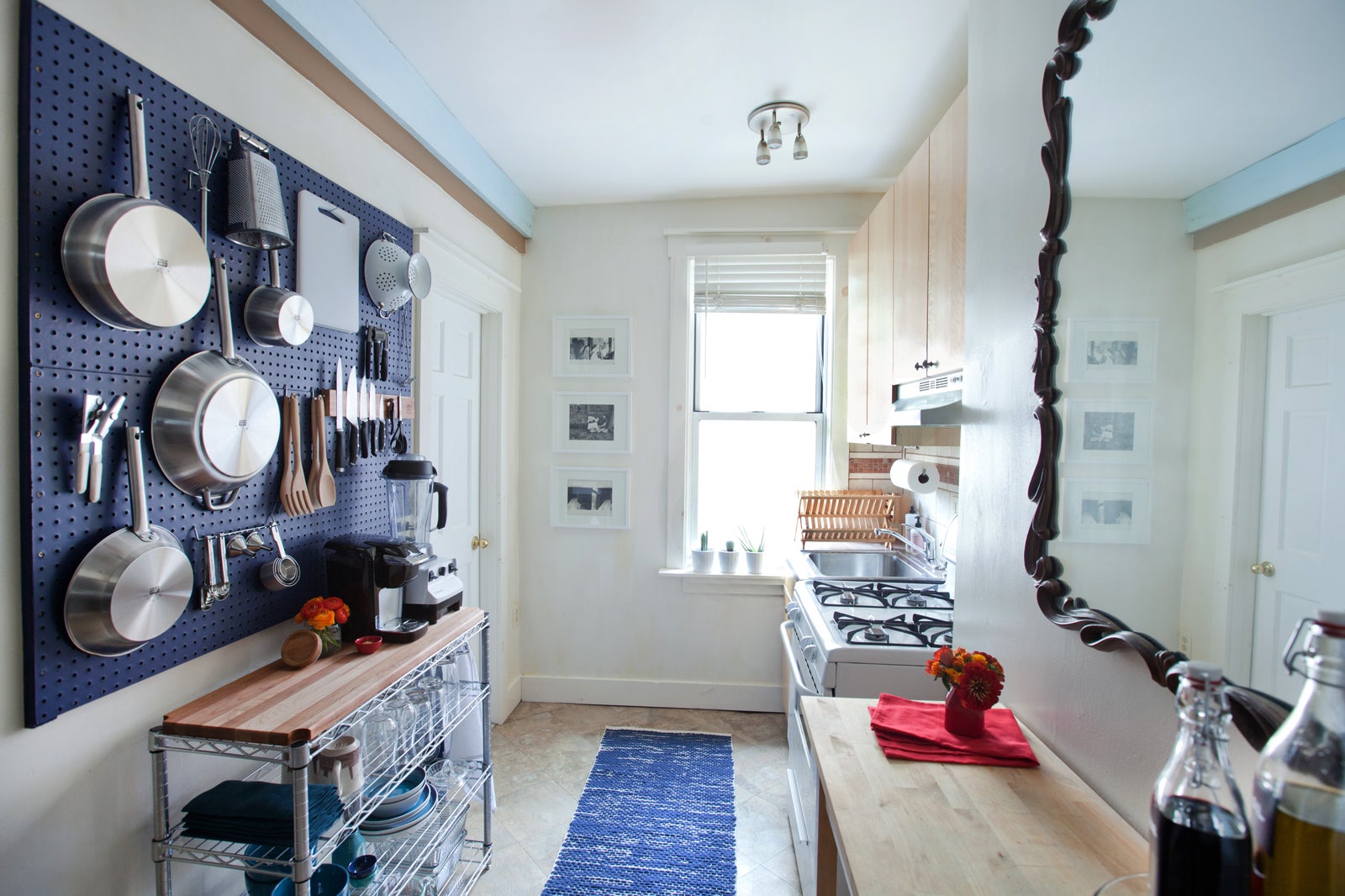
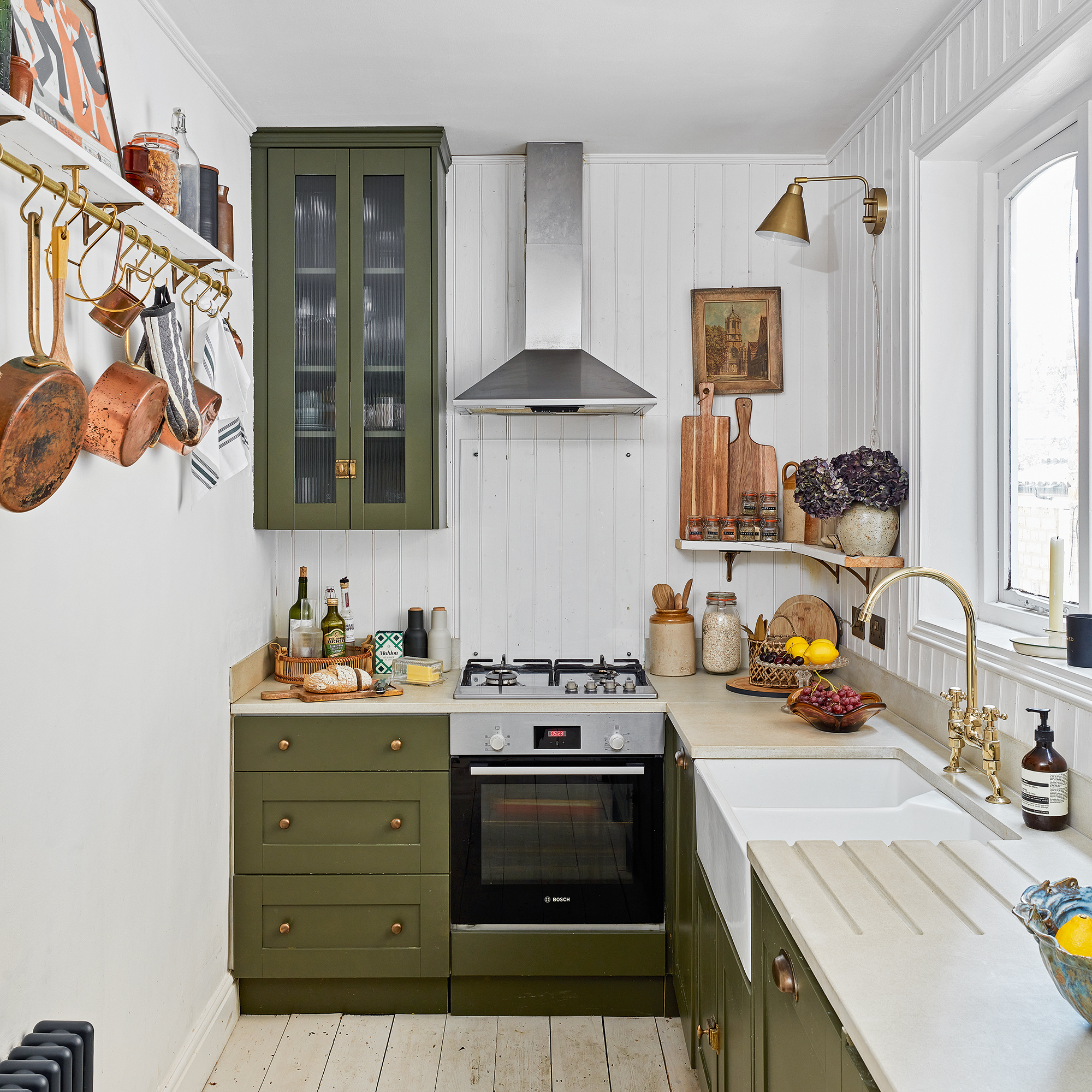
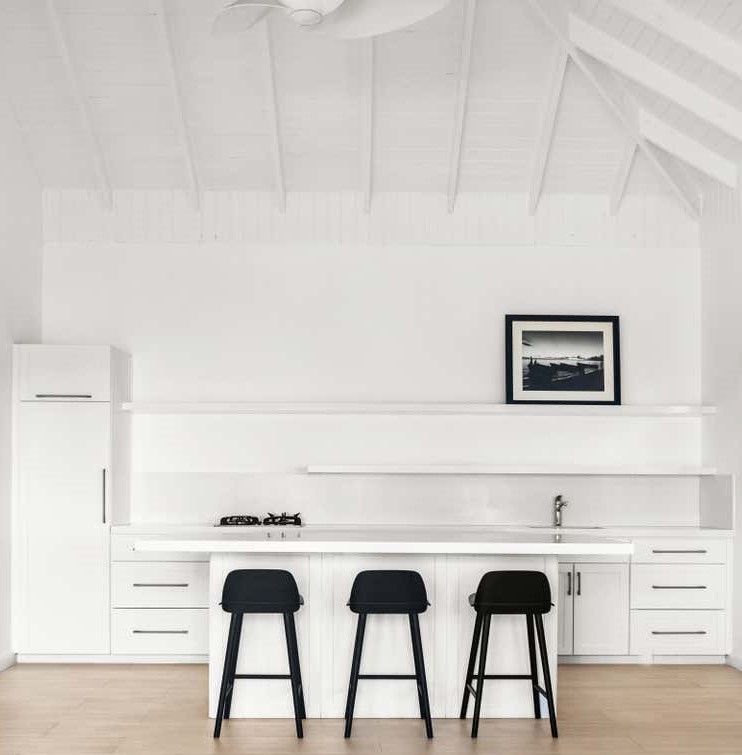
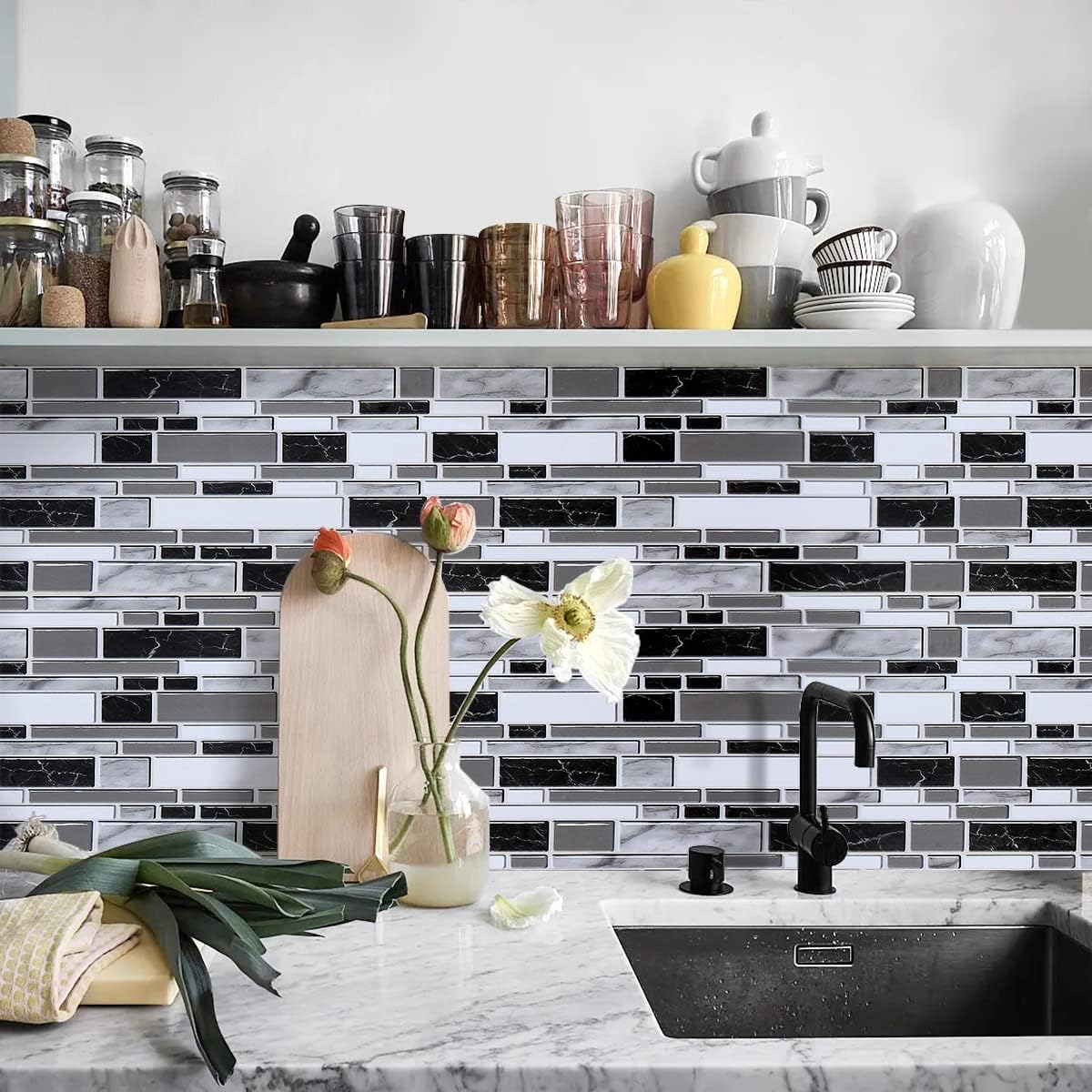
Incorporating decorative elements and maintaining a minimalist approach are also vital. Creative storage solutions like open shelving allow for displaying favorite appliances alongside cookbooks, decorative items, or plants. Ultimately, adhering to the essentials and avoiding excessive clutter on countertops is key to a harmonious kitchen. Less is often more, and a cohesive color scheme can contribute to a balanced aesthetic. For less frequently used small appliances like blenders or food processors, designated storage areas such as upper cabinets, pantries, or rolling carts can keep countertops clear. Wall-mounted solutions like floating shelves or magnetic strips can also maximize space in smaller kitchens.
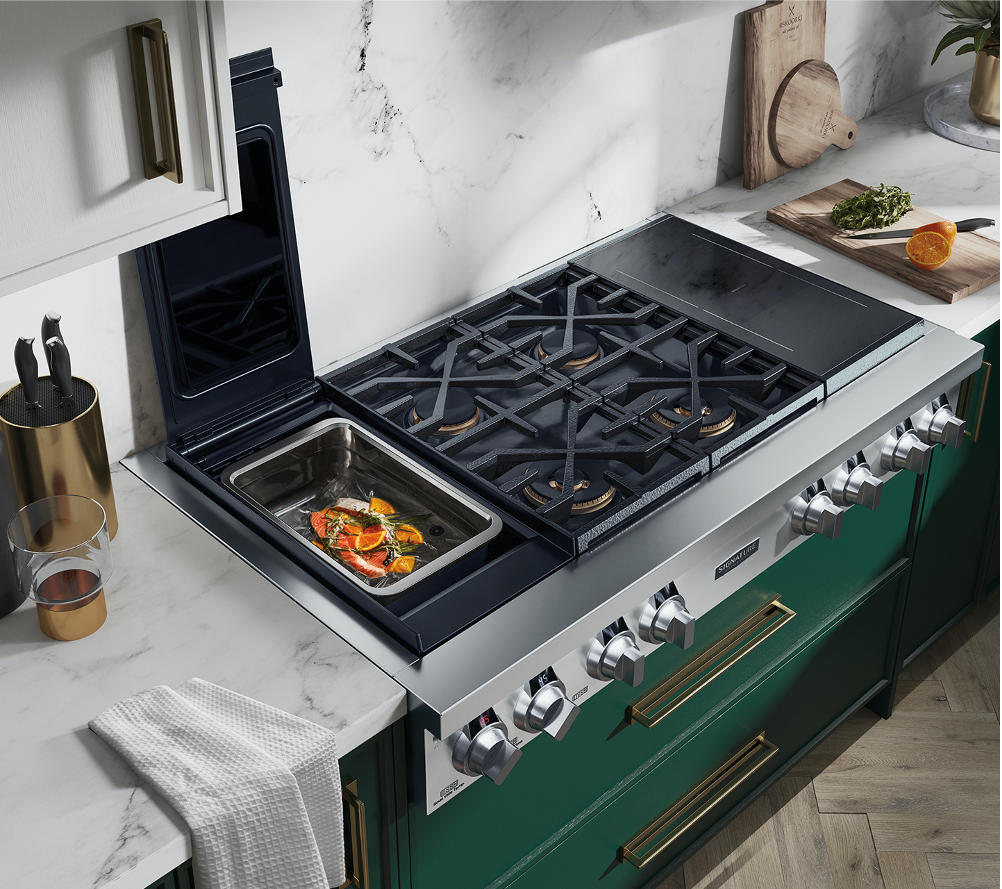
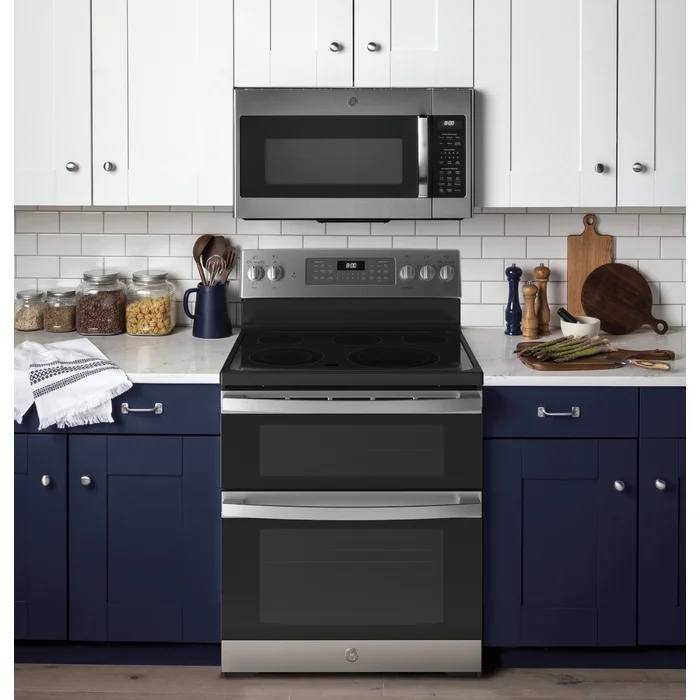
For larger appliances, specific placement and maintenance guidelines are crucial. Refrigerators require cool, dry areas away from direct sunlight and heat sources, with sufficient space for ventilation. Washing machines need to be level, in well-ventilated rooms with low humidity, and their rubber hoses should be regularly checked. Built-in ovens and ranges necessitate proper ventilation, with regular use of range hoods and frequent cleaning. Dishwashers should be near the sink for plumbing access, with enough space for the door to open fully, and their filters and spray arms require regular cleaning. Finally, dryer vents must be kept clean to prevent fire hazards, and lint traps cleaned after every use. By following these expert recommendations, homeowners can create a kitchen that is both highly functional and aesthetically pleasing.
#KitchenOrganization #AppliancePlacement #HomeDesign #InteriorDesign #KitchenAppliances #SpaceManagement #KitchenHarmony #CountertopManagement #KitchenOrganization #AppliancePlacement #HomeDesign #InteriorDesign #KitchenAppliances #SpaceManagement #KitchenHarmony #CountertopManagement
0 comment in total
 No comments yet
You may also like
How to arrange furniture in a small kitchen — 8 top tips from pros


6 cooking experts on how to organise your kitchen

Designers all agree that these 7 kitchen features are always eyesores – and what you should do about them
7 Common Kitchen Features That Actually Give Designers the "Ick"

8 hacks the best designers use to make a kitchen more ergonomic – from the right layout to raising your appliances

8 Appliance Trends That Will Turn the Kitchen Into Your Favorite Room in the House

8 Things That Make Your Kitchen Look Tacky, According to Interior Designers
8 small kitchen Feng Shui tips for all the good vibes
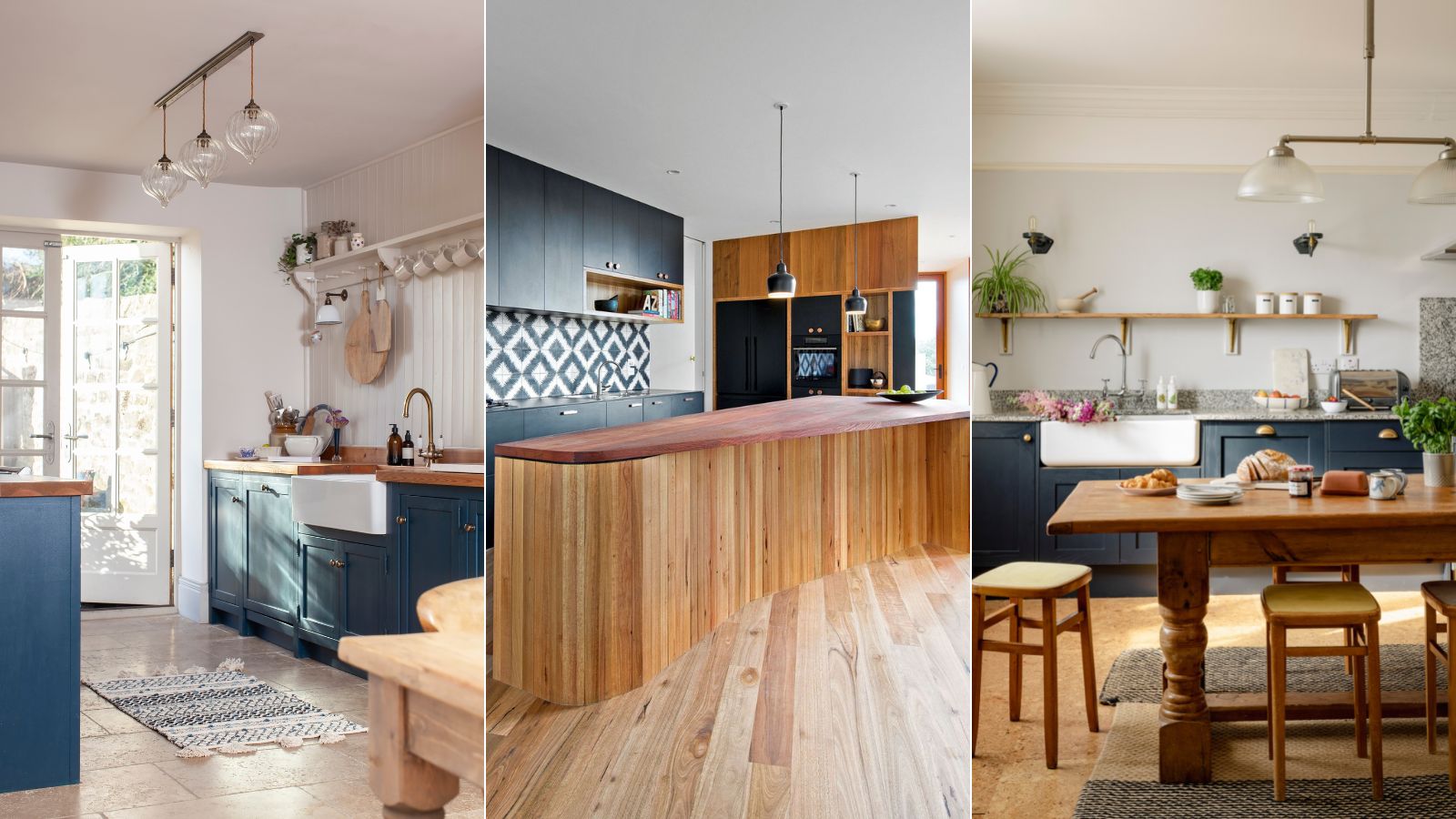
7 kitchen space distance rules – for layout perfection
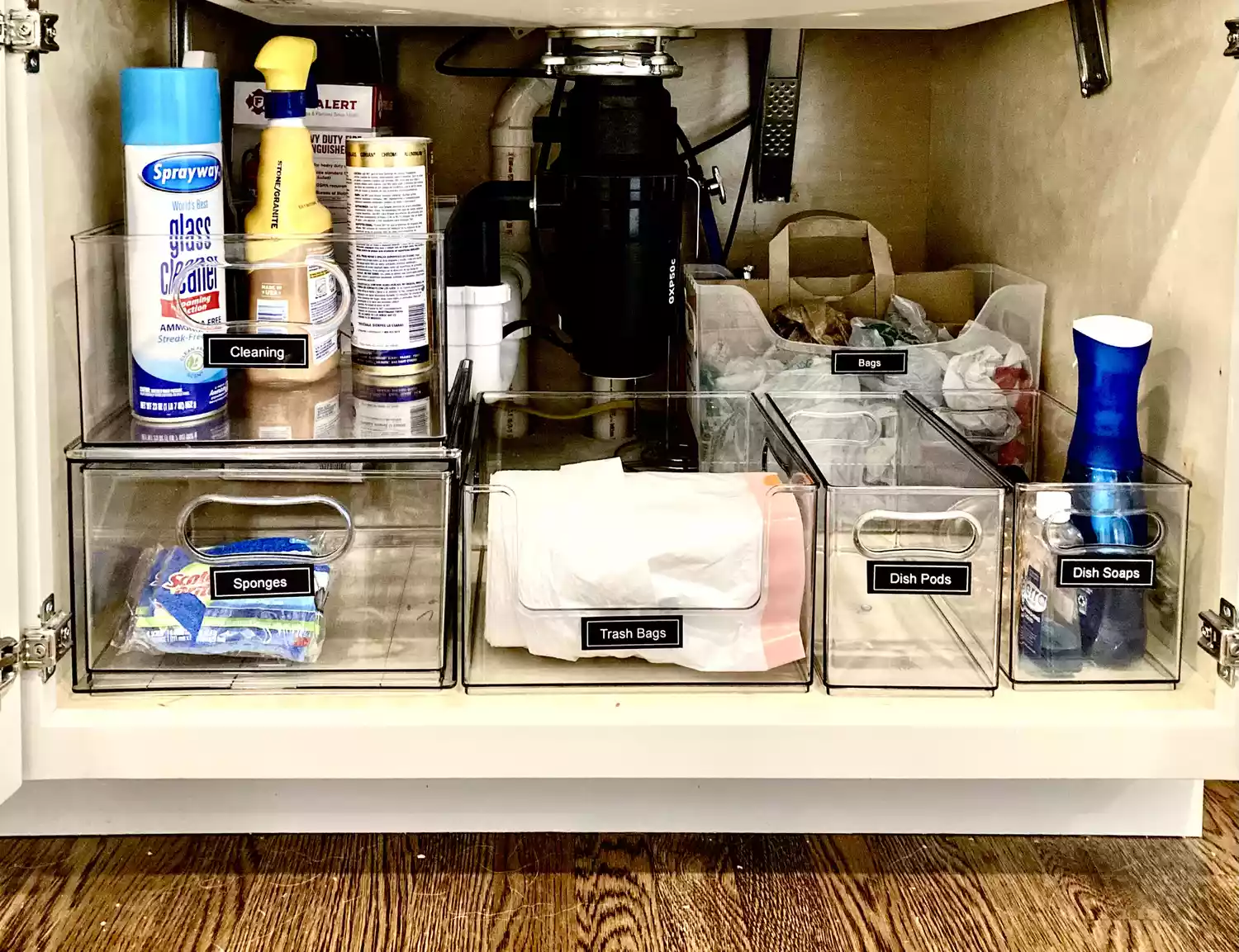
7 Things All Organized Kitchens Have in Common, According to Professional Organizers
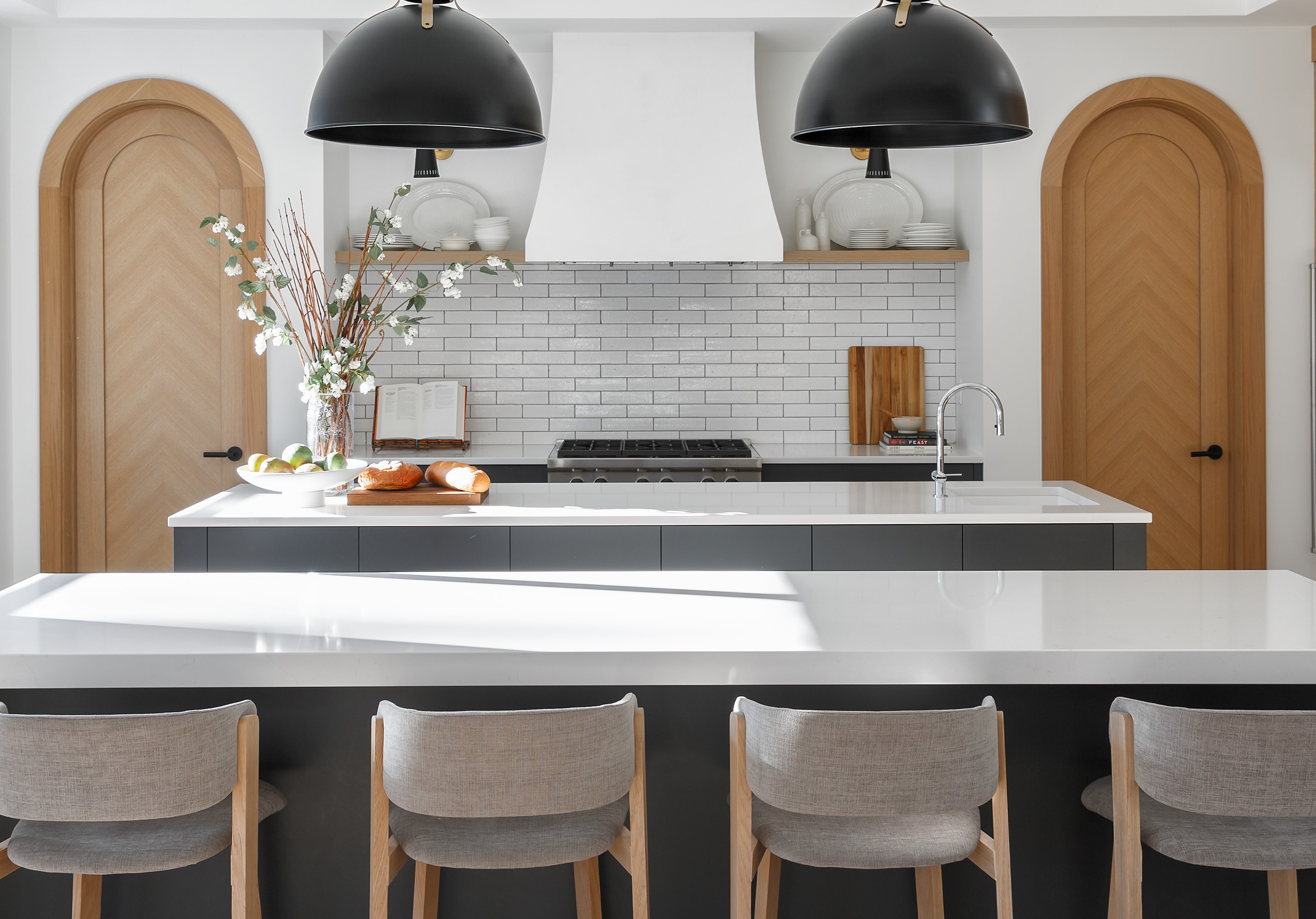
Symmetry in kitchens — the trend designers love that creates a calming, clutter-free space
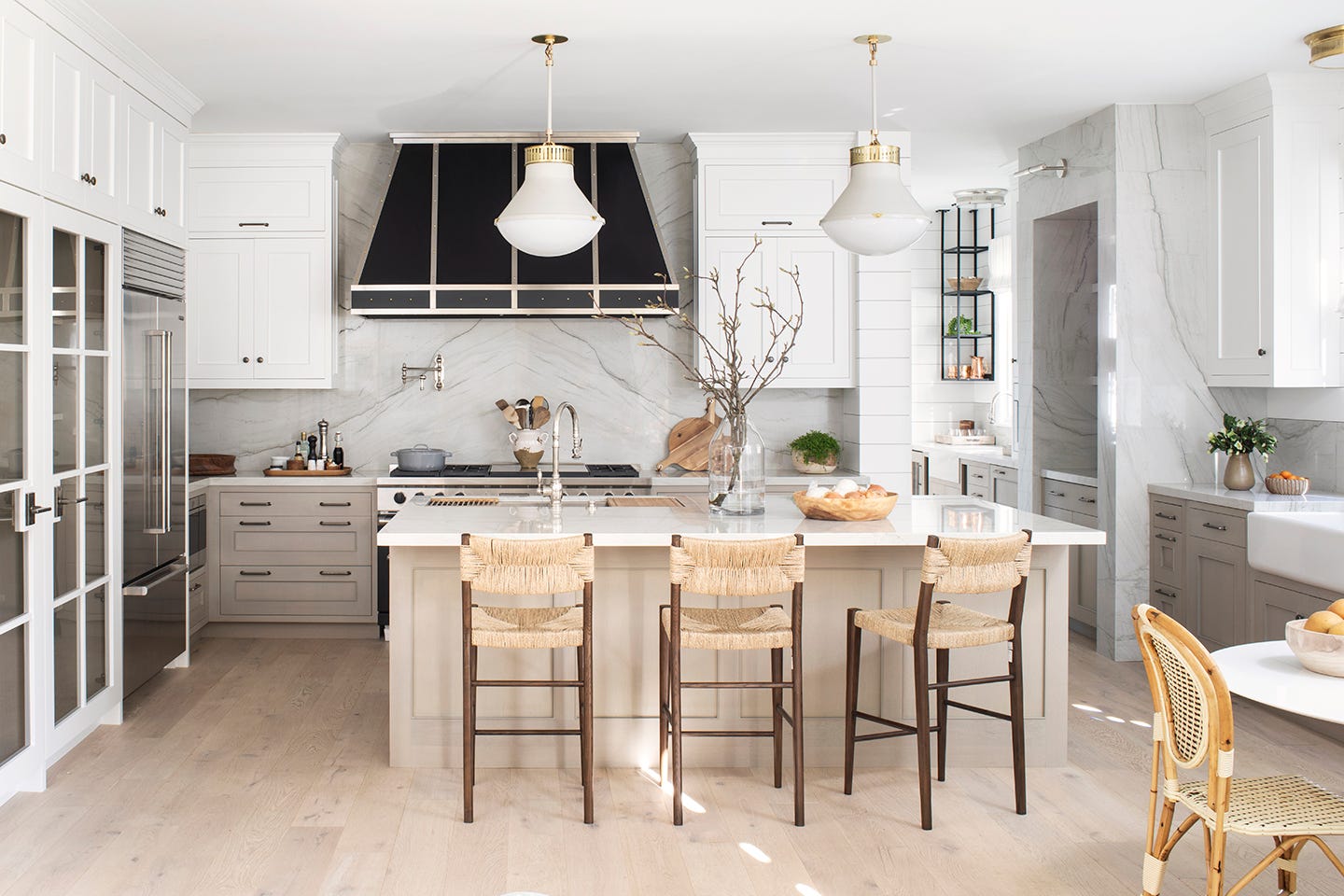
Create a Feng Shui Kitchen With These Expert Design Tips
8 Kitchen Appliance Trends to Avoid—and What to Choose Instead

All The Secrets To Organize Your Kitchen

16 Kitchen Organization Tricks I Learned Working In Restaurants

12 Things That People Over 30 Should NEVER Have In Their Kitchen

8 Small Appliance Storage Ideas for the Ultimate Organized Kitchen

10 things every kitchen needs, according to interior designers
The 4-inch seating rule is the secret to a sociable kitchen – here's how to use this design principle in a cooking space
Interior designers share the 10 things in your kitchen you should get rid of