8 Kitchen Appliance Trends to Avoid—and What to Choose Instead
Kitchen appliance trends, much like paint colors and denim styles, are constantly evolving. While a complete overhaul isn't necessary every season, design professionals typically recommend a kitchen remodel every 10 to 15 years. When embarking on such a renovation, the focus should be on selecting updated appliances that not only align with the homeowner's kitchen usage but also reflect their personal style. The goal is to choose durable and aesthetically pleasing options that facilitate easier cooking and cleaning, while consciously avoiding outdated or tired trends.
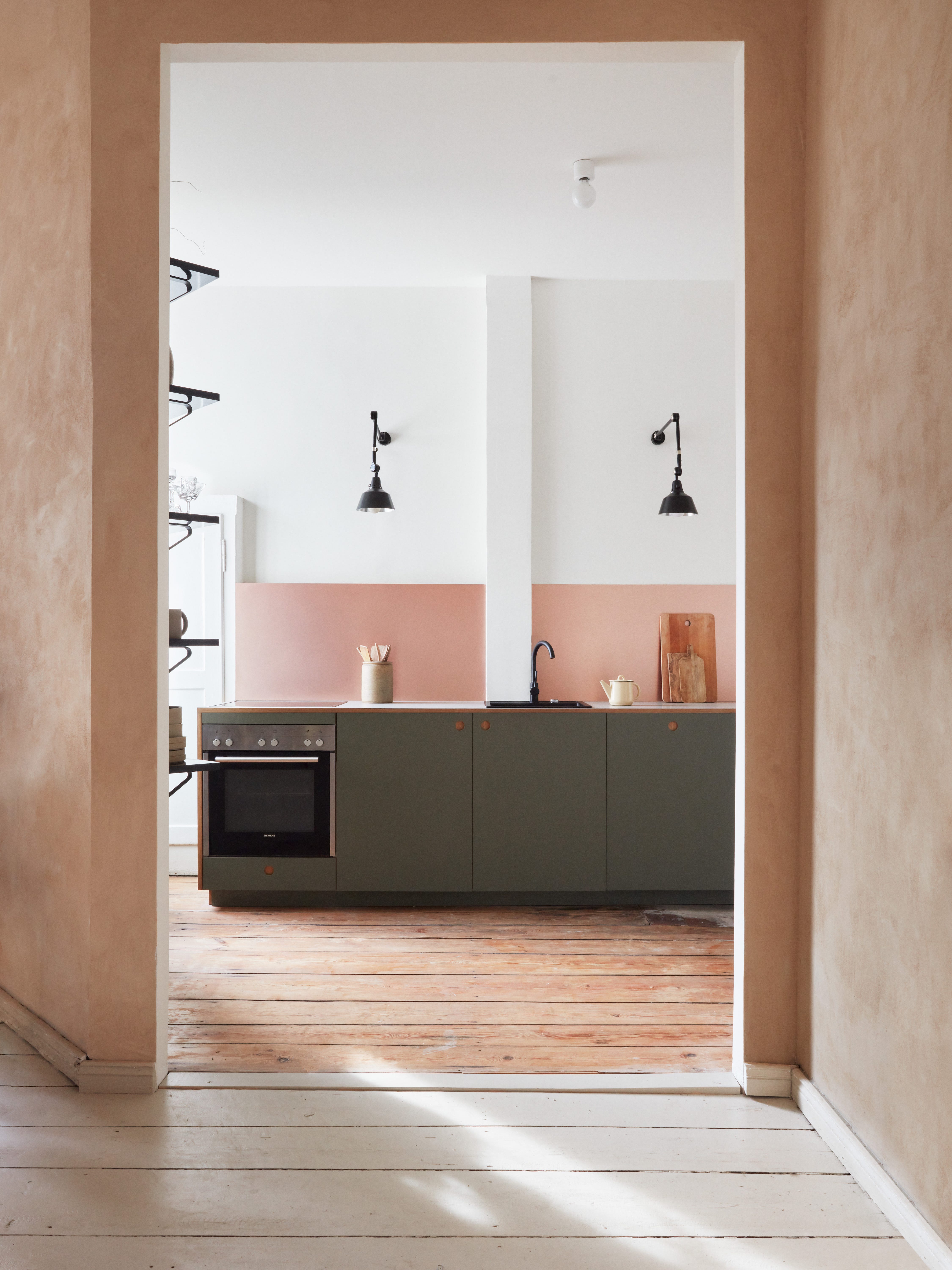
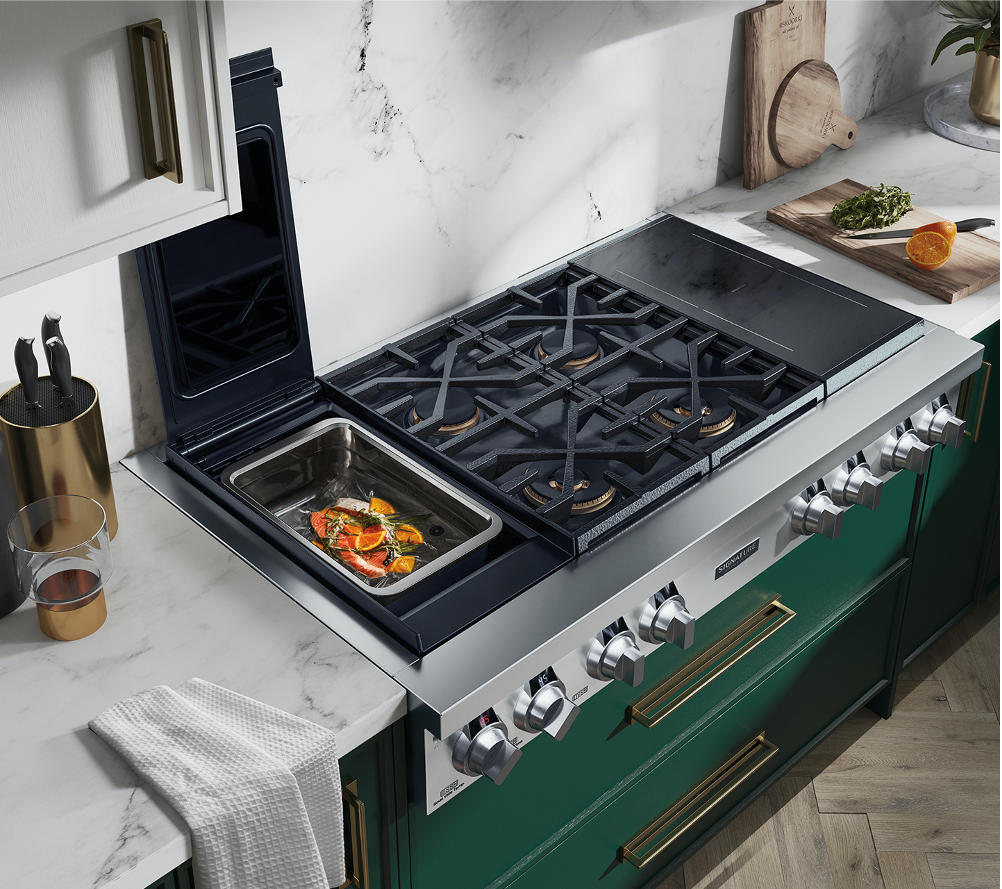
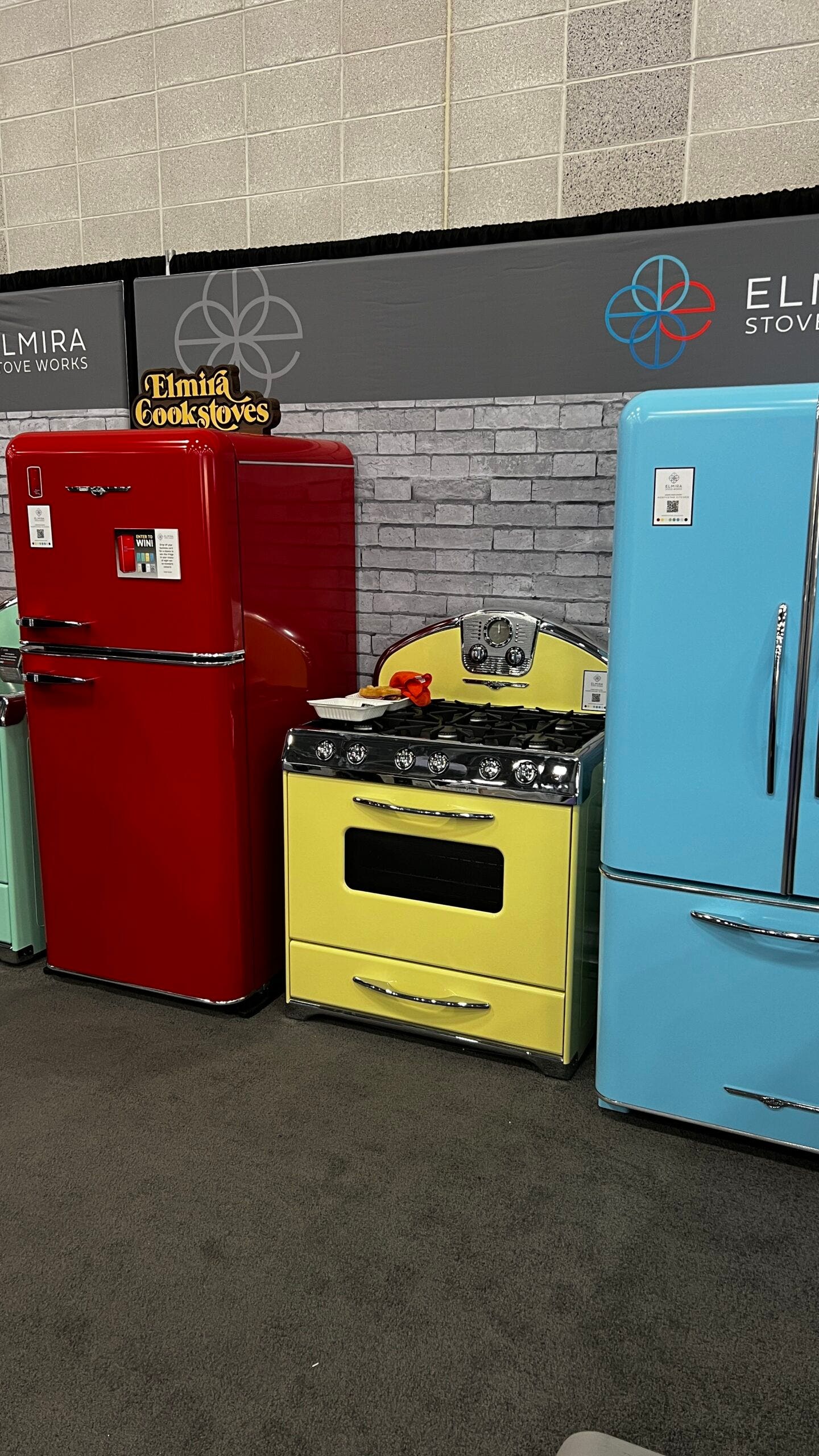
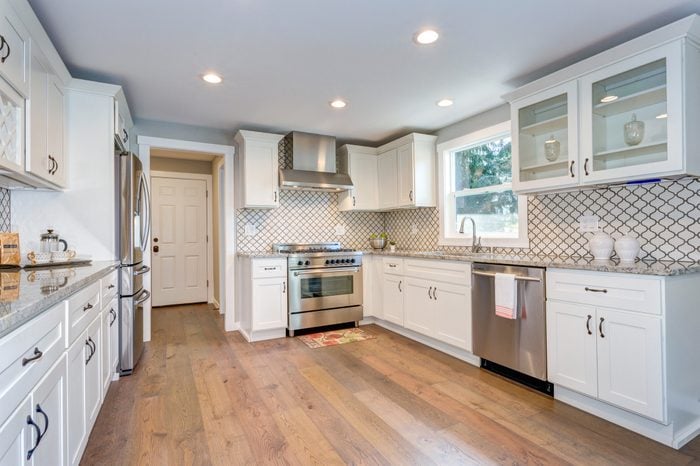
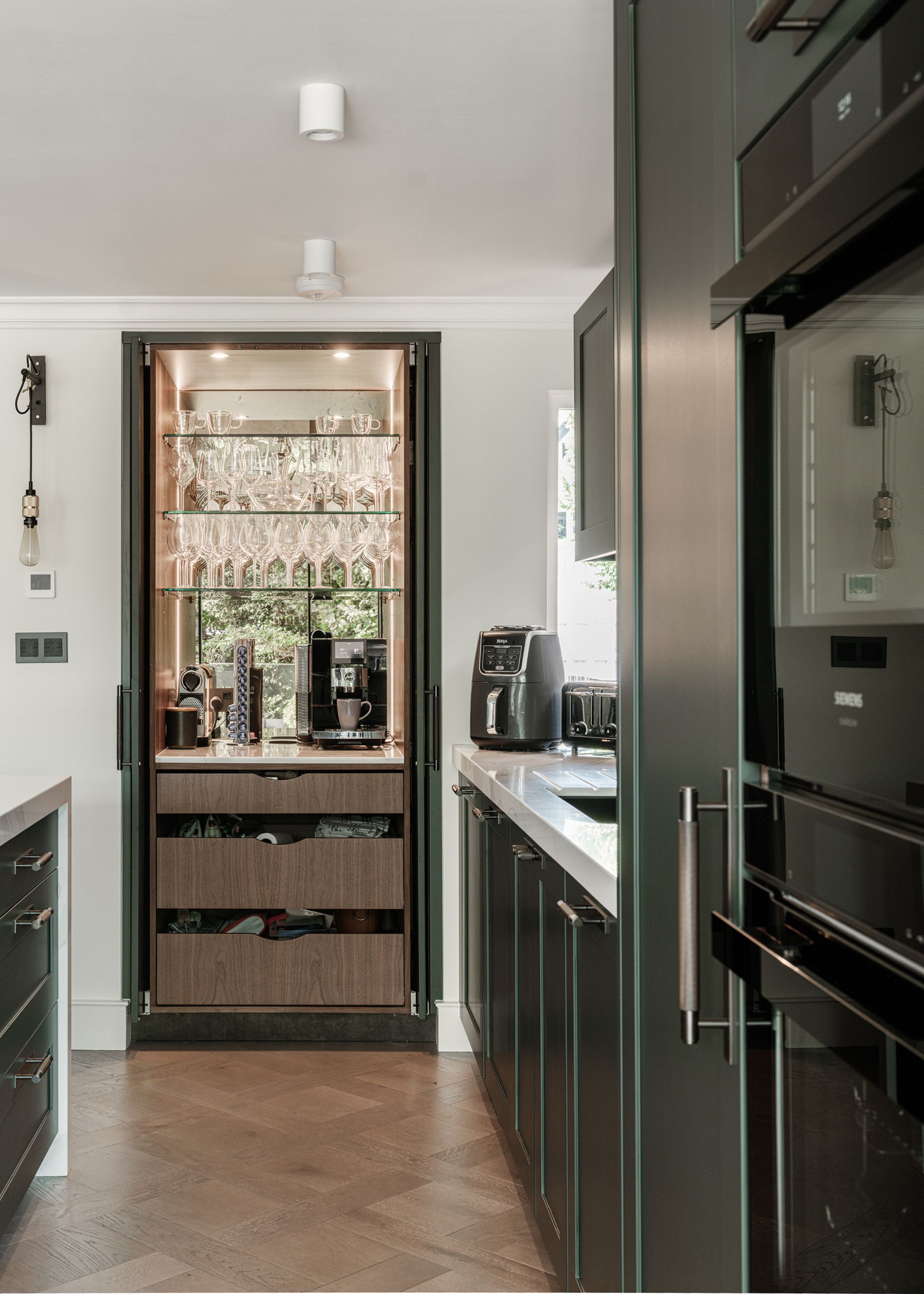
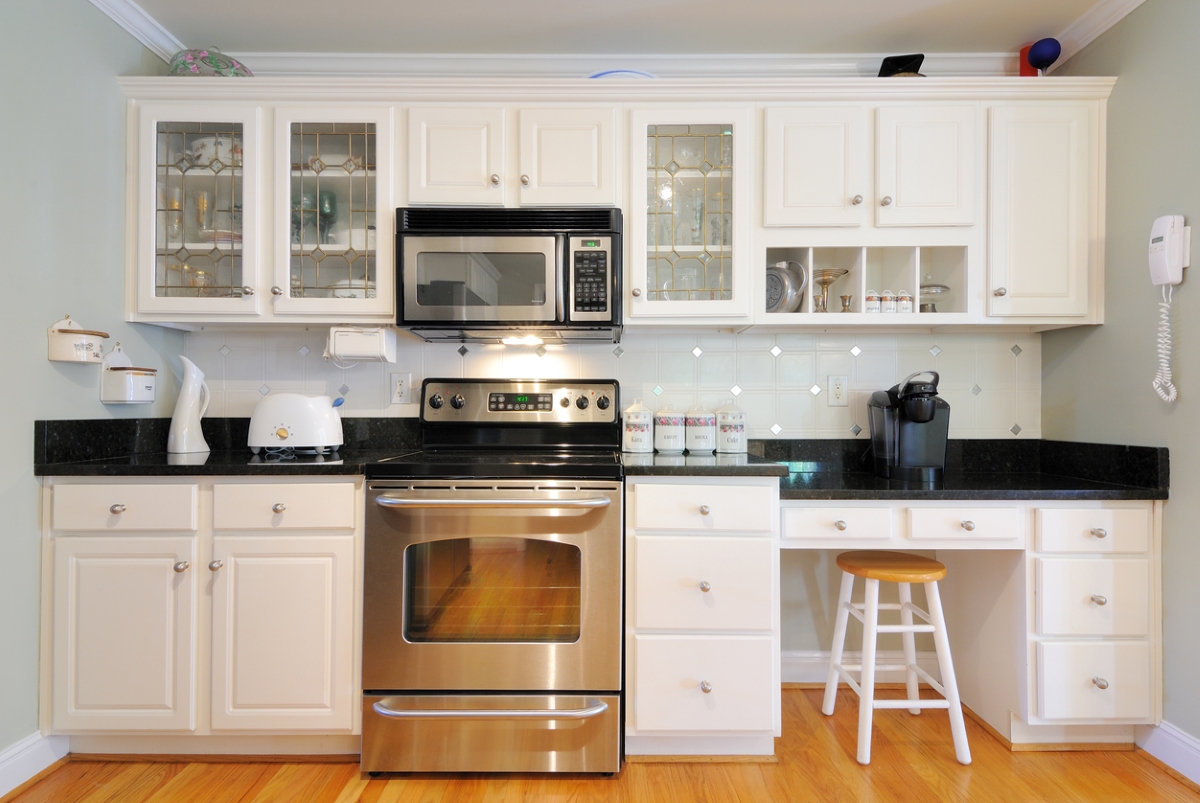
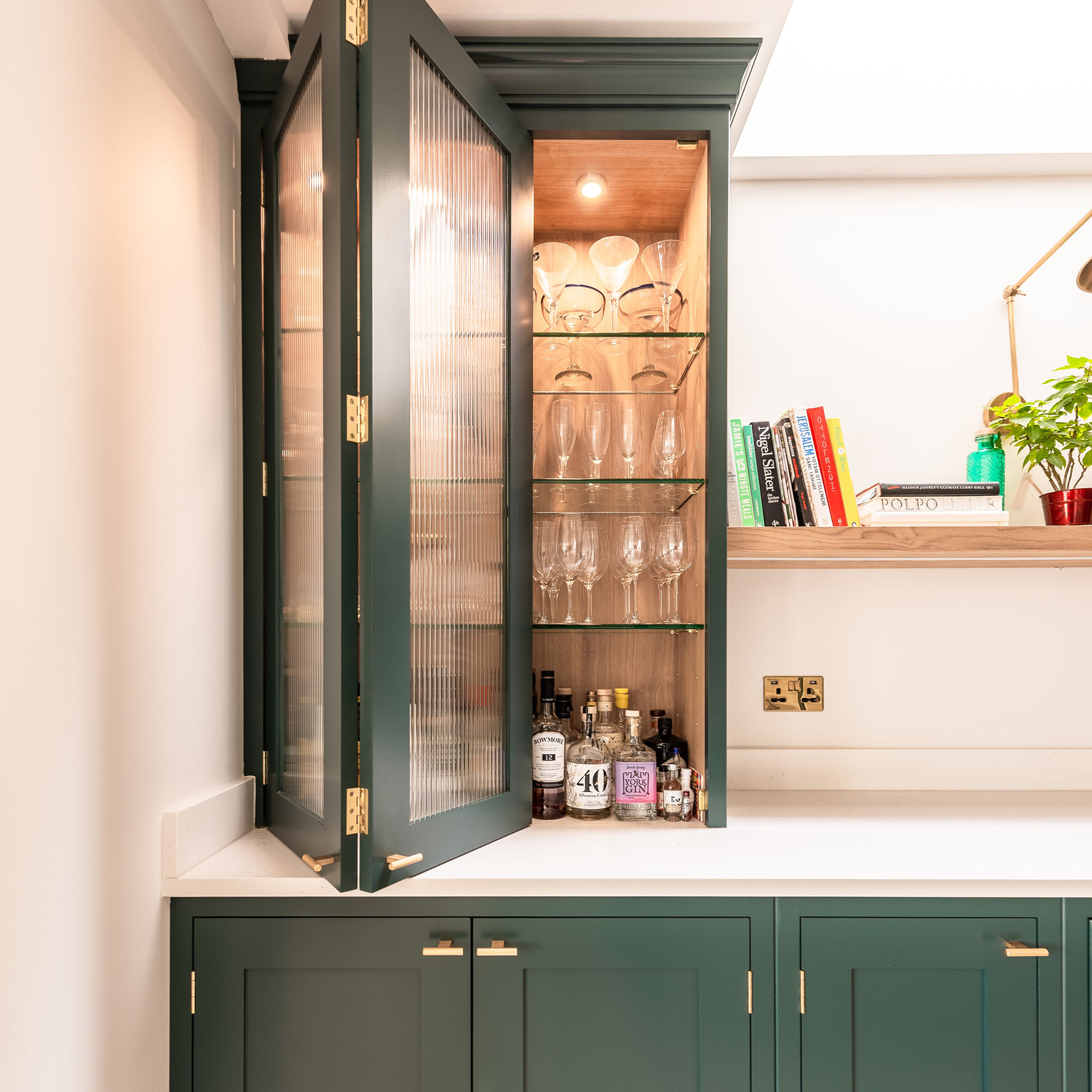
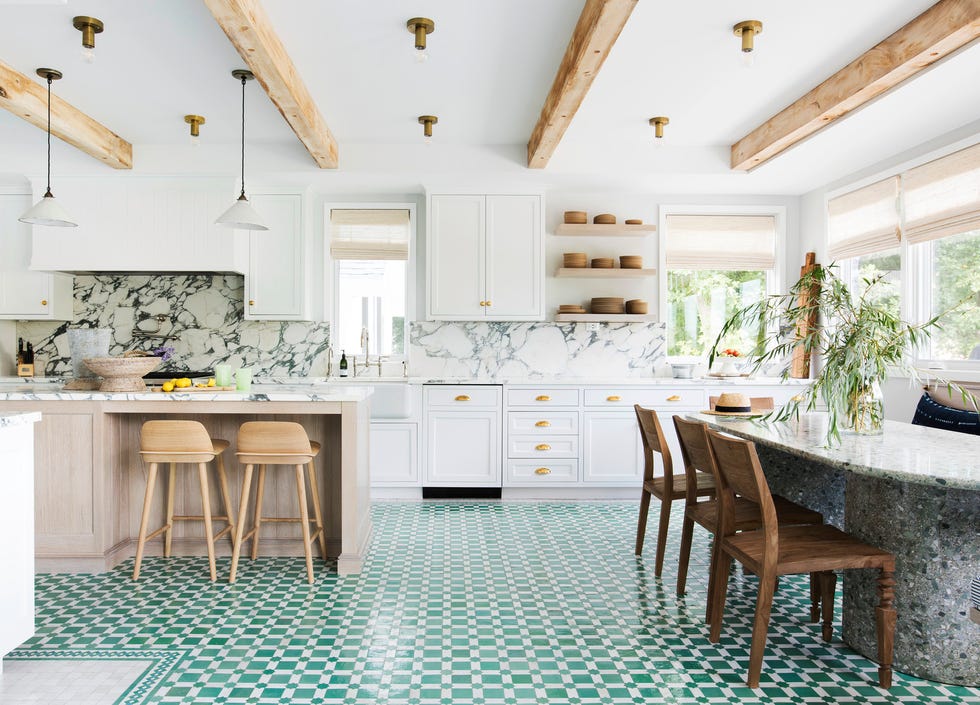
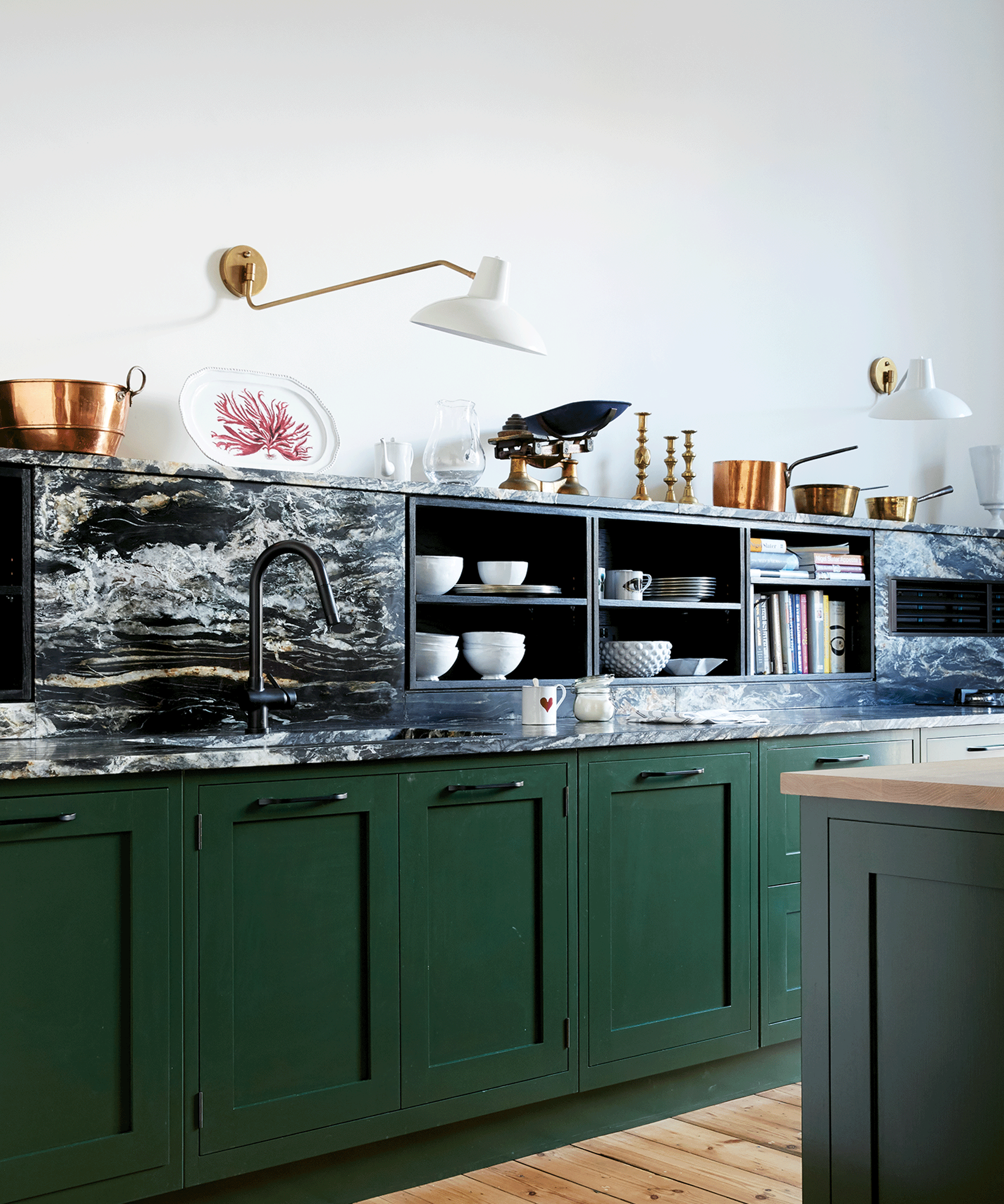
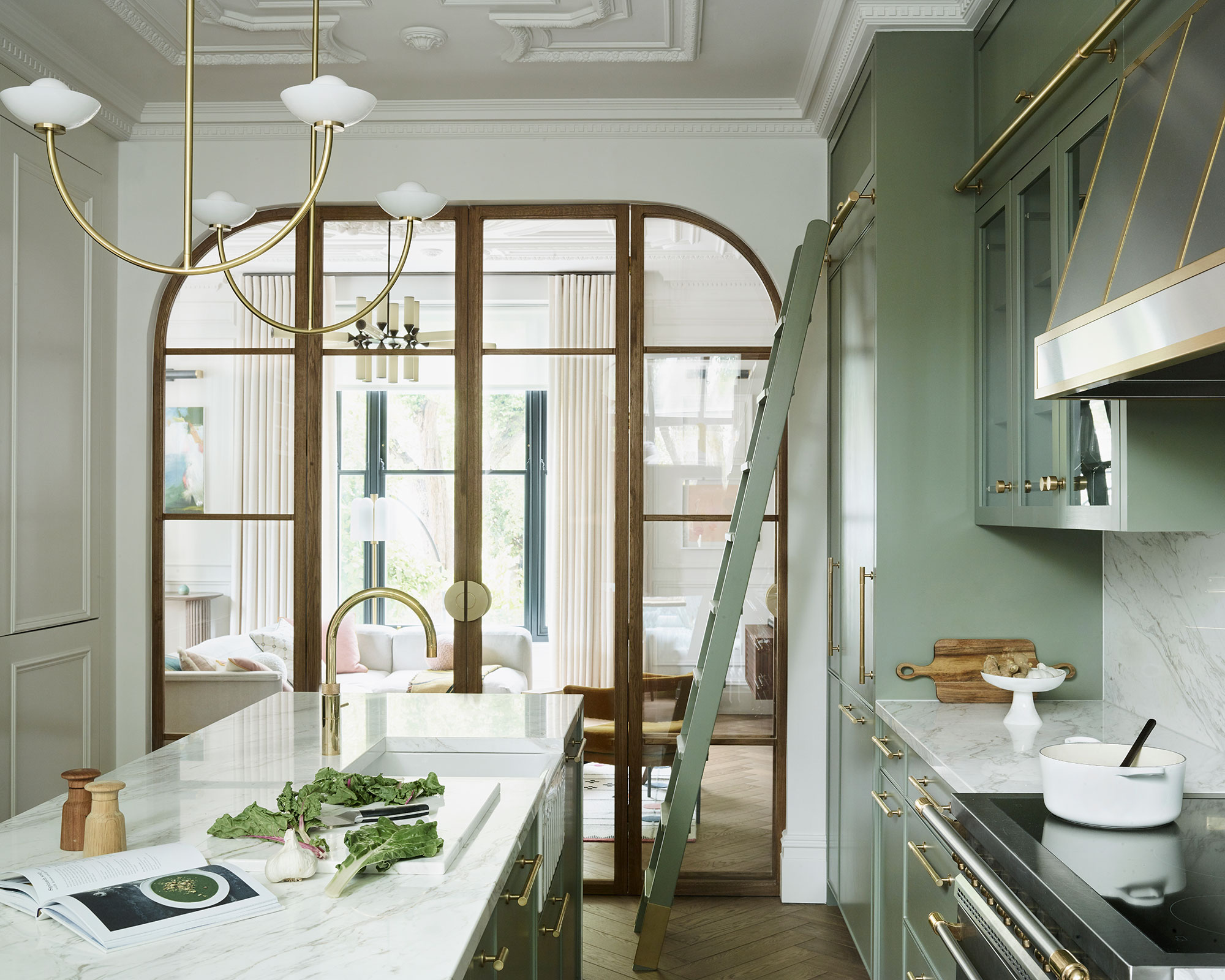
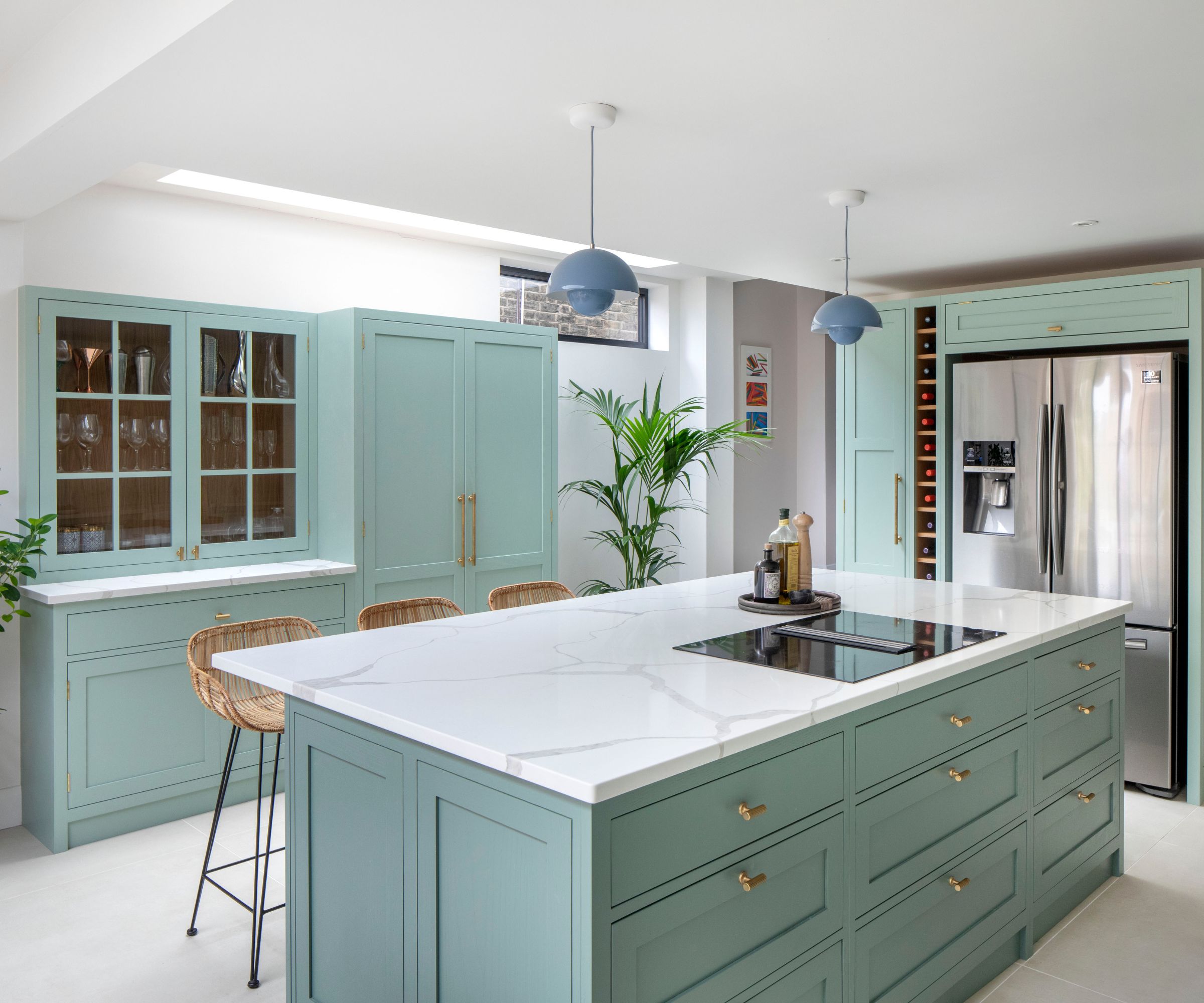
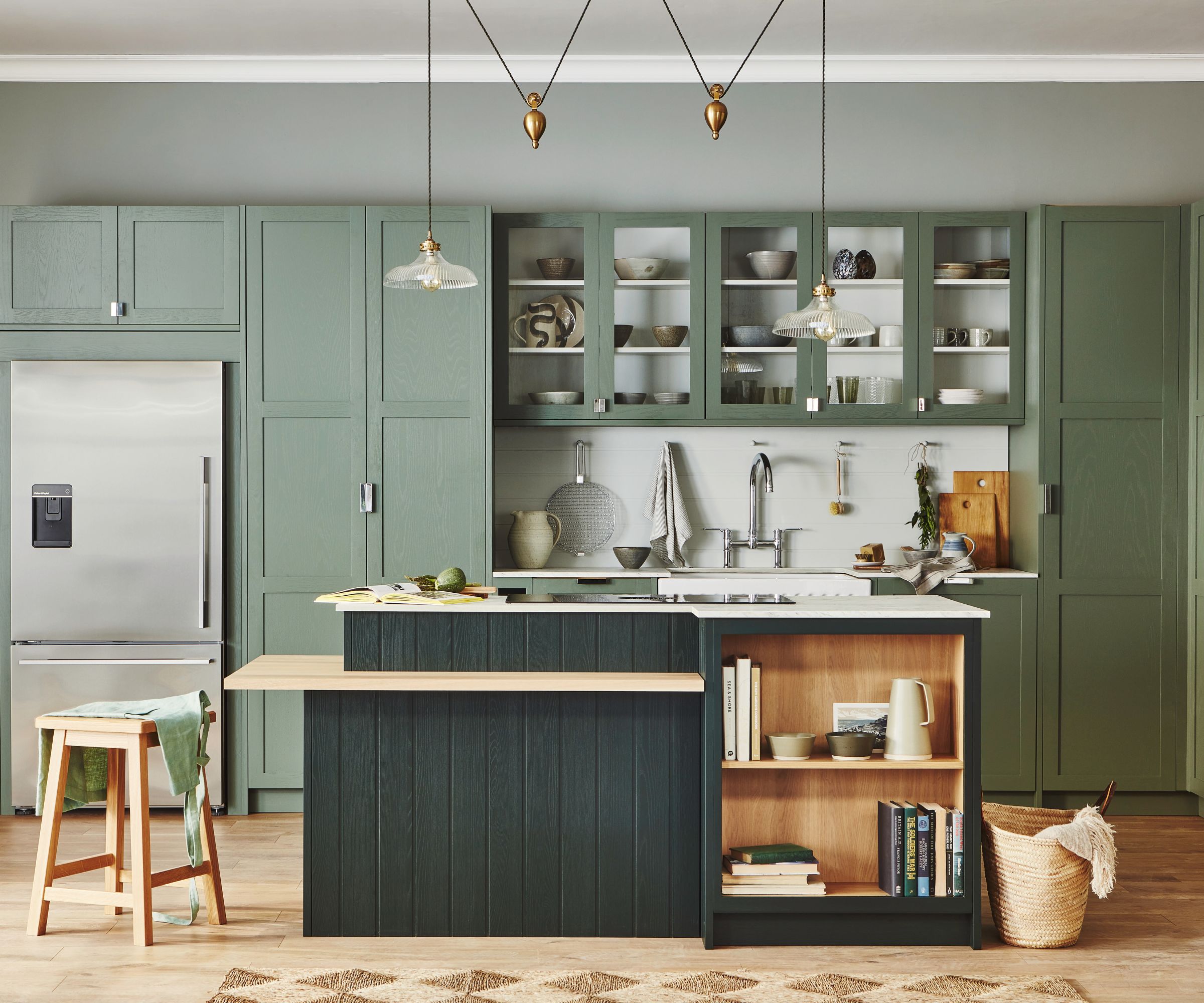
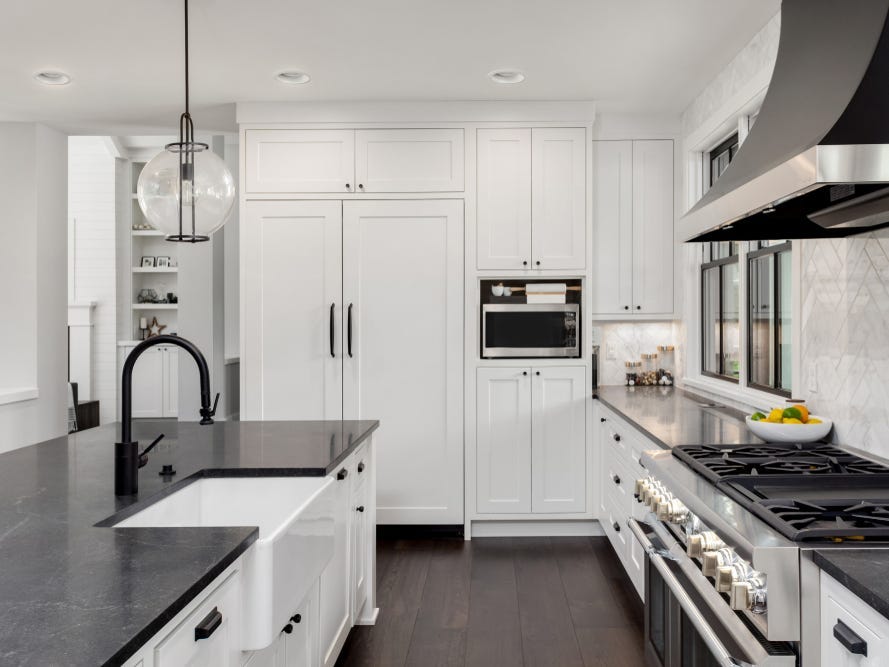
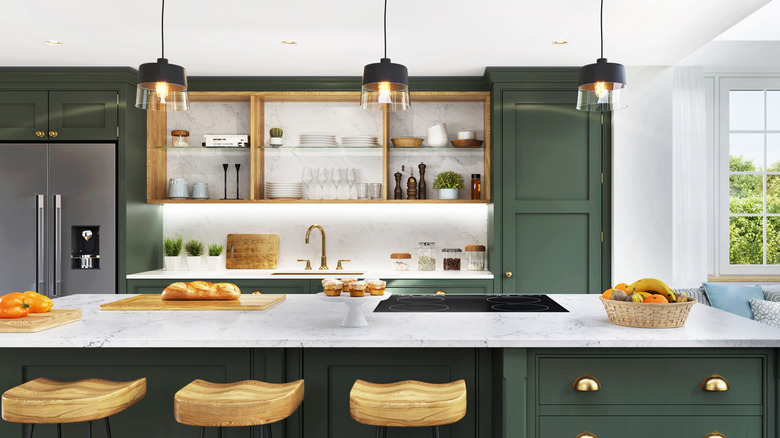
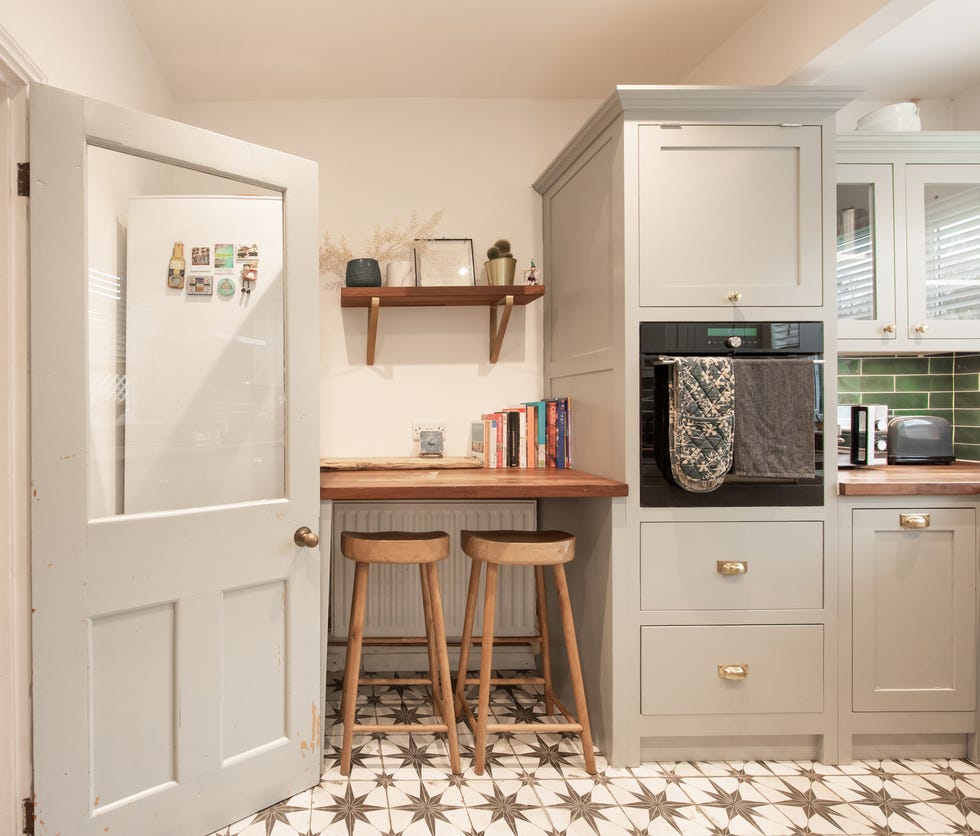
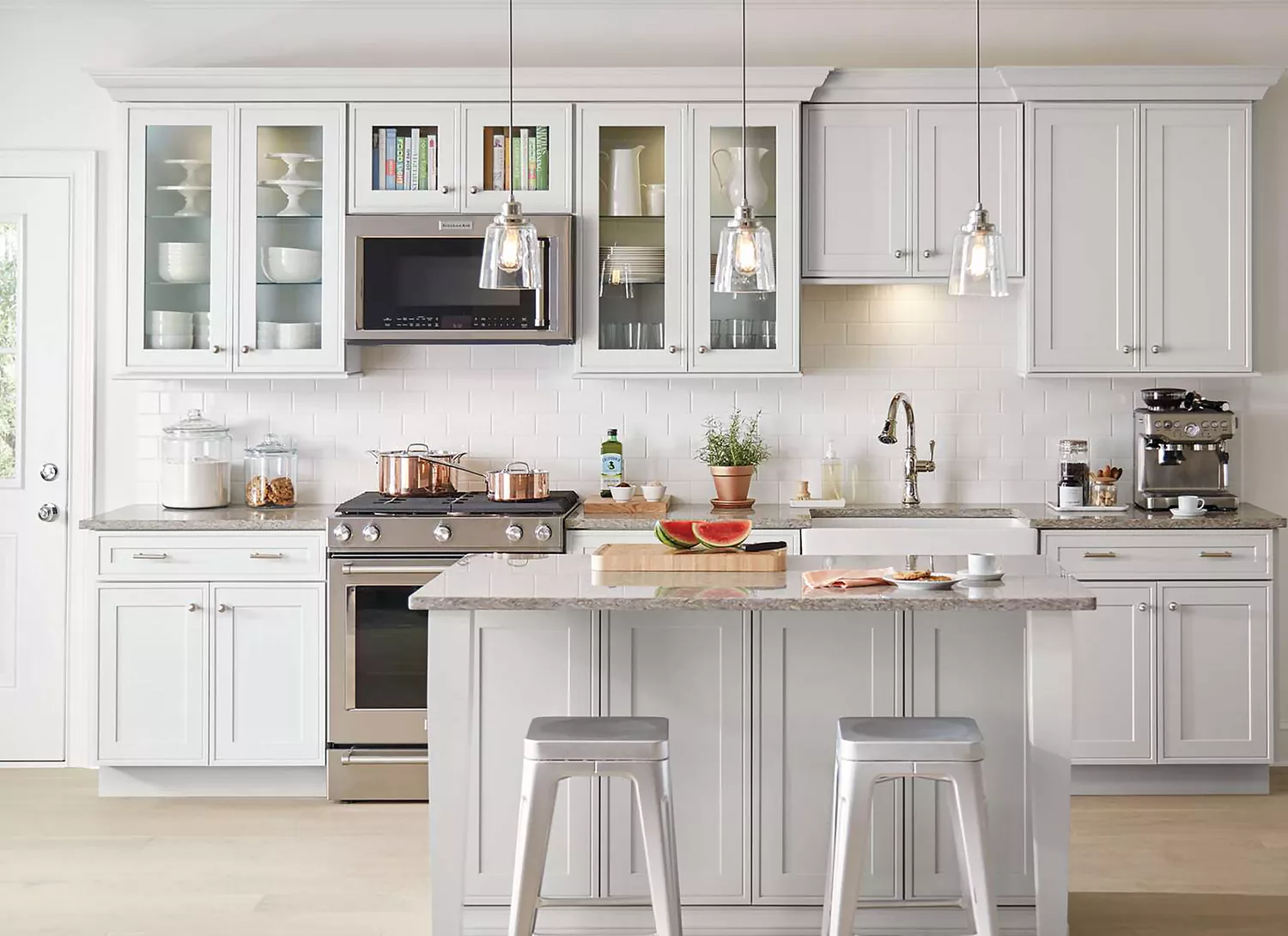
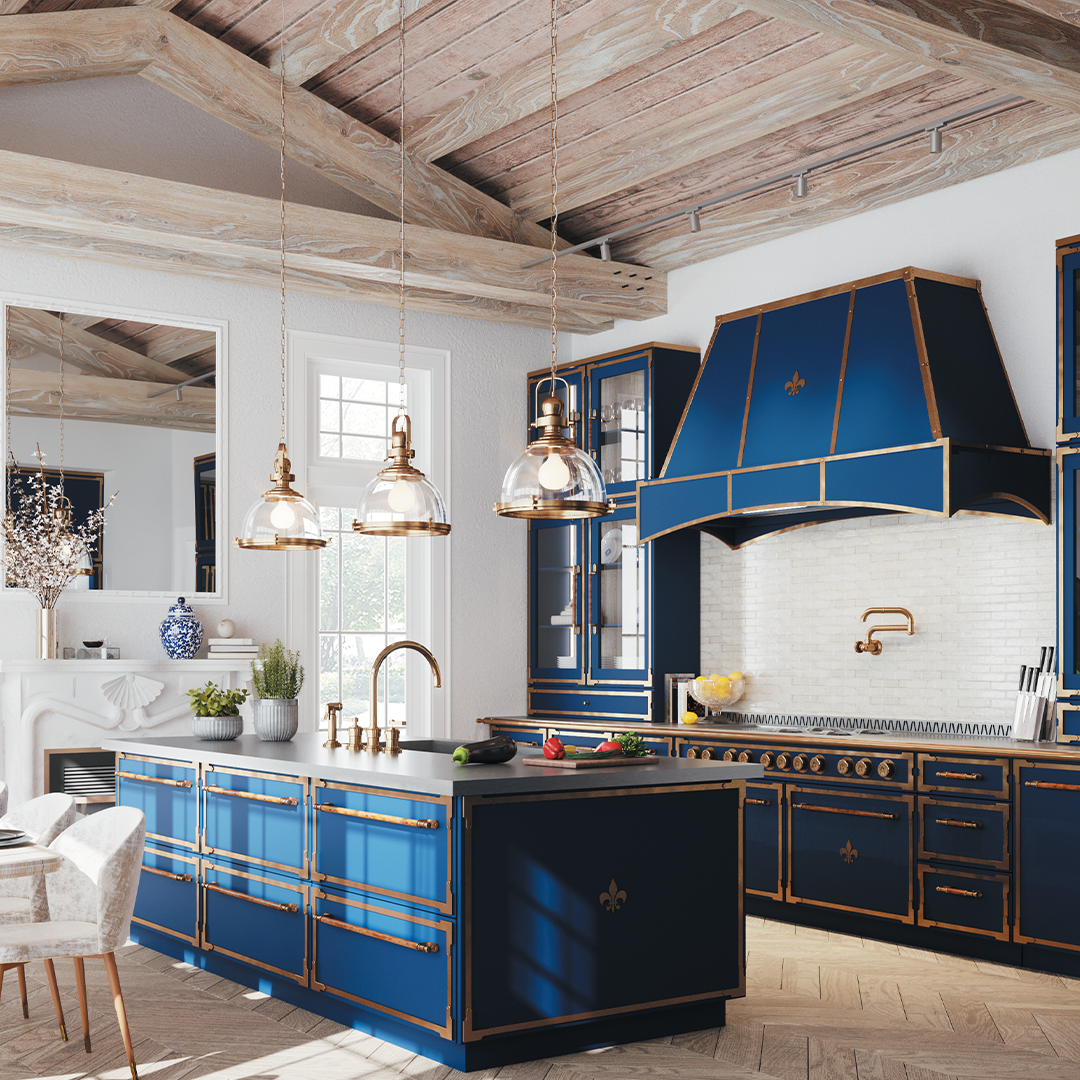
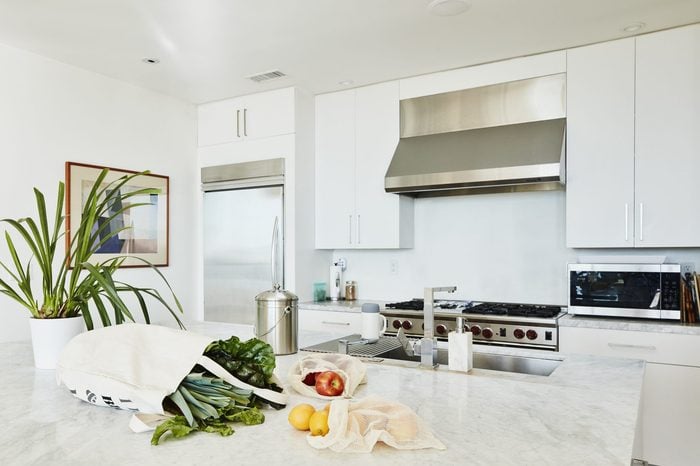
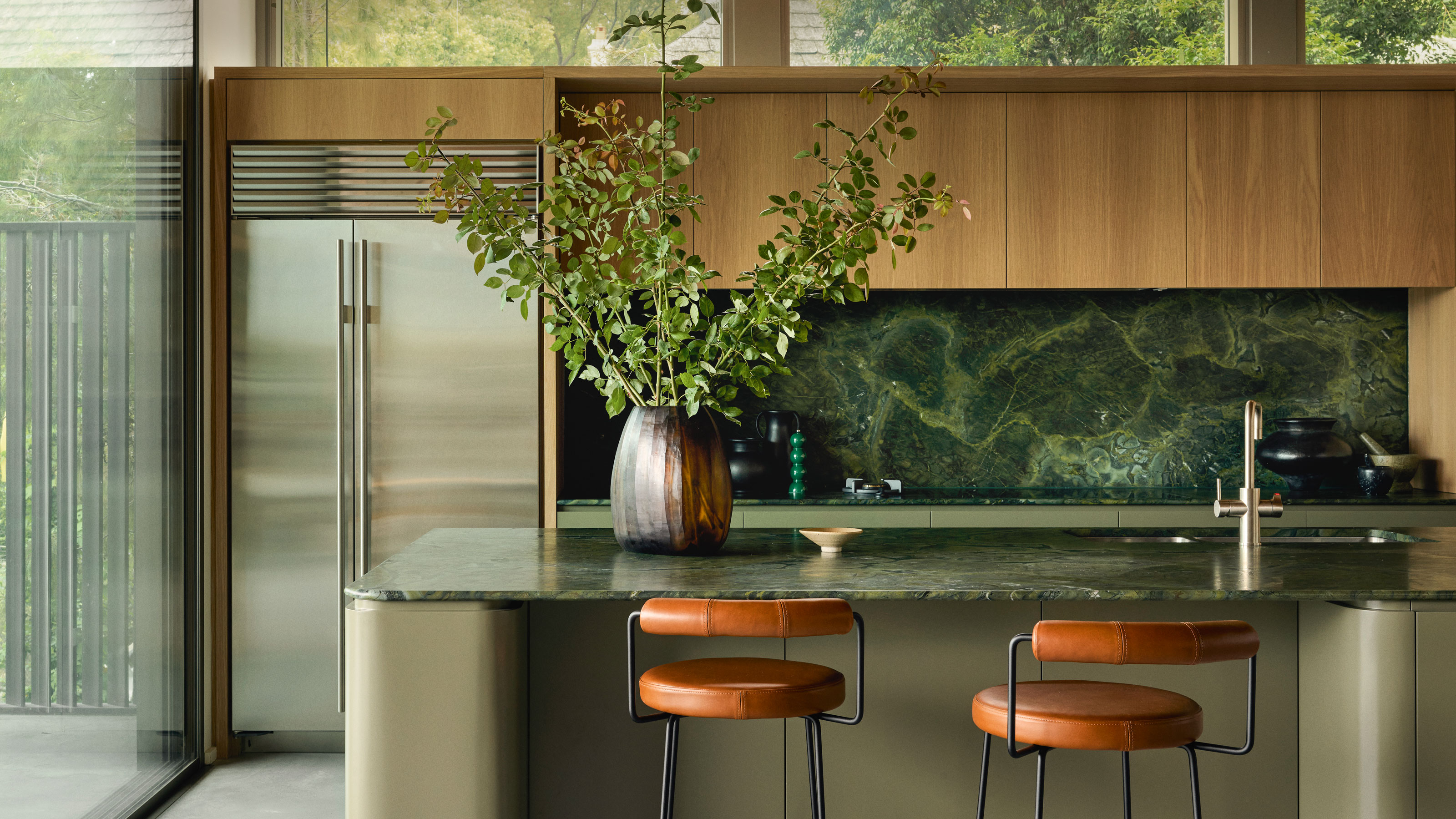
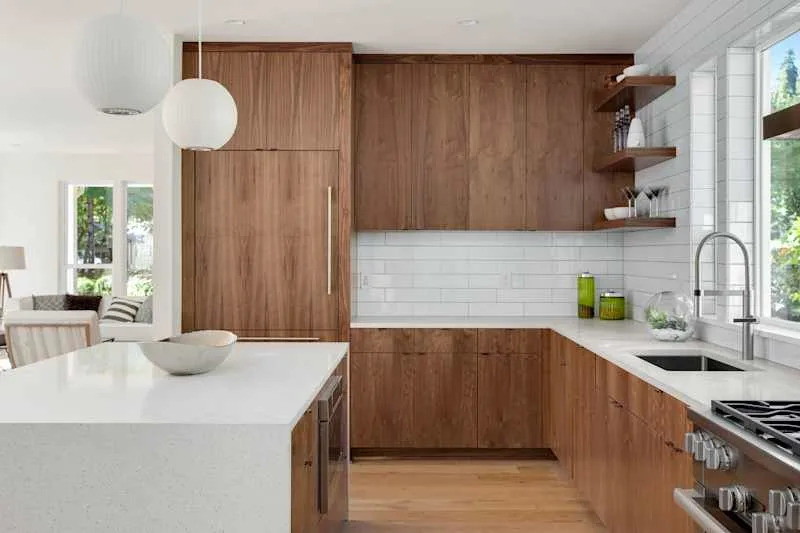
Experts advise against several kitchen appliance trends that have lost their appeal or practicality. Stainless steel appliances, once a dominant choice for decades, are now considered less desirable due to their susceptibility to fingerprints, discoloration, rust, and the difficulty in maintenance. Instead, panel-ready appliances that seamlessly integrate with cabinetry, or those with customized finishes like matte color palettes or bold, dark hues such as emerald green, are gaining popularity. These alternatives allow for greater personalization and a more cohesive kitchen aesthetic, moving away from mass-produced looks.
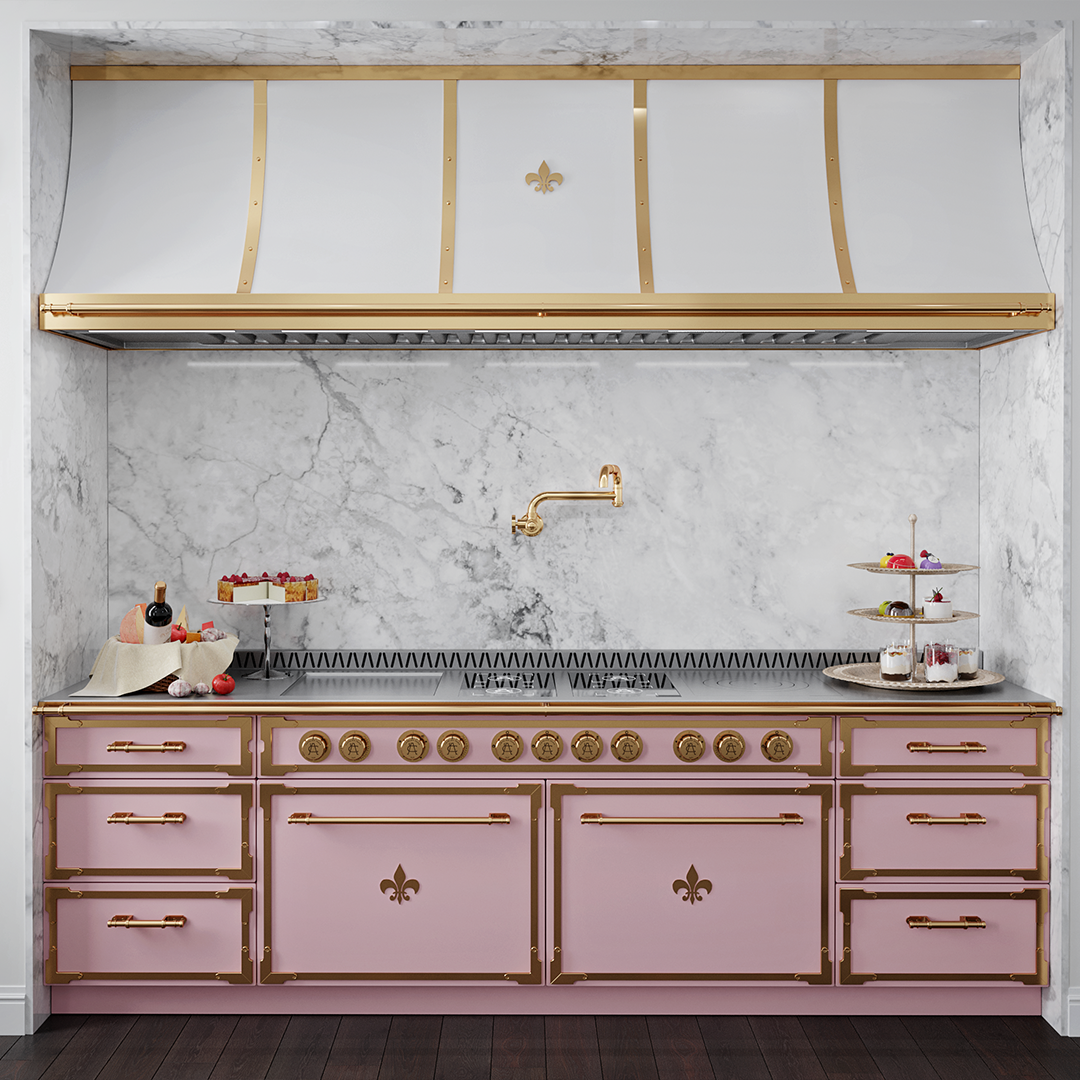
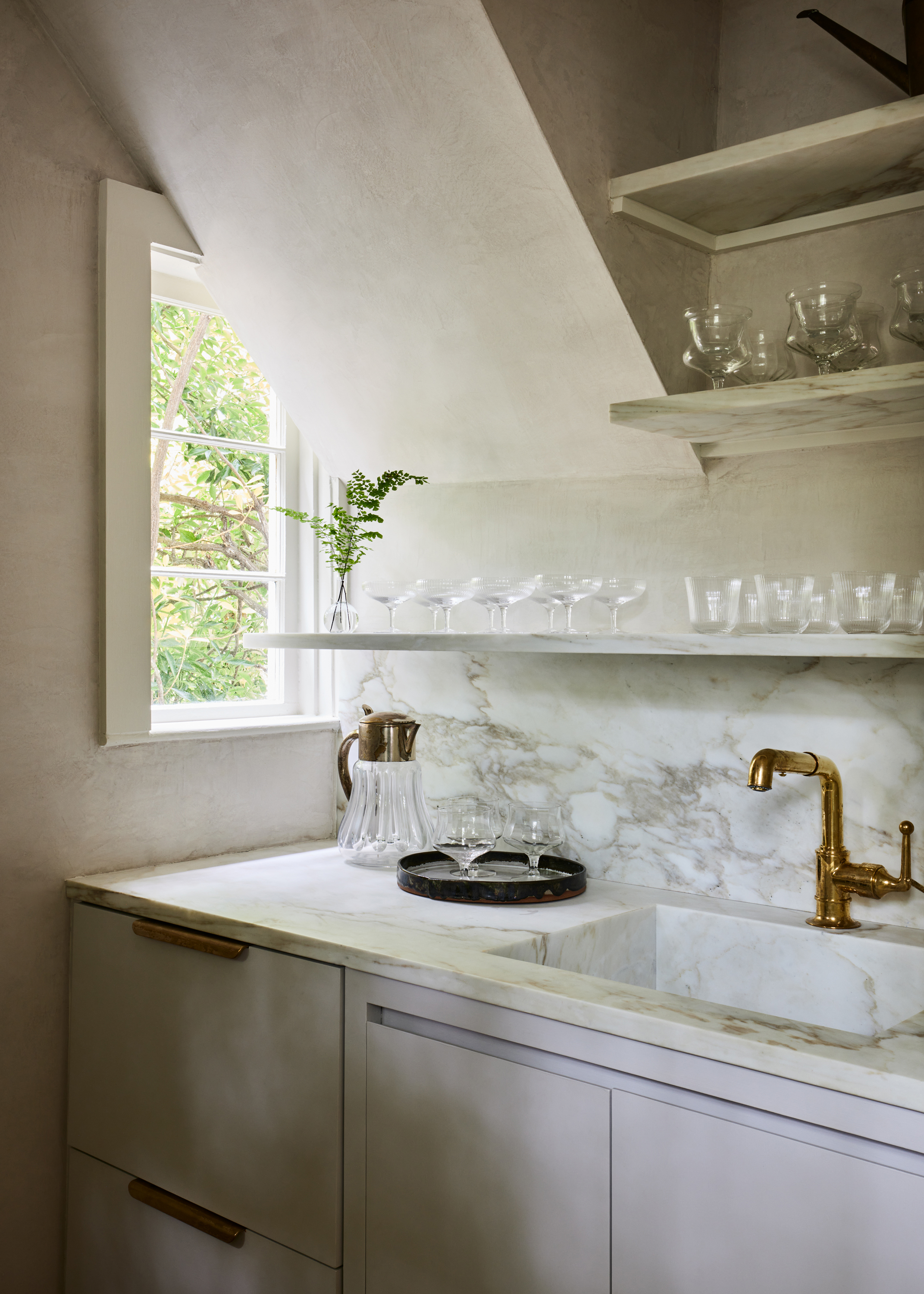

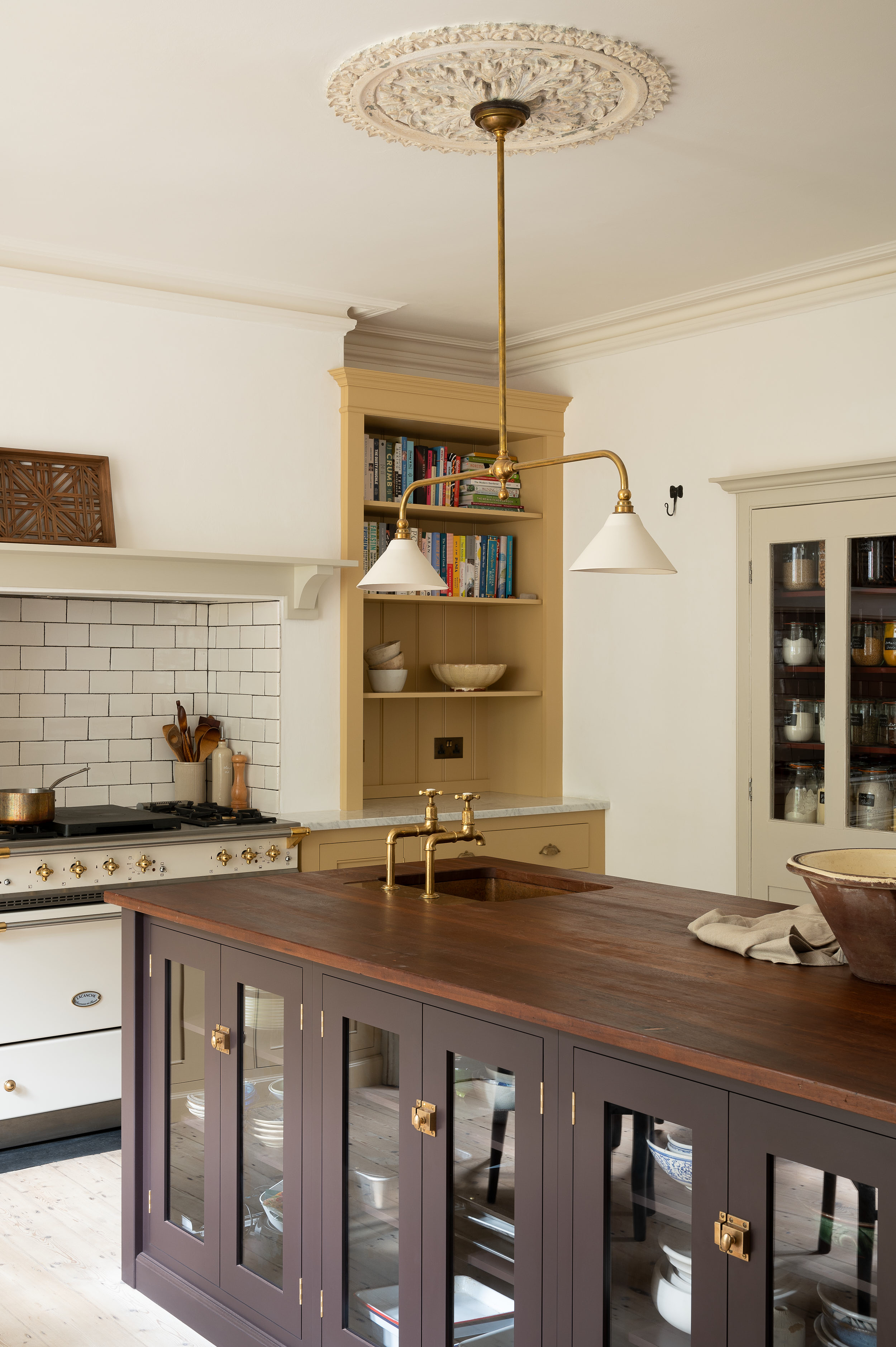
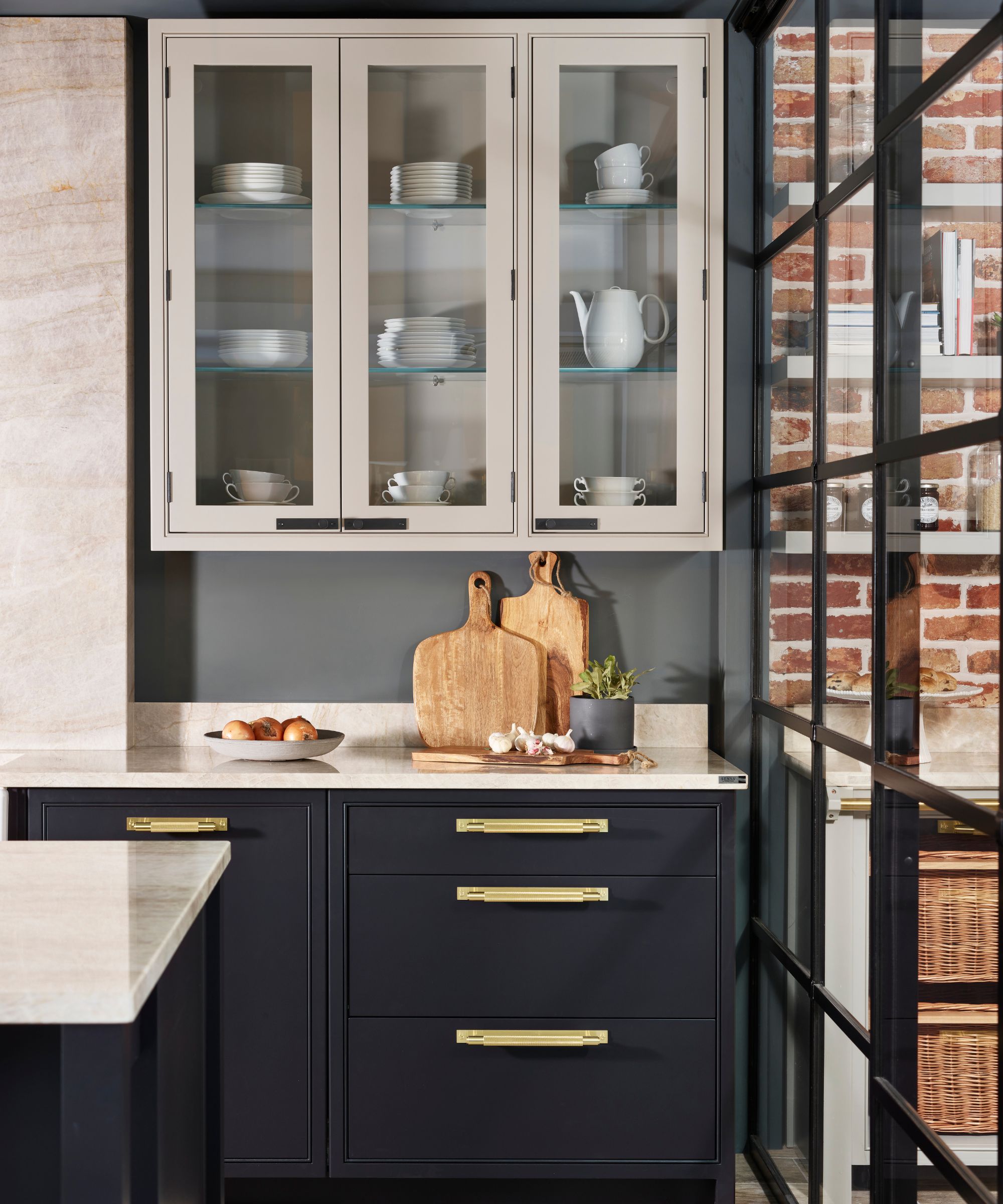
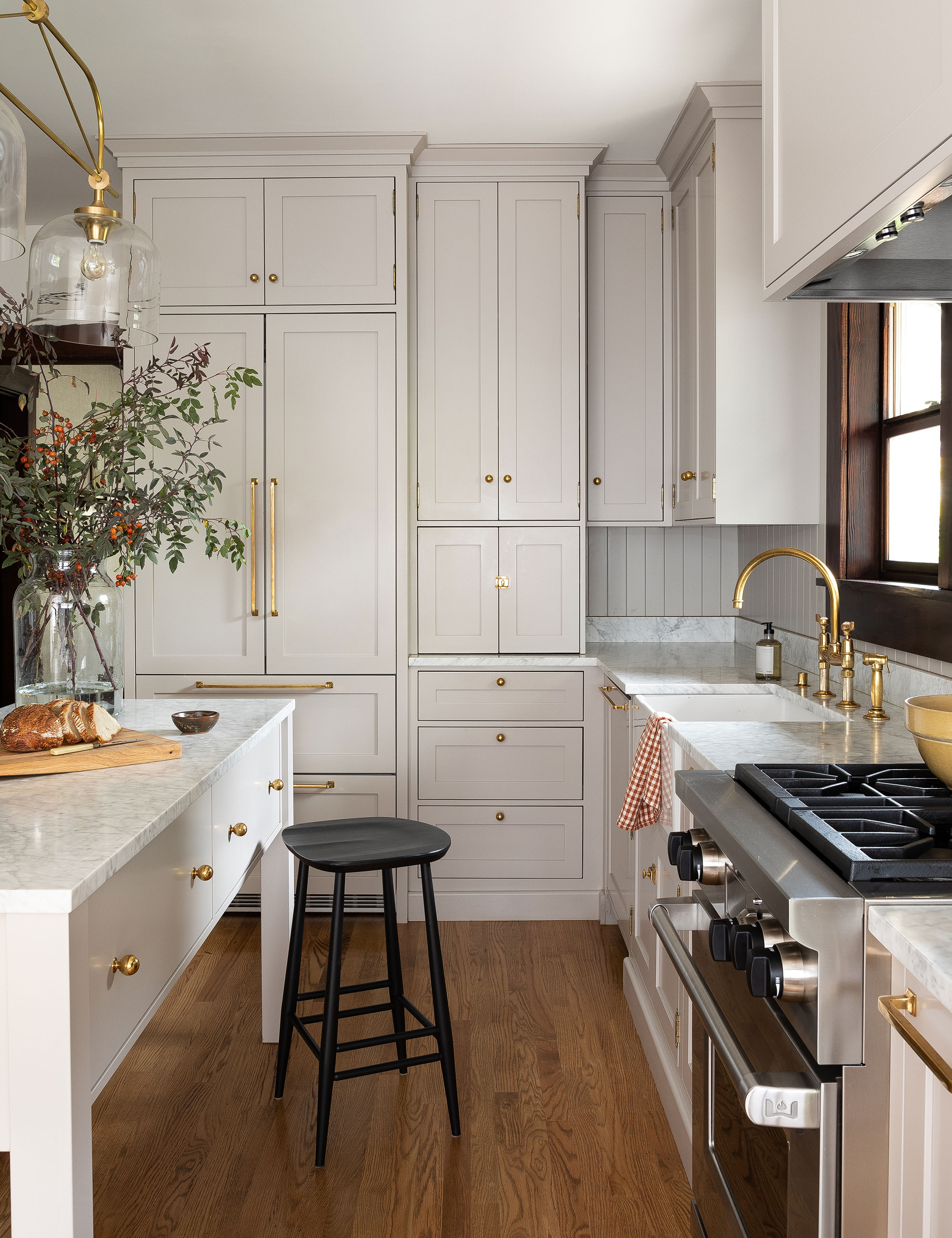
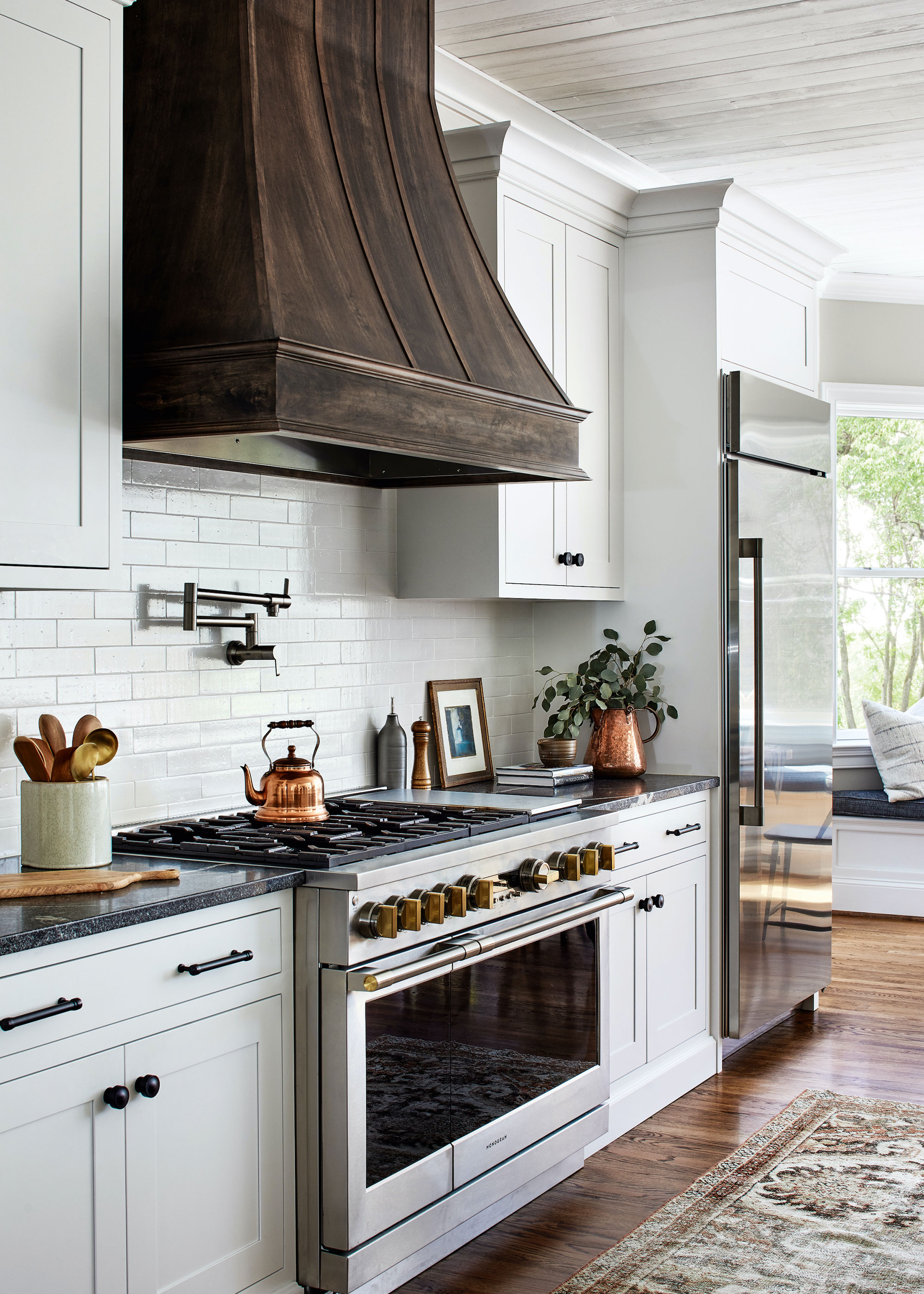
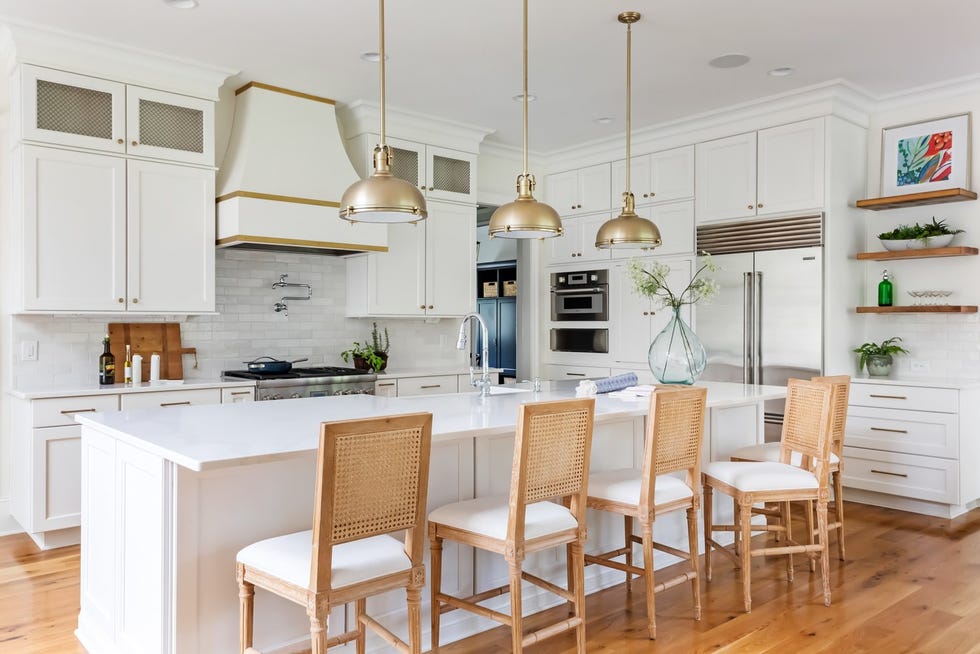
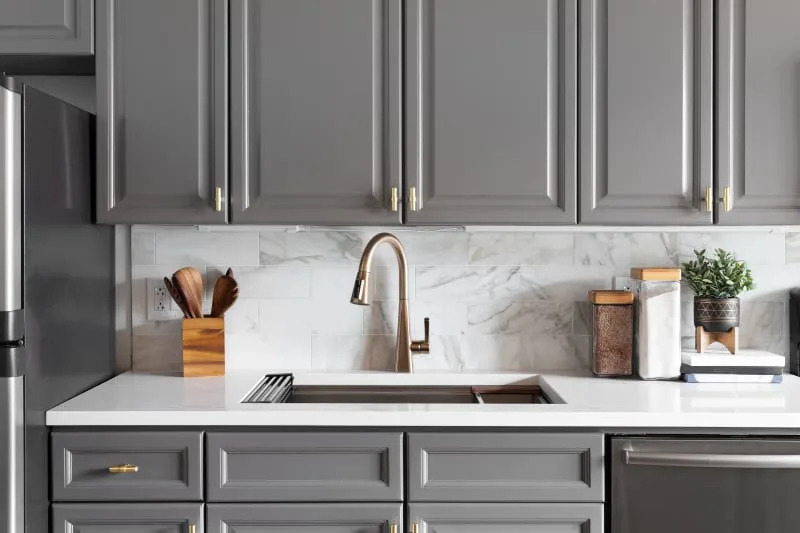
Rose gold and copper hardware on appliances are also on their way out. While these metals were fashionable, more contemporary and exciting options are now available. The current preference leans towards other metals like gold, brass, nickel, and oil-rubbed bronze, particularly in matte, satin, or brushed finishes. Luxury appliance lines are incorporating these warmer, jewelry-inspired metals into custom hoods, handles, and finishes, often paired with monochromatic cabinetry to create cohesive and attention-grabbing statement accents.
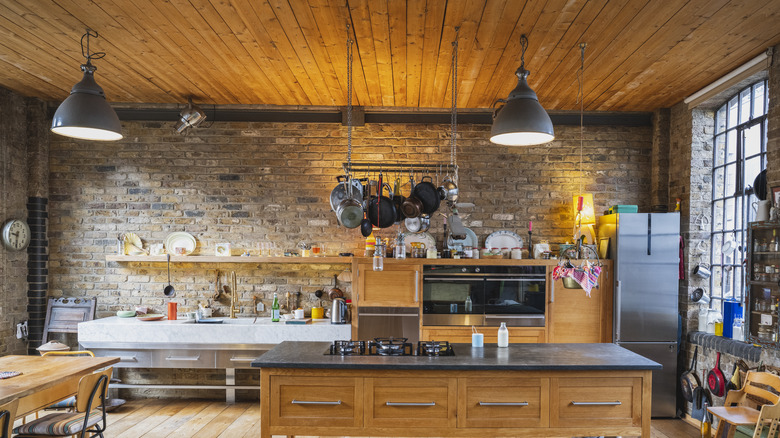
Gas ovens are being reconsidered due to rising costs, environmental concerns regarding air quality from gas fumes, and difficult cleanup. Some countries and regions are even proposing phase-outs of gas appliances. Electric wall ovens are presented as a superior alternative, offering more precise cooking and baking capabilities. They eliminate the need to bend over for heavy dishes, and double oven configurations allow for simultaneous cooking of multiple items. For future-proofing, a 30-inch electric wall oven is recommended over the less common 27-inch options.
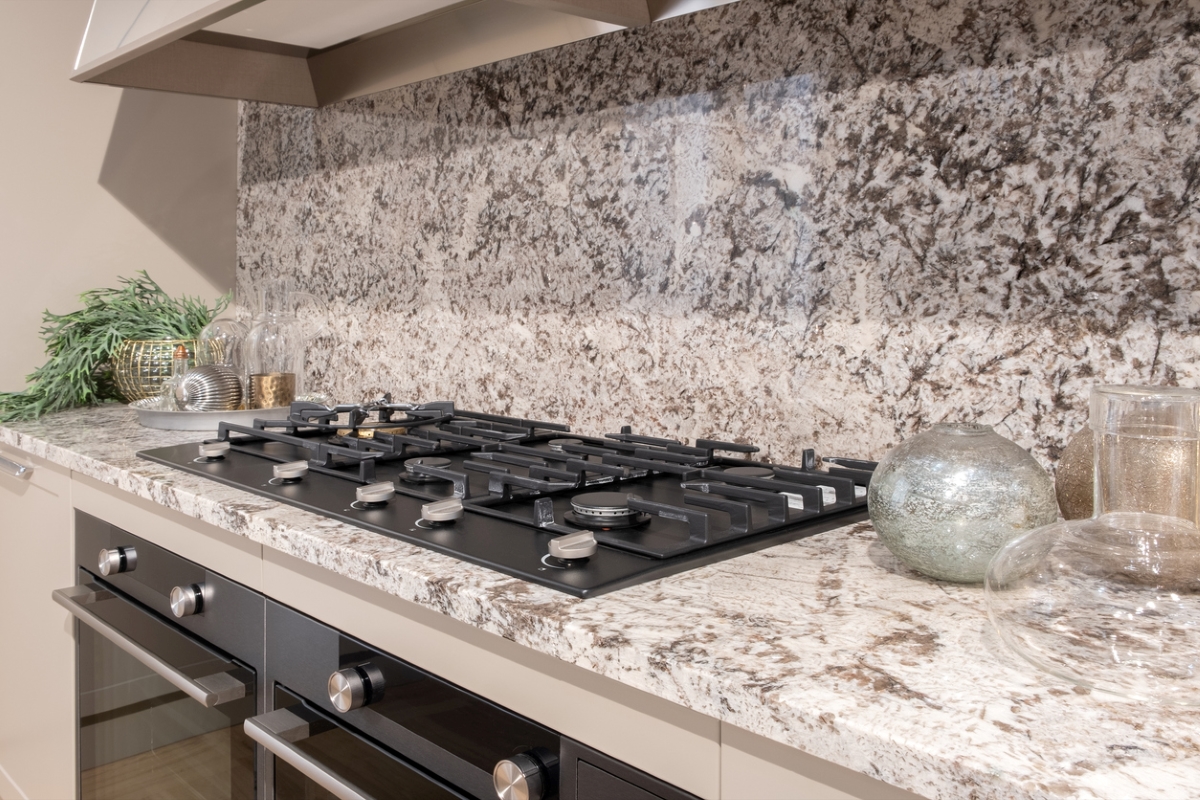
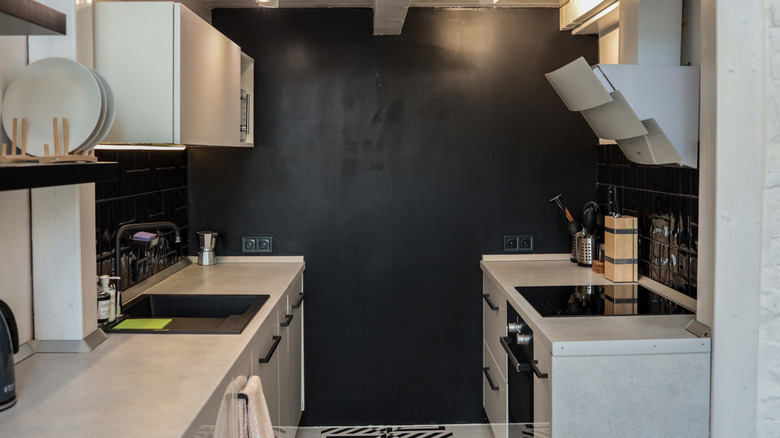
Traditional electric stovetops with coils are also deemed outdated due to their cumbersome cleaning process, susceptibility to scratches, and lower energy efficiency compared to modern alternatives. Induction cooktops are the preferred upgrade, praised for their speed, precision, ease of cleaning, and energy efficiency. They are gaining traction among both novice and professional cooks, with smart technology integration offering features like remote control and energy savings. The Inflation Reduction Act further encourages their adoption by providing rebates for electric appliance installations, highlighting their sustainable benefits.
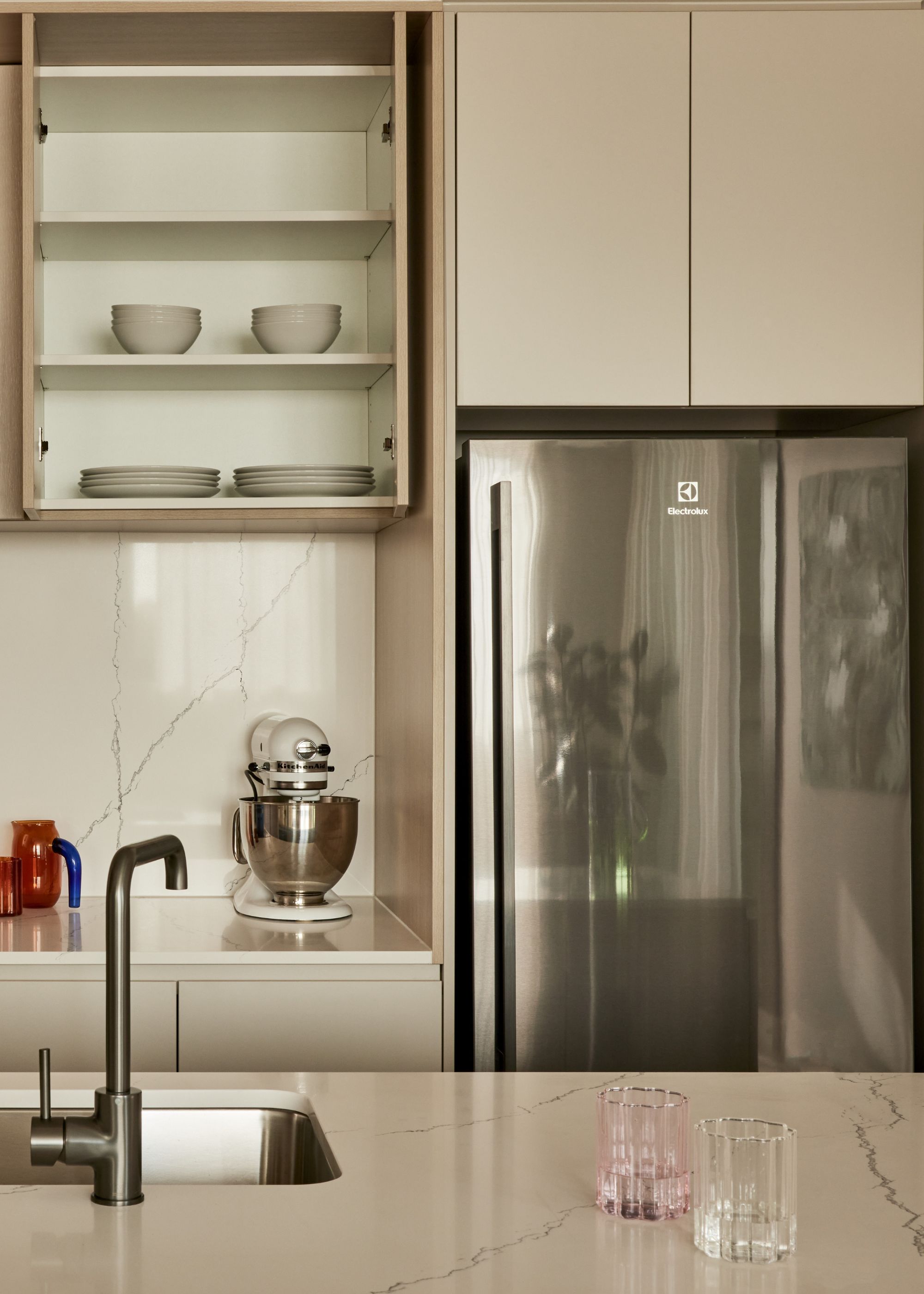
Large industrial-sized refrigerators, such as 48-inch French door models, are no longer seen as the only or most functional option. Instead, a trend towards multiple smaller cooling appliances is emerging. This involves supplementing a full-size refrigerator with under-counter fridge/freezer drawers or beverage fridges. This approach offers flexibility, allows for expanded workspace in smaller kitchens, keeps drinks accessible for children without disrupting the cook, and prevents leftovers from getting lost.
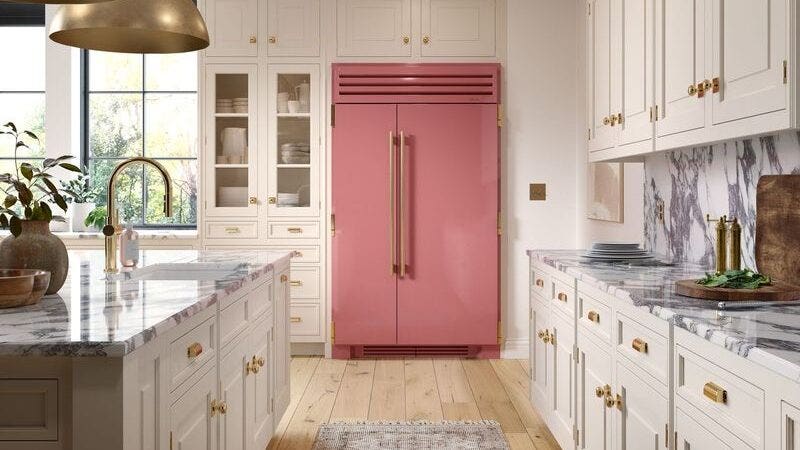
Over/under refrigerators, with a single-door refrigerator and a freezer compartment on top or a drawer on the bottom, are considered less practical than multi-door models. French door refrigerators are recommended as a more functional alternative. These models place fresh items at eye level, offer more door space for condiments, and have narrower door swings that are beneficial in kitchens with islands. Advanced configurations with four or five doors, including temperature-controlled zones, further enhance functionality and convenience.
Basic single-function small appliances like traditional toasters and toaster ovens are giving way to multi-purpose devices. These modern countertop appliances are equipped with full-size features, such as smart ovens with multiple no-preheat cooking modes like air fry, roast, and pizza. These streamlined, compact devices cater to contemporary on-the-go lifestyles, offering greater functionality and saving time.
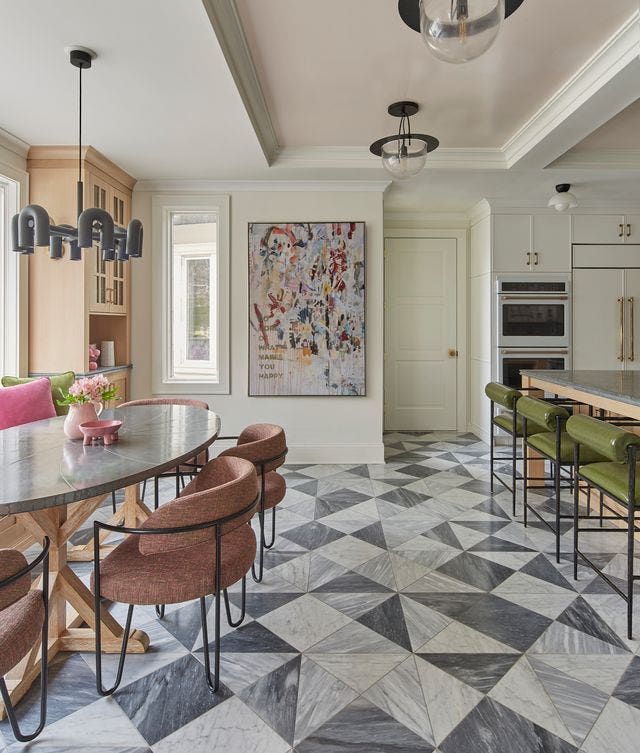
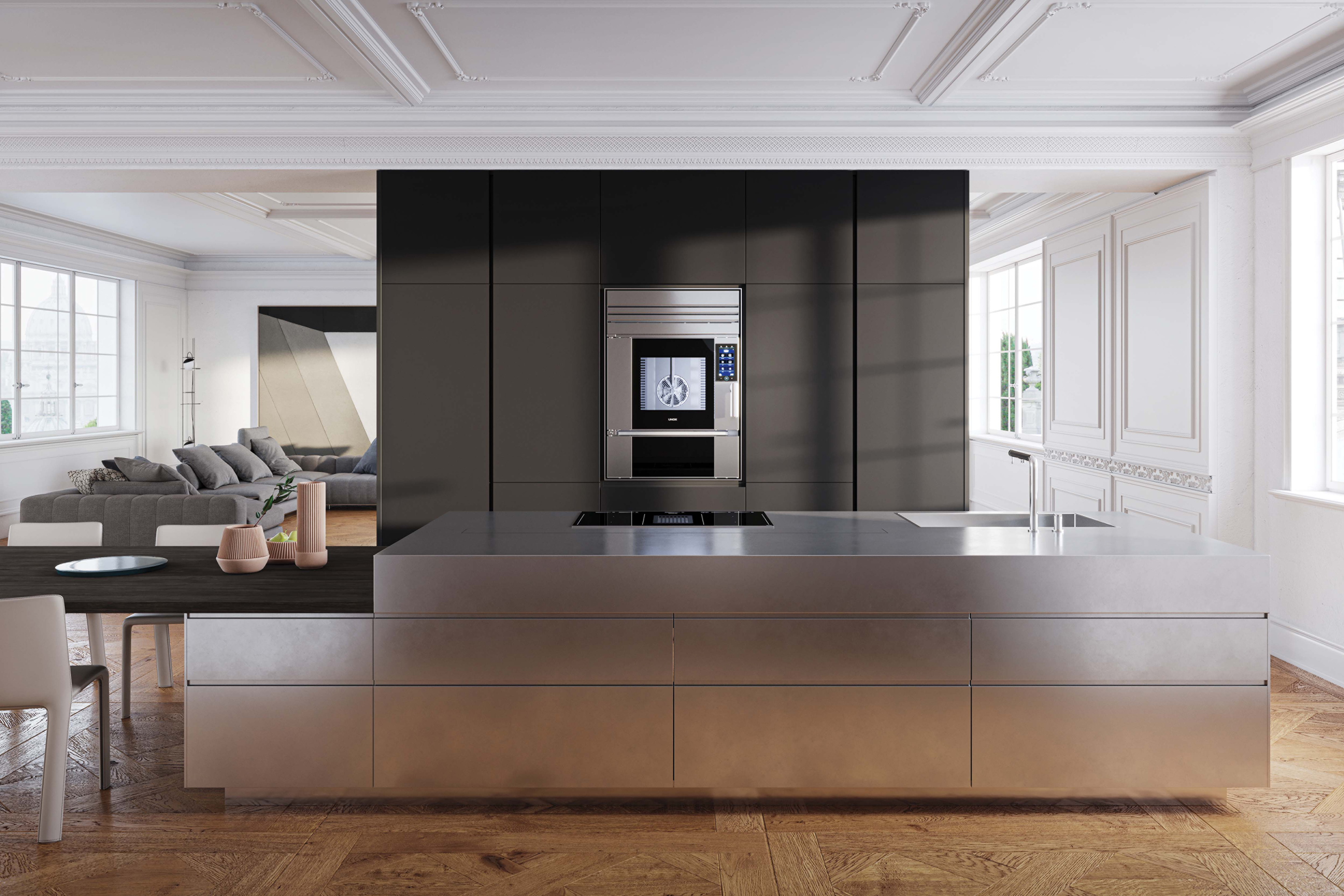

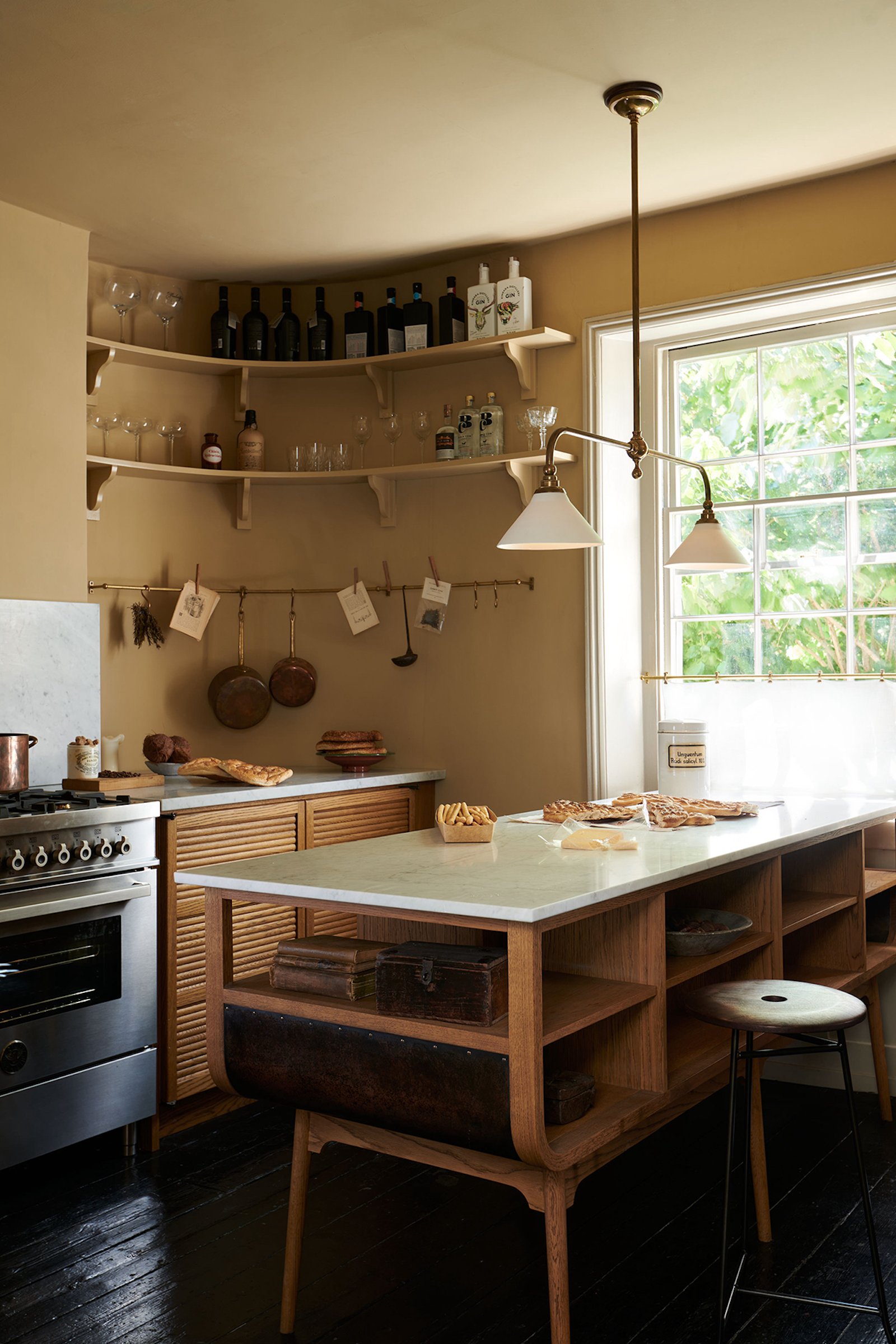
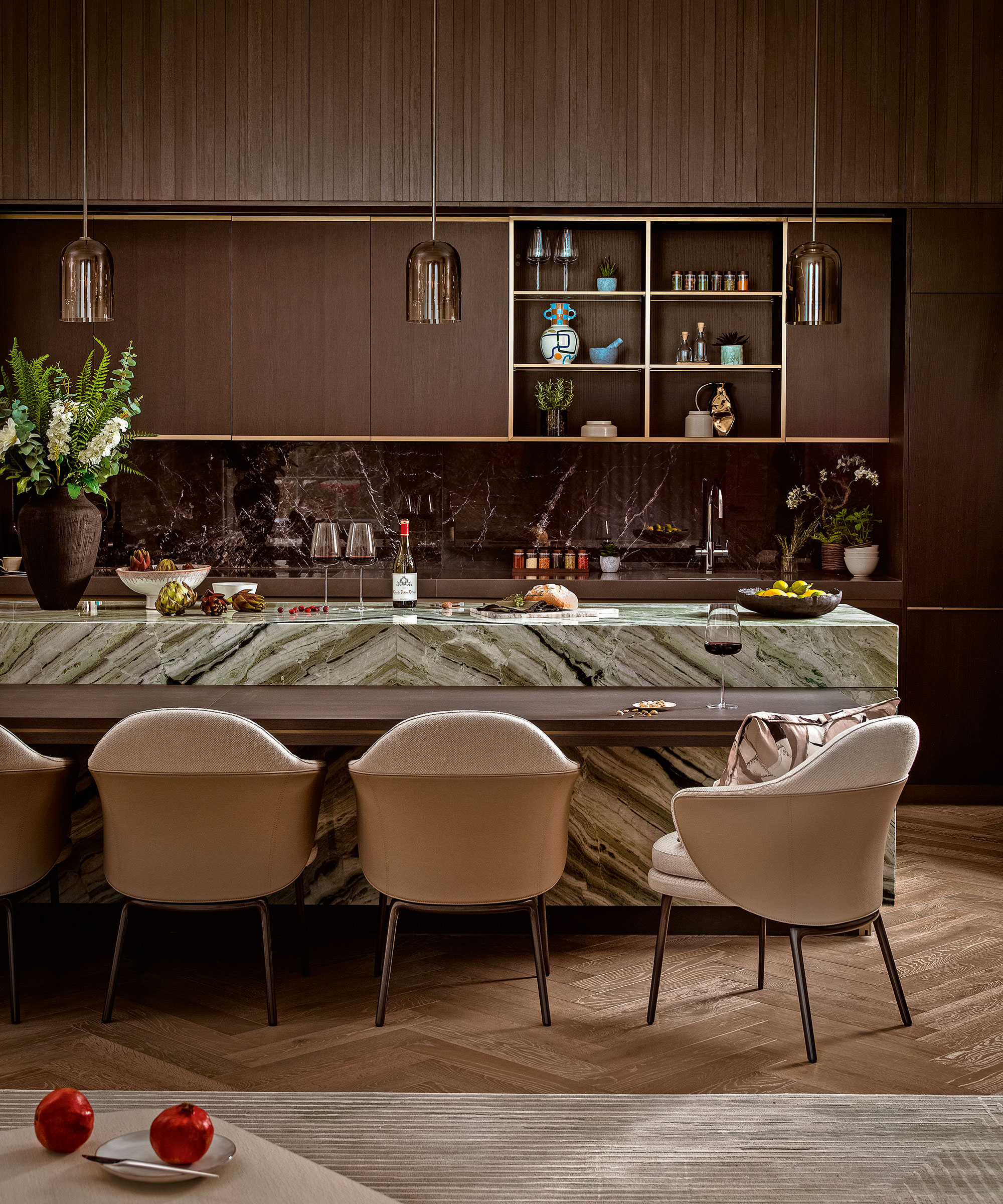
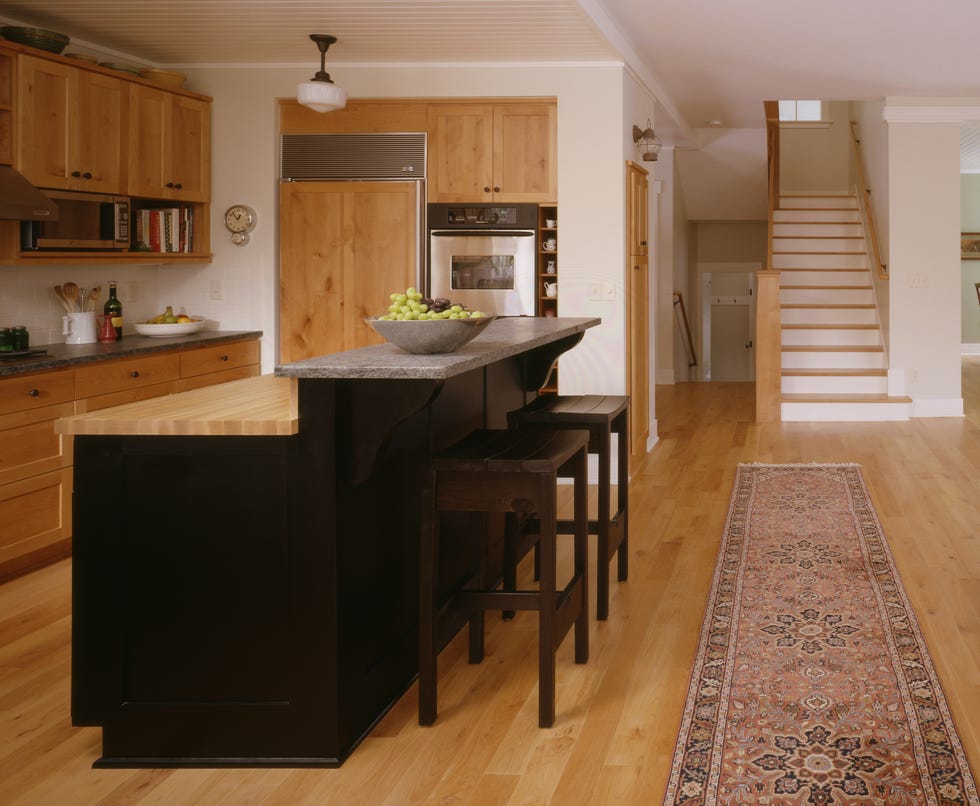
Finally, the traditional kitchen triangle design, which placed the sink, stove, and refrigerator in a straight-line configuration, is considered obsolete. Modern kitchens, particularly open-concept layouts, often feature islands with built-in appliances like induction cooktops, creating multi-functional spaces and multiple cooking zones. This approach provides more elbow room, accommodates multiple individuals in the kitchen simultaneously, and offers additional counter space, moving beyond the concept of a single solo home cook.
#KitchenApplianceTrends #HomeRenovation #KitchenDesign #ApplianceAlternatives #SustainableKitchen #SmartAppliances #CustomKitchen #InteriorDesign #KitchenRemodel #KitchenApplianceTrends #HomeRenovation #KitchenDesign #ApplianceAlternatives #SustainableKitchen #SmartAppliances #CustomKitchen #InteriorDesign #KitchenRemodel
0 comment in total
 No comments yet
You may also like
8 Appliance Trends That Will Turn the Kitchen Into Your Favorite Room in the House

25 Kitchen Trends You Might Regret + Photos
8 Outdated Kitchen Storage Choices to Avoid — And What Experts Say You Should Use Instead

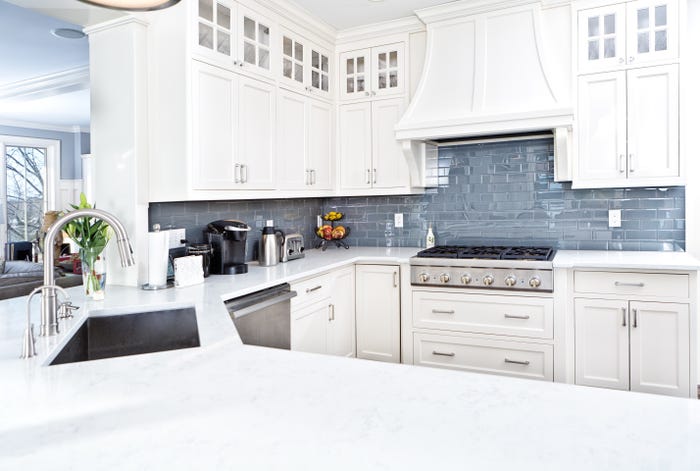
Interior-design experts share 12 kitchen trends you'll probably regret in a few years
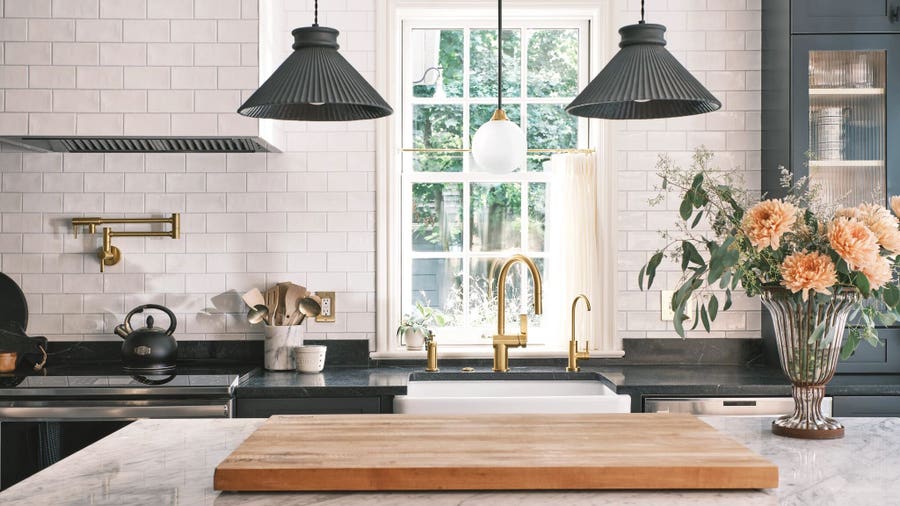
Kitchen Design And Appliance Trends To Try This Year

12 "Outdated" Kitchen Trends You Should Ditch In 2025 (But You Probably Have)

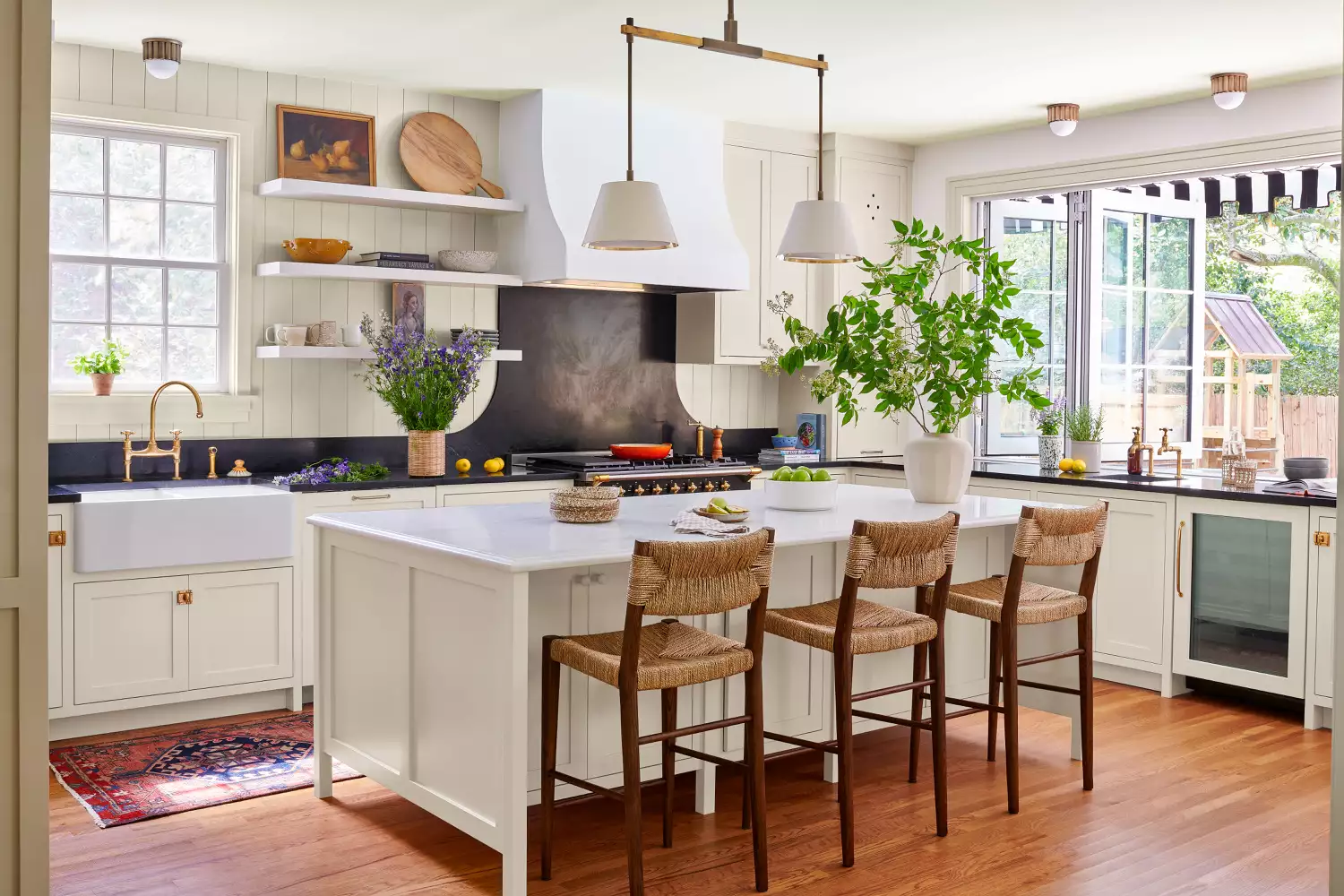
8 Kitchen Hardware Trends You’ll See Everywhere In 2025
Outdated kitchen trends – 5 overdone looks that designers like to avoid, and here's why you should too

9 Outdated Kitchen Trends to Watch Out For

5 Kitchen Hardware Trends on Their Way Out (and the One Here to Stay)

9 outdated kitchen lighting trends designers urge you to avoid, plus what to try instead
13 Outdated Kitchen Trends You Can Leave In The Past
Top 8 Kitchen Hardware Trends for 2025

5 kitchen trends to avoid for a unique and timeless design
Kitchen storage trends to avoid – 8 impractical features designers are rethinking for 2024
Why You Should Never, Ever Put an Island in Your Kitchen

6 Kitchen Appliance Trends to Elevate Your Cooking Experience
22 Outdated Things You Should Avoid in Your Kitchen, According to Designers
5 dated kitchen hardware trends that could be bringing down the look of your kitchen
6 Kitchen Countertop Trends That Are on Their Way Out This Year (and What to Do Instead)