1/17
Why You Should Never, Ever Put an Island in Your Kitchen
The field of kitchen design is constantly changing, with trends evolving rapidly. To help homeowners navigate these changes, 11 interior designers have identified eight kitchen features that are considered outdated and should be avoided in 2025. The emphasis for modern kitchens is on thoughtful utility, quiet luxury, and designs that reflect how people genuinely live, moving away from purely aesthetic choices to embrace practicality and efficiency.
One of the primary features designers recommend against is built-in desks in the kitchen. While popular in the early 2000s for multitasking, these desk nooks often become cluttered and consume valuable storage or prep space. Designers like Kelsey Matyas and Stephanie Martin suggest that these areas detract from the kitchen's main function as a culinary and social space. Instead of built-in desks, they propose converting these areas into more functional spaces such as built-in bars, coffee stations, or extended pantries, thereby maximizing utility and minimizing clutter, as demonstrated by Kylie K. Bass.
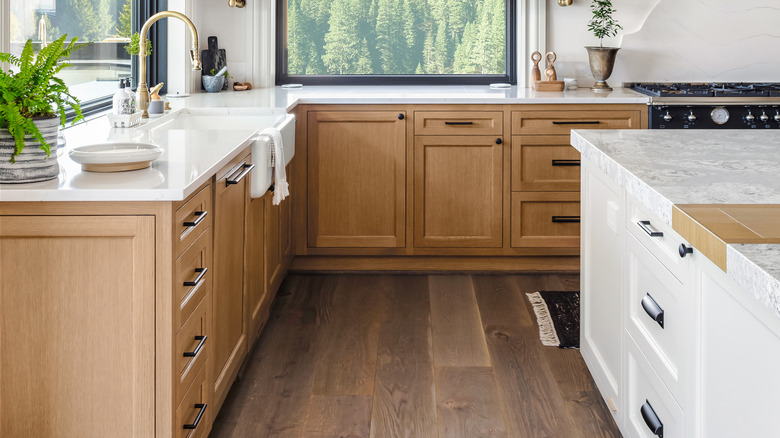
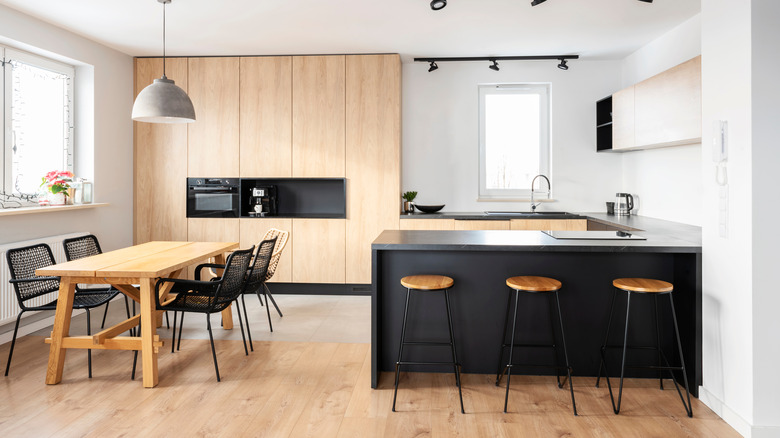
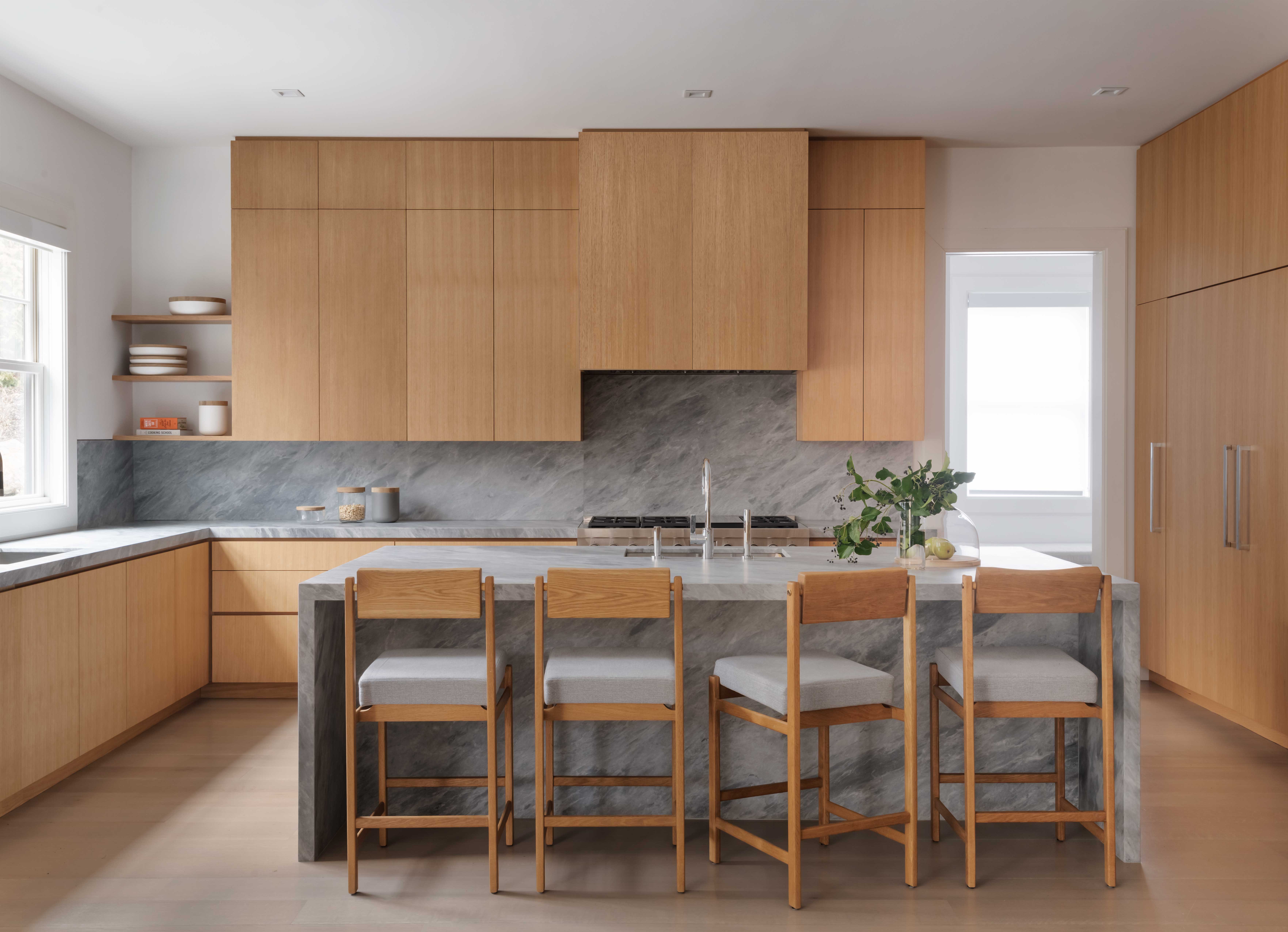
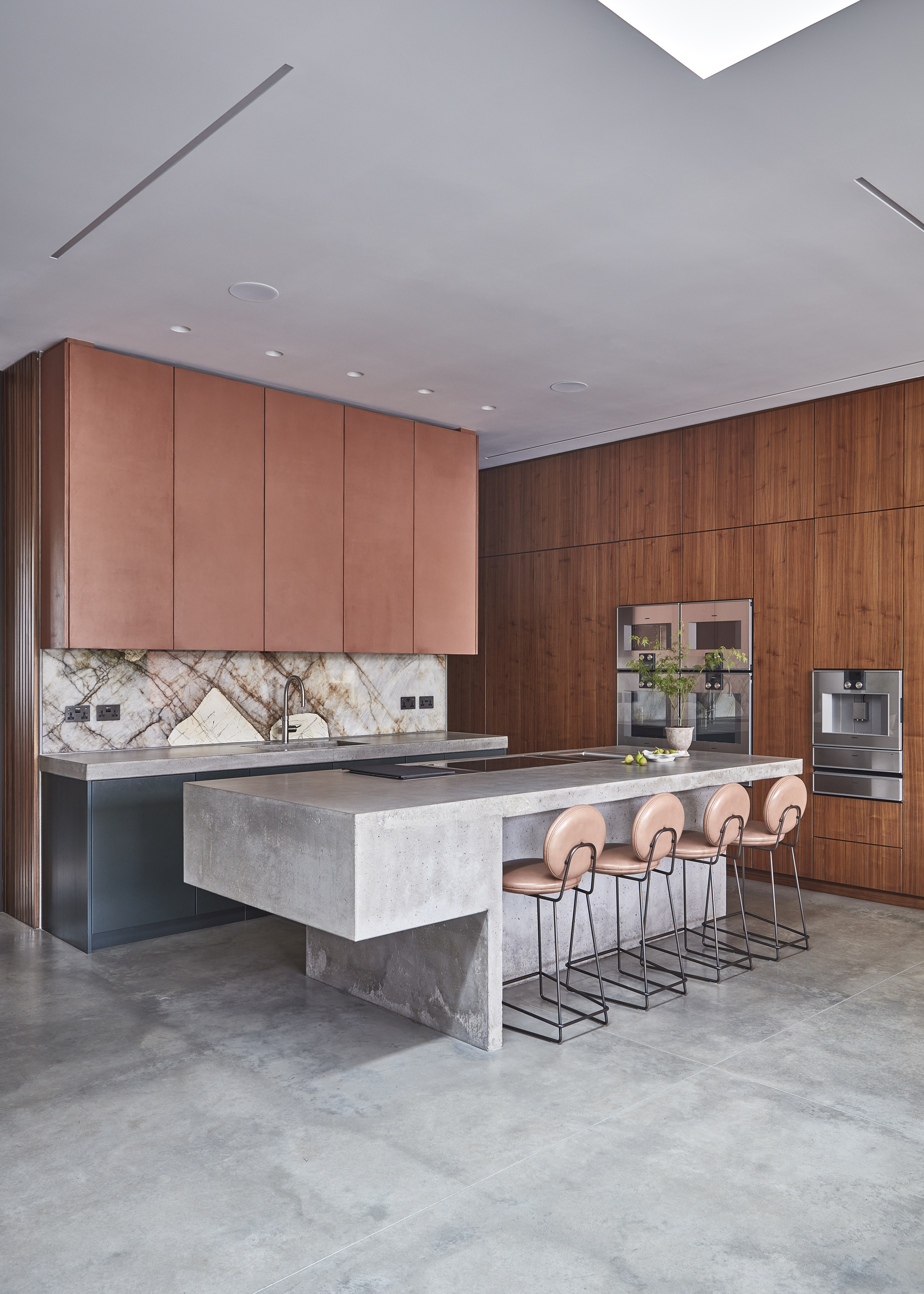
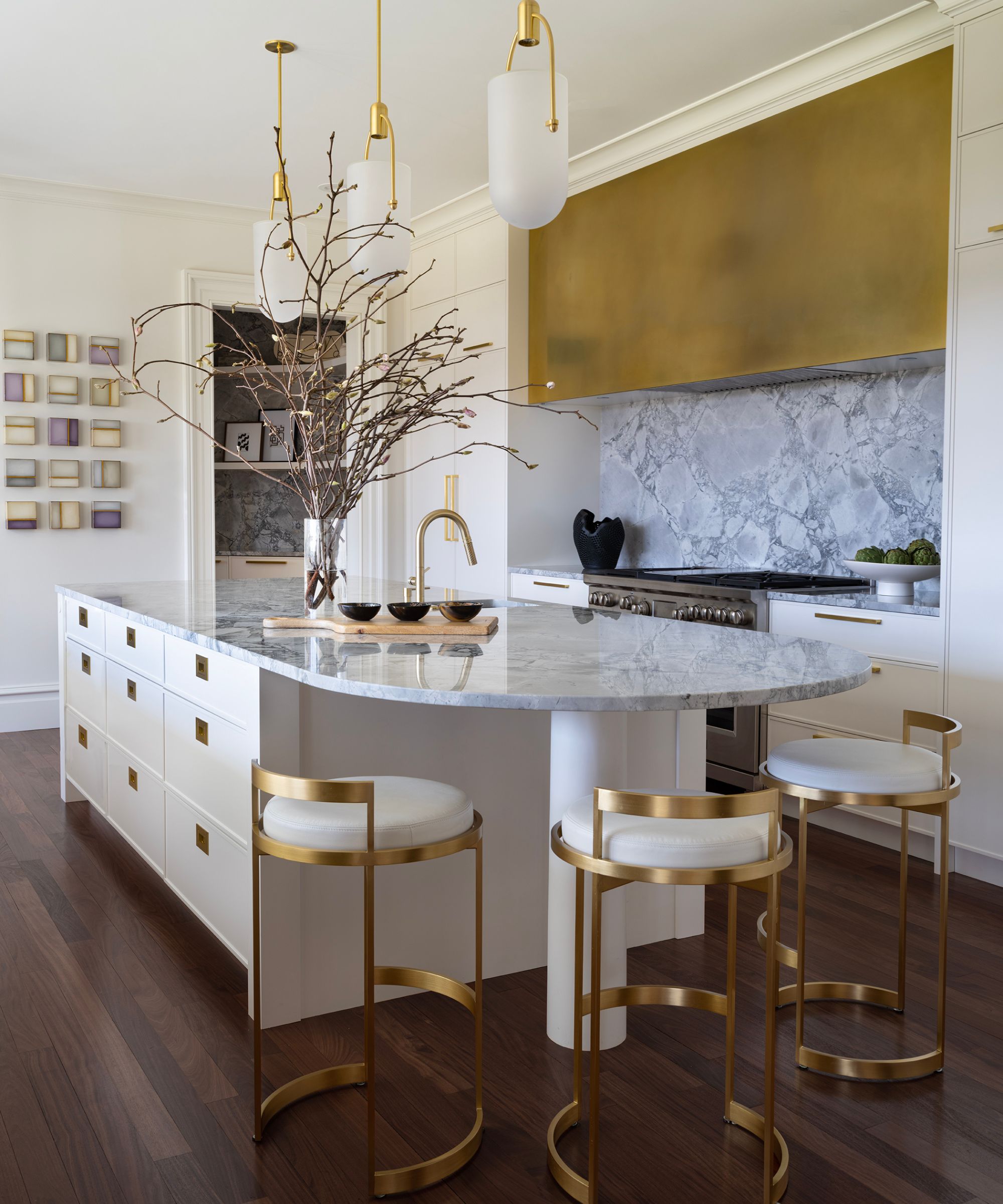
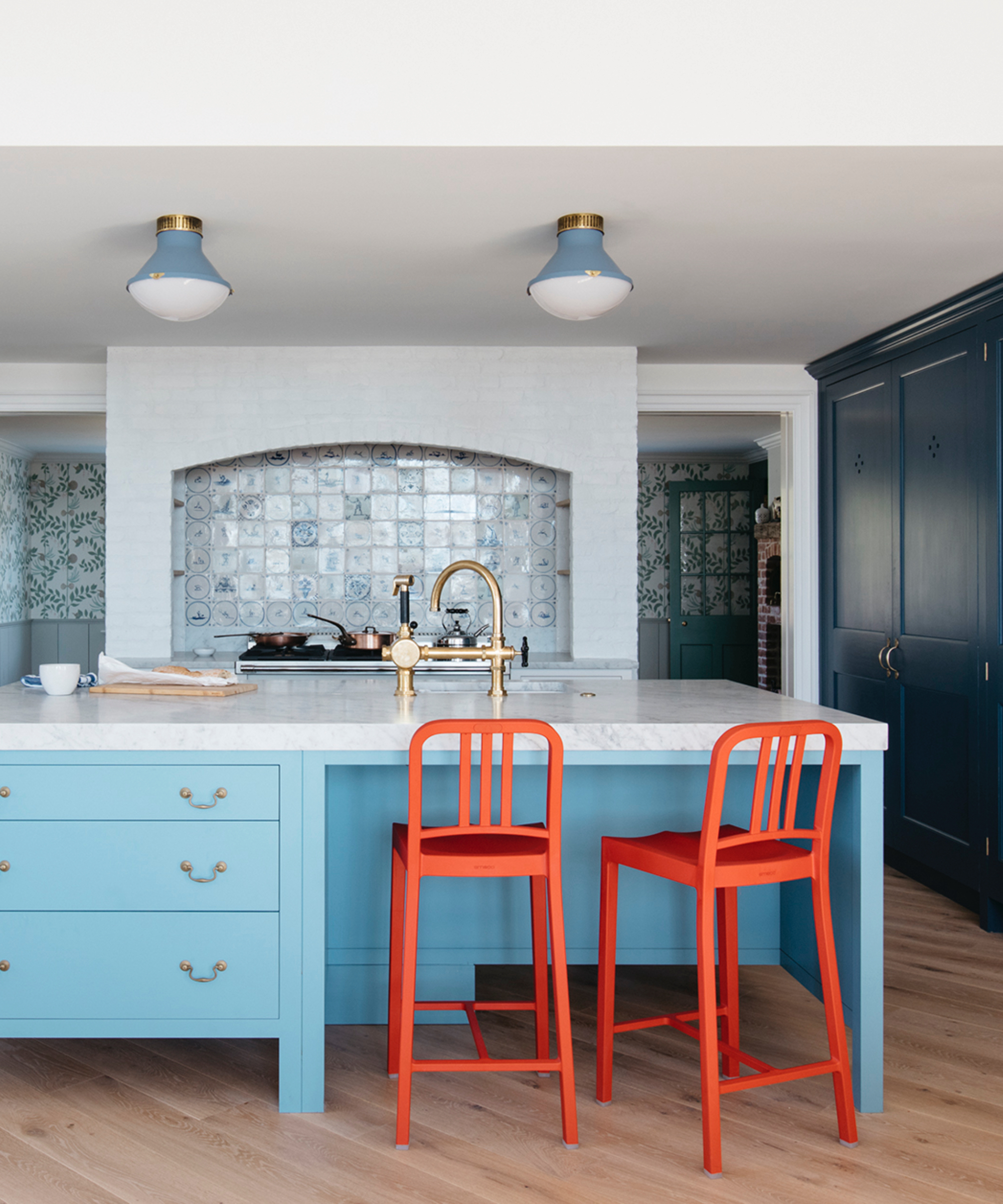
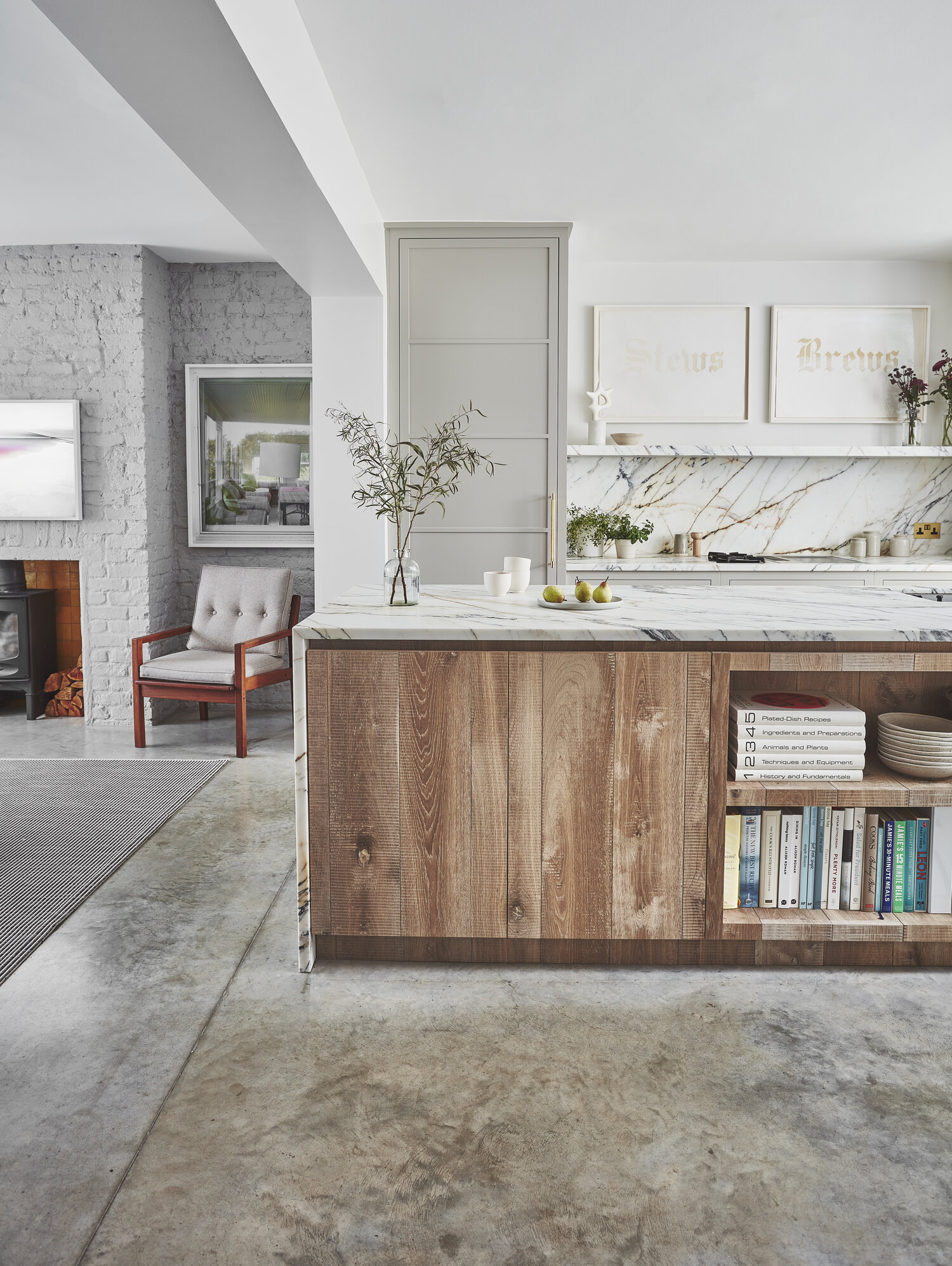
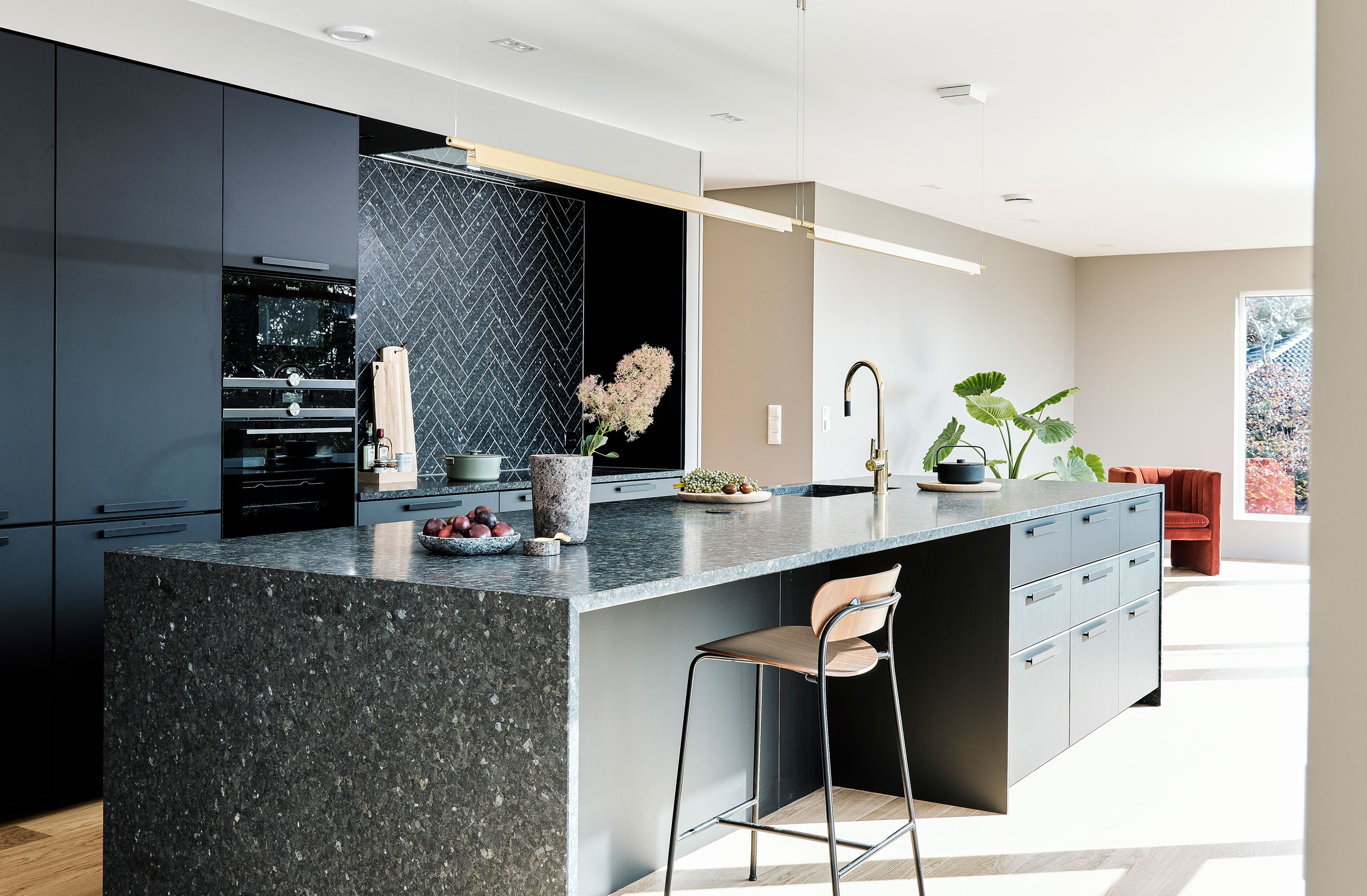
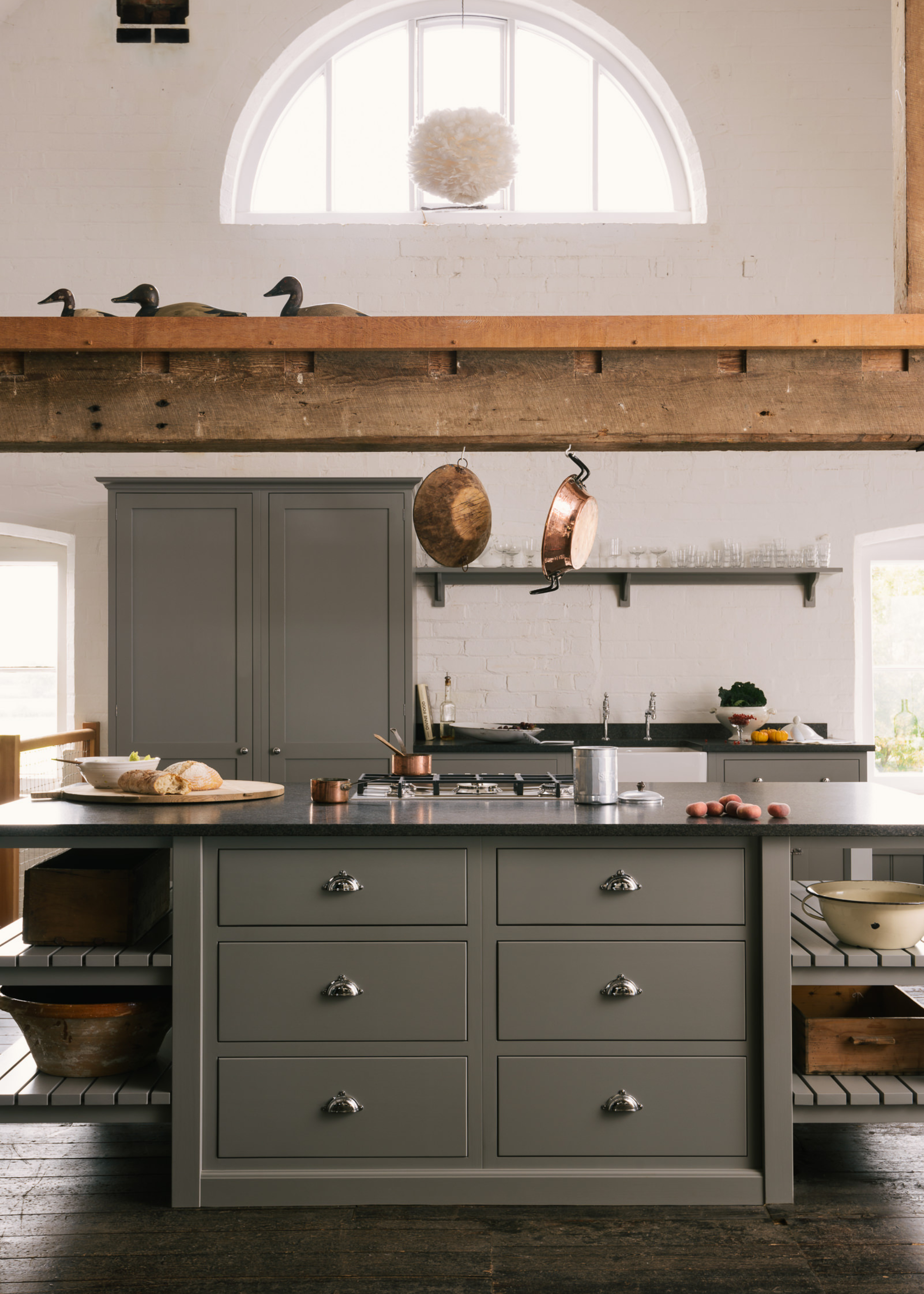
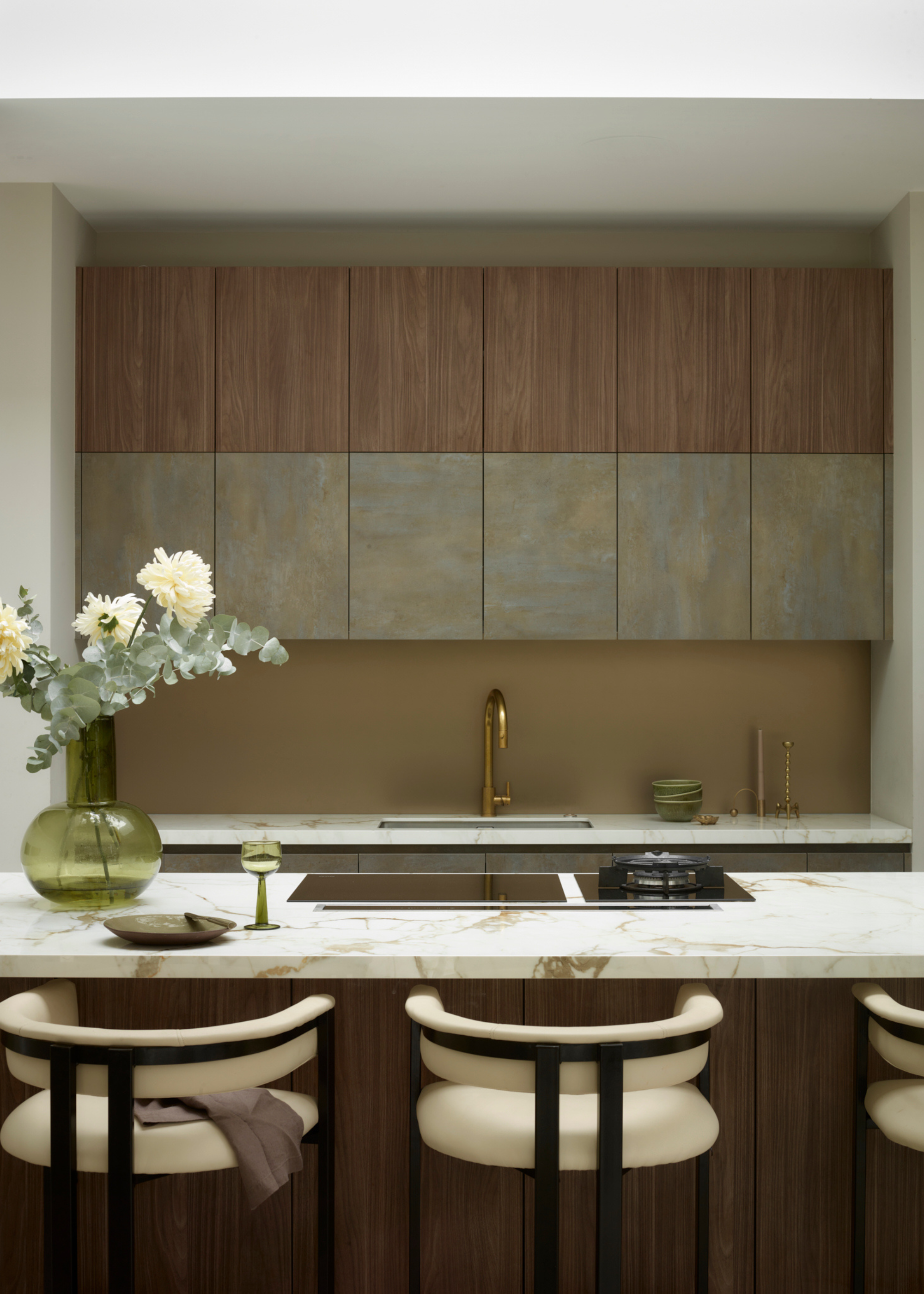
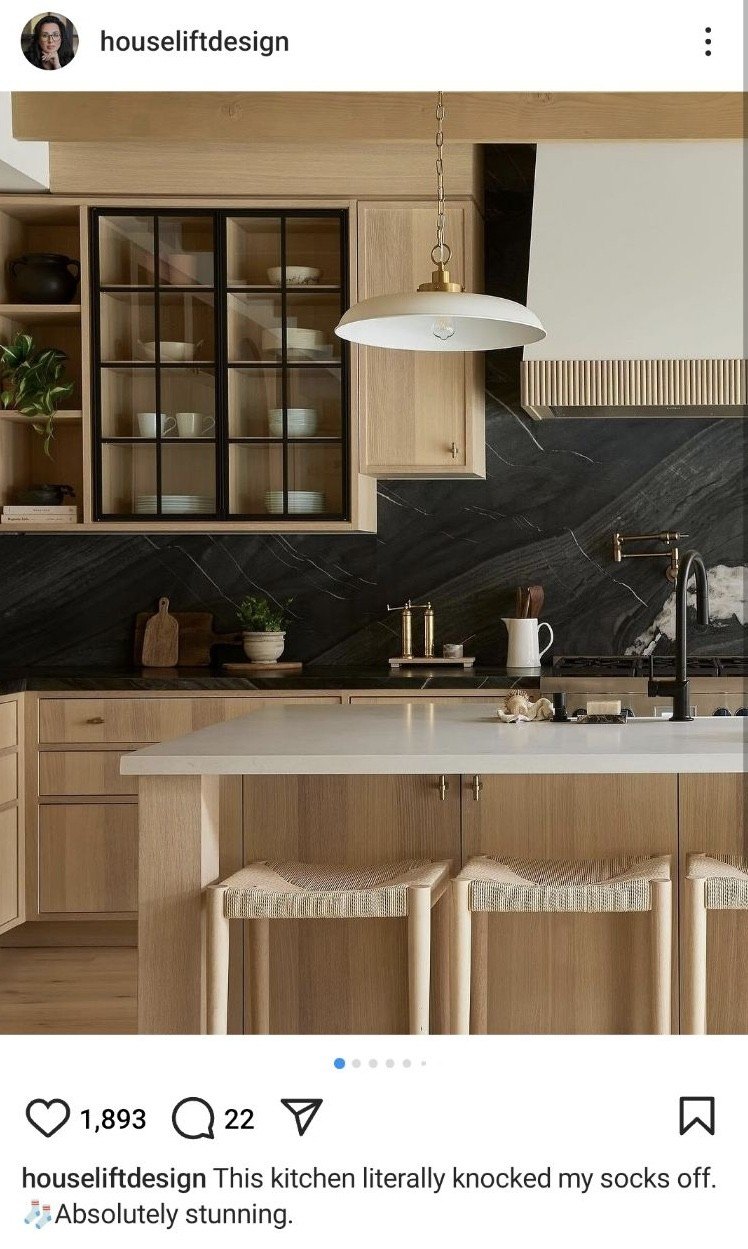
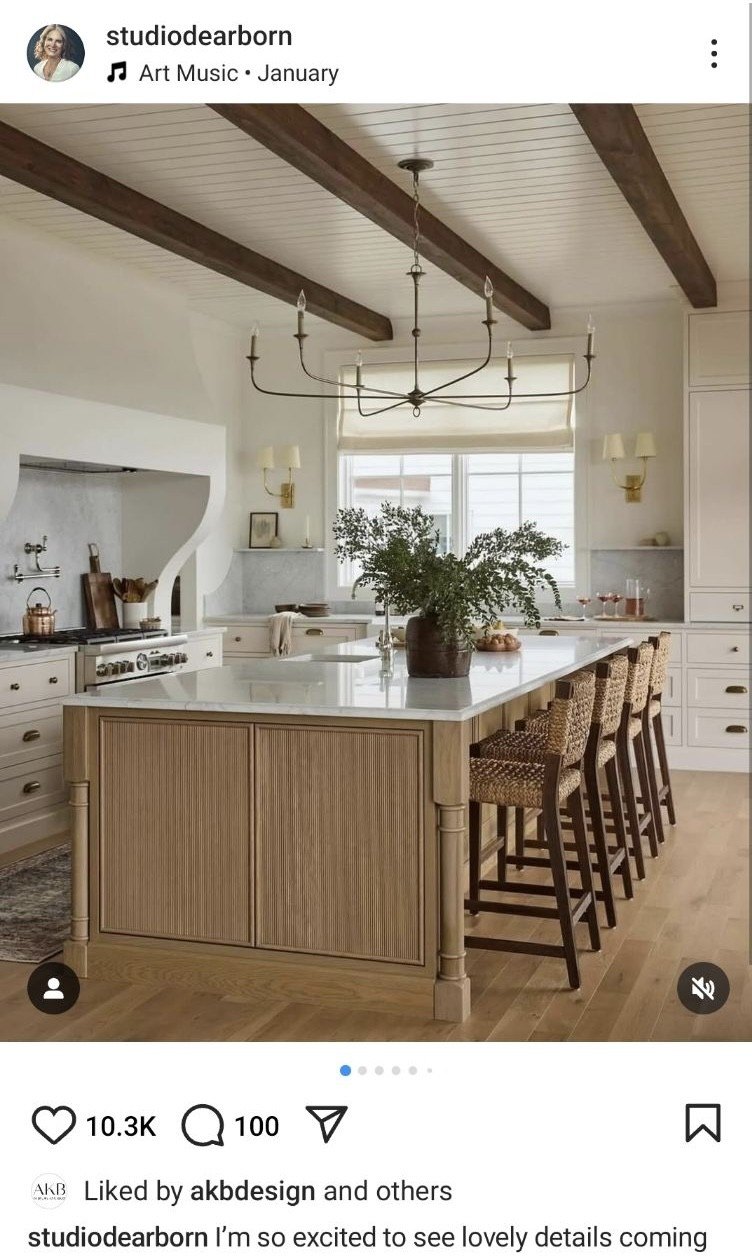
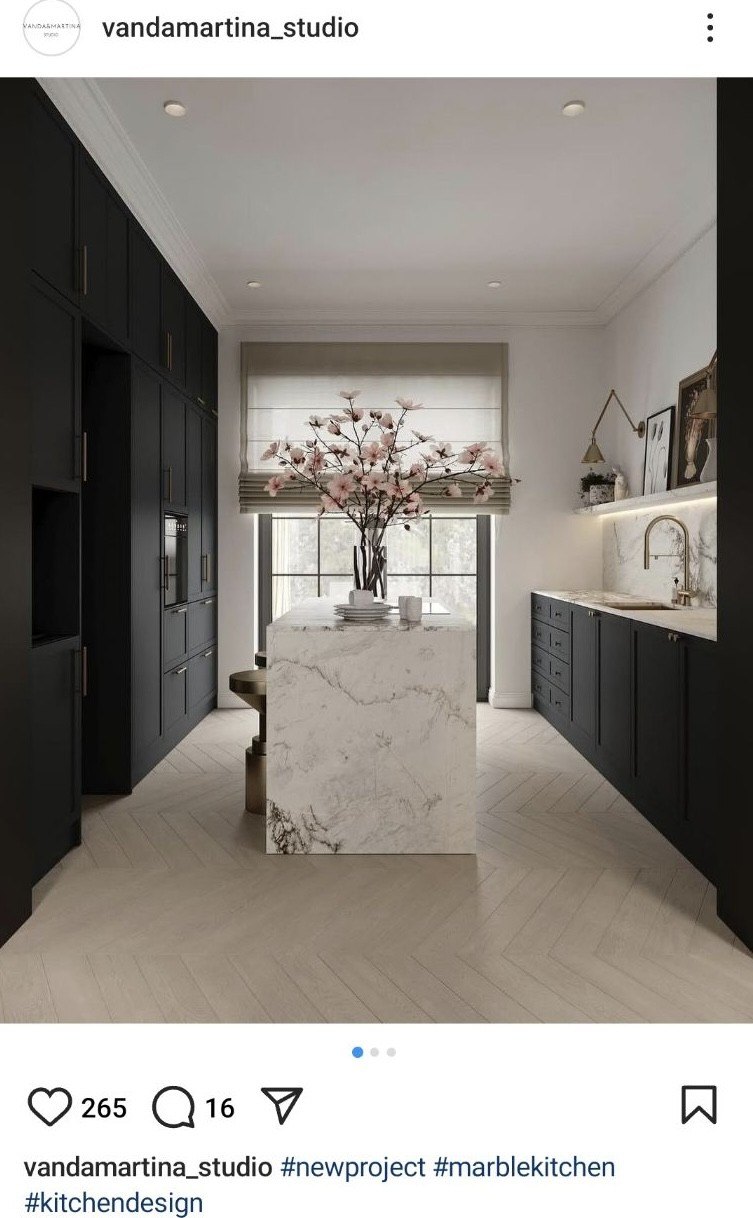
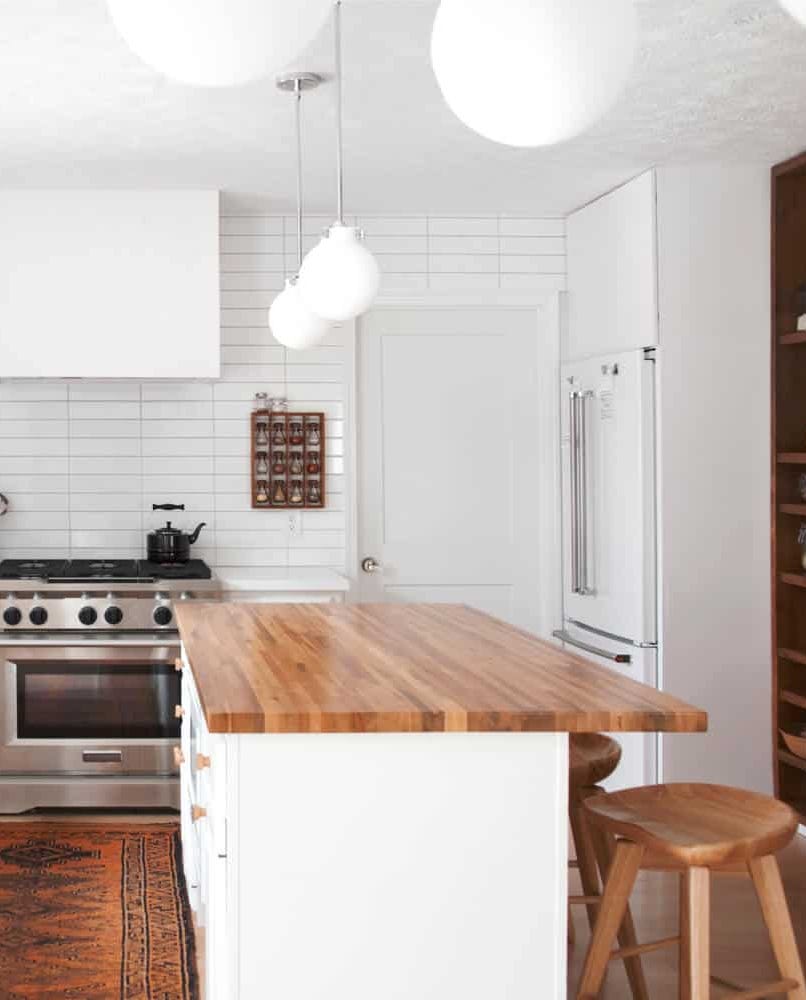
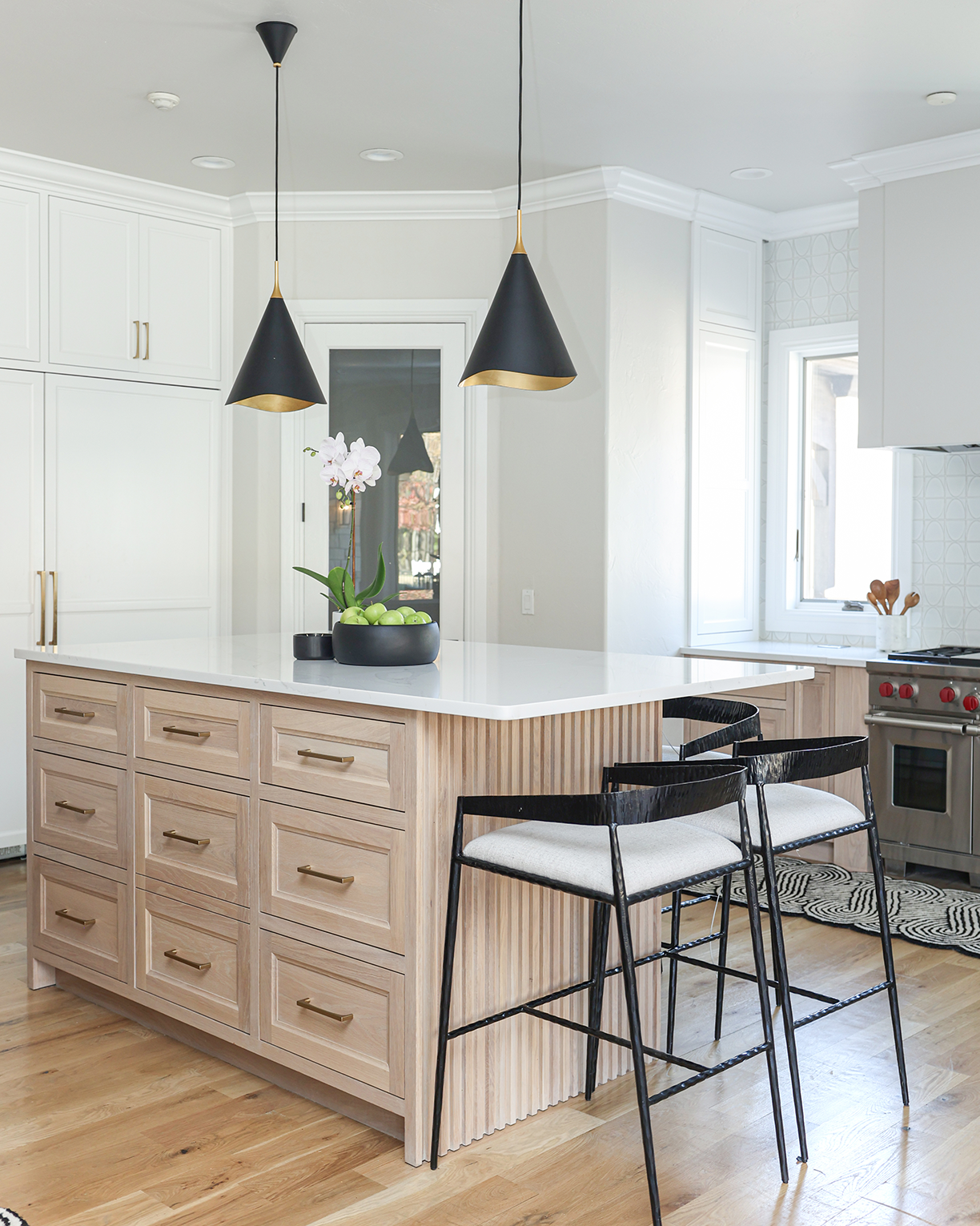
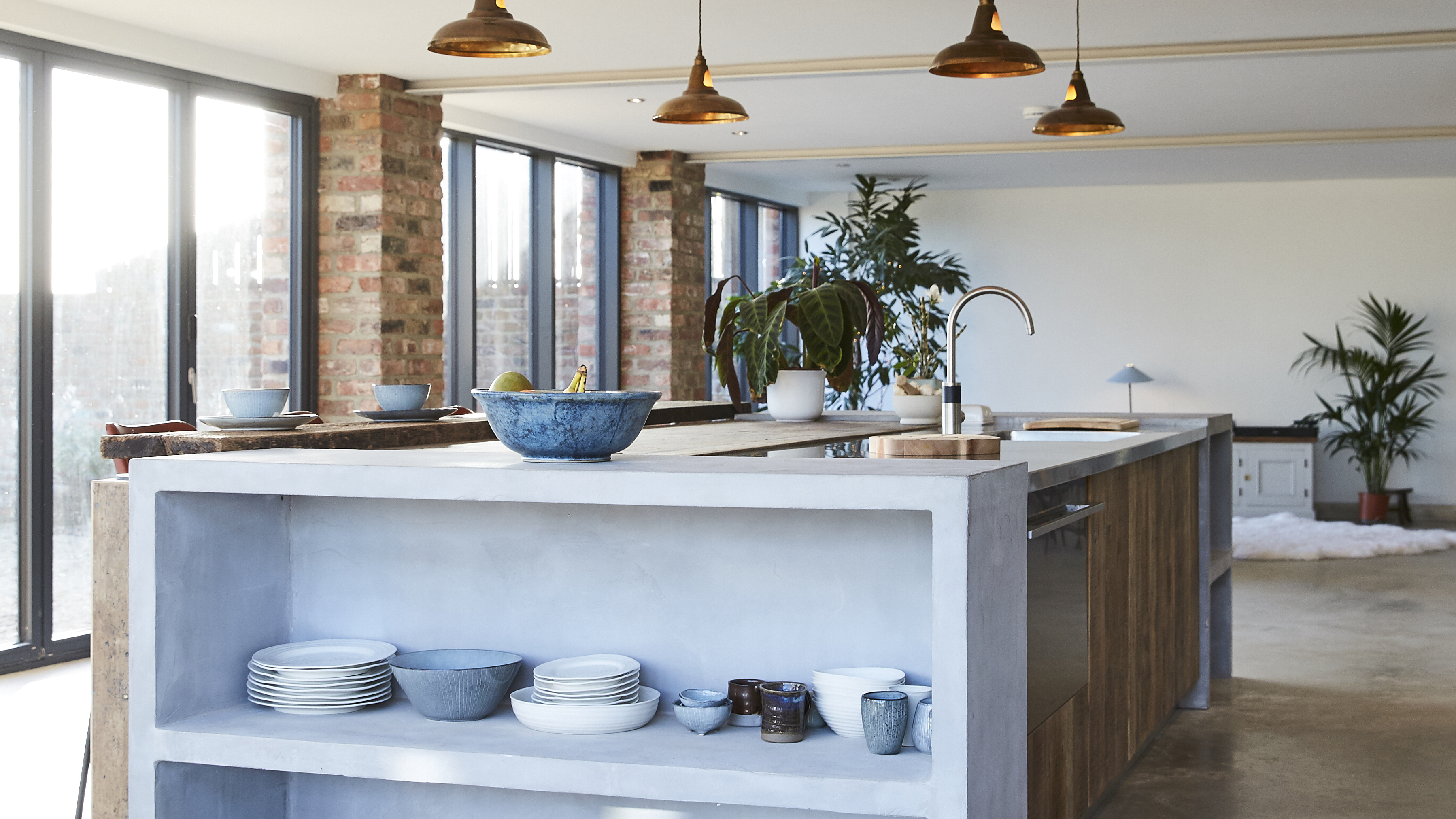
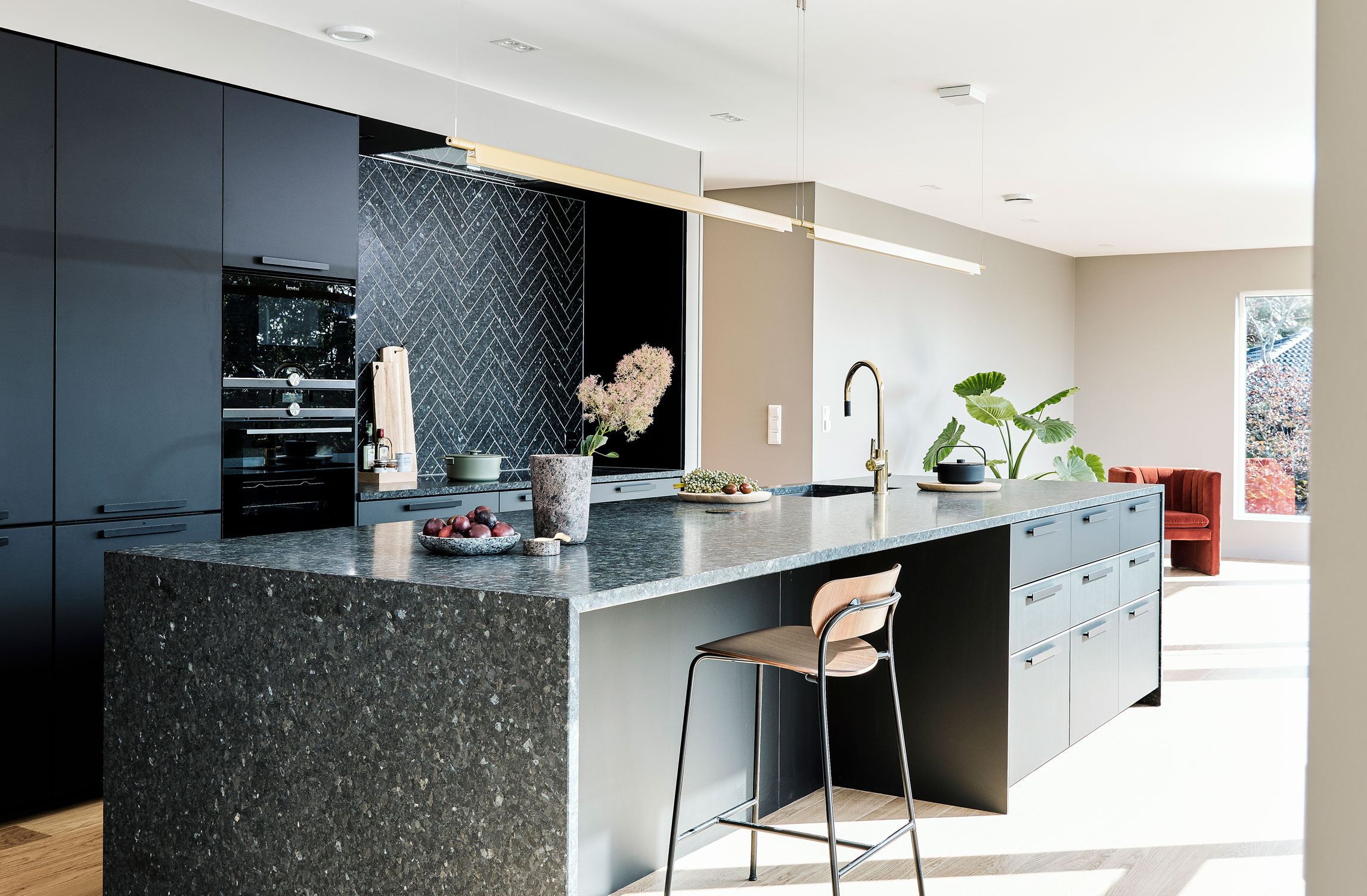
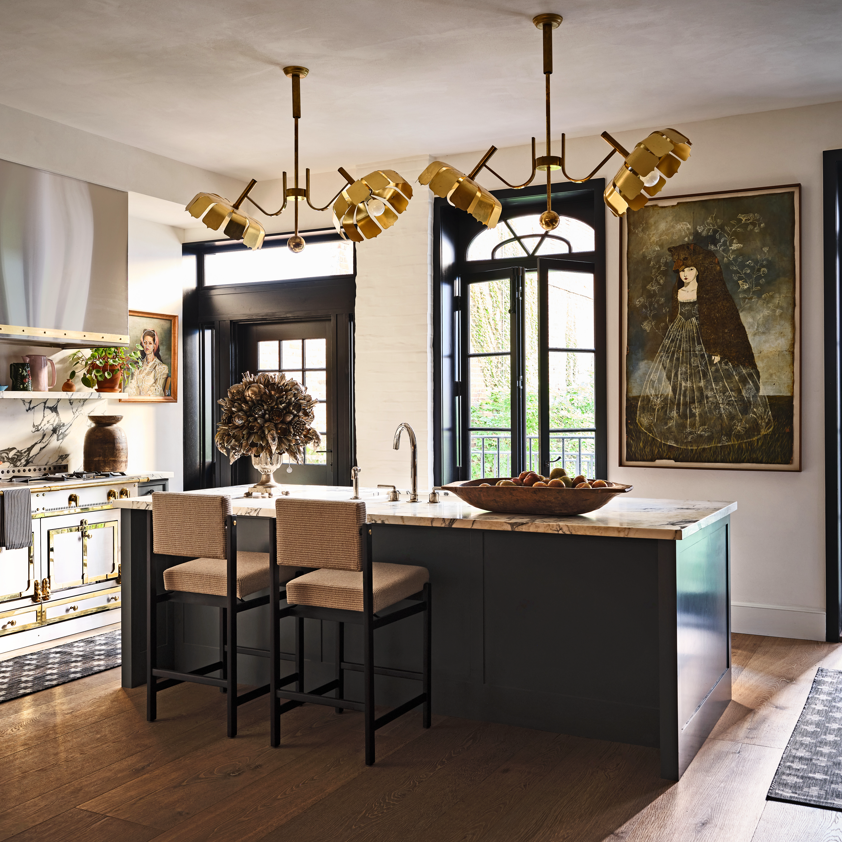
Another outdated element is raised bar countertops on kitchen islands. Designers note that split-level islands, prevalent in earlier eras, disrupt the visual flow and limit functionality. Emma Corner explains that these create a division rather than a connection, while Stephanie Martin emphasizes their clunky appearance and inefficiency in terms of both use and cleaning. The current preference is for expansive, single-level countertops that offer ample space for meal preparation, serving, and social interaction, contributing to a more modern and cohesive kitchen aesthetic. Michelle Murphy highlights the benefit of large, clean islands that foster connection, often incorporating features like waterfall edges.
Microwaves placed over the range are also on the list of features to avoid. This placement is seen as dating a space and hindering the potential for a beautiful and functional range wall. Hillary Cohen notes that over-the-range microwaves interrupt visual rhythm and undermine elegance. Designers propose alternative placements such as building microwaves into lower cabinets, tucking them into appliance garages, or integrating them into pantries. This approach, advocated by Victoria Armour and Stephanie Martin, allows the range and custom hood to become the kitchen's focal point, enhancing both utility and aesthetic appeal.
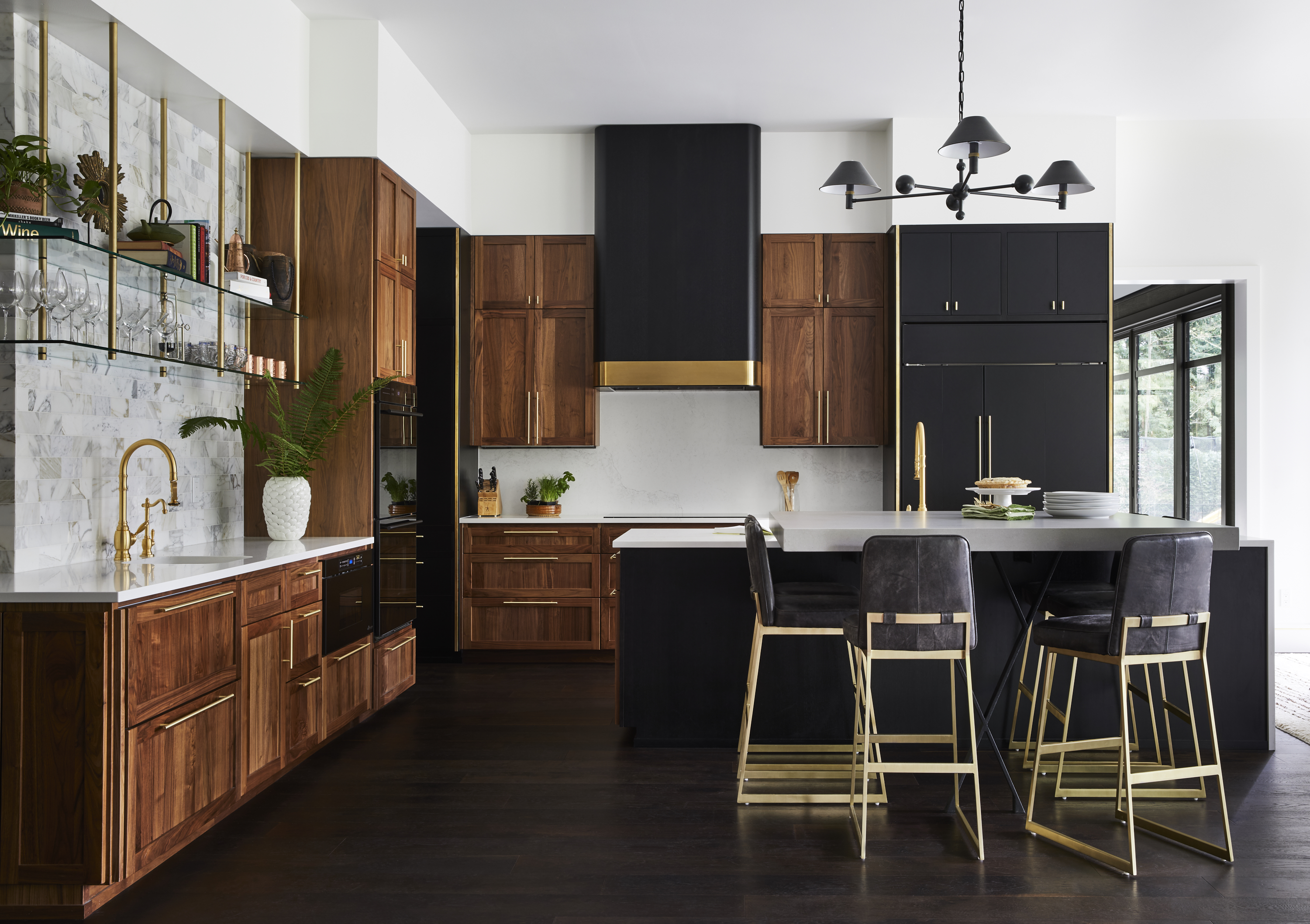
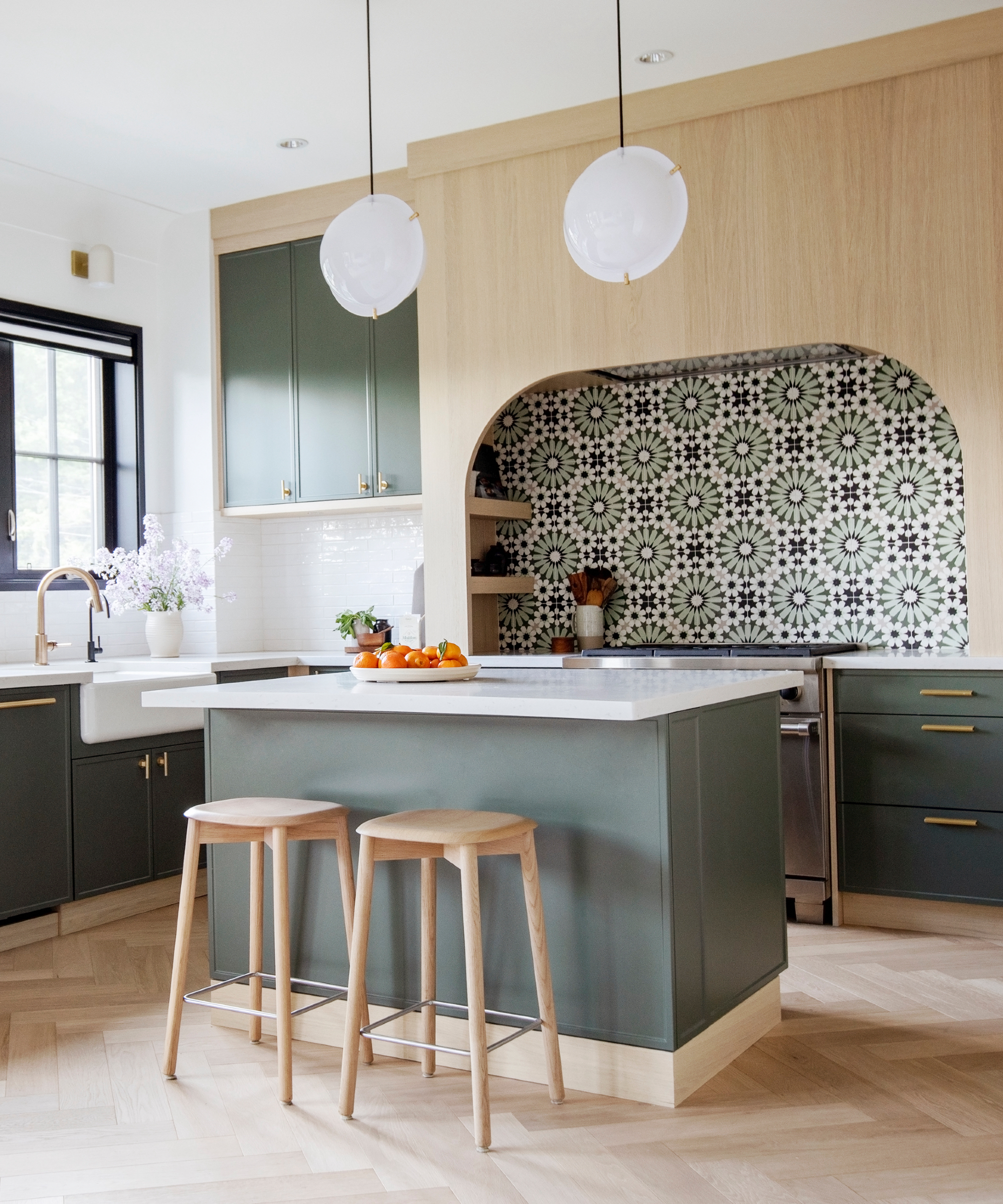
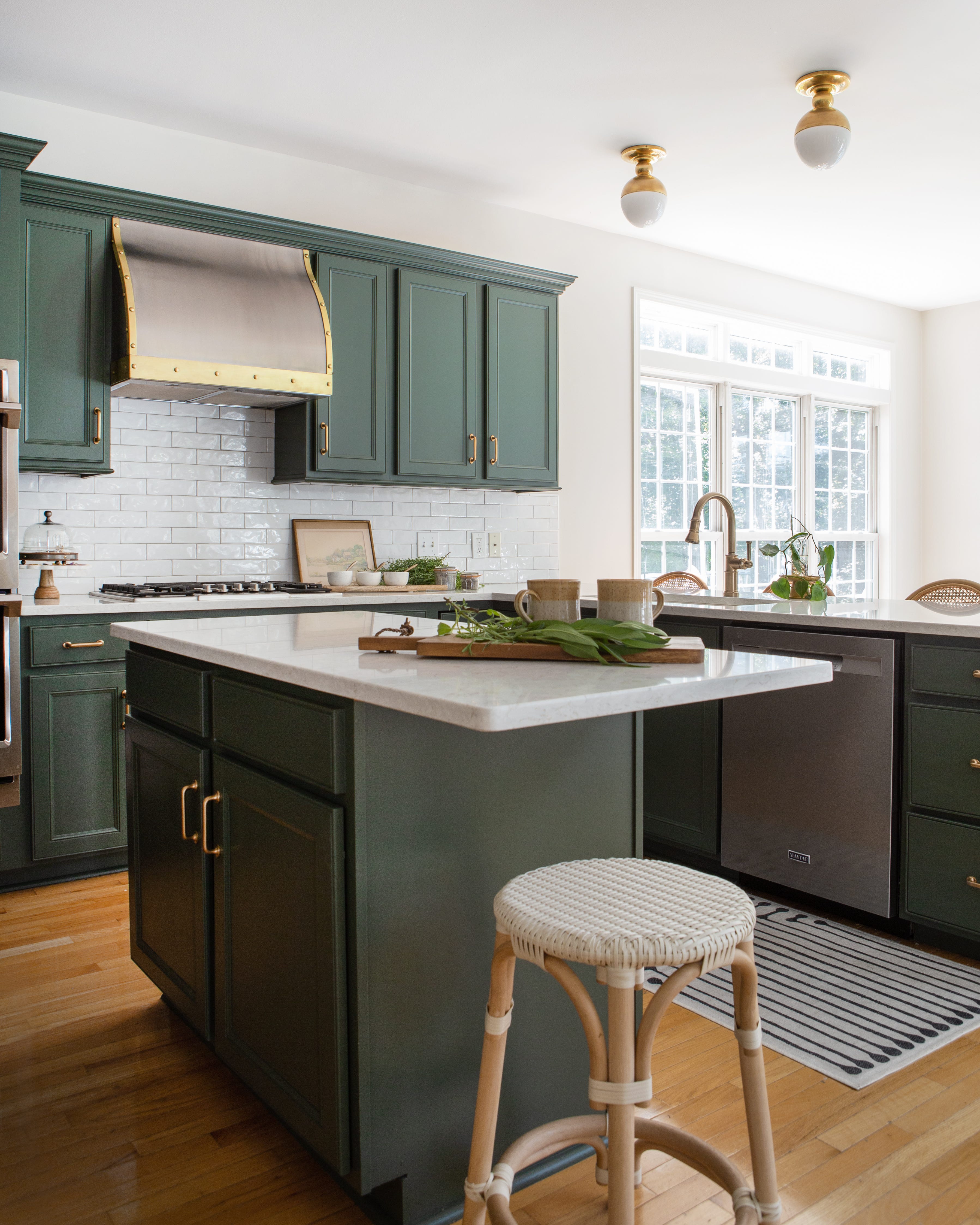
Stainless steel vent hoods, once a staple for industrial kitchen styles, are now considered less desirable. Designers are moving towards warmer, more textured, and artistic materials for vent hoods. Emma Corner points out that exposed stainless hoods often miss the opportunity to add custom character to a kitchen. Allison Handler calls them basic and an eyesore, advocating for materials like plaster, tile, or wood. Cynthia Ferguson views hoods as kitchen jewelry, favoring unlacquered brass with decorative edges to enhance the kitchen's overall design.
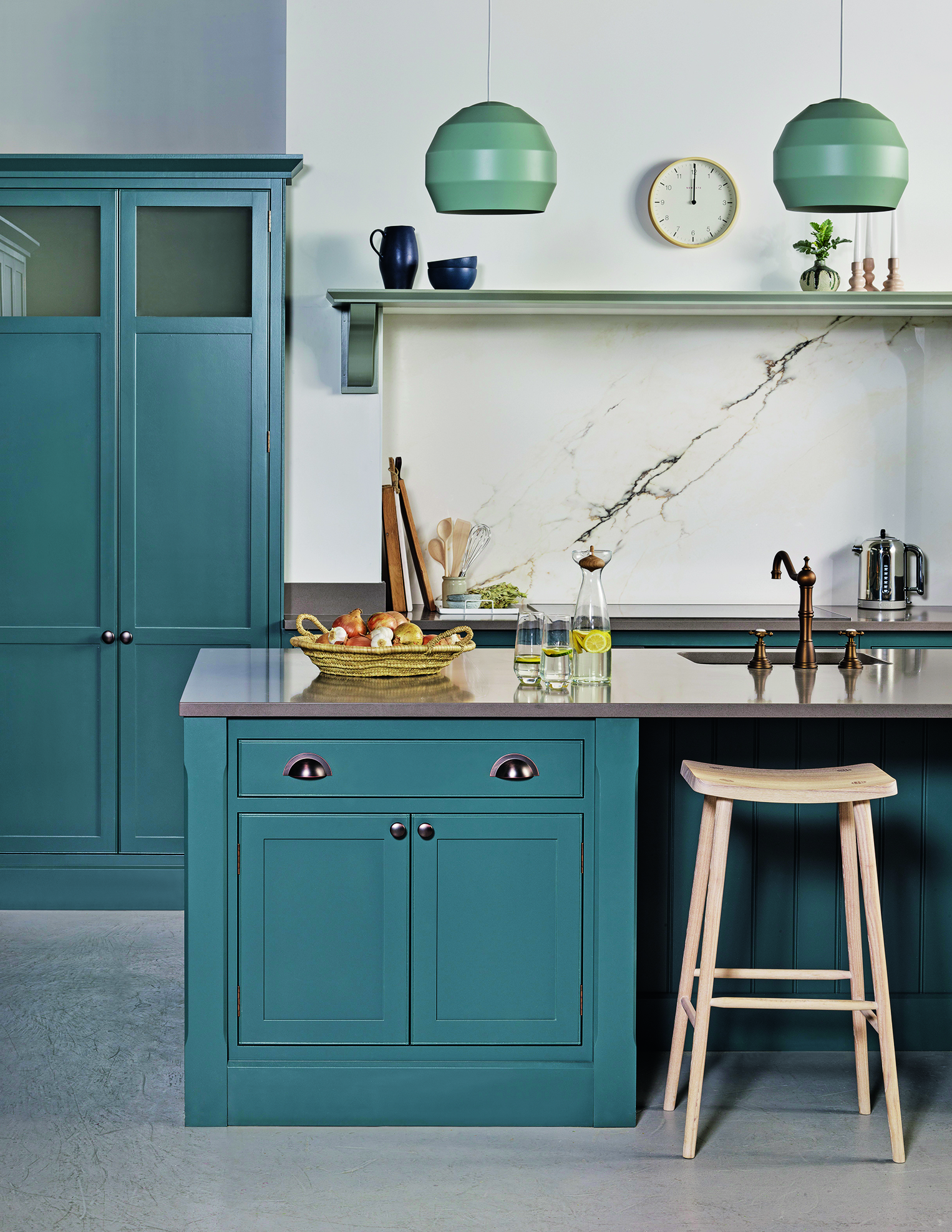
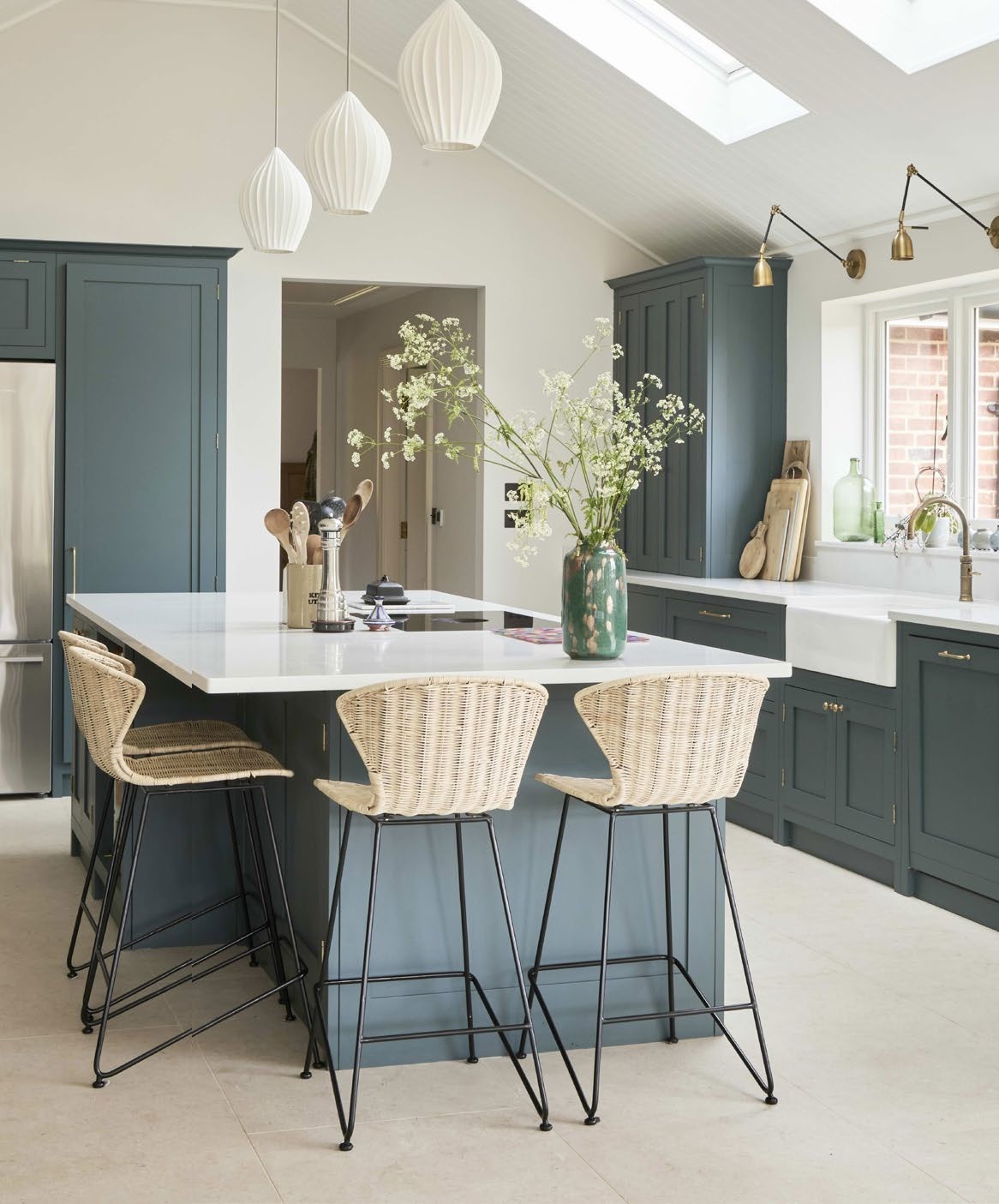
Sinks located in kitchen islands are another feature designers discourage. Kitchen islands are increasingly viewed as multifunctional spaces for prep, socializing, and display, making an uninterrupted surface highly valued. Allison Handler expresses a strong dislike for island sinks, preferring them on the perimeter unless absolutely necessary. Kelsey Matyas asserts that the sink should not be the focal point of the island. In smaller kitchens, adding a secondary island sink can reduce usable workspace. The consensus is to keep the island clear for gathering and food preparation, placing sinks in more practical locations, such as under a window.
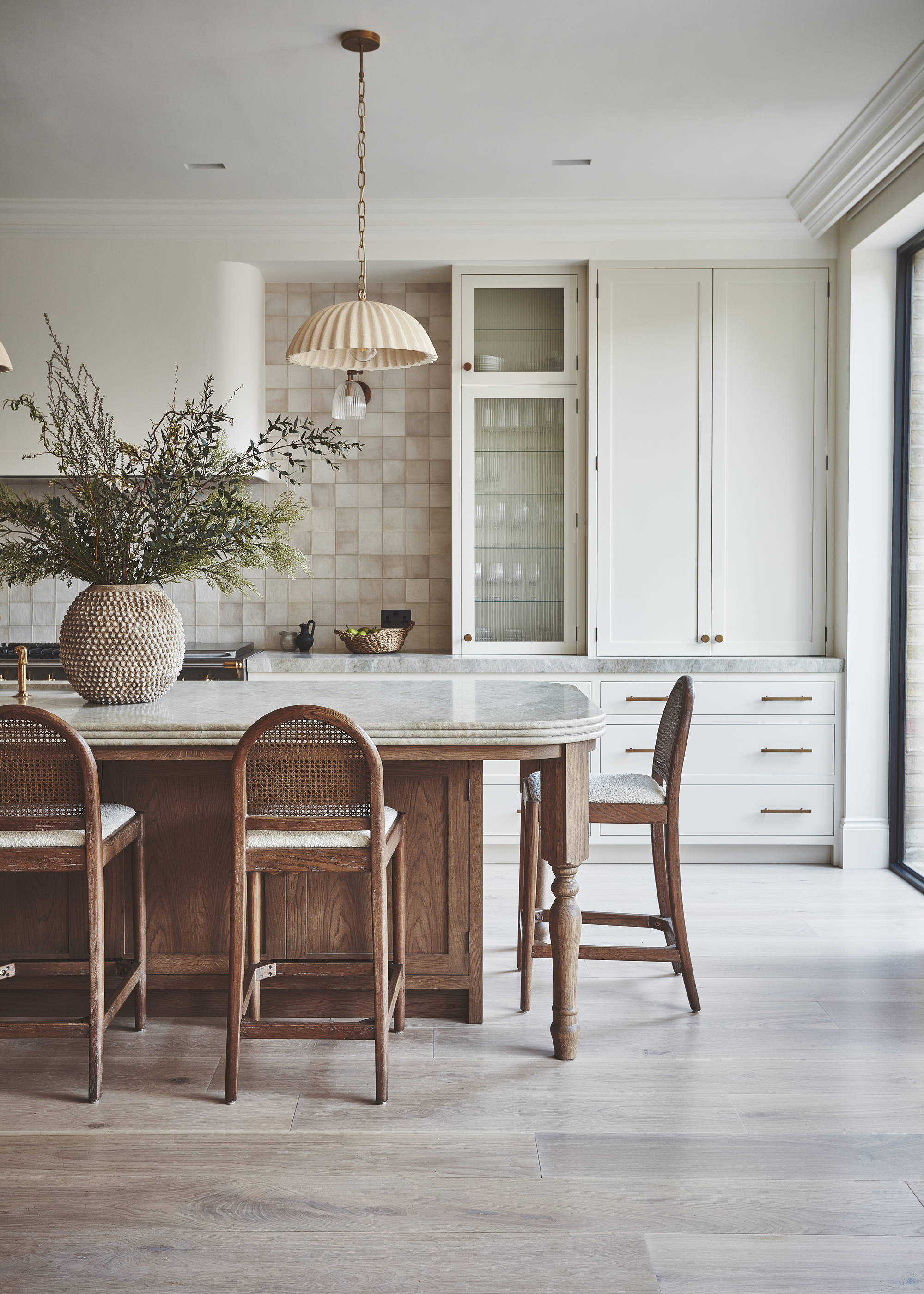
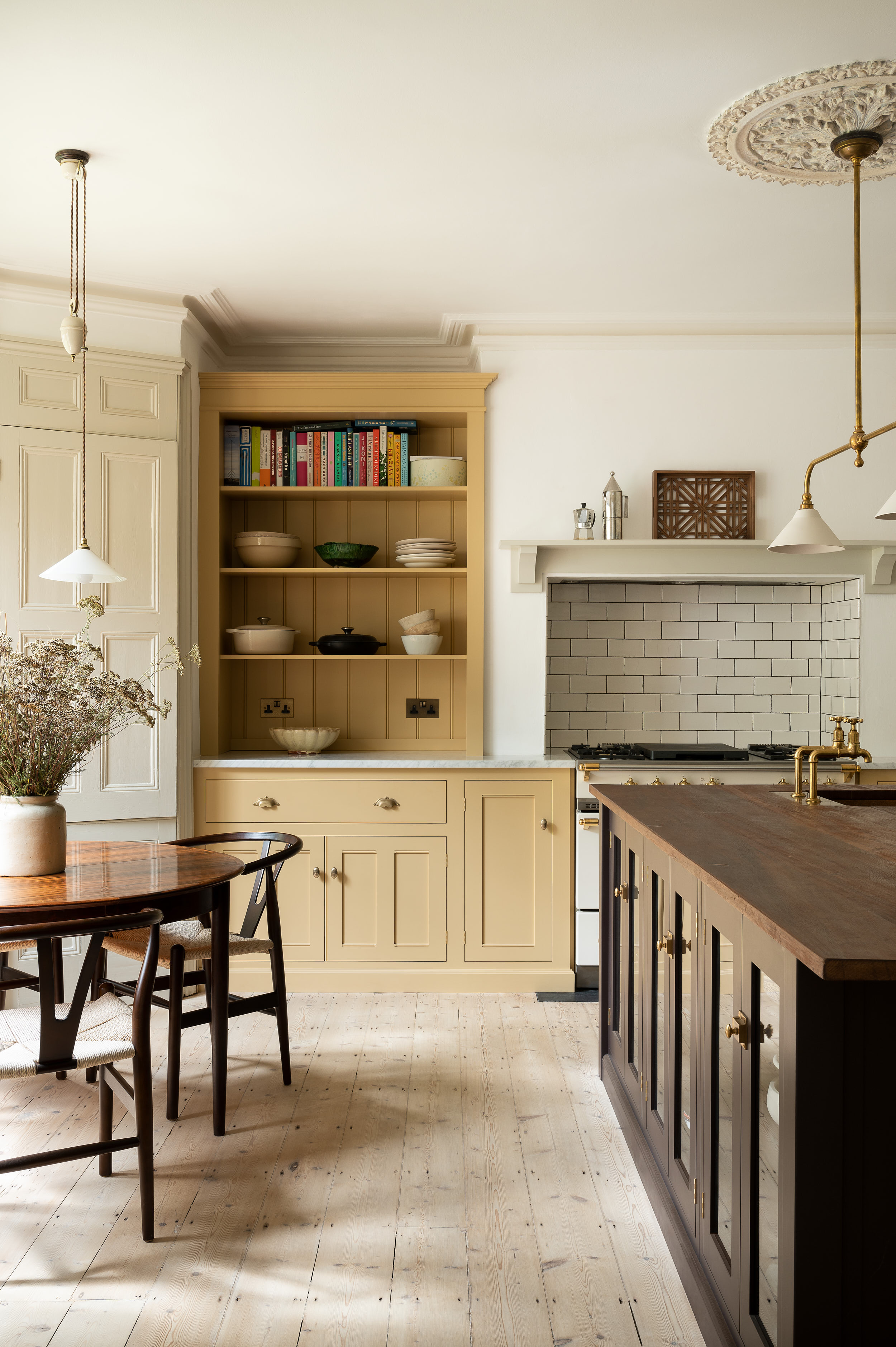
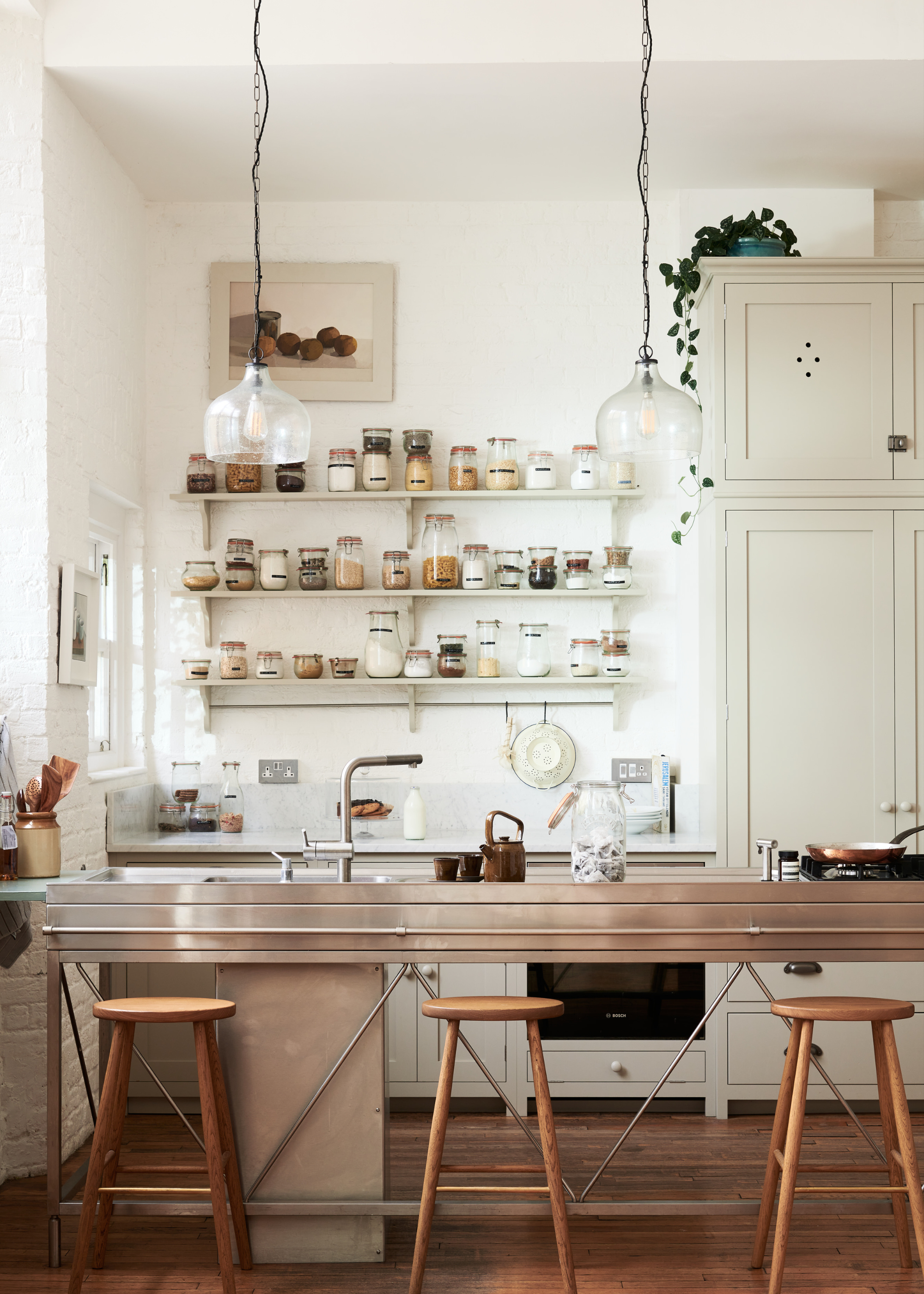
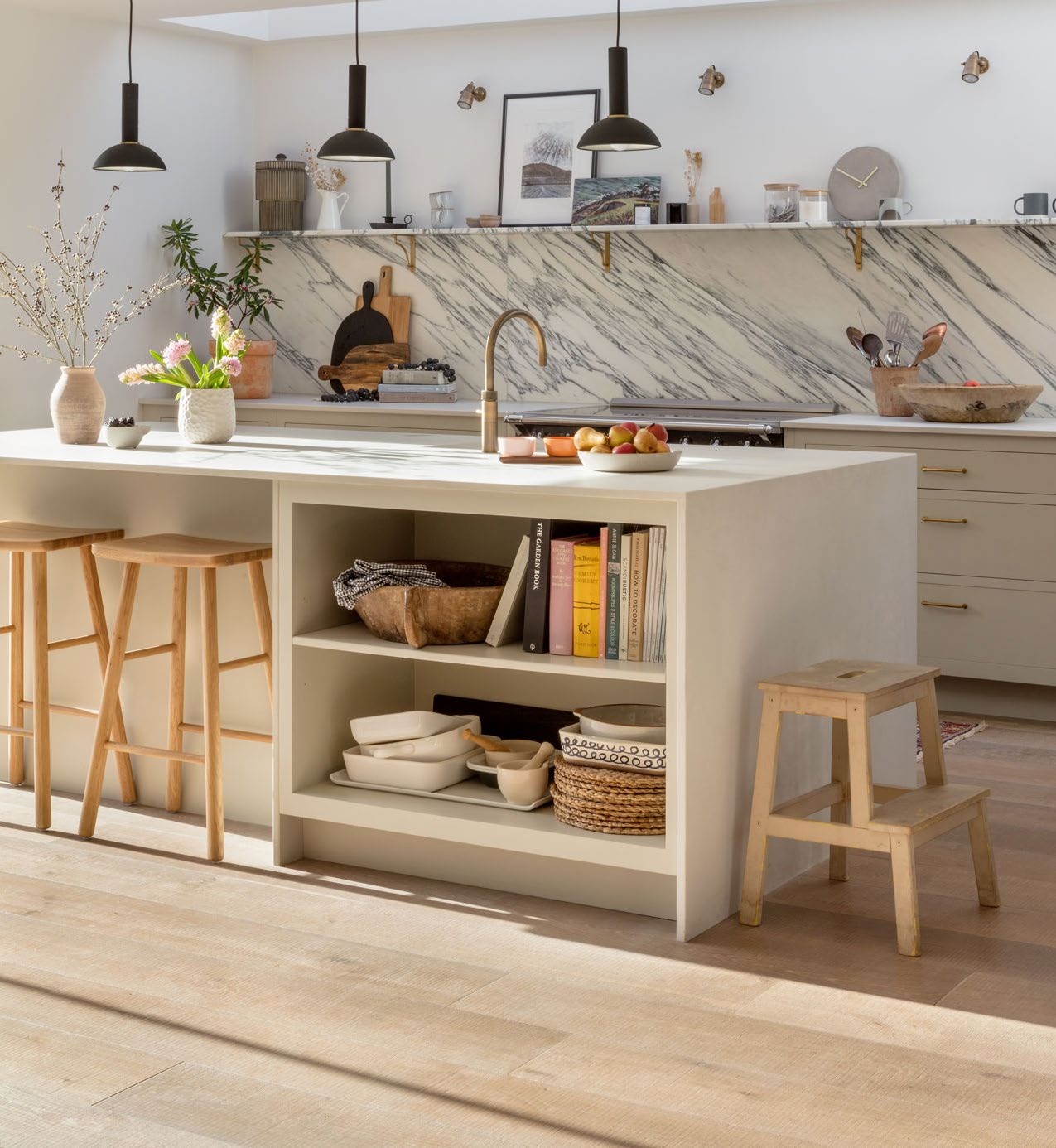
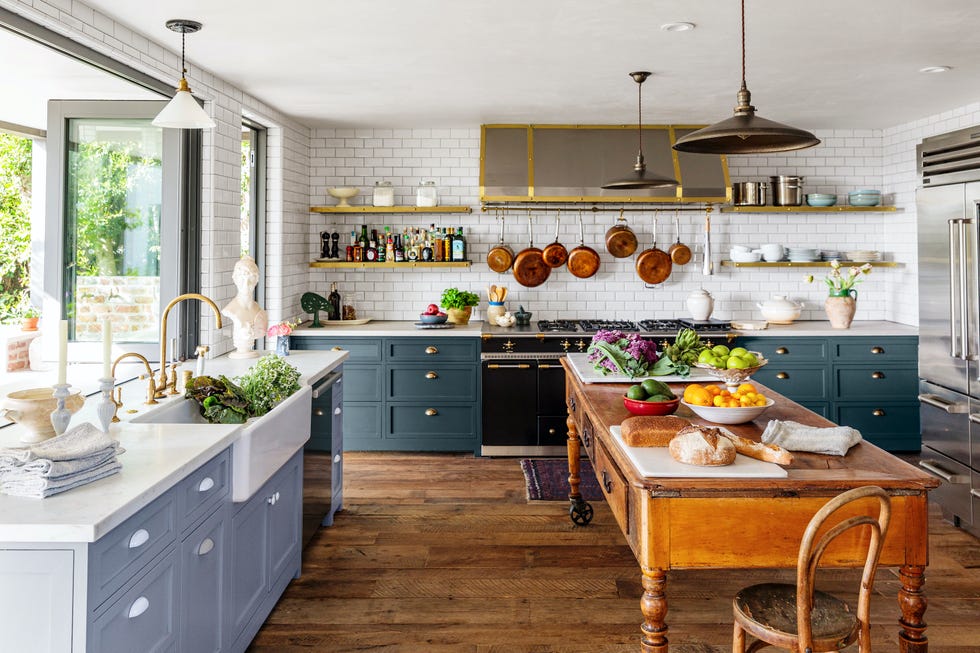
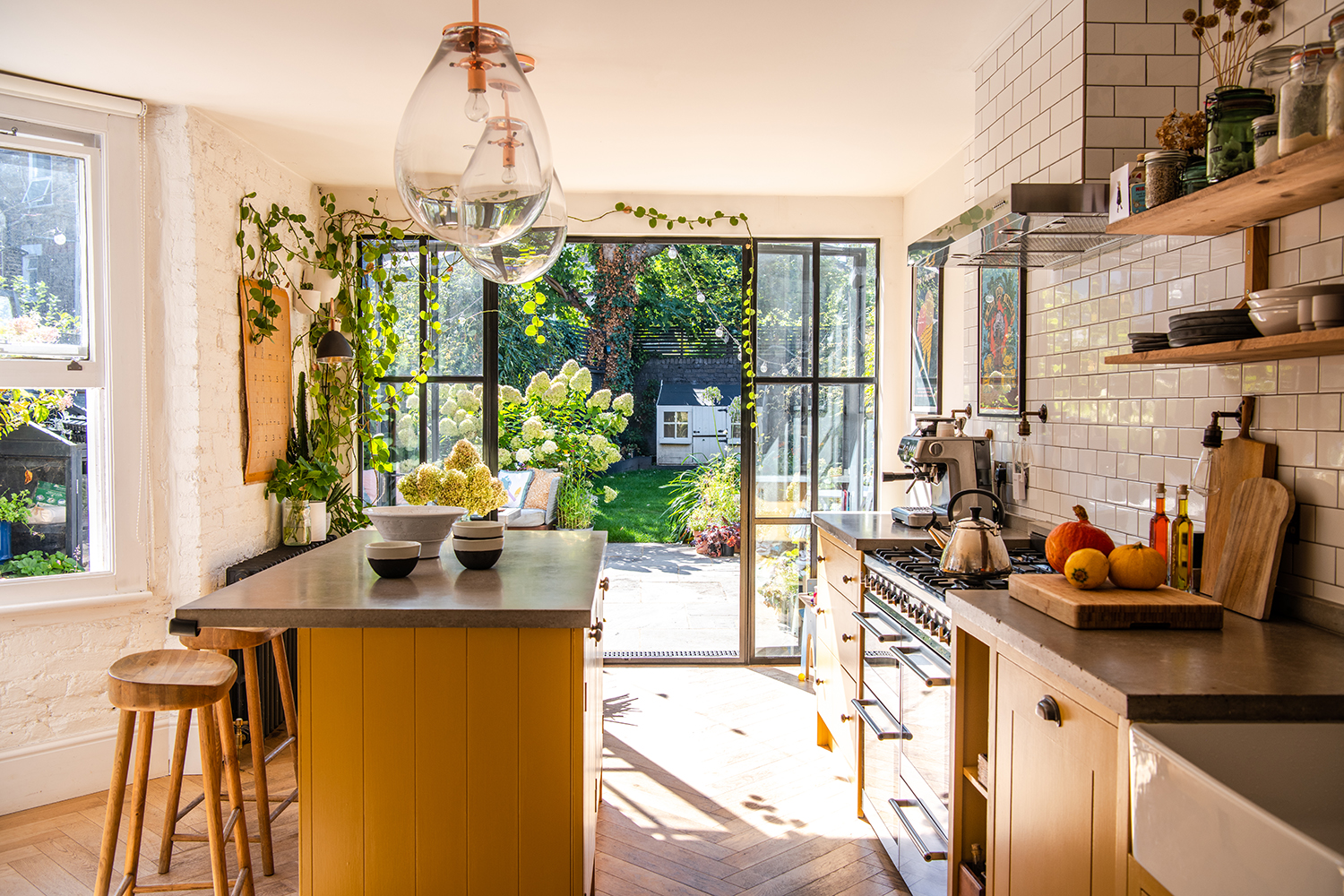
Open shelving, while popular for its Instagram-friendly appearance, is losing favor due to practical concerns. Kelsey Matyas criticizes open shelves as dust collectors that contribute to clutter. Victoria Armour notes that while visually appealing when perfectly styled, they are difficult to maintain in everyday life, often becoming a repository for everyday items that detract from the design. Designers recommend concealed storage, such as cabinets with reeded glass, or using open shelves sparingly in areas with additional storage options, reflecting a broader trend toward tailored cabinetry and warmer tones for a more personal kitchen story.
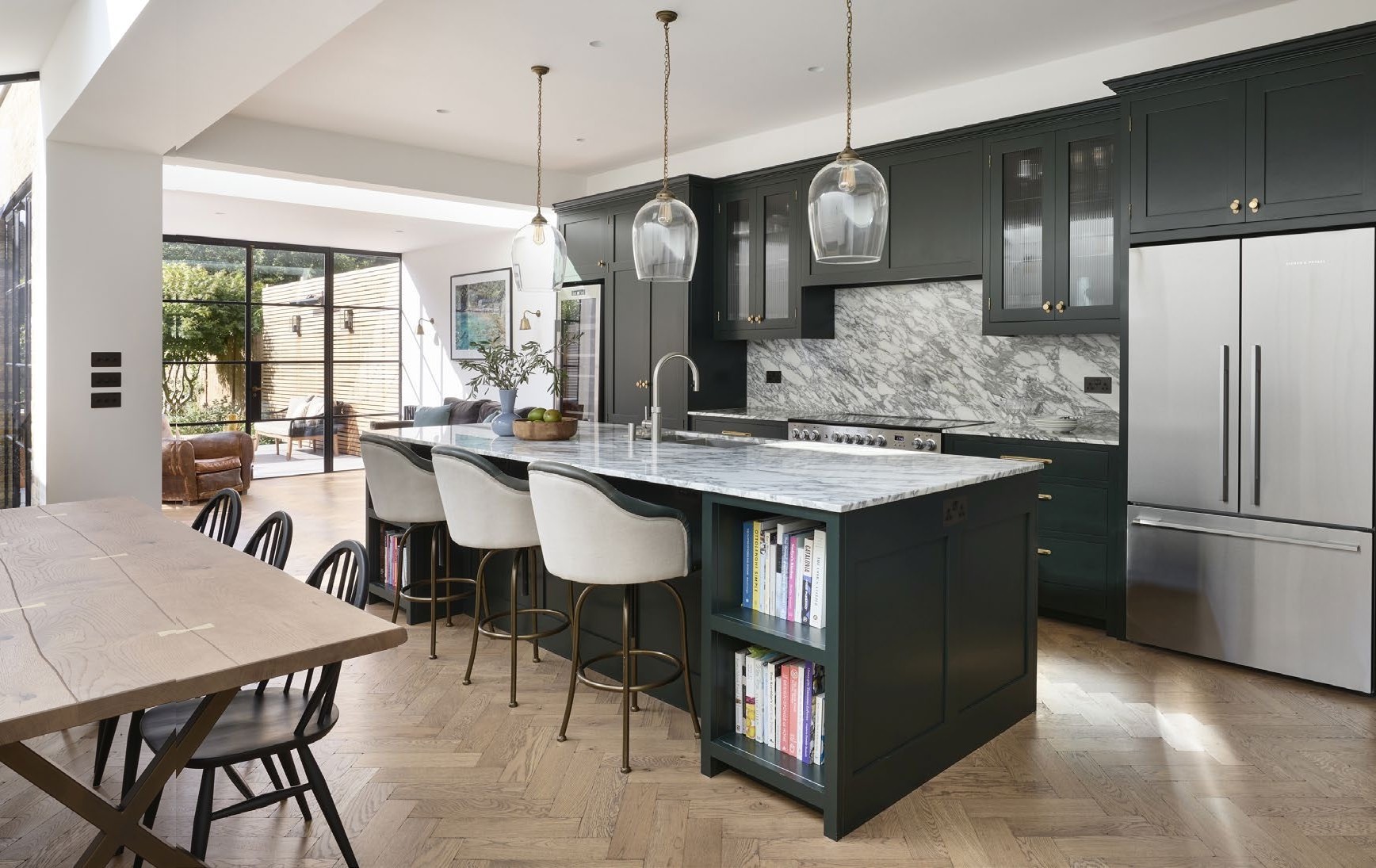
Finally, double islands are identified as a divisive feature that is generally unnecessary for most homes. While they might serve a purpose in large catering kitchens, designers like Kelsey Matyas and Aimee Meisgeier find them obstructive and detrimental to social interaction. A double island can dilute the social energy and create a formal, laboratory-like atmosphere rather than a welcoming hub. The preferred approach is to optimize a single island with deep drawers, expansive countertops, and integrated seating, making it more functional and conducive to connection than two mediocre islands.
#KitchenDesign #InteriorDesignTrends #HomeRenovation #KitchenLayout #DesignMistakes #FunctionalSpaces #ModernKitchens #Decluttering #StorageSolutions #KitchenDesign #InteriorDesignTrends #HomeRenovation #KitchenLayout #DesignMistakes #FunctionalSpaces #ModernKitchens #Decluttering #StorageSolutions
0 comment in total
 No comments yet
You may also like
5 Mistakes You Should Avoid When Adding An Island To Your Kitchen
Do you need a kitchen island? Designers weigh in on are they an essential or are islands becoming outdated

13 Ways To Functionally Decorate Your Kitchen Island

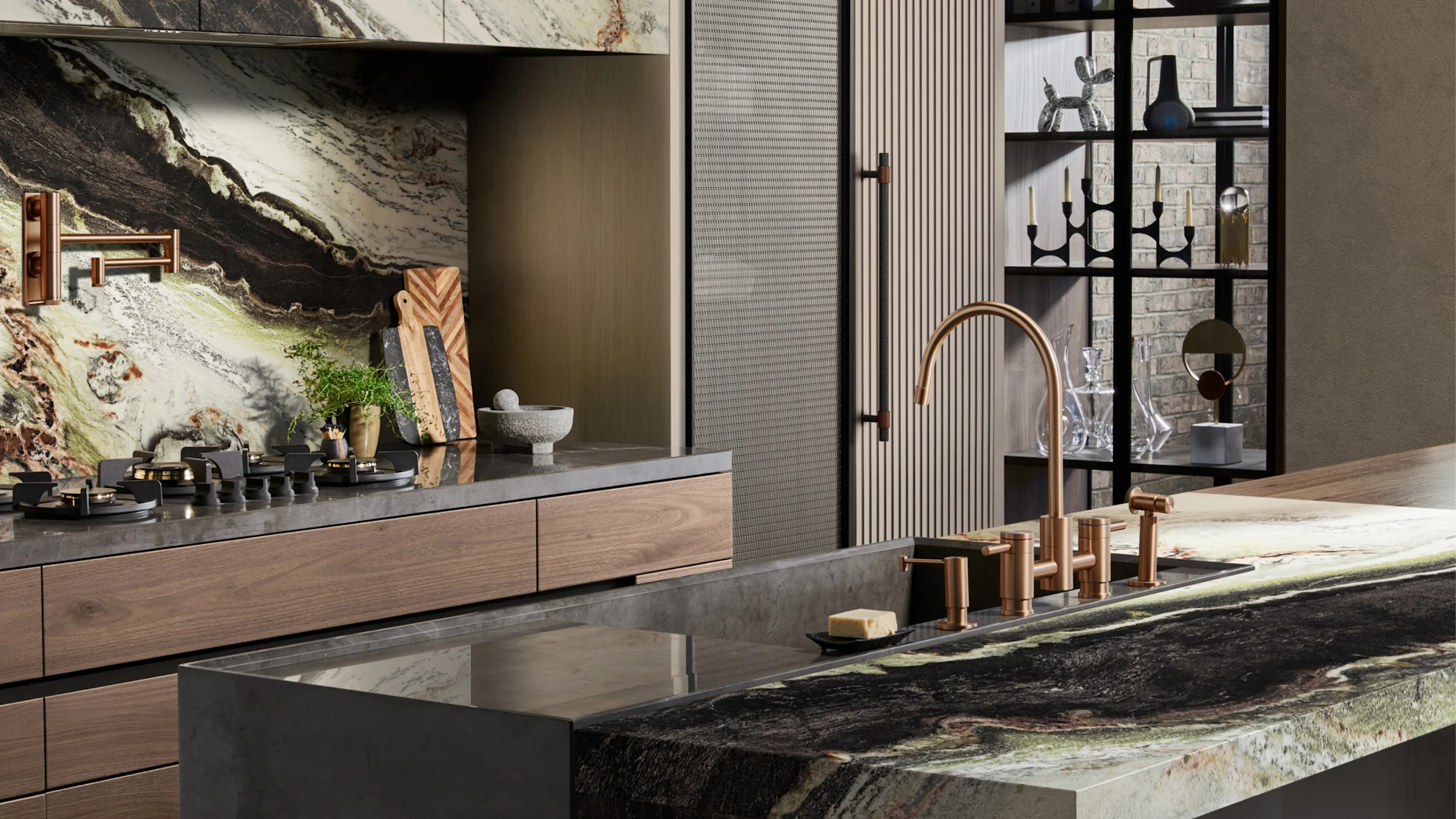
Should You Have a Sink on a Kitchen Island? Designers Love (and Hate) This Layout, so Here's How to Decide


Kitchen island vs no kitchen island – two reasons designers choose this layout, and two reasons they don't

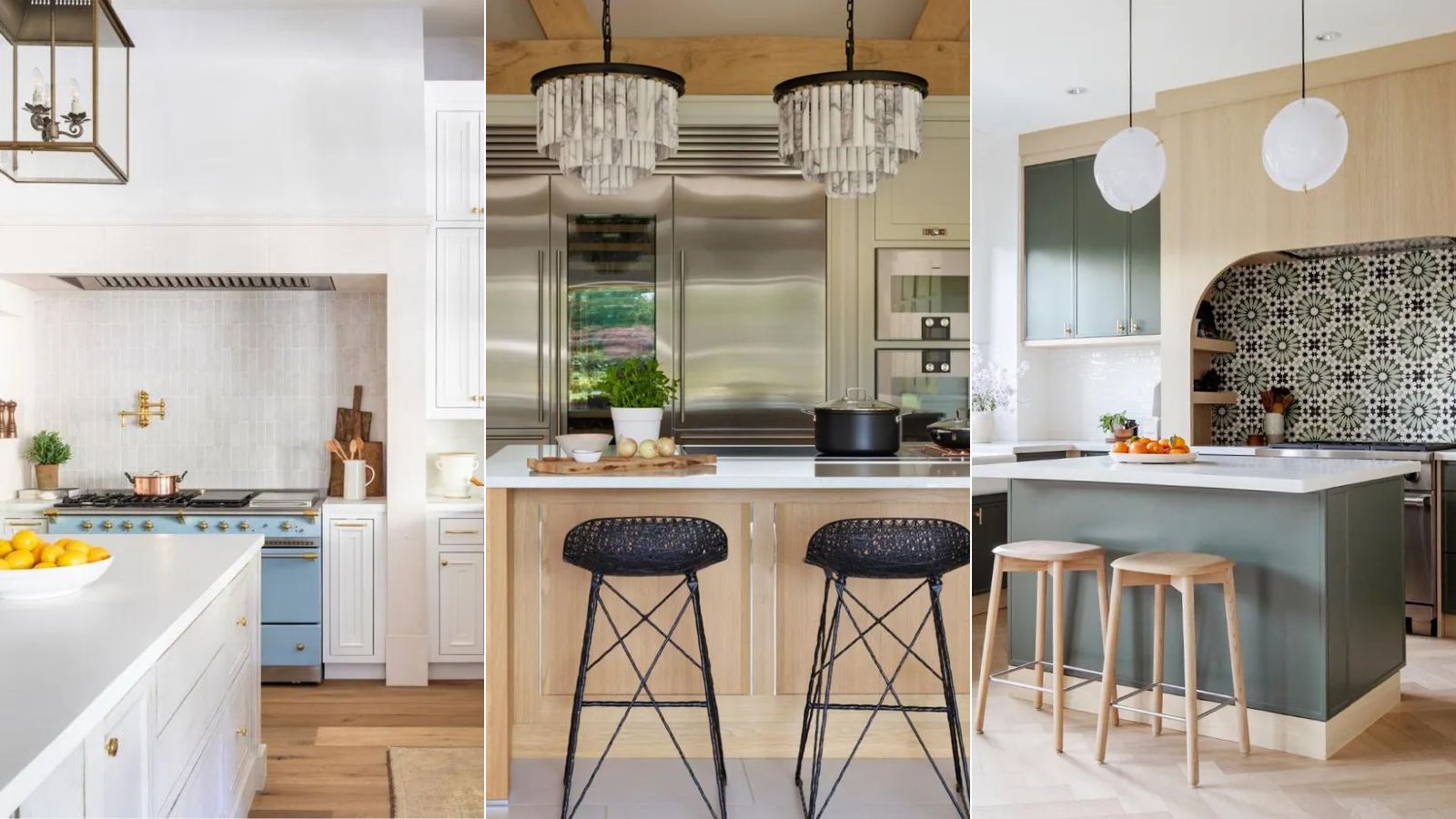
5 things to never put on your kitchen island, according to interior designers
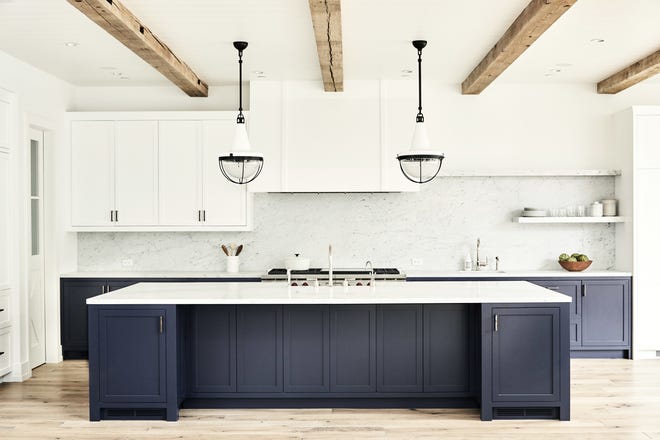
Creating the perfect kitchen island

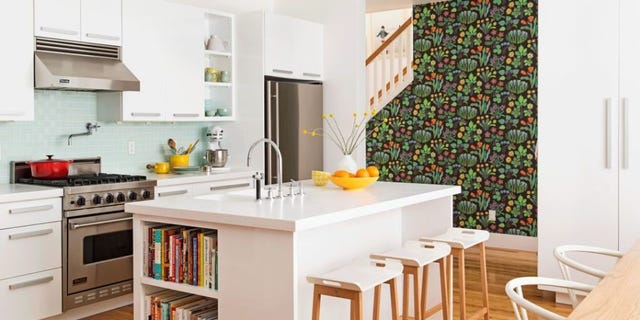
15 Dreamy Kitchen Island Ideas

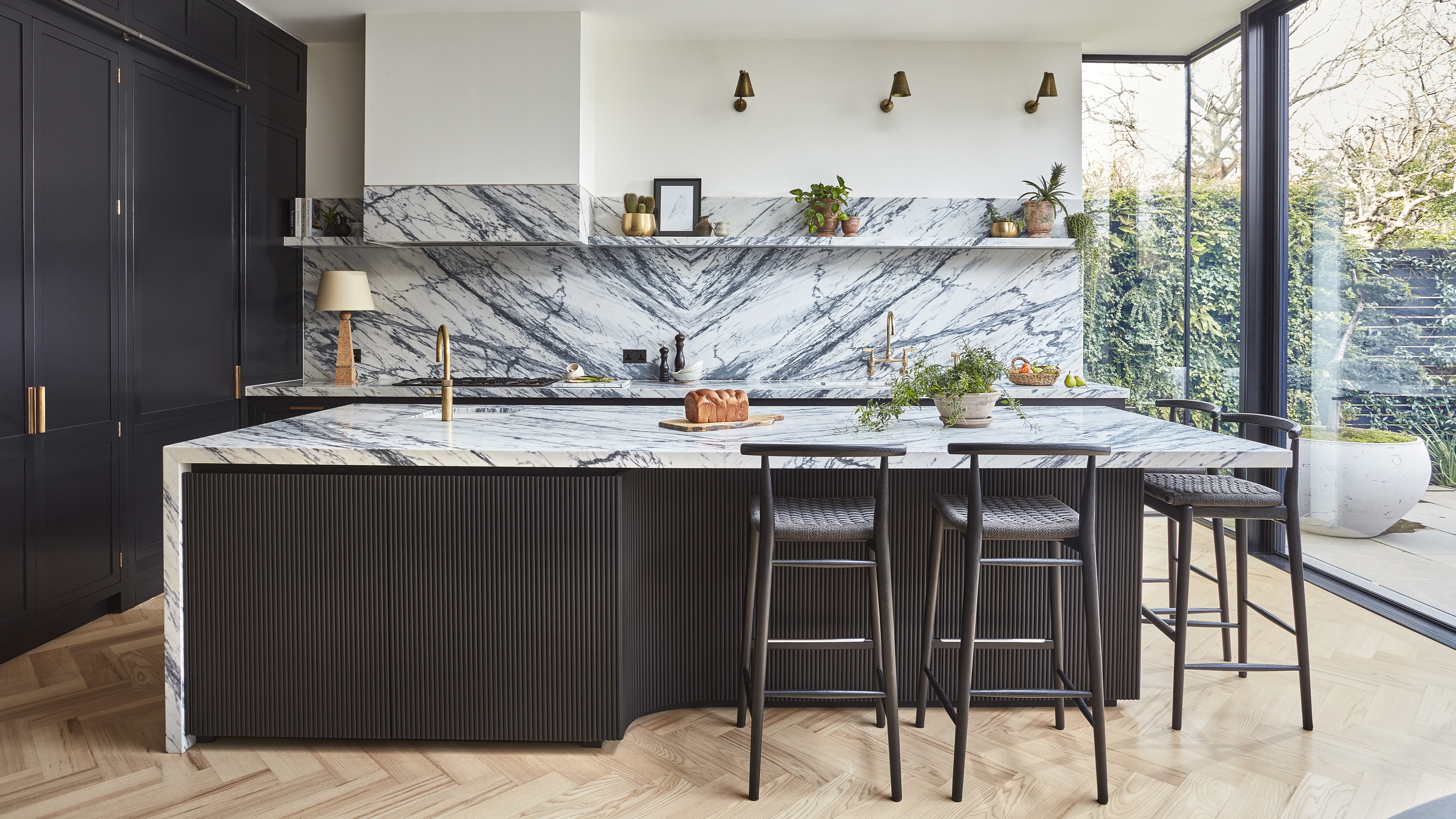
Are Islands Ruining Kitchens? We Asked Designers If This Once-Favorable Feature Has Lost Its Appeal
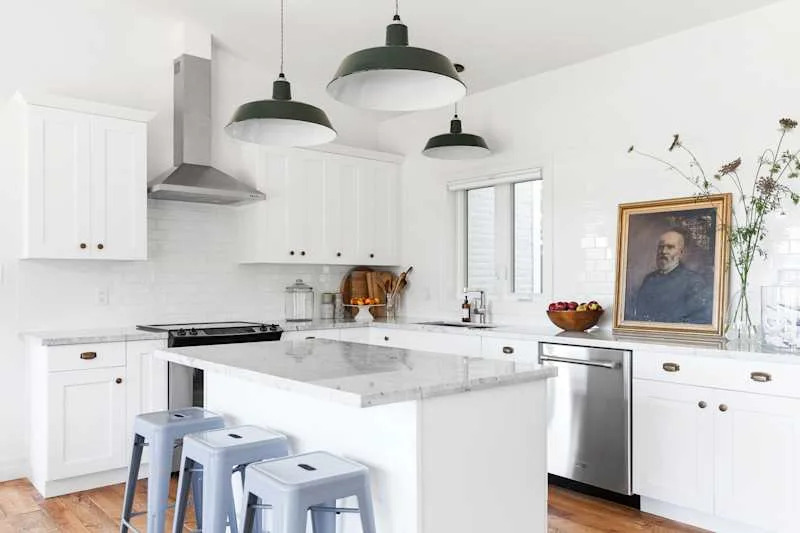
5 Things You Should Never Keep on Your Kitchen Island

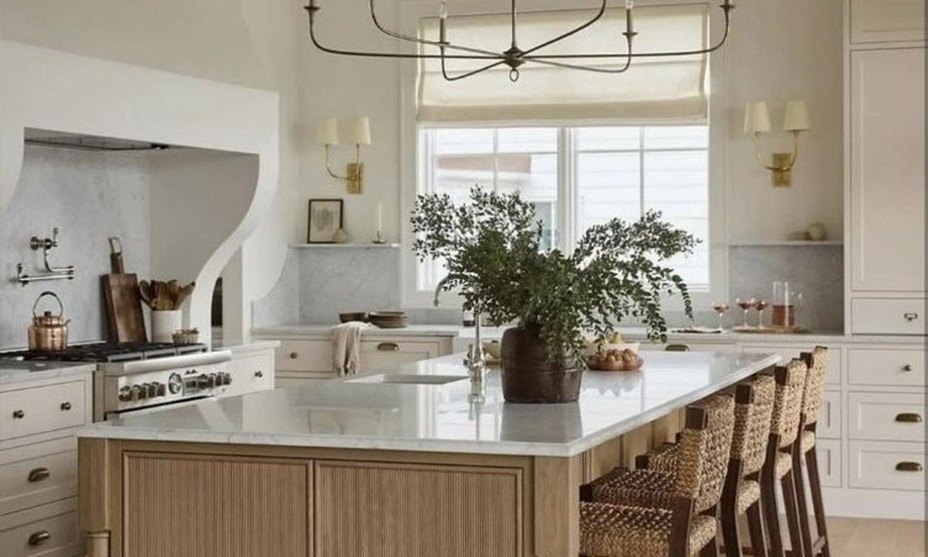
5 Showstopping Kitchen Island Looks That Will Redefine Your Cook Space
Kitchen island layout ideas – what to consider when incorporating your dream island
Why You Shouldn't Have An Island In A Small Kitchen
Kitchen island mistakes – and how to avoid them
Kitchen island design - 7 Nov 2024 - Homebuilding & Renovating Magazine

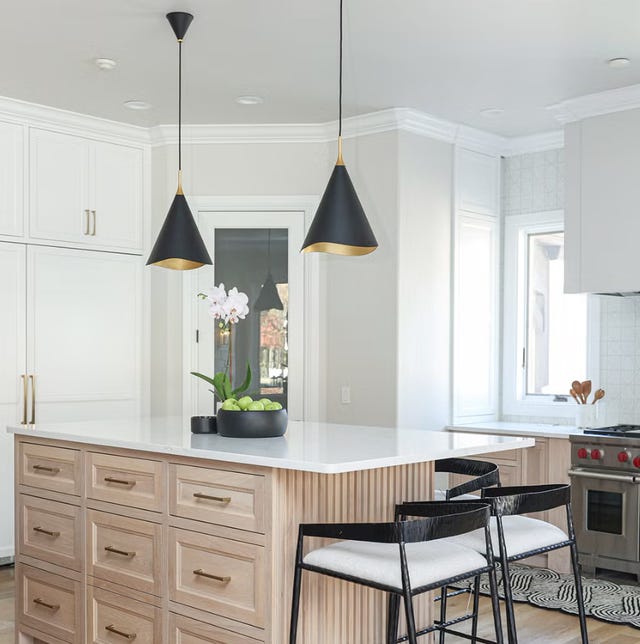
Small Kitchen? Here's How You Can Still Have the Island of Your Dreams
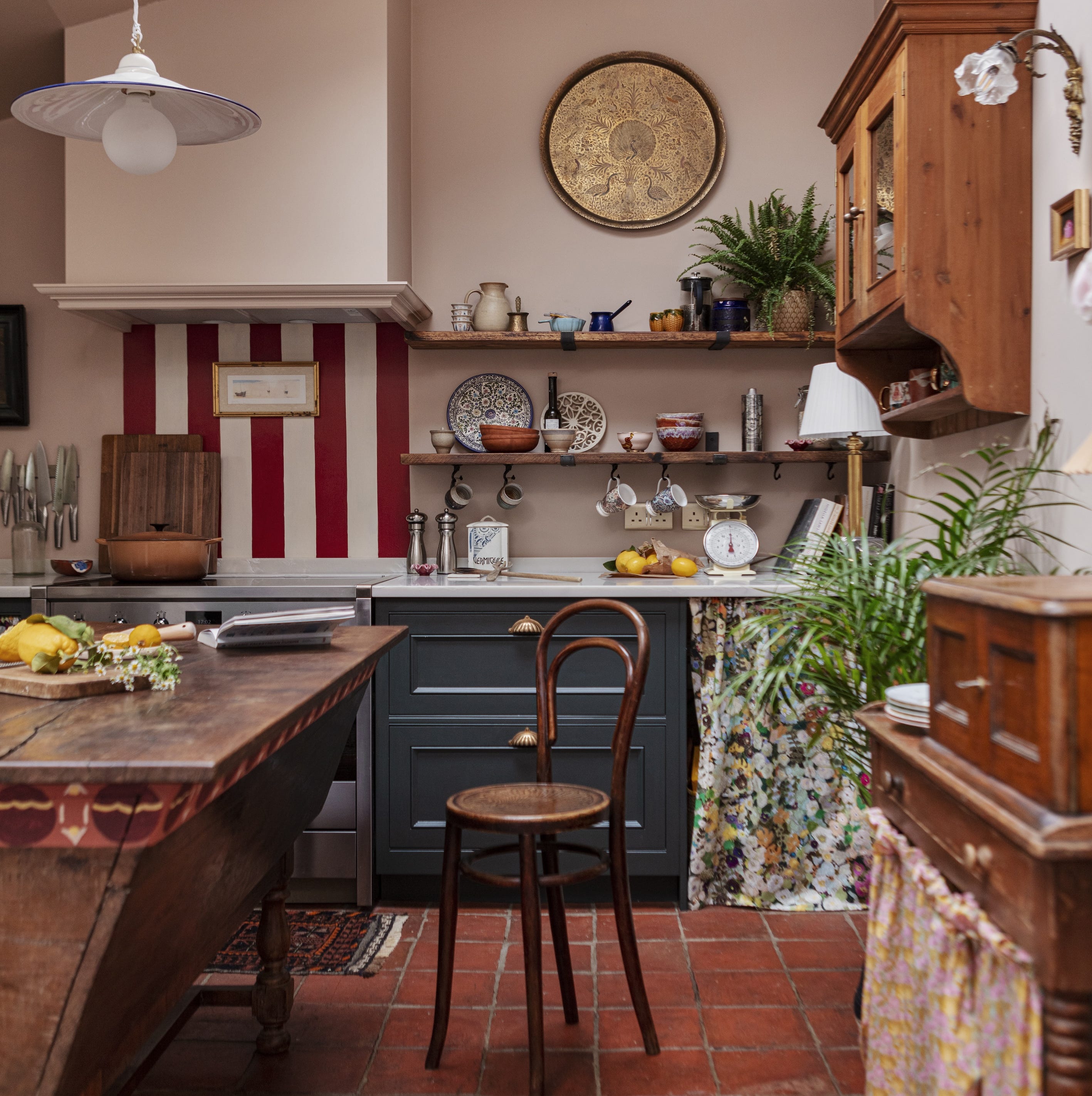
Is it time to say goodbye to kitchen islands?
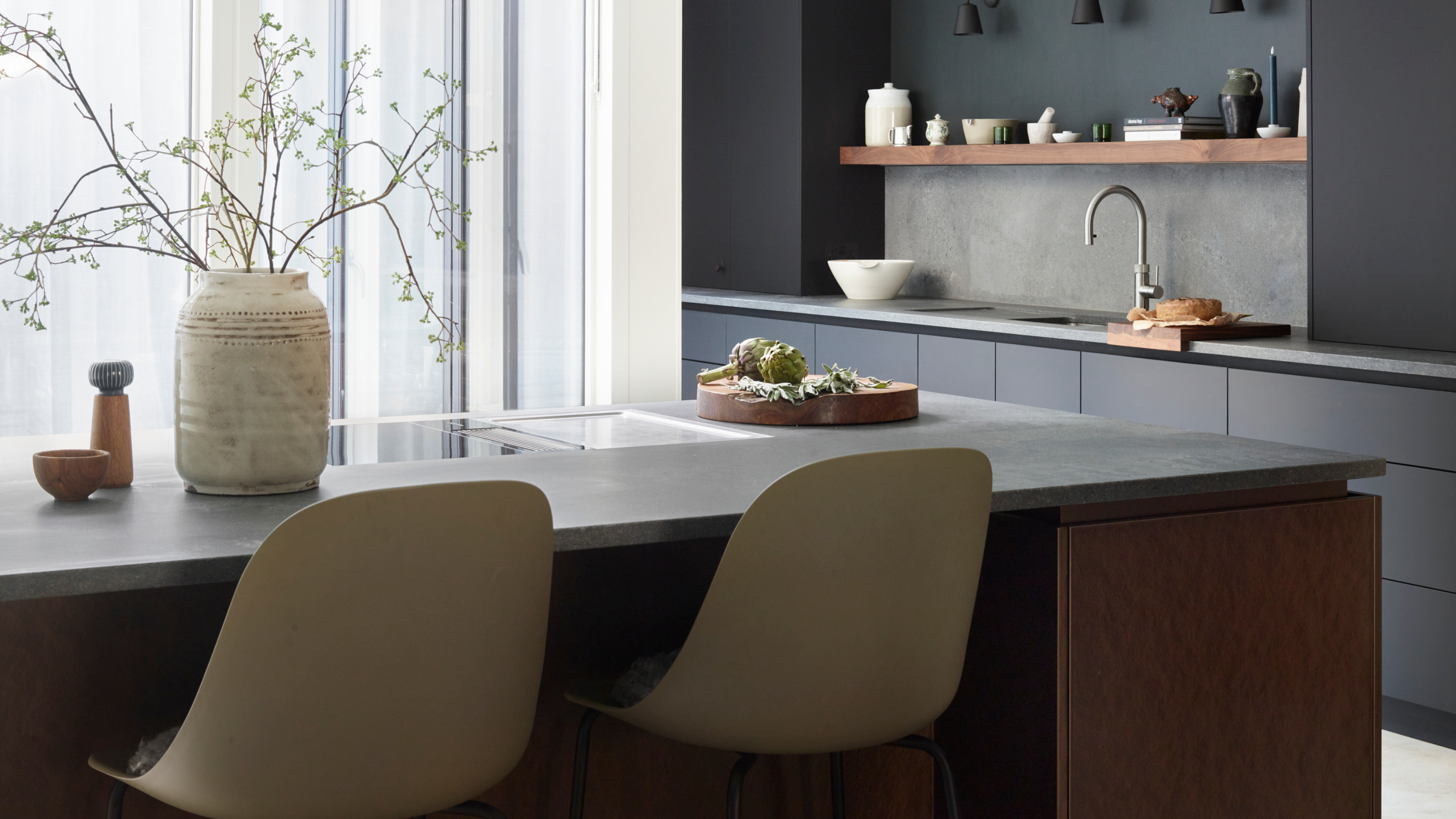
5 Times It'd Be a Mistake to Put a Hob on Your Kitchen Island — And How to Get It Right
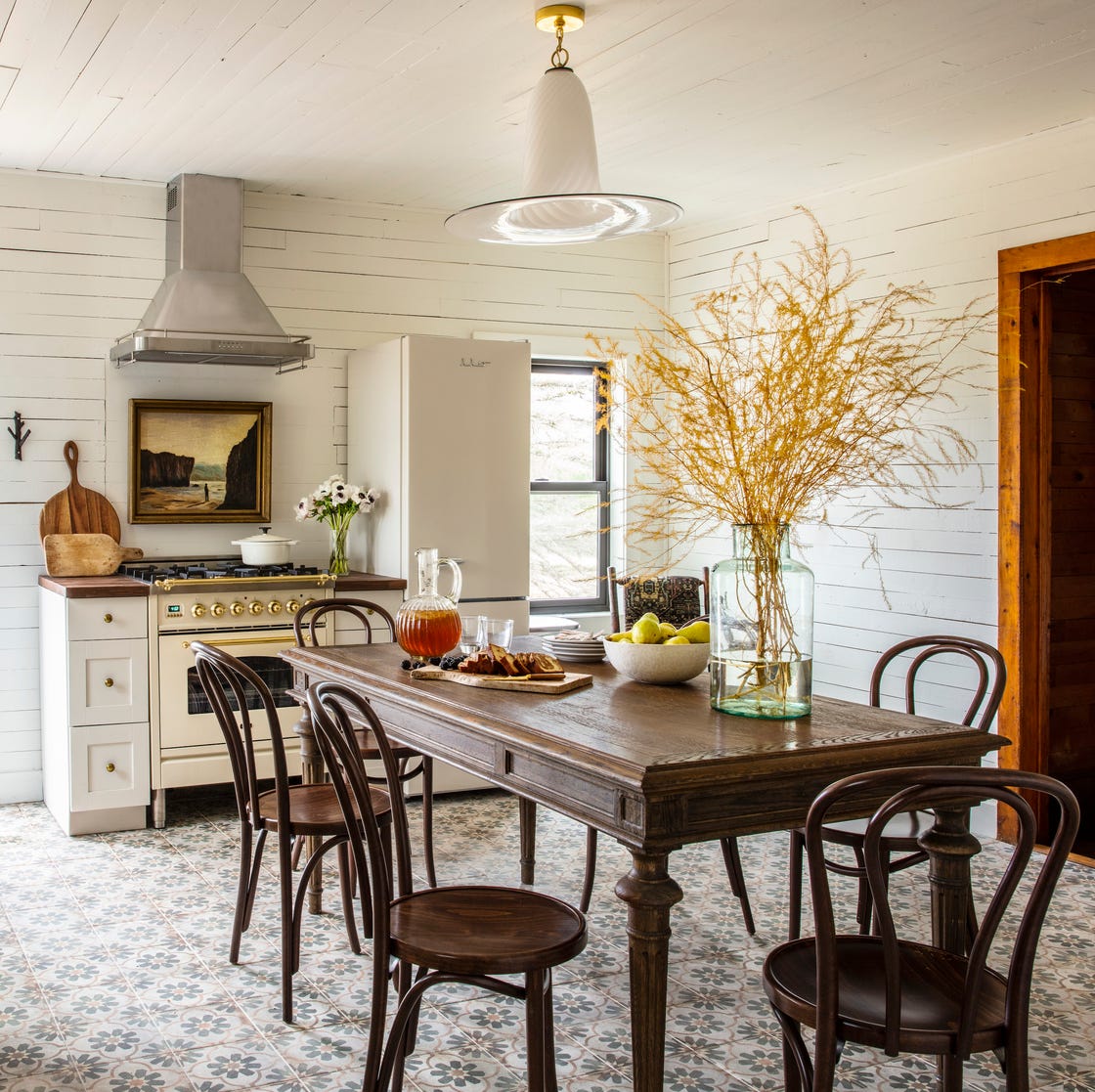
Is It Time to Say Goodbye to the Kitchen Island?
There’s Nothing Worse Than an Awkward Kitchen Island—Here’s How to Calculate Correctly