7 Things All Organized Kitchens Have in Common, According to Professional Organizers
Achieving an organized kitchen is often simpler than perceived, and expert insights can guide this transformation. Professional organizers and interior designers identify several key commonalities in well-kept kitchens that contribute to their functionality and tidiness.

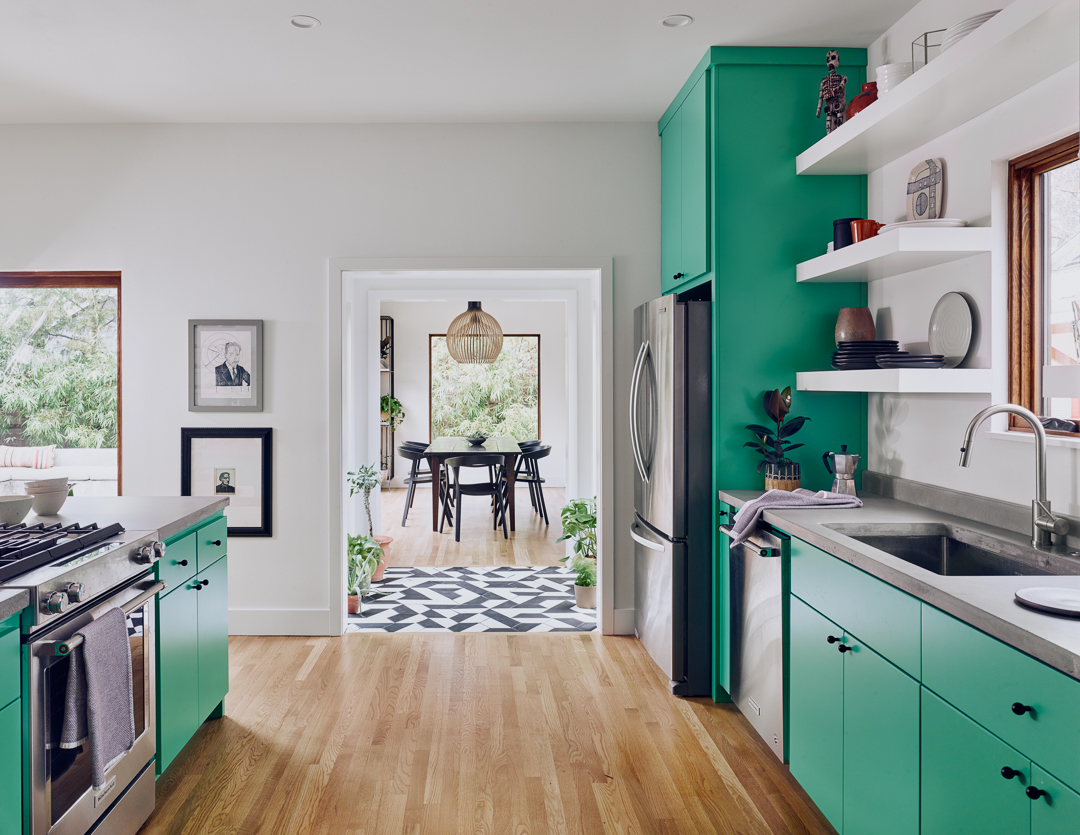
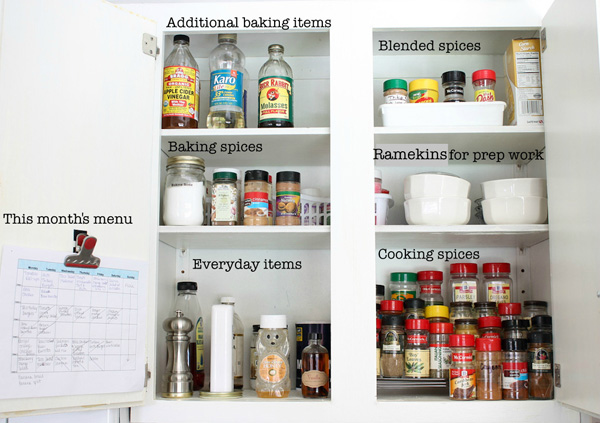
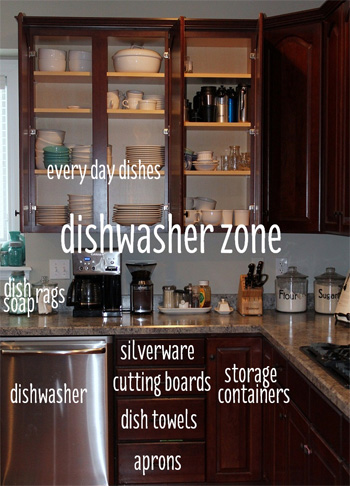
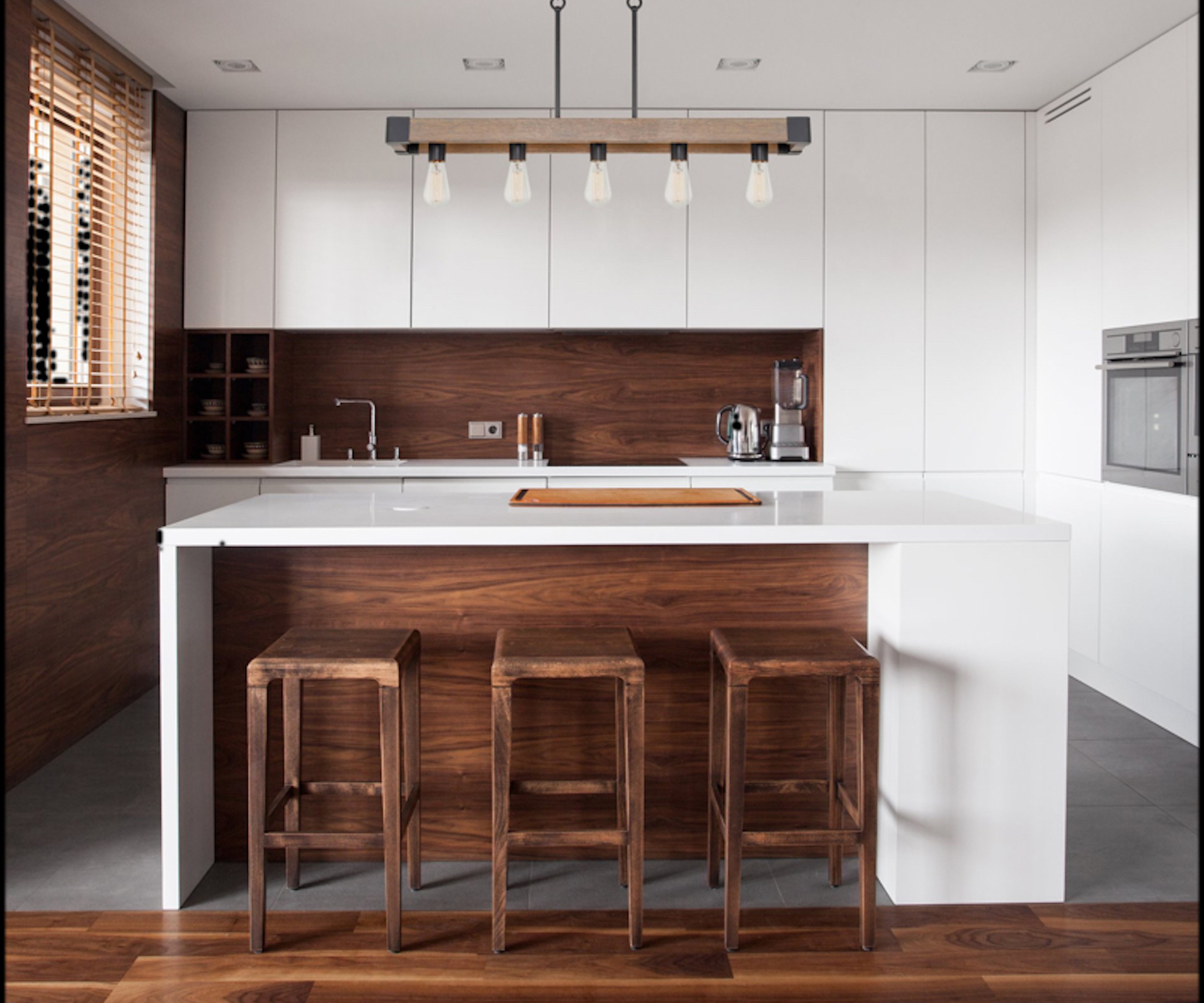
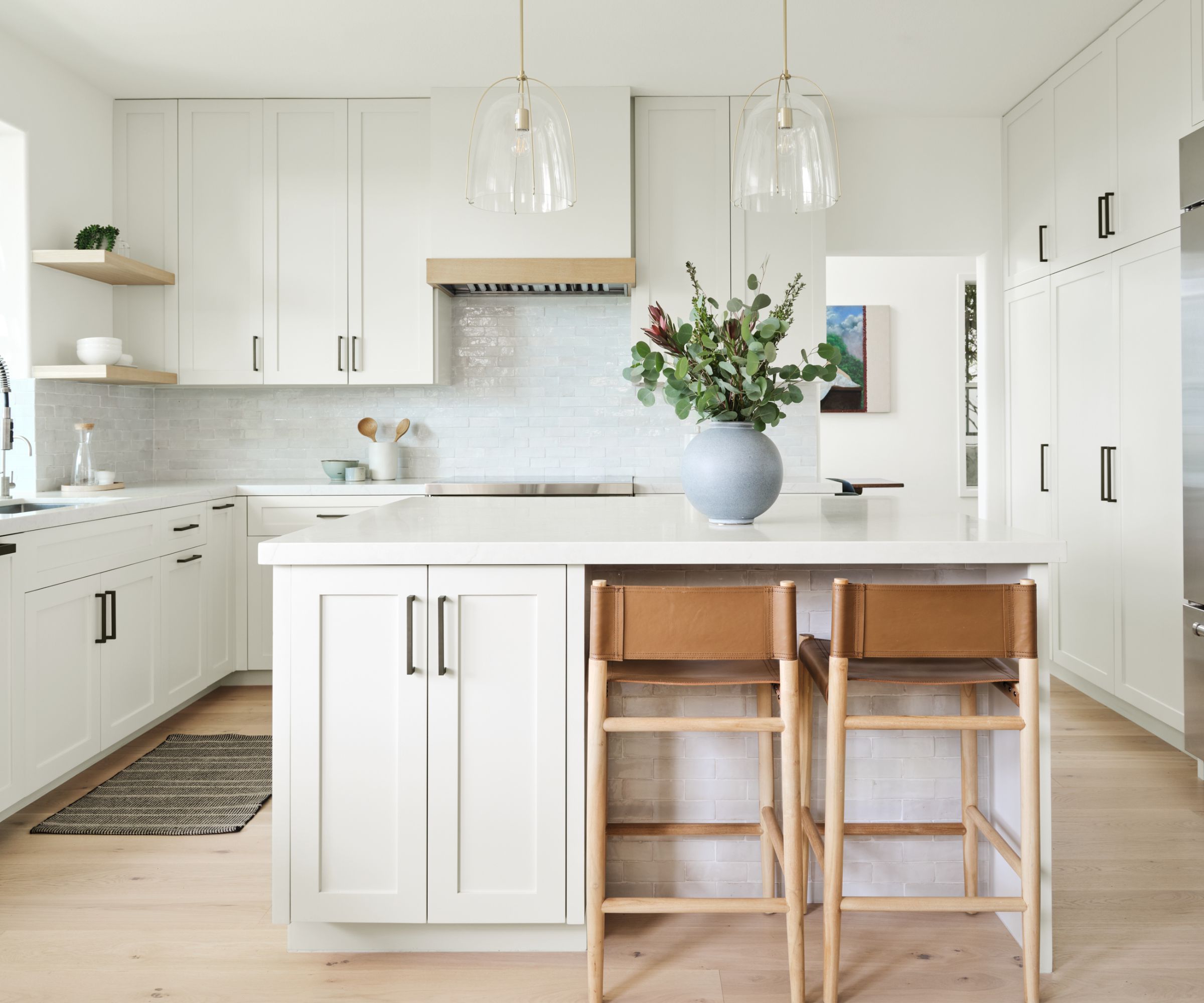
Firstly, a sense of flow and efficiency is paramount. Kitchen layouts should be designed to support daily activities seamlessly. For instance, the strategic placement of a pull-out trash can next to the sink and dishwasher is crucial for smooth operation. Similarly, the refrigerator's proximity to a prep area, such as an island, where vegetables are chopped, optimizes workflow. This concept extends to grouping similar items together; all baking tools, cookie sheets, measuring cups, and mixing bowls should be stored in the same area for easy access during baking tasks.
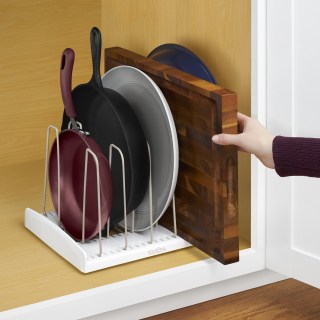
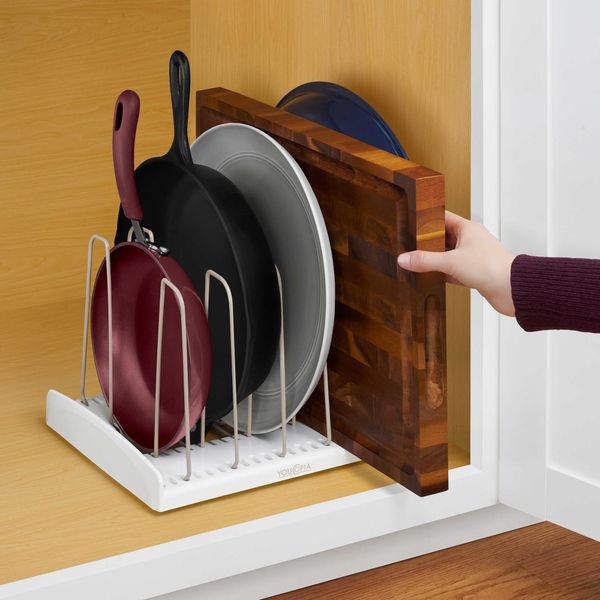
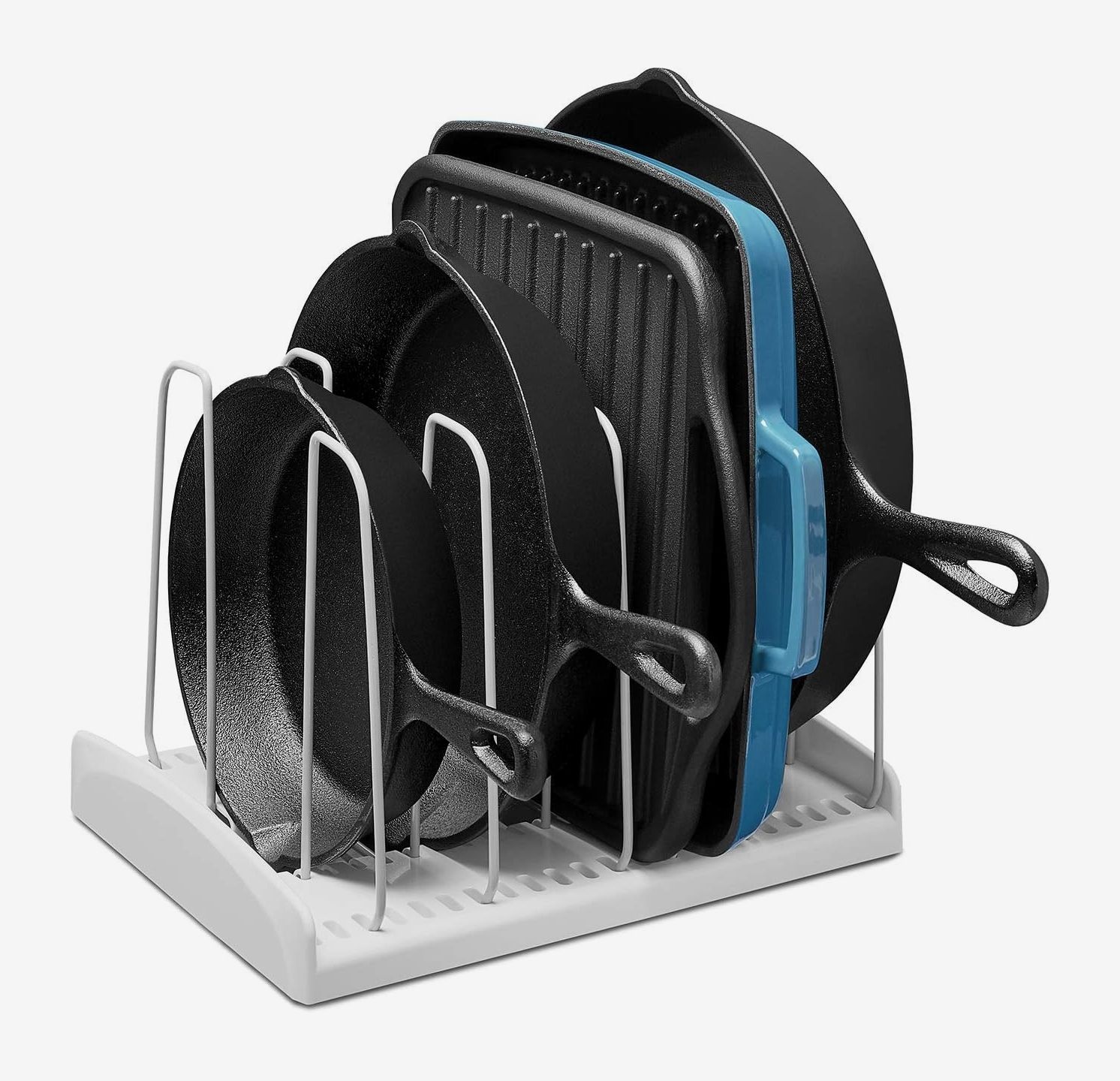
Secondly, the integration of a tray or baking sheet divider is a simple yet effective tool for maintaining order. Such dividers prevent the accumulation of baking sheets and trays into a chaotic pile, eliminating the need to search through a stack for a specific item and reducing noise and frustration.
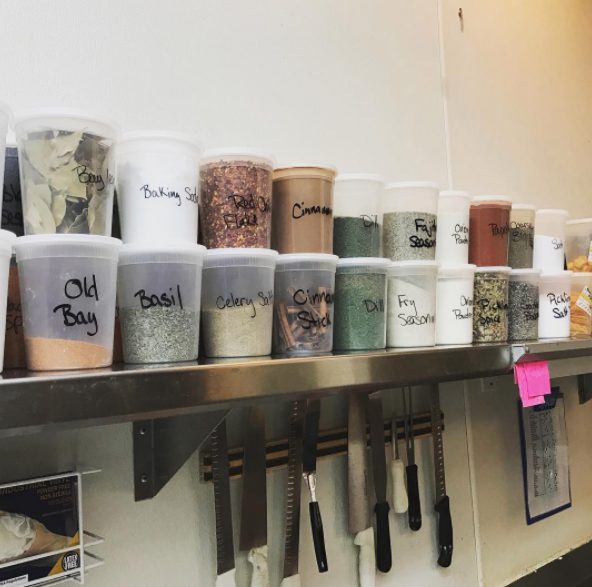
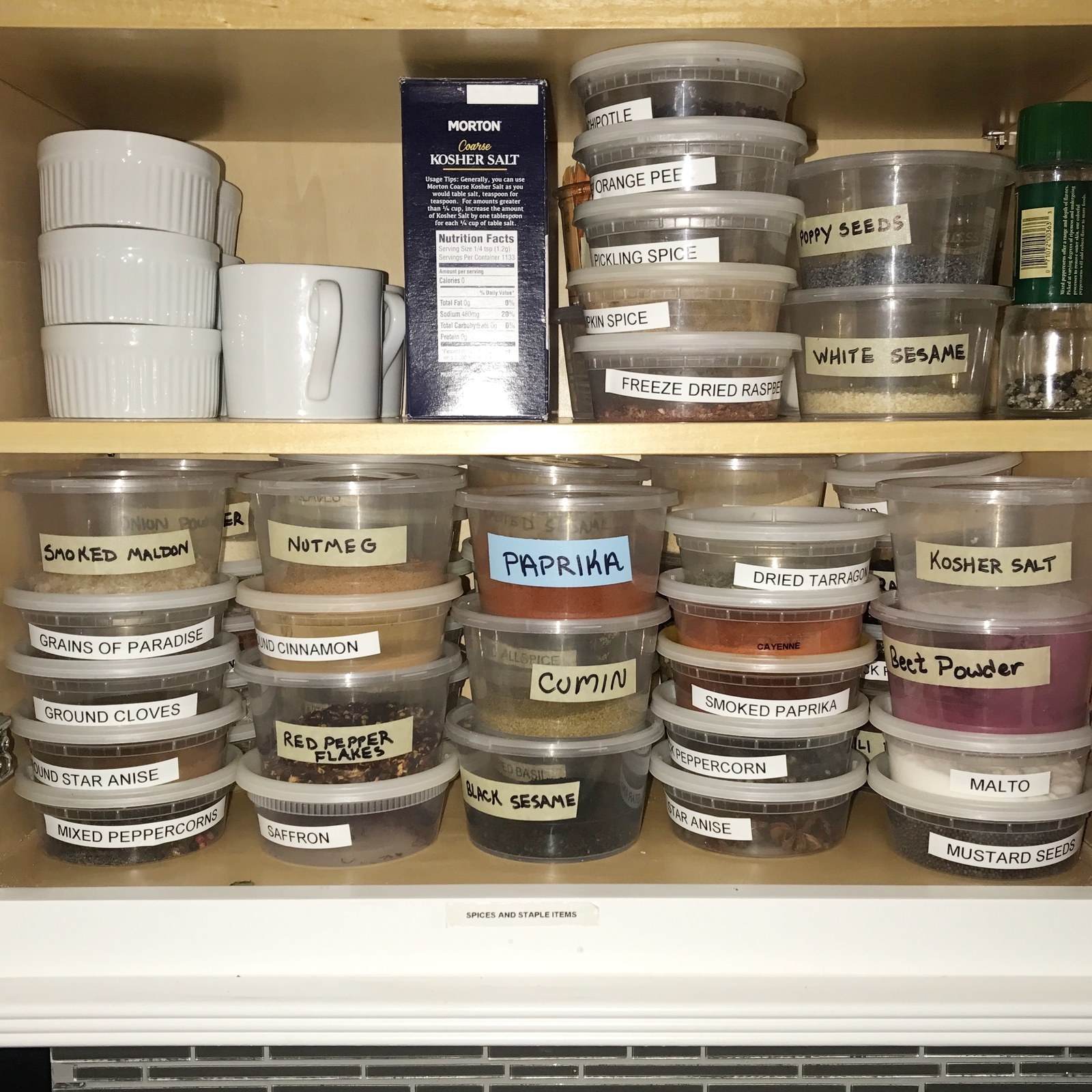
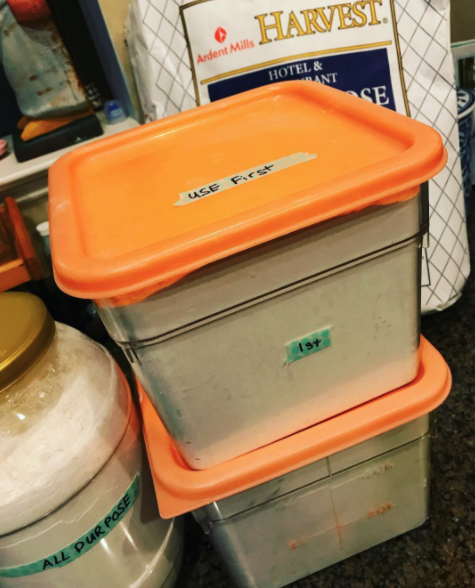
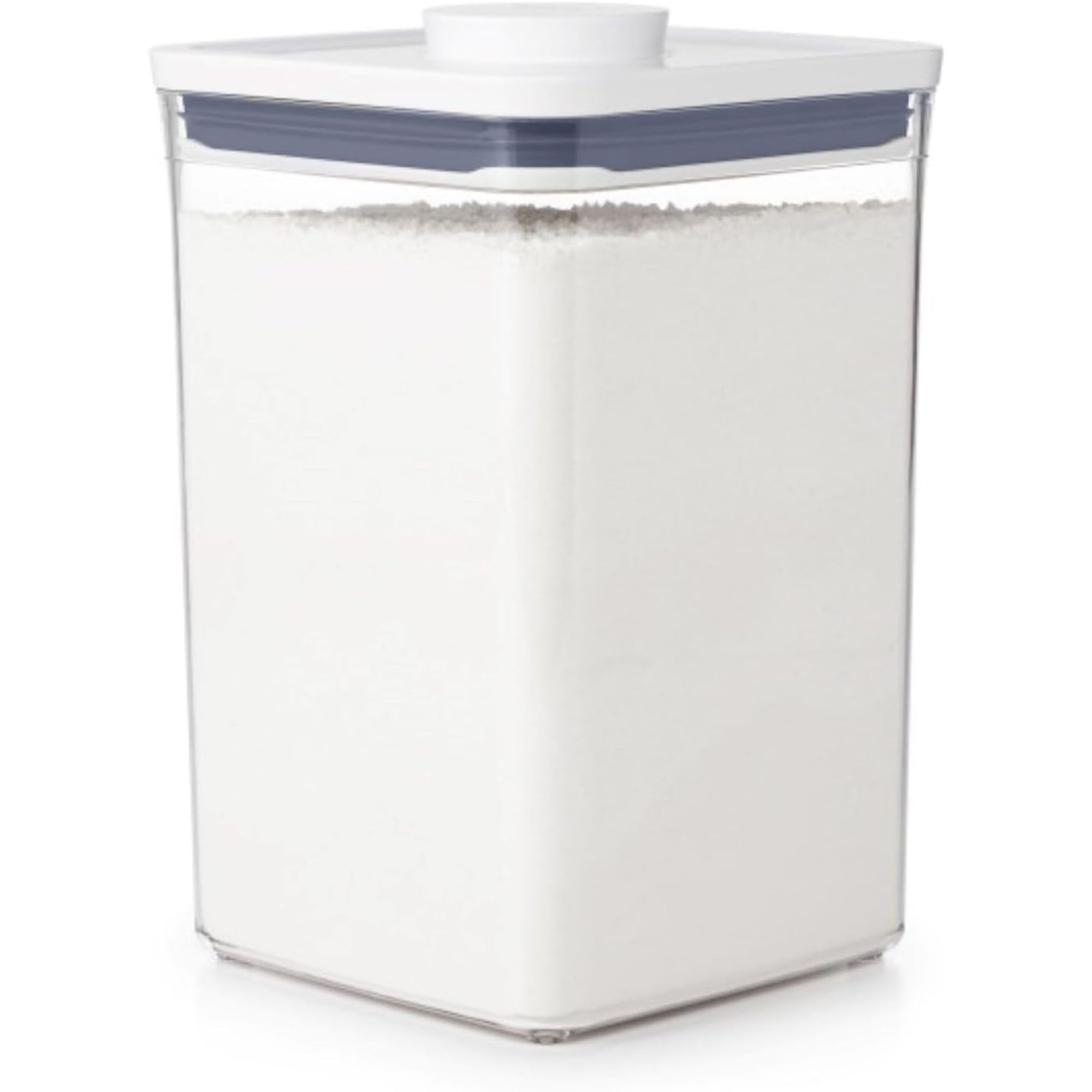
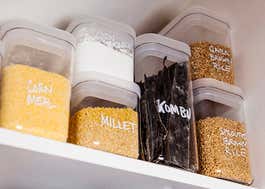
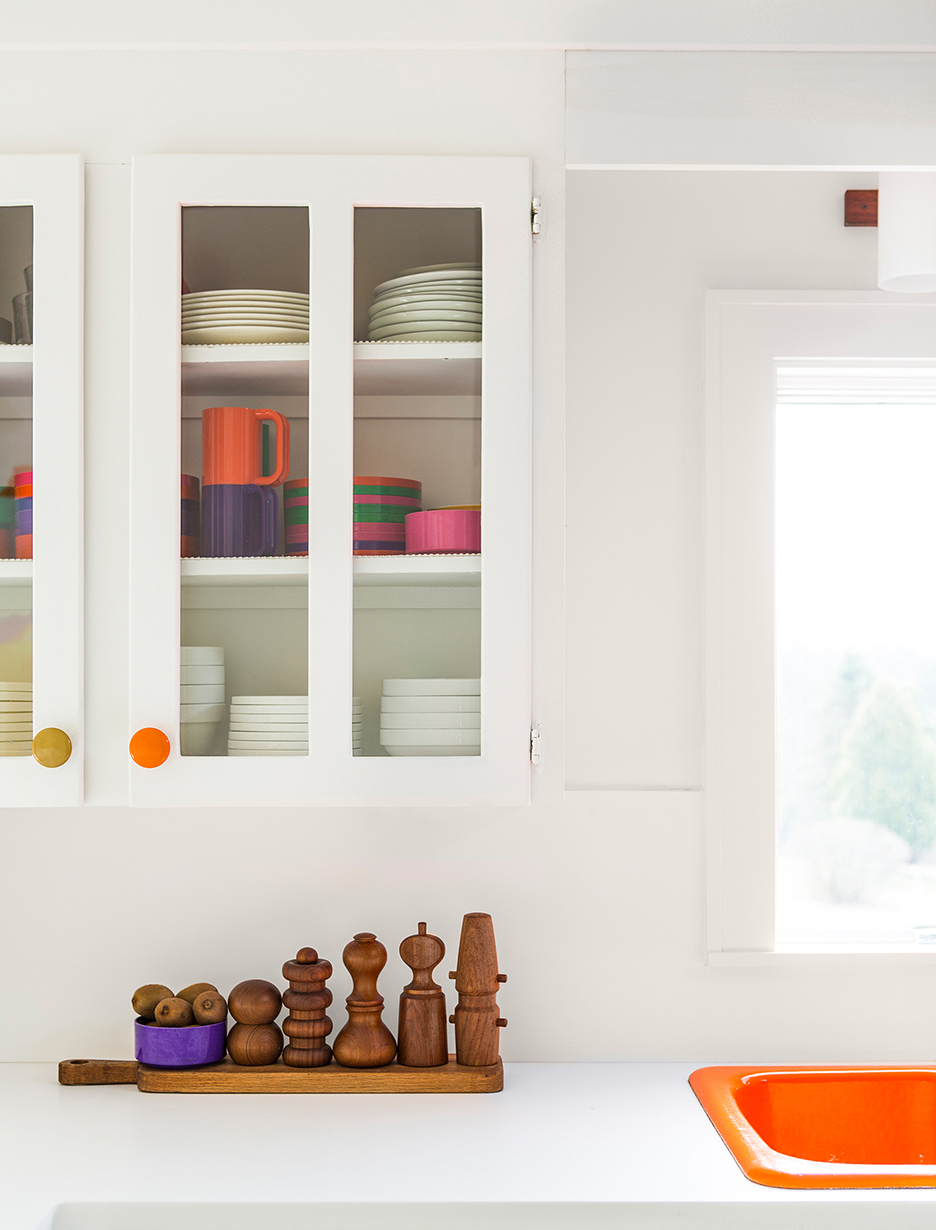
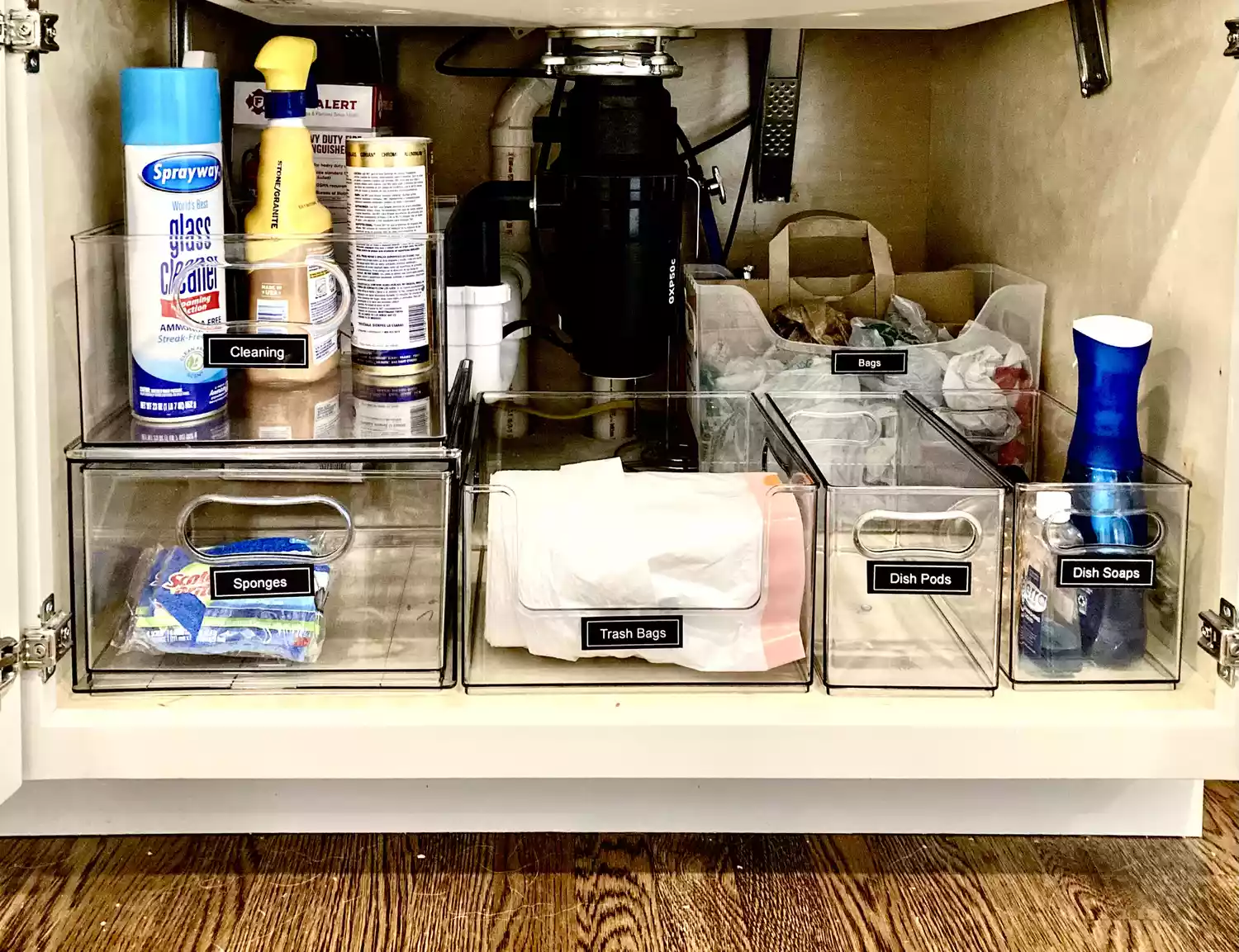
Thirdly, labeling is a fundamental aspect of an organized kitchen. Labels ensure that every household member understands where items belong, whether they are cooking, baking, or unloading the dishwasher. This practice creates a designated home for each item, simplifying the process of returning things to their proper places after use. Recommended items for labeling include cleaning supplies stored under the sink, containers for appliance parts, and food storage containers.
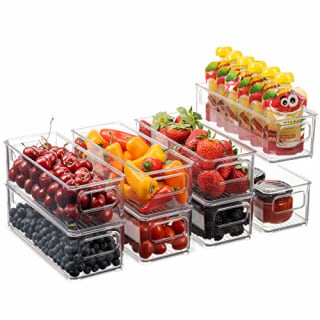
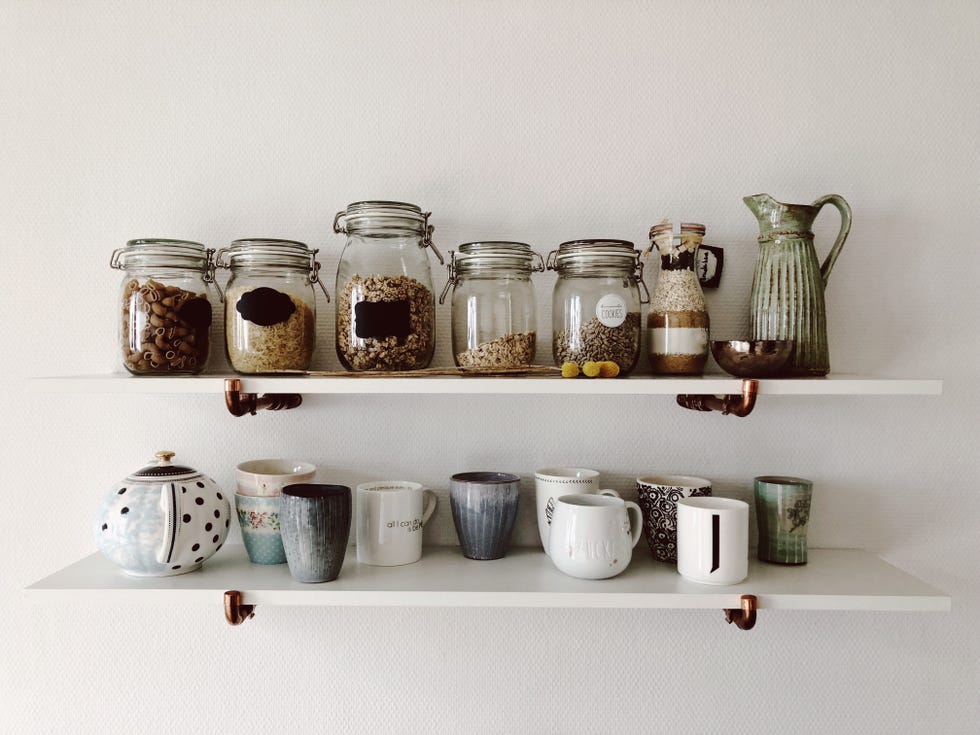
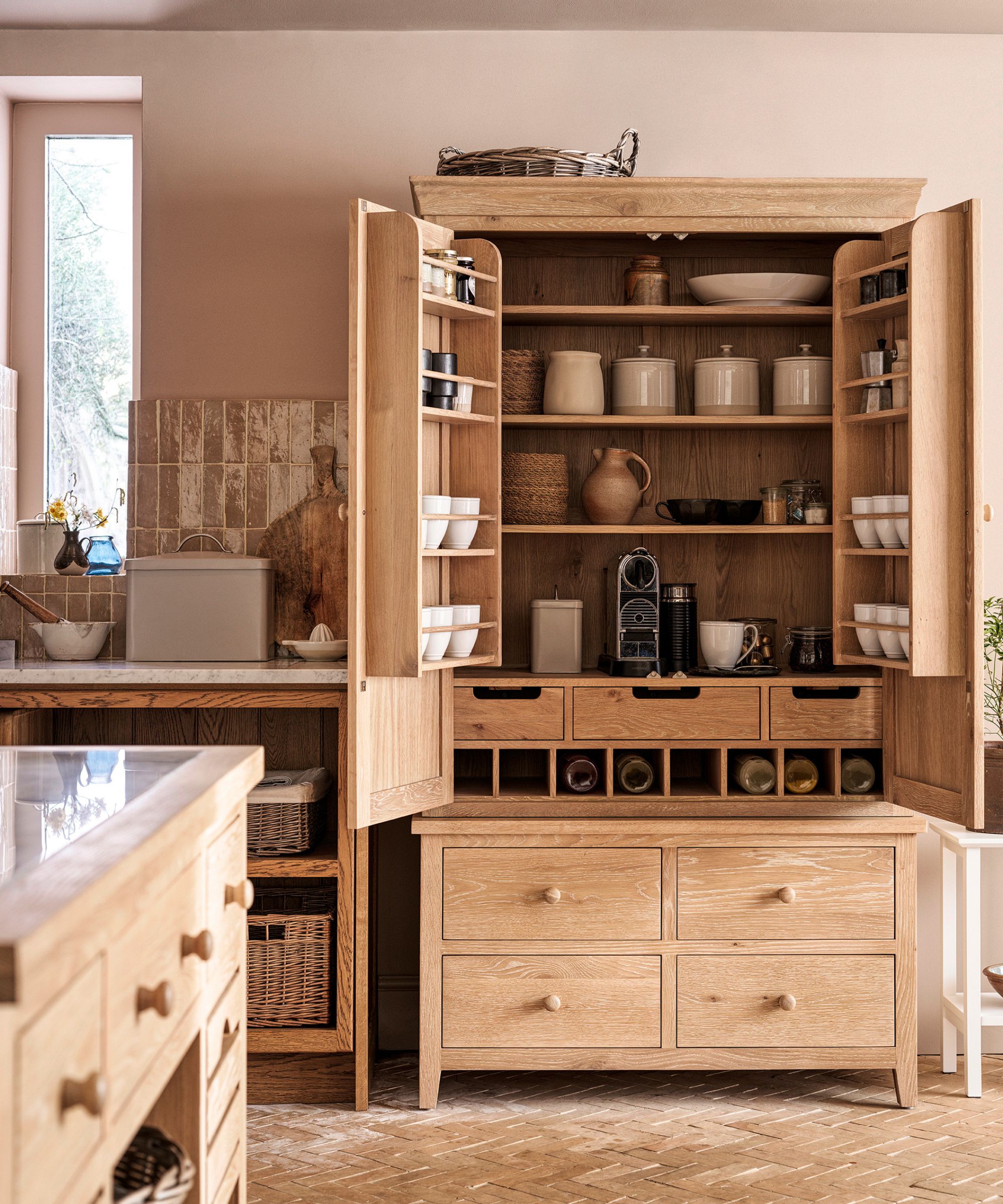
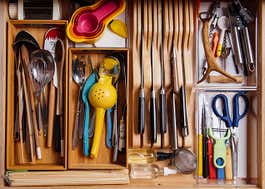
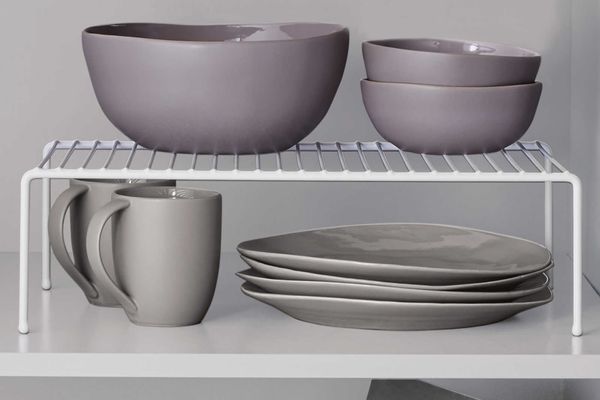
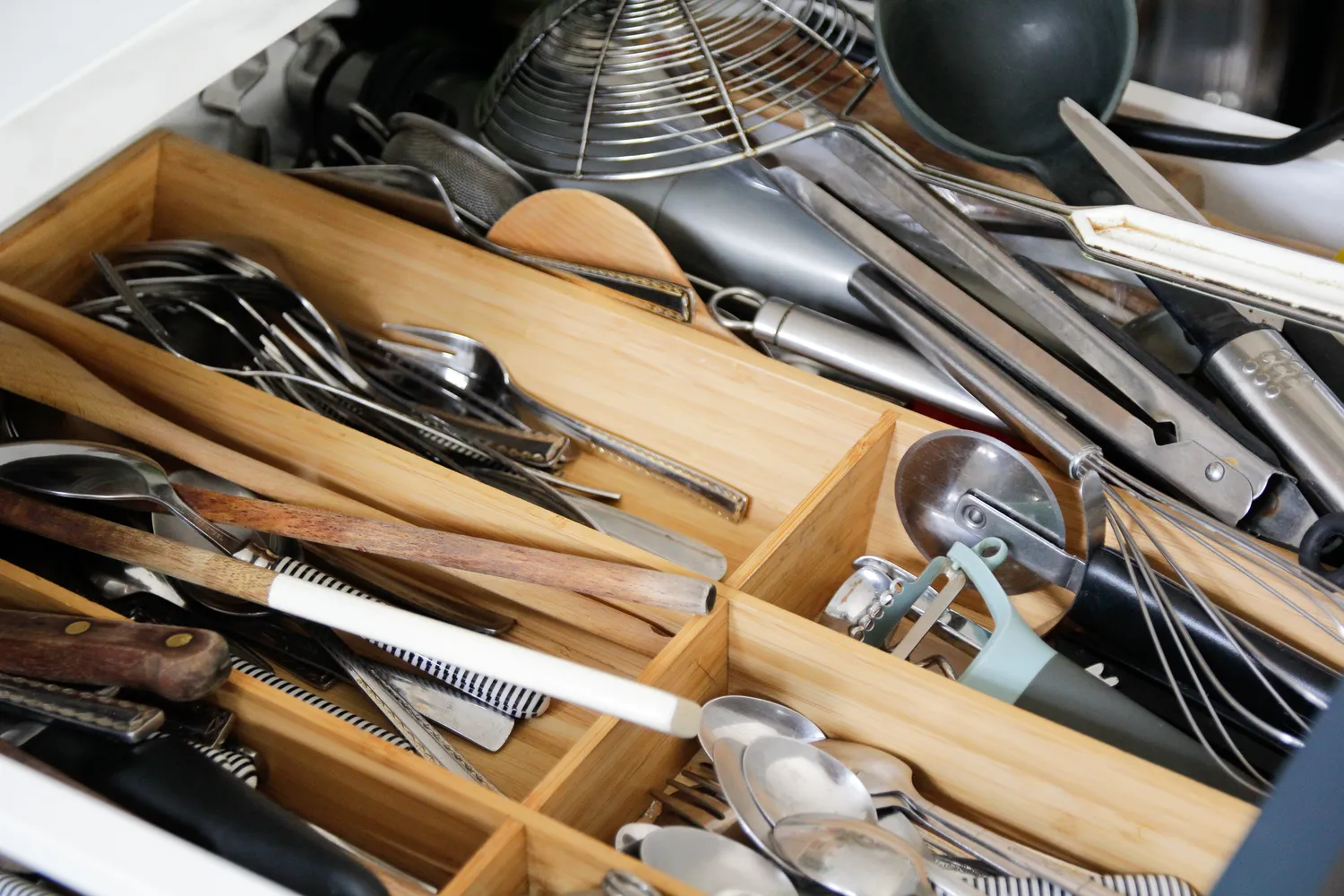
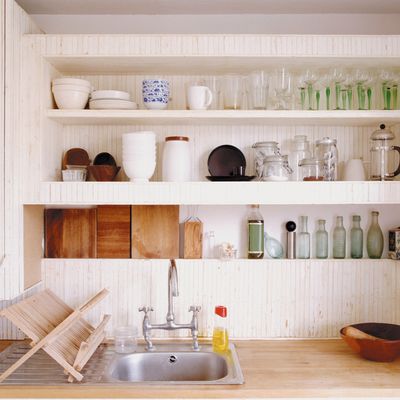
Fourthly, drawer and cabinet organizers are essential, regardless of kitchen size or the volume of supplies. Expandable bamboo dividers are particularly effective in preventing items from becoming a messy heap within drawers. Acrylic containers also prove useful for smaller items, ensuring they do not get lost at the back of cabinets.
Fifthly, frequent cleaning routines are critical for maintaining organization and preventing clutter buildup. Implementing a daily practice of cleaning the kitchen and running the dishwasher ensures that dishes do not accumulate and that the space remains tidy. Adhering to a timed dishwasher schedule helps to maintain a clutter-free environment by ensuring items are promptly put away.
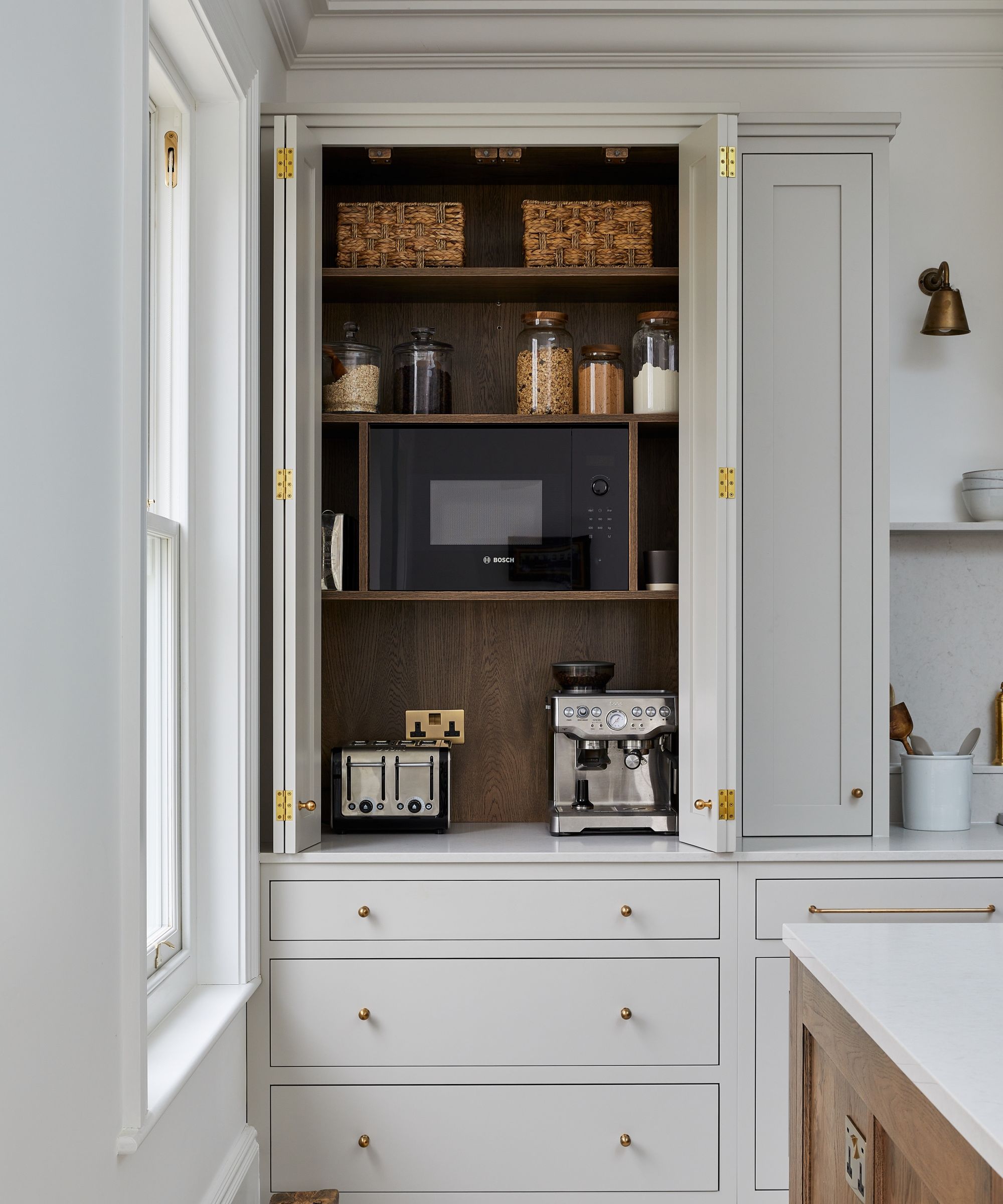
Sixthly, customized setups are encouraged. Kitchen organization should be tailored to individual needs and usage patterns rather than strictly adhering to conventional layouts. For example, if a spice drawer is unused due to a lack of spices, it can be repurposed to store other items like oven mitts, maximizing the utility of the available space.
Finally, thoughtful purchasing decisions play a significant role. Before acquiring new appliances or kitchen gadgets, it is advisable to consider their designated storage spot. This deliberate approach ensures that every new item brought into the kitchen has a home, thereby preventing impulsive purchases that contribute to clutter. These seven principles collectively foster a functional, efficient, and well-organized kitchen environment.
#KitchenOrganization #HomeImprovement #Decluttering #ProfessionalOrganizers #EfficientKitchen #StorageSolutions #KitchenDesign #HomeDecor #KitchenOrganization #HomeImprovement #Decluttering #ProfessionalOrganizers #EfficientKitchen #StorageSolutions #KitchenDesign #HomeDecor
0 comment in total
 No comments yet
You may also like
All The Secrets To Organize Your Kitchen

16 Kitchen Organization Tricks I Learned Working In Restaurants

7 things people with organized kitchen pantries always do
I Deep Cleaned My Sister's Kitchen for the First Time in Ages and I Threw Out These 9 Things Immediately
Best kitchen organization ideas from experts - TODAY

We Asked the Experts: How Do You Keep Your Kitchen Organized?
An Orderly Kitchen Makes an Organized Life
Top-to-Bottom Kitchen Cabinet Storage Ideas Straight From an Expert Organizer
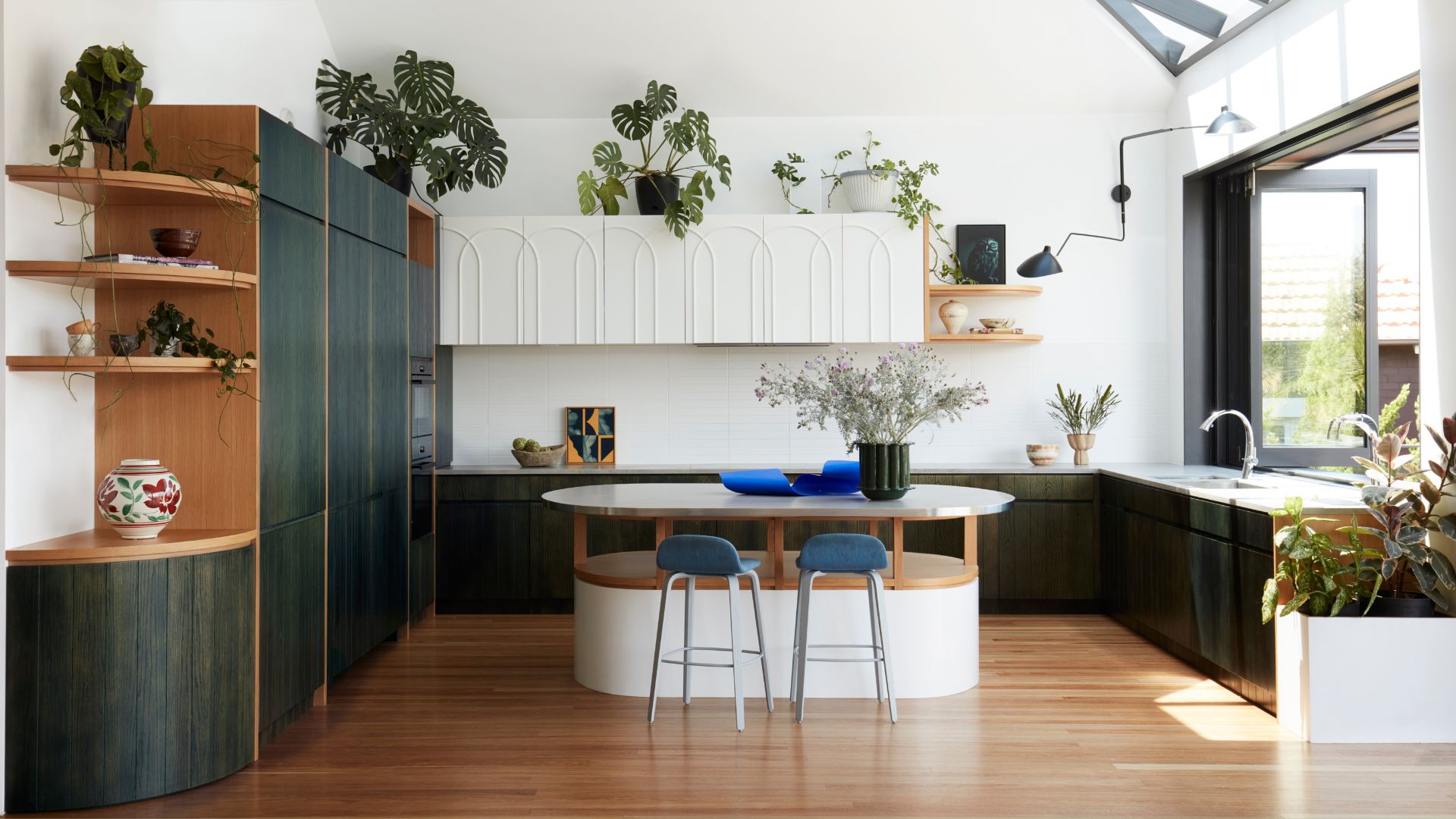
6 Things You'll Find in a Super Organized Kitchen and What You Can Do to Achieve This

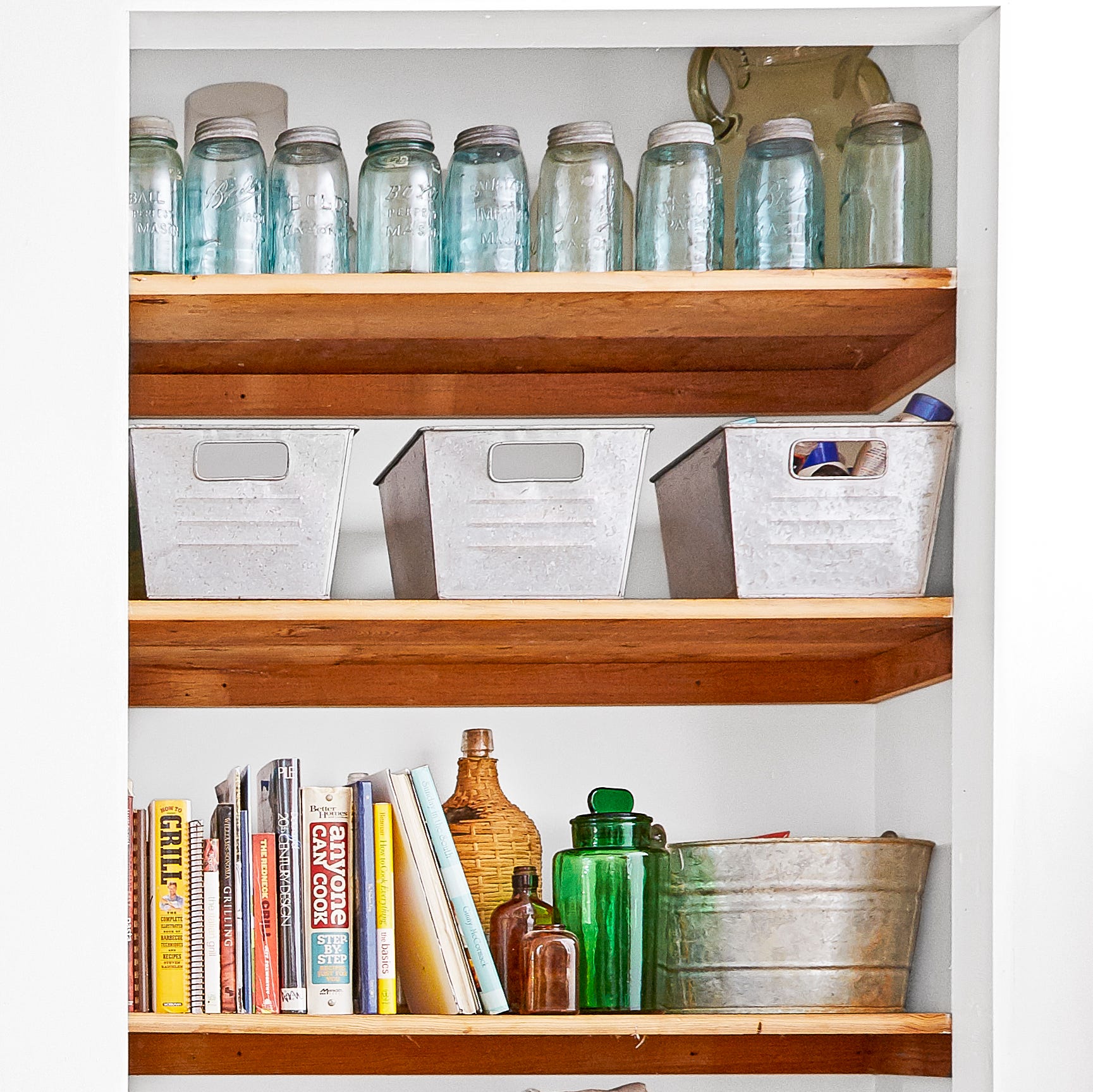
These Ideas Will Help You Get Your Kitchen Organized Once and For All

9 Tools to Organize Your Kitchen Like a Pro | Reviews by Wirecutter
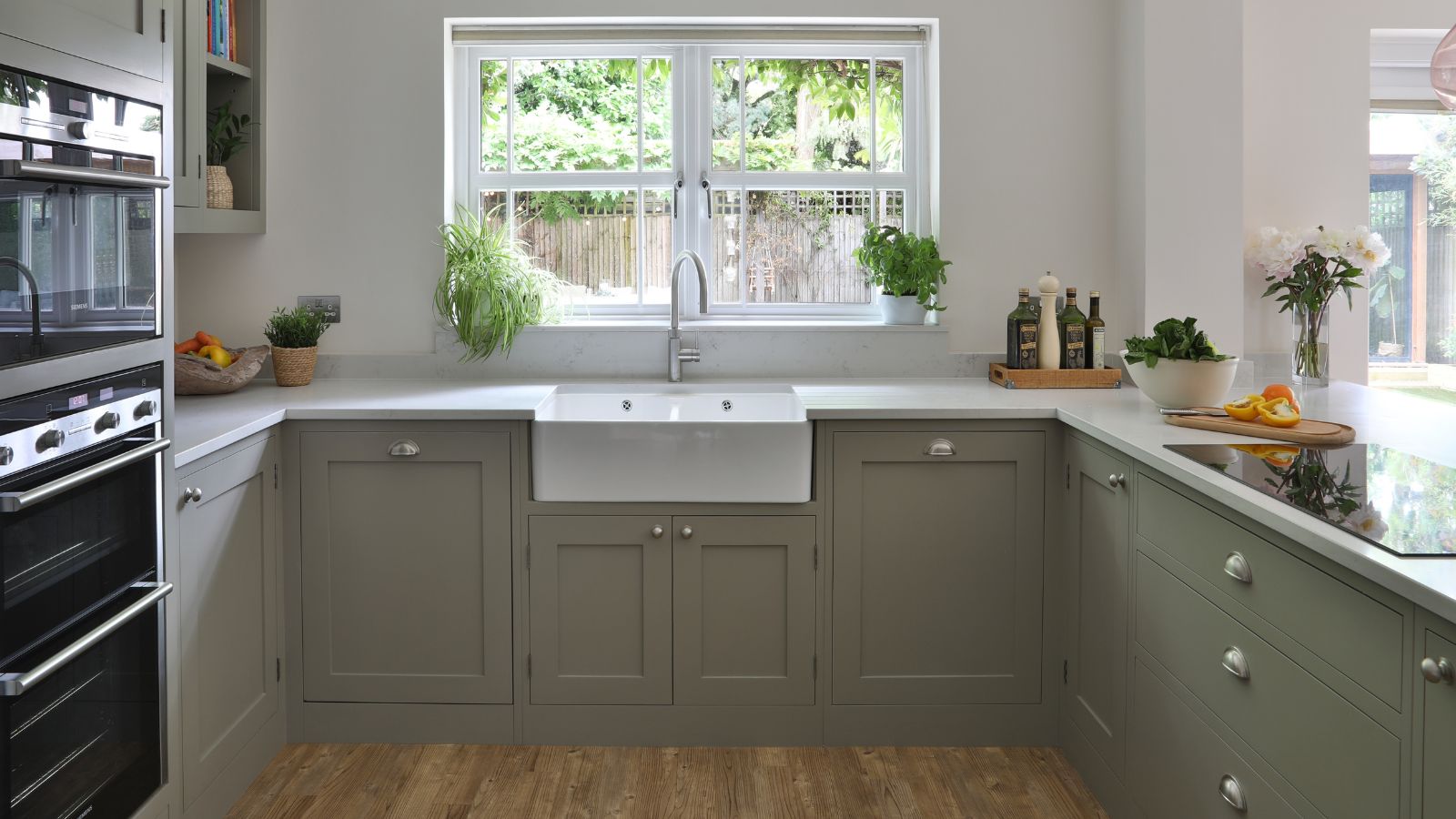
How to organize a U-shaped kitchen – 6 steps to streamlined perfection

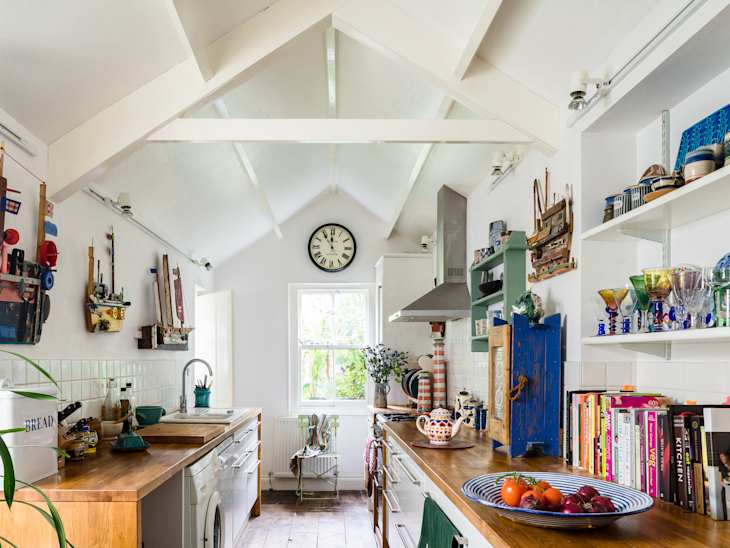
Pro Organizers Cringe When They See These 7 Things in a Kitchen
How to Organize a Kitchen — 11 Simple Ways to Best Maximize Space and Clear Clutter
How to organize a kitchen island — 7 expert tips from pros

10 things every kitchen needs, according to interior designers


6 cooking experts on how to organise your kitchen

Know your way around the kitchen

How to Organize Your Kitchen and Pantry, According to Professional Organizers
Throw Away These 12 Kitchen Items Immediately (and Be Glad You Did)