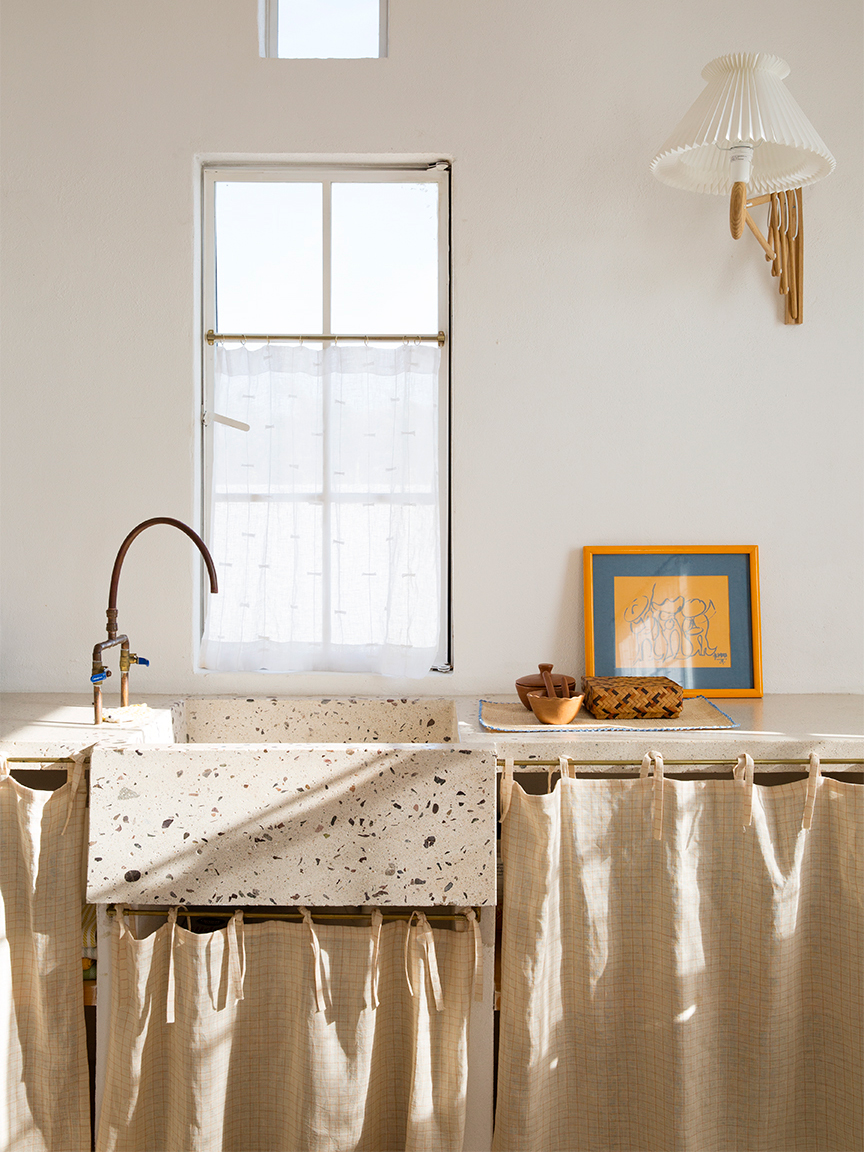
1/9
Top-to-Bottom Kitchen Cabinet Storage Ideas Straight From an Expert Organizer
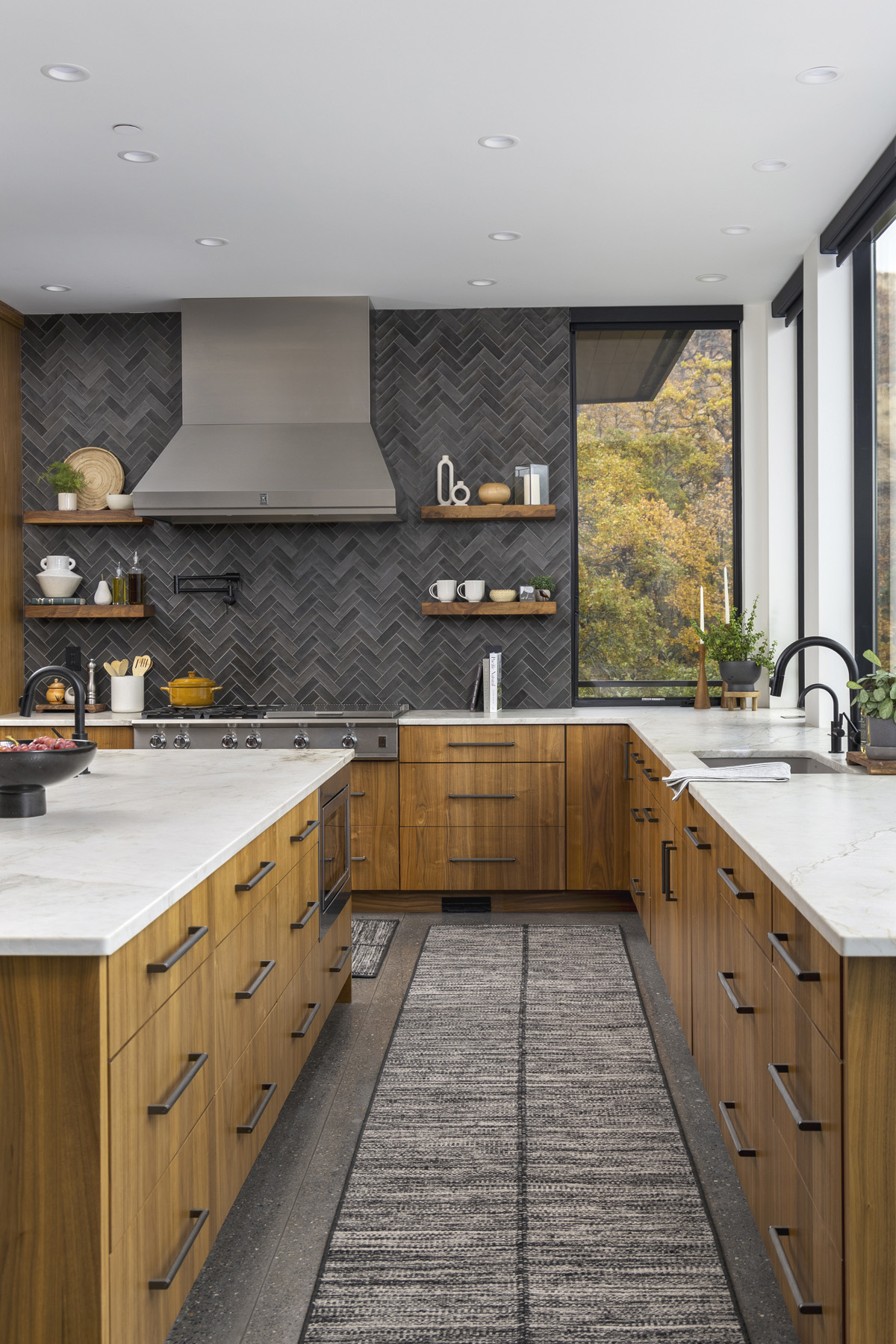
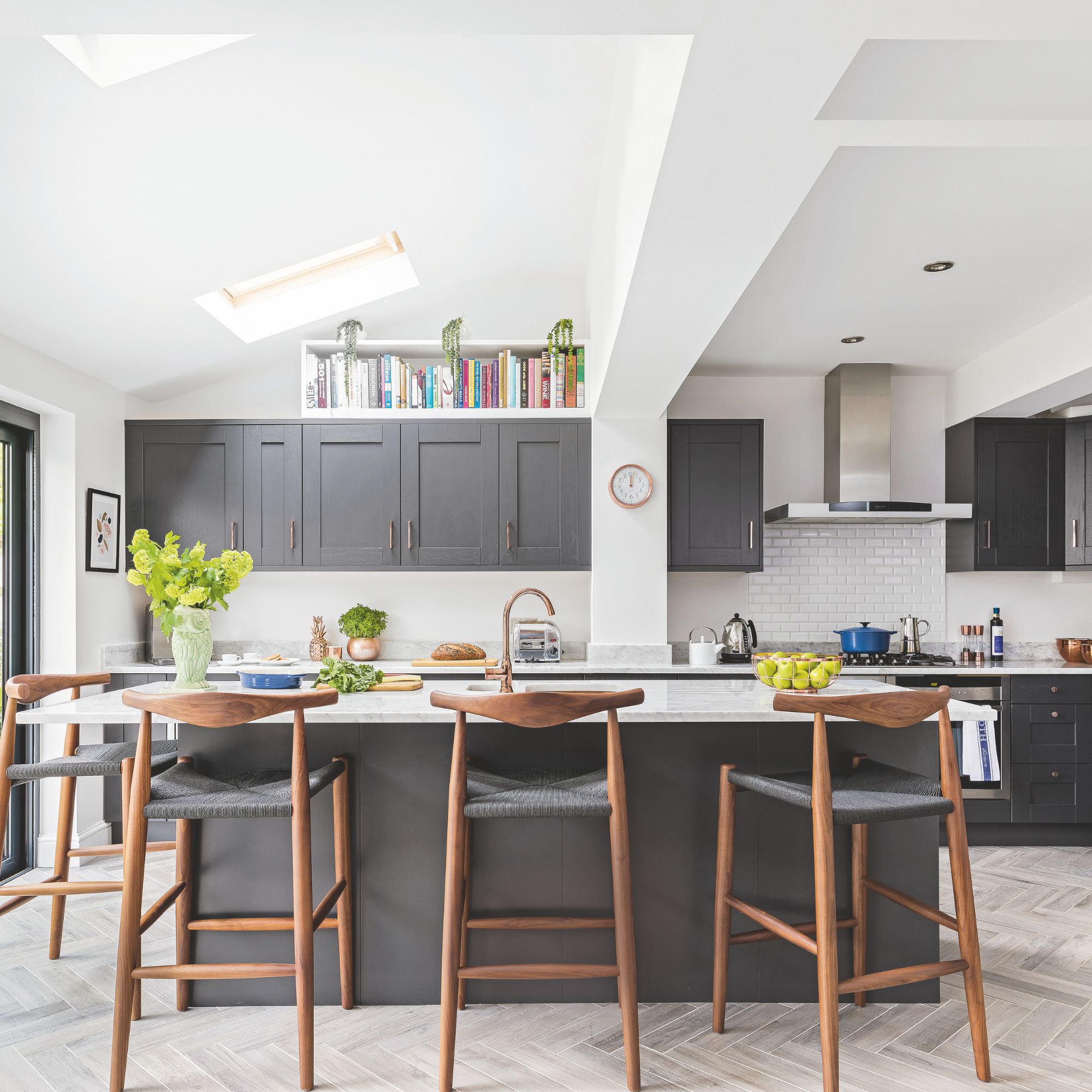
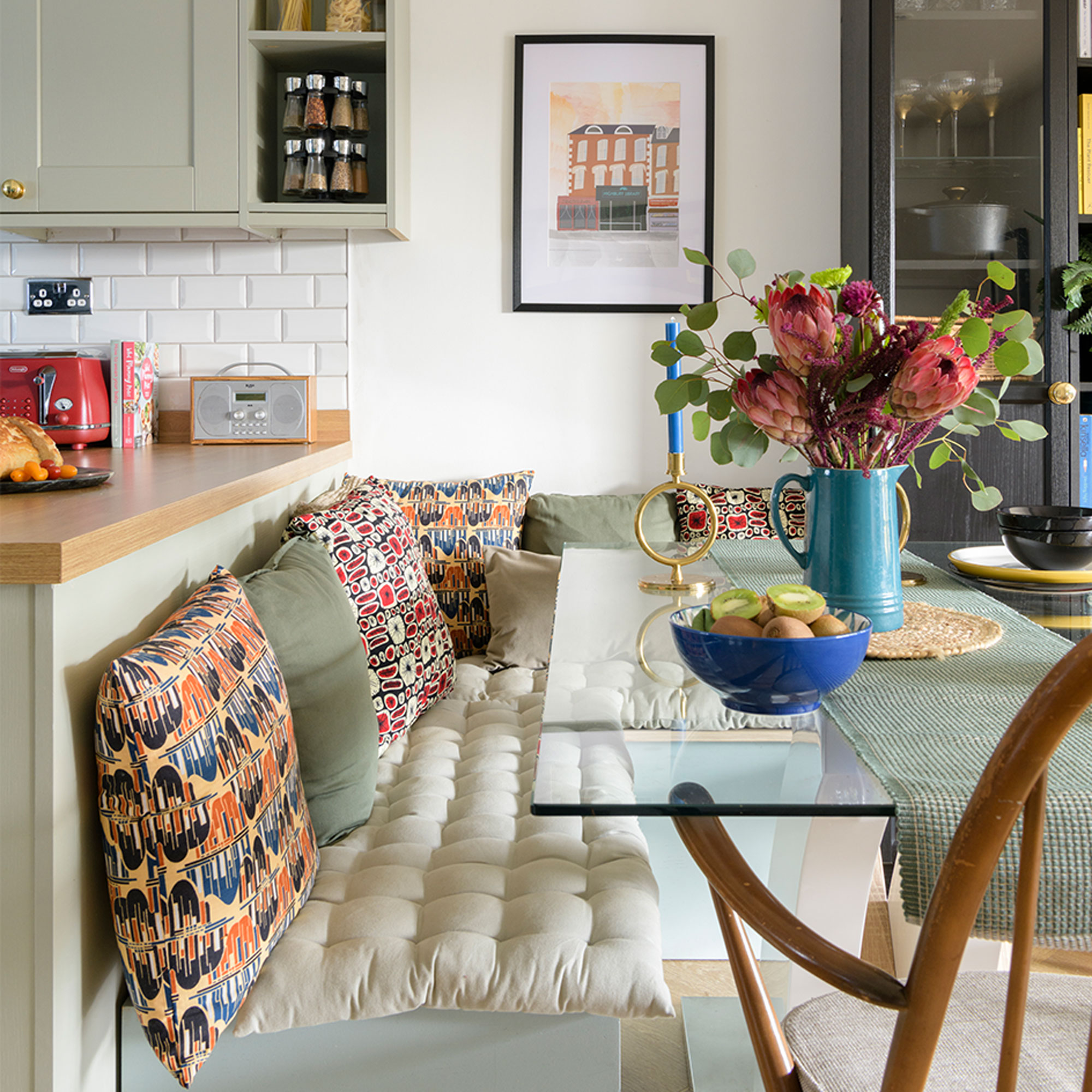
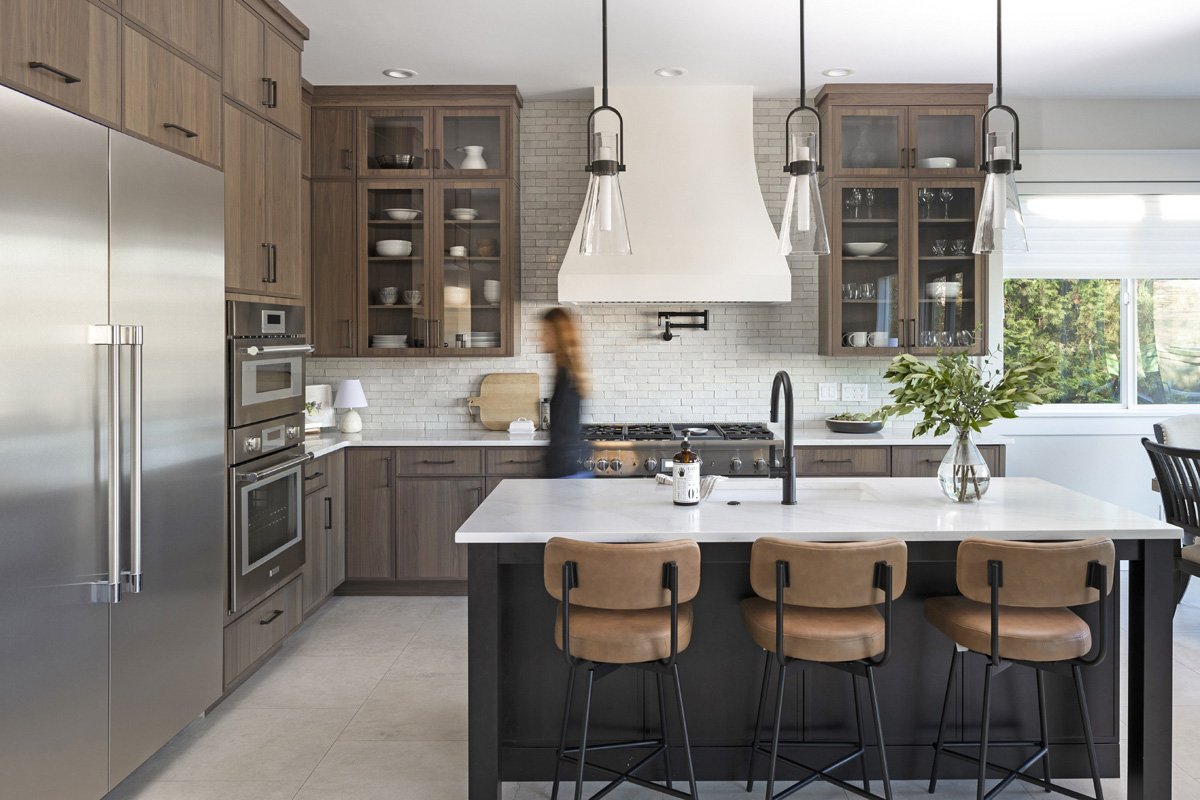
Effective kitchen cabinet storage is crucial for maintaining an organized and functional kitchen, regardless of whether one is a homeowner or a renter. The key principle for optimal organization revolves around creating 'zones' within the kitchen, as advised by Los Angeles-based professional organizer Shara Kay. This approach involves arranging items based on their proximity to major appliances like the stove, sink, and dishwasher, ensuring easy access and efficient workflow.
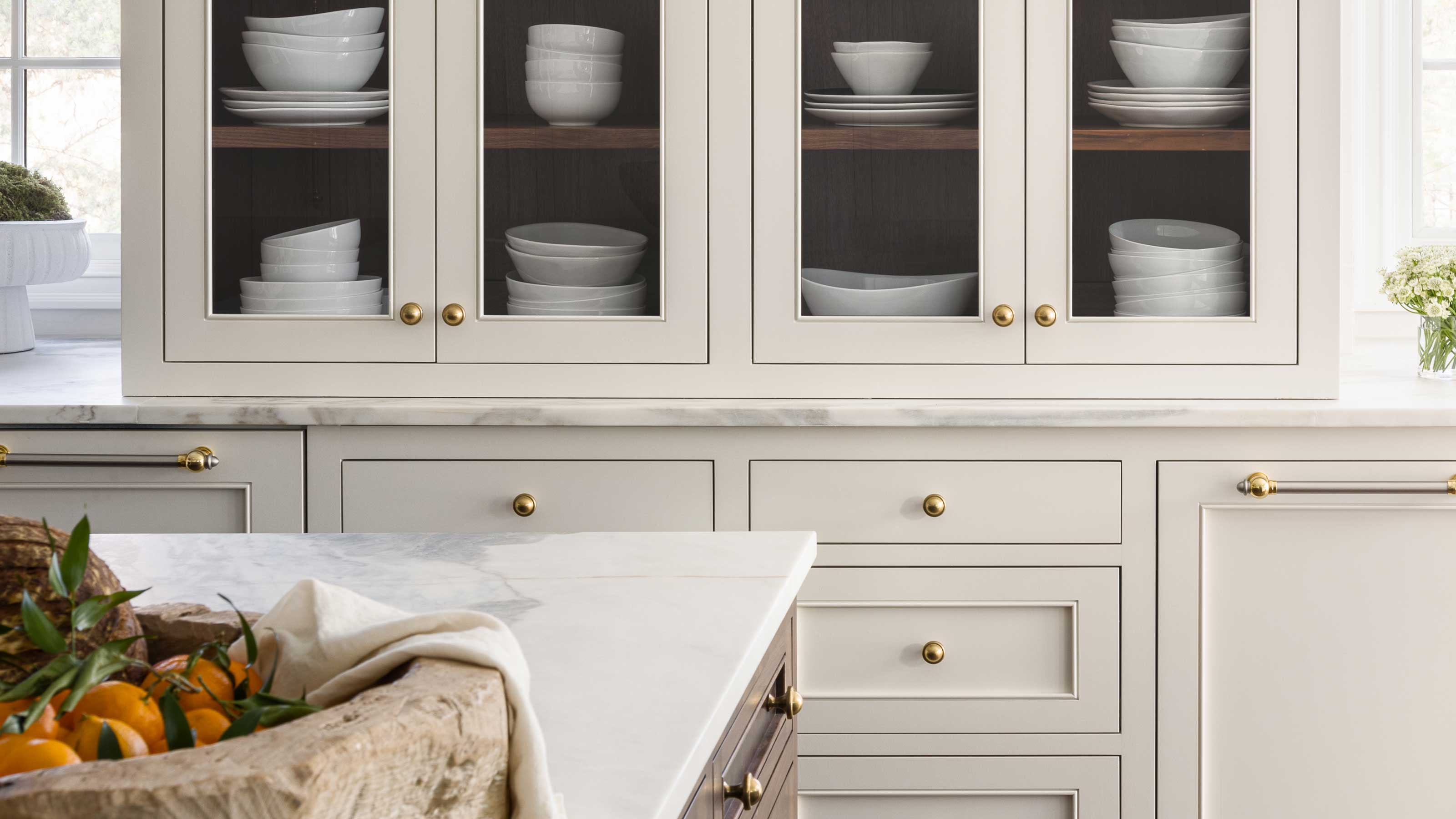
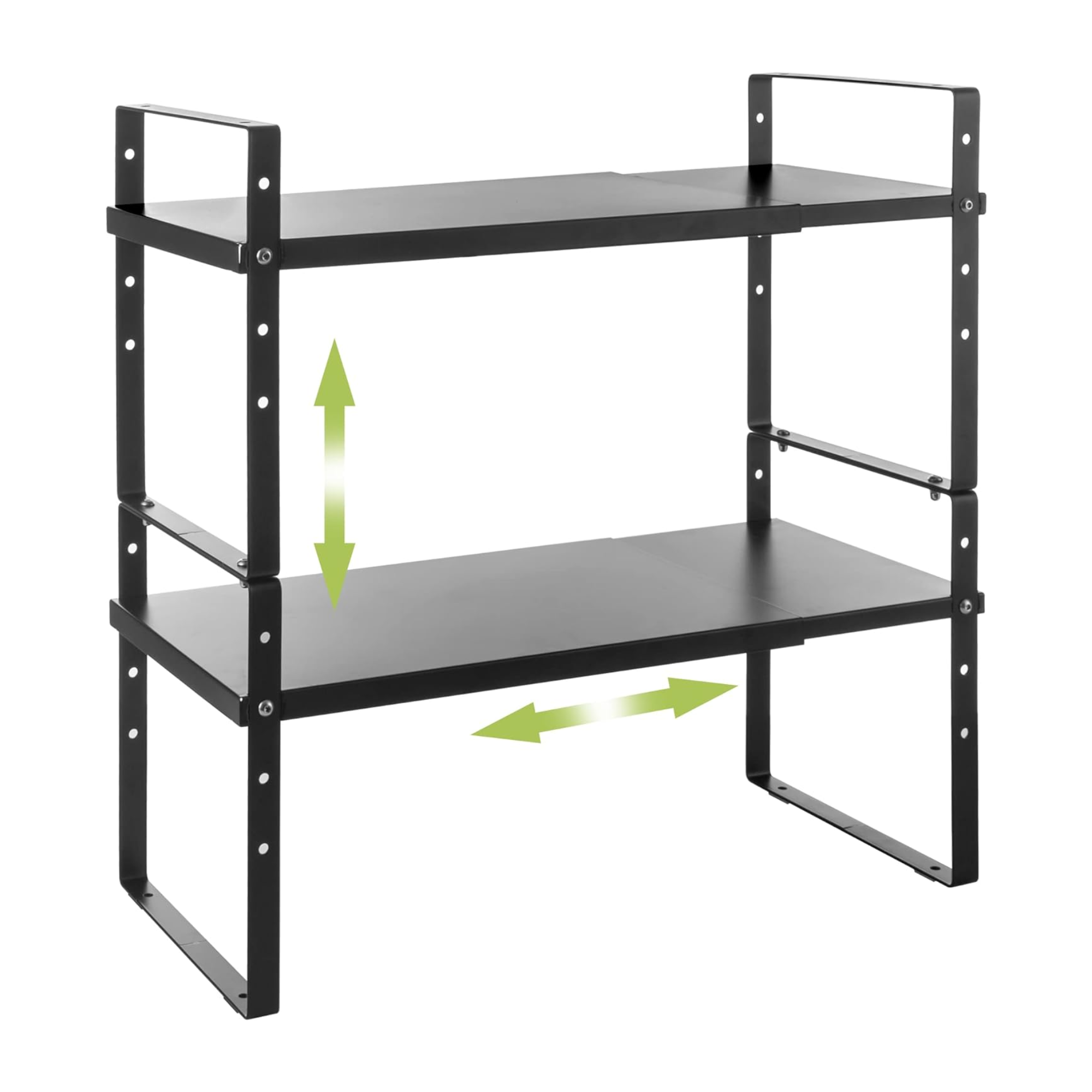
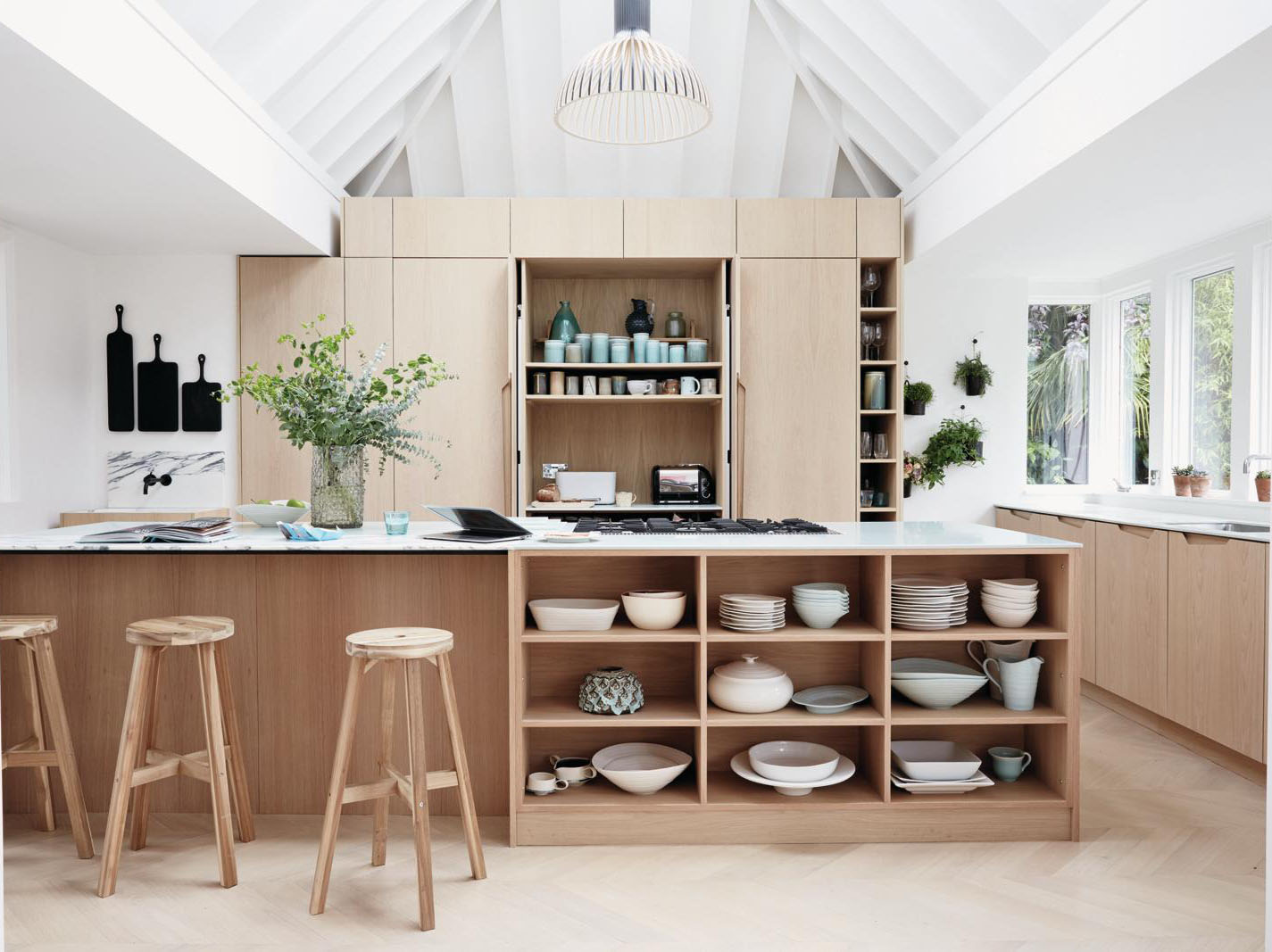
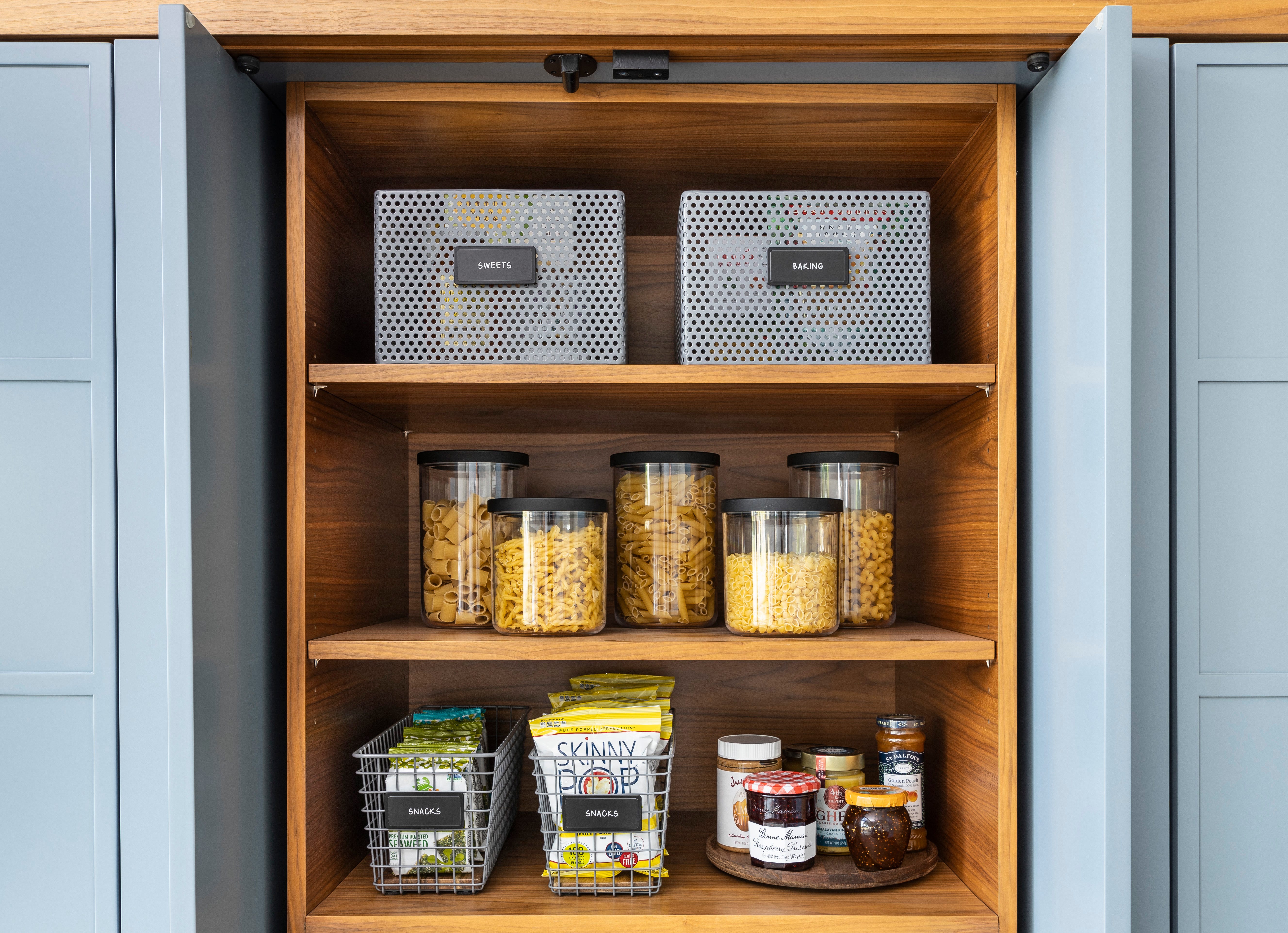
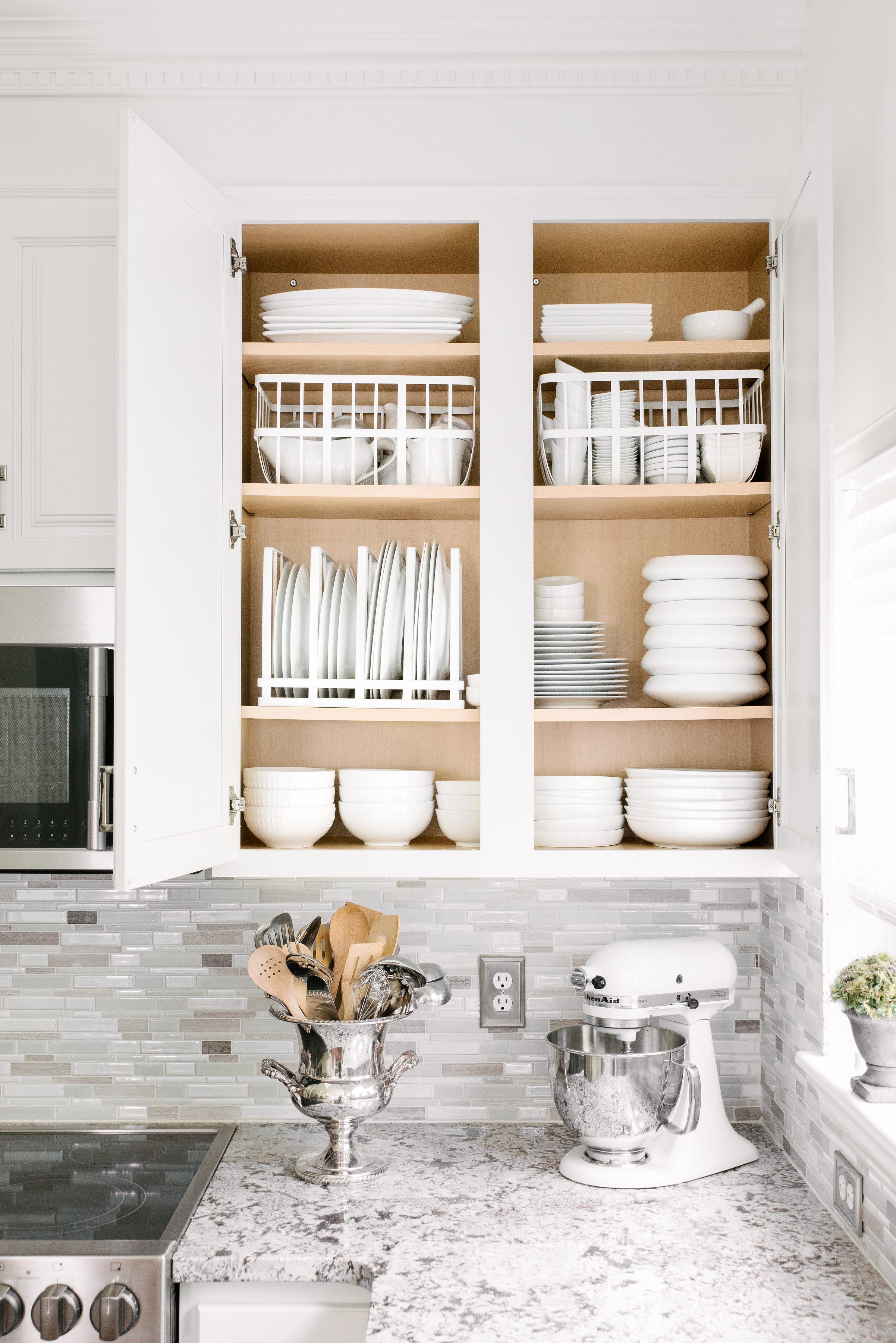
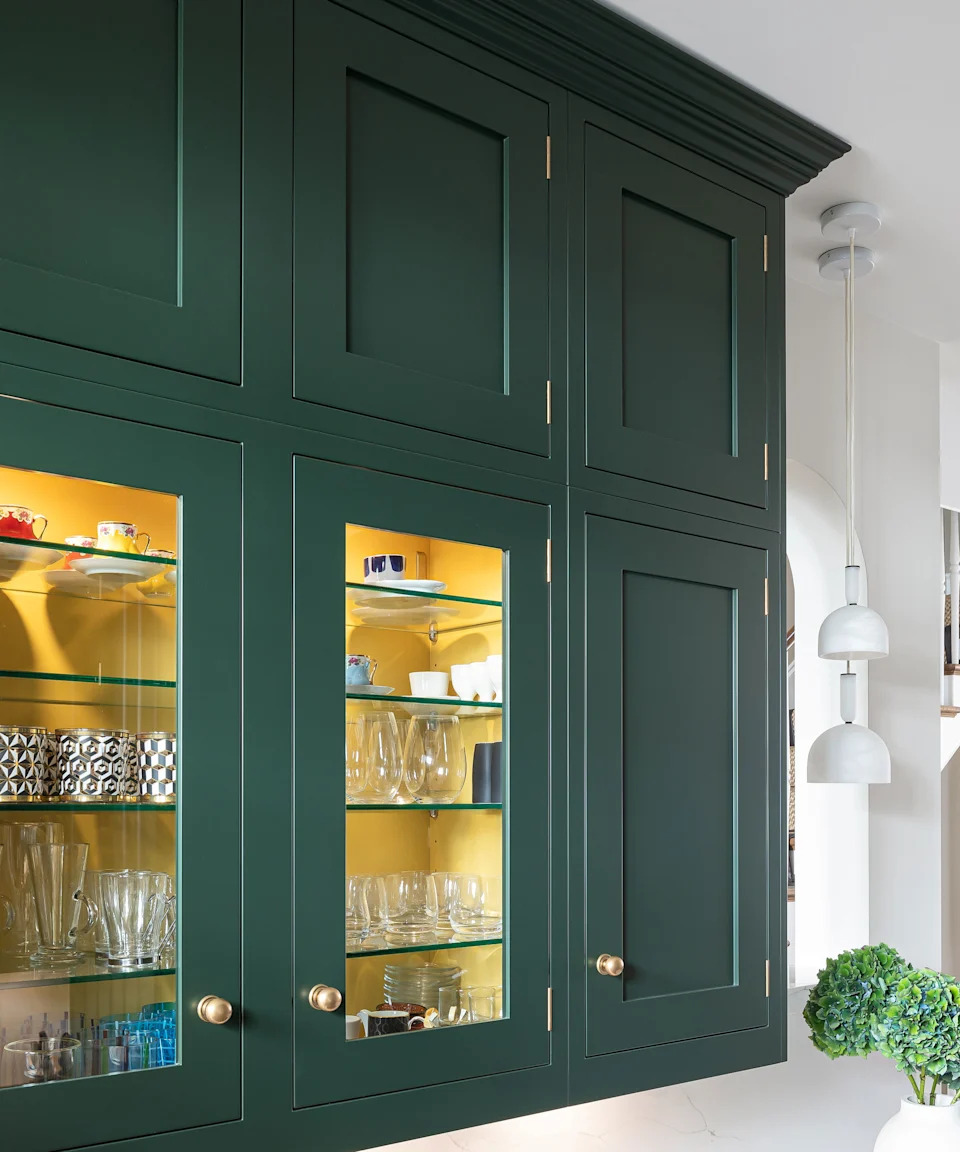
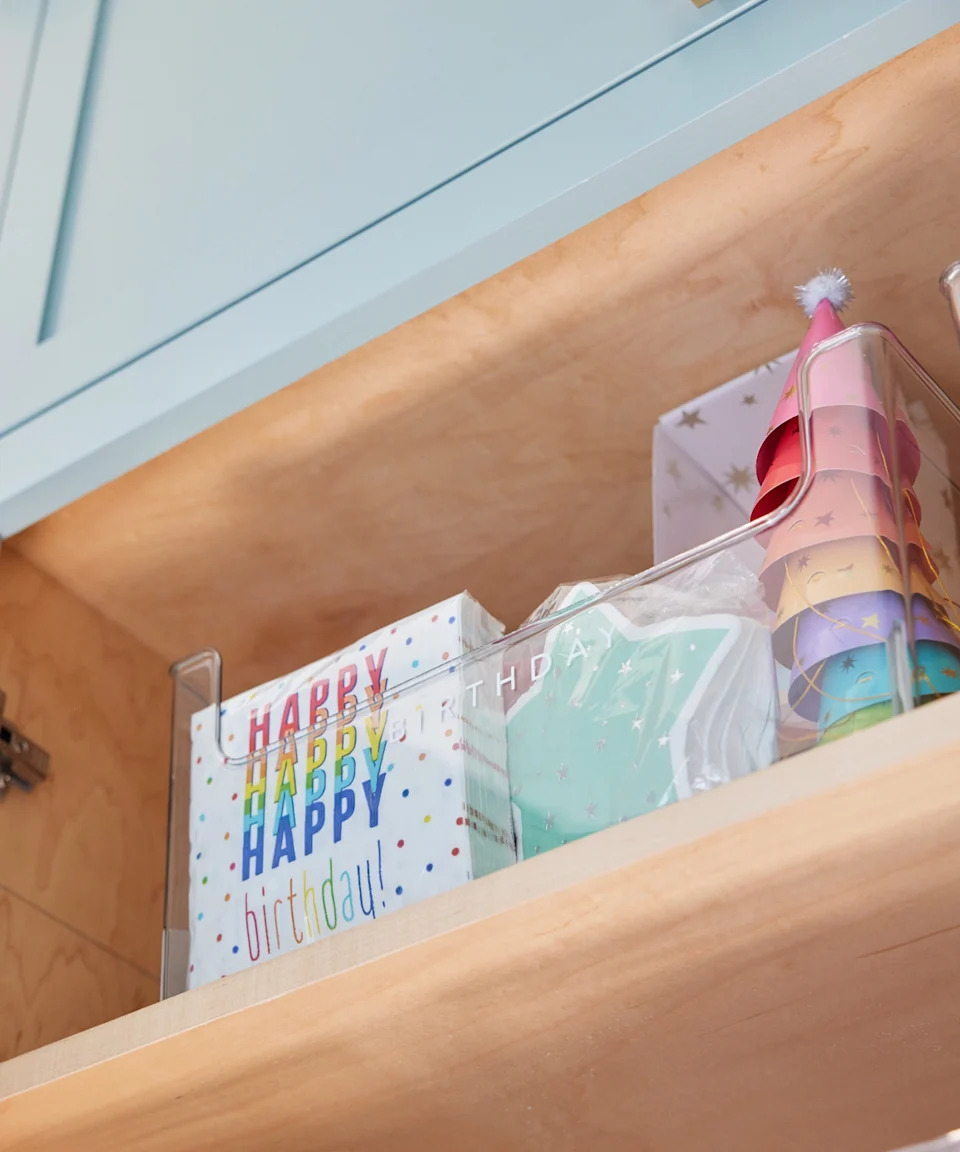
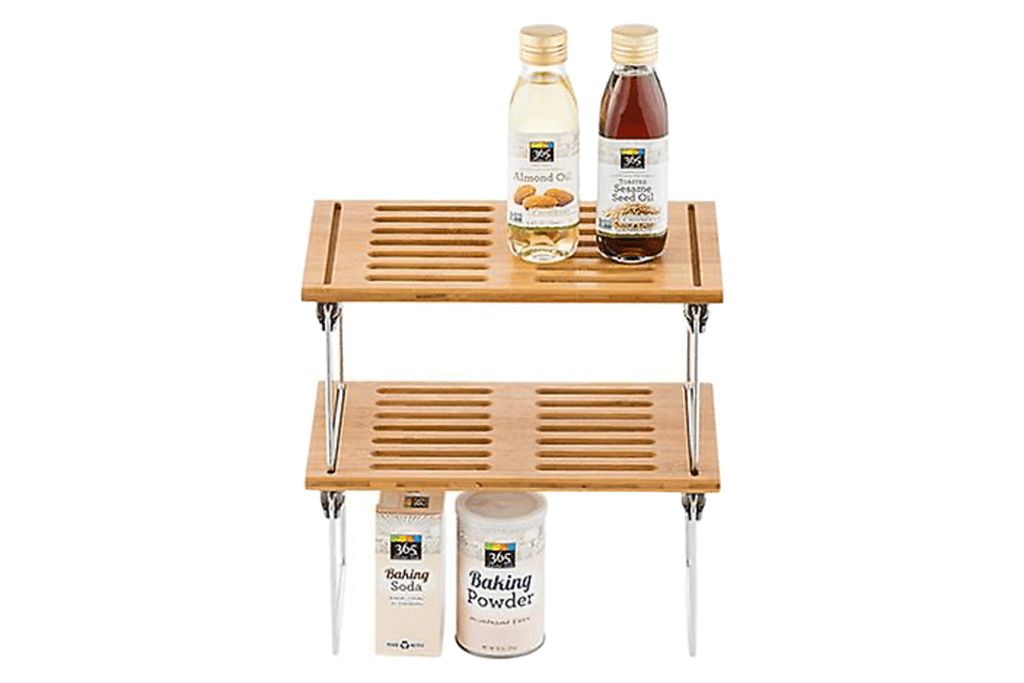
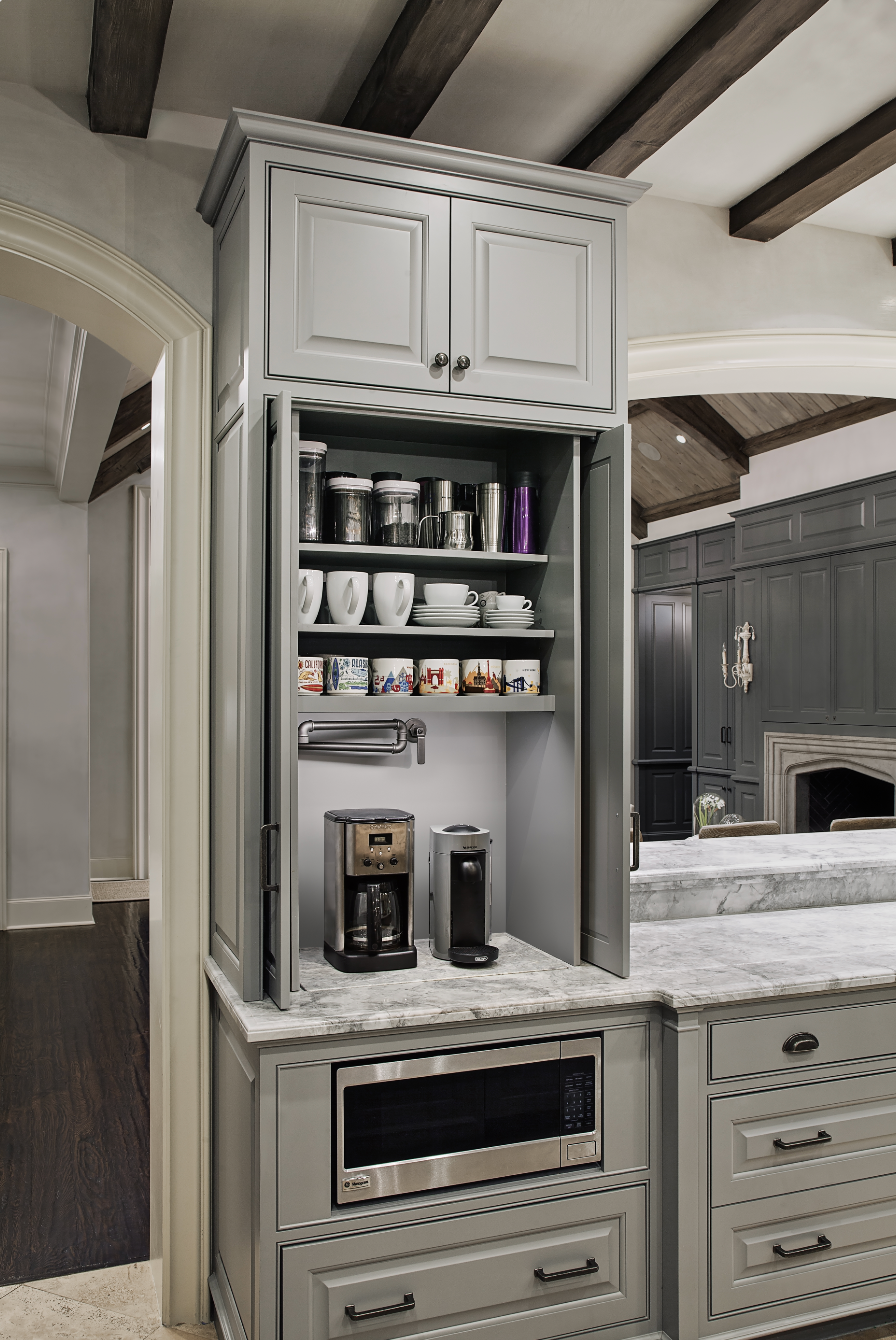
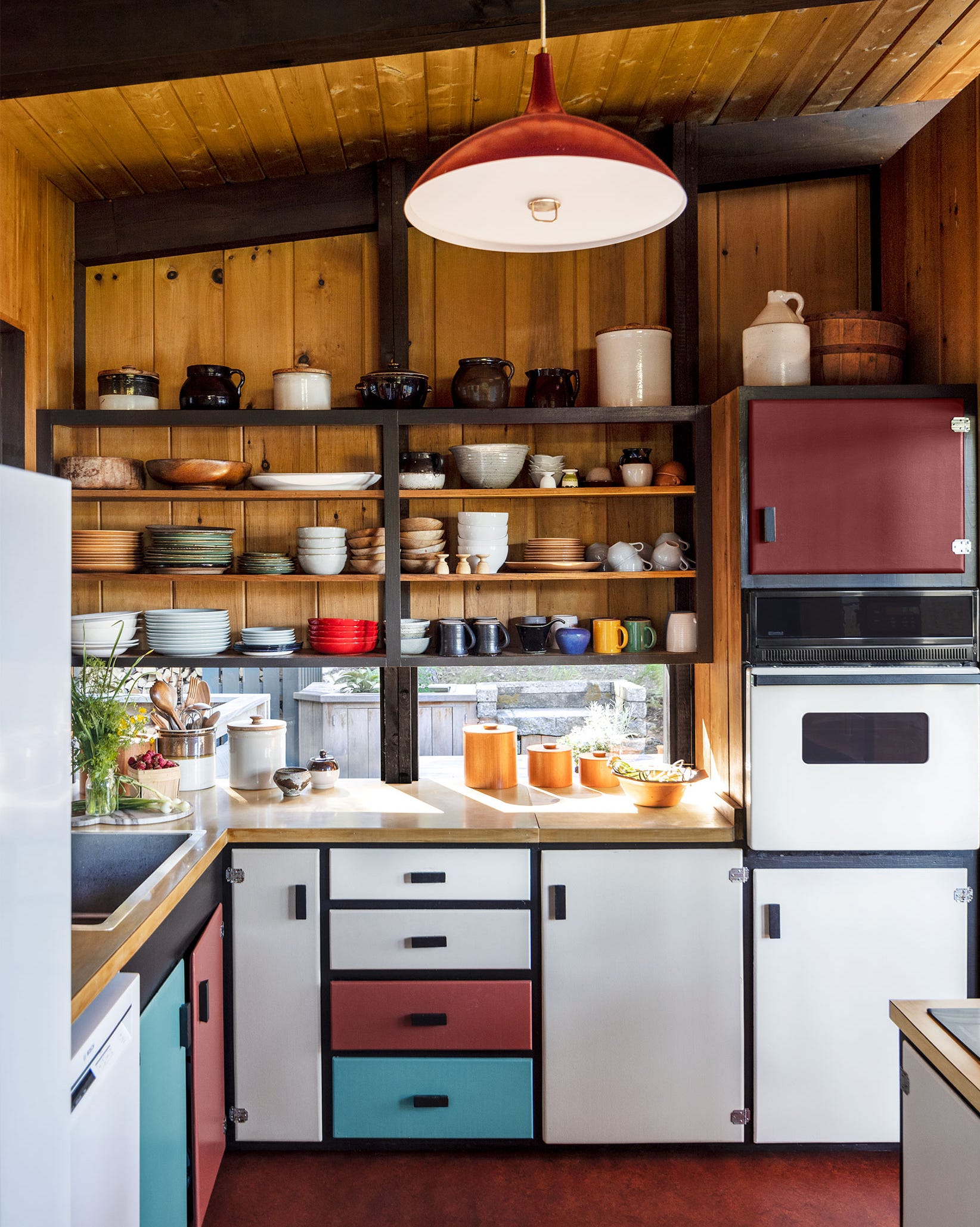
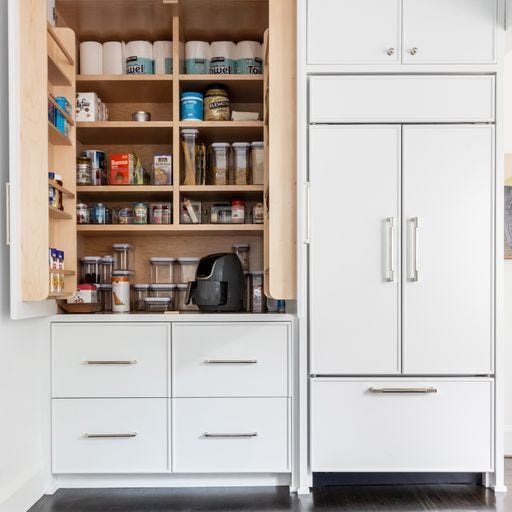
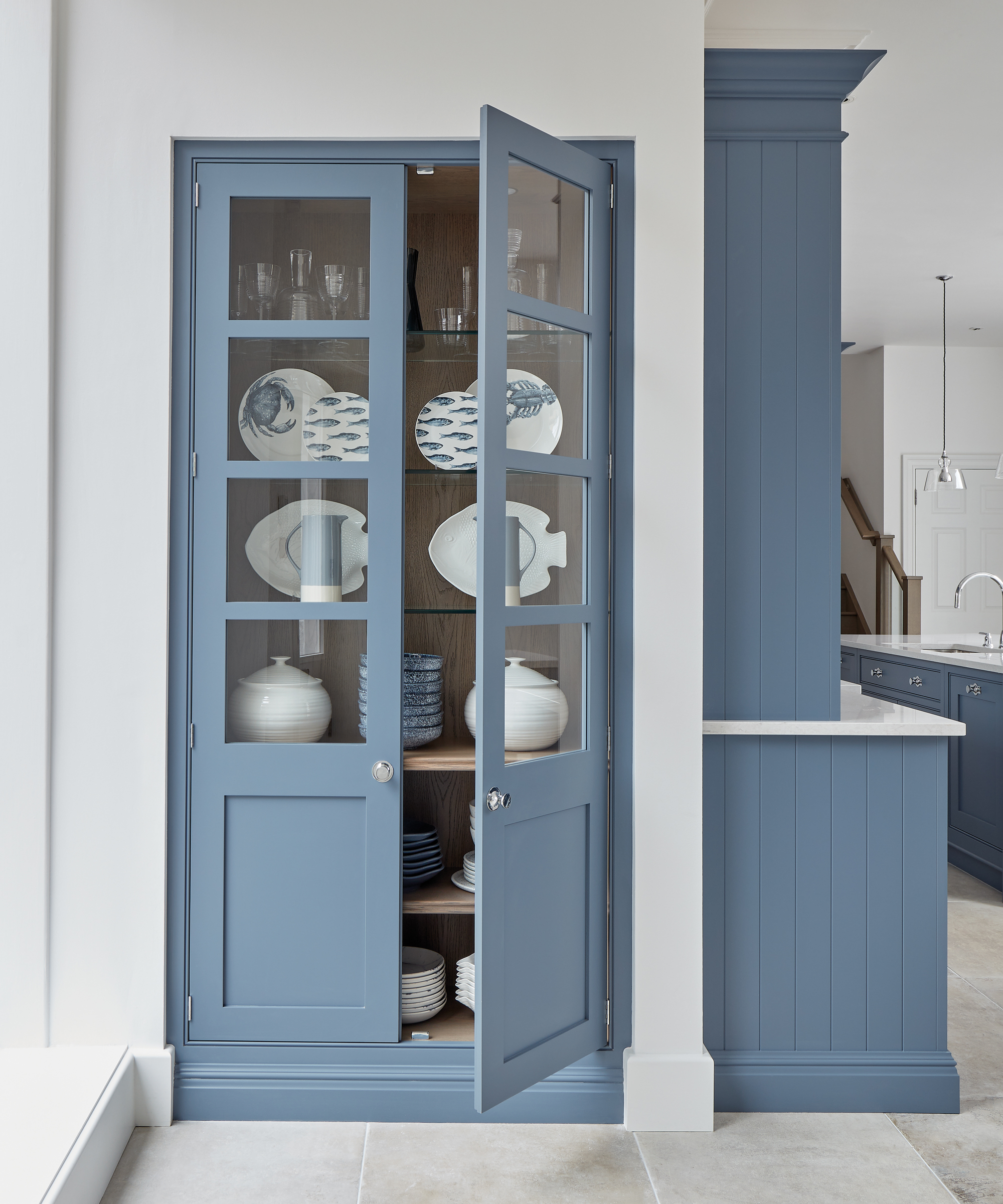
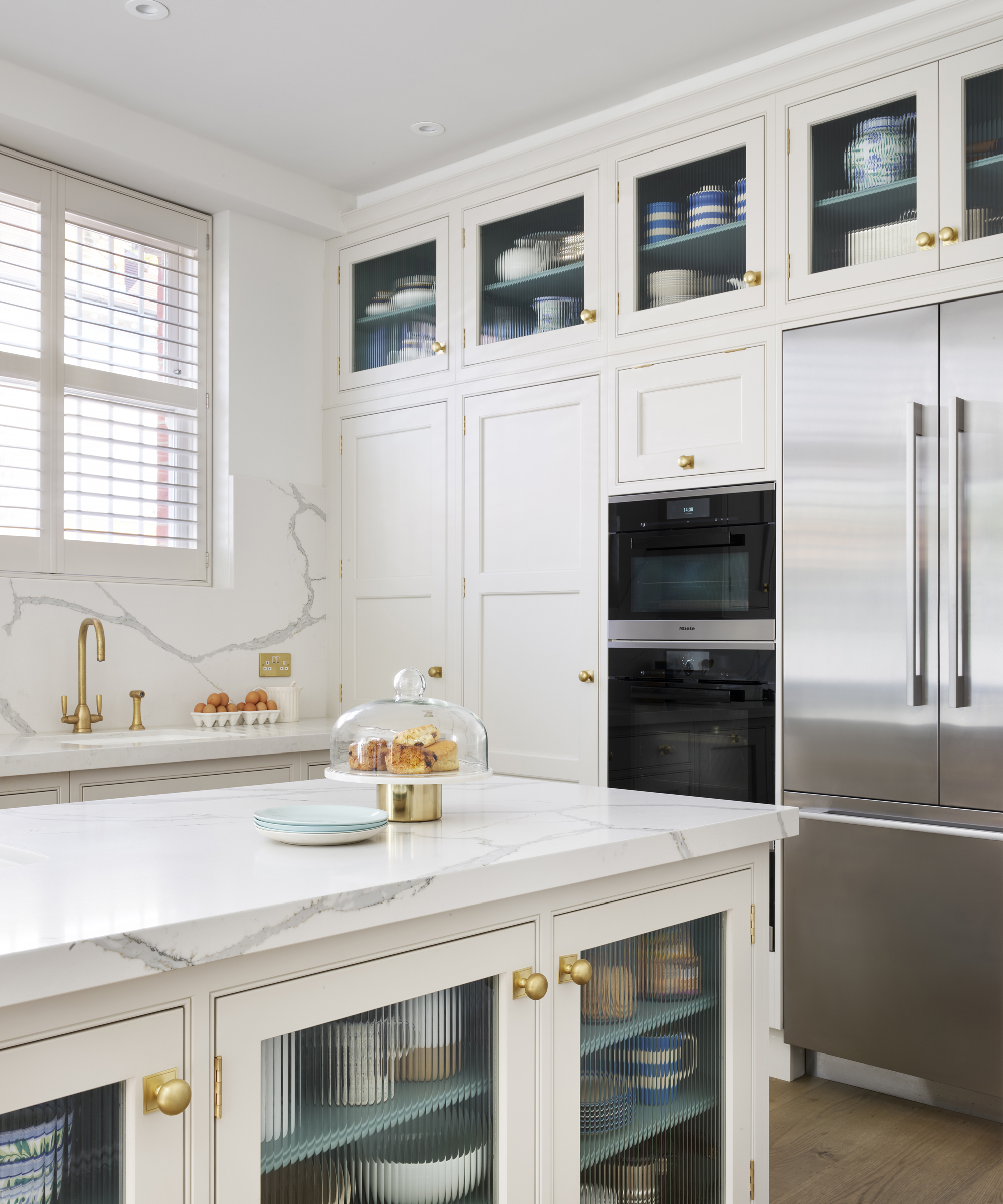
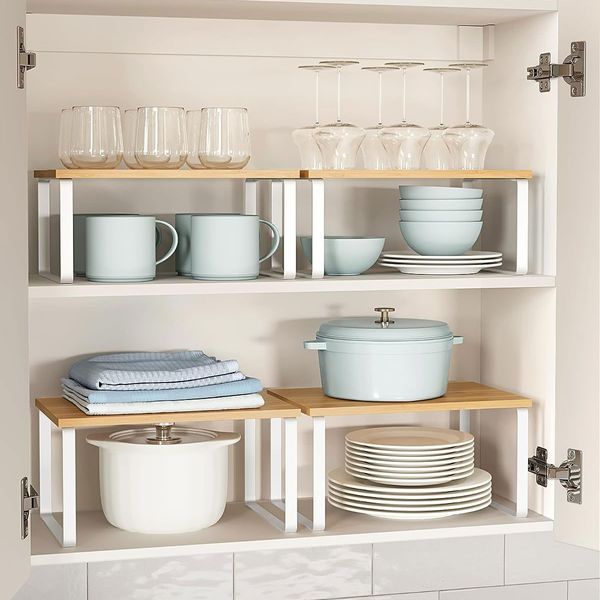
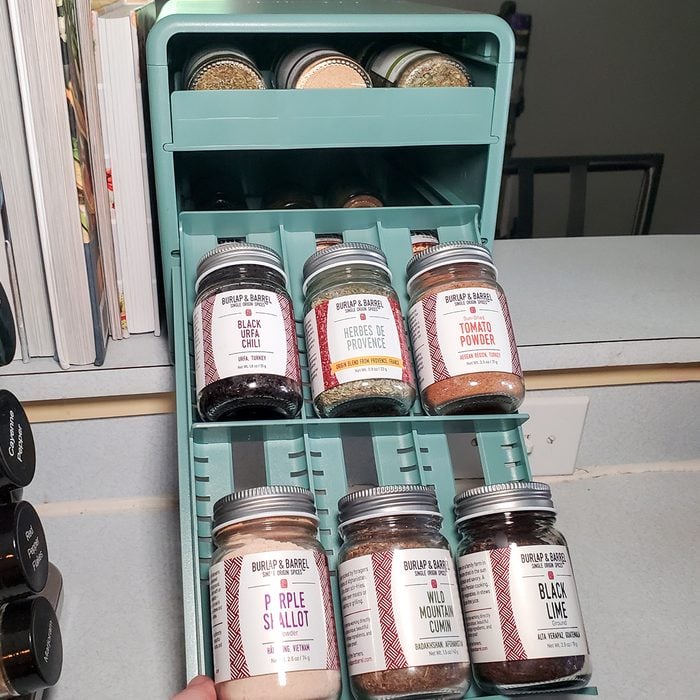
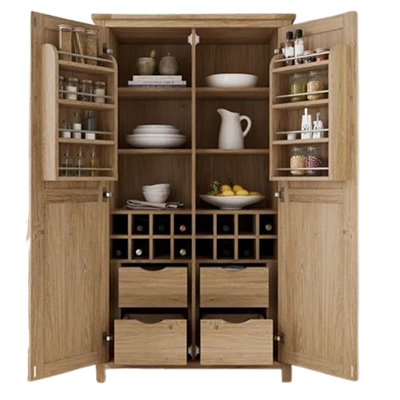
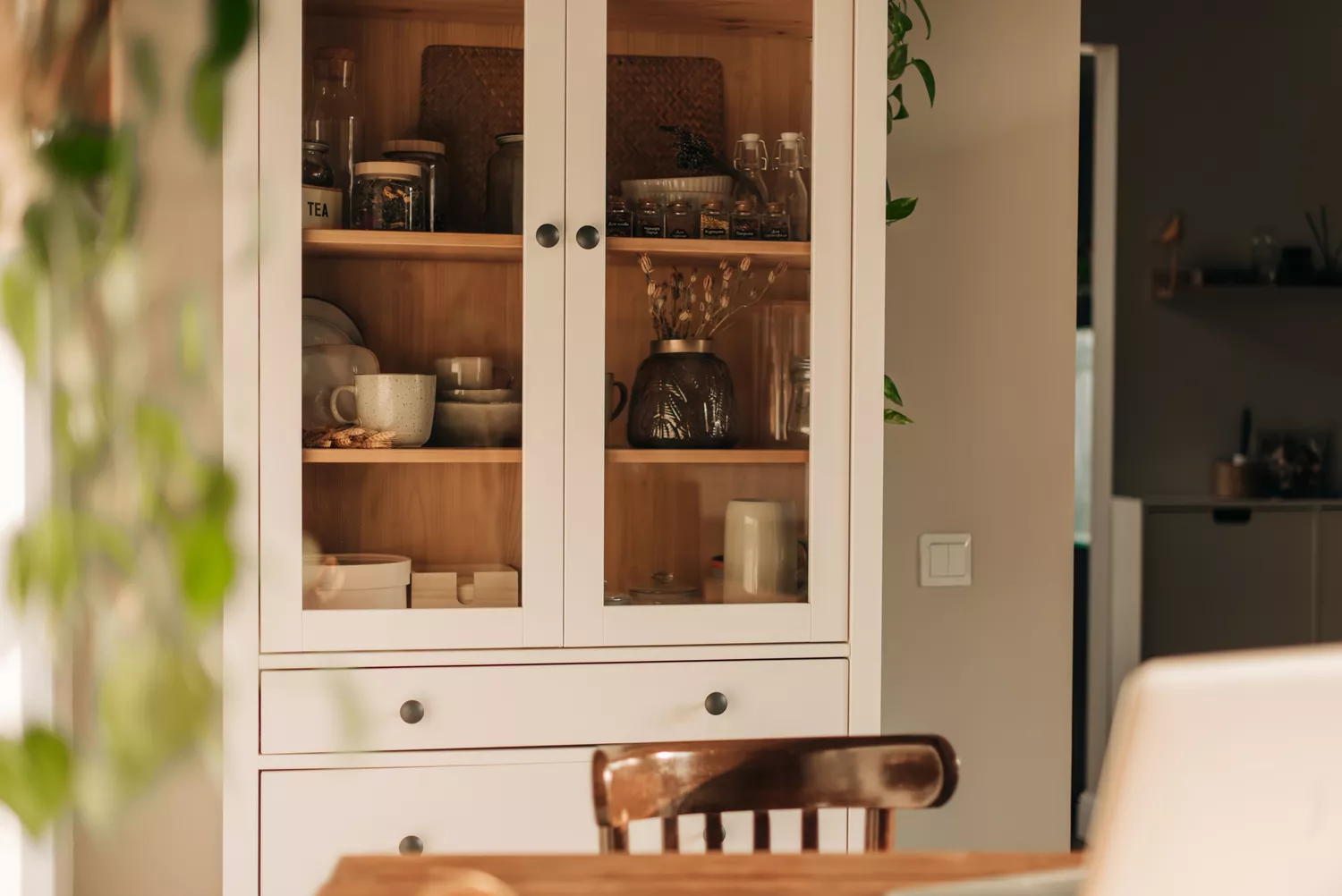
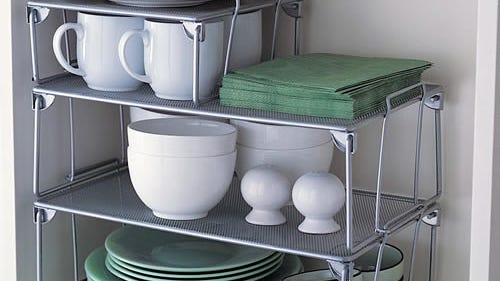
Upper kitchen cabinets are ideally suited for storing frequently used items such as plates, bowls, and glassware. To maximize convenience, these should be placed in cabinets close to the dishwasher or sink, facilitating easy put-away after washing. For those with additional space, flour and spices can be stored in upper cabinets, as higher storage levels deter pests. When organizing upper cabinets, it is beneficial to create smaller, distinct groups of items. For example, everyday stemware and drinking glasses should be readily accessible, while less frequently used items like martini glasses or champagne flutes can be placed on higher shelves. Similarly, attractive coffee mugs can be placed at the front, with 'memorabilia' mugs relegated to the back. If vertical space is abundant, adding extra shelves, which can be custom-built by most hardware stores, can significantly increase storage capacity.
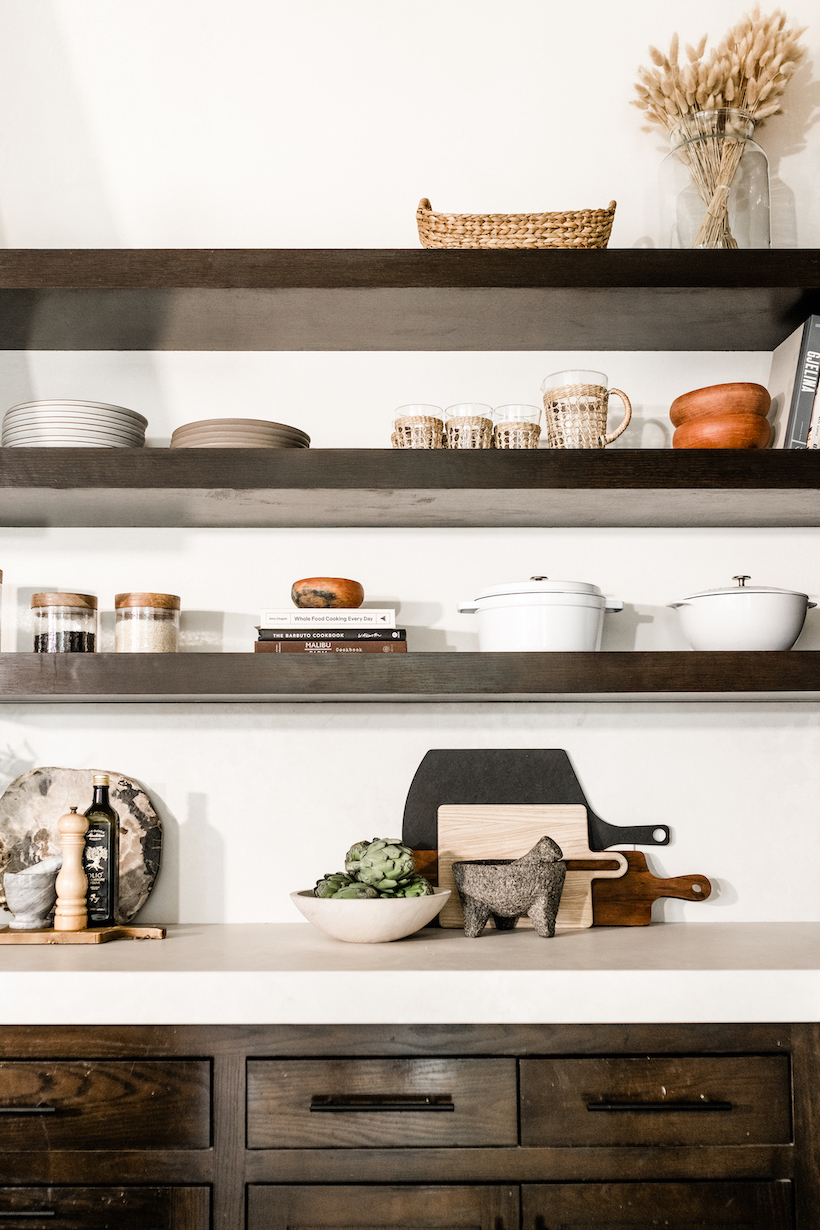
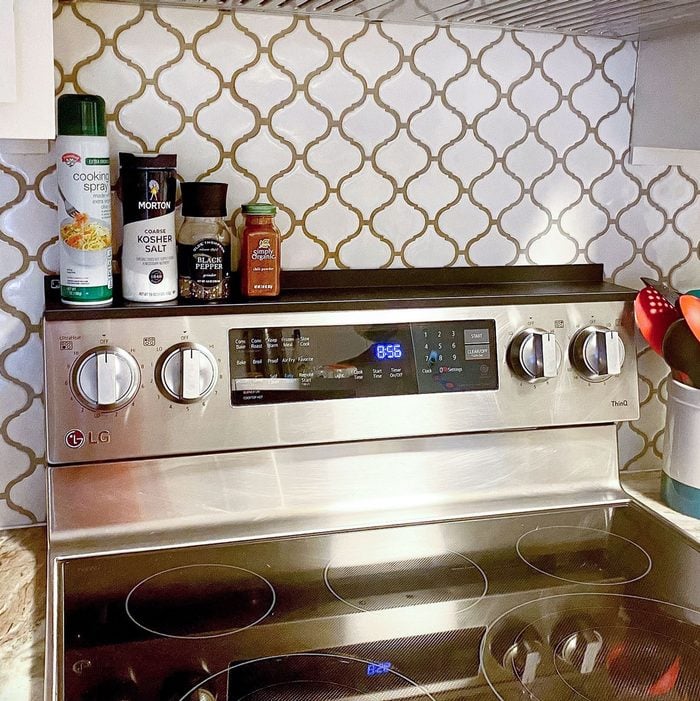
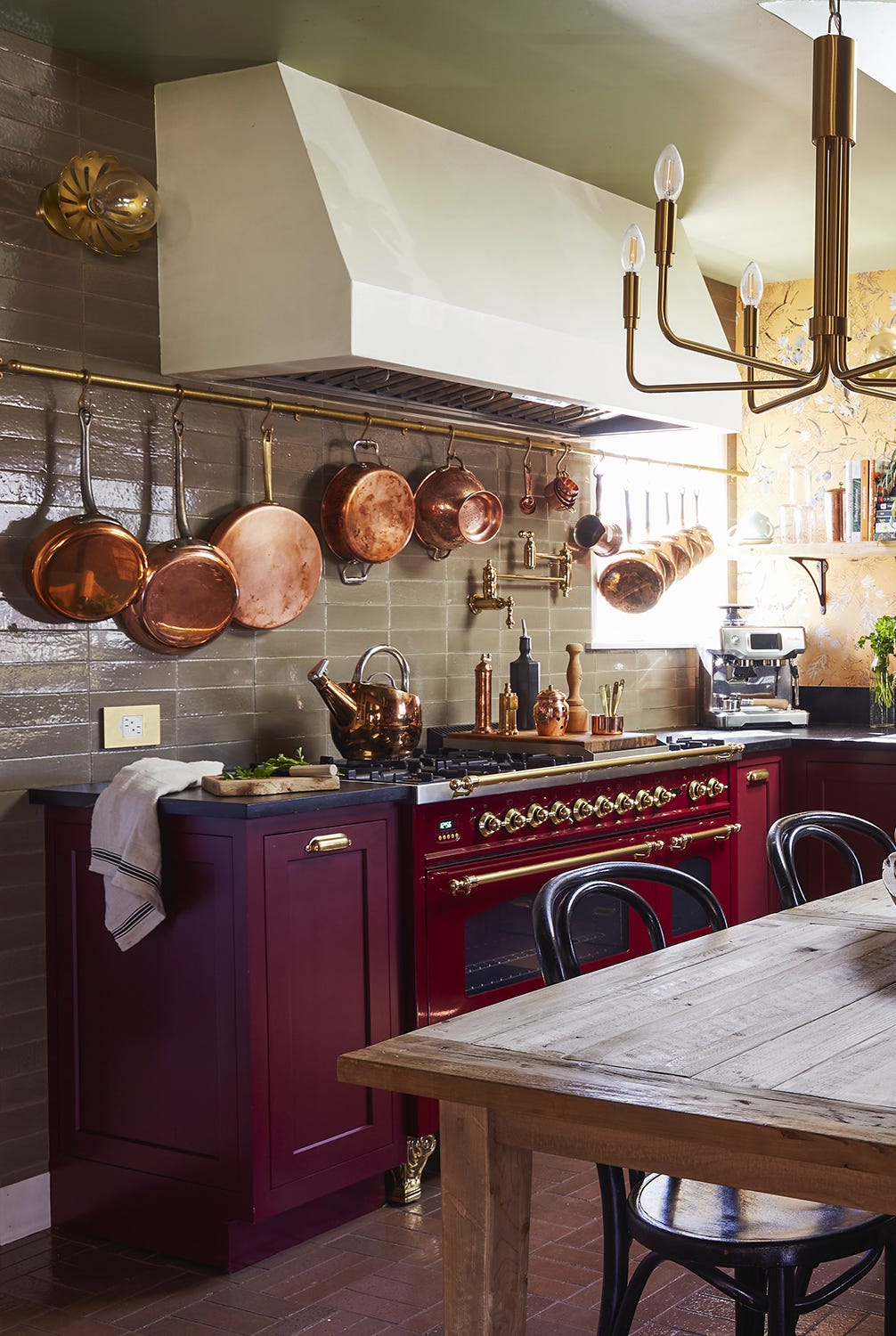
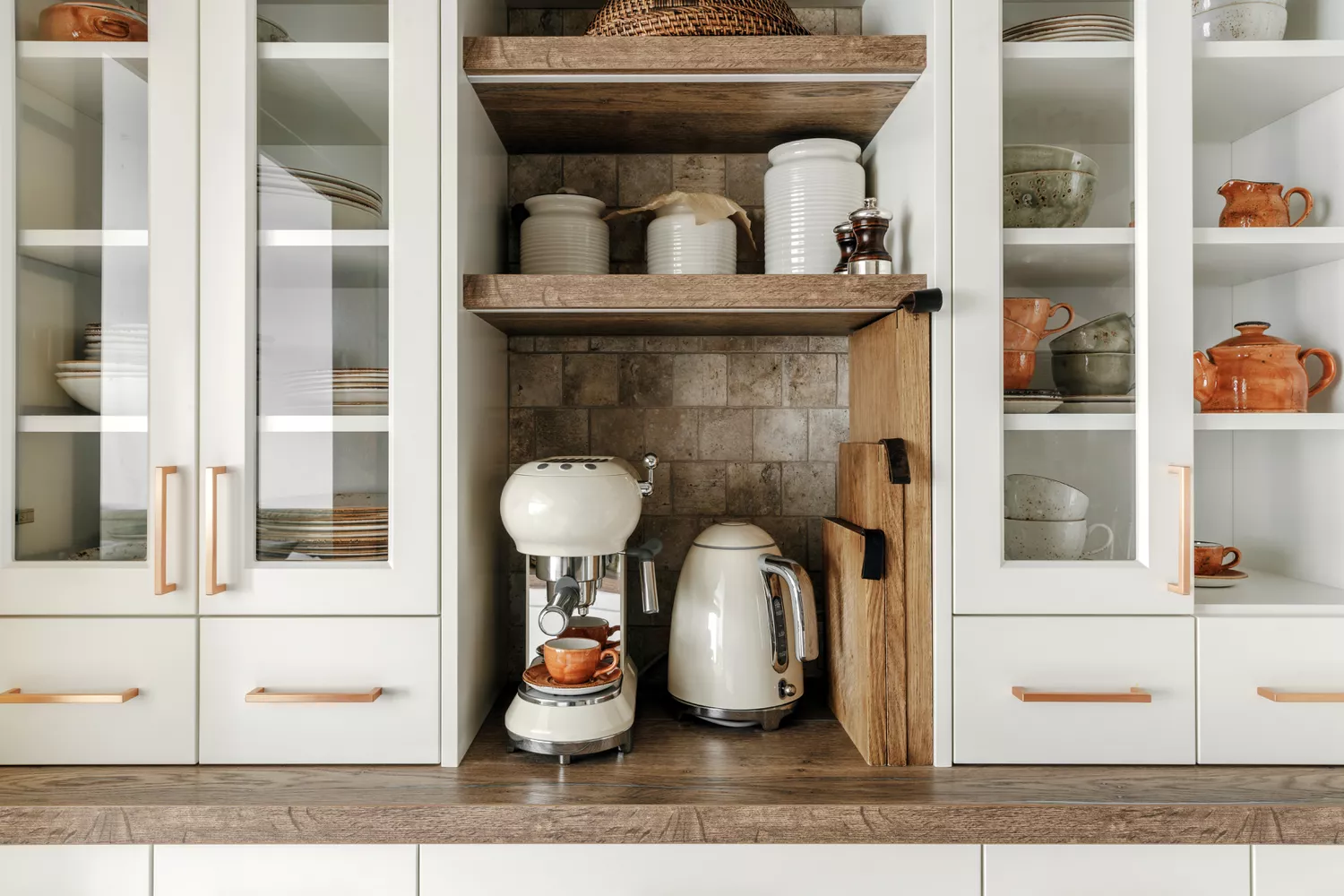
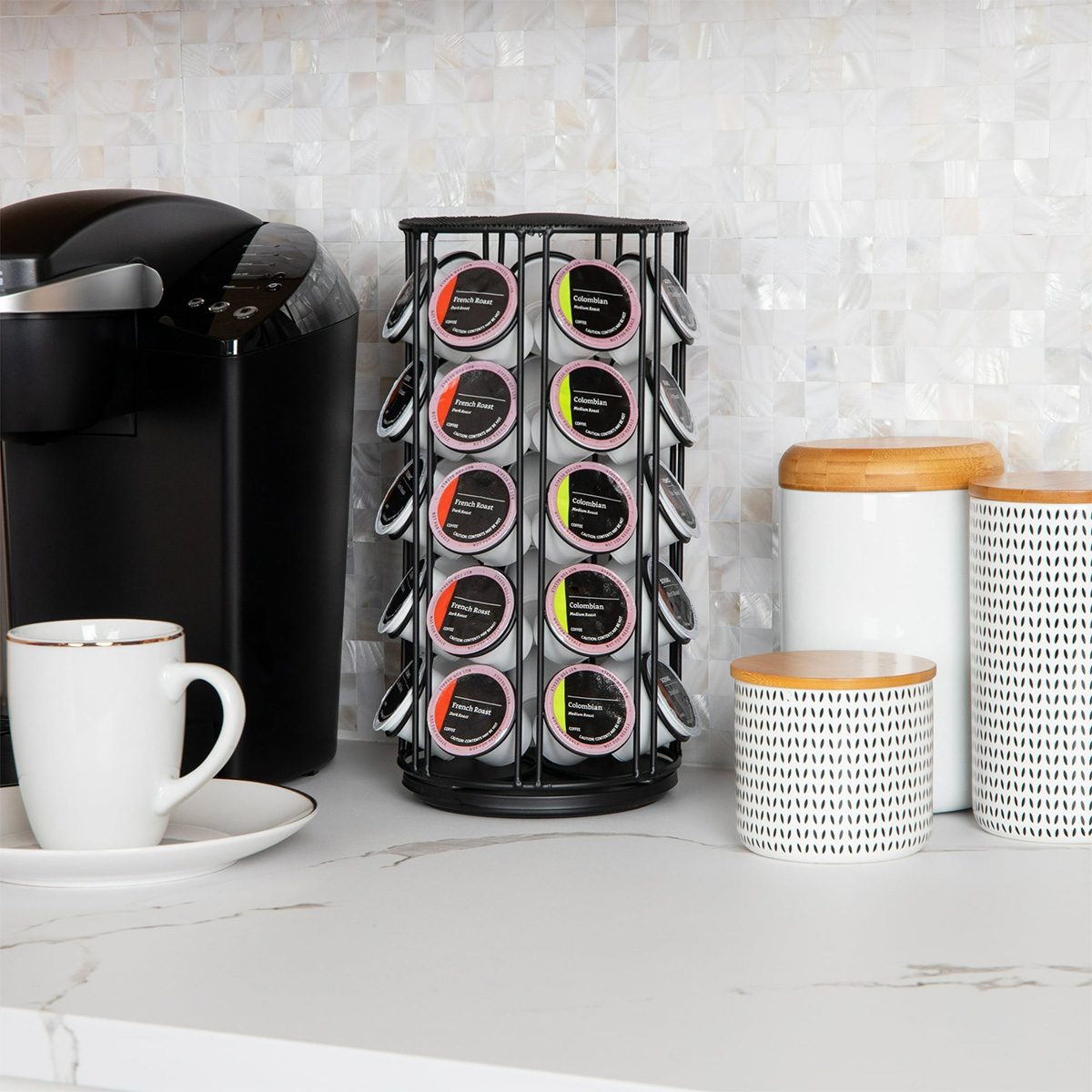
Kitchen countertops, while essential for meal preparation, should generally be kept clear to provide ample working space. Appliances used daily, such as blenders, toasters, or coffee makers, can be kept on the countertop, particularly in kitchens with limited cabinet space. For other everyday items, solutions like magnetic knife racks or pegboards can keep them accessible without cluttering the counter surface. When organizing countertops, it is advisable to designate a primary meal-prep area that is easy to clean, keeping larger tools or electronics near ledges away from crevices between appliances to prevent grime accumulation.
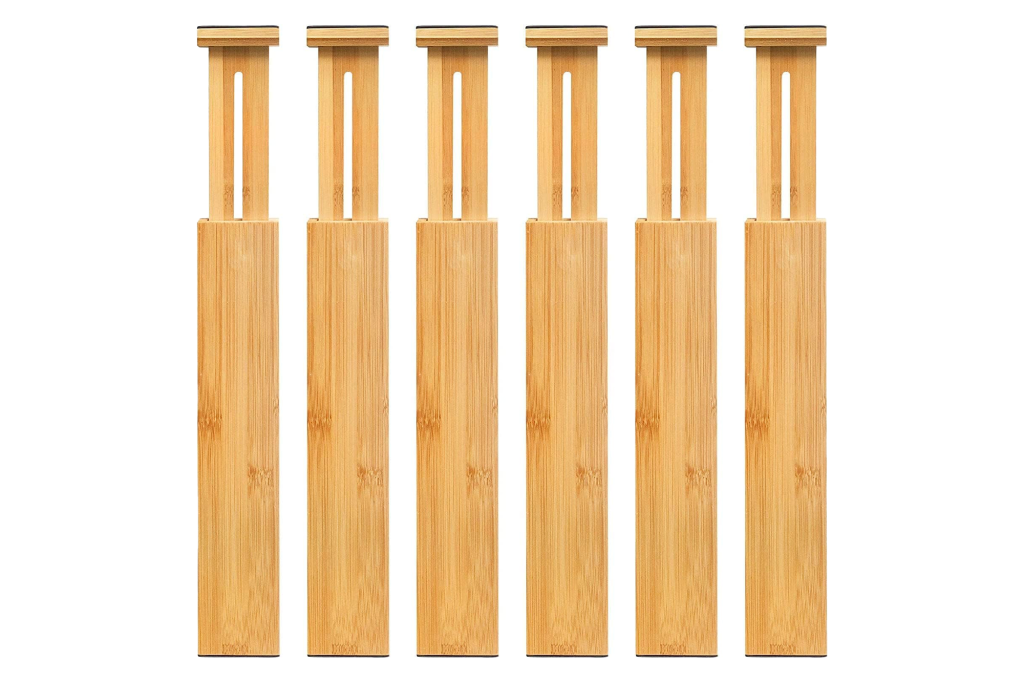
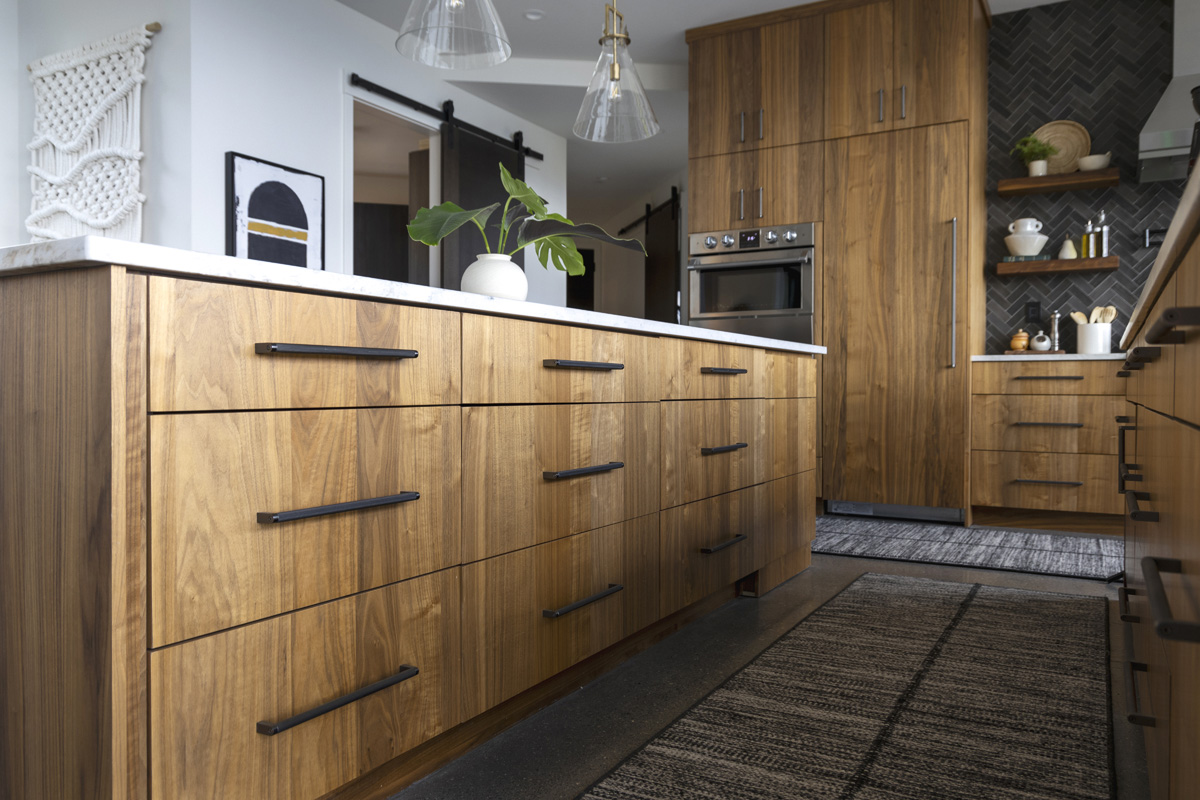
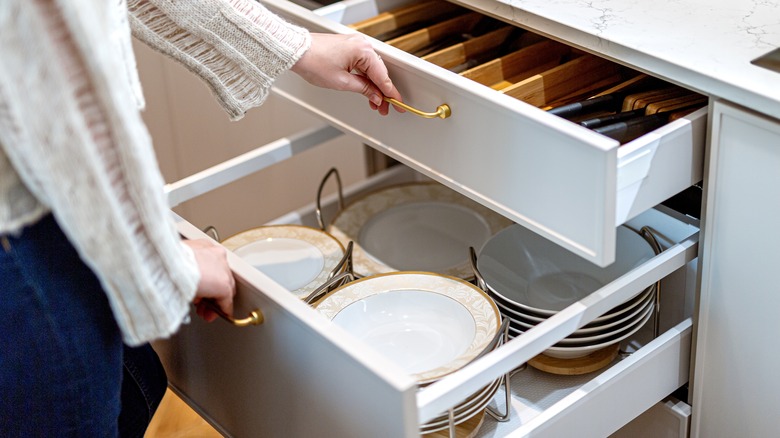
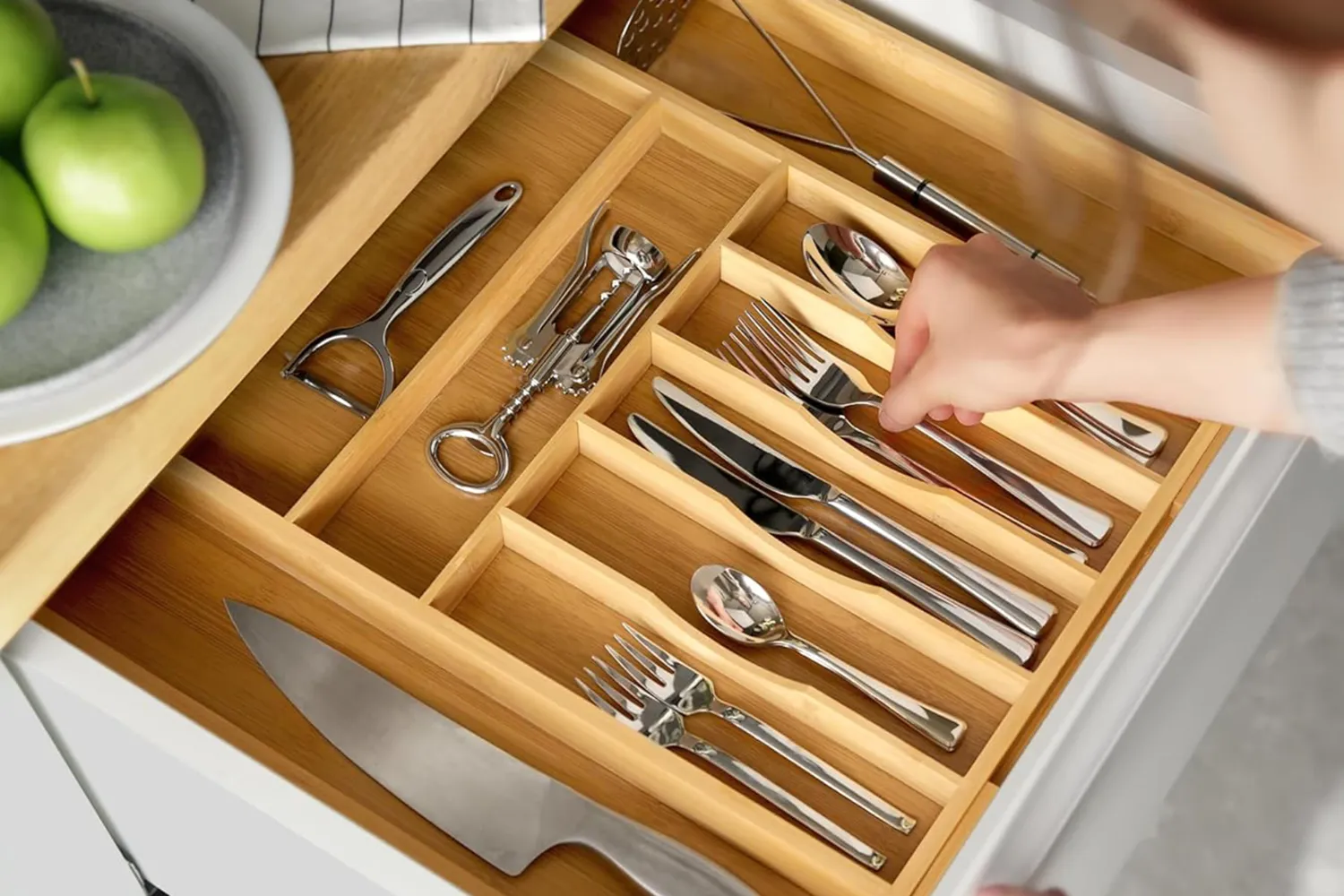
Kitchen drawers serve as critical storage for smaller kitchen essentials. These include cutlery, plastic baggies, aluminum foil, and hand-washed glasses. A practical approach to drawer organization is to allow for a 'junk drawer,' which Kay rebrands as a 'command center,' for miscellaneous items like pens, batteries, and tape measures. The effectiveness of this drawer is enhanced by using labeled inner compartments, which can be arranged like a puzzle to fit the drawer's dimensions. Labels help maintain order by clearly indicating where each type of item belongs.
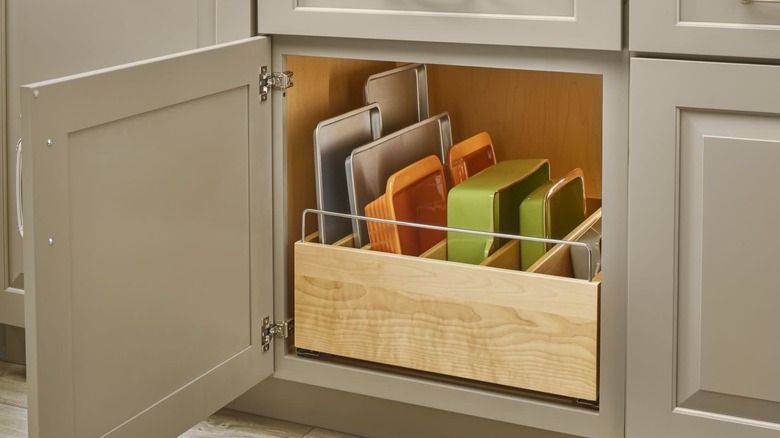
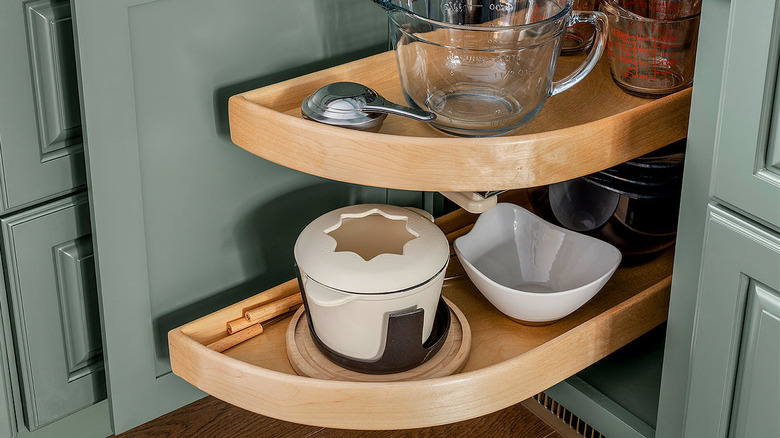
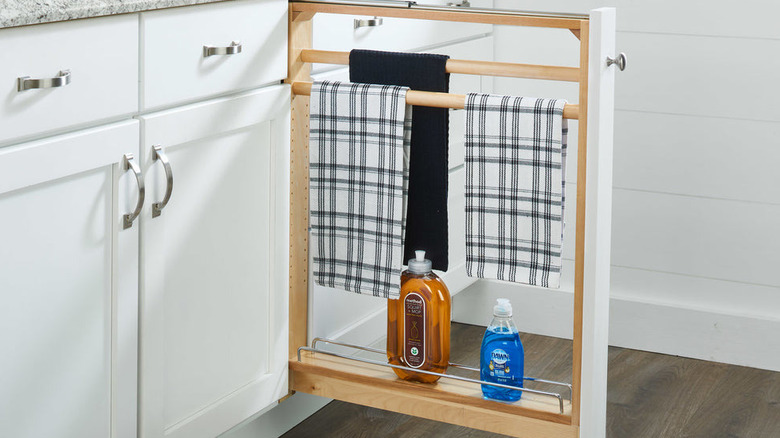
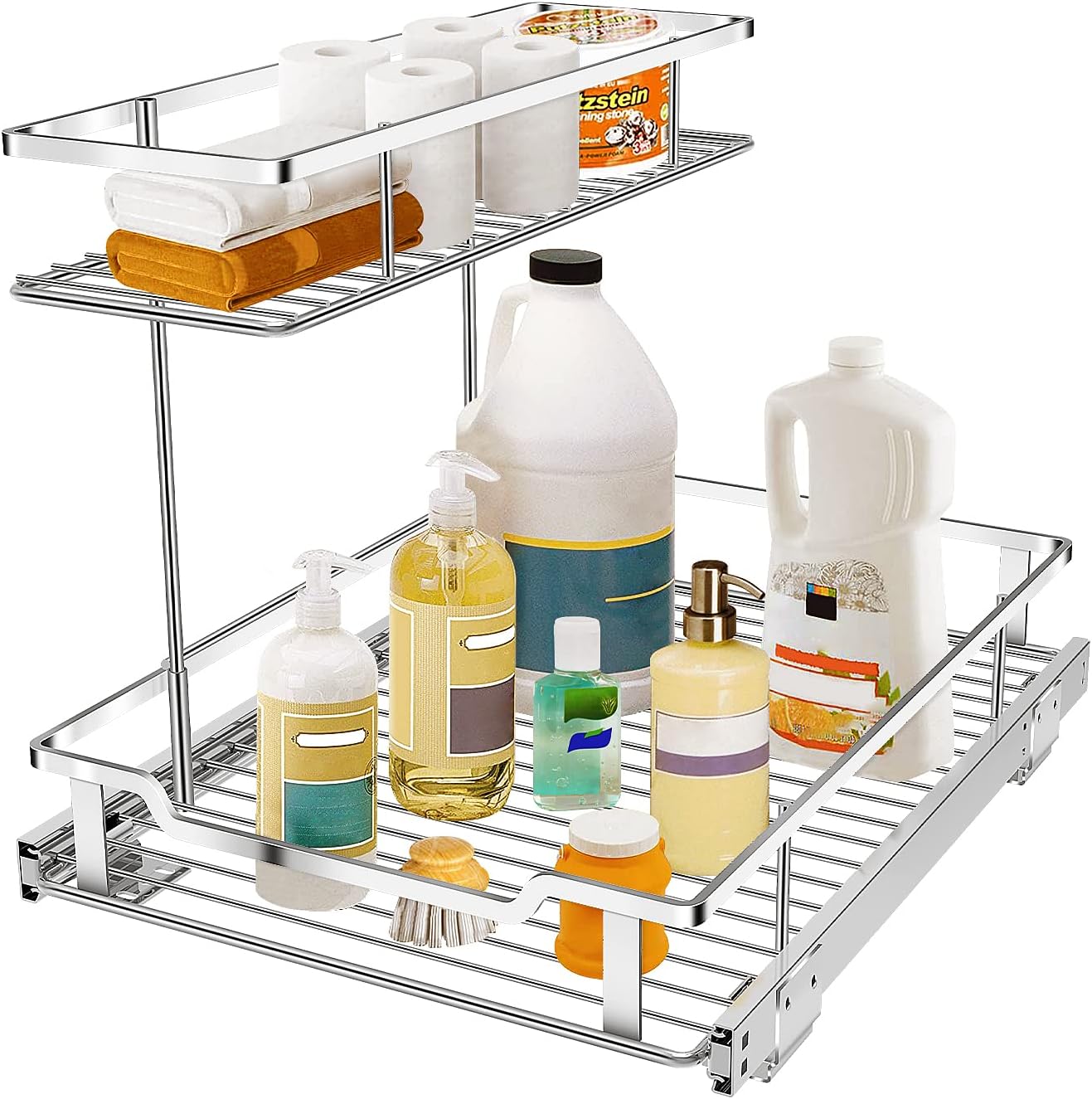
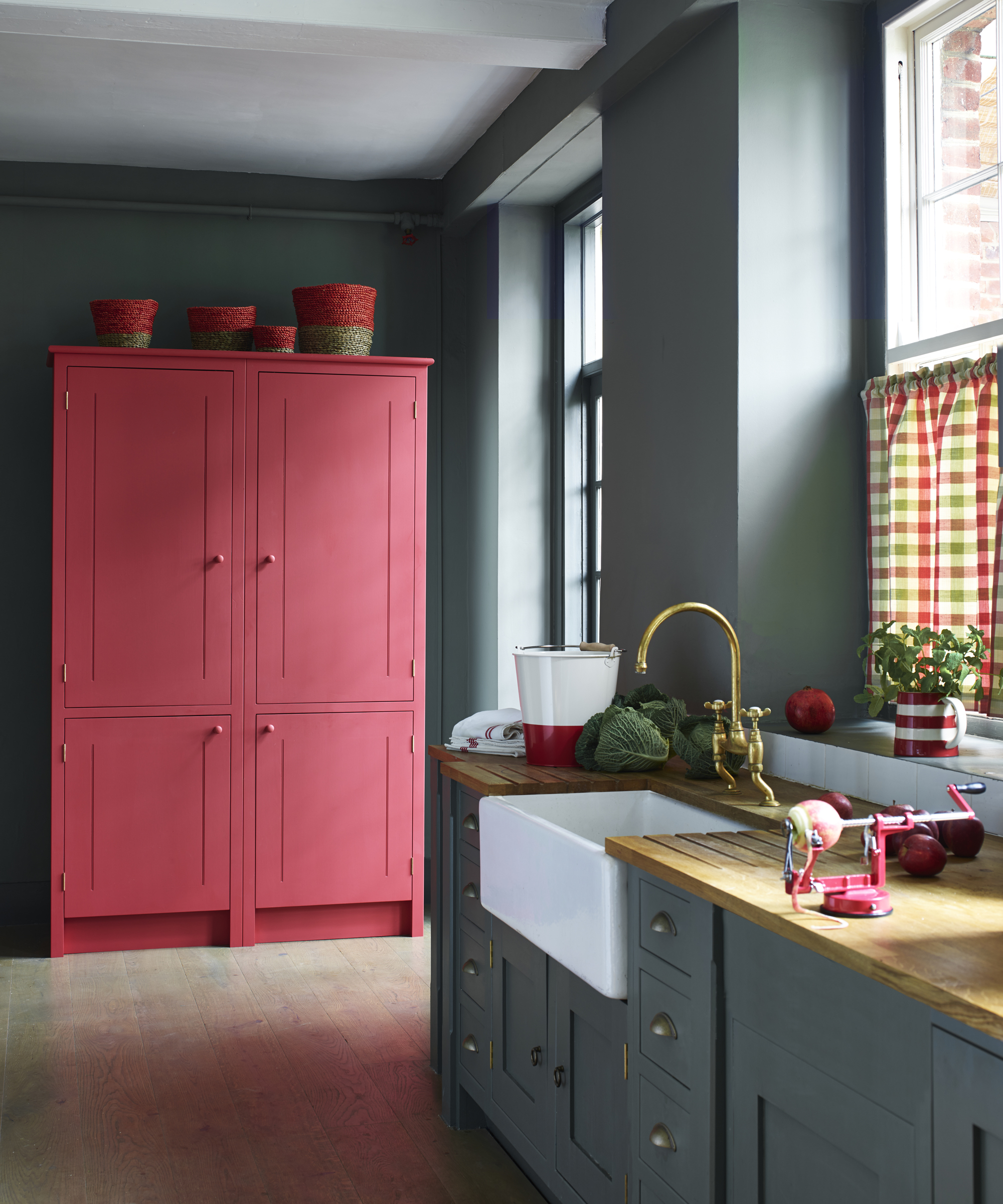
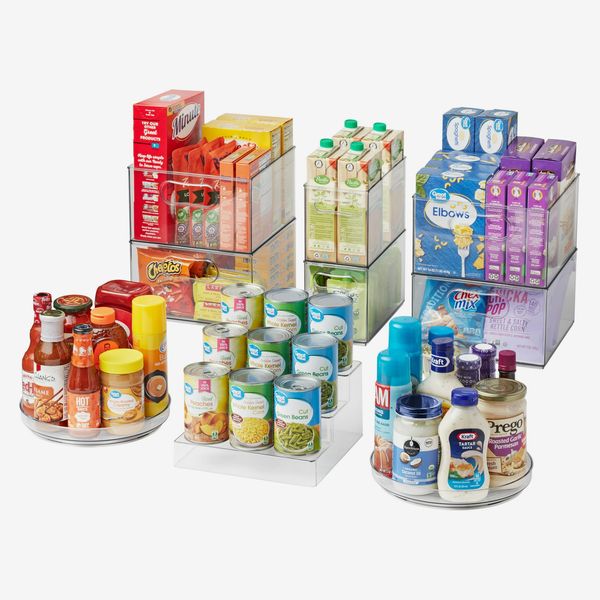
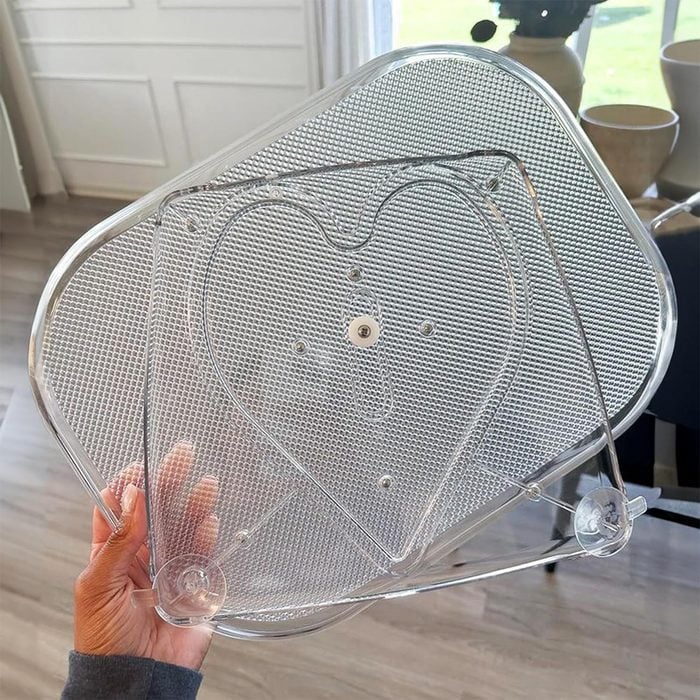
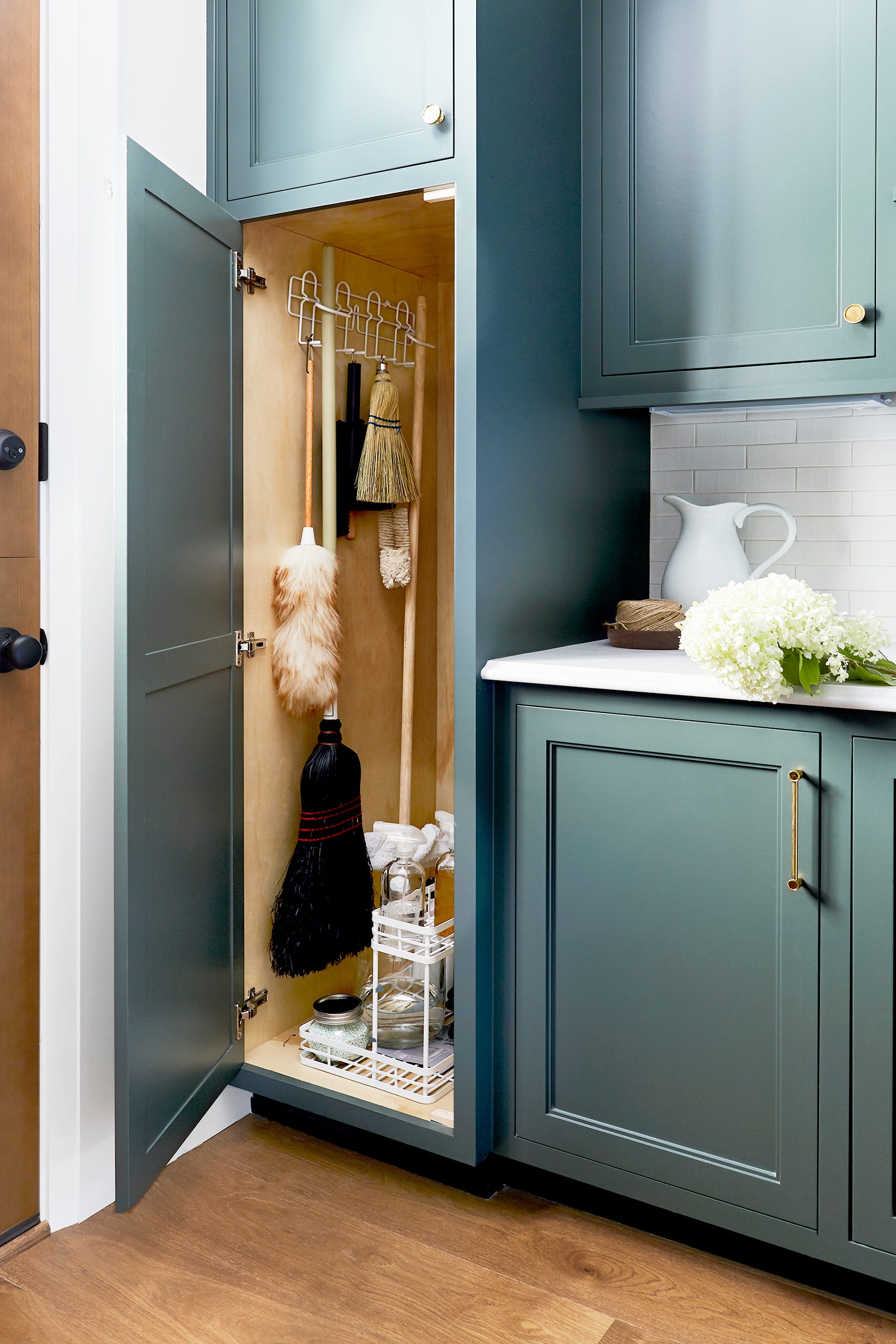
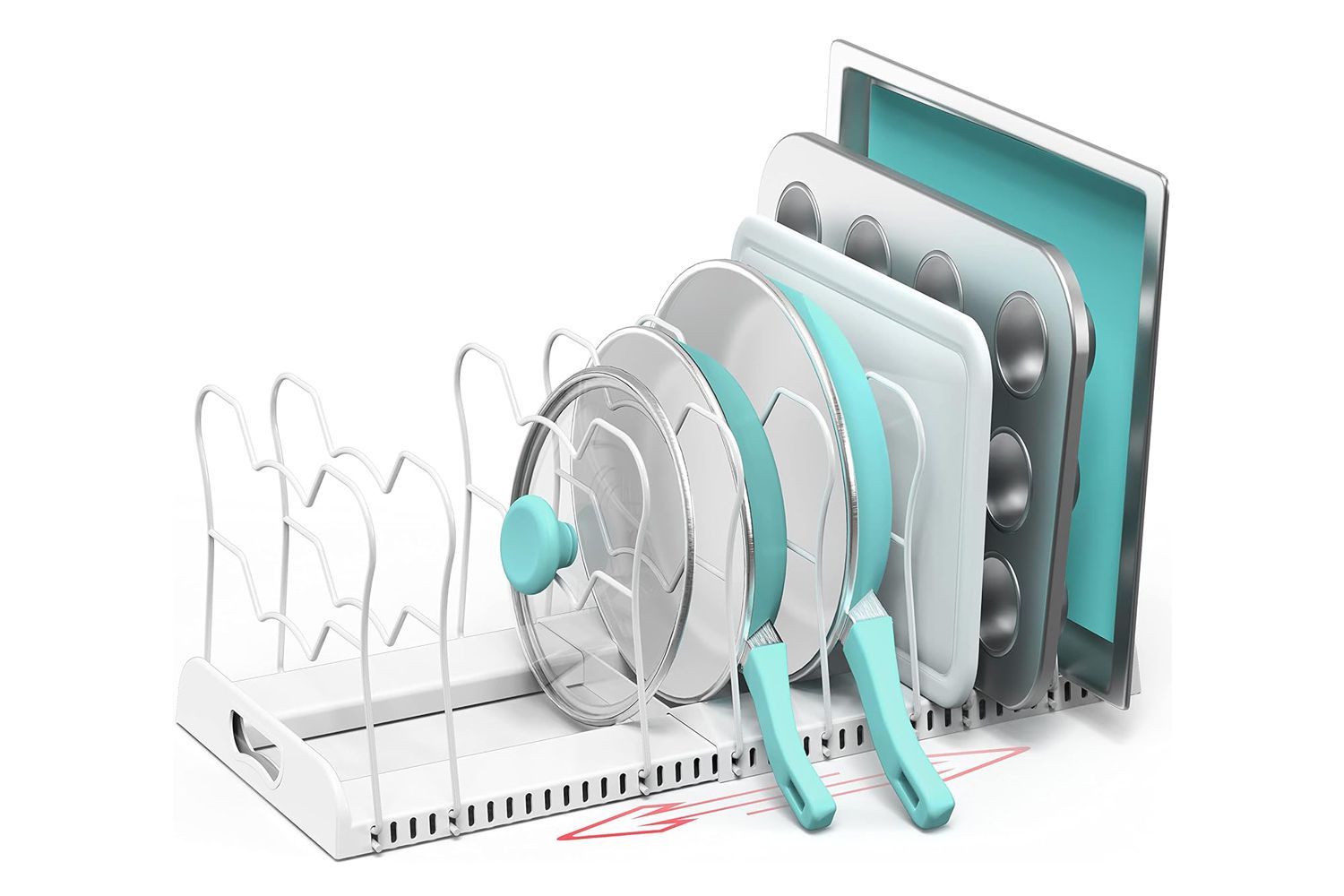
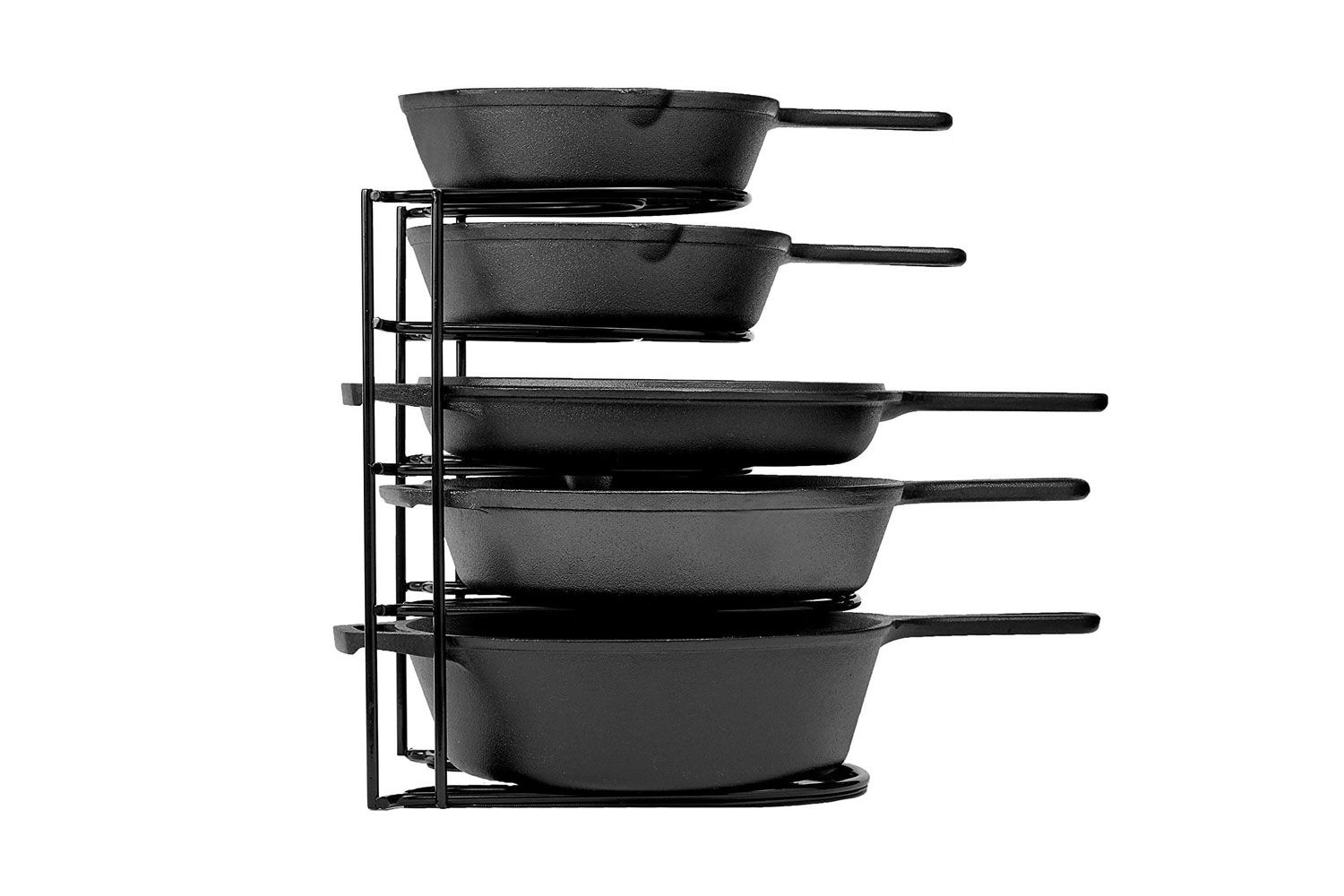
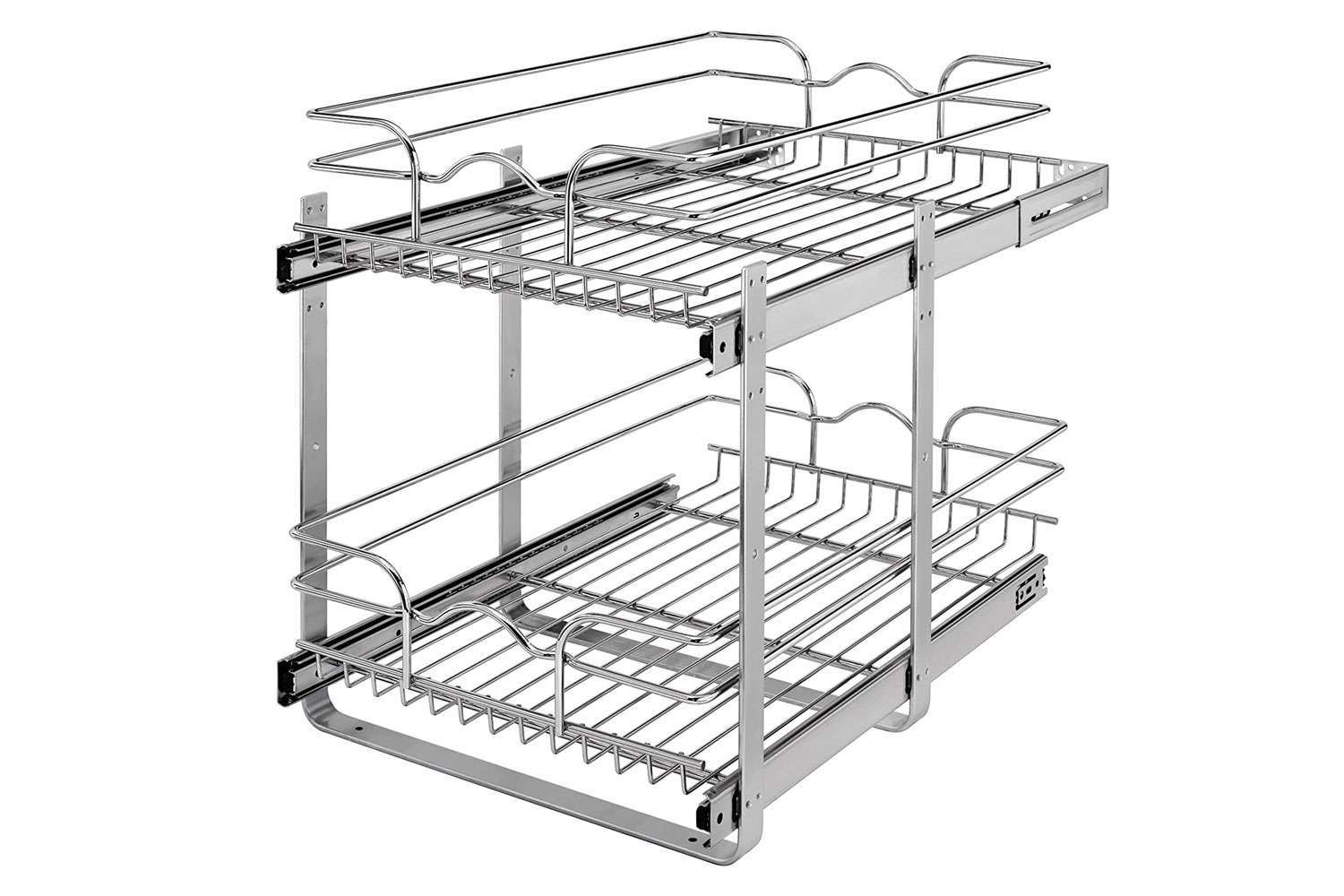
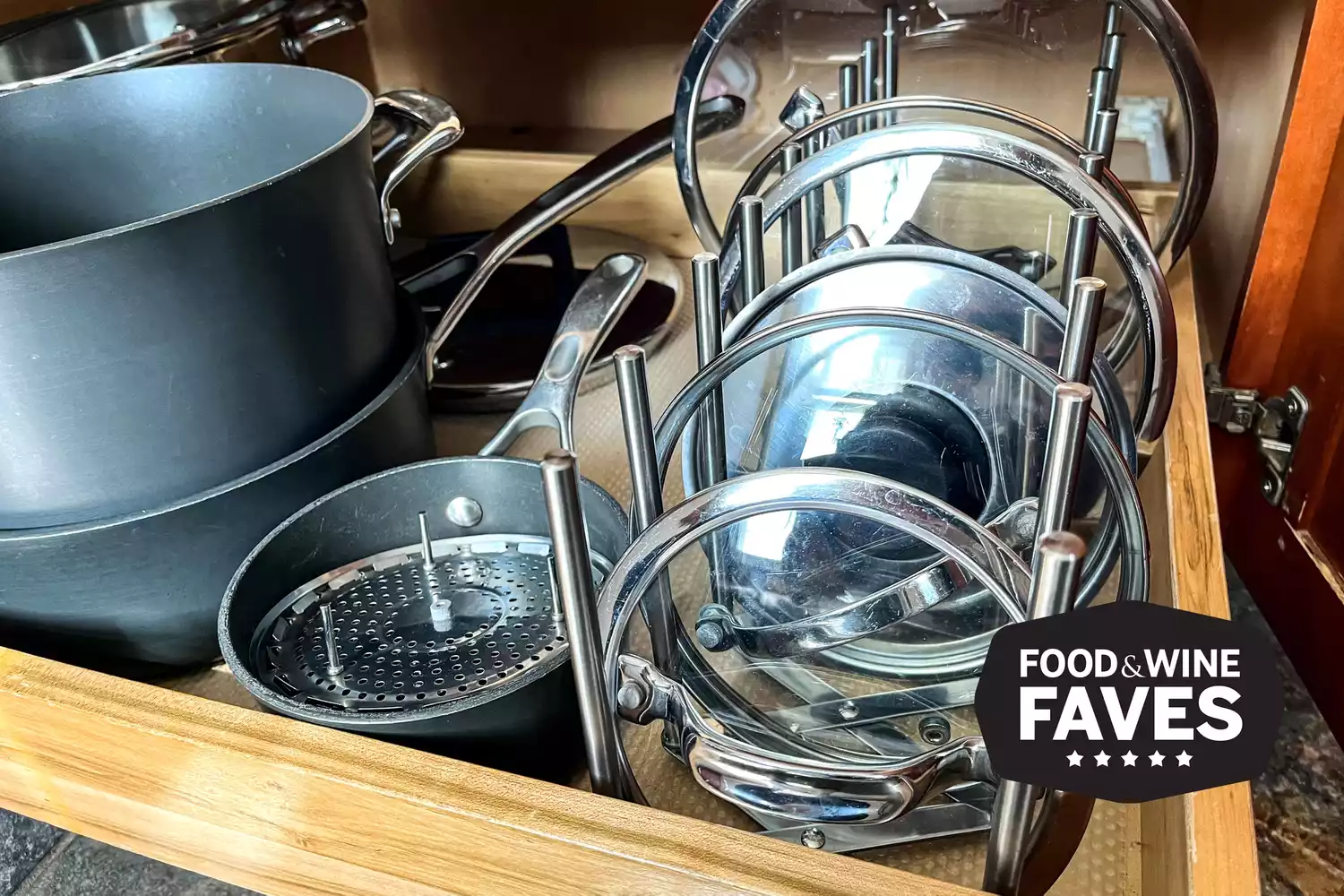
Lower kitchen cabinets are typically reserved for heavier and bulkier items, such as large pots, pans, or heavier tools that might be too cumbersome for upper storage. These can be stacked or stored vertically using racks. Additionally, lower cabinets are ideal for storing children's plates, cups, and lunch boxes, allowing younger family members to access their items independently and assist in the kitchen. For improved organization in lower cabinets, especially corner units, lazy Susans can provide easy access to smaller tools like graters or mortars and pestles. A practical tip for initial organization is to place Post-it notes inside cabinets and drawers before moving items in, guiding where each item should be stored. Regular decluttering is also recommended to remove unused items and optimize available space.
#KitchenOrganization #CabinetStorage #ProfessionalOrganizer #KitchenDesign #HomeOrganization #Decluttering #SpaceSaving #KitchenTips #KitchenOrganization #CabinetStorage #ProfessionalOrganizer #KitchenDesign #HomeOrganization #Decluttering #SpaceSaving #KitchenTips
0 comment in total
 No comments yet
You may also like
How to Make Your Kitchen Cabinets More Functional — 7 Expert Tips to Optimize Your Storage for Everyday Efficiency

The 21 best kitchen storage ideas, per a professional organizer
Kitchen cupboard storage ideas – tips for designing functional cabinets

Kitchen Cabinets: Storage with Style

Decluttering Experts Share Their Best Kitchen Cabinet Organization Ideas

Finally, An Expert Guide on How to Organize Your Kitchen Cabinets

10 Smart Kitchen Storage Solutions Professional Organizers Use in Their Own Homes

Winning the Storage War
14 Kitchen Cabinet Organizers That Will Make Storage A Breeze
How to Organize Your Kitchen Cabinets—and Keep Them Organized—According to Pros
The 10 Best Kitchen Cabinet Organizers, According to Experts
It’s Time to Upgrade Your Kitchen Cabinet Organizers — These 7 Picks Aced Our Tests

Keep Your Kitchen Cabinets Organized With These 21 Tips From Experts
Professional organizers use low kitchen cabinets to store these items – it'll make your storage so much more convenient
The 15 Best Kitchen Storage Ideas for an Organized Space

Don't plan out your kitchen cabinets without these 9 expert-approved tips designed to maximise storage
What to put in high kitchen cabinets –according to professional organizers and designers
13 Awe-Worthy Kitchen Cabinet Organization Ideas

This Organization Hack Will Make Your Kitchen Cabinets Feel Like They're Twice the Size

Professional Organizers Swear By These Genius Hacks for Maximizing Kitchen and Pantry Space — From $10