1/15
Winning the Storage War
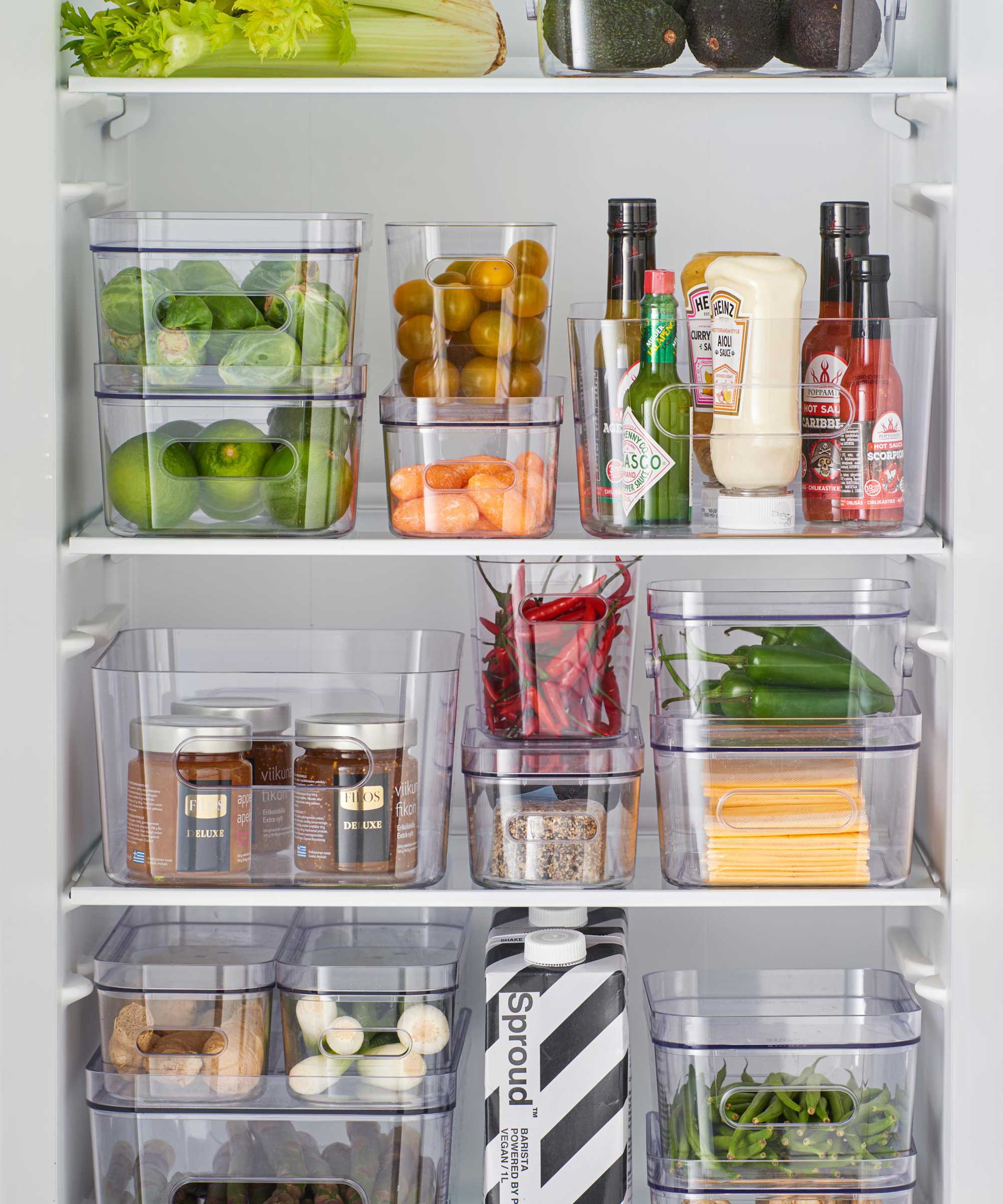
Modern kitchens are often required to serve multiple functions beyond just cooking, acting as spaces for work, homework, and entertainment. This expanded role necessitates sophisticated storage solutions that can hide clutter while keeping items accessible. Designers are increasingly challenged to balance seemingly contradictory objectives: hidden storage with easy access, and personalized solutions without sacrificing long-term flexibility.
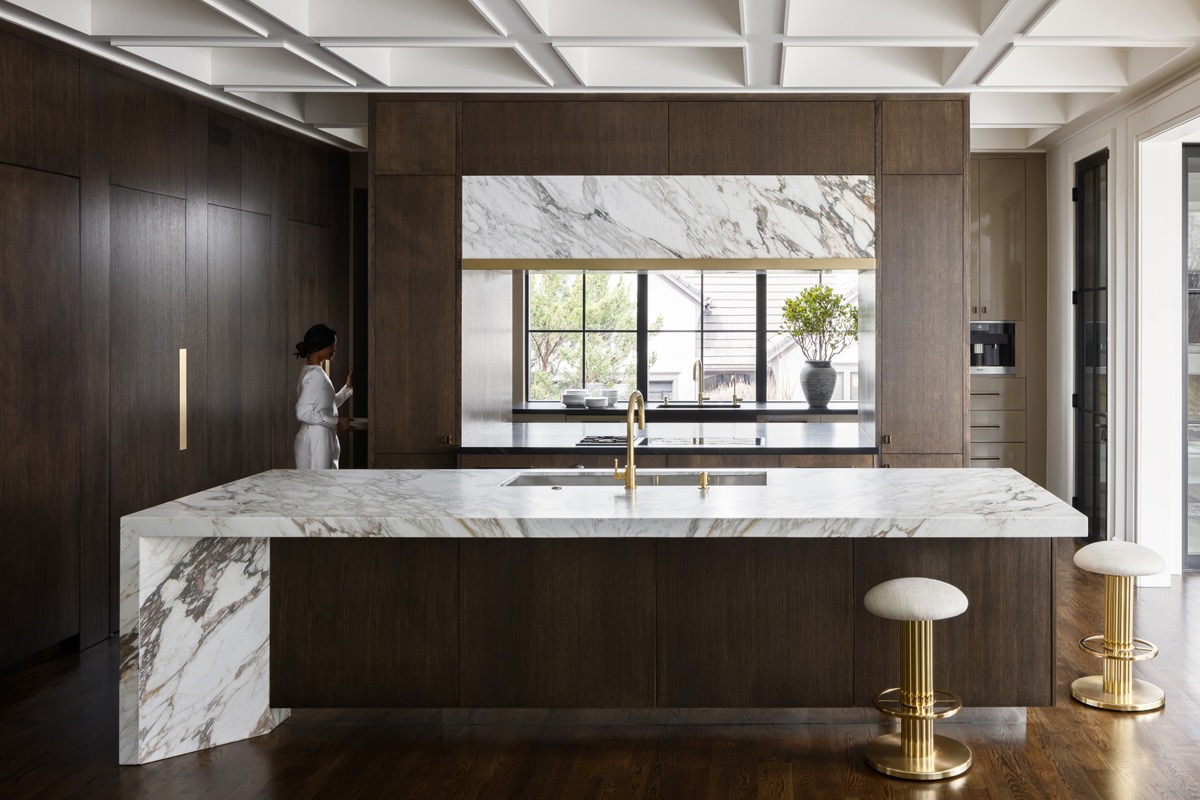
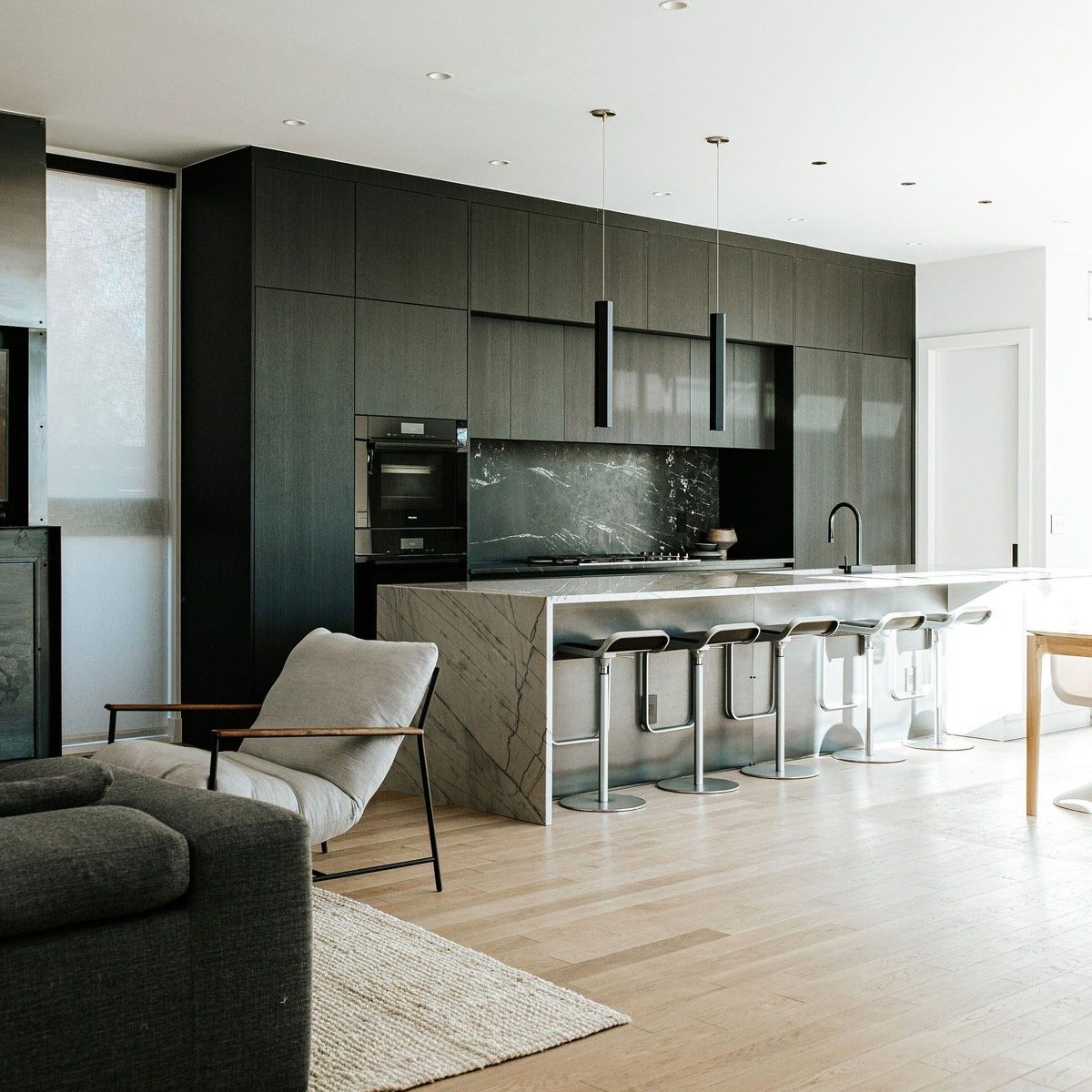
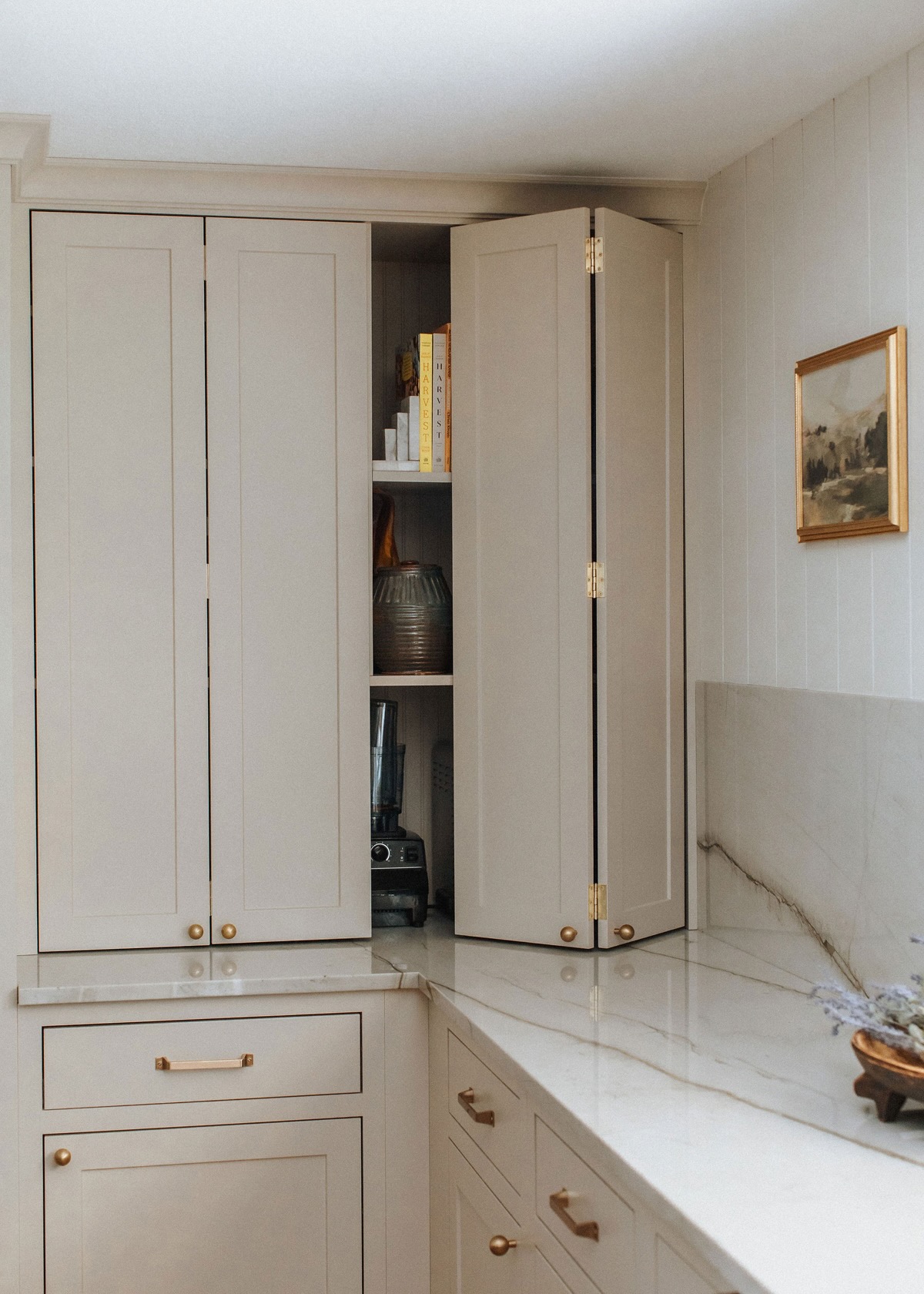
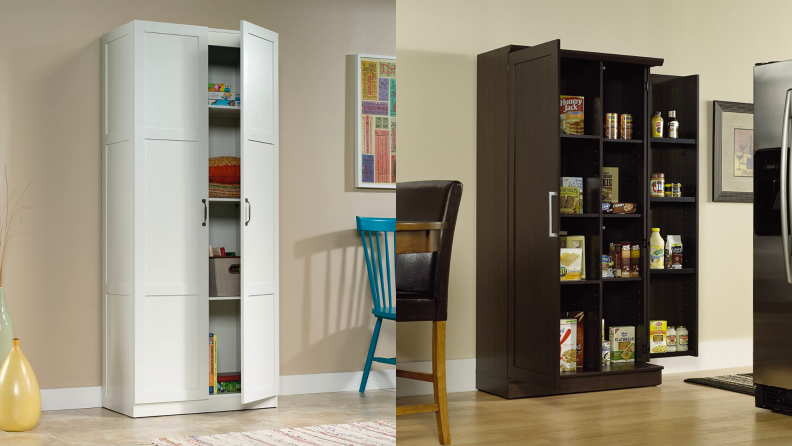
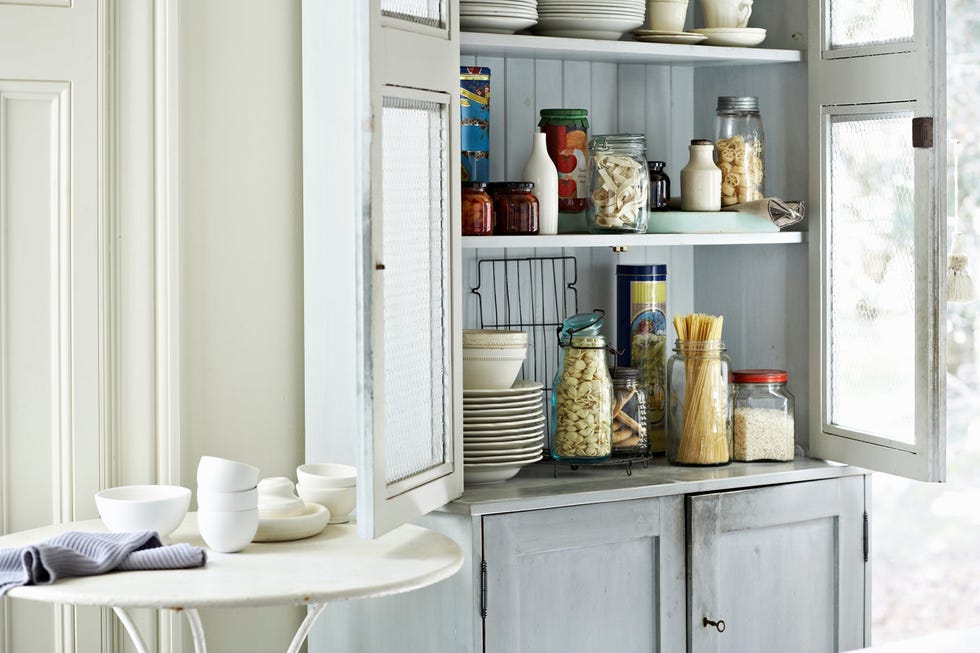
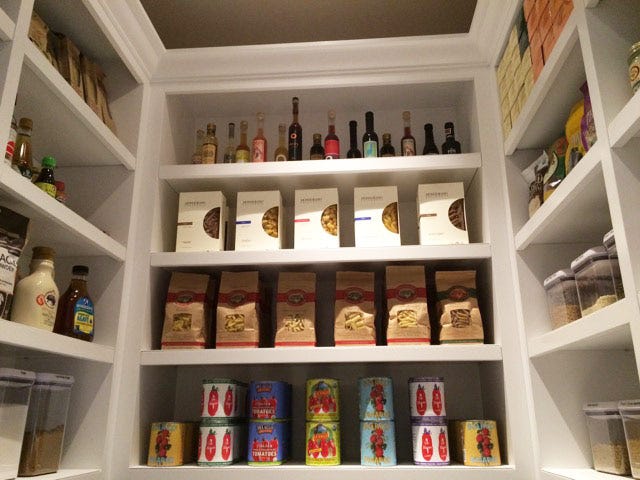
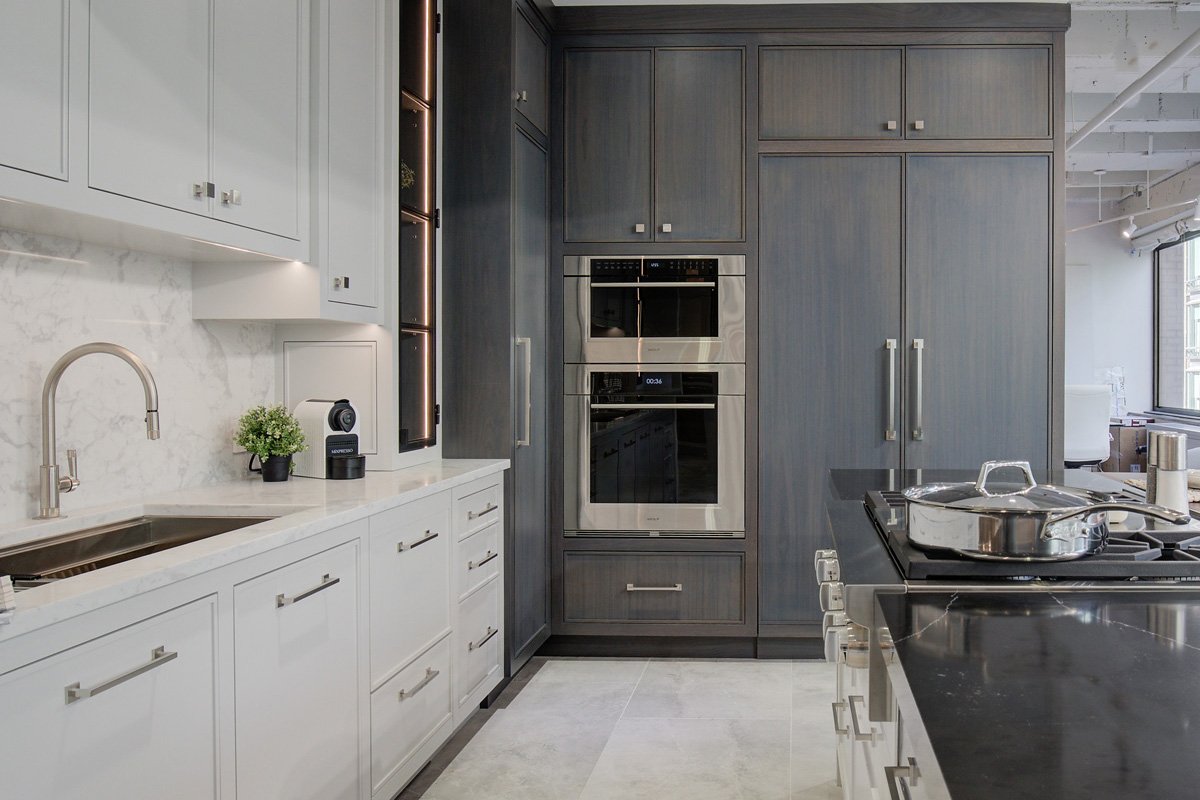
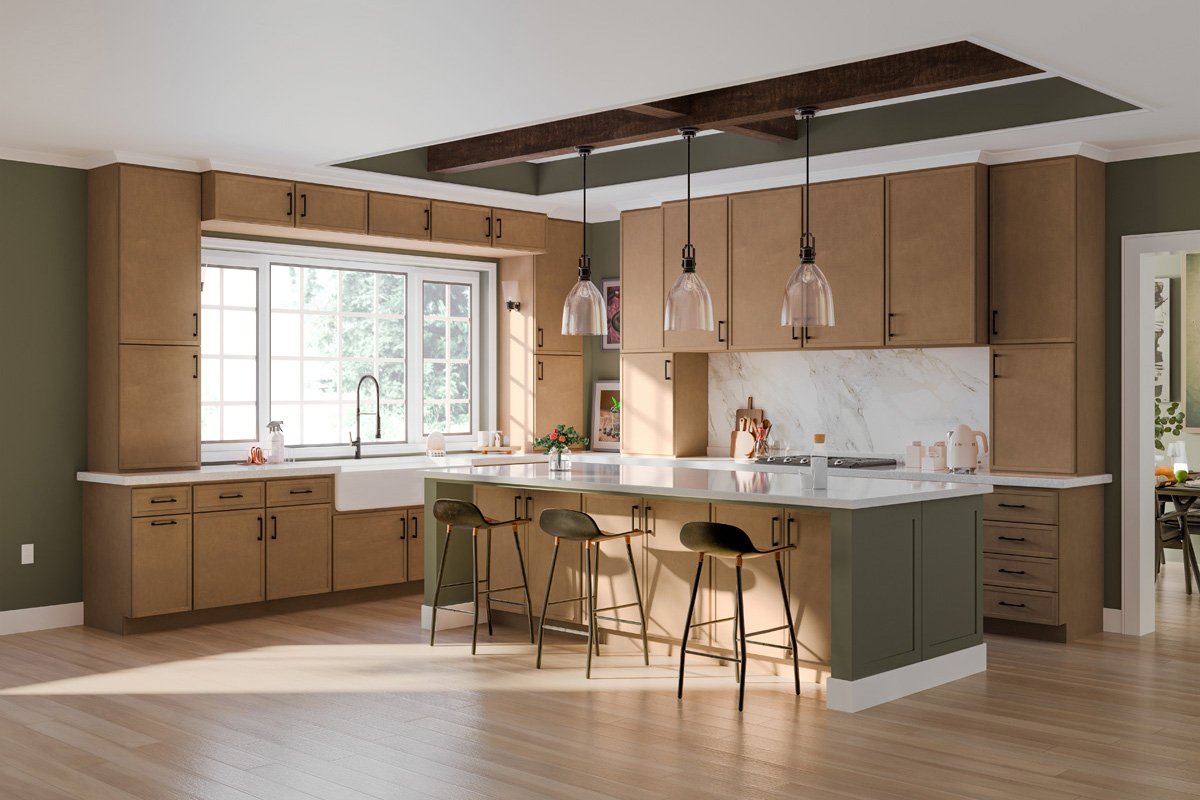
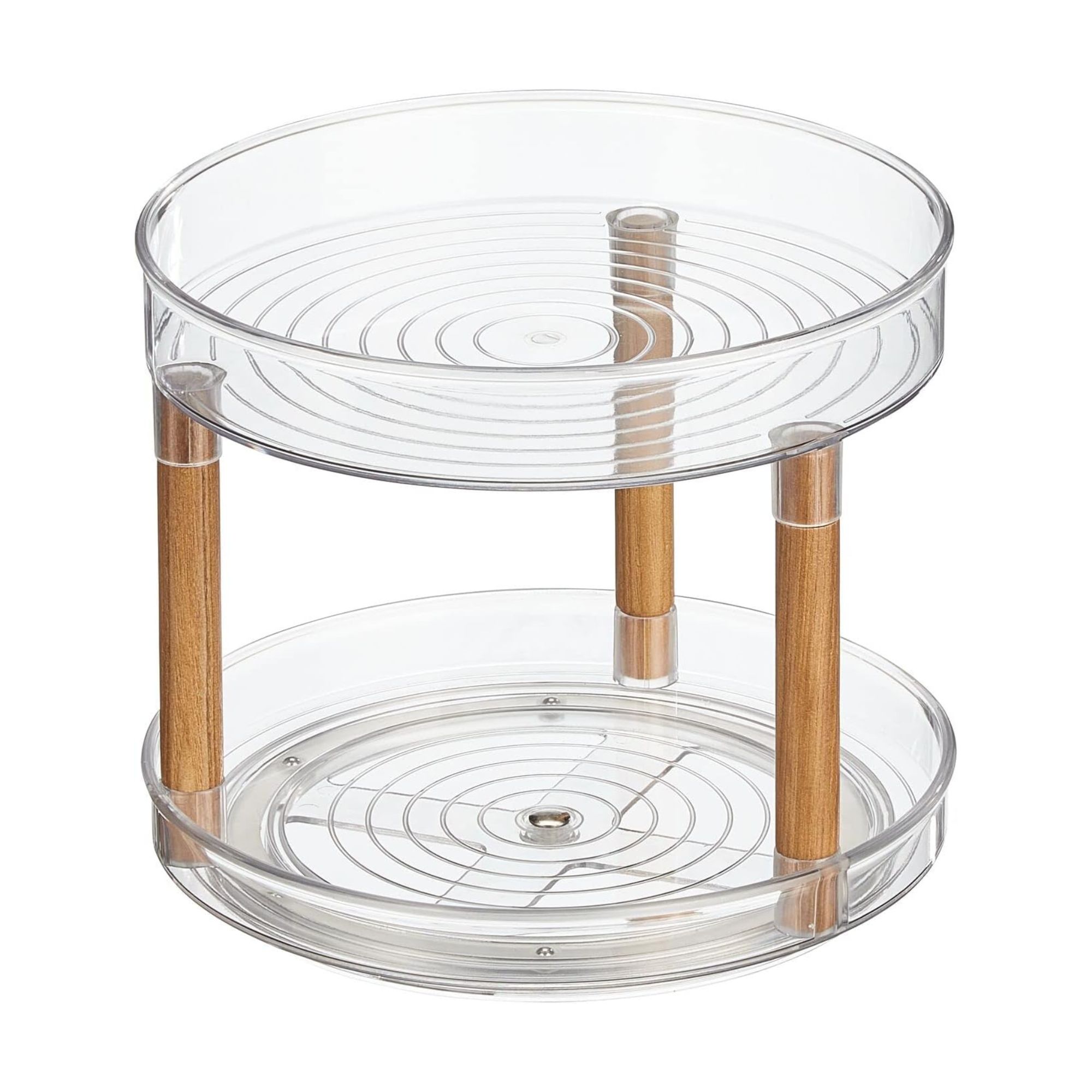
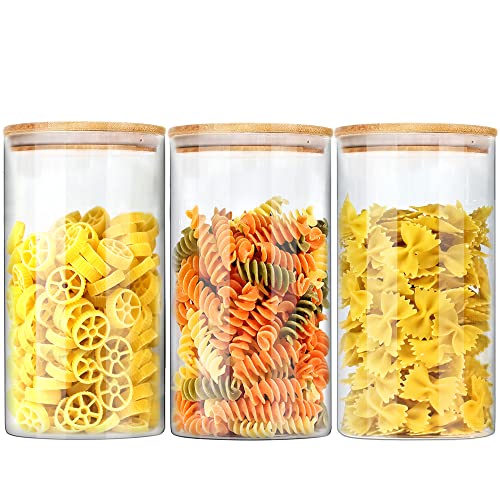
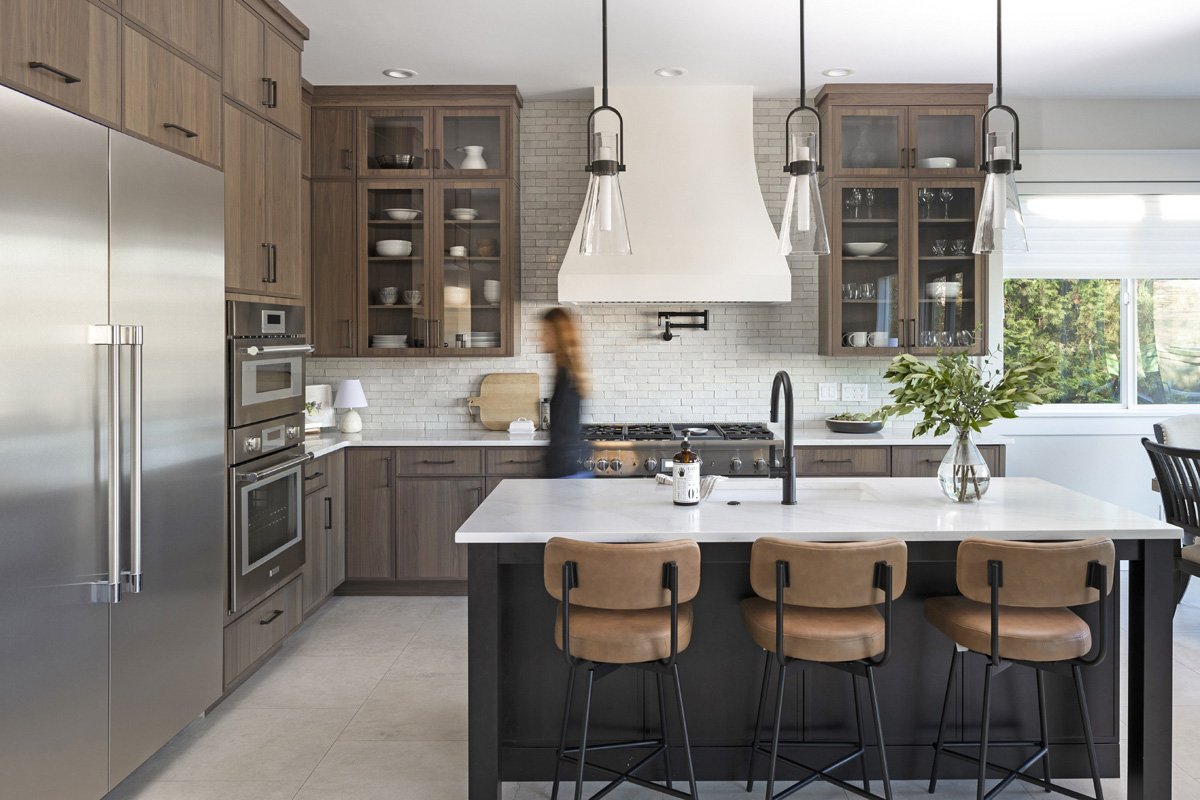
Designers like Ashley Neff-Hinkle emphasize hidden storage to minimize visual clutter in these multi-tasking spaces. Her recommended solutions include toe-kick drawers, pullout spice racks, trash/recycle pullouts, charging drawers, and cabinetry with slim vertical dividers for organizing bakeware. Tall pantry organizers with swing-out doors are also favored for their ability to make deep storage fully accessible. For clients seeking a streamlined look, extending cabinetry to the ceiling provides additional capacity for less frequently used items, while glass doors can lighten the space and add visual interest. Some clients are opting for fewer upper cabinets, preferring deep base cabinetry drawers for their ergonomic benefits and ease of access for heavy items like pots and plates. Walk-in or butler-style pantries with dedicated zones for dry goods, small appliances, and even prep areas are also gaining popularity, especially in new constructions where homeowners might want to minimize in-kitchen storage to preserve views.
Nancy Jacobson highlights the importance of customization in storage design, noting that cabinet manufacturers and aftermarket suppliers offer a growing array of accessories. She stresses the importance of designing storage solutions that are adaptable and not overly specific to current needs, ensuring they can accommodate future additions. Drawers are her preferred storage solution, often equipped with inserts for spices, knives, and utensils. Integrating outlets into drawers provides a discreet charging station for electronics, replacing the less functional kitchen desks of the past. Jacobson points out that storing plates and other heavy items in base cabinet drawers is more ergonomic and accessible, especially for older or shorter individuals, compared to reaching into wall cabinets. Pullout cabinets are also valuable for narrow spaces, accommodating items like cutting boards, trash bins, and knives. She emphasizes the “knees to eyes” area—the most accessible zones in a kitchen—as prime real estate for frequently used items, and designs storage with workflow in mind to maximize efficiency.
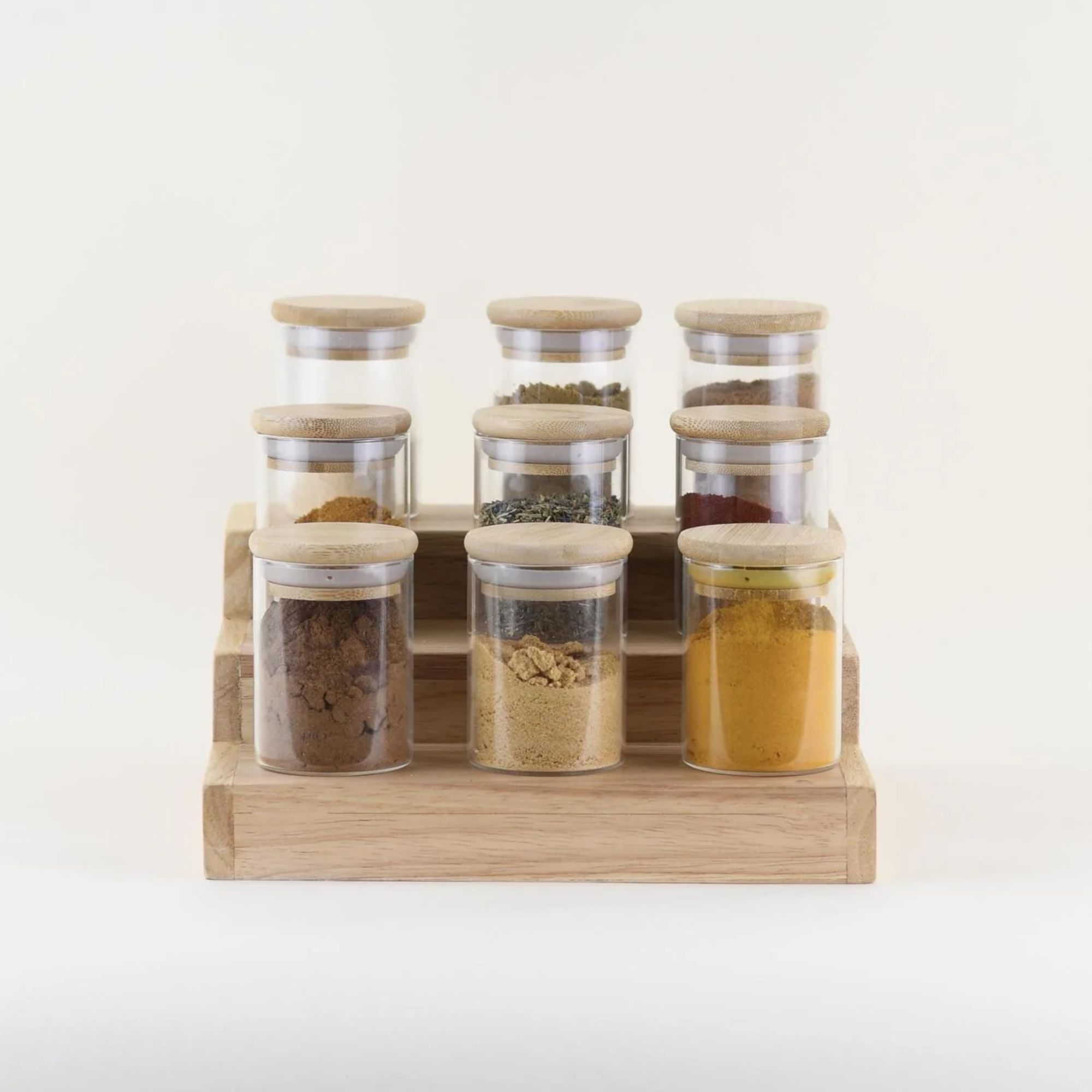
Kelly Emerson, working in areas with diverse home sizes, adapts her storage strategies based on kitchen dimensions. In larger homes, specialty storage for stand mixers is possible, but in smaller kitchens, precise inventorying of items like spice jars and knives is crucial. She recommends angled wood inserts for small spice jars and pullout base cabinets or door racks for larger ones and oils. For knives, options range from drawer inserts to bristled canisters in pullout cabinets. Emerson's approach involves understanding clients' current and future storage needs to design flexible, practical solutions that last 20-25 years. This often means utilizing LeMans corner units, pullout trash/compost bins, and aftermarket dividers for drawers, which can offer custom appearances without the lead times of fully custom cabinetry. In smaller kitchens, she often extends storage solutions into adjacent rooms, such as dining rooms, to accommodate items like baking supplies, coffee stations, or overflow dry goods, while also improving kitchen flow and light.
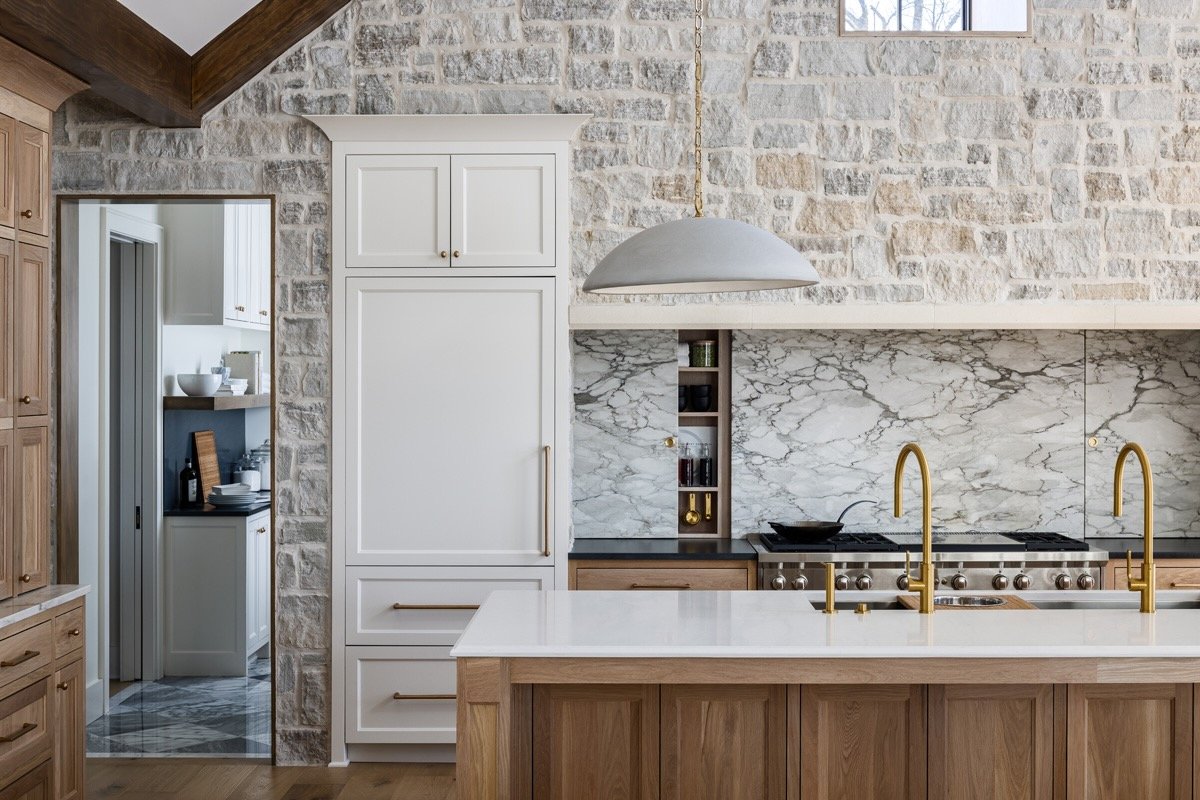
Christine Ramaekers observes that while core storage elements like rollout trays and dividers have been around for a while, they are continually being refined for enhanced convenience and elegance. Custom cabinetry offers extensive possibilities, from deep to narrow spaces for various items, to integrated USB and power outlets in drawers. Below-sink storage with pullout shelves helps organize cleaning supplies. Above-cabinet storage, accessed by integrated ladders or step stools, is ideal for less-used, cumbersome items. Upgraded interiors with specialty woods and integrated lighting in drawers and cabinets further enhance functionality and aesthetics. Ramaekers frequently incorporates hidden walk-in pantries, often concealed behind cabinetry panels, to maintain a sleek kitchen aesthetic. These pantries can house countertops, base cabinets, shelving, and even small appliances like microwaves, freeing up counter space in the main kitchen area. Appliance garages are also popular for keeping everyday small appliances plugged in but out of sight, contributing to an uncluttered and beautiful kitchen environment.
#KitchenDesign #StorageSolutions #Cabinetry #KitchenOrganization #HomeStorage #InteriorDesign #KitchenRemodel #SpaceSaving #KitchenDesign #StorageSolutions #Cabinetry #KitchenOrganization #HomeStorage #InteriorDesign #KitchenRemodel #SpaceSaving
0 comment in total
 No comments yet
You may also like
Savvy Storage
Out of the Closet: Solving your storage problems
8 Things Experts Would Never Store Under the Bed (and Neither Should You!)

15 Genius Ways to Organize Electronics, Games, and Other Media Items

Here’s how to up your storage game—literally

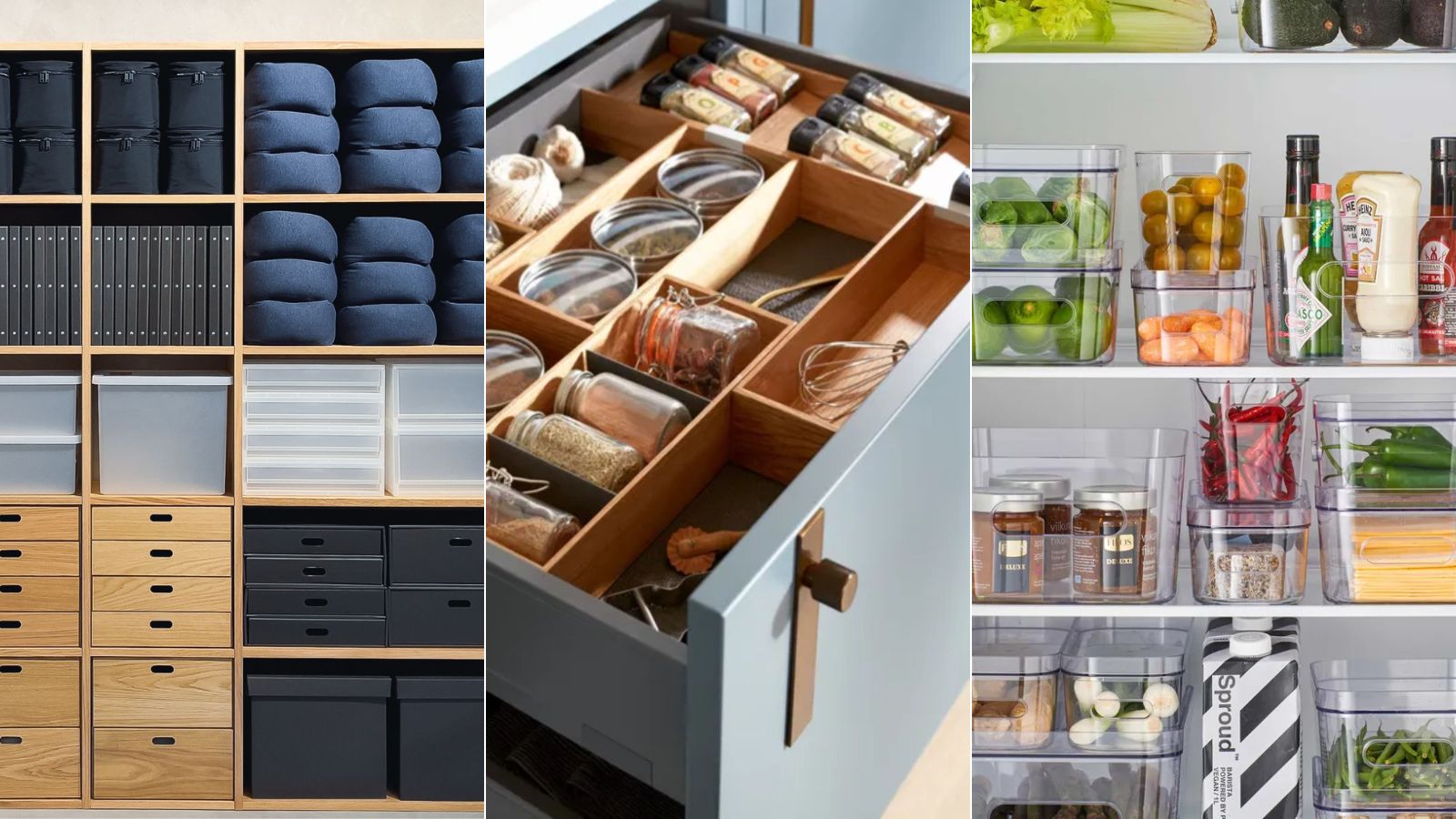
These 7 things should never be stored in plastic bins – don't risk damaging your possessions

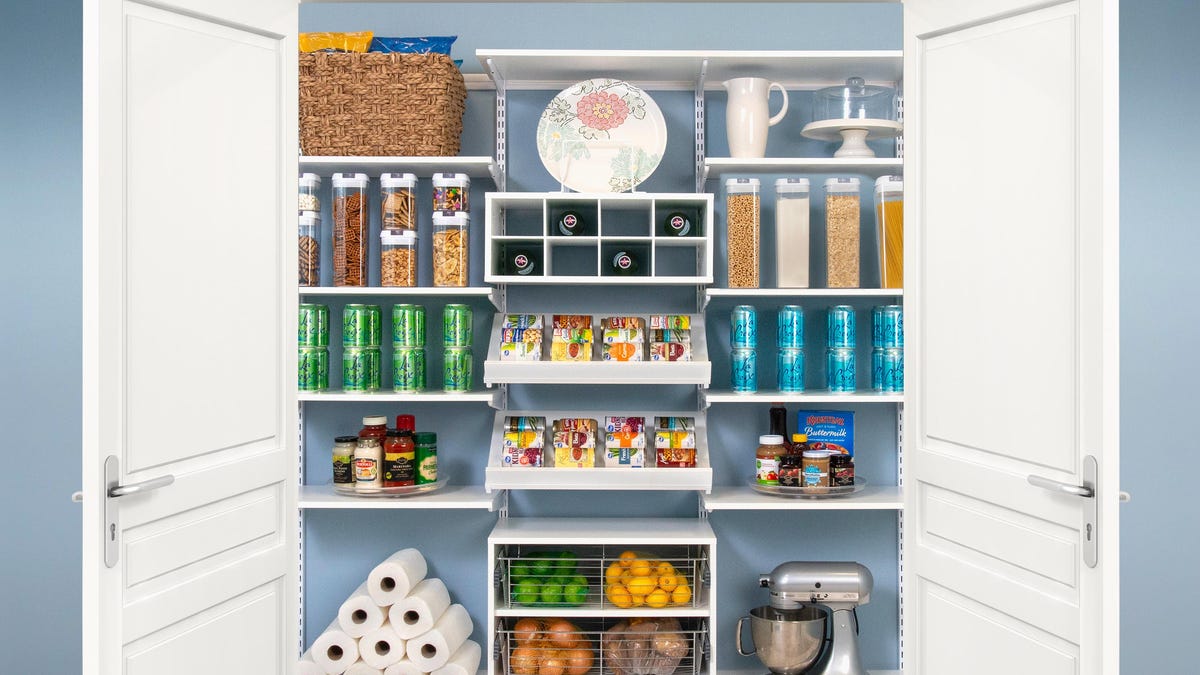
Homestyle: Storage solutions
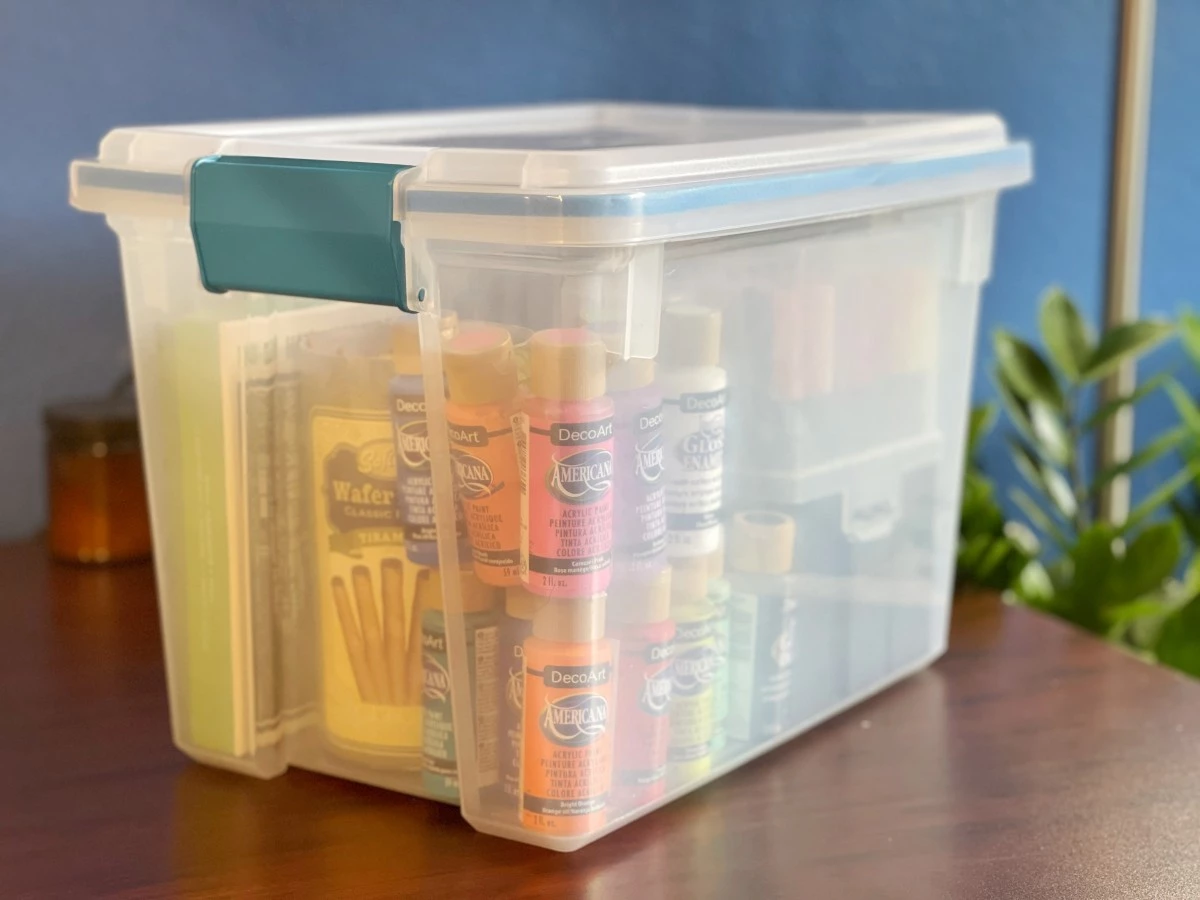
The Best Storage Bins


Storage Coverage

Storage & Organization


Brooke Shields' intelligent storage method uses 'dead' space
The Best Video Game Storage Options for Your Collection
Storage & Organization
Space-Saving Solutions: 33 Creative Storage Ideas

A Storage Box’s Next Evolution Is Wall-Mounted Drawers
Shelving & Storage

9 Tips To Win The Kitchen Pantry Storage War

Sleek Storage
Wayfair’s Closeout Section Has Some of the Smartest Storage Solutions Up to 79% Off


The Storage Solution Trend Of 2026 That Evolves & Adapts With You