1/10
These 7 things should never be stored in plastic bins – don't risk damaging your possessions
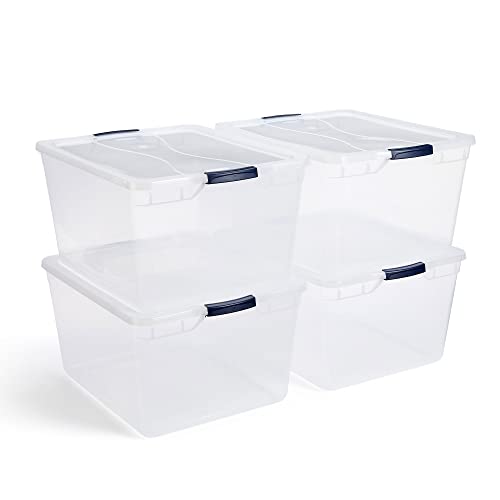
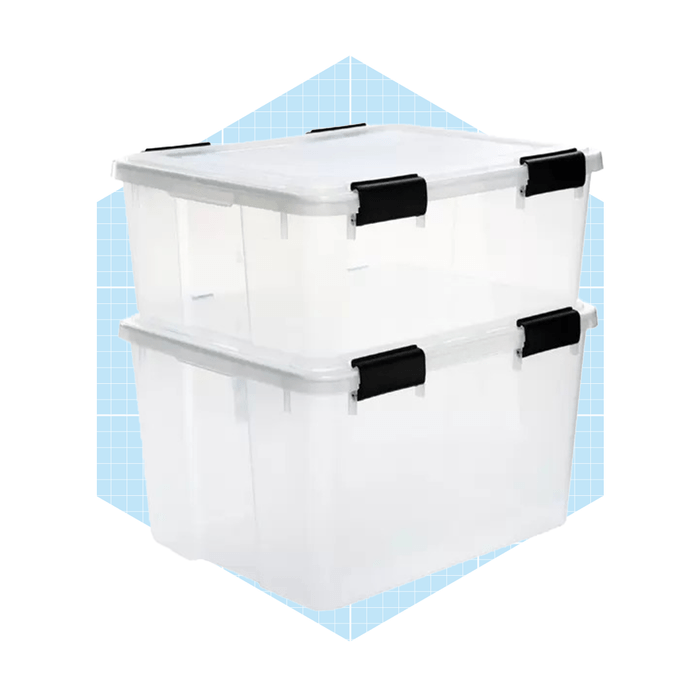
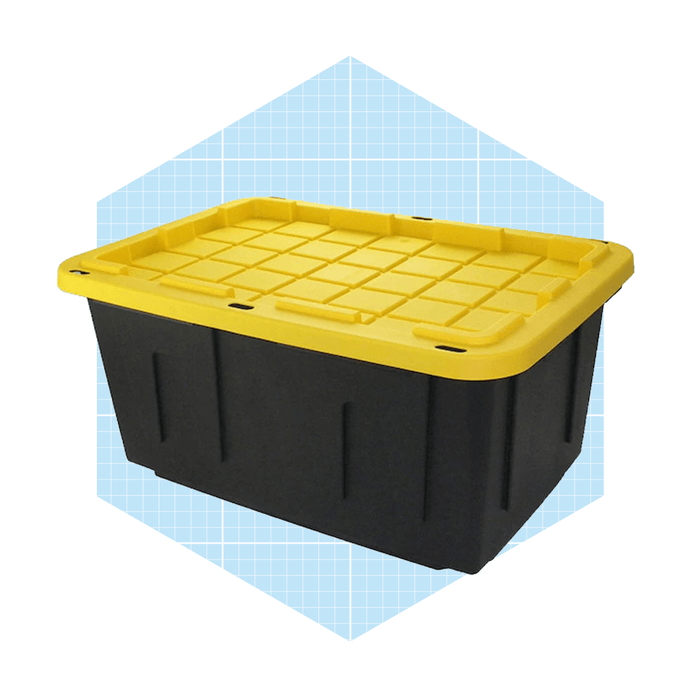
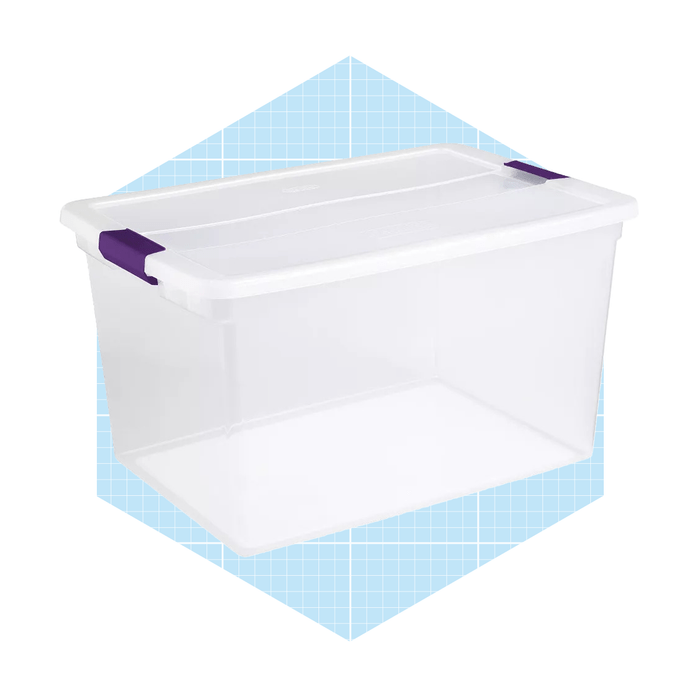
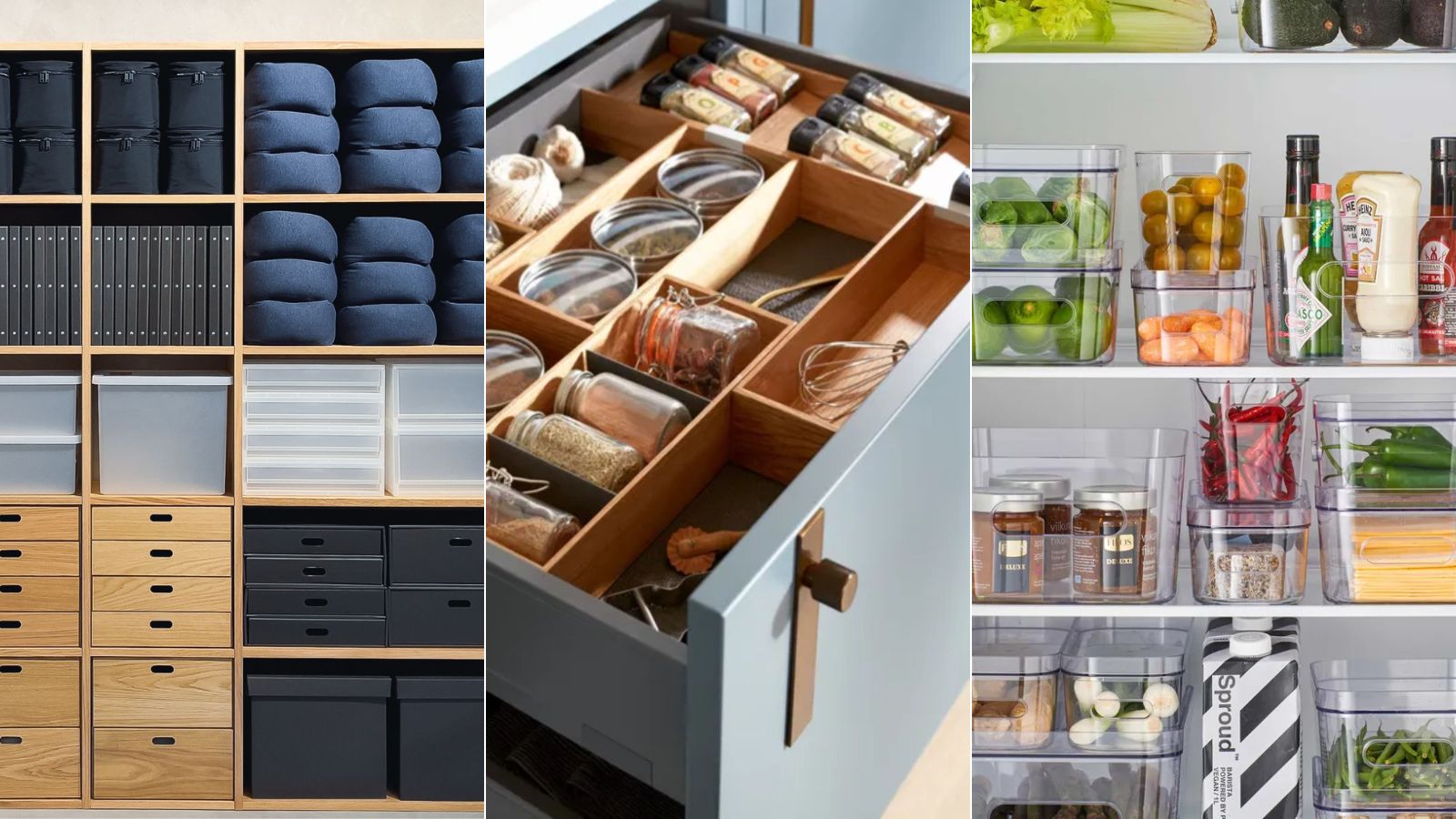
Plastic storage bins are a popular and convenient solution for organizing various items in a home. However, despite their widespread use, certain items are not suitable for storage in plastic containers due to potential damage to the items themselves or health risks. This guide identifies seven categories of items that should never be stored in plastic bins and suggests more appropriate storage alternatives.
Important documents and valuables, such as photos, artwork, birth certificates, and delicate collectibles, are susceptible to damage from moisture and lack of adequate protection in plastic bins. Trapped moisture can lead to mold development, while insufficient protection against light exposure, temperature fluctuations, and humidity can cause deterioration. Archival-quality materials like acid-free boxes or portfolios are recommended for preserving these items.
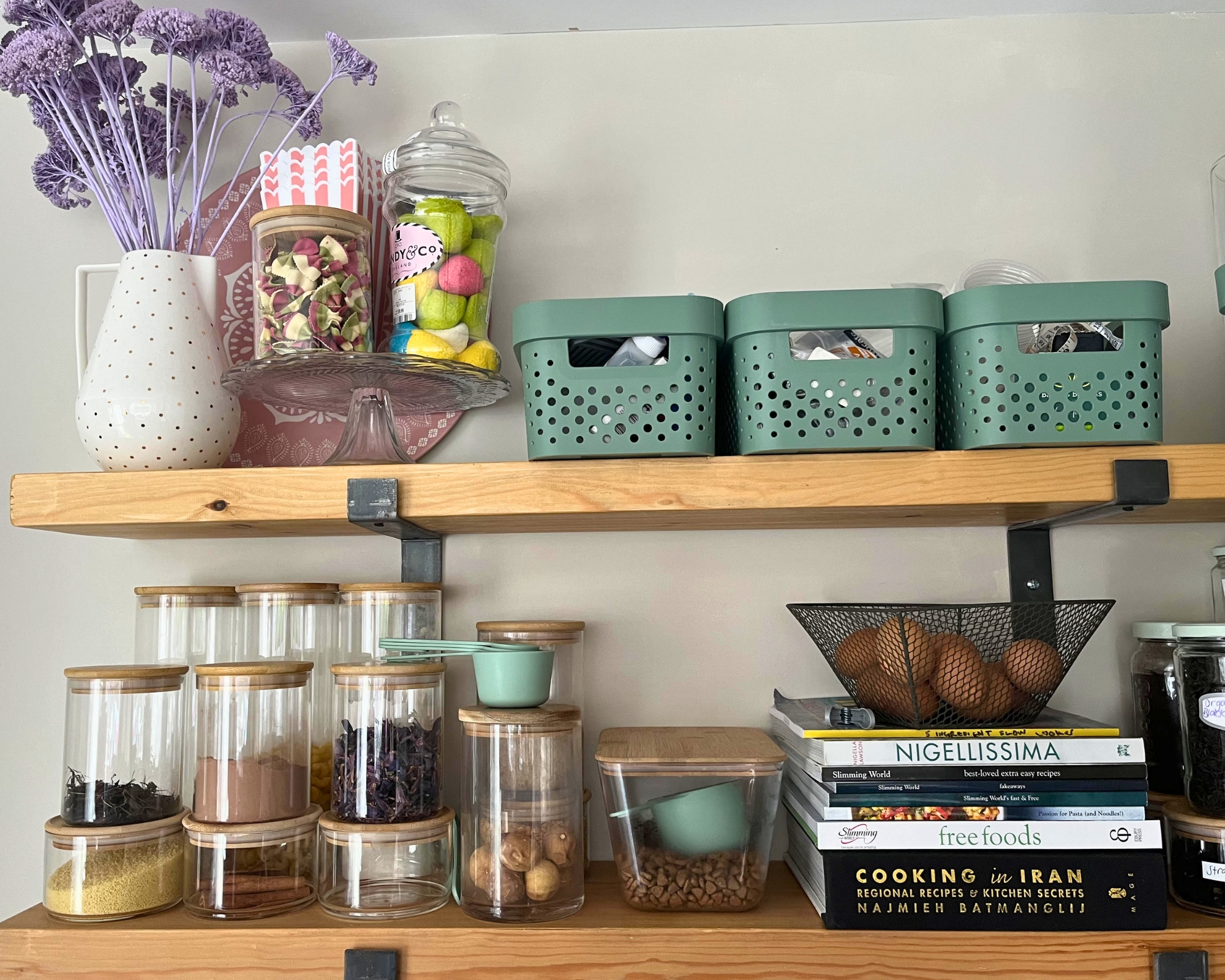
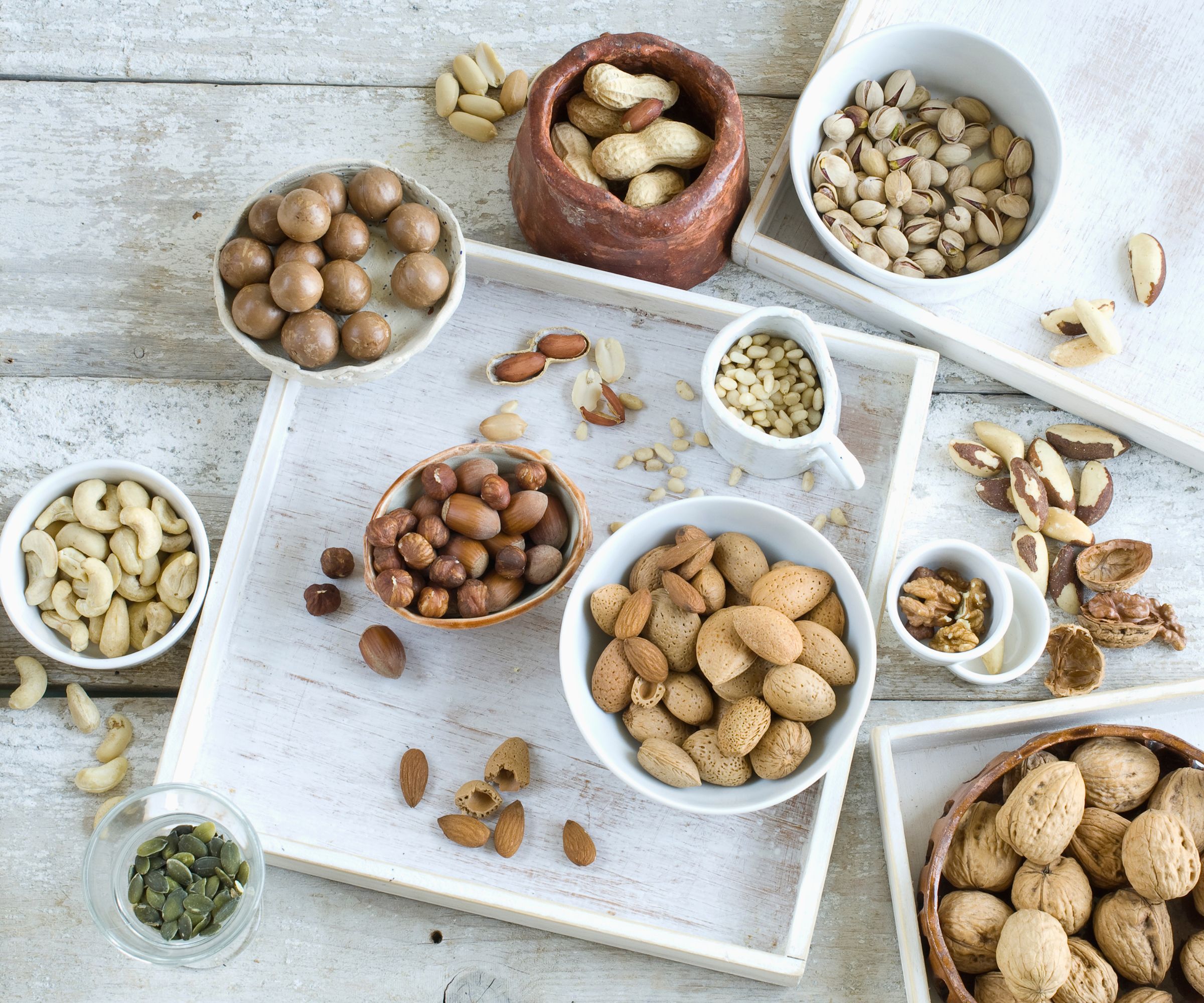
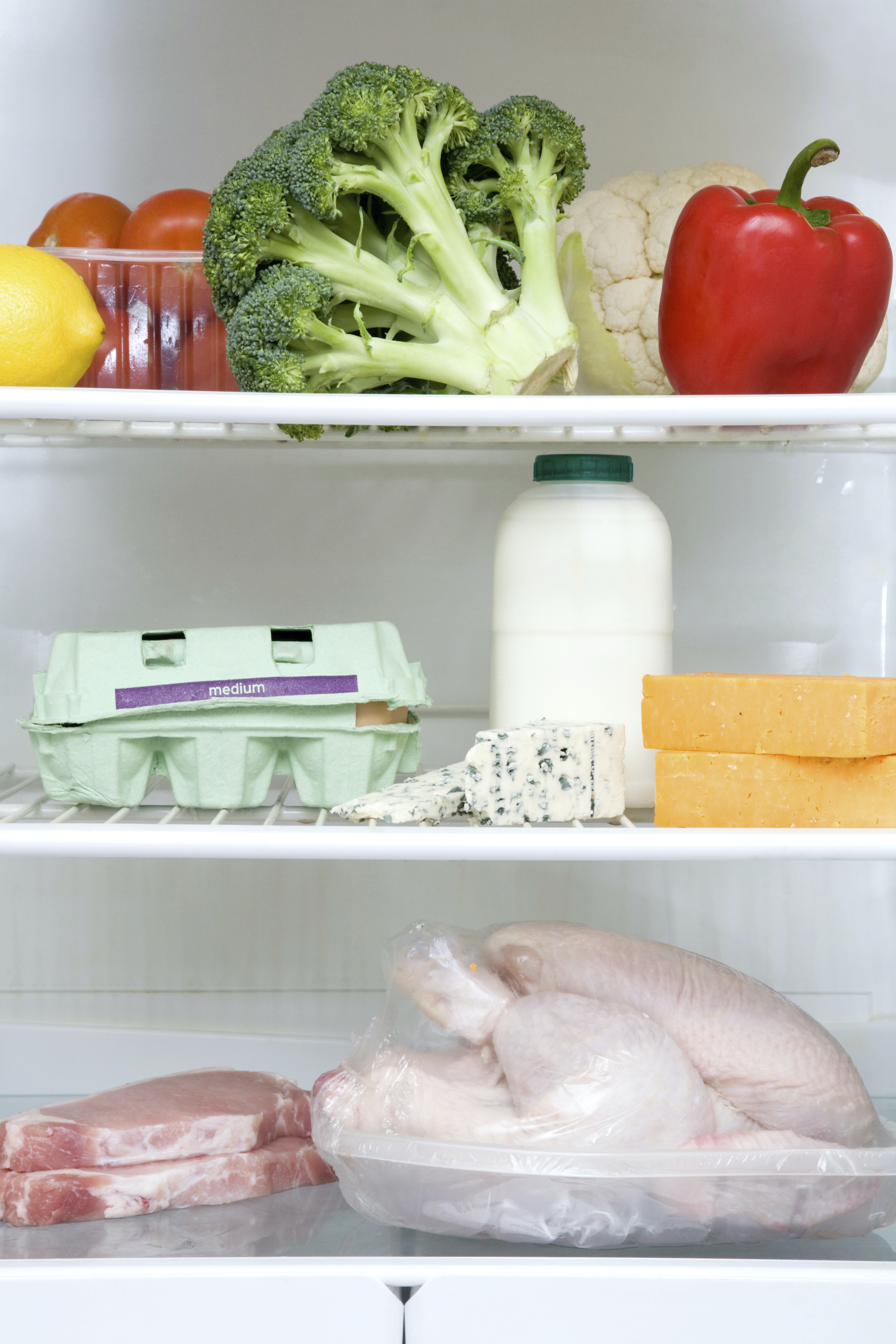
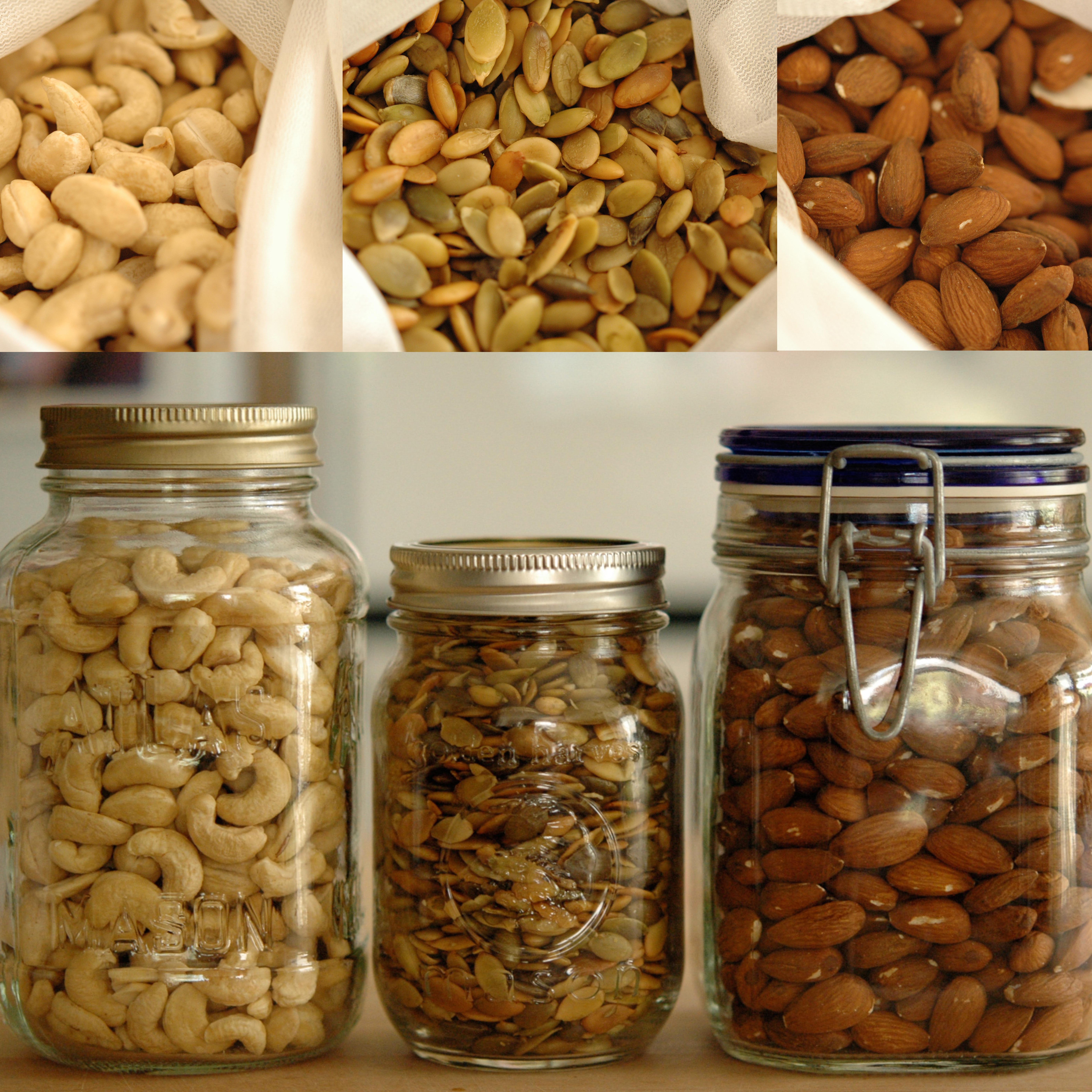
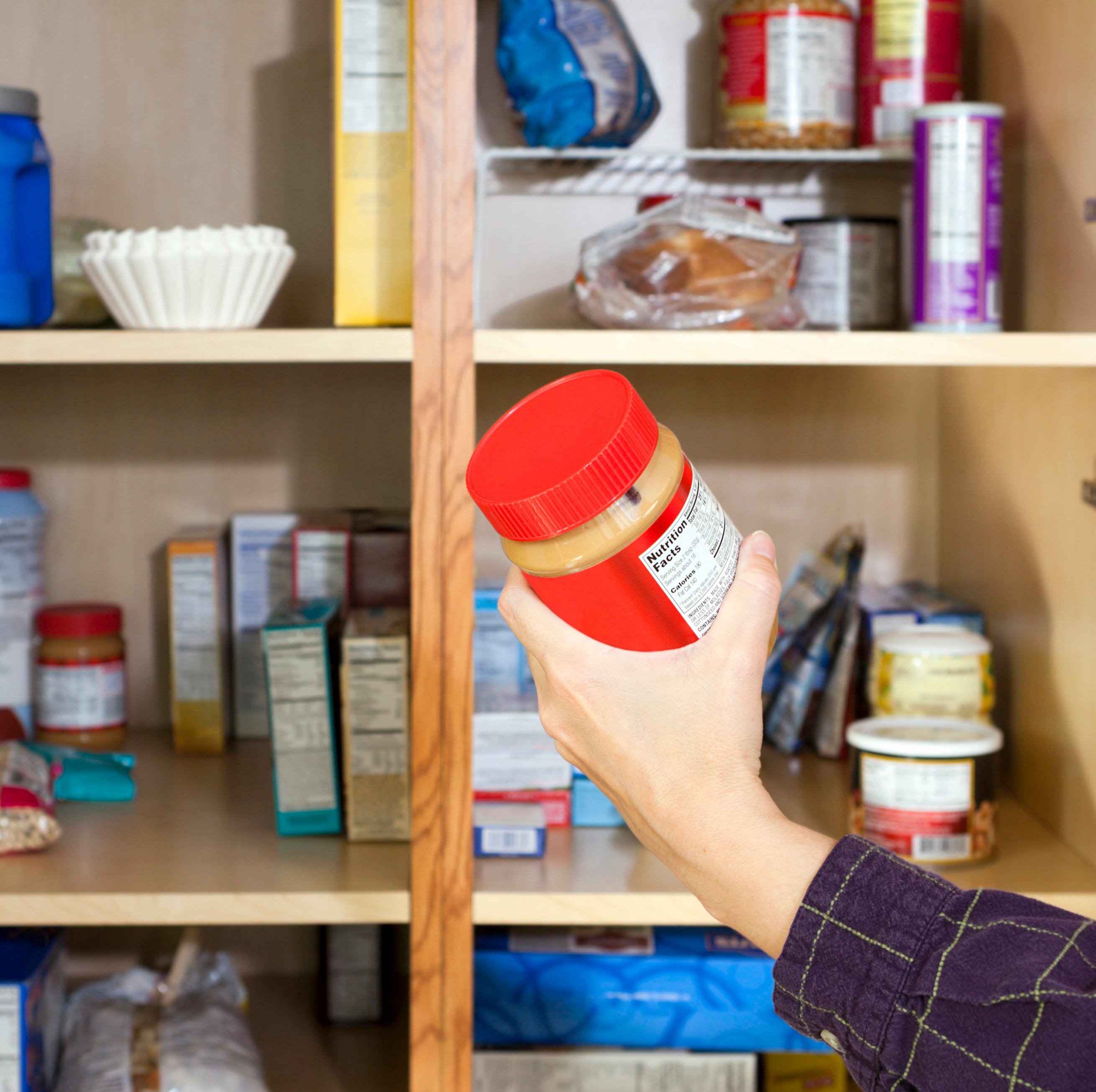
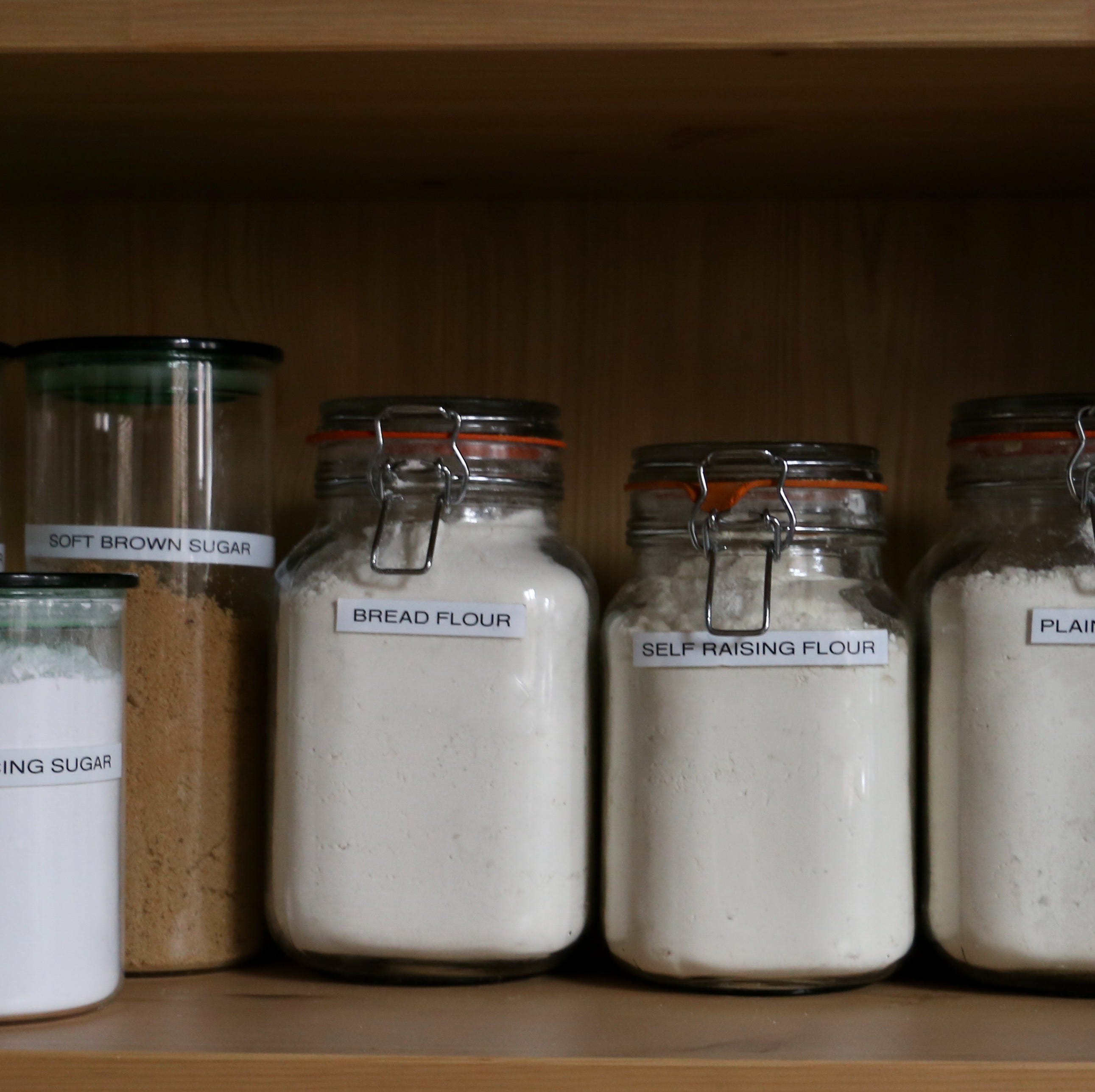
Food items, particularly when exposed to heat or acidic conditions, can be compromised if stored in certain types of plastic. Some plastics may leach harmful chemicals into food, posing health risks. Instead, glass containers or food-grade stainless steel are safer and more environmentally friendly options for food storage.
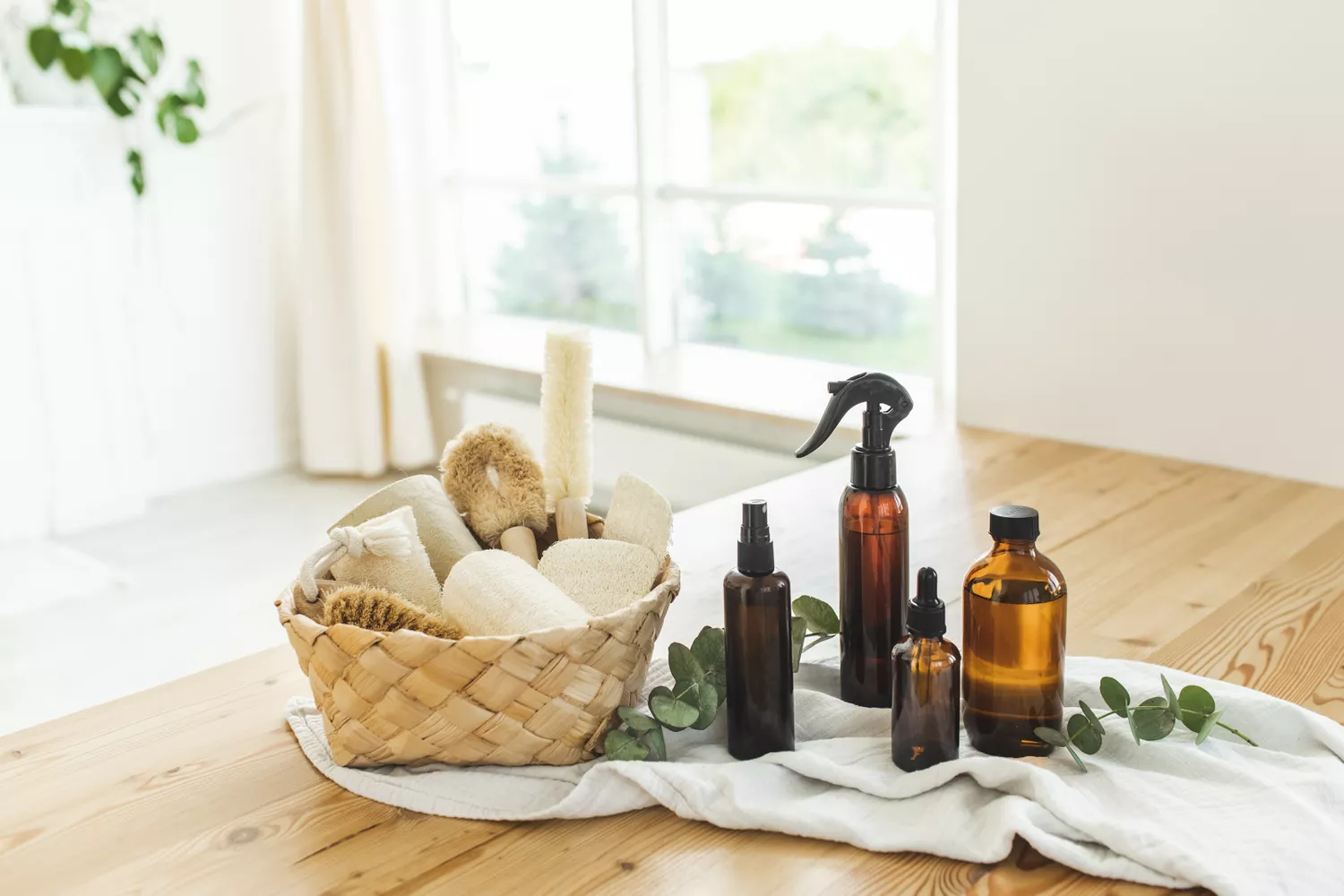
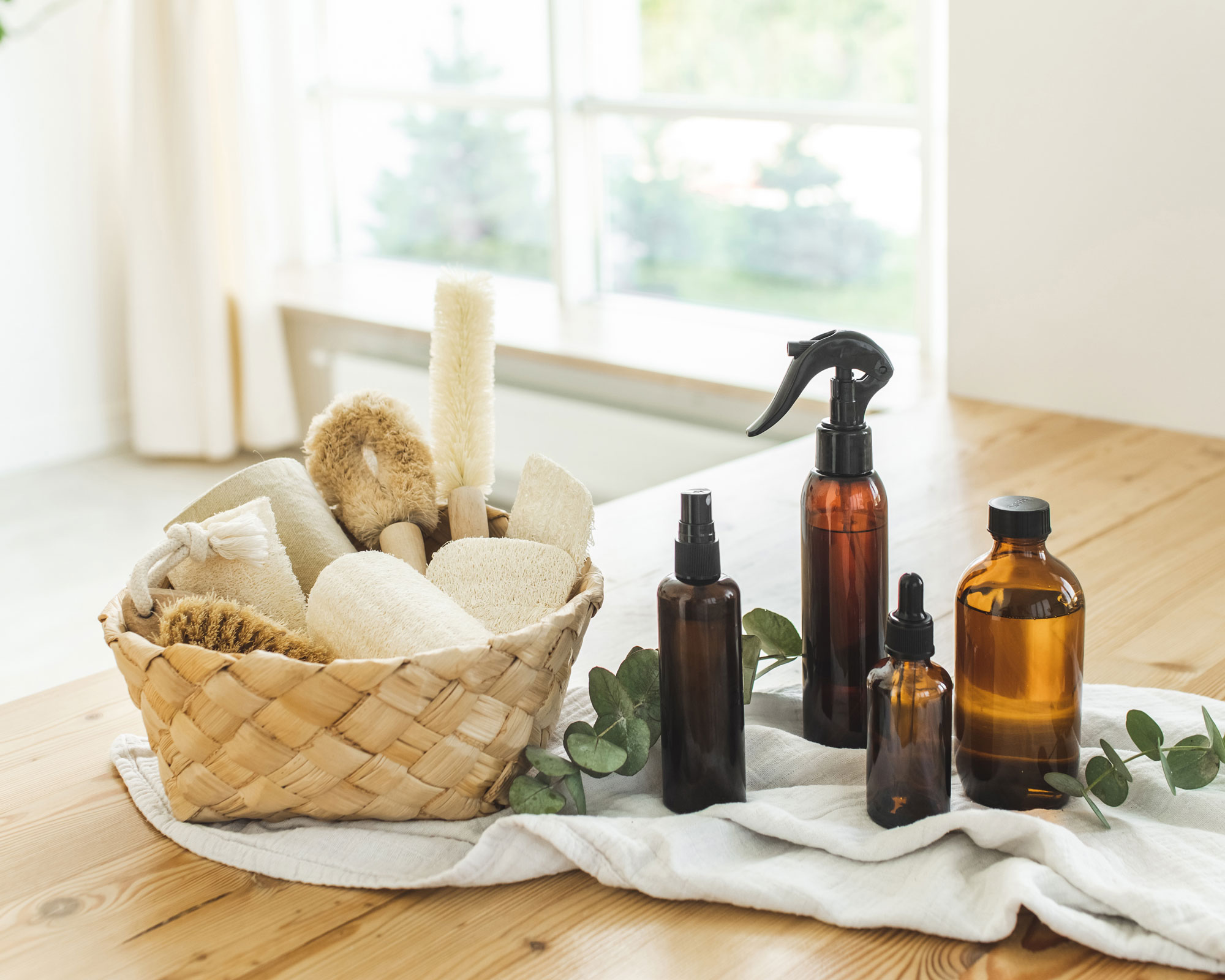
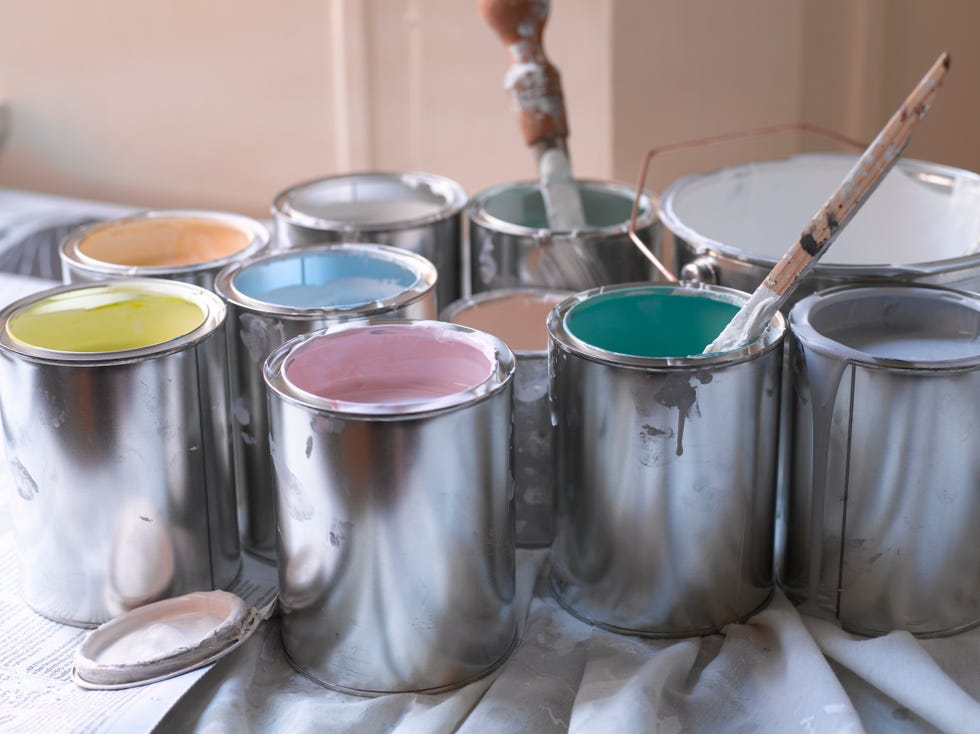
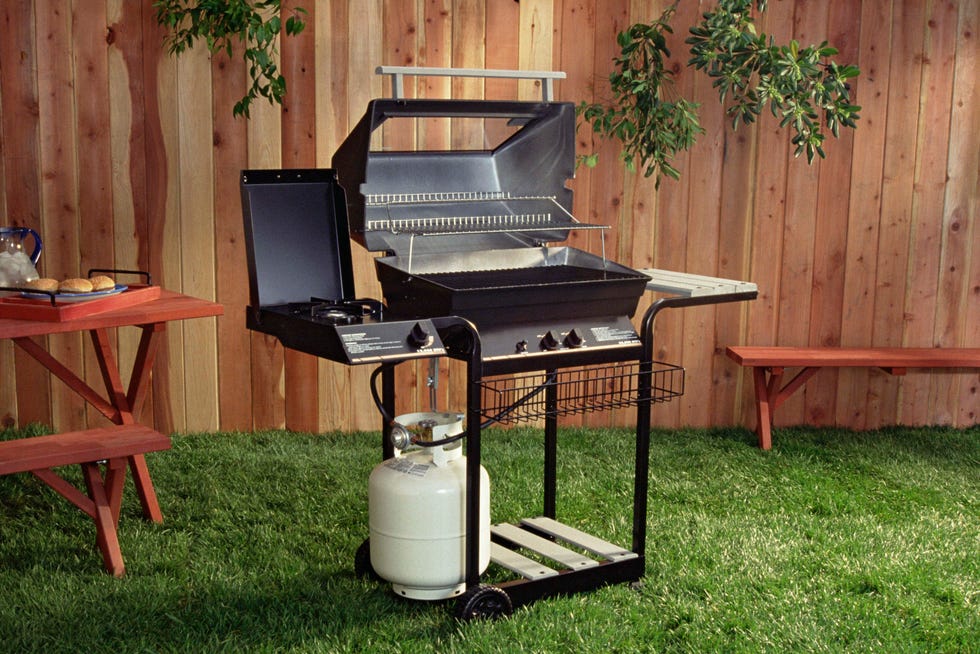
Chemicals and hazardous materials, including cleaning supplies and personal care products, should not be stored in plastic bins due to the risk of chemical reactions or the release of harmful fumes. These items require designated containers made from compatible materials like glass or metal to ensure safe handling and storage.
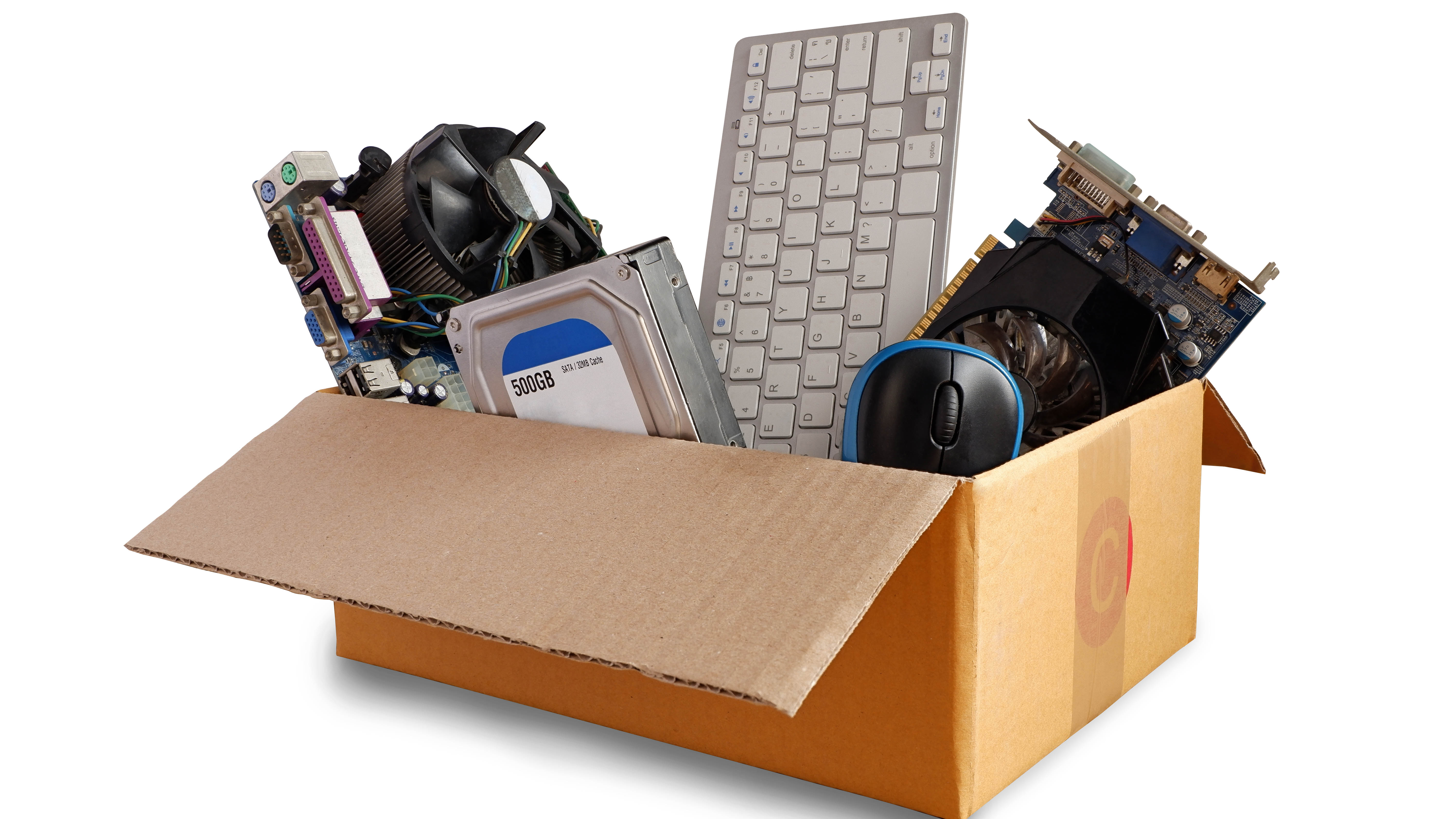
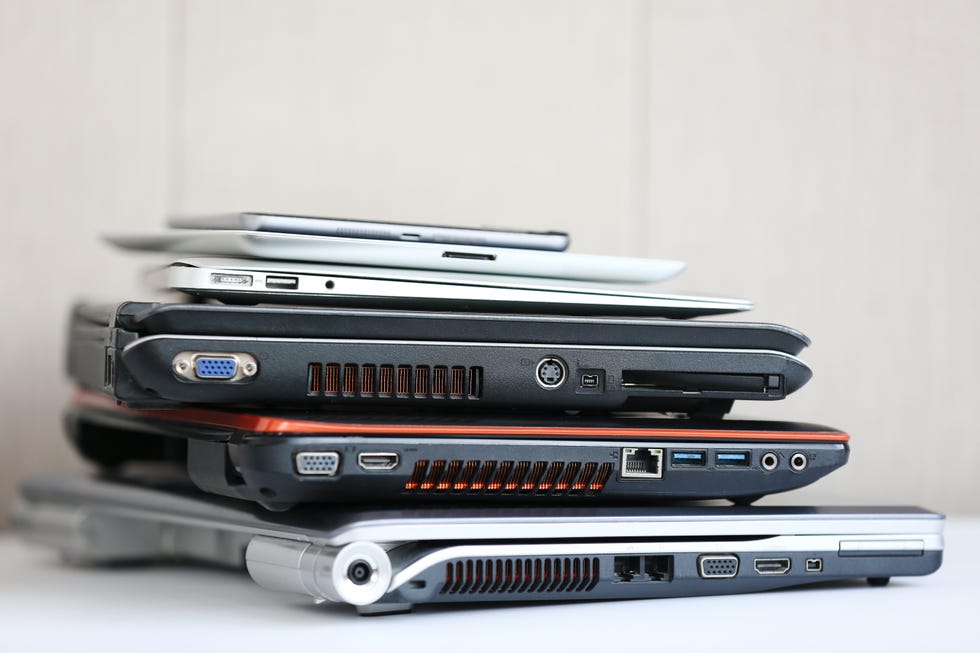
Electrical equipment and batteries are sensitive to temperature and moisture changes, which plastic containers do not adequately protect against. This lack of protection can lead to corrosion or malfunction. For electronics, anti-static bags or padded cases designed for their specific needs are recommended, and they should be stored in a climate-controlled environment.
Medications, including vitamins and pharmaceuticals, can lose their efficacy and safety if stored in plastic containers that offer insufficient protection against light, moisture, and temperature fluctuations. It is crucial to keep these items in their original packaging or specialized medicine storage containers to maintain their effectiveness and ensure proper preservation.
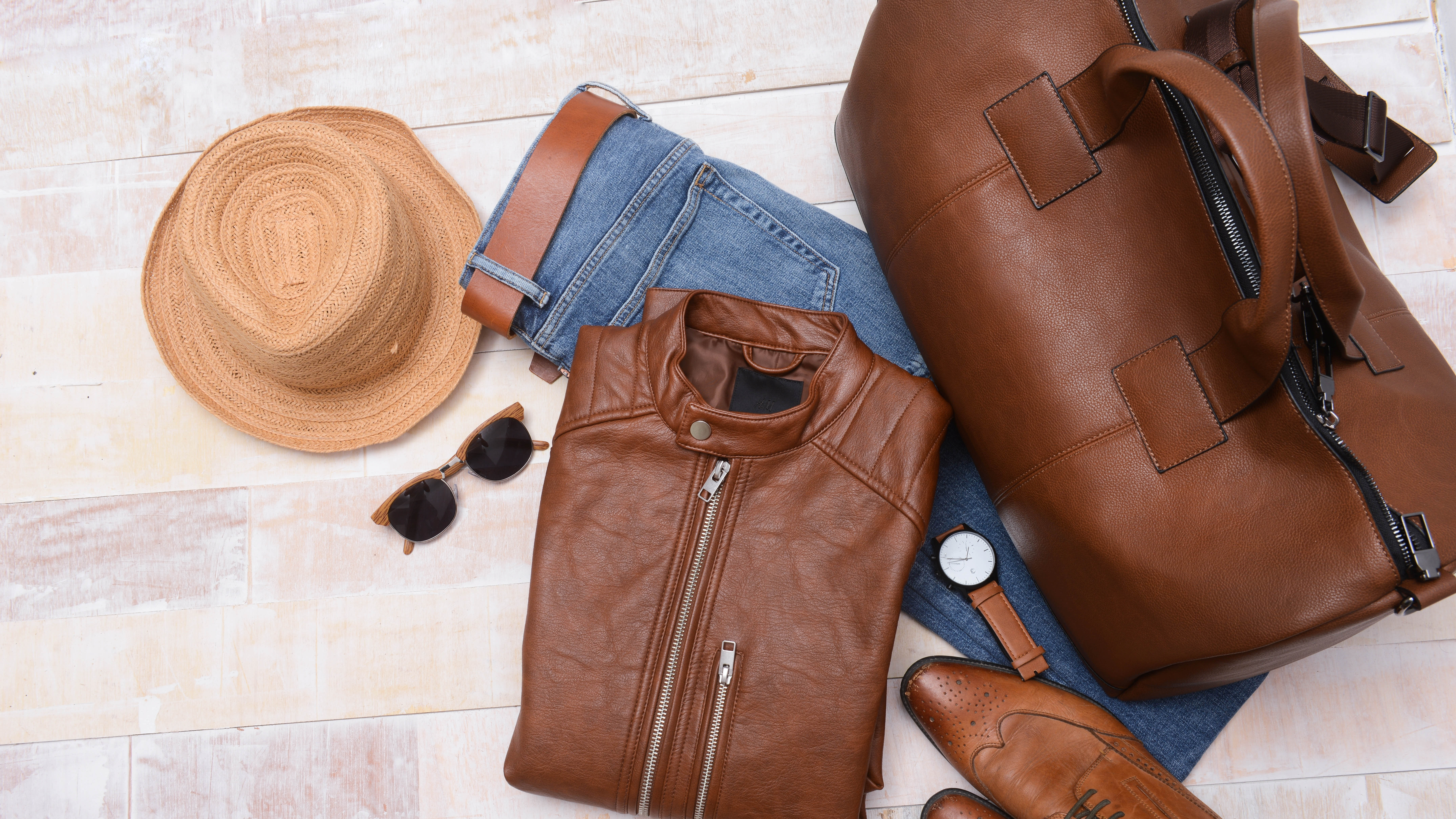
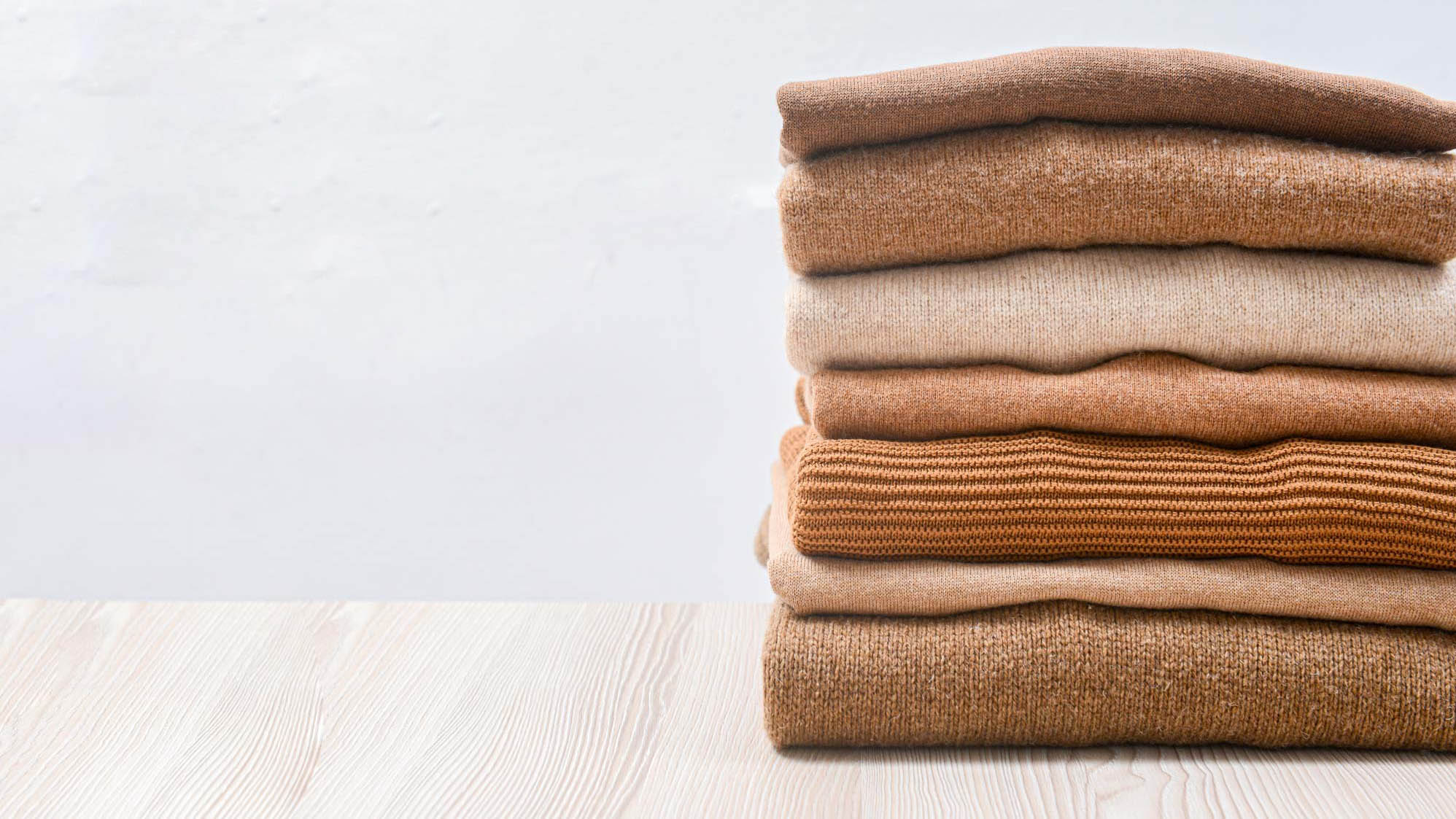
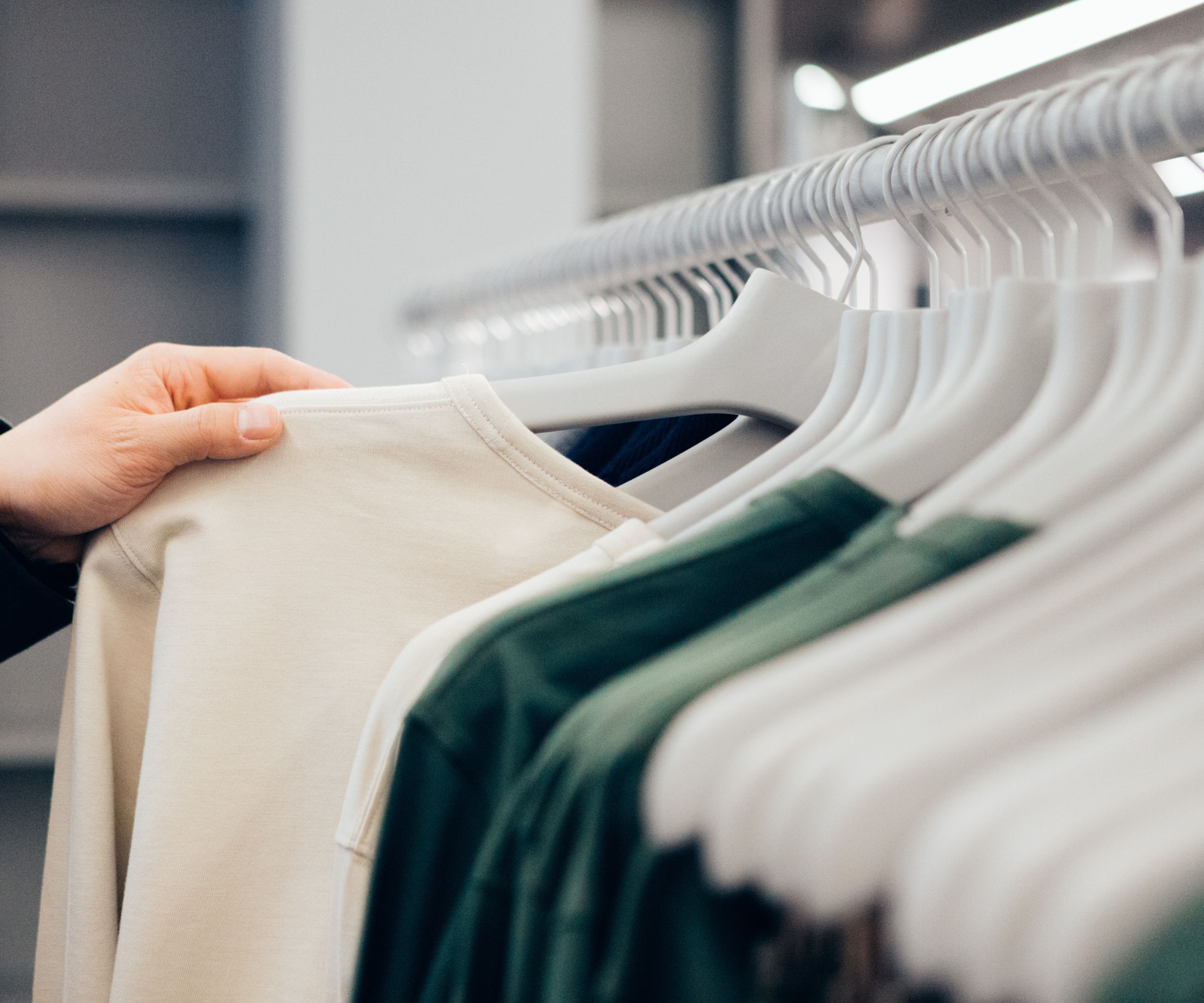
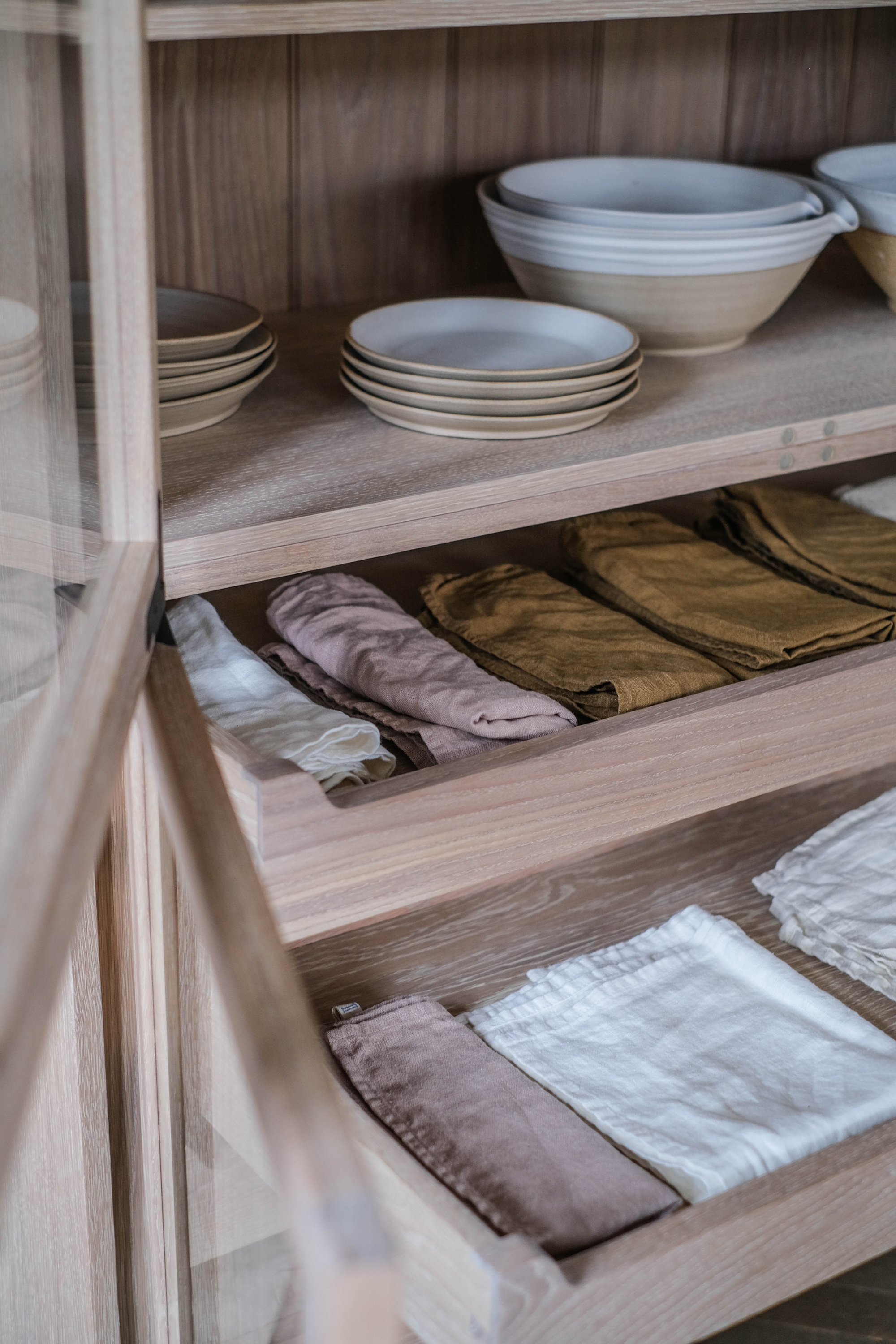
Clothing and fabrics, especially delicate materials like silk, wool, cashmere, and leather, can be damaged by moisture trapped in plastic bins due to a lack of ventilation. This environment promotes mold or mildew growth, leading to musty odors and material degradation. Breathable storage solutions such as cotton canvas bags or garment bags are preferred to protect fabrics.
Finally, premium spirits and wines should not be stored in plastic containers. Plastic can release chemicals into the air that may permeate the corks of bottles, altering the flavor and quality of expensive beverages. A dedicated wine room or a wine rack is the ideal storage solution to ensure these drinks age gracefully. Additionally, items with strong odors, such as shoes or pet food, should also avoid plastic bins, as the plastic can absorb and retain these smells over time; breathable storage is more suitable for such items.
#PlasticStorage #HomeOrganization #StorageSolutions #HouseholdSafety #DocumentPreservation #FoodStorage #ChemicalStorage #ElectronicsStorage #MedicationStorage #FabricCare #WineStorage #PlasticStorage #HomeOrganization #StorageSolutions #HouseholdSafety #DocumentPreservation #FoodStorage #ChemicalStorage #ElectronicsStorage #MedicationStorage #FabricCare #WineStorage
0 comment in total
 No comments yet
You may also like
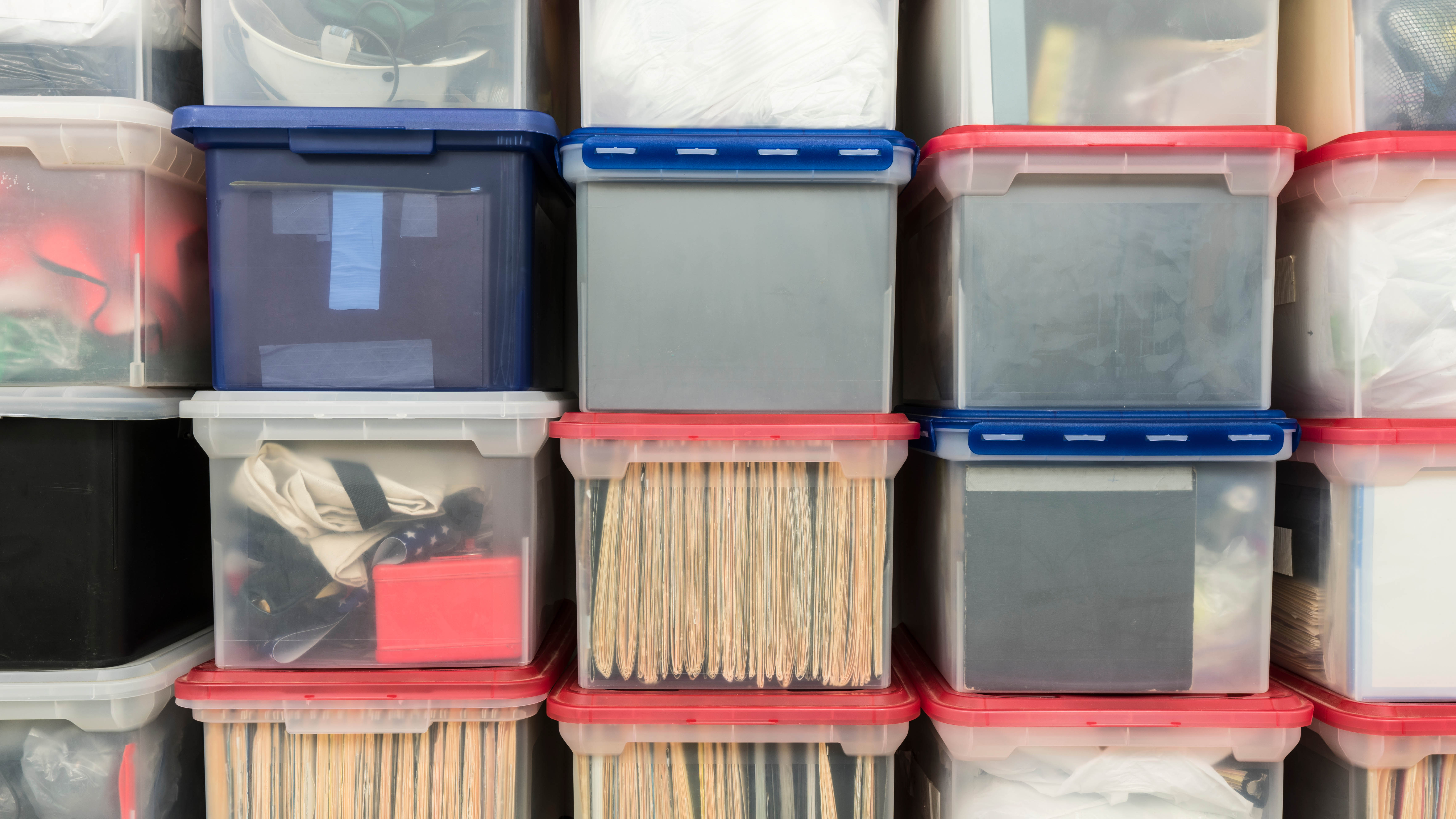
7 things you should never store in plastic containers


Never store these 6 things on open kitchen shelving, warn pro organisers

5 Things You Should NEVER Leave in Your Shed, According to an Expert

6 Things You Should Never Store in Your Kitchen Cabinets—and Where to Keep Them Instead

7 types of storage you should never use in a pantry – they'll make utilizing this space well 10 times harder, pros say
6 Things You Should NEVER Keep In Your Pantry, According To Pro Organizers & Chefs
17 Things You Should Never Store Under Your Sink (but Probably Are)

8 Things You Should NEVER Keep On Your Kitchen Counter
Pros warn never to keep these 8 things in your pantry
7 Things You Should Never Store in Your Pantry—They Take Up Space and Attract Pests


9 items never to store in a bathroom vanity – according to the experts

Items to never store in an entryway, according to cleaning, organizing and interiors experts
7 Items You Should Never Store In Kitchen Cabinets

15 things you should never store in your basement – and why
7 Best Storage Containers and Bins to Get Your Home Organized

7 kitchen storage mistakes you're making – and how to fix them
11 things you should never store in a pantry, according to experts

7 Kitchen Storage Trends That Designers say are Best Avoided

6 Things You Should Never Keep on Your Kitchen Counter

6 Things You Should Never Store in Your Laundry Room, According to Pro Organizers