1/11
15 things you should never store in your basement – and why
Basements are often utilized as convenient storage spaces to maximize living area and reduce clutter within a home. However, the unique conditions of a basement, such as low ceilings and limited natural light, make it unsuitable for storing certain items. This article, drawing on insights from professional organizers and experts, identifies 15 categories of items that should not be stored in a basement to prevent damage, safety hazards, and material degradation.
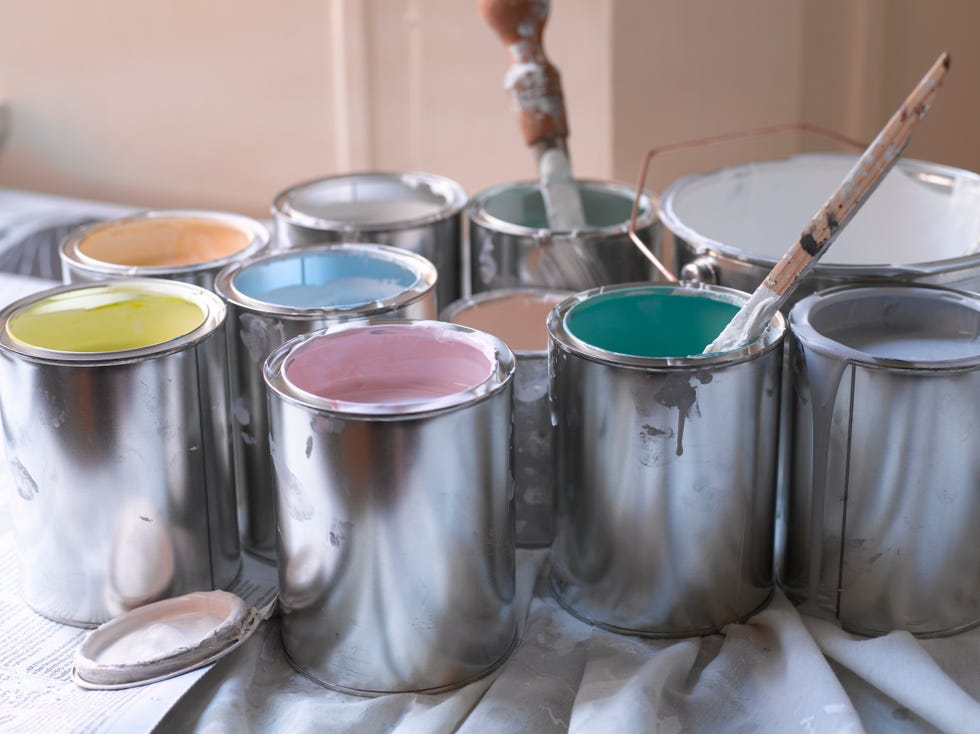
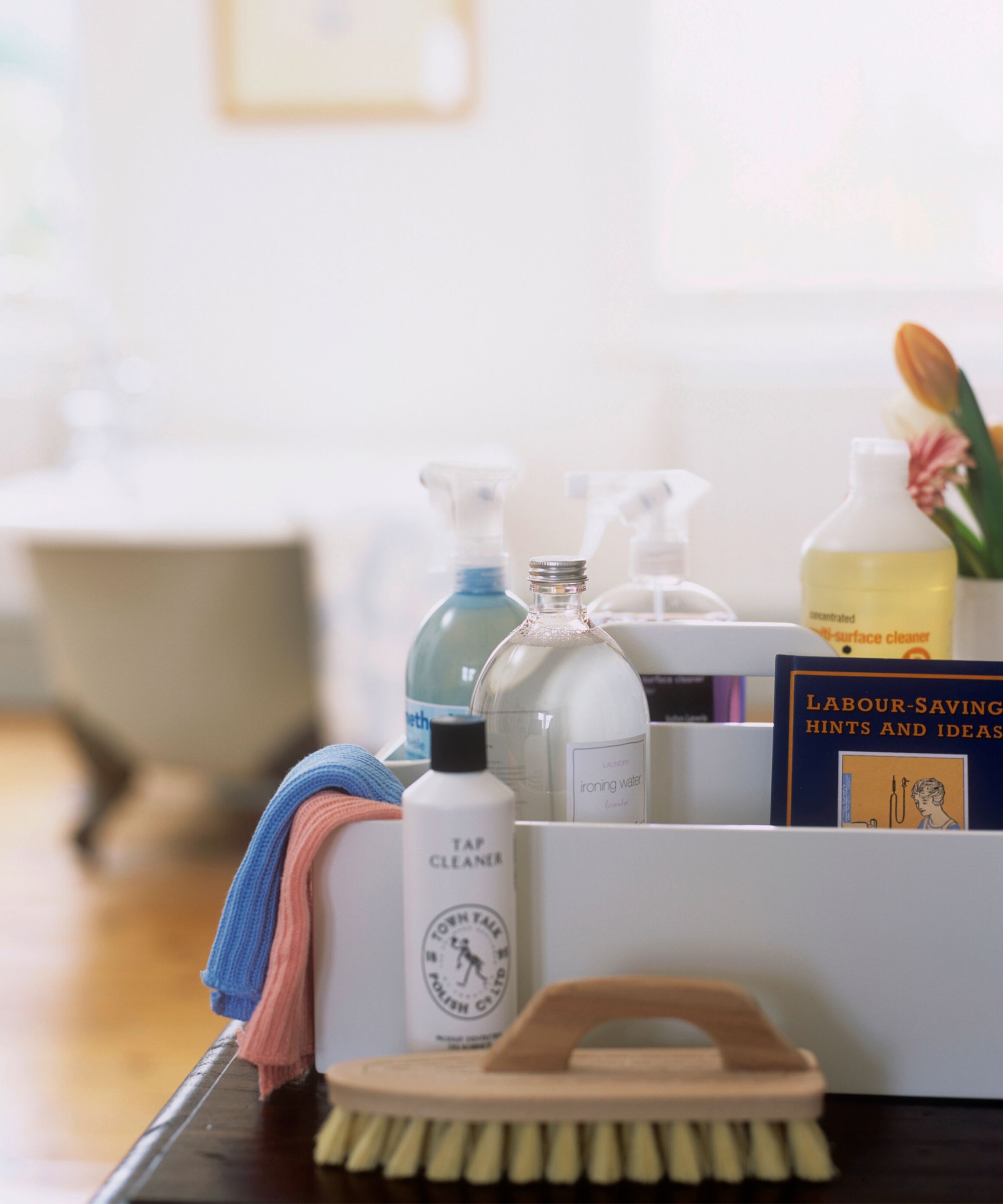
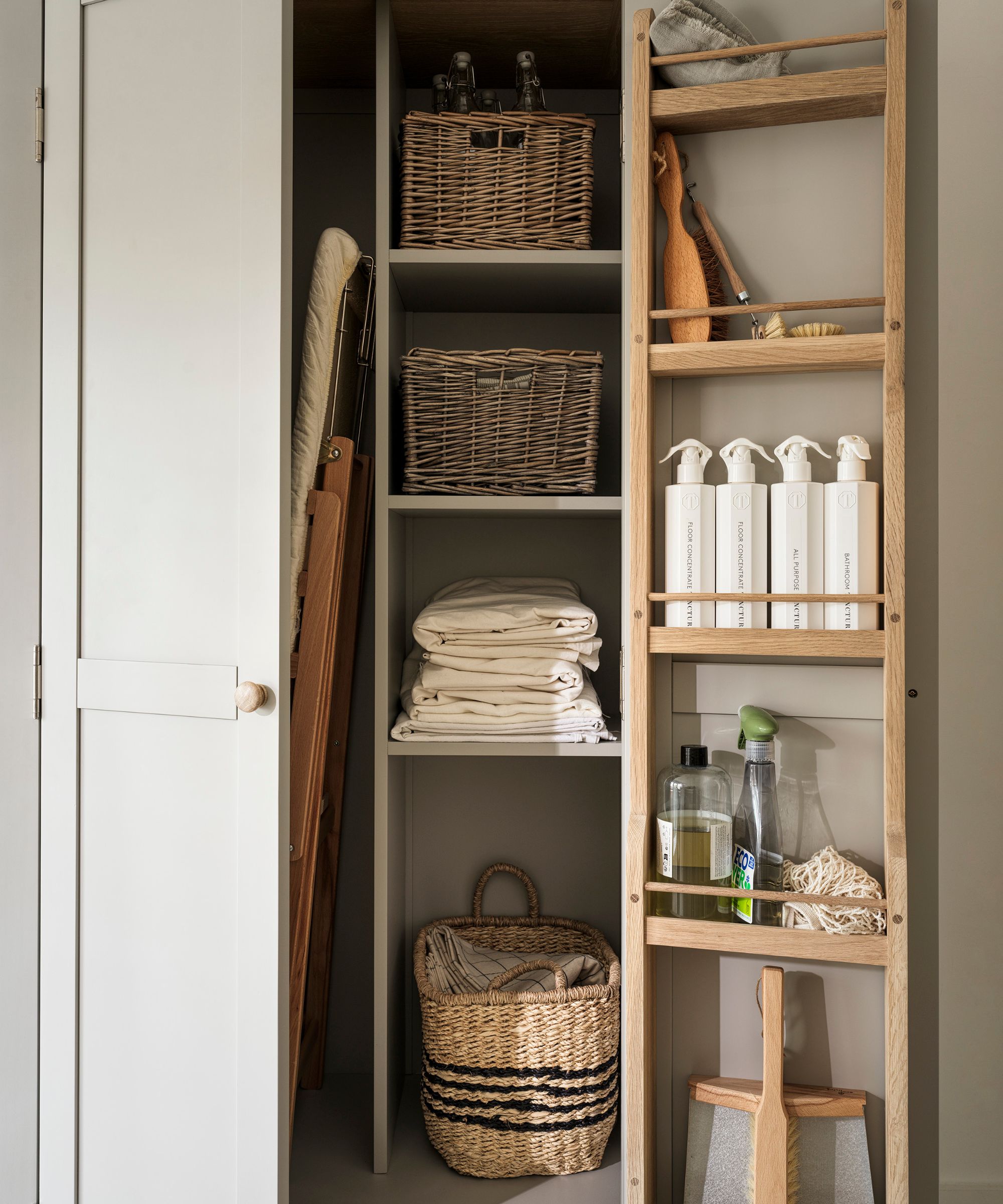
First, cleaning supplies containing chemicals like bleach should be kept out of basements. High temperatures and pressure, common in uncontrolled basement environments, can cause these chemicals to explode or interact dangerously. Storing them in a cool, dry, and easily monitored upstairs location is advised to prevent corrosion or unforeseen reactions.
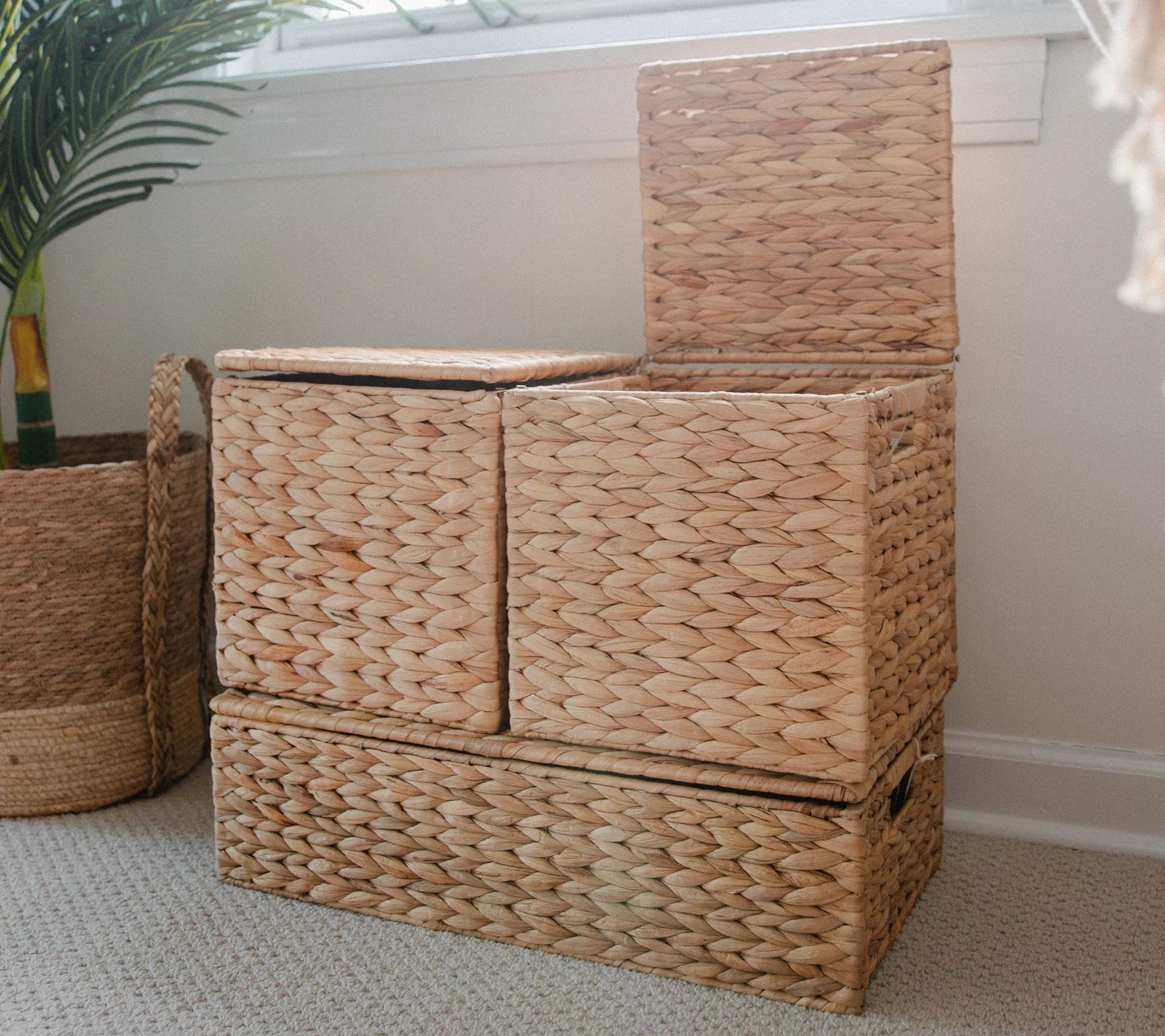
Second, important documents and photographs are highly susceptible to damage from dampness, mold, and pests. Sentimental or legal papers and photos can be ruined, fading or sticking together. Experts recommend storing these irreplaceable items in easily accessible, secure, and dry places, such as plastic storage boxes, to protect them from environmental harm.
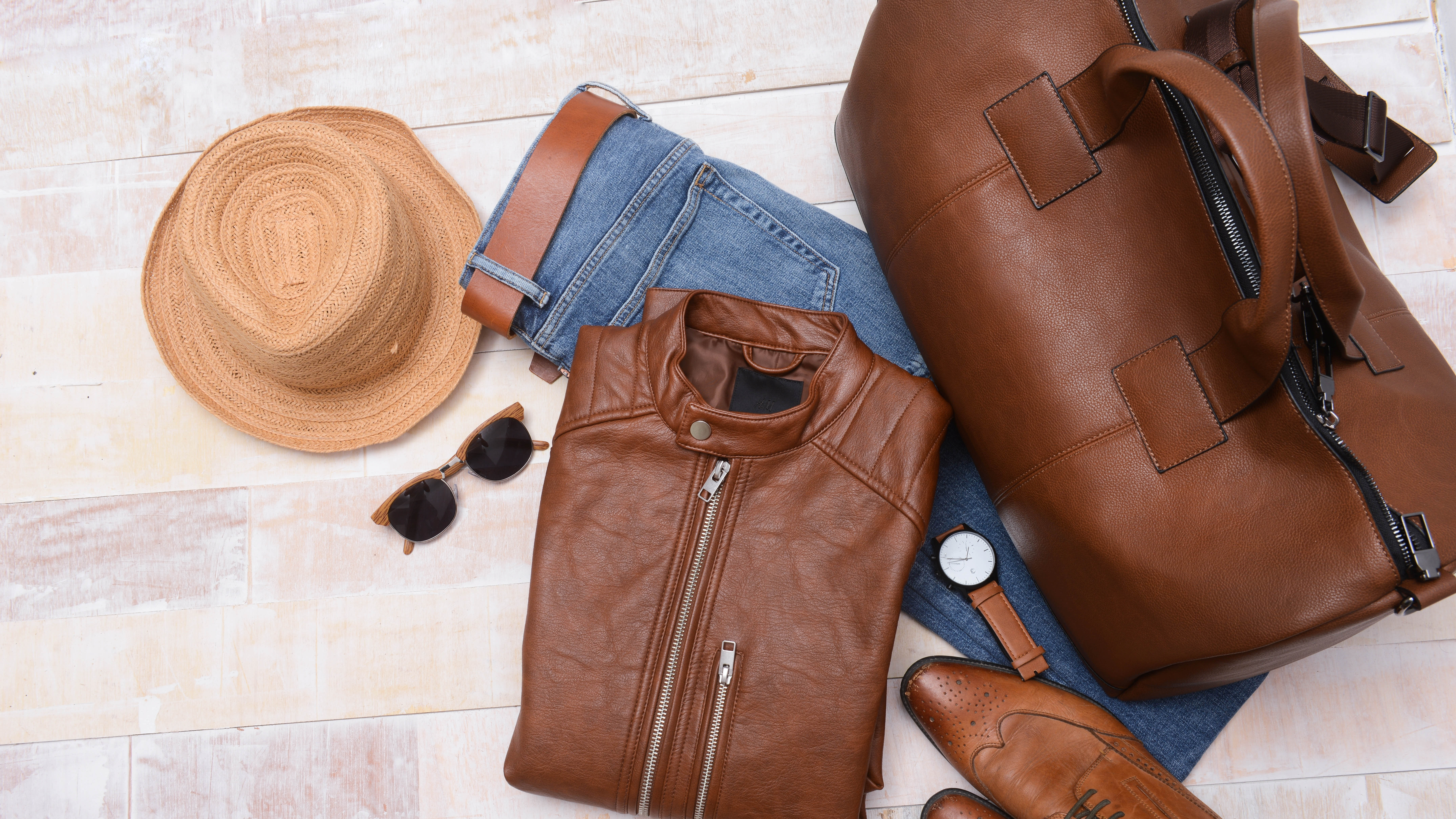
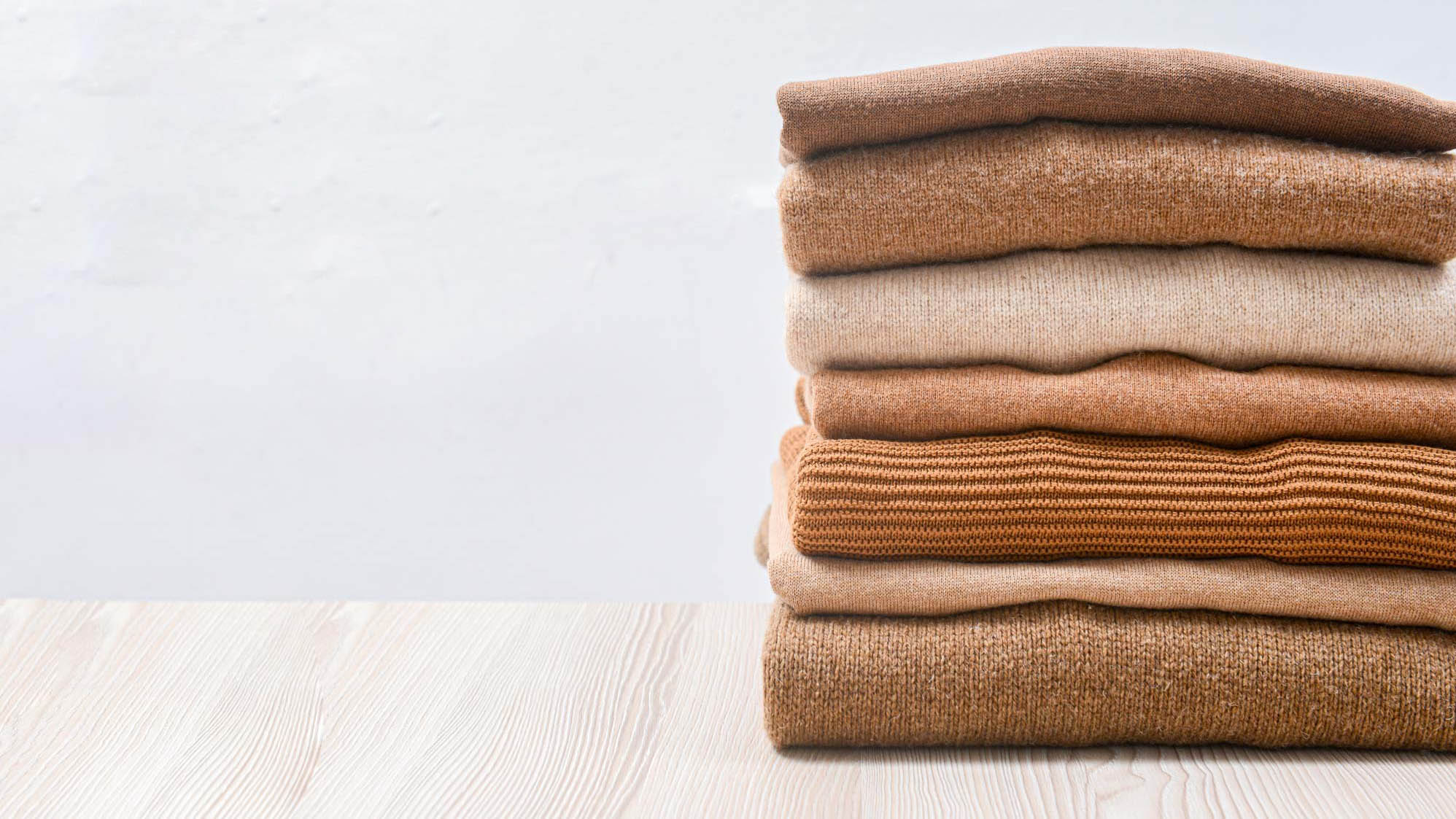
Third, clothing and fabrics are vulnerable to mold and insect infestations in damp and dark basement conditions. To preserve garments, alternative storage solutions like wardrobes or drawers are recommended. Moth deterrents, such as lavender-scented moth balls, can offer additional protection for clothes stored elsewhere.
Fourth, cardboard boxes, despite being a common storage choice, are ill-suited for basements. They can absorb moisture, leading to damage from dampness or potential flooding, and can also become a breeding ground for pests. Switching to clear, water-resistant plastic bins is a safer alternative, offering better protection against moisture and pests.
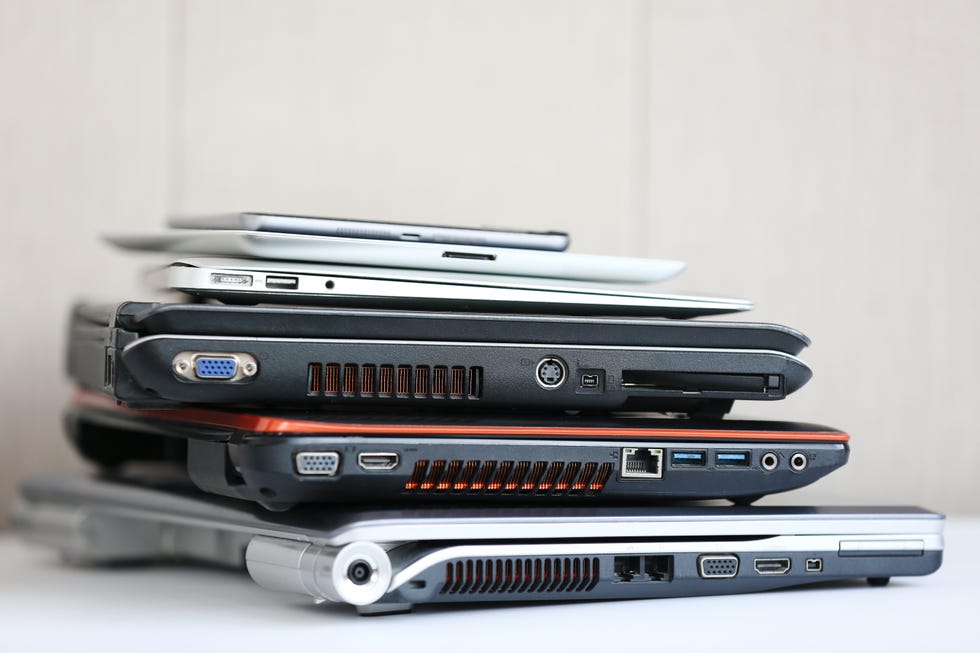
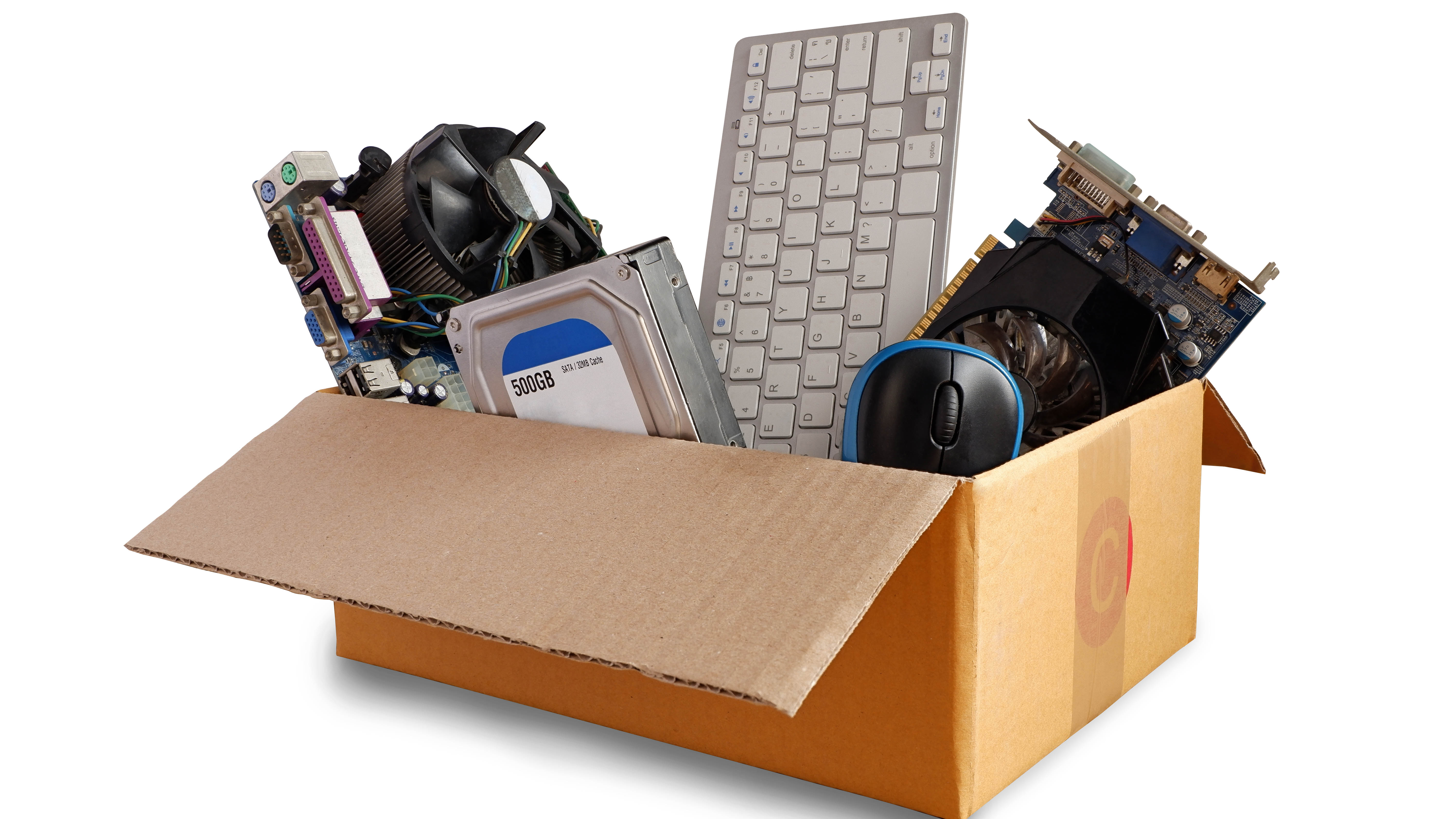
Fifth, electronics are sensitive to moisture and temperature fluctuations, which can lead to malfunction or even fire hazards. Old electronics, if kept for sentimental reasons, should be stored in environments with stable conditions, not in a basement.
Sixth, gas-powered lawnmowers and power tools pose a significant fire risk in basements due to their fuel content. Fires originating in a basement are particularly dangerous as they spread upwards, potentially trapping occupants. These tools should be stored in well-ventilated outdoor areas, such as sheds, where heat and moisture can be effectively controlled.
Seventh, exercise equipment with foam padding or fabric parts can develop mold and unpleasant odors in a damp basement. To maintain their condition, these items should be kept in well-ventilated areas.
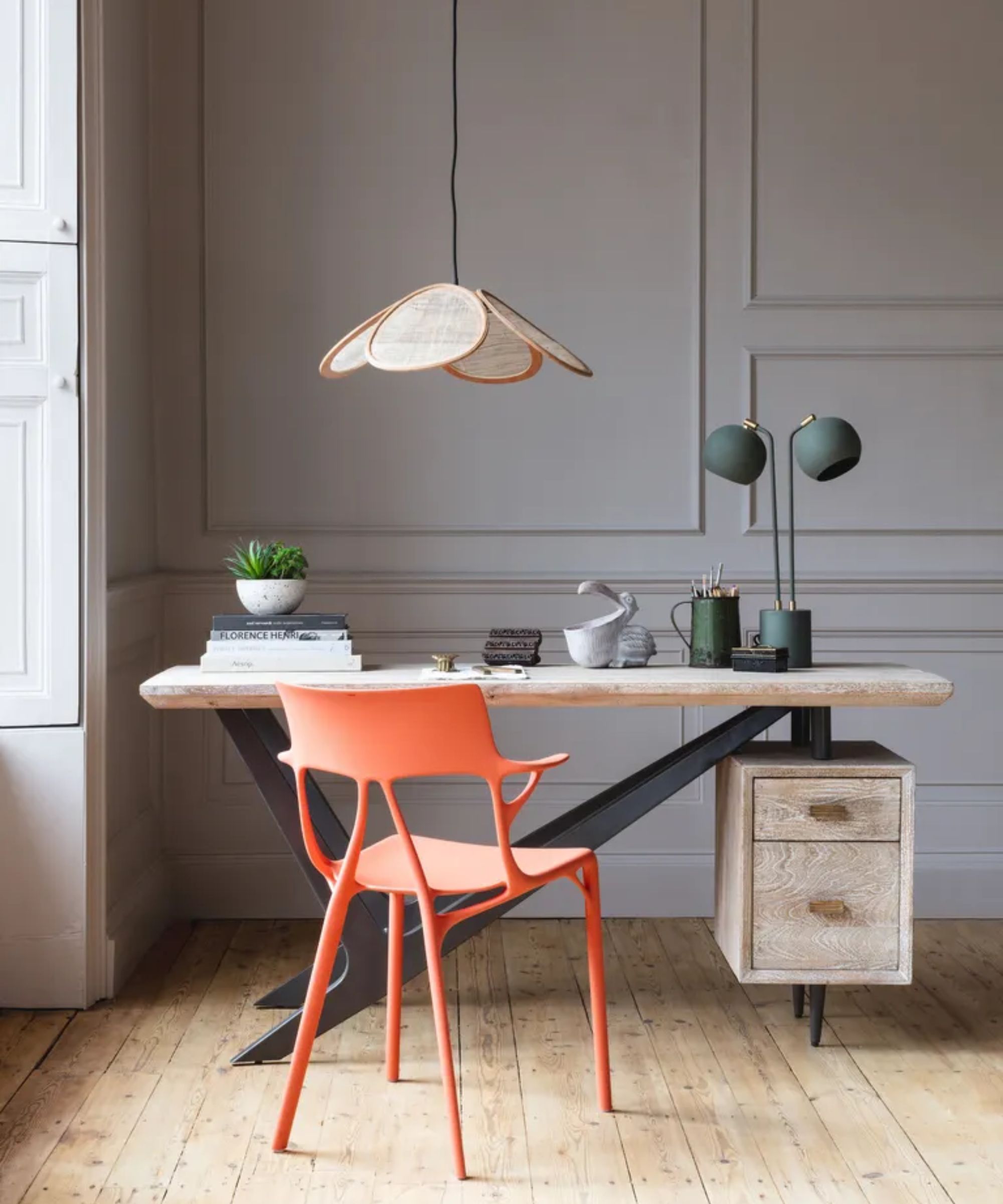
Eighth, wooden furniture is prone to warping, cracking, or molding in damp basement conditions. To ensure the longevity and appearance of wooden pieces, storing them in climate-controlled environments or specialized units is preferable. Outdoor wooden furniture should also be treated and suitable for external conditions if not stored indoors.
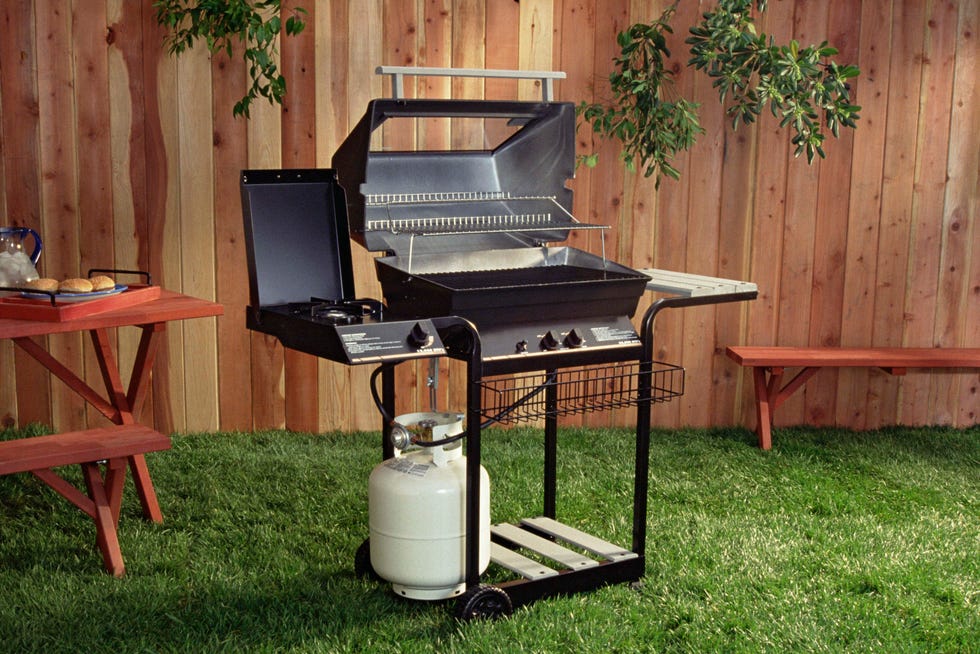
Ninth, flammable materials like propane tanks and gasoline are extremely dangerous to store in basements due to the risk of fumes, leaks, and fire. These should always be kept in well-ventilated outdoor areas, away from any heat sources.
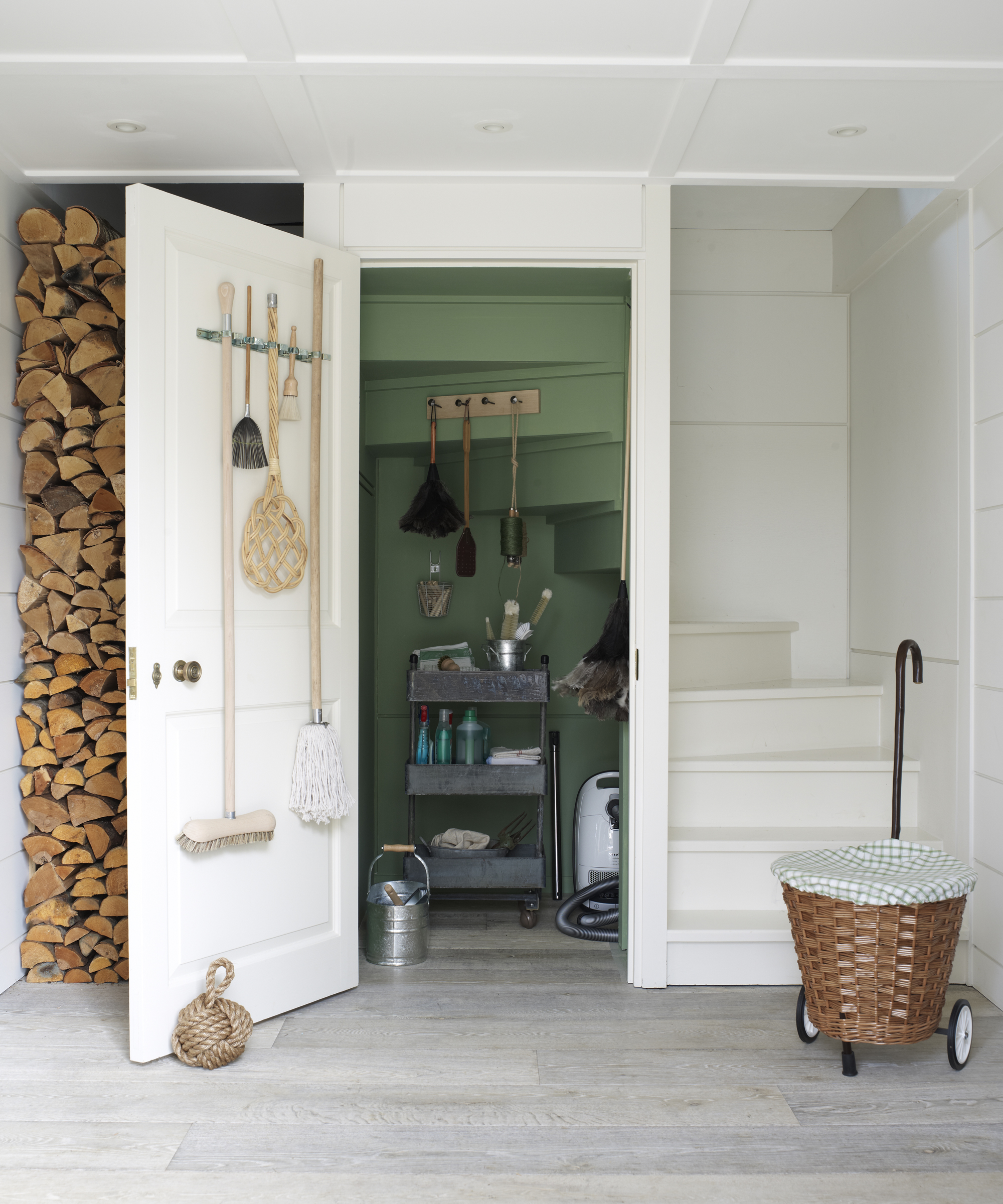
Tenth, wood and charcoal, particularly during colder months, should not be stored in basements. Charcoal rapidly absorbs moisture, making it difficult to light and susceptible to mold. Firewood faces similar risks. Both are best stored in gardens or in designated indoor displays as a cozy feature.
Eleventh, books are highly susceptible to moisture and pests, leading to damage. Instead of basements, books should be stored on shelves or in plastic storage bins to protect them from environmental degradation.
Twelfth, wine collections are sensitive to temperature fluctuations and light exposure, which can negatively impact their taste, color, and quality. A dedicated wine cellar or specialized wine storage unit is ideal for maintaining stable conditions.
Thirteenth, artwork and antiques, much like wine, are vulnerable to damage from moisture, mold, and temperature changes. These valuable items should be displayed appropriately or stored in specialized, controlled environments.
Fourteenth, medicines and medical supplies can lose their efficacy or become harmful if stored in unstable basement conditions. They should be kept in stable environments like a medicine cabinet in a bathroom or kitchen.
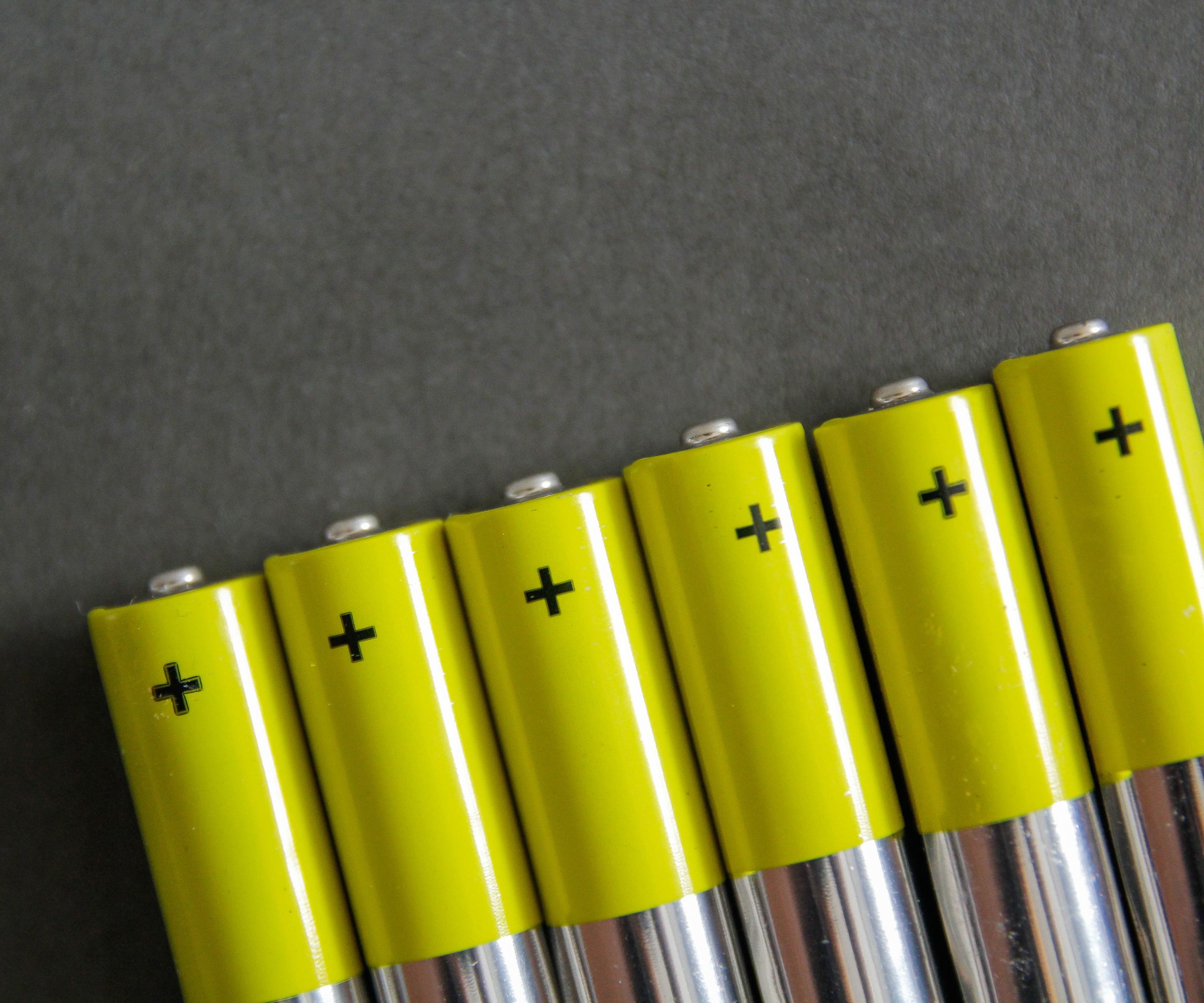
Finally, batteries, being chemical items, can release harmful fumes if exposed to high humidity for extended periods, posing a safety hazard. They require proper air circulation and should be kept away from extreme temperatures to prevent bursting.
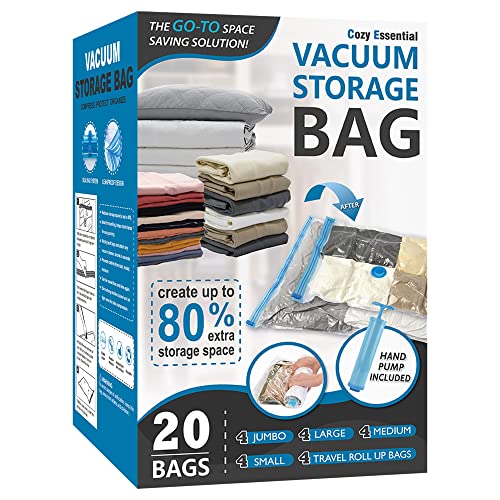
While bedding can generally be stored in a basement, it requires proper protection using airtight plastic containers or vacuum-seal bags to prevent dampness, mold, mildew, and pests. Regular checks are also recommended. The overarching principle for basement storage is to avoid anything that cannot withstand substantial water damage, as basements carry a significant risk of flooding.
#BasementStorage #HomeOrganization #StorageTips #MoistureDamage #SafetyHazards #ClimateControl #HouseholdItems #HomeMaintenance #Decluttering #BasementStorage #HomeOrganization #StorageTips #MoistureDamage #SafetyHazards #ClimateControl #HouseholdItems #HomeMaintenance #Decluttering
0 comment in total
 No comments yet
You may also like
5 Things You Should NEVER Leave in Your Shed, According to an Expert

7 things people with nice-smelling basements never do

Items to never store in an entryway, according to cleaning, organizing and interiors experts

10 Items You Should Never Store In The Bathroom
11 things you should never store in a pantry, according to experts
11 items not to store in a bathroom cabinet, and what experts say to do instead
10 Things You Should Never Store in the Bathroom


Never store these 6 things on open kitchen shelving, warn pro organisers
Pros warn never to keep these 8 things in your pantry
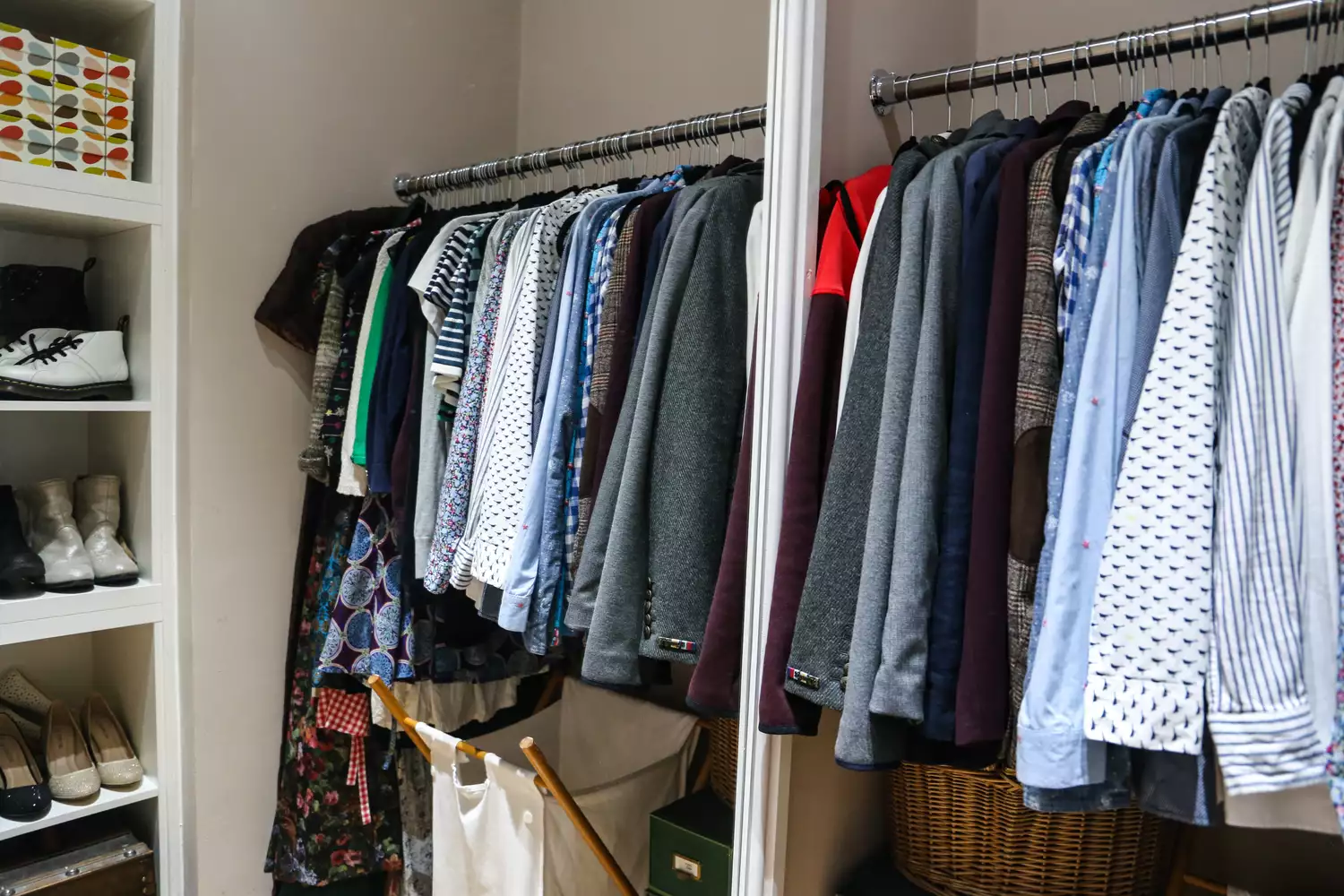
10 Things You Should Never Store In Your Bedroom Closet
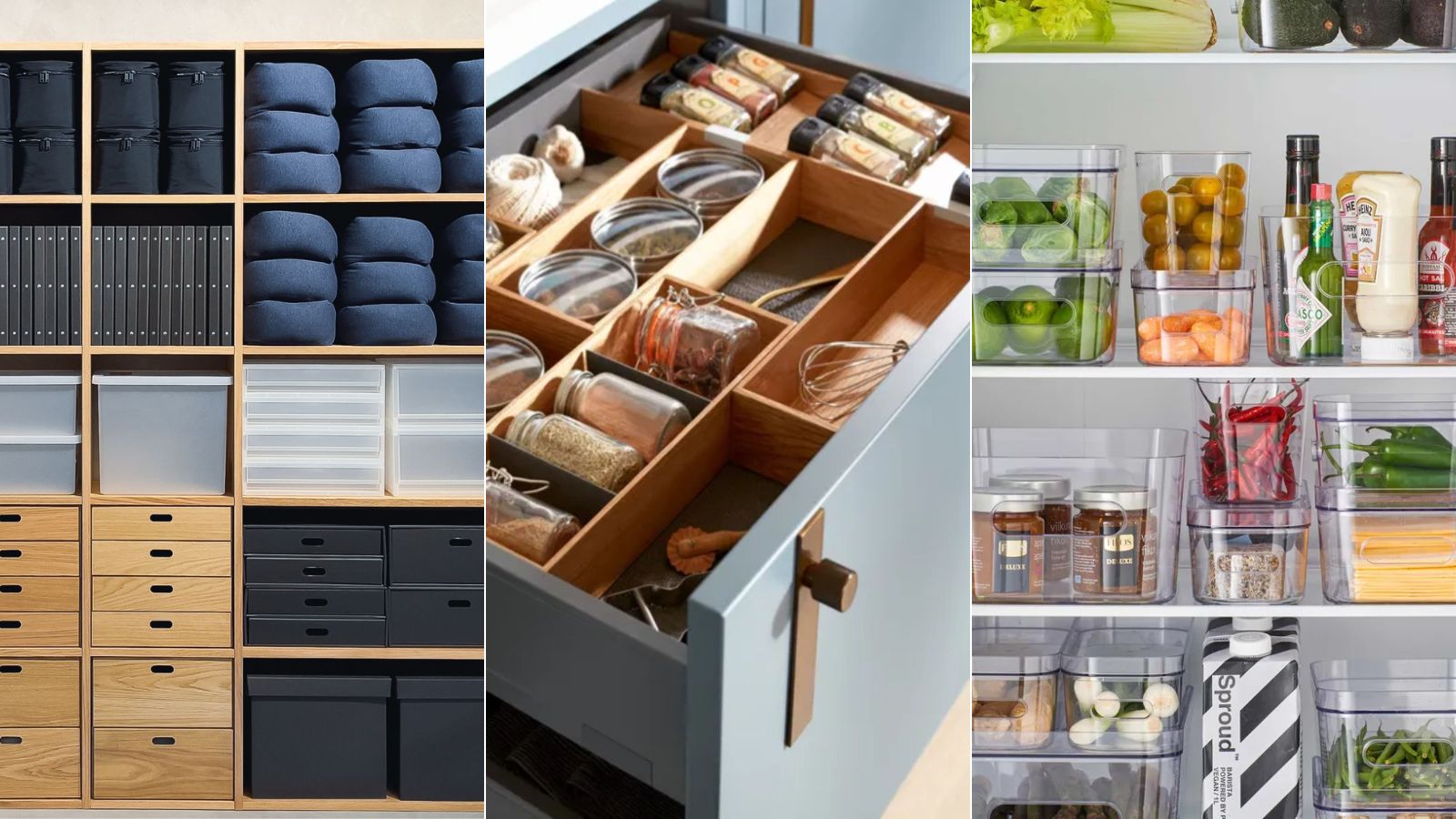
These 7 things should never be stored in plastic bins – don't risk damaging your possessions
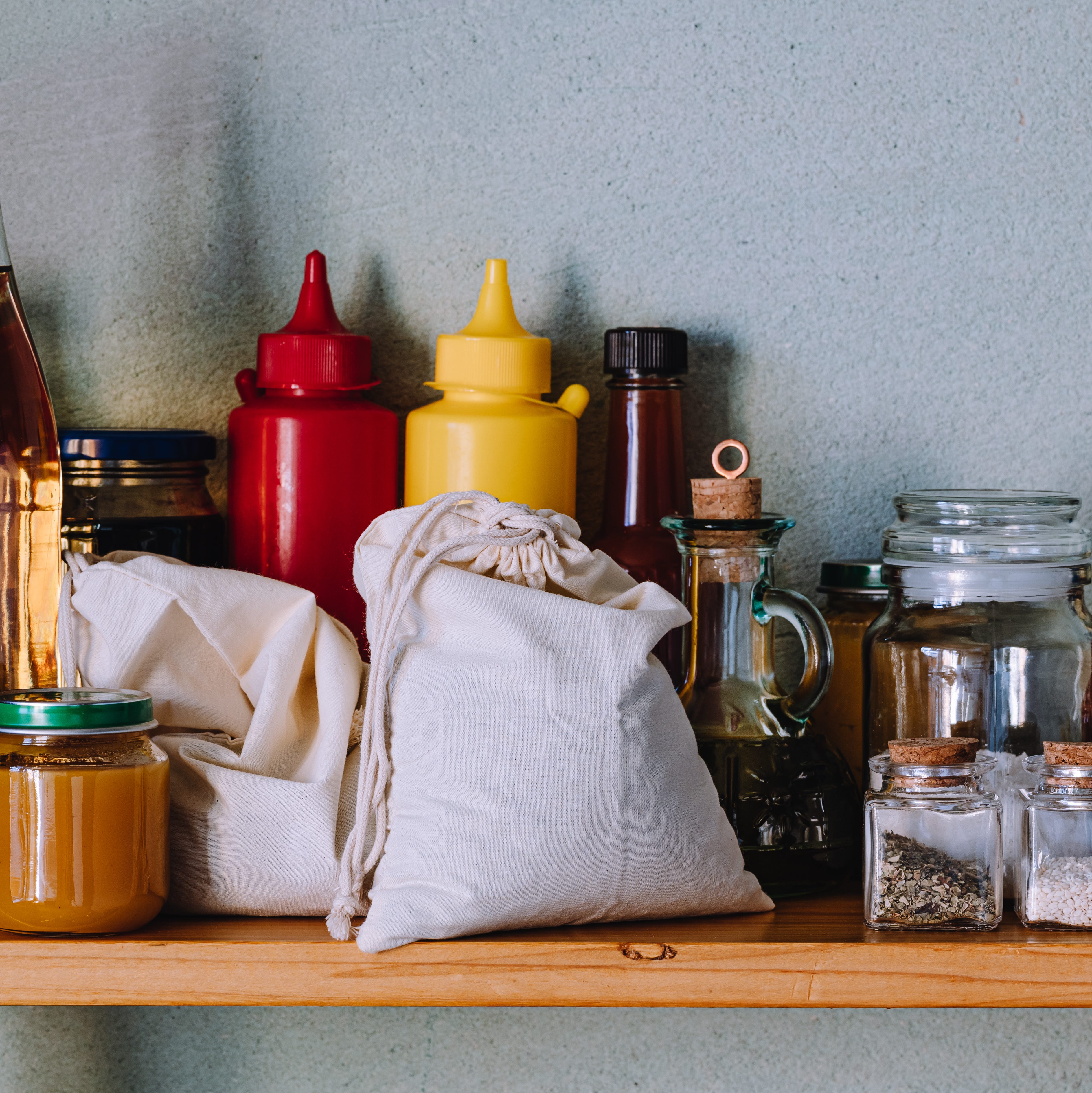
6 Things You Should NEVER Keep In Your Pantry, According To Pro Organizers & Chefs
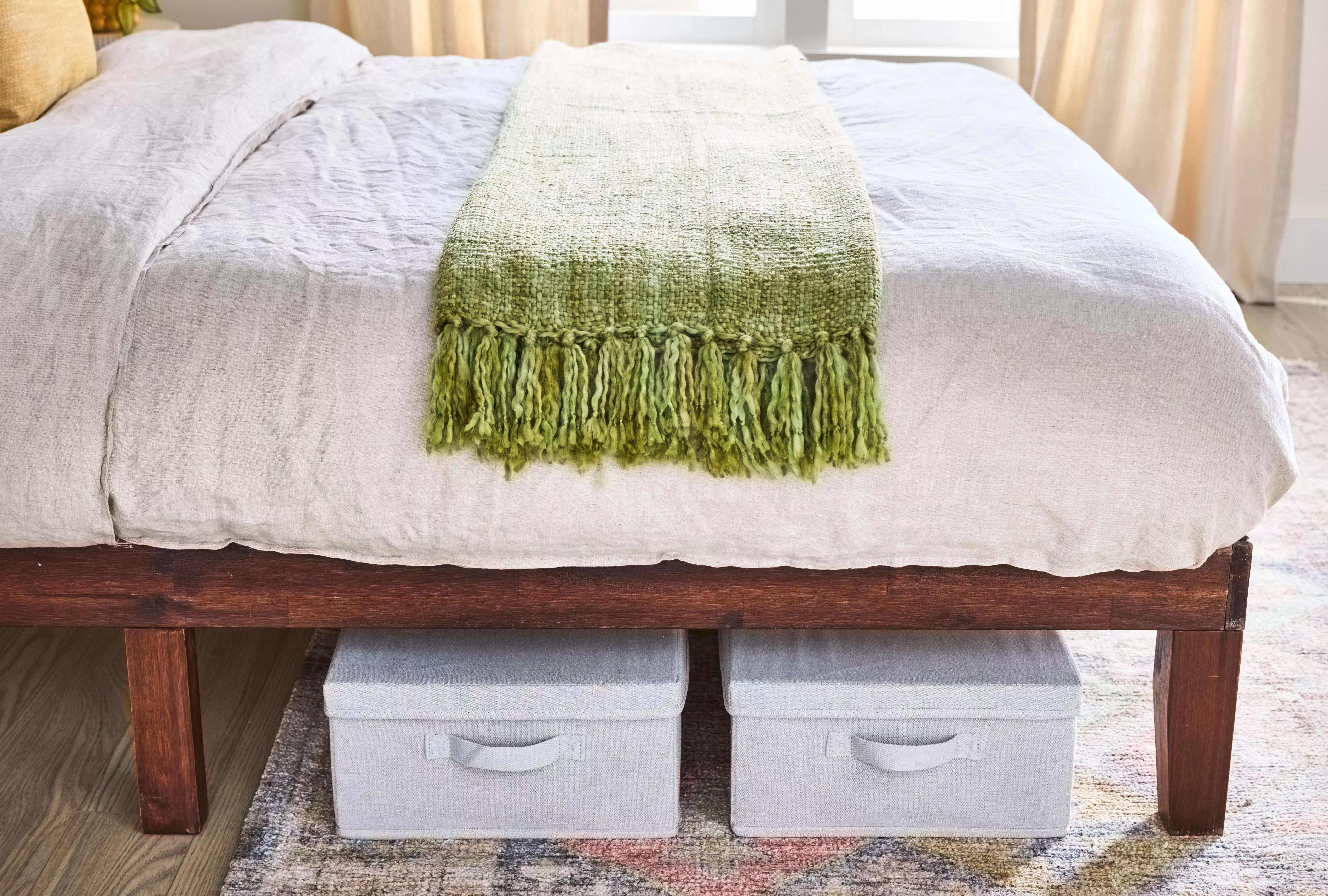
12 Things You Should Absolutely Never Store Under the Bed
'Where there are hooks, people will always hang coats' – 8 things you should never store in your entryway to avoid it becoming a dumping ground

7 toxic basement items to deal with now
8 Things You Should NEVER Keep On Your Kitchen Counter
8 Things Experts Would Never Store Under the Bed (and Neither Should You!)

7 things you should never store in plastic containers


9 items never to store in a bathroom vanity – according to the experts
7 Items You Should Never Store In Kitchen Cabinets