1/7
7 toxic basement items to deal with now
Basements, often relegated to storage or utility functions, can inadvertently harbor hidden toxic items that pose significant health risks. These covert dangers range from moisture-induced issues like mold to chemical exposures and unseen gaseous threats. Understanding and addressing these concerns is crucial for maintaining a healthy home environment.
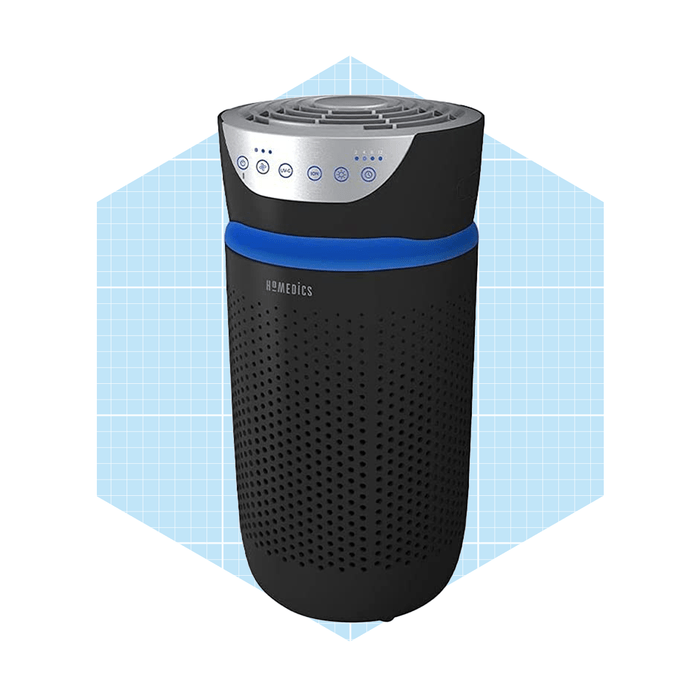
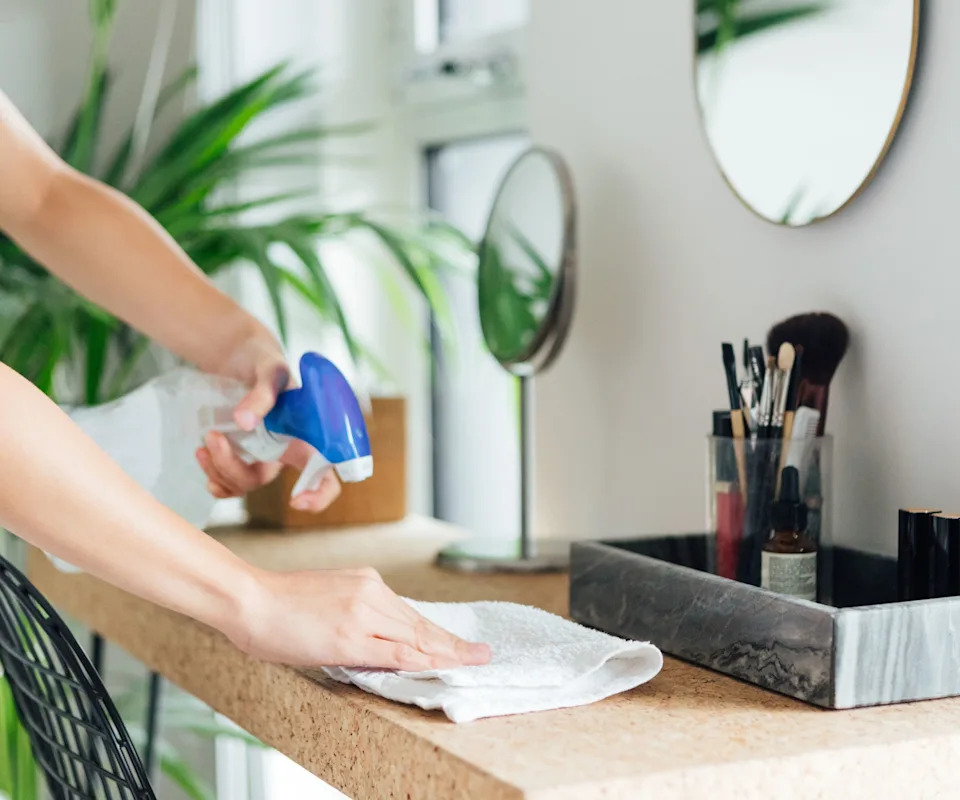
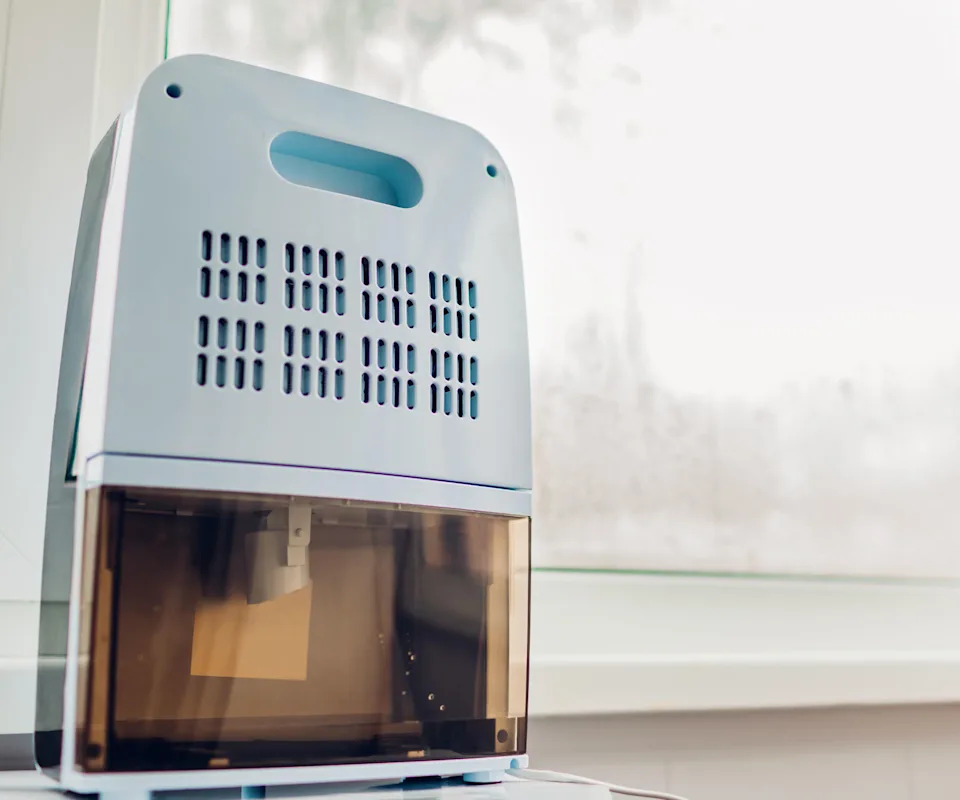
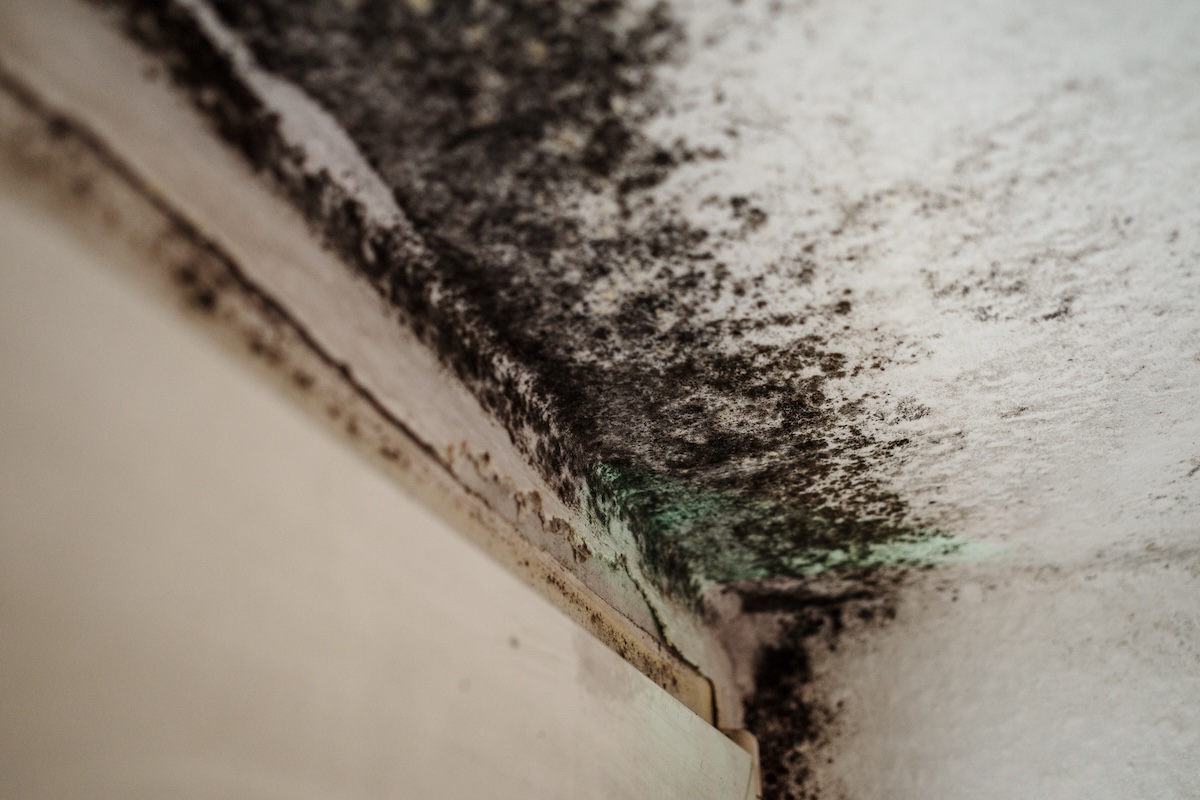
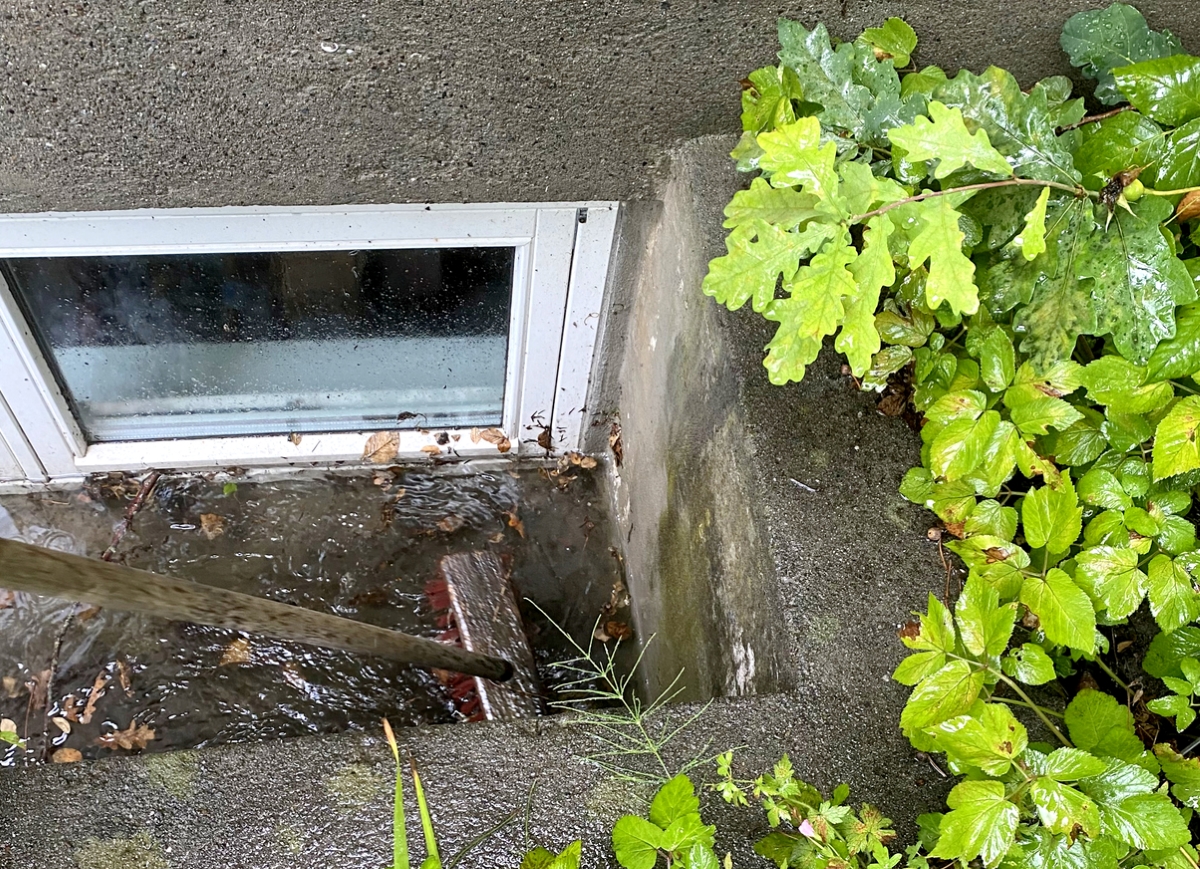
Moisture stands as the most prevalent cause of basement toxicity, fostering the growth of mold and mildew, which can trigger chronic allergies, headaches, and respiratory problems. Standing water, clogged drains, and even damp laundry left for extended periods create ideal conditions for these contaminants. Mitigating moisture involves regular leak checks, employing dehumidifiers, ensuring proper ventilation, and waterproofing the basement to prevent flooding. Utilizing natural solutions like vinegar and microfiber cloths for mold removal and implementing strategies for air circulation are essential steps.
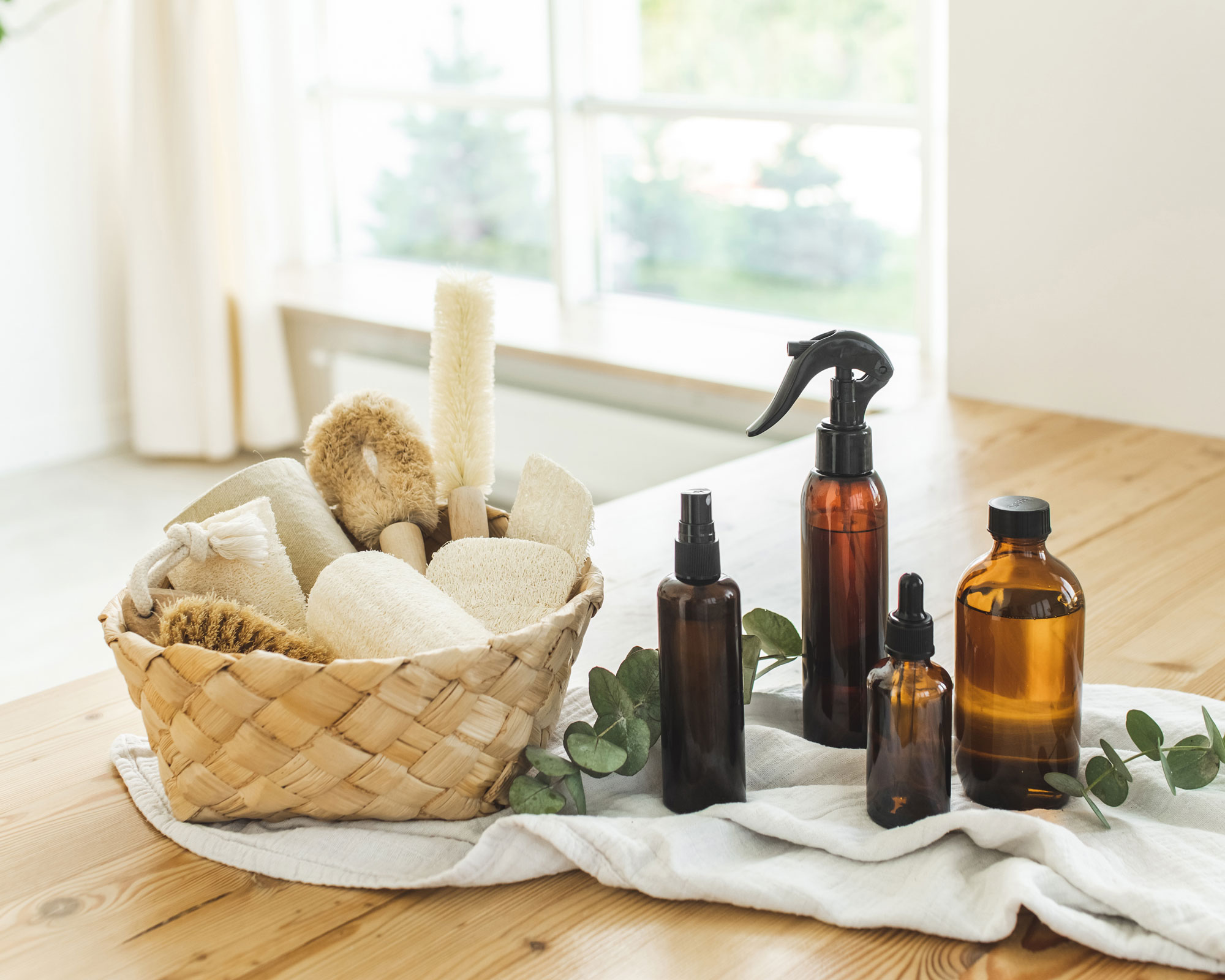
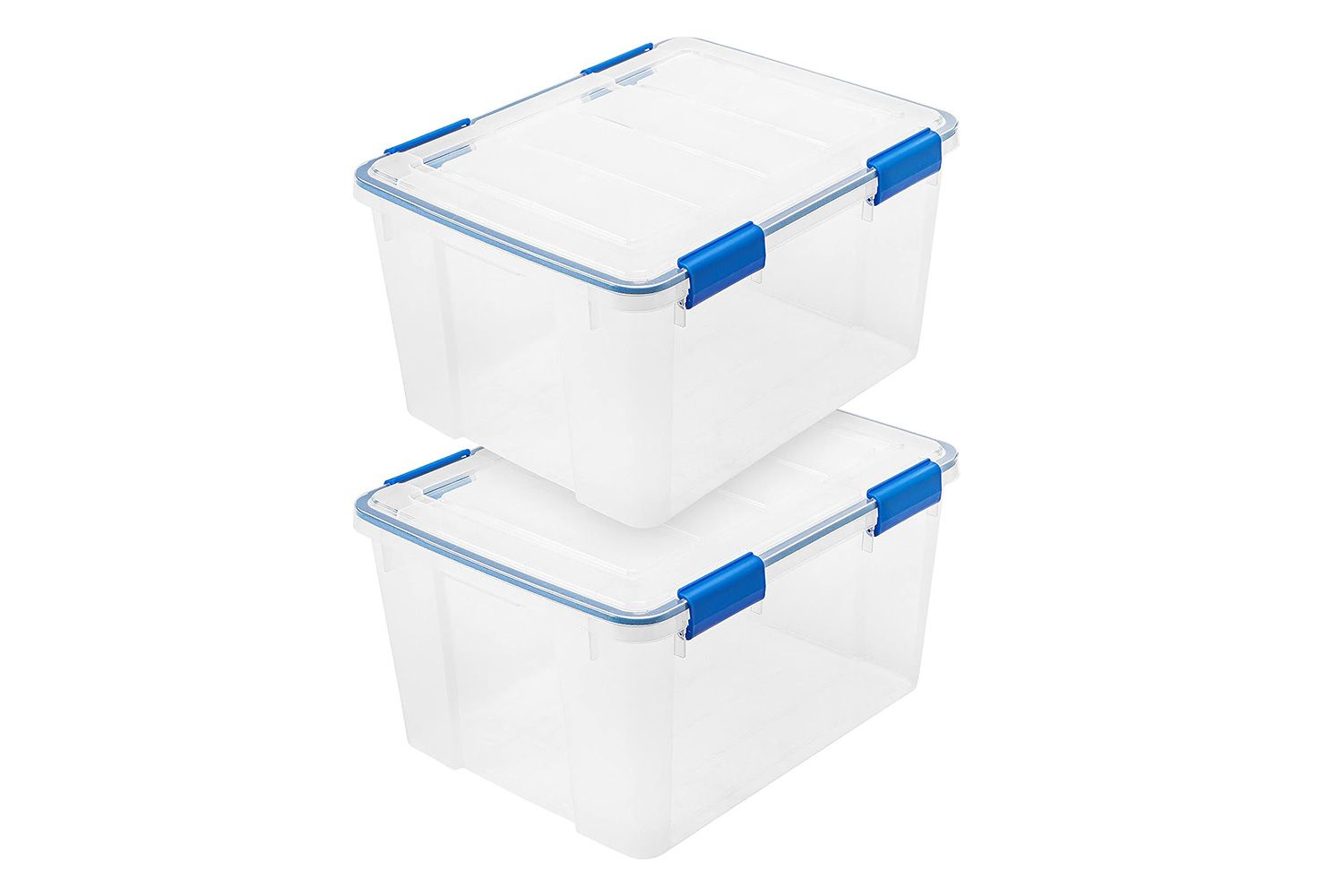
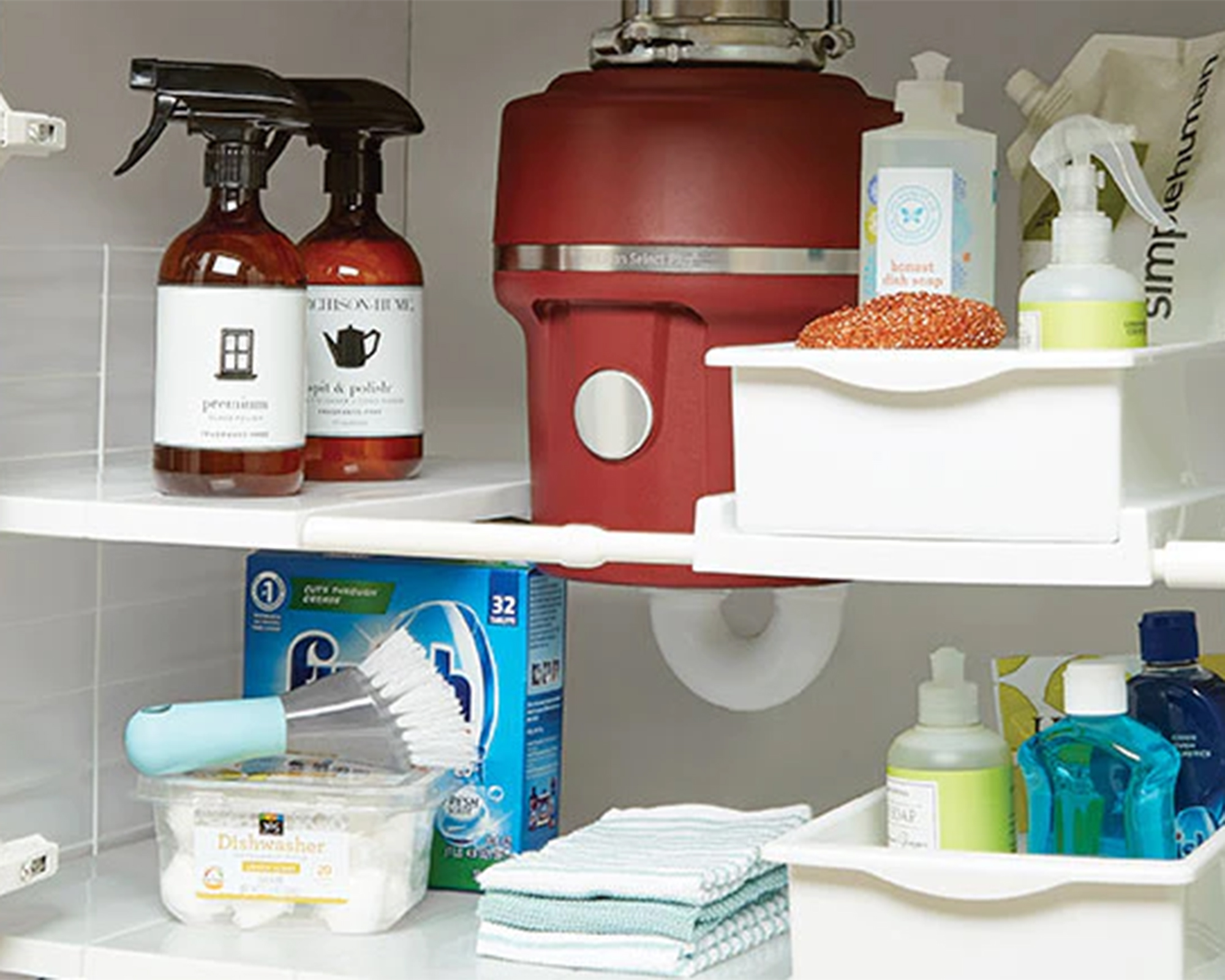
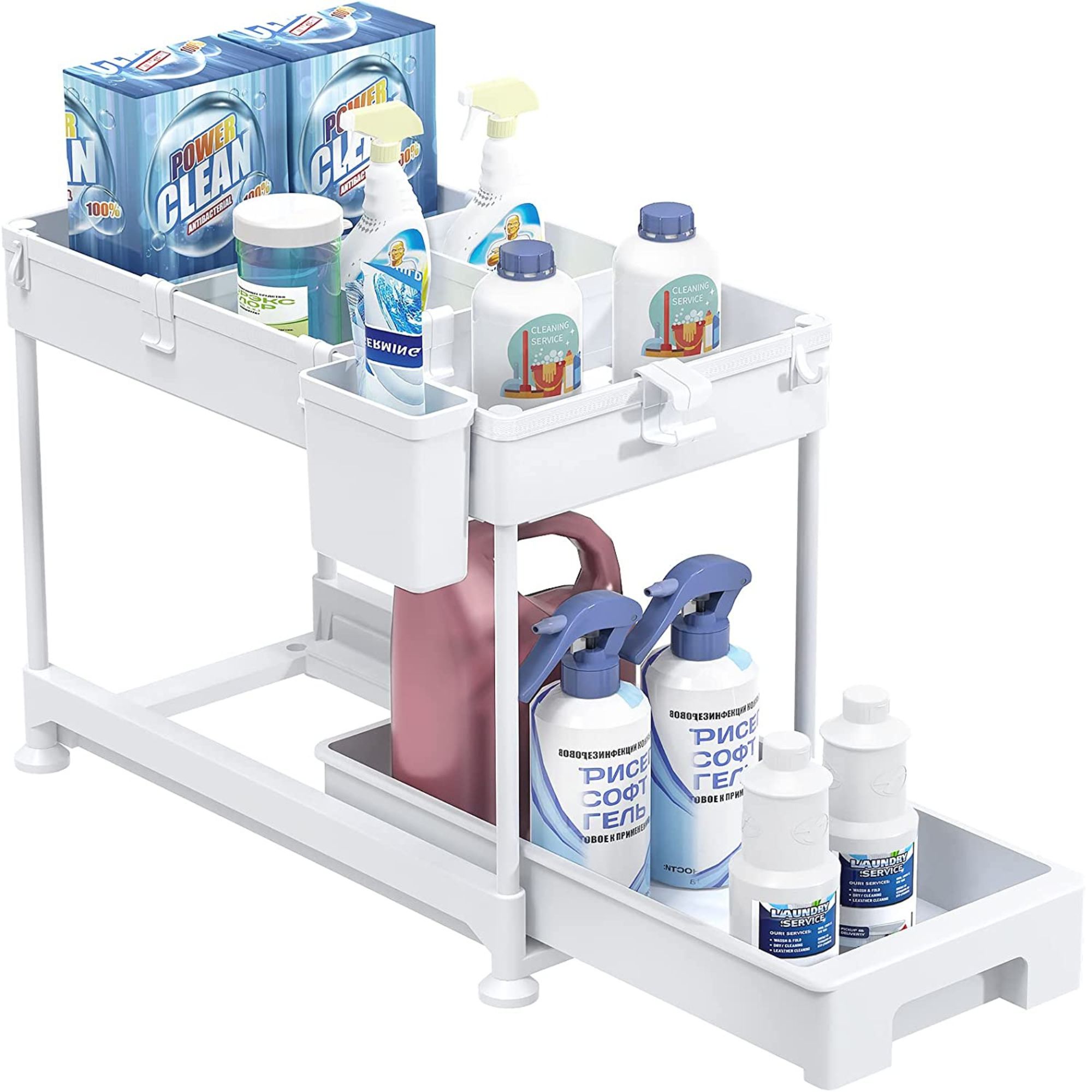
Improper storage of cleaning products like bleach and ammonia can release toxic fumes, leading to coughing, nausea, and lung irritation. Experts advise storing these chemicals sealed and separately, and encourage the use of non-toxic alternatives such as hydrogen peroxide and baking soda. Organizing cleaning supplies effectively, potentially with color-coding, and keeping them out of reach of children and pets further enhances safety.
Old or leaking batteries, containing hazardous materials like lead, lithium, and cadmium, can contaminate surfaces and air quality. Proper disposal at recycling centers or through specialized companies like TriHaz Solutions is imperative. Storing batteries in temperature and humidity-stable conditions, ideally in dedicated storage cases with testers, helps prevent degradation and identifies those needing disposal.
Basement carpets, especially in spaces not fully waterproofed, can become breeding grounds for dirt, bacteria, and mold spores. Walking on these carpets can release harmful microorganisms into the air, potentially causing asthma and allergies. For basements with carpeting, investing in a high-quality carpet cleaner with steam capabilities can help sanitize and remove years-old stains and bacteria. Alternatively, considering different basement flooring options that are less susceptible to moisture and contaminants is advisable.
Radon gas, a colorless, odorless, and tasteless gas resulting from the natural breakdown of uranium in soil, rock, and water, is a significant, unseen threat. It can enter homes through cracks in foundations and crawlspaces, damaging lungs and being the second leading cause of lung cancer. Homeowners are urged to test for radon using kits available from the National Radon Hotline or home improvement stores, and to seek professional mitigation if levels are high.
Old paint tins, often kept for touch-ups, contain chemicals that can be harmful and pose a fire hazard. Proper disposal at hazardous waste facilities is crucial. For small touch-up needs, transferring a small amount of paint into refillable paint pens before disposing of the bulk safely offers a practical solution.
Finally, damaged or unserviced HVAC systems can produce carbon monoxide, a dangerous gas that can cause severe health issues, including loss of consciousness and death. Regular servicing by a licensed professional is vital, along with installing Underwriters Laboratory-approved carbon monoxide monitors on every level of the home, particularly near sleeping areas. Battery-operated or plug-in models with battery backup ensure continuous protection. If an alarm sounds, immediate evacuation and professional medical attention are necessary. Maintaining a home maintenance logbook can help track servicing schedules and ensure all these critical checks are performed regularly, contributing to a safer and healthier living environment.
#BasementToxicity #HomeHealth #MoldPrevention #IndoorAirQuality #ChemicalSafety #RadonTesting #HVACMaintenance #HomeSafety #NonToxicLiving #BasementToxicity #HomeHealth #MoldPrevention #IndoorAirQuality #ChemicalSafety #RadonTesting #HVACMaintenance #HomeSafety #NonToxicLiving
0 comment in total
 No comments yet
You may also like

15 things you should never store in your basement – and why

The 7 dirtiest places in an entryway – and how to keep them sparkling
5 Things to Banish From Your Bedroom for a Fresh, Clean Start

10 Things You Should Toss From Your Bedroom ASAP, According to Professional Organizers

These are the 7 things to get rid of first in your kitchen cabinets, according to cleaning pros

The 5 Best Basement Odor Eliminator Picks for Musty Cellars 2025

5 Things To Keep Out Of Your Mudroom
How to Get Rid of the Musty Smell in Your Basement

7 Bathroom Vanity Items Organizers Urge You to Throw out ASAP


10 Items That Don't Belong on Your Bathroom Counter, According to a Pro Organizer
8 Things In Your Pantry You Should Toss ASAP, According To Pro Organizers

9 items never to store in a bathroom vanity – according to the experts

6 Medicine Cabinet Items You Should Throw Away Right Now


7 things people with nice-smelling basements never do
How to get rid of musty basement smells – 6 ways to combat odors and their causes


9 things to get rid of from your medicine cabinet right now – according to experts
Designers Share 6 Ways to Rid Your Home of Hidden Toxins

Pro Organizers Share 10 Storage Hacks for Basements, Including a Product That Turns Any Surface Into a Countertop

14 ways to organize that nightmare space under the kitchen sink, according to experts

8 Things To Toss From Your Laundry Room Immediately