1/4
9 Tips To Win The Kitchen Pantry Storage War
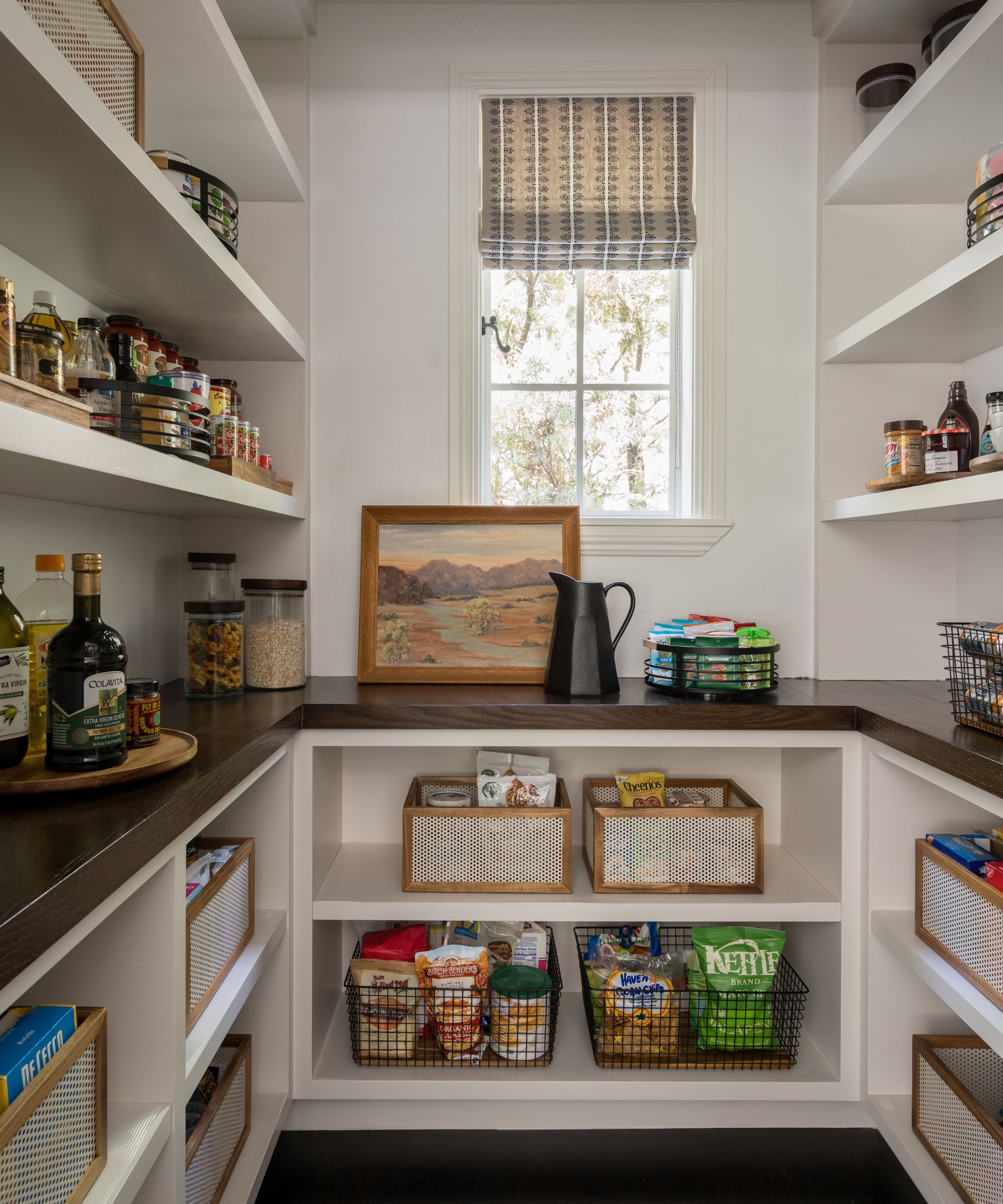
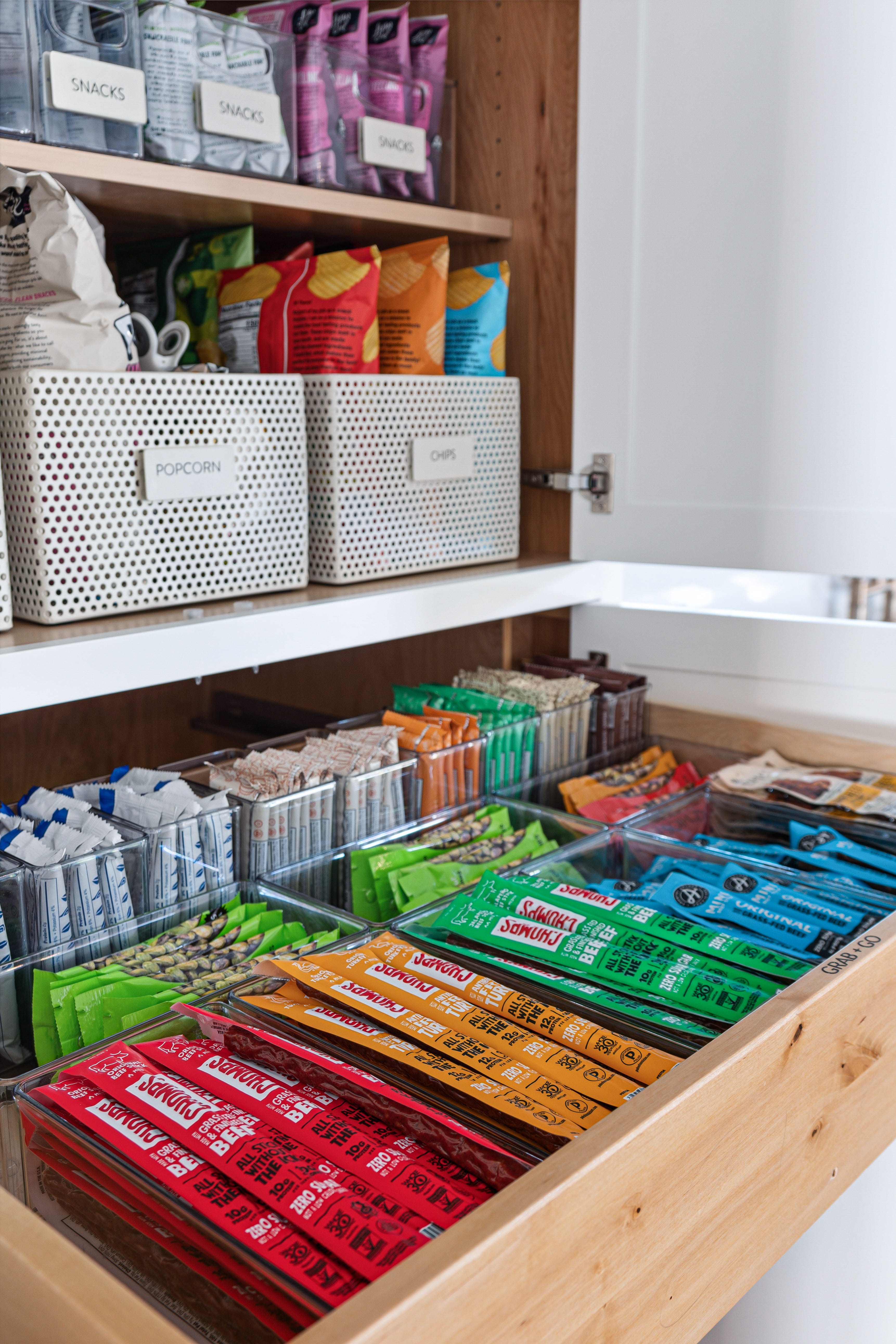
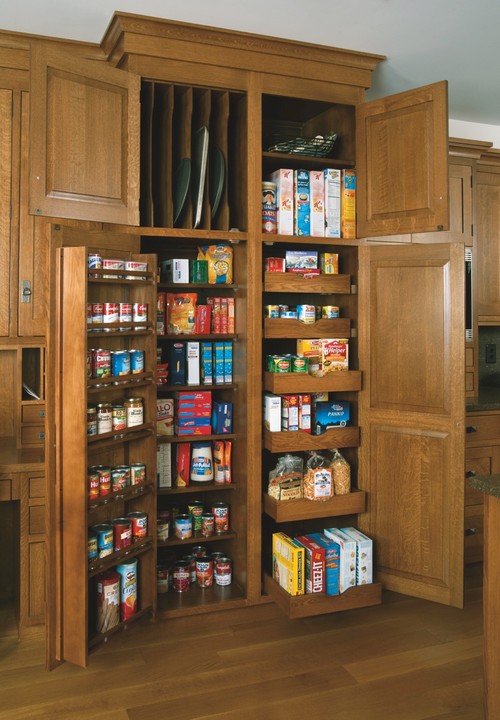
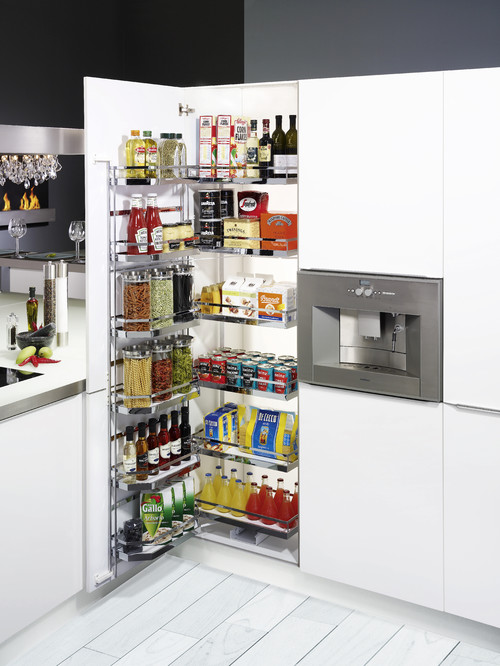
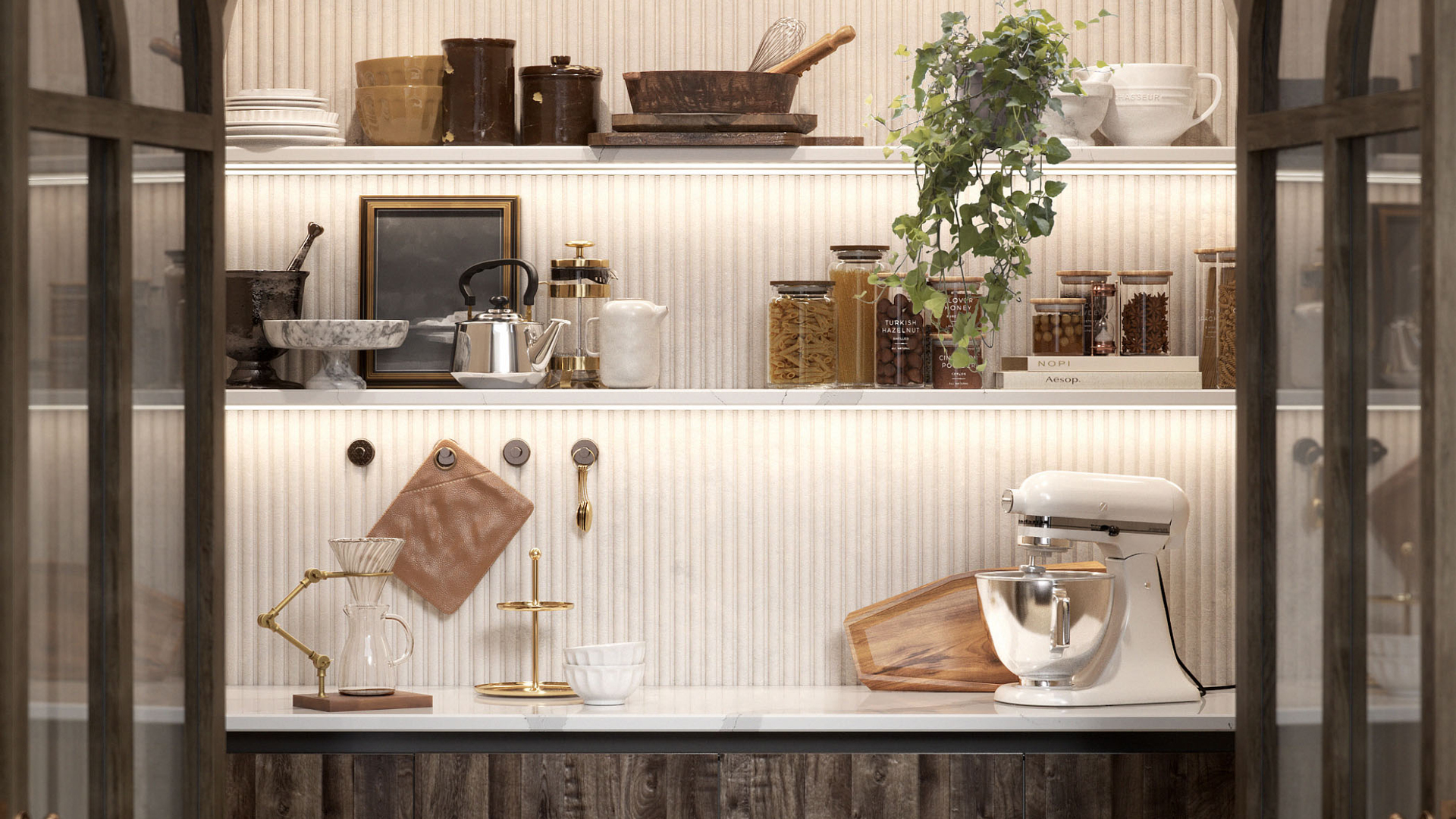
Achieving a highly organized kitchen pantry is essential for efficiency and reducing unnecessary purchases. This guide provides nine effective strategies, drawing inspiration from Khloe Kardashian's meticulously arranged pantry, which was expertly organized by Mary Astadourian and Jennifer Dynof of Details Organizing.
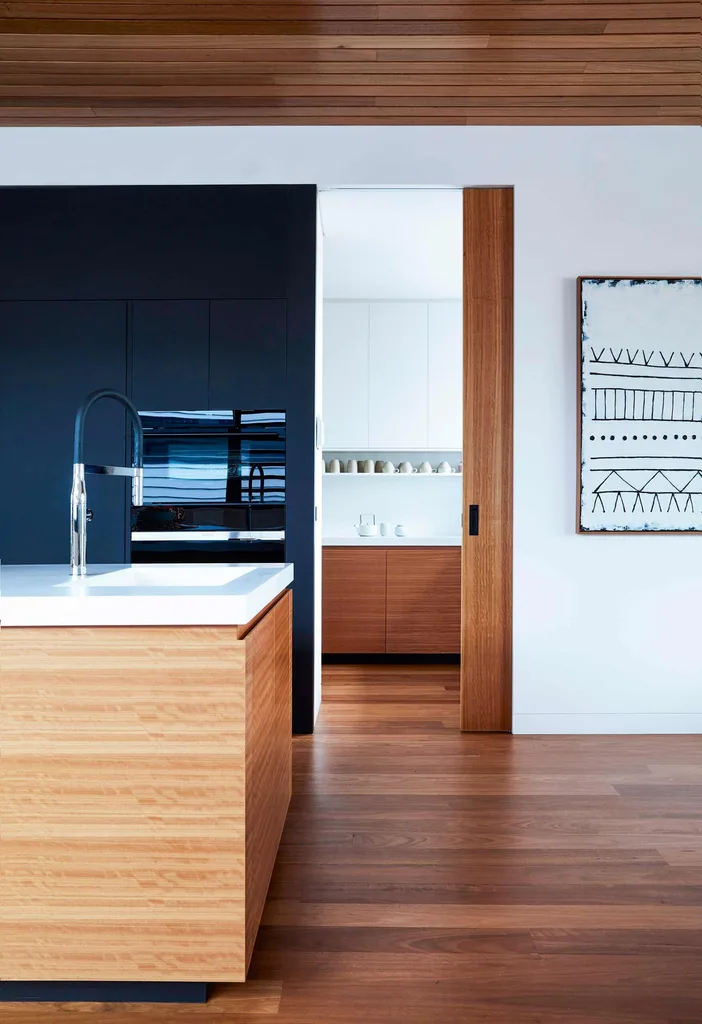
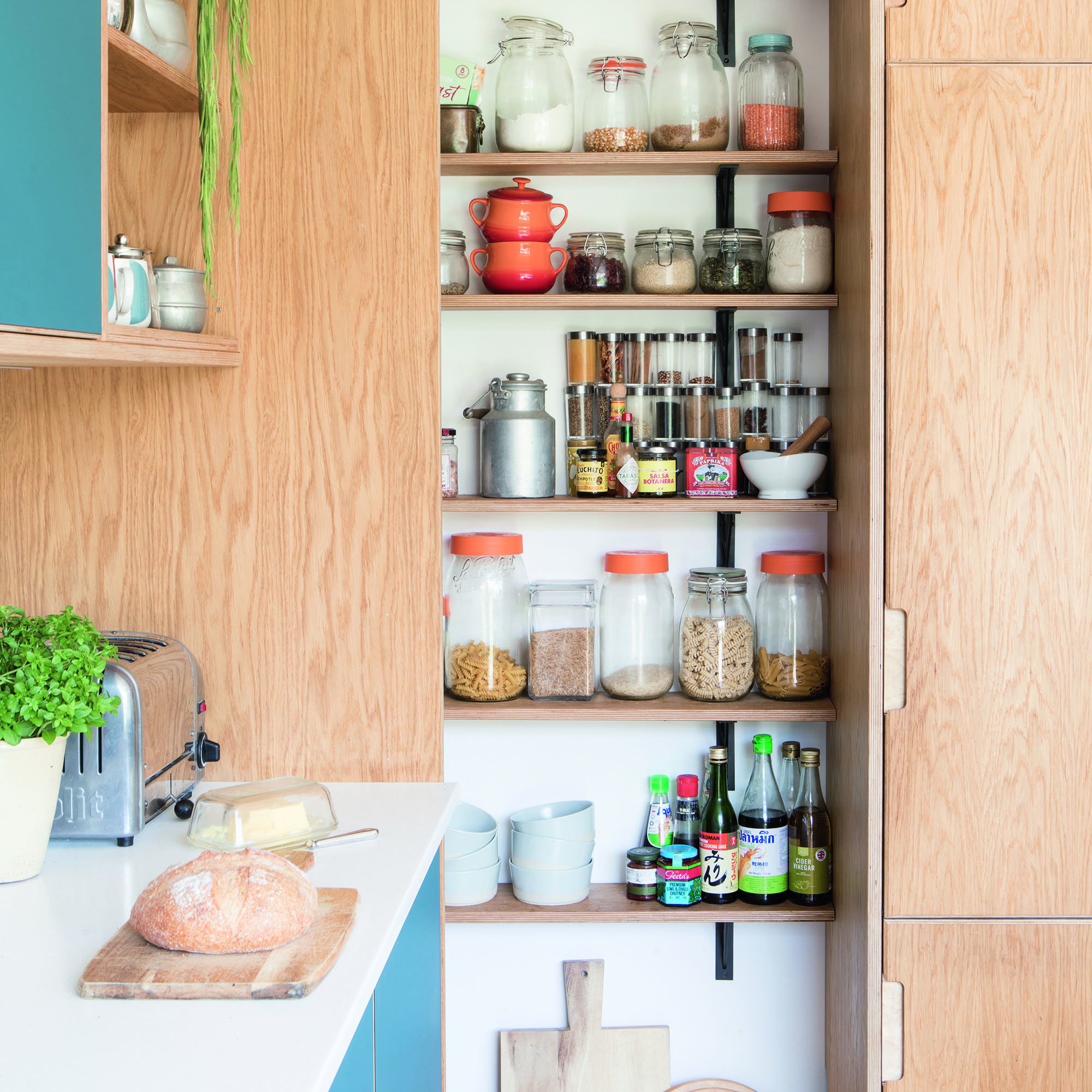
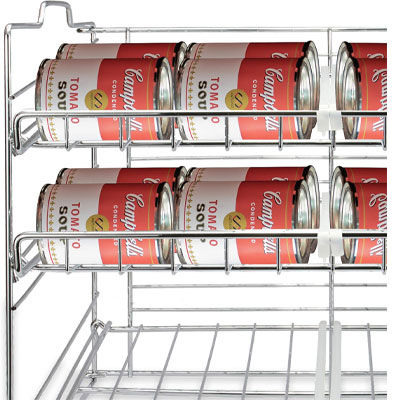
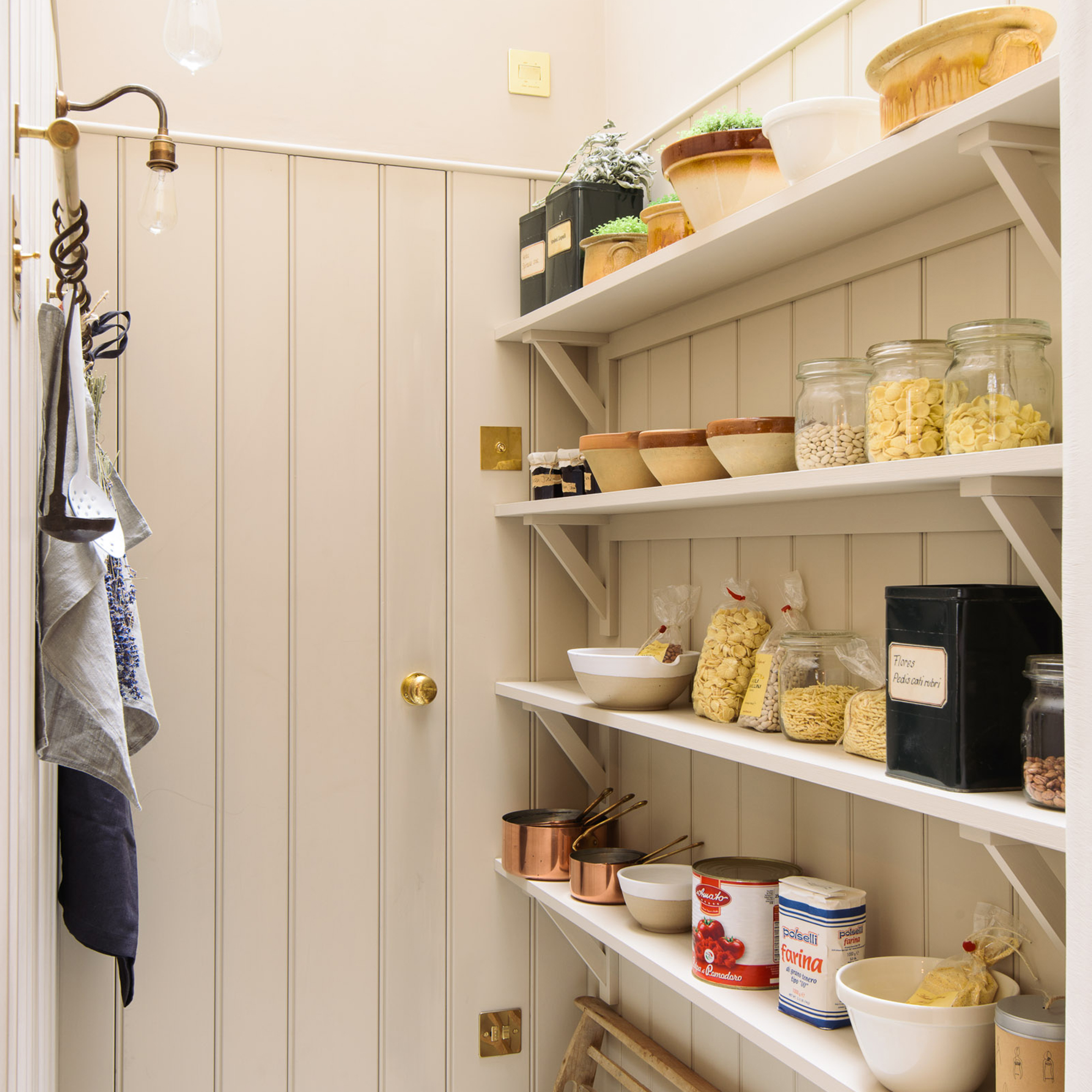
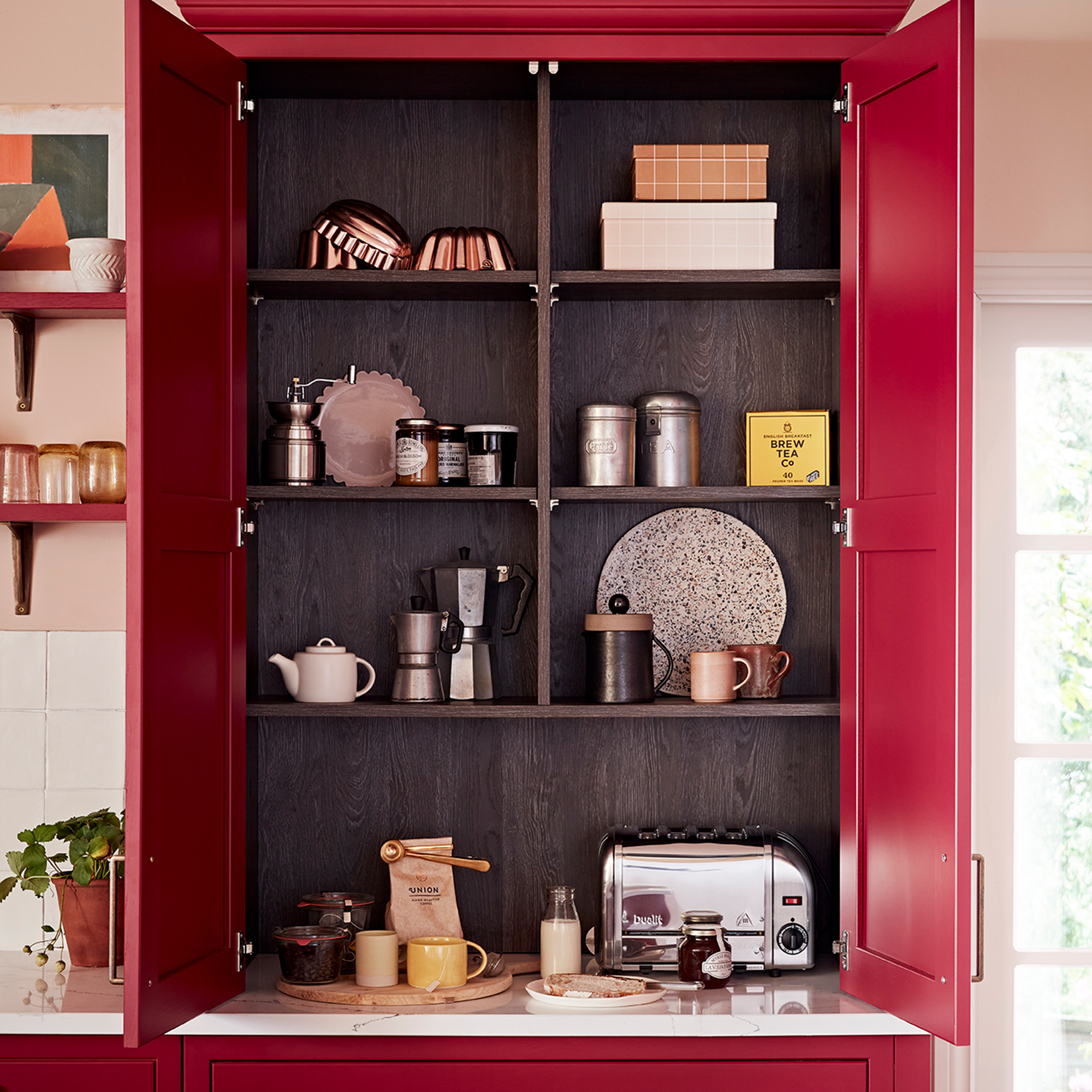
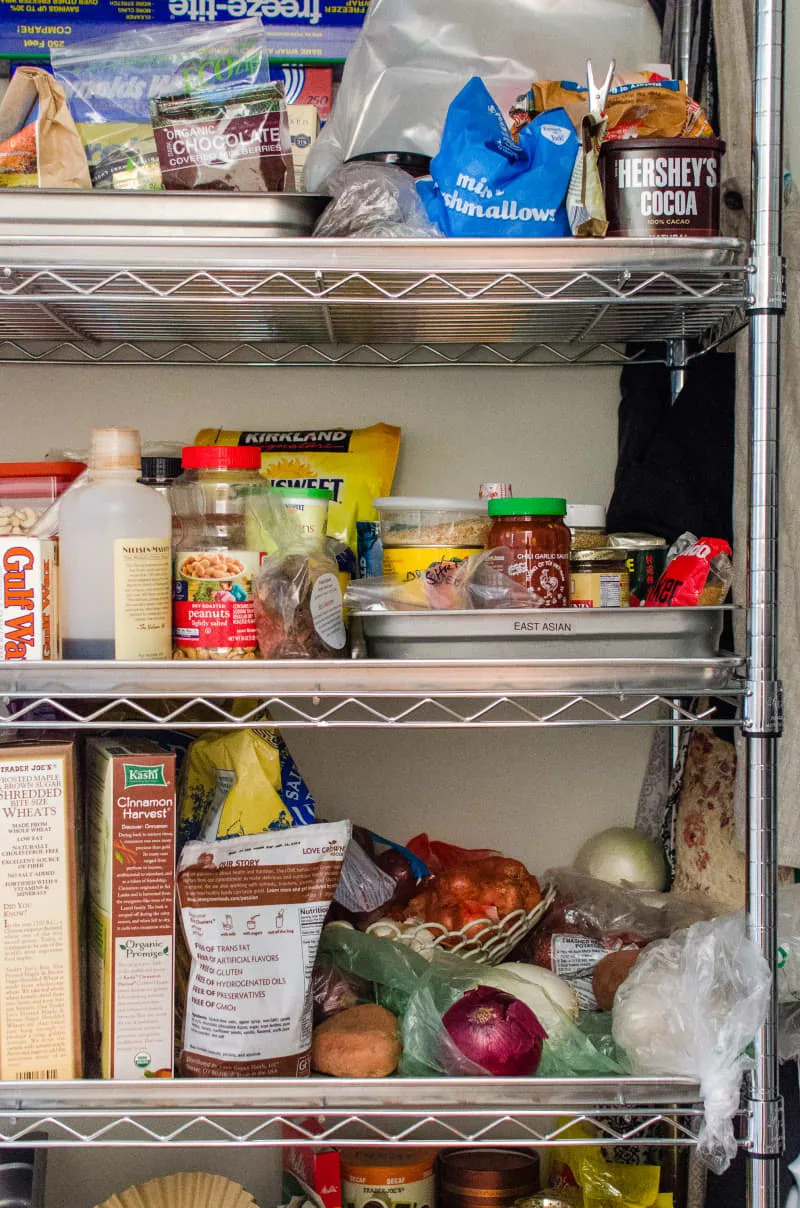
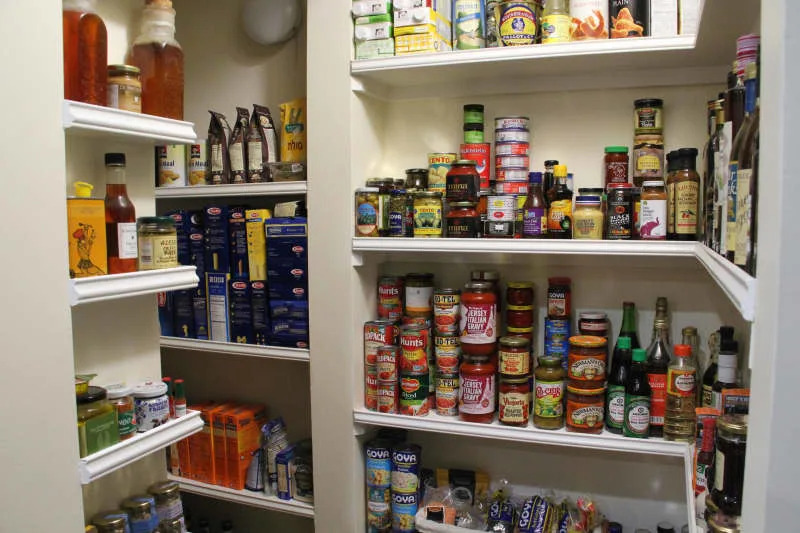
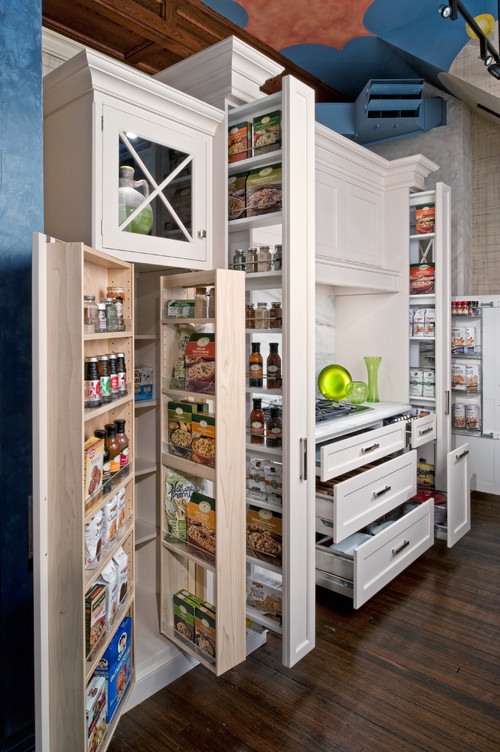
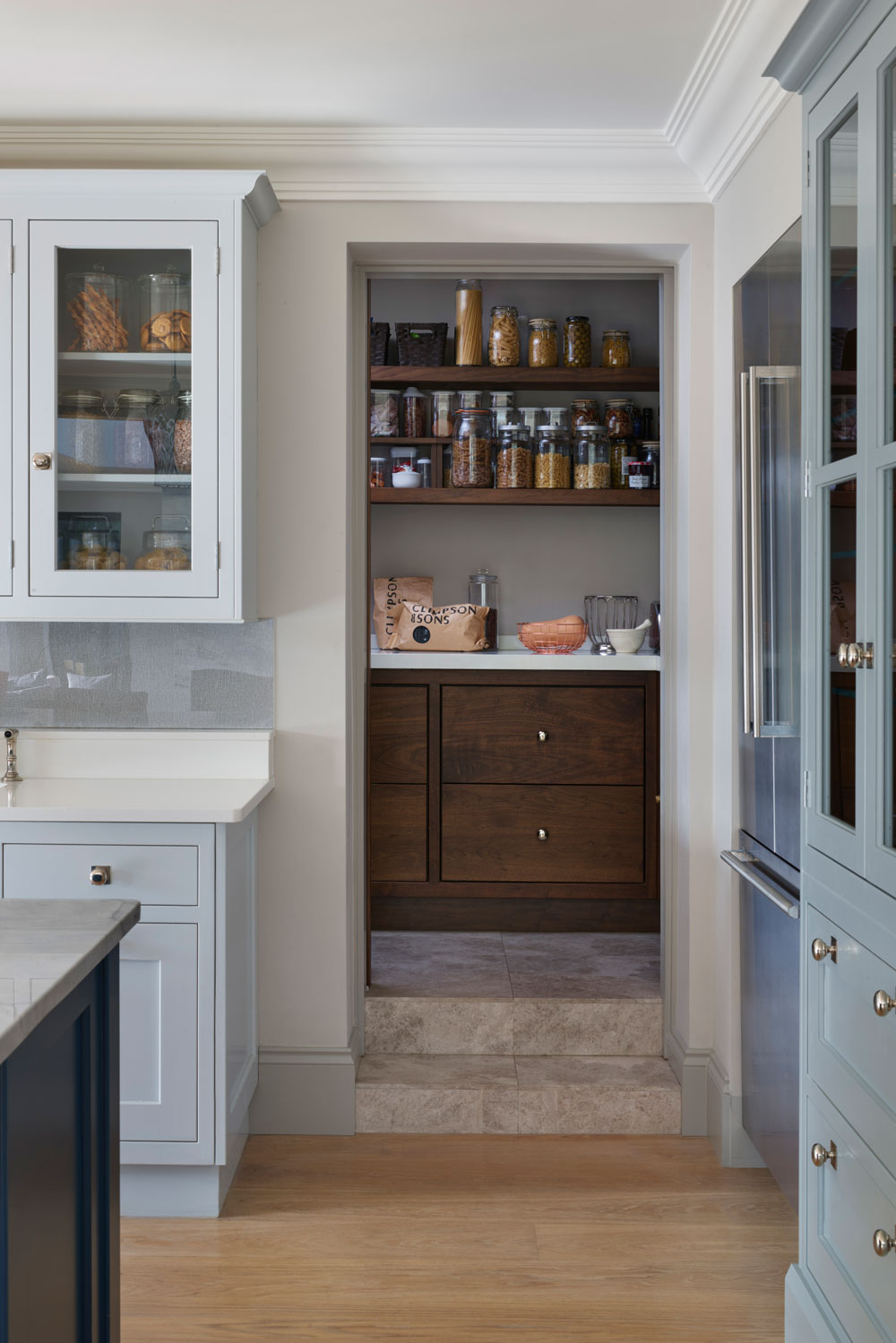
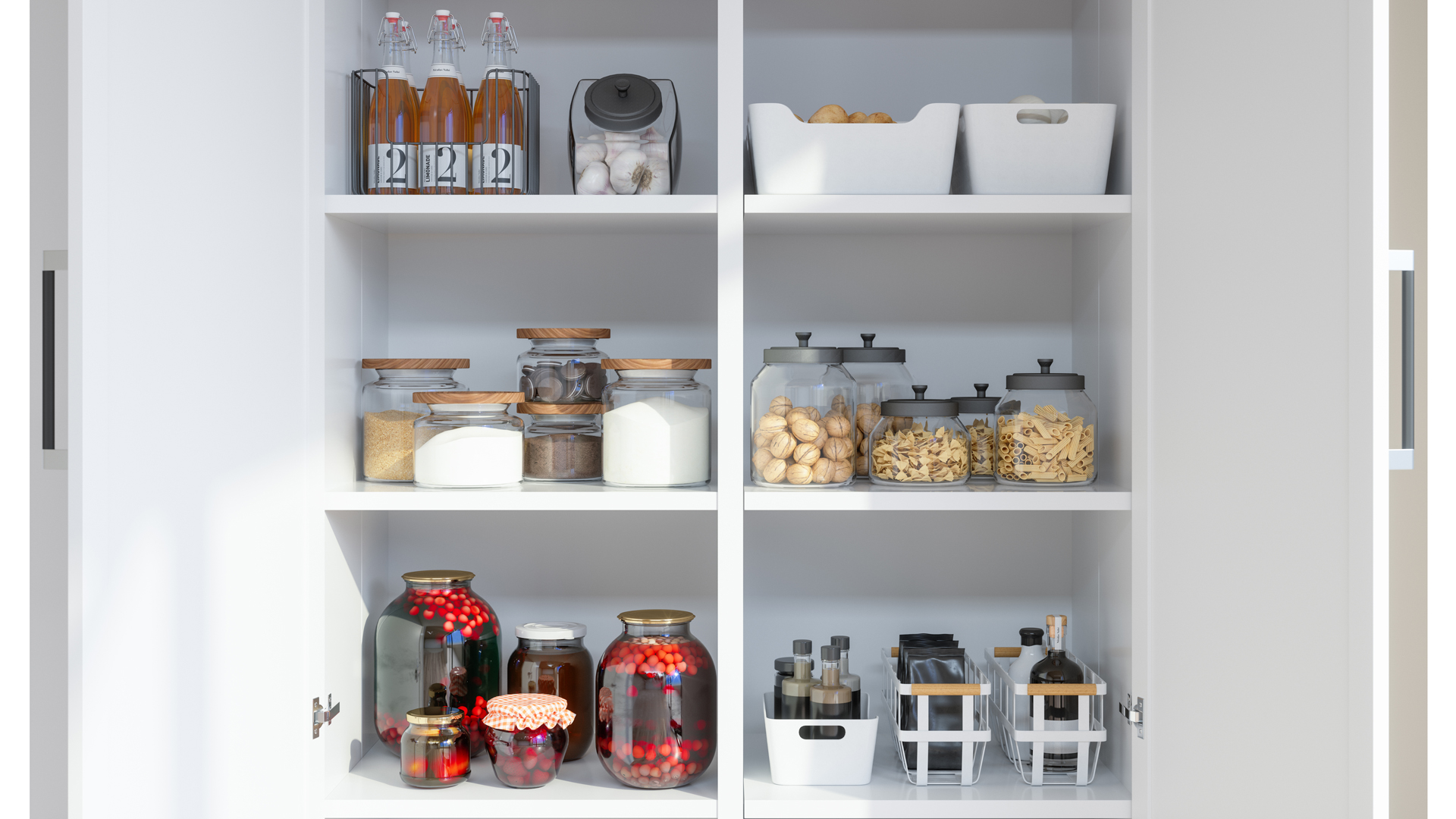
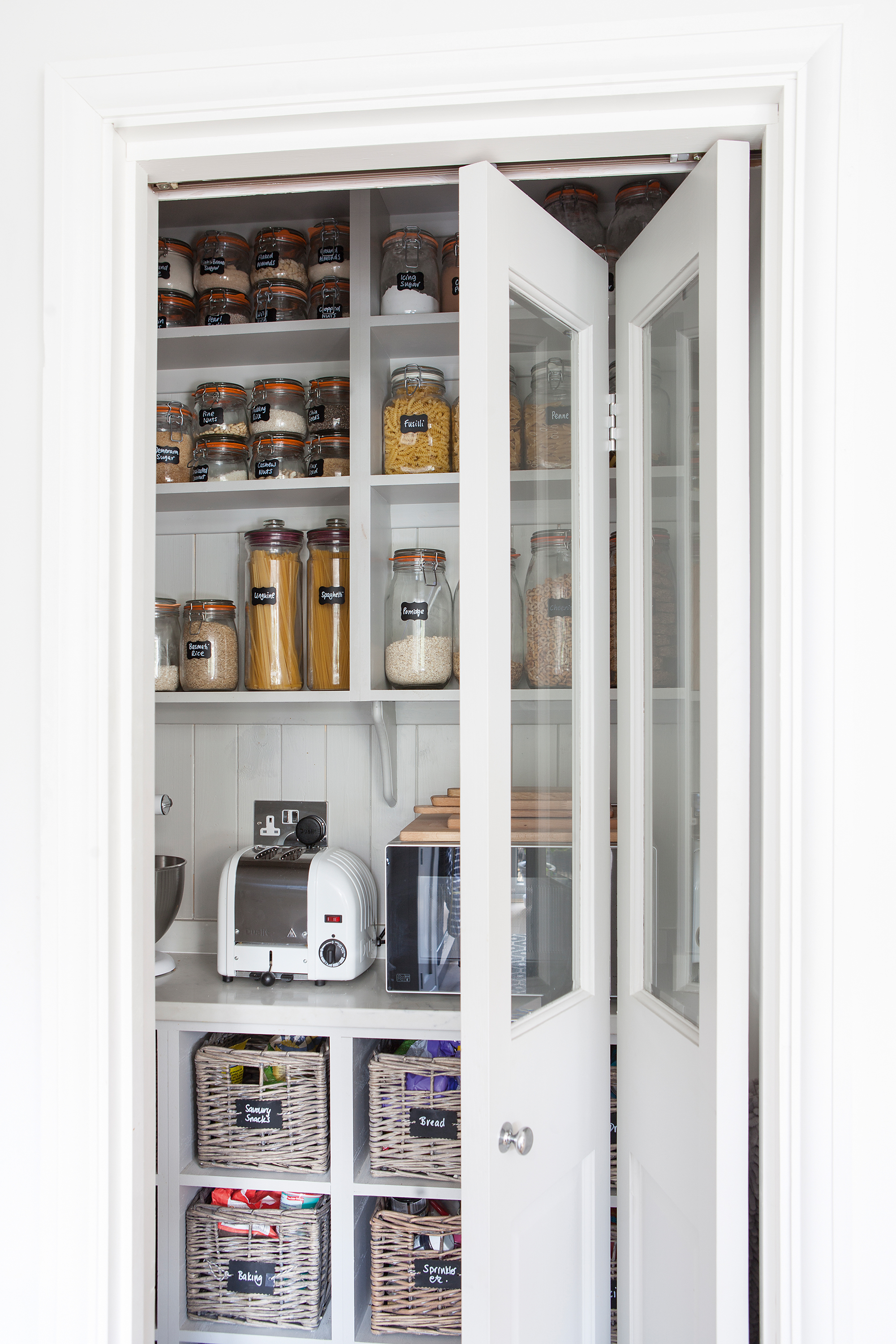
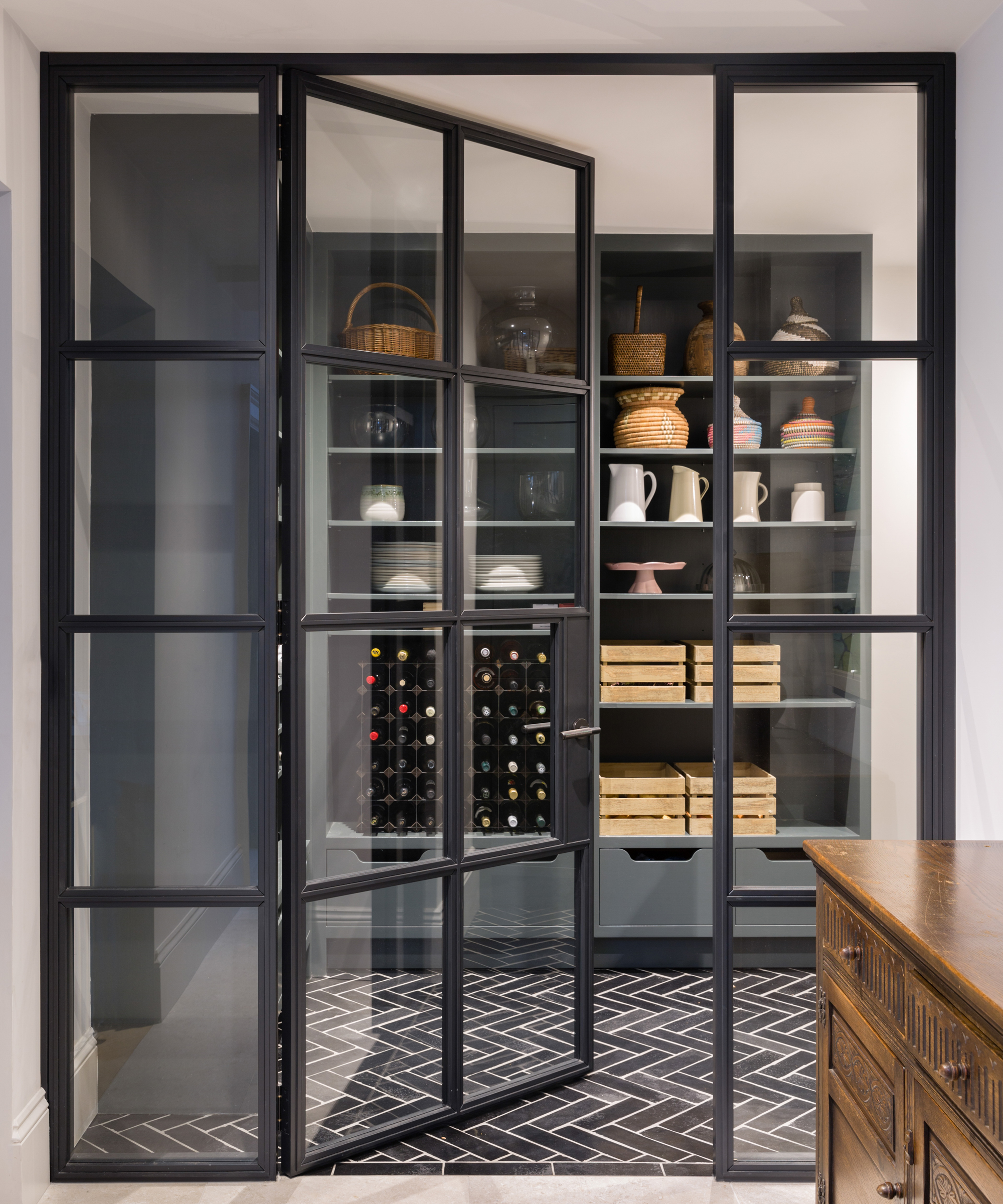
The first step to a well-ordered pantry is to designate a specific space for it, regardless of kitchen size. Consolidating dried goods and canned foods into a single area prevents items from being spread out, making it easier to track inventory and avoid duplicate purchases. Once a space is allocated, the next strategy involves creating zones. This means grouping similar items together, such as all breakfast foods, pastas, grains, or snack foods. This categorization ensures that everything has its place, streamlining the process of locating and returning items.
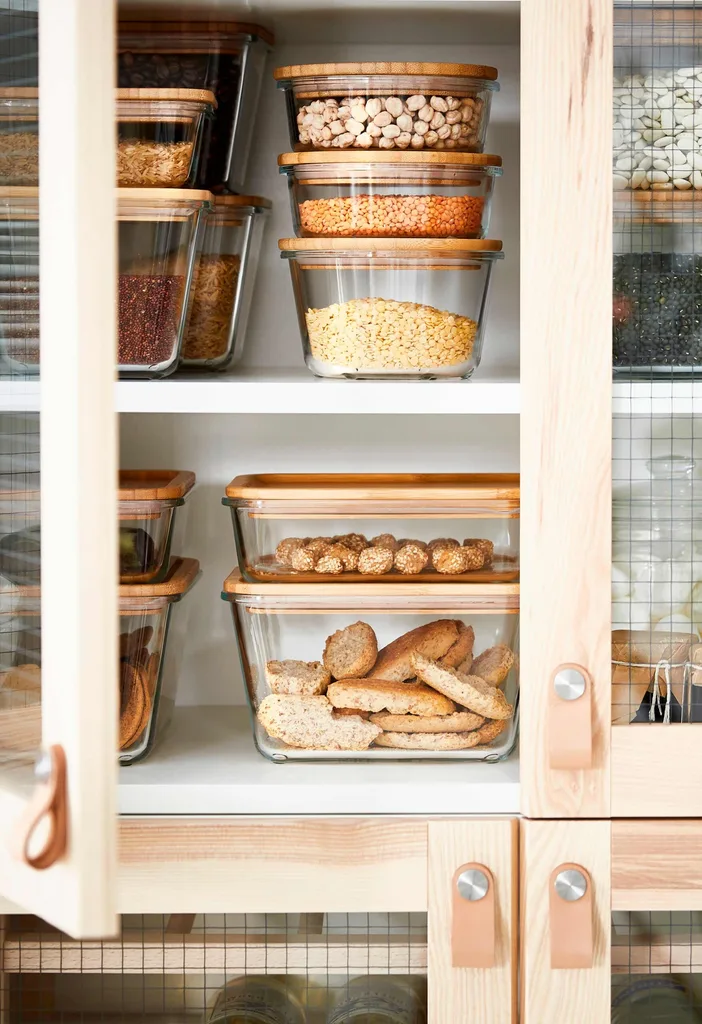
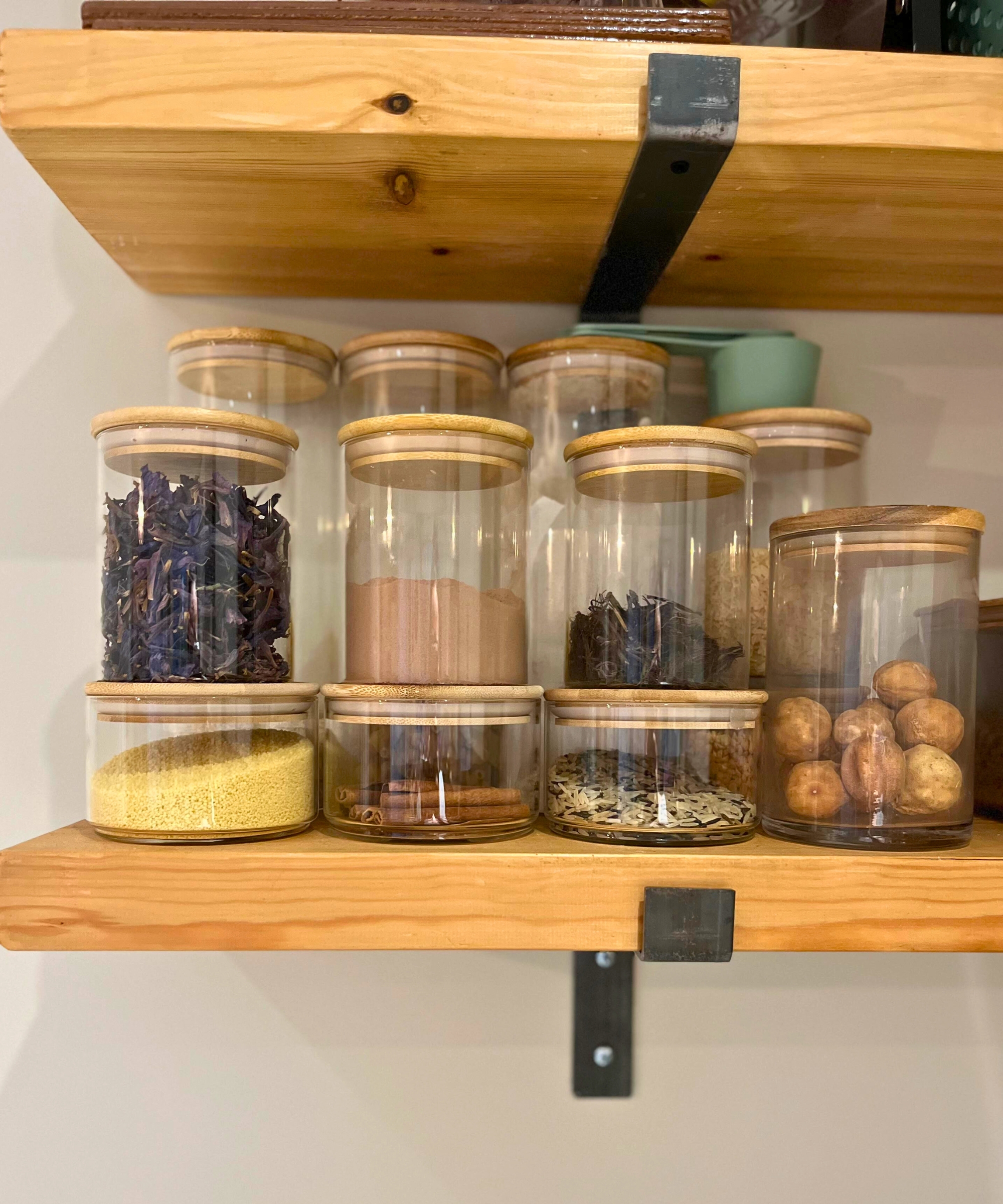
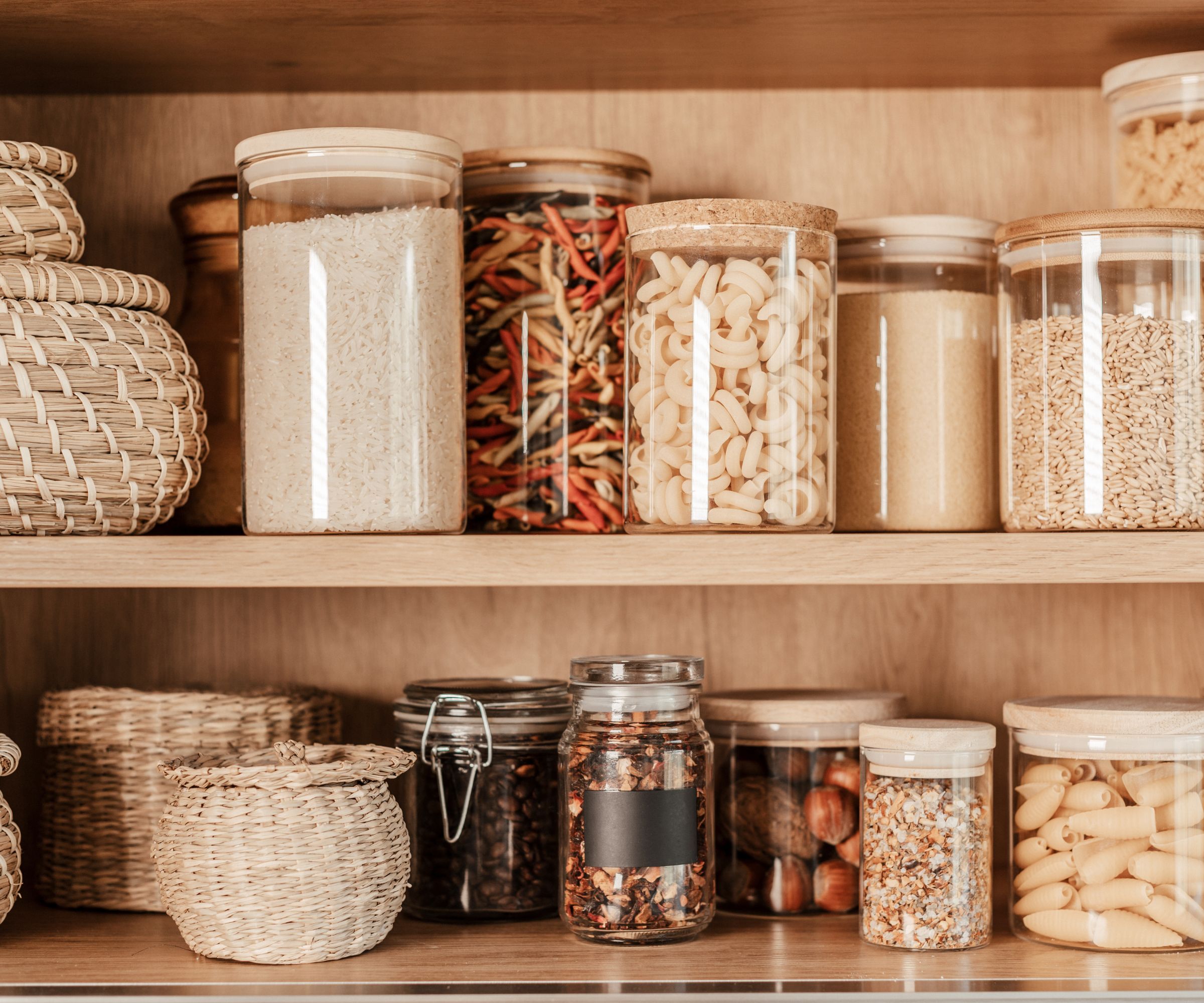
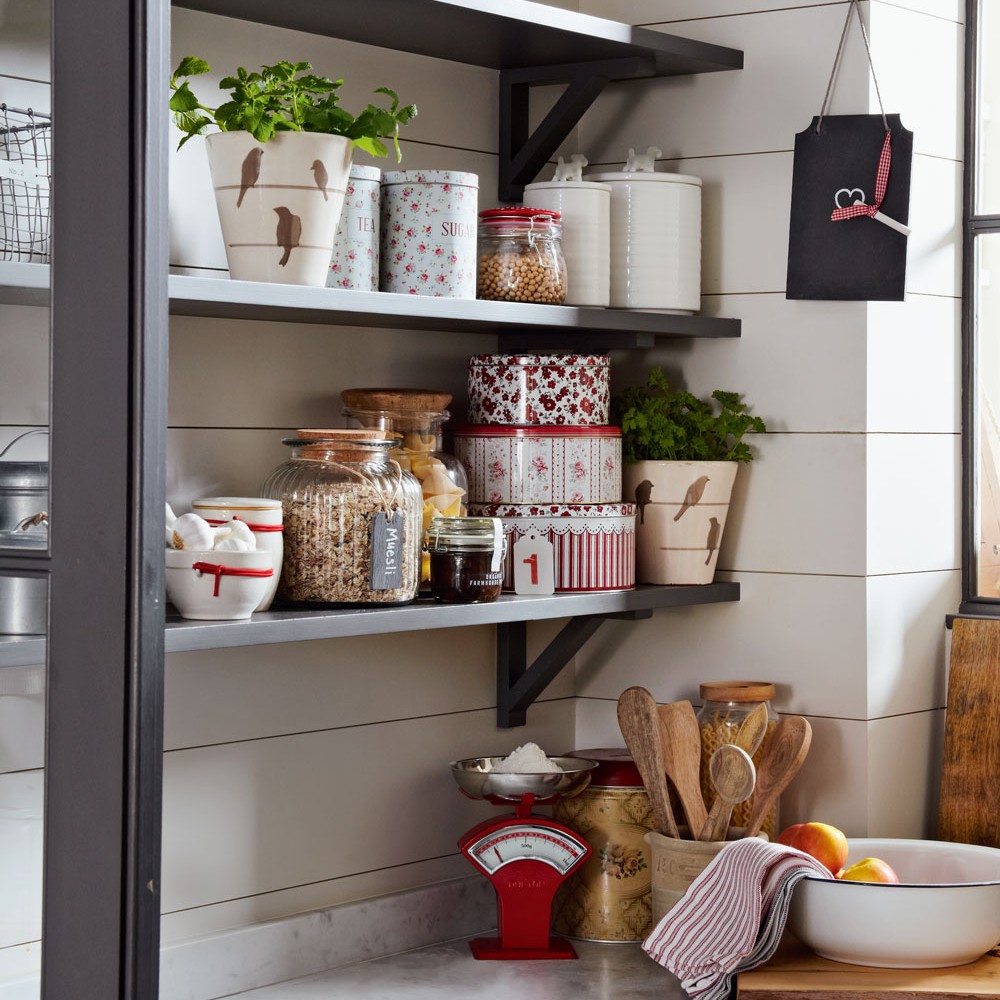
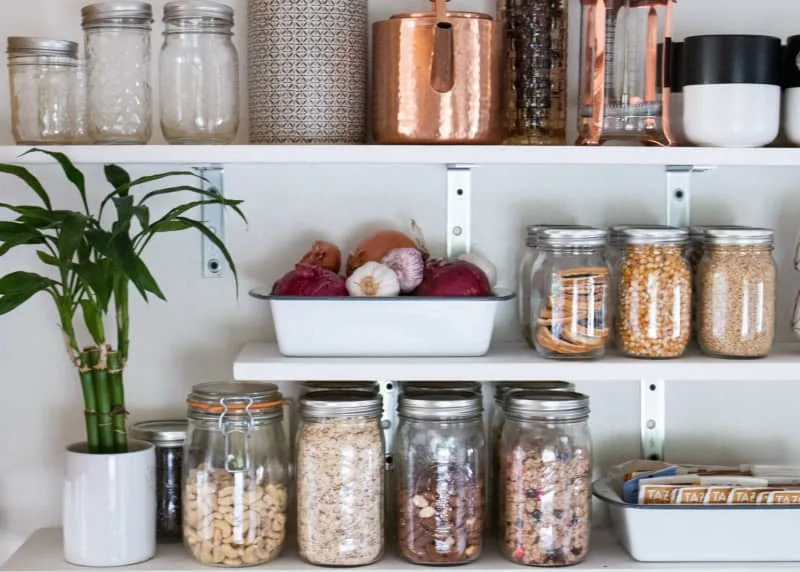
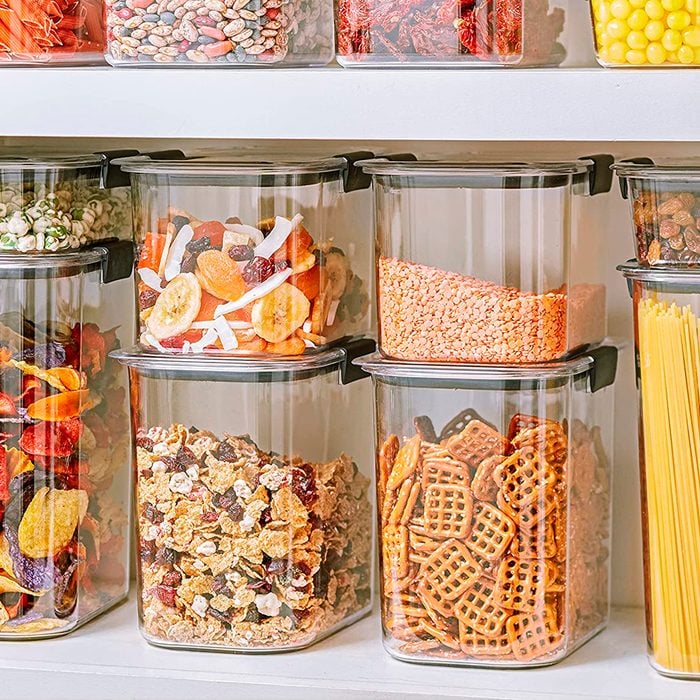
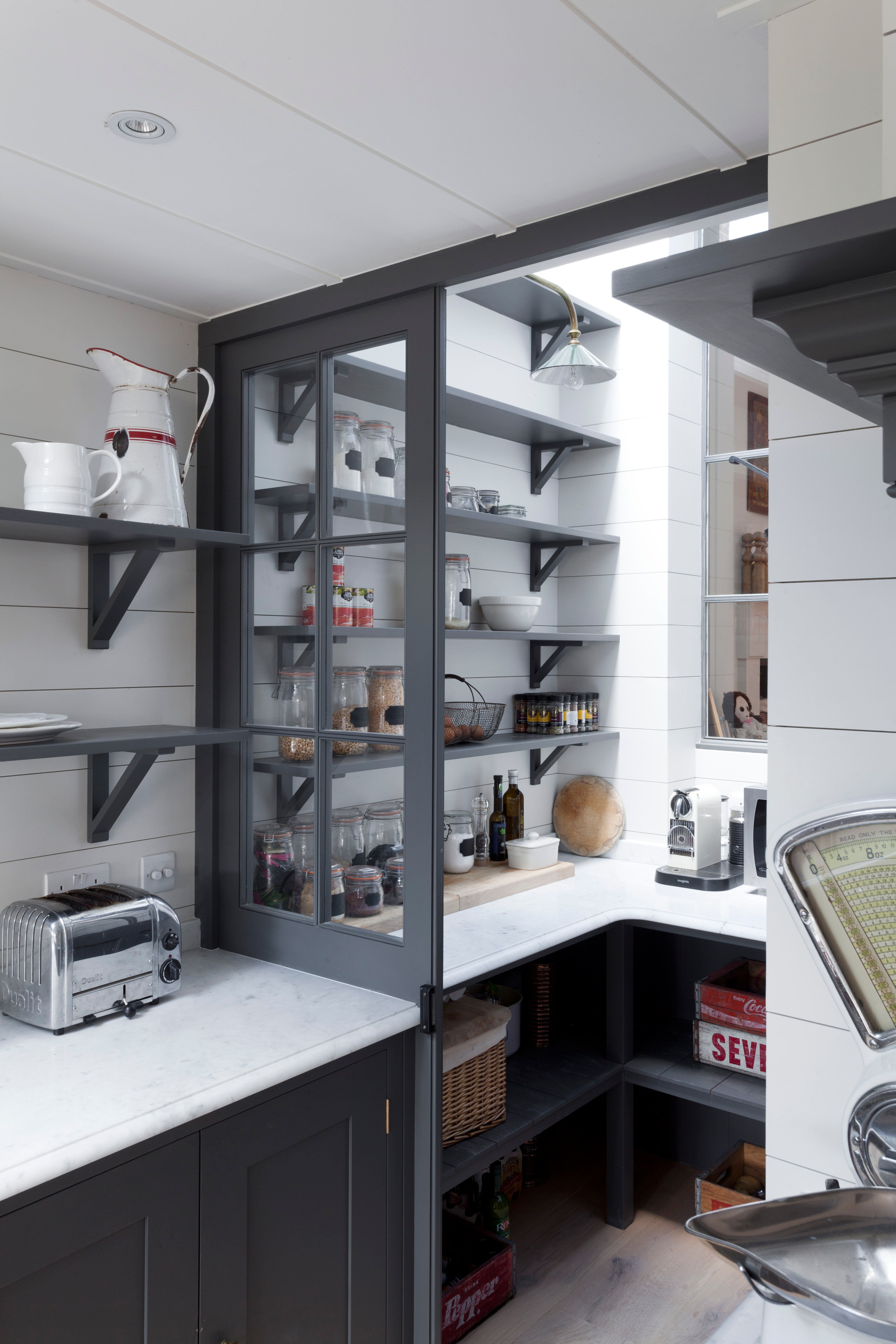
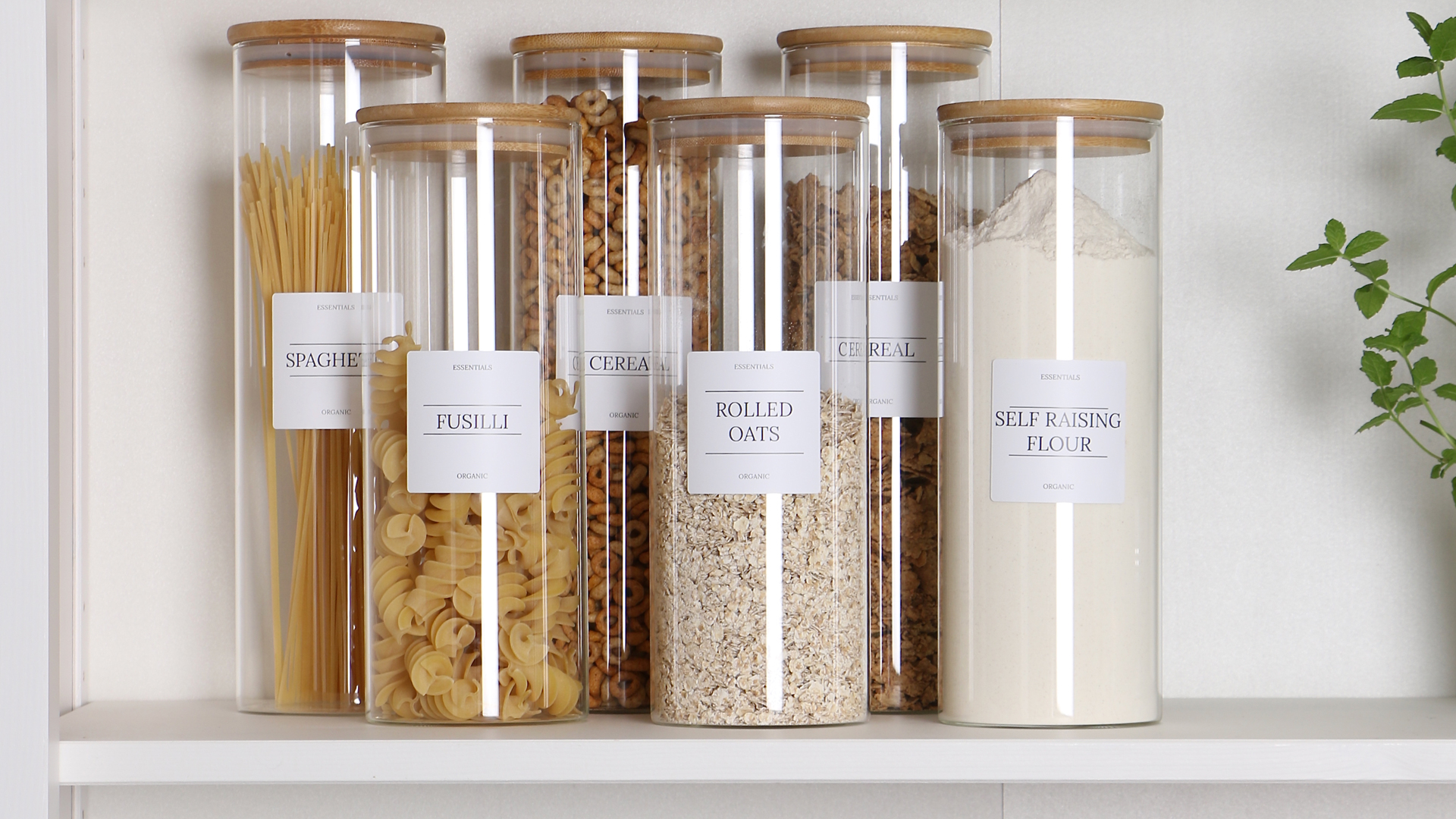
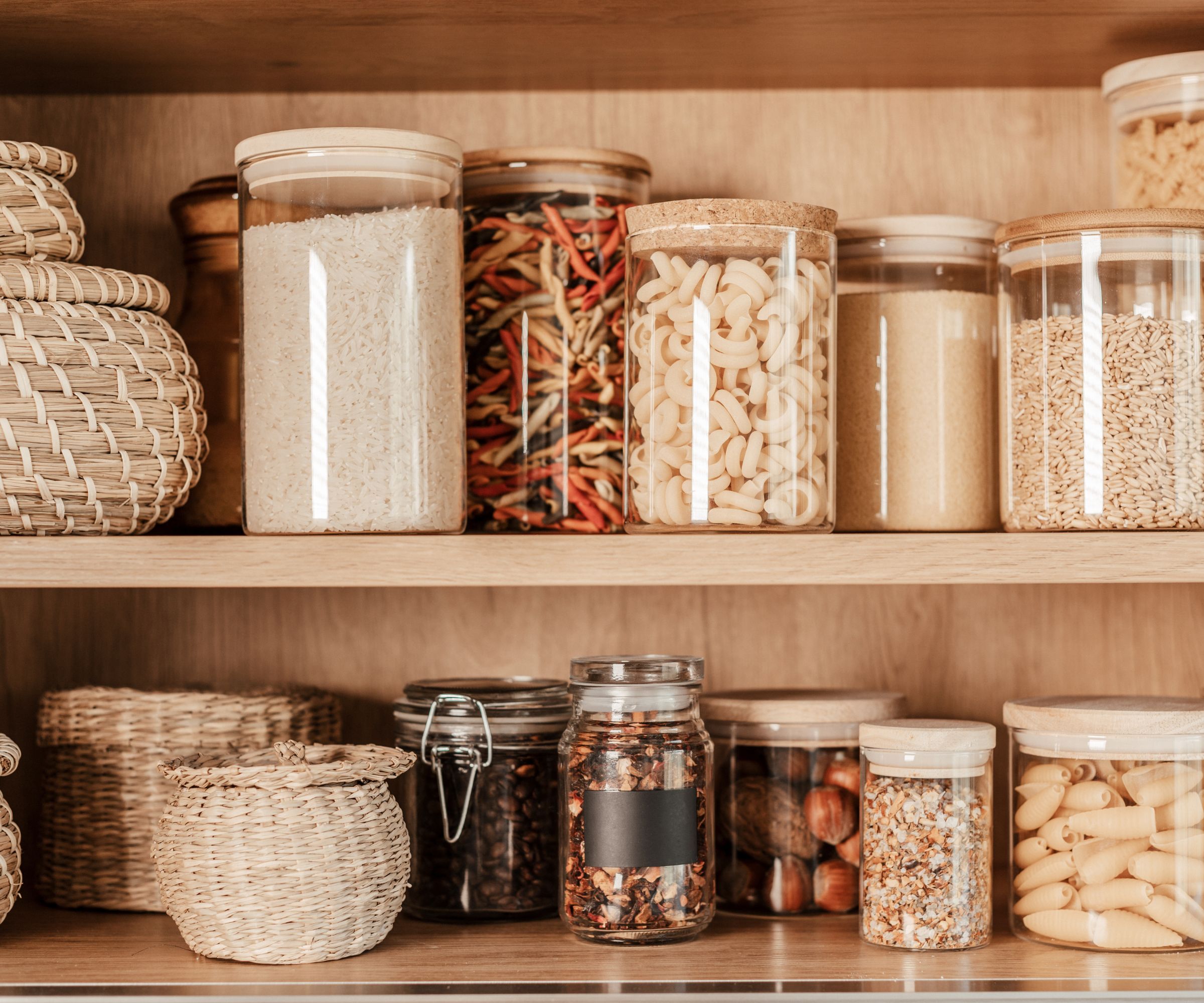
Visibility plays a crucial role in maintaining pantry organization. It is advisable to transfer dry goods like sugar and flour into clear containers. This practice offers an immediate visual cue of the quantity remaining, prompting timely replenishment. Additionally, placing frequently used items at the forefront and having a stool readily available for overhead shelves enhances accessibility and convenience.
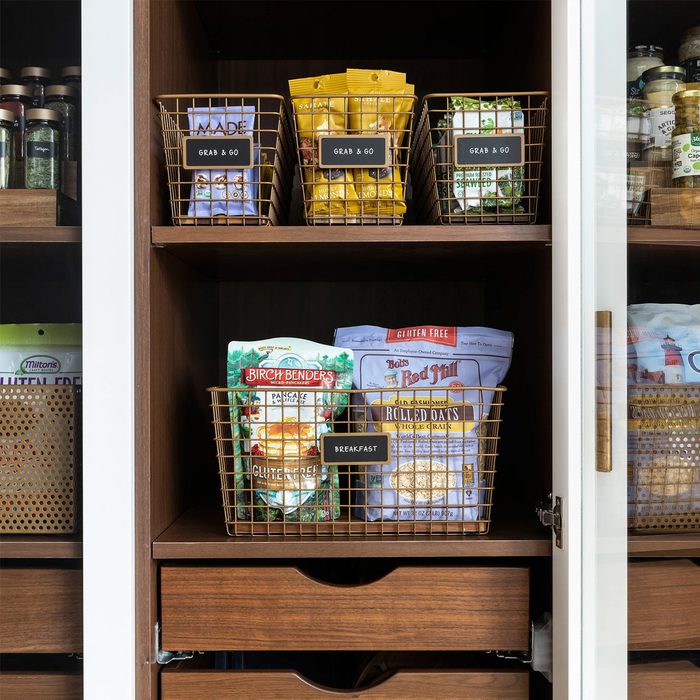
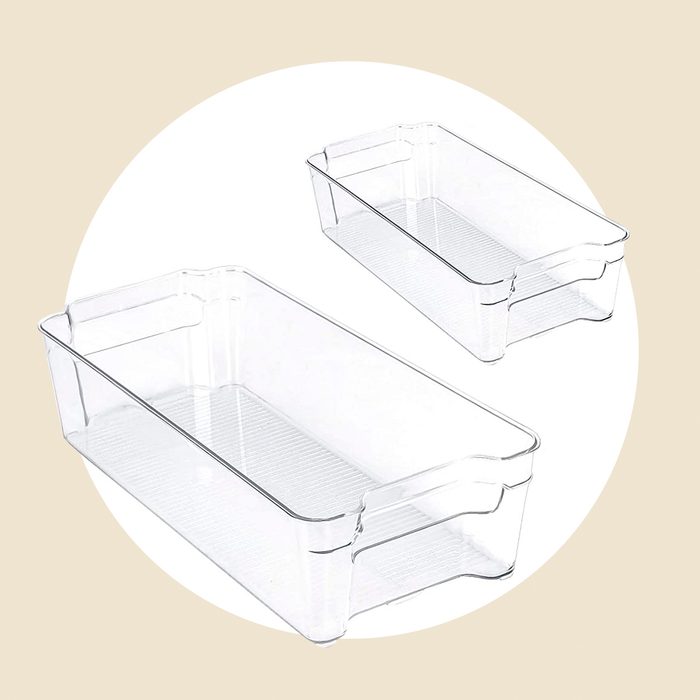
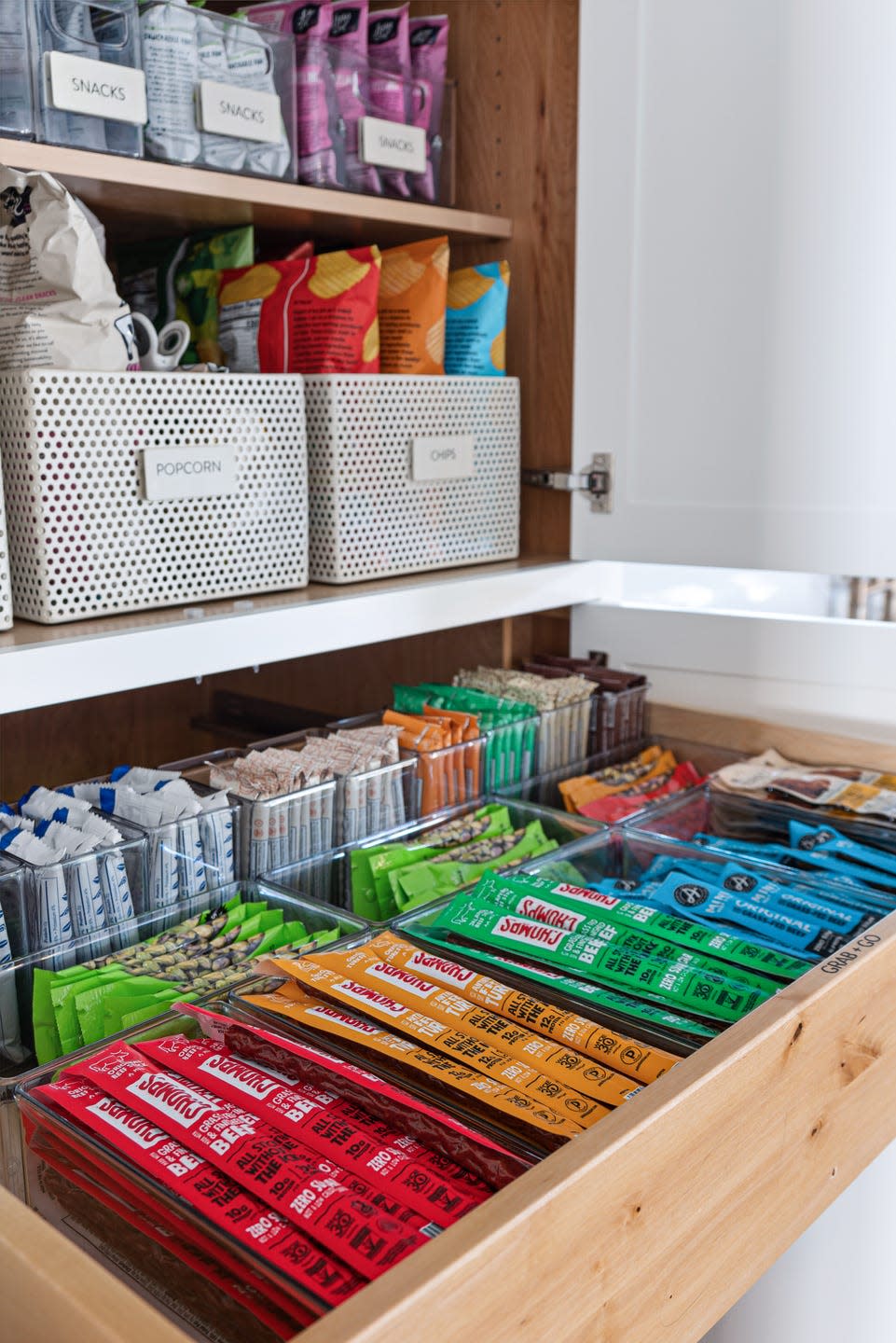
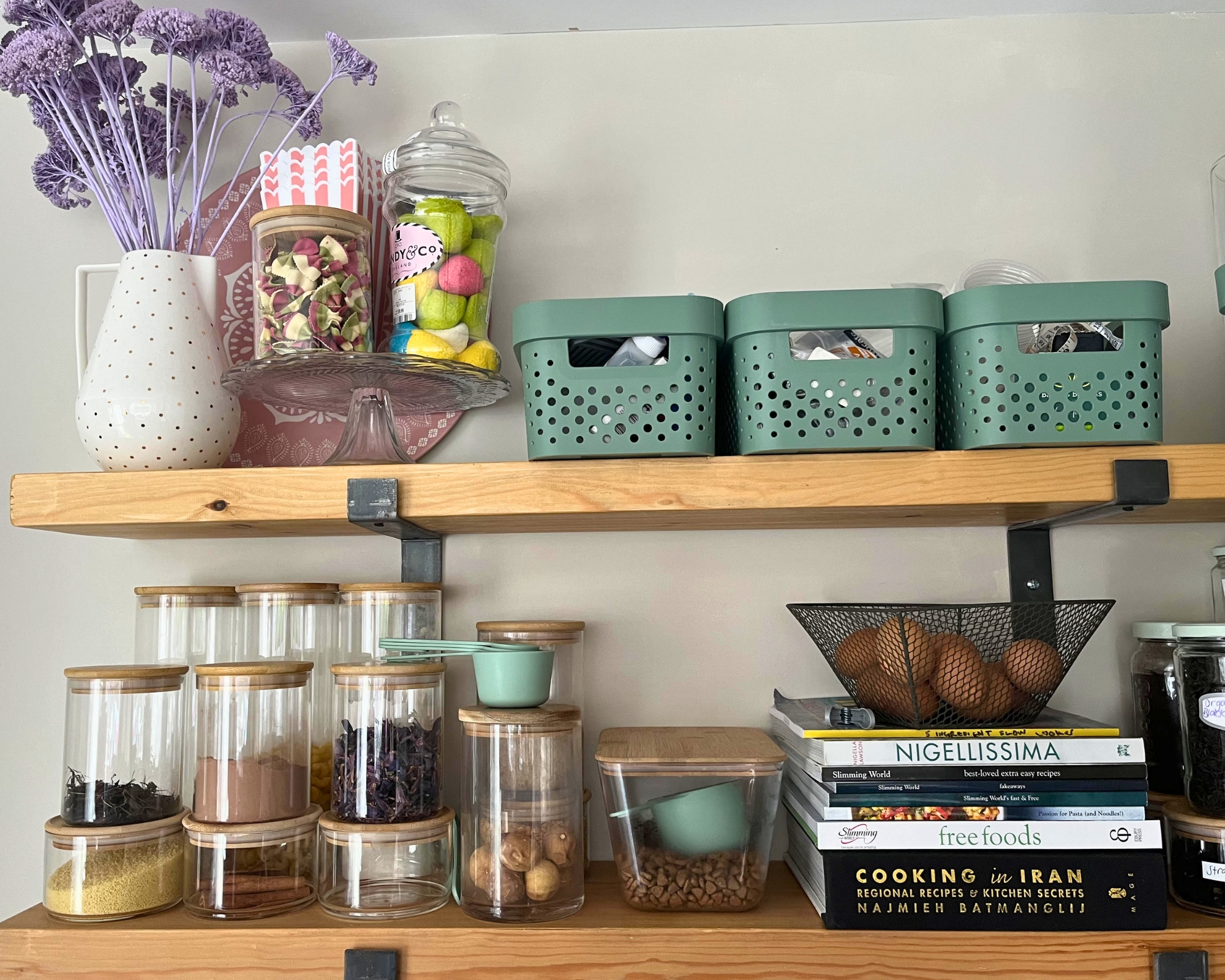
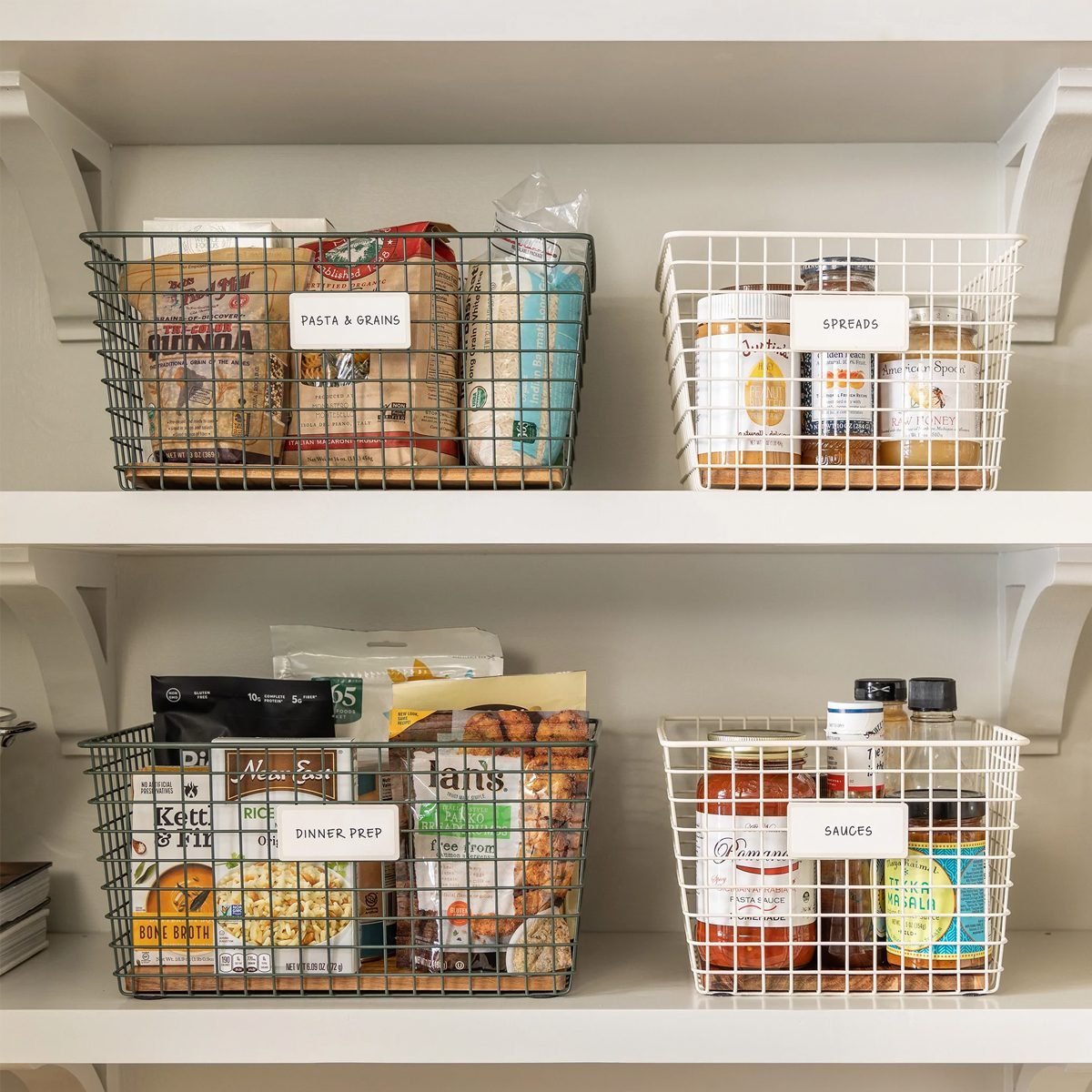
Bins and baskets are invaluable tools for achieving a uniform and tidy appearance. Utilizing matching containers not only contributes to a cohesive aesthetic but also helps contain smaller items. If space allows, assigning individual bins for family members' favorite treats can promote personal responsibility and make the pantry more user-friendly, especially for children.
Regular cleaning and editing are vital for long-term organization. The pantry should be treated similarly to a clothes closet, with a thorough decluttering performed at least twice a year. This involves discarding expired food items and removing anything the family no longer consumes. Excess non-perishable goods can be donated to local food banks or shelters, further contributing to a clutter-free and purposeful space.
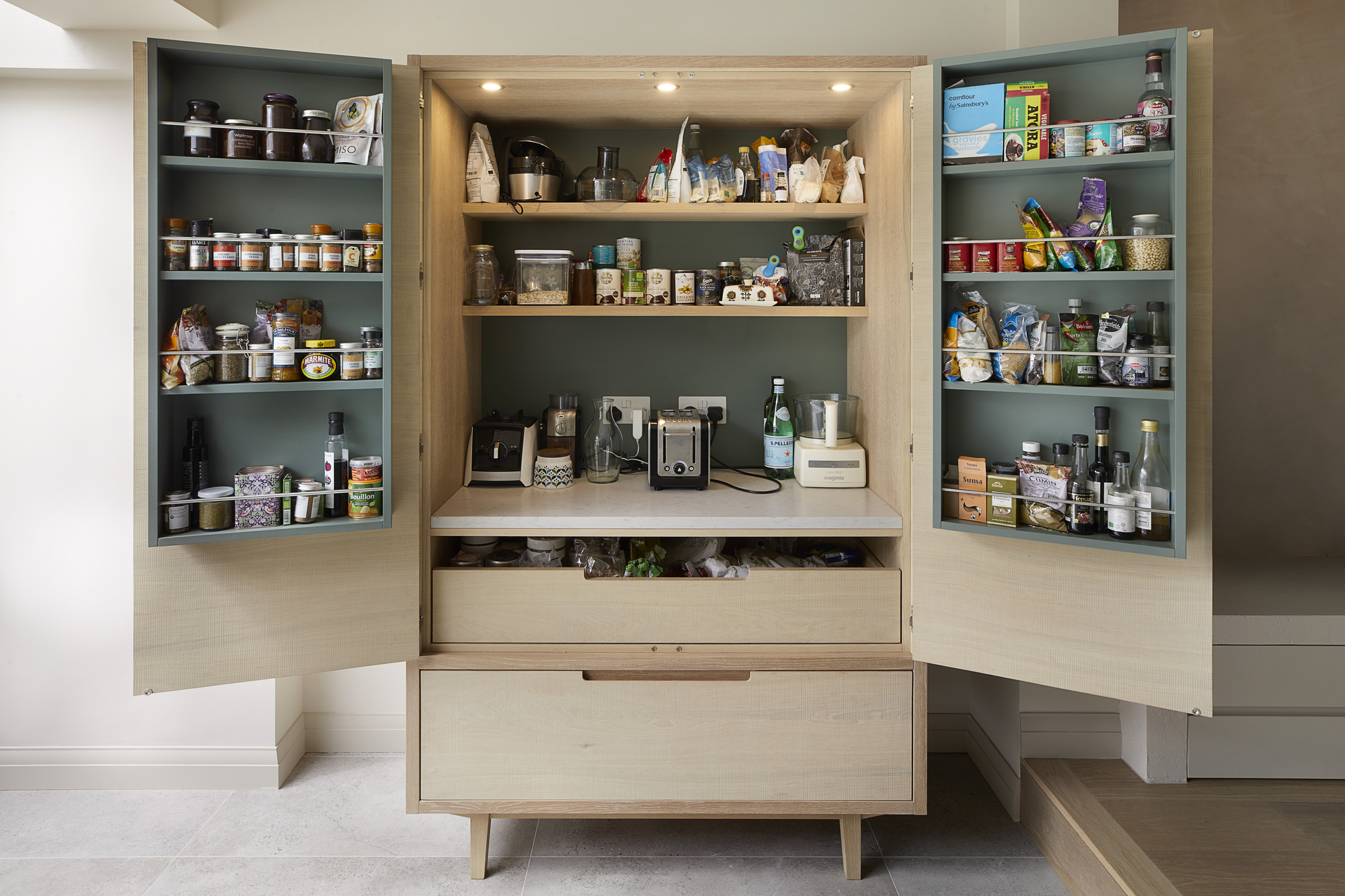
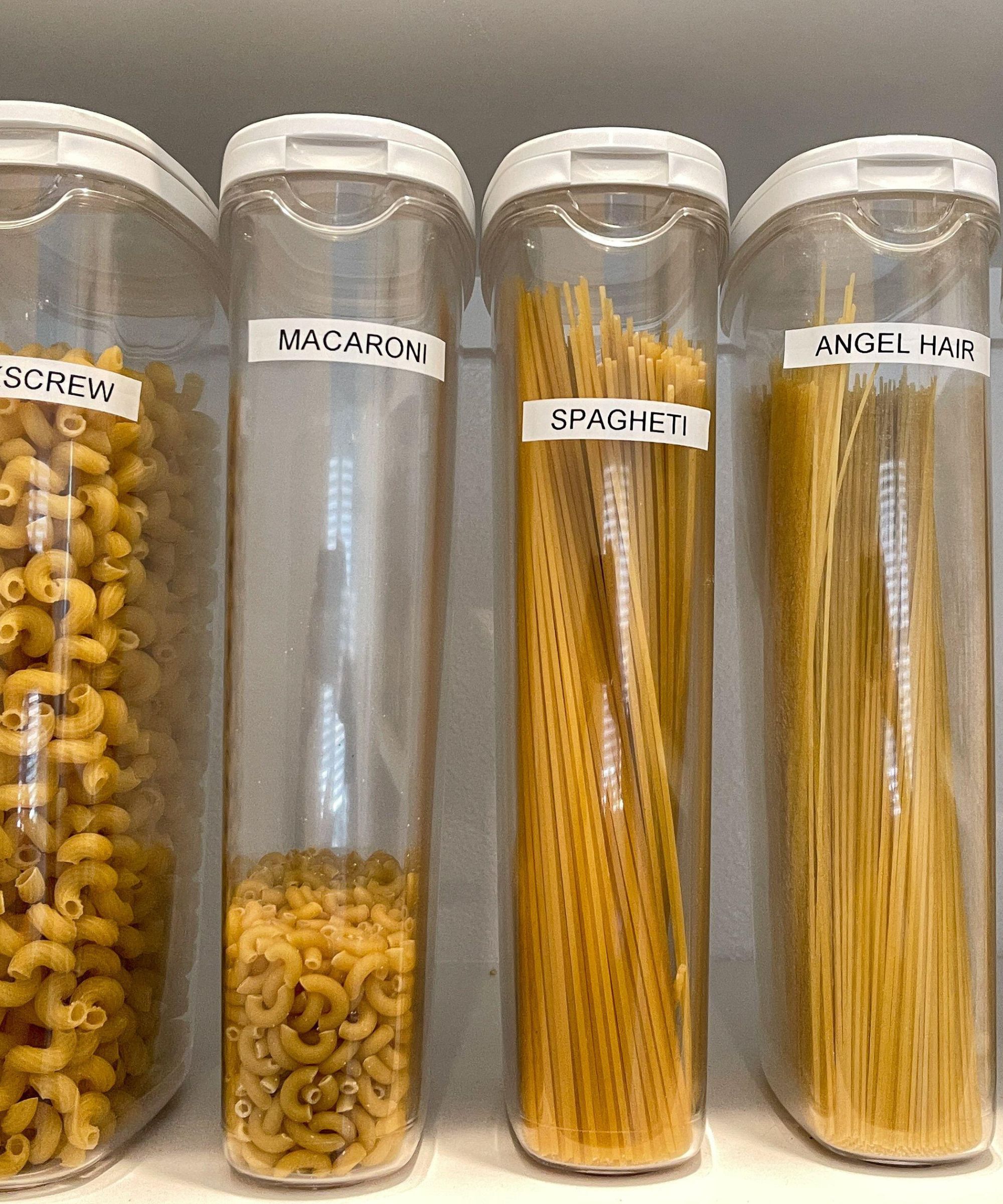
Labeling is another cornerstone of an organized pantry. Clearly labeling all containers and shelves ensures that every household member can easily find what they need and, more importantly, return items to their correct locations. This practice prevents disarray and promotes a consistent organizational system.
To manage pantry inventory effectively, it is recommended to create a list of staple items and affix it to the pantry door. As items run low, they can be checked off the list, providing a quick visual reference for grocery shopping and preventing unexpected shortages. This proactive approach helps maintain a consistently stocked pantry.
Maintaining a well-stocked pantry ensures preparedness for various cooking needs, including last-minute meal preparations. By consistently replenishing staples, a hearty reserve of ingredients is always at hand, eliminating the stress of running out of essential items.
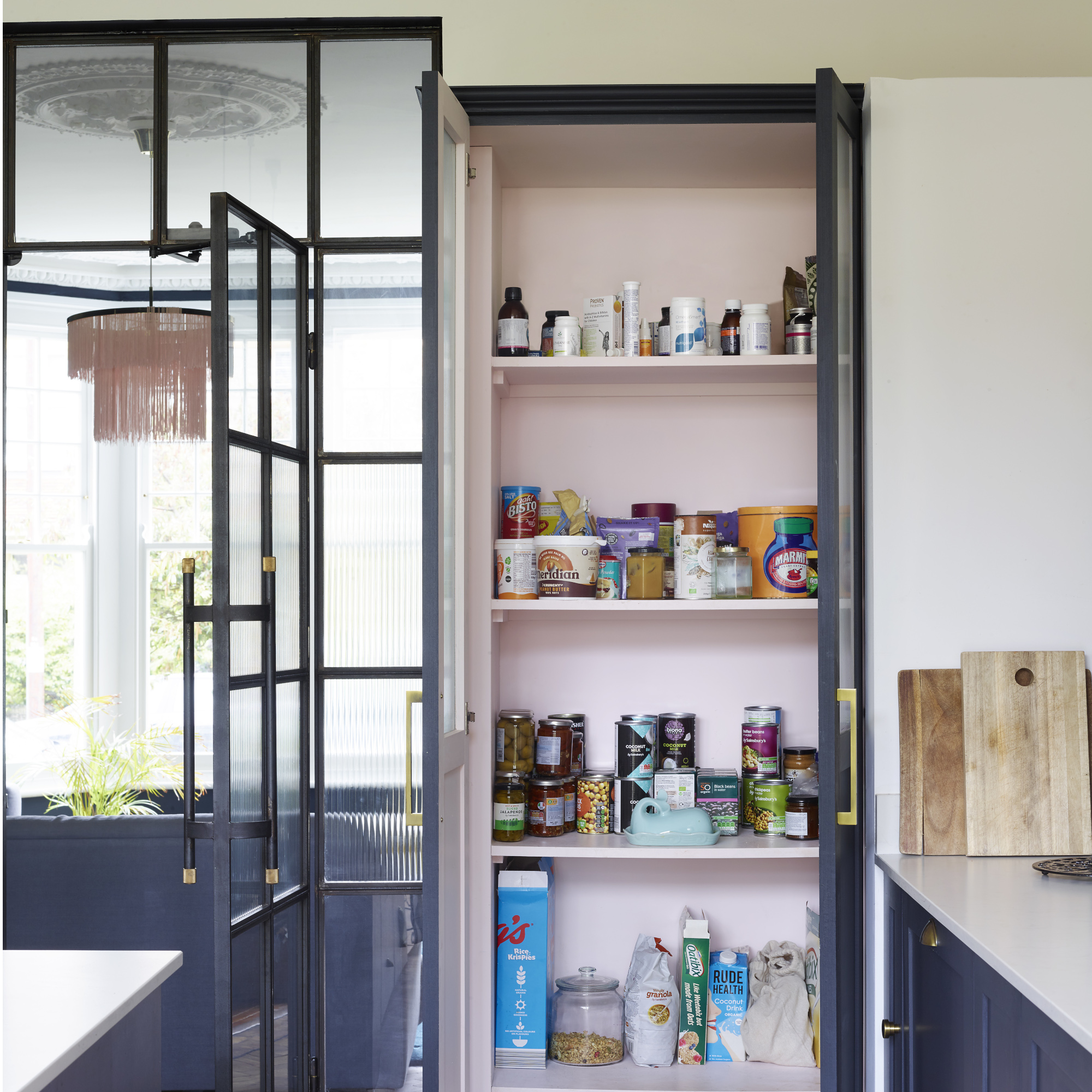
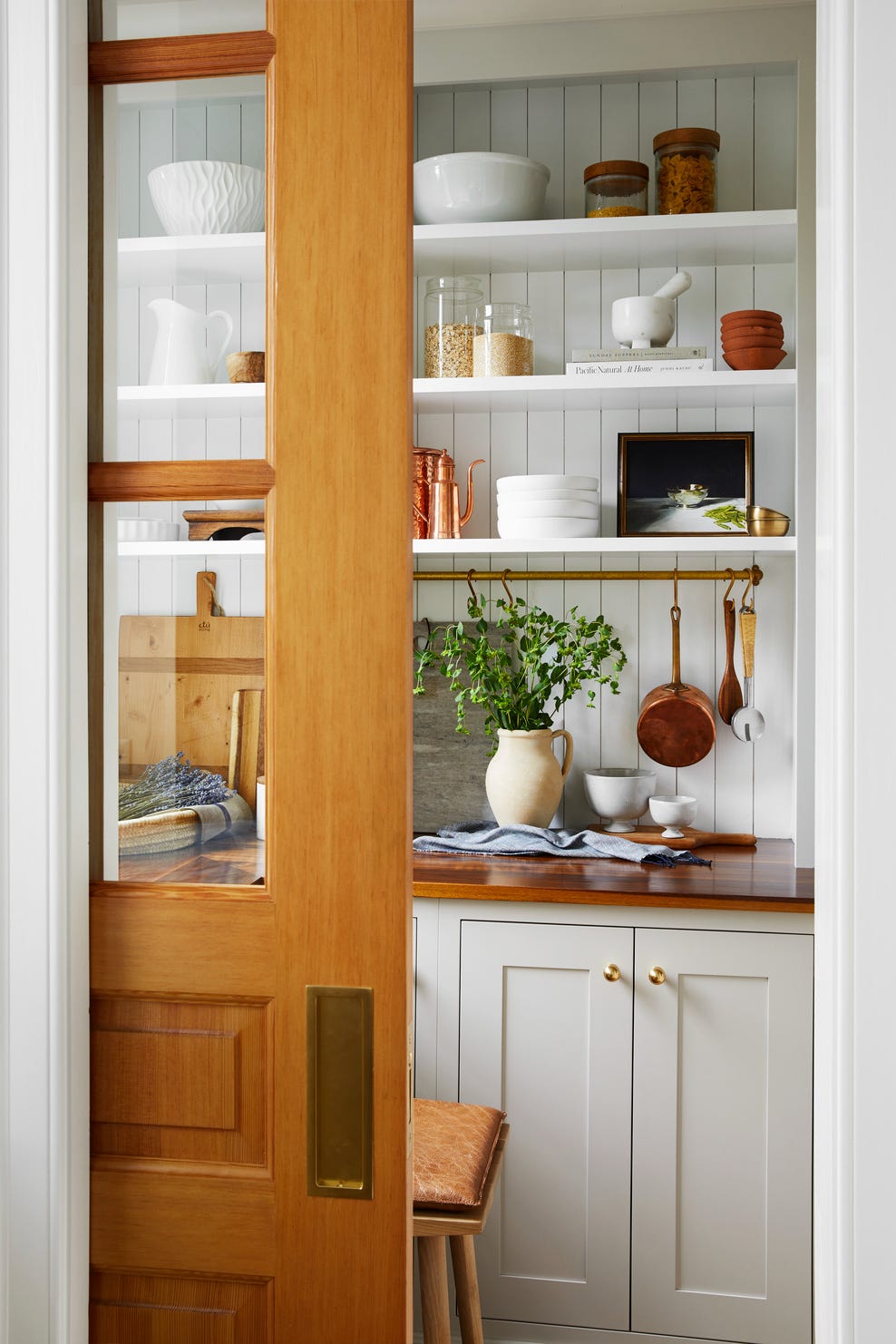
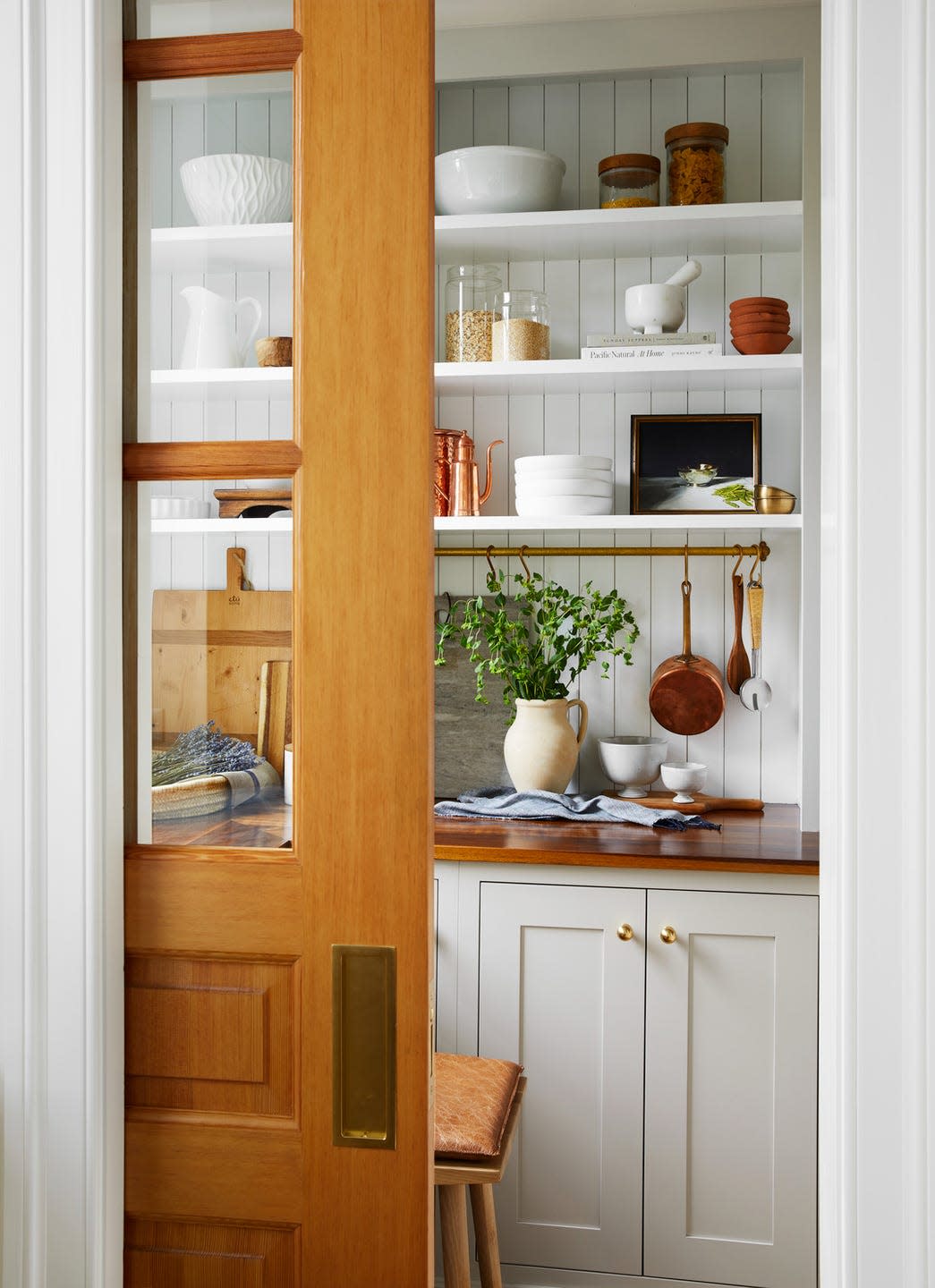
Finally, personalizing the pantry to suit individual needs and aesthetic preferences is encouraged. The pantry is an integral part of the daily routine, and its organization should align with personal efficiency. Incorporating elements like a fun paint color or thoughtfully selected baskets allows the pantry to harmonize with the home's overall design while remaining highly functional.
#KitchenPantry #PantryOrganization #HomeDecor #StorageSolutions #KitchenDesign #OrganizationTips #HomeImprovement #InteriorDesign #Decluttering #KitchenPantry #PantryOrganization #HomeDecor #StorageSolutions #KitchenDesign #OrganizationTips #HomeImprovement #InteriorDesign #Decluttering
0 comment in total
 No comments yet
You may also like

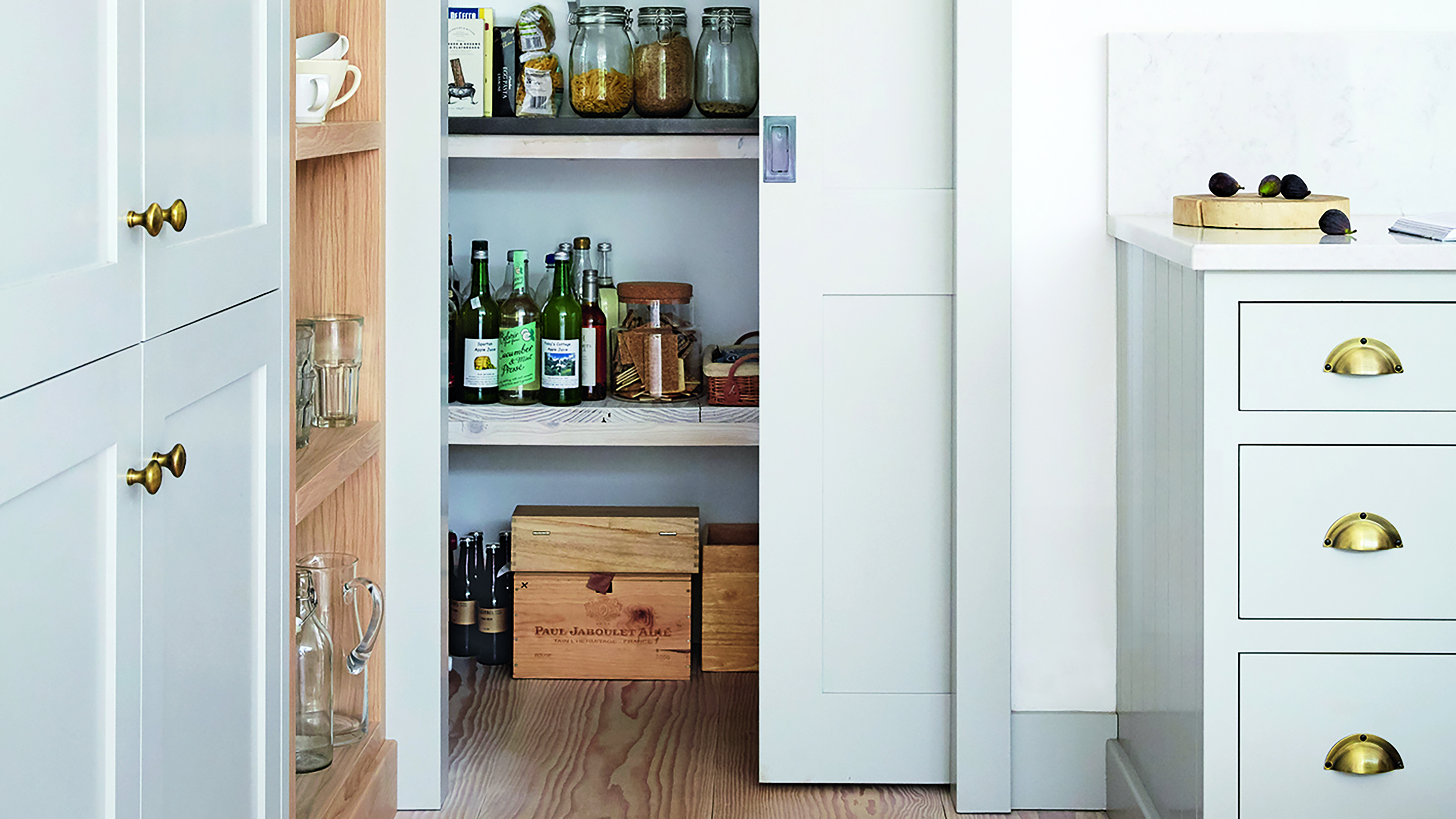
Pantry design tips: how to organise your kitchen storage

How to Make Your Pantry Look Organized (Without Buying More Bins)

How to get the most pantry storage from a small space

7 NYC Chefs Share Their Pantry Organization Secrets
9 pantry storage solutions organising experts swear by for a perfectly tidy store cupboard
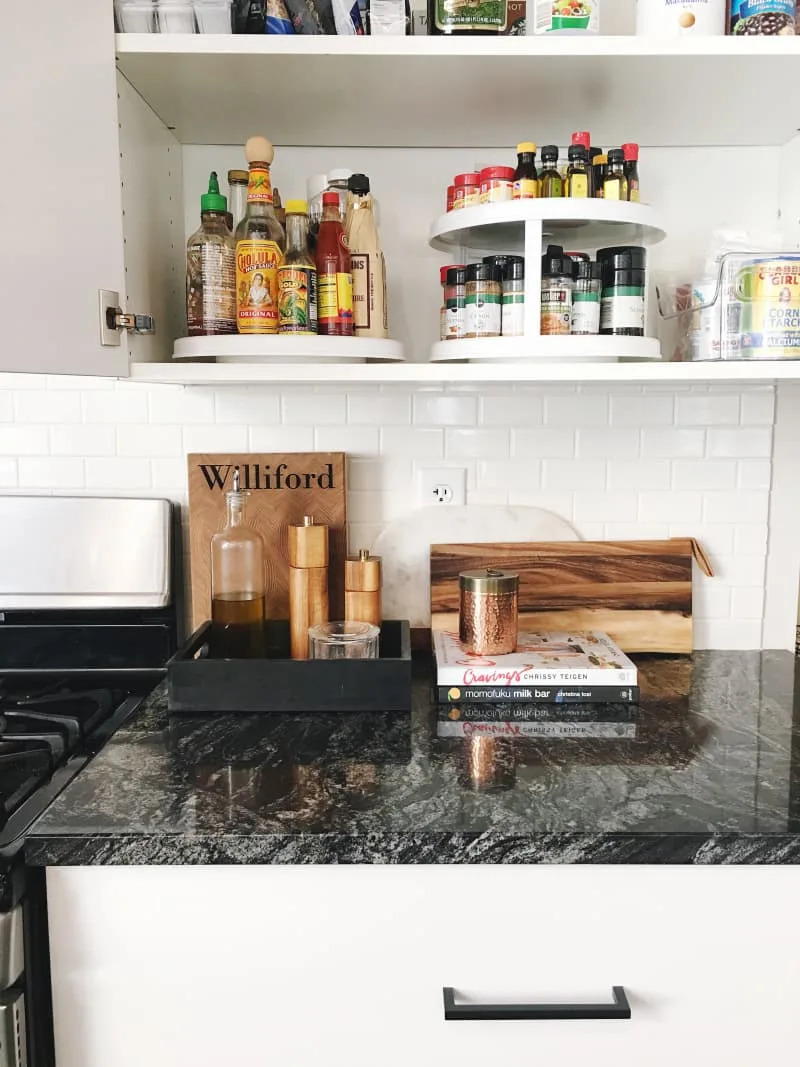
The Best Advice I Got from 2 Pro Organizers About the Smartest Way to Organize a Pantry

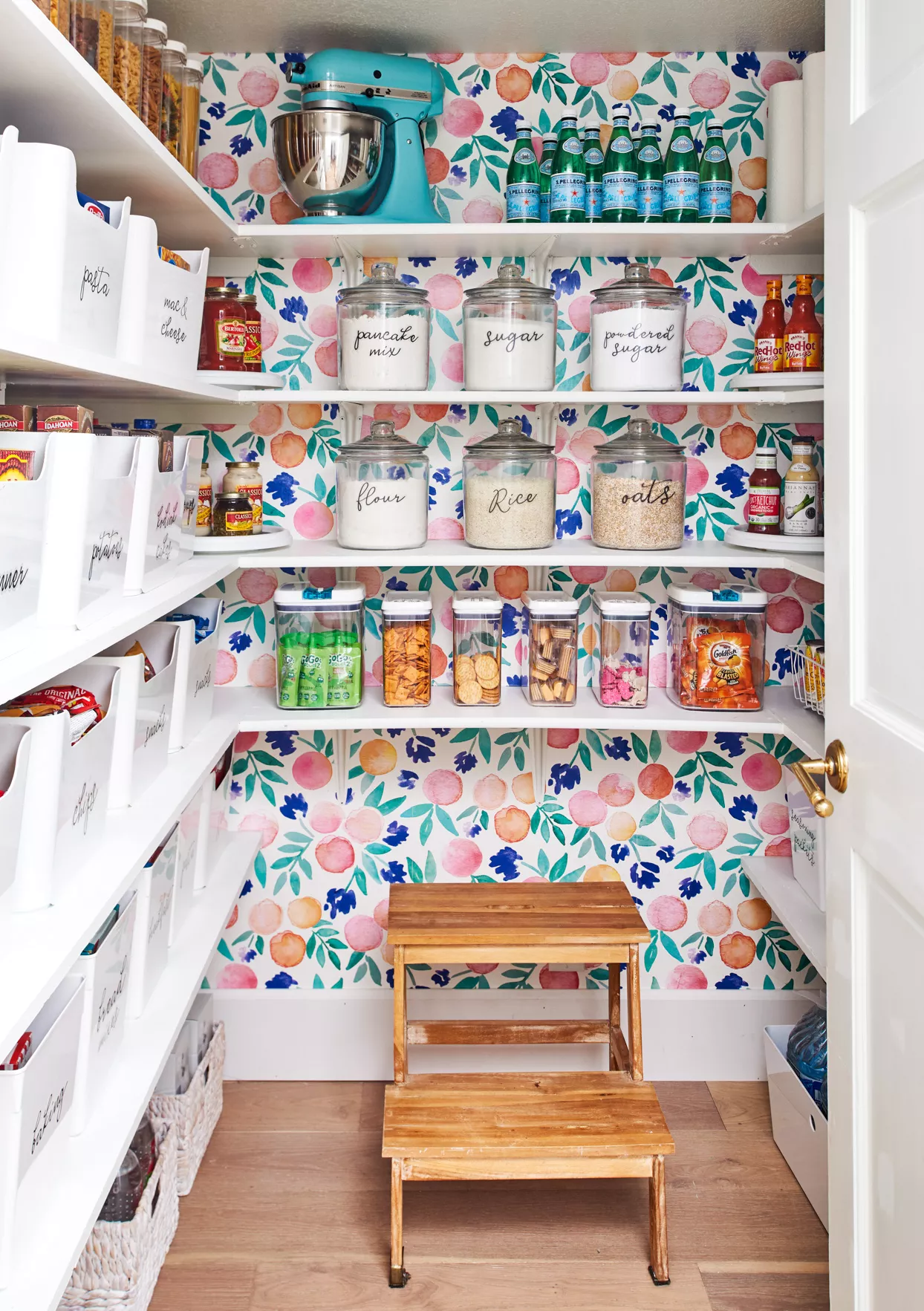
6 Pantry Mistakes You Didn't Know You Were Making—and How to Fix Them

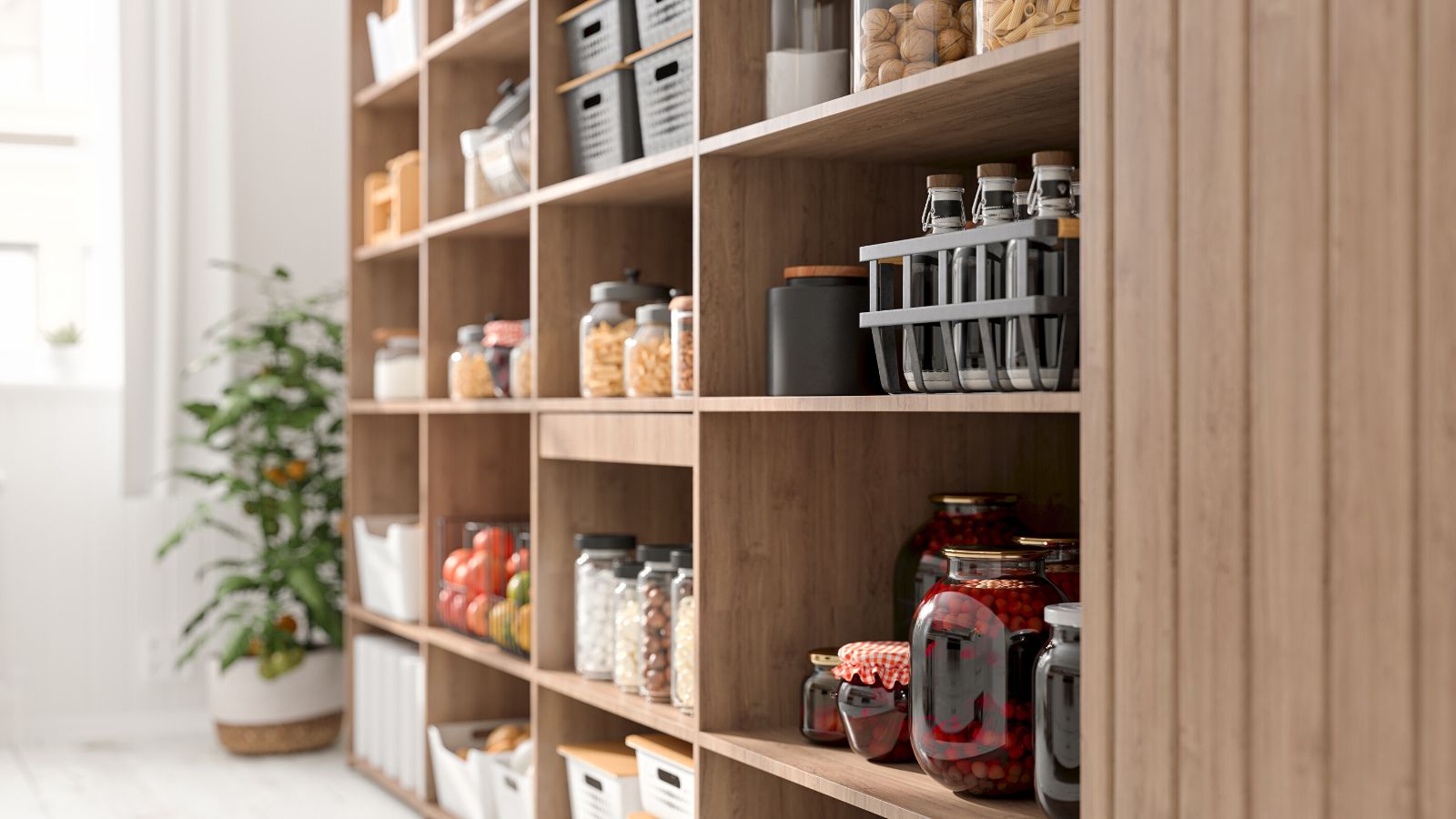
7 types of storage you should never use in a pantry – they'll make utilizing this space well 10 times harder, pros say

Pros warn never to keep these 8 things in your pantry
10 Pro Organizers Share Their Hero Products for Tidy Pantries

Pantry shelving ideas – 10 ways to add style and storage to a pantry

11 things you should never store in a pantry, according to experts
How to Organize Your Pantry So It Works for You (Not Instagram) and Keep It That Way
The 7 Best Pantry Organization Bins

Perfect pantry ideas for an organized and space-saving kitchen
8 pantry organizers professionals always buy
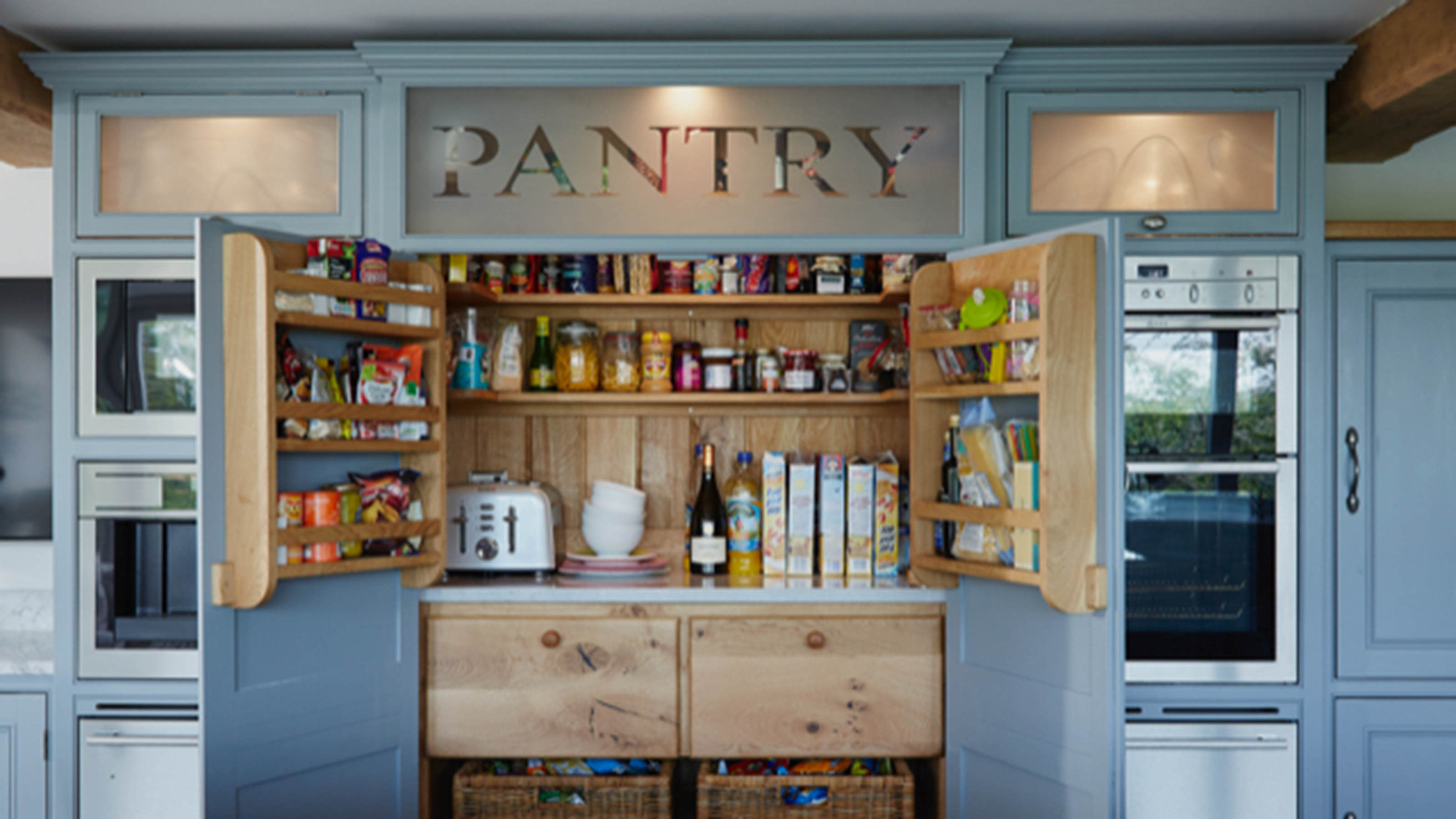
Top tips for organising a pantry – all the expert advice and tricks you need
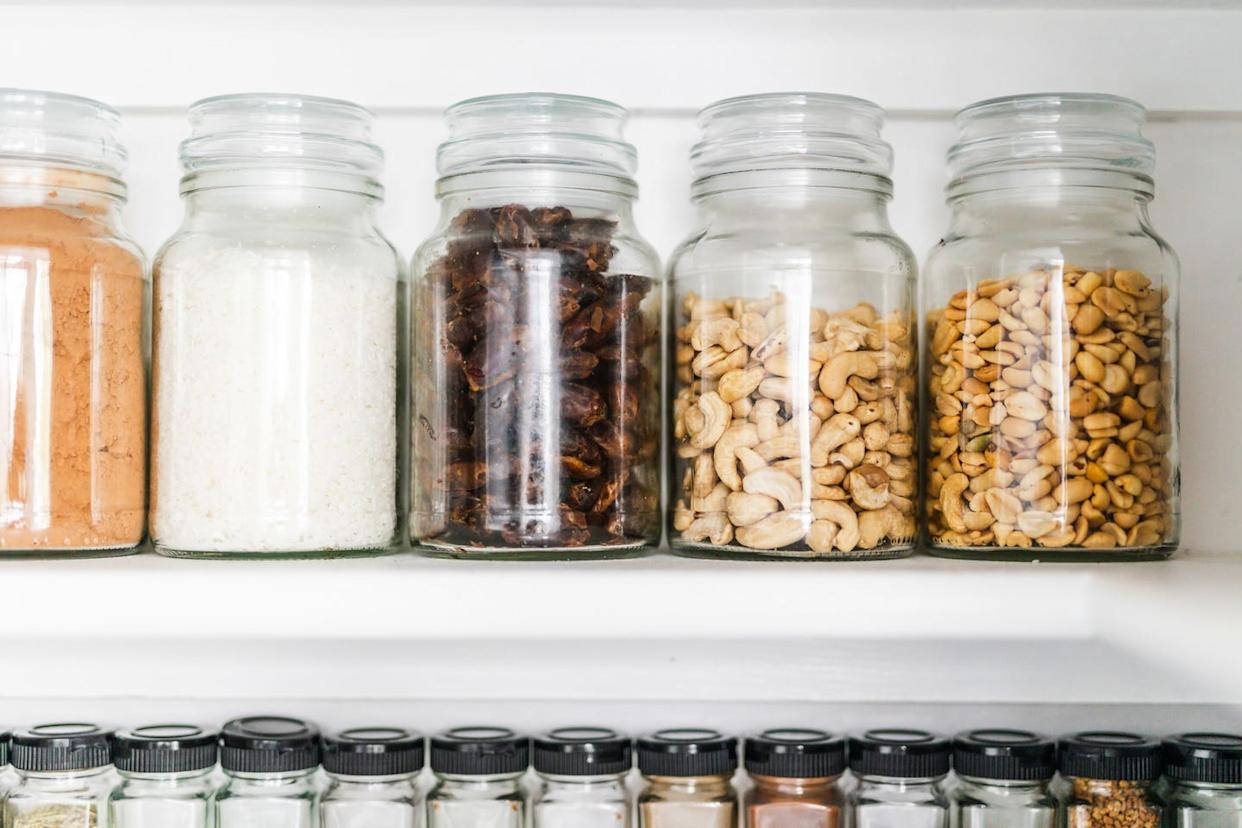
How to Make Your Pantry Look Organized (Without Buying More Bins)

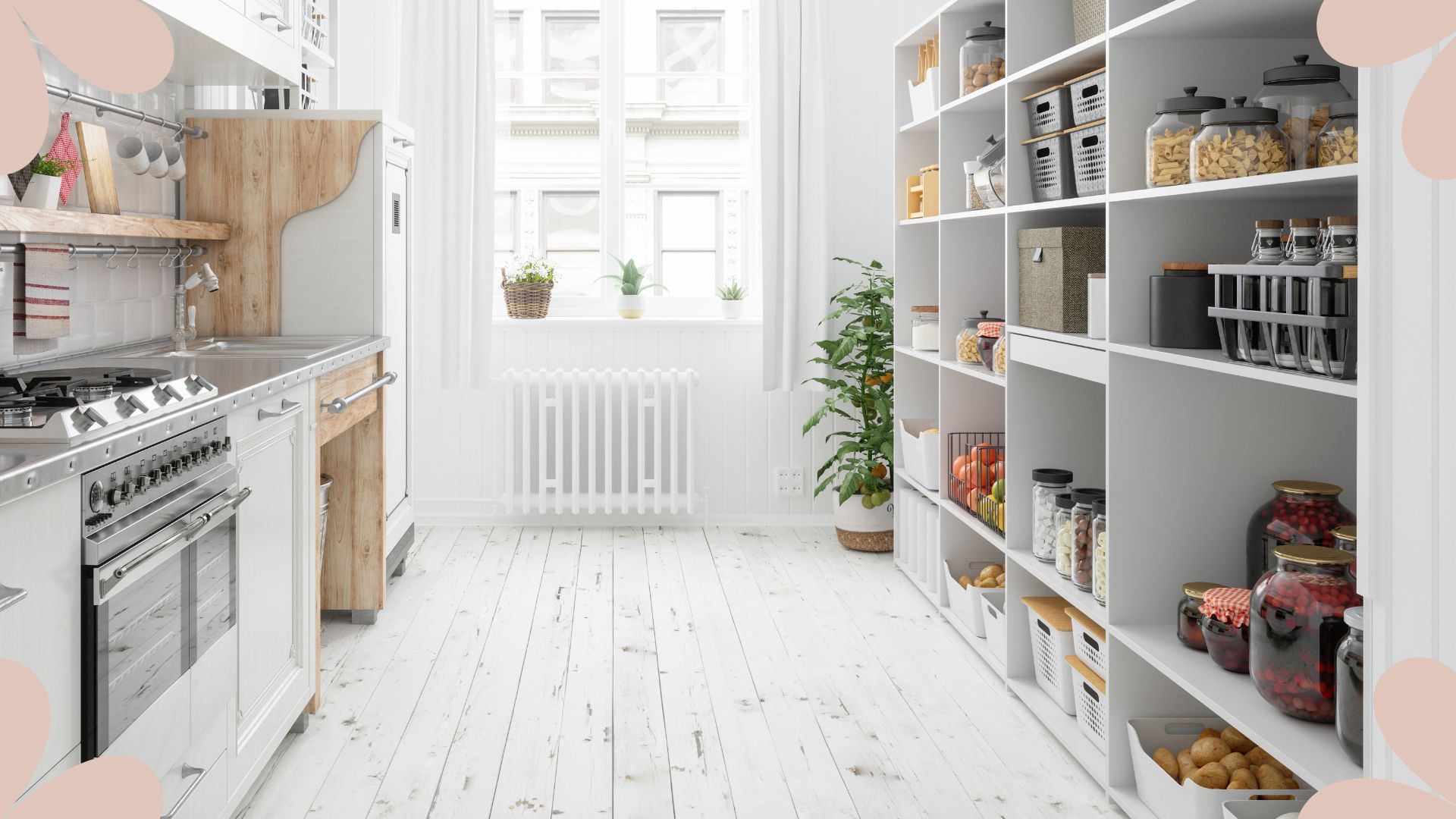
How to organize a pantry: 23 expert tips and design ideas

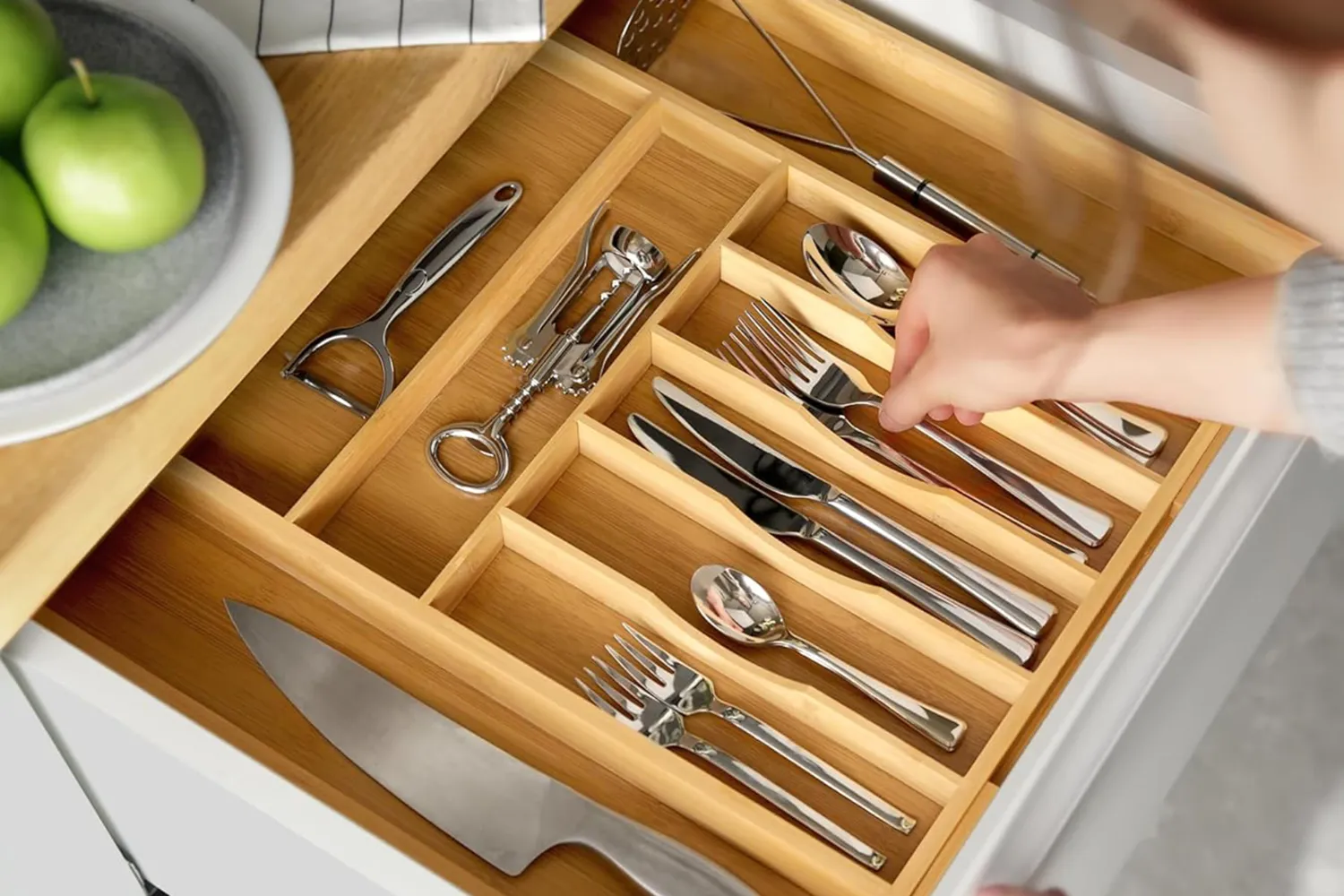
Professional Organizers Swear By These Genius Hacks for Maximizing Kitchen and Pantry Space — From $10