Throw Away These 12 Kitchen Items Immediately (and Be Glad You Did)
This guide focuses on decluttering and organizing kitchen spaces by identifying and removing various items that contribute to clutter, are expired, damaged, or simply unused. The process begins with cooking oils, recommending inspection for expiration dates, rancidity, and chipped bottles. Cleaning and restocking the kept bottles and shelves are suggested for better hygiene and organization.
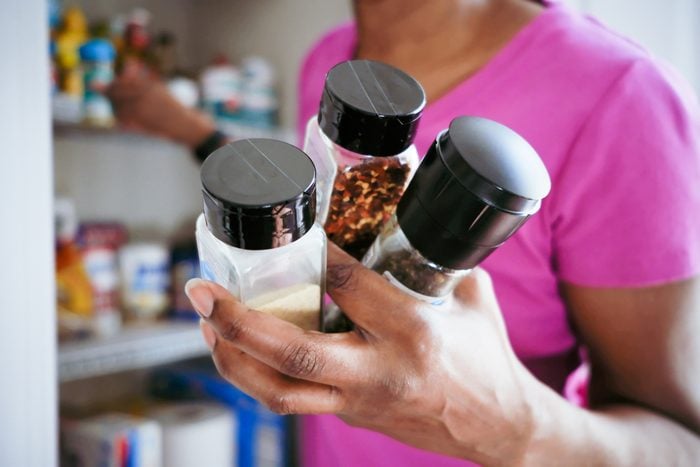
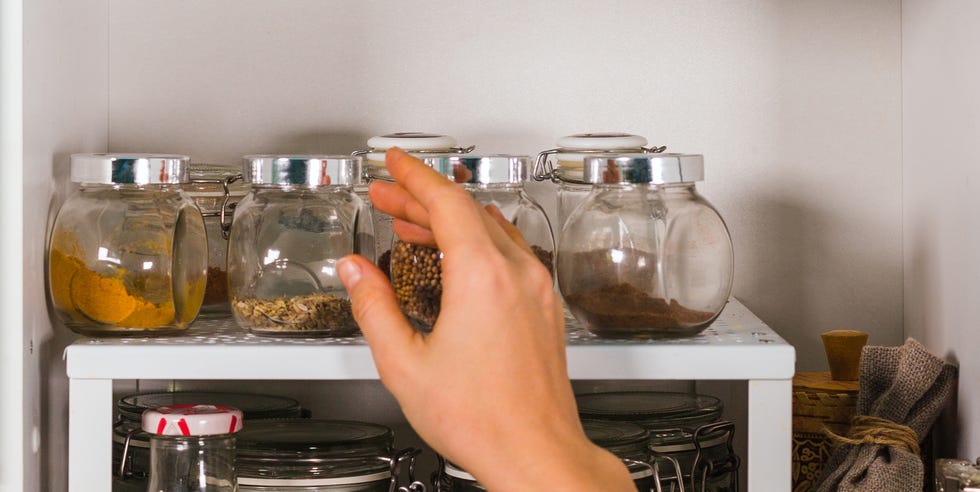
The next area of focus is old spices, emphasizing the importance of checking expiration dates and performing a scent test for potency. It recommends discarding flavorless spices, cleaning jars, and refilling them with bulk-purchased organic alternatives to save money and reduce waste. Plastic containers are also addressed, with advice to match lids to containers and discard unmatched components. A crucial step involves identifying and disposing of containers made from hazardous plastics (coded 3, 6, or 7), retaining those made from safer materials (1, 2, 4, or 5), and organizing the remaining containers by size.
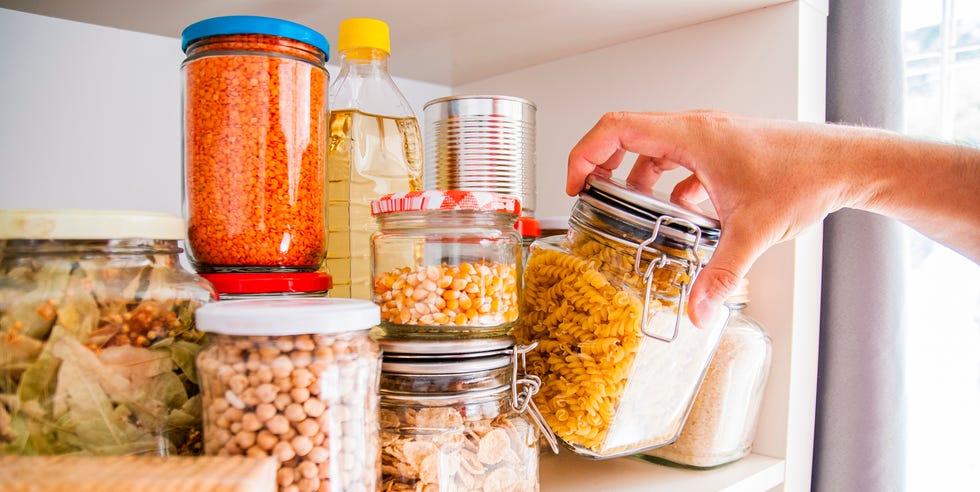
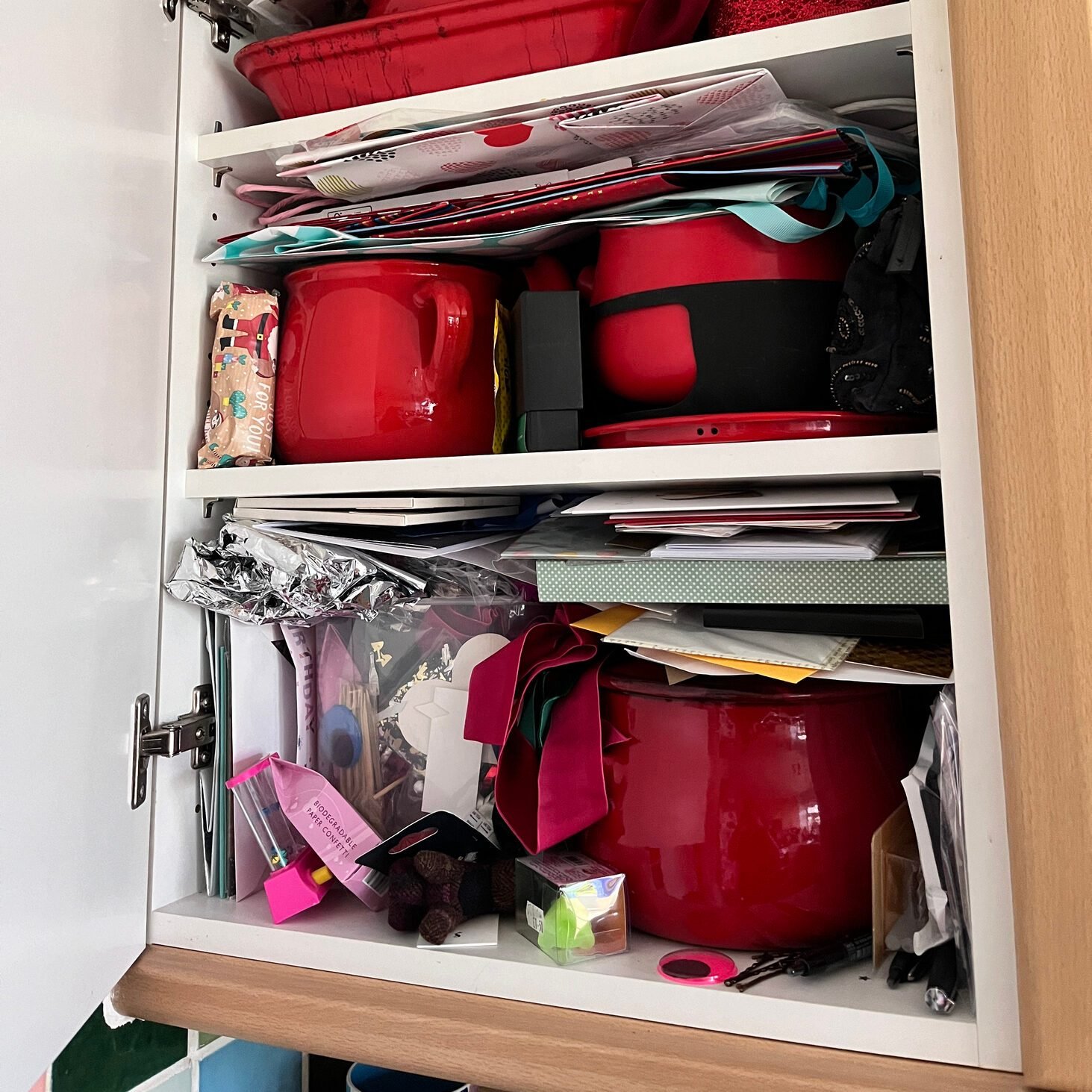
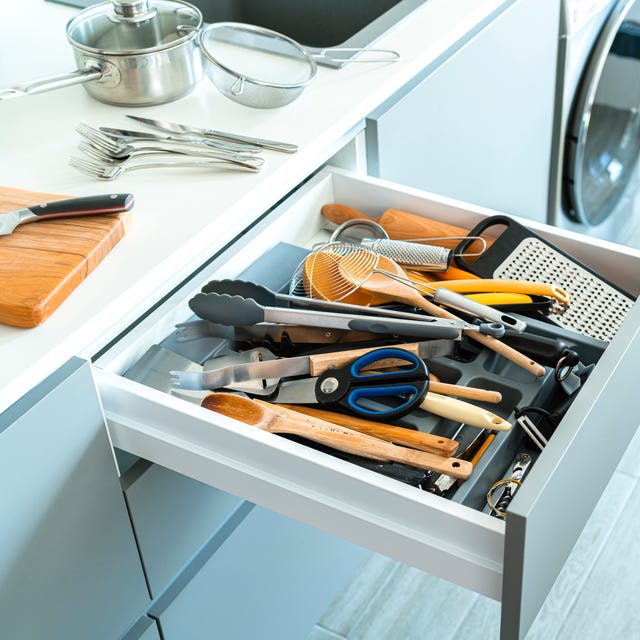
Junk drawers, a common kitchen feature, are tackled by advocating for a thorough purge of useless items like dried-out pens and keys without corresponding locks. Recycling unnecessary papers and using drawer dividers for organization are key recommendations. Pantry staples are next, with a suggestion to evaluate items by smell or taste for freshness and to check expiration dates. The guide advises being ruthless in discarding unused or expired items and donating surplus non-perishable goods. When restocking, placing items with earlier expiration dates at the front is recommended to ensure timely consumption.
Freezer organization involves periodically purging frostbitten or overly old frozen foods, adhering to guidelines for how long different types of food can be safely stored. Similarly, refrigerated items such as expired condiments, opened lunch meat, and leftovers are to be discarded based on recommended storage durations. A thorough annual refrigerator purge is also suggested. Kitchen equipment, including slow cookers, stand mixers, and roasting pans, should be moved to less frequently accessed storage areas if not used monthly. Dating these items when stored can help track usage frequency.
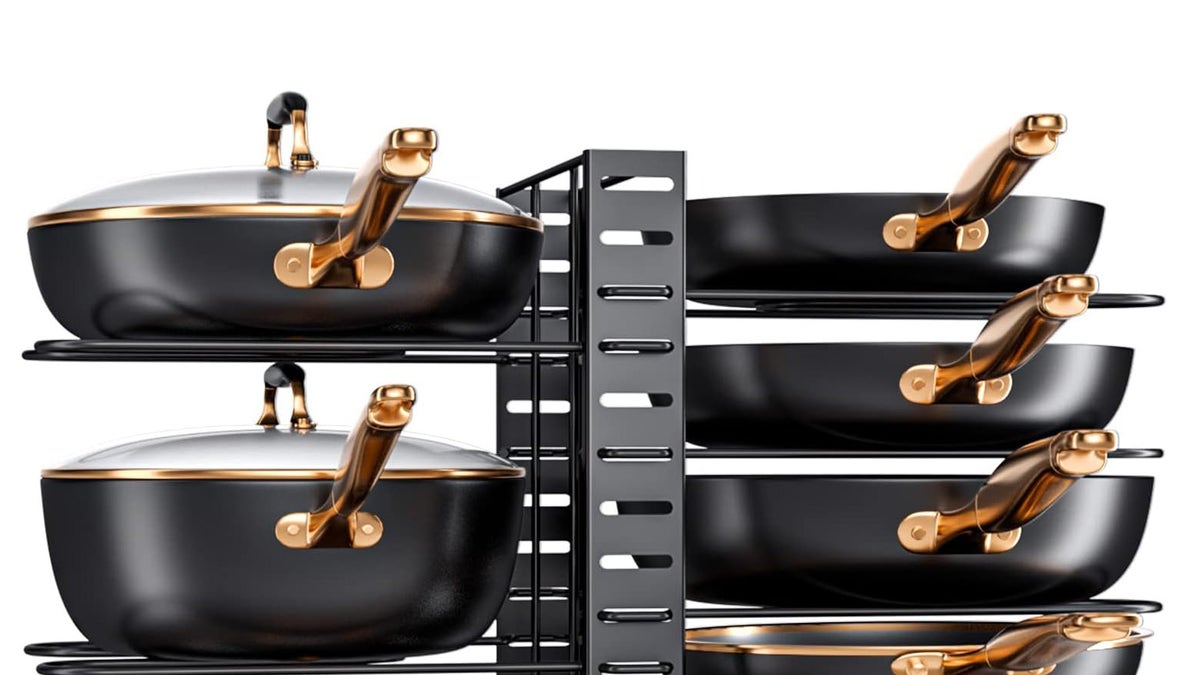
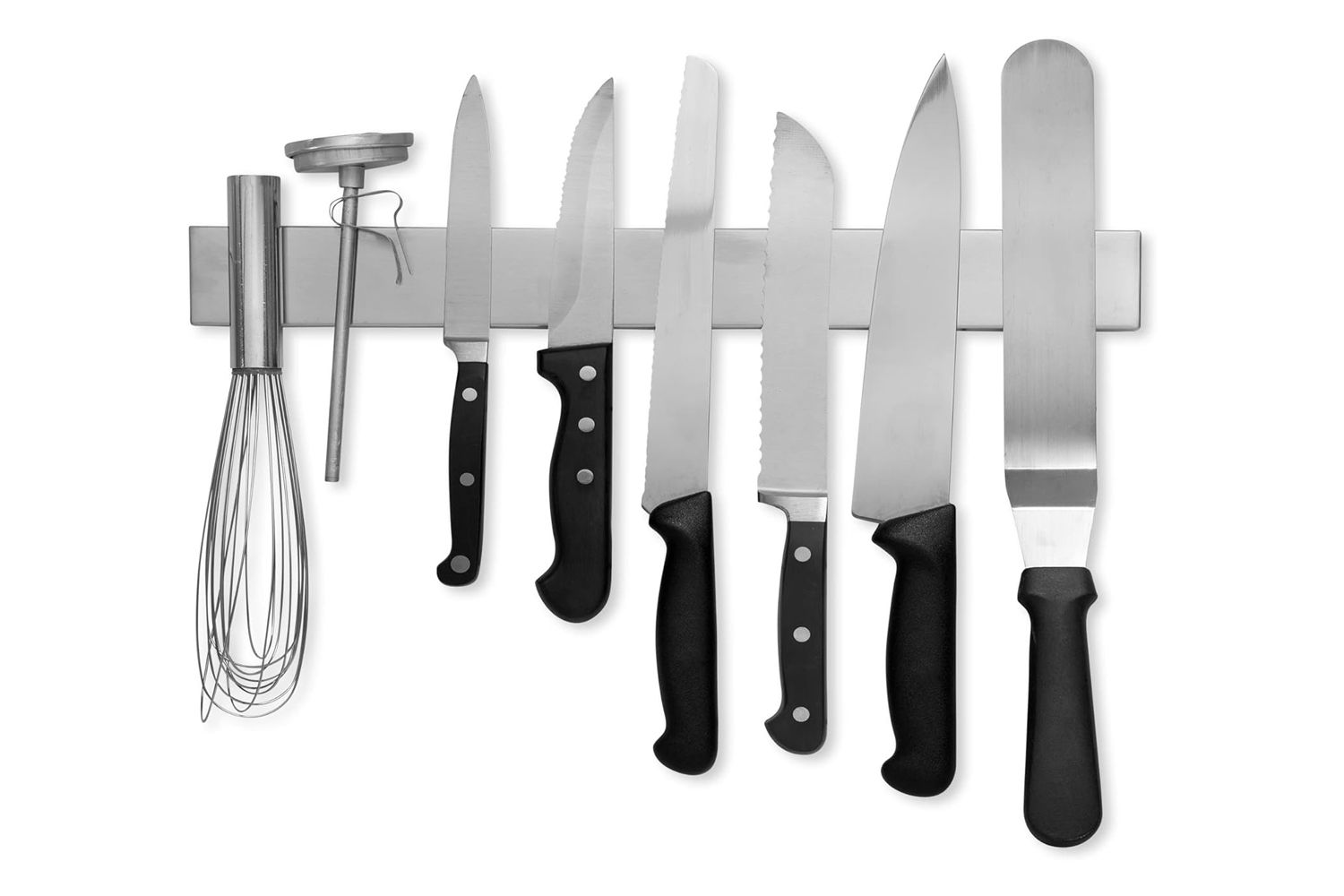
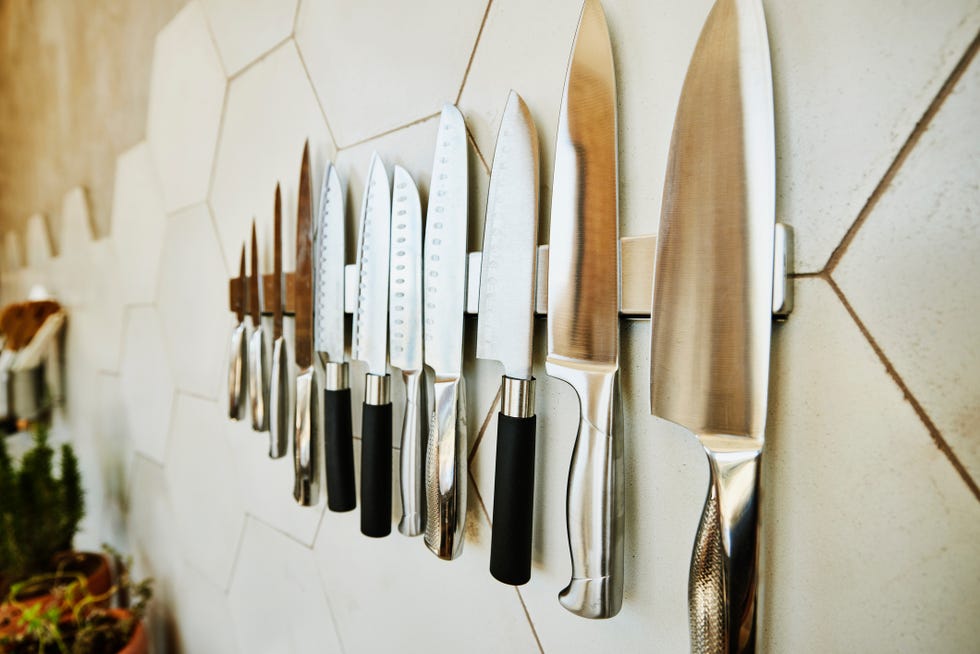
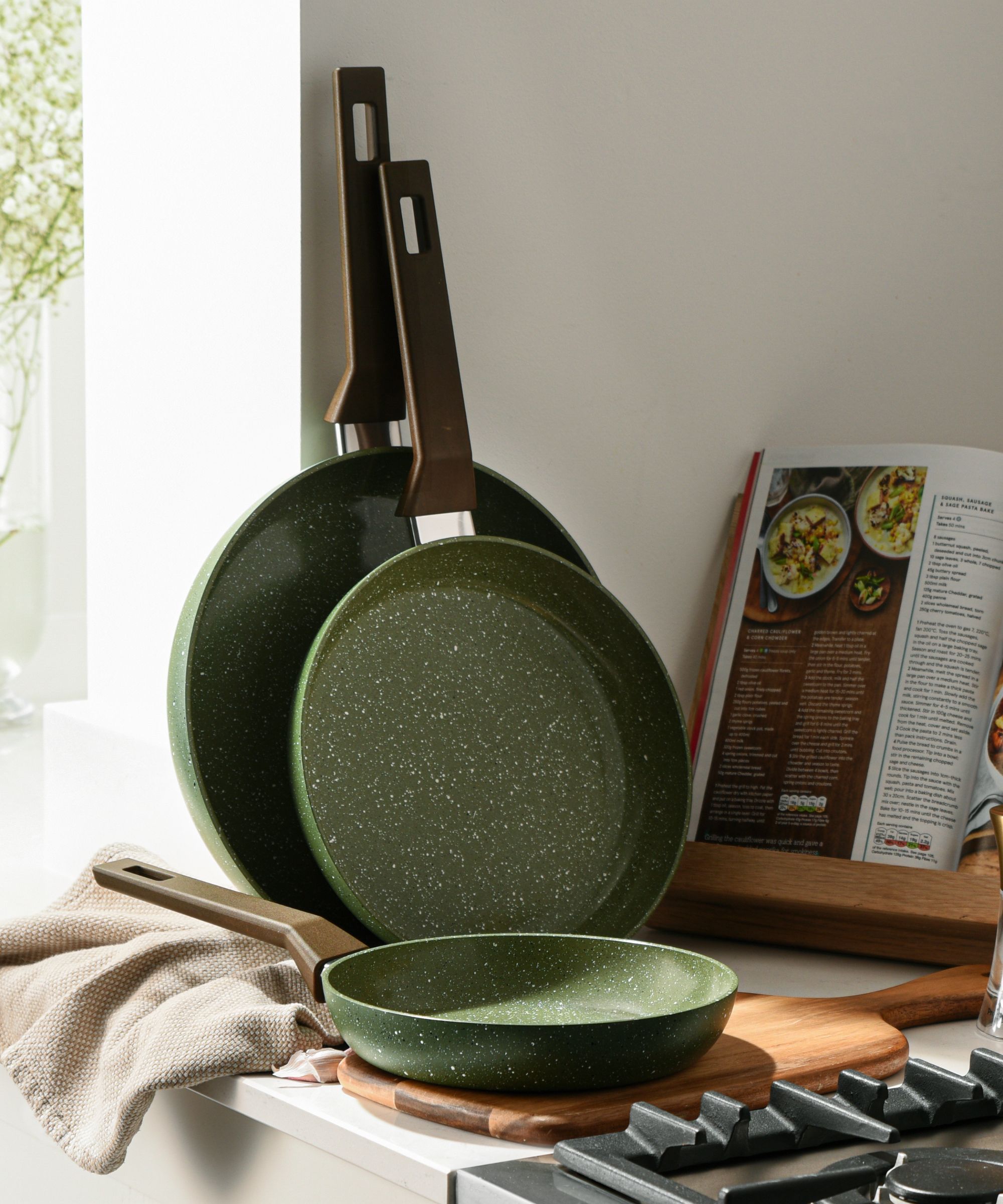
The article also covers dishware, recommending the disposal of cracked, chipped, or stained glasses, cups, and mugs due to safety concerns and aesthetics. Donation or repurposing of excess, good-condition items is presented as an alternative. Damaged pots, pans, and baking trays, especially nonstick items with peeling surfaces, are advised to be discarded. Unused specialty pans should be donated, and remaining cookware should be organized by size, ensuring each pot has a lid. Cutlery and cutting tools also benefit from decluttering, removing mismatched silverware, rarely used gadgets, and low-quality knives to improve accessibility.
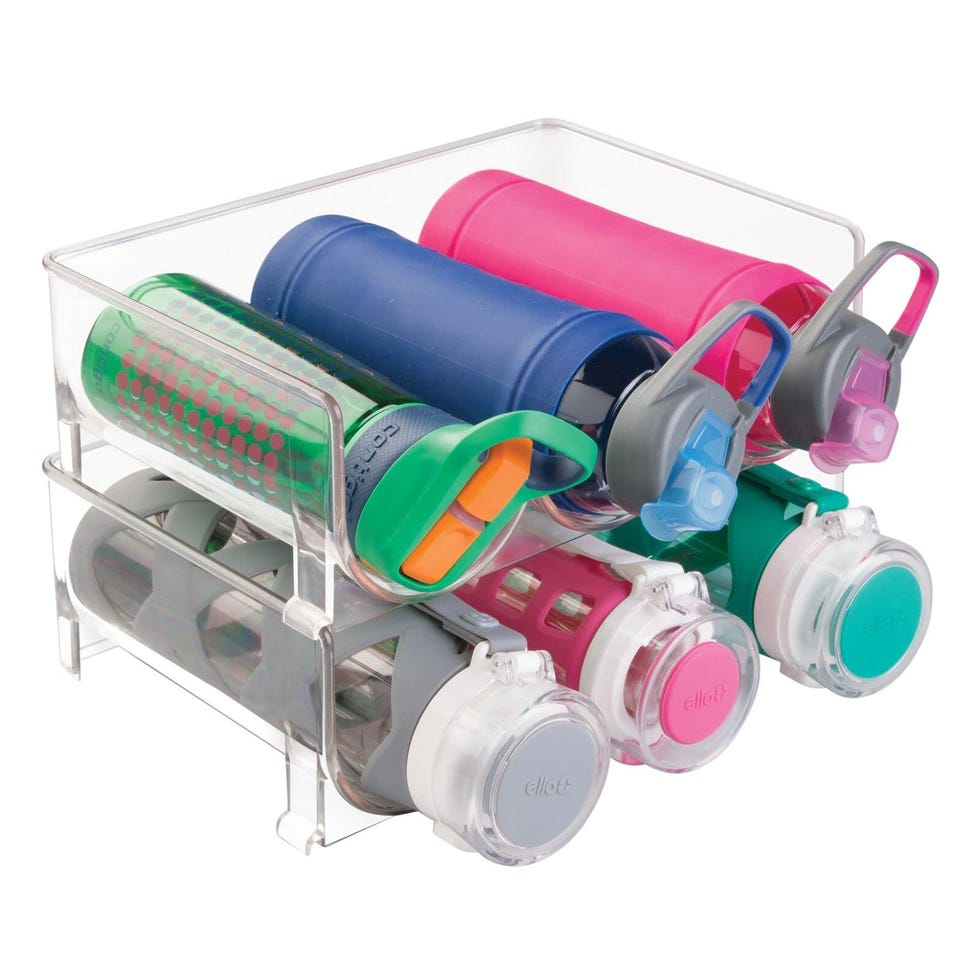
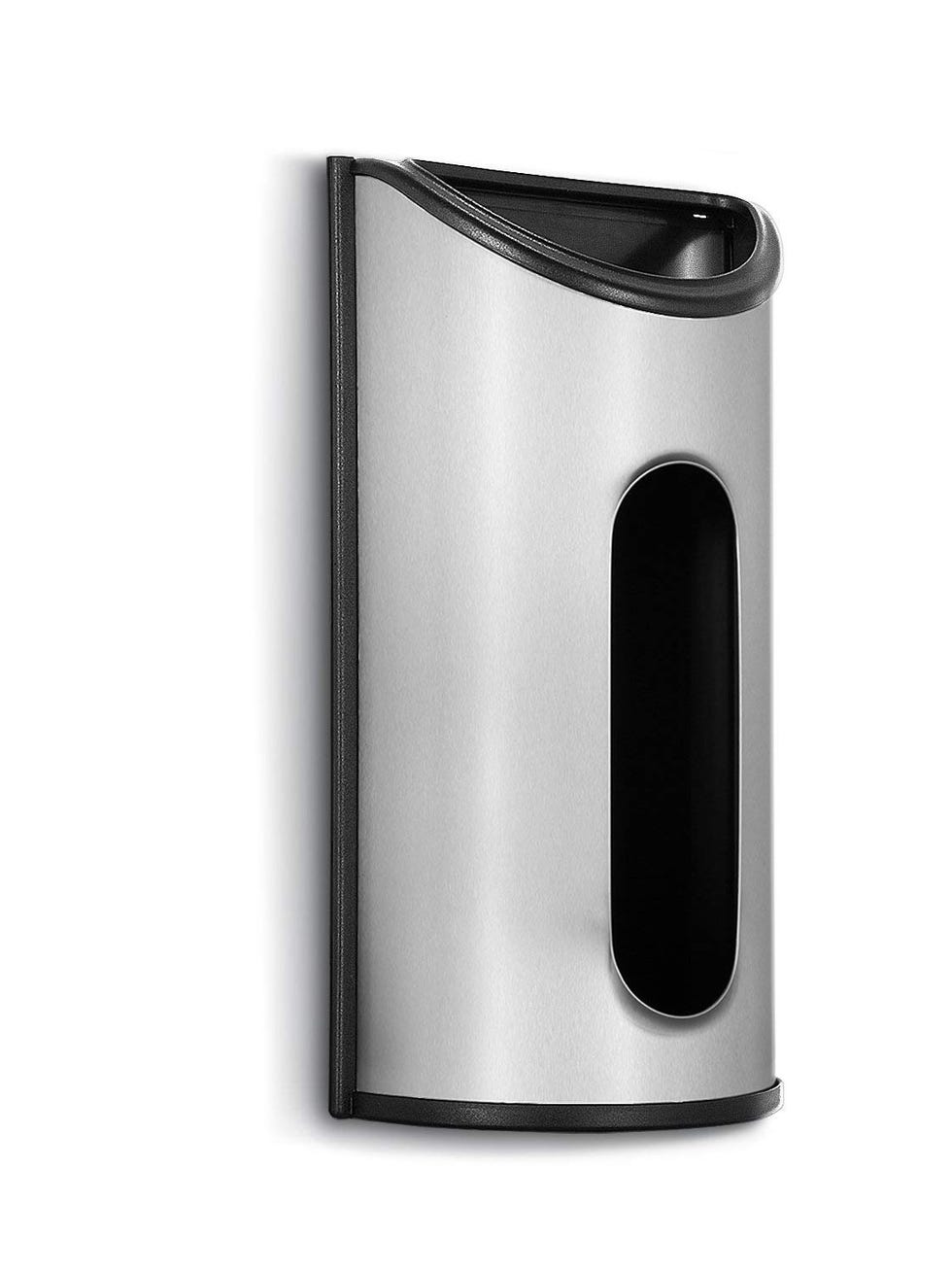
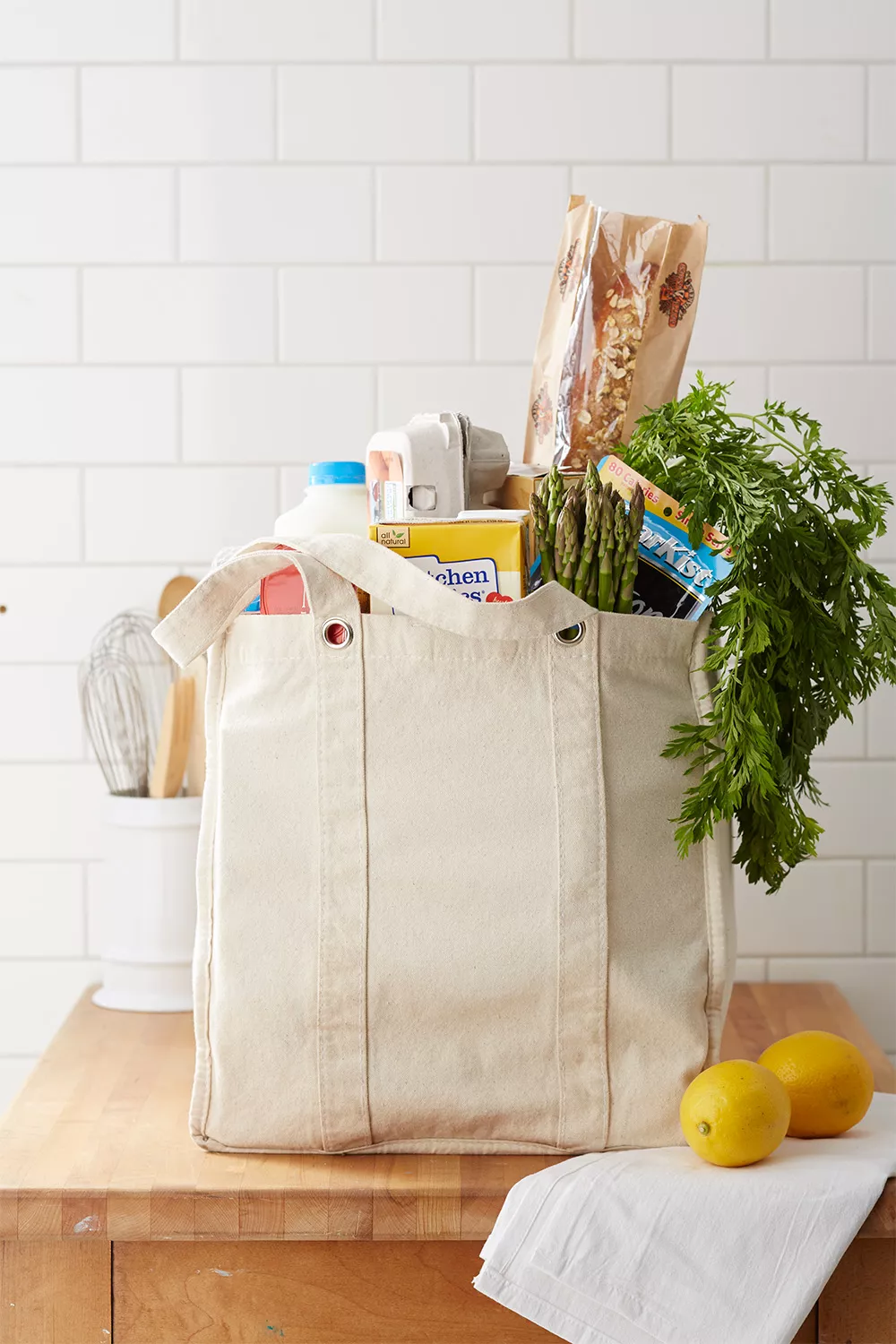
Finally, the guide addresses grocery bags, suggesting that reusable shopping bags be stored in a car rather than in kitchen cabinets to free up space. For paper grocery bags, it recommends keeping only a week or two's worth and recycling the rest or donating them to local charities. Overall, the article promotes a systematic approach to kitchen decluttering that enhances organization, cleanliness, and safety.
#KitchenOrganization #DeclutteringTips #HomeStorage #PantryOrganization #FoodSafety #KitchenEfficiency #HomeImprovement #Housekeeping #SustainableLiving #KitchenOrganization #DeclutteringTips #HomeStorage #PantryOrganization #FoodSafety #KitchenEfficiency #HomeImprovement #Housekeeping #SustainableLiving
0 comment in total
 No comments yet
You may also like
15 Items in Your Kitchen That Professional Organizers Would Throw Out

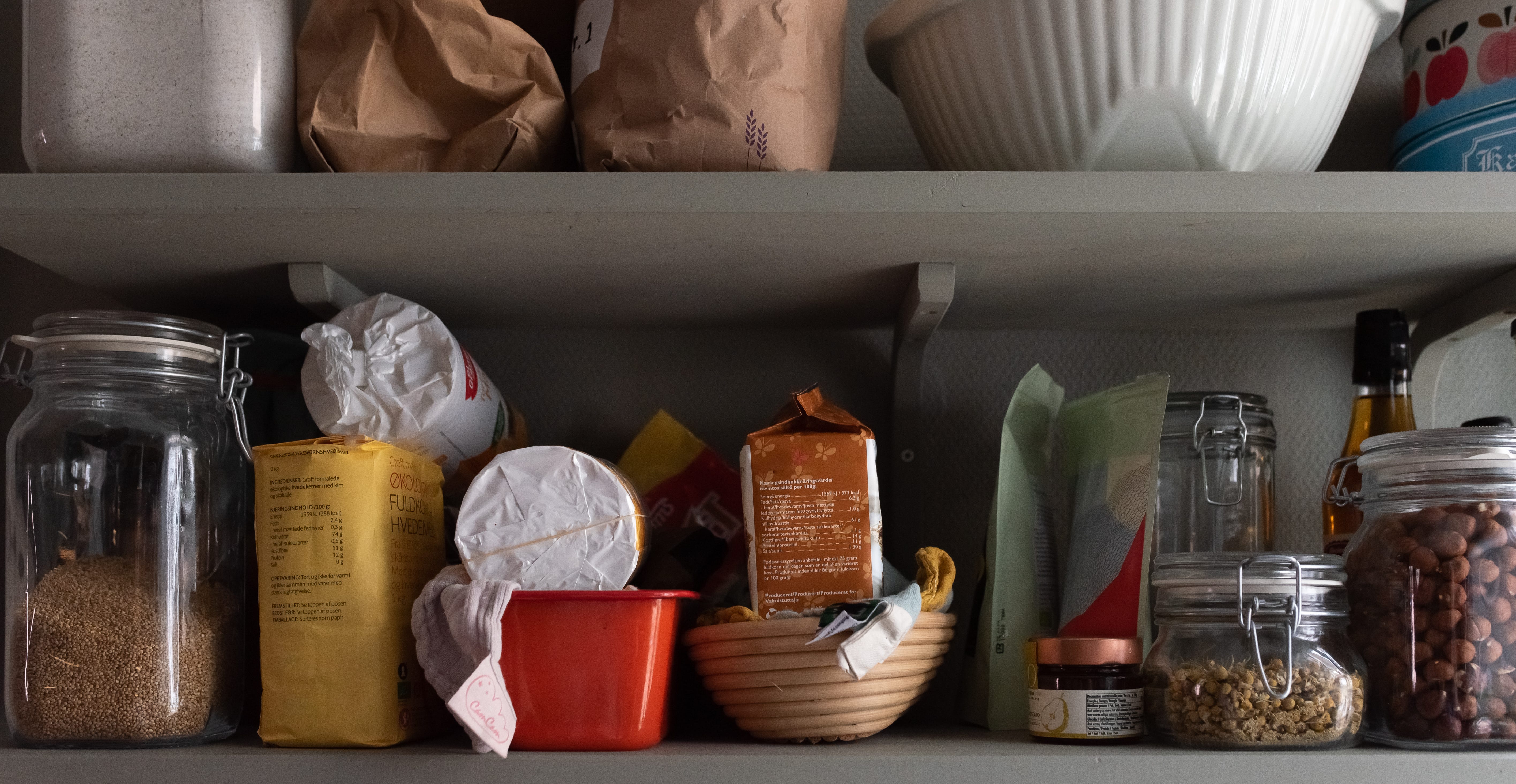
8 Things In Your Pantry You Should Toss ASAP, According To Pro Organizers
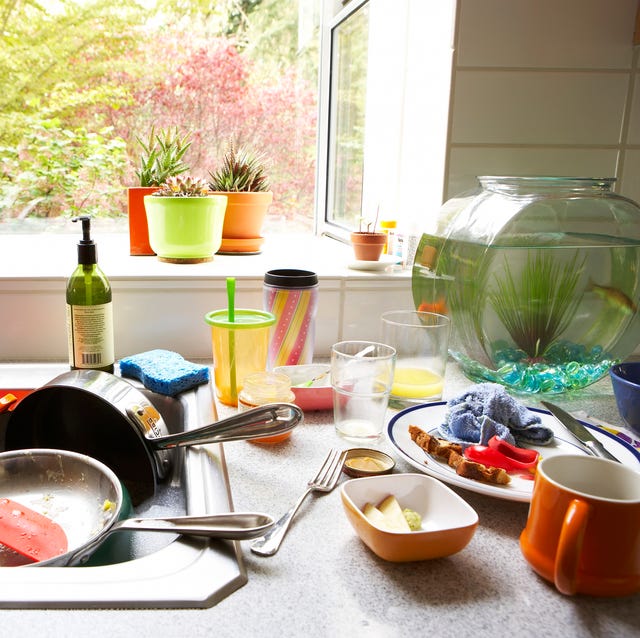
6 Things You Should Never Keep on Your Kitchen Counter


12 things to get rid of in your home, from an interior designer
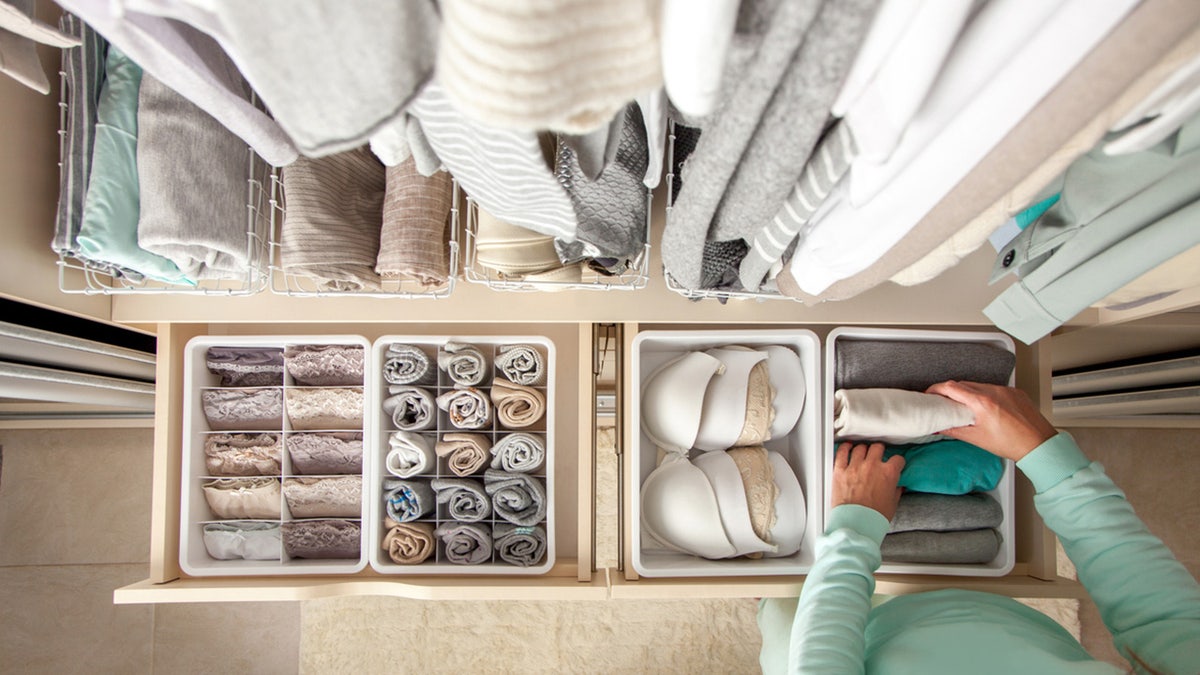
Declutter your home with these 12 organizational items

34 Kitchen Products So Aesthetically Pleasing You’ll Want To Leave Them Out On The Counter


Interior designers reveal the 12 things in your home you should get rid of
12 Household Appliance Brands That Have Been Long Gone And Forgotten

Your Kitchen Called, It Wants These 10 Space-Wasters Gone—Try These Pro-Loved Organizers Instead

13 Items You Should Remove from Your Pantry Right Now
These are the 7 things to get rid of first in your kitchen cabinets, according to cleaning pros

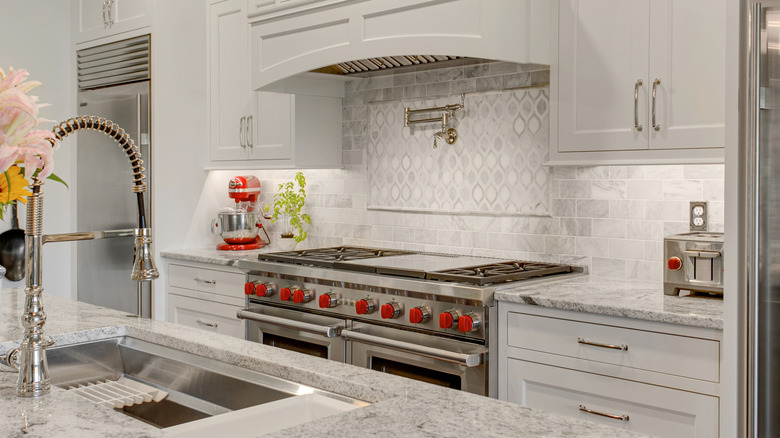
13 Outdated Kitchen Trends You Can Leave In The Past
13 Kitchen Items That Are Wasting Your Money—And What To Buy Instead

Twelve creatives on the home essentials they can't do without
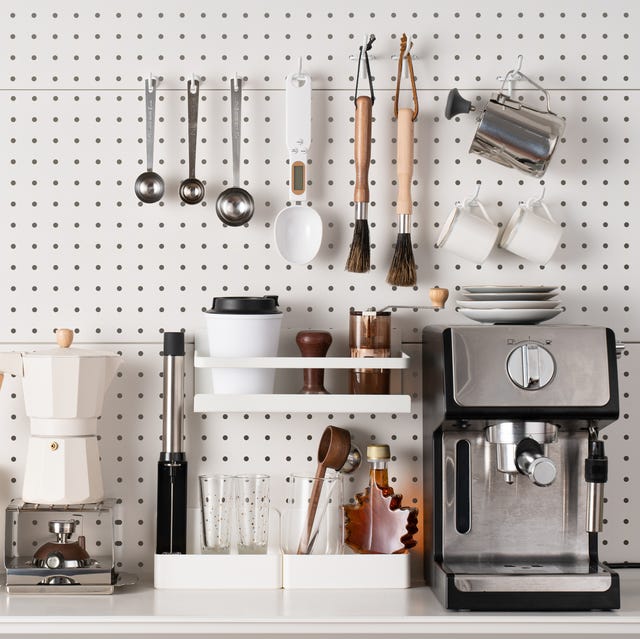
10 Kitchen Organization Products You Didn't Know You Needed

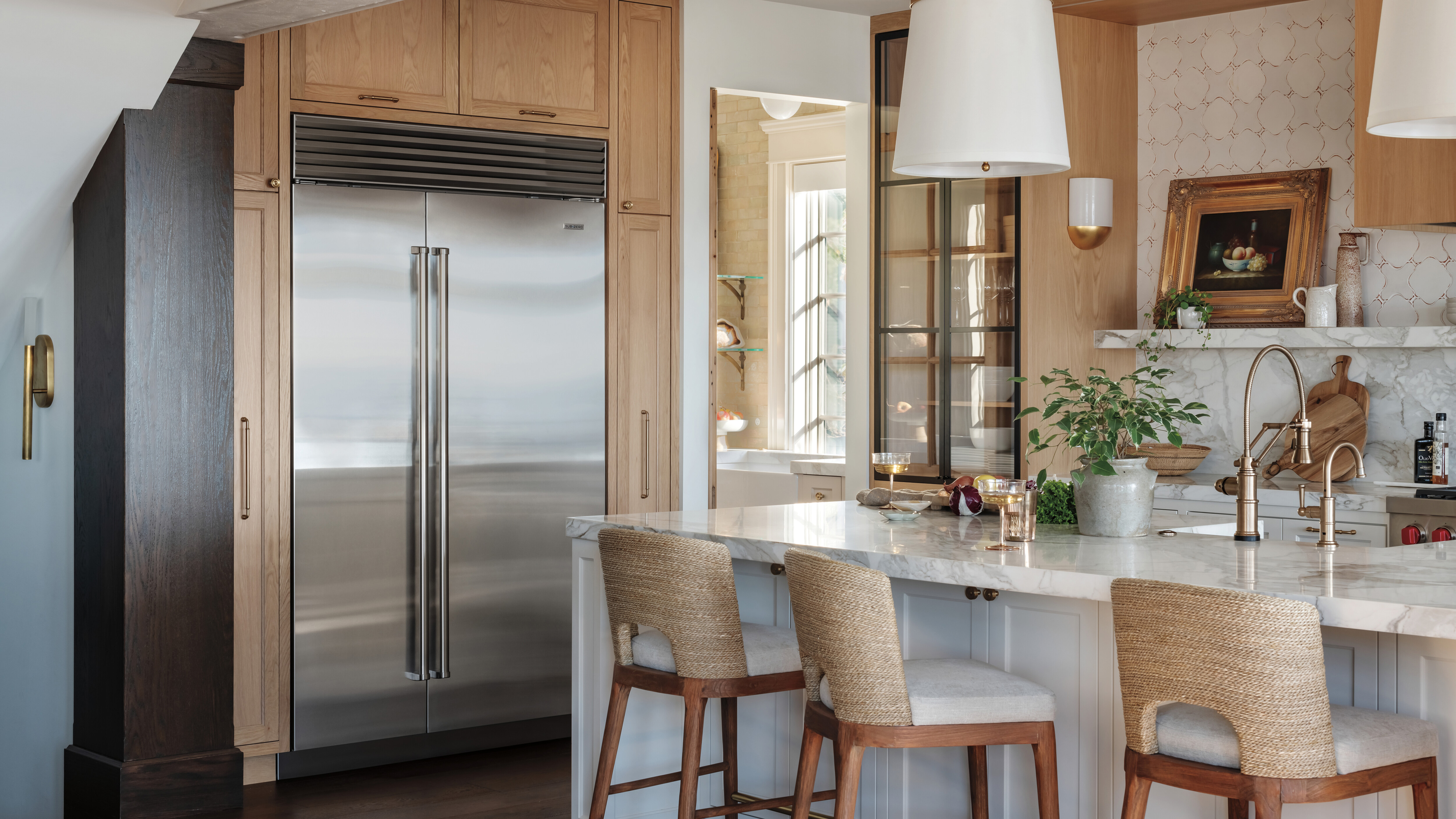
Don't Settle for Eyesore Appliances — These 12 Brands Actually Add Design Quality to Your Kitchen

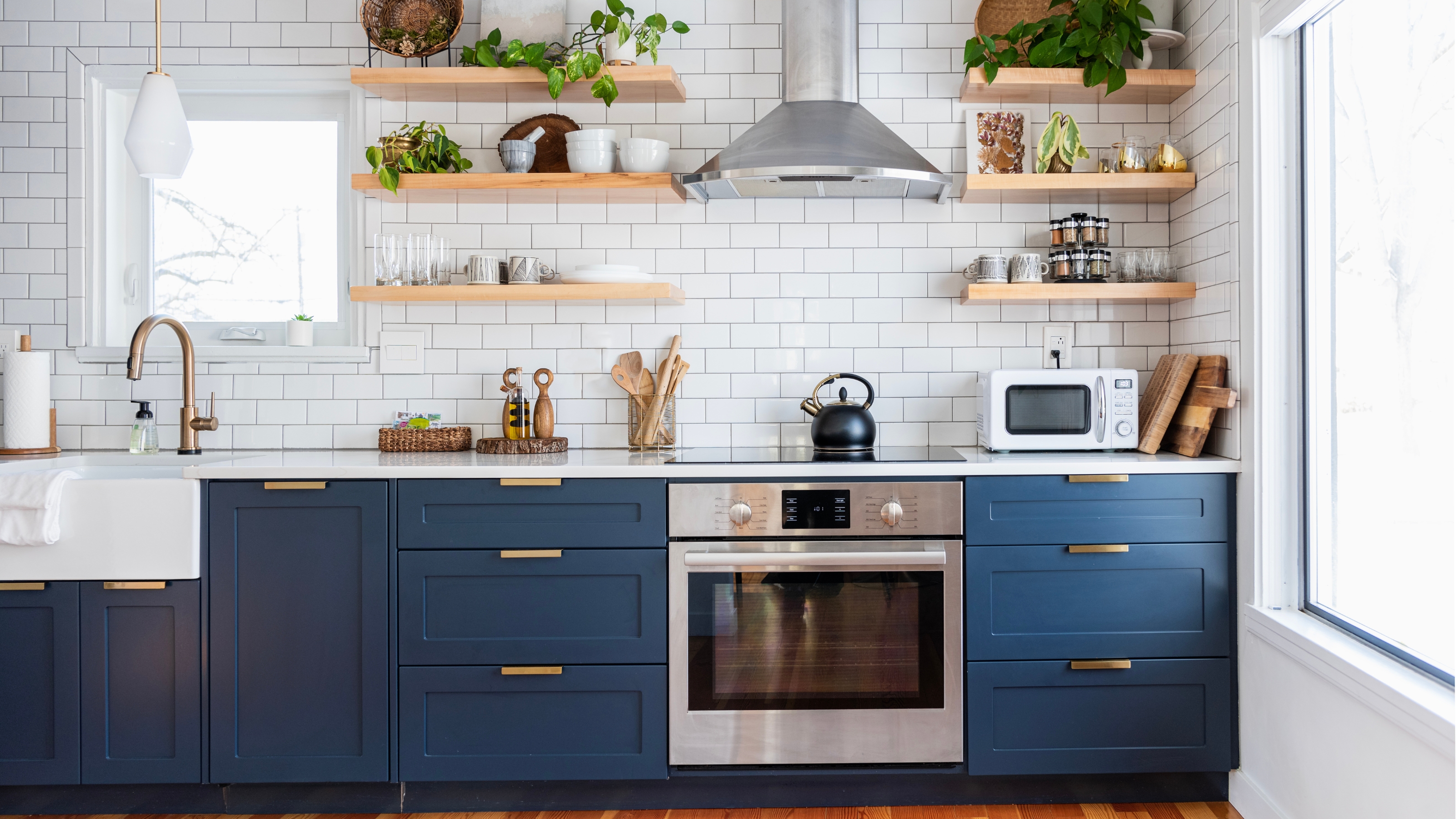
4 things to get rid of in your kitchen cabinets — experts say ditch these items right now
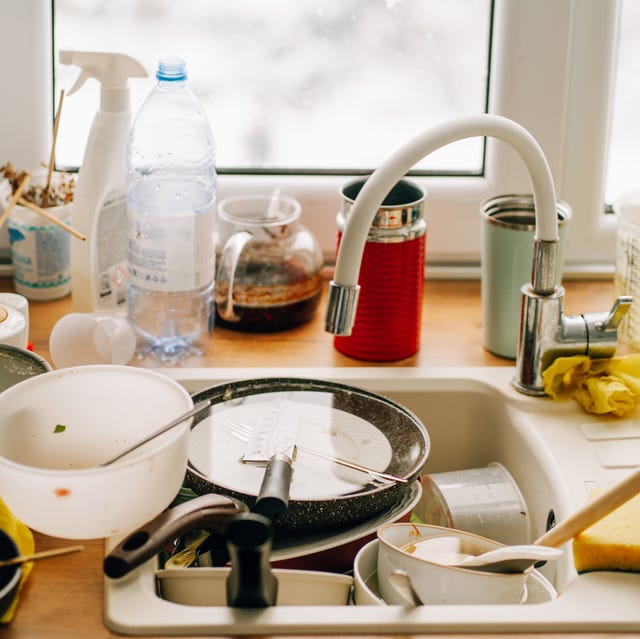
8 Things You Should NEVER Keep On Your Kitchen Counter

5 Pieces of Decor You Need to Remove From Your Kitchen Today — "They're Bulky and Eyesores," Say Designers

Interior designers share the 10 things in your kitchen you should get rid of