13 Kitchen Items That Are Wasting Your Money—And What To Buy Instead
The article addresses the common issue of rising grocery and kitchen expenses, offering practical advice from kitchen professionals on how to save money by avoiding unnecessary kitchen items and making smarter choices. It begins by acknowledging the financial strain many consumers experience at the grocery checkout due to increased prices on everyday staples and potential tariffs on ingredients like sugar and tomatoes. The core of the article focuses on identifying specific kitchen products and food items that are often overpriced or wasteful, providing budget-friendly alternatives.
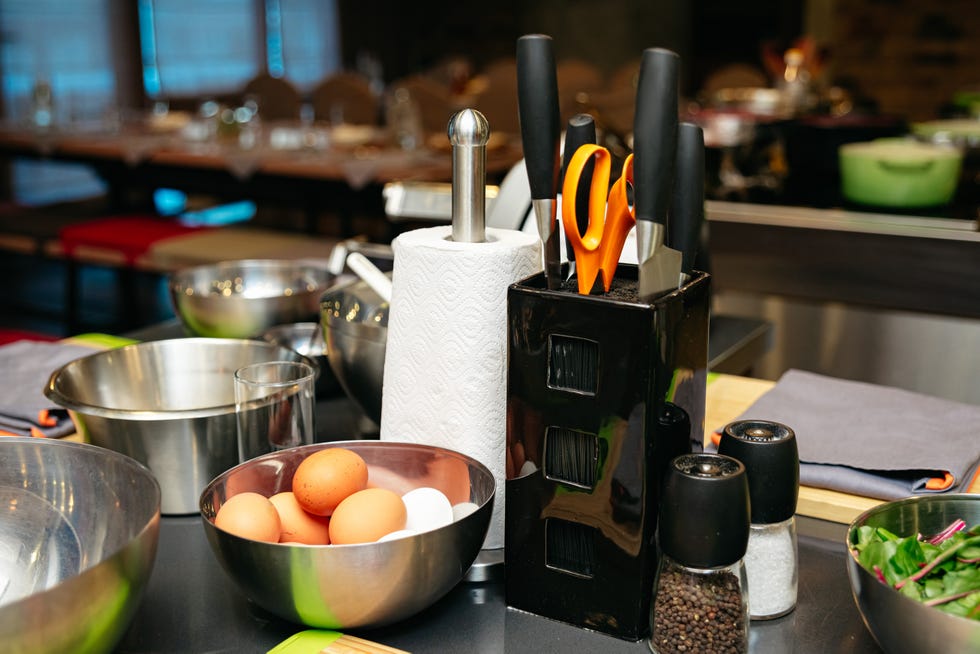
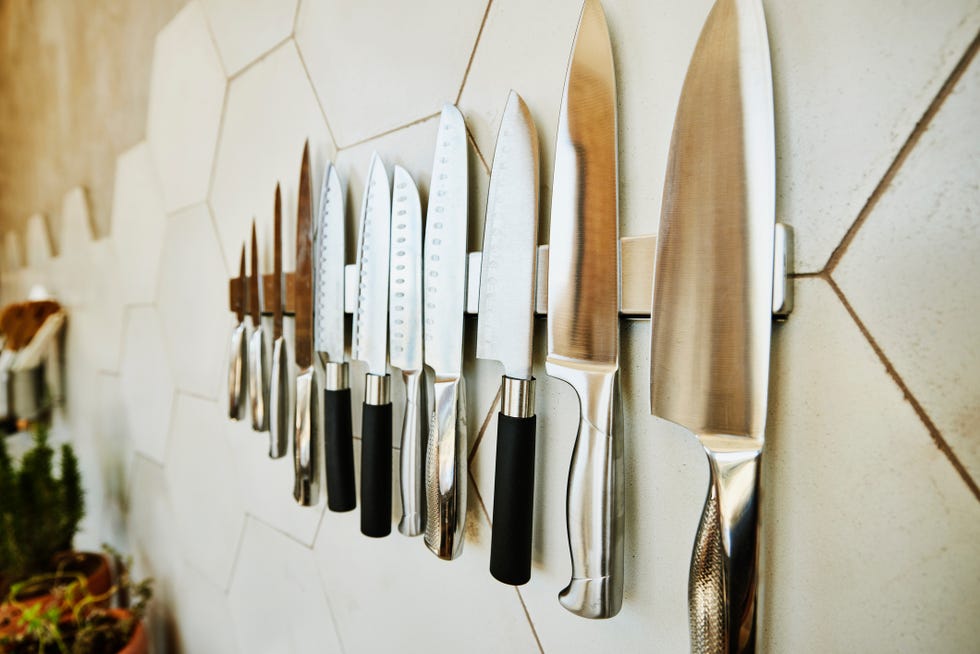
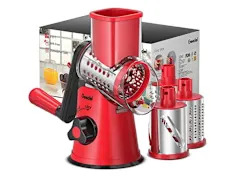
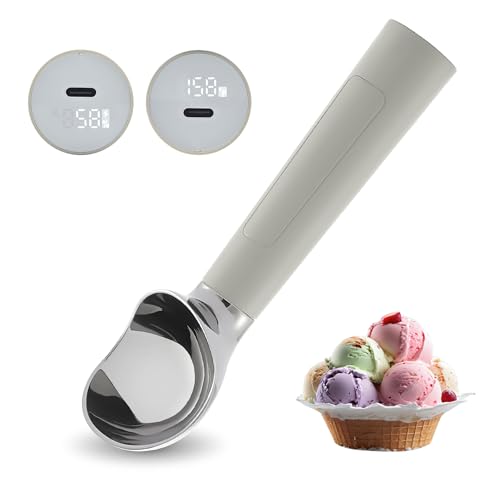
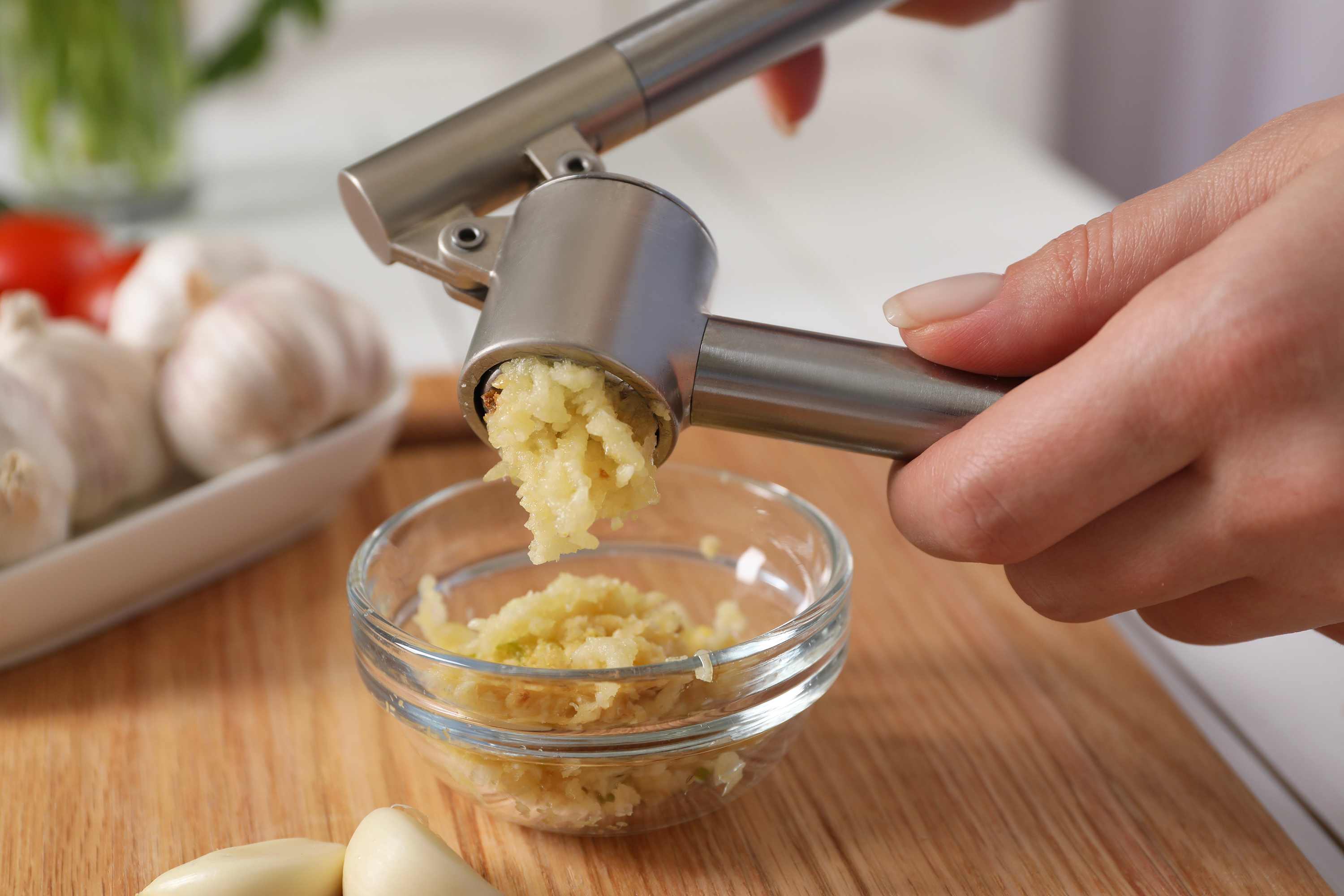
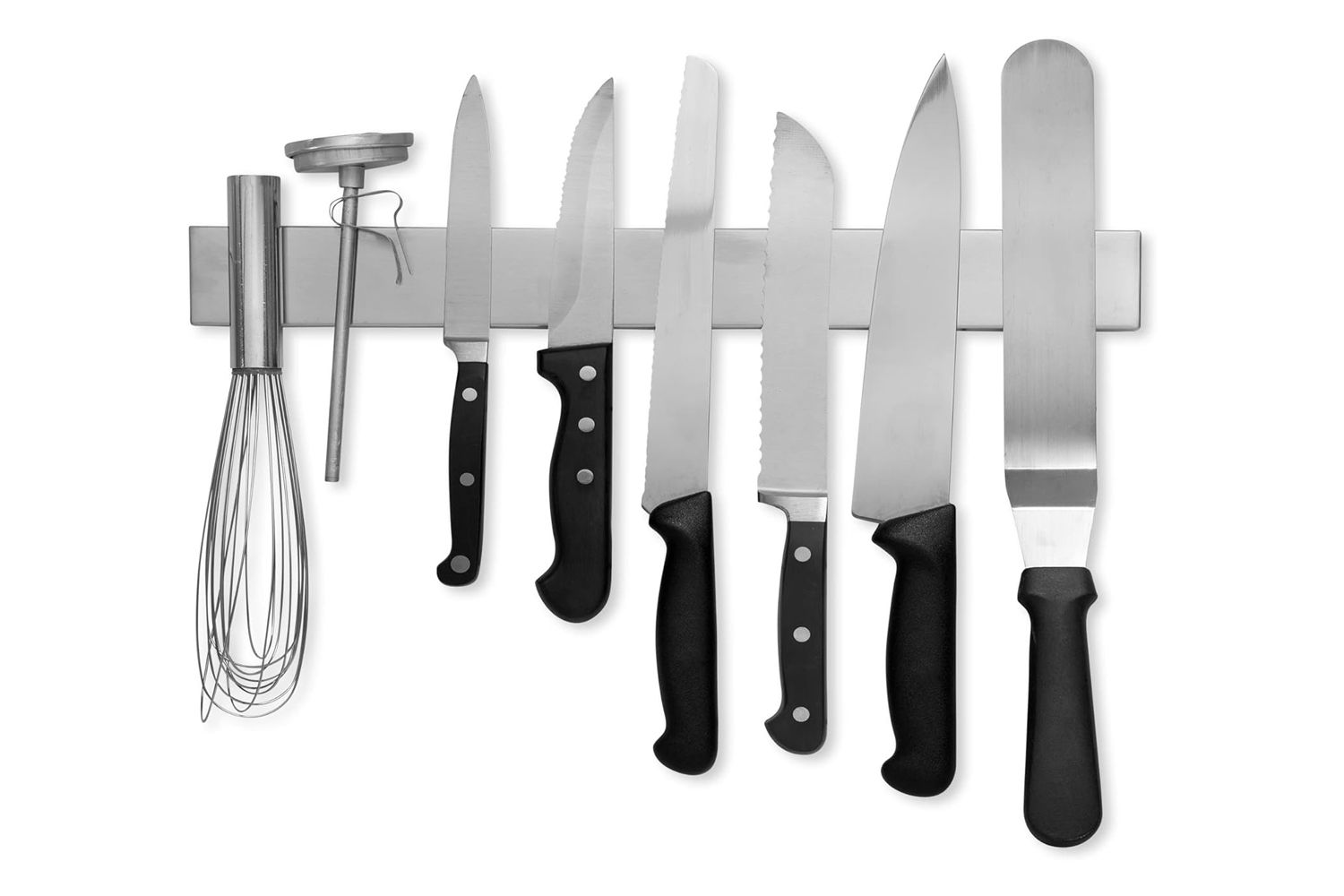
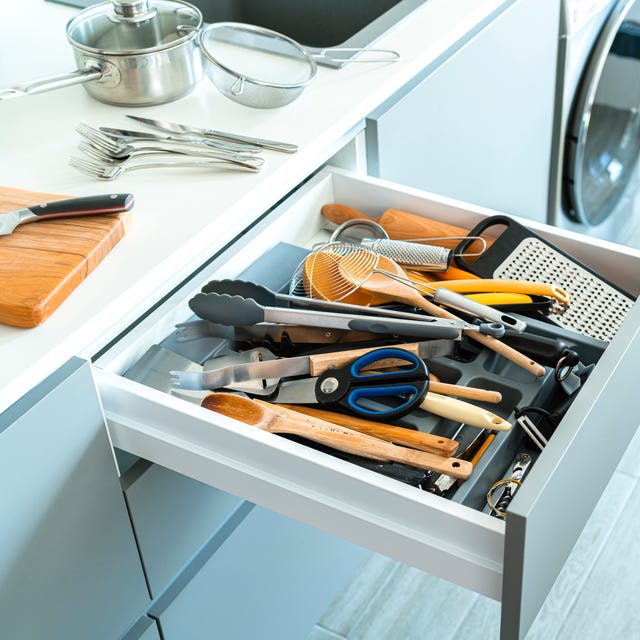
One major category discussed is single-purpose kitchen tools. Interior designer Courtney Cole and executive chef Trimell Hawkins advocate for multifunctional utensils over specialized gadgets like avocado slicers, egg separators, and garlic presses. They argue that these single-use items clutter kitchen space and often perform poorly, leading to waste. Instead, developing basic knife skills and utilizing versatile tools are recommended as more cost-effective and efficient solutions.
Another significant area of expenditure highlighted is pre-cut and pre-packaged food items. Rachel Farnsworth, founder of The Stay at Home Chef, points out that pre-cut produce is among the highest-markup items in grocery stores, suggesting that buying whole produce and preparing it at home is cheaper and extends freshness. Similarly, Joanne Gallagher, co-founder of Inspired Taste, advises against pre-made salad kits and bottled salad dressings, which she notes are expensive and lack the freshness and customization of homemade versions. She recommends making dressings from oils and vinegars and portioning bulk snacks into individual containers instead of buying single-serve packages.
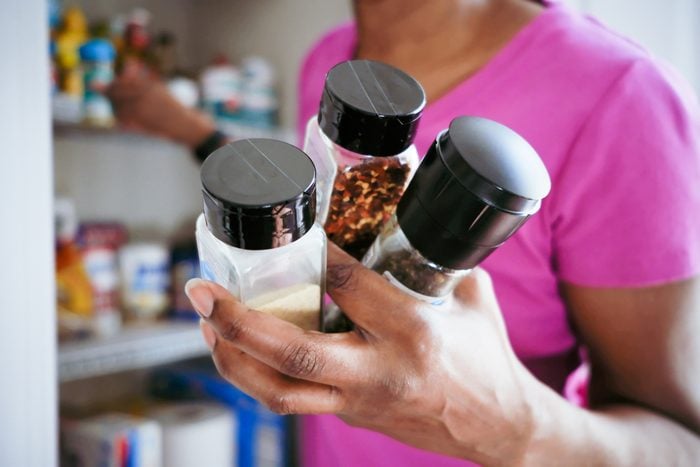
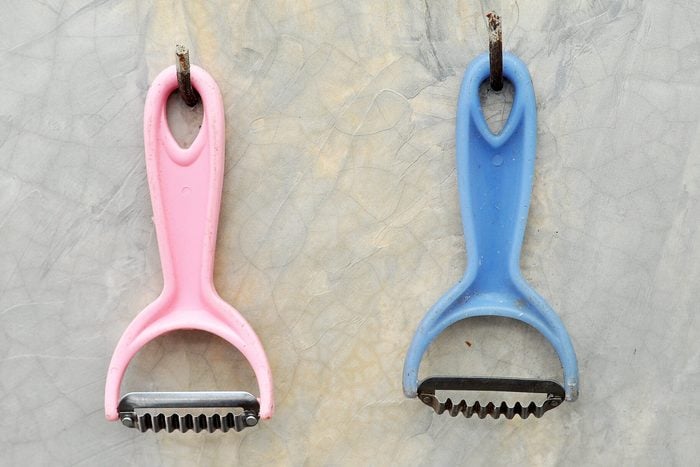
The article also touches on convenience-driven products like smoothie kits and pre-made spice blends. It suggests that consumers can save money and control ingredients by purchasing bulk frozen fruits for smoothies and mixing their own spices, which also helps avoid excess salt and additives found in commercial blends. Pre-marinated meats and poultry are identified as another costly and often sodium-heavy item to avoid, with the recommendation to marinate at home for better flavor control and cost savings. Plastic cooking utensils are criticized for their short lifespan and frequent need for replacement, with a call to invest in durable metal alternatives.
Basic pantry items like pancake and waffle mix, hummus, pre-minced garlic, and artisan breads from store bakeries are also highlighted as areas where consumers can cut costs. The experts suggest making these items from scratch using pantry staples, which is often cheaper, fresher, and more flavorful. For instance, making hummus from chickpeas, tahini, garlic, and olive oil is more economical than buying pre-made tubs, and baking bread at home can significantly reduce costs compared to store-bought artisan loaves. Finally, broth, stock, and canned soups are discussed as hidden expenses that can be replaced by homemade versions using leftovers or bouillon, allowing for bulk preparation and freezing for future meals.
#KitchenSavings #BudgetCooking #SmartShopping #FoodWasteReduction #KitchenTools #MealPrep #HomemadeCooking #KitchenSavings #BudgetCooking #SmartShopping #FoodWasteReduction #KitchenTools #MealPrep #HomemadeCooking
0 comment in total
 No comments yet
You may also like
5 Kitchen Appliances You Don't Need to Spend Money on If Money is Tight

The kitchen gadgets people swear by — You’ll wonder how you ever cooked without them

15 Outdated Things You Should Avoid In Your Kitchen, According To Designers


6 “High-End” Kitchen Features That Aren't Worth the Money, Designers Say


6 Pricey Kitchen Upgrades That Aren't Worth It

Top novelty kitchen tools you didn’t know you needed
20 Kitchen Tools and Gadgets Chefs Swear You'll Regret Buying

12 Things That People Over 30 Should NEVER Have In Their Kitchen
8 Things You Should NEVER Keep On Your Kitchen Counter
Your Kitchen Is Full of Useless Gadgets. At Least, That's What These Chefs Say

10 Outdated Decor Items That Don't Belong In Your Kitchen In 2025

Your Kitchen Called, It Wants These 10 Space-Wasters Gone—Try These Pro-Loved Organizers Instead

Throw Away These 12 Kitchen Items Immediately (and Be Glad You Did)

10 Kitchen Organization Products You Didn't Know You Needed

5 Things Cluttering Up Your Kitchen That You Definitely Don’t Need After 50

8 Outdated Kitchen Storage Choices to Avoid — And What Experts Say You Should Use Instead
6 Things You Should Never Keep on Your Kitchen Counter

15 Items in Your Kitchen That Professional Organizers Would Throw Out

13 Outdated Kitchen Trends You Can Leave In The Past
8 Kitchen Appliance Trends to Avoid—and What to Choose Instead