1/2
How to organize your fridge, with tips from chefs
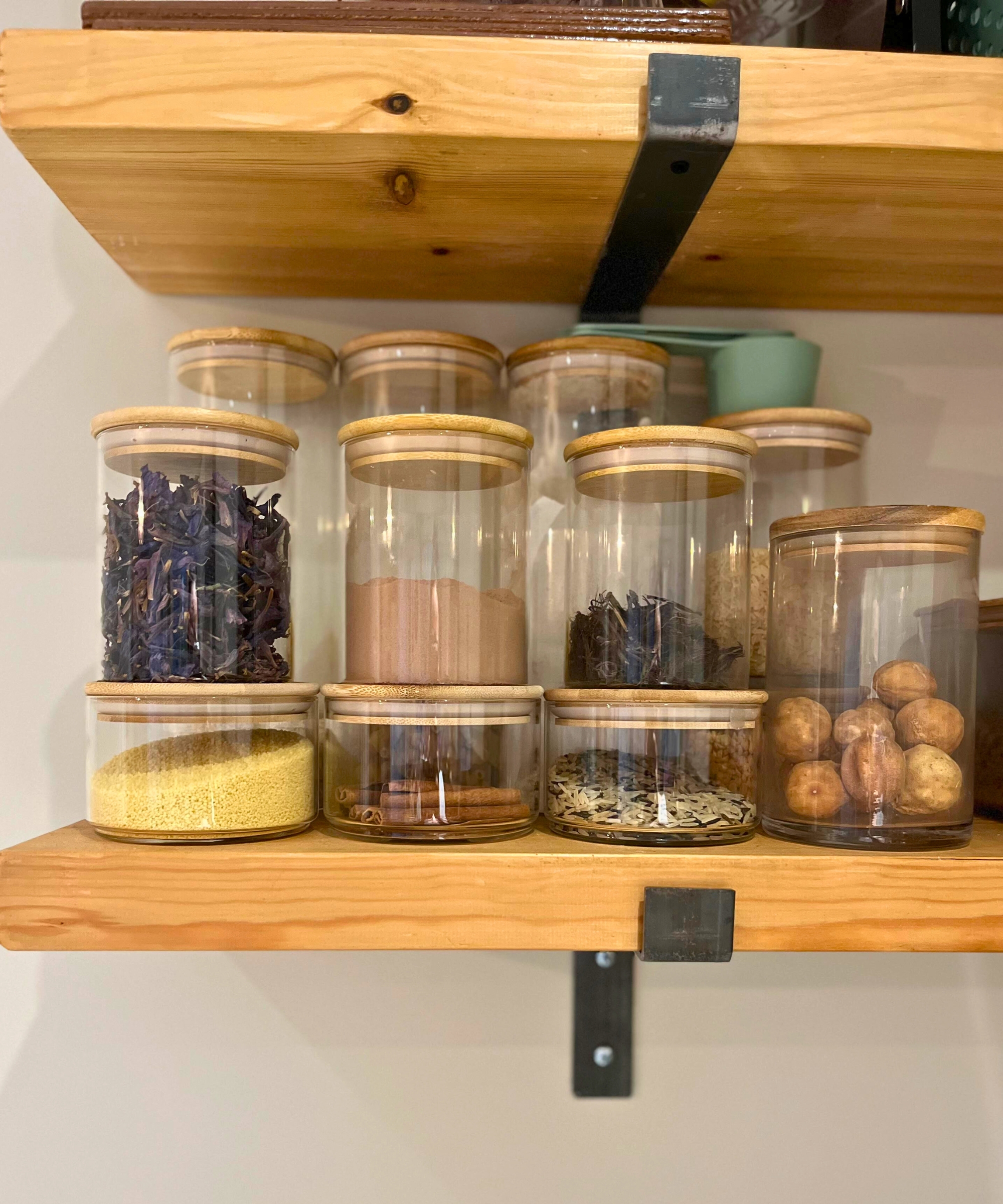
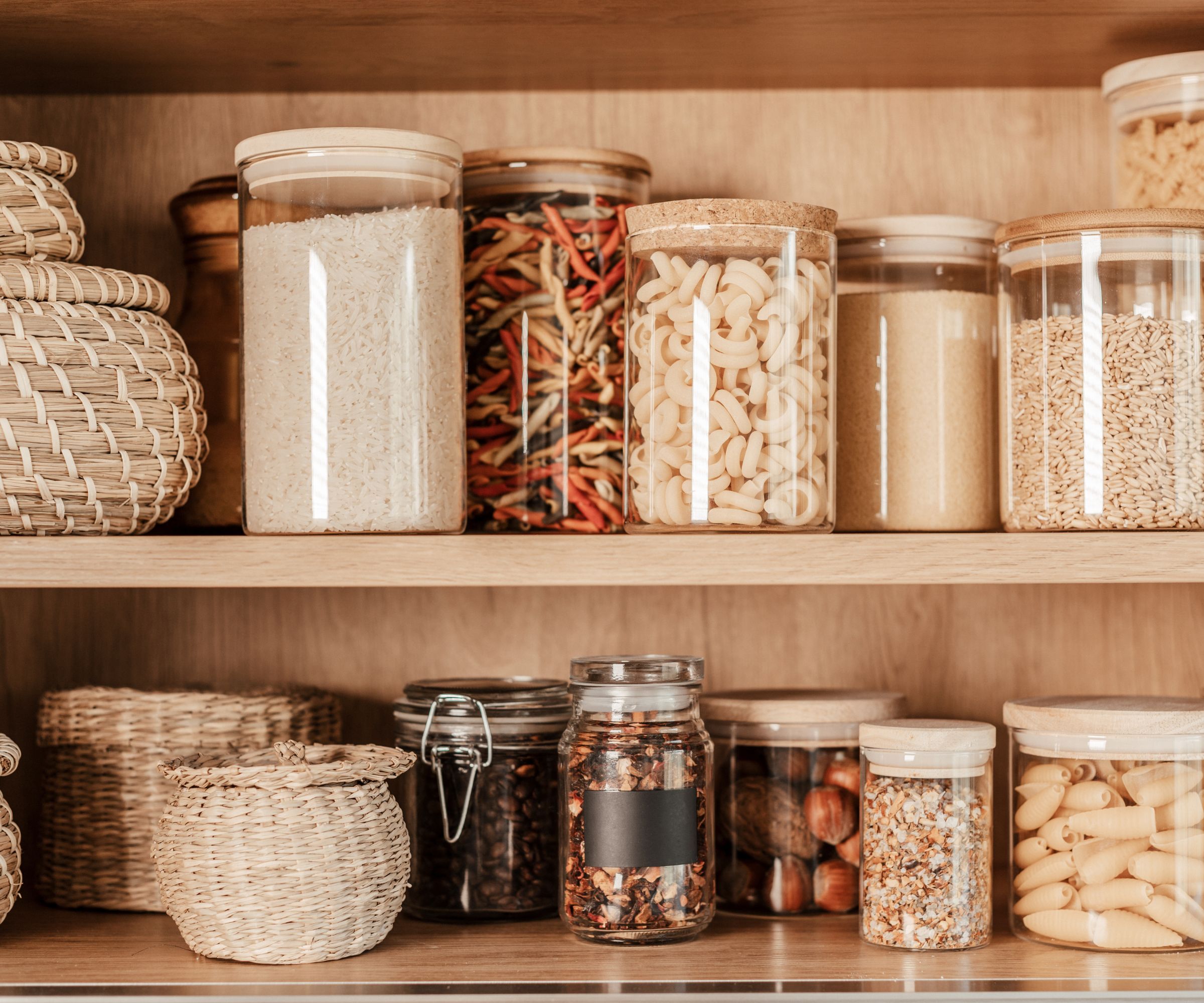
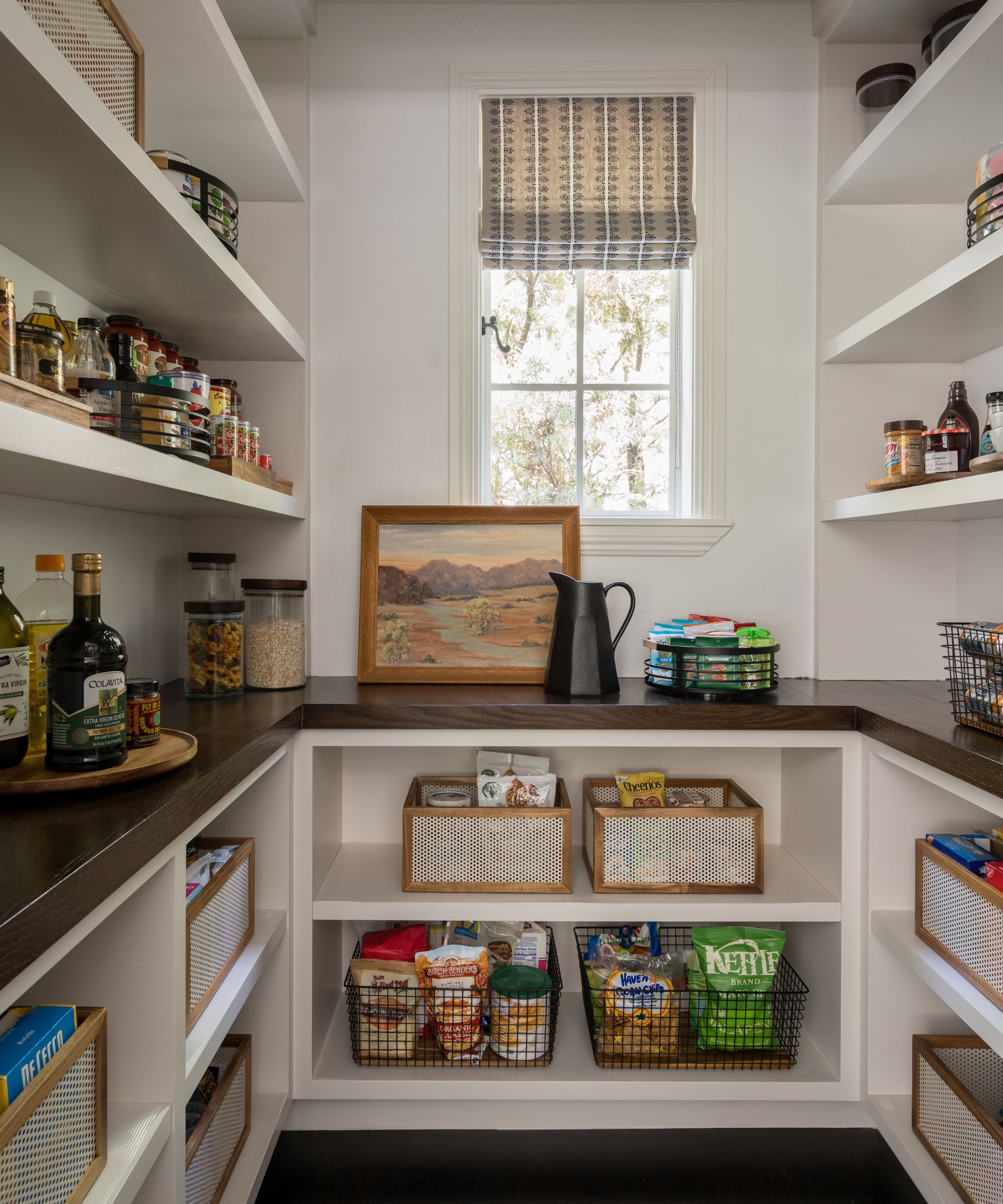
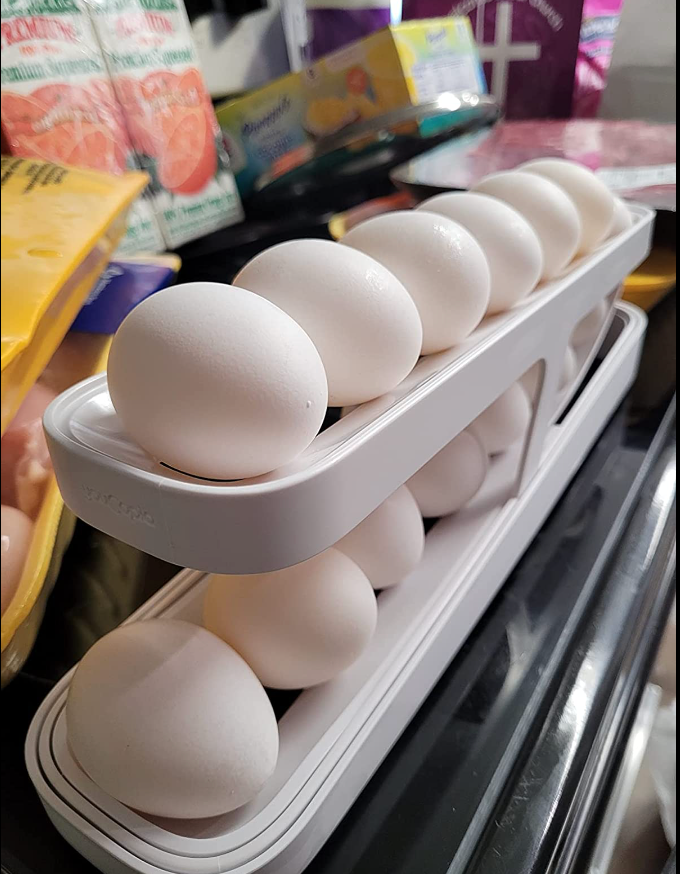
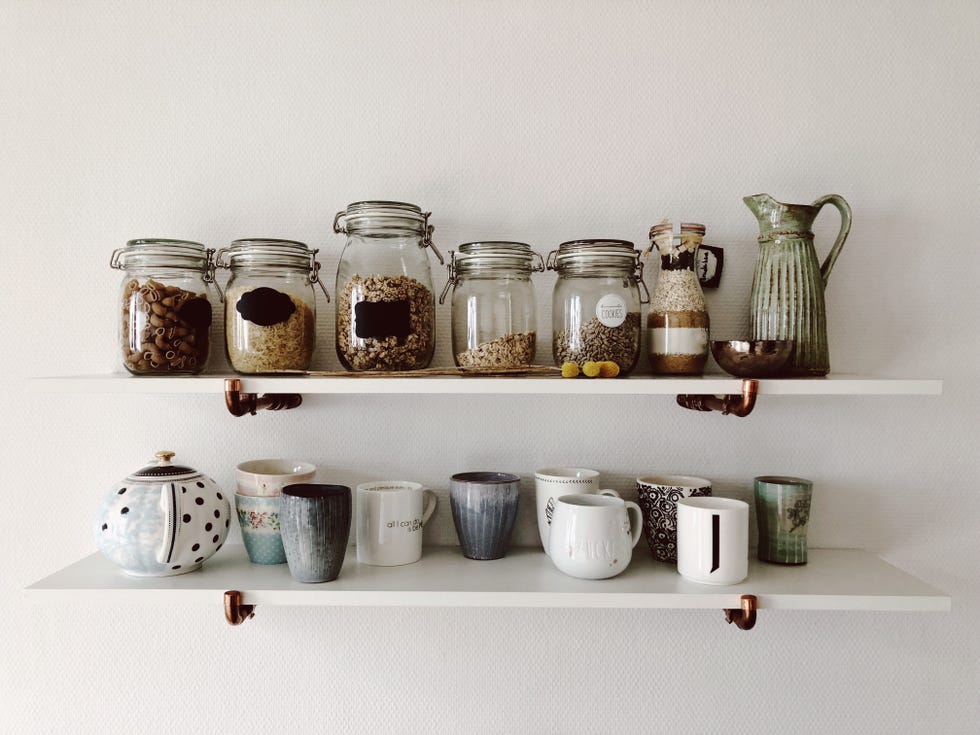
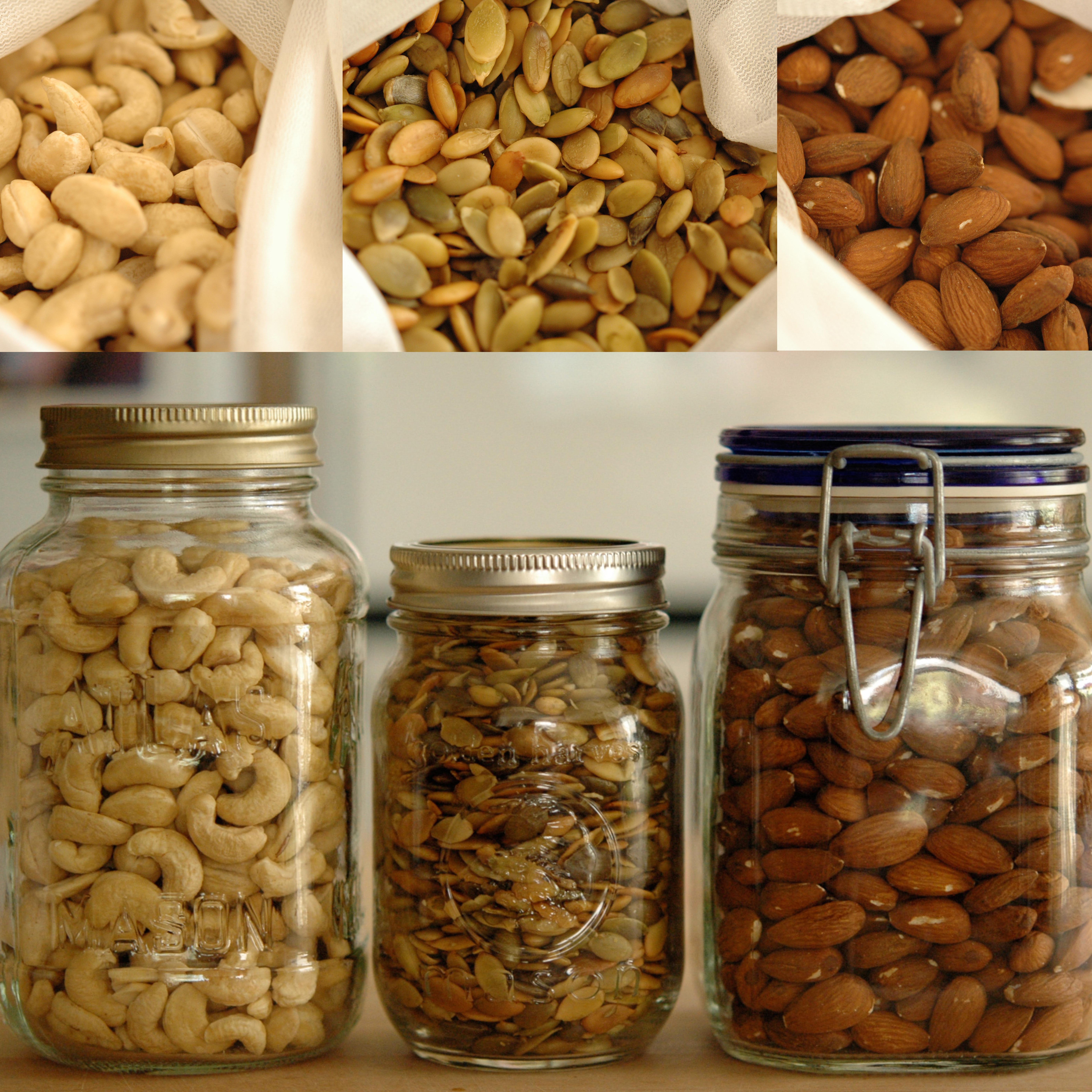
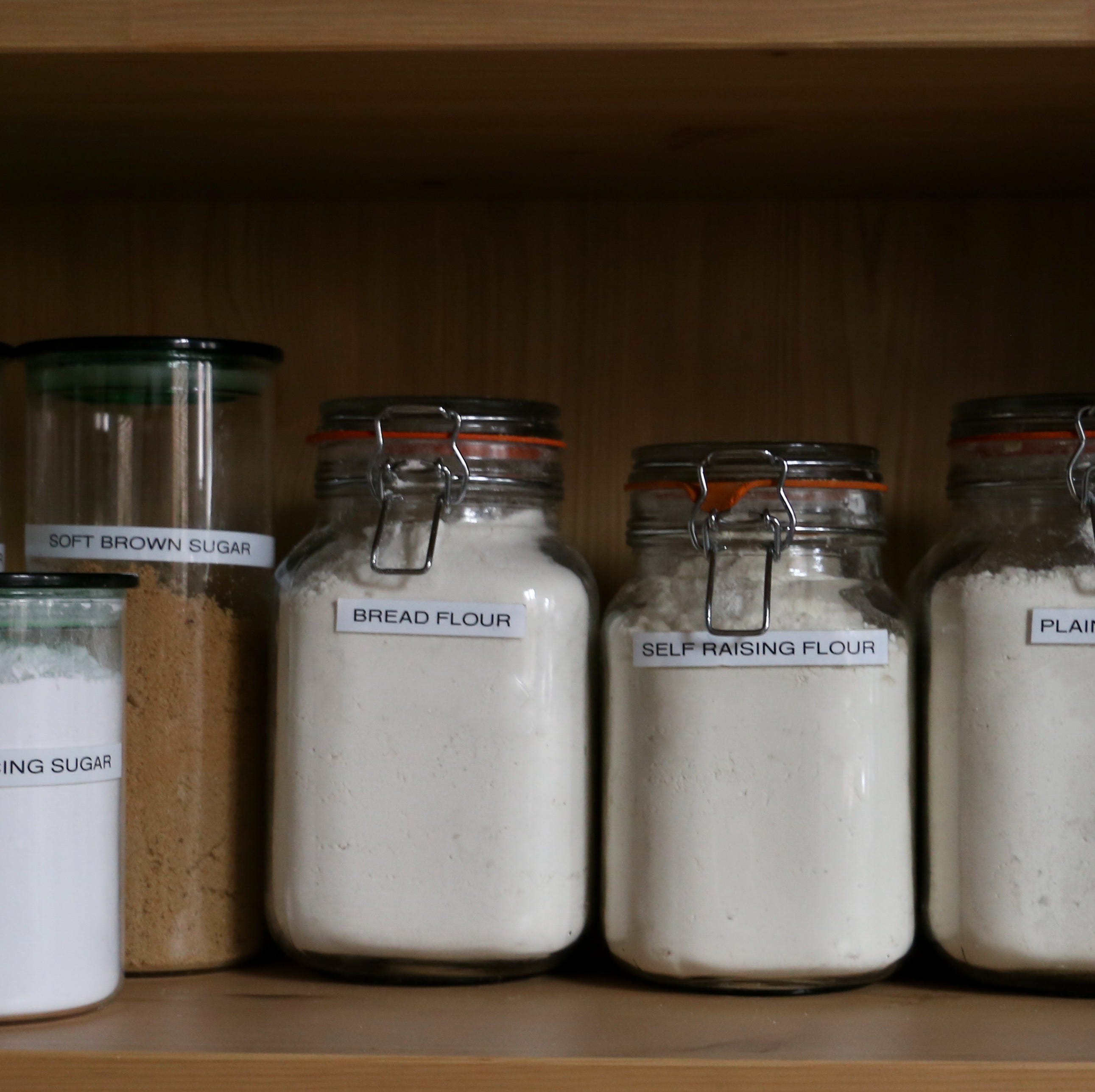
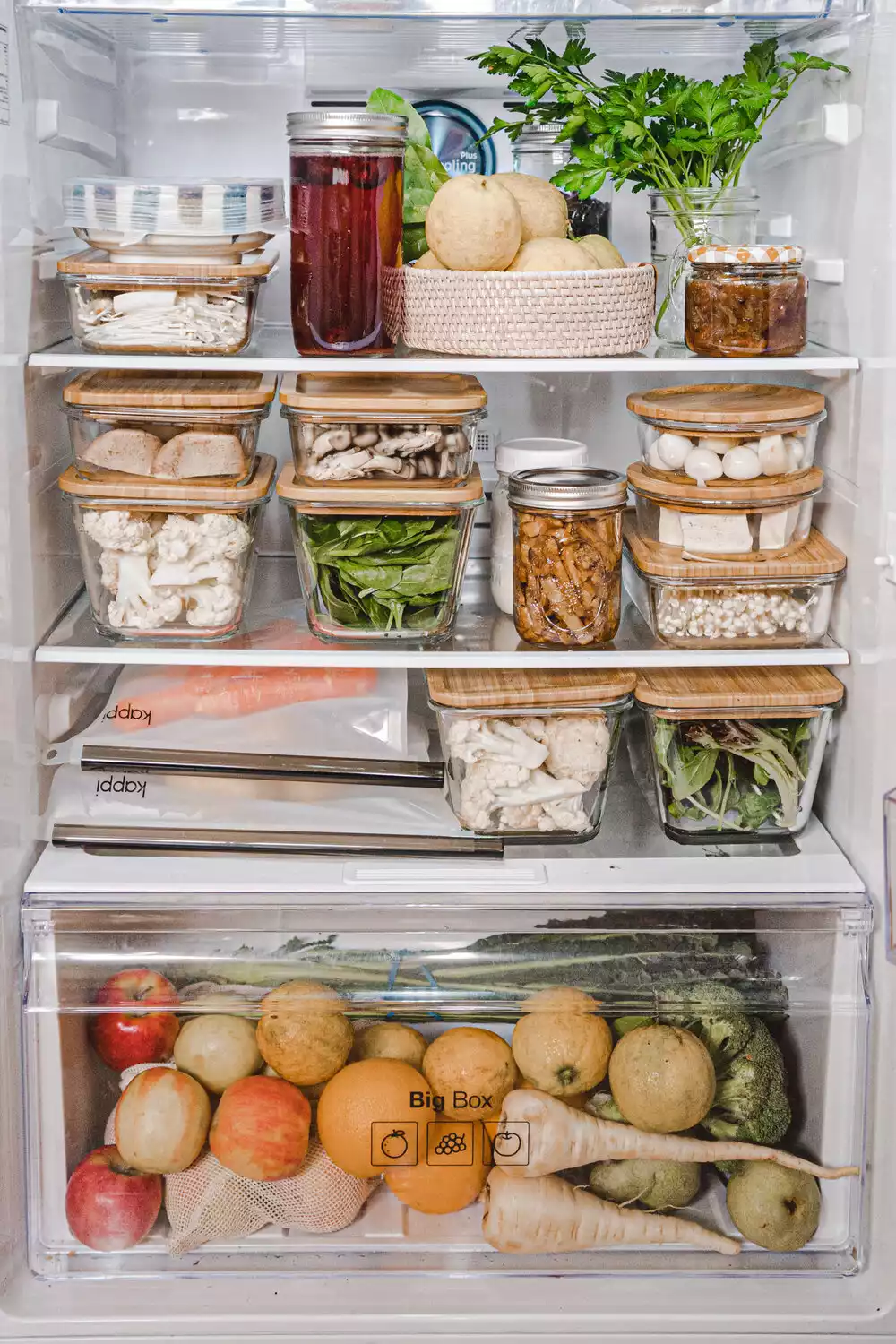
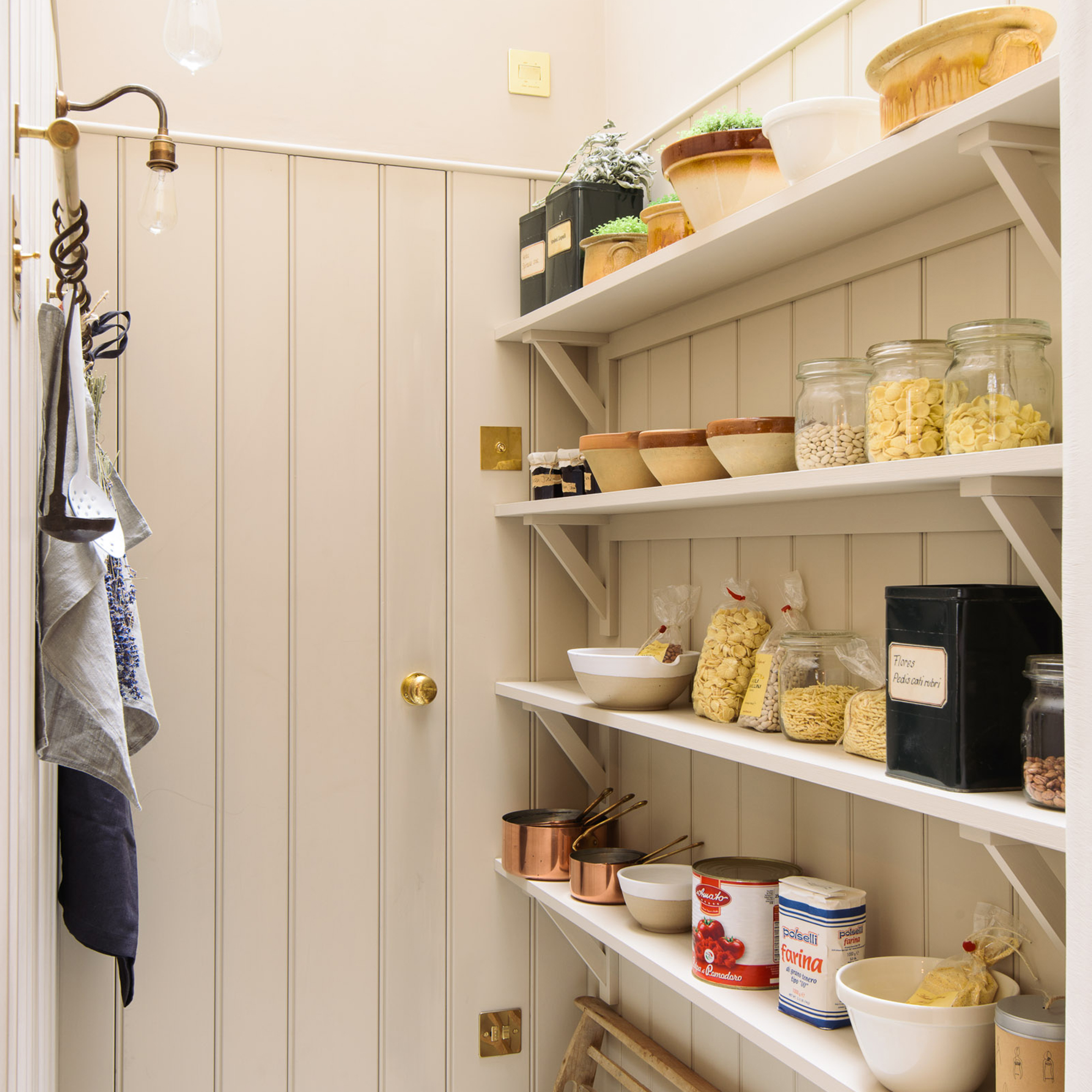
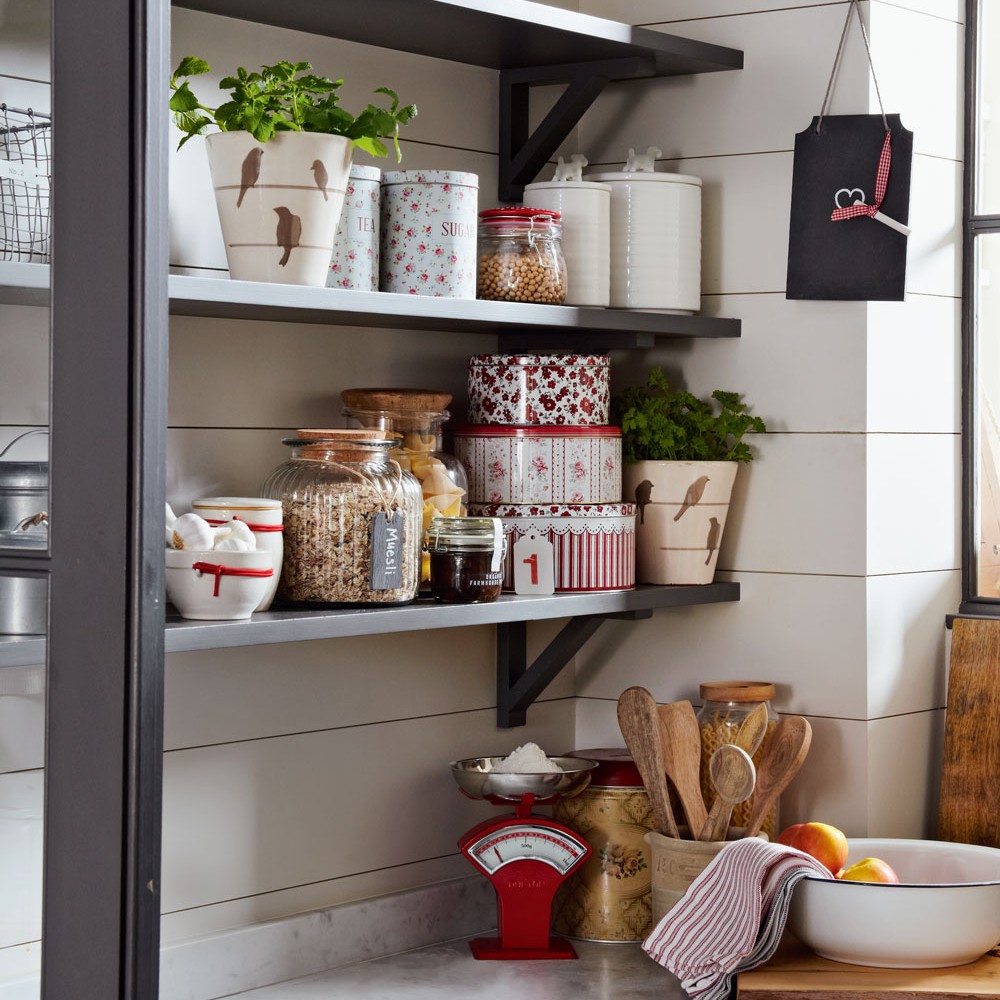
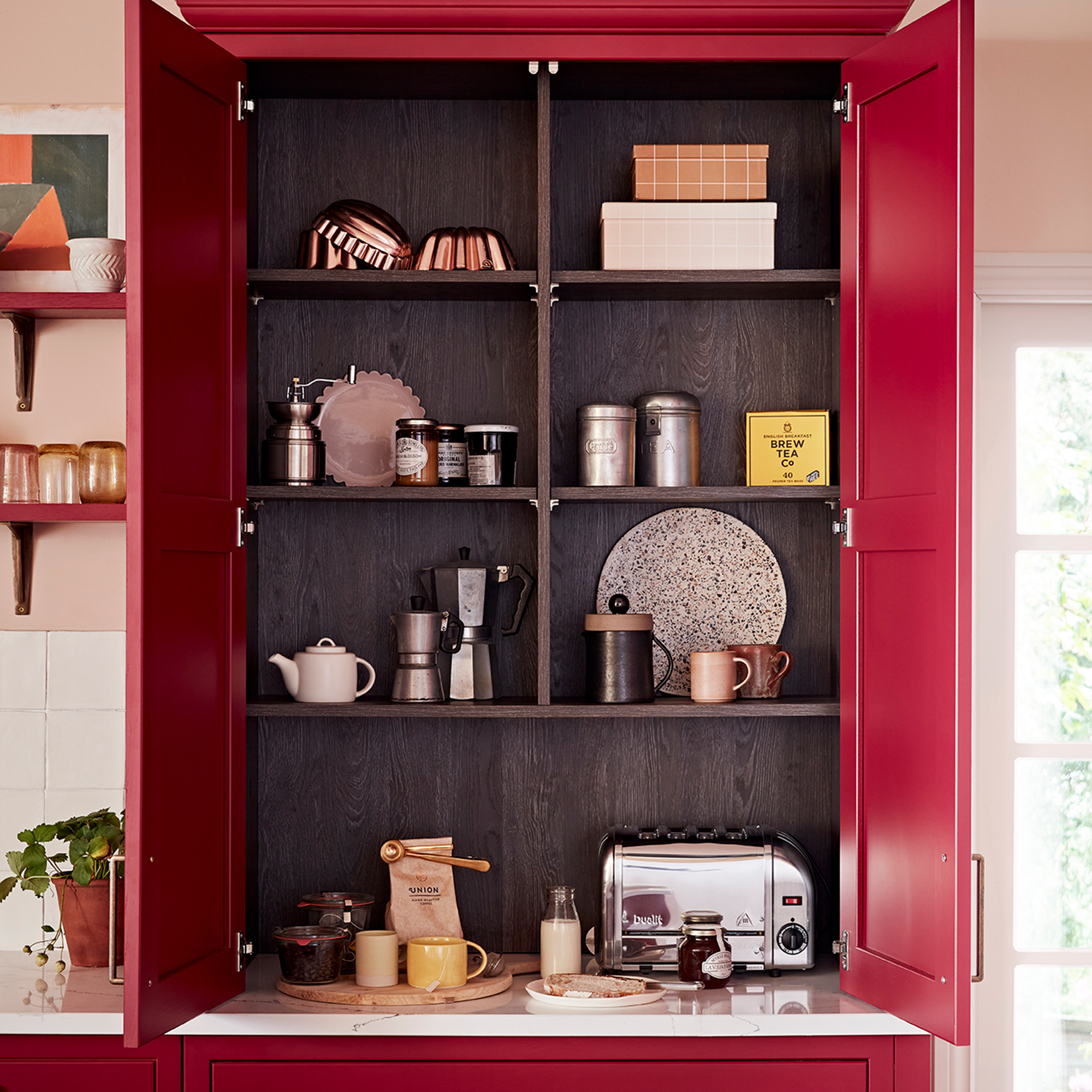
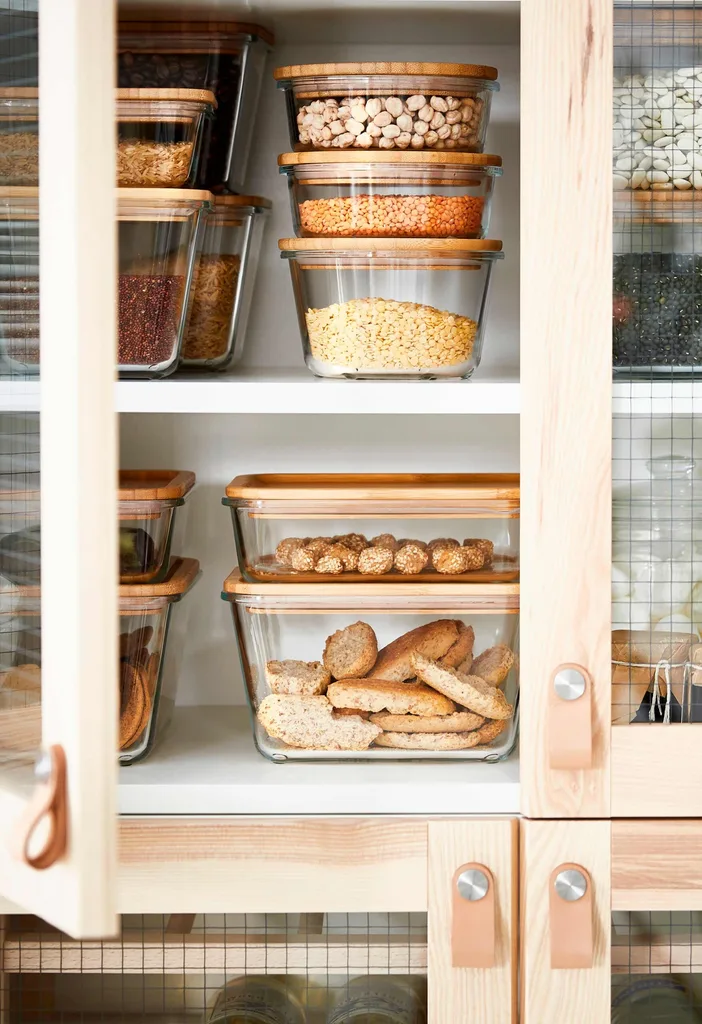
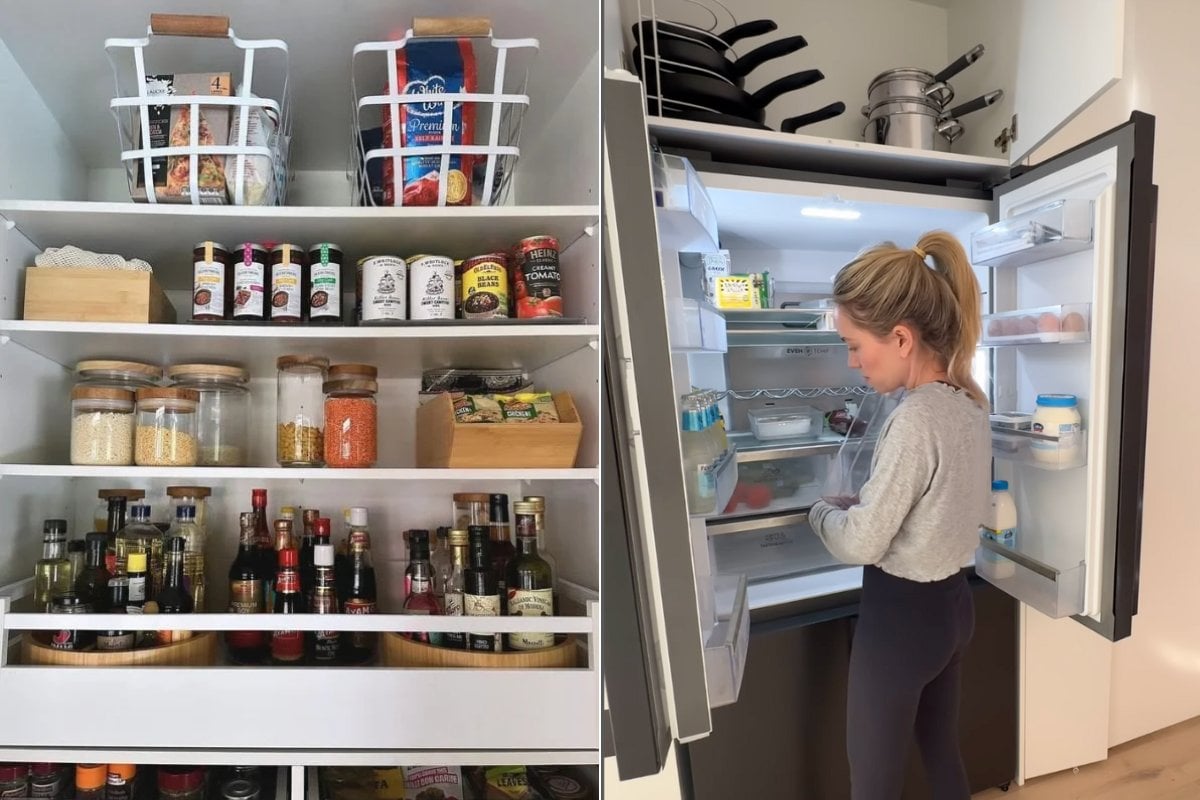
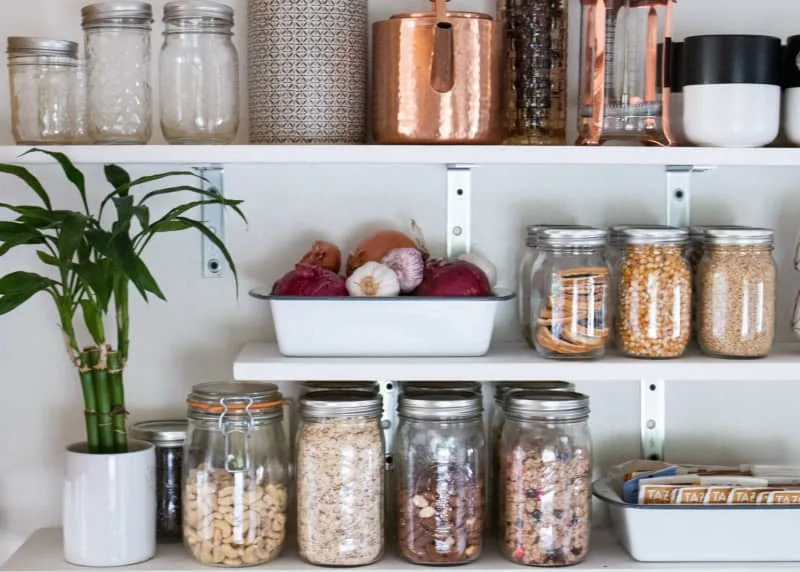
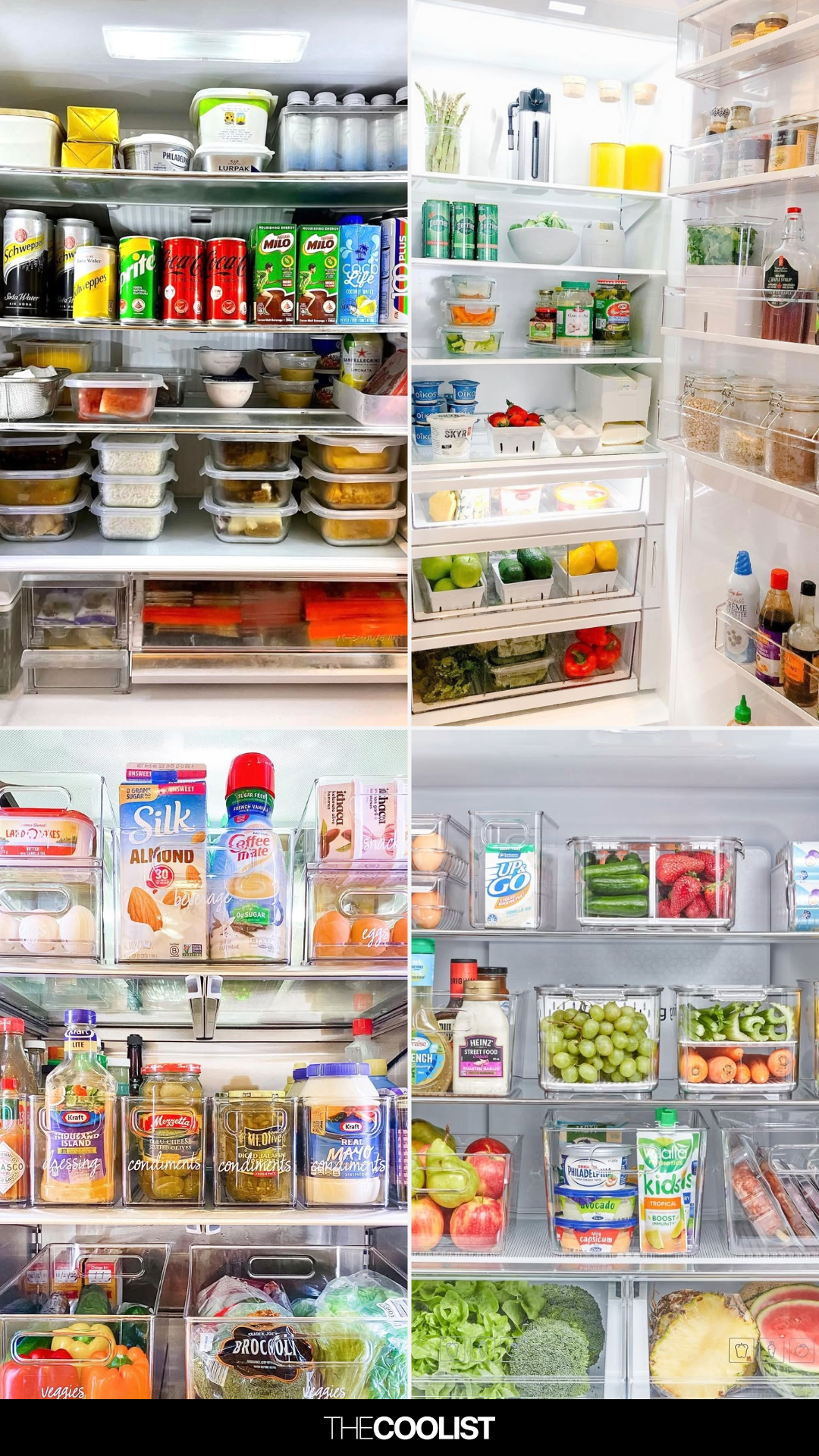
The article critiques the recent trend of "fridgescaping" and "decanting" on platforms like TikTok and Instagram, where individuals meticulously organize and decorate their refrigerators and pantries, often transferring food from original packaging into aesthetic containers. This phenomenon is presented as a performative act that removes the practical realities of cooking and food preparation, prioritizing display over functionality. The author, drawing on a background in professional cooking, expresses concern that these trends alienate people from the true labor and pleasure of eating, advocating for kitchen organization methods that are practical, efficient, and reduce food waste.
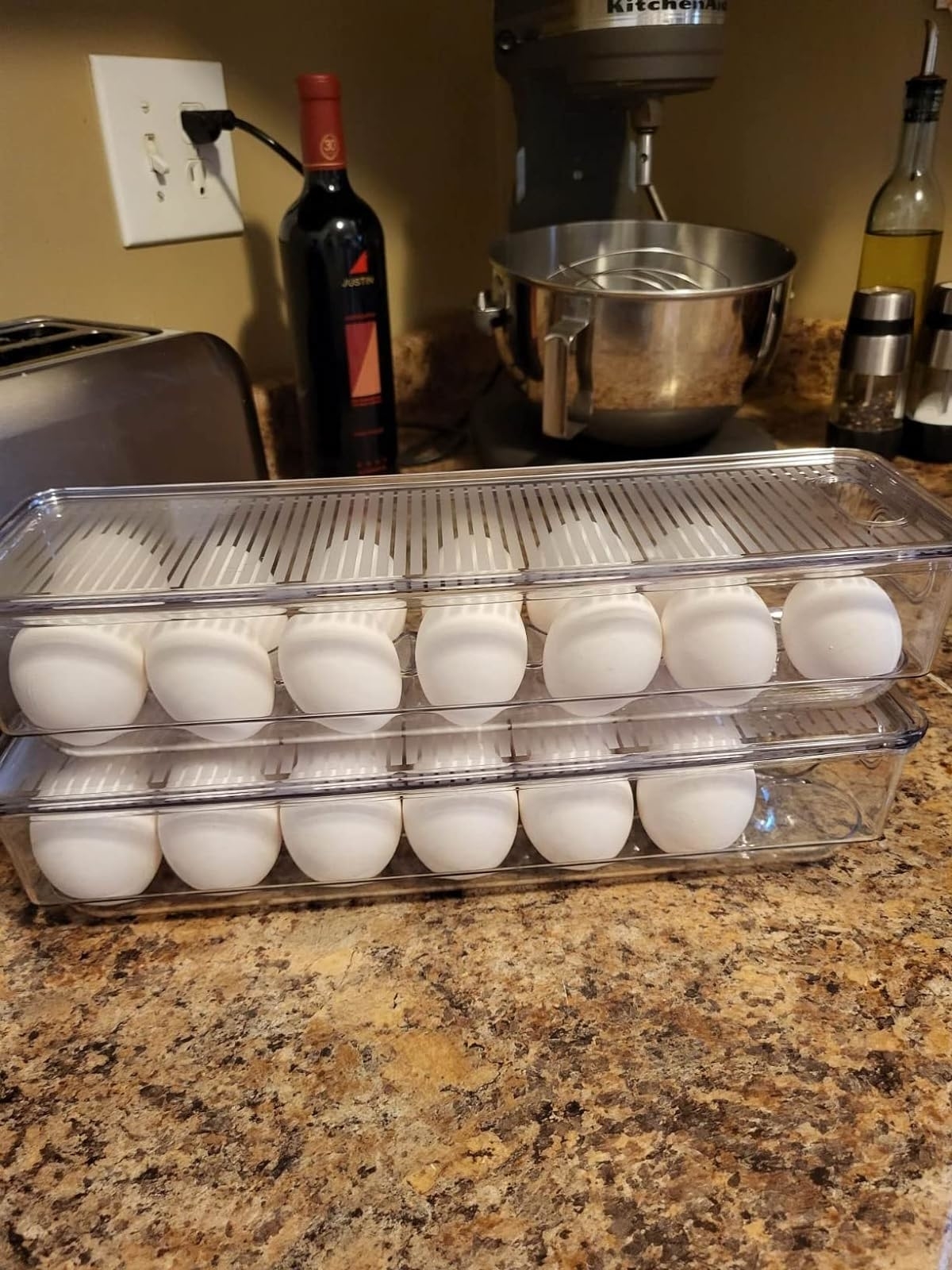
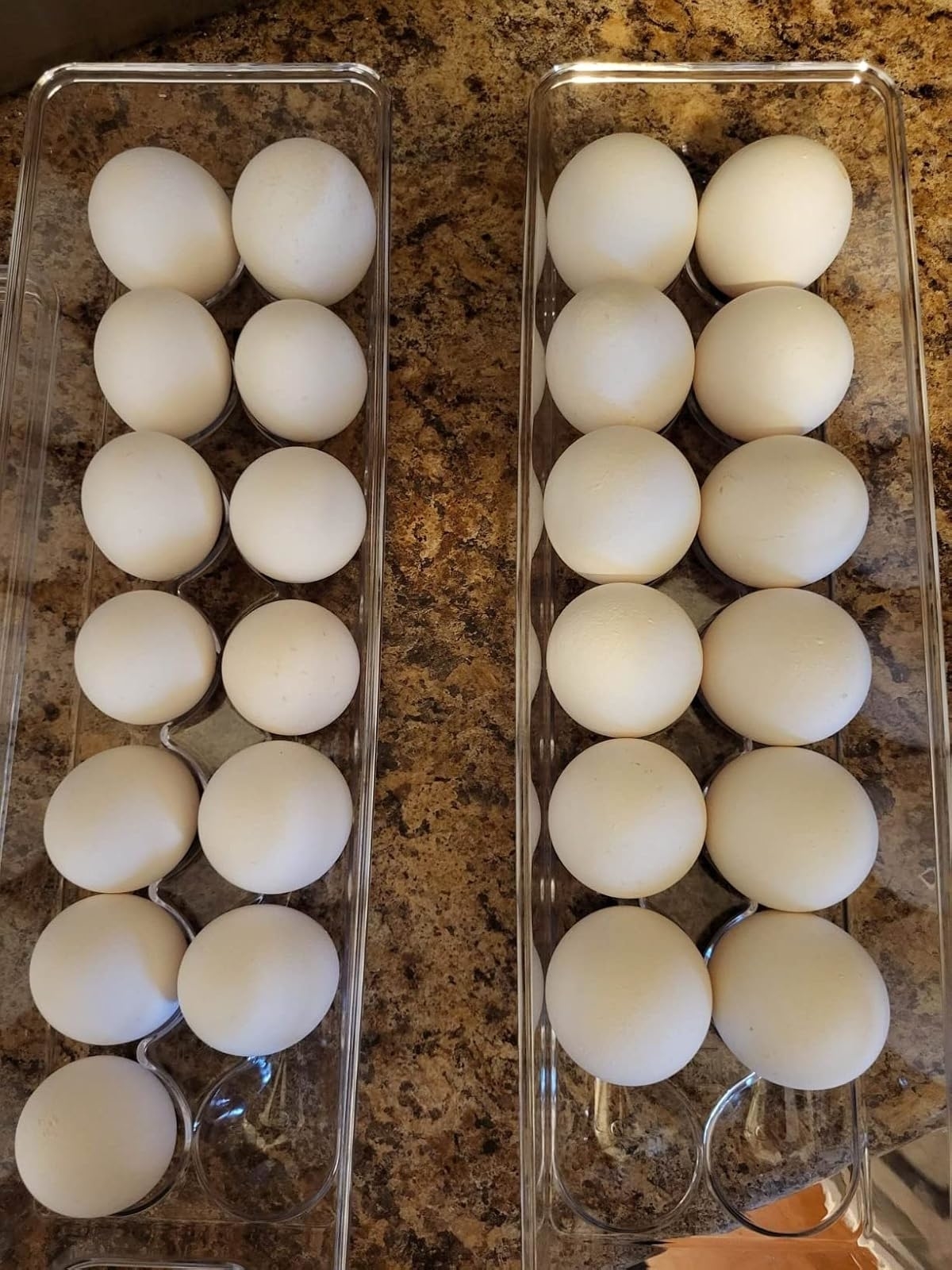
The piece highlights that fridgescaping and decanting often involve significant time, effort, and financial investment in specialized containers and decorative items. These activities are particularly disconnected from the realities faced by millions of Americans experiencing food insecurity or those with limited time for extensive kitchen upkeep. The article suggests that such trends function as a social media-driven “keeping-up-with-the-Joneses” dynamic, where influencers benefit financially from promoting aesthetically pleasing but often unnecessary products through affiliate links. It further suggests that these trends reinforce gendered expectations, placing an additional burden on women to not only manage food and cooking but also to present their kitchens beautifully.
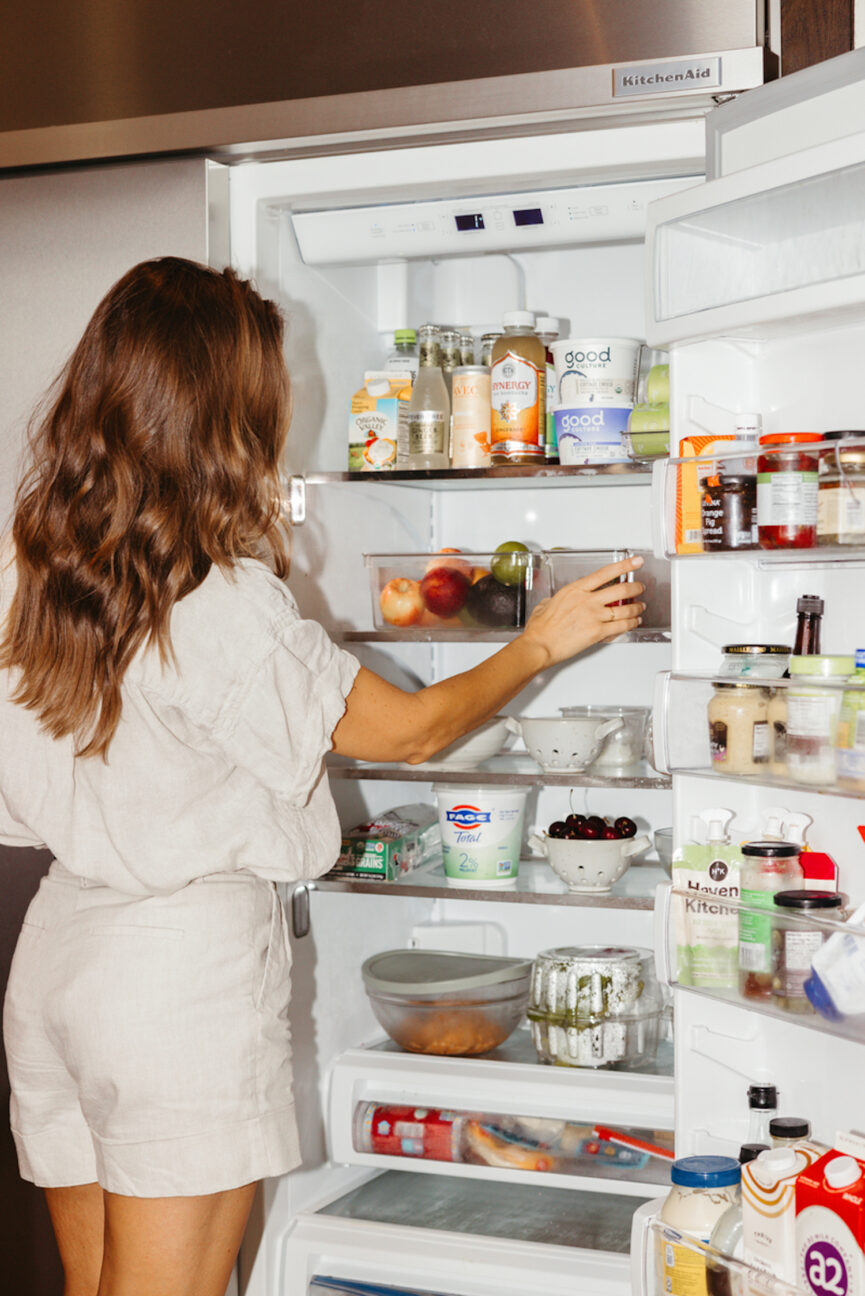
In contrast to these influencer-driven trends, the article offers practical, chef-approved advice for organizing a kitchen effectively and sustainably. Key recommendations include methods for extending the lifespan of fresh produce, such as storing asparagus in water and removing lettuces and berries from their original packaging to place them in airtight containers with paper towels to absorb moisture. The importance of using paper towels as a cost-effective and efficient tool for freshness is emphasized. The author also suggests keeping perishables with a short shelf life front and center in the refrigerator to avoid forgetting them and reducing waste. Using whiteboards on the fridge for meal planning and grocery lists is recommended for better food management.
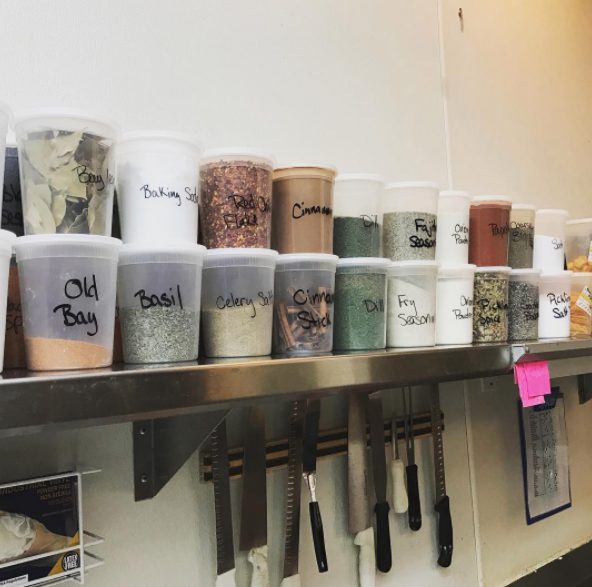
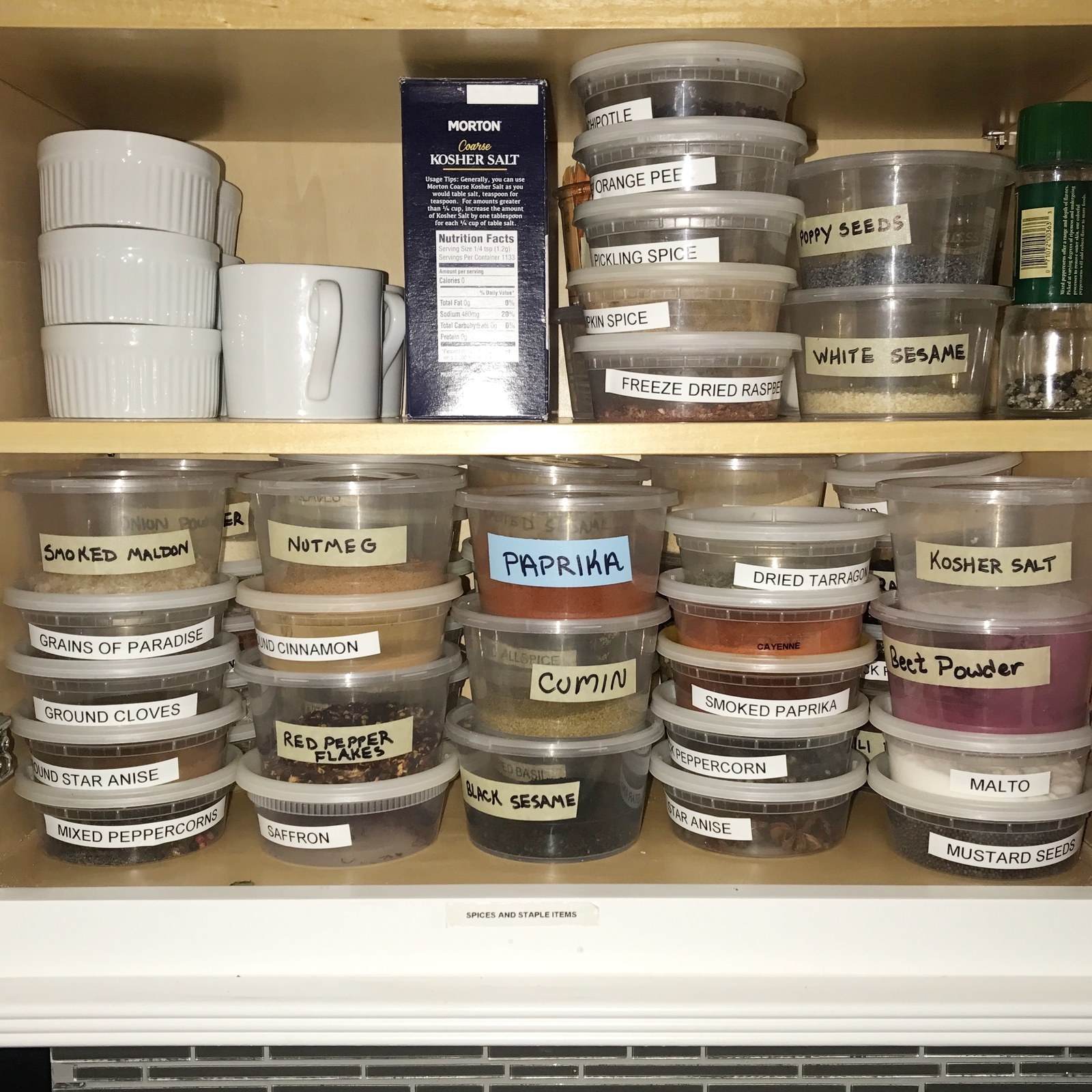
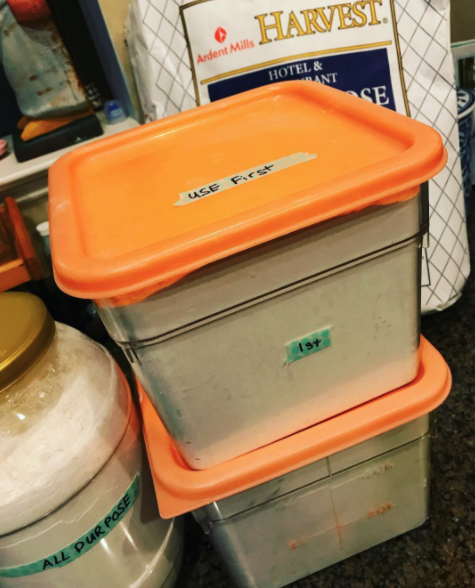
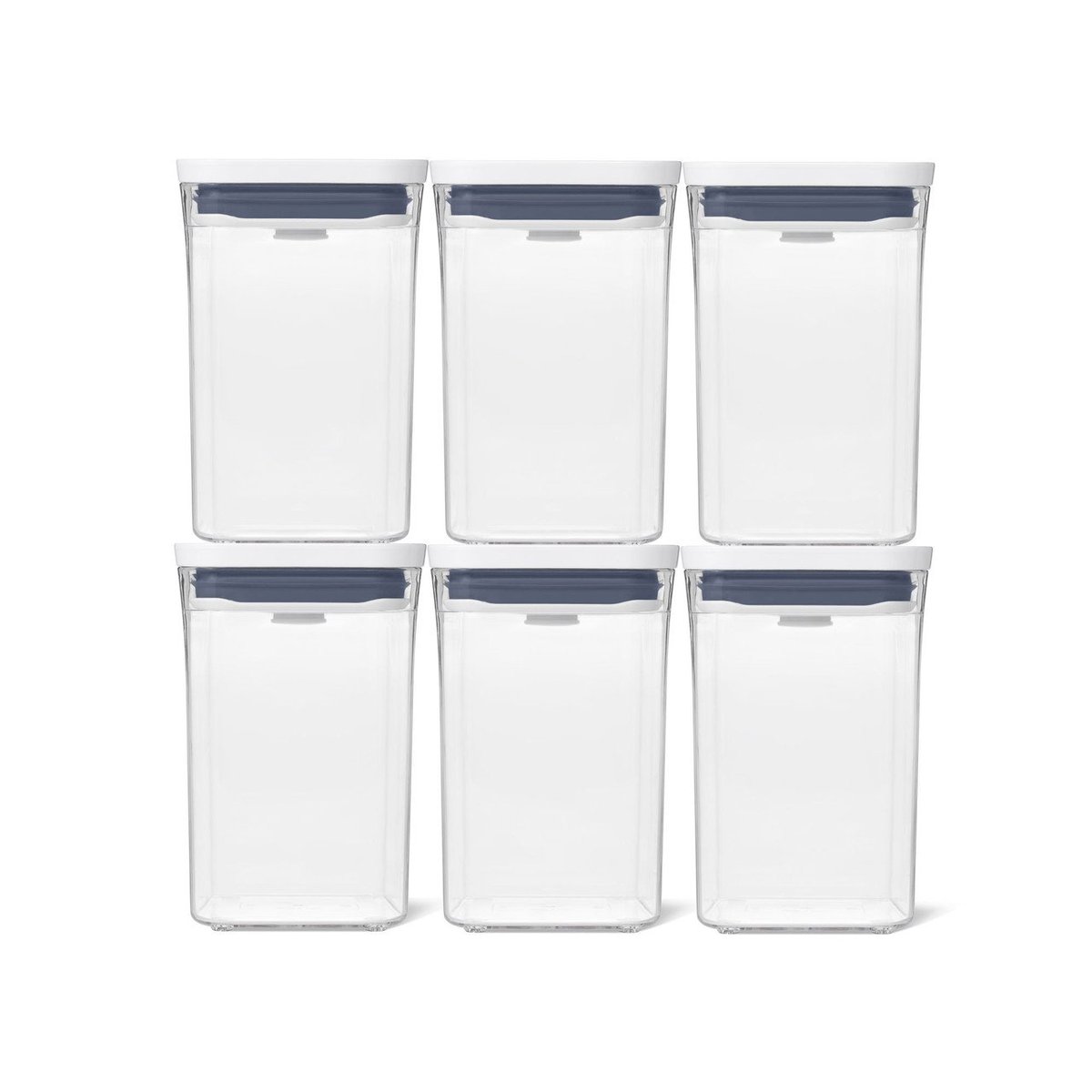
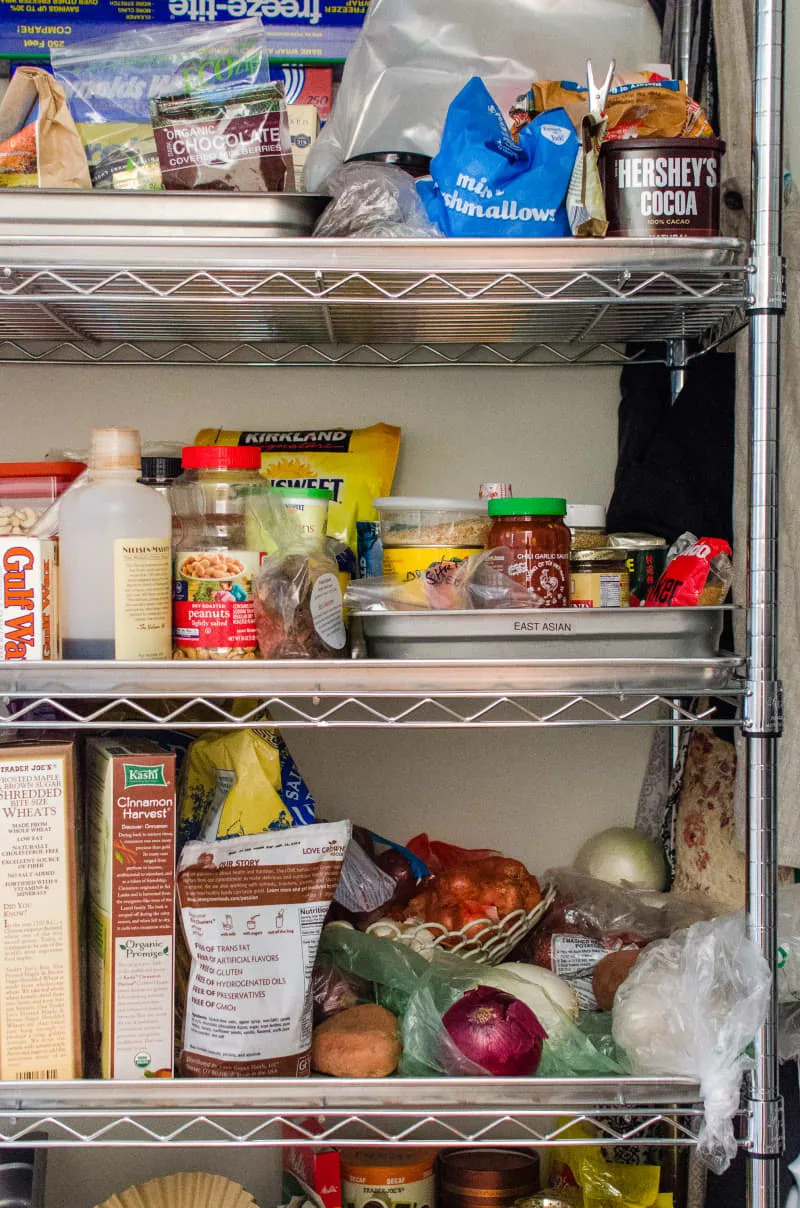
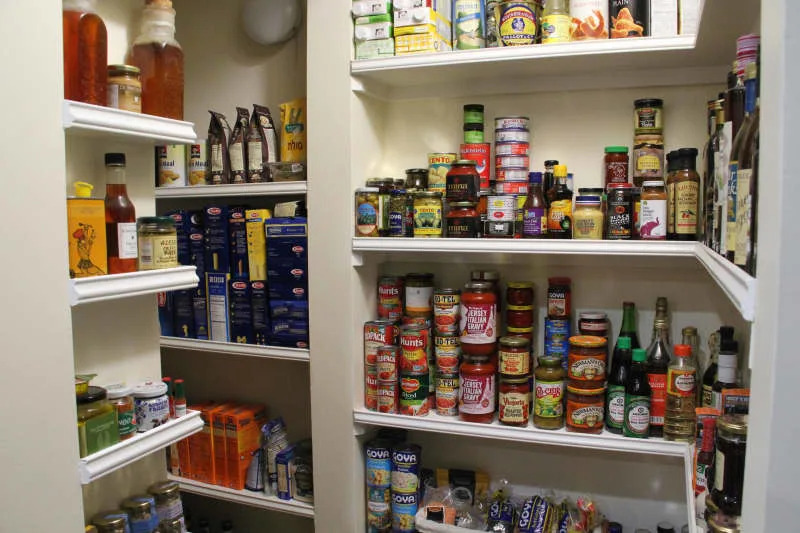
Furthermore, the article advocates for durable and affordable storage solutions over expensive, aesthetically driven ones. Professional chefs often rely on inexpensive, stackable deli containers and larger Cambros for their versatility and efficiency in storing various food items, from leftovers to prepped ingredients. The importance of labeling food with dates to track freshness and avoid waste is also noted. For pantry organization, the author suggests repurposing existing containers rather than buying new clear ones, emphasizing that constant visual monitoring of food levels is often unnecessary. Ultimately, the article concludes that effective kitchen organization is an ongoing, adaptive process focused on functionality and reducing waste, rather than a one-time aesthetic achievement dictated by social media trends. It underscores that a kitchen should be a dynamic, practical space that evolves with changing needs.
#KitchenOrganization #FoodWaste #Fridgescaping #CookingTips #SocialMediaTrends #HomeManagement #ChefApproved #SustainableLiving #PracticalAdvice #KitchenOrganization #FoodWaste #Fridgescaping #CookingTips #SocialMediaTrends #HomeManagement #ChefApproved #SustainableLiving #PracticalAdvice
0 comment in total
 No comments yet
You may also like
I rate this Nate Berkus fridge organizer five stars for its ability to control the chaos in my home – it's simply the best

All The Secrets To Organize Your Kitchen

6 Things You Should NEVER Keep In Your Pantry, According To Pro Organizers & Chefs
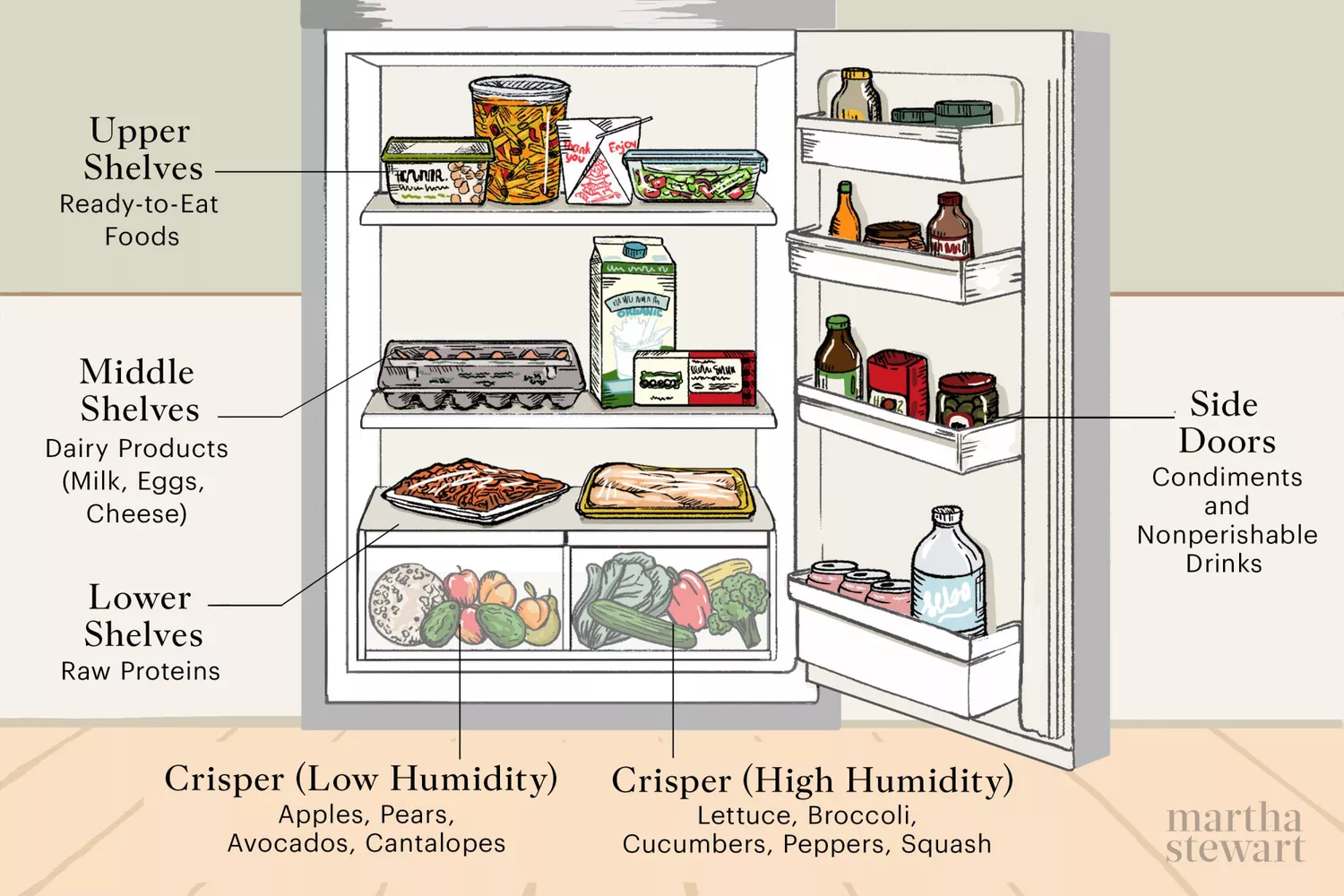
Your Section-by-Section Guide to Storing Foods in the Fridge, From the Upper Shelves to the Crisper Drawers
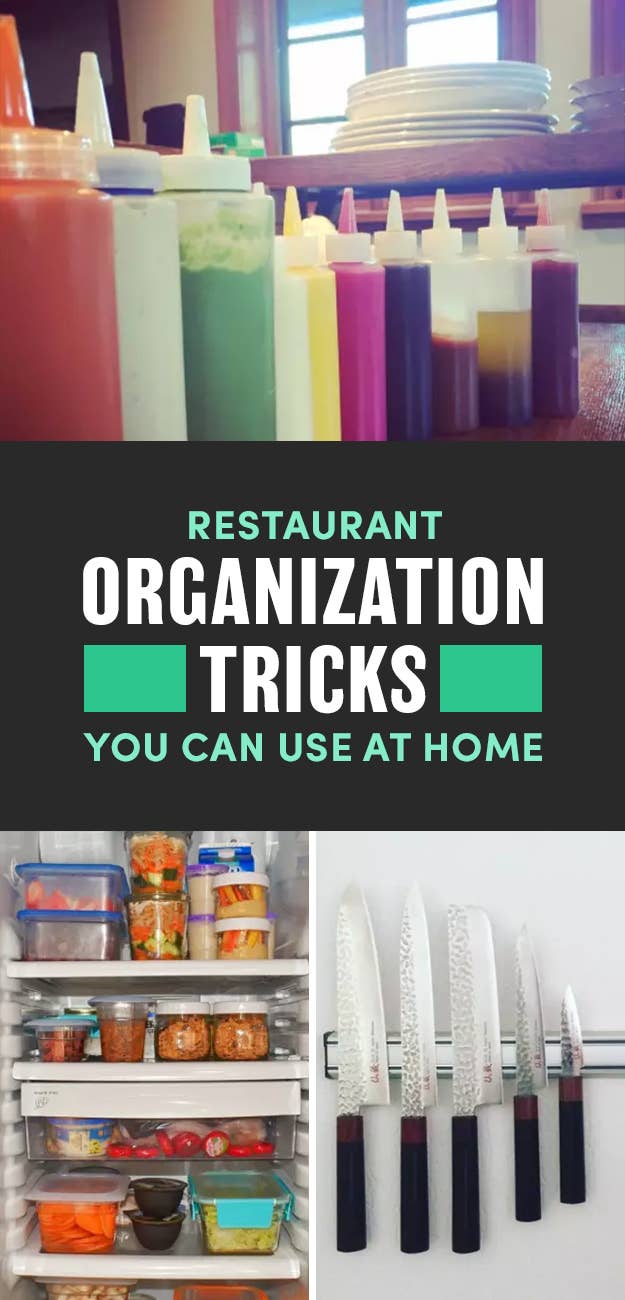
16 Kitchen Organization Tricks I Learned Working In Restaurants

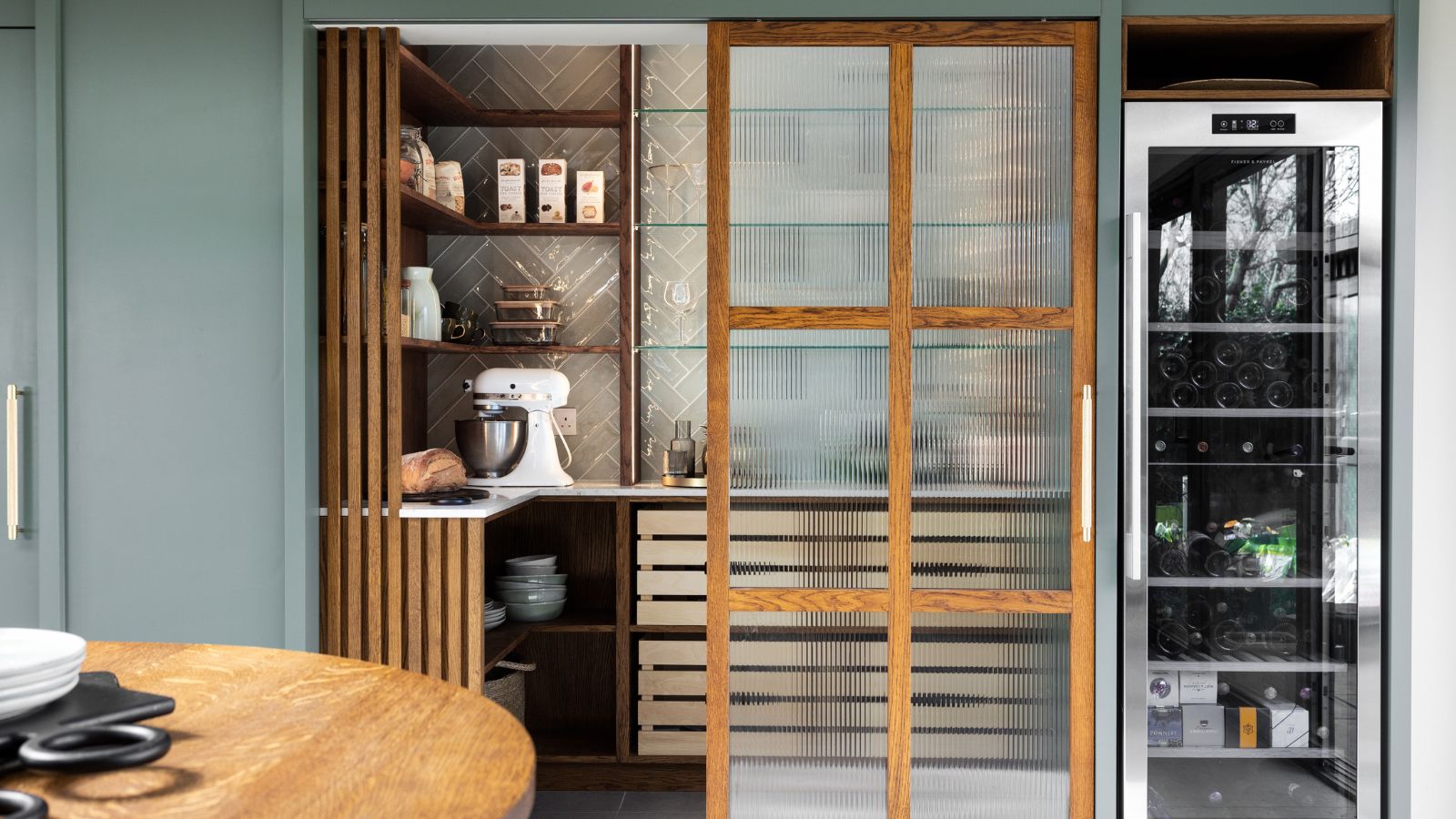
Pros warn never to keep these 8 things in your pantry
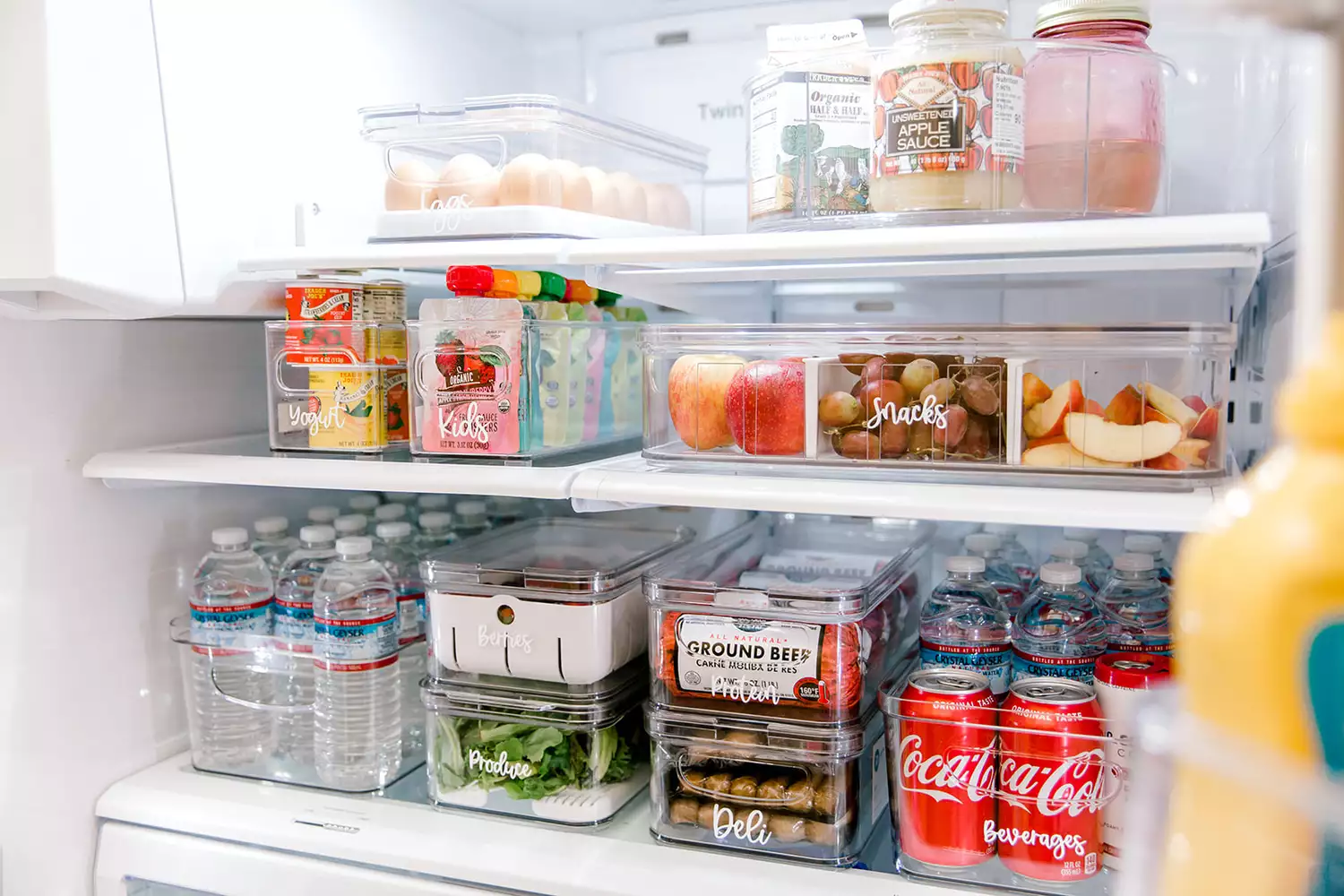
18 Refrigerator Organization Ideas You Have to Try

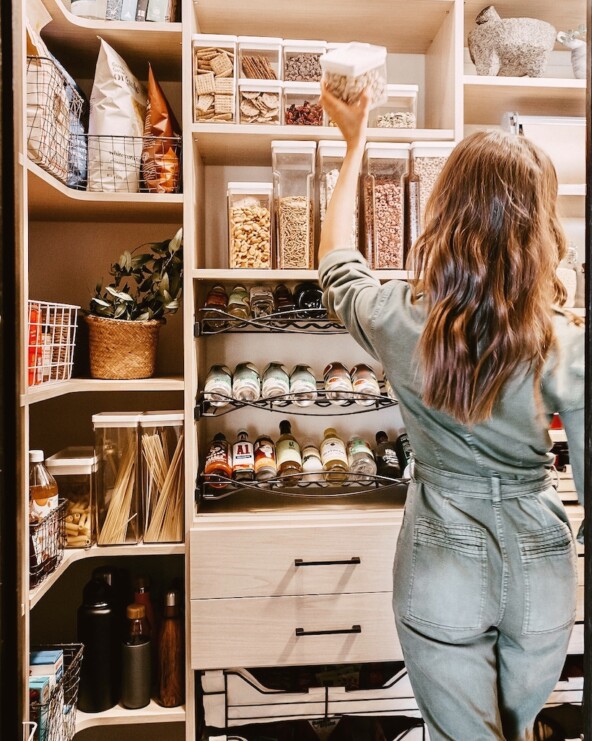
How to Organize Your Pantry Once and for All, According to a Pro

How to Organize Your Kitchen and Pantry, According to Professional Organizers
Fridge Organization 101: A Shelf by Shelf Guide
Top tips for organising a pantry – all the expert advice and tricks you need
The Best Advice I Got from 2 Pro Organizers About the Smartest Way to Organize a Pantry

24 Genius Fridge Organization Ideas That Simplify Your Kitchen and Maximize Space

27 Food Storage Organizers So Good, You’ll Think Your Kitchen Had A Reality Show Makeover
Pantry design tips: how to organise your kitchen storage

Finally, An Expert Guide on How to Organize Your Kitchen Cabinets

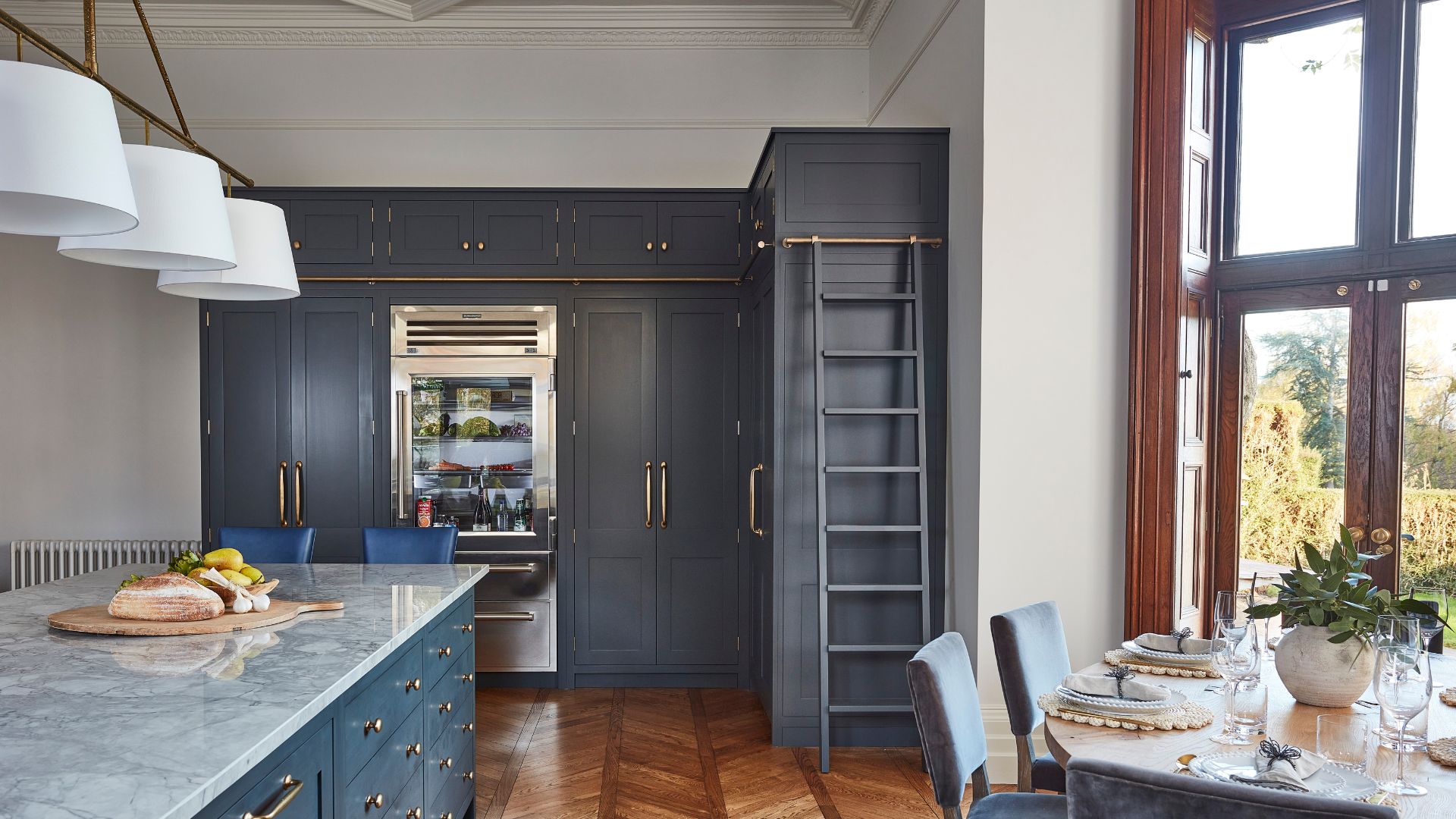
5 Glass Fridge Door Organization Lessons From Kris Jenner

6 cooking experts on how to organise your kitchen


'I asked an expert to help me organise my pantry and the advice was game-changing.'
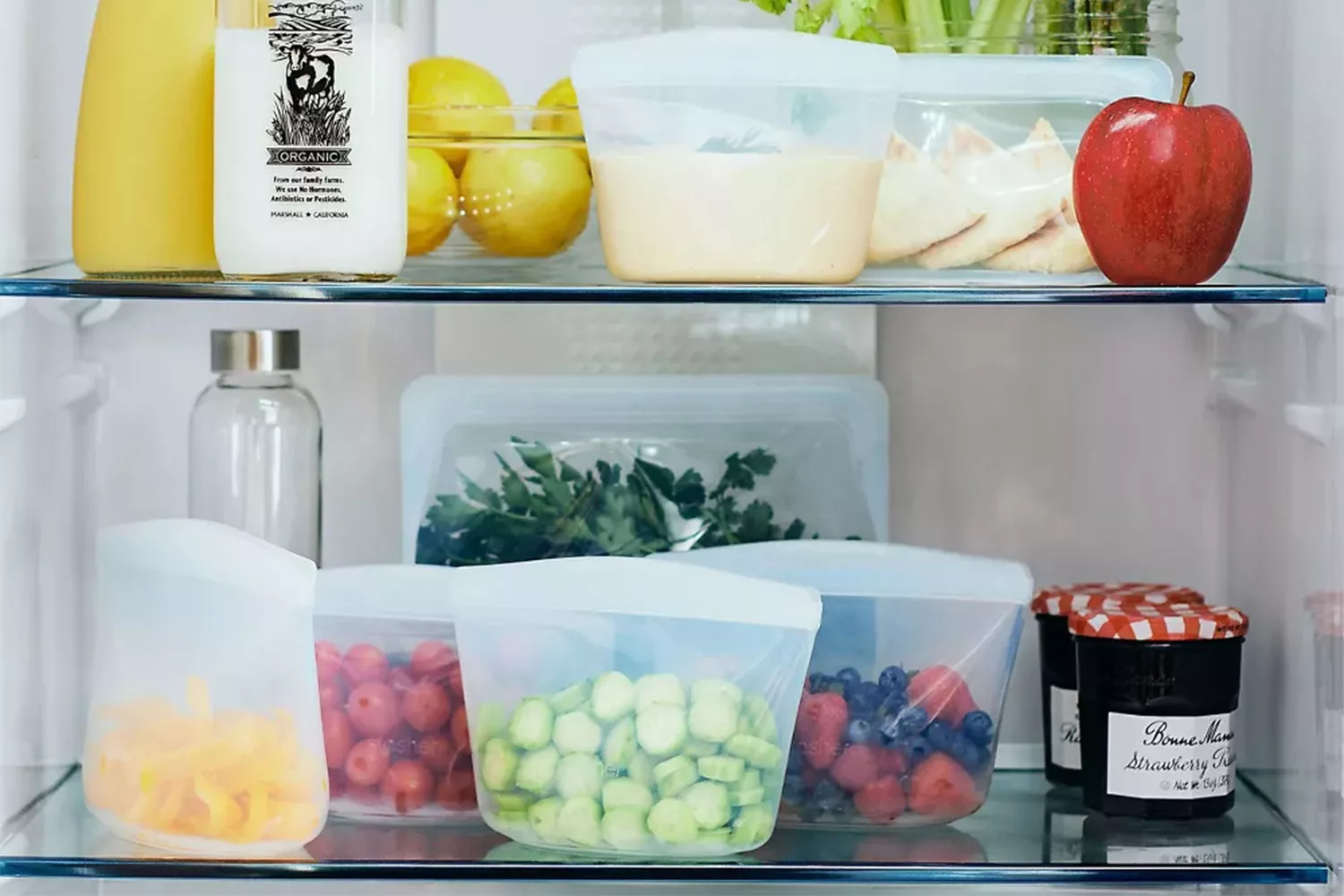
Our 10 Favorite Fridge Organizers to Maximize Storage Space and Keep Produce Fresh for Longer