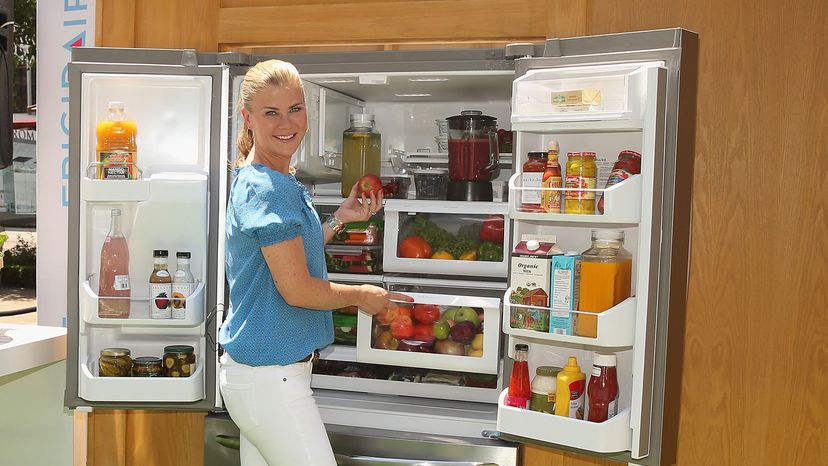
Fridge Organization 101: A Shelf by Shelf Guide
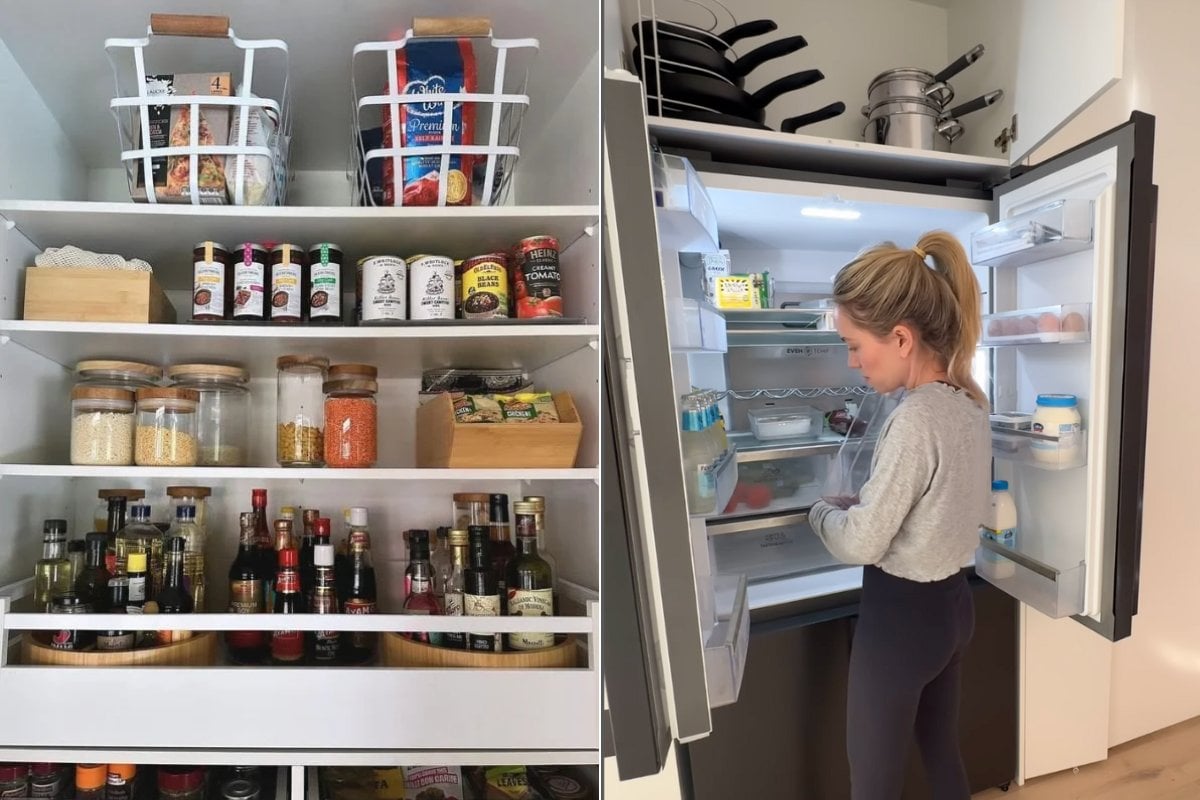
Effective refrigerator organization is crucial for maintaining food safety and freshness, preventing premature spoilage, and ensuring a user-friendly appliance. Understanding that a refrigerator's temperature is not uniform across all compartments is the first step toward optimal organization. Temperatures typically range from 40 to 140 degrees Fahrenheit (4.4 to 60 degrees Celsius), with refrigerators ideally set at or below 38 degrees Fahrenheit (3 degrees Celsius) to inhibit bacterial growth. If a refrigerator lacks a clear temperature display, using a freestanding thermometer is recommended to confirm safe operating temperatures.
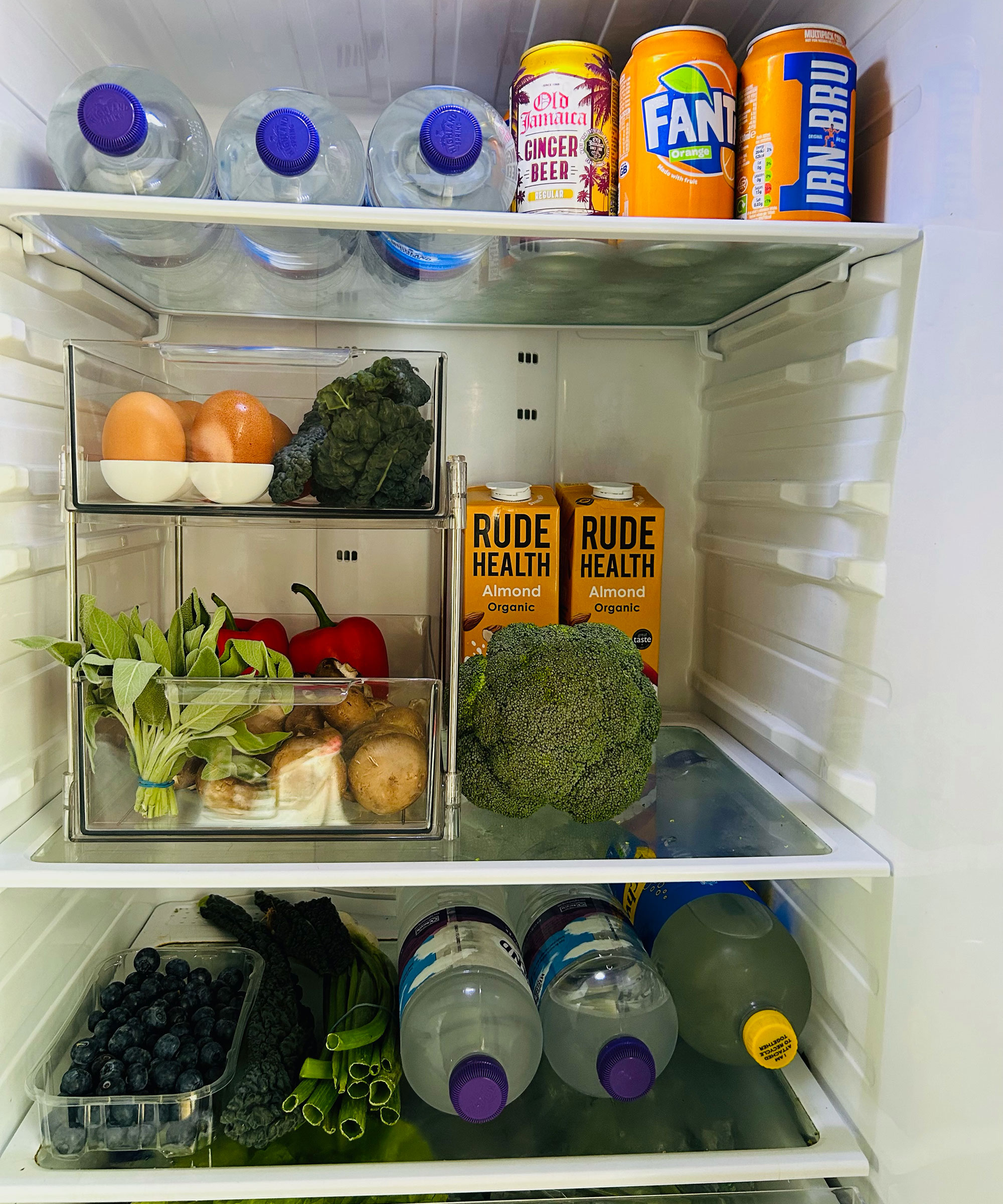
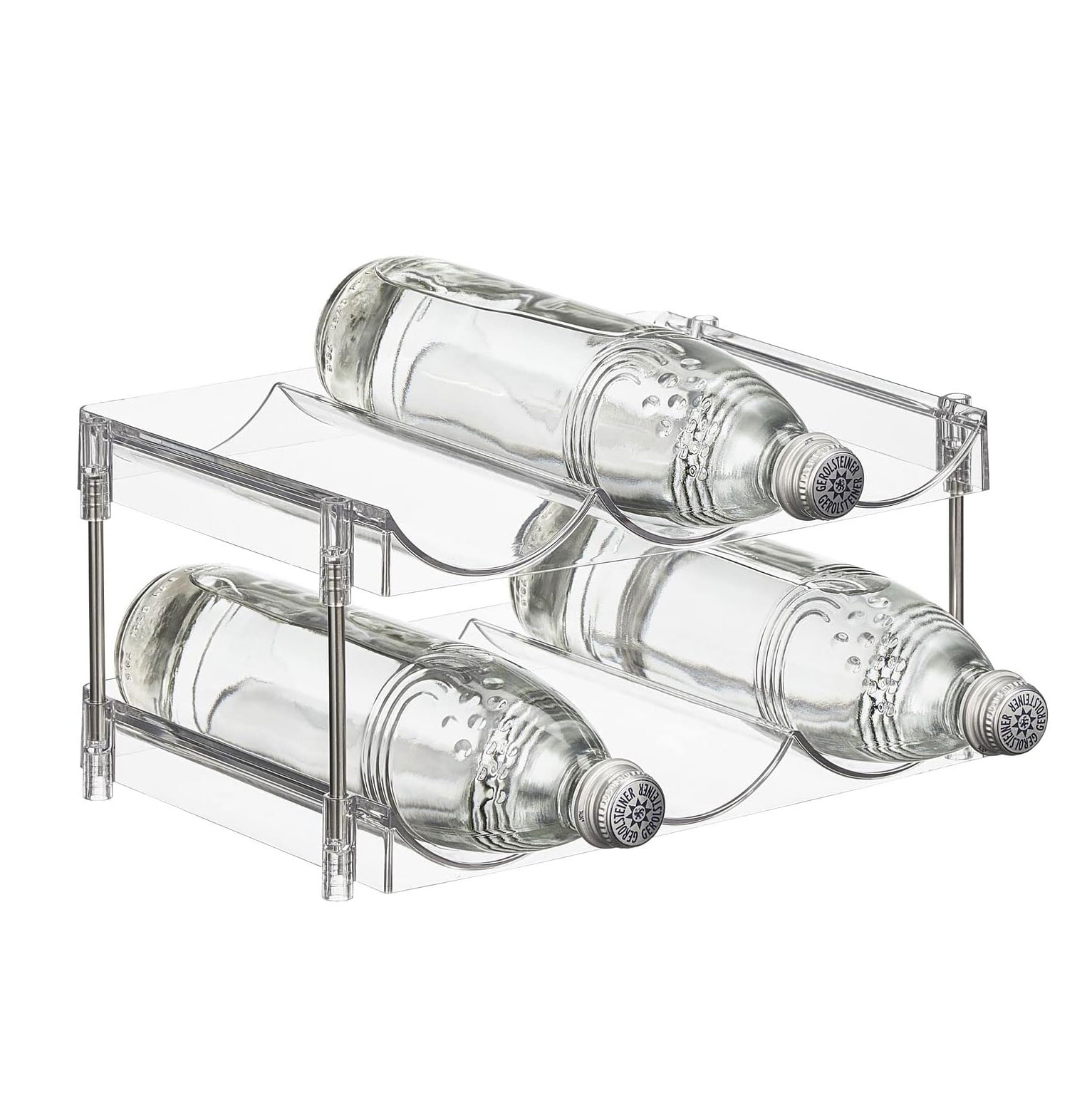
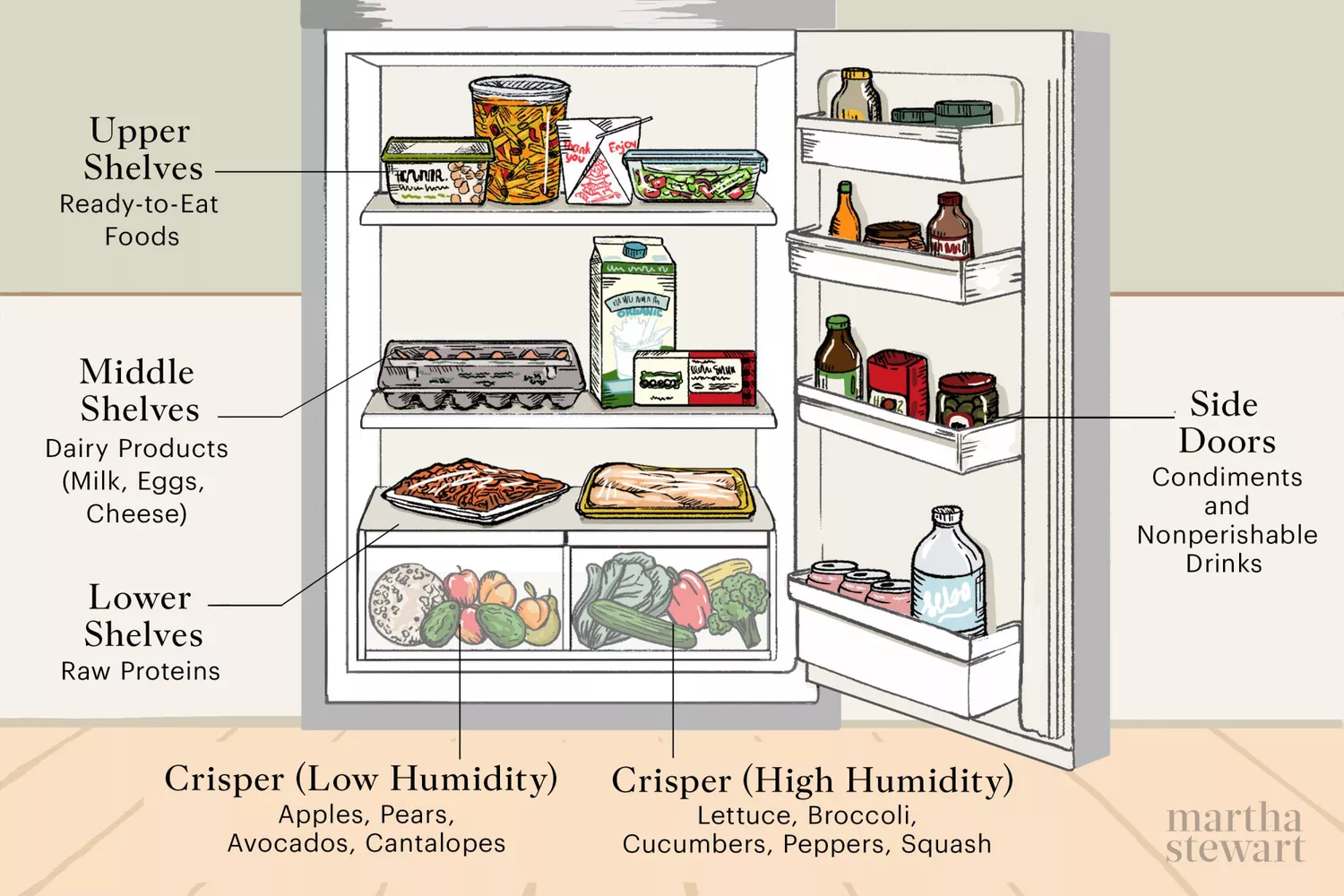
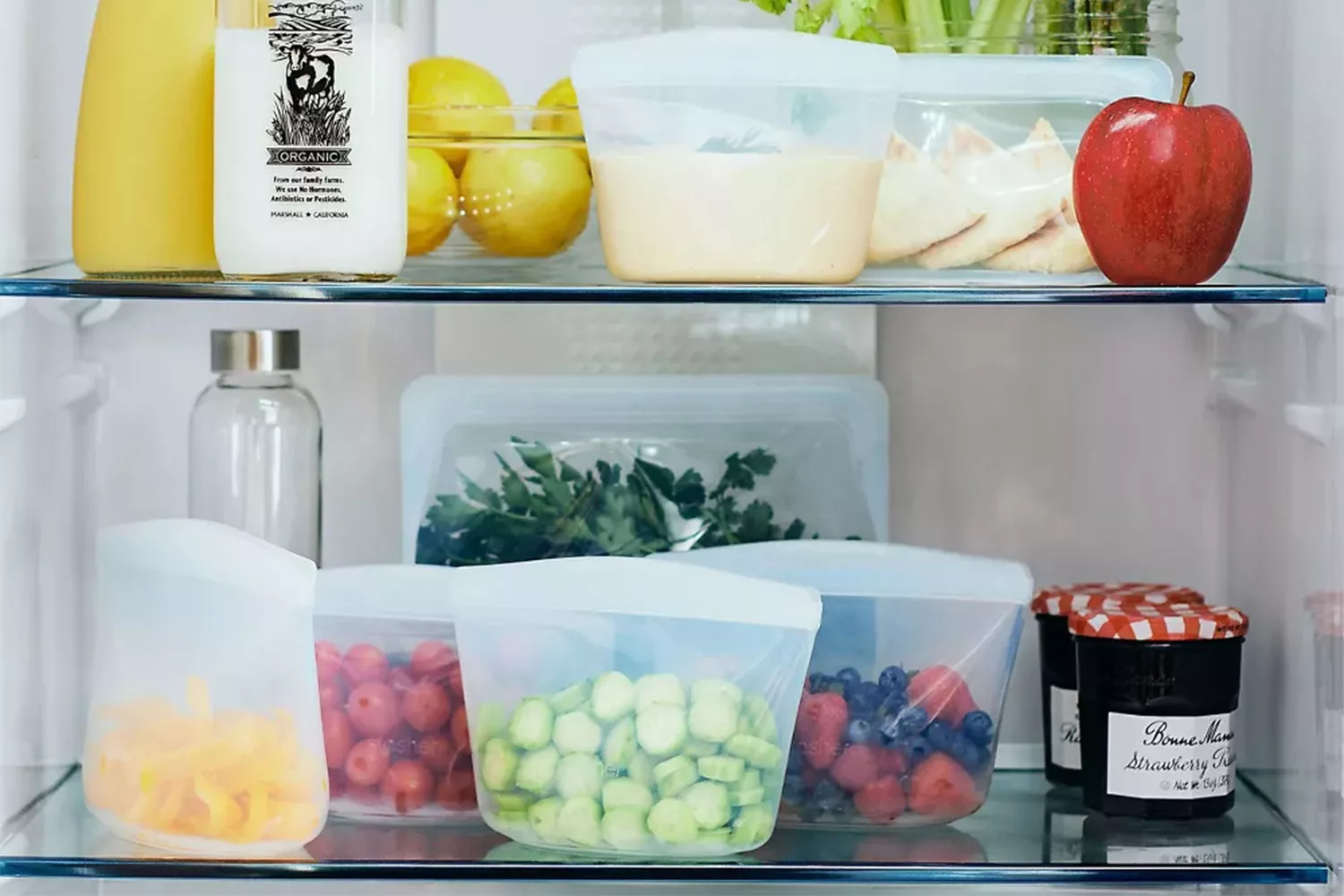
The refrigerator door, while convenient, experiences the most temperature fluctuations. Therefore, it is best suited for items high in preservatives, such as condiments, salsas, and salad dressings. Pasteurized orange juice, soda, and wine bottles can also be stored here without concern. Perishable foods like eggs and dairy products should be avoided in door compartments due to inconsistent temperatures.
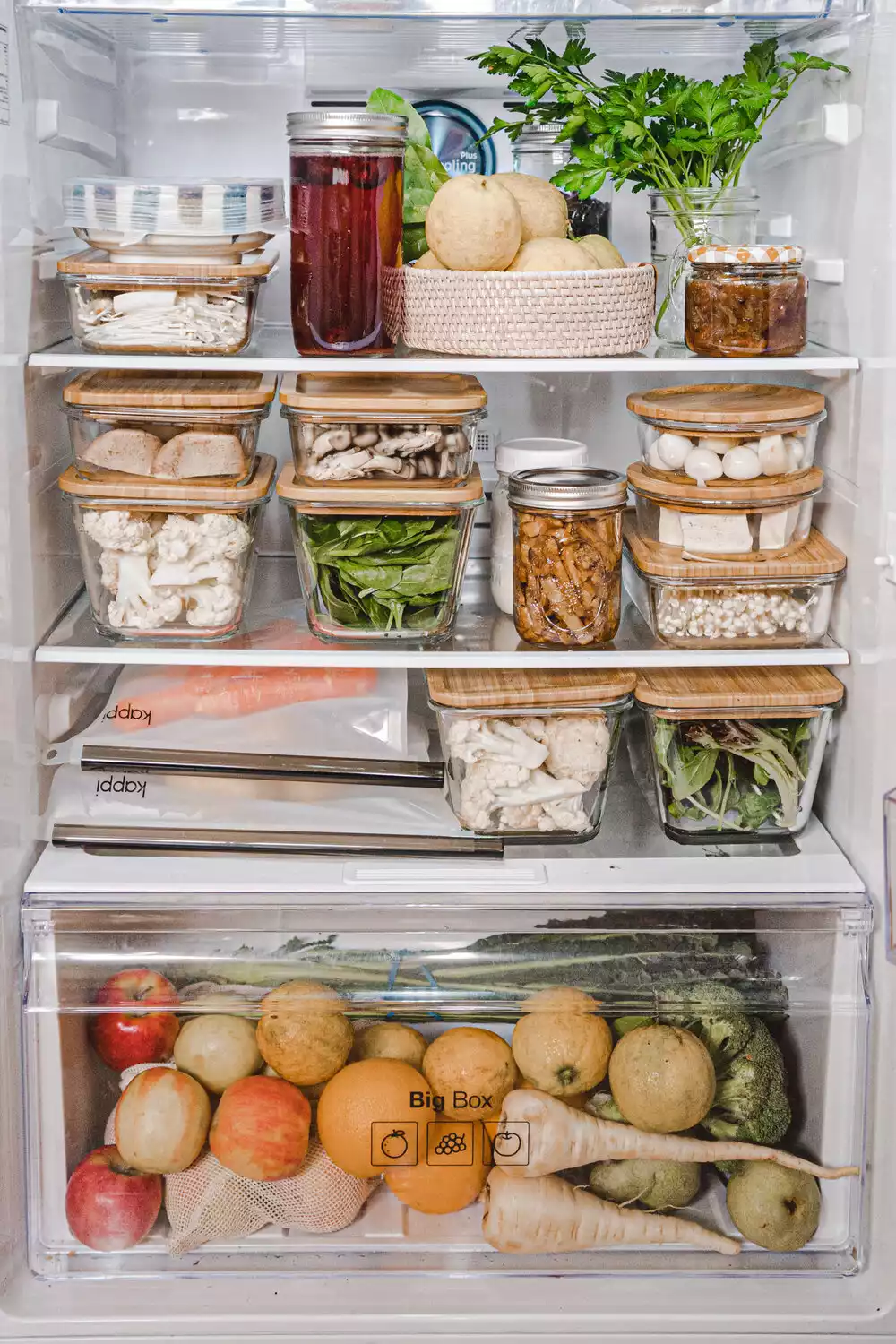
On the top shelves, where temperatures are slightly warmer than the bottom, ready-to-eat foods and cooked leftovers are best stored. This placement prevents potential contamination from raw meats or other drippy products, which could cause foodborne illnesses. Examples of suitable items for the top shelf include salad dressings, pickles, butter, margarine, and nut oils.
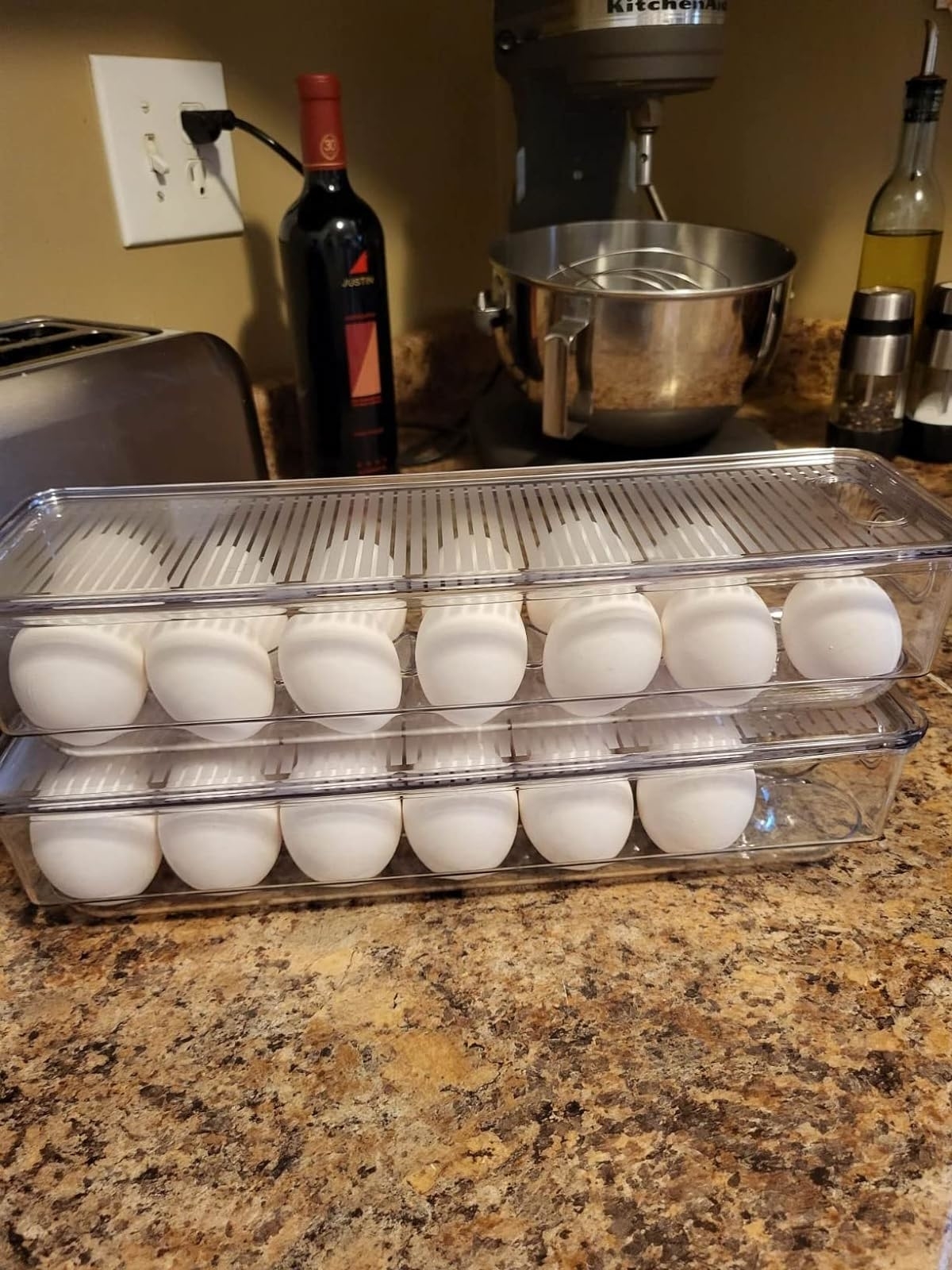
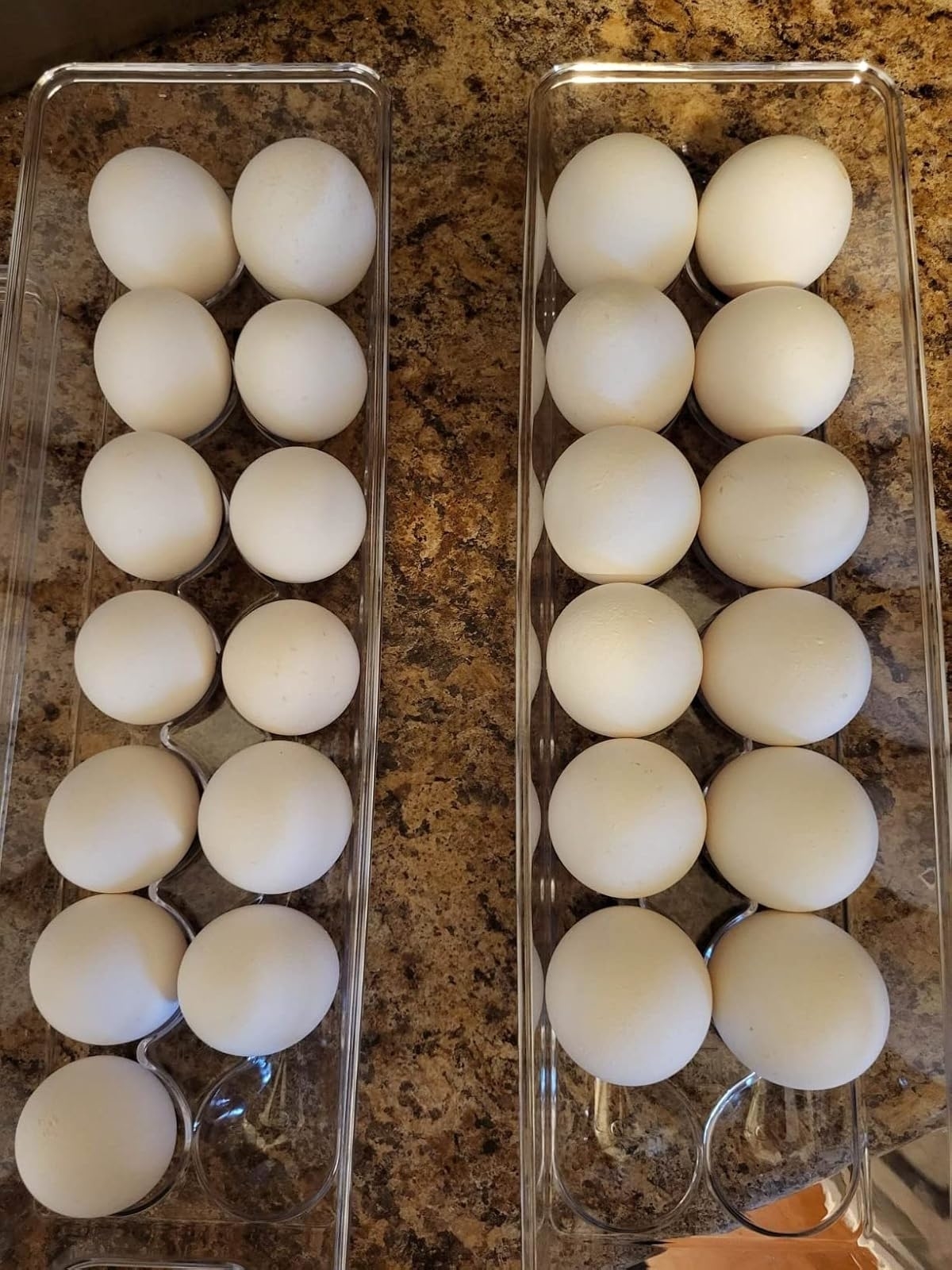
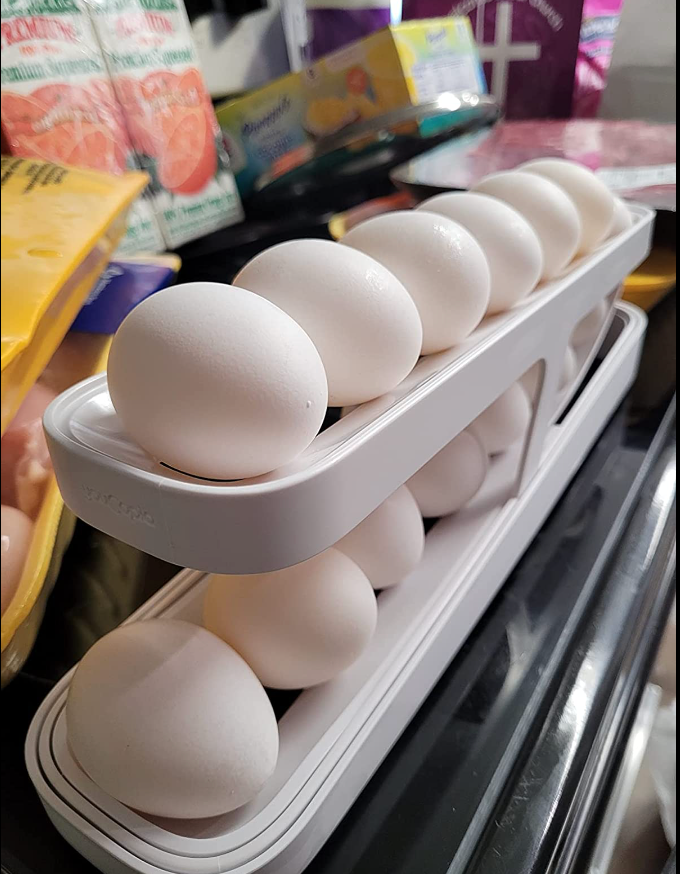
The middle shelves offer the most consistent temperature control within the refrigerator. This area is ideal for storing eggs and prepared foods that couldn't fit on the top shelf. Fruits that do not require drawer storage can also be placed here.
The coldest part of the refrigerator is typically the back of the bottom shelf. This area is optimal for highly perishable dairy products such as milk, cottage cheese, yogurt, and sour cream, helping them stay edible longer. However, foods with high water content, like certain fruits and vegetables, should not be stored here, as they risk freezing and being ruined.
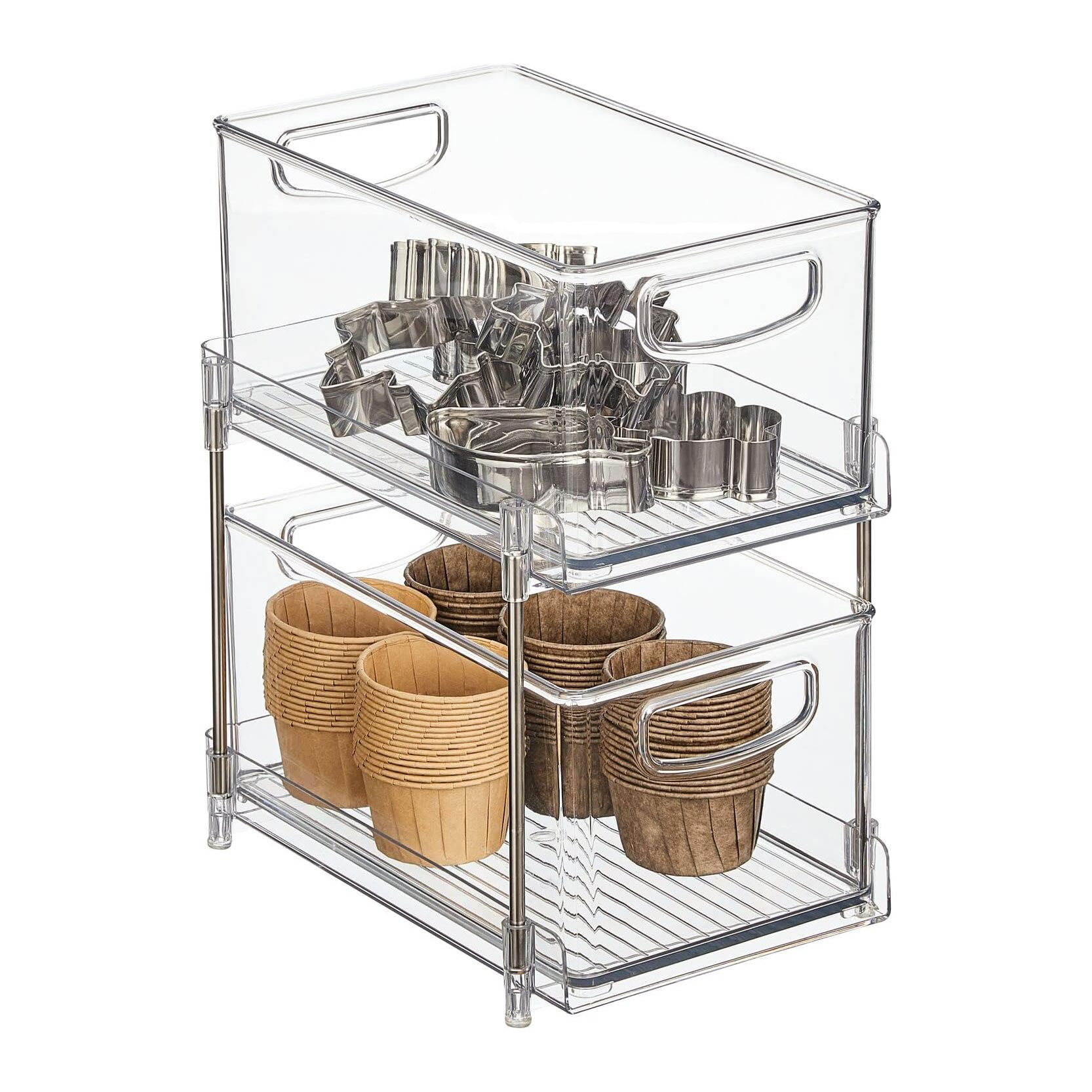
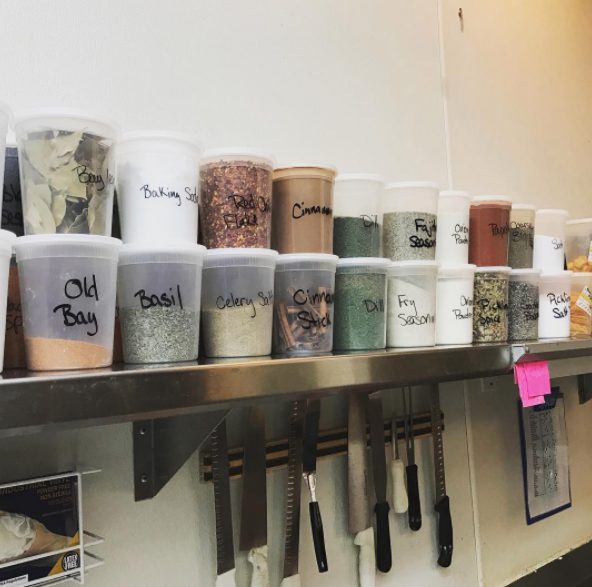
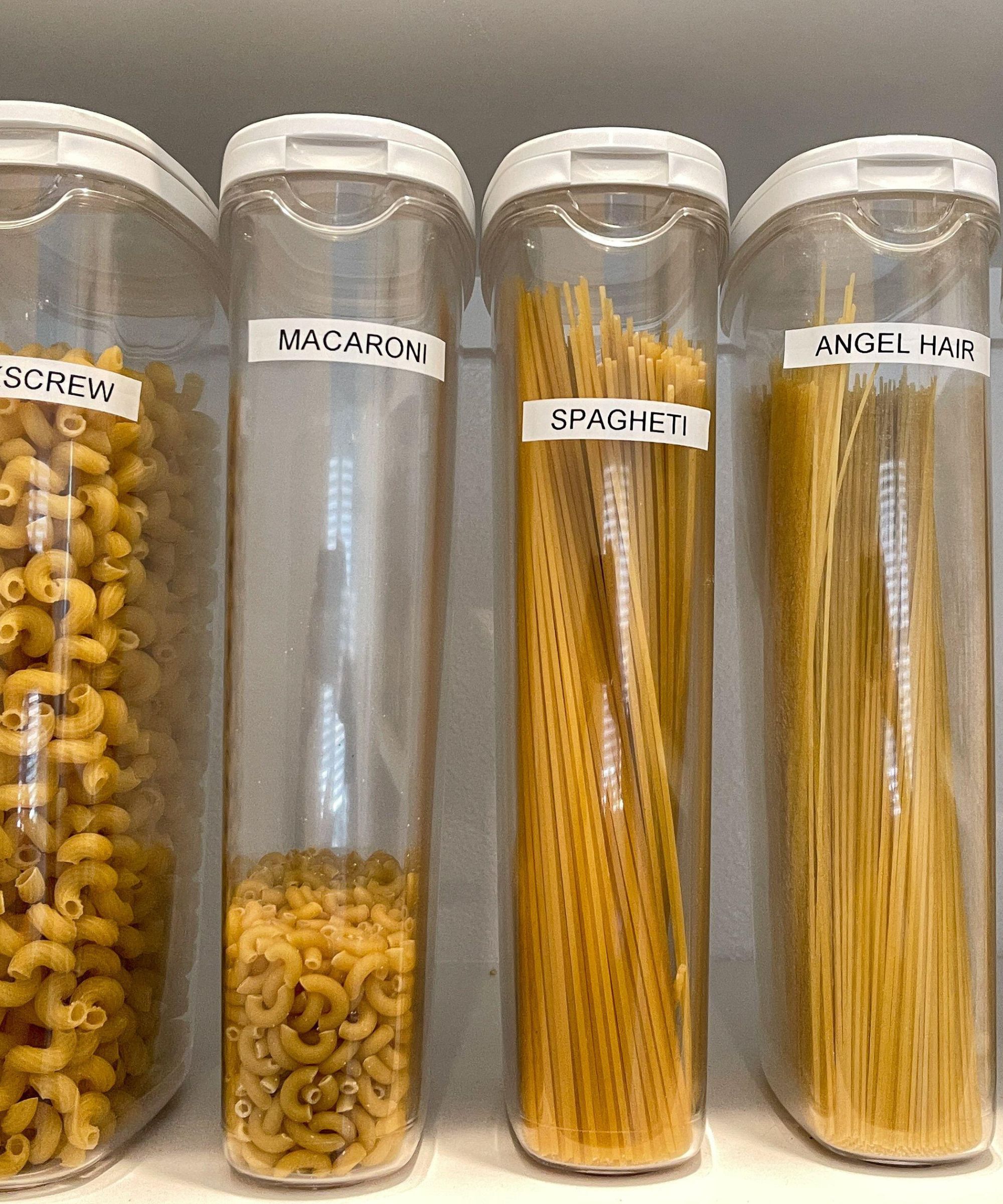
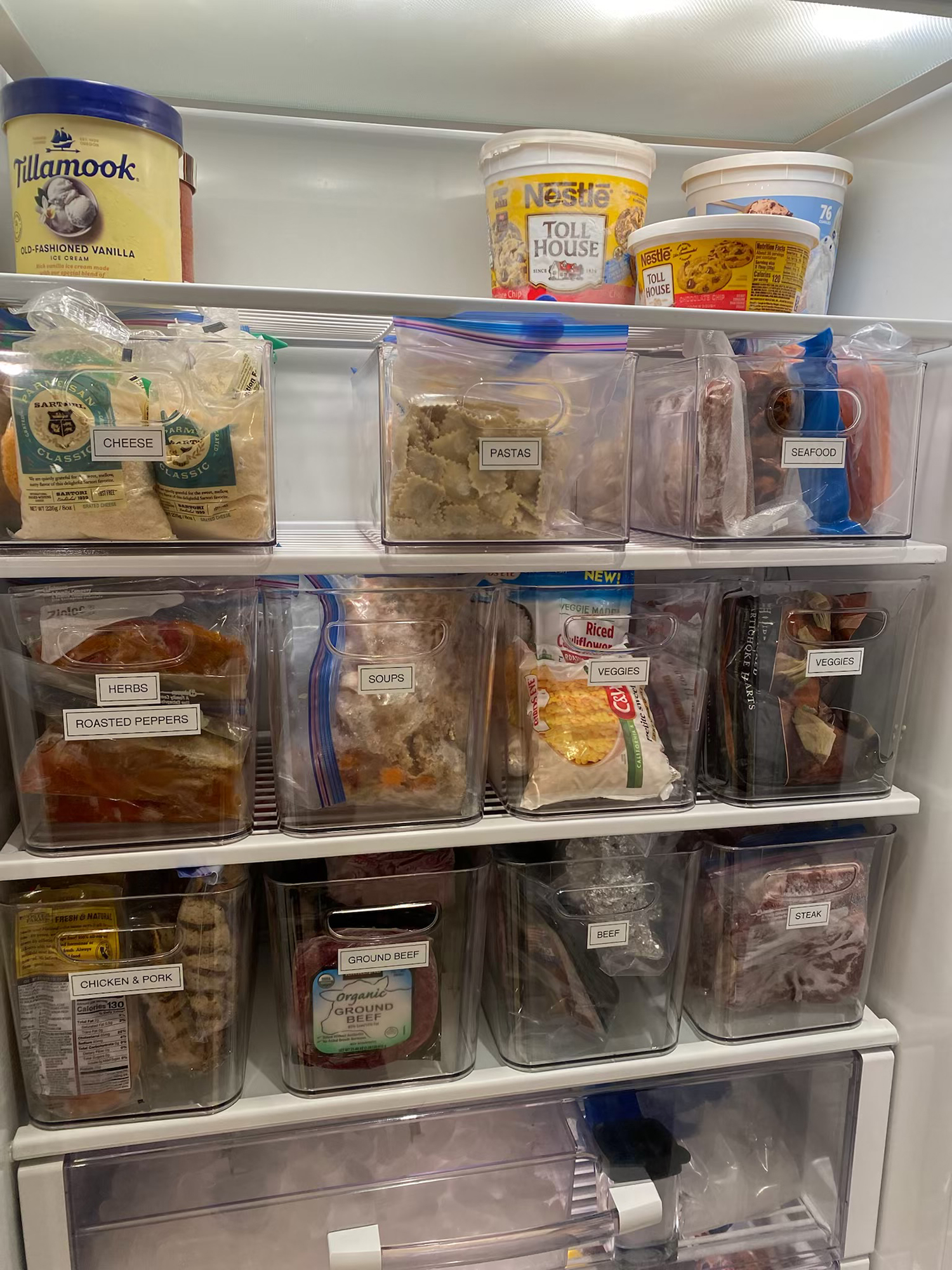
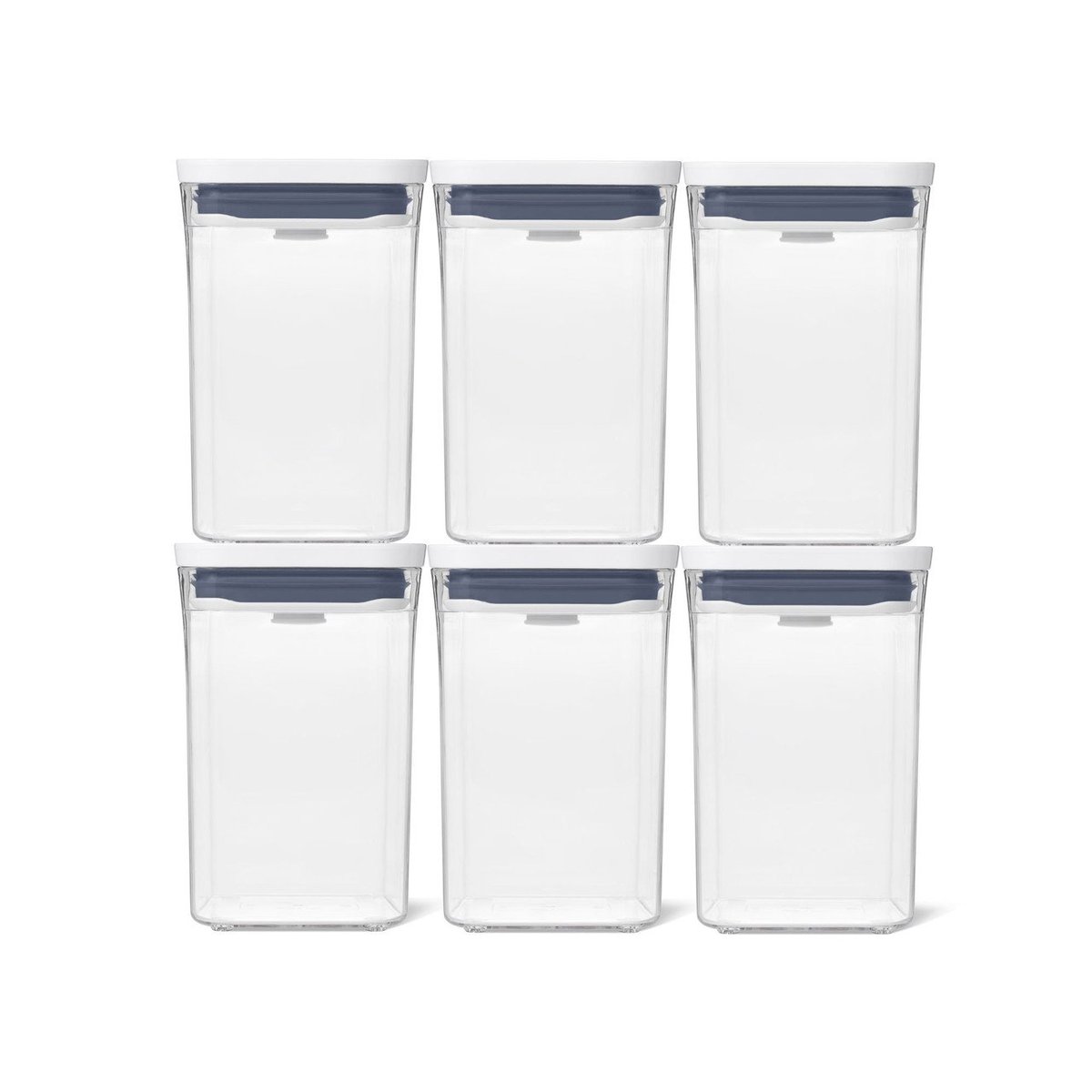
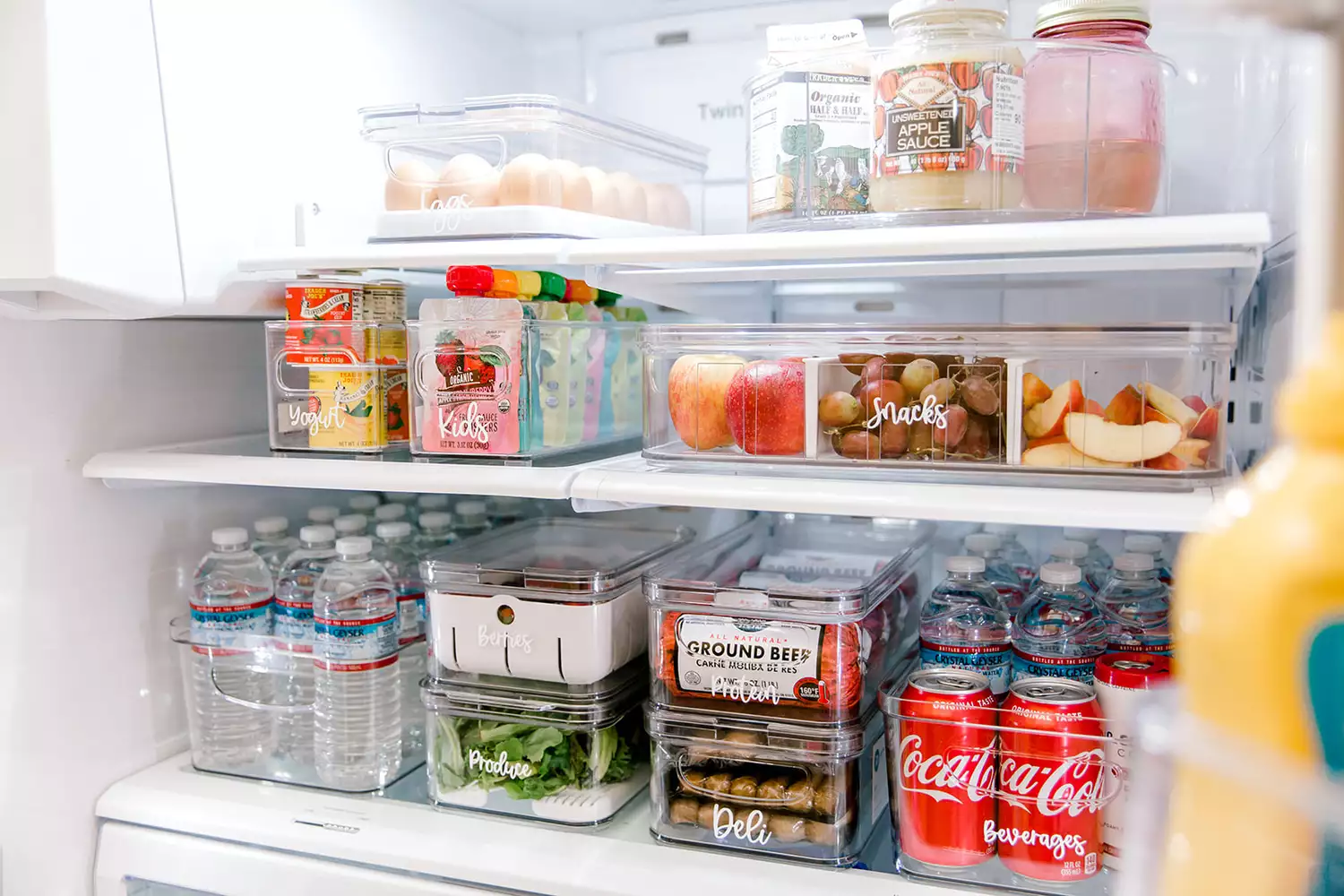
Beyond strategic placement, several general tips can further enhance fridge organization. Creating distinct zones within the refrigerator ensures items are stored correctly and accessible. Using clear, labeled storage containers with dates helps track contents and expiration, reducing guesswork. Placing an open box of baking soda in the fridge effectively absorbs odors and maintains freshness. Prioritizing easy access for frequently used items makes the refrigerator more convenient and easier to keep clean. Finally, immediate refrigeration of hot leftovers in covered, sealed containers, potentially subdivided into smaller portions for large quantities, is vital to prevent bacterial growth.
#FridgeOrganization #FoodSafety #RefrigeratorTips #KitchenAppliances #FoodStorage #HomeOrganization #TemperatureControl #FridgeOrganization #FoodSafety #RefrigeratorTips #KitchenAppliances #FoodStorage #HomeOrganization #TemperatureControl
0 comment in total
 No comments yet
You may also like
5 Glass Fridge Door Organization Lessons From Kris Jenner

Finally, An Expert Guide on How to Organize Your Kitchen Cabinets

Pros warn never to keep these 8 things in your pantry

18 Refrigerator Organization Ideas You Have to Try


I rate this Nate Berkus fridge organizer five stars for its ability to control the chaos in my home – it's simply the best
16 Kitchen Organization Tricks I Learned Working In Restaurants

24 Genius Fridge Organization Ideas That Simplify Your Kitchen and Maximize Space


'I asked an expert to help me organise my pantry and the advice was game-changing.'
27 Food Storage Organizers So Good, You’ll Think Your Kitchen Had A Reality Show Makeover
Your Section-by-Section Guide to Storing Foods in the Fridge, From the Upper Shelves to the Crisper Drawers
The Best Advice I Got from 2 Pro Organizers About the Smartest Way to Organize a Pantry

This Is the Home Edit’s Guide to Organizing Your Kitchen in 2020
How to organize your fridge, with tips from chefs

Pantry design tips: how to organise your kitchen storage

How to (Finally) Manage All of the Expiration Dates in Your Kitchen
How to organize a pantry: 23 expert tips and design ideas

Top tips for organising a pantry – all the expert advice and tricks you need
7 types of storage you should never use in a pantry – they'll make utilizing this space well 10 times harder, pros say
The Anti-Spring Cleaning Guide: How to Keep an Organized Pantry All Year
Our 10 Favorite Fridge Organizers to Maximize Storage Space and Keep Produce Fresh for Longer