1/8
Don’t Skip These 6 Tasks When Organizing Your Pantry
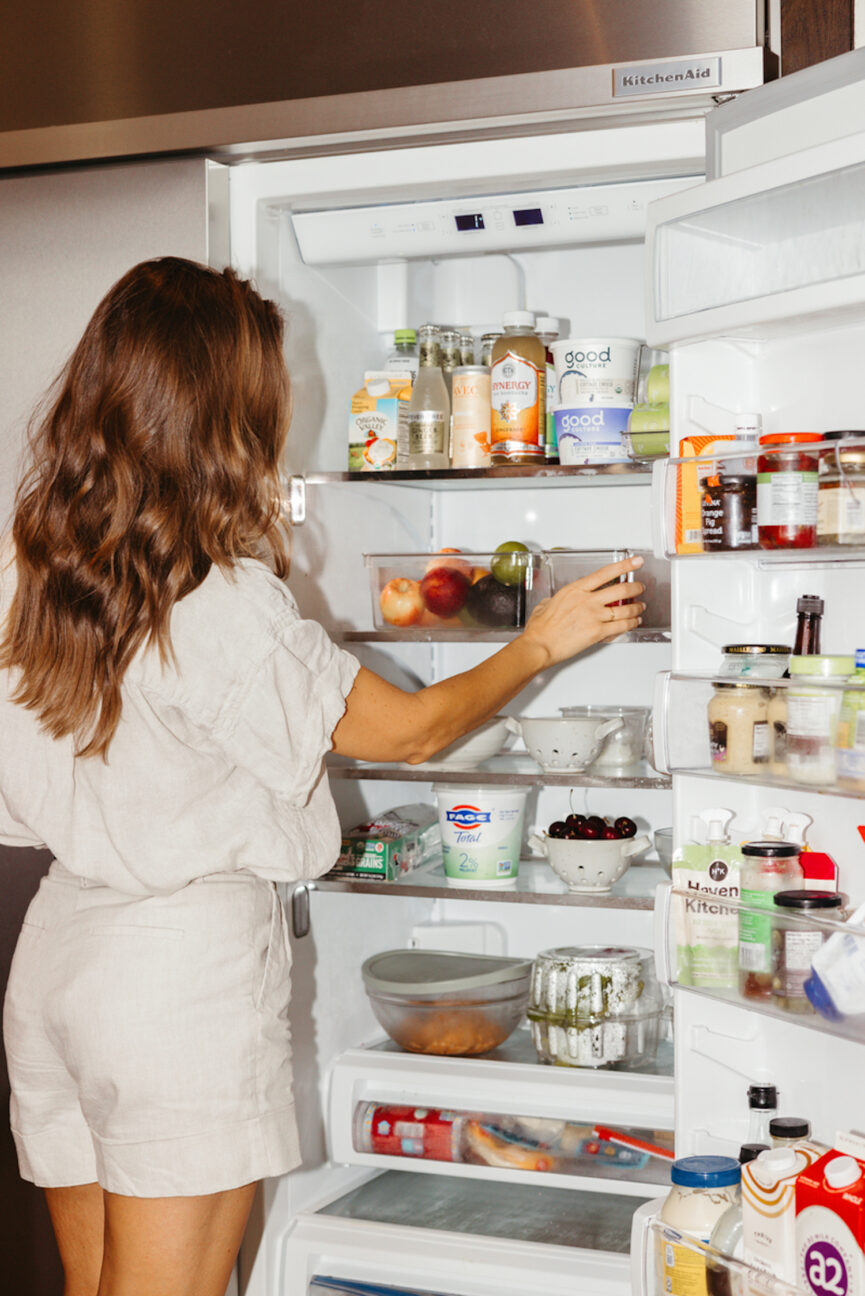
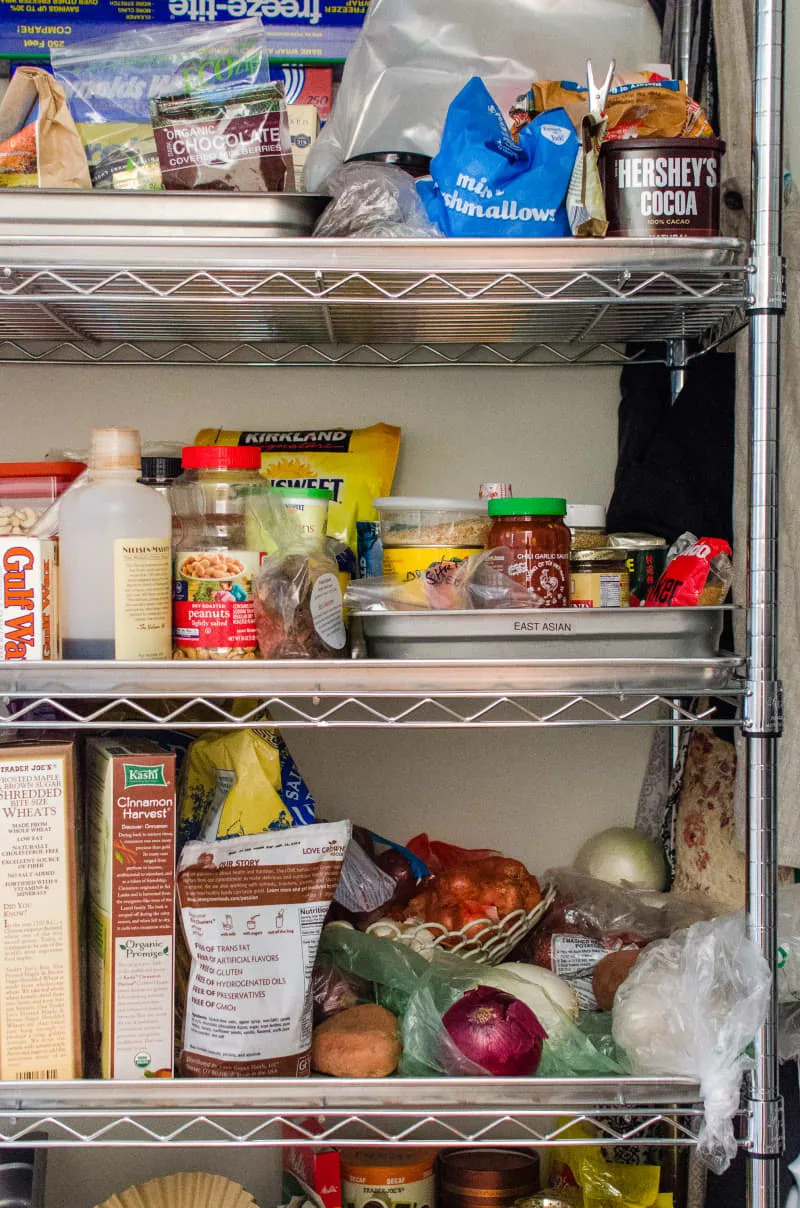
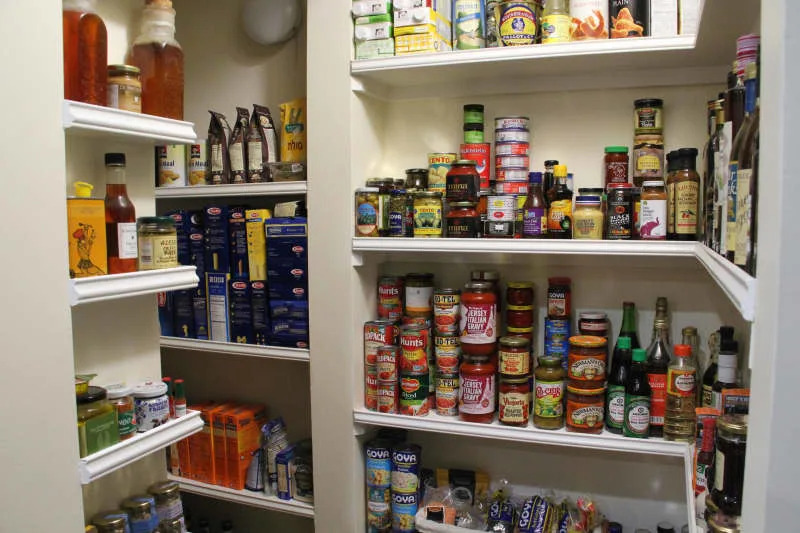
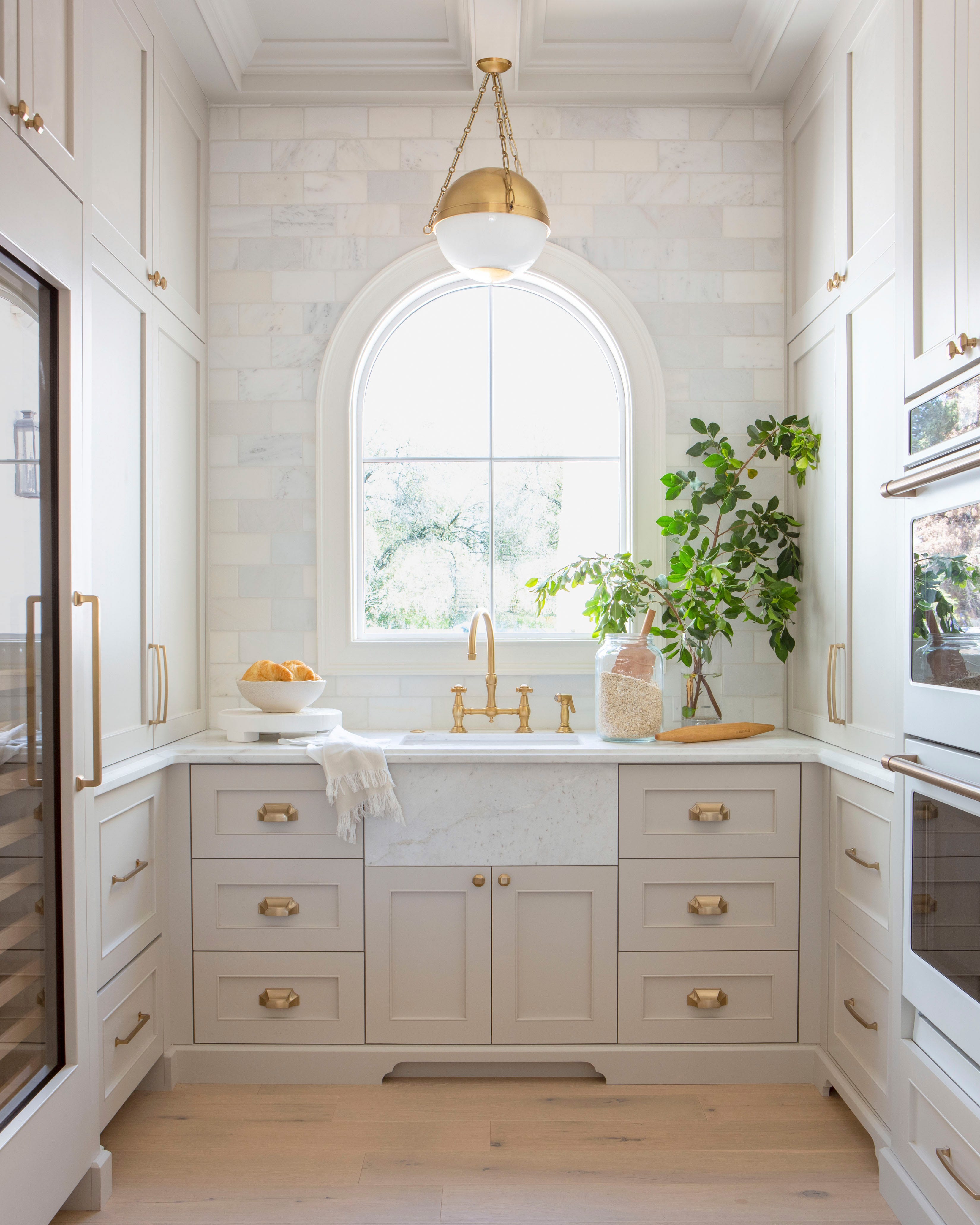
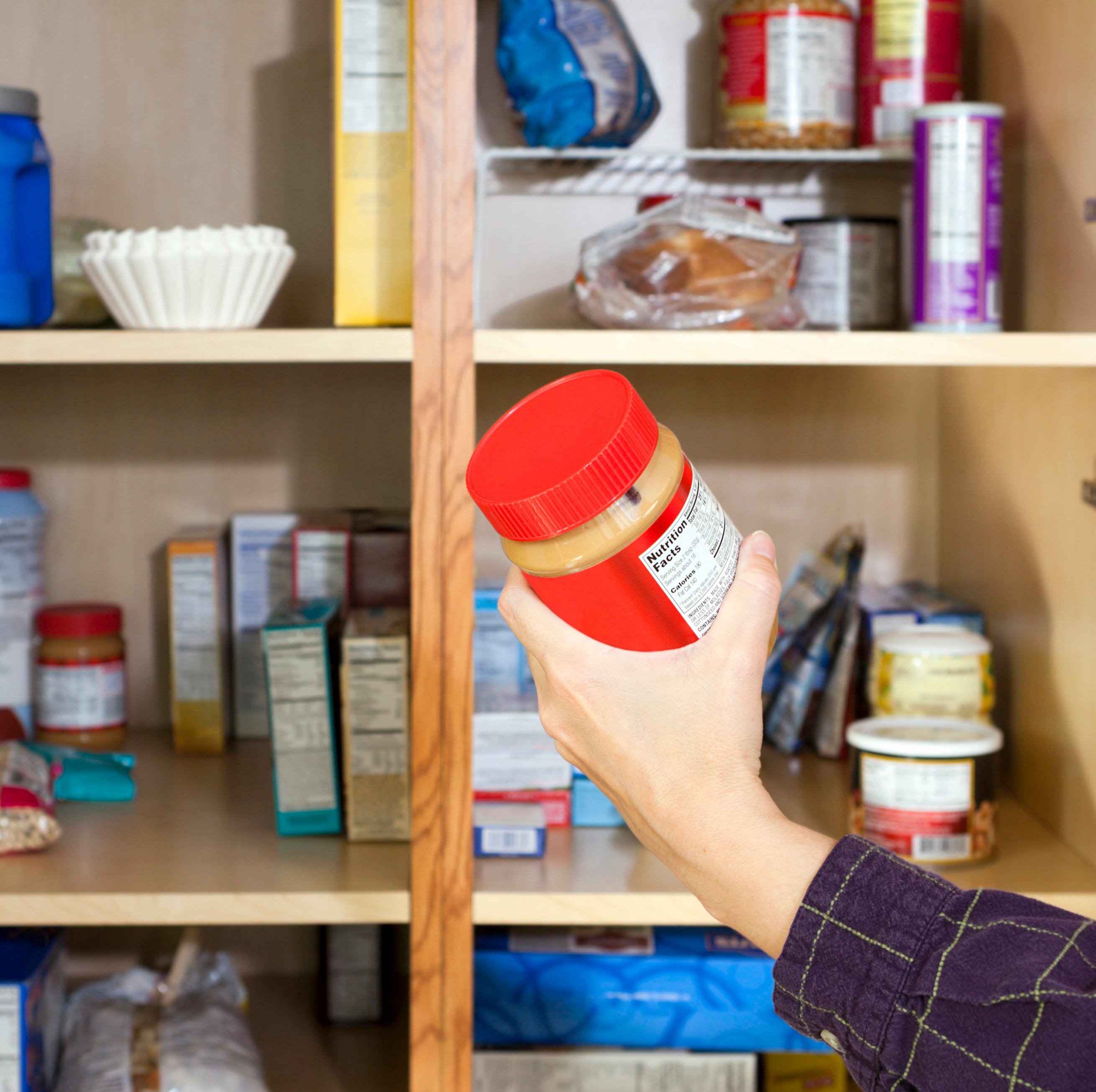
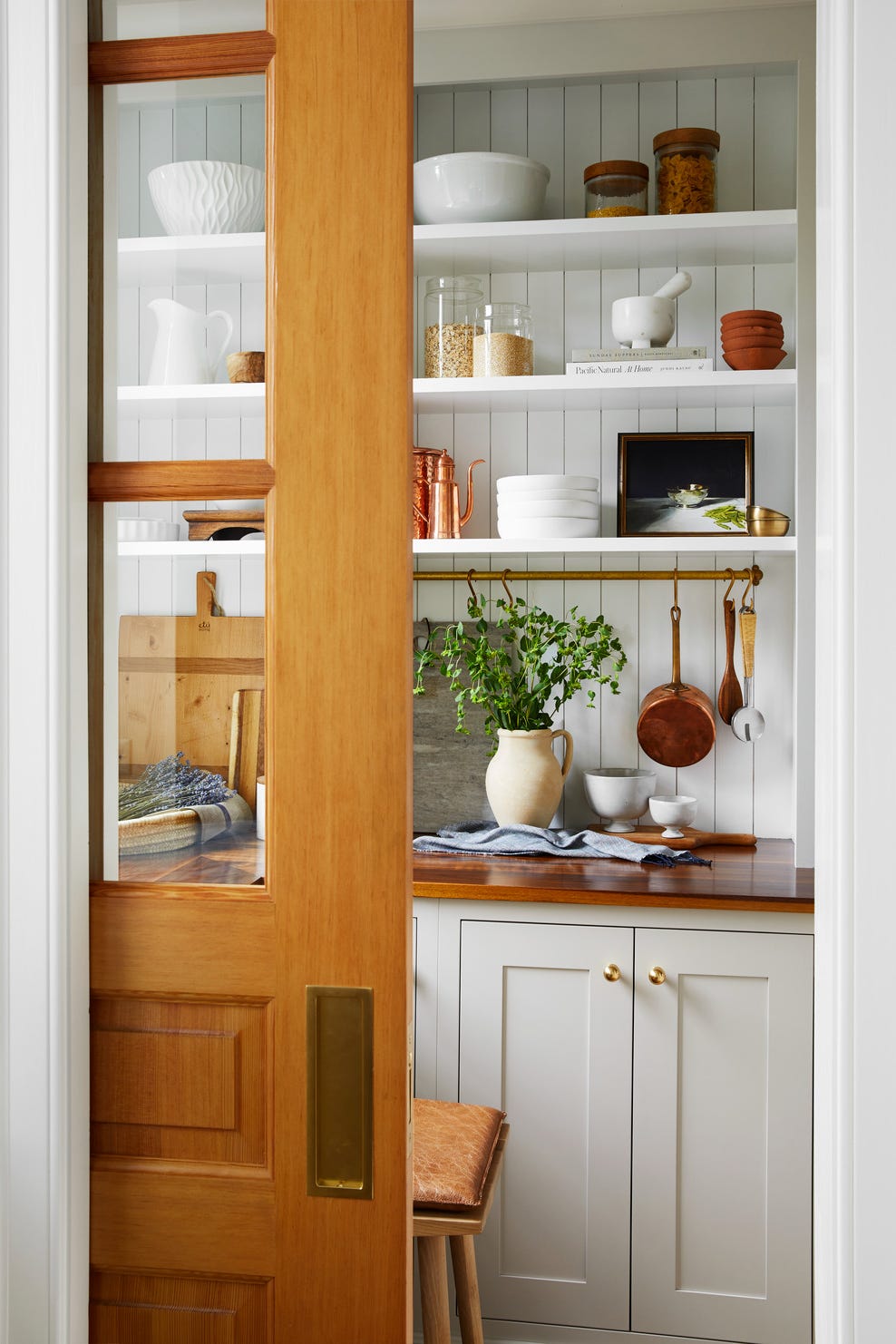
The article offers guidance on organizing a pantry, drawing insights from professional organizers Julie Hovnanian of Hovie Interiors and Amanda Titchenal, founder of Well Organized. It emphasizes that these tips are applicable whether a pantry is large or small. The first step in pantry organization is to initiate a fresh start by completely emptying and cleaning the space. During this process, it is crucial to check expiration dates of all items and assess their usage. Any expired or unused food should be discarded, while unexpired, unwanted food can be donated.
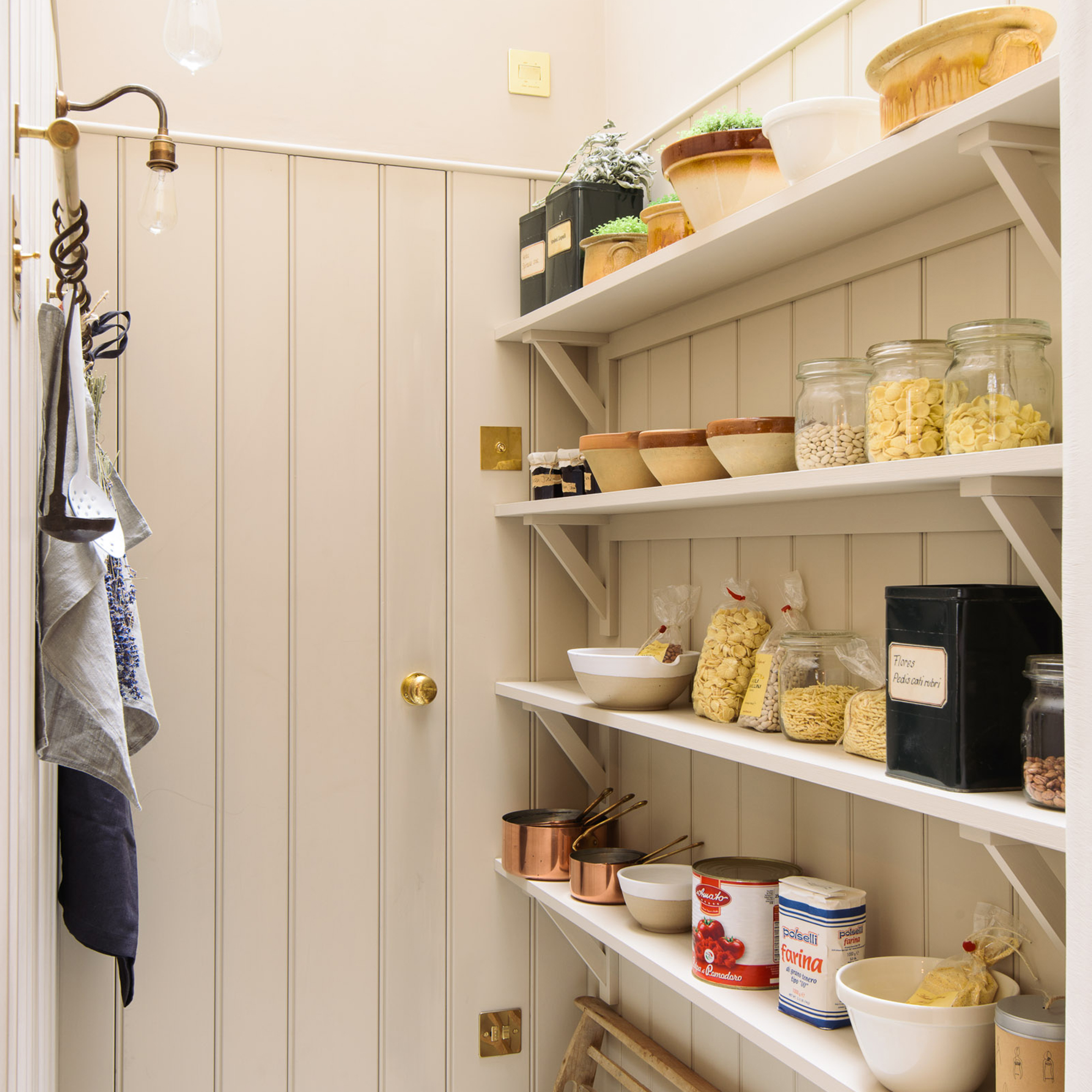
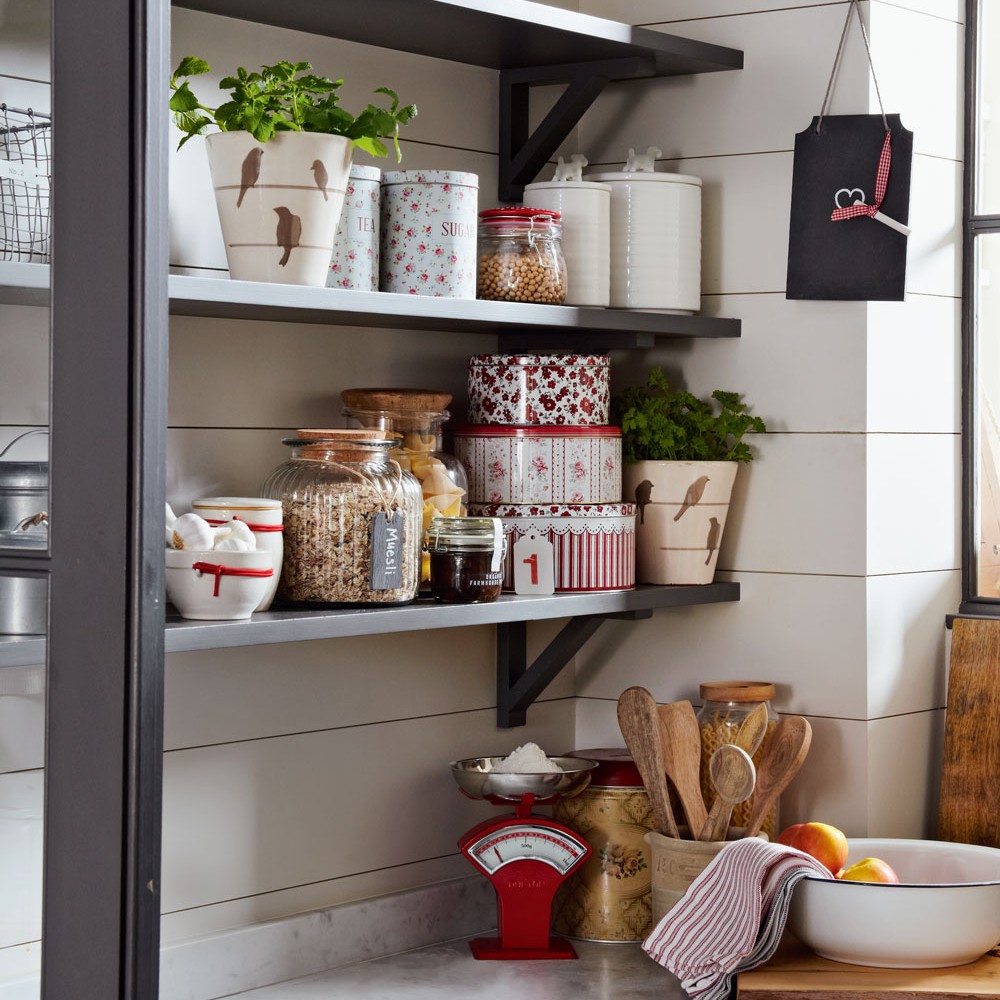
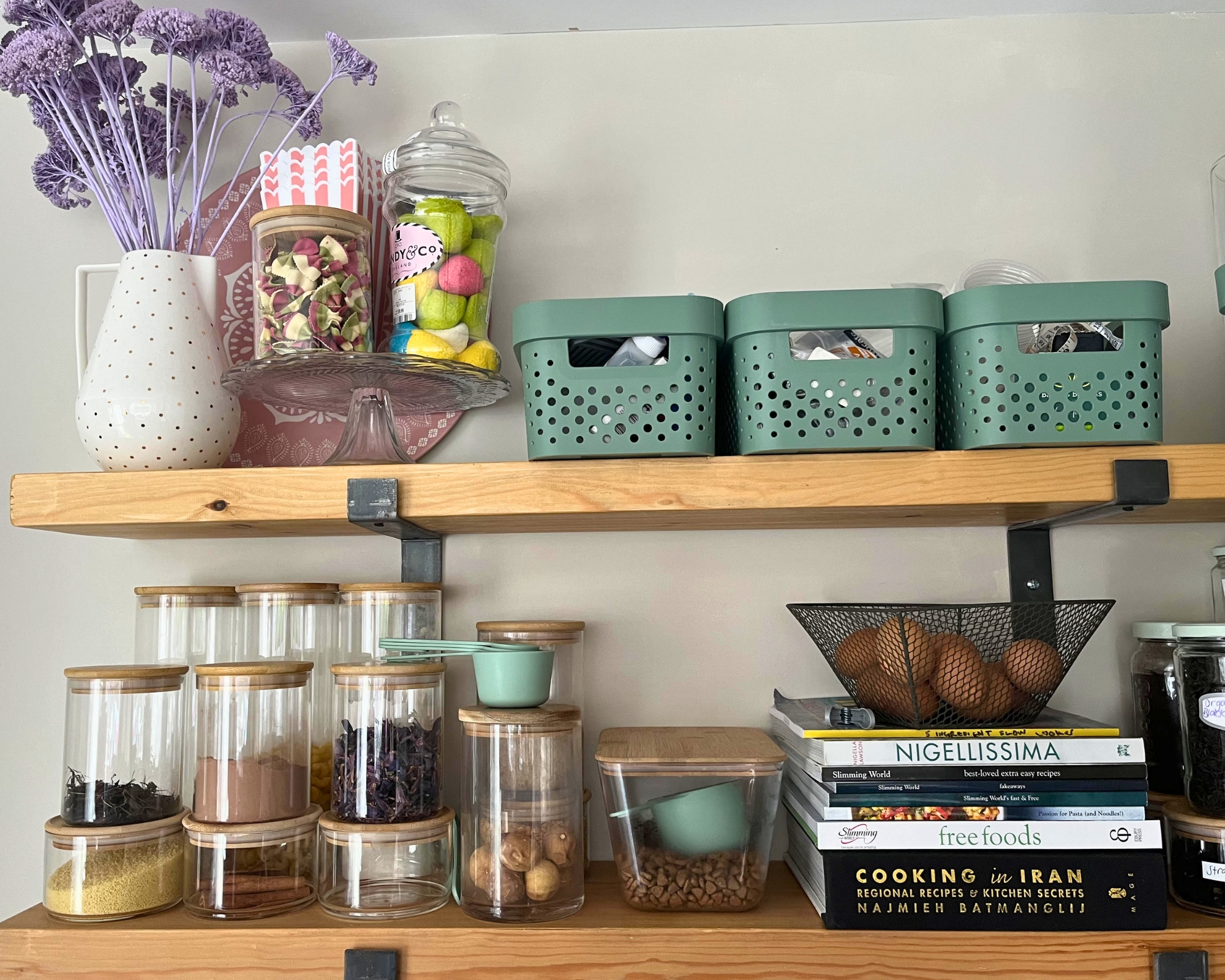
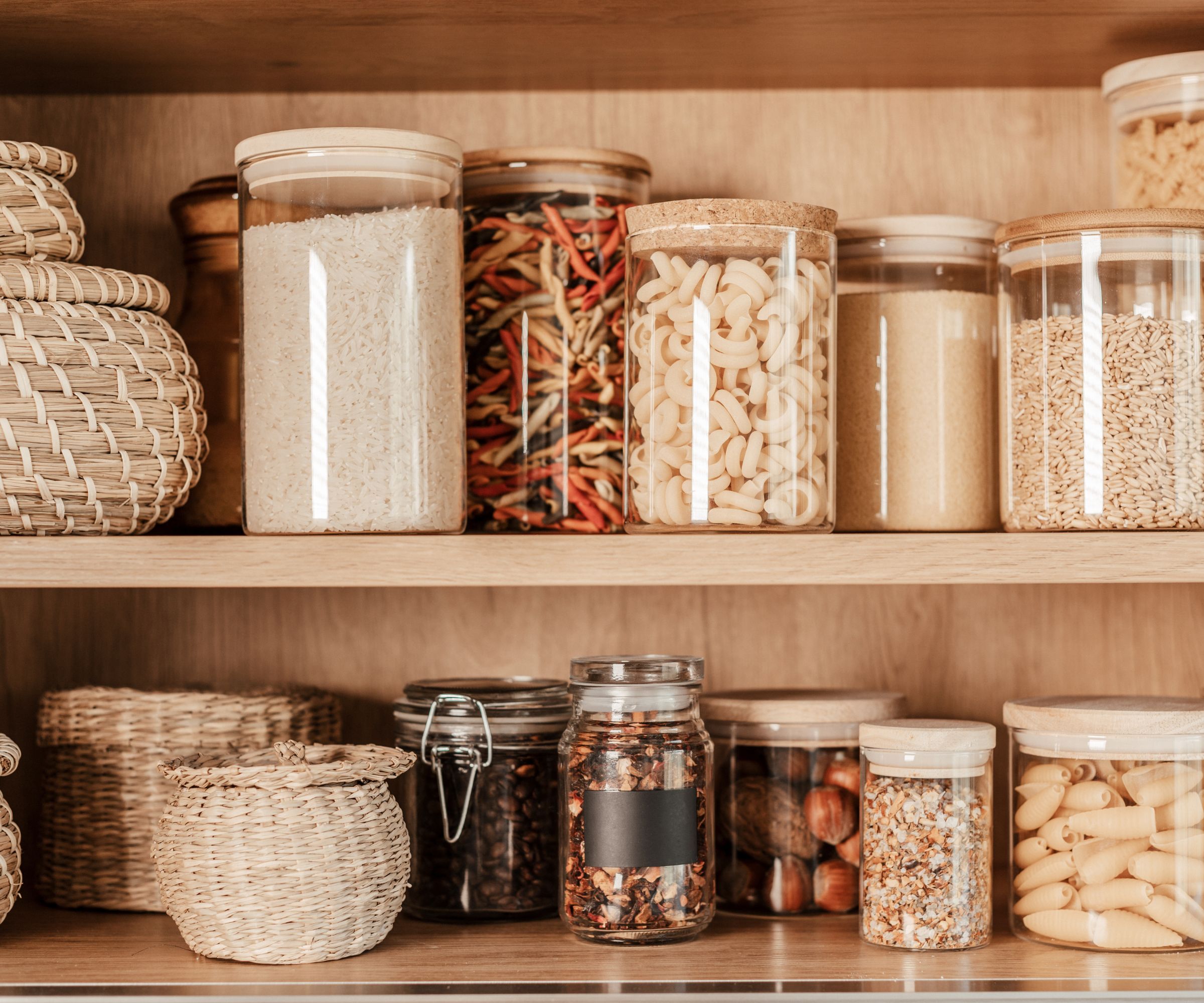
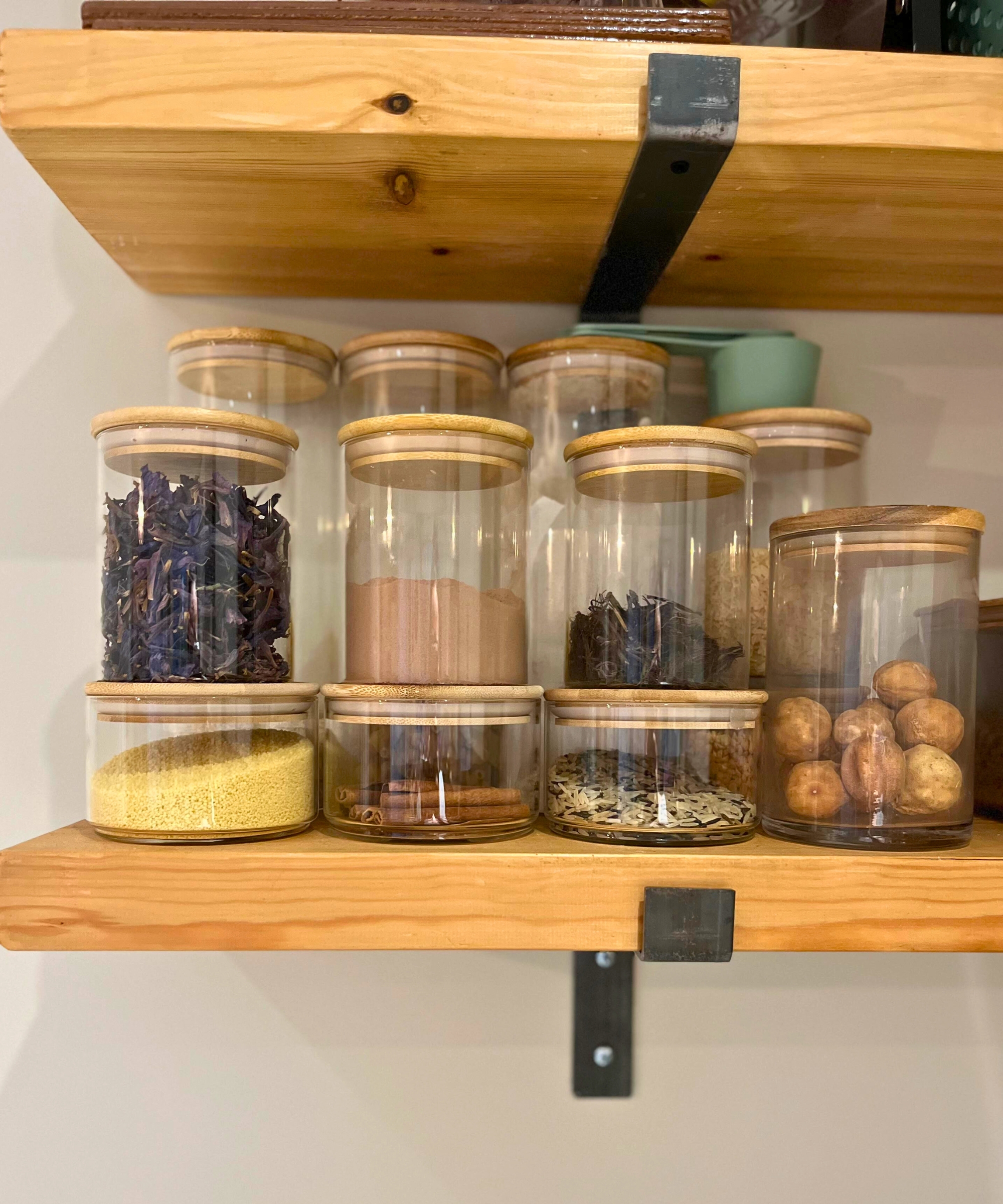
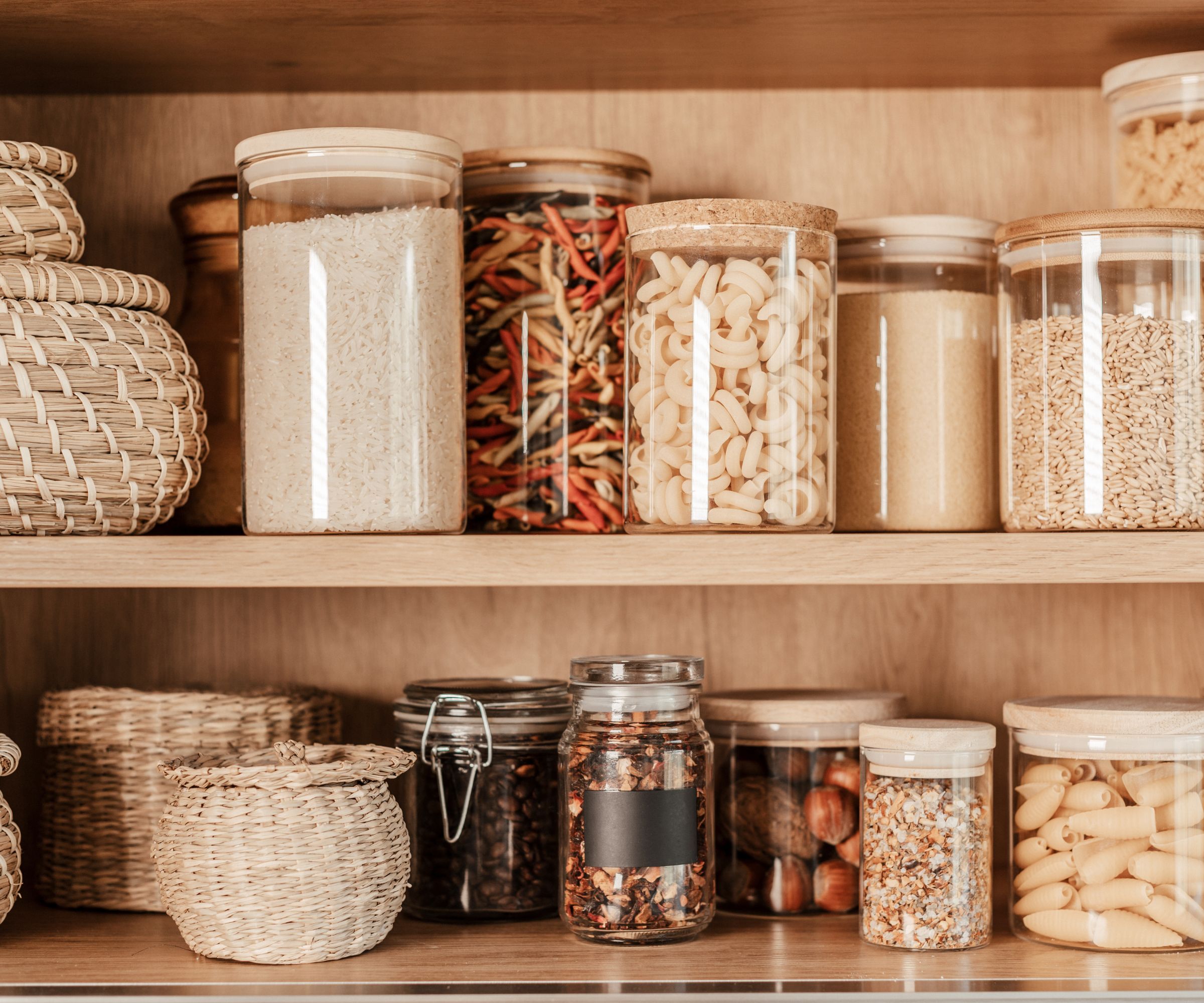
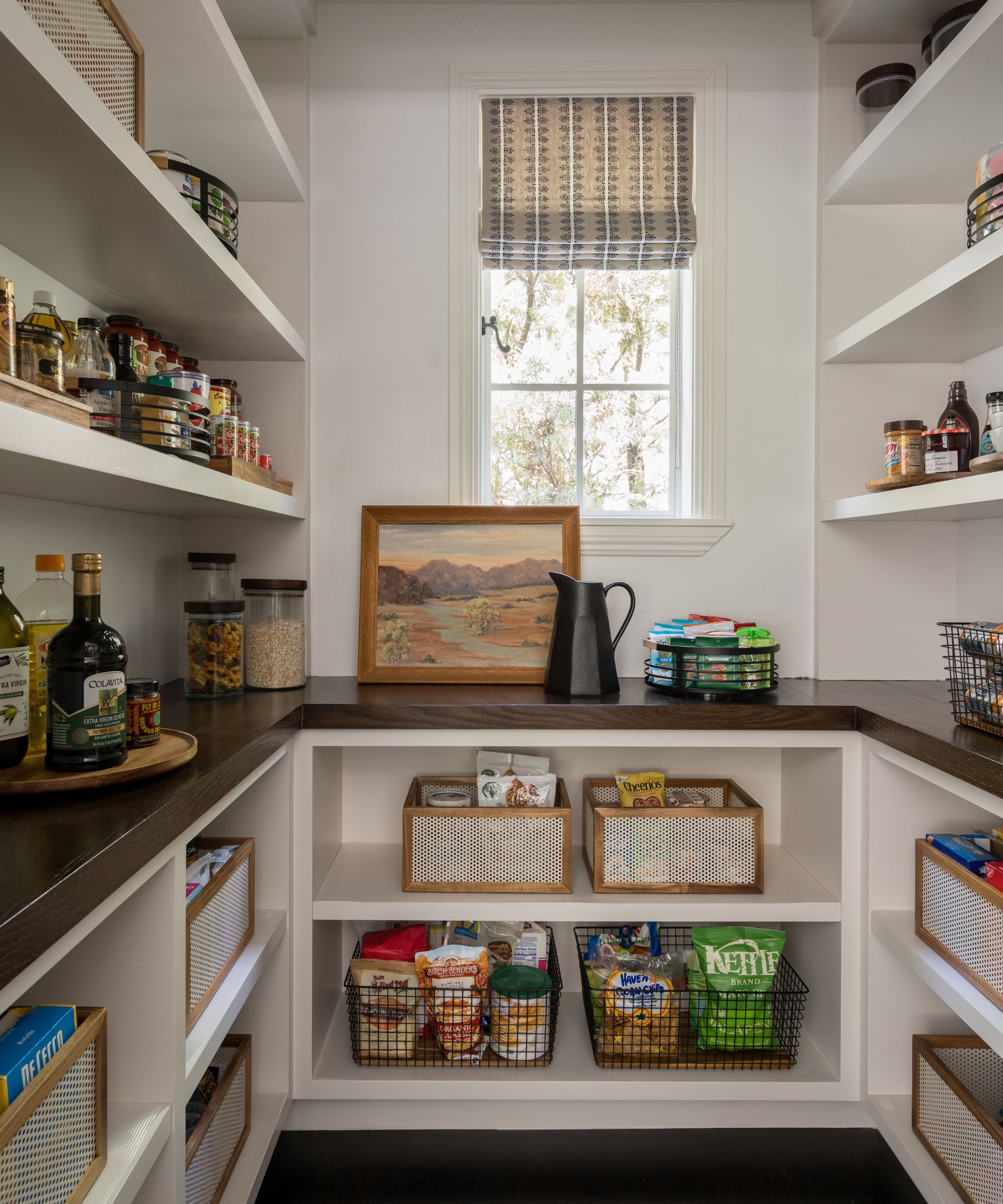
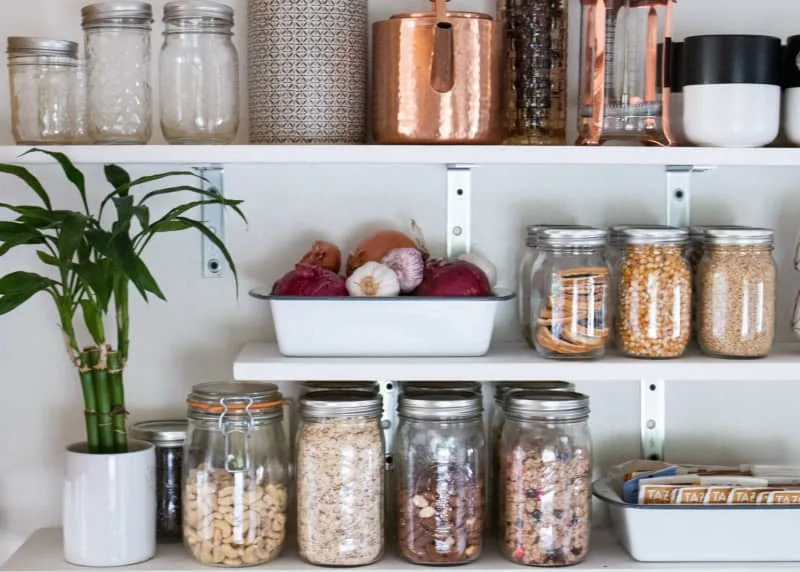
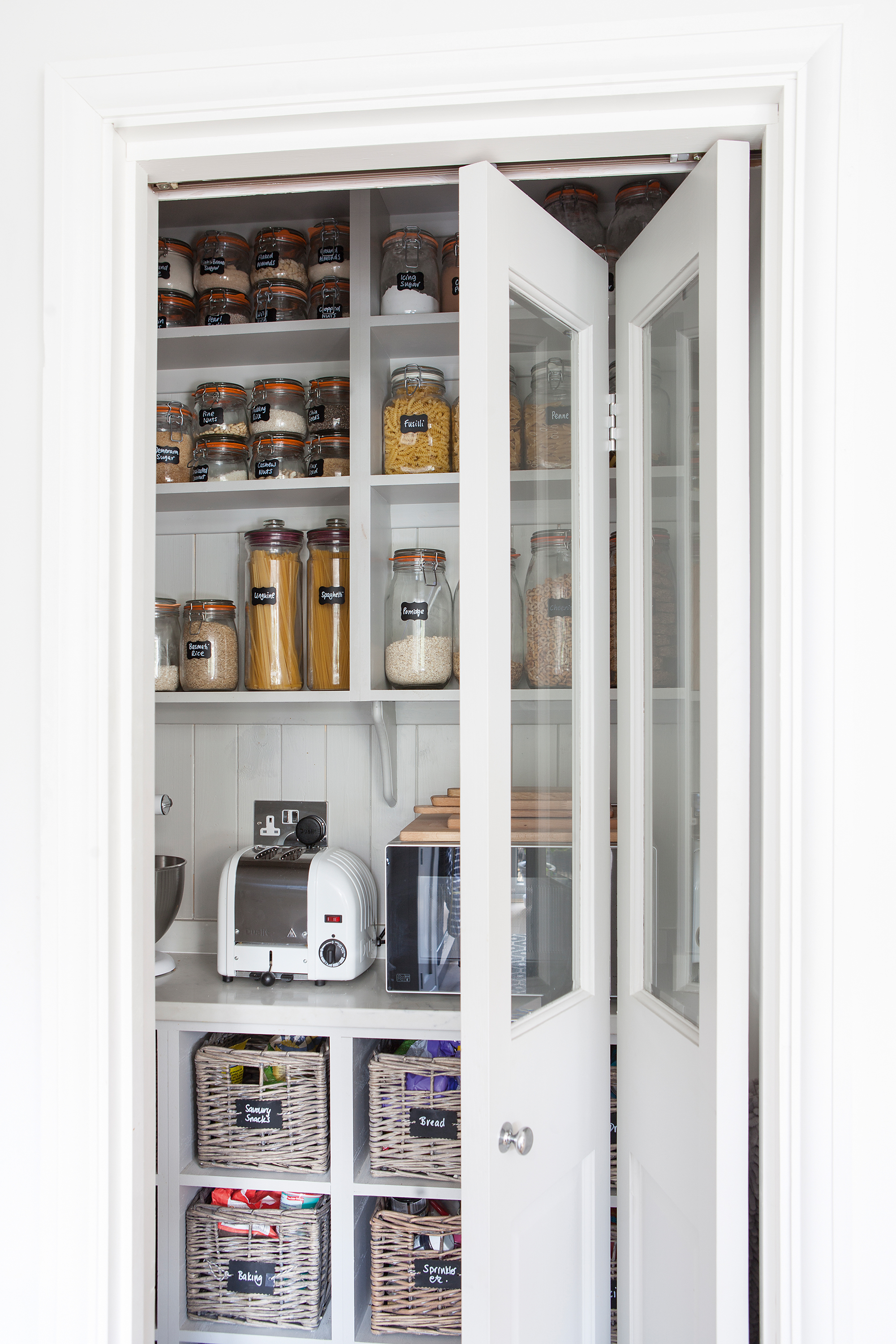
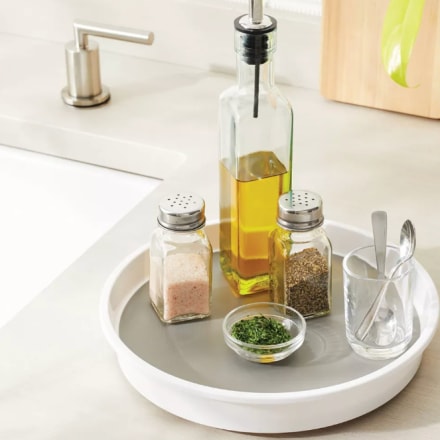
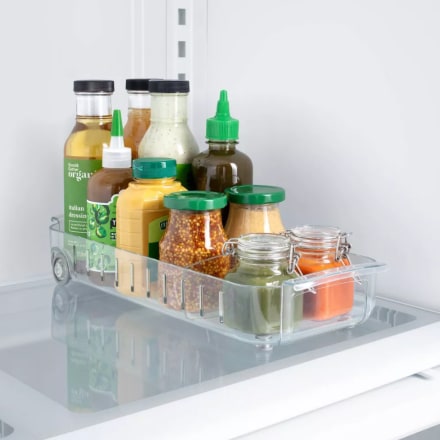
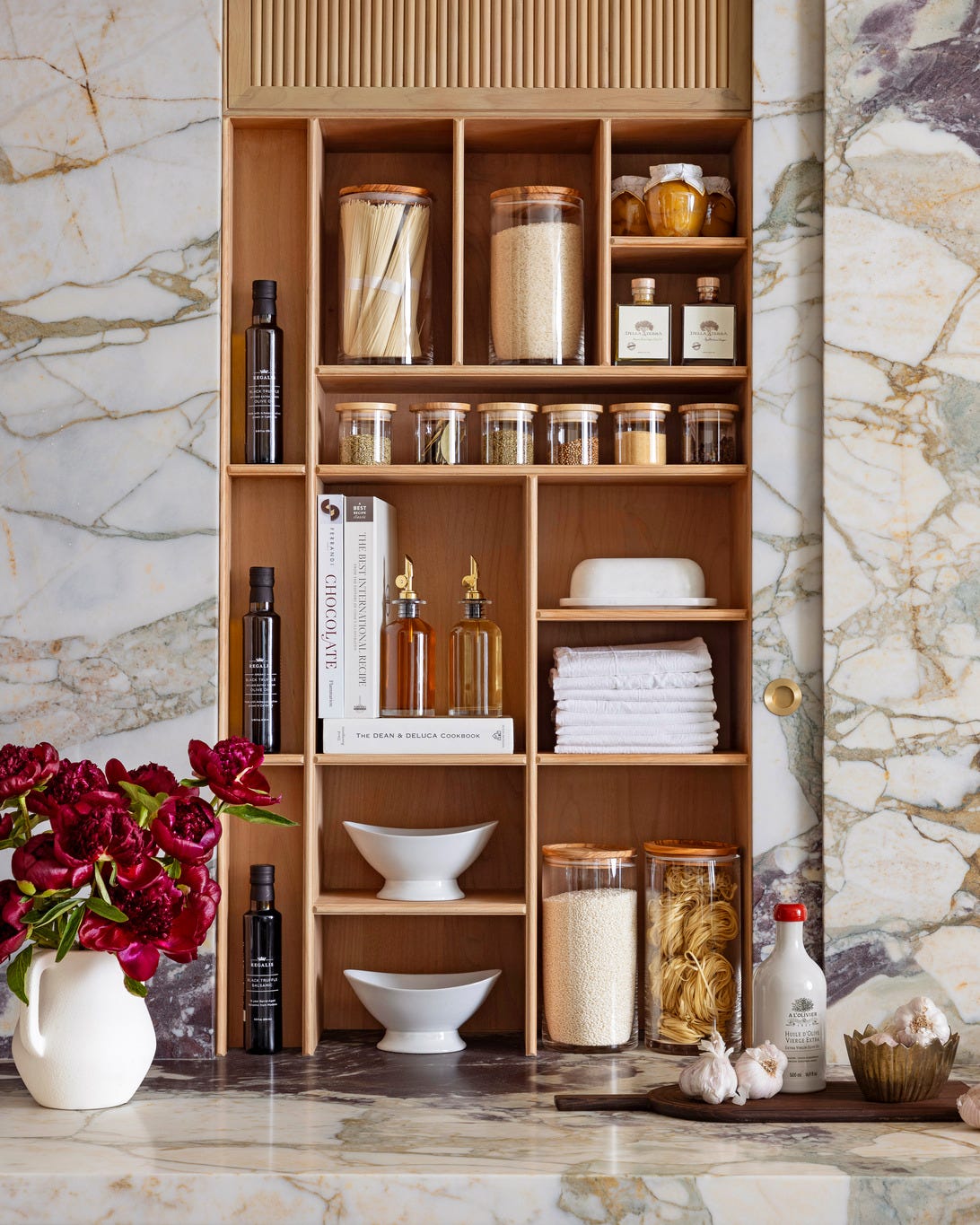
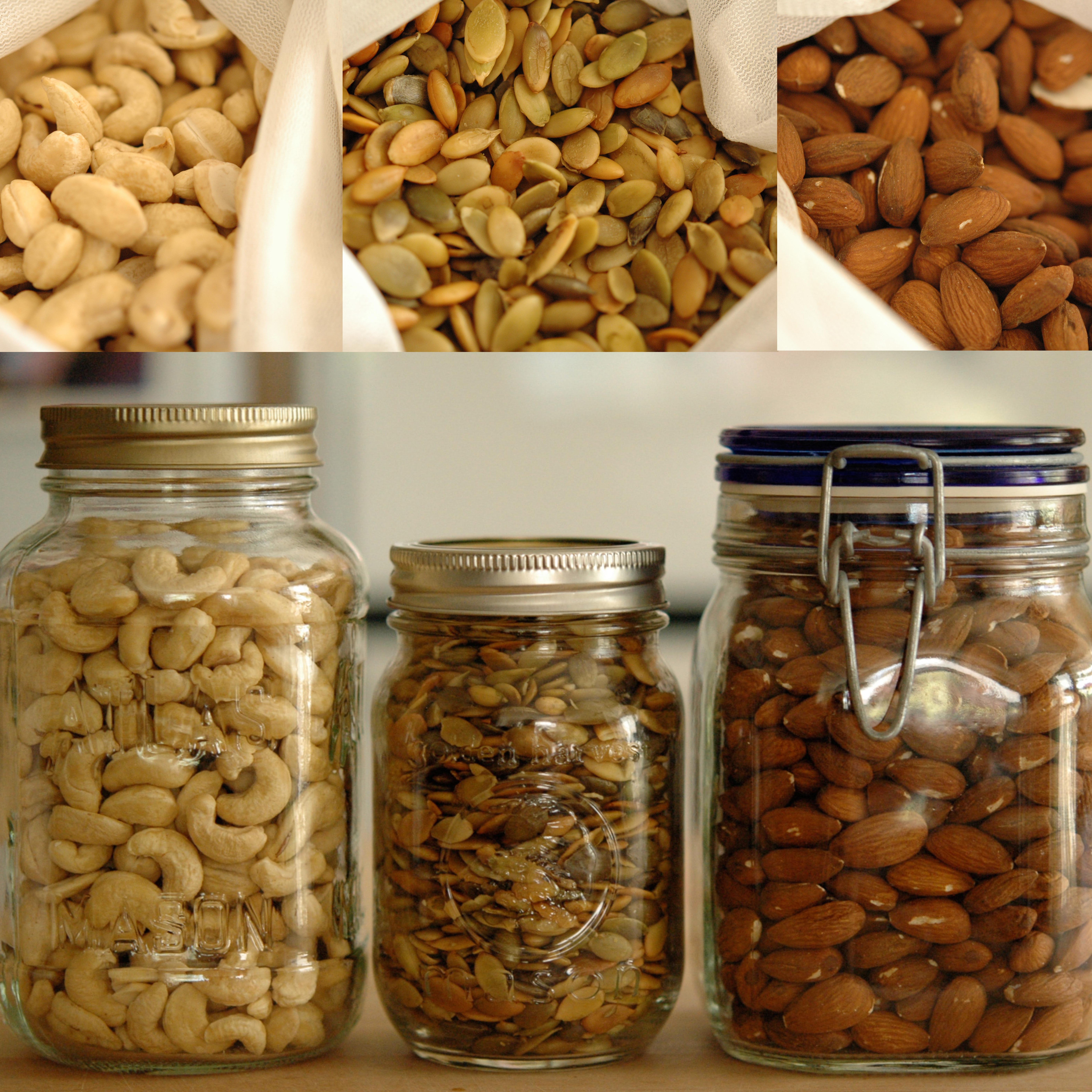
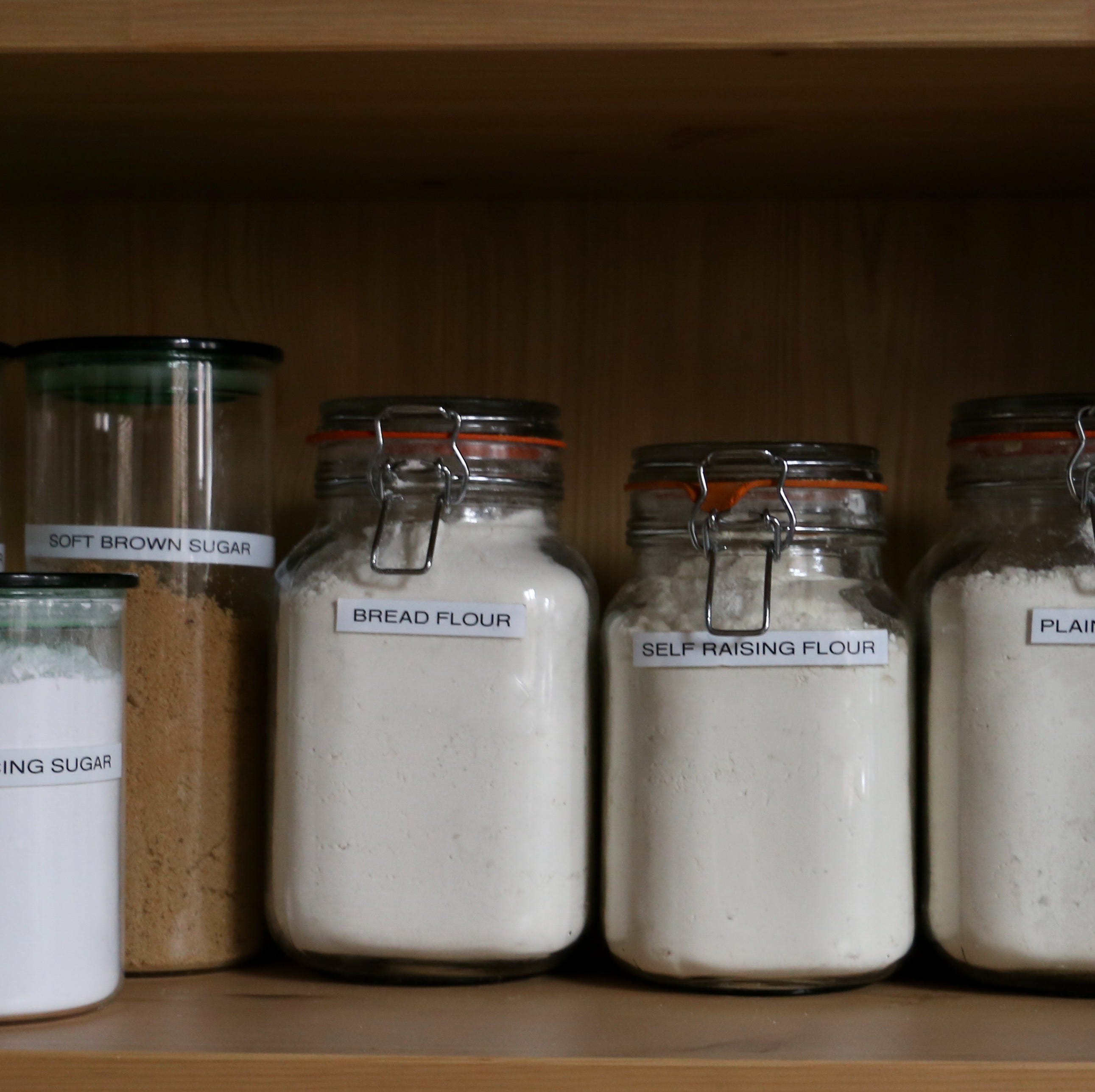
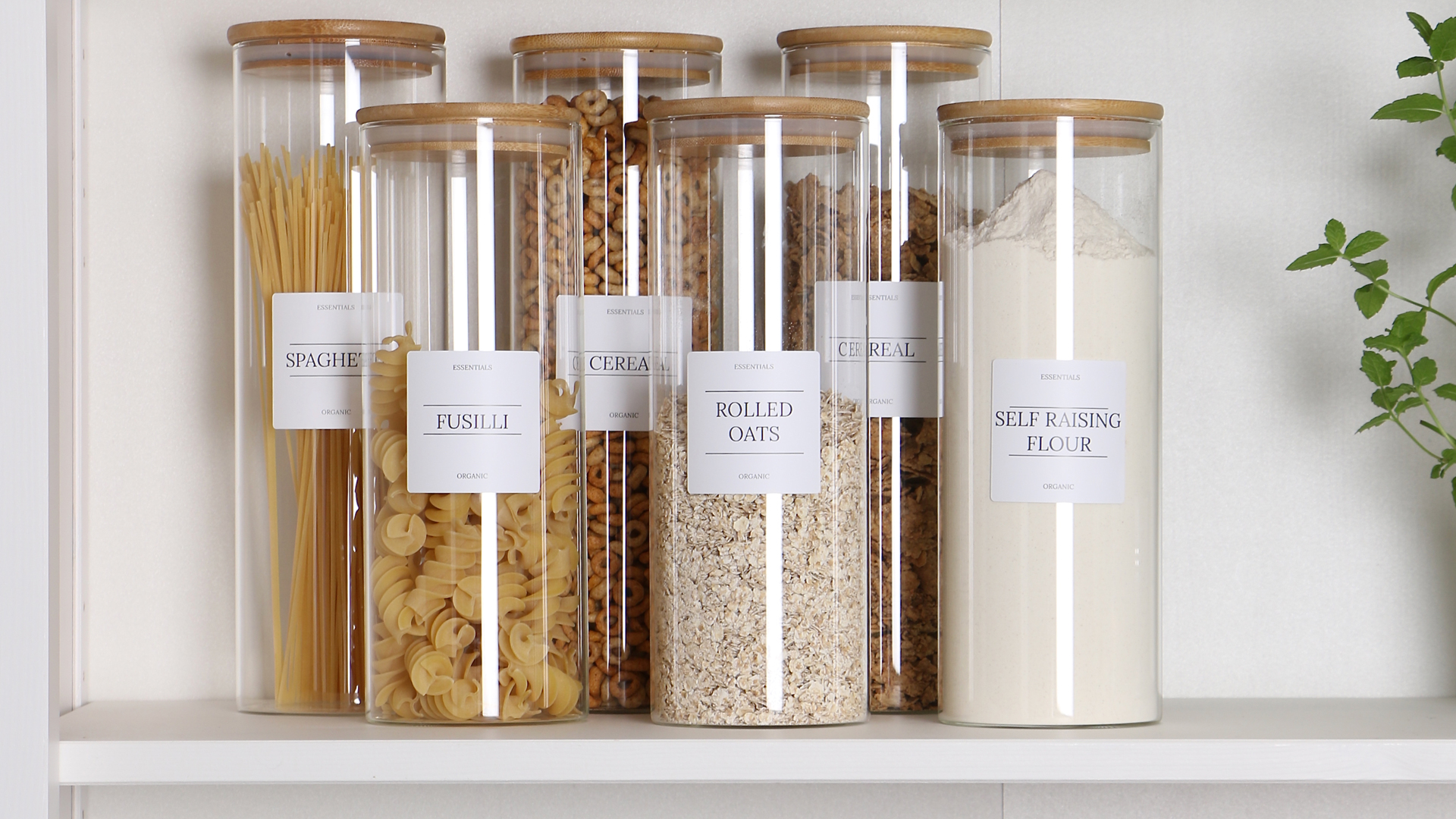
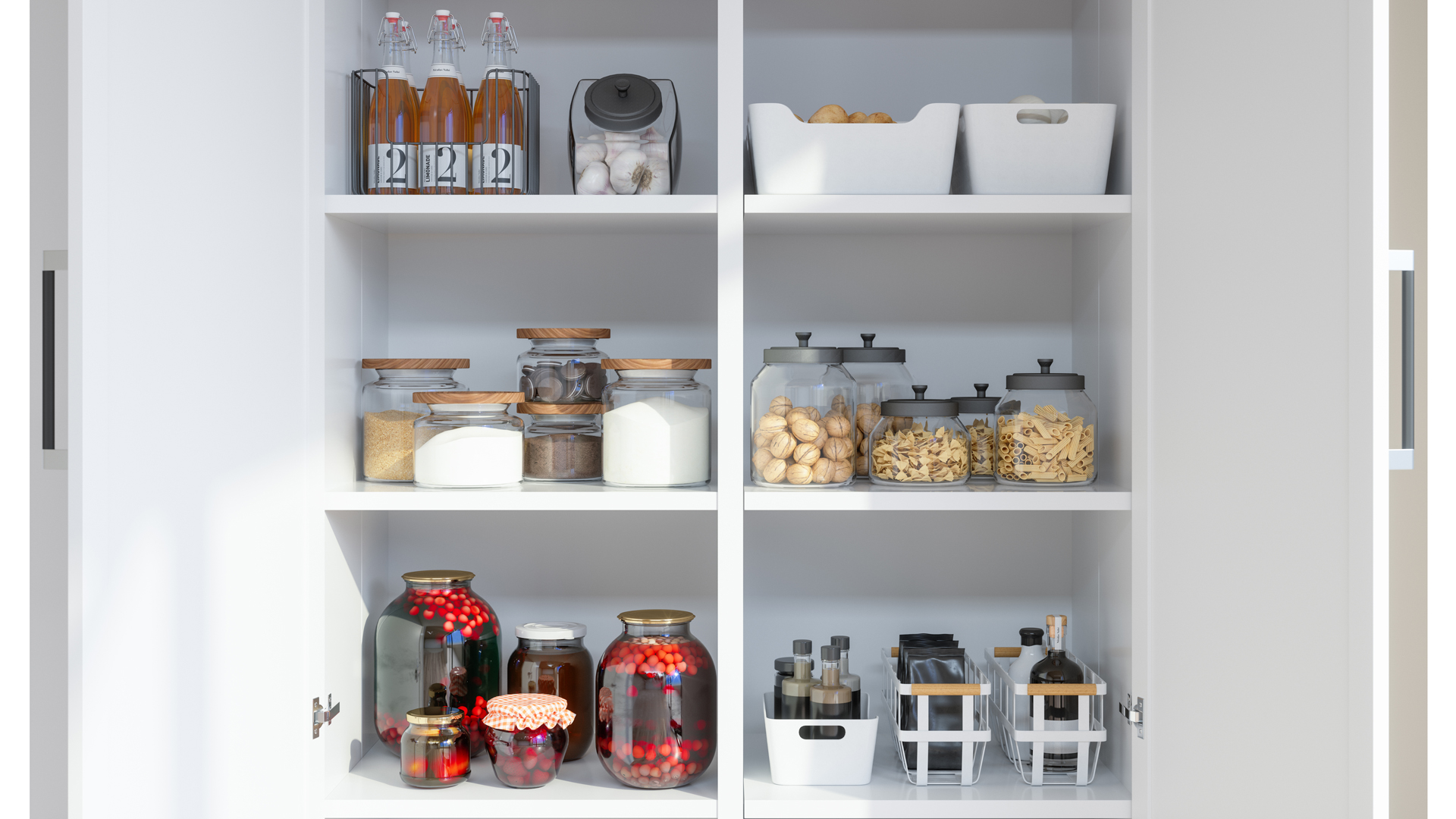
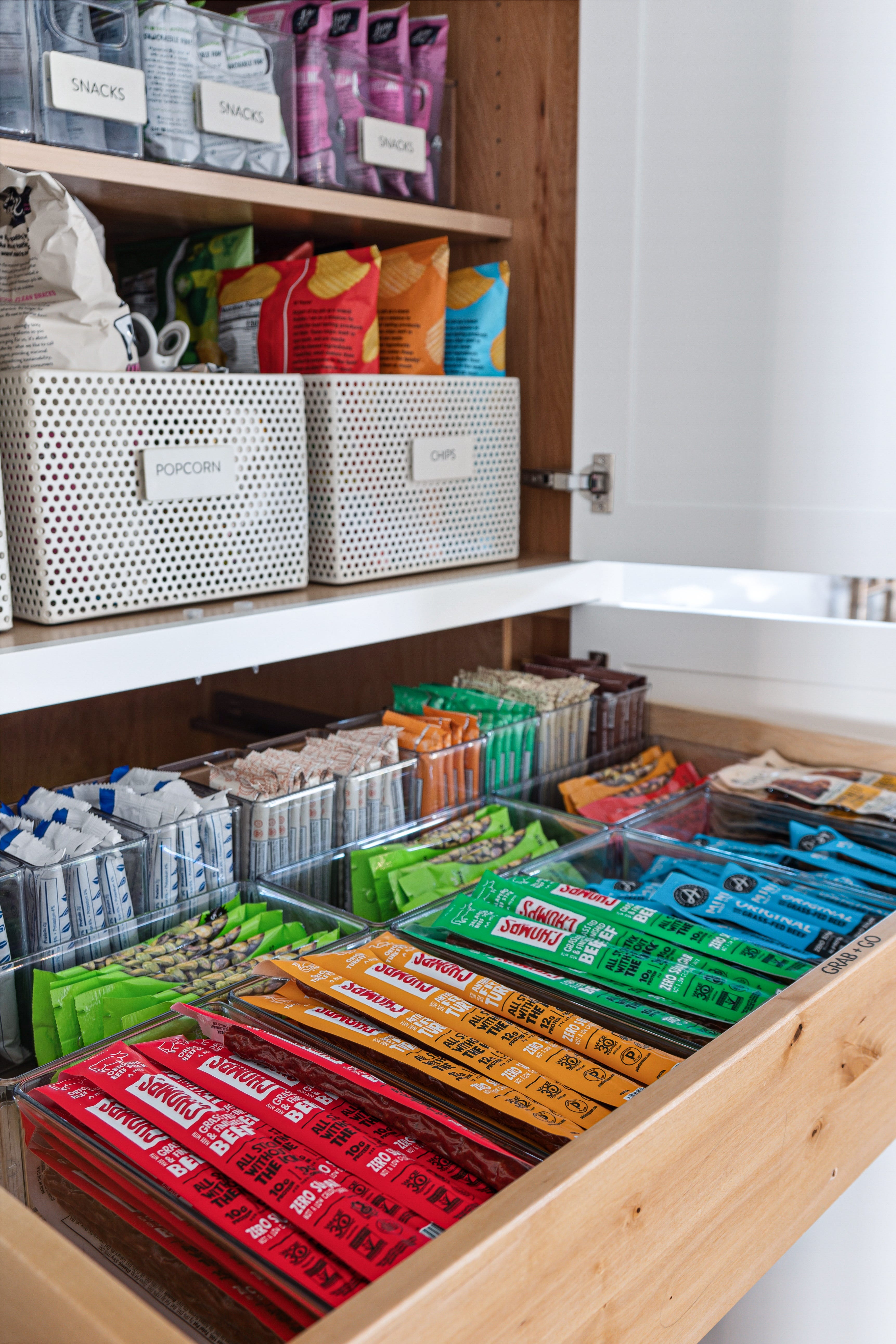
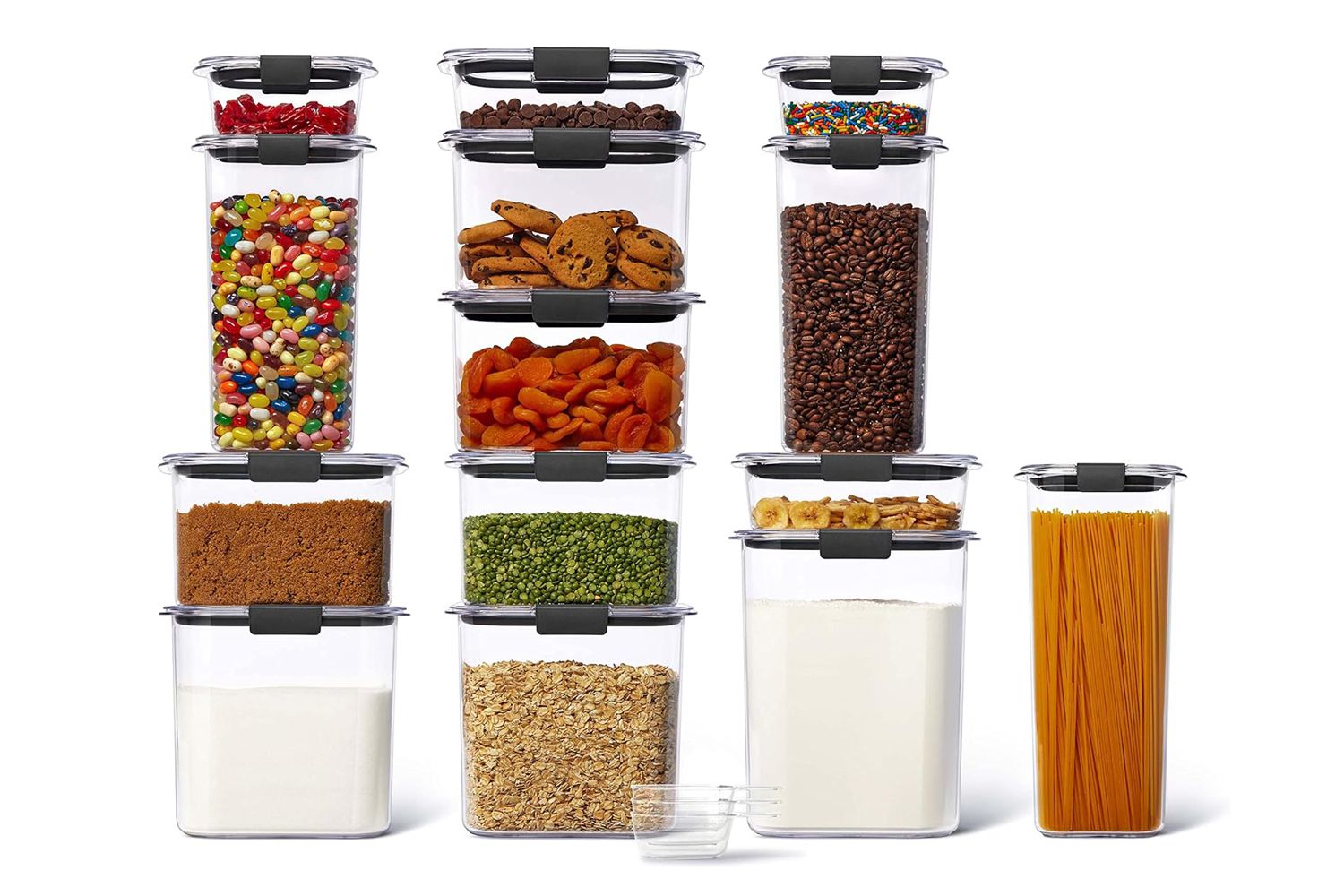
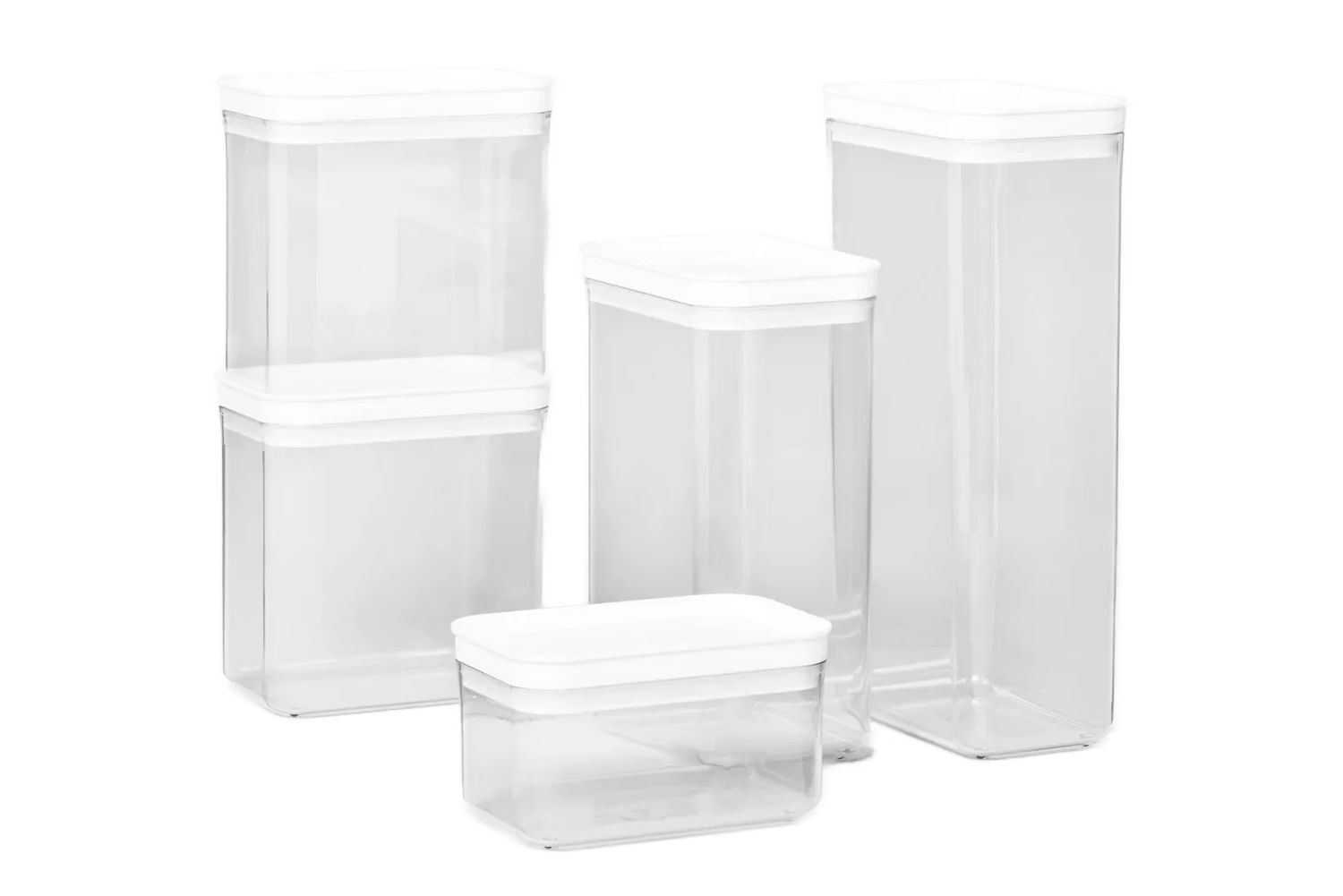
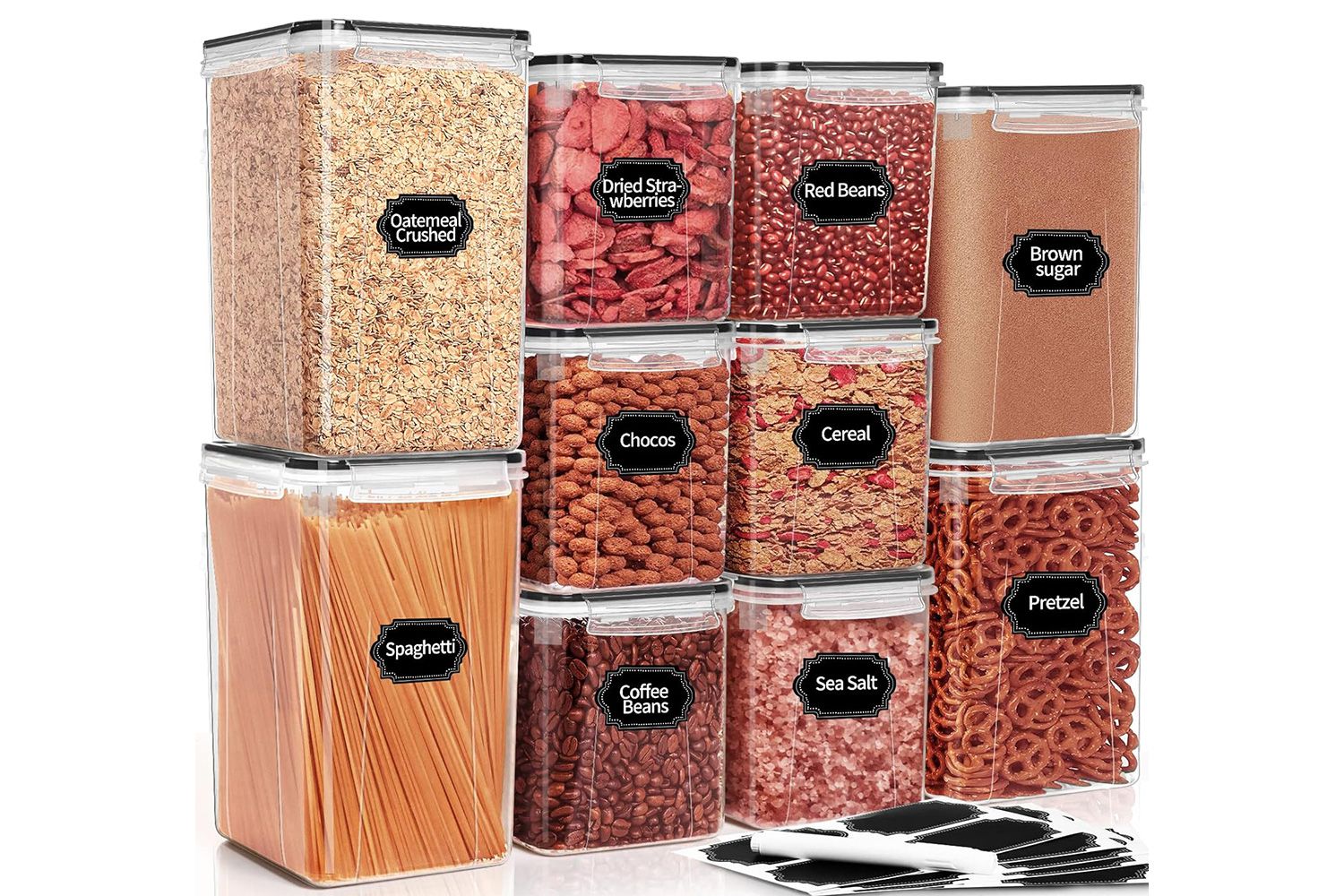
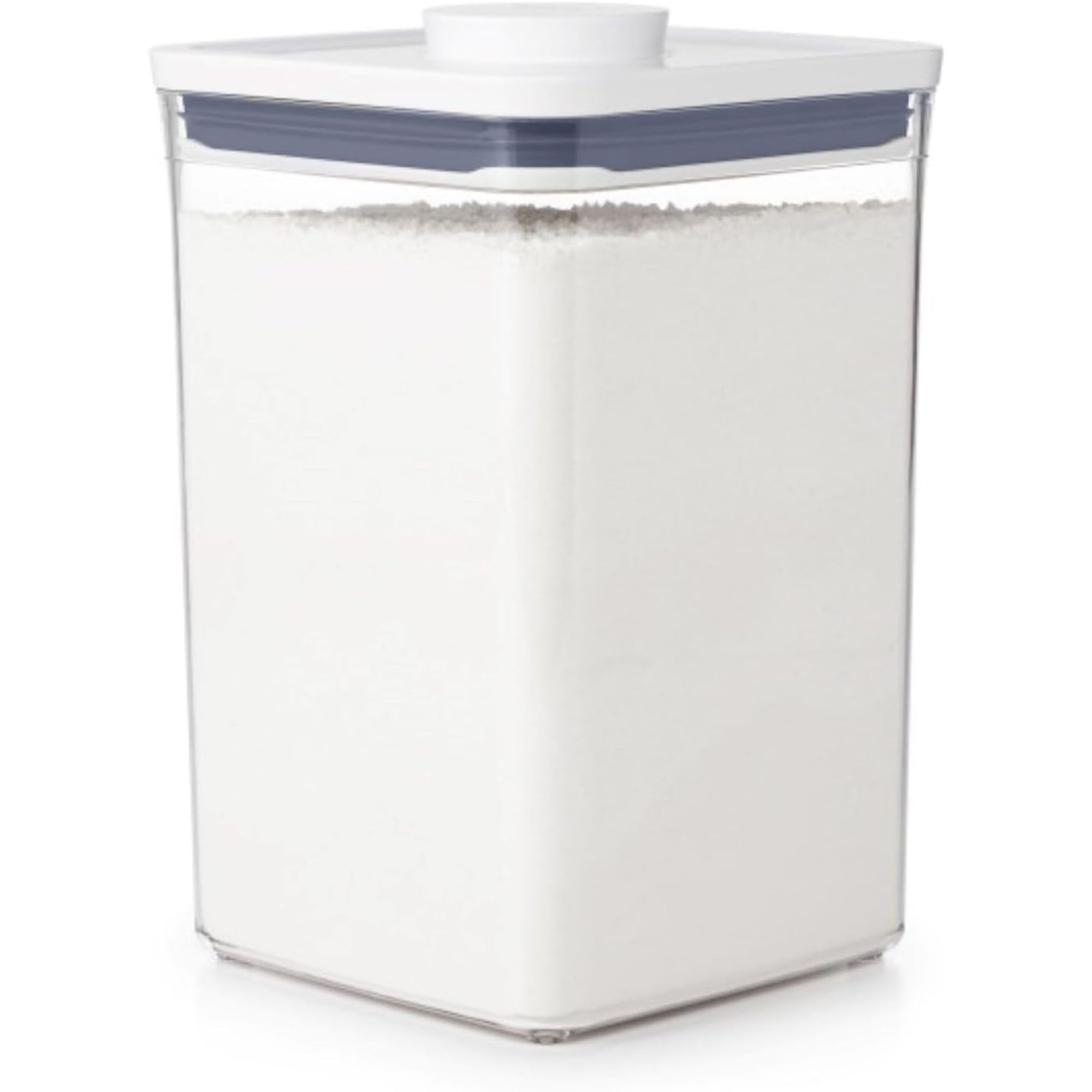
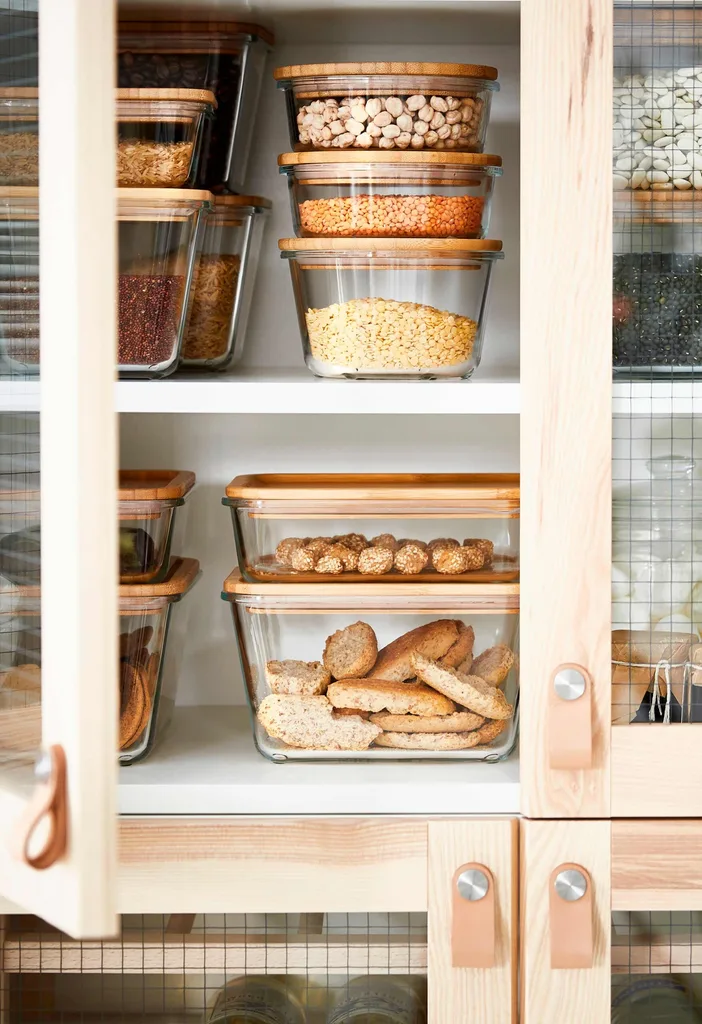
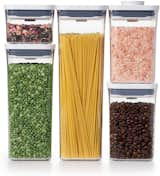
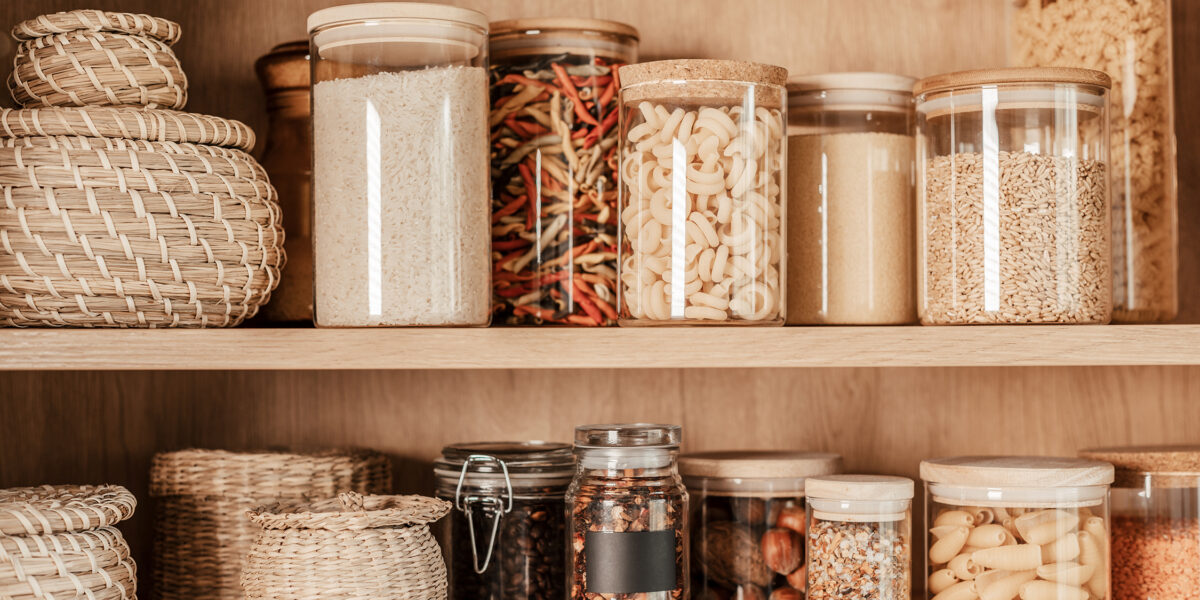
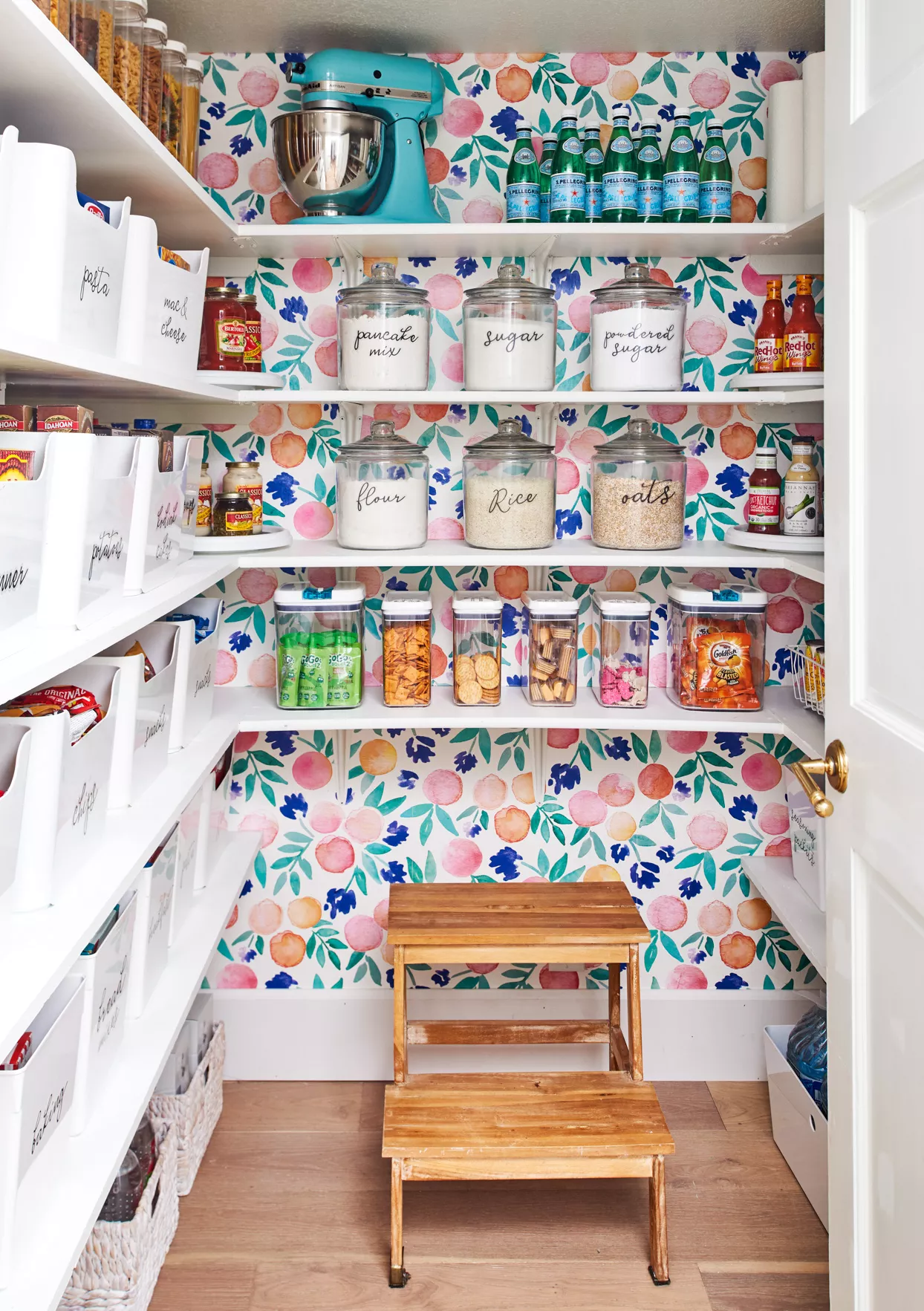
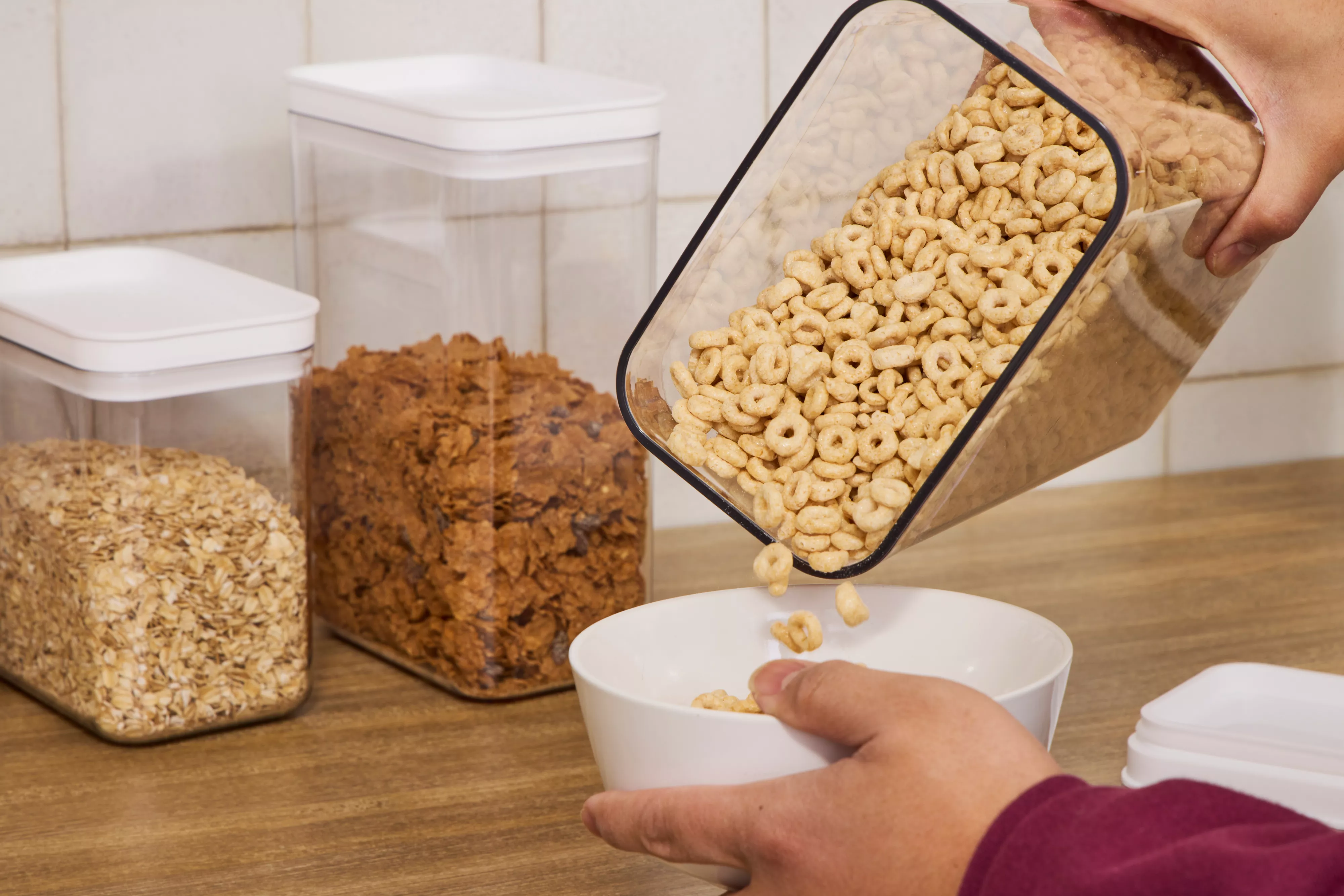
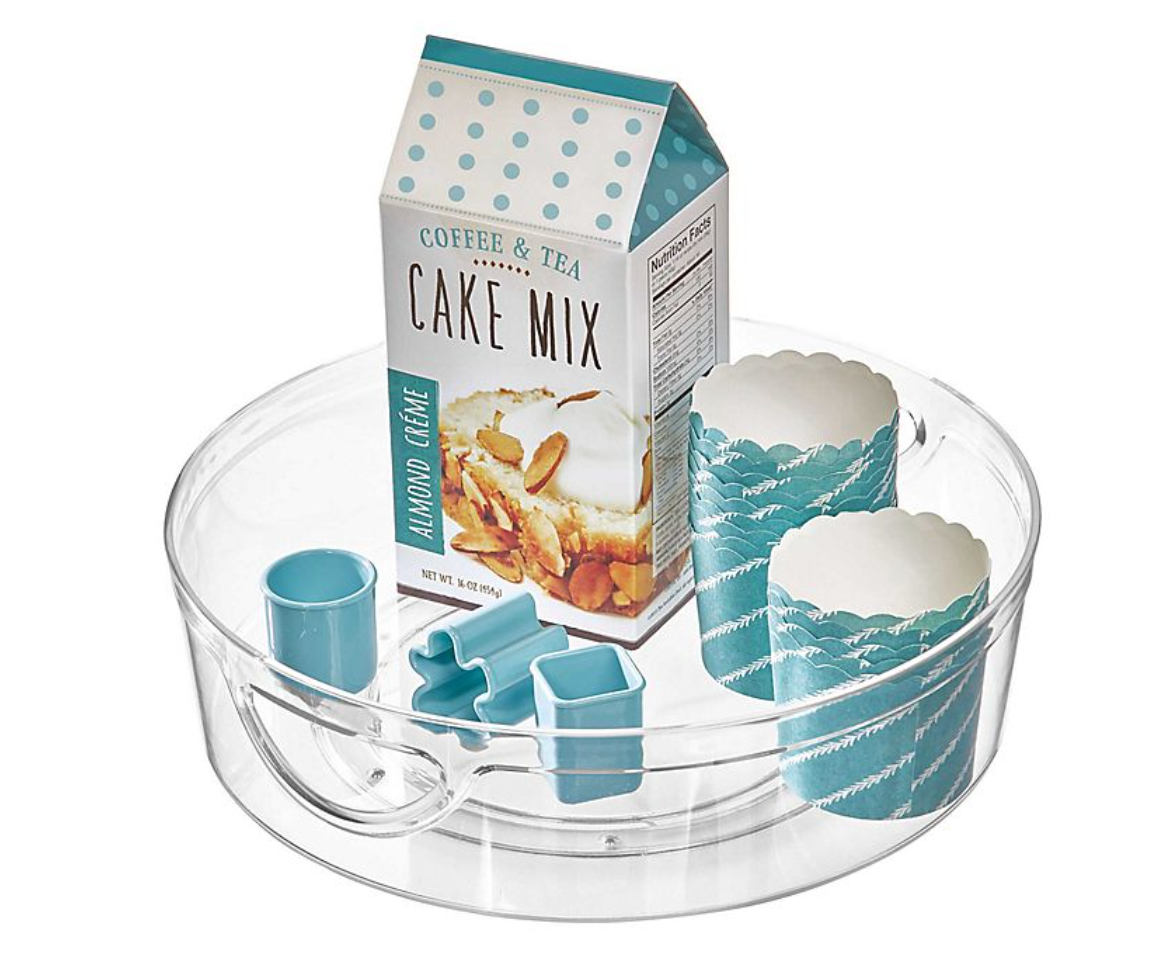
The second task involves categorizing pantry items. Professional organizers suggest grouping items into categories such as breakfast, snacks, baking, cooking, and backstock. For households with children, adding a dedicated lunch-making section is also recommended to streamline meal preparation. The third essential step is to invest in appropriate storage solutions, including baskets and canisters. Four main types are highlighted: airtight canisters for baking ingredients like flour and sugar, clear bins or containers for snacks to improve visibility and save space by removing bulk packaging, stackers or lazy Susans for canned goods and condiments, and decorative baskets for backstock items that are not frequently used. While an initial investment in these containers may seem significant, it ultimately helps reduce food waste and save money.
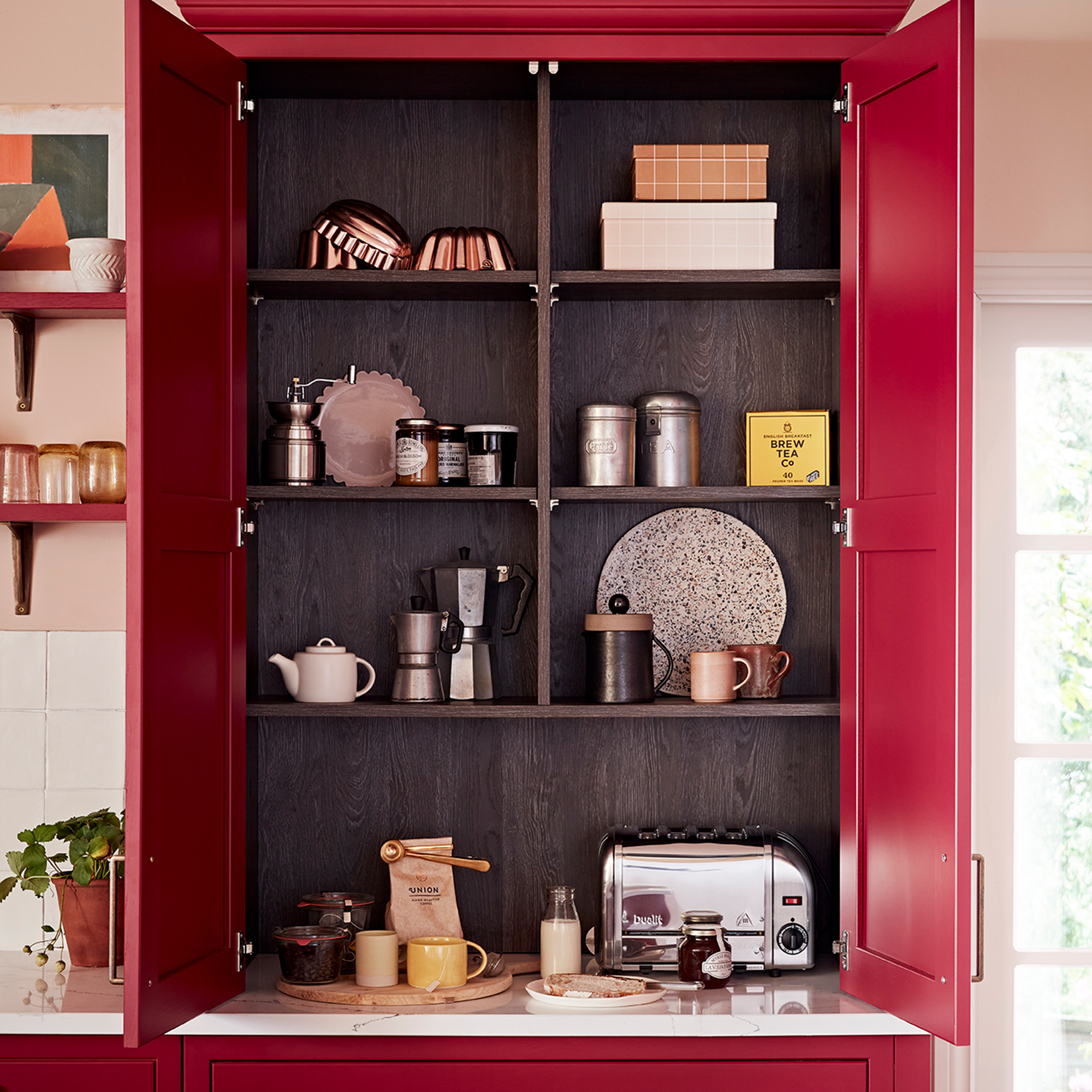
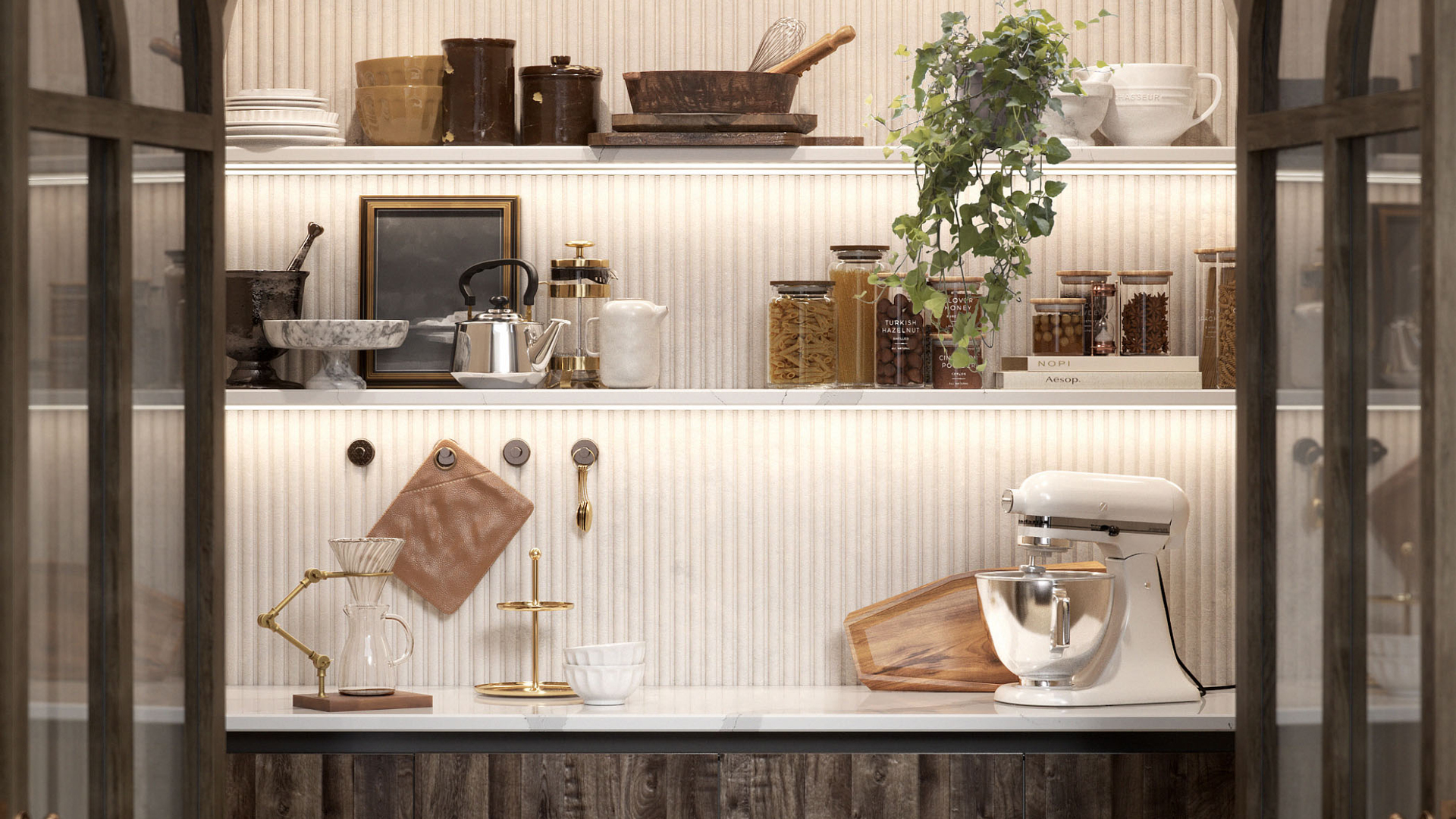
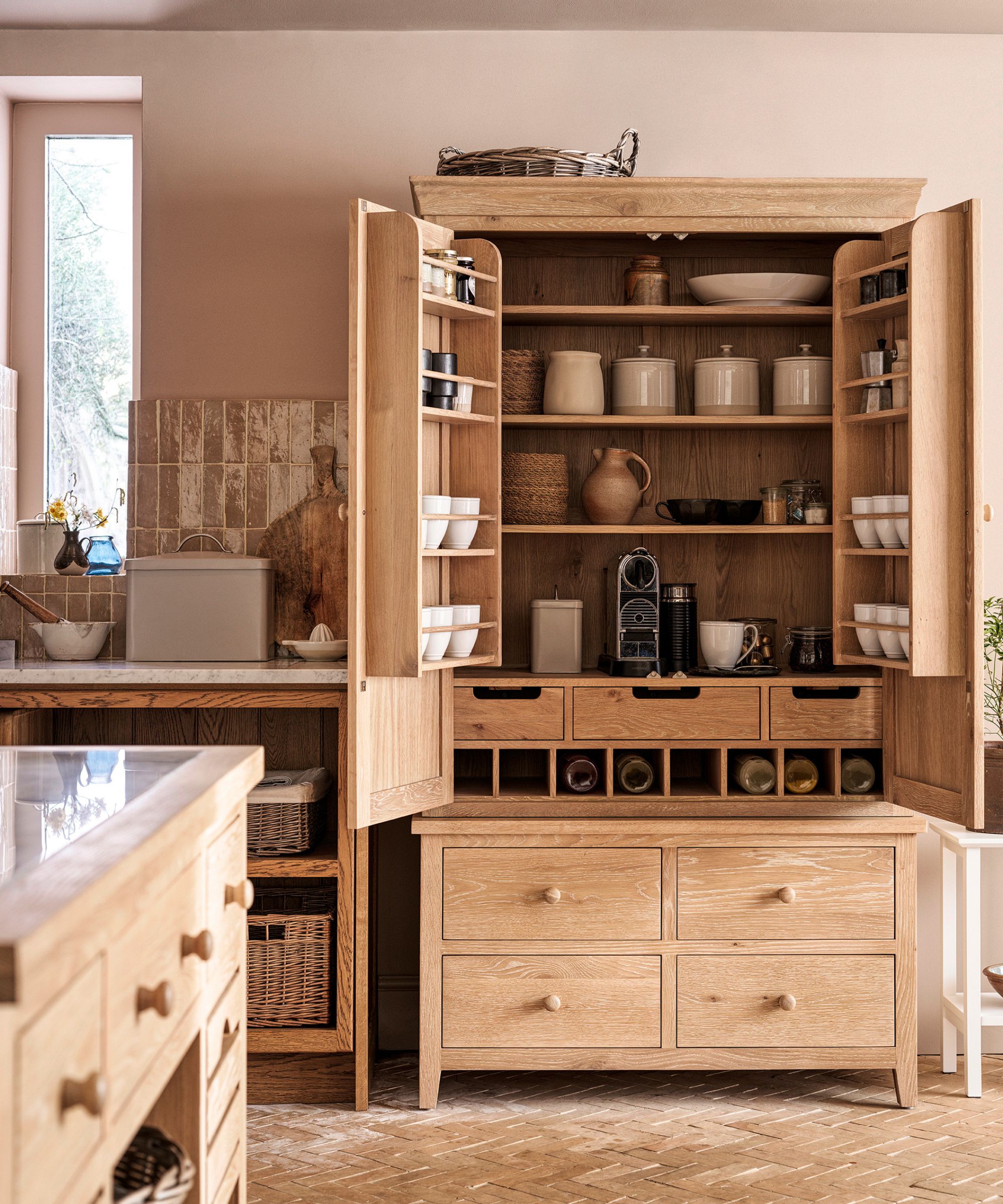
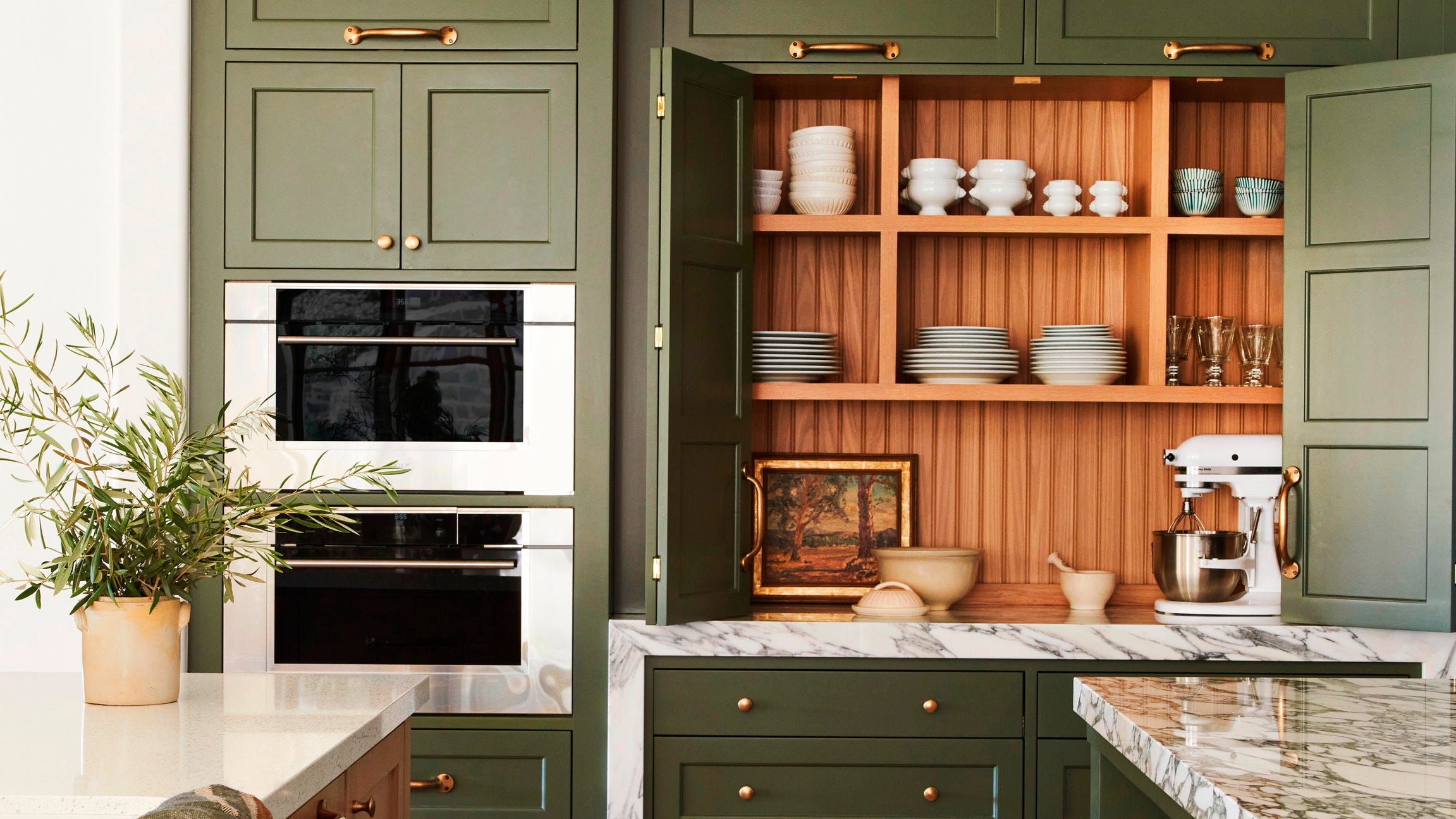
Optimizing the pantry layout by placing frequently used essentials at eye-level is the fourth key task. Items such as breakfast foods and snacks, which are typically grabbed often, should be easily accessible. Similarly, frequently used appliances like a Nespresso machine should be placed in a convenient spot. Backstock items and seasonal or specialty tools can be stored on higher or lower shelves, or in less accessible areas. The suggested order for placement is often breakfast items on the top shelf, followed by snacks, and then dinner-related items, ensuring a logical flow.
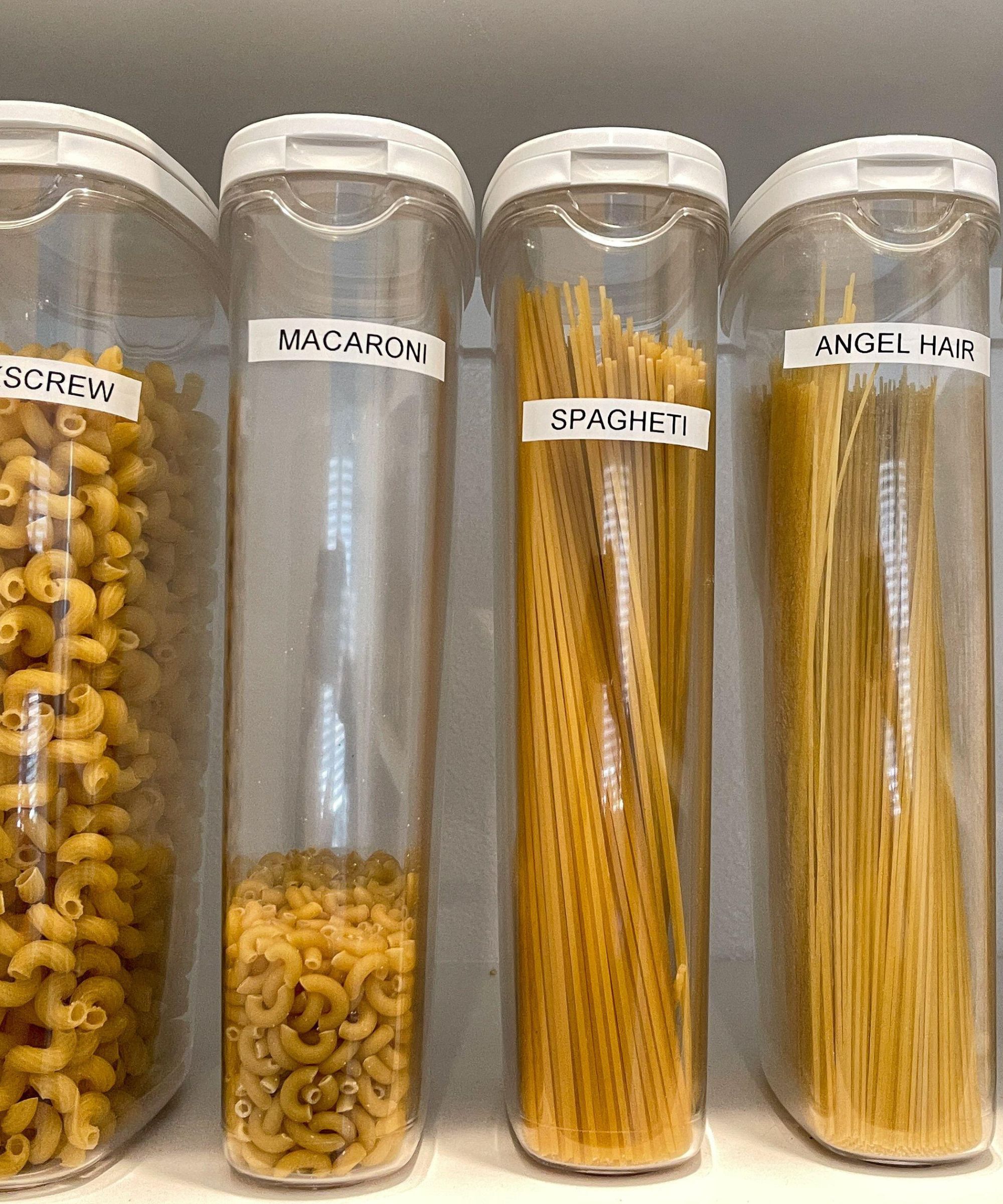
Fifth, acquiring and utilizing a label maker is highly recommended. Labeling containers helps identify contents, track inventory levels, and prevent accidental overstocking of specific items. Labels can indicate broad categories for baskets, such as "snacks," rather than highly specific items like "granola bars." For managing expiration dates, a dry-erase marker can be used on containers or a separate label can be affixed to the bottom. Labeling also prevents mishaps, such as confusing salt for sugar, which can impact cooking and baking results.
Finally, for those looking to undertake a more significant renovation, investing in a closet system for the lower section of the pantry is suggested. This can involve installing drawers or other organized systems to ensure quick access to everyday essentials and maintain a tidy appearance. Such a system helps keep the pantry neat even when time for detailed organization is limited, ensuring items are properly stored. Ultimately, an organized pantry provides benefits such as easier inventory management, reduced food waste, and financial savings by minimizing the need for last-minute grocery runs or takeout orders.
#PantryOrganization #HomeOrganization #Decluttering #KitchenDesign #StorageSolutions #InteriorDesign #Efficiency #Labeling #PantryOrganization #HomeOrganization #Decluttering #KitchenDesign #StorageSolutions #InteriorDesign #Efficiency #Labeling
0 comment in total
 No comments yet
You may also like
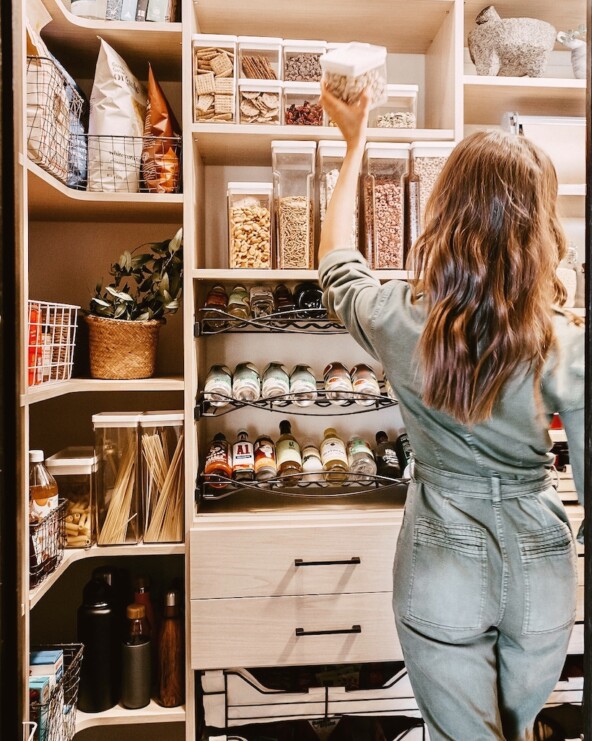
How to Organize Your Pantry Once and for All, According to a Pro

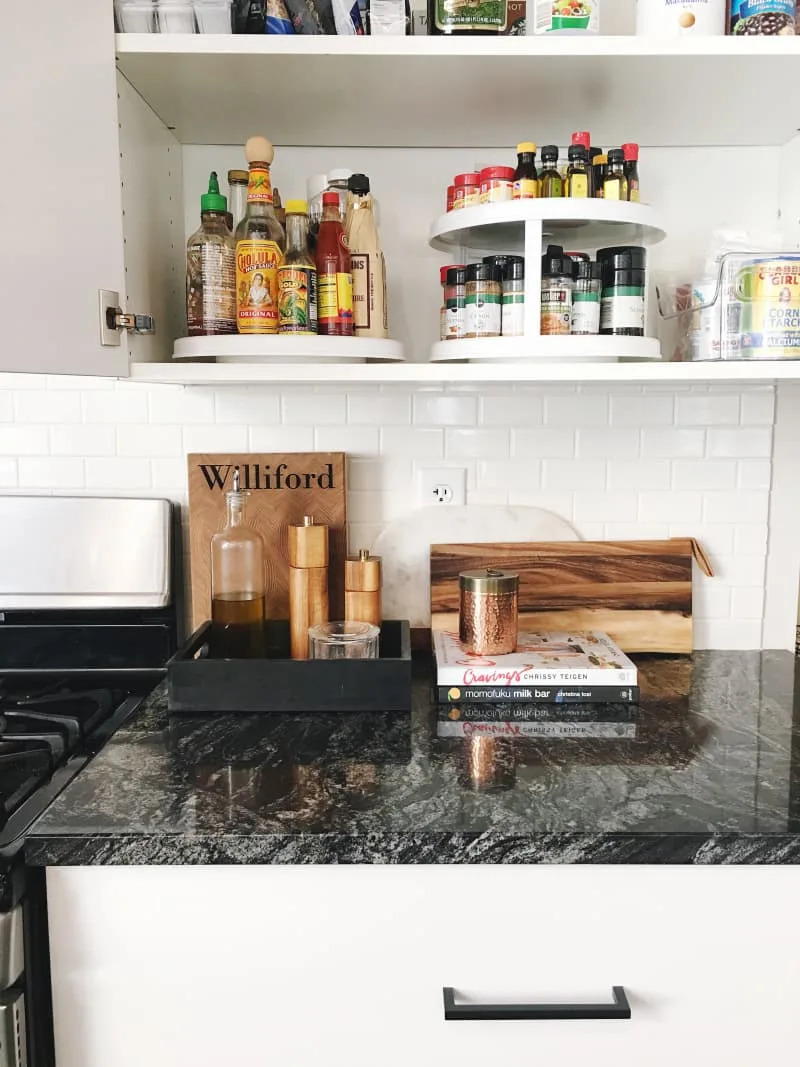
The Best Advice I Got from 2 Pro Organizers About the Smartest Way to Organize a Pantry

6 Things You Should NEVER Keep In Your Pantry, According To Pro Organizers & Chefs
9 Things To Toss From Your Pantry Right Now
Top tips for organising a pantry – all the expert advice and tricks you need
11 things you should never store in a pantry, according to experts


How to Organize Your Pantry So It Works for You (Not Instagram) and Keep It That Way
7 things people with organized kitchen pantries always do
7 types of storage you should never use in a pantry – they'll make utilizing this space well 10 times harder, pros say
This Pro Organizer’s Must-Do Step for Organizing a Pantry Is Shockingly Simple

How to organize a pantry: 23 expert tips and design ideas


Pantry design tips: how to organise your kitchen storage

6 Pantry Mistakes You Didn't Know You Were Making—and How to Fix Them
6 Target organization products for your fridge and pantry

9 Genius Pantry Hacks Professional Organizers ALWAYS Recommend


I Turned My Chaotic Pantry Into an Oasis of Organization

Pros warn never to keep these 8 things in your pantry
5 Genius Kitchen Pantry Trends That Will Help You Get (and Stay!) Organized

Organize Your Kitchen With These 6 Best Pantry Storage Containers
The Home Edit On How To Sort, Organize, & Maintain Your Pantry