6 Things You Should Never Clean With All-Purpose Cleaner
While the name "all-purpose cleaner" suggests versatility, there are several surfaces and materials in a home that should not be cleaned with this common household product. Using all-purpose cleaners on these specific items can lead to damage, discoloration, or reduced efficacy of the item itself. It is crucial to understand these limitations to maintain the integrity and longevity of various household items.
One significant category of items to avoid cleaning with all-purpose cleaner includes delicate fabrics, upholstery, leather, and lace. These materials can be easily damaged, experiencing fading or staining due to the harsh ingredients in many all-purpose formulas. Leather, in particular, requires specific conditioning, and an all-purpose cleaner would strip its natural moisture, leading to dryness and cracking. For these items, specialized cleaners designed for the particular fabric or material, such as leather cleaner or suede cleaner, are recommended to protect them while cleaning effectively.
Electronics also fall into the category of items unsuitable for all-purpose cleaners, primarily due to the moisture content. Directly spraying electronics or even applying a cleaner-wetted cloth can cause significant damage, including short-circuiting. Instead, it is advisable to use electronic-safe cleaning wipes or sprays, applied to a cloth before gently cleaning the devices, to prevent moisture-related harm.
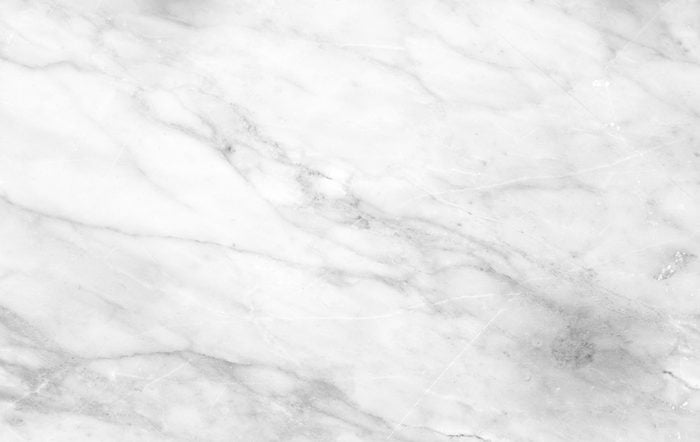
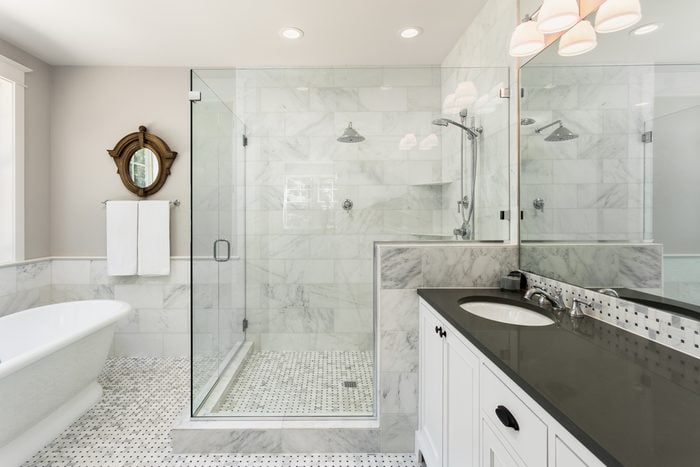
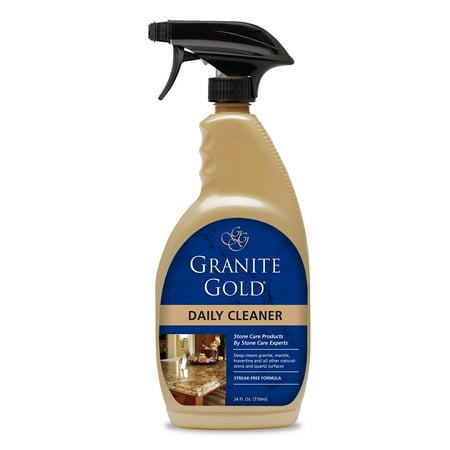
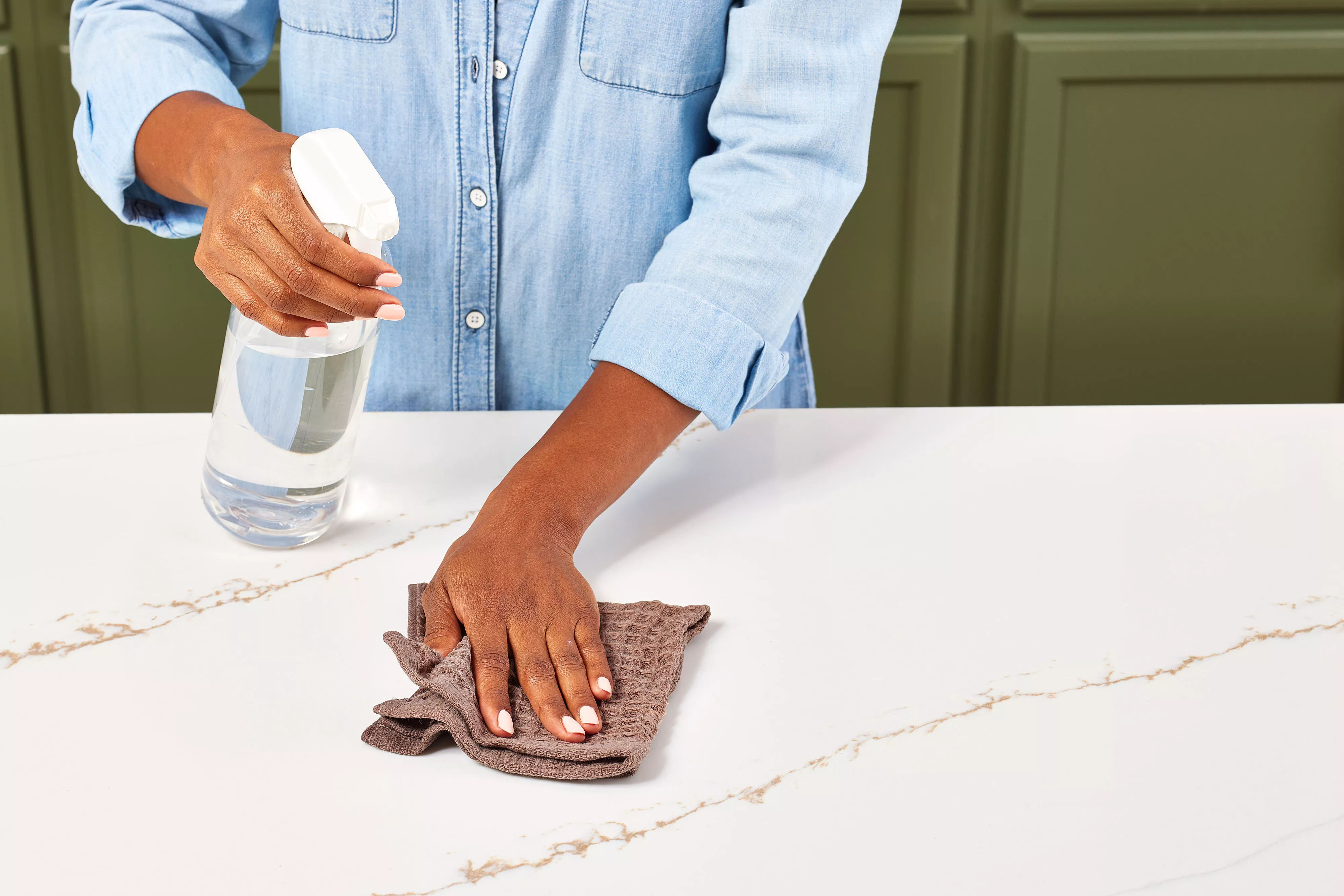
Natural stone surfaces, such as granite countertops, should not be cleaned with all-purpose products. The chemicals in these cleaners can be too aggressive, potentially compromising the sealant applied to the stone and causing damage or discoloration to the surface beneath. A cleaning formula specifically designed for stone care is the appropriate choice to ensure its protection and cleanliness.
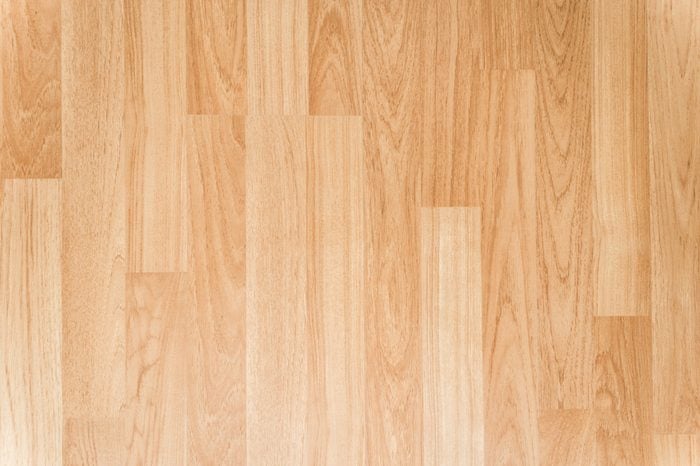
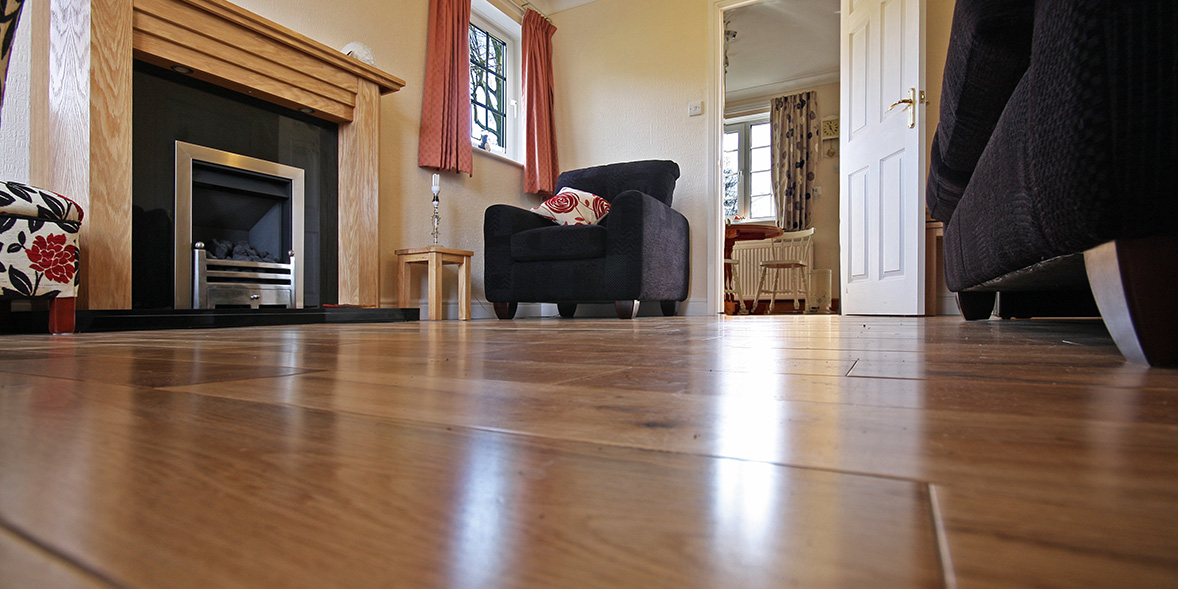
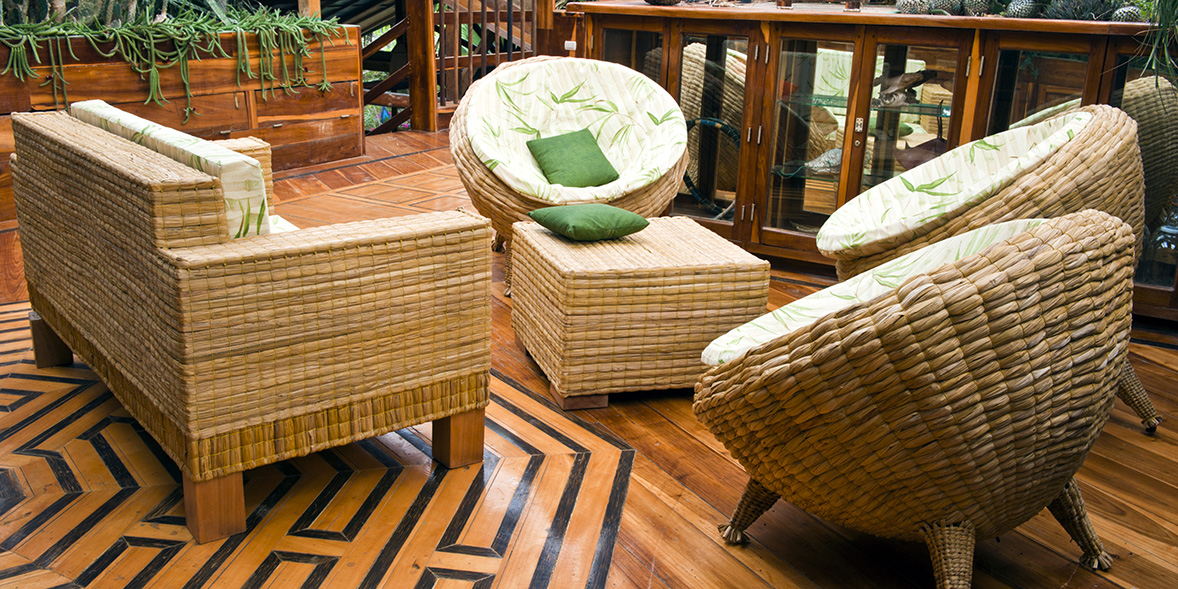
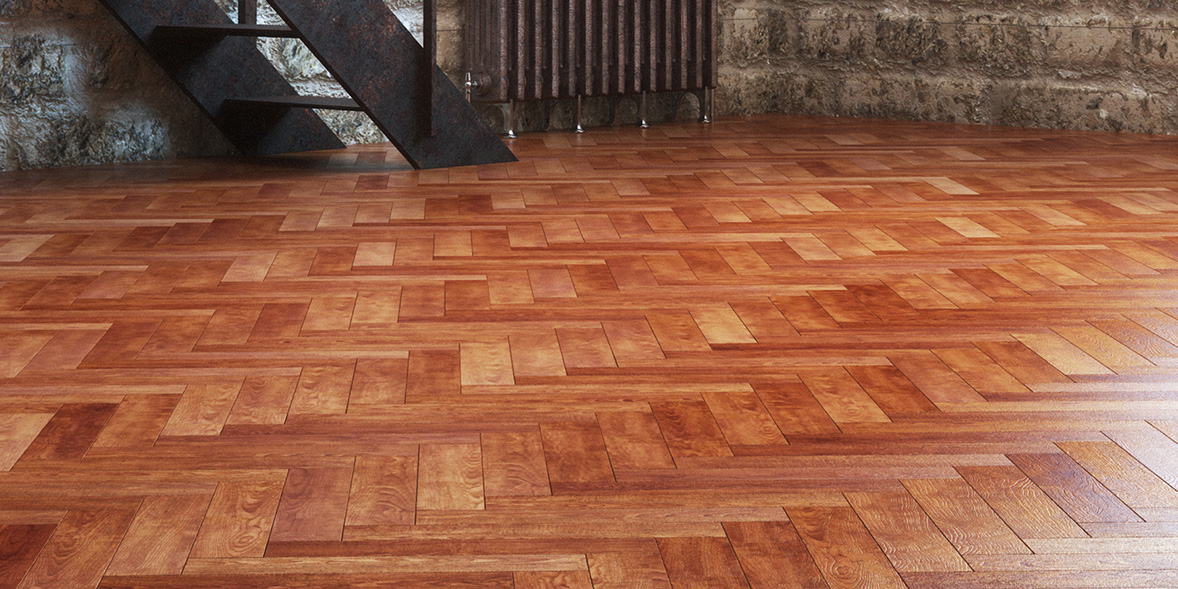
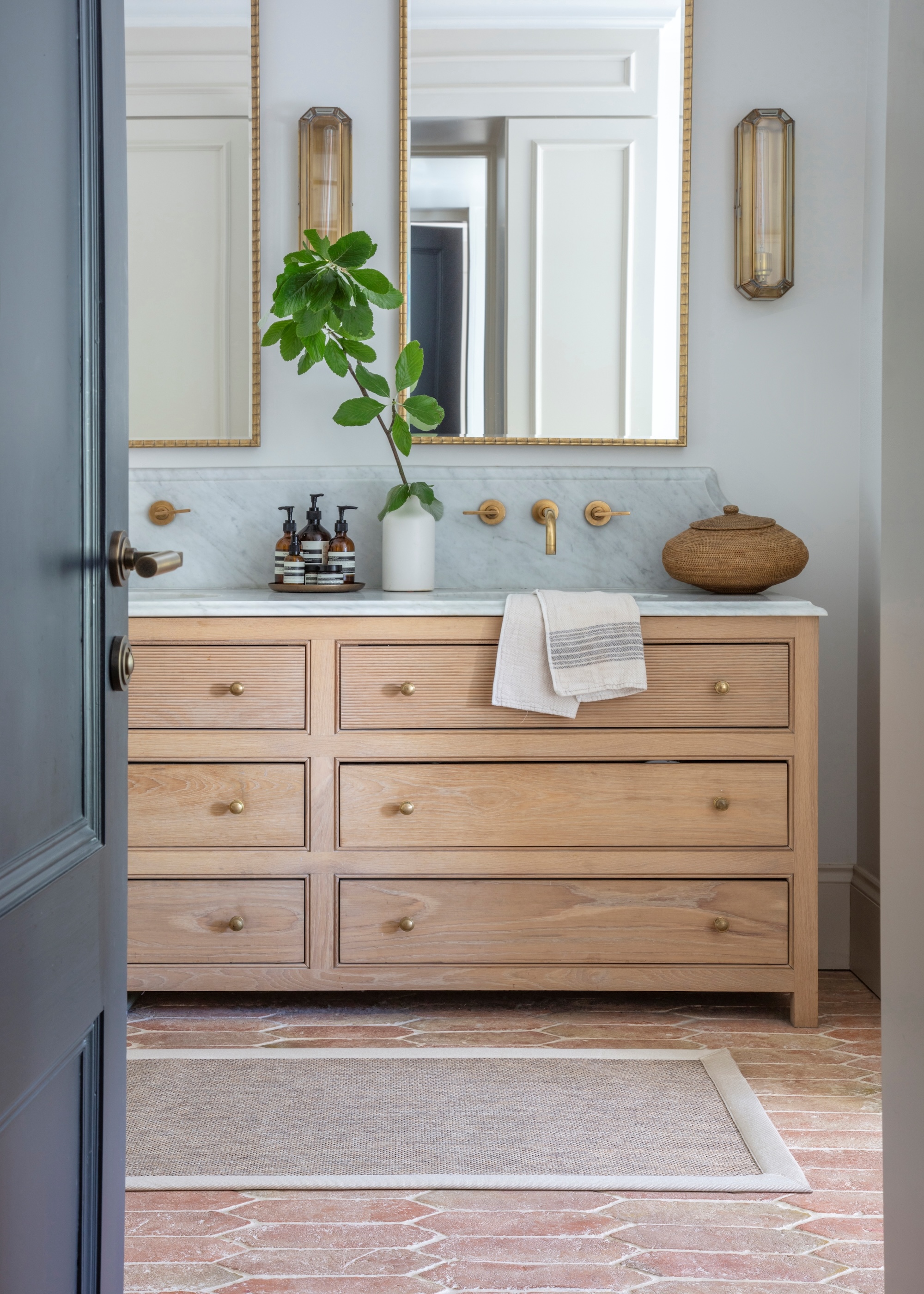
Wooden furniture, similar to natural stone, requires specialized care. All-purpose cleaners can strip the finish from wooden surfaces or cause other forms of damage due to their chemical composition. To preserve the finish and structural integrity of wood furniture, cleaners formulated specifically for wood are necessary.
Non-stick cookware is another item that should be kept away from all-purpose cleaners. Some all-purpose cleaners contain abrasives that can strip the delicate non-stick coating, rendering the cookware less effective and potentially unsafe. For non-stick pots and pans, it is best to use a mild dish soap or a cleaner specifically designed for this type of cookware. Always consulting the user manual for best practices is crucial, as damage to non-stick coatings is often irreversible.
Finally, mirrors and windows should not be cleaned with all-purpose cleaner, as it often leaves streaks or residue behind. To achieve a clear, streak-free shine on glass surfaces, a dedicated glass cleaner is the most effective solution. When selecting any cleaning product, it is important to avoid harmful chemicals such as phosphates, chlorine, or volatile organic compounds (VOCs). Instead, opting for products with natural ingredients like lauramine oxide or caprylyl glucoside is recommended for both home and environmental safety.
#CleaningTips #HomeMaintenance #AllPurposeCleaner #HouseholdCleaning #FabricCare #ElectronicCleaning #StoneCare #WoodFurnitureCare #NonStickCookware #EcoFriendlyCleaning #CleaningTips #HomeMaintenance #AllPurposeCleaner #HouseholdCleaning #FabricCare #ElectronicCleaning #StoneCare #WoodFurnitureCare #NonStickCookware #EcoFriendlyCleaning
0 comment in total
 No comments yet
You may also like
8 Things You Should Never Clean with a Swiffer

5 surfaces you shouldn't use a steam cleaner on

9 Things Professional Declutterers Won’t Keep In Their Bathroom

The Surprising Cleaning Supplies Experts Say to Never Use in Your Bathroom
13 Things You Should Never Clean with Windex
6 Vacuum cleaner mistakes to avoid – and why they aren’t cleaning your home

11 Things You Should Never Clean with Rubbing Alcohol

10 things decluttering experts won't keep in their kitchen cupboards
8 items to never clean with bleach – according to cleaning professionals
6 Things You Should Never Use to Clean Wood Floors (Unless You Want to Ruin Them)

The One Way You Should NEVER Clean Laminate Floors

6 Things You Should Never Put in a Guest Bathroom

6 Things You Should Never Clean With All-Purpose Cleaner

5 things you should never clean with baking soda – according to professionals
8 essential oil cleaning mistakes
6 things you should never forget to clean in a hallway

6 things to never clean with rubbing alcohol around your home, and what to use instead
8 Things You Should Never Wash Down The Sink

5 Common Sofa Cleaning Mistakes You Might Be Making

5 Things You Should Never Use to Clean Wood Kitchen Cabinets (Unless You Want to Ruin Them)