1/10
8 items to never clean with bleach – according to cleaning professionals
Bleach is a powerful chemical cleaner often used for its whitening and disinfecting properties. However, its harsh nature means it is not suitable for all surfaces and materials, and improper use can lead to damage or health hazards. Cleaning professionals advise against using bleach in several common household scenarios, emphasizing the importance of selecting appropriate cleaning agents for specific items.
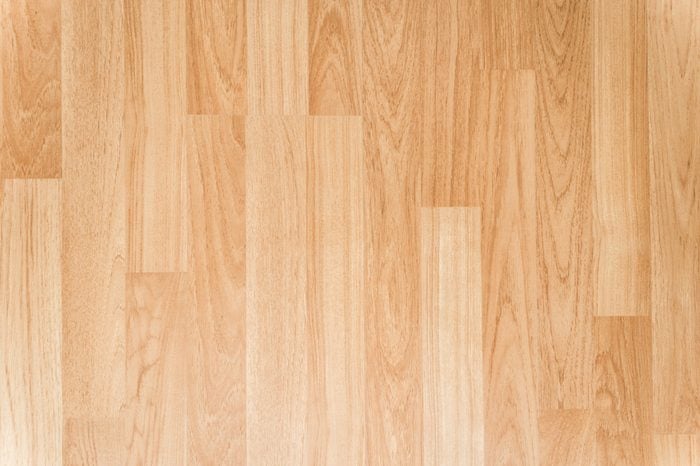
Wooden surfaces, including hardwood floors and furniture, should never be cleaned with bleach. Bleach can strip away the finish, cause discoloration, and break down the wood's natural structure due to its porous nature. Instead, a mild detergent mixed with warm water or specialized wood cleaners are recommended to preserve the wood's integrity and luster.
Rubber seals, commonly found in kitchen sinks and bathtubs, are also vulnerable to bleach. The corrosive action of bleach can degrade the rubber, causing it to lose flexibility and crumble, potentially leading to leaks. For these areas, a specialized drain cleaner or a gentle solution of warm, soapy water with a soft-bristle brush is more effective and safer. Applying a rubber conditioner after cleaning can also extend the lifespan of the seals.
For laundry, bleach should be restricted to white clothes intended for whitening, and even then, alternative methods for whitening dingy whites are often preferred to minimize chemical use. Bleach can cause irreversible fading, uneven color loss, or undesirable color changes in colored fabrics. Color-safe bleach or gentle detergents are appropriate for preserving fabric vibrancy, and garment care labels should always be consulted.
Plastic furniture, particularly outdoor pieces that may become discolored by the elements, should not be cleaned with bleach. Bleach can weaken plastic over time and alter its color. A simple solution of soapy water and a soft cloth is recommended to remove dirt and grime, followed by thorough drying to prevent water spots.
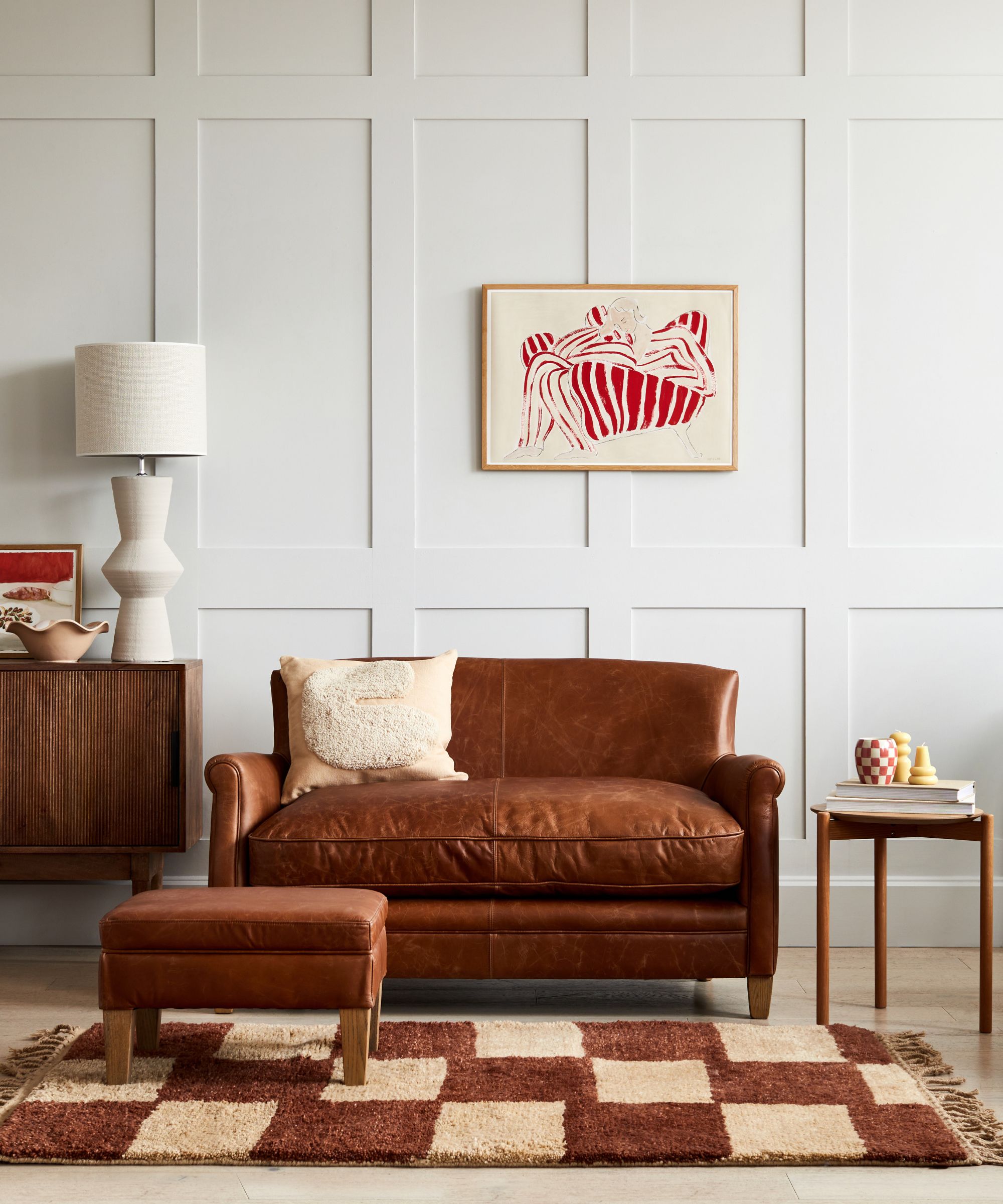
Leather items, such as couches and jackets, are highly susceptible to damage from bleach. Bleach can strip the natural oils from leather, leading to dryness, brittleness, cracks, and discoloration. Commercial leather cleaners and conditioners are designed to maintain the material's quality without causing harm.
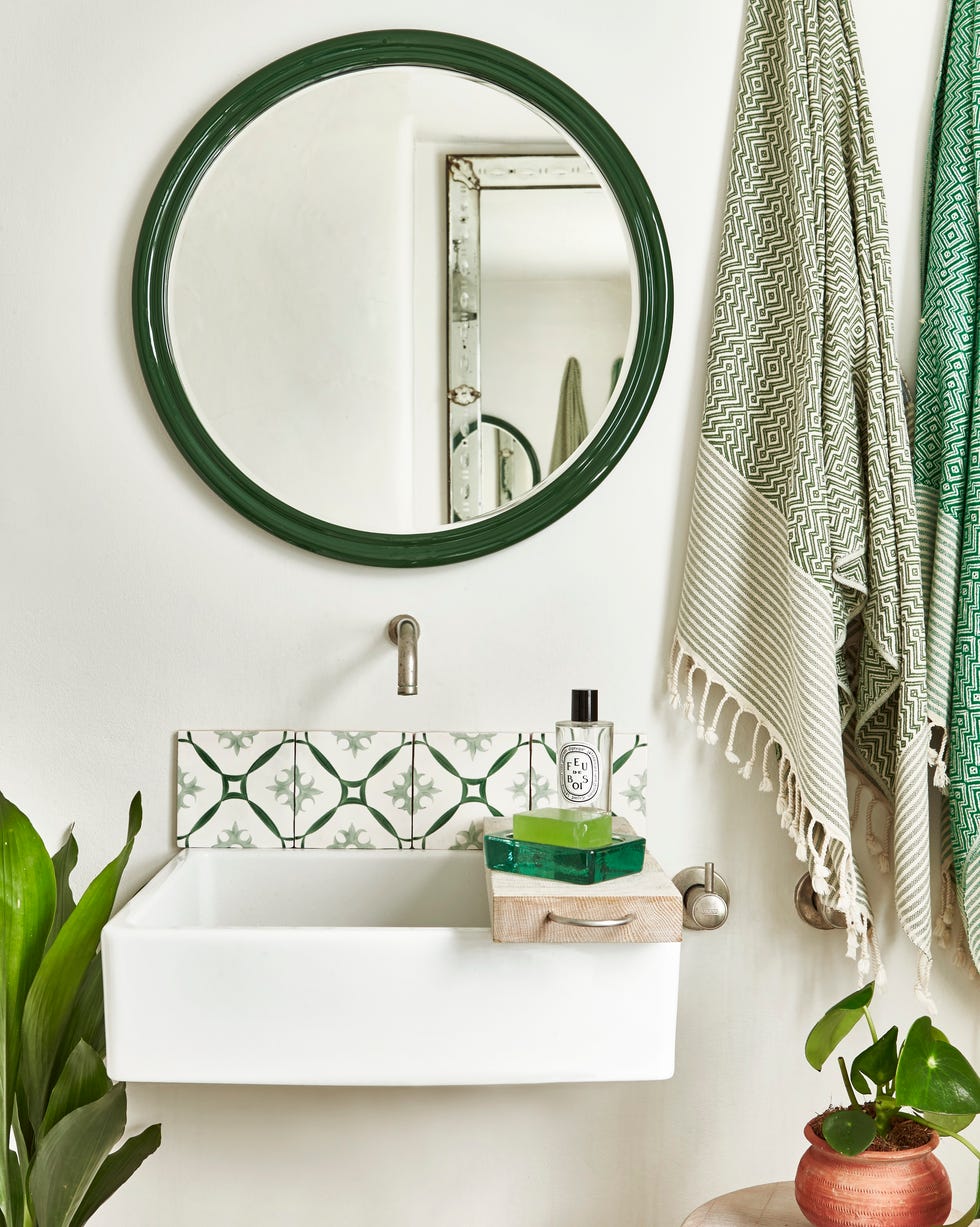
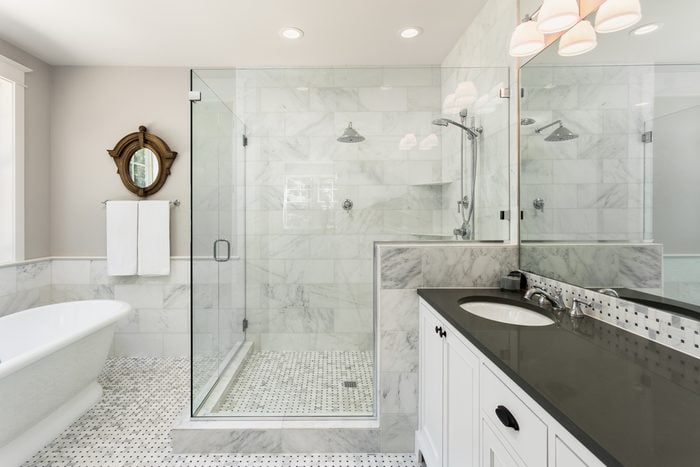
Mirrors cleaned with bleach often result in streaks and can even damage the mirror's backing. Professional cleaners suggest using a commercial glass cleaner or a homemade mixture of equal parts water and white vinegar. A clean, lint-free cloth or paper towel applied in a zigzag or circular motion helps achieve a streak-free finish, with glass polish providing extra shine.
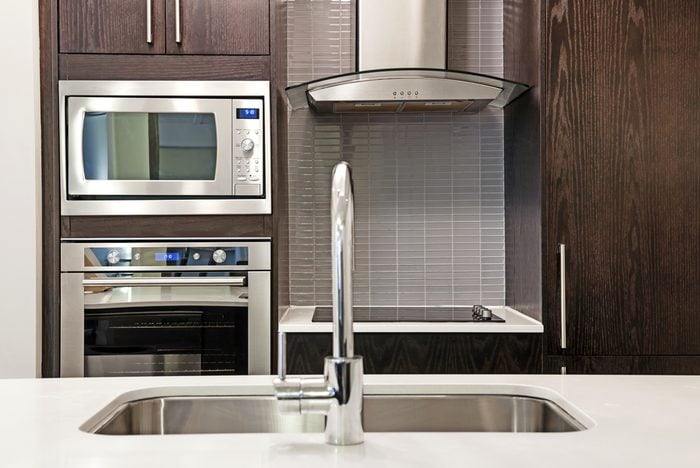
Stainless steel surfaces, including appliances, can lose their shine and become discolored when exposed to bleach. A mild dish soap with water is a more effective and safer alternative. Specialized stainless-steel cleaners can also be used to clean and preserve the appliance's appearance and durability.
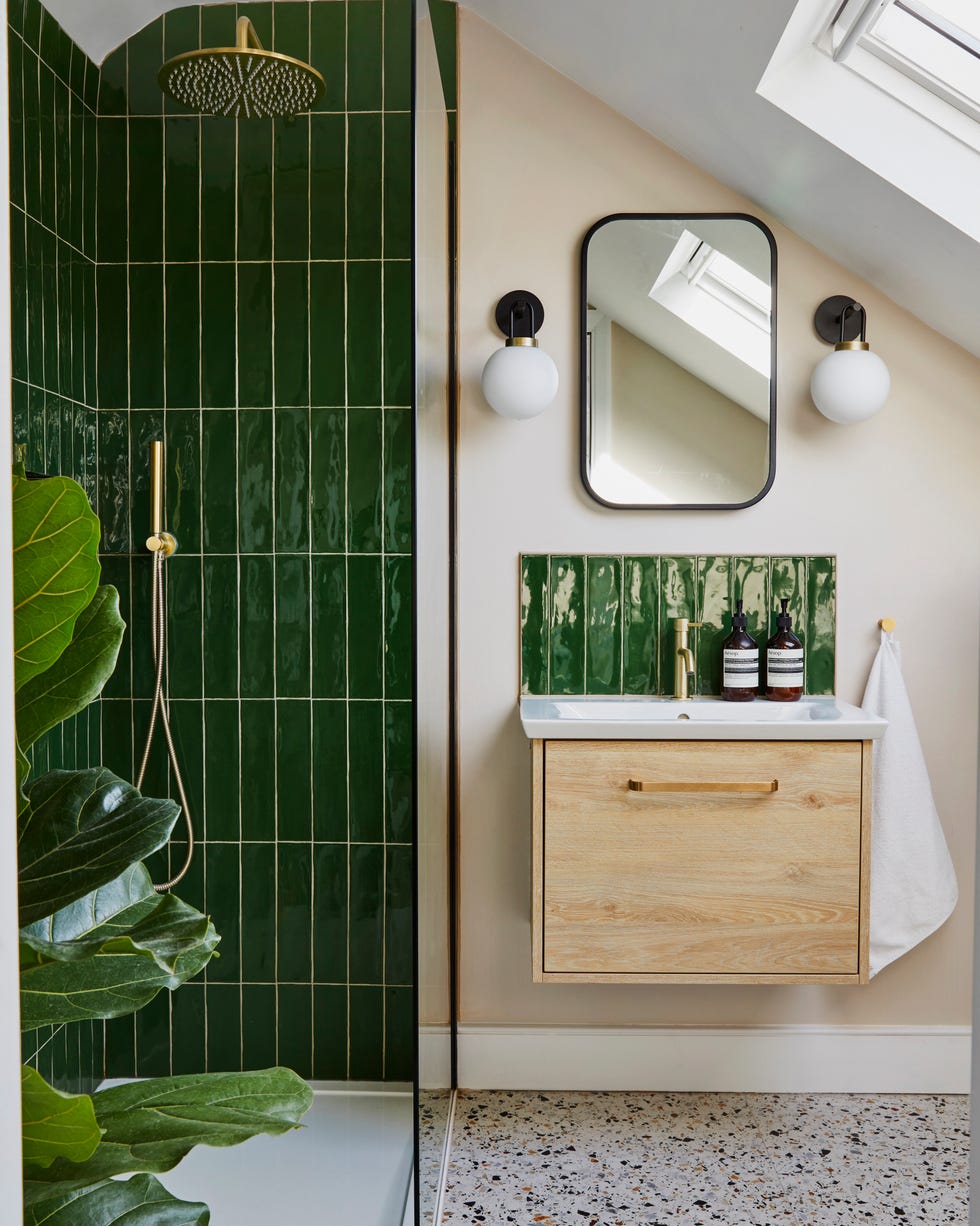
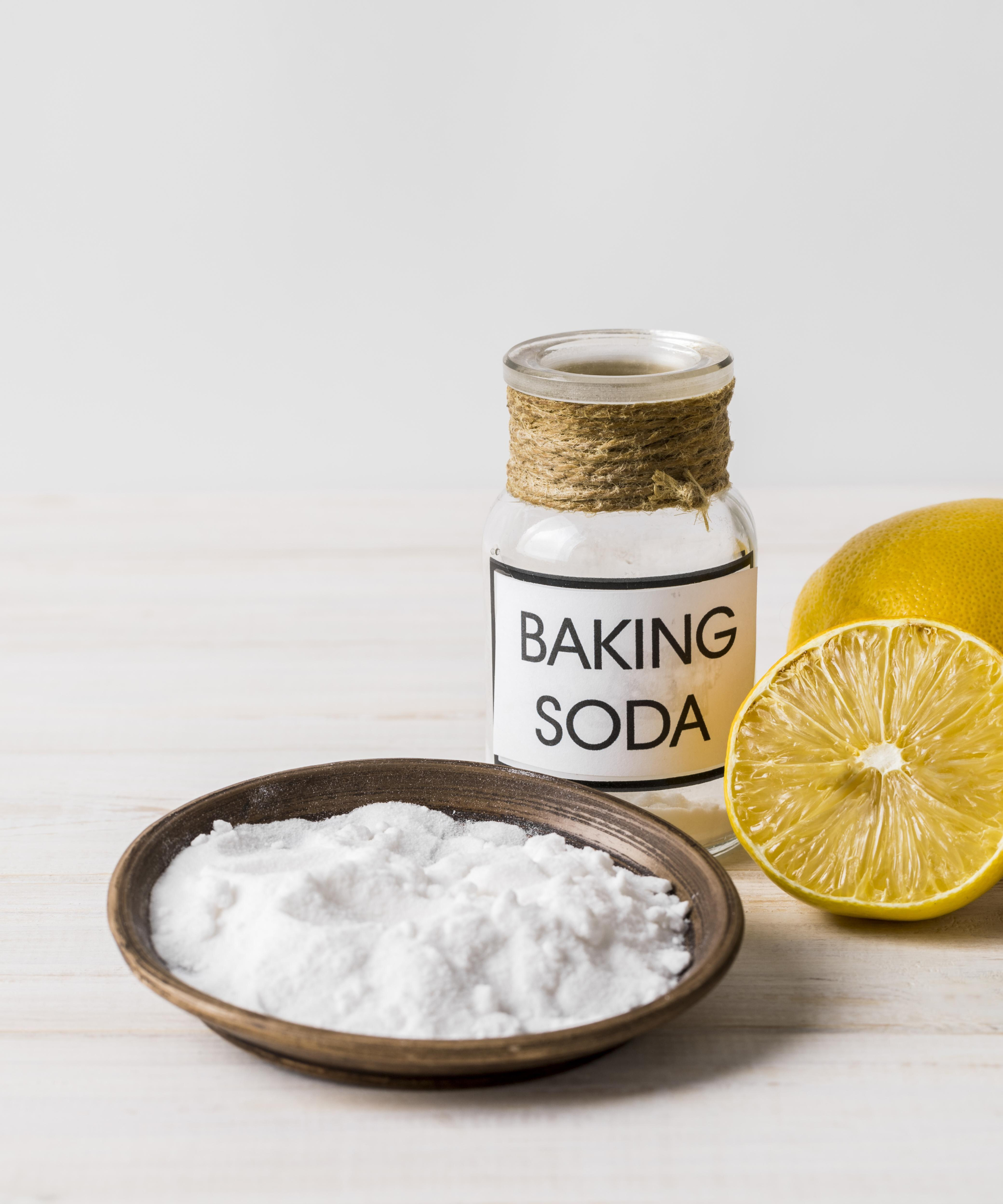
Grout, which can become discolored and harbor mold, should not be cleaned with bleach as it only addresses surface mold without tackling its roots. White vinegar is a better solution for killing mold, with a baking soda and water paste effective for scrubbing. Steam cleaners are also a good, chemical-free option for deep cleaning grout.
Furthermore, dried bleach residue on surfaces can remain toxic, necessitating thorough rinsing and drying after use. Mopping floors with bleach is generally discouraged as it can damage various flooring types, including wood, laminate, and tile, and leave behind harmful residue, especially in homes with children or pets. Therefore, bleach-free floor cleaners are a safer choice. It is also crucial to remember that bleach should never be mixed with other cleaning agents like vinegar, as this can create dangerous chemical reactions.
#Bleach #CleaningTips #HomeCleaning #HouseholdItems #SurfaceCare #FabricCare #ProfessionalAdvice #NonToxicCleaning #HomeMaintenance #Bleach #CleaningTips #HomeCleaning #HouseholdItems #SurfaceCare #FabricCare #ProfessionalAdvice #NonToxicCleaning #HomeMaintenance
0 comment in total
 No comments yet
You may also like
8 Things You Should Never Clean with a Swiffer

10 things decluttering experts won't keep in their kitchen cupboards


6 things to never clean with rubbing alcohol around your home, and what to use instead
The Surprising Cleaning Supplies Experts Say to Never Use in Your Bathroom
8 Things You Should Never Wash Down The Sink
5 things you should never clean with baking soda – according to professionals
11 Things You Should Never Clean with Rubbing Alcohol

Items to never store in an entryway, according to cleaning, organizing and interiors experts
9 Things Professional Declutterers Won’t Keep In Their Bathroom
6 Things You Should Never Clean With All-Purpose Cleaner
8 things a professional organiser would never keep in a hallway – and you shouldn’t either
8 Things You Should NEVER Keep On Your Kitchen Counter
6 Things You Should Never Clean With All-Purpose Cleaner


9 items never to store in a bathroom vanity – according to the experts
Pros warn never to keep these 8 things in your pantry
8 Cleaning Products That Our Editors Grab Again and Again

13 Things You Should Never Clean with Windex
From fluffy towels to medicine cabinets: 9 things professional organisers never keep in the bathroom

6 things you should never forget to clean in a hallway
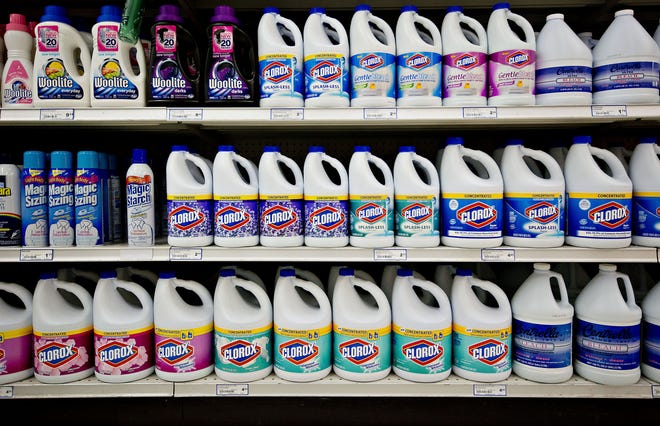
Bleach isn't so scary if you know how to use it correctly