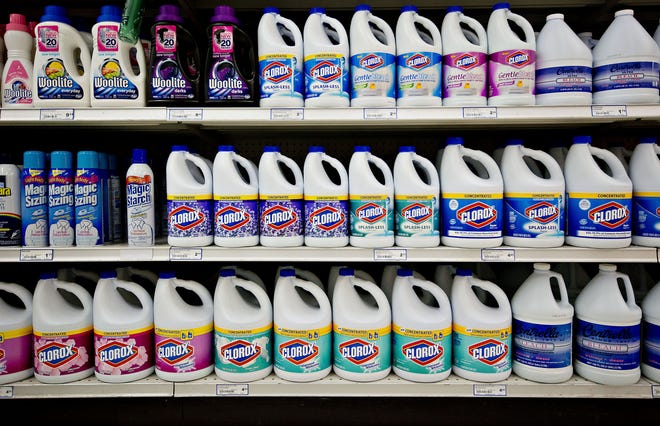
Bleach isn't so scary if you know how to use it correctly
The article addresses the common perception of household bleach as a hazardous chemical by providing expert advice on its safe and effective use for cleaning and disinfecting. Thomas Benzoni, an assistant professor and doctor of osteopathic medicine at Des Moines University, emphasizes that while bleach is effective for disinfection, it must be used correctly and diluted with water. He cautions against mixing bleach with other household cleaners, especially toilet bowl cleaners and ammonia, as this can release dangerous chlorine gas, which can be fatal. Benzoni stresses the importance of allowing any previously applied cleaner to dry completely before using a bleach solution to minimize the risk of toxic reactions. He also clarifies that bleach is a disinfectant, not a cleaner, meaning surfaces should be cleaned with soap and water first to remove dirt and debris before applying bleach. For disinfecting surfaces, Benzoni recommends a solution of no more than 1½ cups of bleach per gallon of water, advising that the solution sit for about 10 minutes before being wiped with clean water. He further advises wearing gloves and ensuring good ventilation when using bleach solutions due to their potential to irritate eyes, skin, and the respiratory tract.
Mary Gagliardi, Clorox's in-house cleaning and laundry expert, debunks common concerns about bleach, particularly regarding its use in laundry. She states that bad experiences with white spots often stem from incorrect usage, and when directions are followed, bleach safely sanitizes and whitens bleach-safe laundry. Gagliardi explains that while new items may not show an immediate difference, regular use of bleach can prevent clothes, sheets, and towels from becoming dingy over time. She provides clear guidelines on what fabrics are safe for bleach, specifically advising against using it on spandex, wool, silk, mohair, or leather, as it will ruin them. For colored fabrics, Gagliardi suggests a colorfastness test: applying a small amount of a diluted bleach solution to a hidden part of the item, waiting a minute, then rinsing and blotting dry to check for color change. She notes that solution-dyed fibers and most cotton and synthetic whites are generally safe for bleach.
A significant error people make is using the wrong amount of bleach. Gagliardi advises adjusting the bleach quantity based on the load size and soil level, recommending ½ cup for a normal load and 1 cup for extra-large or heavily soiled loads. For washing sheets, she suggests using the heavy-duty cycle with hot water, a good-quality detergent, and ½ cup of bleach. The article also addresses the myth that bleach damages fabrics more than regular machine washing; studies by Clorox found no significant difference in fabric strength between laundry washed with detergent alone and laundry washed with detergent and bleach after 50 wash and tumble dry cycles, examining items like T-shirts, socks, underwear, sheets, and dish towels.
Finally, Gagliardi shares a less common but effective use for bleach: adding ¼ teaspoon to a quart of water in a vase to fight bacterial growth and keep cut flowers fresh. The article aims to educate consumers on the proper, safe, and effective methods of using bleach for both household disinfection and laundry care, dispelling common misconceptions and promoting its benefits as a powerful cleaning agent when handled correctly.
#BleachSafety #HouseholdCleaning #LaundryCare #Disinfection #FabricCare #CleaningTips #HomeHygiene #ChemicalSafety #ExpertAdvice #BleachSafety #HouseholdCleaning #LaundryCare #Disinfection #FabricCare #CleaningTips #HomeHygiene #ChemicalSafety #ExpertAdvice
 No comments yet
8 items to never clean with bleach – according to cleaning professionals

4 things you should never use bleach on at home

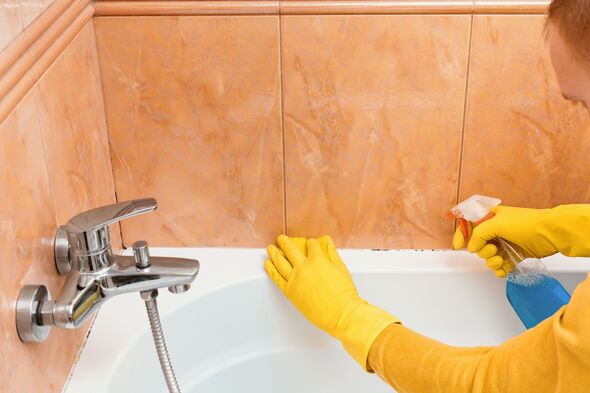
Bleach is the ‘worst’ for silicone sealant mould - cleaner’s ‘magic’ item works way better