1/5
How to Properly Clean Quartz Countertops — And the Products You Should Never (Ever) Use
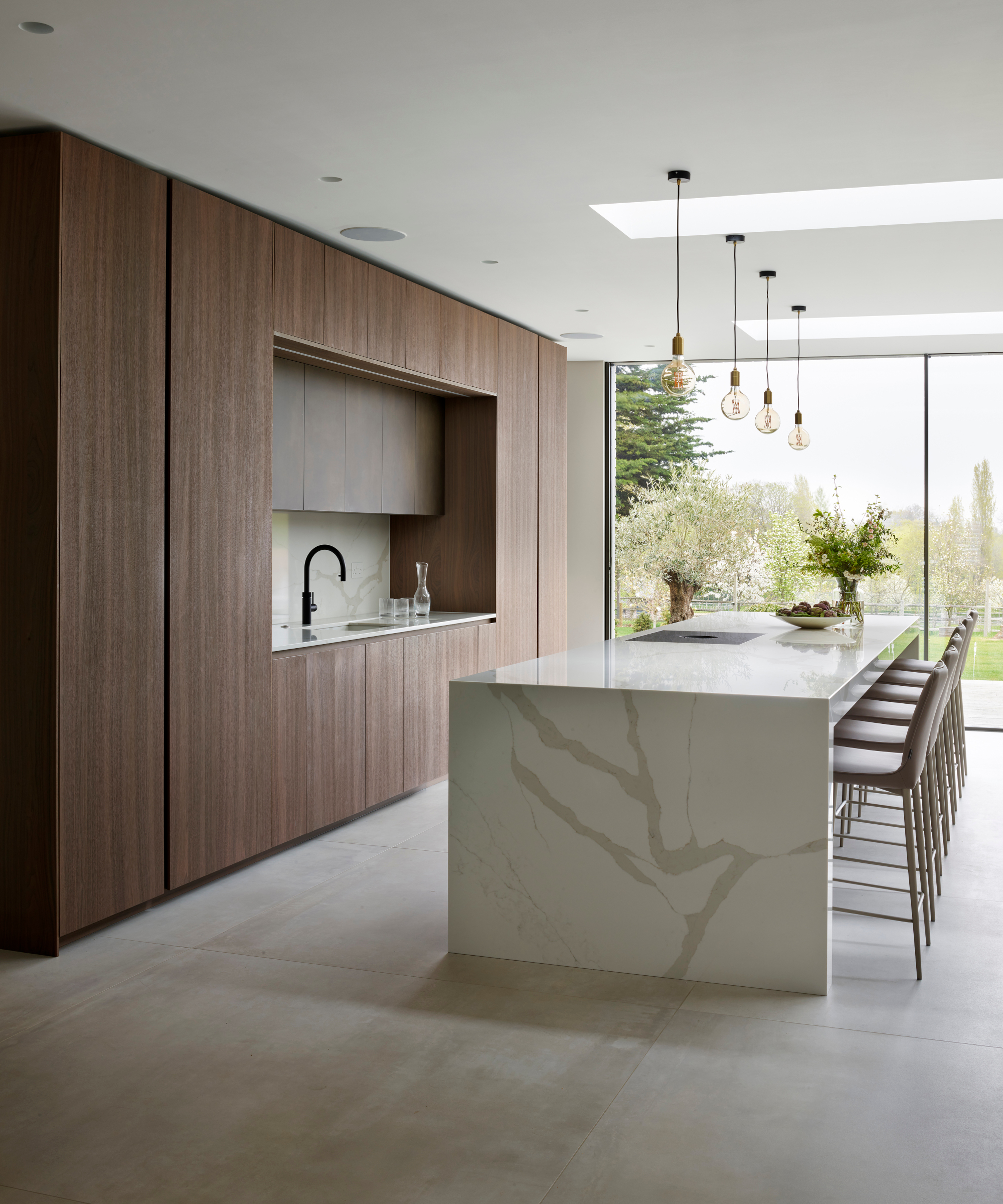
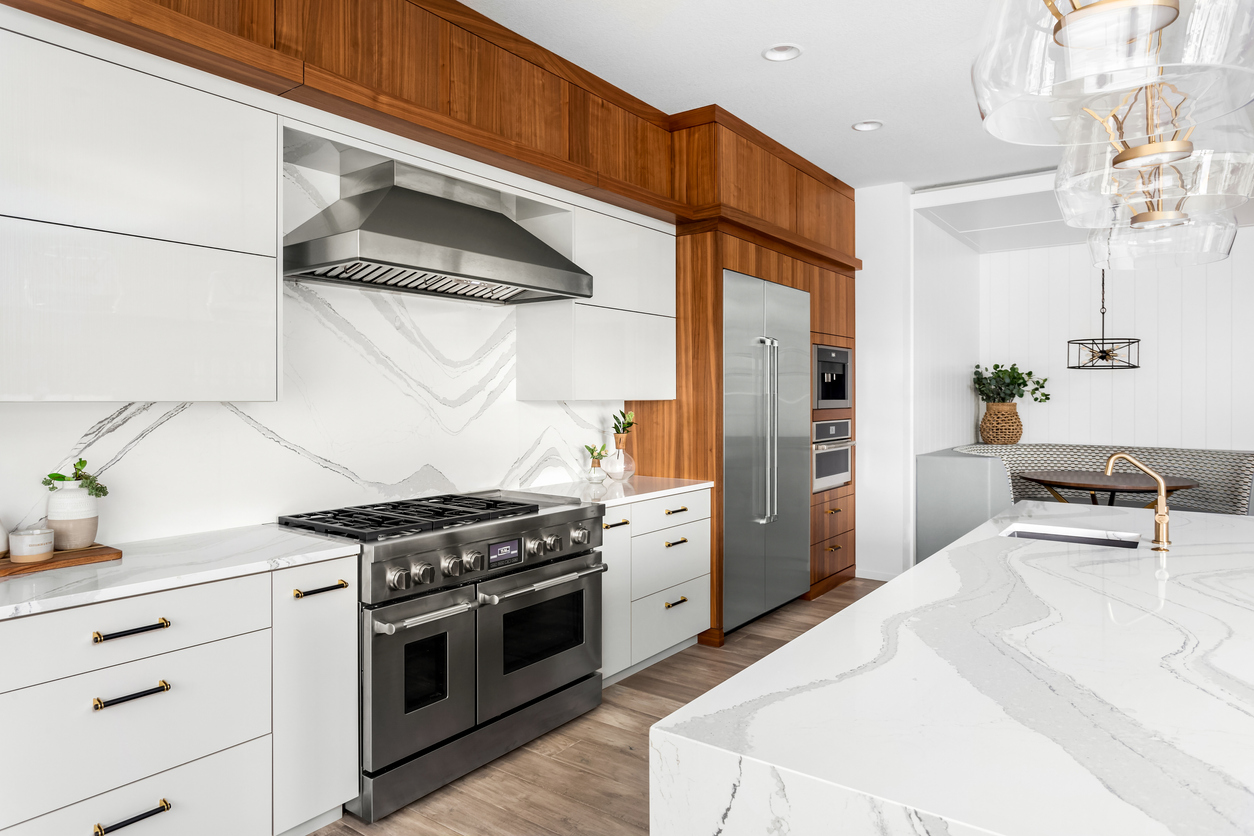
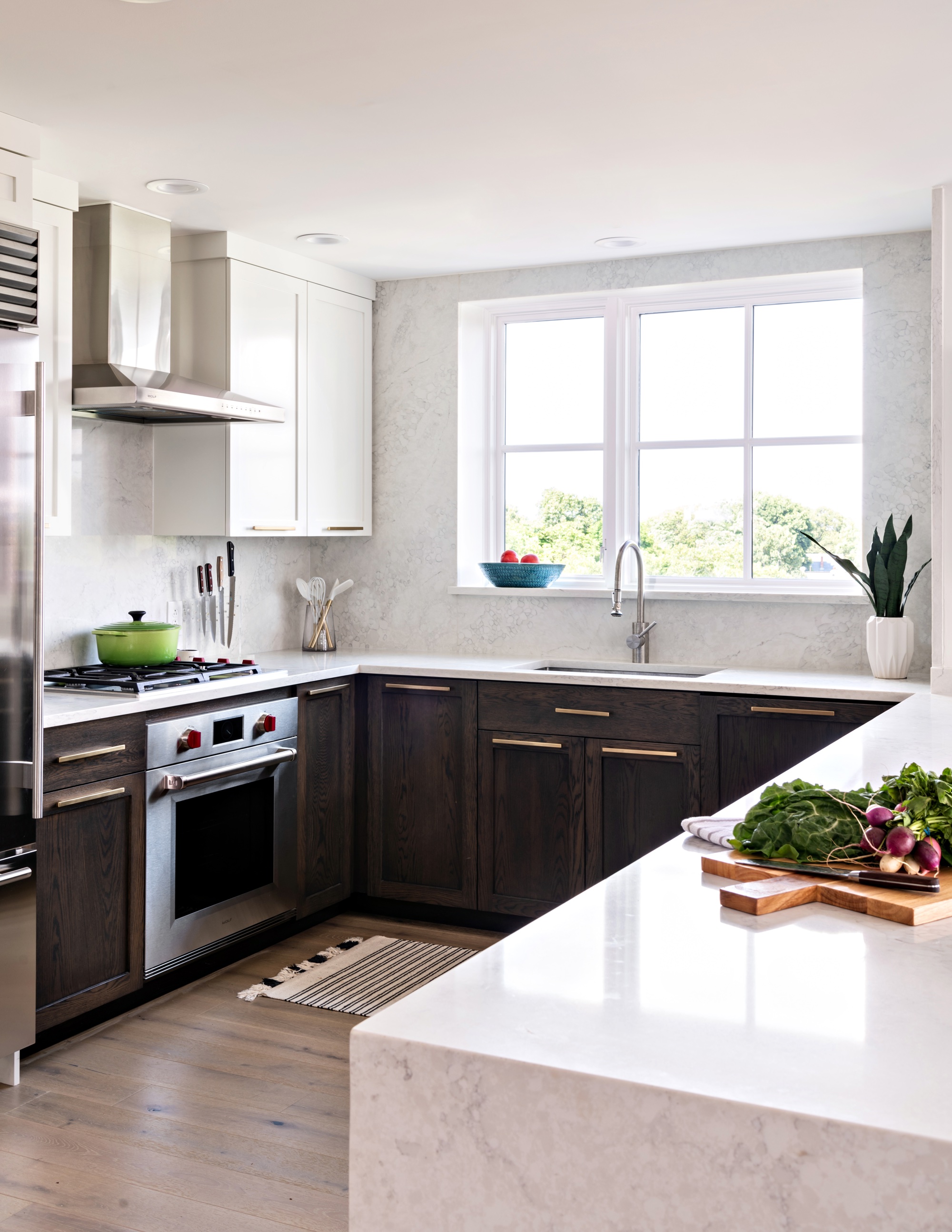
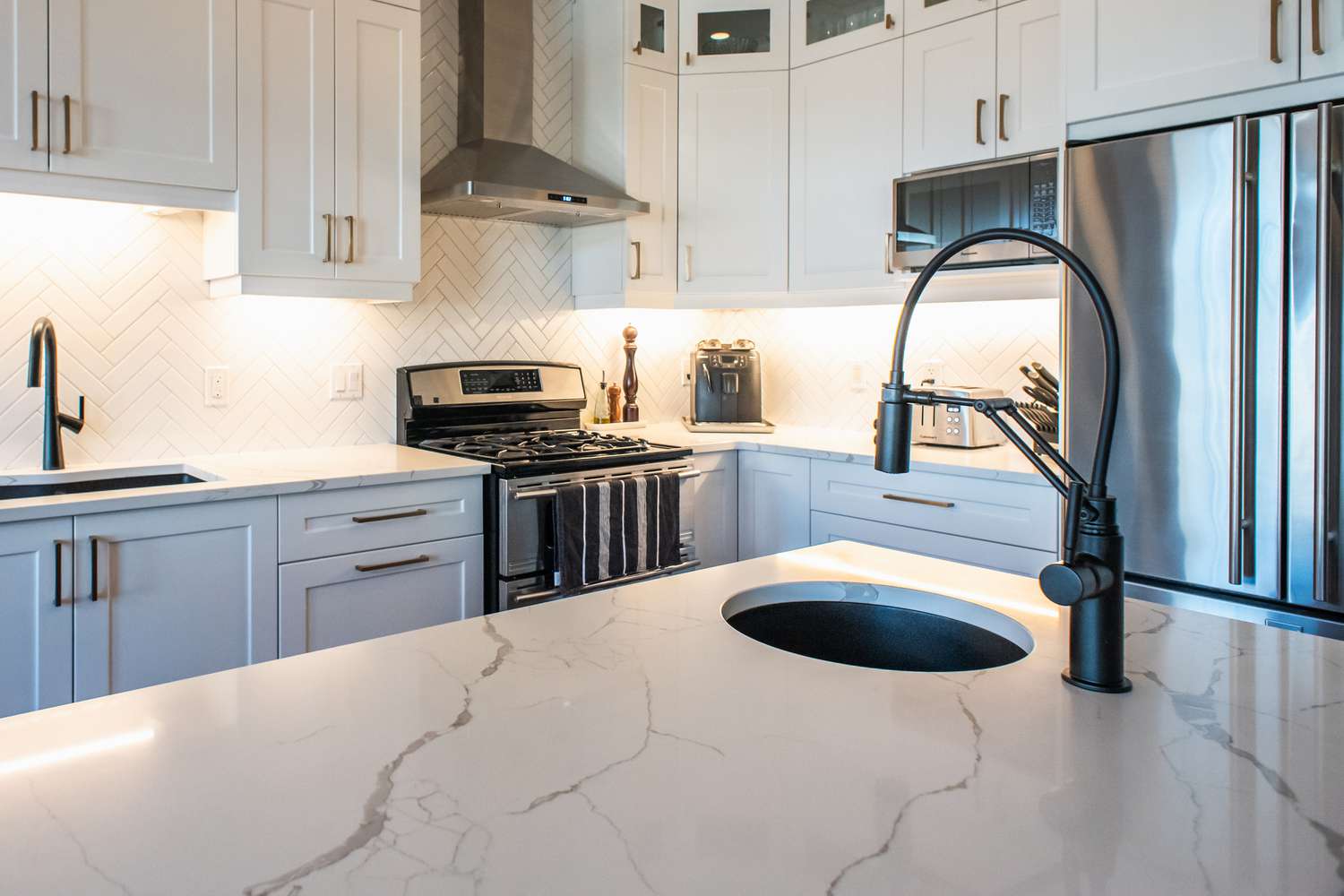
Quartz countertops are a popular choice for modern kitchens due to their aesthetic appeal and practical benefits. They offer durability, are hard-wearing, and are stain-resistant, making them a significant investment that enhances kitchen style. However, to maintain their pristine appearance and longevity, proper cleaning and maintenance are crucial. Using the wrong products or methods can prematurely degrade the material, leading to dullness or scratches.
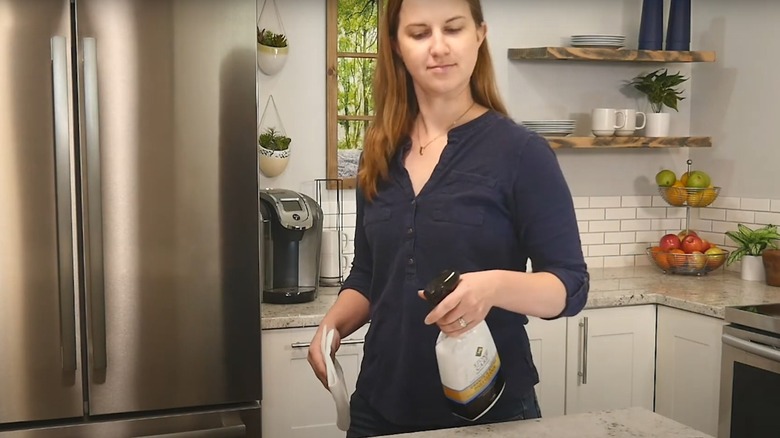
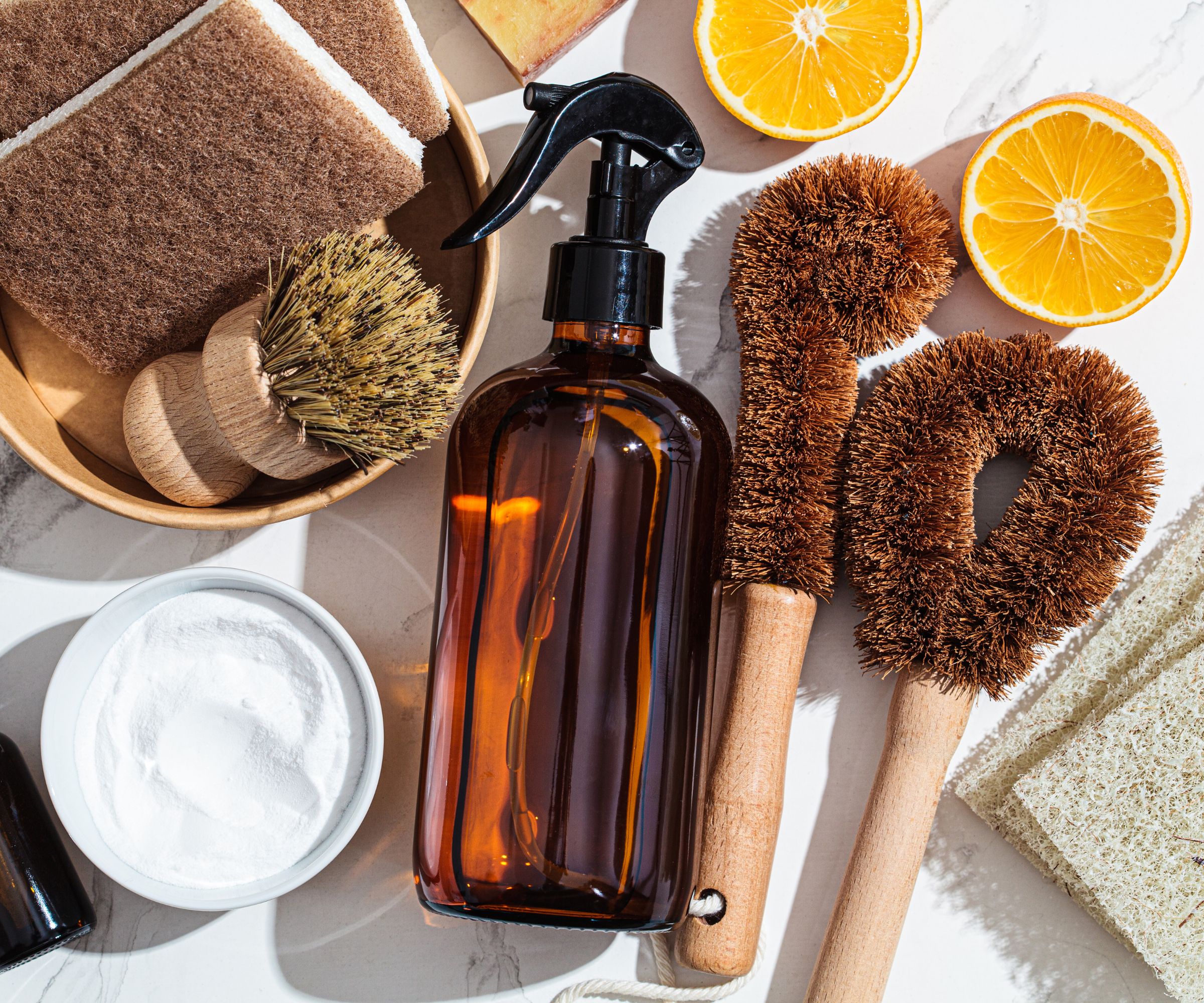
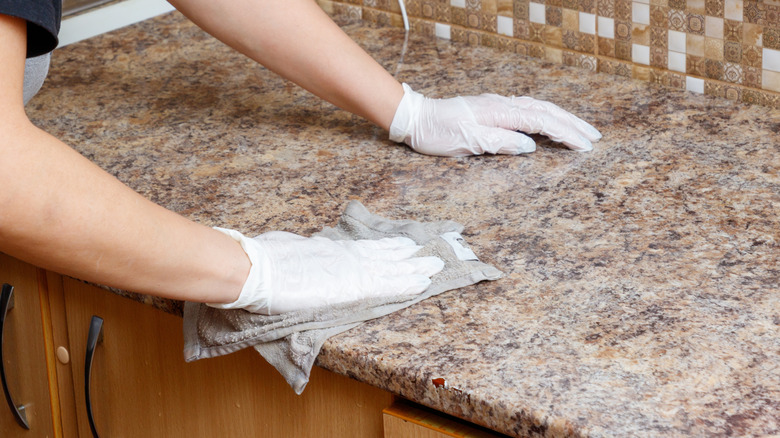
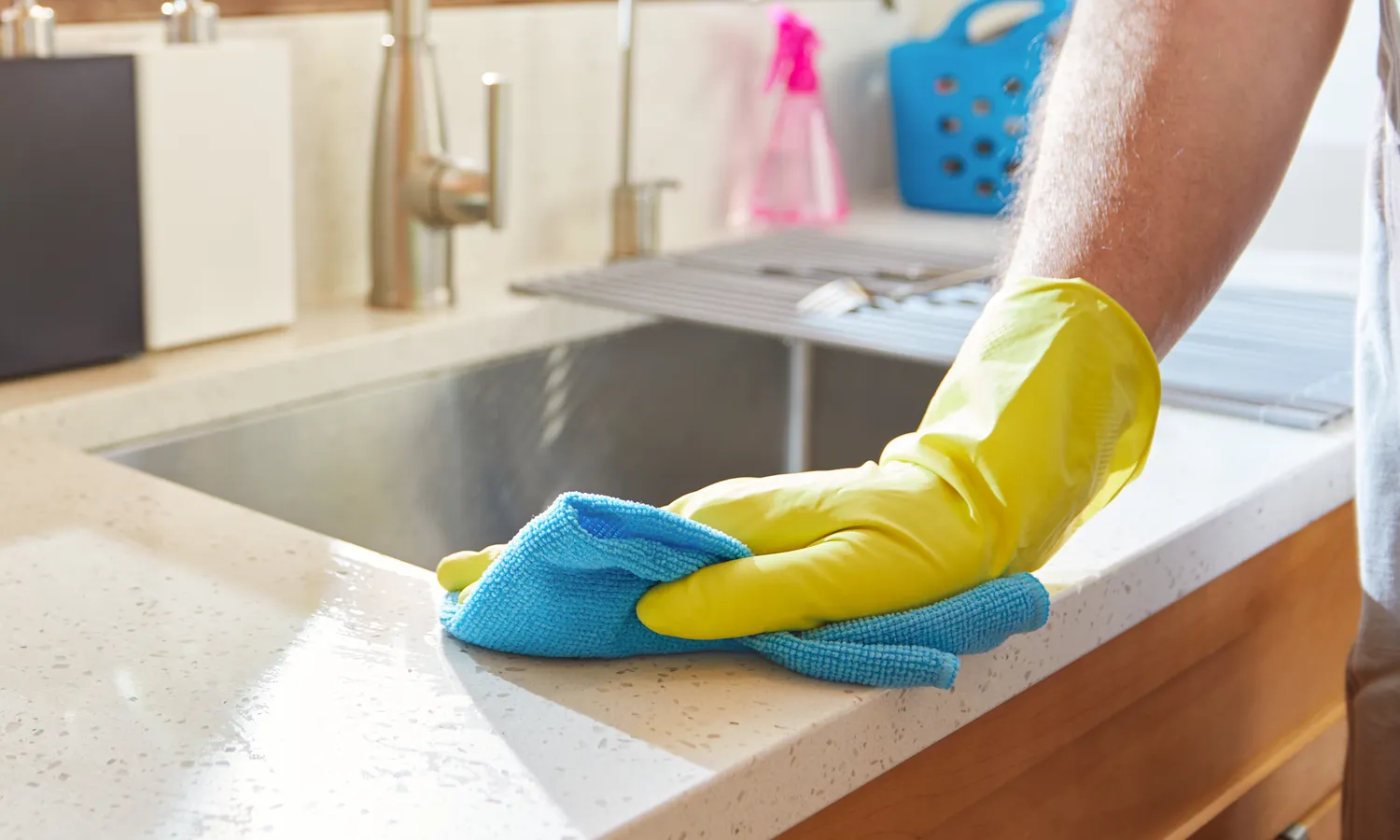
For routine cleaning, quartz countertops primarily require mild soapy water and a soft cloth, such as a microfiber kitchen cloth. Experts like Charlotte Figg, co-founder of Purdy & Figg, recommend a good eco-friendly multi-surface spray for daily upkeep. Marla Mock, president of Molly Maid, also suggests using a soft rag with a bit of dish soap and warm water for everyday messes. For an added sparkle and to eliminate streaks, a window cleaner can be applied as a follow-up. It is important to note that the non-porous nature of quartz, thanks to the resin that binds the natural stone and acts as a sealant, makes it relatively easy to clean compared to more porous materials like granite or marble.
When it comes to disinfecting quartz surfaces, a solution of 1/4 cup rubbing alcohol mixed with two cups of water in a spray bottle is effective. This mixture should be spritzed onto the surface, left for a few minutes, and then wiped clean. For more stubborn stains, a paste made from bicarbonate of soda and water is recommended by Purdy Rubin of Purdy & Figg. Alternatively, a small amount of Castile soap mixed with warm water can be used, followed by rinsing and buffing dry. For hardened spills, gently scraping the residue with a rubber spatula or plastic card before cleaning with warm soapy water is advised to prevent scratching the surface.
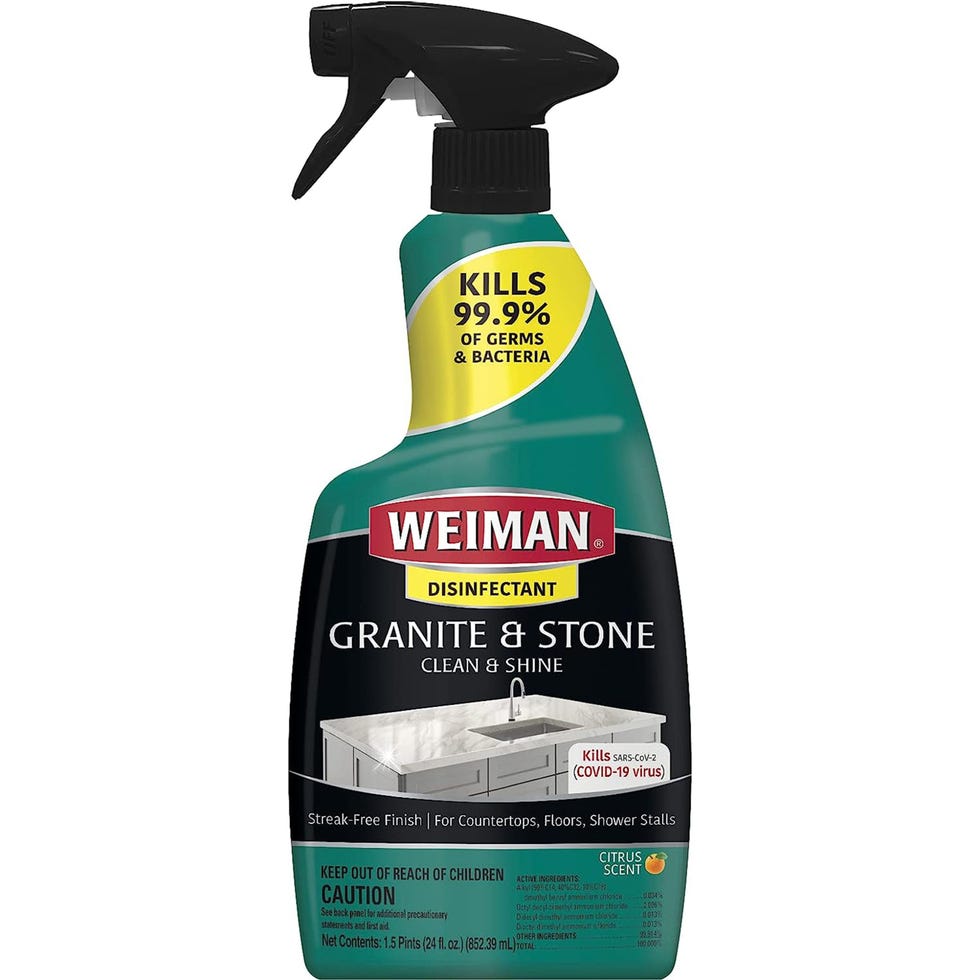
Crucially, certain products and tools should be strictly avoided when cleaning quartz countertops. Abrasive cleaners, scourers, and sponges can dull the surface and cause scratches. Harsh chemicals, acidic cleaners such as vinegar or lemon juice, and products designed for limescale removal should also be avoided, as they can etch the natural stone and compromise its shine. Jonathan Stanley, VP of Marketing at Caesarstone, emphasizes the importance of using only soft cloths and non-abrasive detergents.
Maintaining the cleanliness and integrity of quartz countertops involves simple, gentle methods and the careful selection of cleaning agents. Adhering to these guidelines ensures the countertops retain their polished finish and durability for many years, safeguarding the investment made in this popular kitchen material.
#QuartzCountertops #KitchenCleaning #CountertopCare #HomeMaintenance #CleaningTips #InteriorDesign #KitchenDesign #MaterialCare #DIYCleaning #QuartzCountertops #KitchenCleaning #CountertopCare #HomeMaintenance #CleaningTips #InteriorDesign #KitchenDesign #MaterialCare #DIYCleaning
0 comment in total
 No comments yet
You may also like
The Best Quartz Countertop Cleaners According To Reviews

Should You Choose Quartz or Granite Countertops? Experts Settle the Debate on These Two Popular Materials

The Best Countertop Materials for Every Type of Kitchen

How To Clean & Maintain Countertops: From Corian to Quartz
5 cleaning myths that will damage your countertops – and what to do instead

Are quartz countertops right for your home? We examine the pros and cons
This Is How to Clean Quartz Countertops So They Sparkle Like New

What is the most low maintenance kitchen countertop? Design experts unanimously agree
Quartz Countertops Guide: Maintenance Tips & 15 Chic Decor Ideas

The Right Way To Clean Quartz Countertops, According To Experts

6 great alternatives to marble and granite for your NYC kitchen renovation: quartz, quartzite, porcelain, soapstone & more
Marble vs. Quartz Countertops: Which Is Better?


The Right Way to Clean Quartz Countertops
I Picked Quartz Countertops for My New Kitchen, but Was It the Right Choice? Experts Weigh Up the Pros and Cons
8 Things You Should NEVER Keep On Your Kitchen Counter

Why Quartz Countertops Will Never Go Out of Style

Our Pros Swear By These Kitchen Countertop Cleaners

The Best Granite Sealers for Countertop Maintenance
5 things not to put on your bathroom countertops, according to interior designers
4 Easy-to-Follow Care Tips That Keep Quartz Countertops Looking Like New