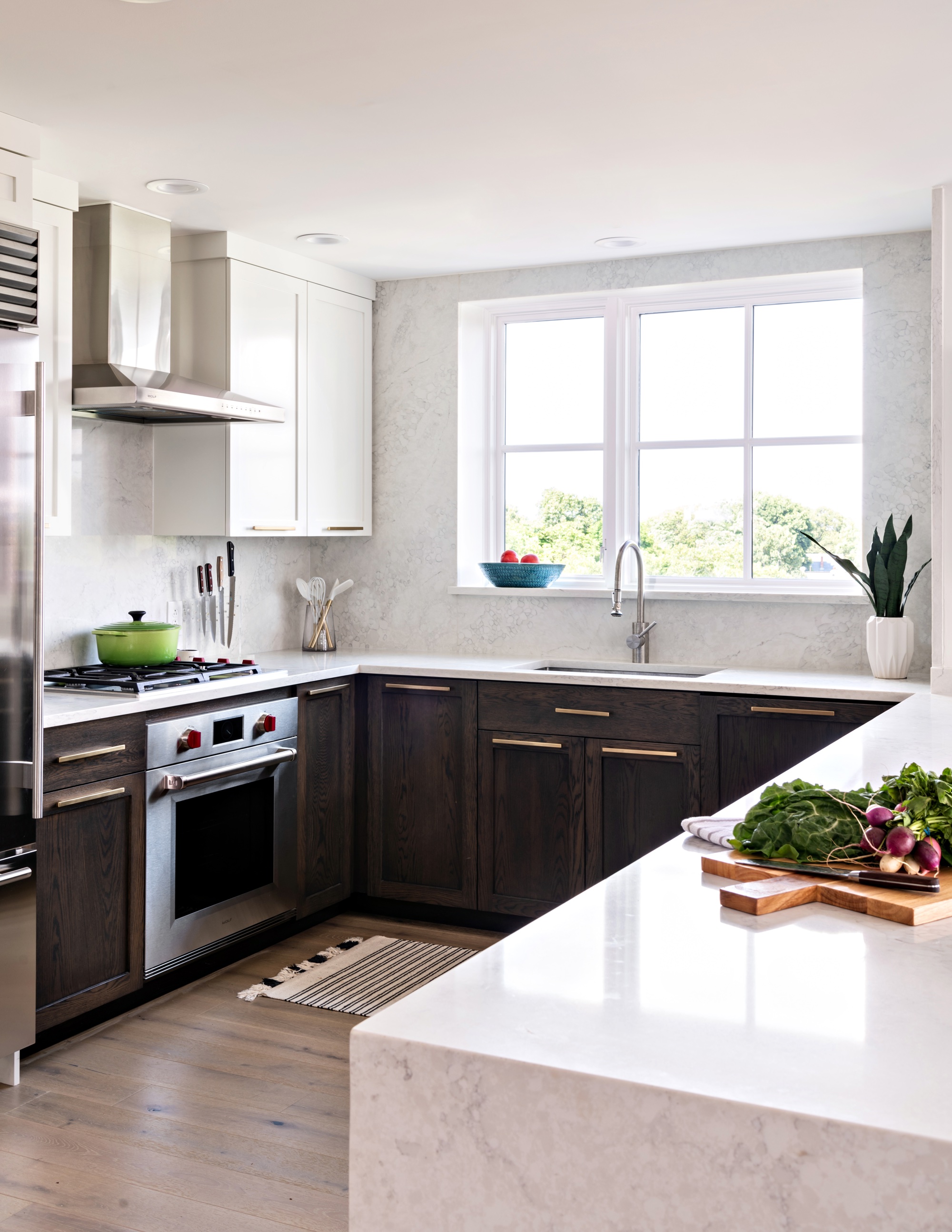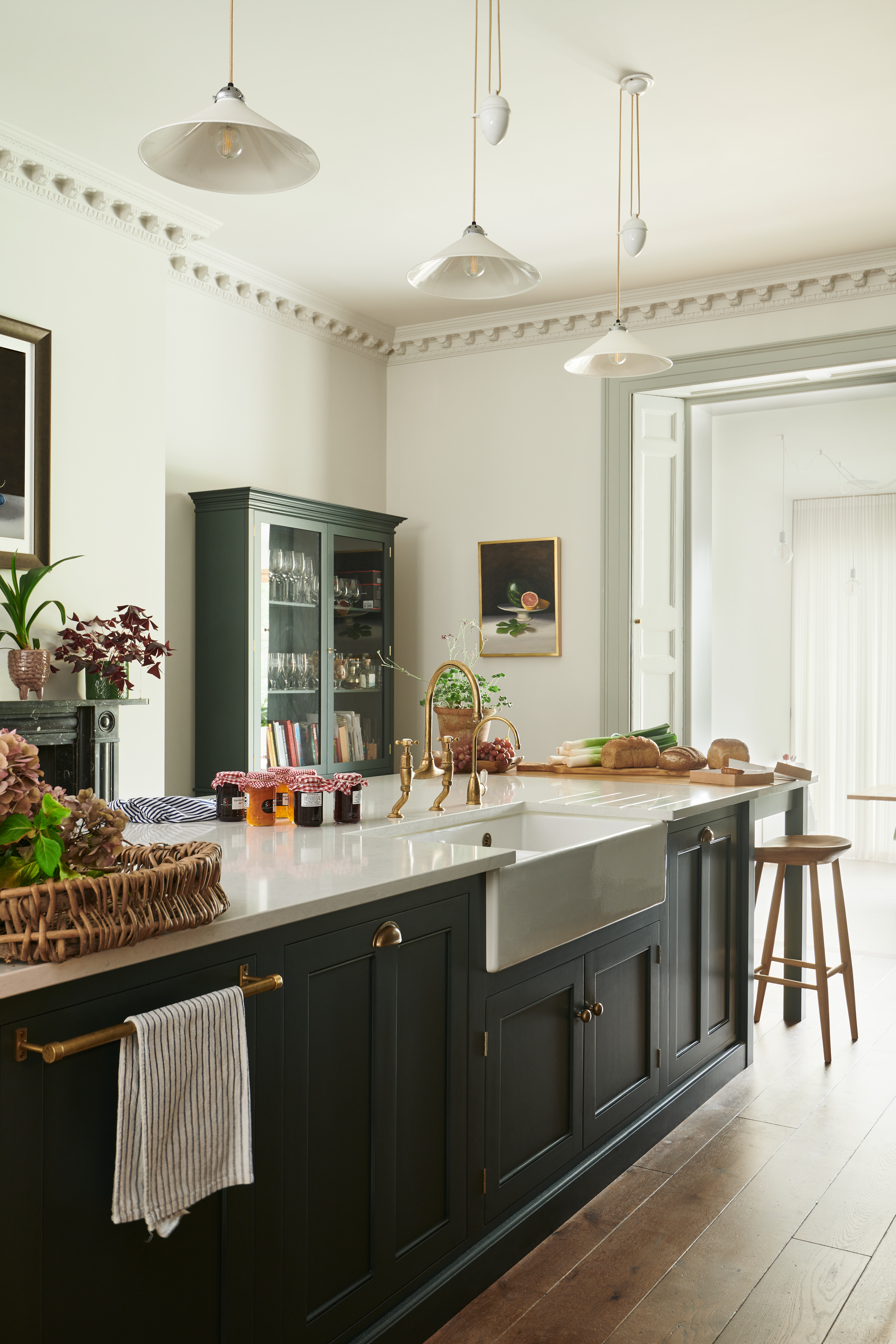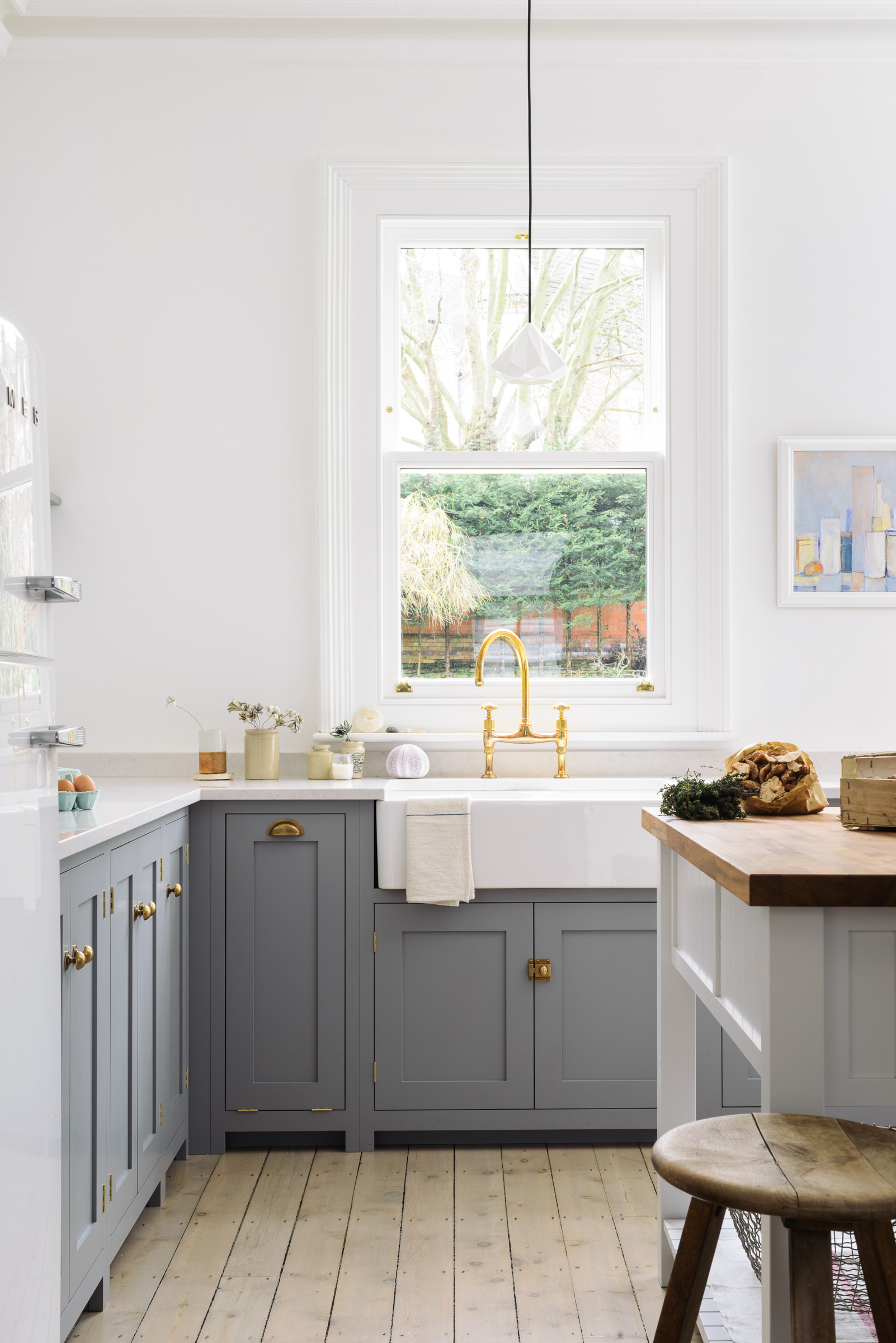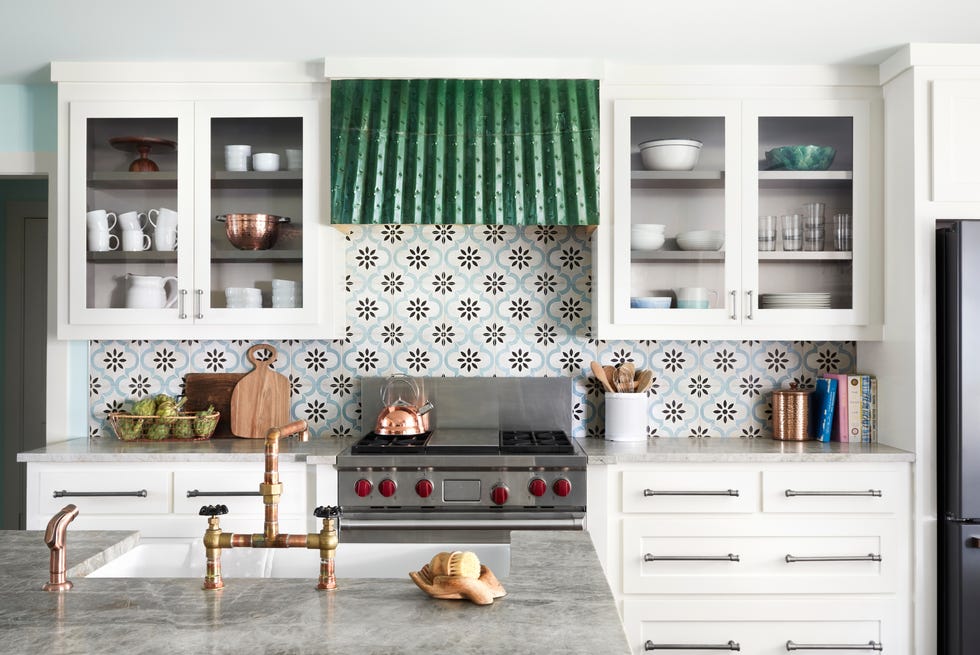
The Right Way To Clean Quartz Countertops, According To Experts
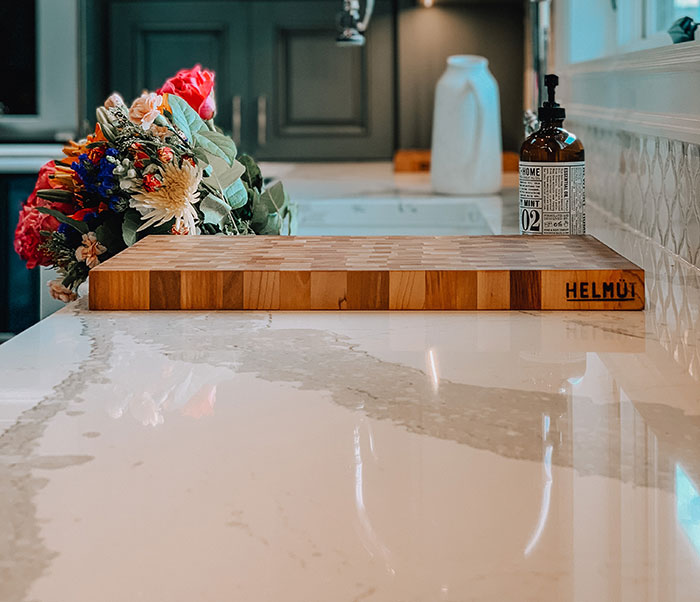
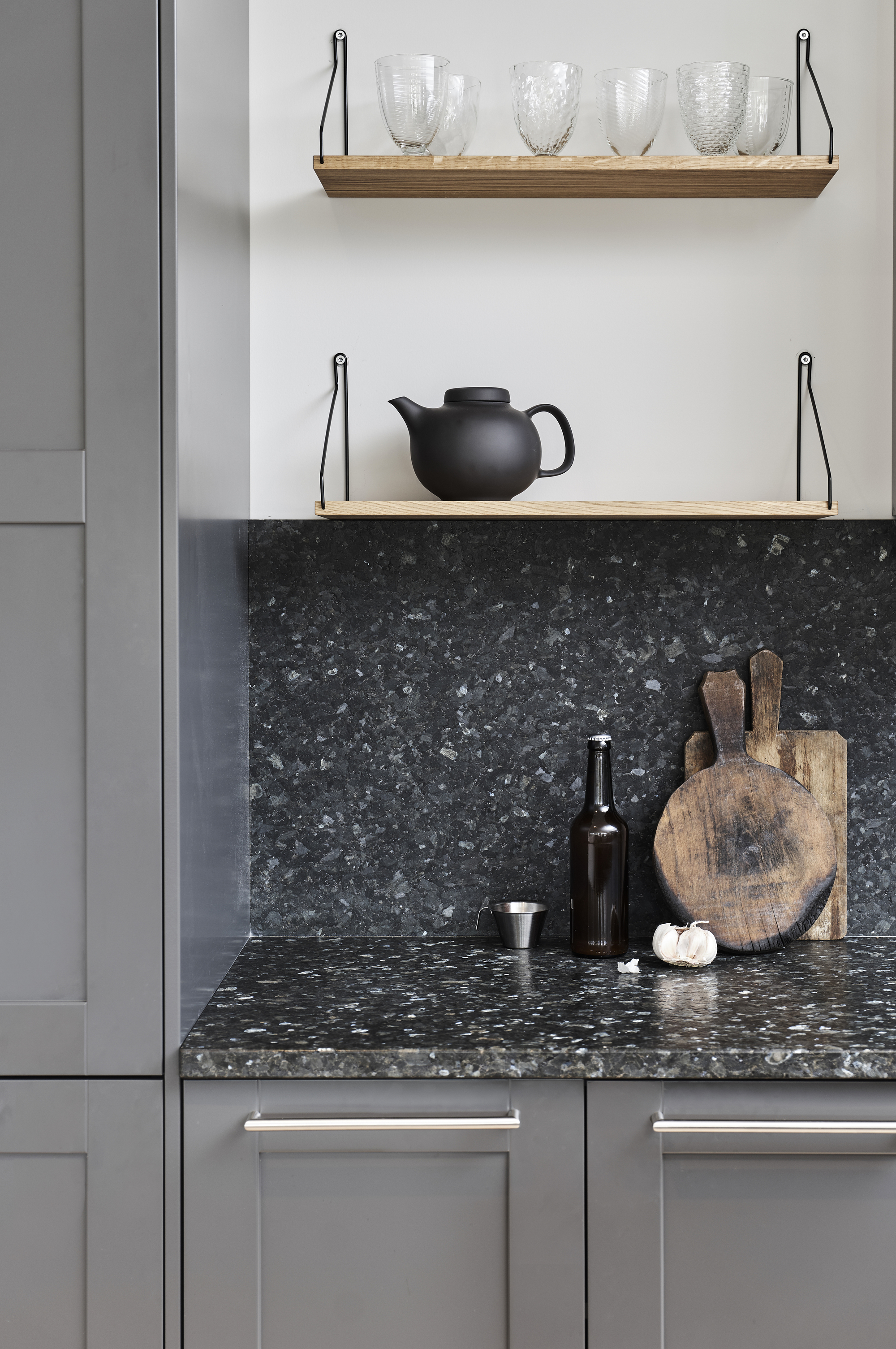
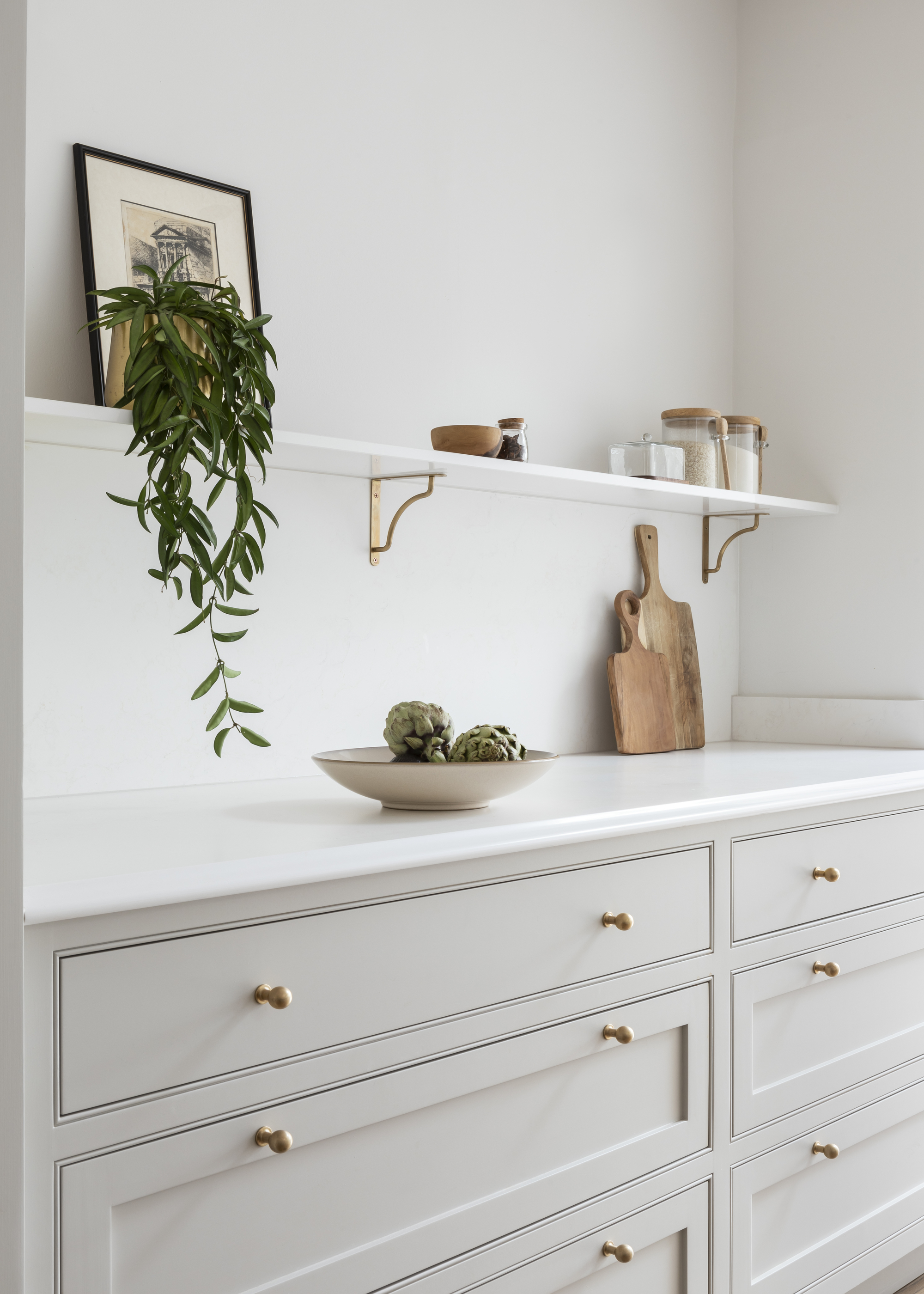
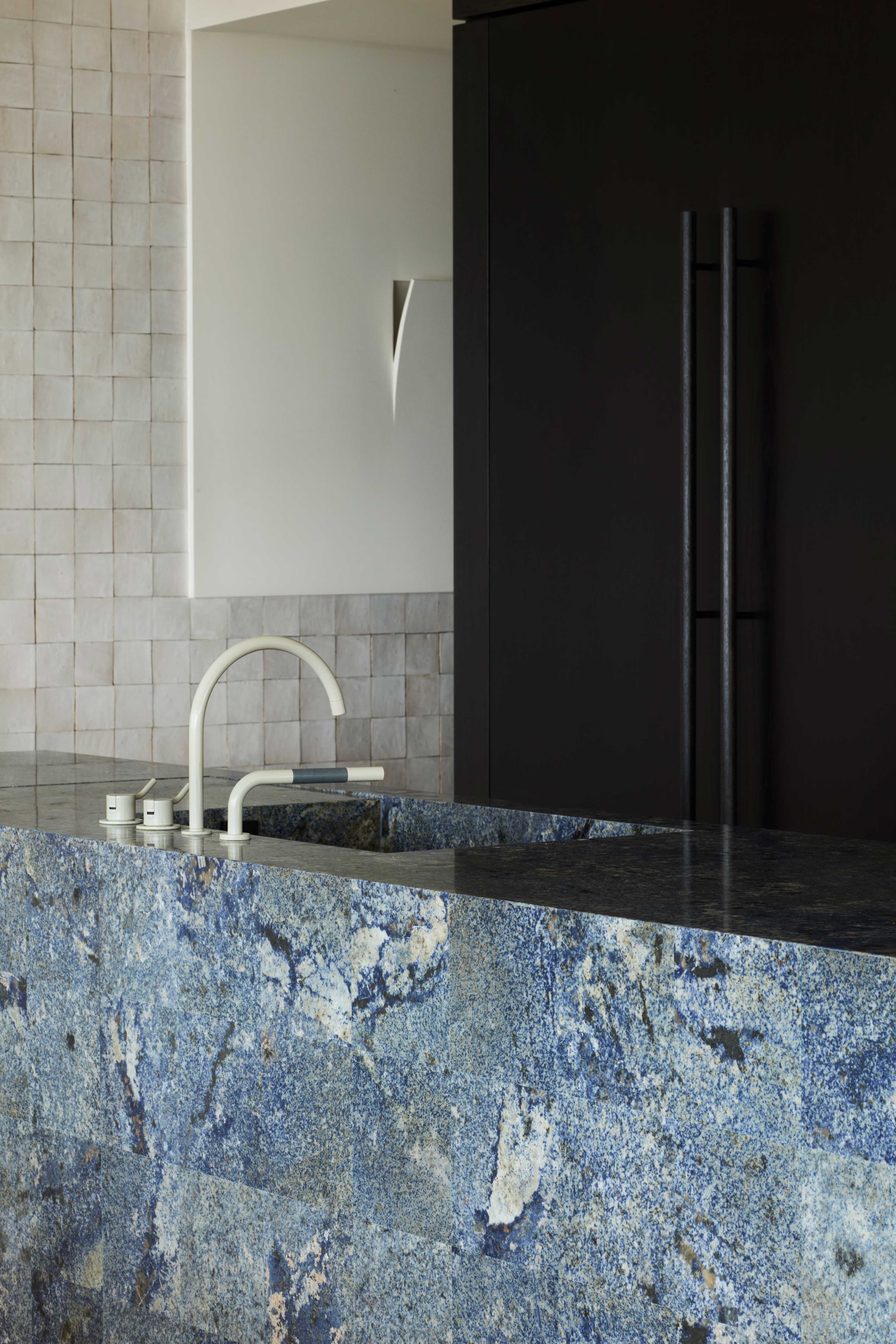
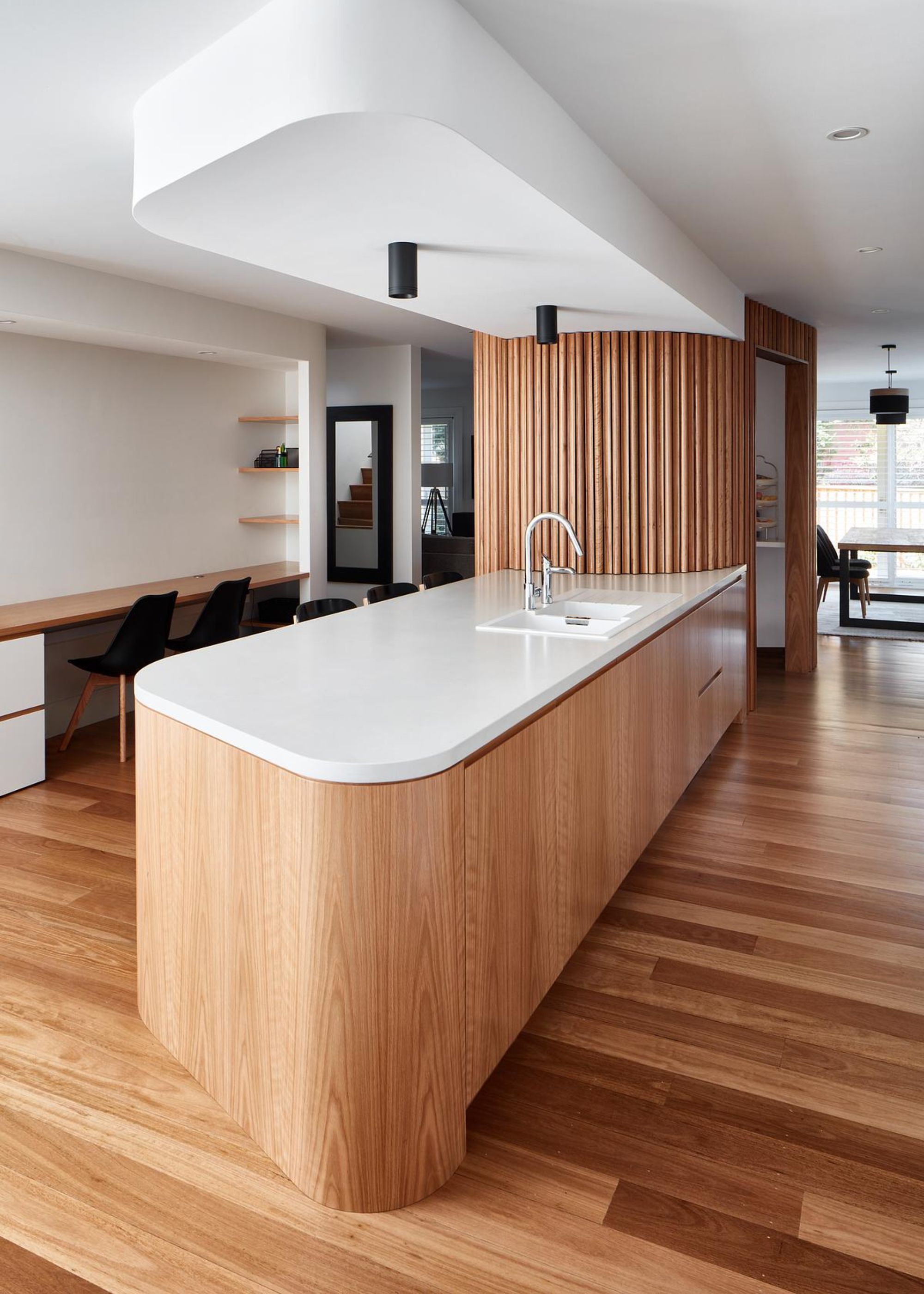
Quartz countertops are a popular choice for kitchens and bathrooms due to their elegant appearance, stain resistance, and low-maintenance characteristics. They are composed of a blend of crushed stone and resin, which makes them nonporous, preventing the absorption of liquids and the harboring of bacteria. While quartz is known for its durability, proper cleaning and care are essential to prevent damage from heat, harsh chemicals, or abrasive tools. This guide, featuring insights from professional cleaner Marla Mock (President of Molly Maid) and interior designer Cathy Hobbs (founder of Cathy Hobbs Design Recipes), outlines the safest cleaning methods, recommended products, and strategies for maintaining quartz surfaces.
Before initiating the cleaning process, it's crucial to understand the properties of quartz. Its nonporous nature means it resists stains and bacteria more effectively than natural stone. However, it's still susceptible to damage from excessive heat, which can lead to splitting or discoloration; therefore, using hot pads for warm items is a recommended best practice. Although quartz does not harbor bacteria, crumbs and spills that accumulate on the surface can. Daily quick cleaning with a microfiber towel helps maintain freshness between more thorough cleanings. Harsh cleaners and abrasive scrubbing pads must be avoided as they can scratch or dull the countertop's surface. Instead, warm water, mild dish soap, and a soft cloth are the preferred cleaning agents.
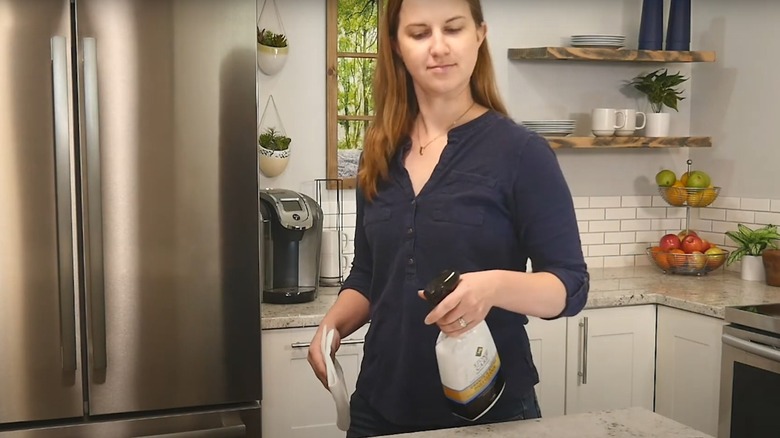
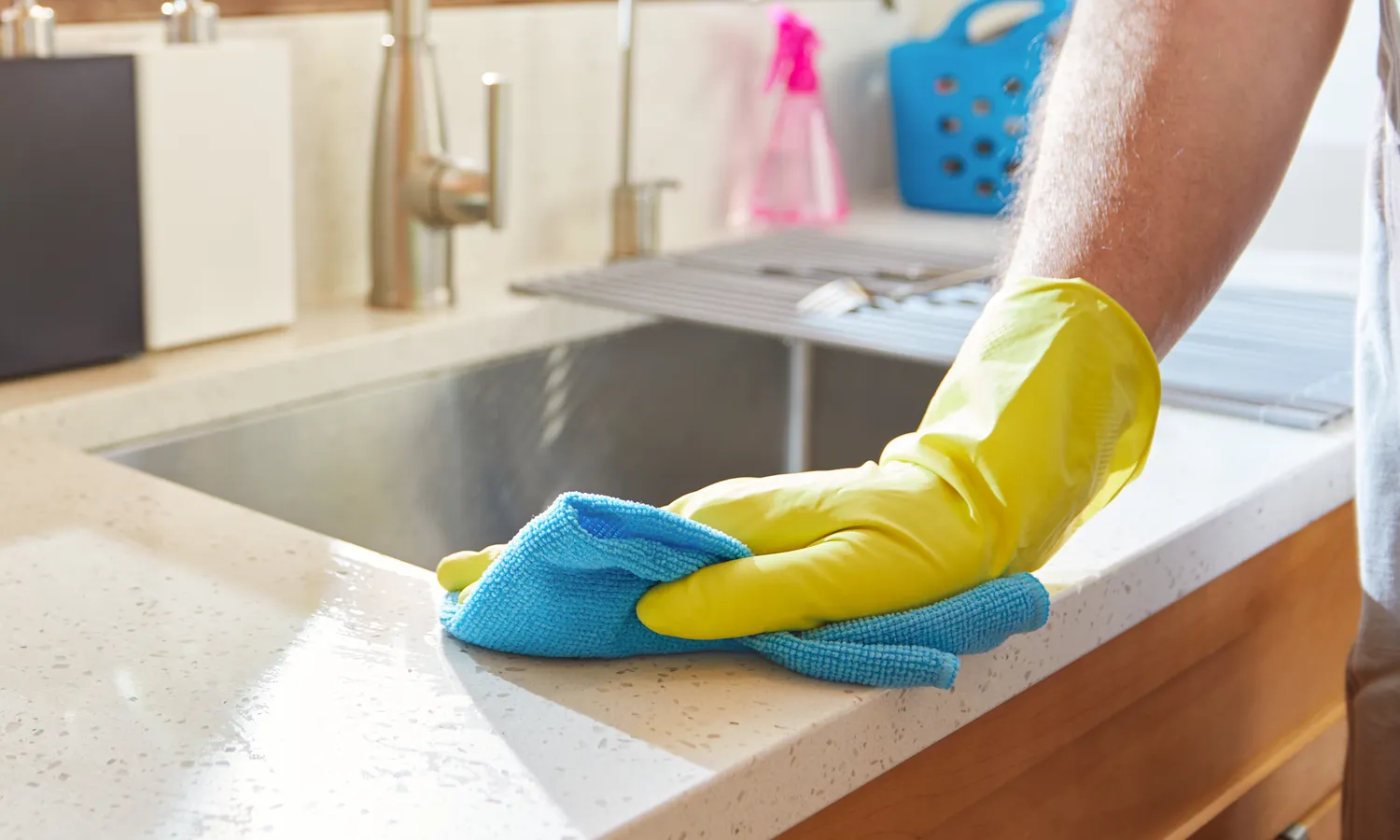
For general cleaning, the article suggests two primary methods. The first method involves using soap and water: begin by removing any hardened food or liquid with a microfiber cloth. Then, apply a small amount of dish soap and warm water to a microfiber cloth and use it to wipe away food residue, grease, crumbs, and other debris. Follow this with a non-abrasive all-purpose cleaner to eliminate any remaining streaks or smudges. Finally, buff the countertop with a dry microfiber cloth to restore its shine. The second method focuses on stain removal, emphasizing quick action to prevent discoloration. For discolored areas, a solution of equal parts hydrogen peroxide and water should be sprayed onto the stain. This area should then be scrubbed with a microfiber cloth. Any remaining residue can be removed with a damp microfiber cloth, followed by a dry wipe.
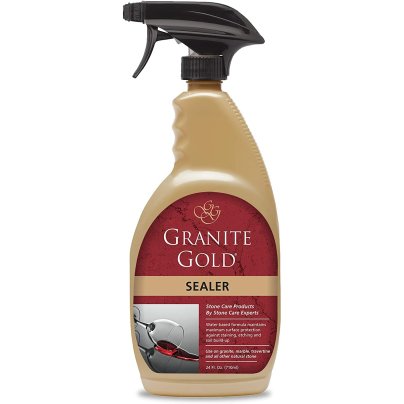
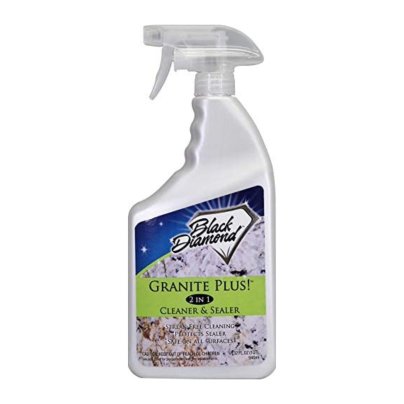
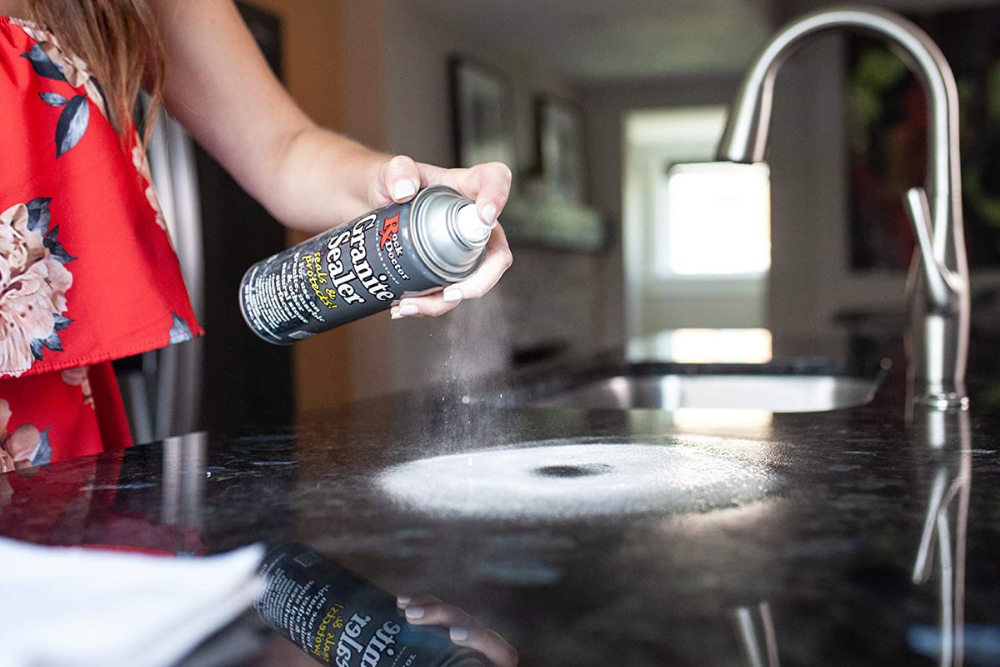
To prevent and eliminate smells from quartz countertops, it is advised to clean up any spills immediately. Gentle cleaning with soap and water is recommended, and for germ concerns, rubbing alcohol can be used cautiously as it kills germs without damaging the surface. Regarding cleaning frequency, a quick daily wipe-down with warm, soapy water and a soft cloth is sufficient for regular maintenance. Seasonal upkeep involves clearing the countertop, scraping away debris, cleaning with soapy water and a soft cloth, and allowing the surface to dry completely before returning items. Additional tips include sealing new quartz countertops before their first use and continuing maintenance with a spray sealer designed for ongoing application. The use of a non-abrasive solution like borax and water or soap and water is also encouraged.
The article also addresses common questions: vinegar should not be used due to its acidity, which can damage quartz over time. For scratches, a polishing agent or fine sandpaper for minor abrasions can be used, with professional repair recommended for deeper scratches. The best cleaning products are warm water, mild dish soap, and a soft cloth, while rough pads, bleach, and vinegar should be avoided.
#QuartzCountertops #CountertopCare #HomeCleaning #KitchenMaintenance #StainRemoval #CleaningTips #HouseholdProducts #InteriorDesign #SurfaceCare #QuartzCountertops #CountertopCare #HomeCleaning #KitchenMaintenance #StainRemoval #CleaningTips #HouseholdProducts #InteriorDesign #SurfaceCare
0 comment in total
 No comments yet
You may also like

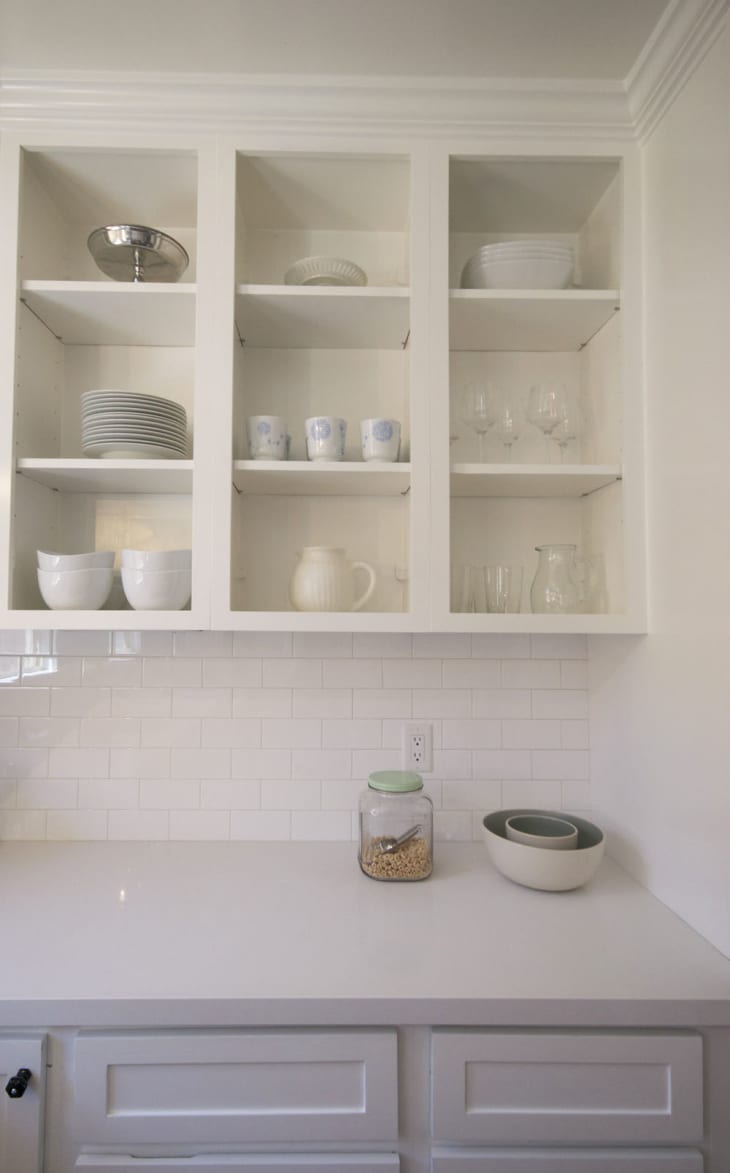
How to Properly Clean Quartz Countertops — And the Products You Should Never (Ever) Use

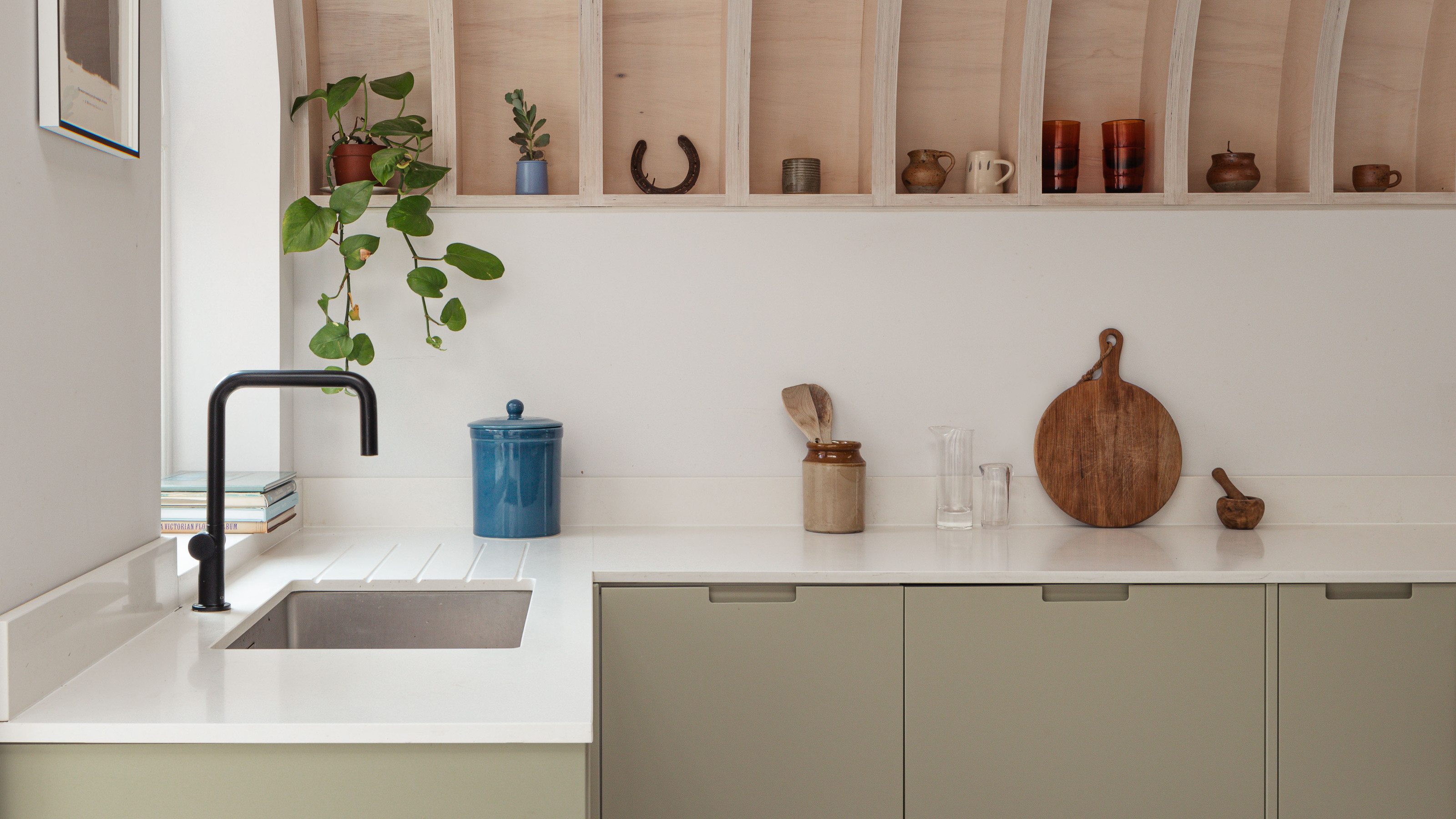
Should You Choose Quartz or Granite Countertops? Experts Settle the Debate on These Two Popular Materials

The Best Countertop Materials for Every Type of Kitchen

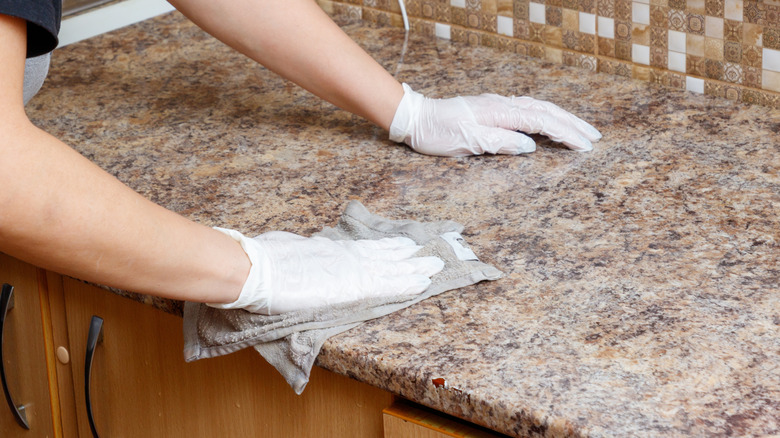
How To Clean & Maintain Countertops: From Corian to Quartz
The Best Quartz Countertop Cleaners According To Reviews

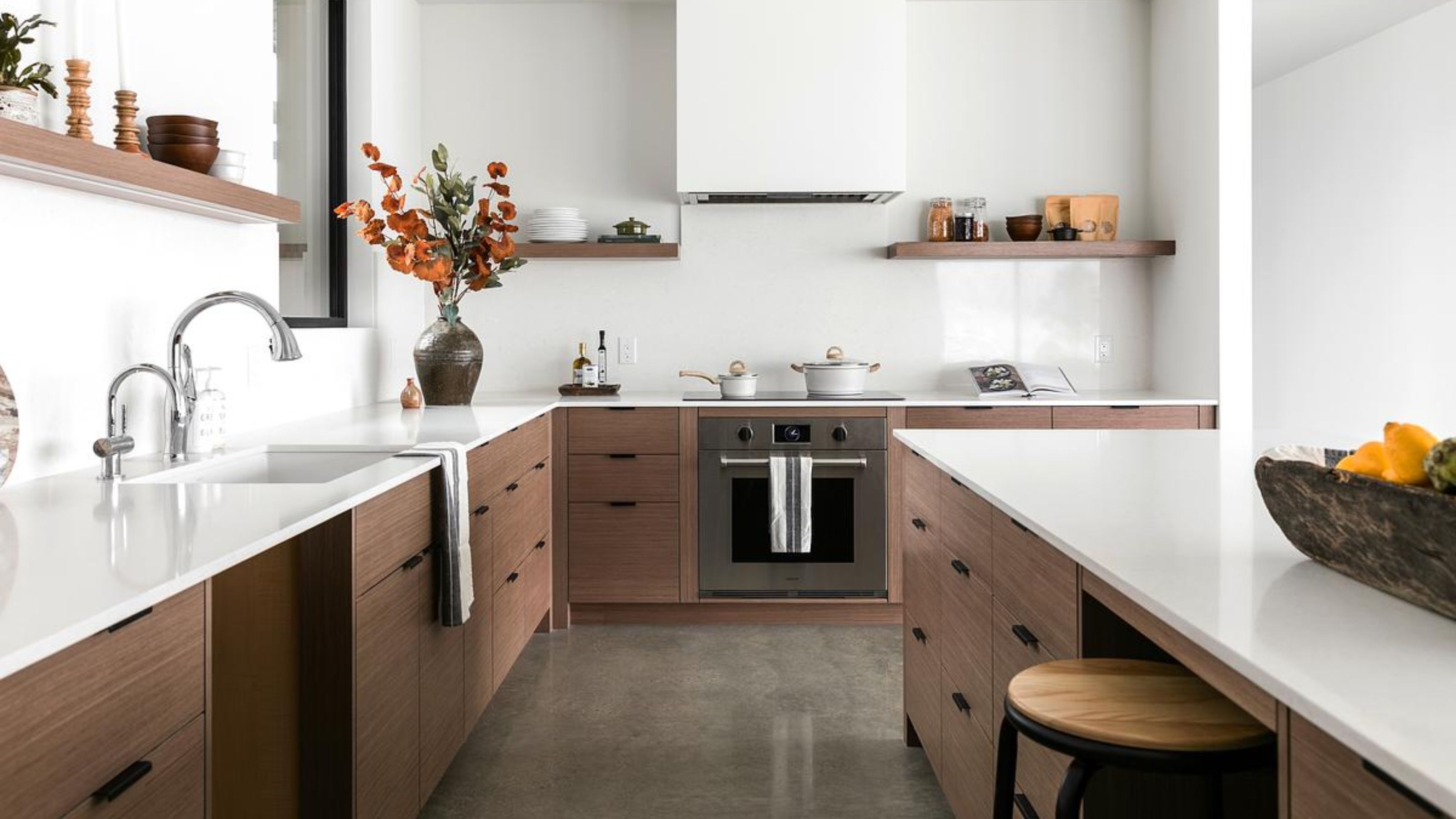
I Picked Quartz Countertops for My New Kitchen, but Was It the Right Choice? Experts Weigh Up the Pros and Cons
4 Easy-to-Follow Care Tips That Keep Quartz Countertops Looking Like New


6 great alternatives to marble and granite for your NYC kitchen renovation: quartz, quartzite, porcelain, soapstone & more
5 cleaning myths that will damage your countertops – and what to do instead

This Is How to Clean Quartz Countertops So They Sparkle Like New
The Best Granite Sealers for Countertop Maintenance
Are Granite Countertops Outdated?


The Right Way to Clean Quartz Countertops
Our Pros Swear By These Kitchen Countertop Cleaners


What is the most low maintenance kitchen countertop? Design experts unanimously agree

Why Quartz Countertops Will Never Go Out of Style

Quartz Countertops Guide: Maintenance Tips & 15 Chic Decor Ideas

Are quartz countertops right for your home? We examine the pros and cons
Marble vs. Quartz Countertops: Which Is Better?

How to Remove Rust Stains From Quartz Countertops, Straight From a Cleaning Pro