1/5
How often should you vacuum? Experts weigh in on the damage caused by doing the bare minimum
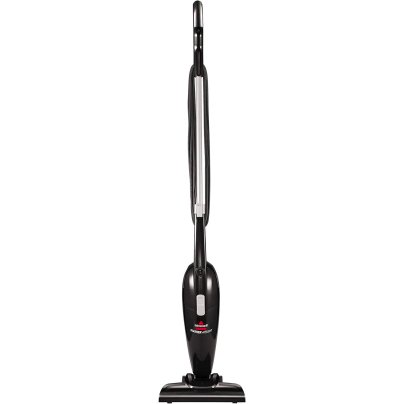
Vacuuming plays a crucial role in maintaining a clean and healthy home environment, with experts recommending at least weekly vacuuming. However, the ideal frequency can vary based on factors like flooring type, household occupancy, and the presence of pets or allergies. Regular vacuuming is not only essential for aesthetic reasons but also for prolonging the life of flooring and promoting better indoor air quality by removing dirt, dust, and allergens. Different flooring types require specific vacuuming approaches and frequencies.
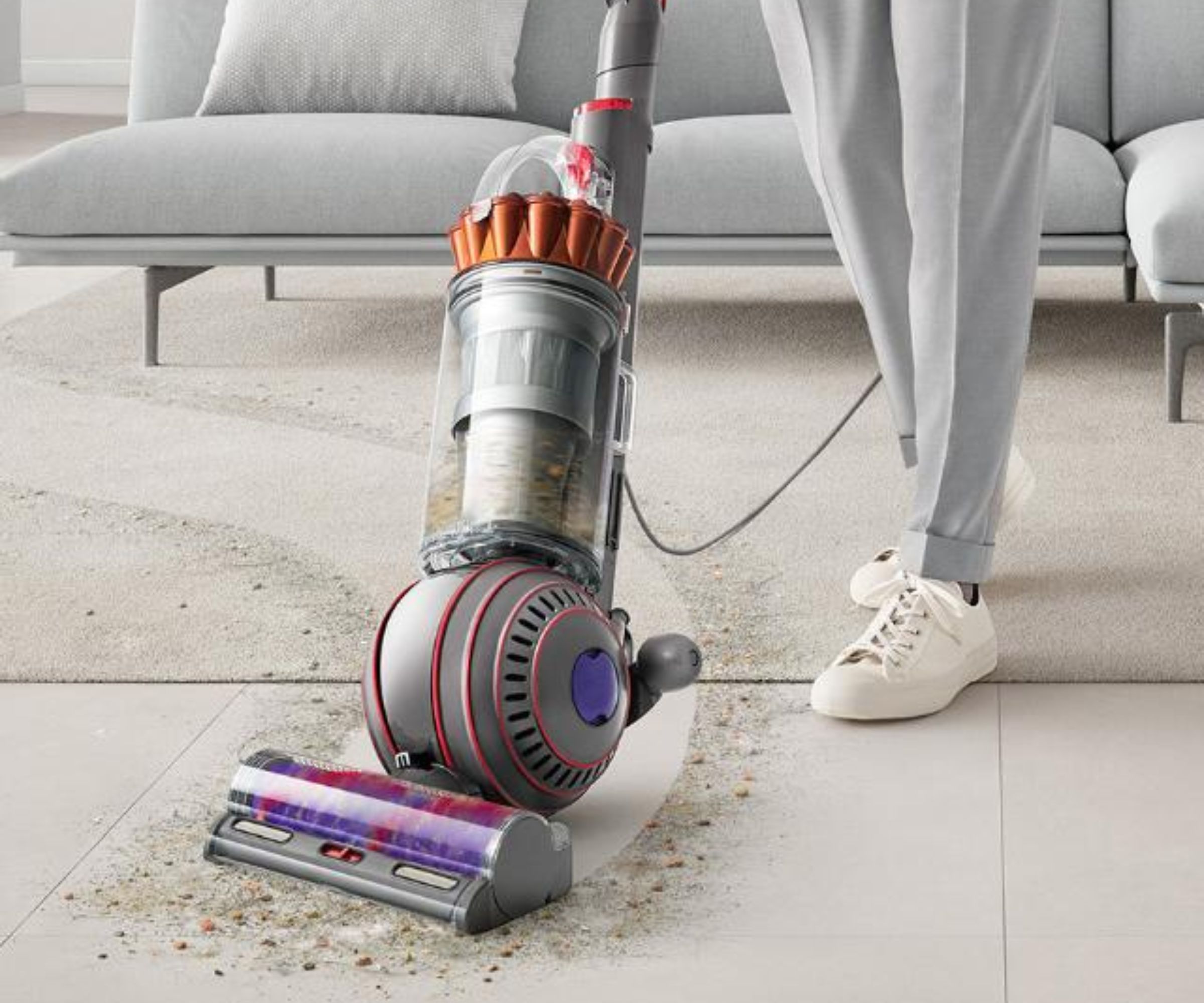
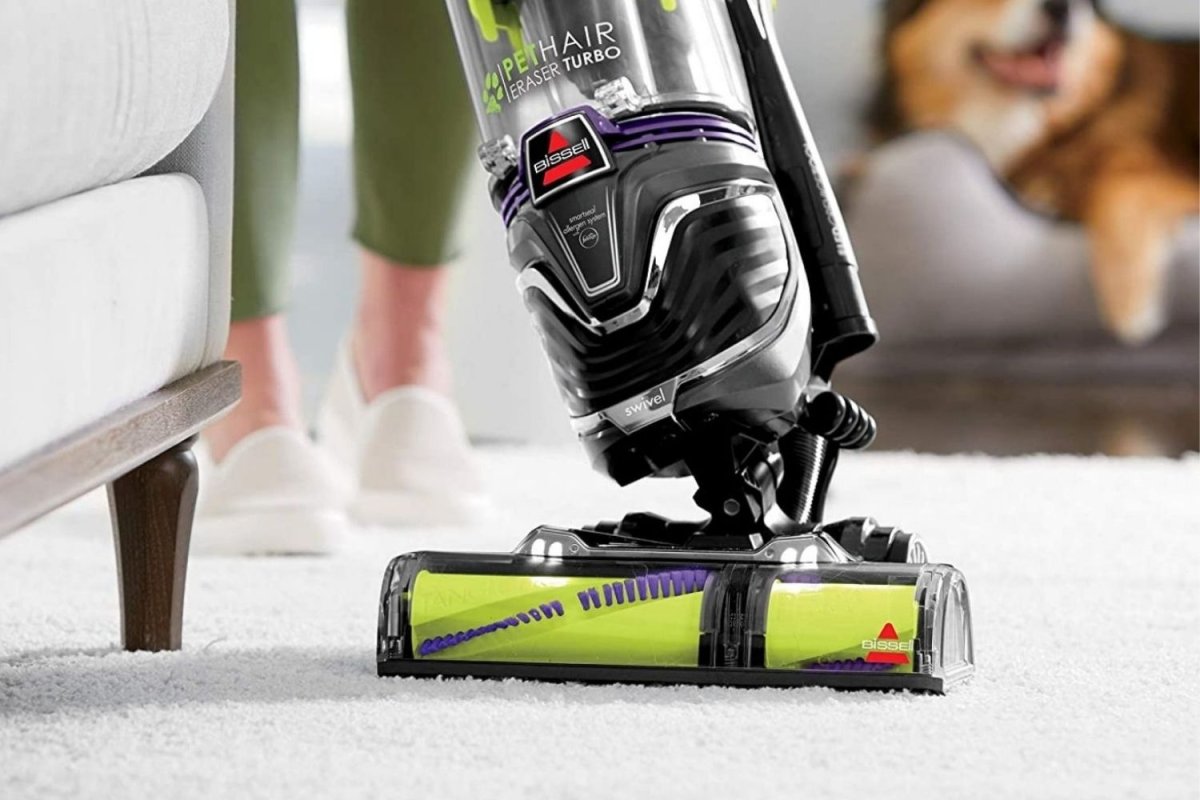
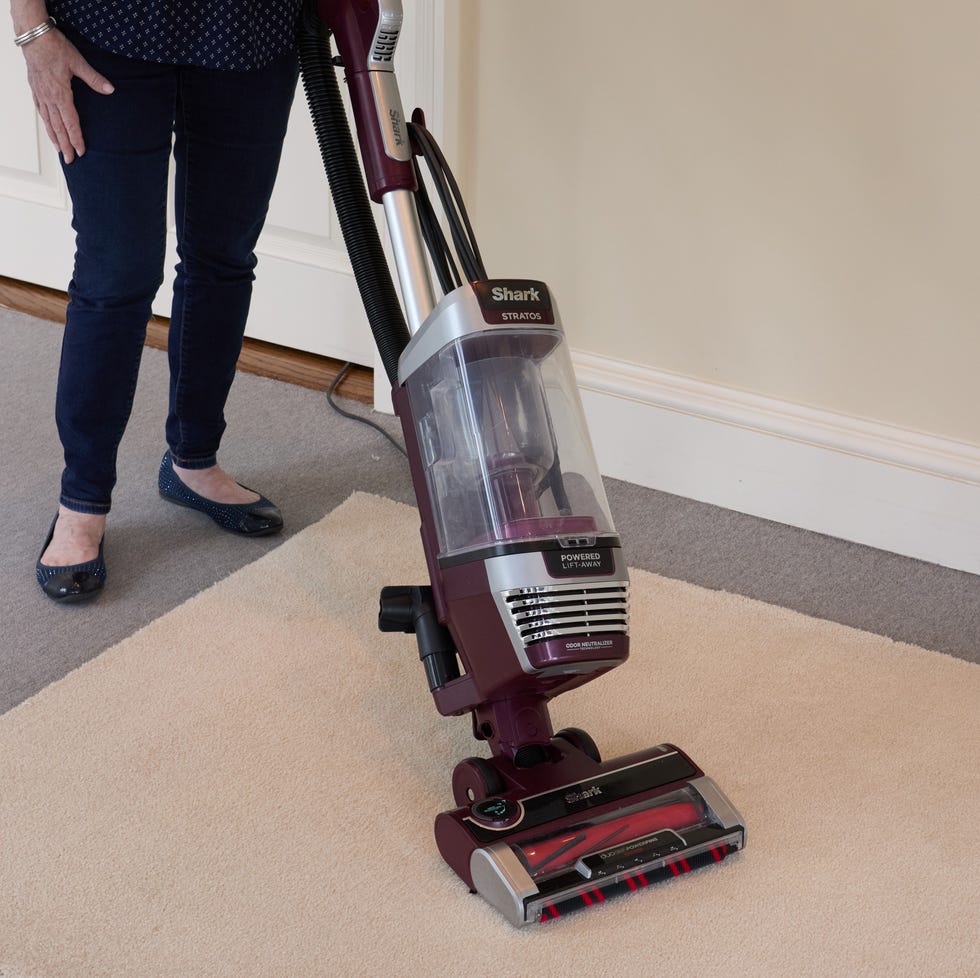
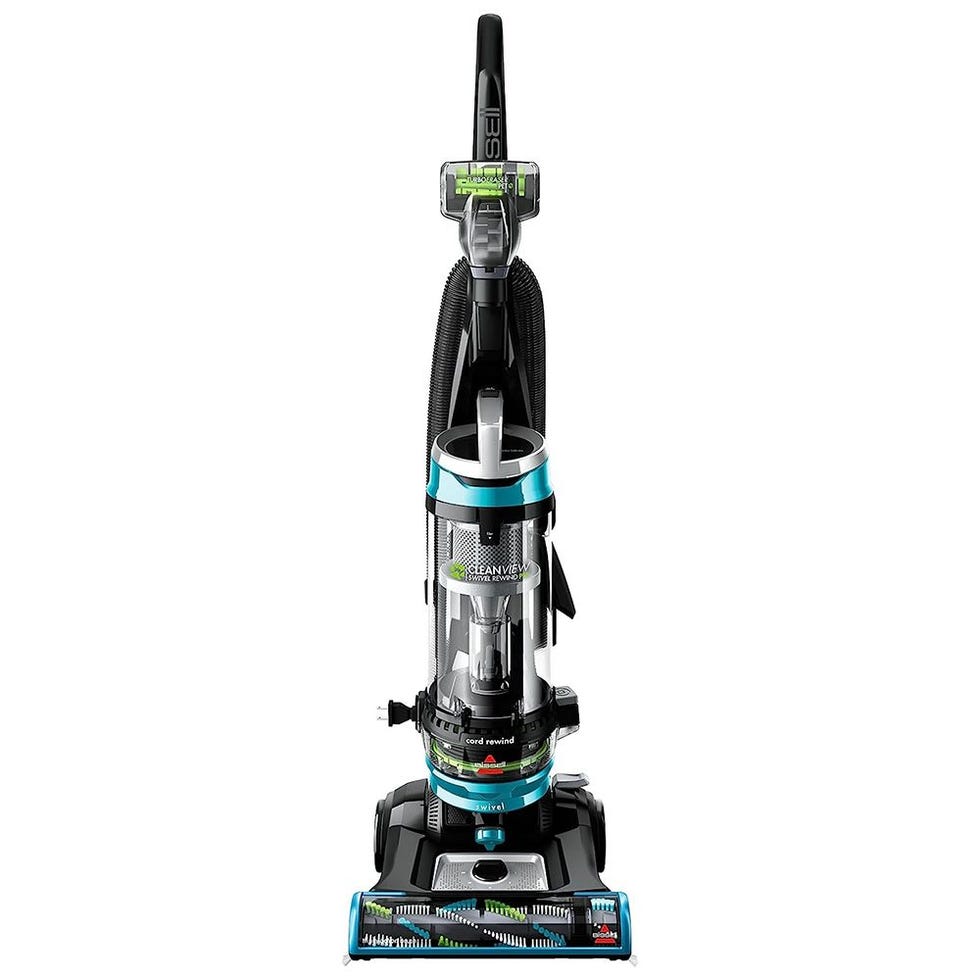
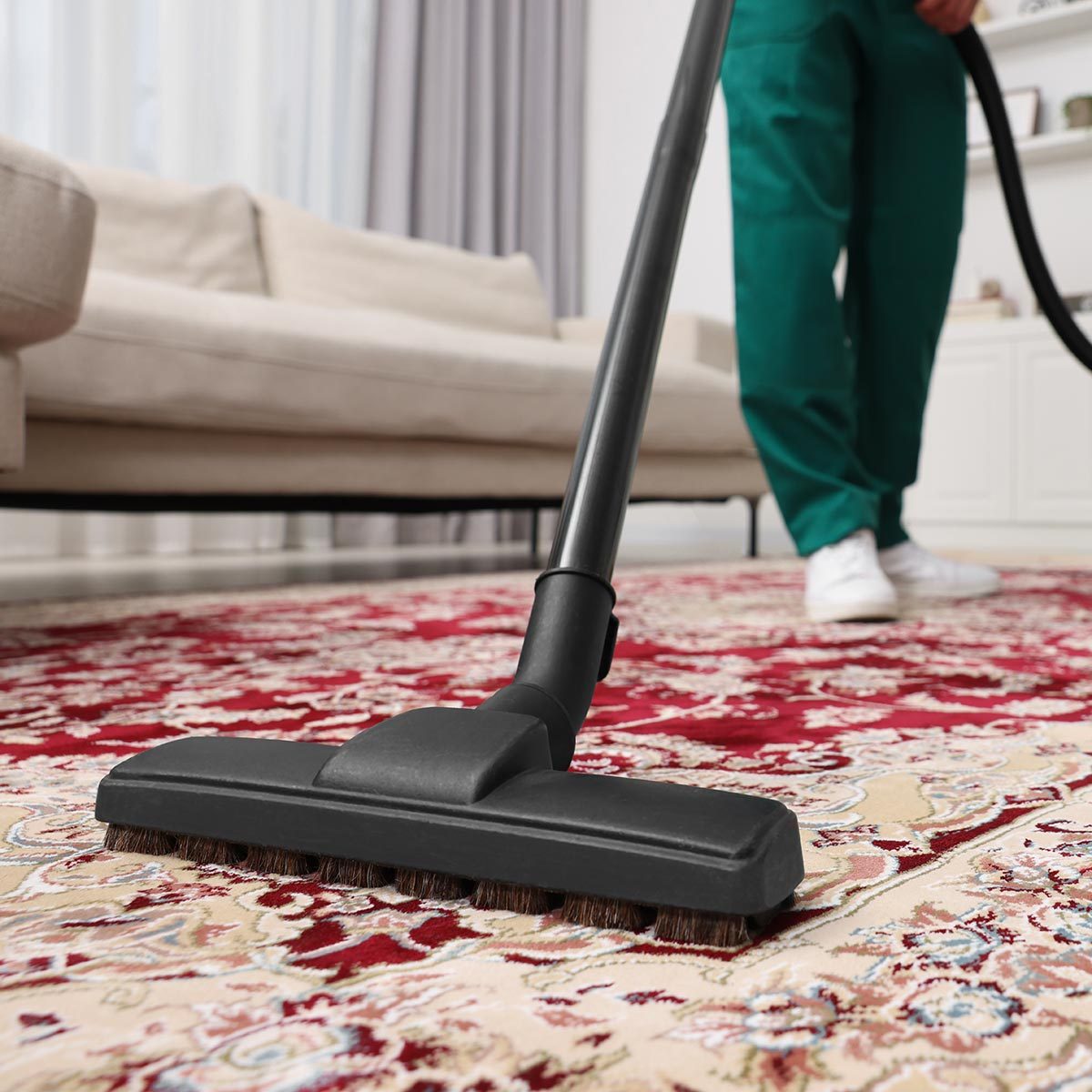
For carpets and rugs, particularly those in high-traffic areas or with deep piles, daily or at least every other day vacuuming is advised, especially for households with pets or individuals with allergies. Scott Johnston, a cleaning expert, emphasizes that dry soils and particles contribute to premature wear and damage to flooring. He stresses the importance of using a vacuum cleaner equipped with a beater brush for carpets to effectively dislodge deeply embedded particles, suggesting that vacuums without this feature are largely ineffective on textile flooring. Removing these particles not only extends the lifespan of carpets but also improves their appearance and feel.
Wood flooring, despite lacking fibers, still requires regular vacuuming to prevent scratches and damage from accumulating dust and small particles. Experts recommend vacuuming wood floors at least once a week. The presence of dust and particles can make wood floors look unsightly, especially when light highlights them. Therefore, consistent vacuuming helps maintain their pristine condition and protects the surface from abrasive elements.
Tile flooring, often found in high-traffic areas like kitchens and entryways, tends to accumulate dirt and grime quickly. Weekly vacuuming is a minimum recommendation, with increased frequency for homes with pets or small children. When vacuuming tile, it is crucial to use a suction-only setting without a brush attachment, as brushes can scratch tile surfaces over time. A powerful suction vacuum is particularly beneficial for tile floors to effectively clean dust and dirt that can settle into grout lines, making grout easier to clean in the long run.
Beyond just cleanliness, regular vacuuming offers significant health benefits. It helps remove dirt, dust, and allergens, contributing to cleaner air and a healthier living environment. Furthermore, consistent vacuuming helps maintain the structural integrity of carpets and flooring by preventing abrasive particles from wearing down fibers. It also contributes to a pleasant-smelling home by eliminating surface-level dirt and enhancing the overall appearance of the floors. While daily vacuuming is acceptable, it is often unnecessary unless severe allergies are a concern and can lead to increased energy consumption. Neglecting vacuuming, however, can lead to dirt and grime buildup, fostering bacterial growth, matting carpet fibers, and potentially causing bad odors, mold growth, and respiratory issues.
#vacuumingFrequency #homeMaintenance #cleaningTips #carpetCare #hardwoodFloorCare #tileFloorCare #indoorAirQuality #petOwners #allergyPrevention #vacuumingFrequency #homeMaintenance #cleaningTips #carpetCare #hardwoodFloorCare #tileFloorCare #indoorAirQuality #petOwners #allergyPrevention
0 comment in total
 No comments yet
You may also like
6 Vacuum cleaner mistakes to avoid – and why they aren’t cleaning your home
The best vacuum cleaners to buy in 2025: Cordless, robot, handheld and more


How to clean a bedroom: daily, weekly and deep-clean tasks
How Often Should You Really Be Cleaning Out Your Closet?
You need to deep clean your couch every few months — here’s how experts say to do it

How to clean vent covers and how often to do it - TODAY

Got an Area Rug? Here’s the Biggest Mistake You’re Making When Vacuuming It

The Best Vacuums for Stairs, Tested for Lightweight, High-Suction Cleaning

These 5 household chores should be done every week without fail, experts warn
The reason you need to vacuum your baseboards this month
Are You Cleaning Your Couch Enough? Here's How to Do It the Right Way
8 Best Vacuums of 2025, Lab-Tested and Reviewed
Here's How Often You Should Sweep If You Want a Truly Clean Home

The Best Vacuums for Stairs, Tested and Reviewed

Cleaning experts are urging people to wipe down their windowsills every day this summer
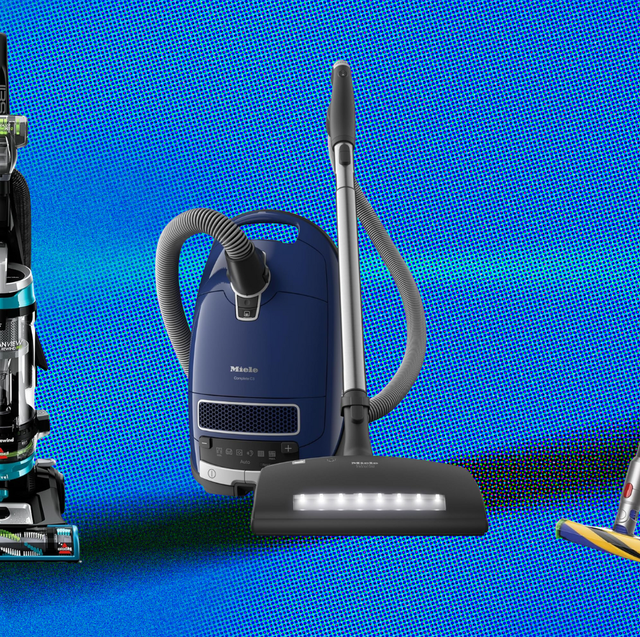
After Testing Hundreds of Vacuums, These Are Our Top Recommendations
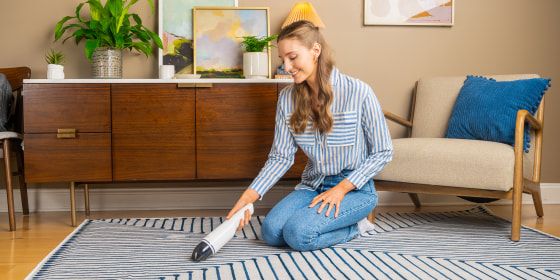
How often should you deep clean your carpet?
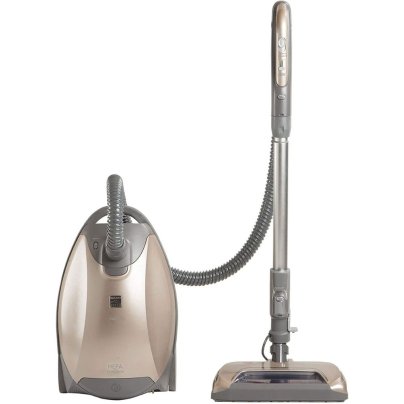
The Best Vacuums for Thick Carpet
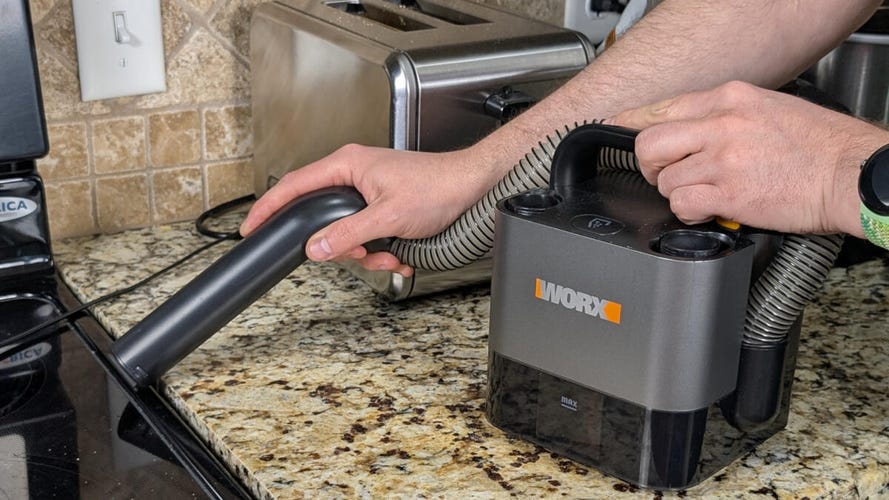
Best Handheld Vacuums in December 2026

Are You Cleaning Your Toilet the Right Way? Here's What the Pros Suggest, Including How Often to Do It