1/11
Are You Cleaning Your Couch Enough? Here's How to Do It the Right Way
This comprehensive guide offers detailed instructions on how to effectively clean various types of couches, including fabric, microfiber, and leather, ensuring they remain clean and fresh. The article emphasizes the importance of understanding care labels, with a breakdown of common codes like 'W' (water-based cleaners safe), 'W/S' (water or solvent-based cleaners safe), 'S' (solvent-based cleaners only), and 'X' (vacuuming or brushing only). This foundational step is crucial for preventing damage and selecting appropriate cleaning methods.
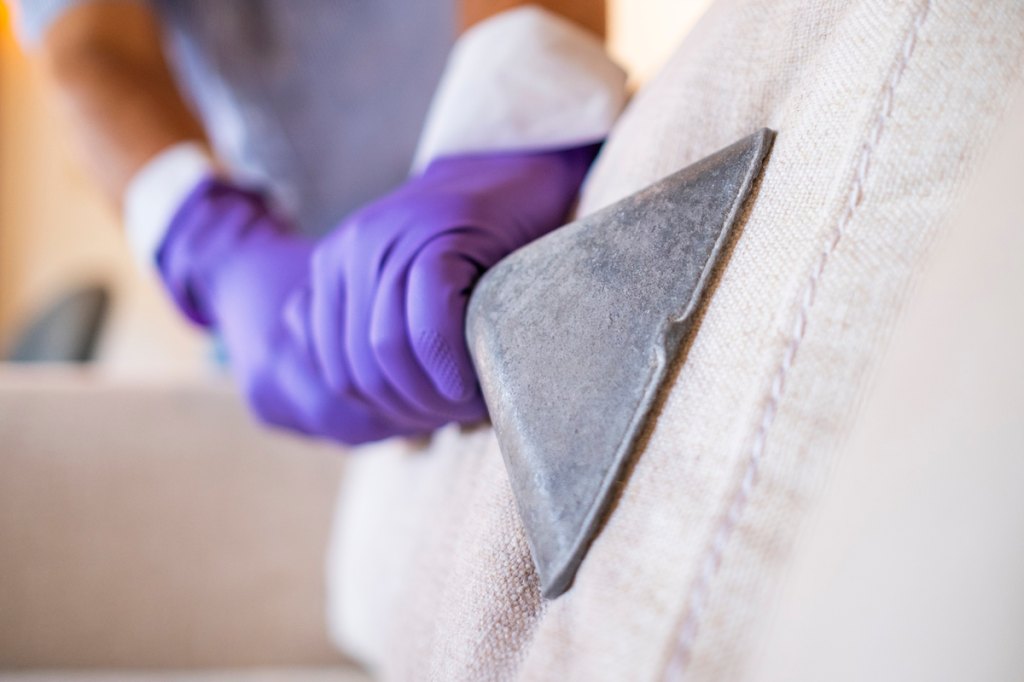
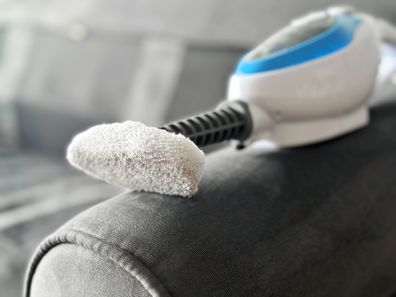
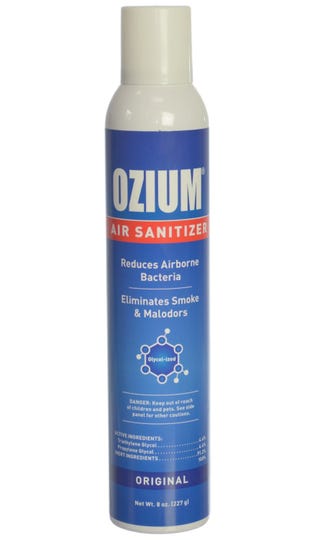
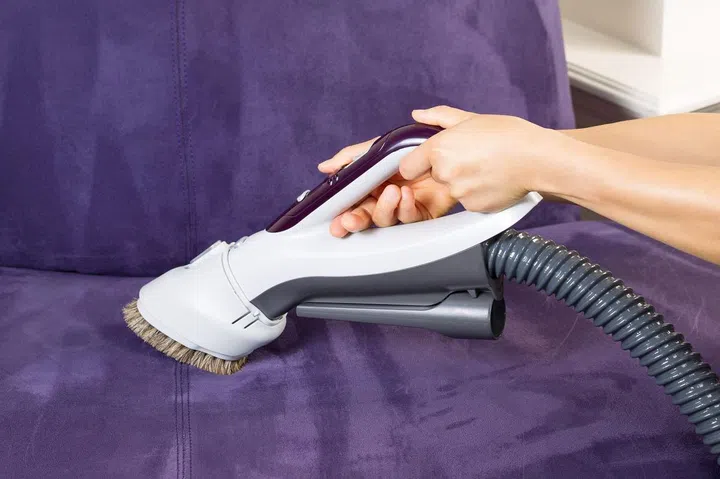
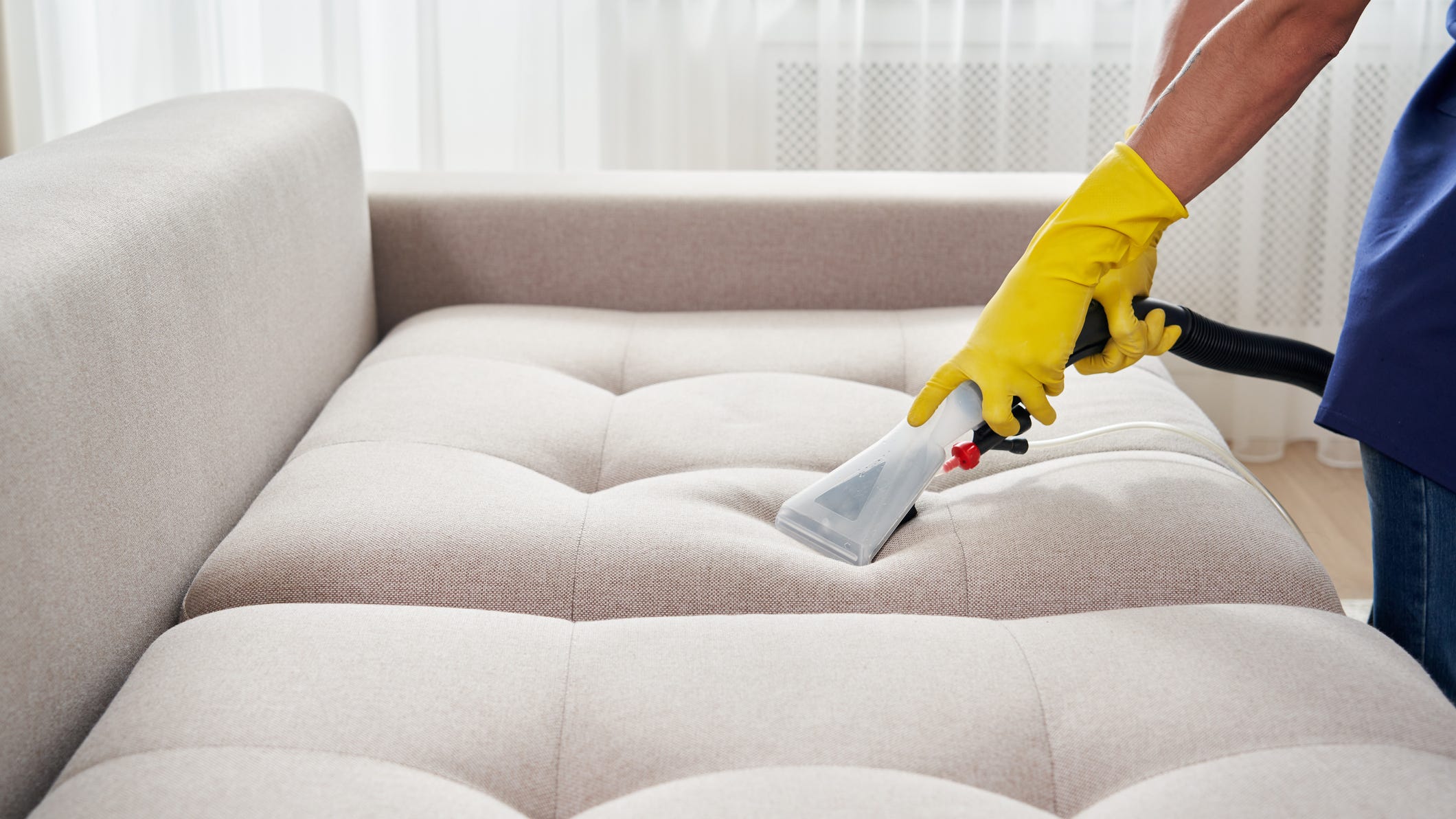
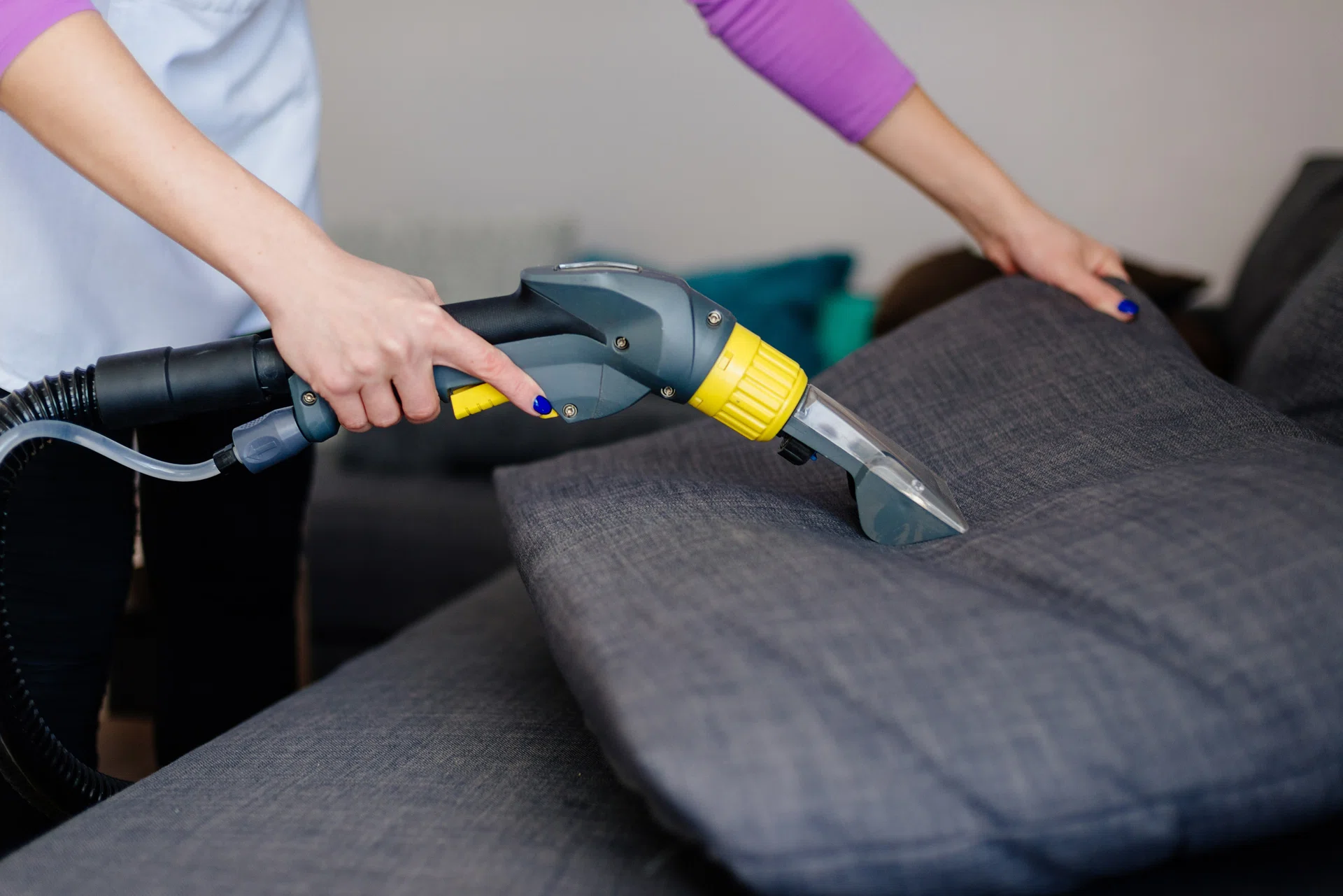
For fabric and microfiber couches, a multi-step deep cleaning process is outlined. It begins with thorough vacuuming using an upholstery attachment and crevice tool to remove surface dust, debris, and crumbs from all areas, including under removable cushions. Following vacuuming, steaming the couch is recommended to eliminate surface dust mites, using either a handheld garment steamer or a steam iron. A second vacuuming after steaming helps remove any loosened dirt. Before applying any cleaning products or using appliances, testing on a hidden spot is advised to ensure fabric compatibility and prevent discoloration or water spotting. Spot cleaning involves using an enzyme-containing formula for food and pet stains on water-safe fabrics, or a mild dish soap solution. For 'S' coded fabrics, a solvent-based product is necessary. The article stresses blotting stains from the outside in and rinsing thoroughly. Dingy arms and headrests on water-safe fabrics can be cleaned with a portable extraction cleaner, while professional cleaning is suggested for solvent-only fabrics. Finally, sanitizing the couch with a fabric sanitizing spray is recommended to eliminate bacteria and odors.
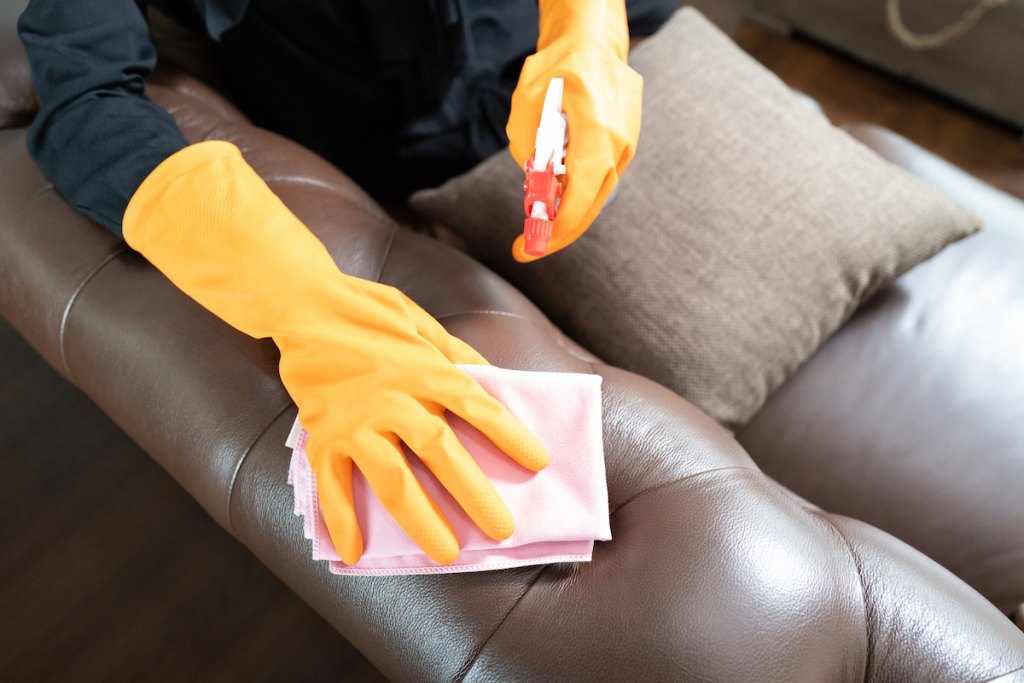
Cleaning a finished leather couch is presented as a simpler routine. It starts with wiping the fabric with a microfiber cloth to remove crumbs and dirt, followed by vacuuming with a crevice tool to clean seams and trim. A leather cleaner, such as Weiman Leather Cleaner and Conditioner or a mild soap solution, should be worked into the leather one small area at a time using a soft damp cloth. The cleaner or soap is then rinsed off with another damp cloth and buffed dry. For stubborn areas, multiple applications may be necessary. The process concludes with applying a leather protectant to condition the material and facilitate future stain removal.
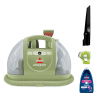
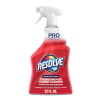
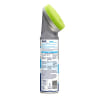
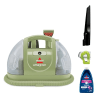
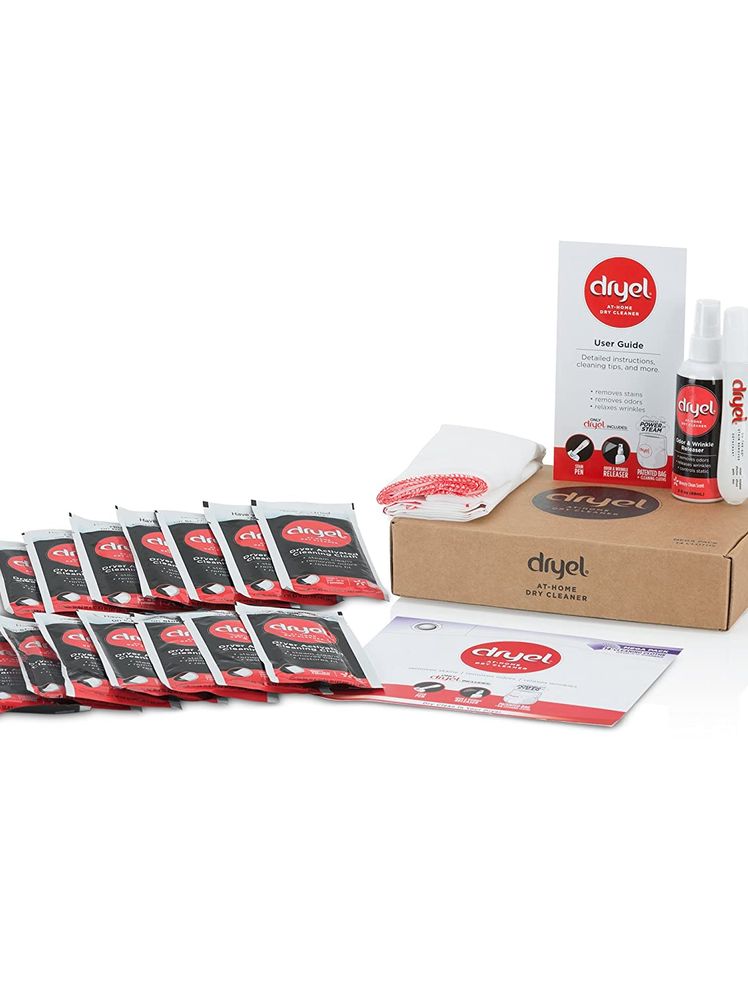
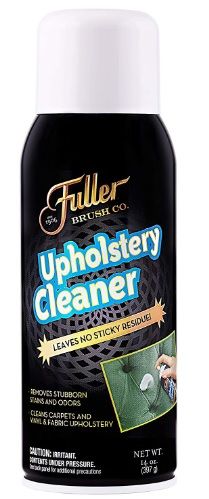
Beyond deep cleaning, the article provides tips for odor removal and general maintenance. For persistent odors caused by food, pets, or other sources, sprinkling baking soda over the sofa or using a fabric refresher like Febreze FABRIC is suggested. These products are highlighted for their ability to eliminate odors rather than just masking them. Additional cleaning tips include using a lint roller for small debris and stray hairs on fabric couches, and a handheld vacuum for larger amounts of pet hair or crumbs. The article also notes that unfinished leather couches with stains typically require professional attention. A selection of recommended cleaning products, including handheld fabric steamers, stain removers, portable spot cleaners, antibacterial fabric sprays, odor-fighting refreshers, and dry cleaning fluid, is provided to assist readers in their cleaning endeavors.
#CouchCleaning #HomeCare #UpholsteryCleaning #FabricCare #LeatherCleaning #StainRemoval #OdorElimination #CleaningTips #GoodHousekeeping #CouchCleaning #HomeCare #UpholsteryCleaning #FabricCare #LeatherCleaning #StainRemoval #OdorElimination #CleaningTips #GoodHousekeeping
0 comment in total
 No comments yet
You may also like
How to Clean a Couch, According to Experts | NBC Select

5 Common Sofa Cleaning Mistakes You Might Be Making


7 things you might be forgetting to clean in your bedroom
Here's How Often You Should Sweep If You Want a Truly Clean Home

You need to deep clean your couch every few months — here’s how experts say to do it

From a quirky TikTok hack and a $99 sell-out Kmart buy, here are five ways to clean your sofa


How to Clean Every Type of Couch Cushion, According to the Pros

10 Sofa Cleaning Singapore: Fabric sofa cleaning vacuum service (with prices)

How To Deep Clean a Couch: Expert Tips for Getting It To Look Like New


How To Clean A Couch So It Looks As Good As New

6 couch cleaning mistakes that pros say could lead you to 'serious upholstery heartbreak'

These 5 household chores should be done every week without fail, experts warn

The Right Way to Clean Every Type of Couch, From Fabric to Leather

How to clean a bedroom: daily, weekly and deep-clean tasks
How often should you vacuum? Experts weigh in on the damage caused by doing the bare minimum
6 Vacuum cleaner mistakes to avoid – and why they aren’t cleaning your home

How to clean a sofa bed – top hacks for tackling stains and everyday cleaning for an immaculate couch
What to Do When a Dirty, Smelly Dude Sleeps on Your Couch
Yes, You Can Dry-Clean at Home: And These 5 Furnishings and Decor Pieces Need TLC

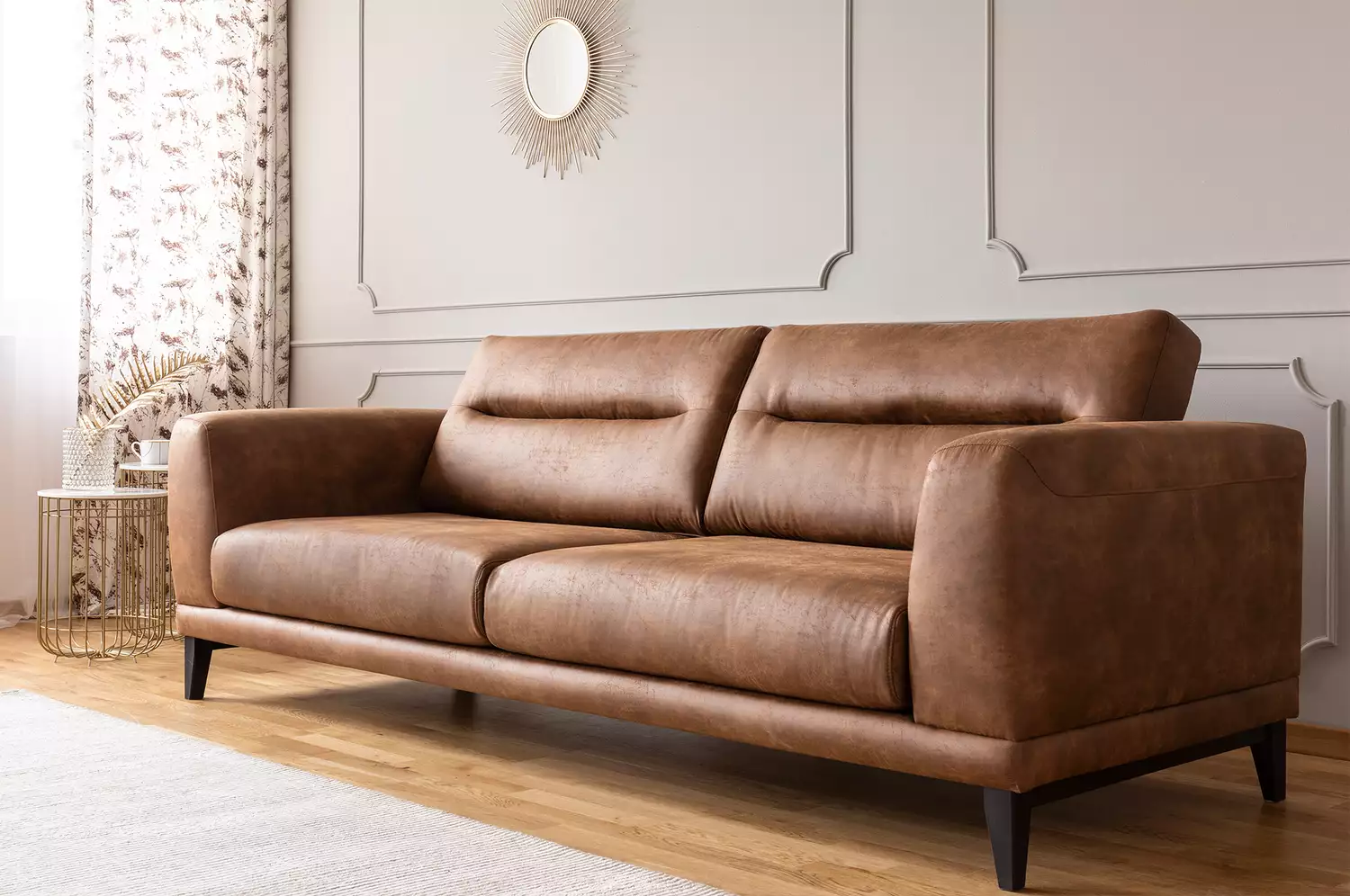
The Right Way to Clean a Leather Couch