Here's How Often You Should Sweep If You Want a Truly Clean Home
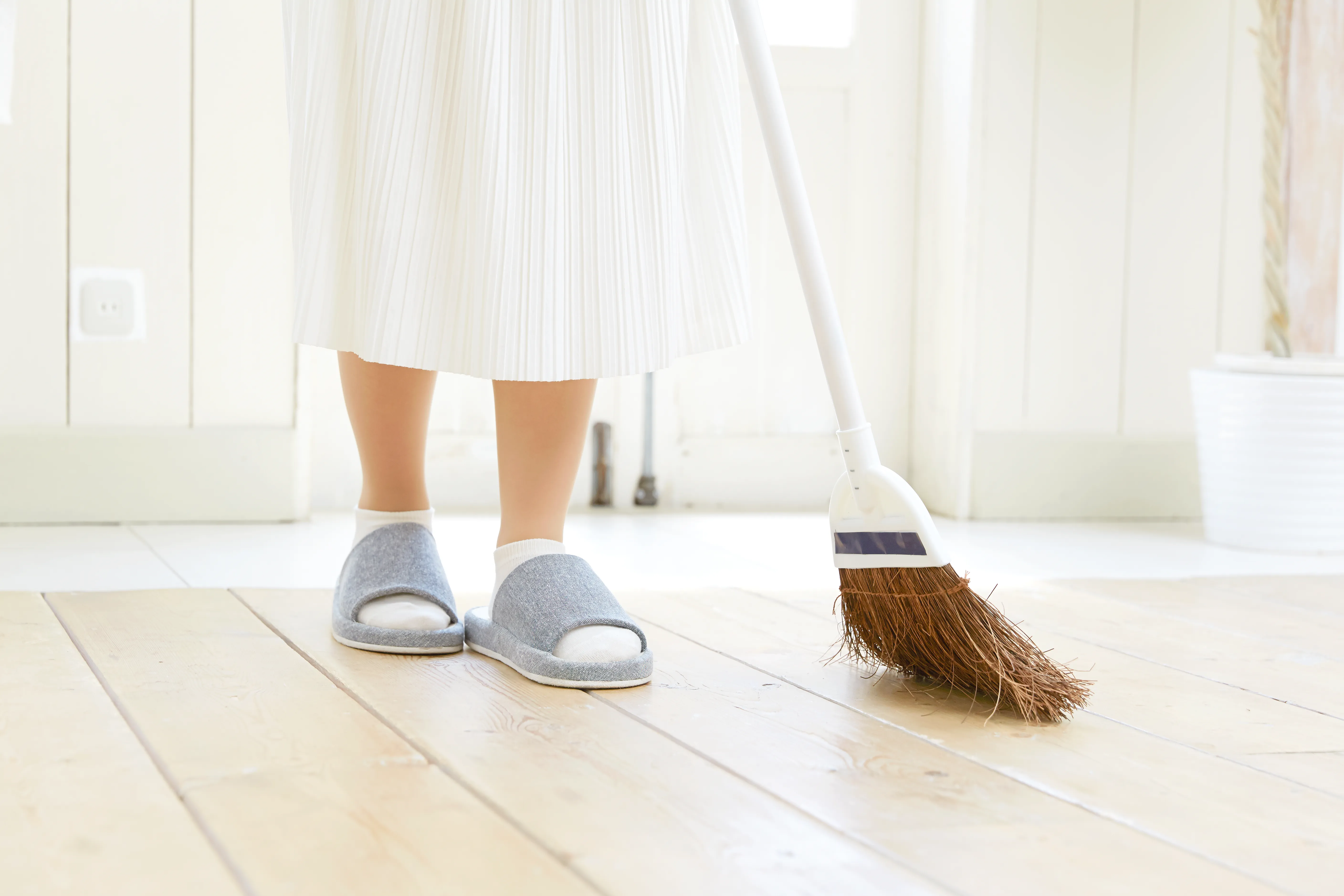
Maintaining a clean home often involves regular sweeping to prevent the accumulation of dirt, dust, crumbs, and hair on floors. While there isn't a universal sweeping schedule, several factors influence the ideal frequency for each household. Key considerations include the number of occupants, the presence of pets, household habits regarding footwear, and environmental conditions.
Larger households and those with young children, especially crawling infants, necessitate more frequent sweeping to ensure a healthy and safe environment. Pet owners, particularly those with shedding animals, will also find themselves sweeping more often to manage pet hair. The article suggests using a silicone broom for pet hair as it is more effective than traditional corn brooms.
The habit of wearing shoes indoors significantly impacts sweeping frequency. Homes where shoes are removed at the door typically require less frequent sweeping compared to those where outdoor footwear is worn inside, as shoes track in a substantial amount of dirt and debris.
Environmental factors also play a crucial role. Residents in wet climates may need to sweep entryways more frequently due to mud, though it is advised to let mud dry before sweeping for easier cleaning. Conversely, dry climates often lead to quicker dust buildup, especially near doors and windows, requiring more regular sweeping. Seasonal changes can also influence sweeping needs; for instance, increased pollen in spring and fall may necessitate more frequent cleaning to alleviate allergy symptoms.
Sweeping schedules can also be tailored based on the specific room. High-traffic areas like kitchens, dining rooms, entryways, mudrooms, and primary living rooms accumulate dirt, food particles, and debris more rapidly due to constant activity. Primary bathrooms also fall into this category because of hair and product buildup. For these areas, daily sweeping or sweeping every one to three days is recommended to keep them tidy.
Rooms with less foot traffic and activity, such as home offices and bedrooms, do not require daily attention but should still be swept regularly to prevent dust and dirt accumulation. A weekly or bi-weekly schedule is generally sufficient for these spaces. Infrequently used rooms like guest rooms, guest bathrooms, and formal entertaining areas can be swept monthly to prevent dust buildup and a stale atmosphere.
Beyond scheduled cleaning, certain indicators signal the immediate need for sweeping. These signs include visible dirt or dust, a stale odor, household members experiencing allergy symptoms, the presence of insects or rodents, or if a week has passed since the last sweep. Adhering to these guidelines helps maintain overall home cleanliness and air quality.
#HomeCleaning #SweepingSchedule #HouseholdChore #FloorCare #DustControl #PetHair #HomeMaintenance #IndoorAirQuality #HomeCleaning #SweepingSchedule #HouseholdChore #FloorCare #DustControl #PetHair #HomeMaintenance #IndoorAirQuality
0 comment in total
 No comments yet
You may also like
How often should you vacuum? Experts weigh in on the damage caused by doing the bare minimum


How to clean a bedroom: daily, weekly and deep-clean tasks

Spring cleaning mistakes - 6 common pitfalls to avoid during your spring clean
Finally, A Realistic Cleaning Plan That's Easy to Follow, Thanks to This Cleaning Expert

You need to deep clean your couch every few months — here’s how experts say to do it

Here’s How Often You Should Clean Your Washer to Stop Mildew


How Often You Should Wash Your Sheets (And How to Get Them Really Clean) | Reviews by Wirecutter


Winter Deep-Clean: 5 Things Pros Never Forget in December

A daily cleaning checklist – 6 cleaning tasks you should be doing every day, according to experts
Are You Cleaning Your Toilet the Right Way? Here's What the Pros Suggest, Including How Often to Do It
I tried my mom's three-day spring cleaning blitz – and the intensive program makes total sense
Spring Cleaning Checklist: A Room-by-Room Cleaning Guide

How Often Should You Really Be Cleaning Out Your Closet?
These 5 household chores should be done every week without fail, experts warn
You Need to Clean Your Chimney Yearly. Here's How.

16 Things In Your Kitchen You NEED To Clean More Often, According To Experts
How often should you deep clean your carpet?
Are You Cleaning Your Couch Enough? Here's How to Do It the Right Way

New Year cleaning checklist: 10 places to focus on in 2025

How a 15-Minute Cleaning Routine Transformed My Entire Home