Are You Cleaning Your Toilet the Right Way? Here's What the Pros Suggest, Including How Often to Do It
Maintaining a clean toilet is an essential aspect of home hygiene, despite its often unglamorous nature. This guide offers a comprehensive approach to cleaning a toilet, emphasizing both frequency and technique, and drawing on insights from cleaning professionals Logan Taylor, Marla Mock, and Melissa Maker. The article details the necessary tools, a step-by-step cleaning process, and expert tips to ensure thorough cleanliness.
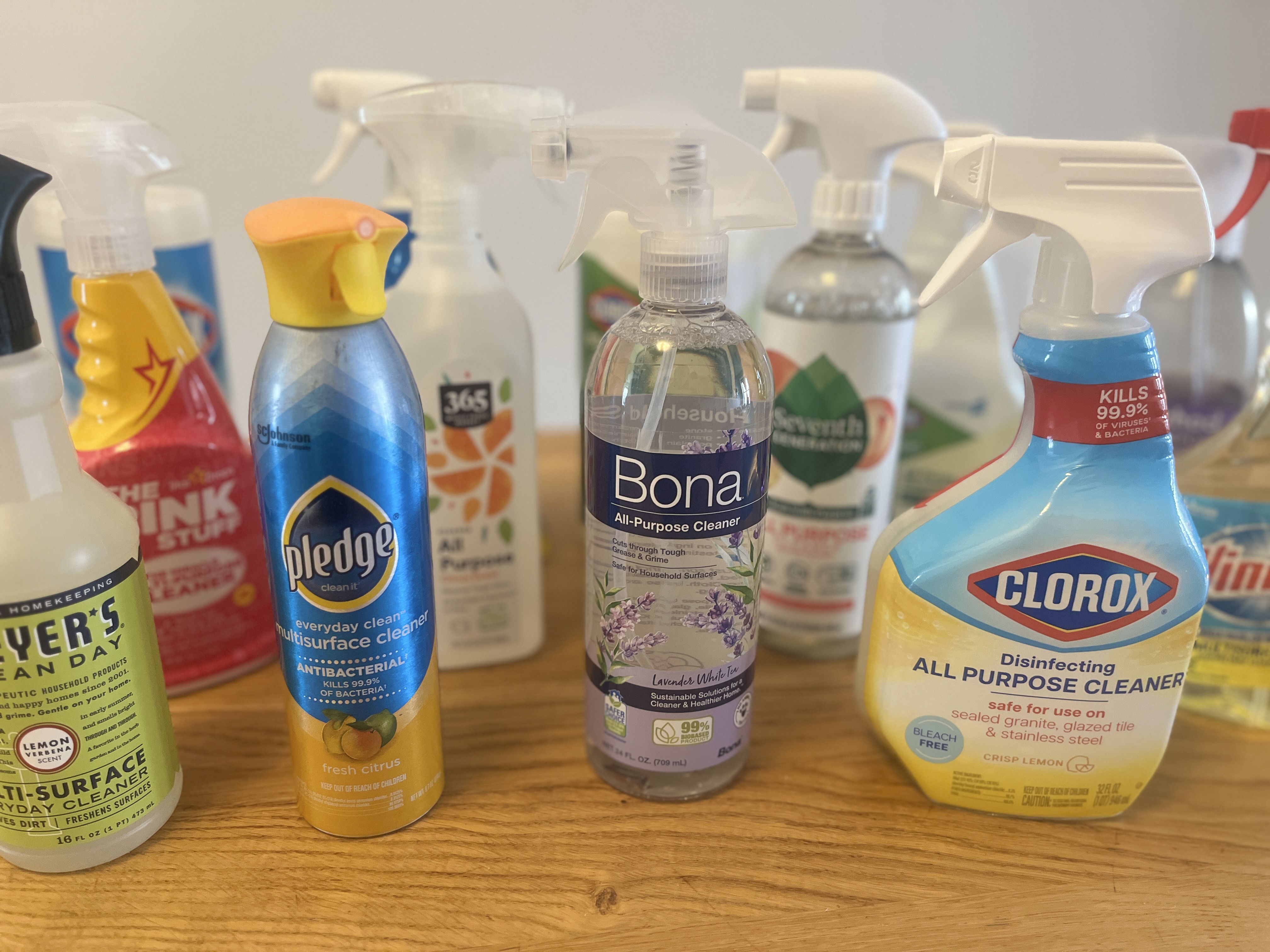
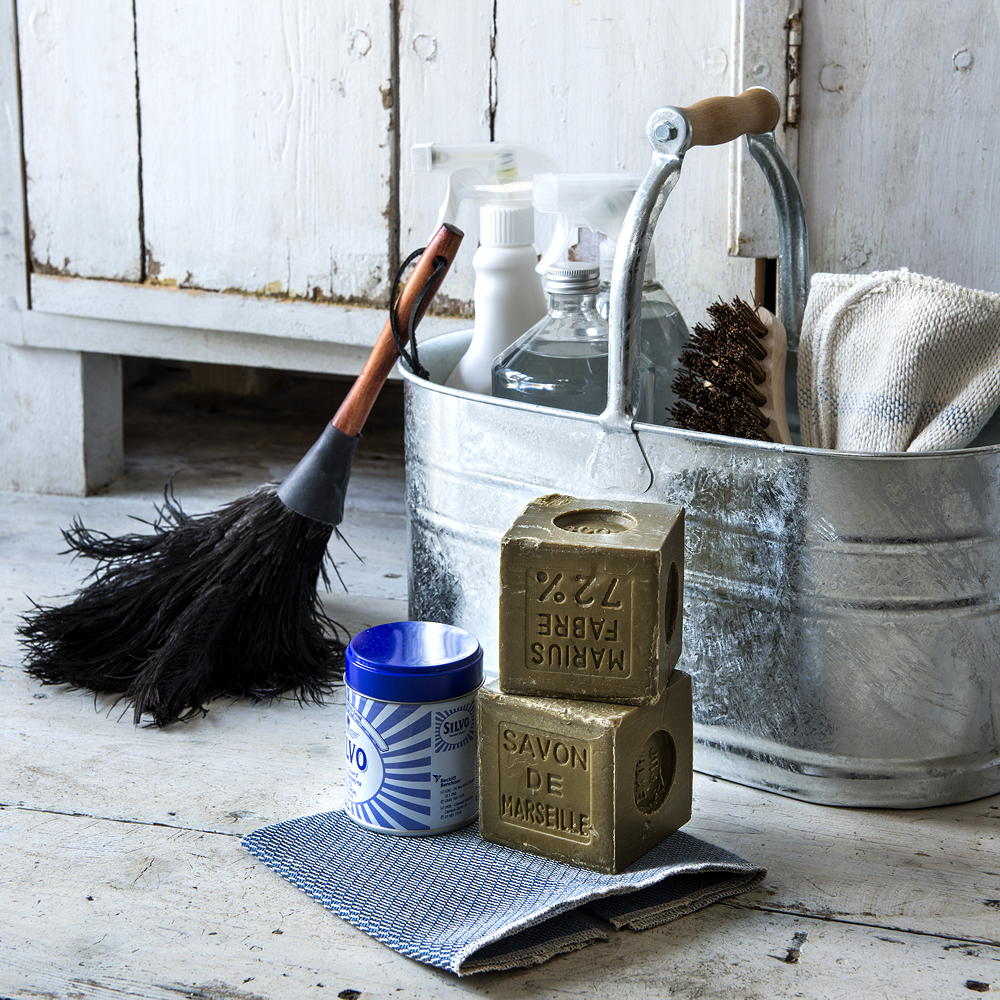
For toilets in daily use, a deep clean is recommended at least once per week, encompassing the bowl's interior and the tank. The exterior, including the handle and the area around the seat, should be wiped down daily. Less frequently used toilets, such as those in guest bathrooms, do not require weekly deep cleaning but benefit from regular touch-ups or flushes to prevent mineral buildup. Having all cleaning supplies readily accessible, ideally in a portable caddy, streamlines the process. Essential tools include disinfecting spray and wipes, paper towels, sturdy long cleaning gloves, toilet bowl cleaner, a stiff-bristle toilet brush, and a pumice stone on a stick.
The cleaning process begins by wearing long rubber gloves for sanitary reasons. Toilet bowl cleaner should be generously applied in a circular motion, targeting the upper interior sides of the bowl and ensuring coverage under the rim. The cleaner should sit for five to ten minutes, as per product instructions, to allow it to work effectively. Following this, the entire surface of the bowl is scrubbed with a toilet brush, with particular attention to stains, buildup, and the underside of the rim, which is prone to bacteria and mineral deposits. After scrubbing, the toilet is flushed to rinse away the cleaner and loosened debris. Any remaining stains may require a repeat application and scrubbing. Hard water mineral deposits, often forming a ring at the water level, can be gently removed with a pumice stone on a stick, which is effective without scratching porcelain. After using the pumice stone, a final flush is performed.
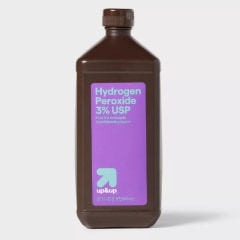
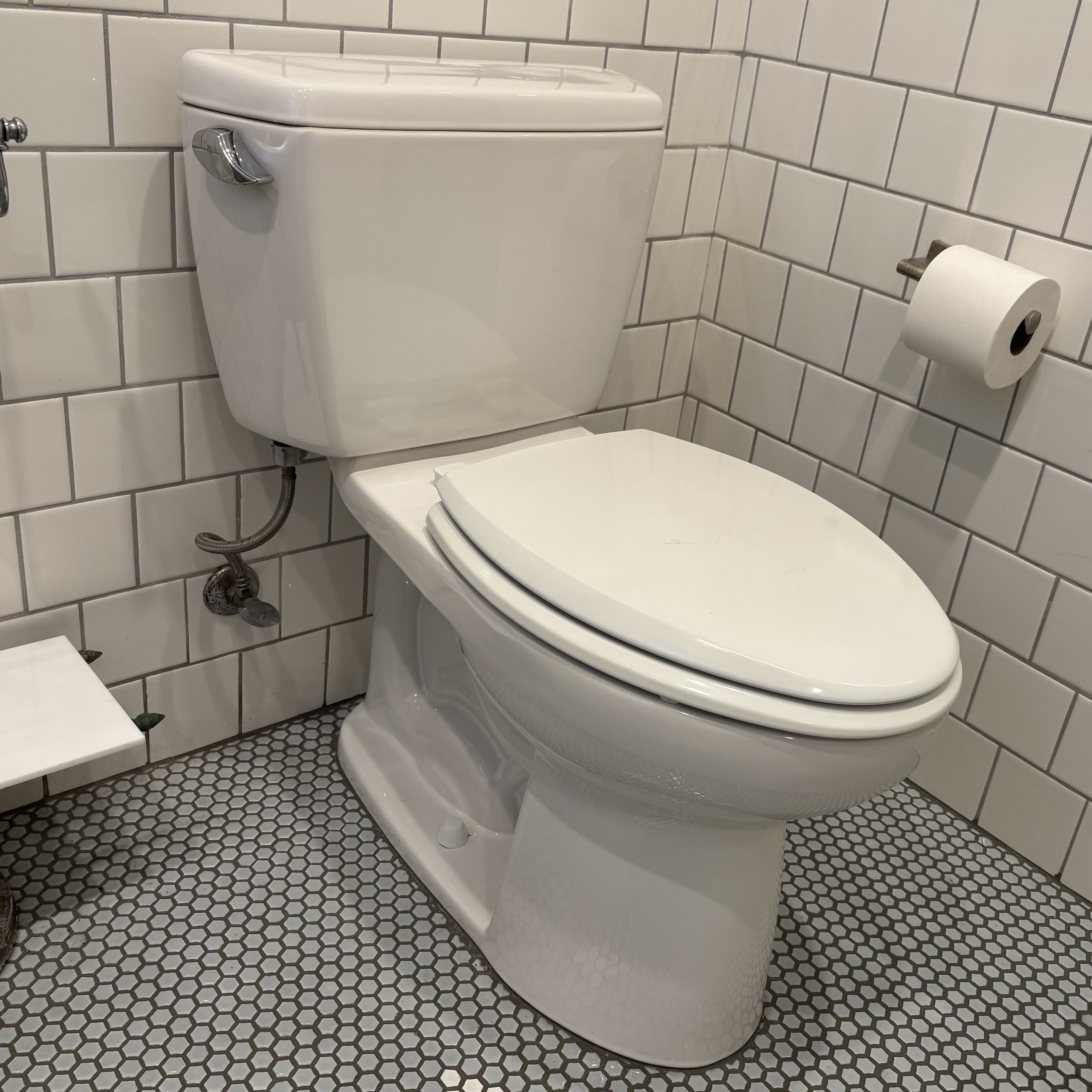
The exterior of the toilet, including the top of the tank, pedestal, and handle, should be wiped down with disinfectant spray and paper towels or a disinfectant wipe. This is one of the few instances where disposable products are recommended for hygiene. After cleaning, the gloves should be thoroughly washed with soap and hot water while still on the hands, ensuring both the hands and gloves are clean before removal. Disposable gloves are discarded, while non-disposable ones are air-dried. Expert tips include daily wiping of the toilet's exterior with a disinfectant, using hydrogen peroxide for brightness and disinfection. For those preferring DIY solutions, a mixture of vinegar and baking soda can be used to treat stains, allowing it to soak before scrubbing. Proper cleaning of cleaning tools is also crucial: the toilet brush should be disinfected with bleach or cleaning solution after use, rinsed, and allowed to air dry completely to prevent bacterial growth before being stored. Fabric toilet seat covers should be laundered, while plastic ones can be removed for a deeper clean if needed. Lastly, using a firm, angled-bristle brush is advised for effective cleaning, with replacements occurring annually or when bristles fray. Regular quick swishes with the brush between deep cleans help prevent stains and odors, making subsequent cleaning tasks easier.
#ToiletCleaning #HomeHygiene #CleaningTips #BathroomMaintenance #Disinfection #HardWaterStains #DIYCleaning #CleaningTools #ToiletCleaning #HomeHygiene #CleaningTips #BathroomMaintenance #Disinfection #HardWaterStains #DIYCleaning #CleaningTools
0 comment in total
 No comments yet
You may also like
You're cleaning your bathroom floor wrong, experts warn – here's how to get it right

How to Clean Tile Floors Quickly and Easily

How often should you deep clean your carpet?

How To Clean Bathroom Tile, According To Professional Cleaners
Are You Cleaning Your Couch Enough? Here's How to Do It the Right Way


A daily cleaning checklist – 6 cleaning tasks you should be doing every day, according to experts
We've All Been Cleaning Our Countertops the Wrong Way—Here's What Experts Recommend

How to Clean Every Type of Floor Quickly and Easily
Why Your Bathroom Desperately Needs Cleaning Now

5 Bathroom Cleaning Mistakes Even The Tidiest People Make
14 Toilet Problems You Should Never Ignore


All Toilets

Here's How Often You Should Sweep If You Want a Truly Clean Home

You need to deep clean your couch every few months — here’s how experts say to do it

How to declutter a bathroom according to the experts

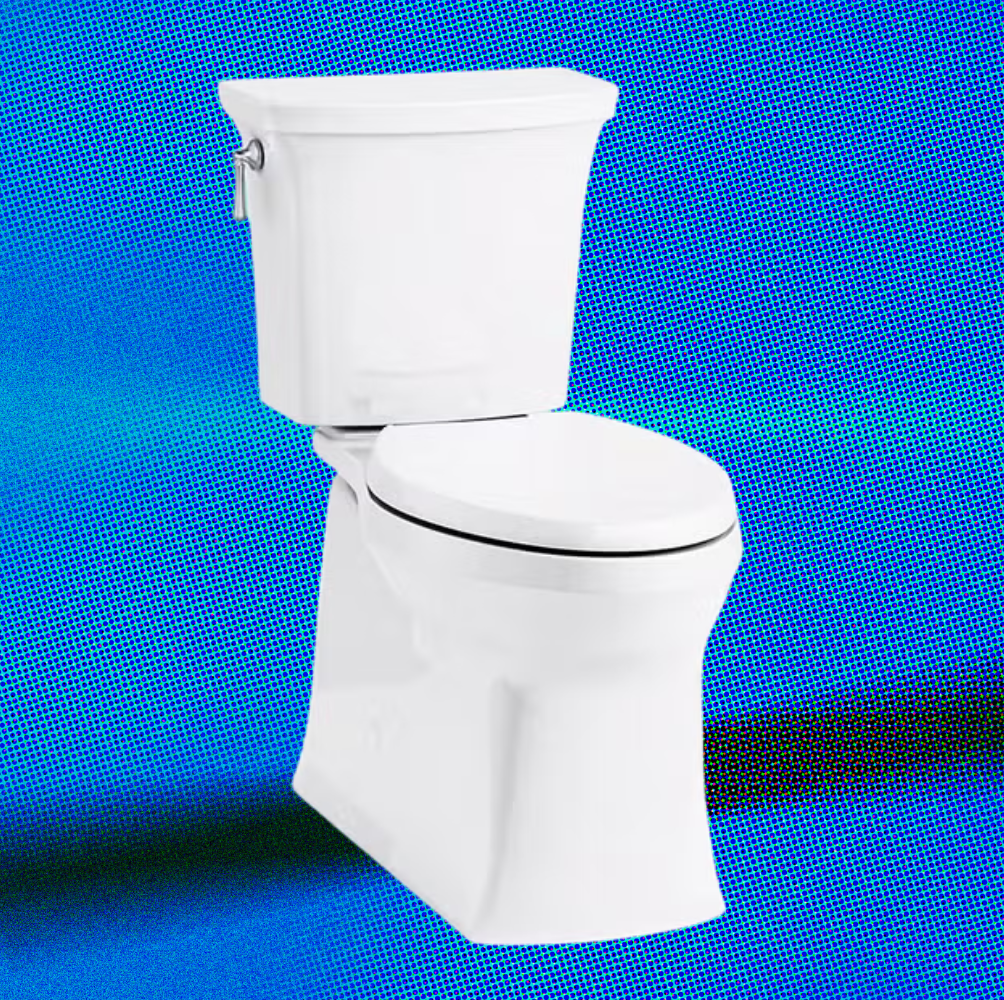
After 25 Years of Testing Toilets, These Are My Top Picks for Every Bathroom
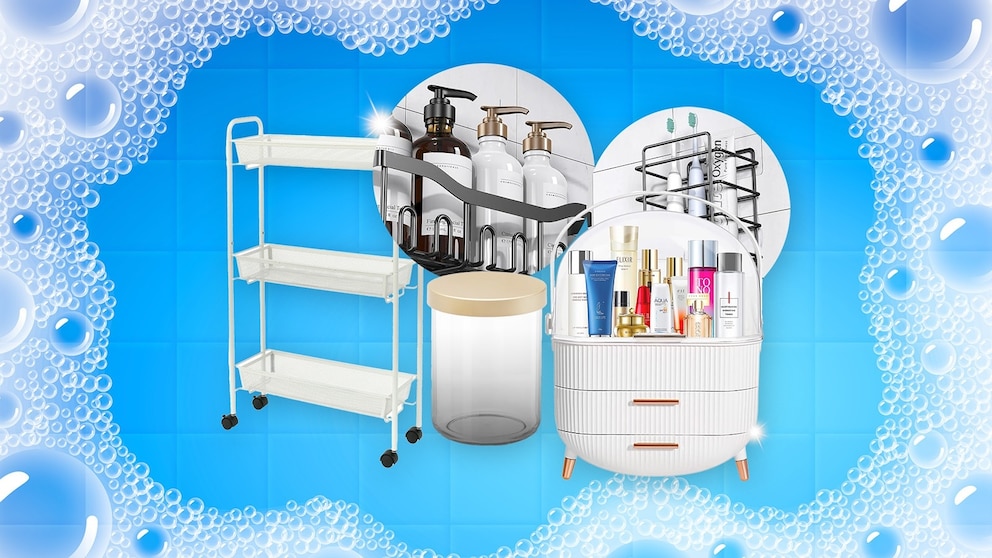
'Organize Your Life': Tools and tips to keep your bathroom clean and tidy

How often should you vacuum? Experts weigh in on the damage caused by doing the bare minimum
Best Cleaning Advice & Tips

6 Tricks Professionals Always Use to Keep Their Bathrooms Clean for Longer