1/9
How to clean a bedroom: daily, weekly and deep-clean tasks
Maintaining a clean and organized bedroom is crucial for both hygiene and promoting a restful sleep environment. An untidy bedroom can contribute to stress and anxiety, negatively impacting sleep quality. This comprehensive guide outlines daily, weekly, and deep-cleaning steps, drawing on advice from professional cleaners and sleep experts, to help maintain a spotless and relaxing bedroom.
Daily cleaning routines focus on immediate tidiness and basic hygiene. The first step involves returning all items to their designated places, such as putting away clothes, removing used glasses or mugs, recycling old papers, and storing footwear. Utilizing storage solutions like over-the-door shoe organizers or under-bed storage can help manage clutter, especially in smaller living spaces. Daily trash disposal and moving dirty laundry to a hamper are also essential. Keeping surfaces clear, with only essential items like a hairbrush or a book on nightstands, contributes significantly to a neater appearance. The second daily task is airing out bedding, which involves pulling back the covers for a period each morning. This practice helps to reduce moisture and bacteria, deterring dust mites and promoting a fresher sleeping surface.
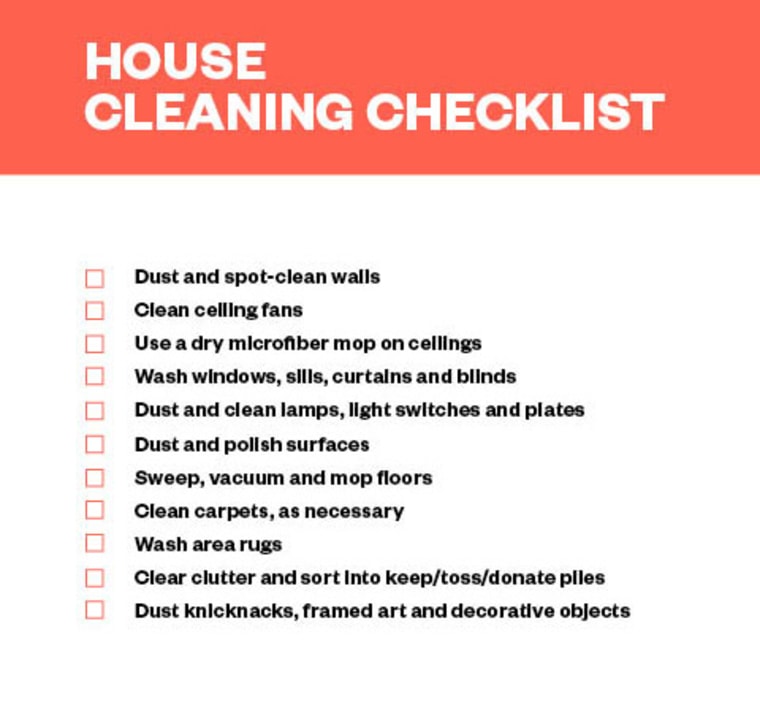
Weekly cleaning steps delve into more thorough tasks. Dusting is recommended to start from the ceiling downwards, using a vacuum nozzle or a long-handled duster for cobwebs, and the brush attachment for pleated light shades and curtains. Damp microfiber cloths are effective for hard surfaces like metal light shades, Venetian blinds, and baseboards. Mirrors and windows should be buffed with a vinegar-based spray and a dry microfiber cloth, and frequently touched surfaces such as light switches and outlets require regular wiping to remove germs. Changing and washing all bedding, including sheets, pillowcases, and comforters, is crucial weekly. Pillows and mattress covers should also be washed if machine washable. The final weekly task involves vacuuming the entire floor, reaching under beds and furniture as much as possible. For hard flooring, mopping is necessary, and rugs should be taken outside and beaten to remove embedded dirt before vacuuming.
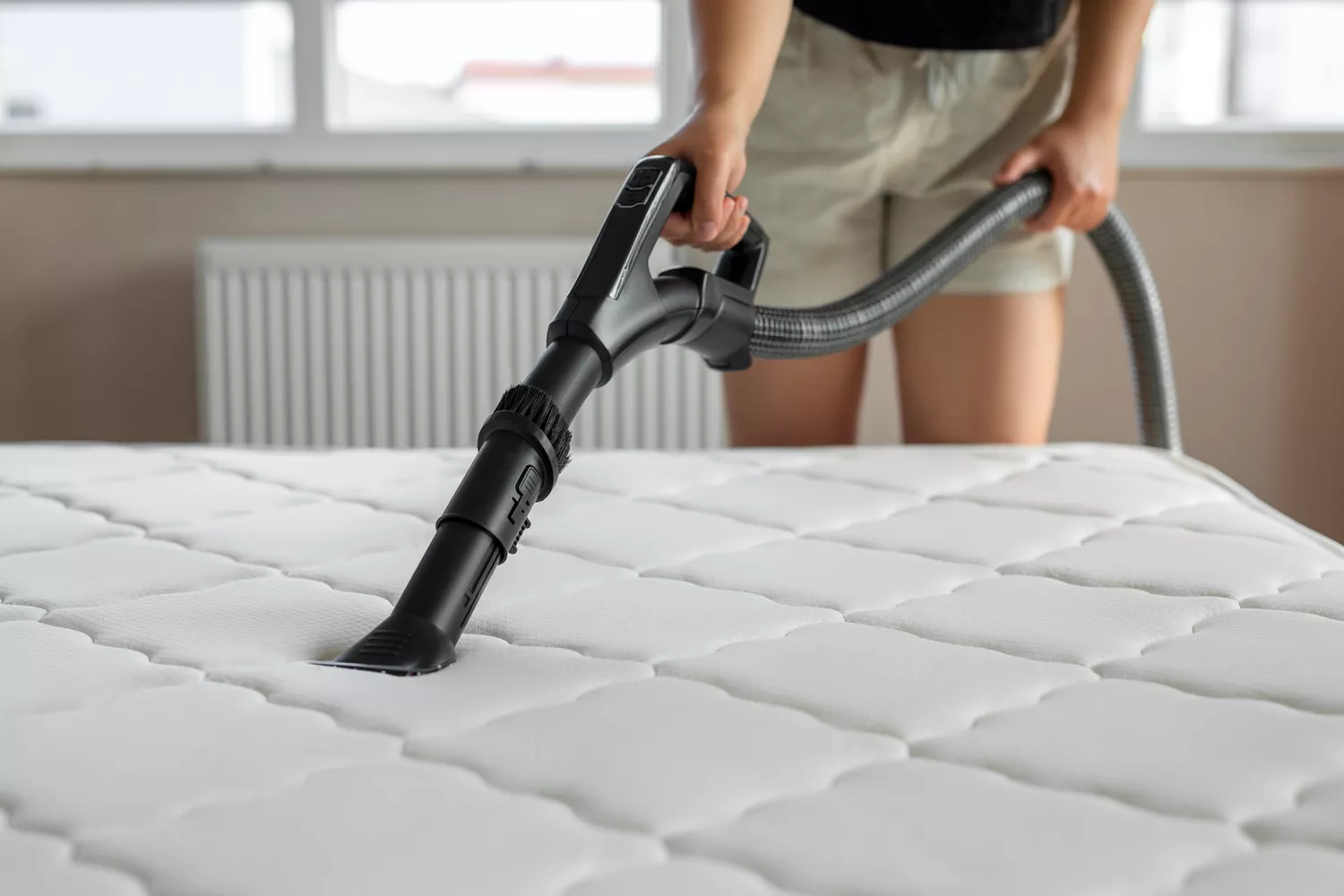
Deep cleaning, typically done less frequently, addresses areas often overlooked in daily and weekly routines. This includes decluttering closets and drawers by donating or discarding unneeded items. Capsule decluttering strategies can streamline wardrobes, making it easier to maintain organization. Vacuuming the mattress on a low setting and flipping or turning it, if applicable, is important. While the bedding is off, the headboard should be vacuumed or wiped. Washing pillows and down comforters is also part of deep cleaning, with experts recommending washing comforters every two to three months at 60 degrees Celsius to eliminate dust mites and bacteria. Cleaning rugs thoroughly, whether through vacuuming, using baking soda for carpets, or specialized cleaners for specific rug types, is also vital. Moving furniture to vacuum or mop underneath prevents the accumulation of mold, mildew, and moths. Finally, disinfecting heavily touched surfaces like doorknobs and light switches provides a fresh start and reduces germ spread. Establishing a consistent cleaning routine, rather than attempting infrequent, exhaustive deep cleans, is key to maintaining a continuously clean and stress-reducing bedroom environment.
#BedroomCleaning #HomeHygiene #SleepEnvironment #DeclutteringTips #DailyRoutine #WeeklyCleaning #DeepCleaning #HomeOrganization #DustMitePrevention #BedroomCleaning #HomeHygiene #SleepEnvironment #DeclutteringTips #DailyRoutine #WeeklyCleaning #DeepCleaning #HomeOrganization #DustMitePrevention
0 comment in total
 No comments yet
You may also like

7 things you might be forgetting to clean in your bedroom

5 Things to Banish From Your Bedroom for a Fresh, Clean Start
Spring Cleaning Checklist: A Room-by-Room Cleaning Guide


How a 15-Minute Cleaning Routine Transformed My Entire Home


5 things professional cleaners always notice in dirty bedrooms that are a ‘breeding ground’ for dirt

How to clean a sofa bed – top hacks for tackling stains and everyday cleaning for an immaculate couch

5 Bathroom Cleaning Mistakes Even The Tidiest People Make

Spring-Cleaning Checklist 2022 - TODAY

A daily cleaning checklist – 6 cleaning tasks you should be doing every day, according to experts
How To Clean A Mattress In 4 Simple Steps
I tried my mom's three-day spring cleaning blitz – and the intensive program makes total sense
Shopping edit – best bedroom bins to keep sleep environments clean and tidy
Finally, A Realistic Cleaning Plan That's Easy to Follow, Thanks to This Cleaning Expert

Are You Cleaning Your Couch Enough? Here's How to Do It the Right Way

How to Clean a Couch, According to Experts | NBC Select


The 7 dirtiest places in an entryway – and how to keep them sparkling
These 5 household chores should be done every week without fail, experts warn

New Year cleaning checklist: 10 places to focus on in 2025
Best Cleaning Advice & Tips


Here's What Really Happens if You Don't Clean Your Mattress Every Few Months