Here's What Really Happens if You Don't Clean Your Mattress Every Few Months
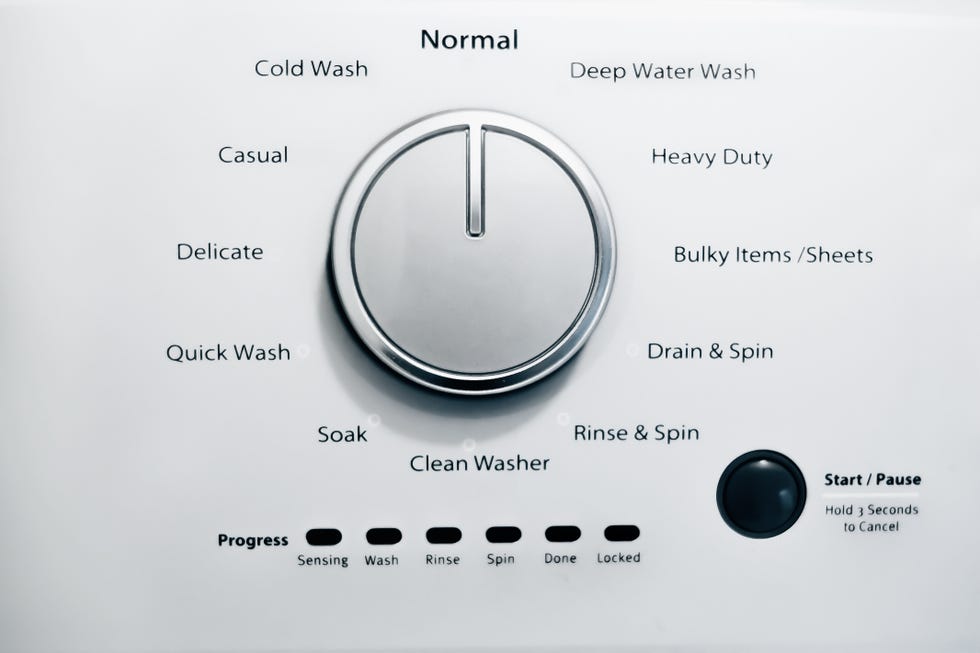
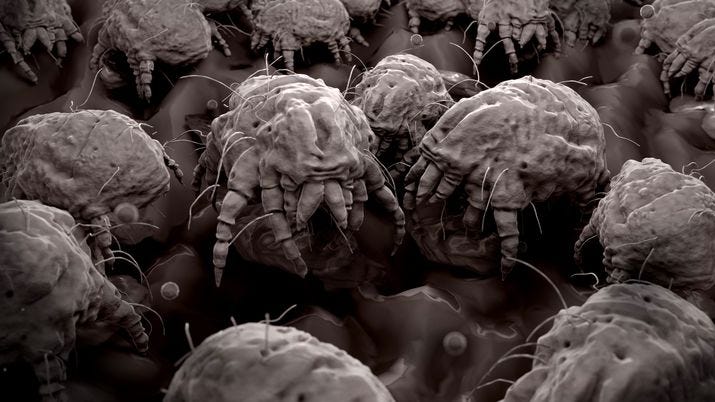
Regular mattress cleaning is essential to maintain a hygienic sleep environment, addressing the accumulation of dead skin cells, sweat, body oils, and dust mites. The Good Housekeeping Institute Home Care & Cleaning Lab recommends a quarterly deep-cleaning regimen to keep mattresses free of dust, stains, and odors. This comprehensive cleaning process begins with stripping all bedding, including pillowcases, blankets, mattress pads, and protectors. These items, along with pillows, should be washed on the hottest water setting suitable for their fabric, after pre-treating any stains, to effectively kill germs.
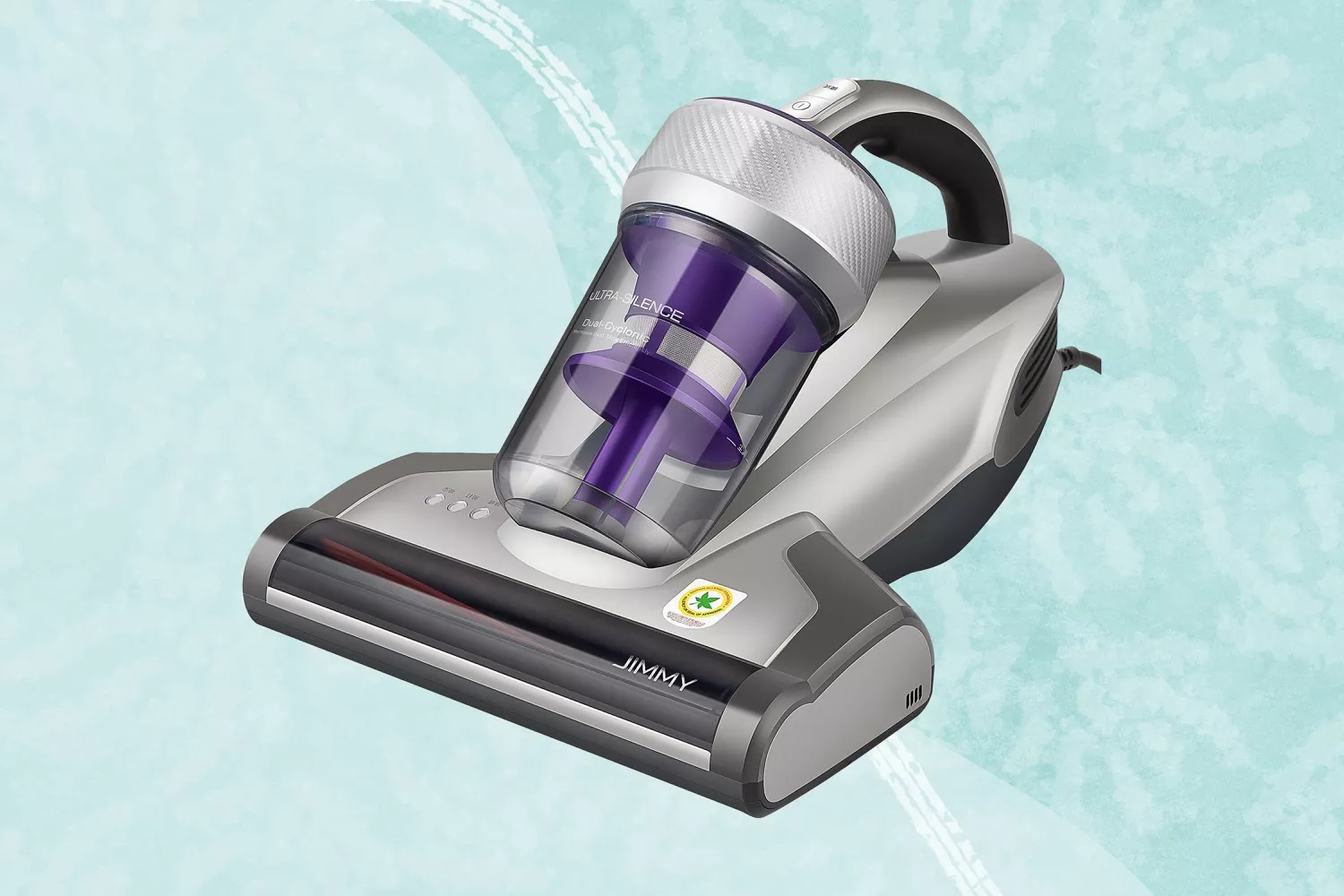
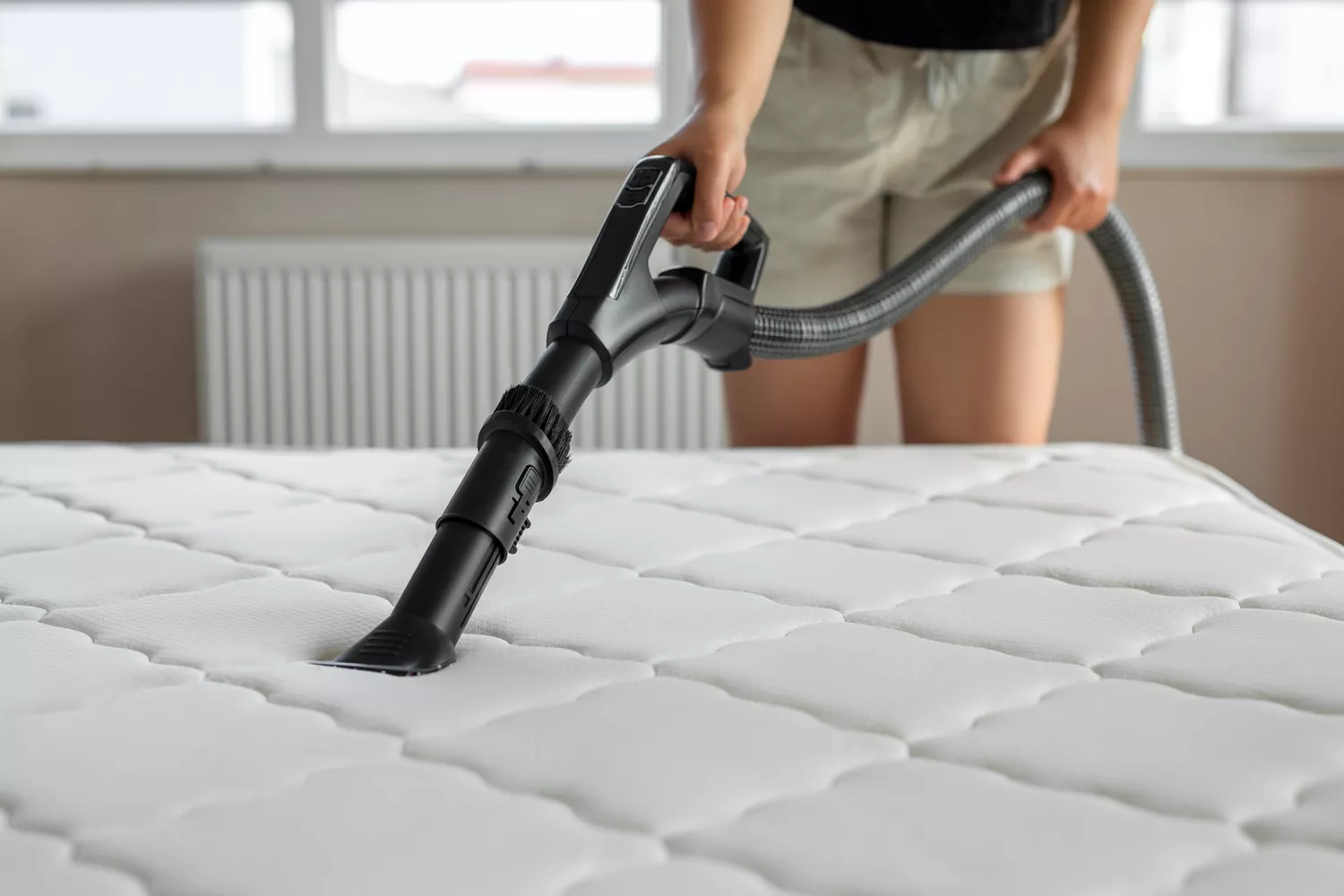
Following the bedding removal, the mattress should be thoroughly vacuumed using an upholstery tool. This step effectively removes surface dust and dust mites. For deeper dust removal, pressing firmly or tapping the tool on the fabric is recommended. A crevice tool should be used for hard-to-reach areas like quilting and welting. Newer vacuum models with vibrating tools can enhance dust extraction. For an even deeper clean and to eliminate dust mites, a garment steamer or clothing iron can be used. Holding the steamer nozzle close to the fabric (without causing drips) allows the penetrating steam to kill mites, after which the mattress should be vacuumed again to remove the dead mites.
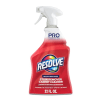
Stain removal is a crucial part of mattress cleaning. For pet stains, food spills, or general discoloration, a carpet and upholstery cleaner designed for pet stains, such as Bissell Pet Stain and Odor Remover, is recommended due to its enzyme-based formula that tackles both stains and odors. Stains should be lightly sprayed or dabbed with a cloth, working from the outside in to prevent spreading. Over-wetting the mattress must be avoided. After the stain is gone, the area should be rinsed with a damp cloth and blotted dry, then allowed to air dry completely.
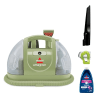
Yellow stains, often caused by sweat and body oil, can be addressed with a homemade solution of one cup each of hydrogen peroxide and warm water, plus 1/4 teaspoon of mild dish liquid. This solution, applied with a spray bottle, should be worked into the fabric with a soft brush or terrycloth towel, left for 30 minutes, rinsed with clear water, and blotted dry. For more stubborn yellow stains, the process can be repeated or the hydrogen peroxide concentration increased. For those with a "steam" cleaner that dispenses detergent and extracts liquid, like the Bissell Little Green Carpet and Upholstery Cleaner, this tool can provide a more effective clean and faster drying time for the mattress.
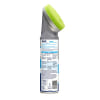
To combat stale odors, a sanitizing spray like Microban 24 Hour Sanitizing Spray or Tide Antibacterial Fabric Spray can be applied. Alternatively, baking soda can be sprinkled on the mattress, brushed in, left for 15 to 30 minutes, and then vacuumed away. Protecting the mattress from future stains and allergens is achieved by using a removable mattress pad, which should be washed regularly. For allergy sufferers, mattress and box spring protectors are highly effective in preventing the accumulation of dust, pollen, and dust mites and should also be washed regularly. While regular cleaning can extend a mattress's lifespan, mattresses typically need replacement every eight to ten years, especially if lumps, indents, or discomfort during sleep arise.
#MattressCleaning #HomeCare #CleaningTips #StainRemoval #DustMiteControl #AllergyRelief #HomeHygiene #DeepCleaning #ProductRecommendations #MattressCleaning #HomeCare #CleaningTips #StainRemoval #DustMiteControl #AllergyRelief #HomeHygiene #DeepCleaning #ProductRecommendations
0 comment in total
 No comments yet
You may also like
You need to deep clean your couch every few months — here’s how experts say to do it

Get Restful, Worry-Free Sleep on Your Clean Mattress
How often should you vacuum? Experts weigh in on the damage caused by doing the bare minimum


How Often You Should Wash Your Sheets (And How to Get Them Really Clean) | Reviews by Wirecutter

Here’s How Often You Should Clean Your Washer to Stop Mildew


The reason you need to vacuum your baseboards this month
How To Clean A Mattress In 4 Simple Steps

How to Clean a Mattress in 9 Simple Steps (2025)