1/10
How to Clean a Couch, According to Experts | NBC Select
Couches are central pieces of furniture in many homes, accumulating dirt, oils, crumbs, and pet dander from daily use. Regular cleaning is crucial to maintain hygiene and extend the life of the couch. This guide provides comprehensive instructions and product recommendations from cleaning experts, Jennifer Rodriguez, chief hygiene officer at ProHousekeepers, and Kadi Dulude, owner of Wizard of Homes, for effectively cleaning both fabric-upholstered and leather couches.
The cleaning process begins with understanding the specific type of upholstery, as this dictates the appropriate cleaning methods and products. Couches are typically upholstered in either synthetic or natural fabrics like cotton, linen, suede, or chenille, or in genuine or faux leather. Fabric-upholstered couches are generally more absorbent and thus more prone to staining, requiring careful spot treatment and general cleaning. Leather couches, being less permeable, are more durable against spills but require specialized cleaners and conditioners to prevent warping, mold, and fading.
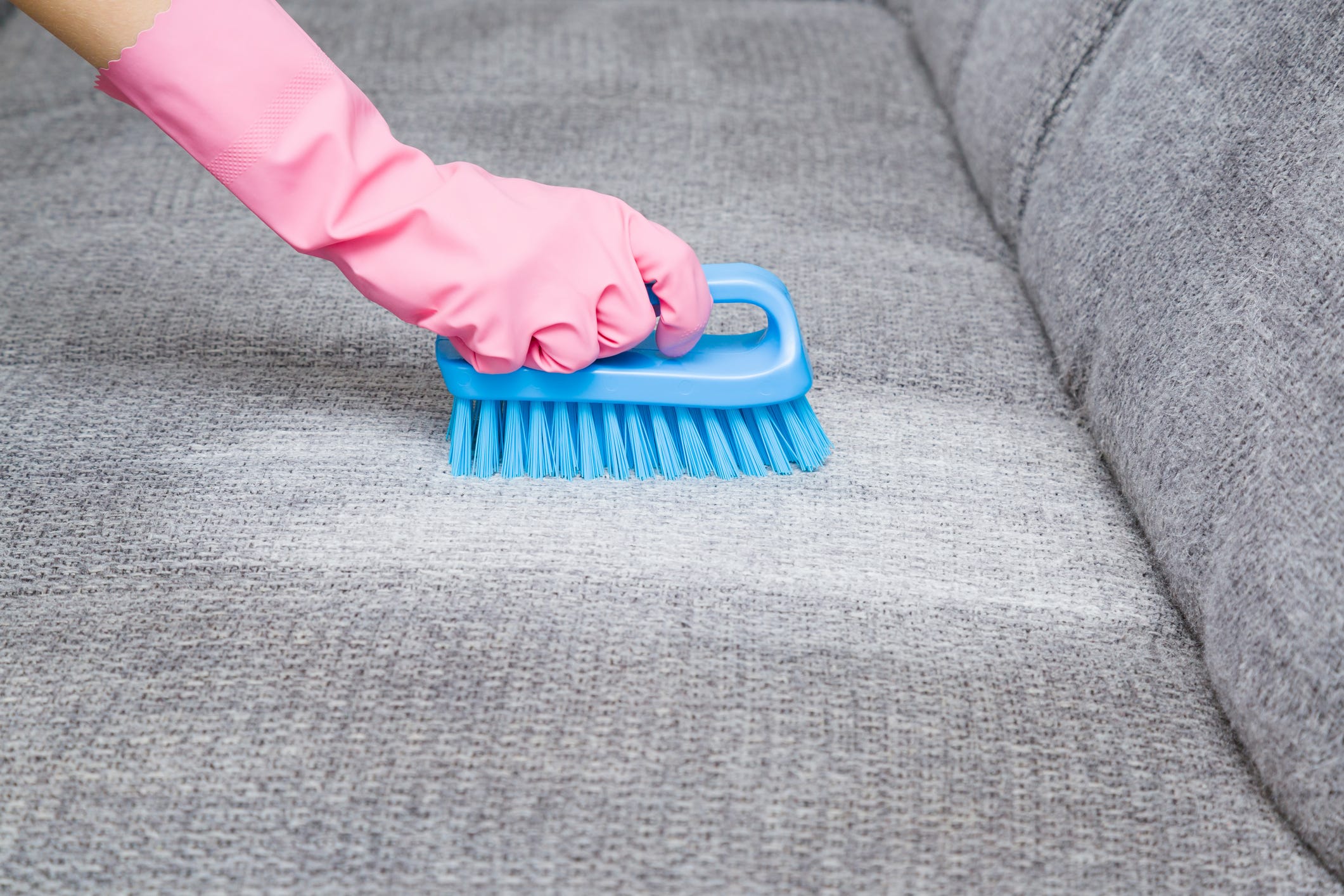
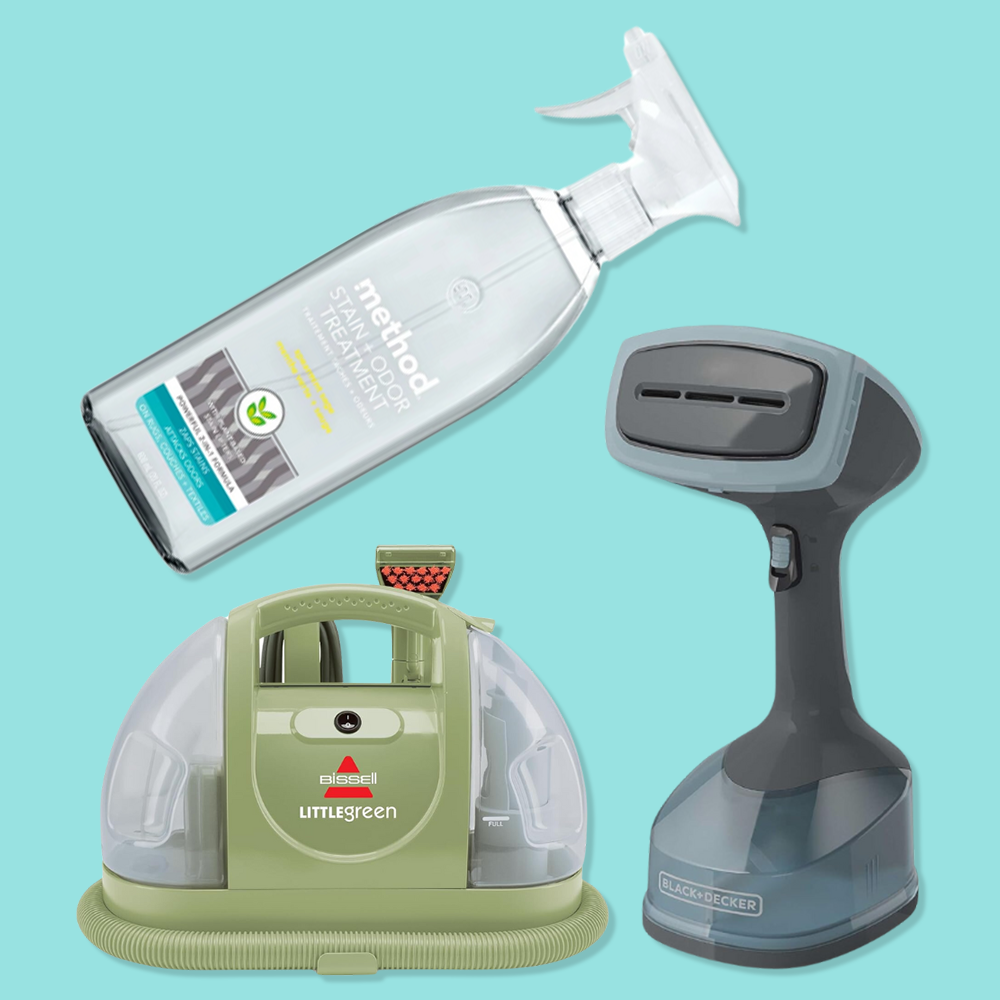
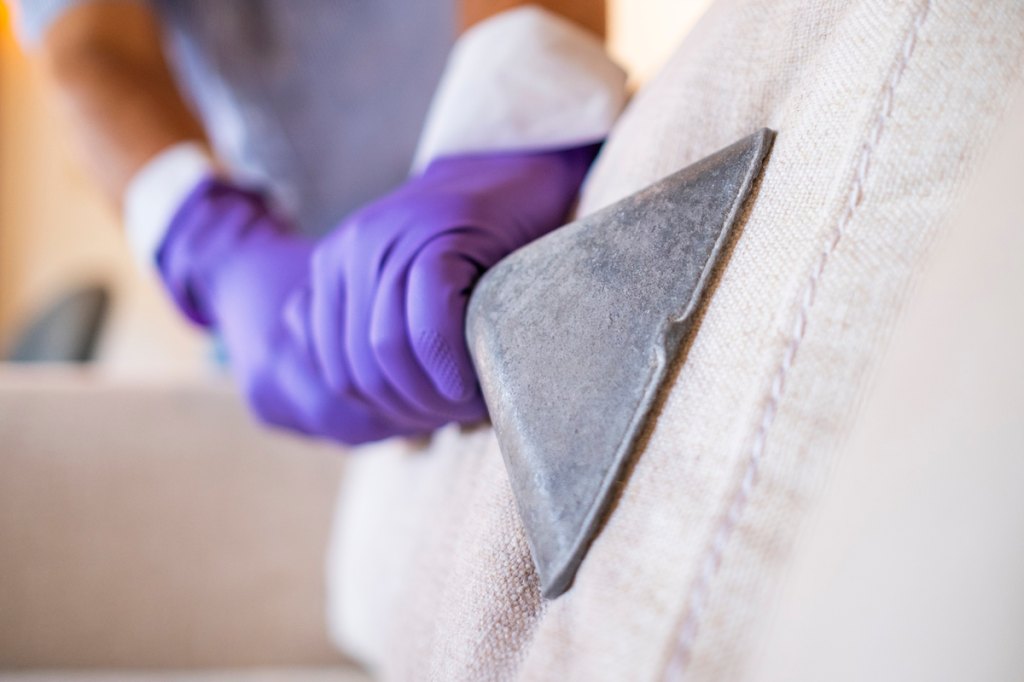
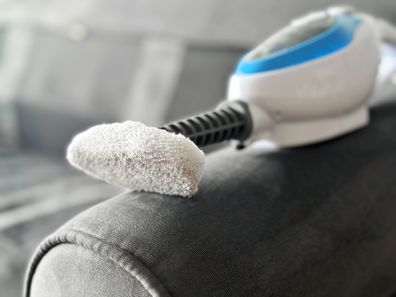
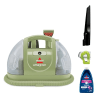
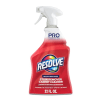
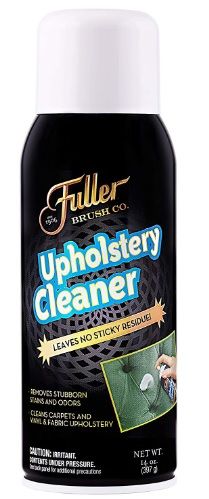
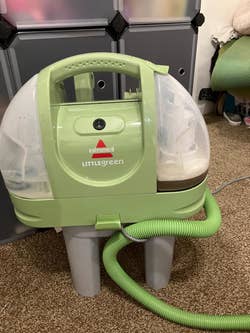
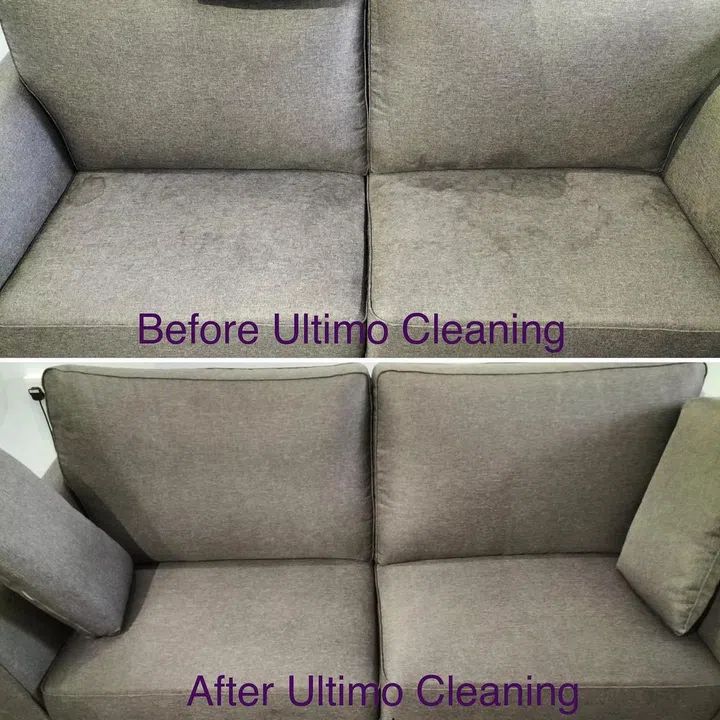
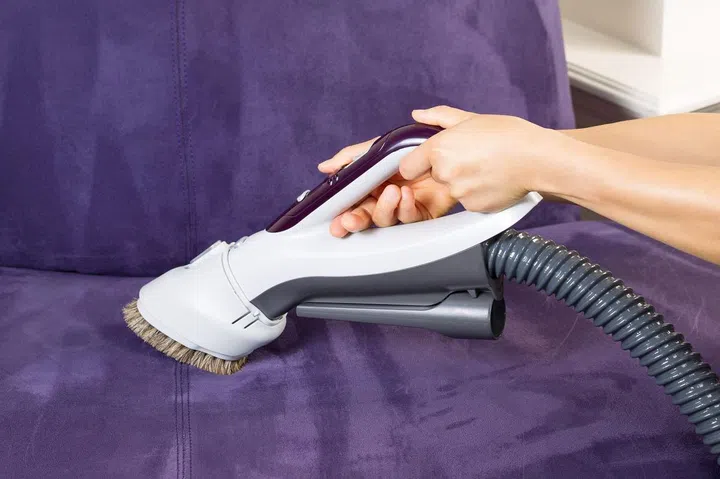
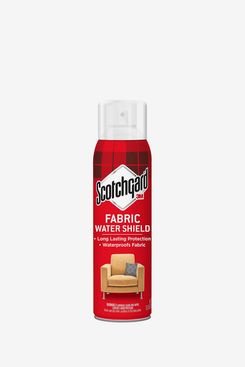
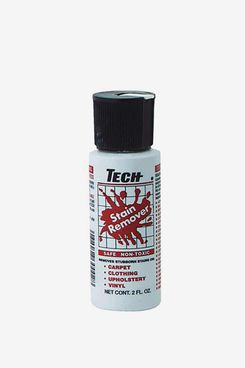
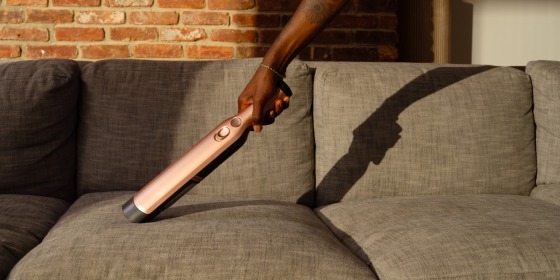
Before any cleaning, it is essential to consult the manufacturer’s care instructions to avoid damage. A patch test on an inconspicuous area of the couch is also highly recommended to ensure the cleaning product does not cause discoloration or damage. The general cleaning routine for both fabric and leather couches starts with thoroughly vacuuming the couch, including removing cushions and cleaning crevices, to eliminate solid debris and loose dirt. For fabric couches, a fabric or upholstery spray, such as Resolve Professional Strength Spot and Stain Cleaner, is suggested for visible stains. Alternatively, a homemade solution of water and a few drops of mild dish detergent can be used. These solutions should be applied to a microfiber cloth or directly to the stain, allowed to sit, and then gently scrubbed in circular motions. For a deeper clean, upholstery cleaning appliances like the Bissell Little Green Multipurpose Upholstery Cleaner or a steam cleaner like the Dupray Neat Steam Cleaner are effective for removing set-in stains and deodorizing.
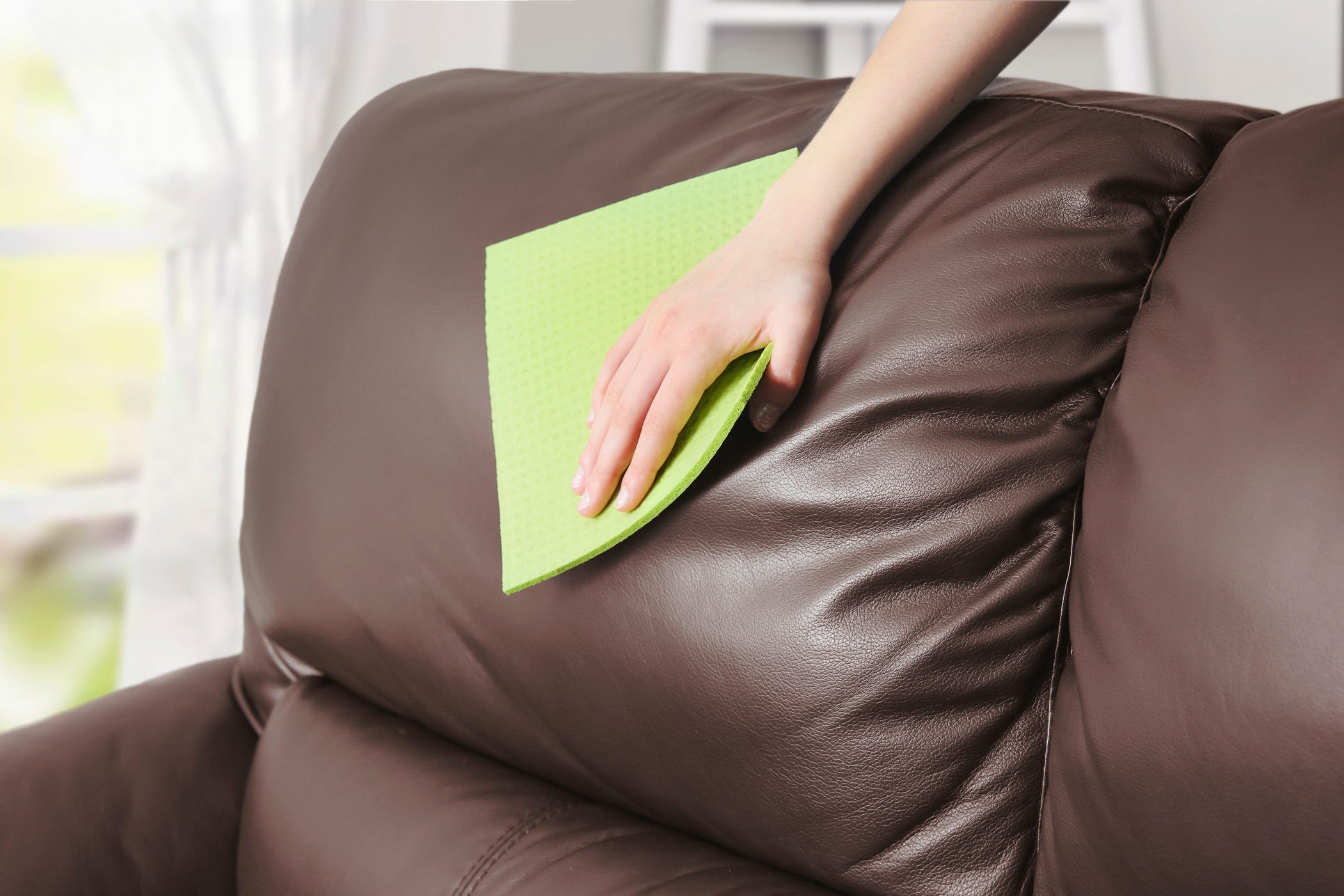
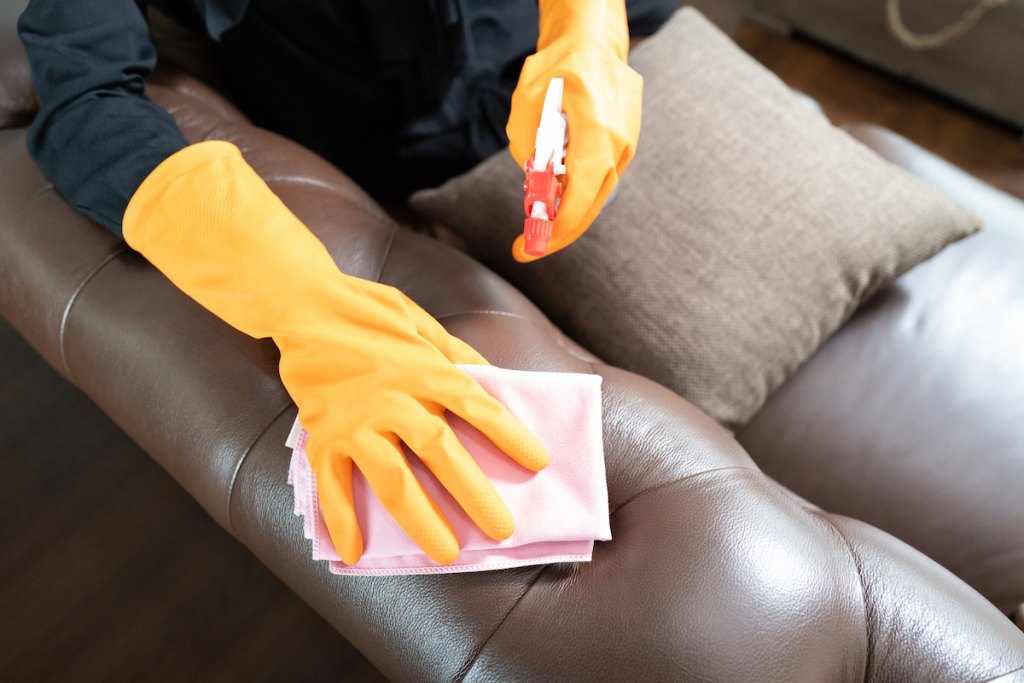
Cleaning a leather couch involves similar initial vacuuming steps. However, instead of fabric cleaners, a leather conditioner like Leather Honey Leather Conditioner is used. This product cleans and moisturizes the leather, preventing damage from excessive water or harsh chemicals. The conditioner is applied to a microfiber cloth and buffed into the leather in circular motions. For both types of couches, it is important to allow the upholstery to dry completely in a well-ventilated room before further use or additional cleaning steps. Experts advise performing a comprehensive clean every few months, while promptly addressing spills and stains as they occur. They strongly caution against using harsh chemicals, such as bleach or alcohol-based products, on any couch material, as these can cause irreparable damage and discoloration.
#CouchCleaning #HomeCare #UpholsteryCleaning #LeatherCare #CleaningTips #HouseholdMaintenance #FabricCare #StainRemoval #CouchCleaning #HomeCare #UpholsteryCleaning #LeatherCare #CleaningTips #HouseholdMaintenance #FabricCare #StainRemoval
0 comment in total
 No comments yet
You may also like
Are You Cleaning Your Couch Enough? Here's How to Do It the Right Way


6 couch cleaning mistakes that pros say could lead you to 'serious upholstery heartbreak'


5 Common Sofa Cleaning Mistakes You Might Be Making

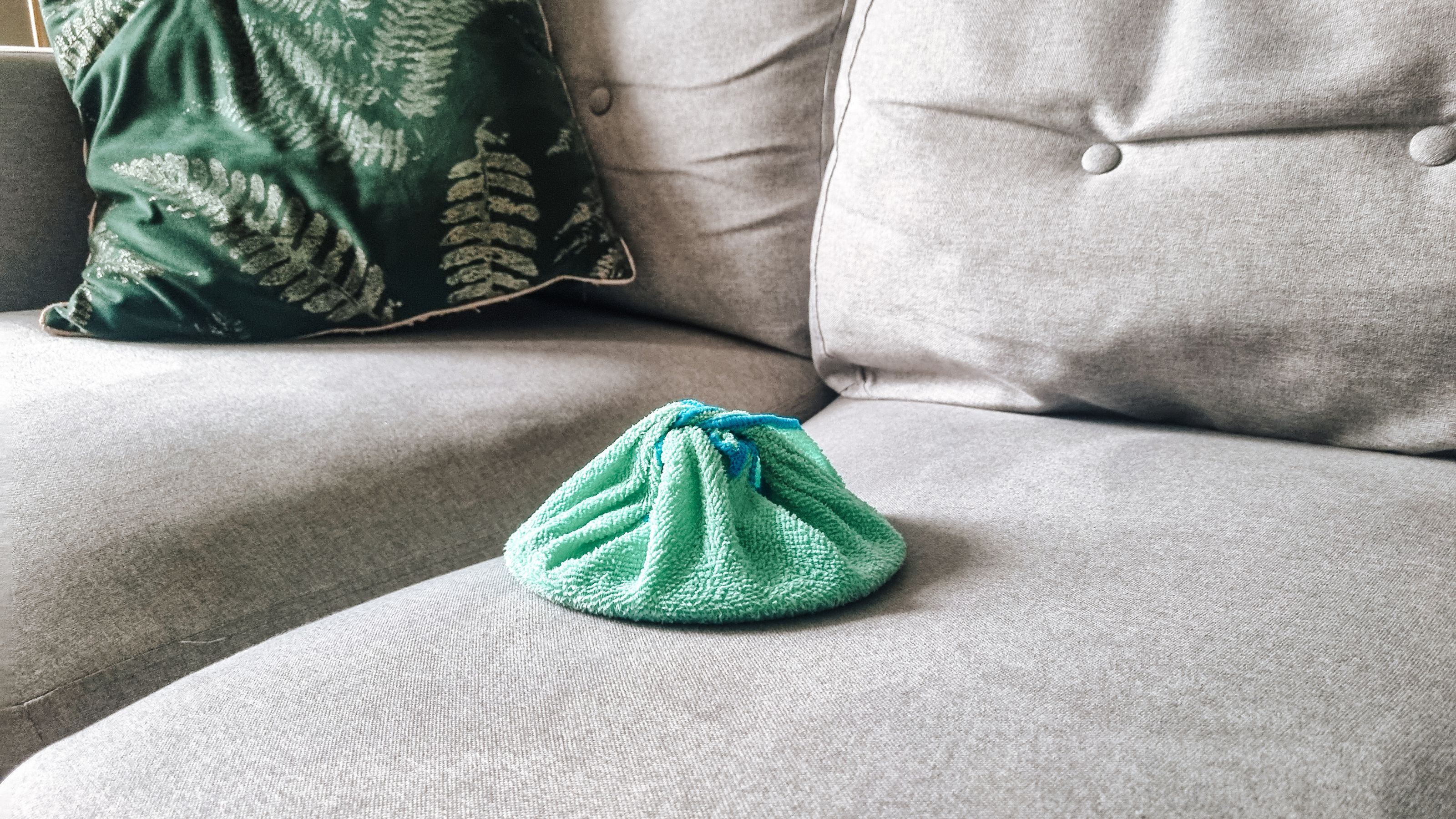
Does the TikTok couch cleaning hack actually work? I tried it, and this is what happened


How To Deep Clean a Couch: Expert Tips for Getting It To Look Like New

What to Do When a Dirty, Smelly Dude Sleeps on Your Couch

The Right Way to Clean Every Type of Couch, From Fabric to Leather


How to clean a bedroom: daily, weekly and deep-clean tasks

How to clean a sofa bed – top hacks for tackling stains and everyday cleaning for an immaculate couch

How To Clean A Couch So It Looks As Good As New
Yes, You Can Dry-Clean at Home: And These 5 Furnishings and Decor Pieces Need TLC


How to Clean a Slipcover, According to Experts

How to Clean Every Type of Couch Cushion, According to the Pros
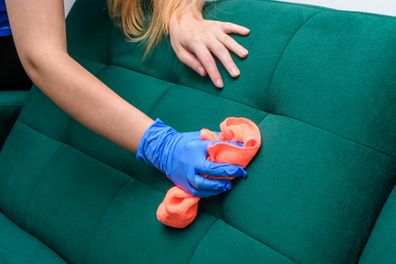
From a quirky TikTok hack and a $99 sell-out Kmart buy, here are five ways to clean your sofa

27 Couch Cleaners That’ll Make Old, Stained Sofas Look Newer

5 things professional cleaners always notice in dirty bedrooms that are a ‘breeding ground’ for dirt

7 things you might be forgetting to clean in your bedroom
You need to deep clean your couch every few months — here’s how experts say to do it

10 Sofa Cleaning Singapore: Fabric sofa cleaning vacuum service (with prices)
How to Steam Clean a Couch Without Damaging the Fabric