1/7
How to Clean a Slipcover, According to Experts
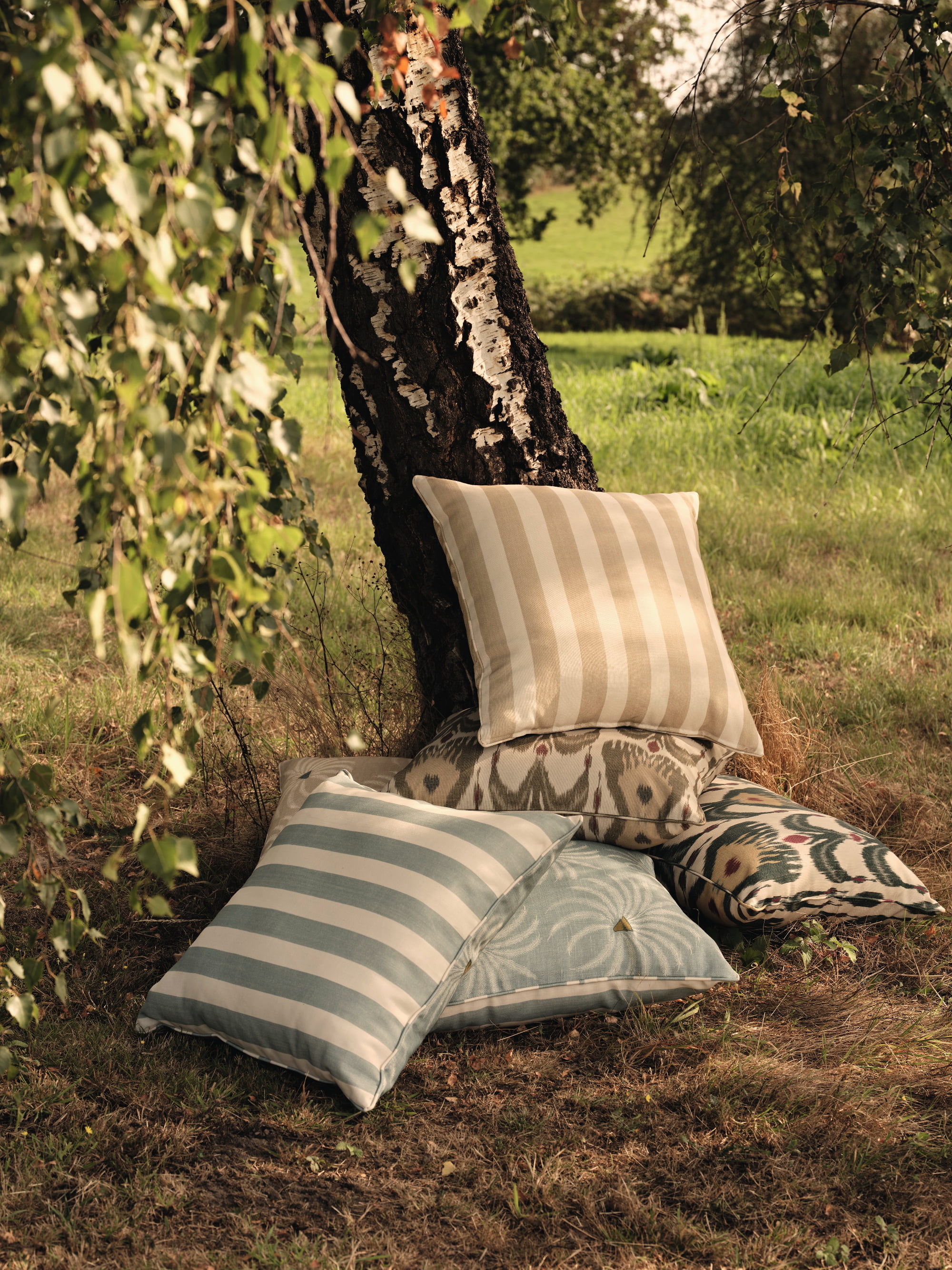
Maintaining slipcovered furniture, especially white varieties, requires careful attention to cleaning to prevent stains and preserve fabric integrity. Slipcovers made from materials like cotton, denim, canvas, linen, polyester, and hemp can often be machine washed, but a critical first step is to determine if the fabric has been preshrunk. Karen Powell, a slipcover-maker, emphasizes that washing an unsheltered natural-fiber slipcover will cause it to shrink. If preshrinking status is unknown, dry cleaning is a safer alternative, though it's advised to consult with the dry cleaner about their methods to avoid shrinkage. Certain delicate or specialty slipcovers, such as those with decorative trim, lining, silk, or wool, or those explicitly labeled "dry-clean only," should always be professionally dry-cleaned.
To enhance the longevity and cleanliness of slipcovers between washes, experts recommend applying a fabric protector. Products like Scotchgard Fabric Water Shield create a barrier against spills, effectively waterproofing the fabric. However, this protective layer diminishes with washing, necessitating reapplication after each cleaning cycle. The effectiveness of the protectant can be tested by observing if water beads up on the fabric surface. For slipcovers made from performance fabrics like Crypton and Sunbrella, only spot-cleaning is recommended, as machine washing can compromise their specialized properties.
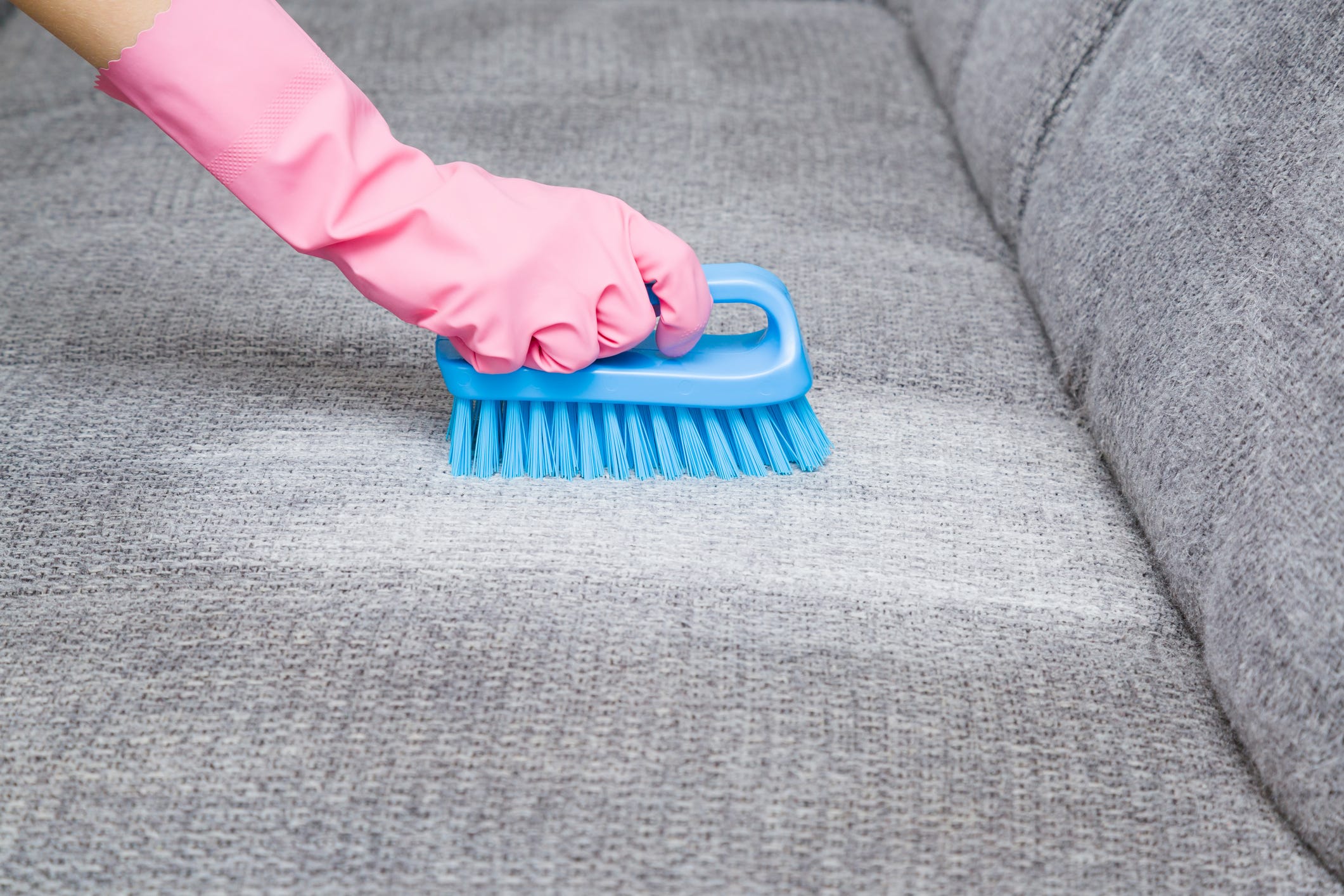
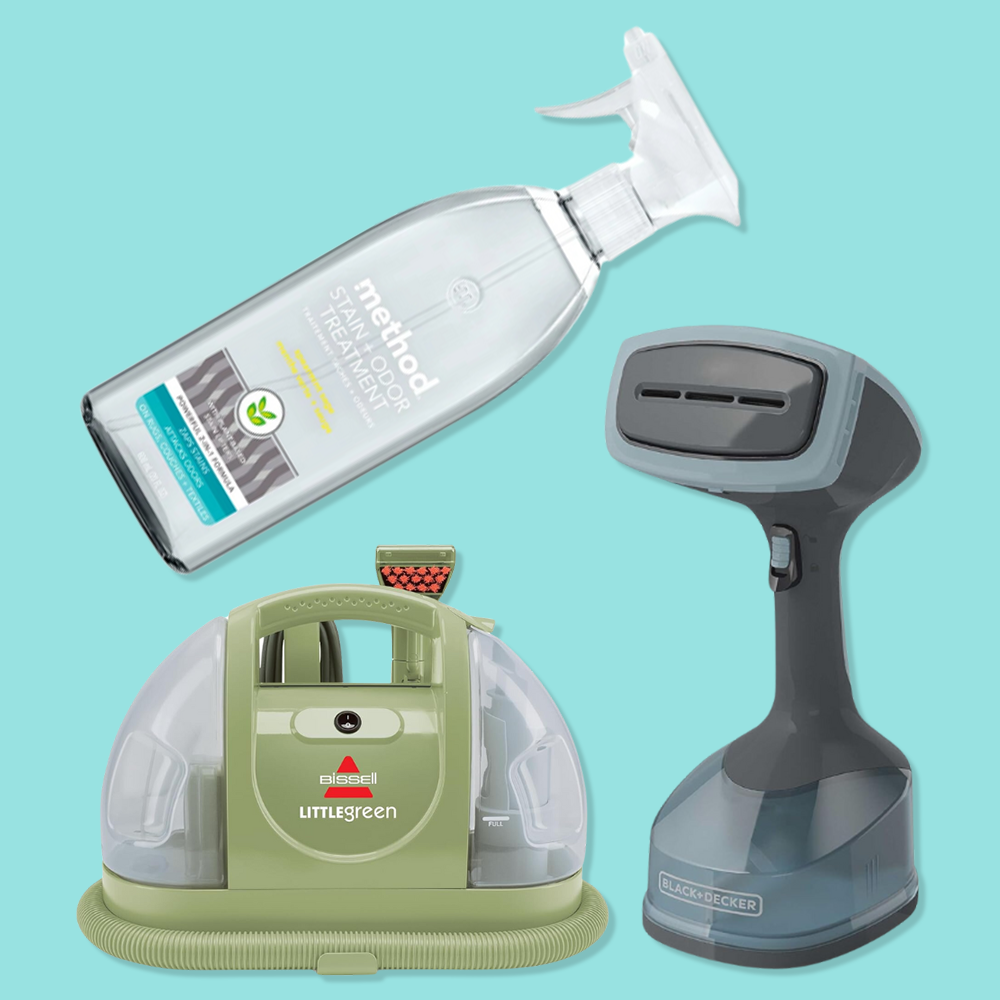
Spot-treating stains before a full wash is crucial for tough marks. Tech's Stain Remover is highly recommended for its versatility and safety on various washable natural-fiber fabrics. It is free of harsh chemicals like bleach, alcohol, and solvents, making it safe without causing discoloration or rings. For best results, stains should be treated promptly by blotting with a moistened cloth, with a dry cloth placed underneath the stained area. After spot treatment, the slipcover should be laundered to remove any residue.
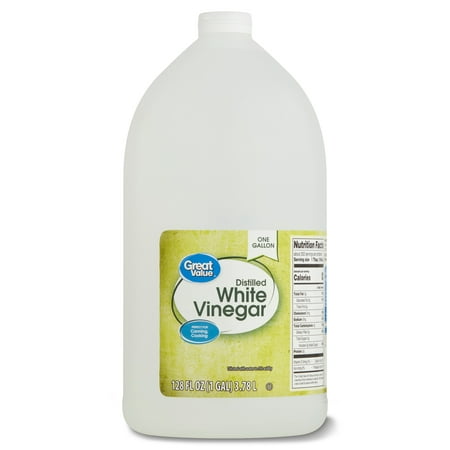
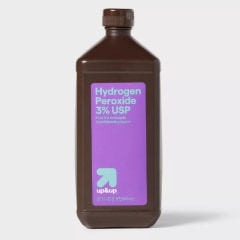
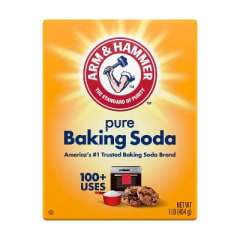
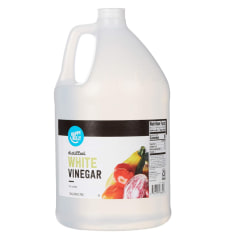
Alternatively, a natural spot-cleaning solution can be prepared by mixing equal parts hydrogen peroxide and baking soda, effective for organic stains such as those from bodily fluids, grass, coffee, or tea. This solution should be sprayed or blotted, not rubbed, to prevent pile damage or color loss. After sitting for 15-20 minutes, the solution should be neutralized with distilled white vinegar before the slipcover is washed. Consulting a professional before using DIY methods is advised to prevent fabric damage.
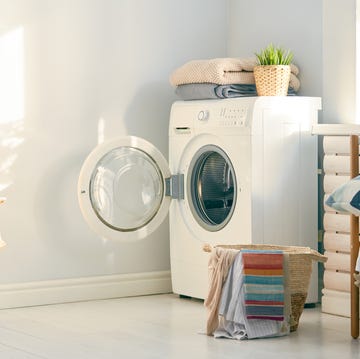
For machine-washable slipcovers, cold water cycles and mild, bleach-free detergents, such as Seventh Generation Free & Clear Detergent or Dr. Bronner's Pure-Castile Liquid Soap, are recommended. Dr. Bronner's is noted for being self-neutralizing and safe for most fabrics. After washing, slipcovers should ideally be air-dried while slightly damp and put back on the furniture to help them retain their shape and fit. One expert, Karen Powell, suggests tumble-drying on a warm setting (never high heat) to prevent stiffness and wrinkles. When cleaning slipcovers with separate components, like those for cushions and frames, all parts should be washed simultaneously to avoid color inconsistencies. Zippers should be closed to prevent damage. Ultimately, consulting the fabric manufacturer's recommendations or the slipcover maker for custom items provides the most reliable guidance for proper care.
#SlipcoverCare #HomeCleaning #FabricProtection #StainRemoval #LaundryTips #FurnitureMaintenance #EcoFriendlyCleaning #ExpertAdvice #HomeDecor #SlipcoverCare #HomeCleaning #FabricProtection #StainRemoval #LaundryTips #FurnitureMaintenance #EcoFriendlyCleaning #ExpertAdvice #HomeDecor
0 comment in total
 No comments yet
You may also like
How to Clean a Couch, According to Experts | NBC Select
How to clean mold off outdoor cushions – refresh your outdoor seating in time for summer

Are You Cleaning Your Couch Enough? Here's How to Do It the Right Way


Best Sofa Cleaners UK | 2026

From a quirky TikTok hack and a $99 sell-out Kmart buy, here are five ways to clean your sofa

6 couch cleaning mistakes that pros say could lead you to 'serious upholstery heartbreak'

How to Clean Velvet Furniture the Right Way, According to Experts

How to clean a sofa bed – top hacks for tackling stains and everyday cleaning for an immaculate couch

How To Deep Clean a Couch: Expert Tips for Getting It To Look Like New


How to Clean Every Type of Couch Cushion, According to the Pros


The Ultimate Stain-Removal Guide
How to clean hardwood floors – experts reveal the best techniques
How To Clean Baseboards, According To An Expert

How to Clean Secondhand Furniture, According to Professional Upcyclers
Yes, You Can Dry-Clean at Home: And These 5 Furnishings and Decor Pieces Need TLC

How often should you deep clean your carpet?

8 Things You Should Never Clean with a Swiffer

You need to deep clean your couch every few months — here’s how experts say to do it

Best Cleaning Advice & Tips


How To Clean A Couch So It Looks As Good As New