
How to Clean Every Type of Couch Cushion, According to the Pros
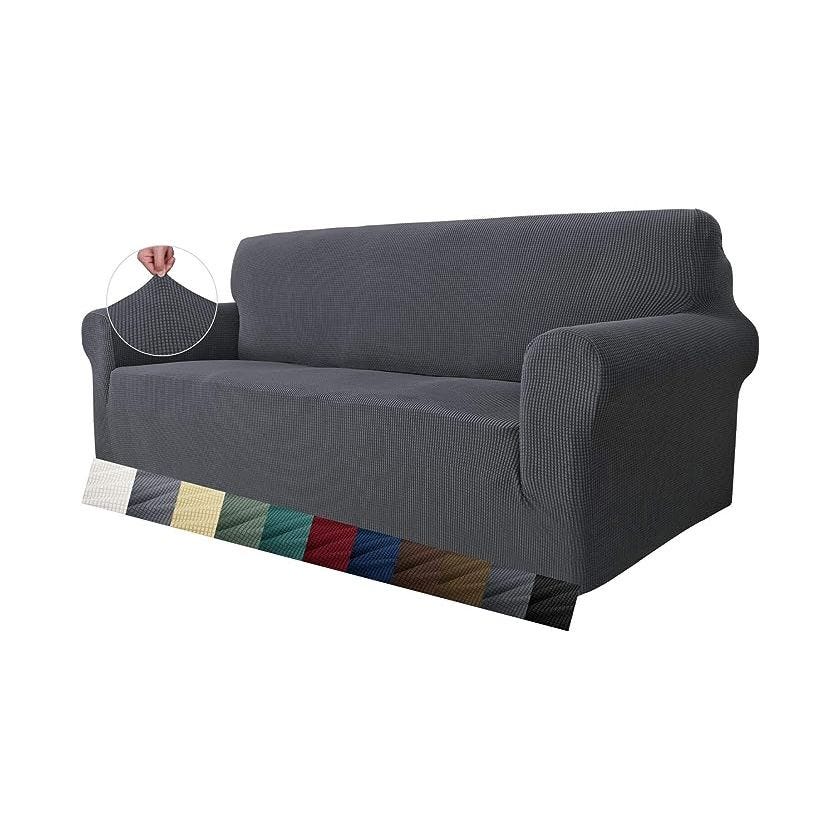
Maintaining clean couch cushions is essential for preserving the appearance and longevity of a sofa, a central piece of furniture in most homes. The cleaning process, however, varies significantly based on the cushion's material and specific care instructions. Before any cleaning, it is crucial to consult the care tag, typically found in a discreet location, to identify cleaning codes such as 'W' (water-based cleaners), 'S' (solvent-based cleaners), 'WS' (either water or solvent-based), or 'X' (vacuum only). Additionally, checking if cushion covers are removable simplifies the cleaning process; if so, they can often be machine-washed in cold water on a delicate cycle and air-dried to prevent shrinkage.
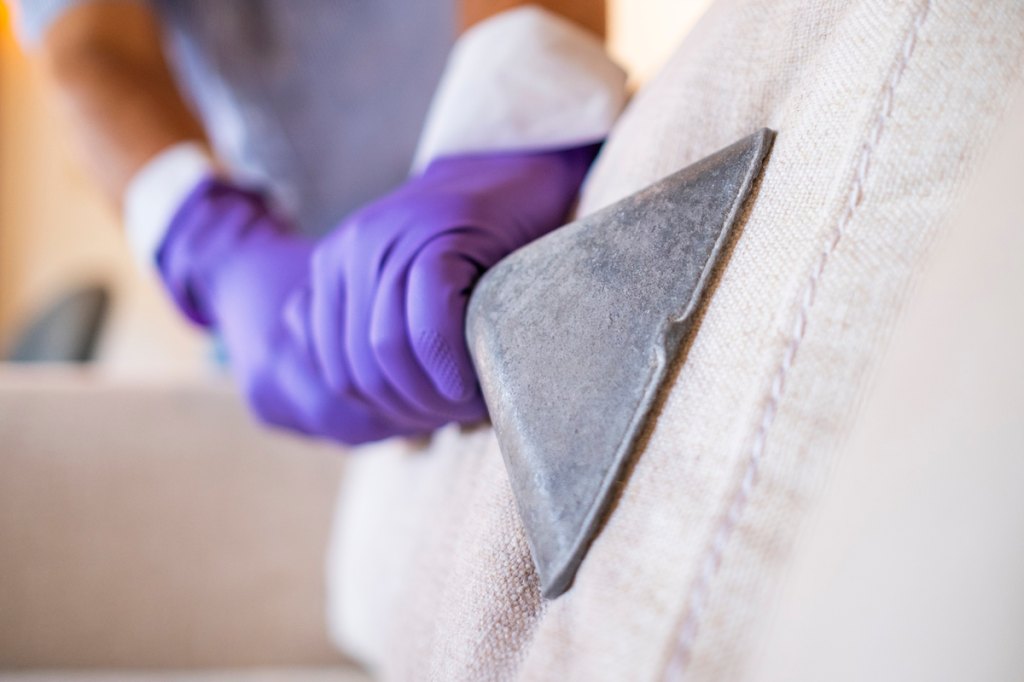
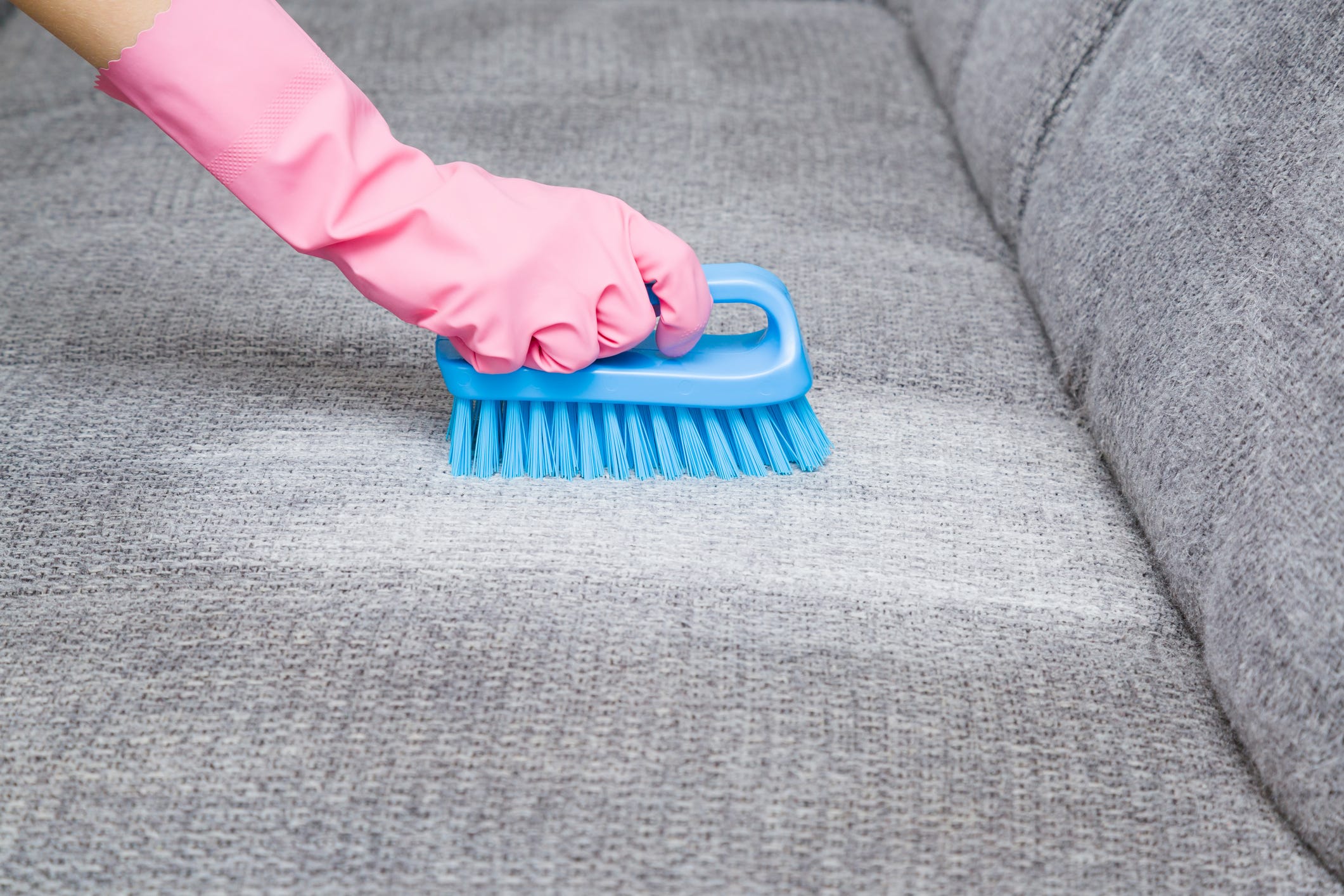
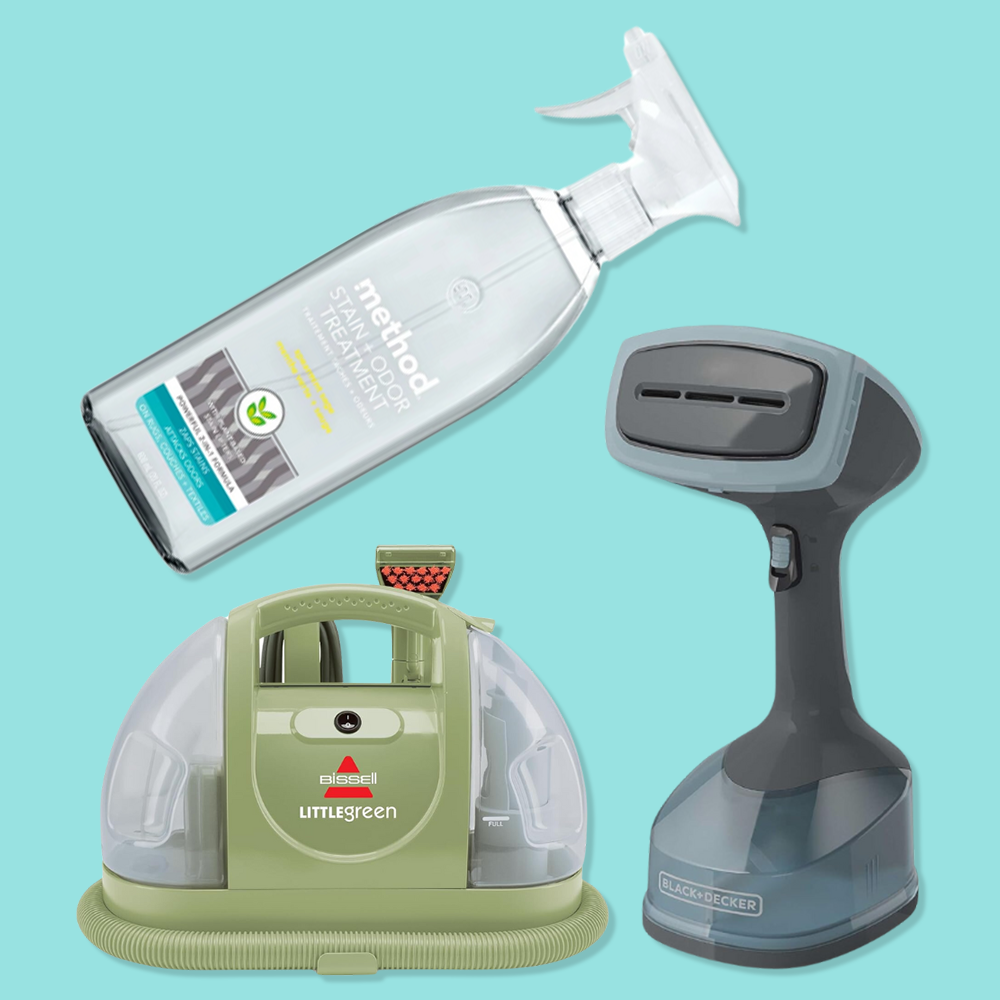
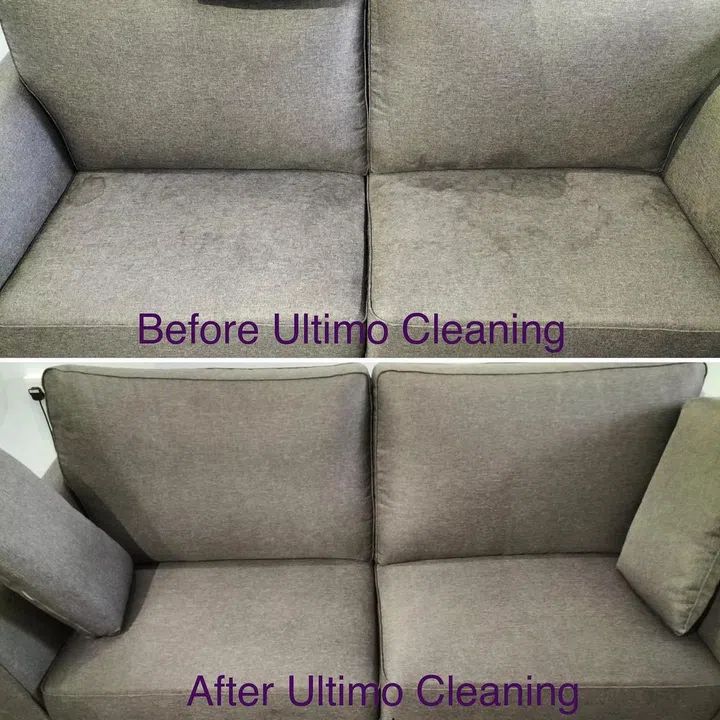
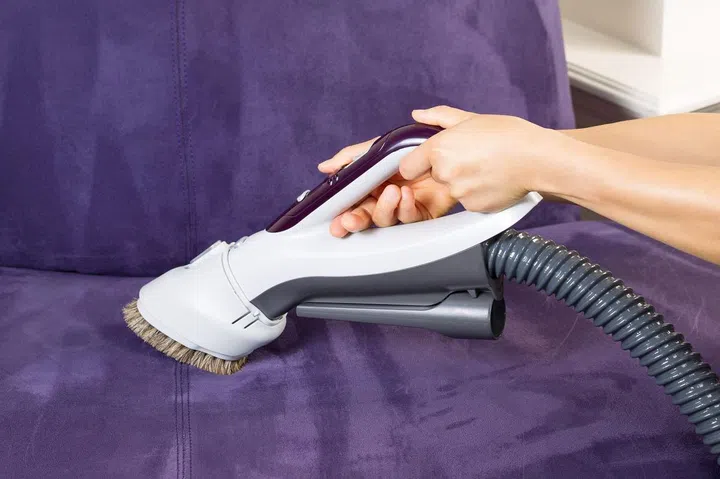
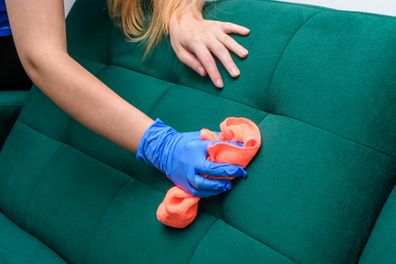
The frequency of cleaning depends on usage. Cushions used daily should ideally be cleaned weekly, while those used less frequently can be cleaned every three to four weeks. Stains, however, require immediate attention to prevent permanent damage. For fabric cushions, the process begins with removing loose debris by brushing or vacuuming. A DIY cleaning solution can be prepared by combining 1 teaspoon of dishwashing liquid, 1 tablespoon of white vinegar, and a cup of warm water in a spray bottle, then adding 1 teaspoon of baking soda. This mixture should be sprayed onto a white cloth and used to wipe down the cushion, followed by air-drying.
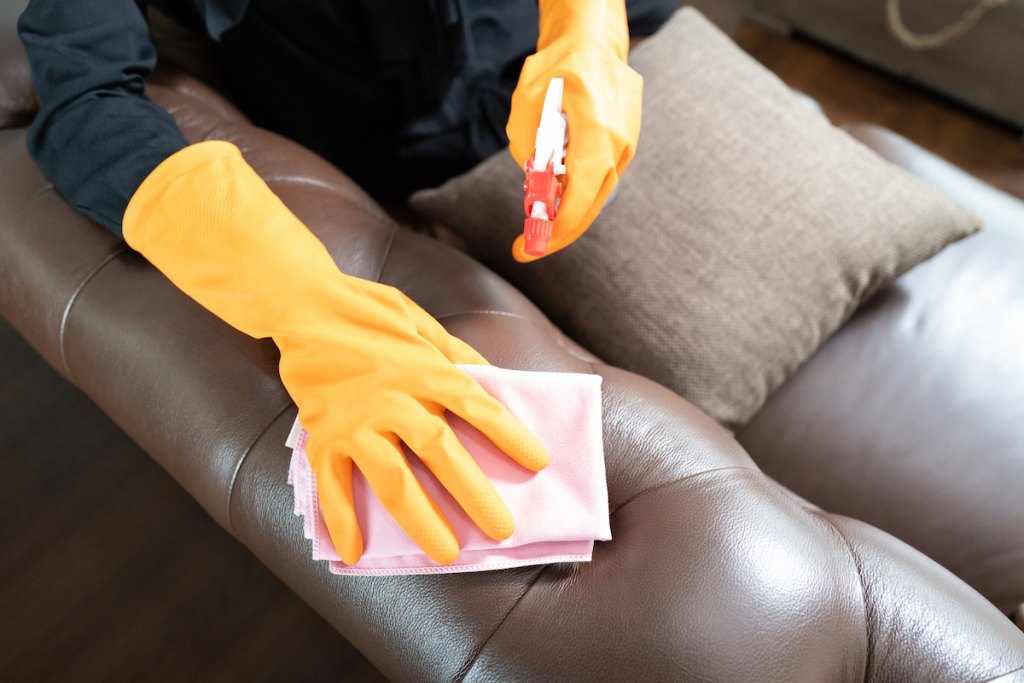
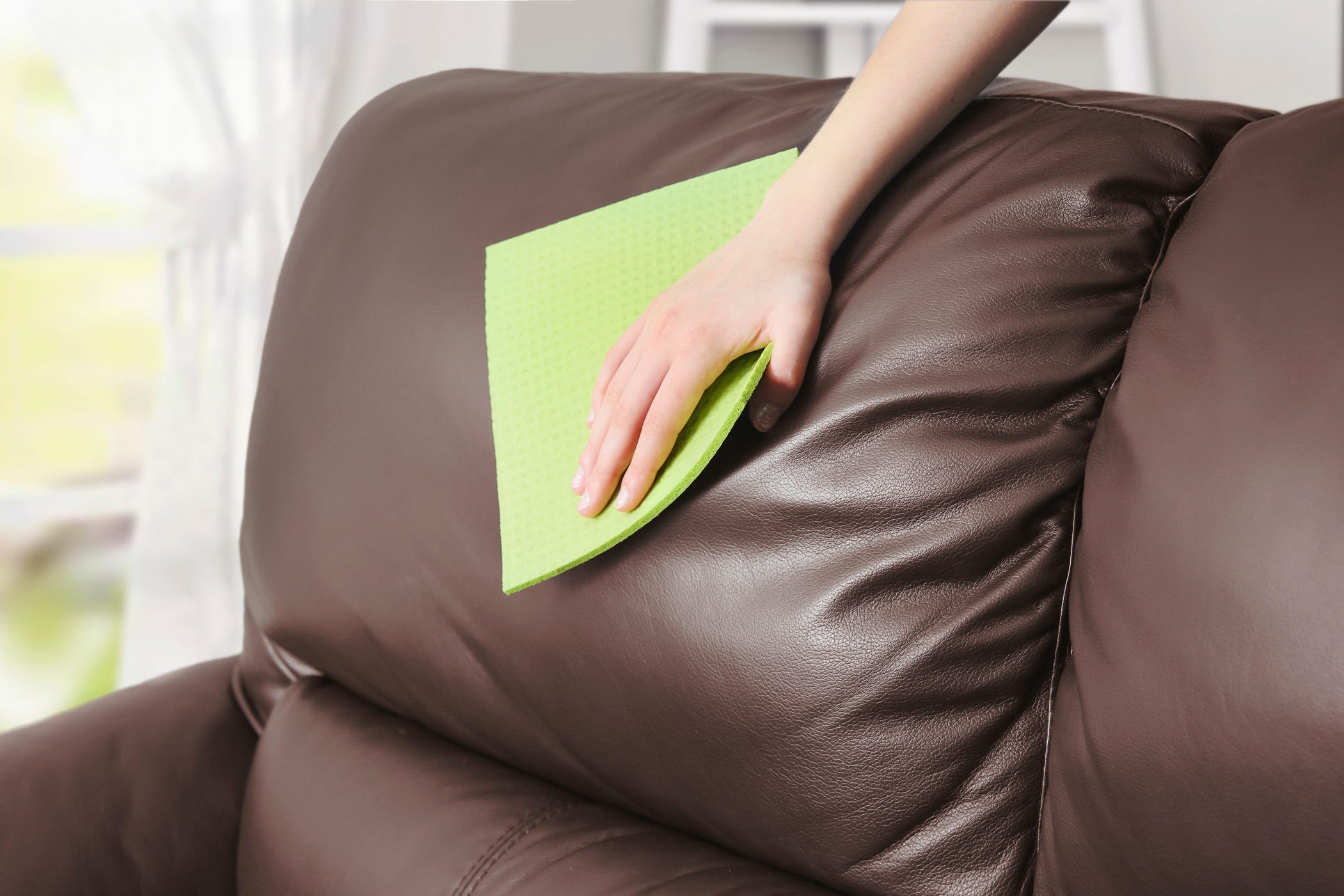
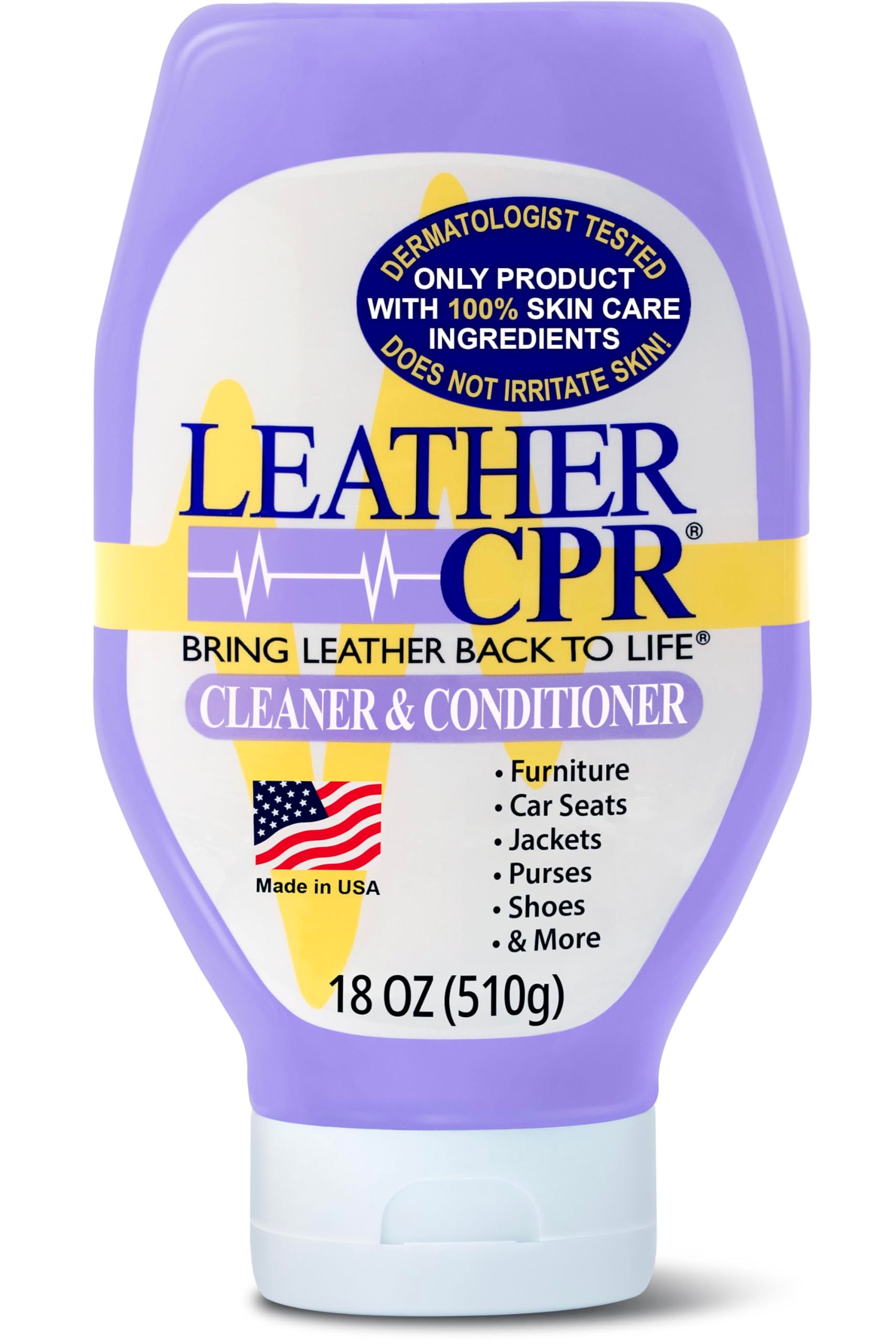
Leather cushions require a slightly different approach. After vacuuming to remove debris from folds and ridges, and wiping with a microfiber cloth, a cleaning solution of equal parts water and white vinegar should be applied with a damp (not wet) microfiber cloth. Leather conditioner should be applied every six to twelve months to protect the material from spills and maintain its softness. Microfiber cushions, typically a blend of polyester and nylon, also benefit from an initial vacuuming with an upholstery attachment. These cushions are best cleaned by spraying with rubbing alcohol and scrubbing in circles with a white or light-colored sponge to avoid color transfer, followed by air-drying and brushing with a dry brush to restore texture.
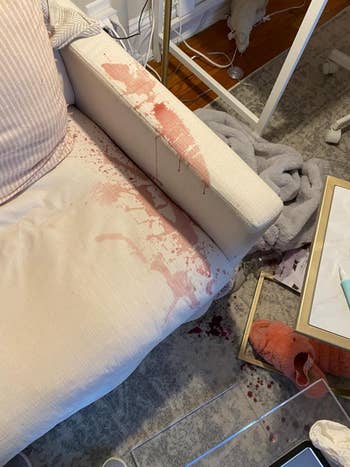
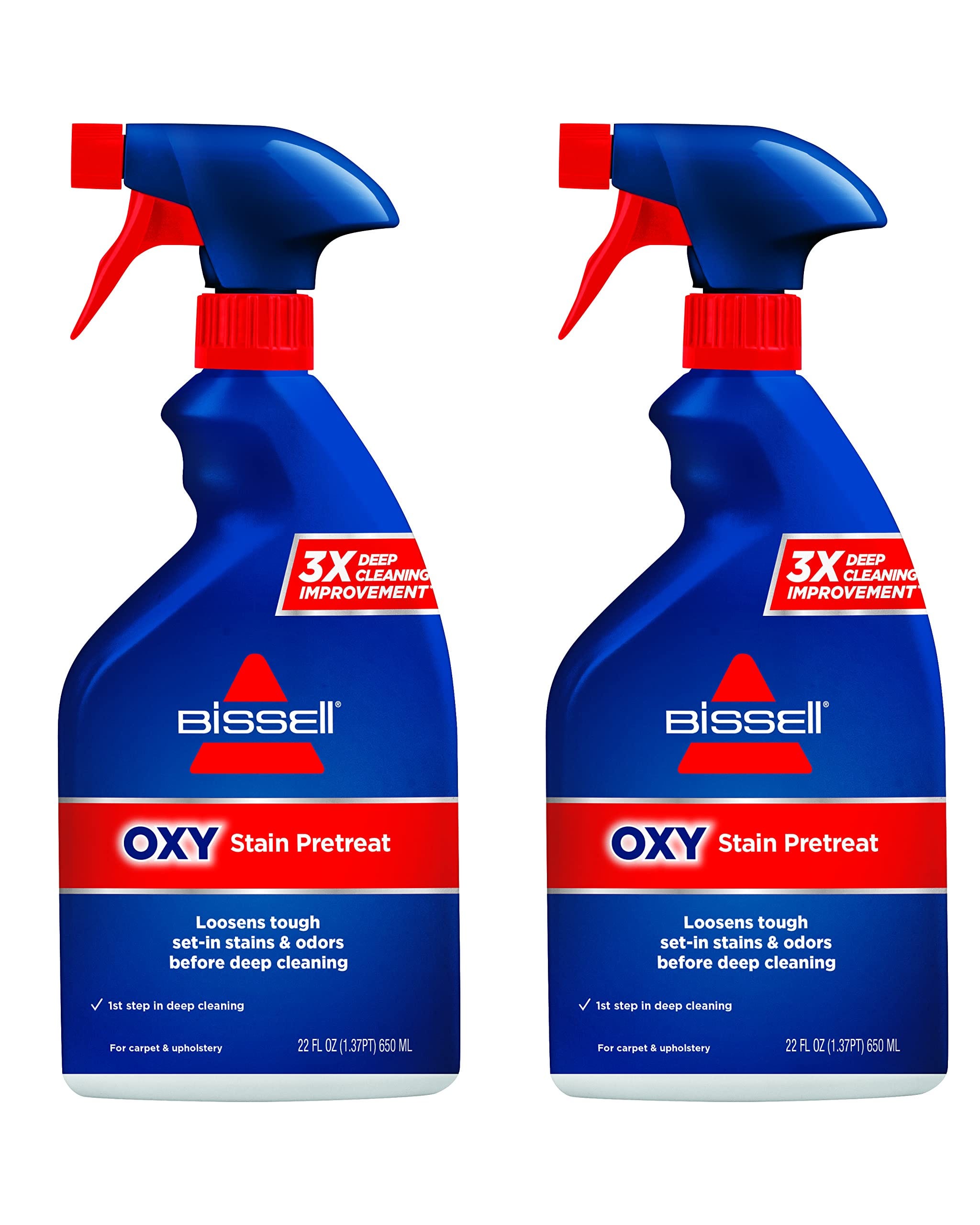
For spot treatment of stains, understanding the type of stain is key. A mild dish soap and water solution applied with a damp cloth, blotting rather than rubbing, is often effective. Odor elimination, particularly for pet accidents or food residue, can be achieved by sprinkling baking soda on the cushions and allowing it to sit for several hours, ideally in the sun, before vacuuming it away. Crucially, avoiding excessive moisture is paramount during any cleaning process to prevent mold growth and fabric damage. Harsh chemicals should be avoided, and new cleaning solutions should always be spot-tested in an inconspicuous area before widespread application.
#CouchCleaning #UpholsteryCare #HomeMaintenance #FabricCleaning #LeatherCare #MicrofiberCleaning #StainRemoval #OdorElimination #DIYCleaning #CouchCleaning #UpholsteryCare #HomeMaintenance #FabricCleaning #LeatherCare #MicrofiberCleaning #StainRemoval #OdorElimination #DIYCleaning
0 comment in total
 No comments yet
You may also like
How to Clean a Couch, According to Experts | NBC Select

These Designer-Approved Couch Covers Can Keep Your Cushions Clean
10 Sofa Cleaning Singapore: Fabric sofa cleaning vacuum service (with prices)

How To Clean A Couch So It Looks As Good As New
You need to deep clean your couch every few months — here’s how experts say to do it


How to clean a sofa bed – top hacks for tackling stains and everyday cleaning for an immaculate couch

Best Sofa Cleaners UK | 2026

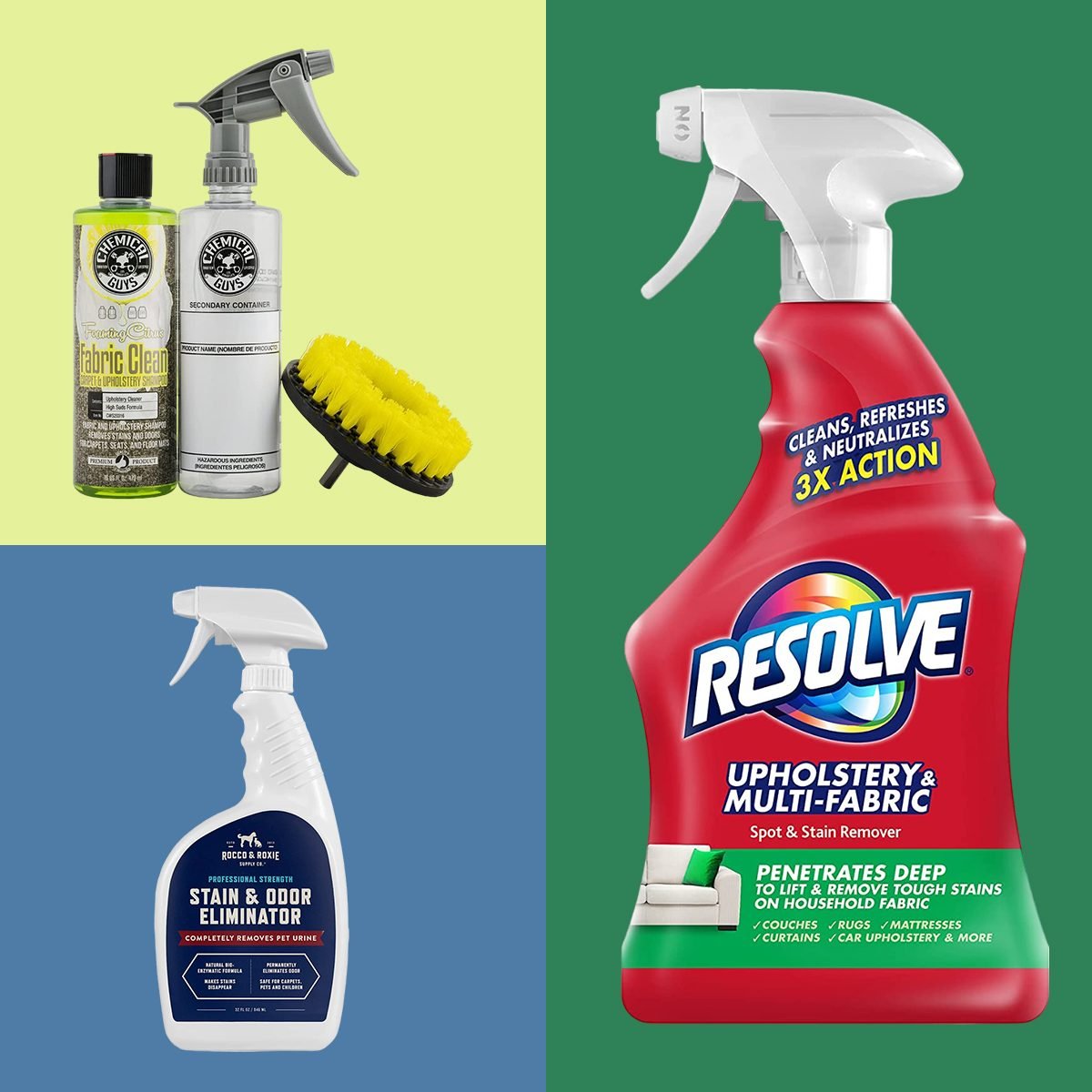
The 8 Best Upholstery Cleaners for Furniture and Beyond


How To Deep Clean a Couch: Expert Tips for Getting It To Look Like New

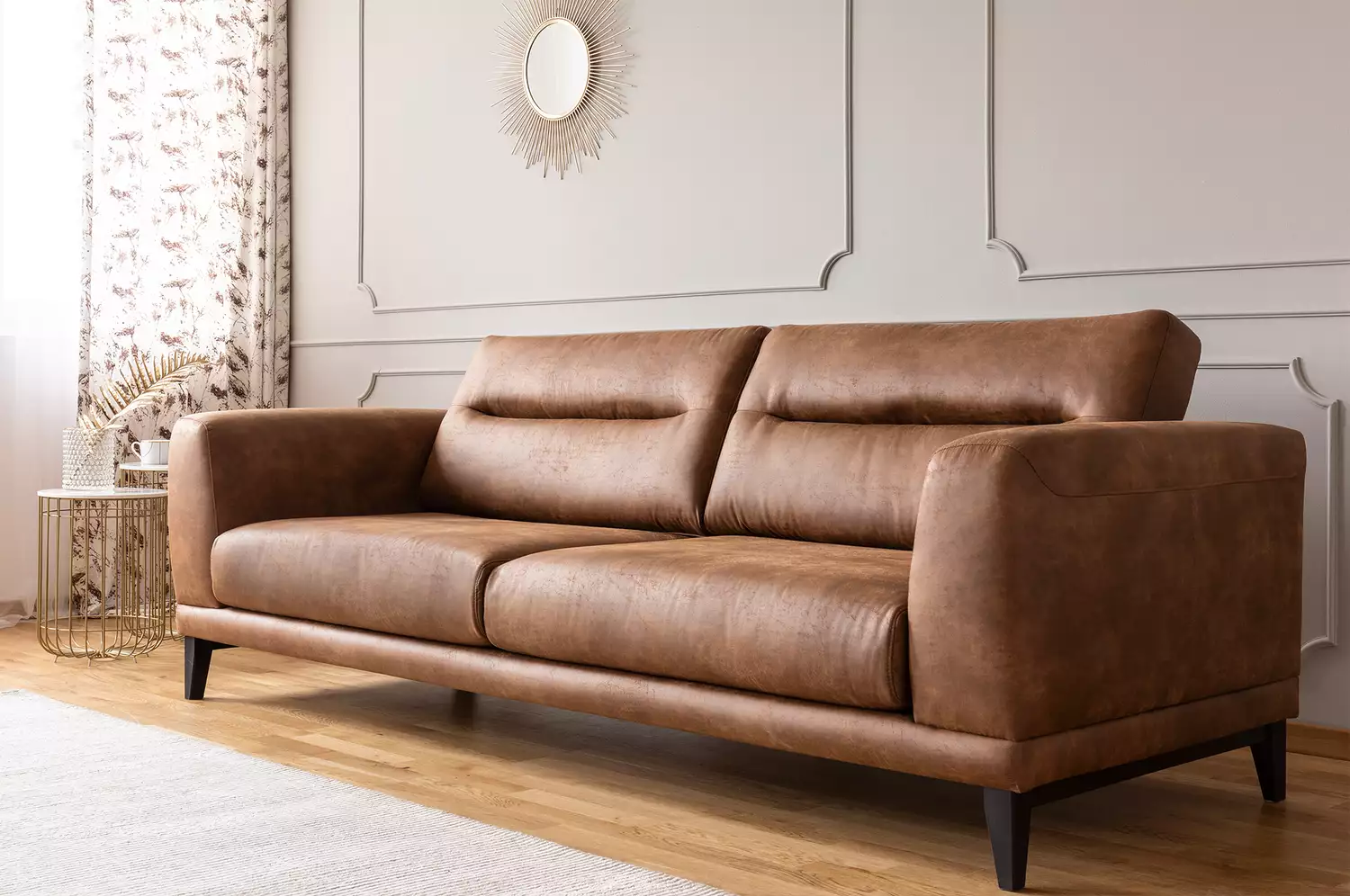
The Right Way to Clean a Leather Couch
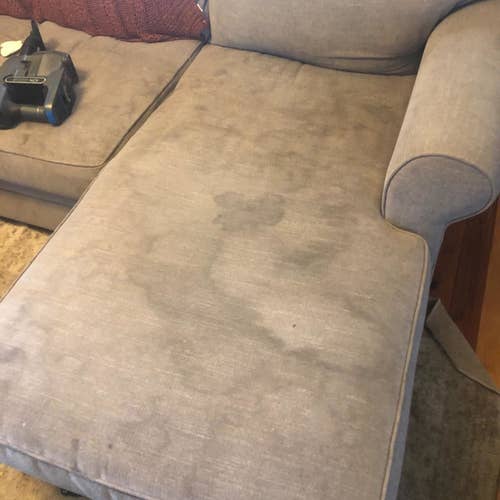
27 Couch Cleaners That’ll Make Old, Stained Sofas Look Newer
10 Best Upholstery Cleaners That Will Make Your Furniture Look Good as New


The Right Way to Clean Every Type of Couch, From Fabric to Leather
From a quirky TikTok hack and a $99 sell-out Kmart buy, here are five ways to clean your sofa

Refresh Your Furniture and More with These Best Upholstery Cleaners

10 Best Upholstery Cleaners to Tackle Every Kind of Stain
Are You Cleaning Your Couch Enough? Here's How to Do It the Right Way


6 couch cleaning mistakes that pros say could lead you to 'serious upholstery heartbreak'


5 Common Sofa Cleaning Mistakes You Might Be Making


How to Clean Upholstered Furniture the Right Way