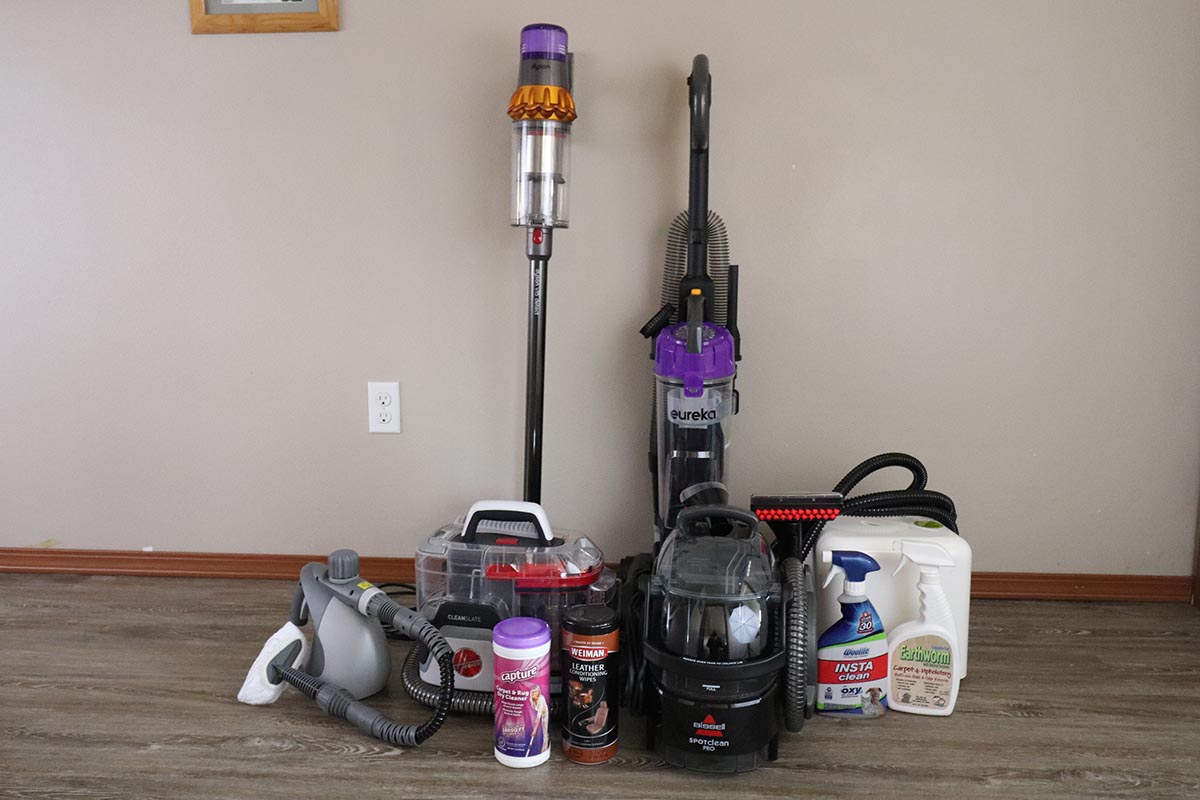

How to Clean Upholstered Furniture the Right Way
Upholstered furniture, including couches, headboards, and chairs, requires specific care to prevent damage and ensure effective cleaning. Identifying the correct cleaning products and methods is crucial, as each textile type has unique requirements. Before cleaning, it is essential to check the upholstery's label for a specific code (W, S, W/S, or X), which indicates the safe cleaning solutions to use. Jennifer Parnell, co-founder of Humble Suds, and Kathy Cohoon, director of franchise operations of Two Maids, provide expert advice on understanding these codes and implementing proper cleaning techniques.
Regular cleaning of upholstered furniture is vital due to the accumulation of dust mites, pet dander, and allergens. Parnell recommends monthly vacuuming and deep cleaning once or twice a year to remove germs, dust, and dirt. Consistent maintenance, including dry brushing and vacuuming, also helps extend the furniture's lifespan, according to Cohoon. The upholstery codes guide the cleaning process: 'W' indicates that water or water-based cleaners can be used for spot cleaning, though machine washing is not advised. 'S' signifies that solvents are necessary, typically for oil-based messes, and often requires professional dry cleaning for major stains or annual deep cleans. 'W/S' means both water-based cleaners and dry cleaning solvents are suitable, but a spot test is recommended to determine the best option, and professionals may be preferred for combination fabrics. 'X' denotes that no liquids or solvents should be used; instead, these fabrics should only be vacuumed or brushed with a soft-bristle brush.
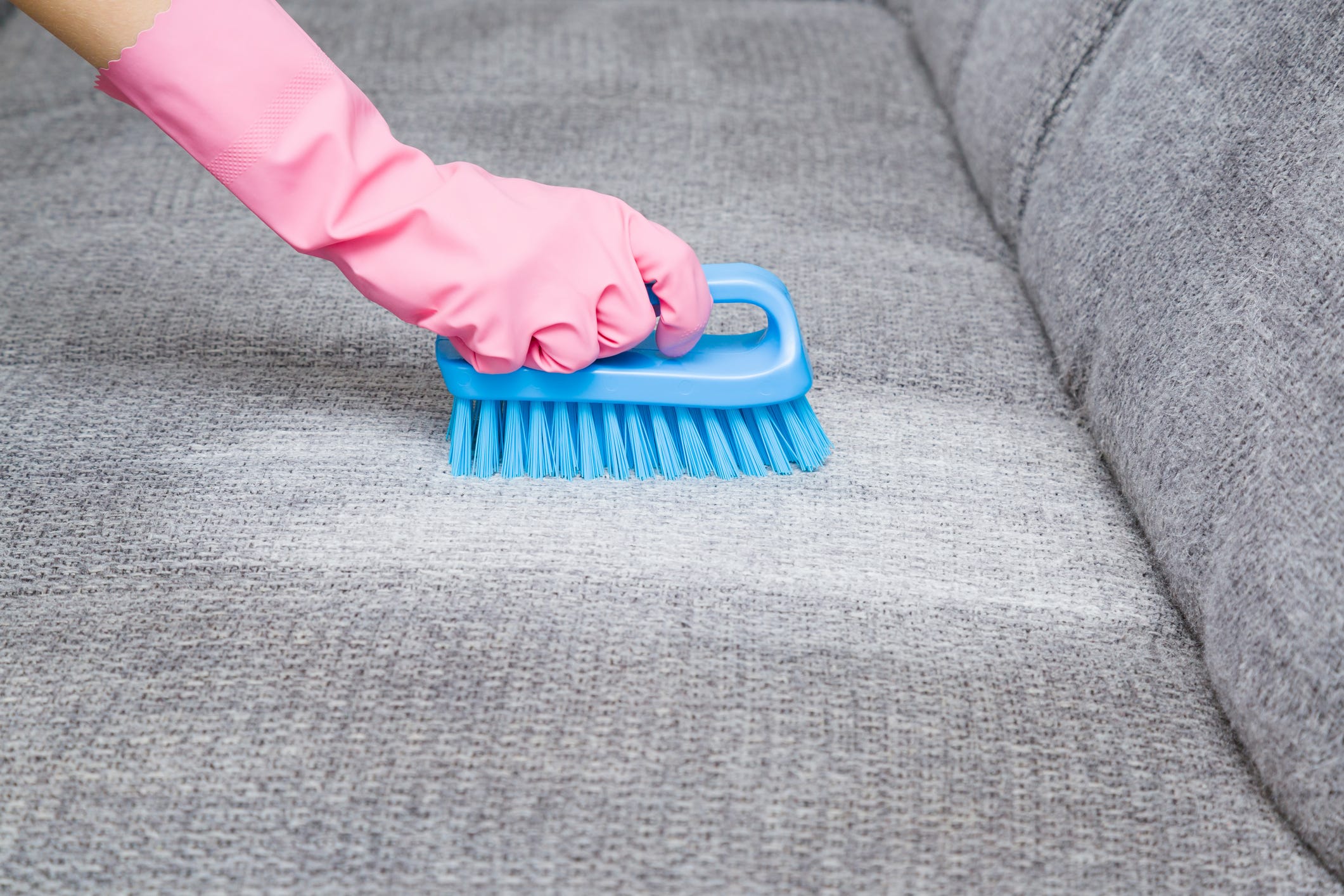
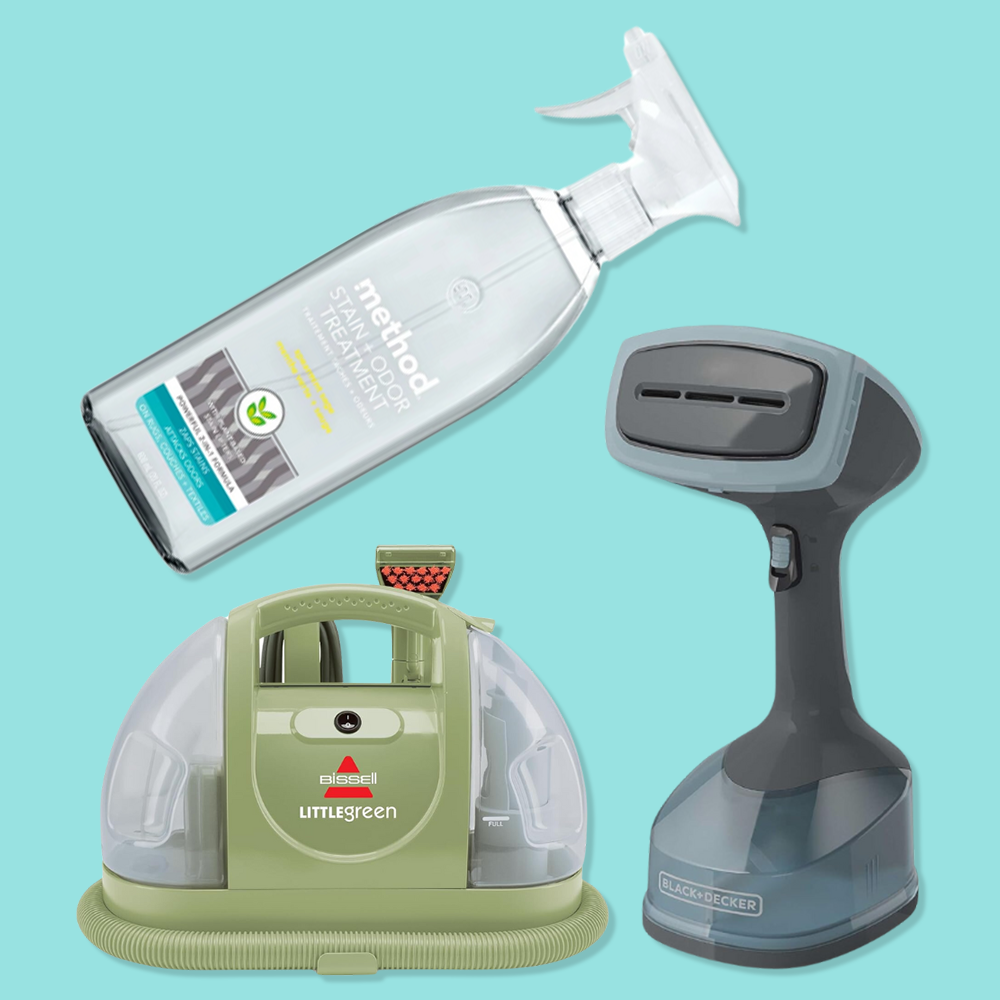
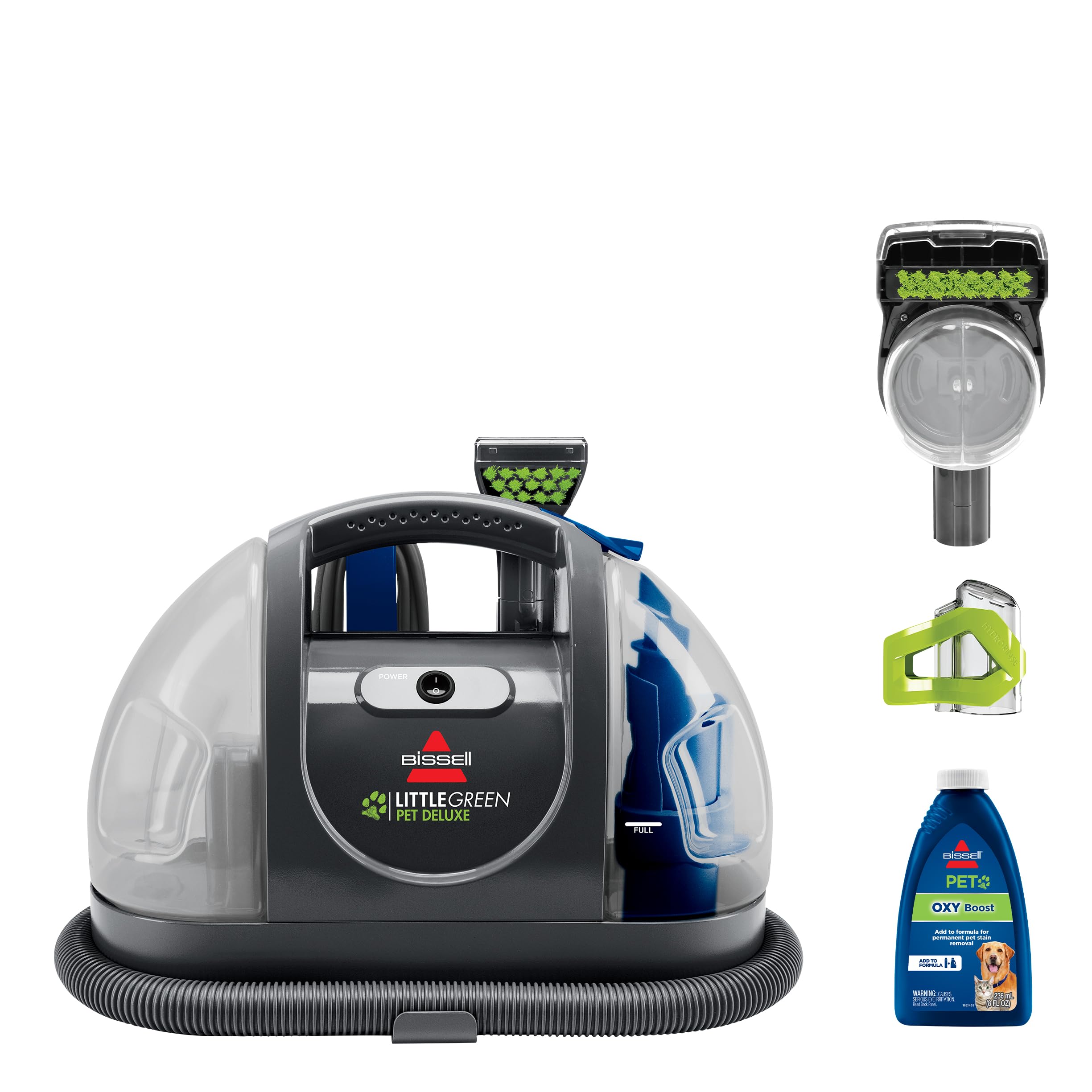
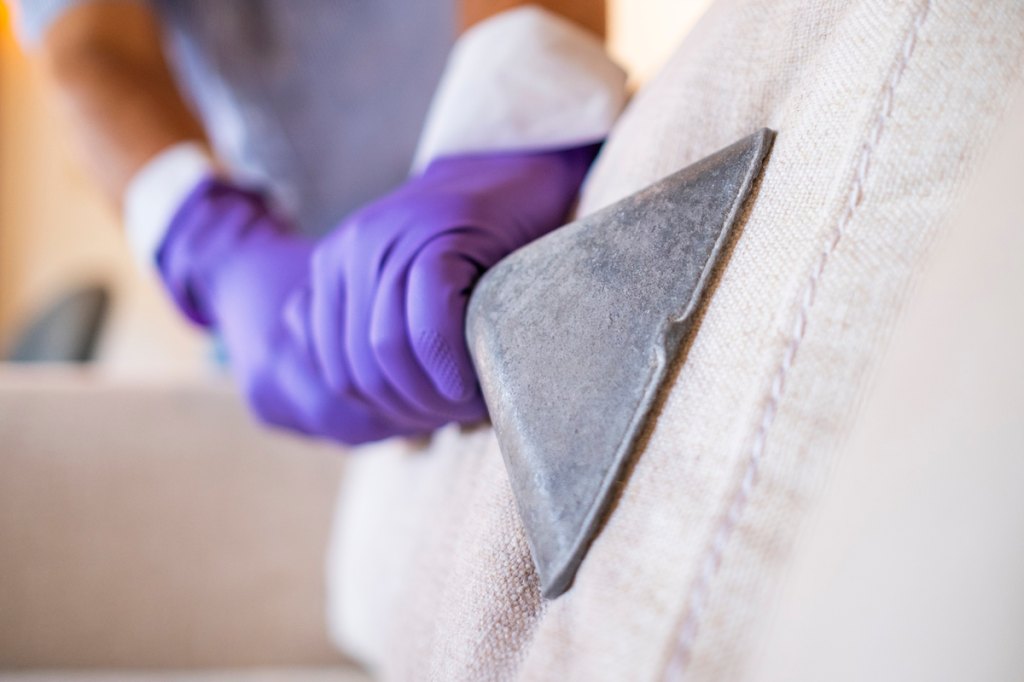
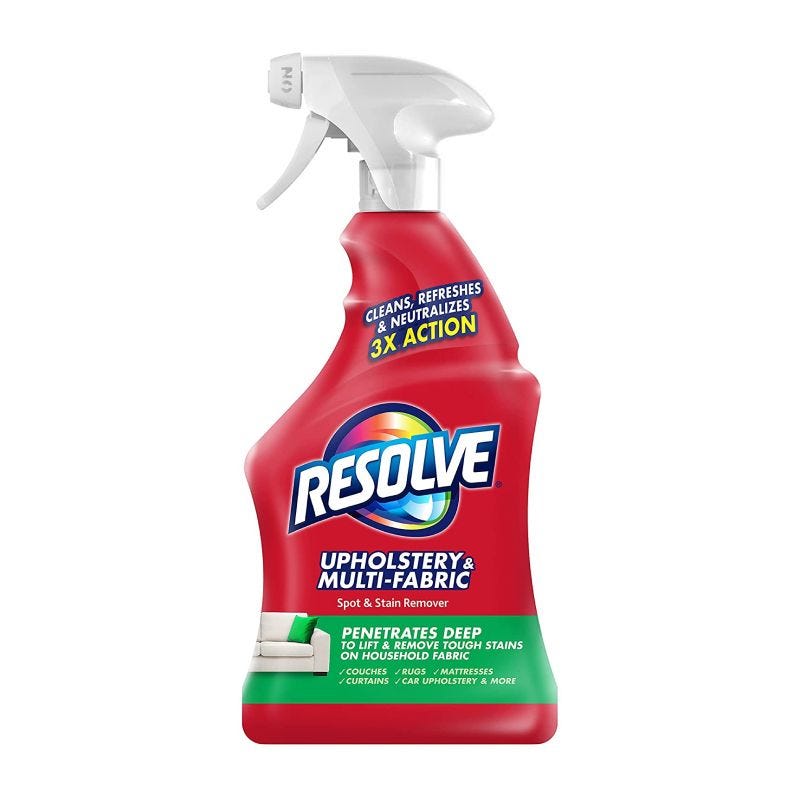
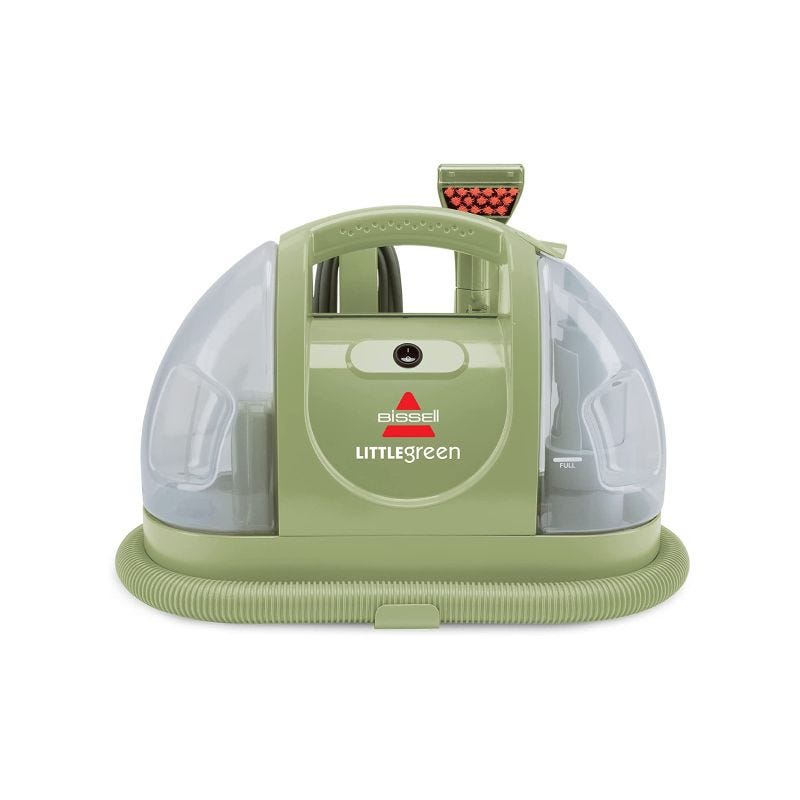
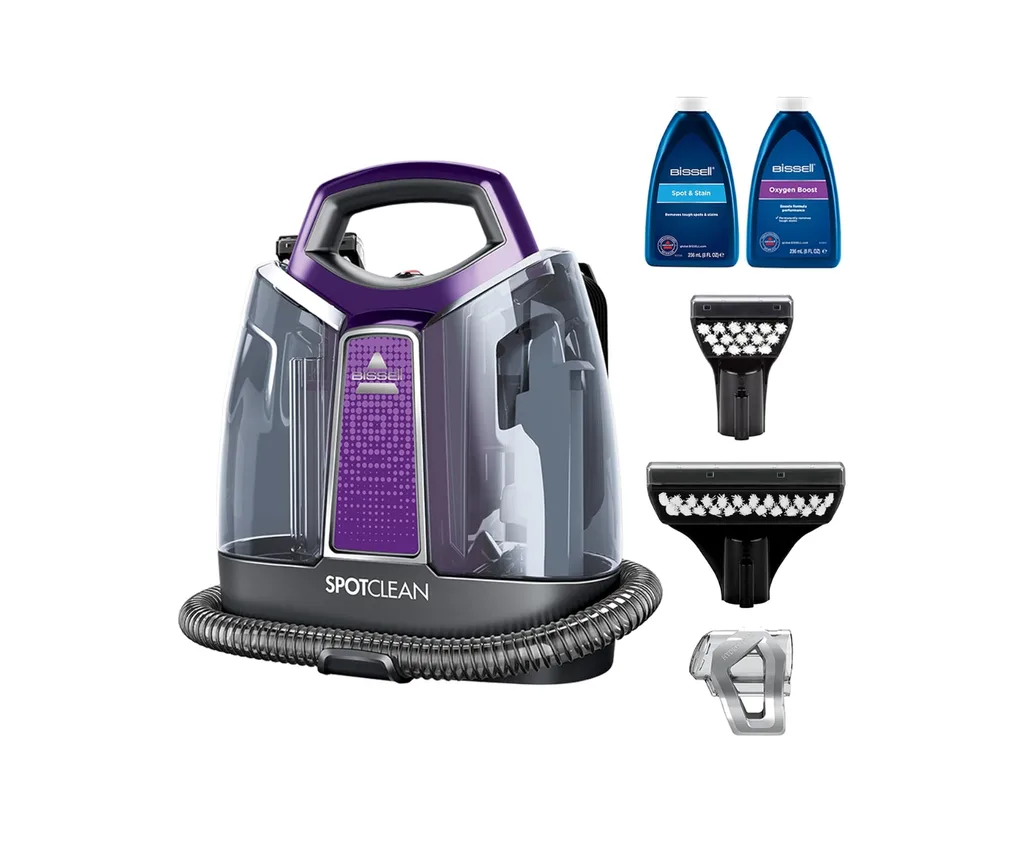
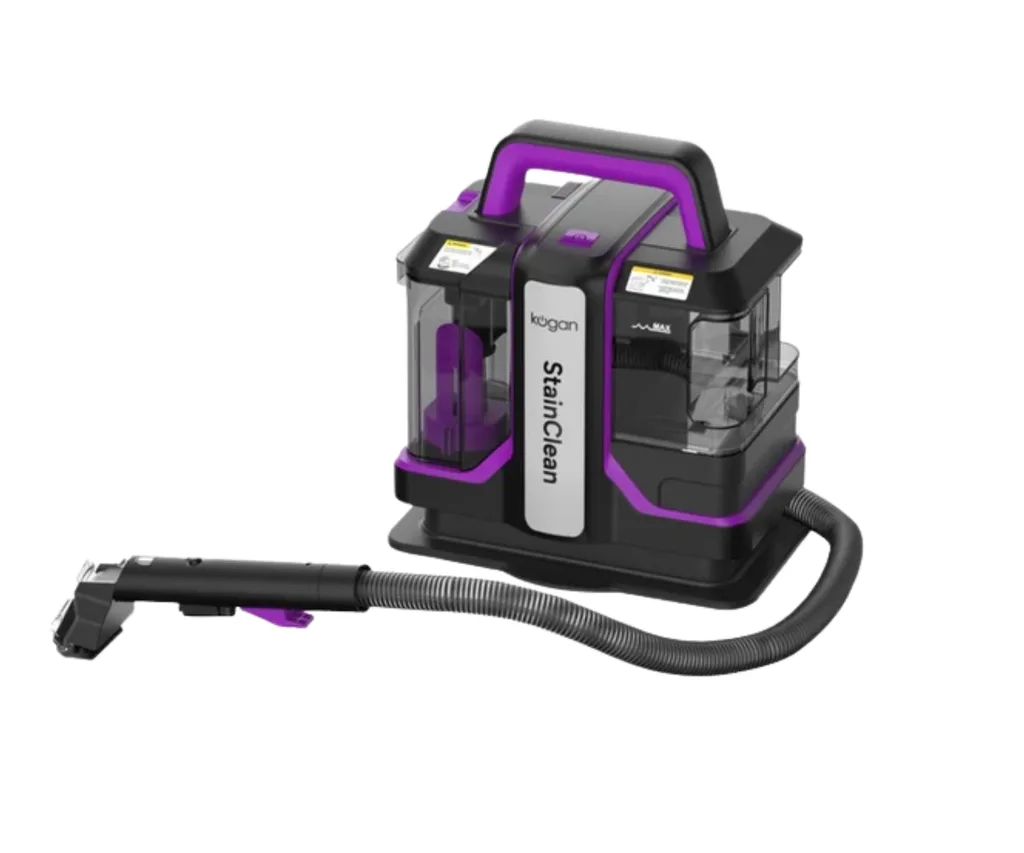
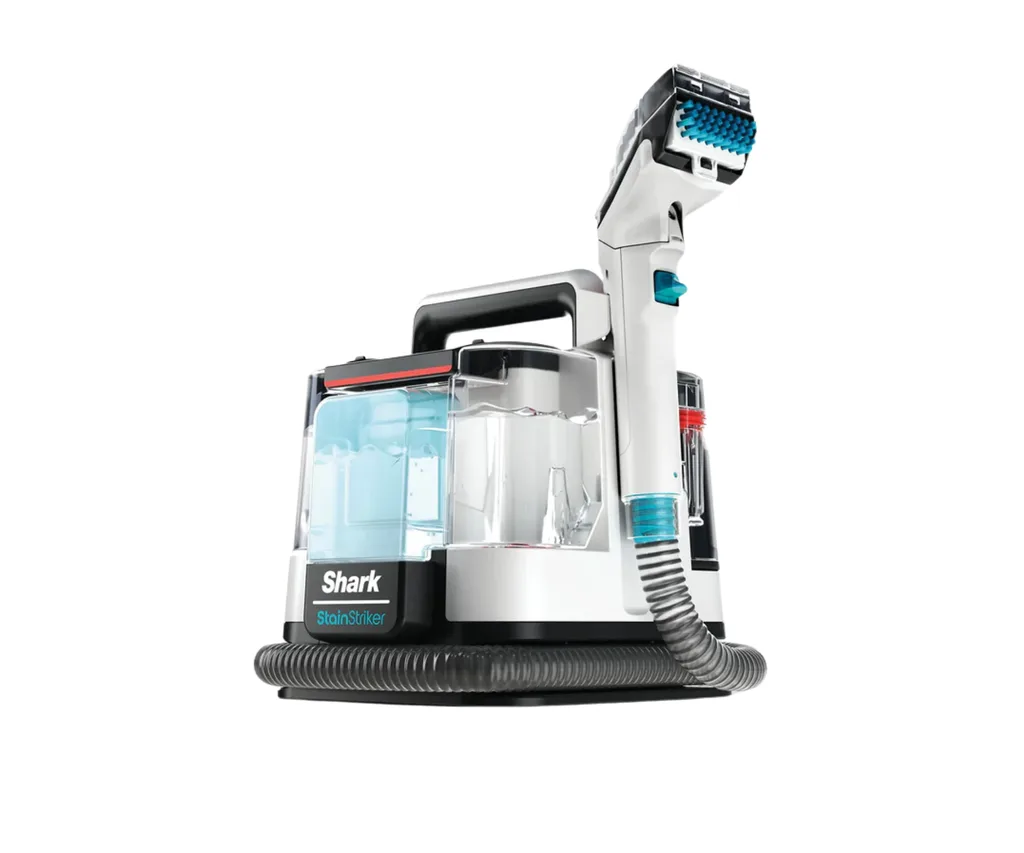
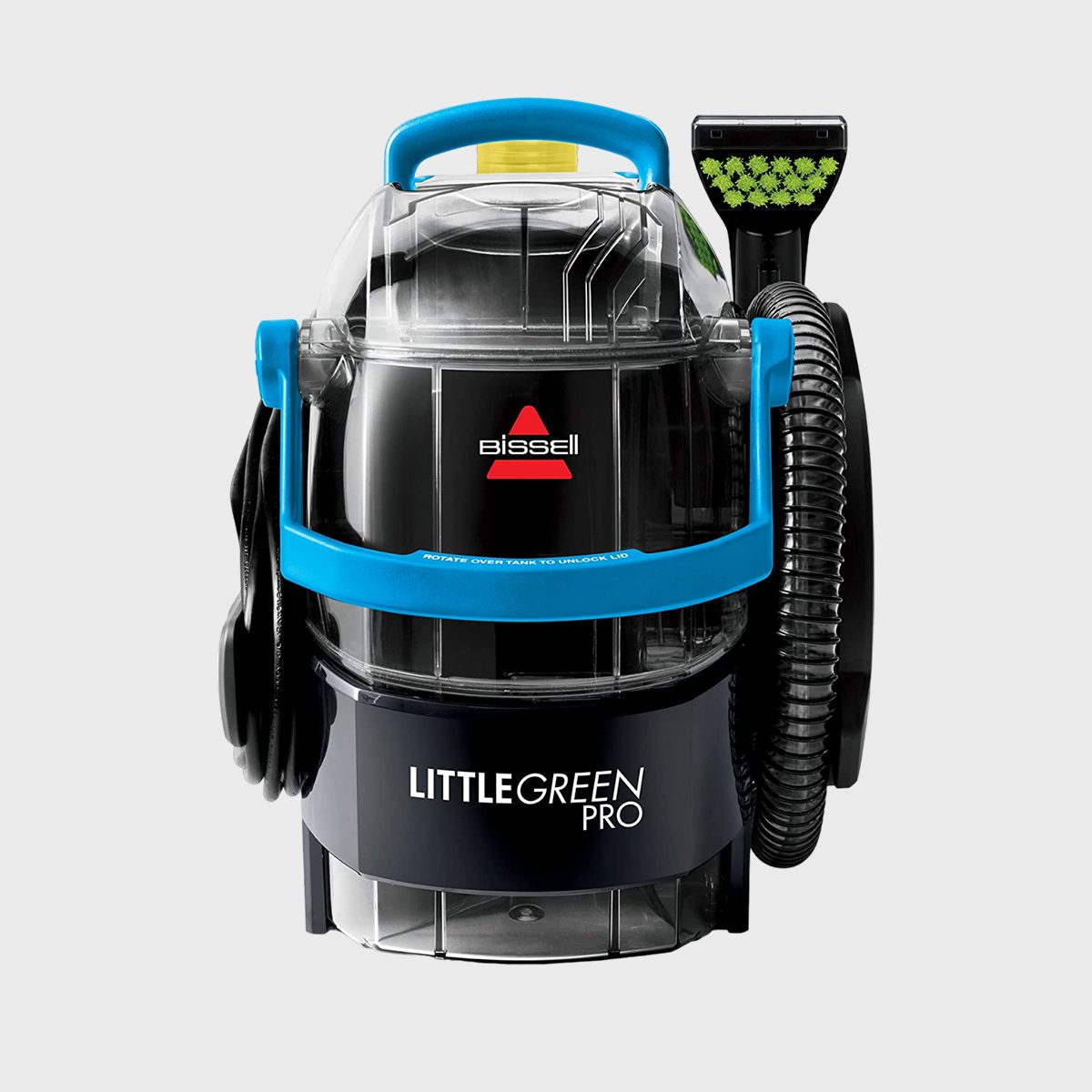
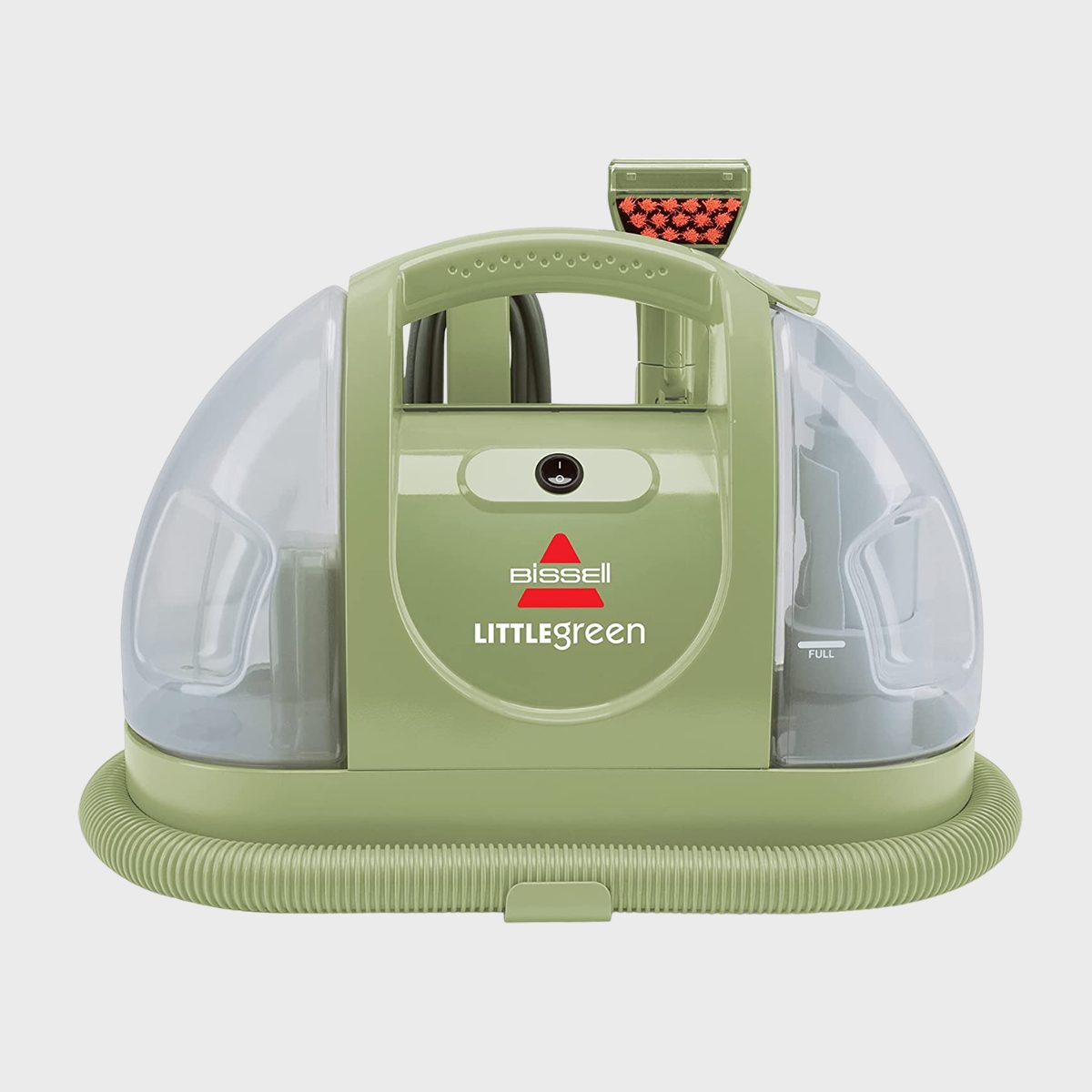
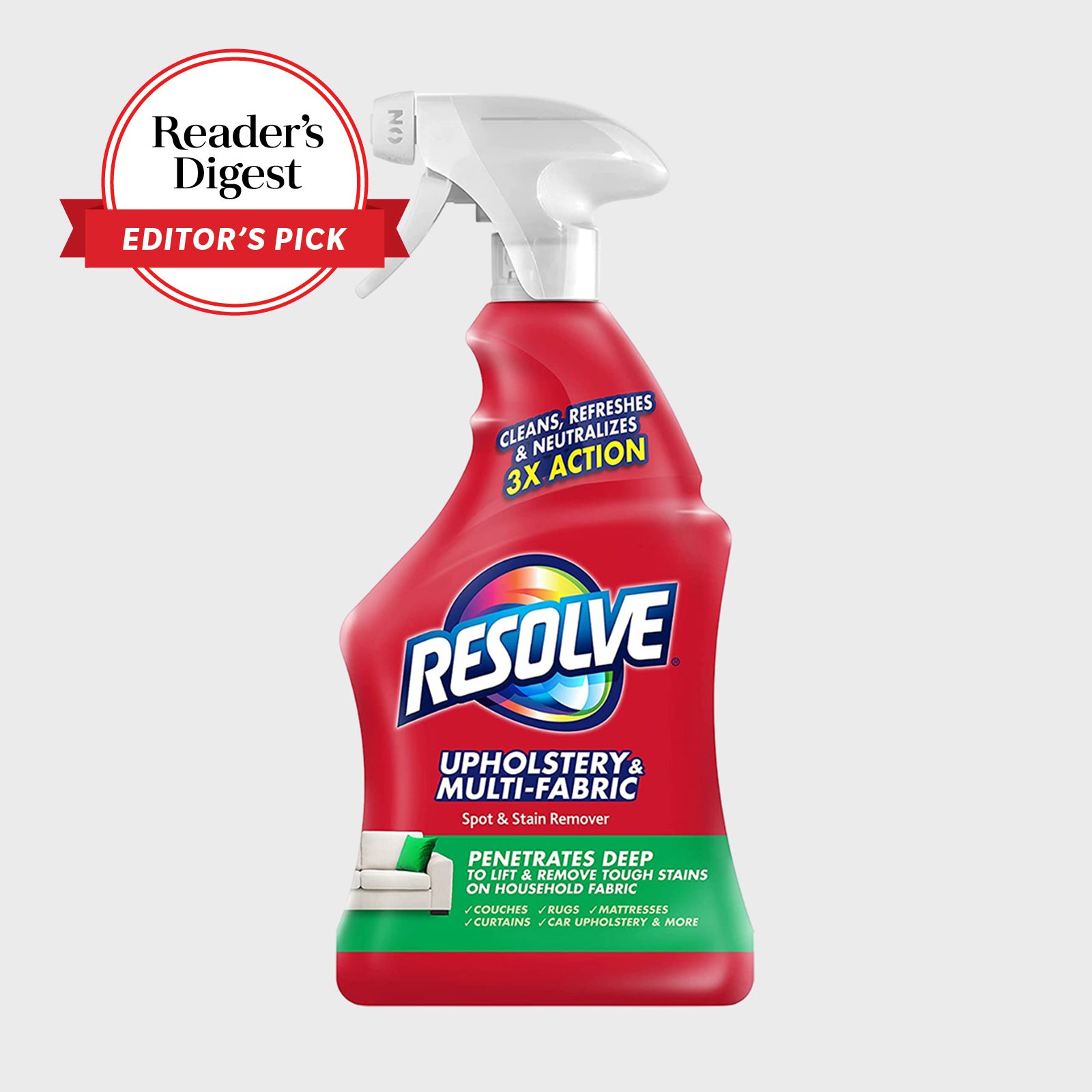
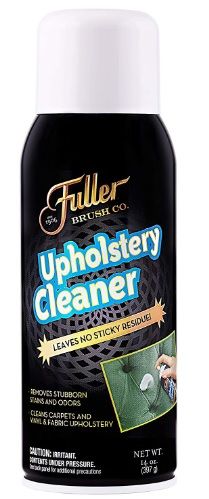
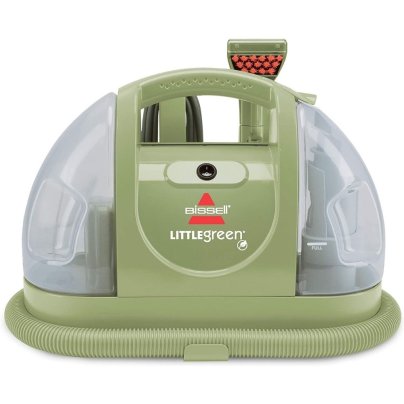
To clean upholstered furniture, gather a vacuum, cleaning brush, upholstery cleaner or gentle laundry detergent, a microfiber cloth, and a steam cleaner. First, remove covers and cushions if possible and machine wash them if recommended by the manufacturer. Vacuum the entire furniture piece, including cushions, using a ruler or small brush to reach crevices. After identifying the upholstery code and spot testing the cleaning solution, apply a small amount of the solution to the couch in sections using a microfiber cloth, avoiding oversaturation. Blot up excess moisture with another cloth and allow the upholstery to air-dry completely, potentially using a fan to prevent mildew or mold. For deep cleaning, a handheld steamer can lift dirt and debris, but it should not be used on silk fabrics.
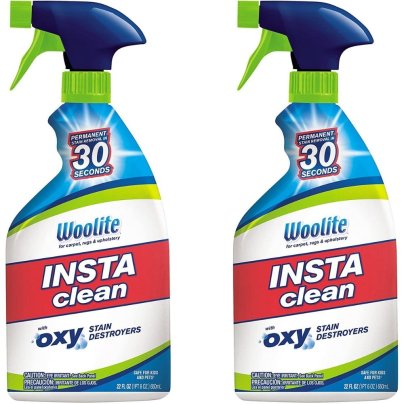
Stain removal also depends on the upholstery code. For fresh stains, blot with a microfiber towel to remove as much as possible before vacuuming. For oil-based stains on 'S' or 'W/S' coded fabrics, apply a small amount of an appropriate solvent, allowing it to dry fully before reapplication if needed. For water-based stains on suitable fabrics, blot the stain, then dilute a paper towel in vinegar or vodka and blot the stain. Follow up by blotting with distilled water and repeating as necessary, being careful not to rub vigorously to protect the fabric's nap. Stubborn stains can be pre-treated with steam from an iron to loosen them.
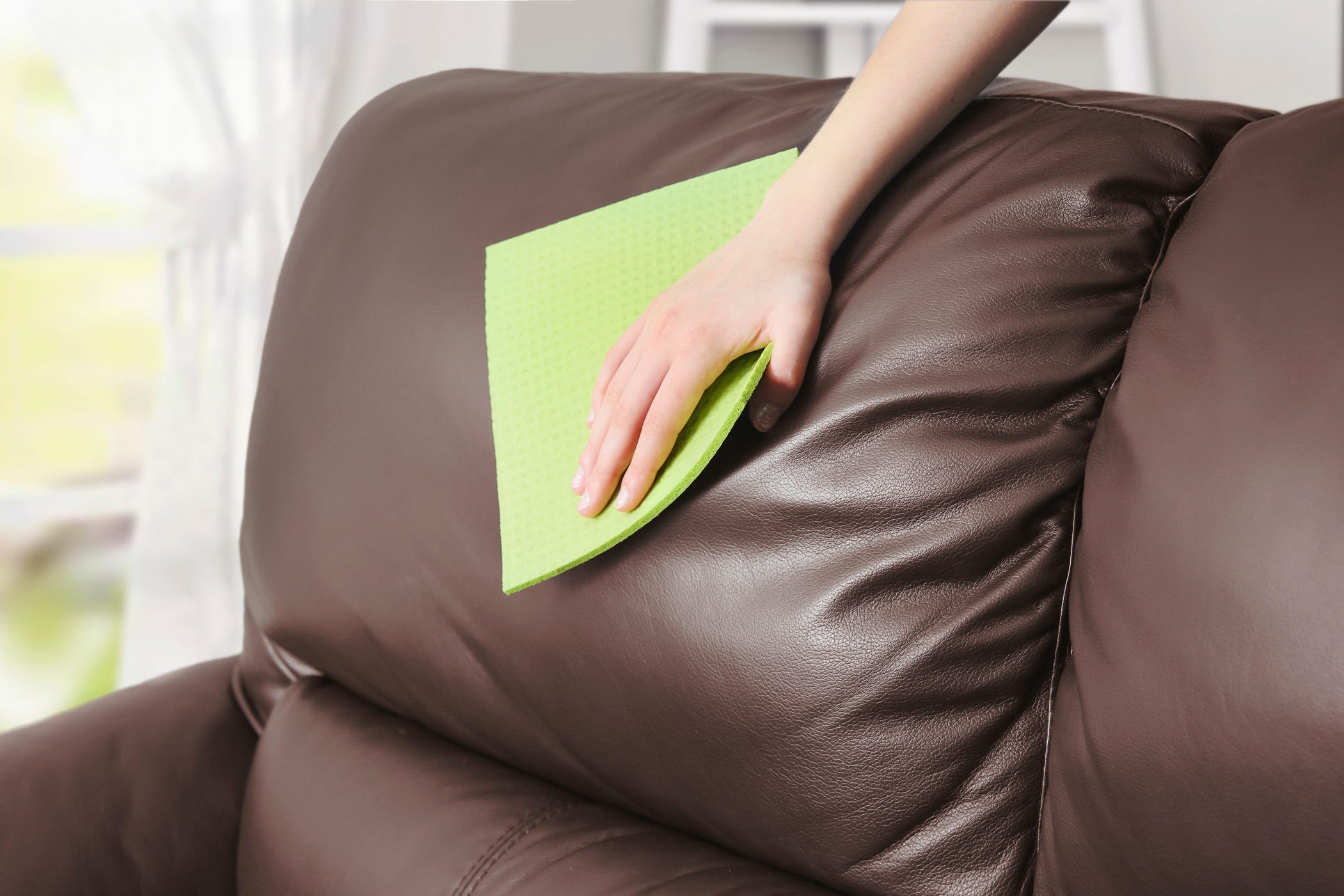
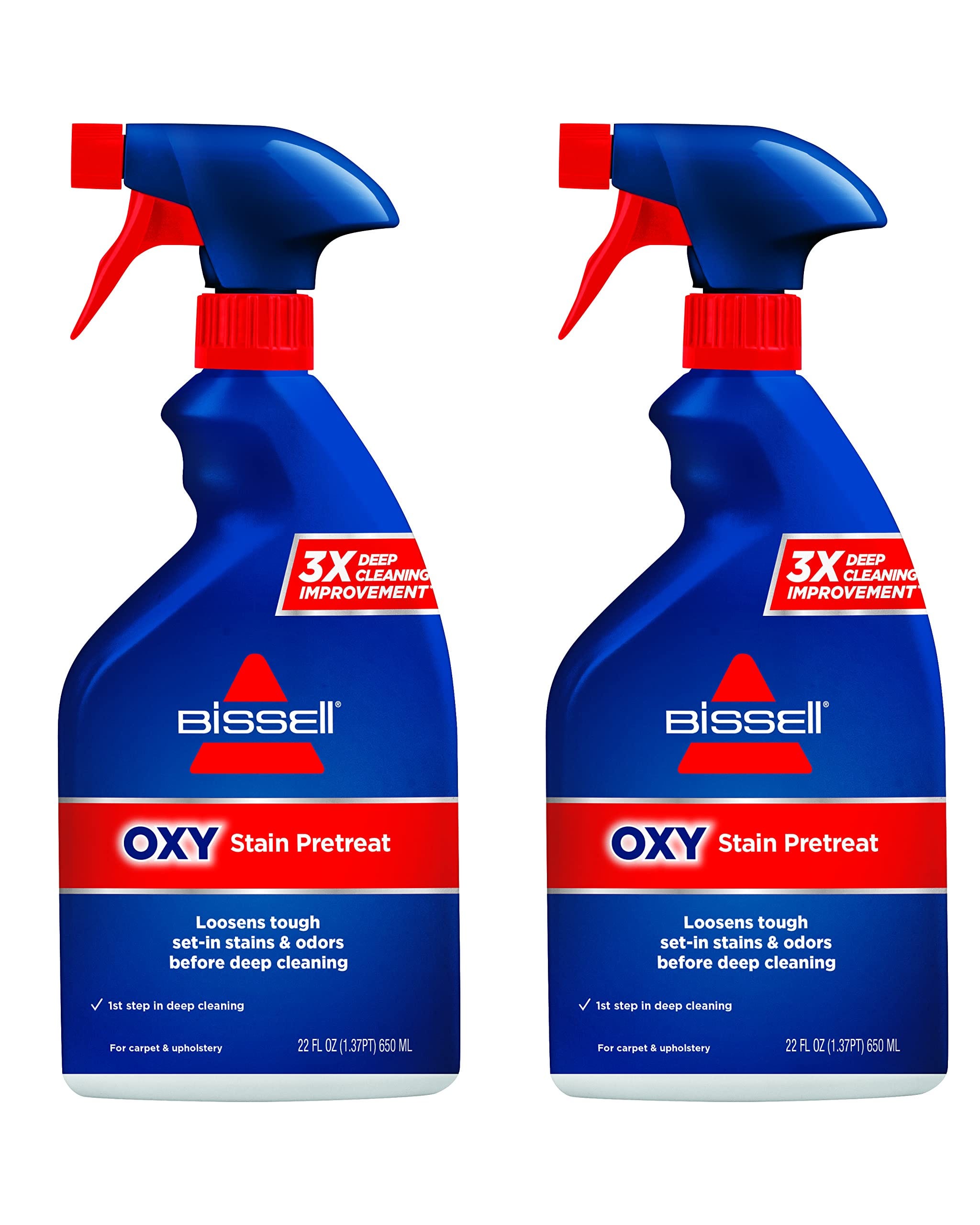
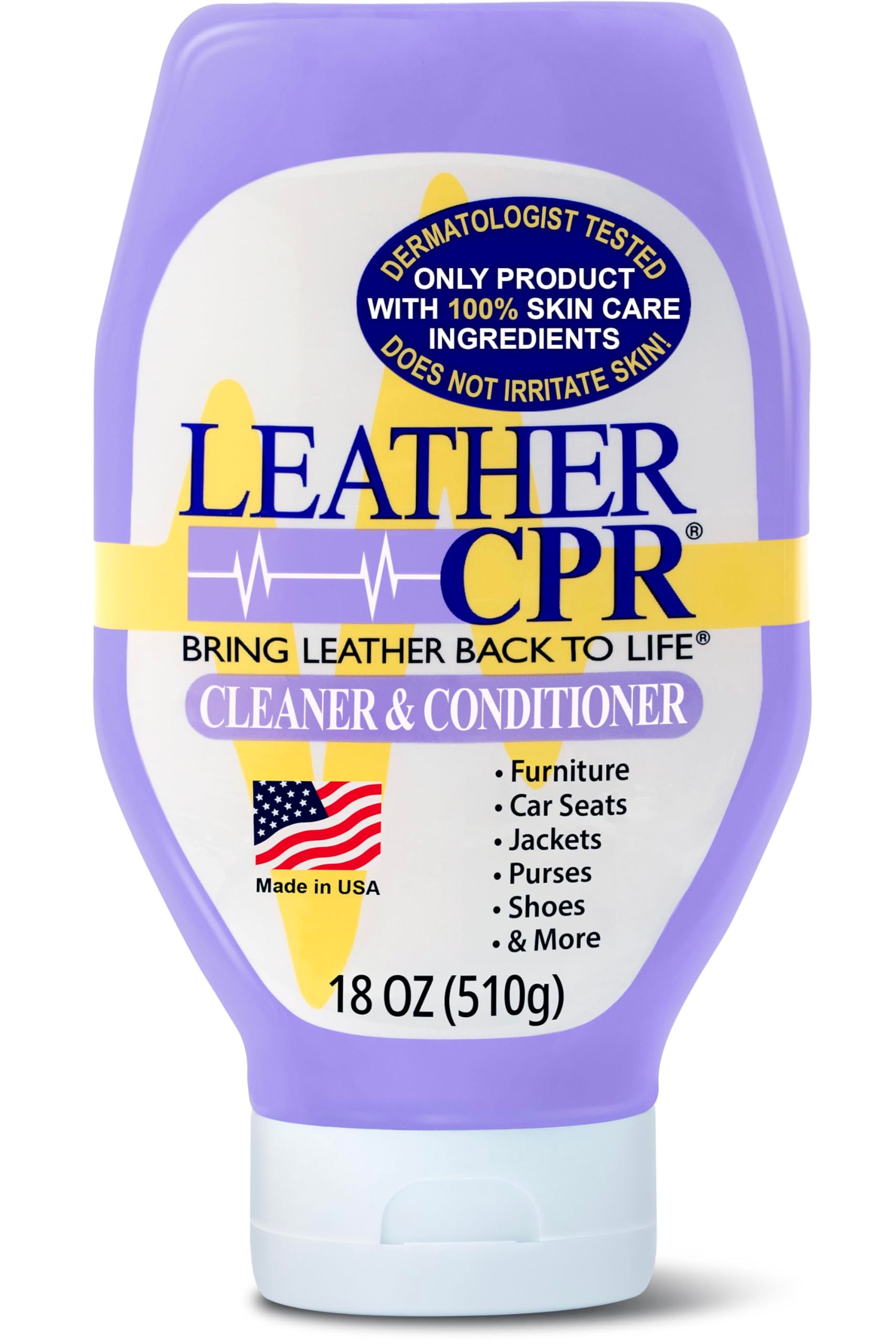
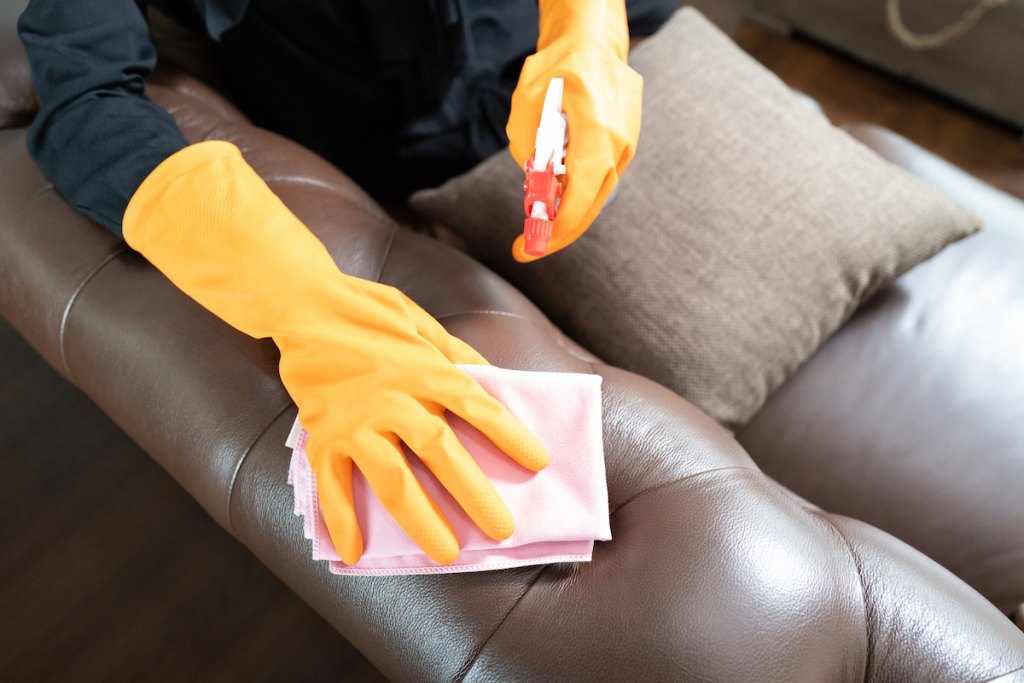
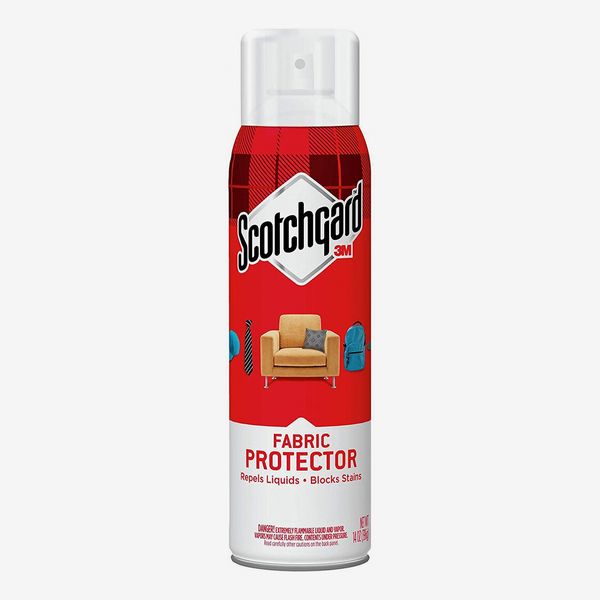
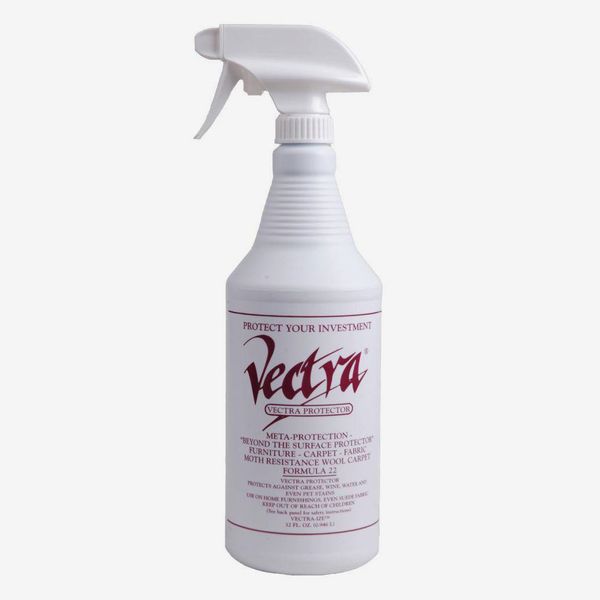
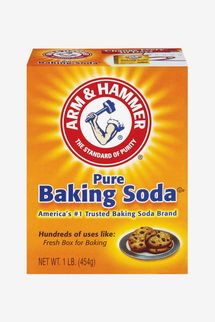
To maintain upholstered furniture, perform general maintenance such as using a lint roller daily to pick up stray hairs and dirt, especially with pets. Weekly vacuuming of cushions during regular house cleaning is also beneficial. For leather furniture, wipe it down weekly with a slightly damp rag. Preventing stains is best achieved by pre-treating upholstery with cleaners or using furniture covers. Being cautious with food and drinks on upholstered items is also advised, but if spills occur, acting quickly to blot the stain and following the specific cleaning instructions based on the furniture's code is crucial. For odors, baking soda can be sprinkled on cushions, worked into the fabric with a soft brush, and then vacuumed after a few minutes. A white vinegar and water spray can also be used, with the smell dissipating once dry. Always check manufacturer instructions and perform a spot test with any cleaning method to avoid damage or color fading; consulting a professional is recommended if there are any doubts.
#UpholsteryCleaning #HomeMaintenance #FabricCare #StainRemoval #CleaningTips #FurnitureCare #HouseholdCleaning #UpholsteryCodes #UpholsteryCleaning #HomeMaintenance #FabricCare #StainRemoval #CleaningTips #FurnitureCare #HouseholdCleaning #UpholsteryCodes
0 comment in total
 No comments yet
You may also like
Are You Cleaning Your Couch Enough? Here's How to Do It the Right Way


5 Common Sofa Cleaning Mistakes You Might Be Making

7 top upholstery cleaners to keep your furniture looking new

The Right Way to Clean Every Type of Couch, From Fabric to Leather

How to Clean a Couch, According to Experts | NBC Select

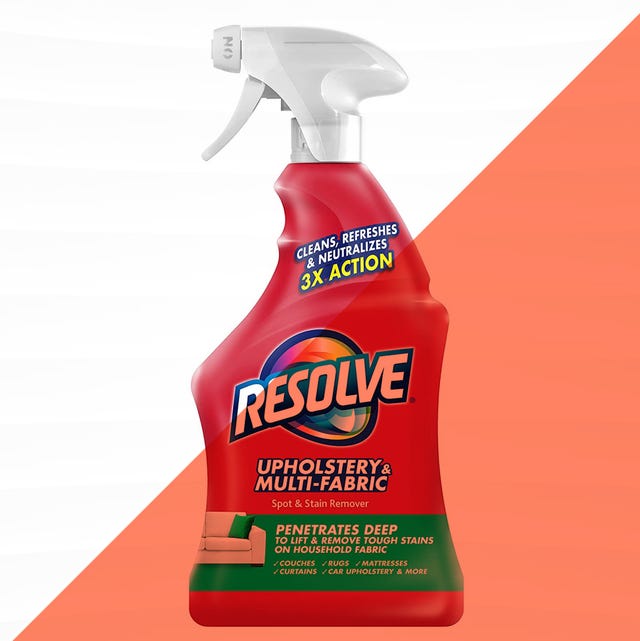
10 Best Upholstery Cleaners That Will Make Your Furniture Look Good as New

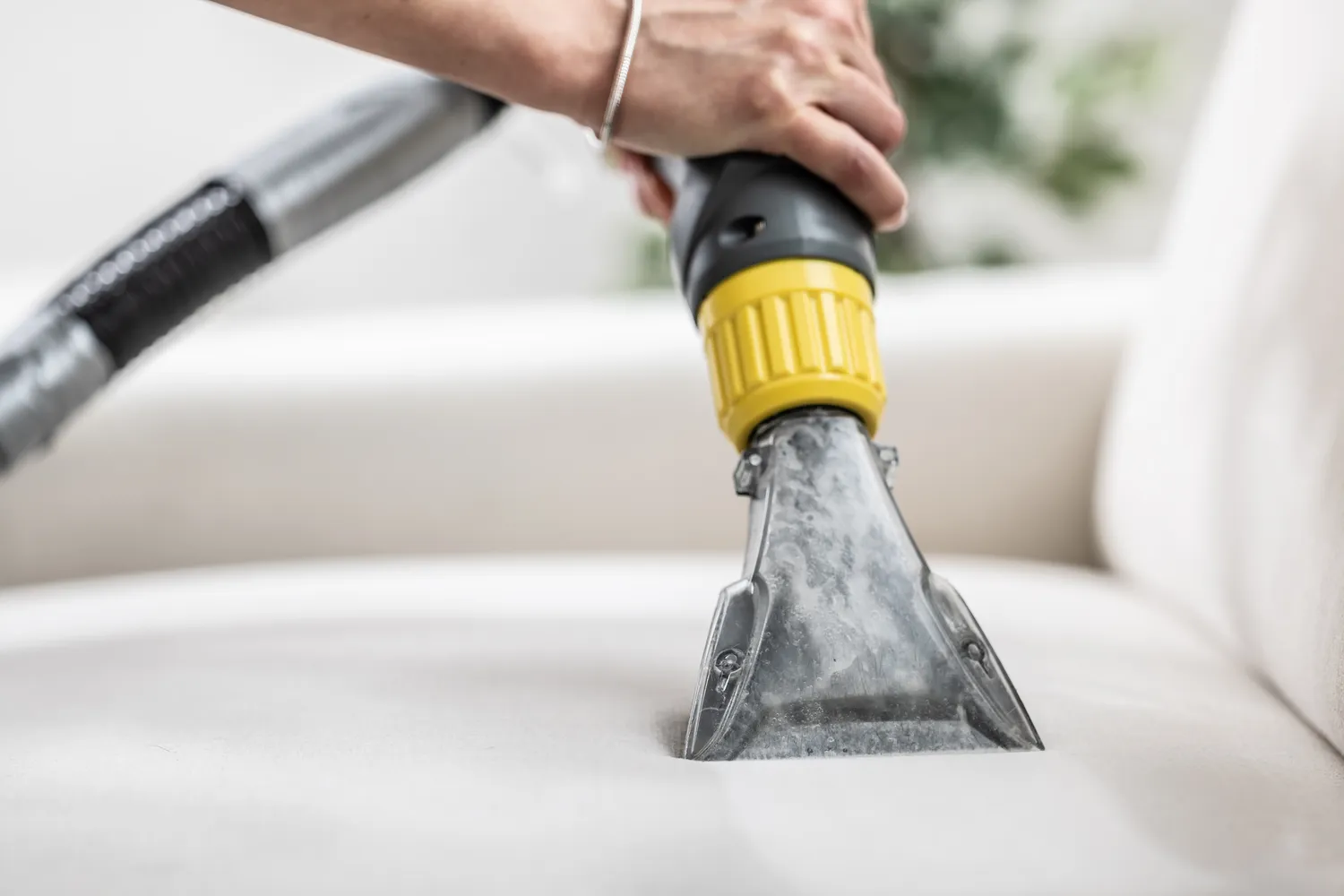
How to Steam Clean a Couch Without Damaging the Fabric
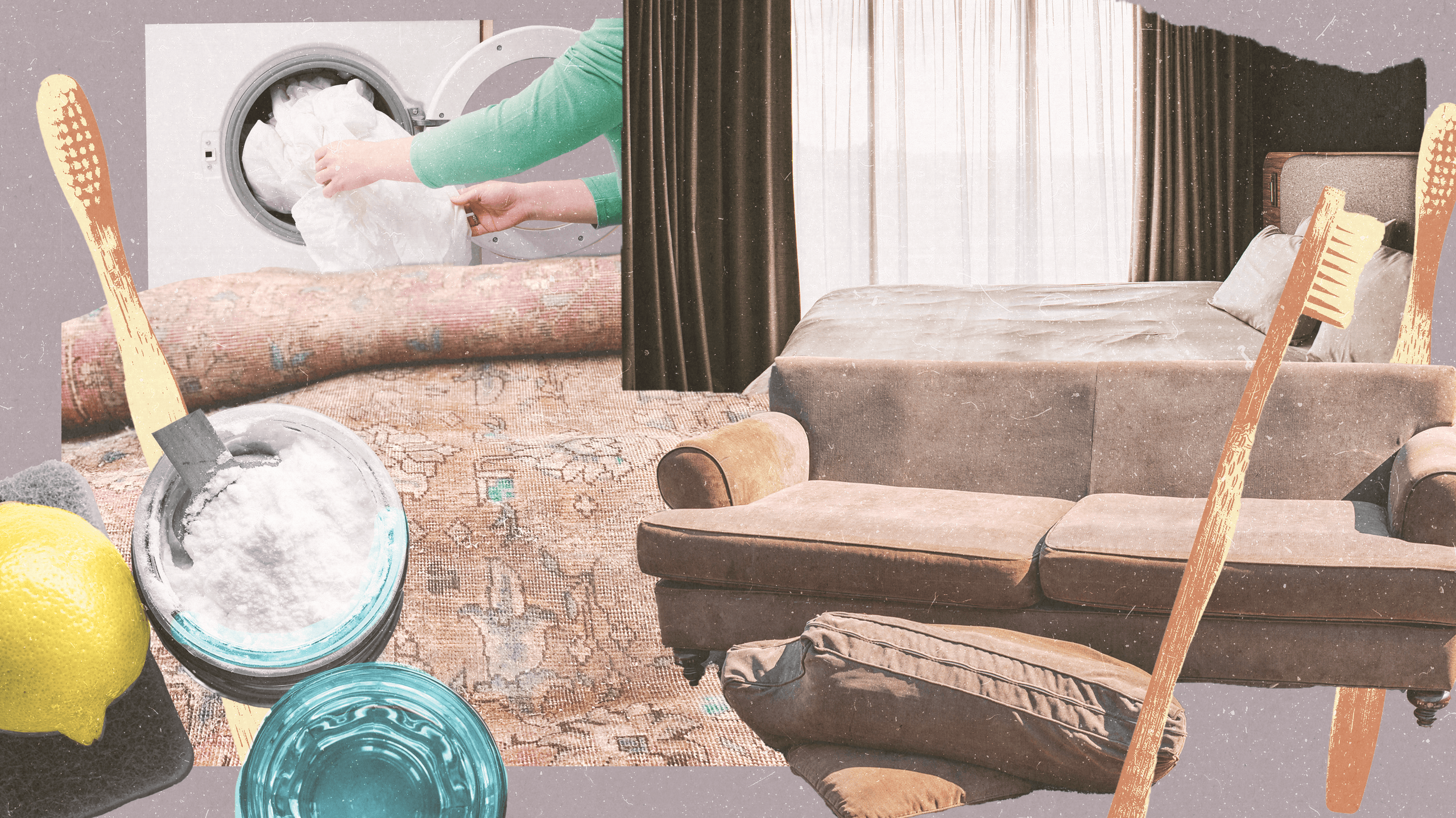
Yes, You Can Dry-Clean at Home: And These 5 Furnishings and Decor Pieces Need TLC

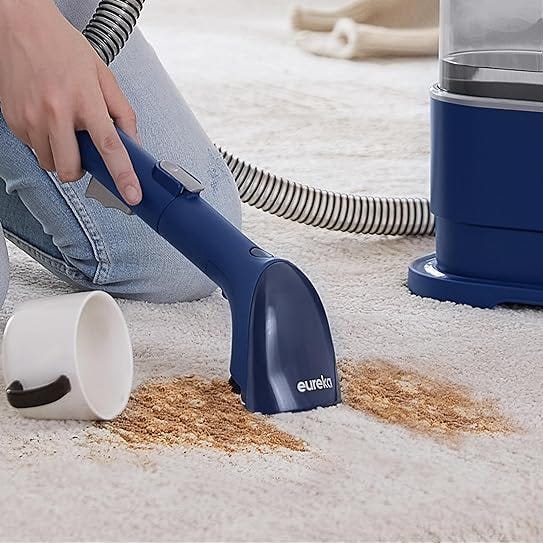
Refresh Your Furniture and More with These Best Upholstery Cleaners


How To Clean A Couch So It Looks As Good As New

How to Protect Fabric Furniture From Stains and Dirt

How to clean a sofa bed – top hacks for tackling stains and everyday cleaning for an immaculate couch

How to clean upholstery – to keep furniture looking fresh

6 couch cleaning mistakes that pros say could lead you to 'serious upholstery heartbreak'
The 8 Best Upholstery Cleaners for Furniture and Beyond

The Best Upholstery Cleaners for Stains, Odors, and Everyday Messes


How To Deep Clean a Couch: Expert Tips for Getting It To Look Like New

You need to deep clean your couch every few months — here’s how experts say to do it


How to Clean Secondhand Furniture, According to Professional Upcyclers

Best Sofa Cleaners UK | 2026