How to Steam Clean a Couch Without Damaging the Fabric
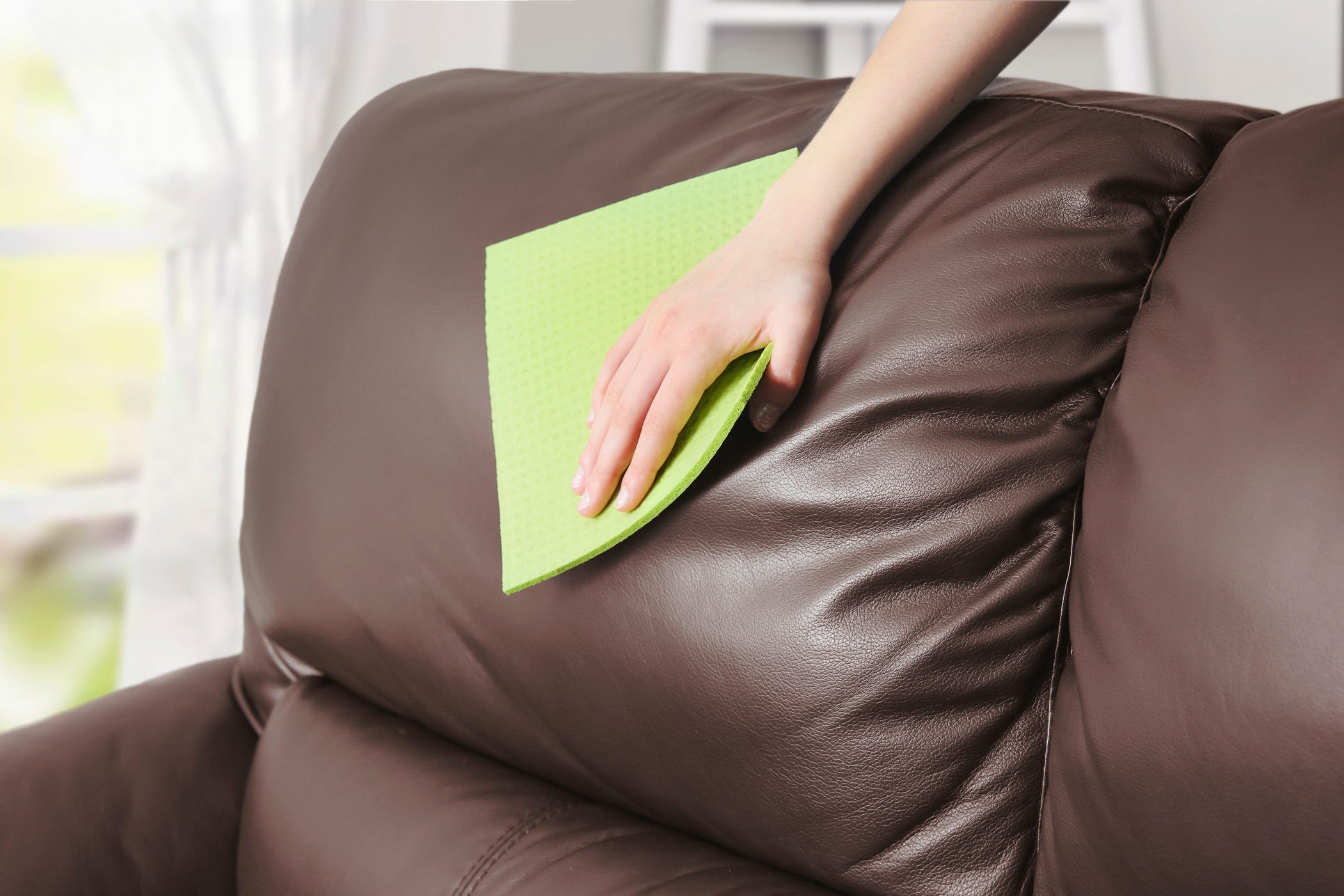
Regular cleaning of a couch is essential for maintaining its appearance and hygiene, especially given its role as a central piece of furniture. Steam cleaning can be an effective method, but proper technique is crucial to avoid damaging the fabric. Before beginning, it is important to identify the couch's fabric type, as different materials react differently to heat and moisture. Natural fibers such as wool, cotton, or linen are susceptible to shrinking or color loss if exposed to excessive heat or water. Conversely, synthetic fabrics like polyester or microfiber are generally more durable, though they still require careful handling. Delicate materials such as velvet, silk, or certain synthetics may necessitate very light steaming or even professional cleaning. The weave and texture of the fabric also influence the cleaning approach; tight weaves can retain more moisture, while plush fabrics might flatten if steamed too aggressively.
Preparation is a key step before steam cleaning. This involves moving surrounding furniture, rugs, and decorative items to create an unobstructed workspace. Fragile items like lamps and plants should be carefully relocated. The couch itself needs a thorough vacuuming to remove dust, dirt, and loose debris from all surfaces, including crevices and seams. Crucially, checking the manufacturer's care label for specific cleaning instructions is vital, as some fabrics are not suitable for steam cleaning. A spot test on an inconspicuous area of the fabric can help determine how the material reacts to steam in terms of colorfastness and shrinkage. Removing cushions and any detachable covers ensures a more comprehensive and even cleaning process.
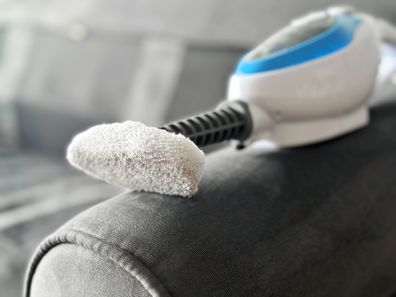
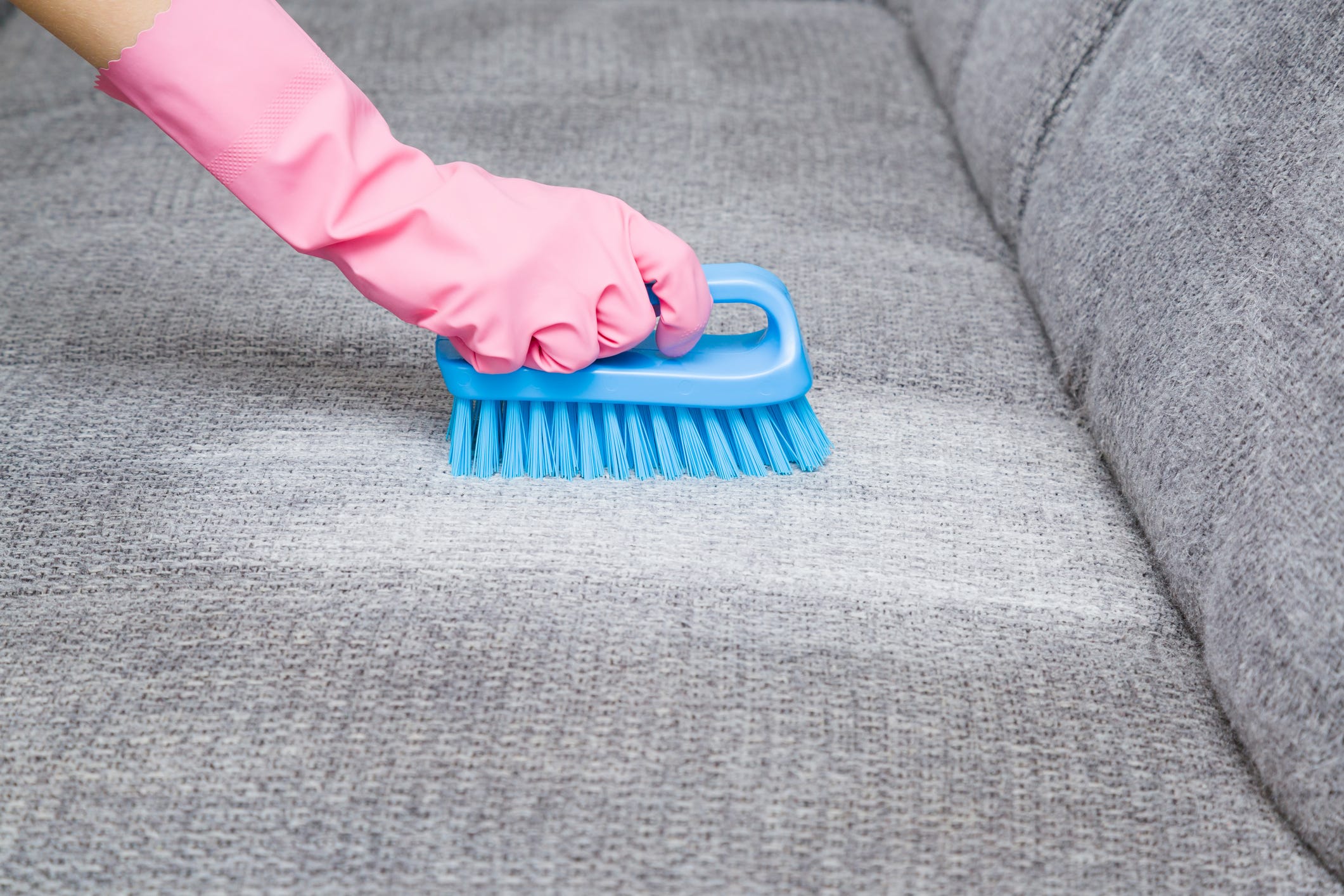
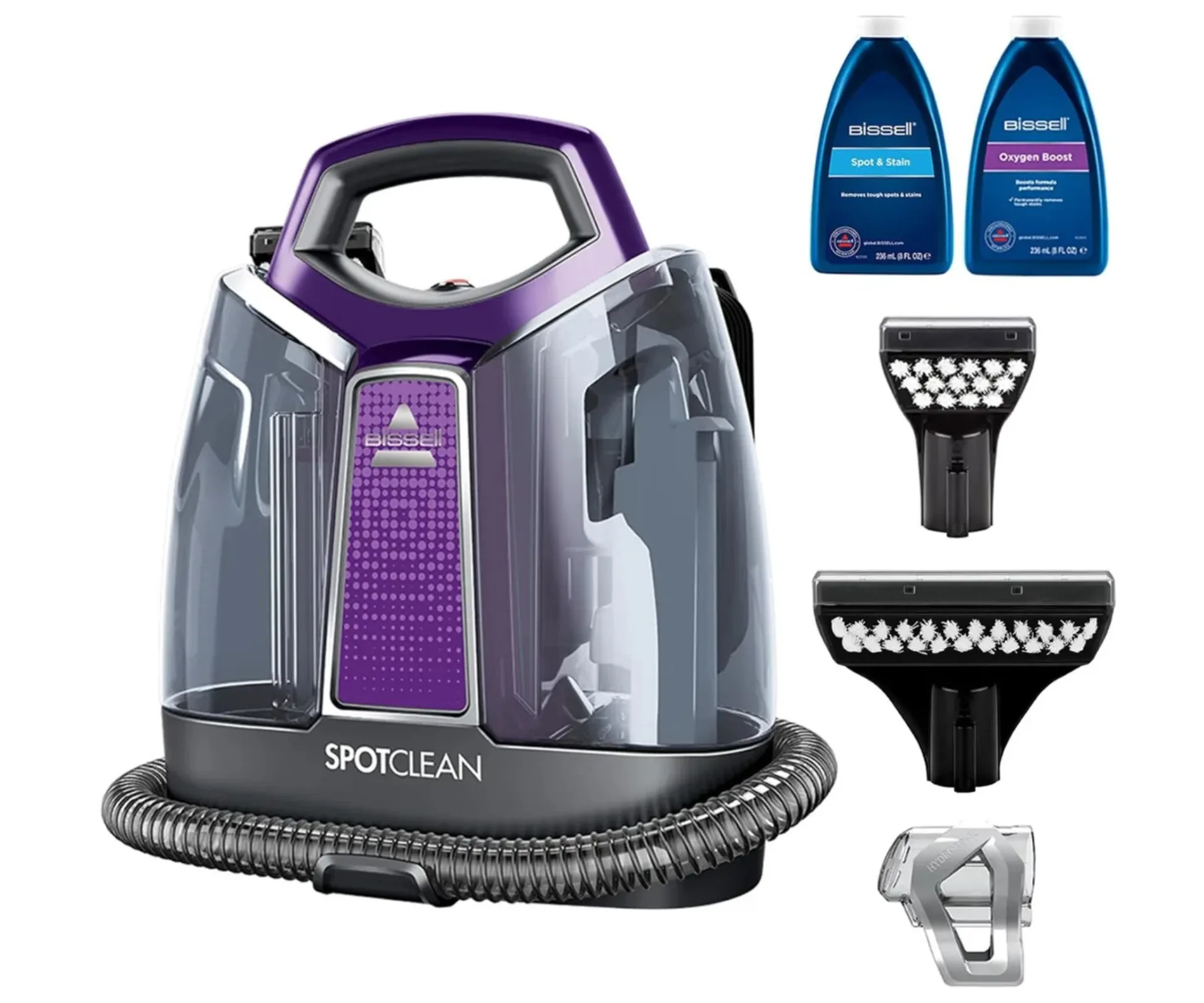
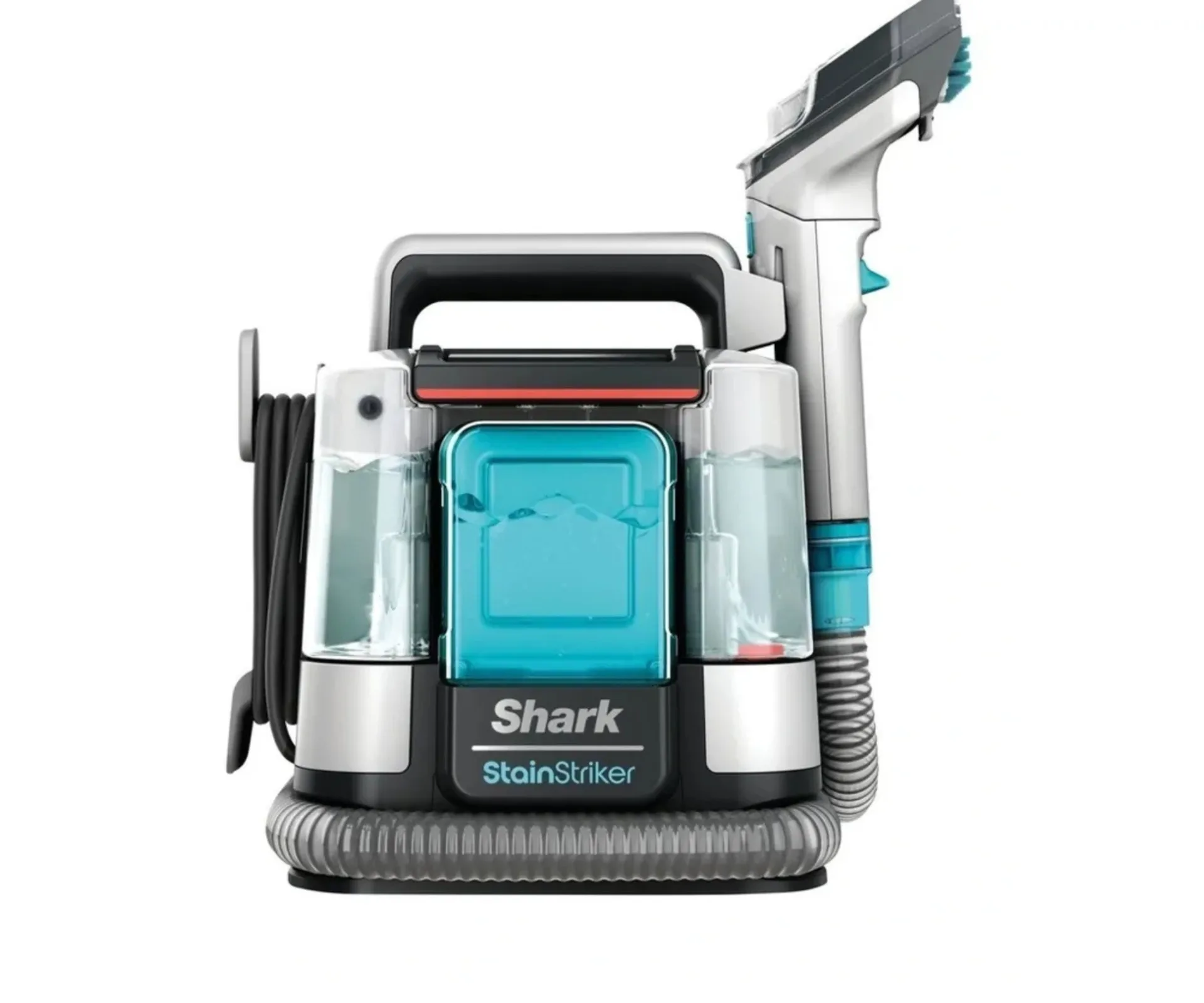
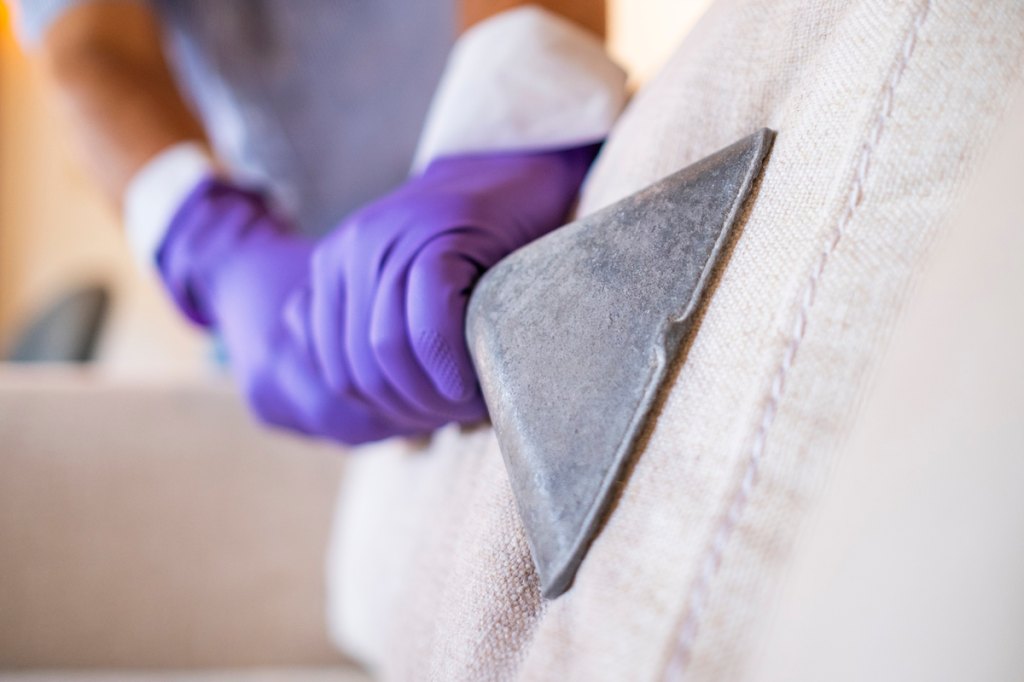
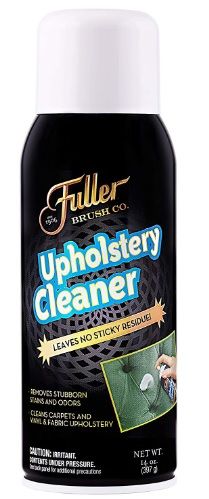
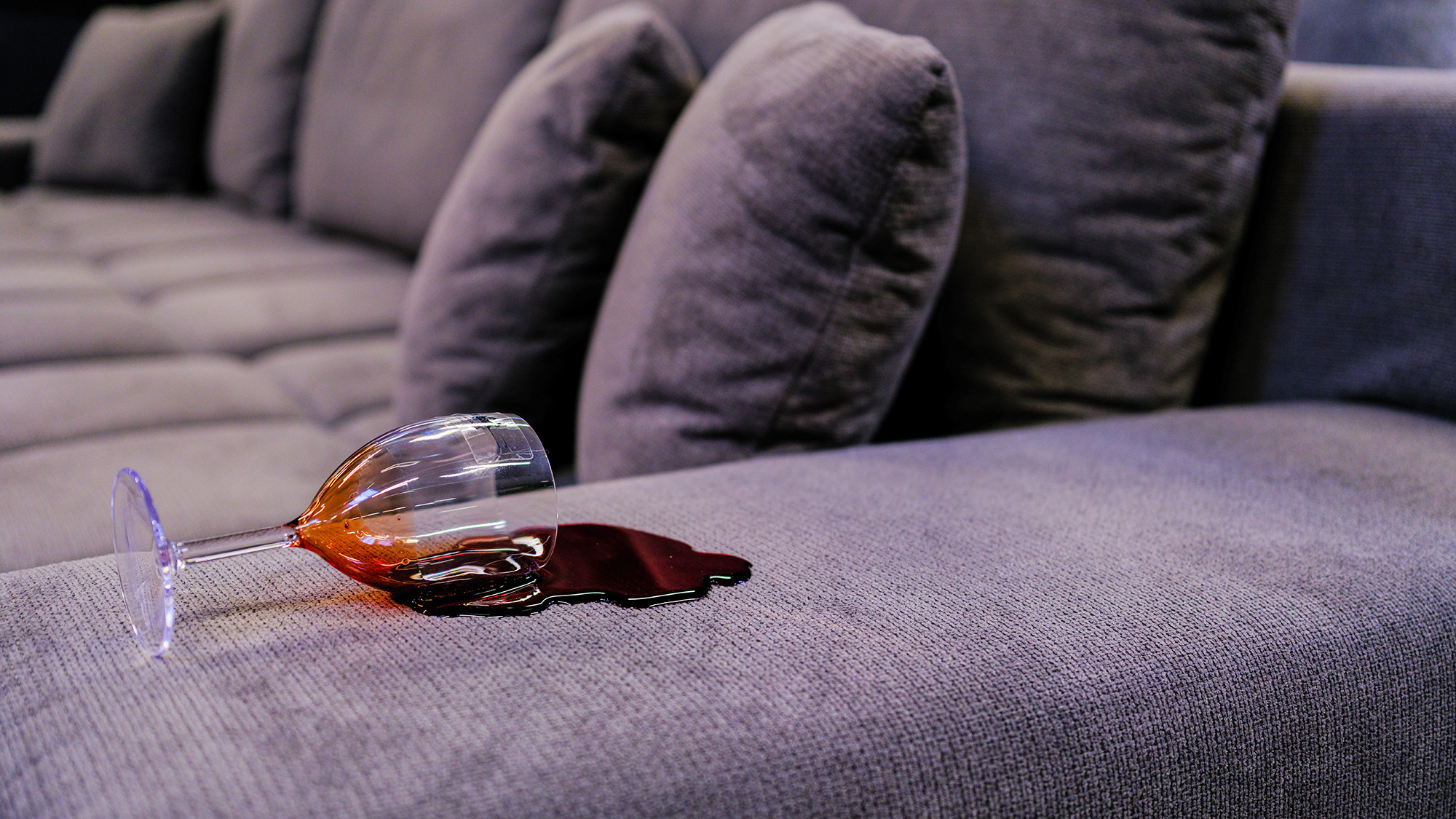
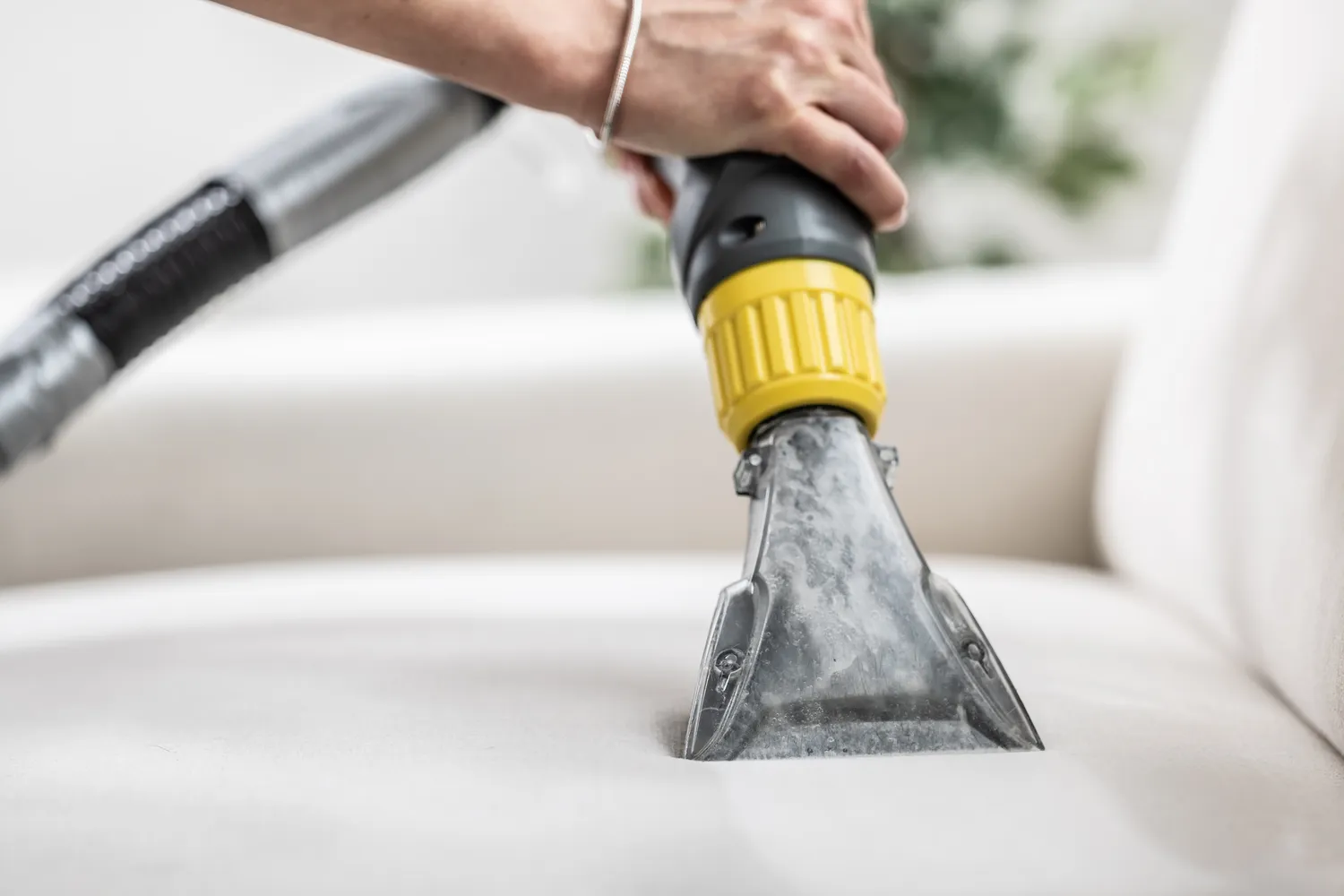
When steam cleaning, several steps should be followed meticulously. First, inspect the fabric for any problem areas such as stains or discoloration that might require pre-treatment. After vacuuming, apply an environmentally friendly cleaning solution to lift dirt from the fabric, opting for solutions that are low in soap content to avoid residue buildup. Prepare the steam cleaner by filling it with water and allowing it to heat completely. Steam cleaning should be done in small sections, moving from top to bottom. The steam wand should be held several inches from the fabric and moved in slow, consistent side-to-side motions. It is important to prevent standing water or condensed steam from accumulating on the surface. Avoid direct steaming of stitch lines, embellishments, or glued components, as heat and moisture can weaken these areas. Utilizing protective attachments like fabric brushes or soft nozzles can help loosen buildup and distribute heat evenly, reducing the risk of scorching or water marks.
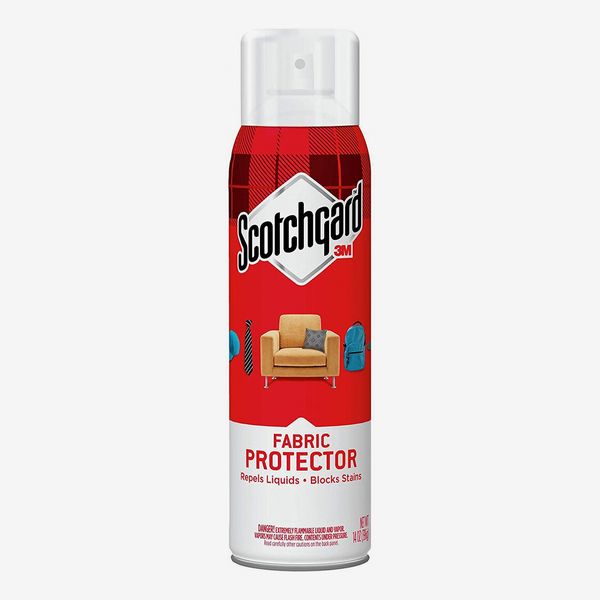
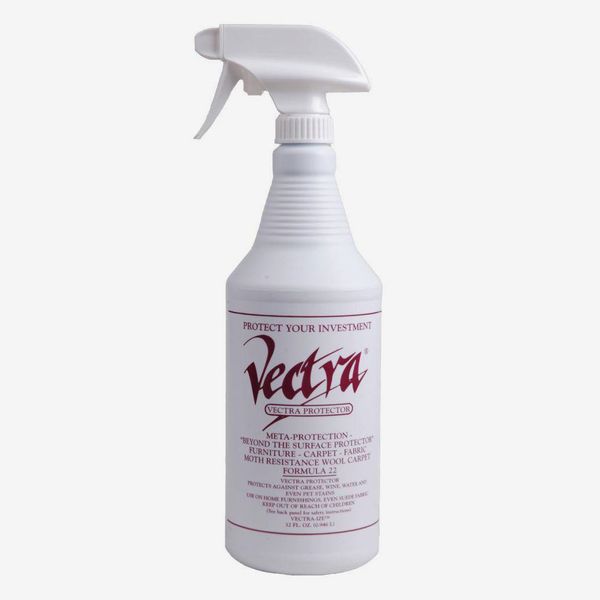
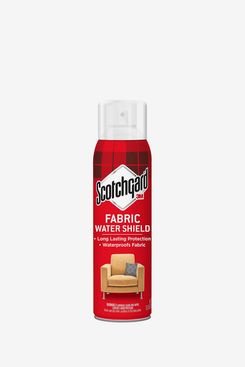
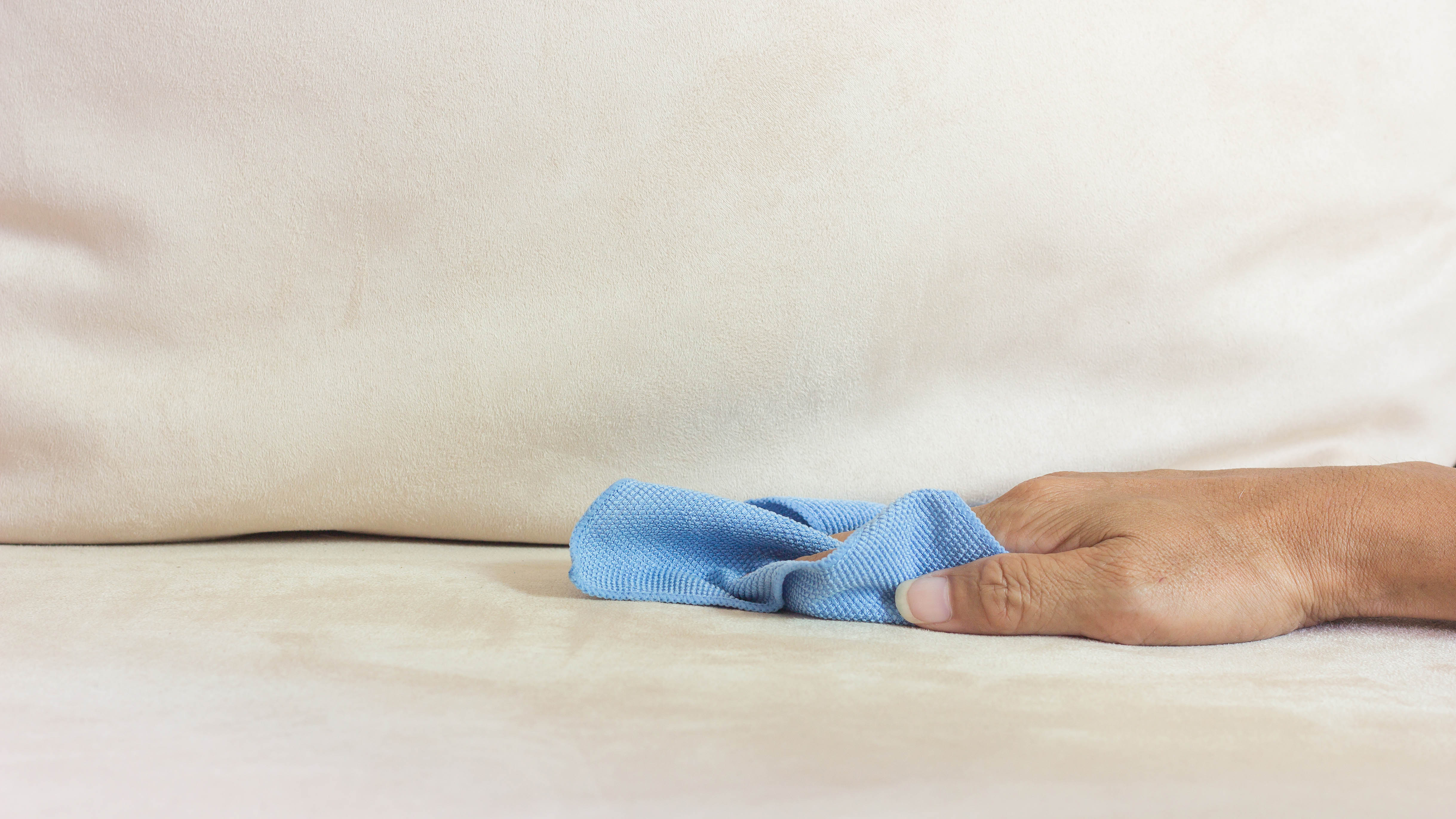
Controlling moisture is critical to prevent water marks. Excess moisture should be blotted immediately with a dry, clean cloth, and no section should be oversaturated. Allowing each section to dry completely before moving to the next minimizes uneven marks. Adequate airflow is necessary for drying; couches typically take two to four hours to dry completely. Using a fan or opening windows can accelerate this process and help prevent water stains. As an optional final step, applying a fabric guard can provide an additional layer of protection, repelling future spills and allowing more time for cleanup. If professional assistance is needed, it is advisable to choose a cleaner who is IICRC-certified, indicating their training in industry best practices and safe handling of various fabrics. This ensures that the couch is cleaned thoroughly and carefully, preserving its condition.
#couchCleaning #steamCleaning #fabricCare #homeMaintenance #upholsteryCleaning #cleaningTips #DIYCleaning #couchCleaning #steamCleaning #fabricCare #homeMaintenance #upholsteryCleaning #cleaningTips #DIYCleaning
0 comment in total
 No comments yet
You may also like
From a quirky TikTok hack and a $99 sell-out Kmart buy, here are five ways to clean your sofa

How to use a steam cleaner on rugs, upholstery and more


6 couch cleaning mistakes that pros say could lead you to 'serious upholstery heartbreak'


How to Clean Upholstered Furniture the Right Way

How to Clean a Couch, According to Experts | NBC Select

How To Deep Clean a Couch: Expert Tips for Getting It To Look Like New


How to clean a microfiber couch – 5 steps to a stain-free and odorless fabric sofa


How to Clean a Slipcover, According to Experts
Are You Cleaning Your Couch Enough? Here's How to Do It the Right Way


How To Clean A Couch So It Looks As Good As New

How to clean a sofa bed – top hacks for tackling stains and everyday cleaning for an immaculate couch

What to Do When a Dirty, Smelly Dude Sleeps on Your Couch

The Right Way to Clean Every Type of Couch, From Fabric to Leather

How to Protect Fabric Furniture From Stains and Dirt

5 Common Sofa Cleaning Mistakes You Might Be Making


How to keep your sofa spotless this summer — 7 expert hacks for stains and spills


5 best upholstery steam cleaners that’ll give your old sofa a complete facelift

Yes, You Can Dry-Clean at Home: And These 5 Furnishings and Decor Pieces Need TLC

You need to deep clean your couch every few months — here’s how experts say to do it


How to clean upholstery – to keep furniture looking fresh