1/4
How to use a steam cleaner on rugs, upholstery and more
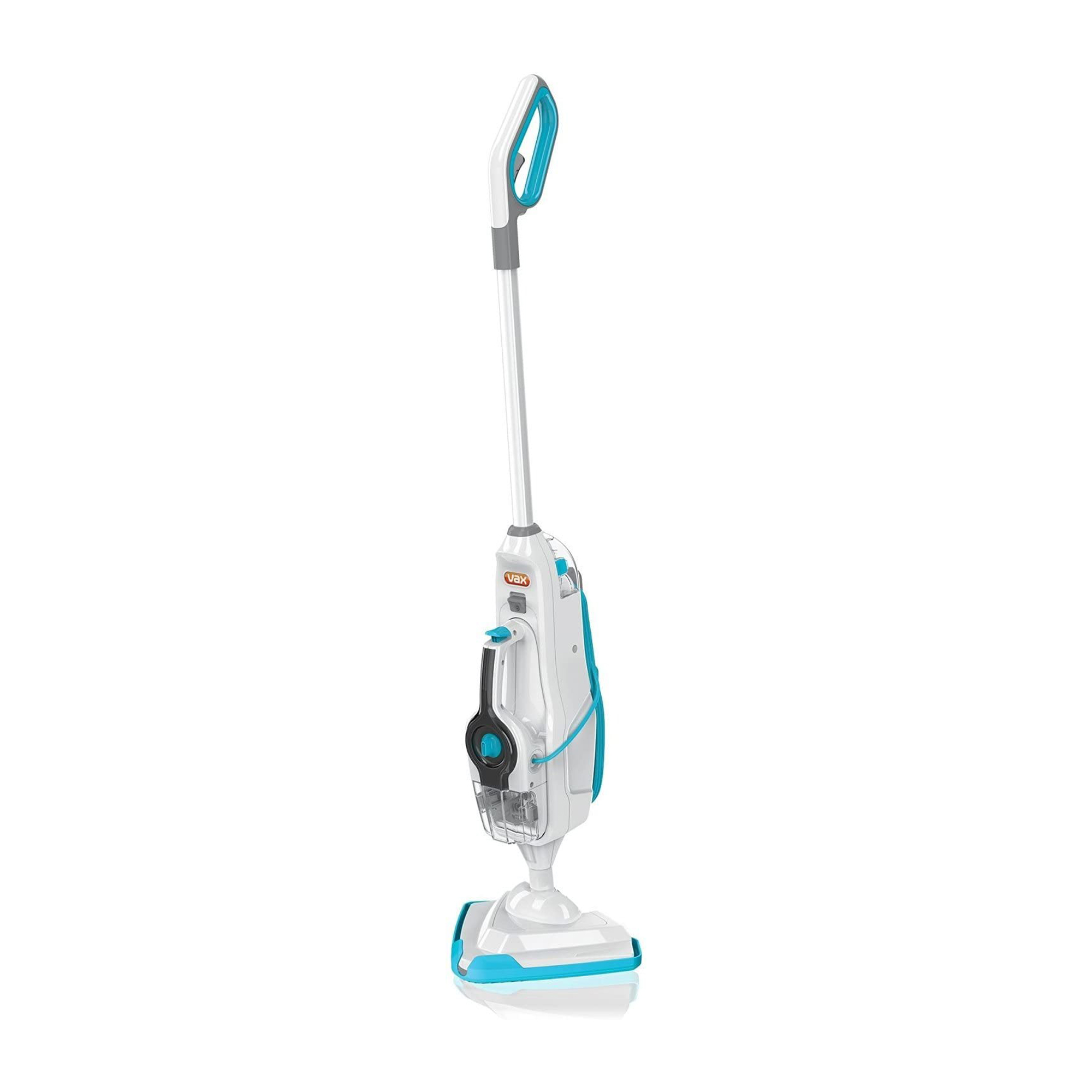
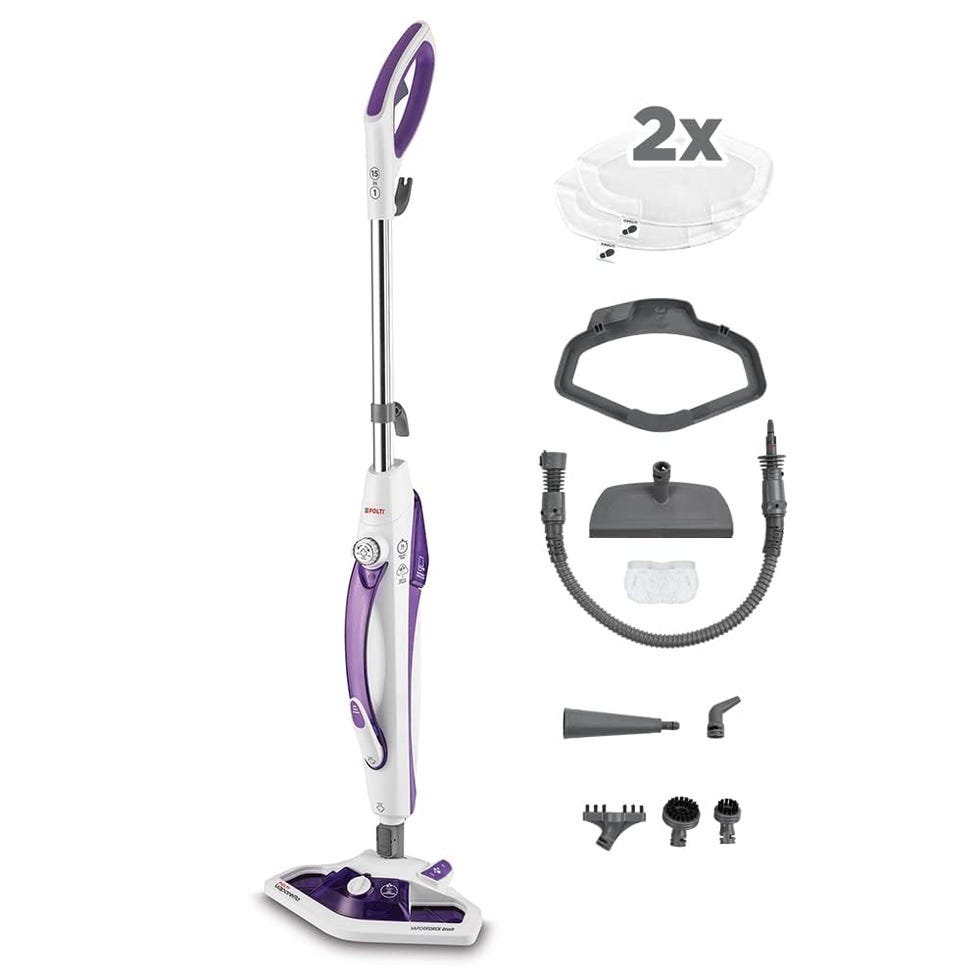
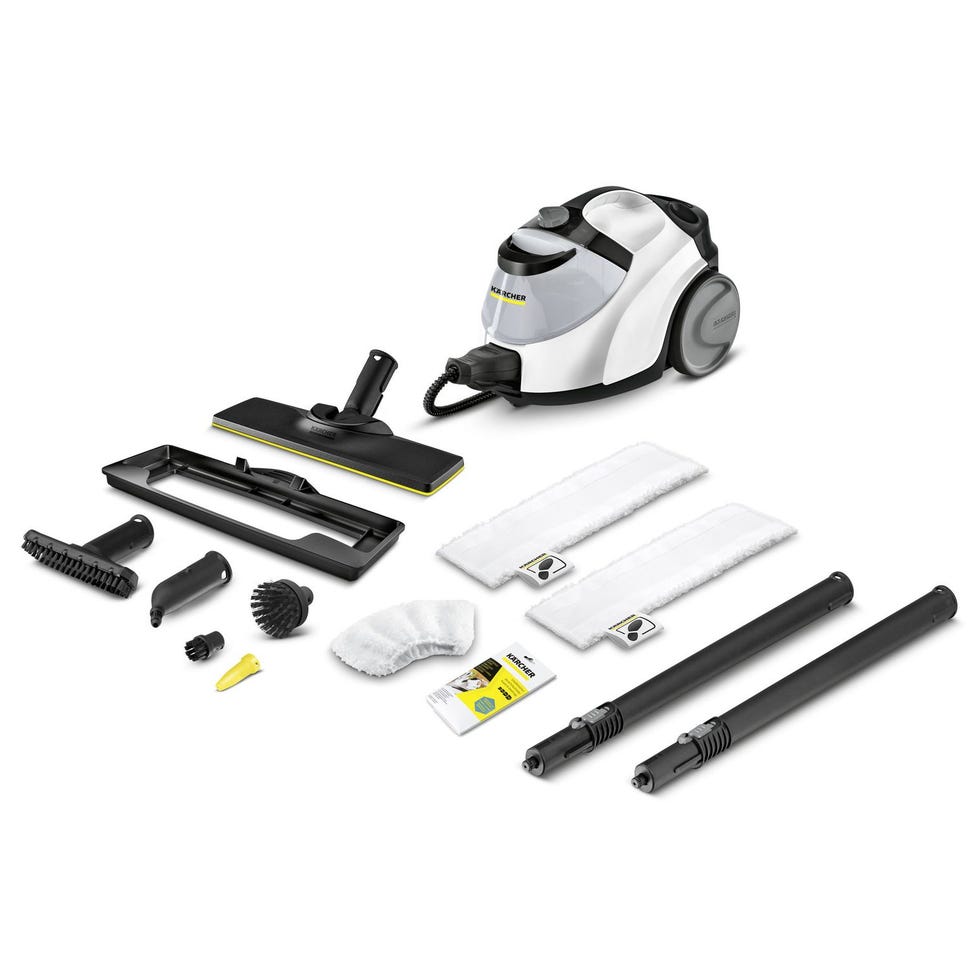
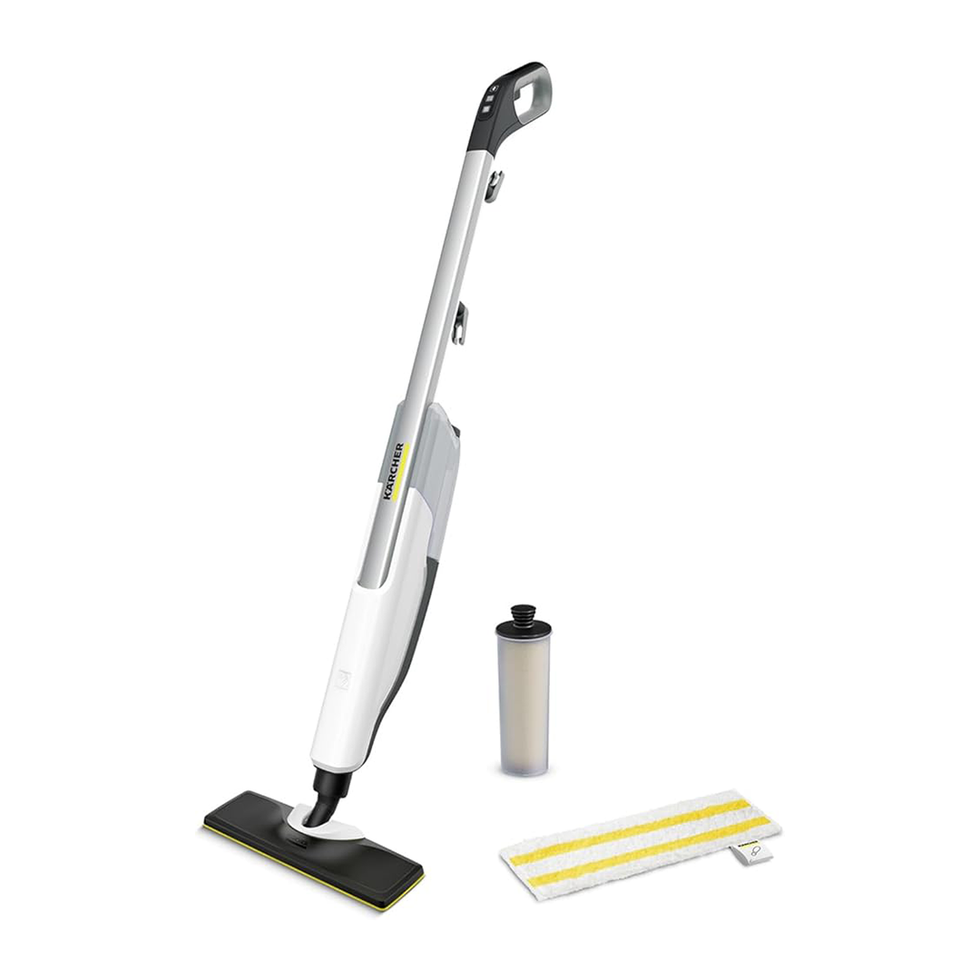
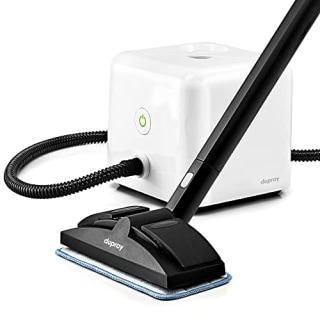
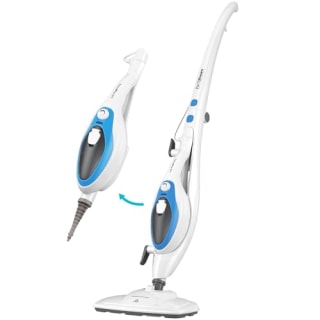
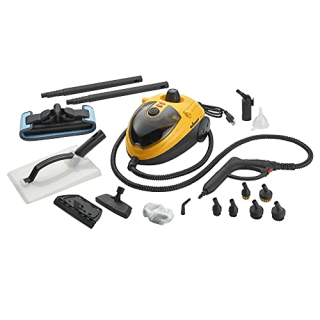
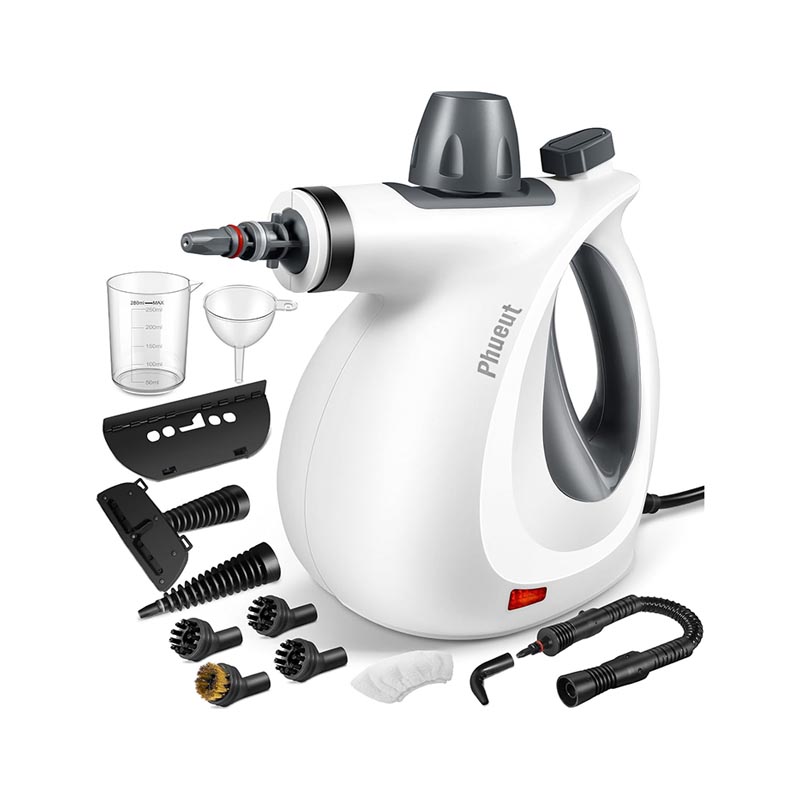
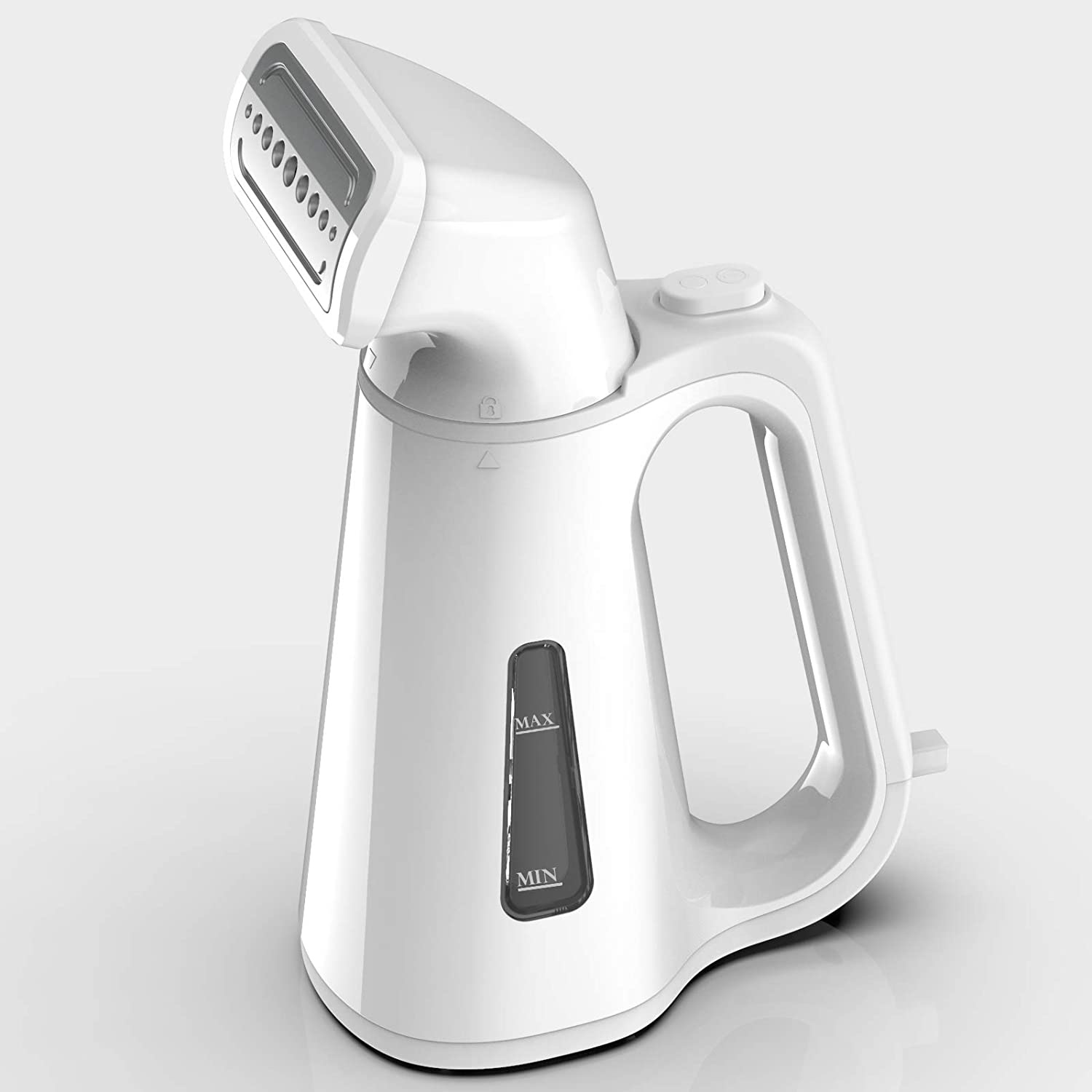
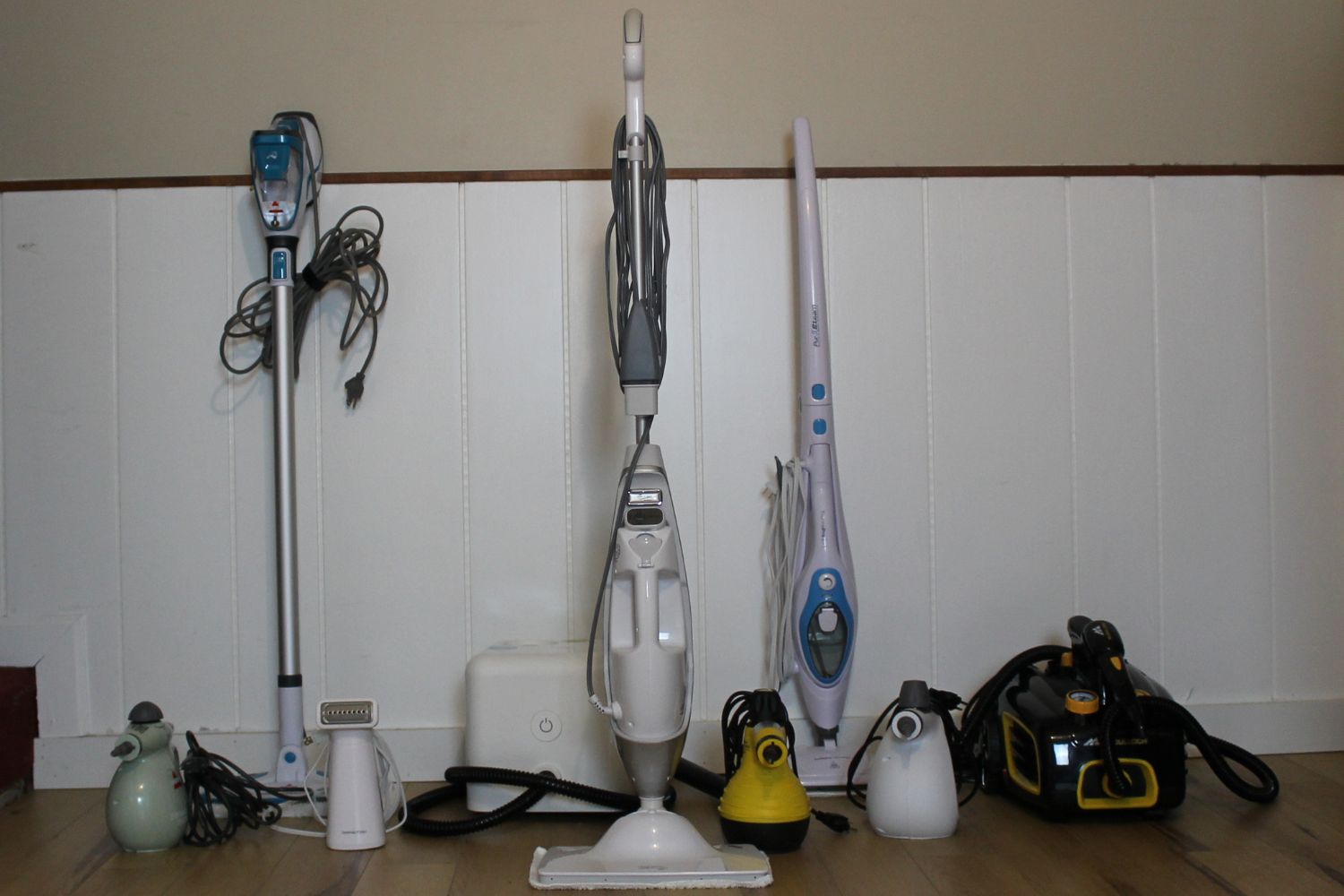
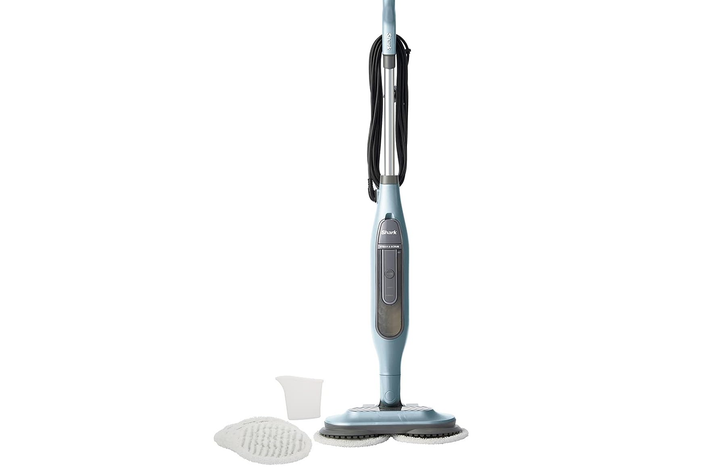
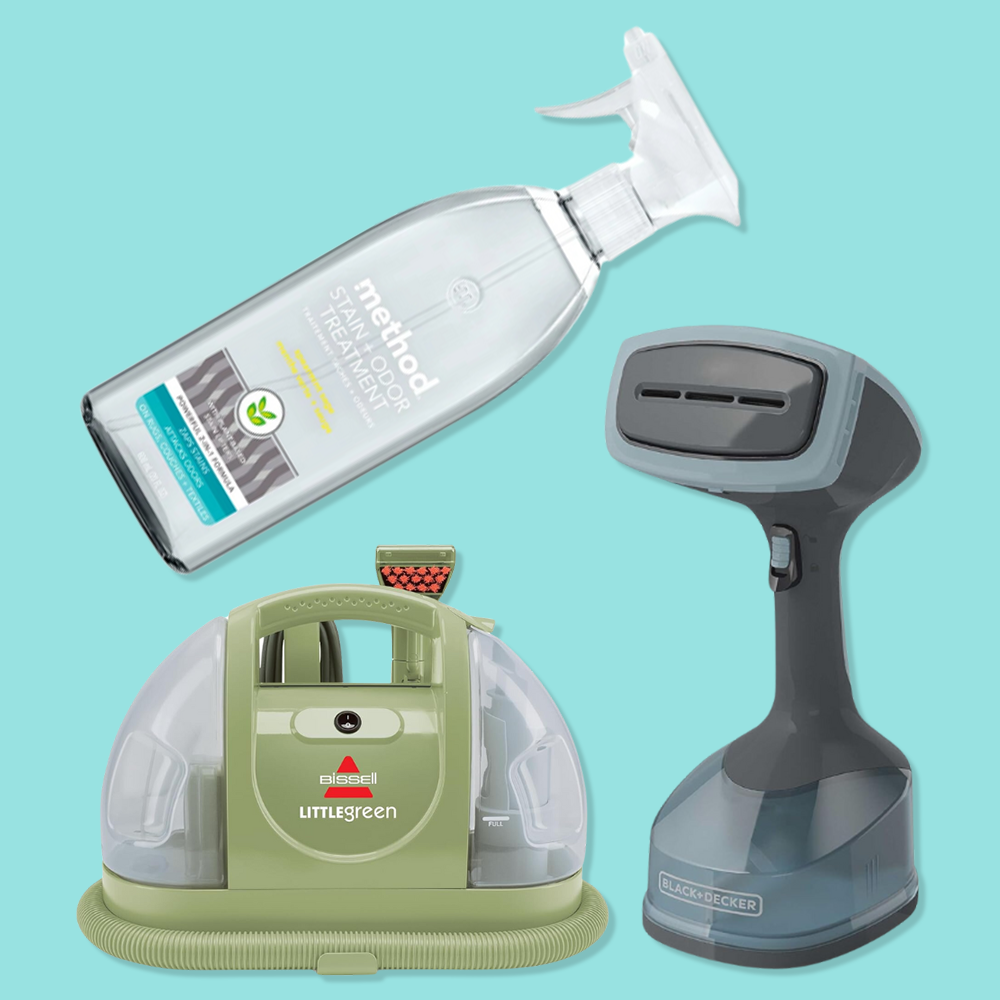
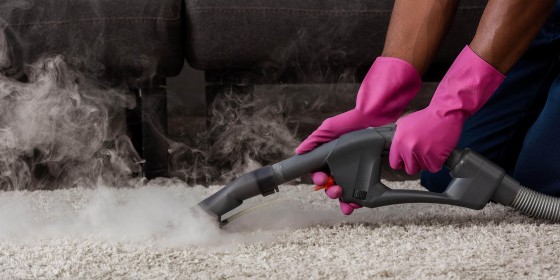
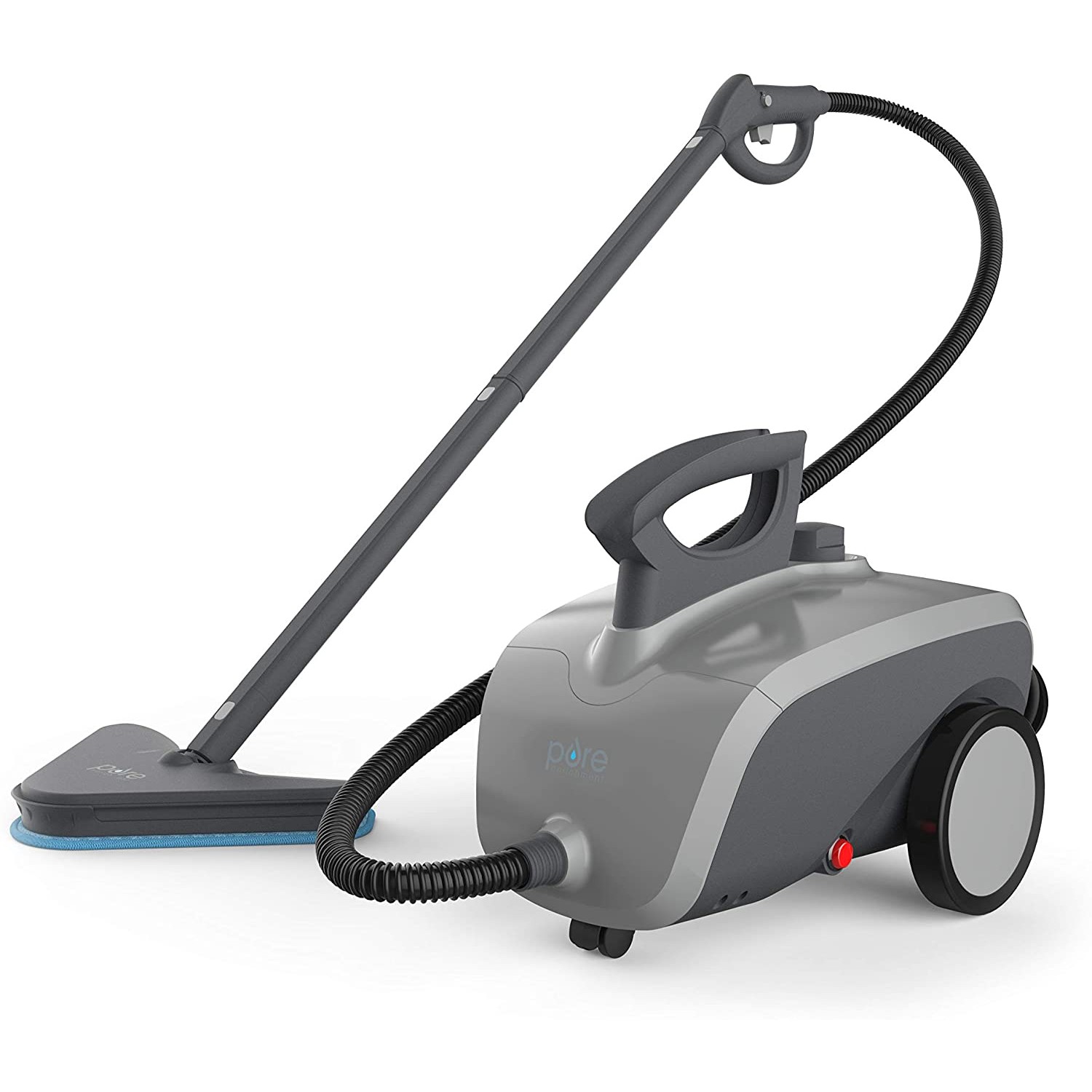
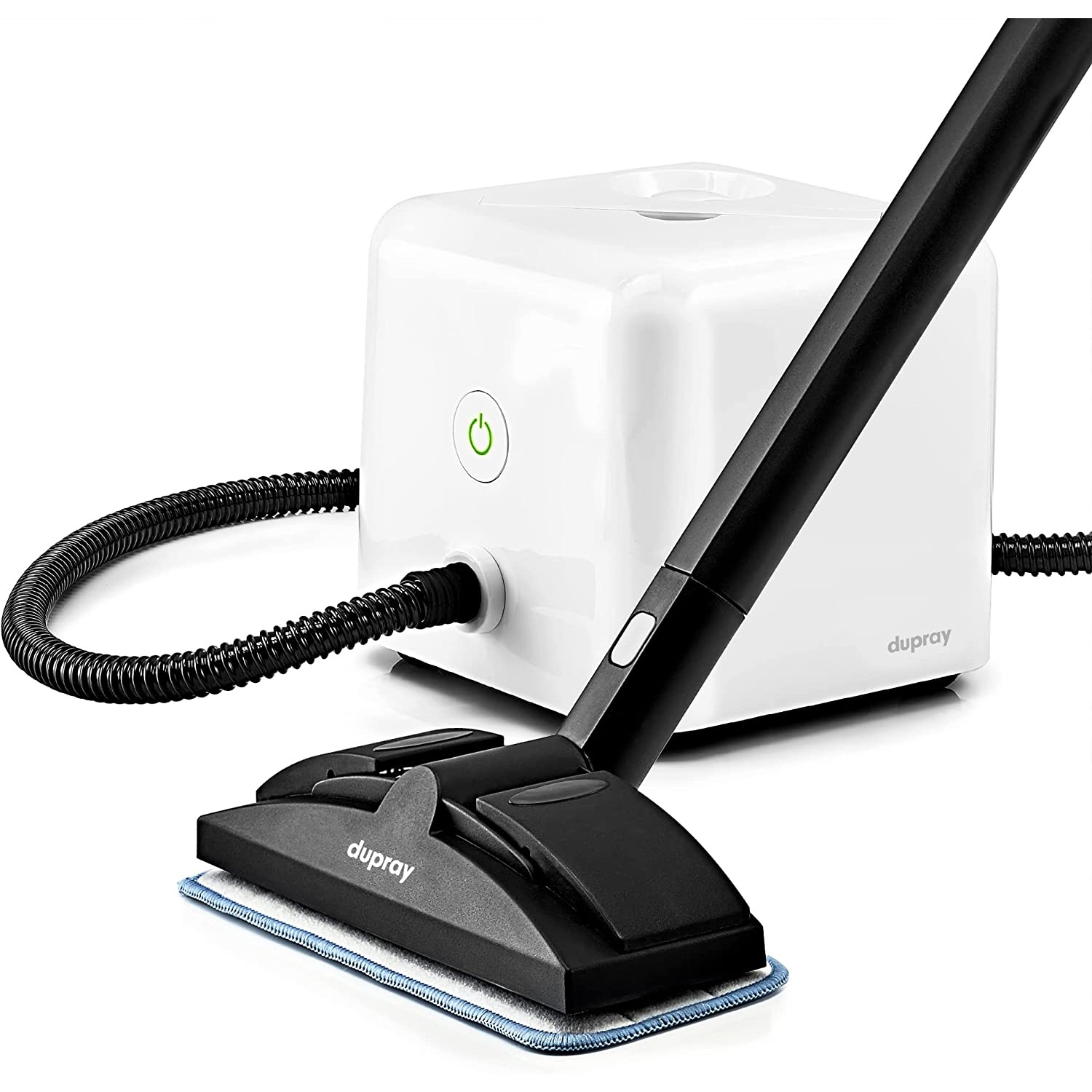
Steam cleaners are gaining popularity as effective tools for maintaining a clean home, praised for their ability to dissolve dirt and remove stains using high-heat water vapor. These appliances, ranging from large models with various attachments to smaller handheld units, are considered by experts like Michelle Hansen of Practical Perfection to be as essential as vacuum cleaners. Hansen, whose website lists numerous unconventional uses for steam cleaners, highlights their efficiency and ease of use.
Steam cleaning is particularly well-suited for non-porous surfaces found in kitchens and bathrooms, as well as sealed wood flooring and tile. While generally effective, it's crucial to consult manufacturers' guidelines for specific materials to avoid potential damage. The article also delves into the application of steam cleaners on textiles, advising caution and research beforehand.
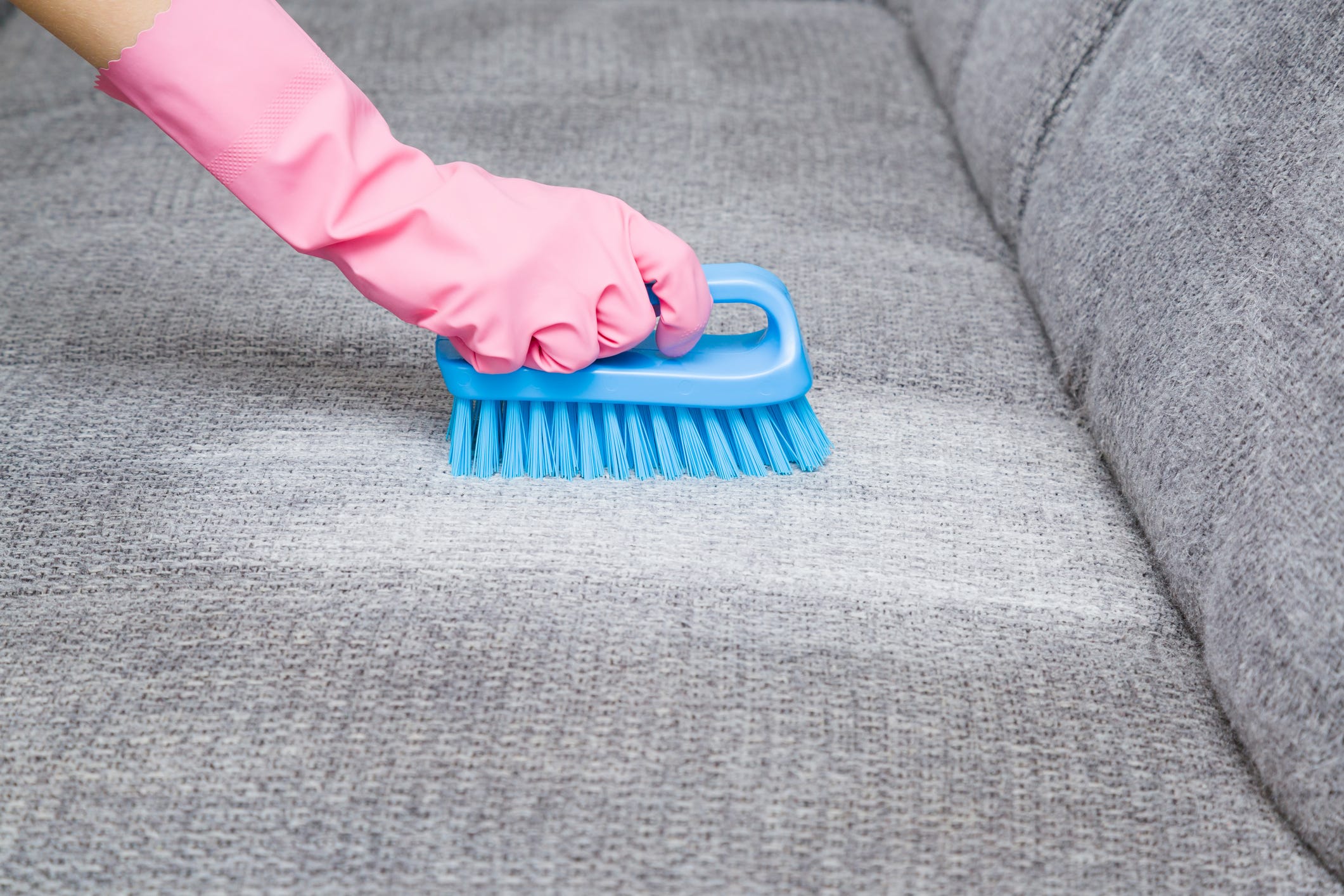
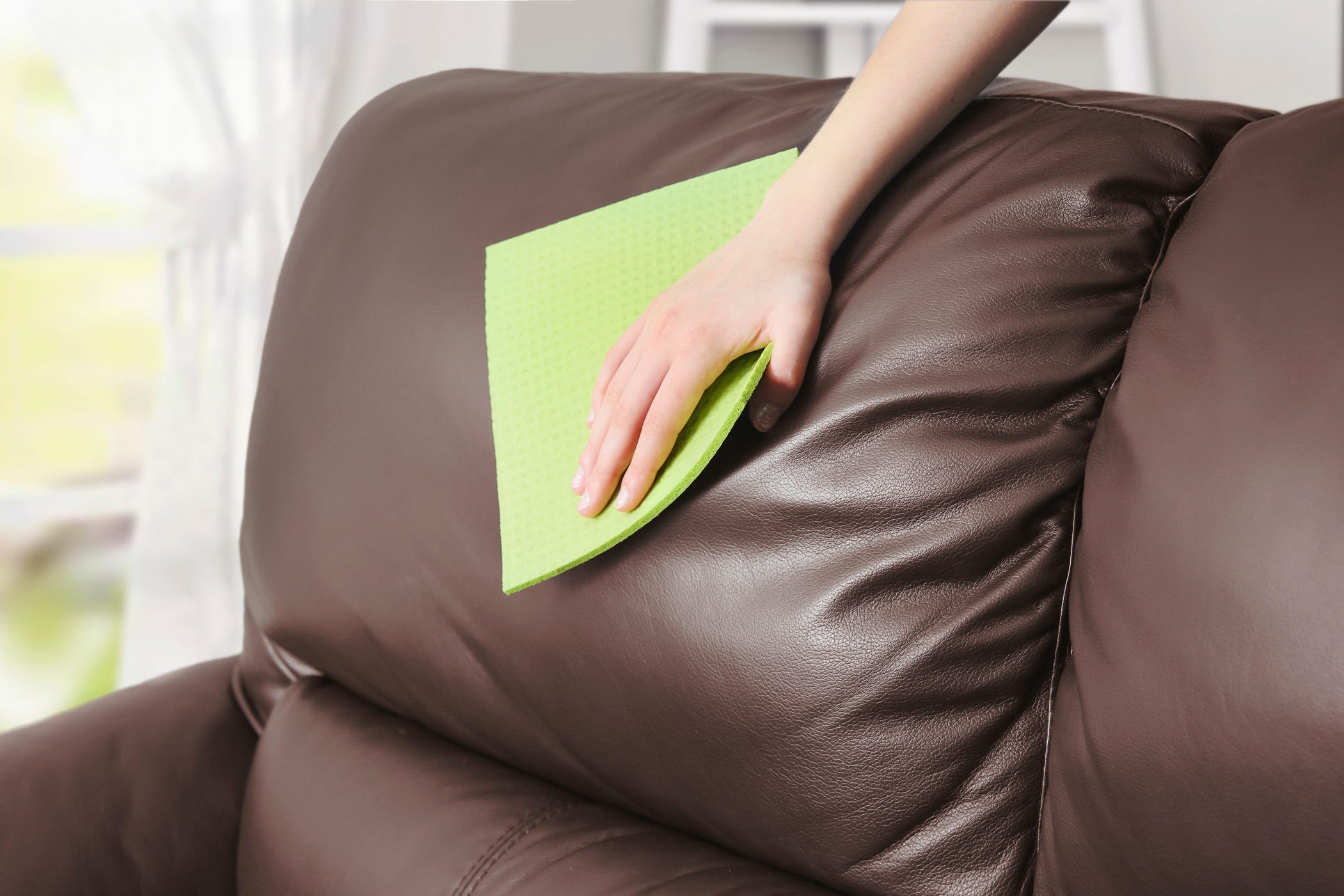
When using a steam cleaner on fabrics such as rugs and upholstery, preliminary research is vital. Checking care labels or contacting manufacturers ensures that the material can withstand high-heat steam. Wayne Edelman, CEO of Meurice Garment Care, emphasizes that synthetic fabrics like Ultrasuede and Sunbrella generally respond better to steam cleaning than delicate materials such as linen, silk, leather, or velvet. Heavy cotton can be steam-cleaned, provided only vapor is applied, not water, to prevent marks.
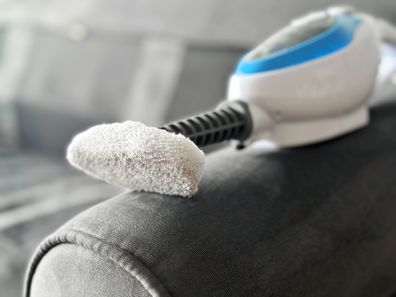
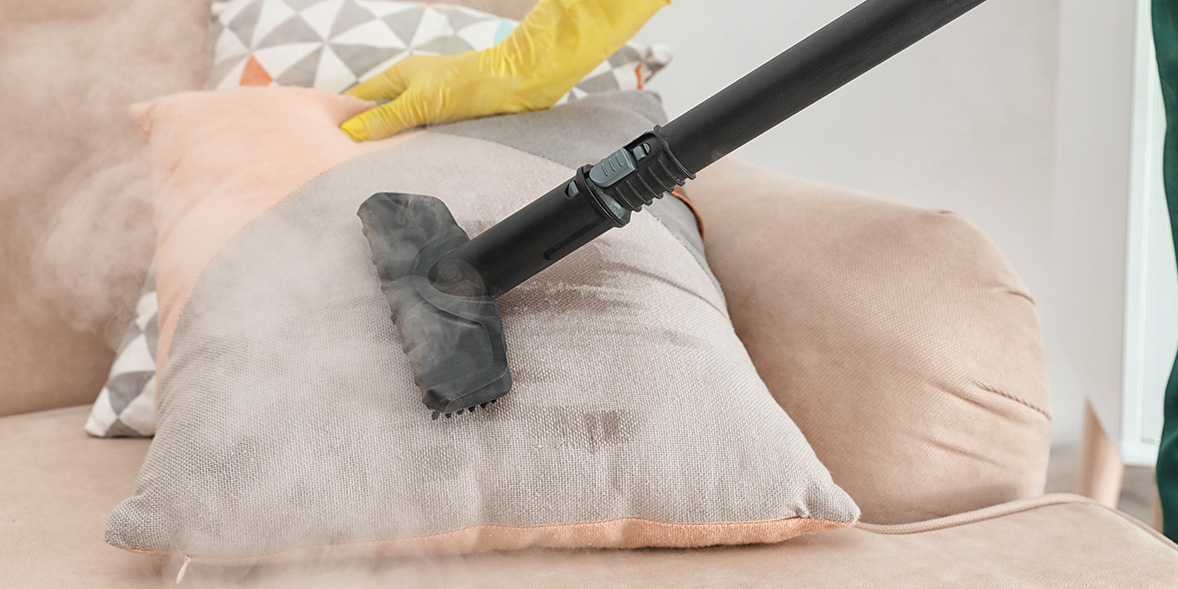
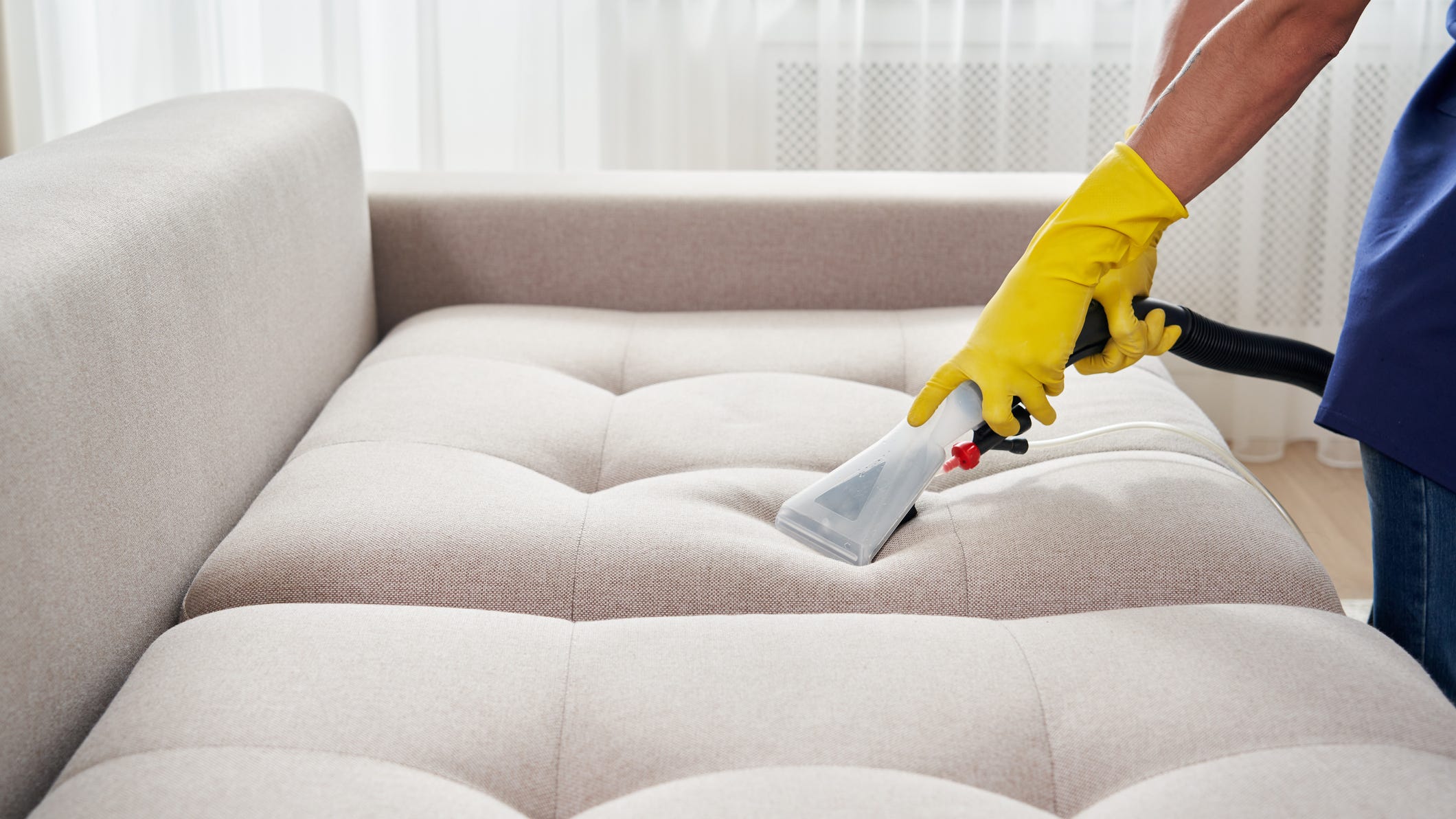
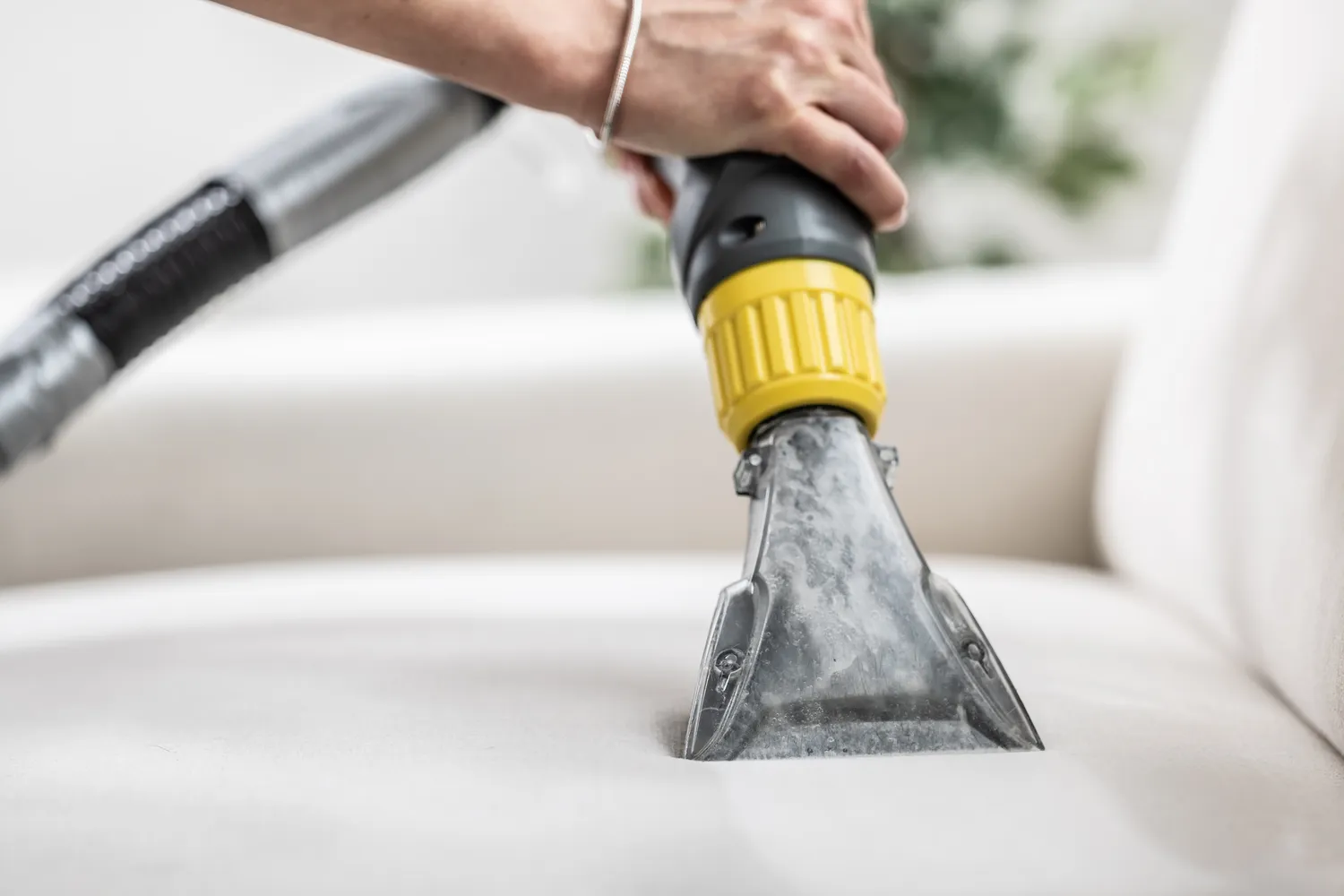
Before any steam cleaning, thorough vacuuming is essential to remove surface dirt, preventing the formation of mud when steam is applied. Spot testing an inconspicuous area with the steamer is also recommended to ensure it produces a fine mist and doesn't leave water marks. Most steam cleaners come with specific attachments for upholstery, and Hansen suggests aiming the cleaner at a 45-degree angle while using a microfiber cloth to catch dislodged dirt. For furniture cushions, adequate drying time (around a day) is necessary to prevent mildew. Edelman notes that while steam cleaning helps maintain textiles between washes, water alone might not be sufficient for deep cleaning, and soap is eventually required to release embedded soil.
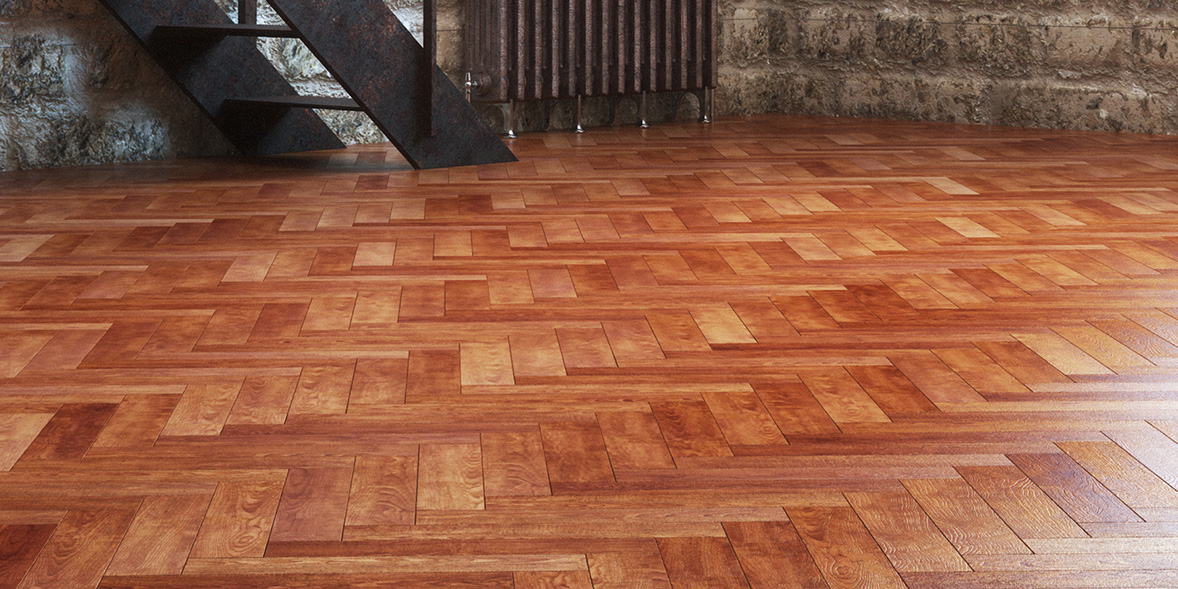
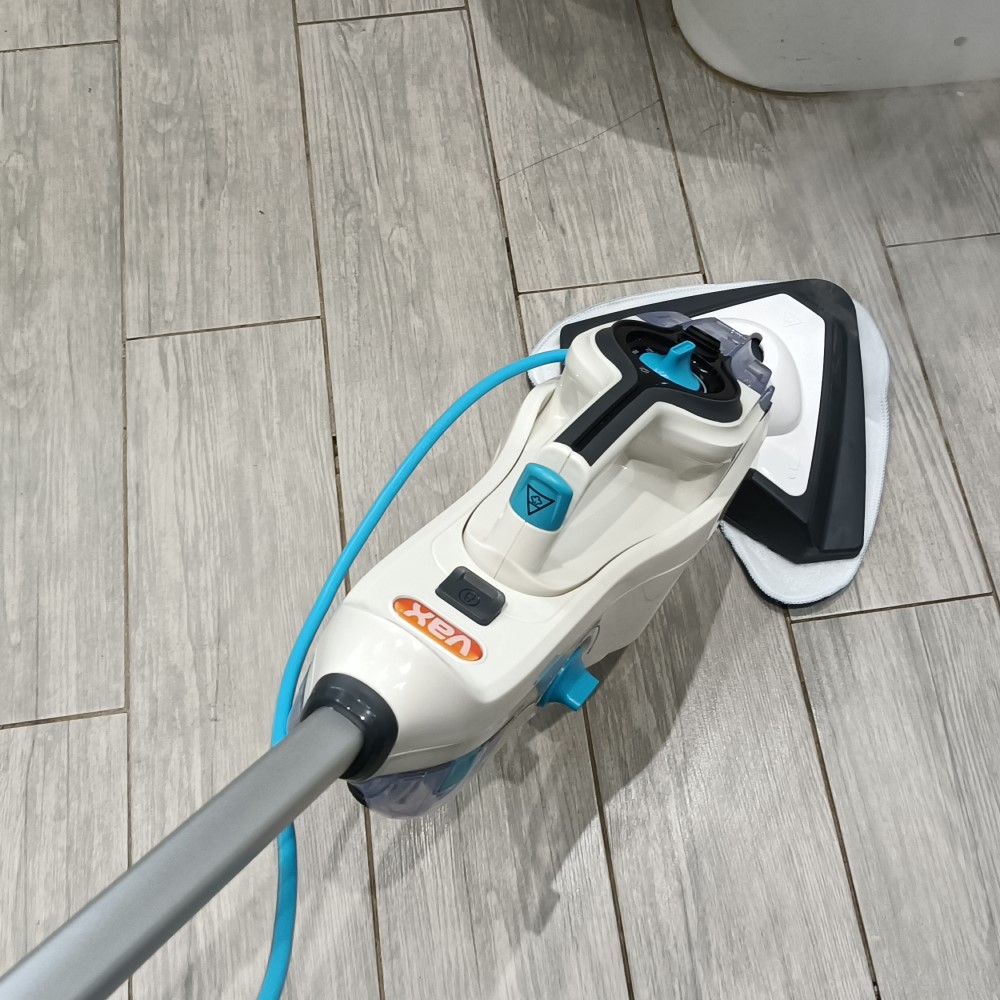
For floors, particularly hardwood or tile, a steam mop can be used after sweeping or vacuuming. However, it's imperative to verify with the flooring manufacturer if steam is safe, as some laminate types can be damaged by high heat. A spot test on a hidden area is always advisable. Tile grout, notoriously difficult to clean, sees dramatic results with steam cleaners, restoring its original color by effortlessly breaking down caked-on food, gunk, and mildew. Cleaning and rinsing the tile first, then using a soft nylon bristle attachment and wiping away dirty water with a mop or cloth, is the recommended approach.
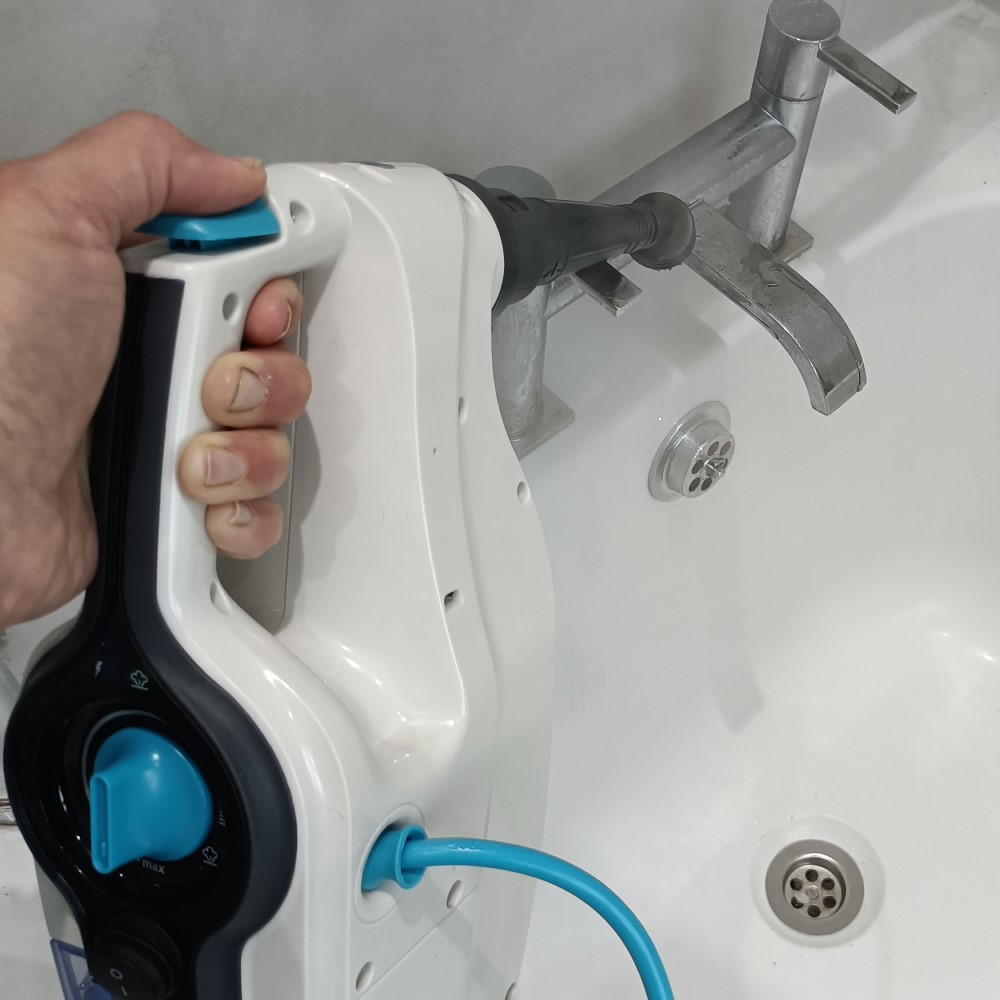
In the kitchen, steam cleaners are effective for dissolving grime in hard-to-reach areas, including behind the stove and refrigerator, inside the oven and refrigerator, and on faucets to remove hard water stains. Hansen points out that steam cleaning simplifies deep cleaning tasks that might otherwise seem overwhelming. Similarly, in bathrooms, steam cleaners excel at tackling crevices like those in toilets and shower door rails, as well as tiled surfaces, fixtures, windows, and mirrors. While steam cleaning aids in loosening soap scum and build-up, occasional use of traditional cleaning and sanitizing products may still be preferred for comprehensive hygiene.
#SteamCleaner #HomeCleaning #CleaningTips #UpholsteryCare #RugCleaning #TileCleaning #GroutCleaning #KitchenCleaning #BathroomCleaning #SteamCleaner #HomeCleaning #CleaningTips #UpholsteryCare #RugCleaning #TileCleaning #GroutCleaning #KitchenCleaning #BathroomCleaning
0 comment in total
 No comments yet
You may also like
The Best Steam Cleaners Based on Our Extensive Testing

5 best upholstery steam cleaners that’ll give your old sofa a complete facelift

Yes, You Can Dry-Clean at Home: And These 5 Furnishings and Decor Pieces Need TLC


How to clean upholstery – to keep furniture looking fresh

The Best Handheld Steam Cleaners Based on Our Tests
10 Best Upholstery Cleaners That Will Make Your Furniture Look Good as New

How to Clean Every Type of Couch Cushion, According to the Pros

These are the best steam cleaners and mops, as tested in a high footfall household

5 surfaces you shouldn't use a steam cleaner on

The Right Way to Clean Every Type of Couch, From Fabric to Leather
This Handheld Steam Cleaner Makes Cleaning Multiple Surfaces Fast and Easy
Are You Cleaning Your Couch Enough? Here's How to Do It the Right Way

How to Steam Clean a Couch Without Damaging the Fabric
14 best steam cleaners for keeping your floors gleaming
From a quirky TikTok hack and a $99 sell-out Kmart buy, here are five ways to clean your sofa

The Best Upholstery Cleaners for Stains, Odors, and Everyday Messes
Best steam cleaners and mops: IH tried and tested

Everything you can clean with a steam cleaner (and it’s a long list)

The 8 Very Best Carpet Steam Cleaners
R5 Westchester County Experts Explain How to Clean Expensive Home Furnishings