1/5
The Ultimate Stain-Removal Guide
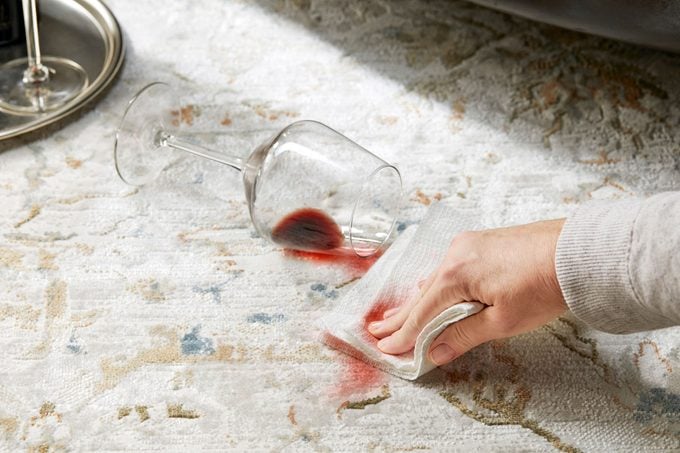
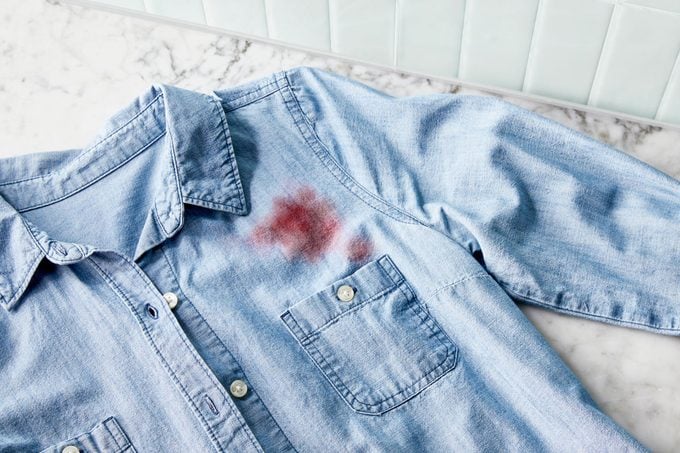
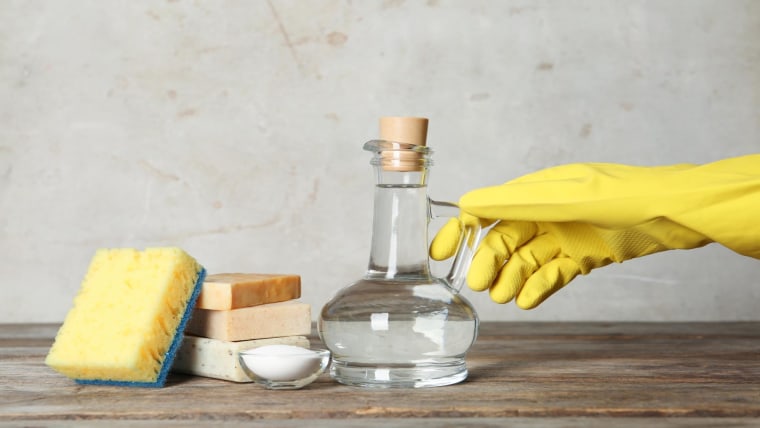
The Ultimate Stain-Removal Guide offers practical advice and strategies for effectively tackling common household spills and spots, ranging from beverages like coffee, tea, and wine to food items such as mustard and tomato sauce, as well as more challenging stains like blood, makeup, water rings, and pet accidents. The guide emphasizes the importance of acting quickly to prevent stains from setting and highlights the necessity of having the right cleaning products readily available. It introduces fundamental rules for stain removal, including testing cleaning solutions on an inconspicuous area first, using white cloths to avoid dye transfer, and avoiding harsh abrasives that can damage surfaces or fibers. A key principle underlined is blotting rather than rubbing to prevent spreading the stain and to achieve better results. The article also advises using minimal water on upholstery to prevent water rings and checking care labels before laundering stained items.
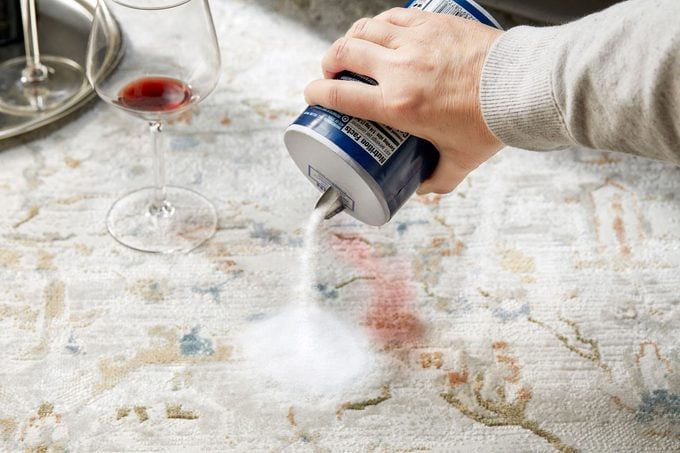
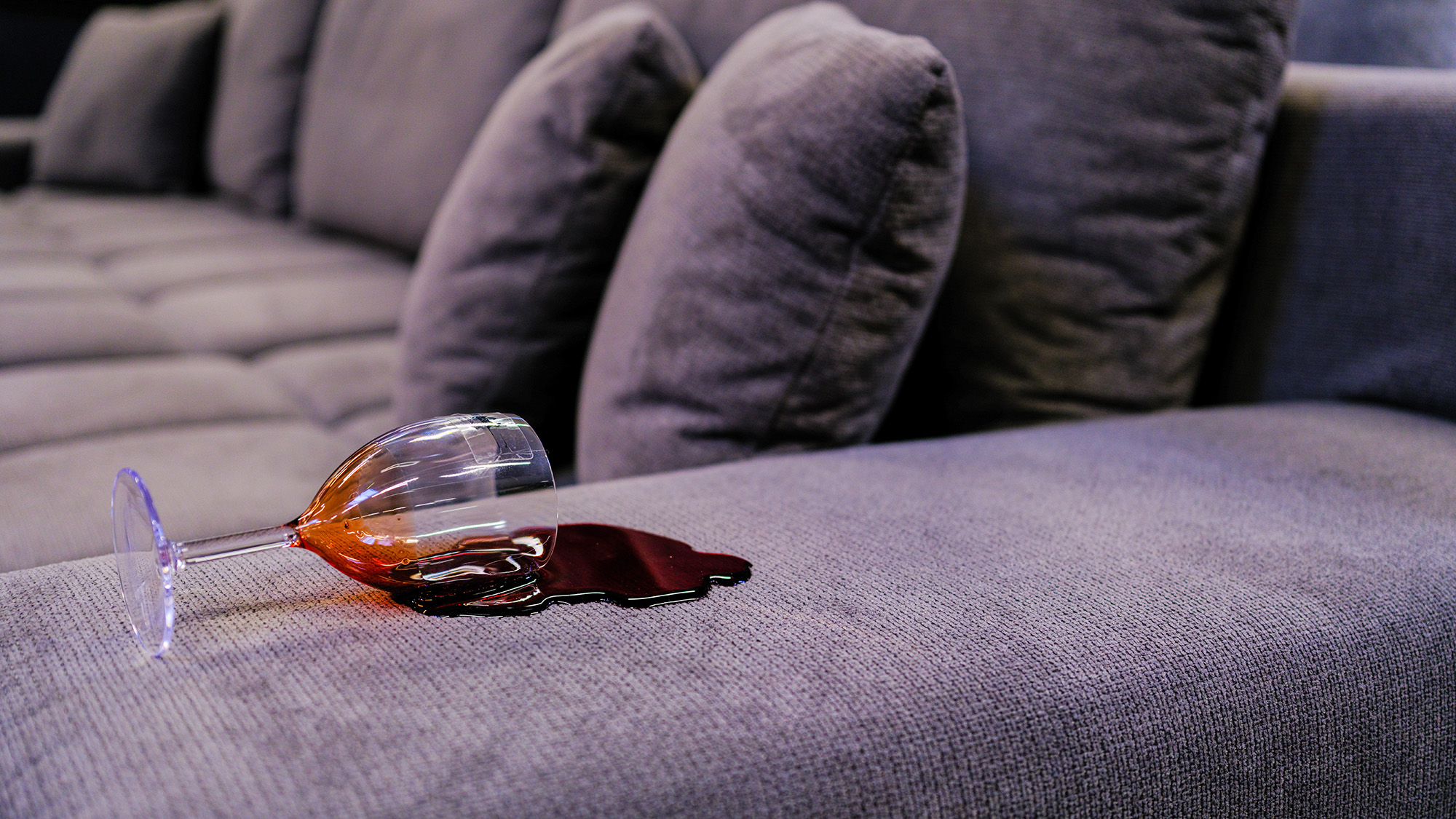
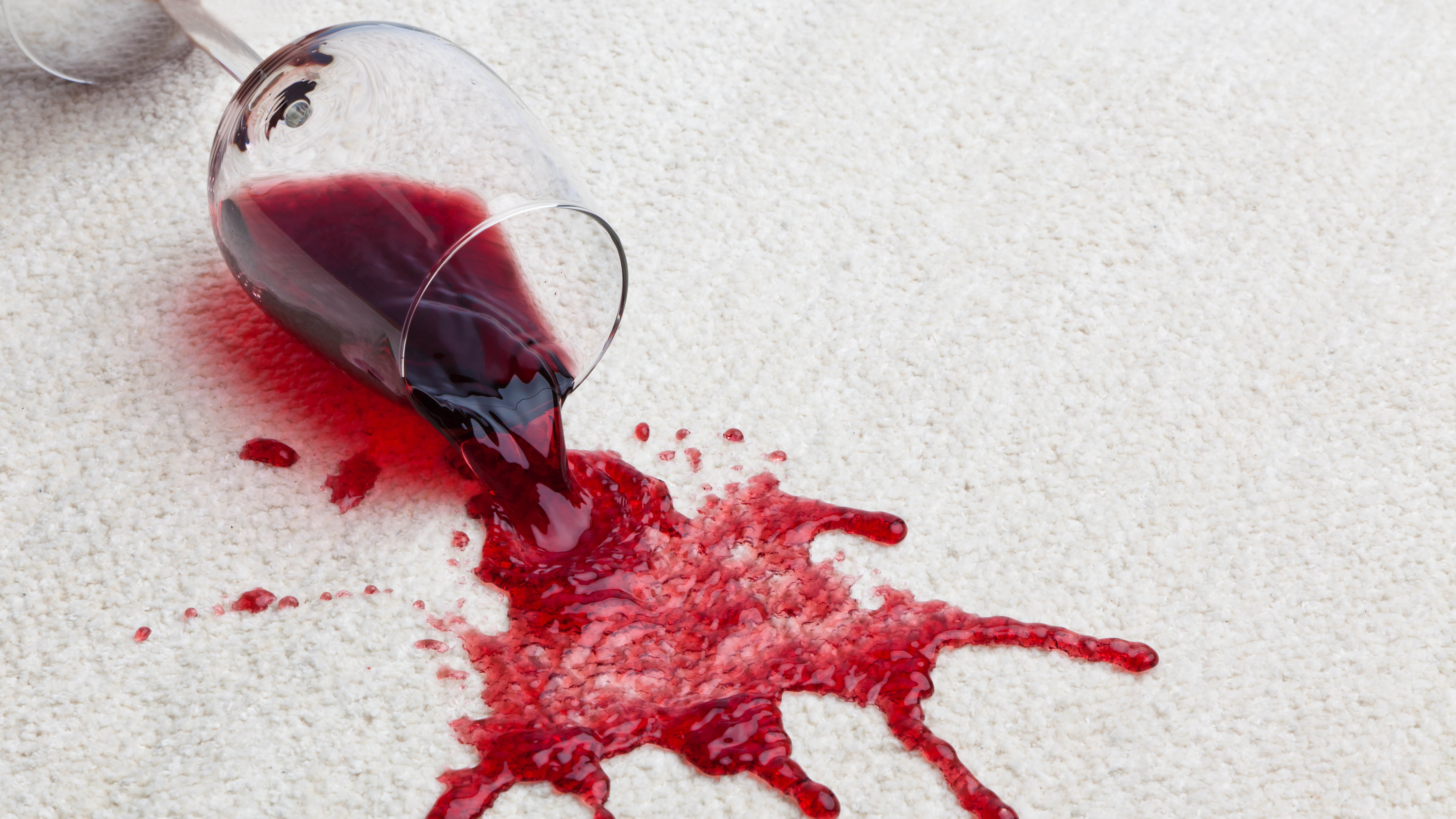
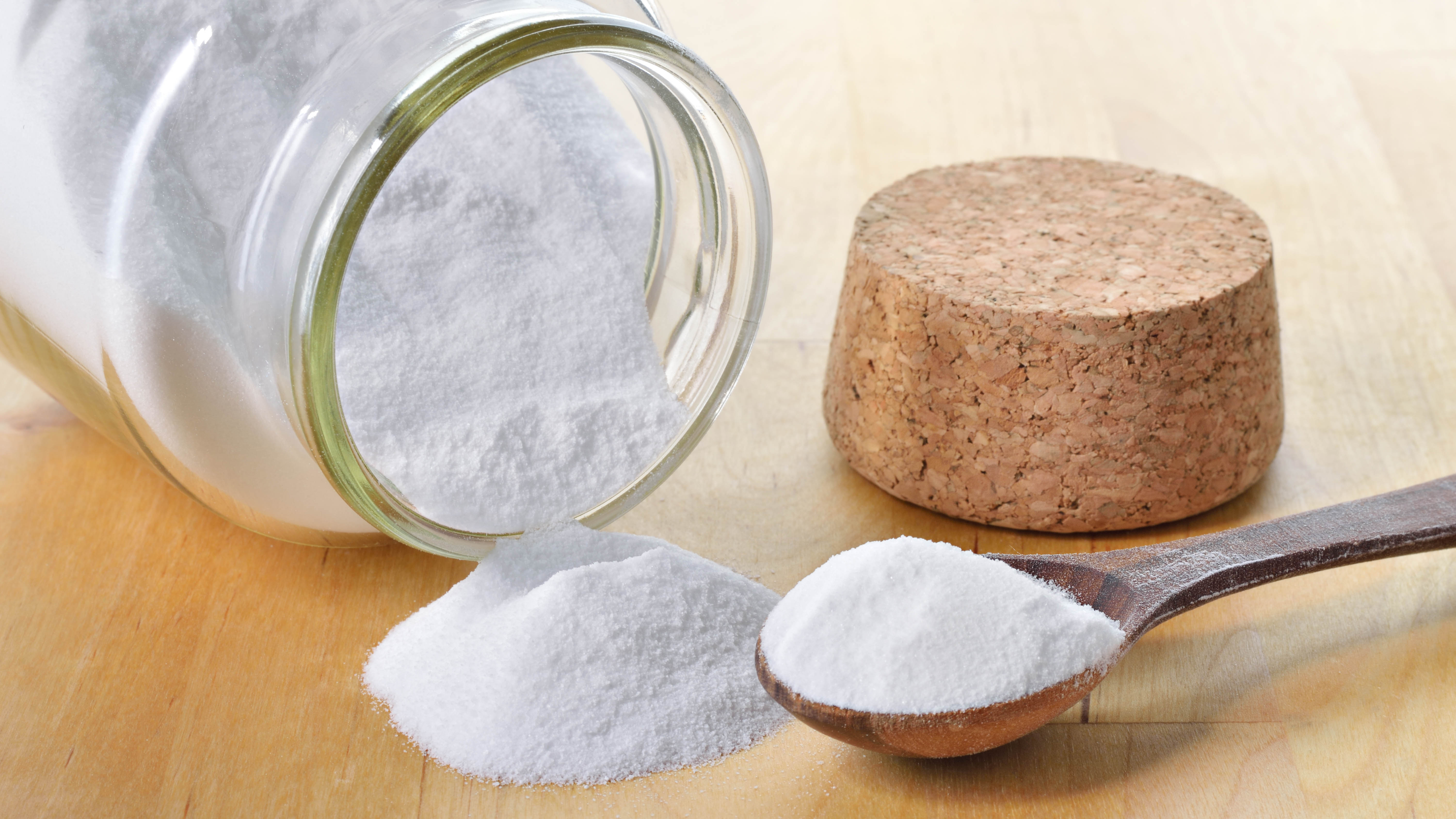
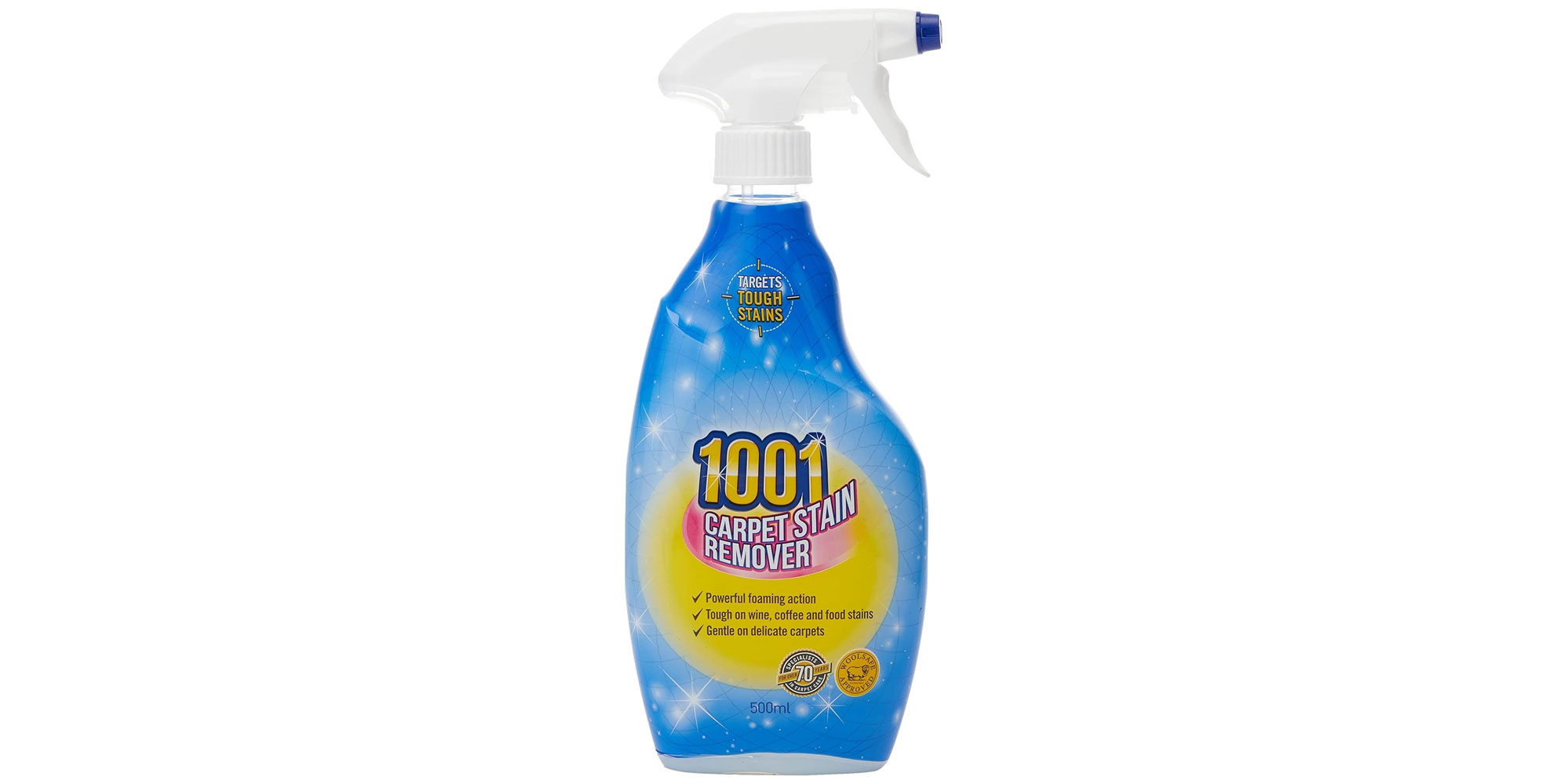
Specific instructions are provided for various types of stains across different surfaces. For coffee, tea, and wine on washable fabrics, the guide recommends flushing with cold water, applying an enzymatic laundry pretreat, and then laundering. For upholstery, blotting with carbonated water followed by a cleaning solution is suggested, while leather requires blotting with a damp cloth. Carpet stains from these beverages can be addressed with a mixture of water, dish soap, and white vinegar, or a commercial product. Natural stone countertops, like granite and quartz, can be treated with a baking soda paste, with special considerations for more delicate stones like marble, which may require bleach or commercial polishing products. Laminate countertops are advised to be cleaned with a baking soda paste and a damp microfiber cloth.
For challenging food stains like ketchup and tomato sauce, which are difficult due to their pigment and oil content, the guide outlines different approaches. On carpet, excess material should be scraped off, followed by an ammonia solution and then a cleaning solution. Washable fabrics benefit from enzymatic laundry pretreatment and cold water washing, possibly repeated before drying. Upholstery requires careful blotting and the application of a cleaning solution. Mustard stains, characterized by the non-water-soluble curcumin, are tackled by scraping off excess, applying a cleaning solution, rinsing, and drying in sunlight for washable fabrics, upholstery, and carpet. Leather requires a mild soap suds application and conditioning, while non-wood flooring can be cleaned with a solution and exposed to sunlight or hydrogen peroxide.
Oil-based stains, including food grease and salad dressing, are particularly challenging because they repel water and can be set by heat. For washable fabrics, an enzymatic pretreat and cold water wash are recommended. Upholstery may require an upholstery cleaner, and professional help is suggested for persistent stains. Leather can be treated with baking soda to absorb oil or a commercial degreaser. On carpet, dish detergent or dry-cleaning solvent is suggested, followed by baking soda. Natural stone countertops can be treated with a baking soda and acetone-based nail polish remover paste. Wood furniture with oil stains can be cleaned with a baking soda paste or a cleaning solution followed by wood polish.
Blood stains, being protein-based, require immediate action with cold water to prevent them from setting. Washable fabrics are treated with cold water, enzymatic pretreat, and laundry detergent. Upholstery and leather require careful blotting with minimal water or mild soap suds, respectively. Carpet stains are tackled with cold water and blotting. Makeup stains, due to their pigments and emollients, are treated on washable fabrics with acetone-based nail polish remover or rubbing alcohol. Upholstery and carpet can be dabbed with rubbing alcohol, taking care not to over-wet. Leather requires methods similar to oil-based stains, and non-wood flooring can be cleaned with steel wool or a plastic scouring pad and detergent.
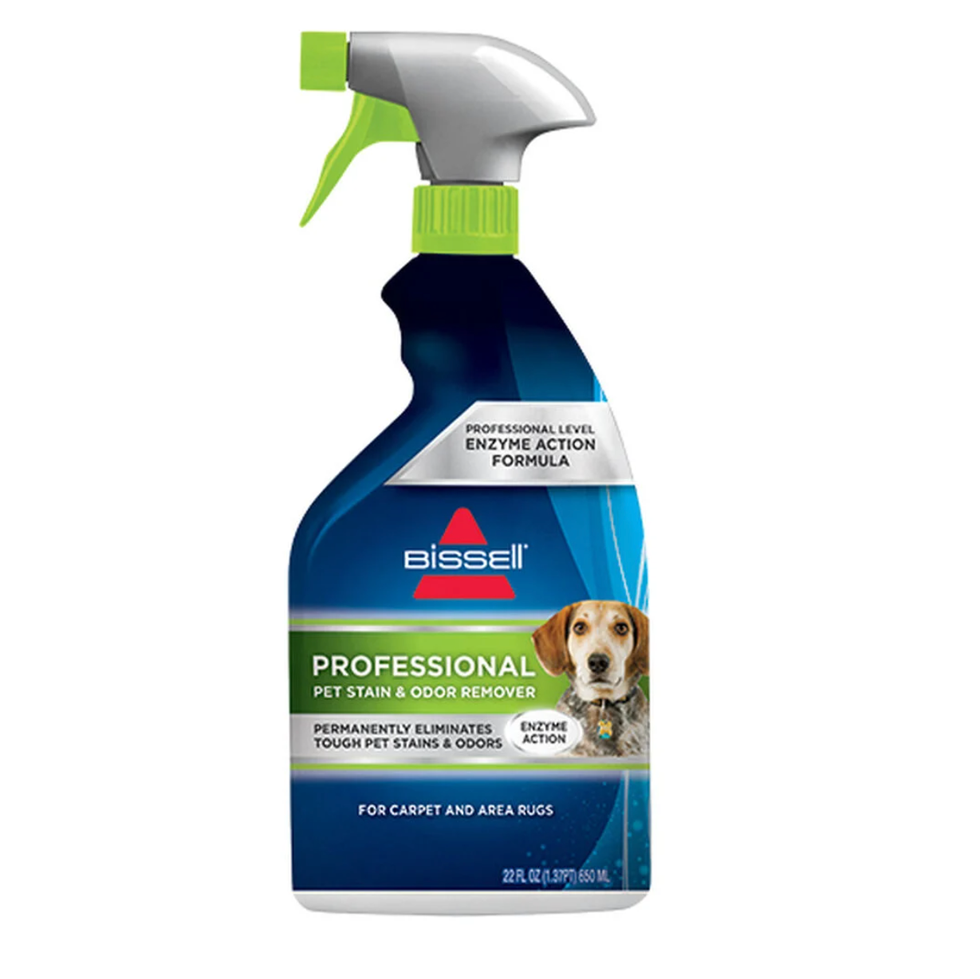
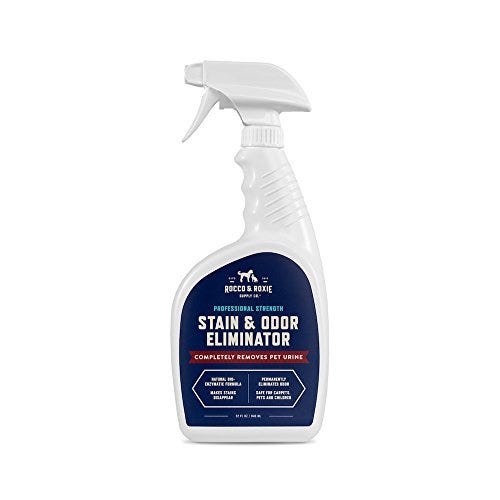
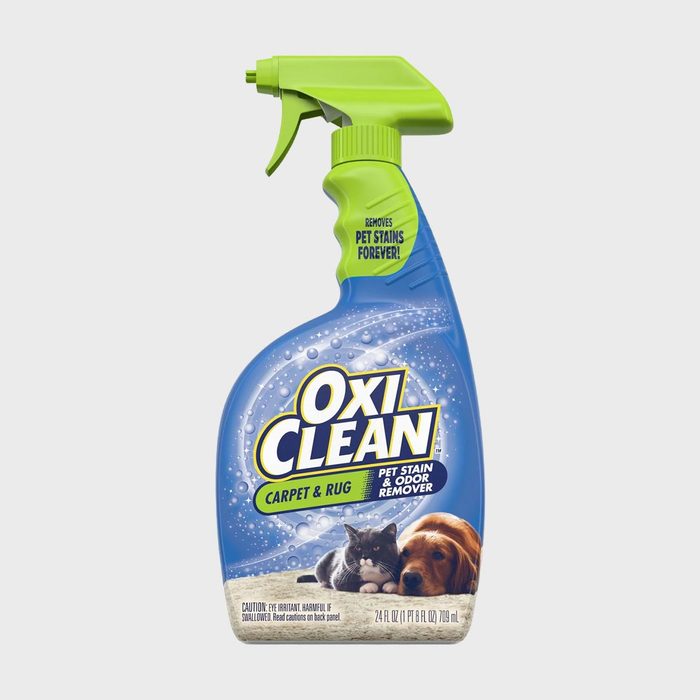
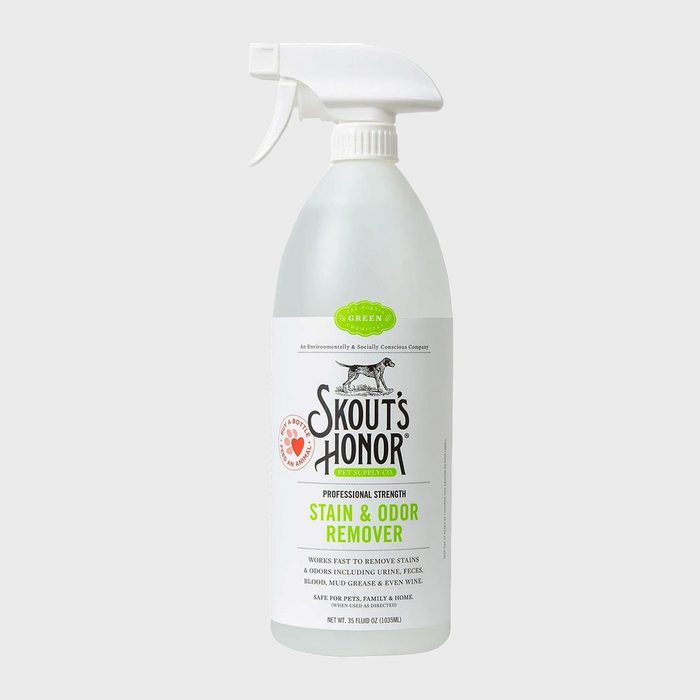
Water rings on wood surfaces are addressed by wiping with a damp cloth and drying, or by applying non-gel toothpaste, car polish, or mayonnaise. Pet accidents on carpet are treated by removing solids, blotting, and then using an enzymatic pet-stain cleaner or a cleaning solution with white vinegar. Finally, the guide acknowledges that some stains, like permanent ink and hair dye, are exceptionally difficult to remove, often requiring professional assistance without guarantee of success. It concludes with common stain-removal mistakes, including drying a stained item before the stain is fully removed, using chlorine bleach on all fabrics, and using excessive detergent.
#StainRemoval #CleaningGuide #HouseholdTips #FabricCare #HomeMaintenance #UpholsteryCleaning #CarpetCleaning #SurfaceCare #DIYCleaning #StainRemoval #CleaningGuide #HouseholdTips #FabricCare #HomeMaintenance #UpholsteryCleaning #CarpetCleaning #SurfaceCare #DIYCleaning
0 comment in total
 No comments yet
You may also like
13 Top Reviewed Products That Will Help Remove Stains

The Best Upholstery Cleaners to Make Stubborn Stains Disappear

6 of the best upholstery cleaners — stain-removing solutions and machines that work

5 Easy Ways to Get Rid of Red Wine Stains

The 6 Best Stain Removers of 2026 | Reviews by Wirecutter

How to clean red wine stains off upholstery and save your couch


The Christmas Stain Removal Guide
The Best Upholstery Cleaners for Stains, Odors, and Everyday Messes

Red Wine Stain Removal: Step-by-Step Instructions for Any Surface

How to Remove Every Type of Stain in a Few Simple Charts

The Best Carpet Stain Removers to Tackle Fresh and Set Stains

10 Best Upholstery Cleaners to Tackle Every Kind of Stain
How to get stains out of almost anything


How to clean a linen sofa to keep it in pristine condition – even in a busy family home

How to Get Red Wine Stains Out of White Marble Countertops


How to Protect Fabric Furniture From Stains and Dirt
10 best stain removers for clothes, tried and tested on heavy stains

Best carpet stain removers, tested and reviewed
12 Best Pet Stain Removers That Erase Every Trace of Messy Fur Babies
Successful Staining