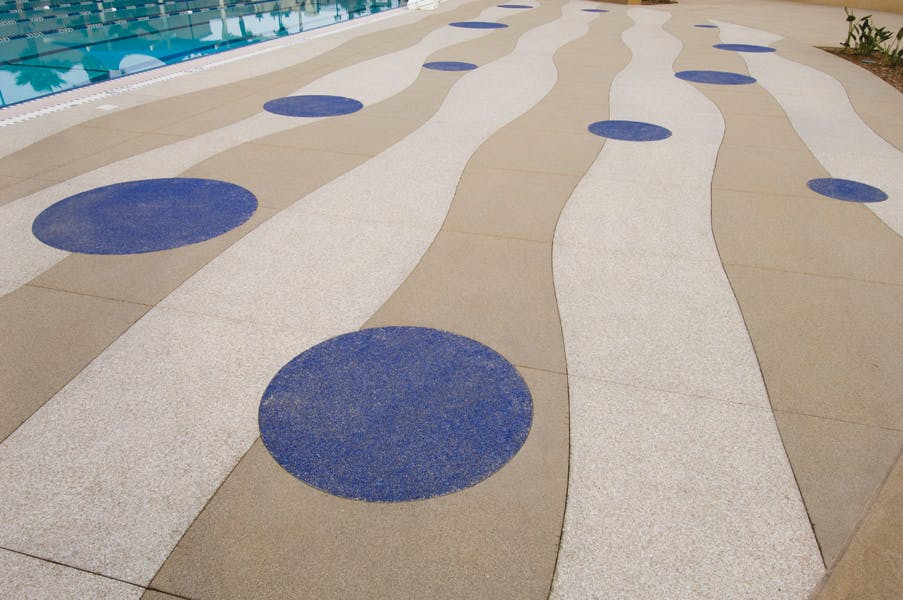
Successful Staining
Achieving successful concrete staining requires careful attention to communication, understanding the concrete's characteristics, and considering environmental factors. Contractors frequently encounter issues such as inadequate stain penetration, color inconsistencies, and faded coloring. These problems are often preventable through thorough preparation and clear communication with clients and other contractors involved in a project.
Effective communication is paramount. If there are known concrete or environmental conditions that might influence the final color of the stain, these should be discussed with the customer. It is important to explain potential issues, their causes, and available solutions to mitigate them. Manufacturers can sometimes assist in these discussions by providing technical details about product chemistry and performance. When multiple contractors are on a job site, informing them about potential pitfalls, such as tire marks or material spills (paint, oil) that can affect stain absorption or visibility, is crucial. Any items left on the slab during curing can also create shadows that stains may not conceal, and might even accentuate.
Understanding the concrete itself is another critical aspect. Before applying stain, a comprehensive site survey should identify any existing issues. The concrete's properties, such as its psi strength or level of polish, directly impact how well a stain can penetrate and produce color. Tighter concrete surfaces, for example, present more challenges for stain absorption. The type of stain selected should also be compatible with the concrete's density; some water-based pigments with larger grains may not penetrate as effectively into very dense concrete. The concrete mix, including additives like fly ash, can also alter the chemical reaction of acid stains. The age and prior use of the concrete are significant; older or heavily trafficked concrete may have absorbed contaminants. Proper cleaning is essential, often involving a silicone carbide impregnated nylon brush and water, possibly with a non-film forming detergent for grease removal.
If the concrete has been previously sealed, the sealer must be completely removed, typically by grinding, as stains cannot penetrate existing sealers. Applying stain over a sealer will result in diminished or no color. Contractors should also test the concrete's moisture content, as excessive moisture can hinder penetration and color development. A simple thumb test can indicate moisture presence. Furthermore, checking the pH levels of the concrete is necessary, as a pH lower than 10.5 can impede the development of darker acid stain colors, which tend to be more acidic. Inconsistent pH levels across the slab can lead to color variations. When applying acid stain, an excessively thick application can prevent proper chemical reaction and color development if some material does not directly contact the concrete.
Environmental conditions, both indoors and outdoors, significantly affect staining outcomes. High temperatures can cause moisture to rise within the concrete, blocking stain penetration. Conversely, low temperatures slow the chemical reaction of acid stains, potentially leading to unintended colors. For water-based stains, low temperatures can impede drying and curing. Humidity also plays a role: low humidity can cause stains to dry too quickly, preventing penetration, while high humidity prolongs drying times. Strong winds can accelerate drying. To counteract rapid drying, dampening the concrete before staining is suggested.
Preventative measures include thorough cleaning, sanding, or grinding the concrete surface. Applying a cementitious topping can create a fresh, uniform surface free from original imperfections and can also be colored to influence the final stain result. Often, staining problems are localized rather than affecting the entire slab. If initial preparation does not resolve issues, options for correction include grinding the surface and reapplying color. For acid stains that did not take well, a water-borne stain or dye system that does not rely on a chemical reaction might be considered. Any repair work should be mocked up for owner approval. Finally, before applying a sealer over the entire surface, ensuring the customer is satisfied with the color and that all issues are resolved is crucial for a successful outcome.
#ConcreteStaining #DecorativeConcrete #ConstructionBestPractices #SurfacePreparation #EnvironmentalFactors #ConcreteChemistry #MoistureTesting #PHLevels #ColorVariation #ConcreteStaining #DecorativeConcrete #ConstructionBestPractices #SurfacePreparation #EnvironmentalFactors #ConcreteChemistry #MoistureTesting #PHLevels #ColorVariation
0 comment in total
 No comments yet
You may also like

The Ultimate Stain-Removal Guide

We're Over White-Washed Woods: See the Colors of the Year from 4 Major Stain Companies


Wood Stain | Exterior Wood Stain & Paints


Spotlight: Wait for the just-right conditions before tackling any exterior painting and staining


The Dye Is Cast

We Spent 20+ Hours Testing the Best Fence Stains. Our Top Choice Will Make Your Fence Look Like New
5 Easy Ways to Get Rid of Red Wine Stains


18 best spot cleaners and spot washers for eliminating dirt and spills


Best Wood Stain Colors For Interior And Exterior Surfaces

The best way to stain wood – 4 time-saving tips from the experts


Stripe drenching is the hot new twist on colour drenching

How to clean a linen sofa to keep it in pristine condition – even in a busy family home
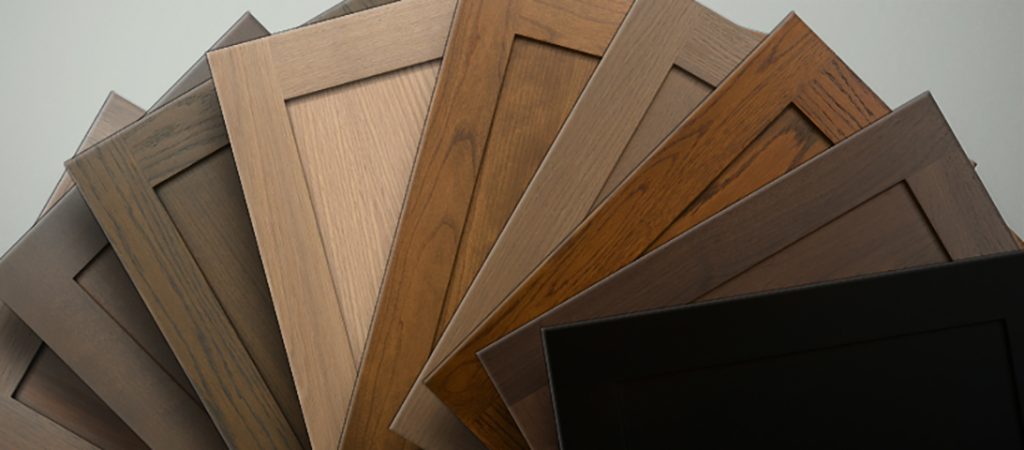
Cabinet Stain Selection

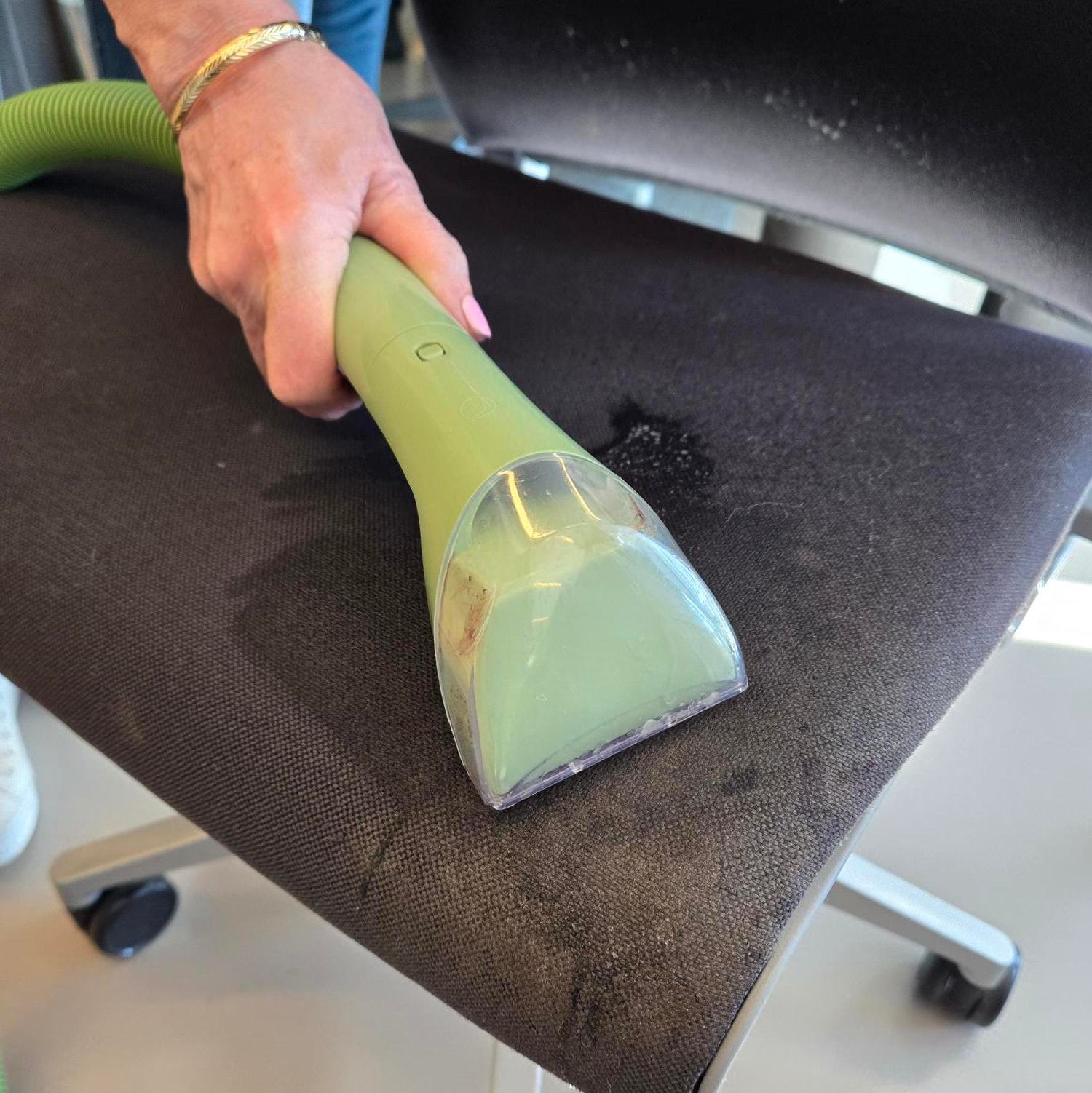
The Best Upholstery Cleaners to Make Stubborn Stains Disappear


How to clean red wine stains off upholstery and save your couch


Grout Expectations: Ways to Play With Tinted Paste

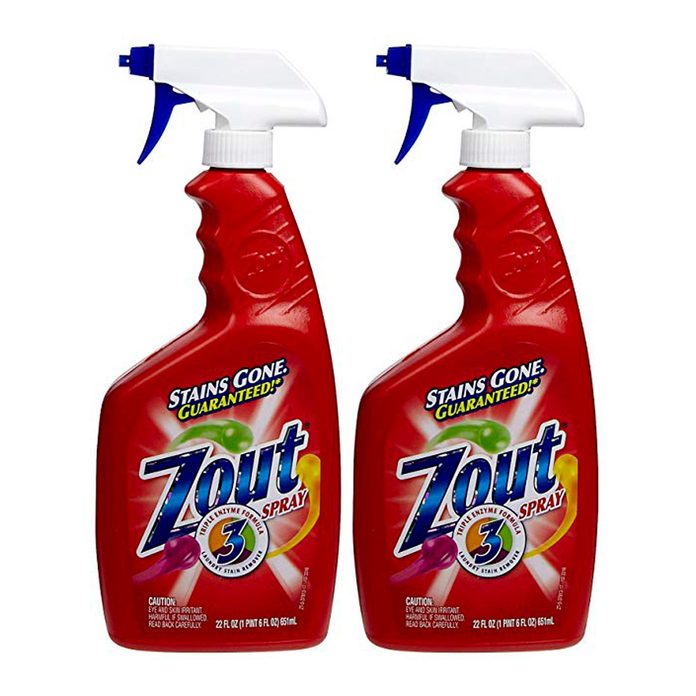
13 Top Reviewed Products That Will Help Remove Stains

The 6 Best Stain Removers of 2026 | Reviews by Wirecutter


'It's so effective at making your home work harder' – the latest paint trend endorsed by colour gurus

How to Stain Wood Like a Pro—and Get It Right the First Time