How to Remove Every Type of Stain in a Few Simple Charts
This comprehensive guide provides practical solutions for removing various types of stains using common household items and cleaning products. It emphasizes the importance of a well-stocked stain-fighting kit, acting quickly when stains occur, and avoiding drying garments until stains are fully removed. The article outlines methods tested by Real Simple editors and experts, including Donna Smallin Kuper, a certified housecleaning technician, and Kevin Tibbs, a formulation scientist and creator of Better Life cleaning products.
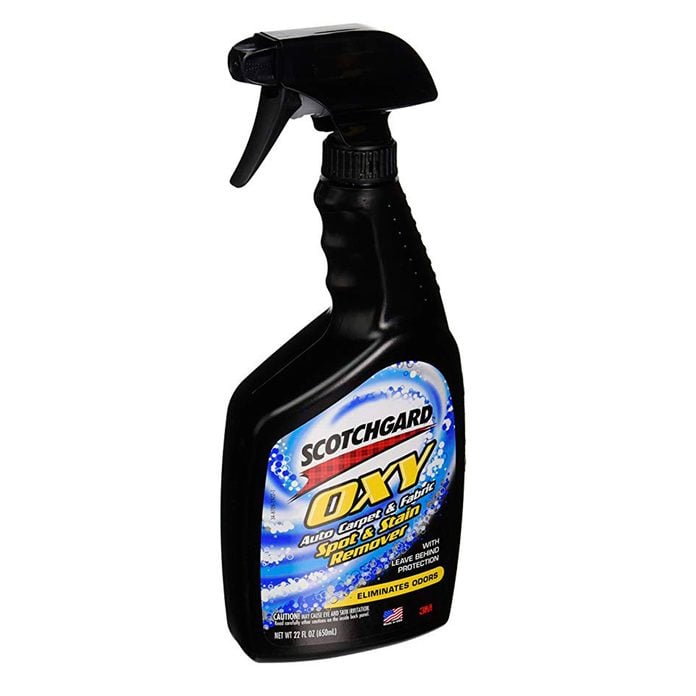
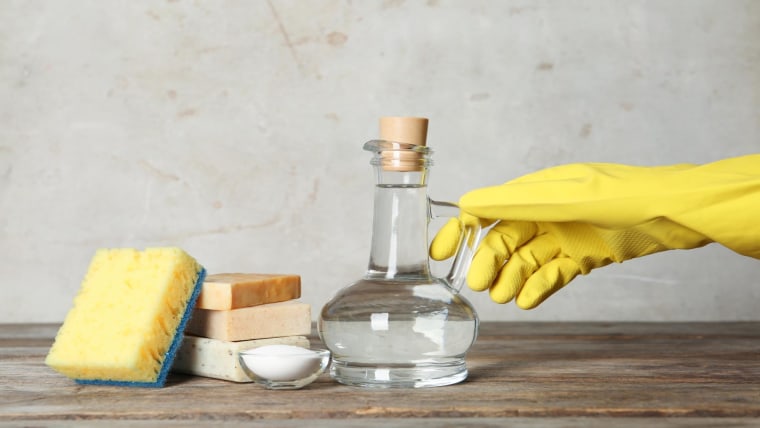
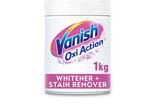
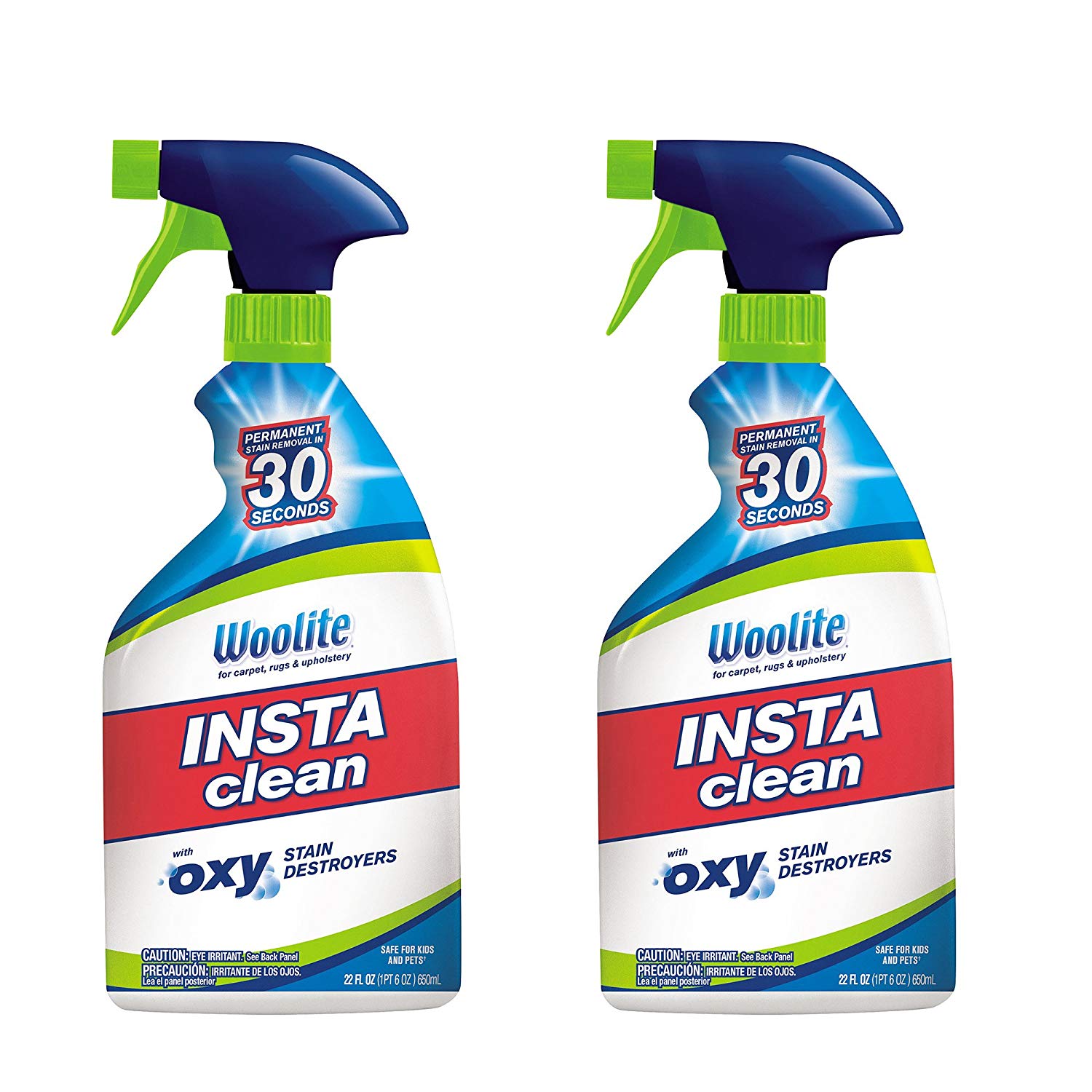
The initial section focuses on assembling a stain-fighting kit, recommending essential items such as dish soap, hydrogen peroxide, white vinegar, table salt, detergent, cornstarch, color-safe bleach, rubbing alcohol, ammonia, and stain removal spray. A crucial safety note is included, warning against combining bleach and ammonia due to the production of toxic gas.
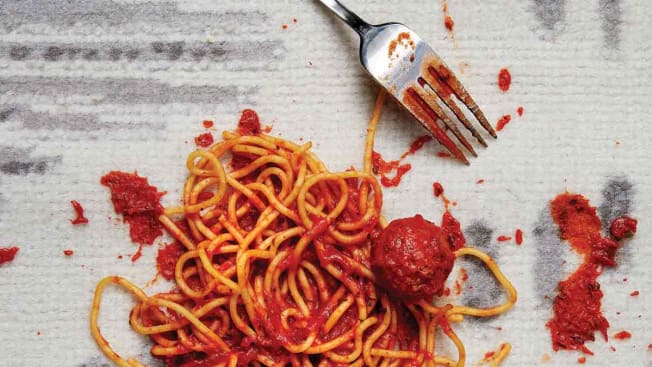
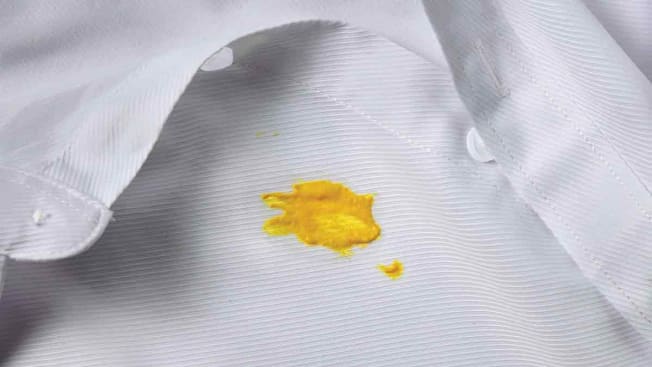
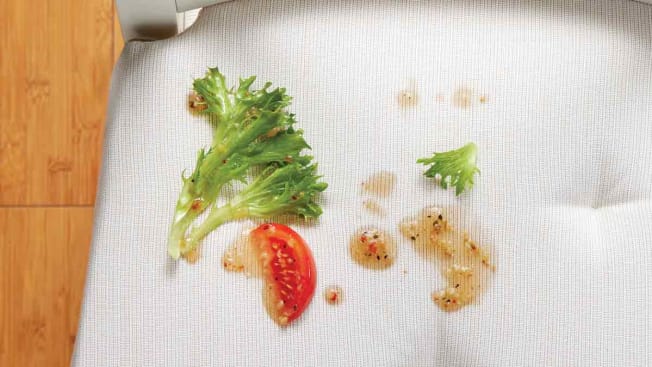
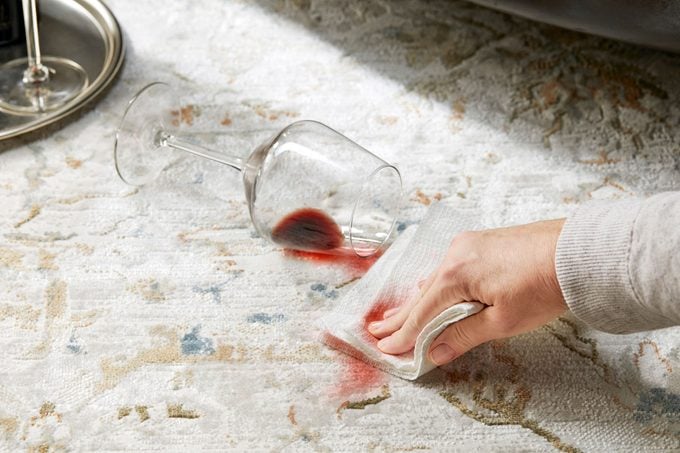
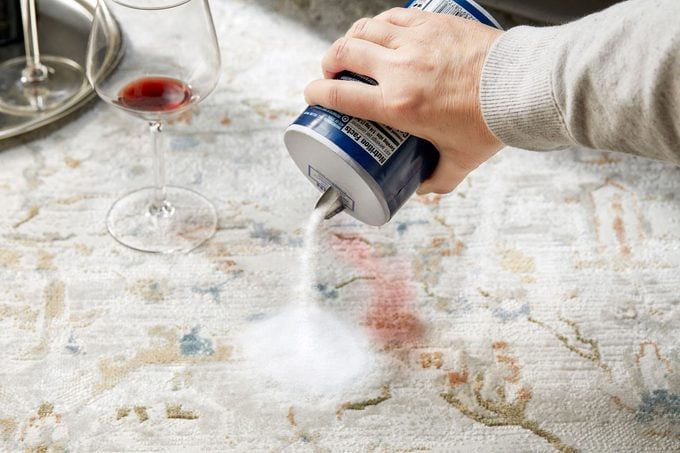
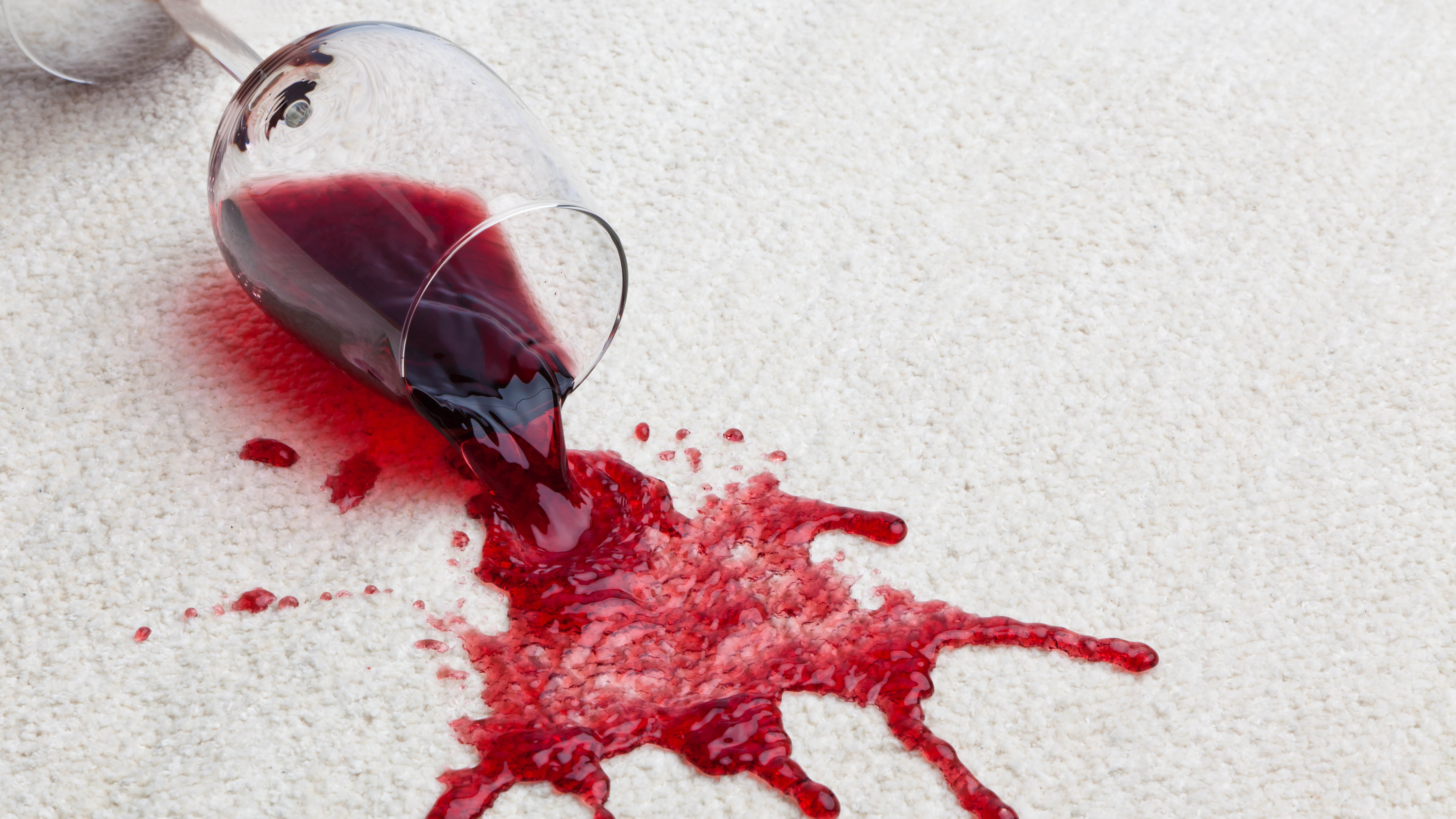
The article then details how to tackle food and drink stains. For berries, a hydrogen peroxide and dish soap solution is recommended after scraping off excess. Chocolate stains are addressed with a dish soap solution and detergent. Gum can be frozen with an ice cube, chipped away, and then treated with lubricant and dish soap. Ice cream stains require rinsing with cool water, pretreatment, and soaking in detergent. Juice stains are treated with a dish soap solution, and if persistent, an ammonia solution. Red wine stains involve coating with salt and pouring boiling water, while white wine stains are flushed with cold water, dish soap solution, and enzyme detergent. Tomato sauce is scraped, treated with dish soap, and potentially white vinegar. Mustard is flushed with white vinegar, then treated with dish soap. Ketchup is pretreated with Shout, and any remaining stain can be lightened with white vinegar. Salad dressing is absorbed with cornstarch, then treated with Shout.
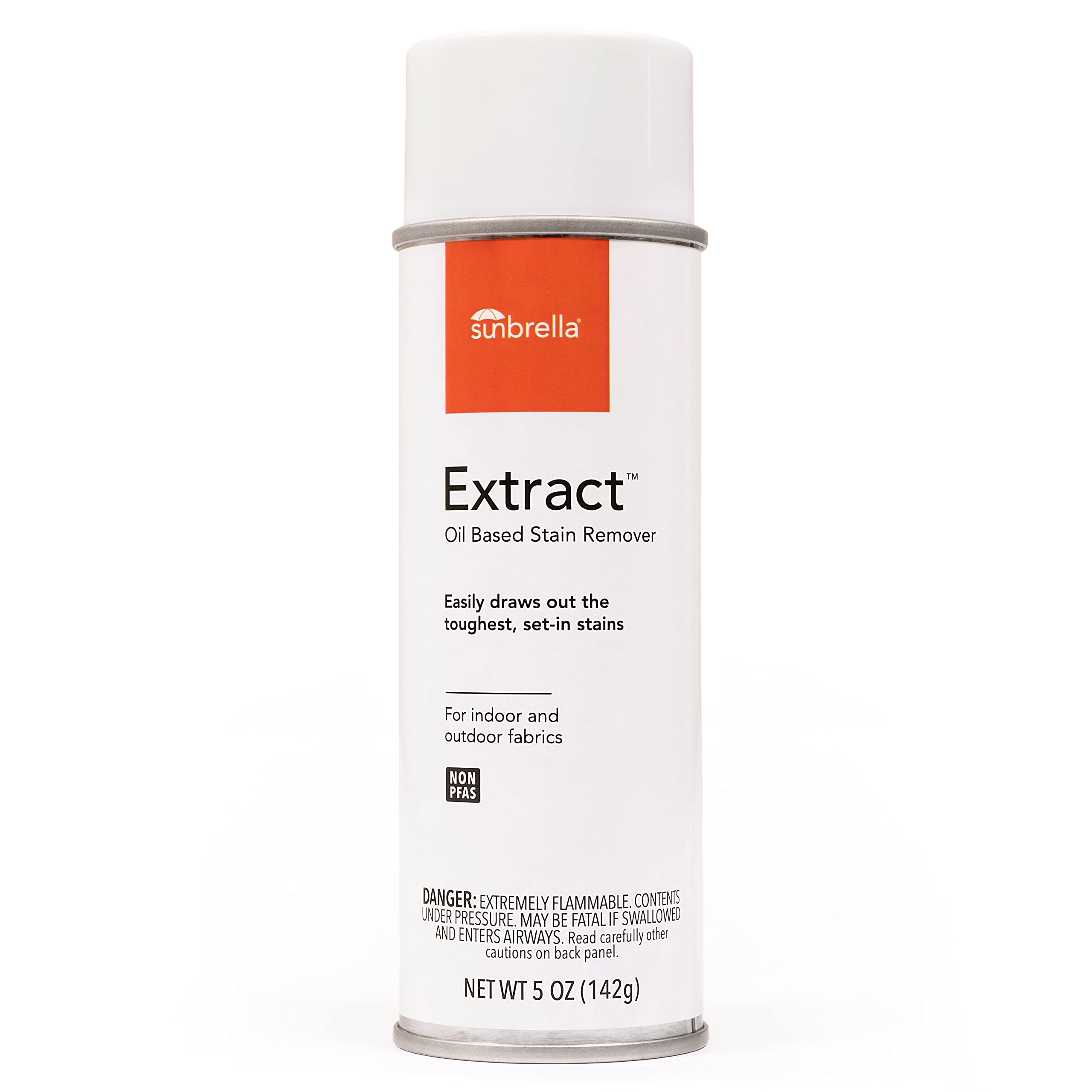
Next, the guide covers makeup stains. Nail polish stains are placed facedown on paper towels, treated with nail polish remover from the back, and rinsed (with a caution for acetate/triacetate fabrics needing dry cleaning). Foundation and mascara stains are treated with rubbing alcohol applied with a cotton swab. Lipstick can be spritzed with hairspray and wiped. Deodorant stains are addressed with a mixture of white vinegar and water, followed by a soak in distilled white vinegar. Outdoor and household stains are also covered. Grass stains are treated with Shout. Dirt or mud is scraped off when dry, then cleaned with diluted gentle detergent, and if necessary, a white vinegar solution. Sap is scraped, dabbed with rubbing alcohol, blotted, and potentially pretreated with detergent. Candle wax is frozen with an ice cube, chipped away, and then treated with boiling water. Ink from ballpoint pens requires a petroleum jelly "dam," rubbing alcohol, mineral spirits, and a dish soap solution. Permanent marker stains are treated with Amodex ink and stain remover. Grease is covered with liquid detergent, dampened, and scrubbed. Crayon stains are scraped, then pressed with a warm iron onto paper towels, followed by stain remover and detergent. Paint, whether dried acrylic or water-based, is wiped away, then sponged with diluted detergent to soften and remove excess.
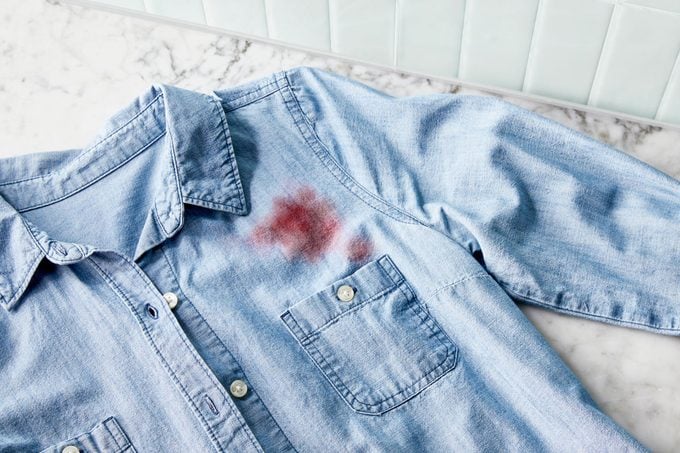
Finally, the article addresses stains from unpleasant substances. Poop stains are scraped, rinsed with cold water, pretreated with detergent, and disinfected with bleach. Wet blood stains are soaked in water and dabbed with ammonia, while dry ones are soaked in salt water, then treated with an ammonia solution. Vomit is scraped, pretreated with Shout, and disinfected with bleach. Underarm yellowing is treated with shampoo for fresh stains or a paste of digestive enzyme tablets for older ones. Baby formula is dabbed with detergent and soaked. Collar rings are pretreated with Shout, and then ammonia or white vinegar. Pet urine is dabbed with detergent.
General tips include acting fast, washing according to care labels, starting with mildest solutions, and never drying garments until the stain is completely gone to prevent setting.
#StainRemoval #CleaningTips #HouseholdHacks #LaundryCare #HomeOrganizing #DIYCleaning #FabricCare #StainFighters #StainRemoval #CleaningTips #HouseholdHacks #LaundryCare #HomeOrganizing #DIYCleaning #FabricCare #StainFighters
0 comment in total
 No comments yet
You may also like
The Ultimate Stain-Removal Guide
How to clean red wine stains off upholstery and save your couch

10 best stain removers for clothes, tried and tested on heavy stains

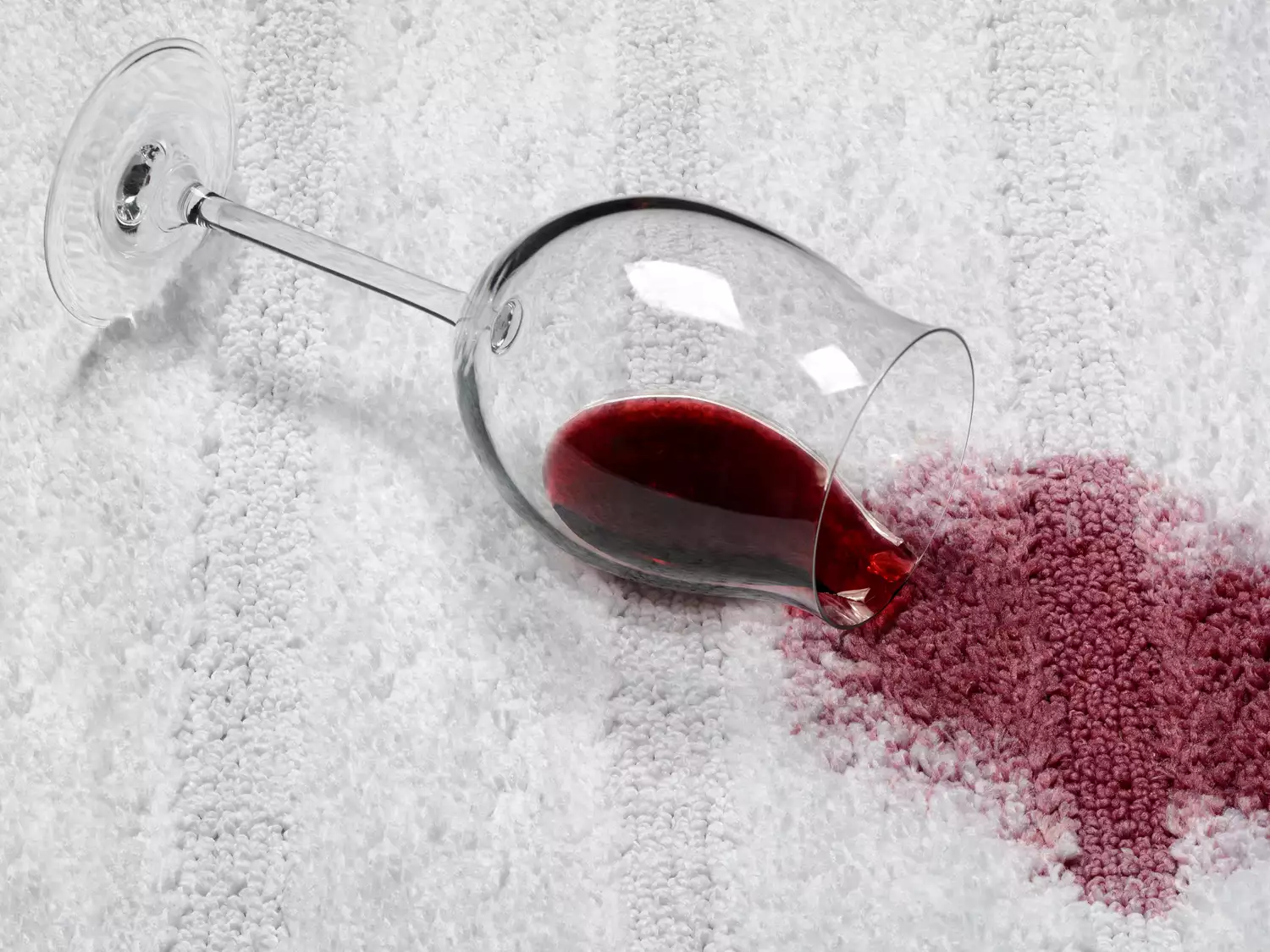
The Best Ways to Remove Red Wine Stains, According to Experts

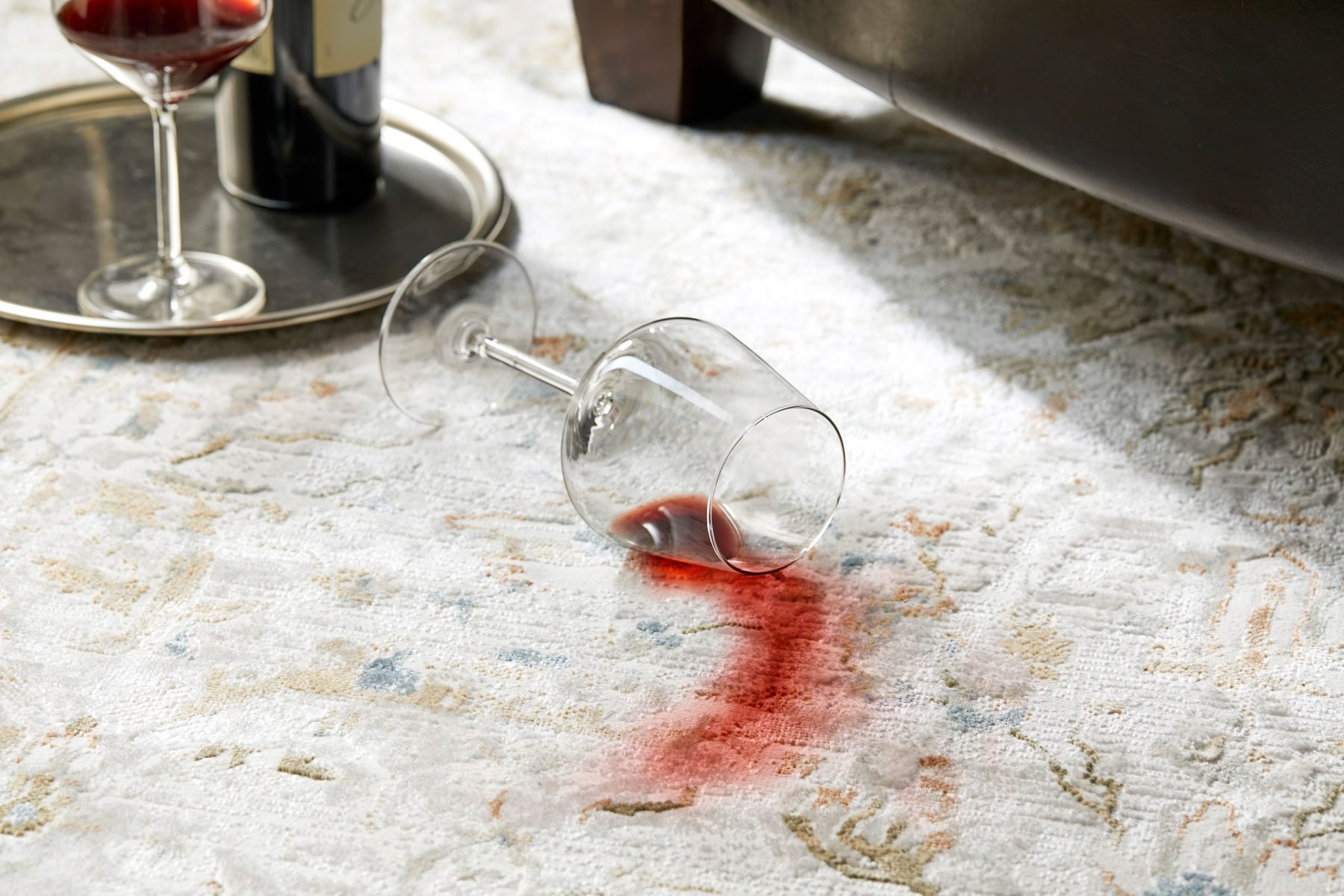
Red Wine Stain Removal: Step-by-Step Instructions for Any Surface

The 6 Best Stain Removers of 2026 | Reviews by Wirecutter

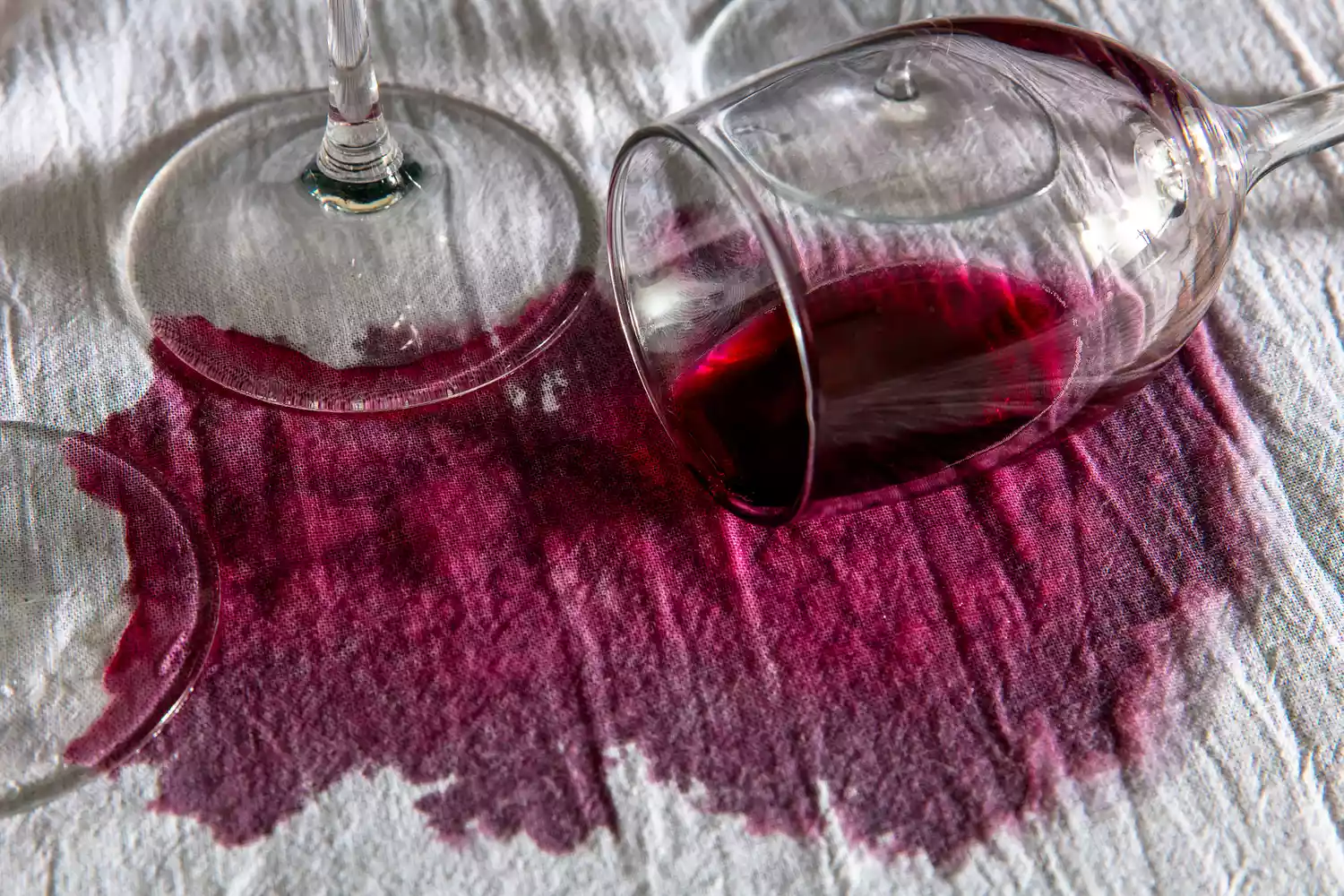
5 Easy Ways to Get Rid of Red Wine Stains

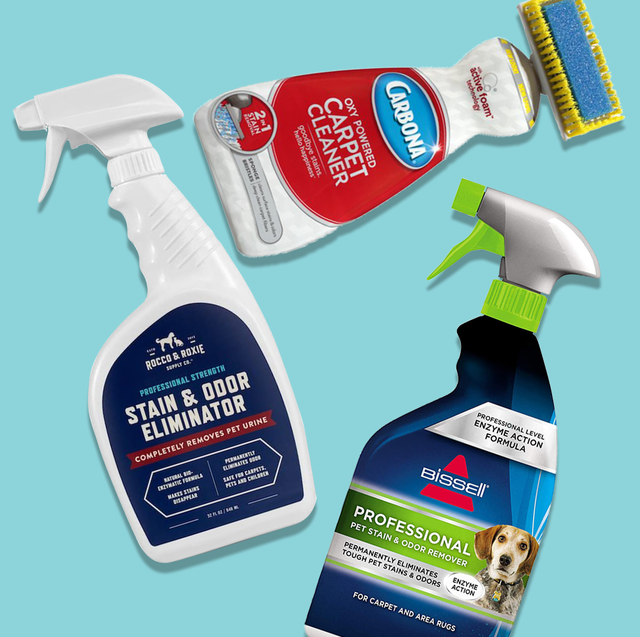
The Best Carpet Stain Removers to Tackle Fresh and Set Stains

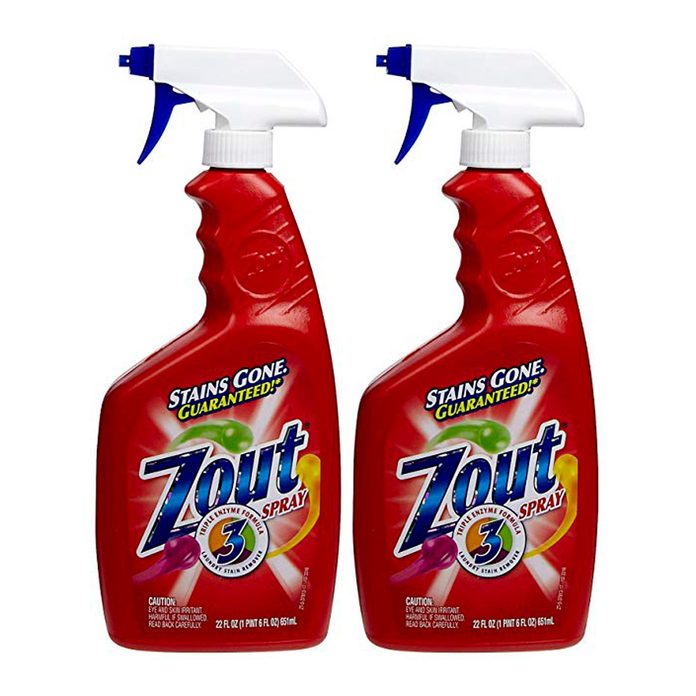
13 Top Reviewed Products That Will Help Remove Stains


The Christmas Stain Removal Guide
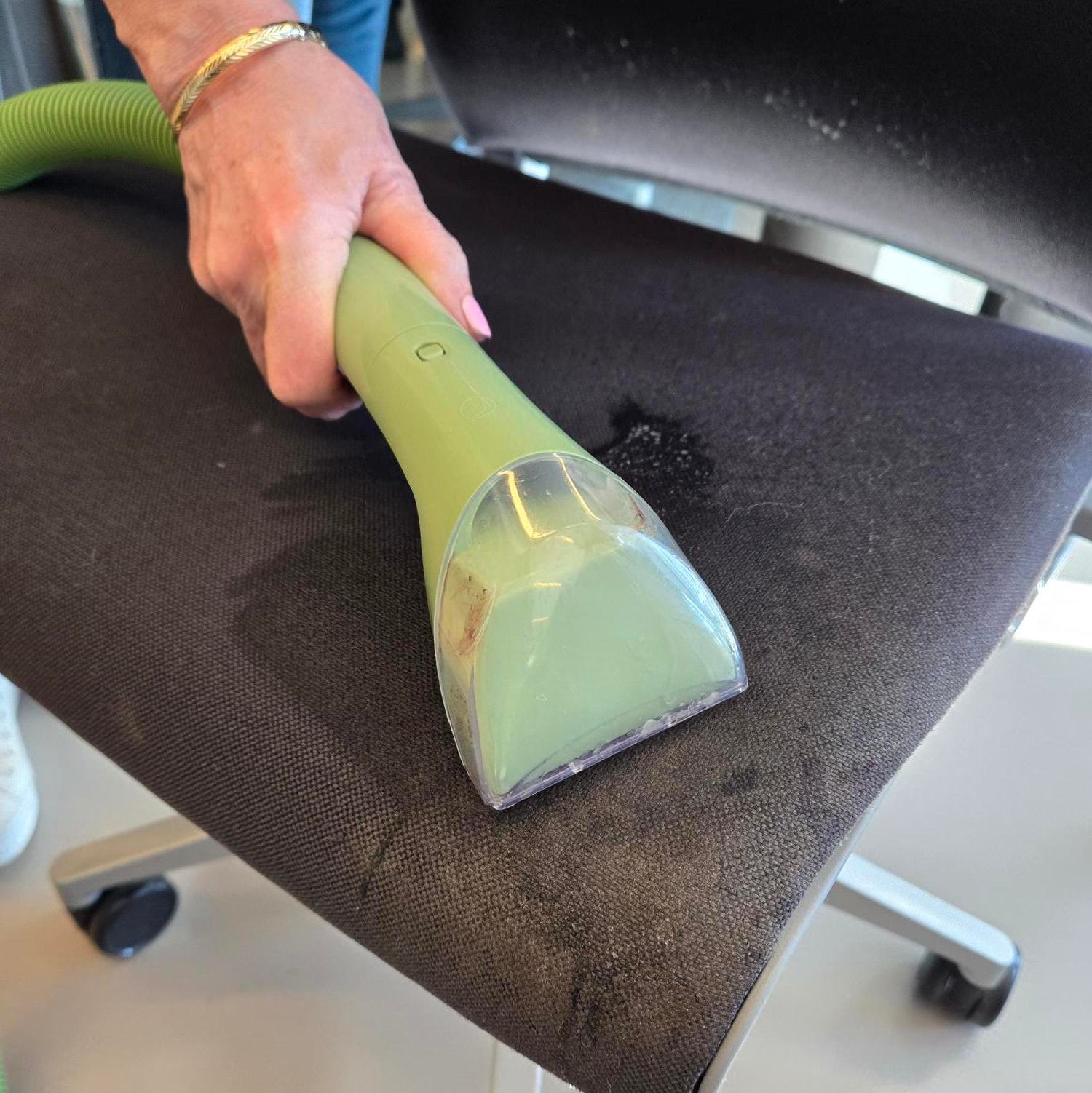
The Best Upholstery Cleaners to Make Stubborn Stains Disappear

Chemical engineer insists a kitchen staple removes all water stains from shower doors - only a teaspoon is needed

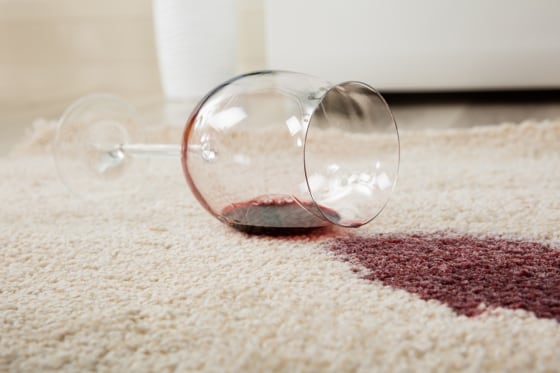
How to get stains out of almost anything

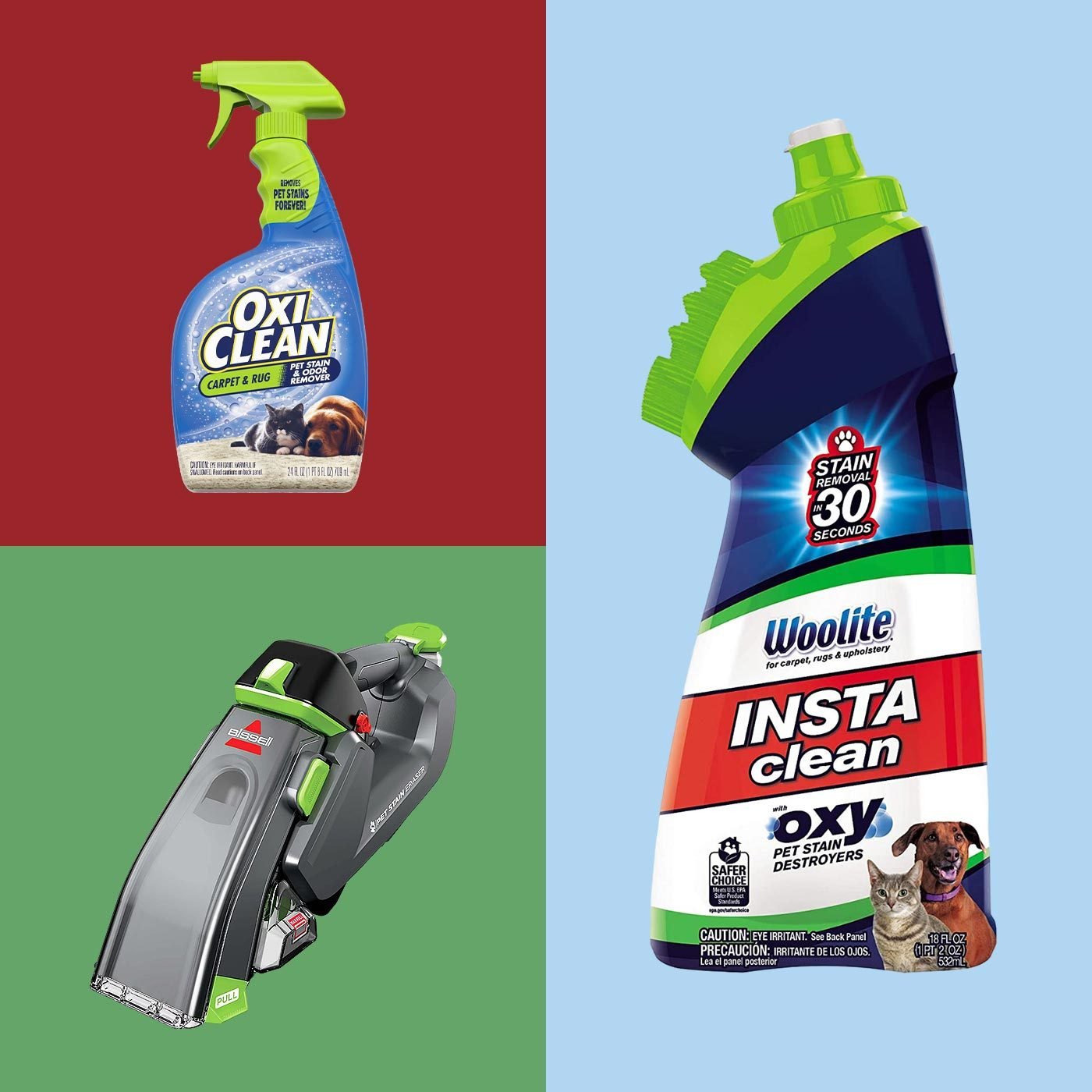
12 Best Pet Stain Removers That Erase Every Trace of Messy Fur Babies
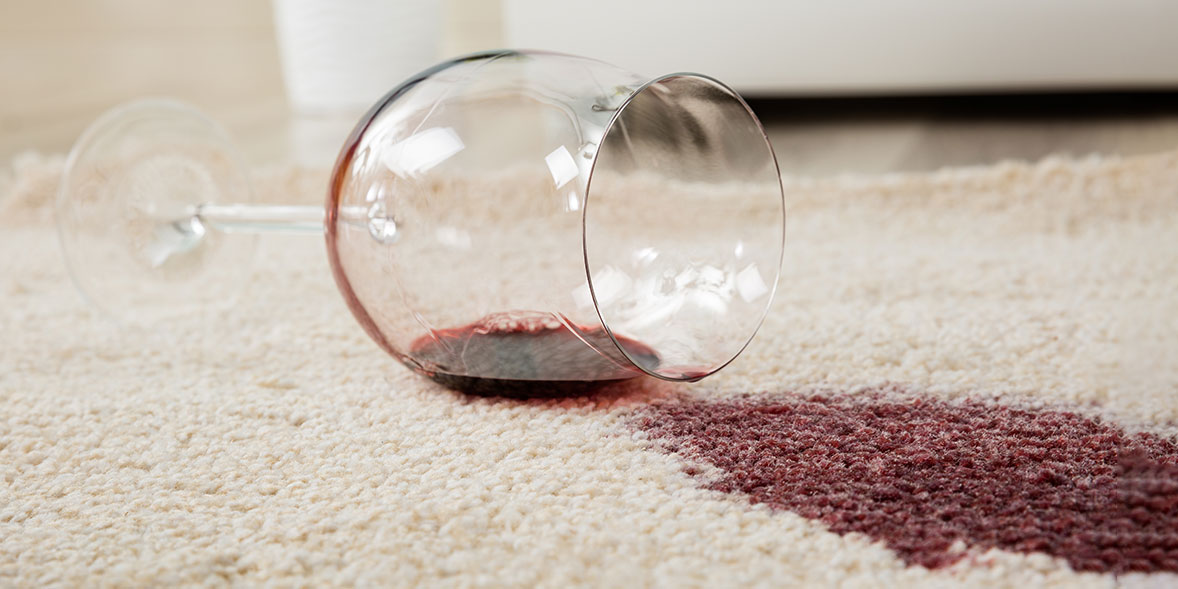
Best carpet stain removers, tested and reviewed
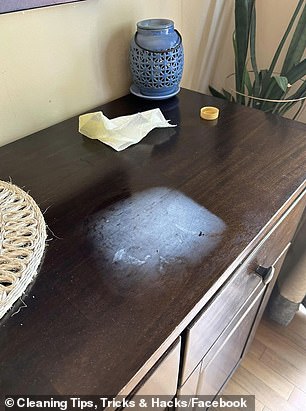
Mum's simple hack to remove stains from wooden furniture using a common pantry item

How to Get Red Wine Stains Out of White Marble Countertops

10 Best Upholstery Cleaners to Tackle Every Kind of Stain

How to clean a linen sofa to keep it in pristine condition – even in a busy family home

Commonly-Stained Kitchen Surfaces—And How to Make Them Look Brand New Again