Finally, A Realistic Cleaning Plan That's Easy to Follow, Thanks to This Cleaning Expert
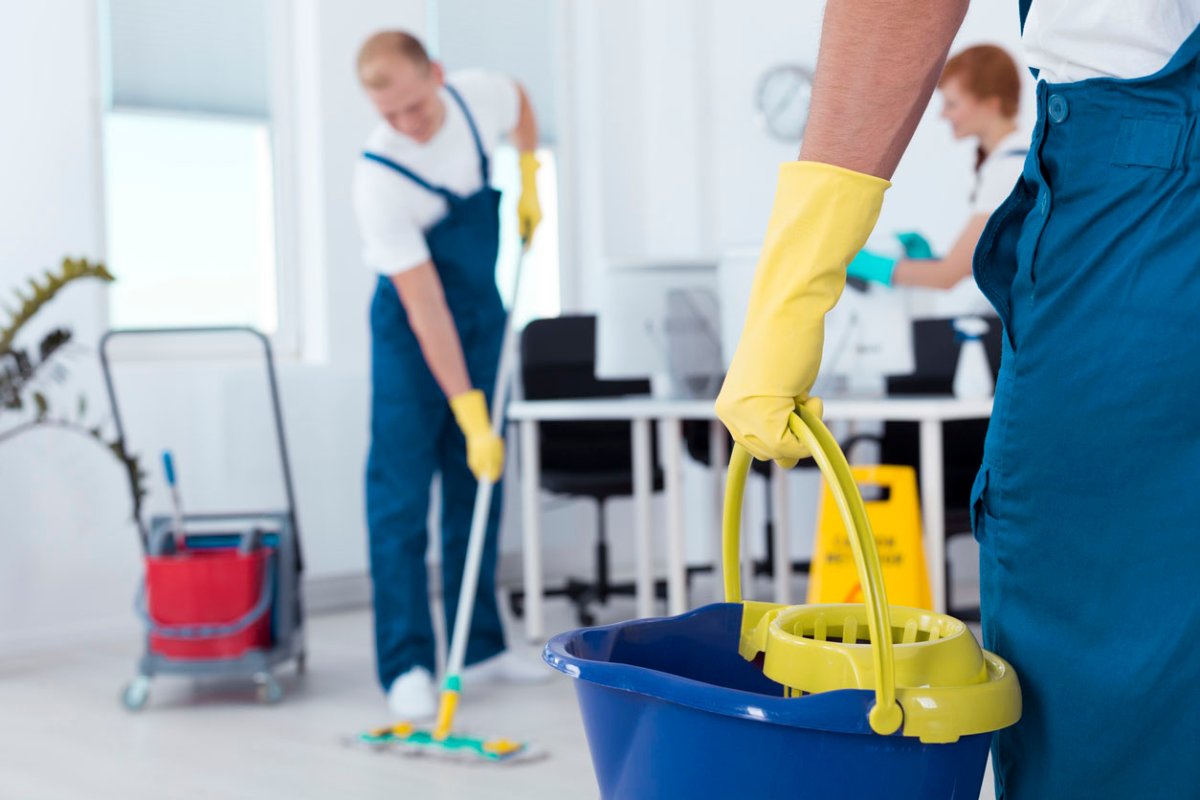
Maintaining a clean home can seem like a daunting task, but a structured approach can simplify the process, save time, and ensure a consistently tidy living space. The key is to establish a personalized cleaning plan or routine that aligns with individual household needs and preferences. This involves identifying daily, weekly, and monthly chores and integrating them into a manageable schedule.
Daily essential tasks include making the bed, wiping down kitchen and bathroom counters, tackling laundry, putting away misplaced items, clearing clutter, and promptly cleaning spills on floors. These small, consistent efforts prevent accumulation and maintain a baseline level of cleanliness.
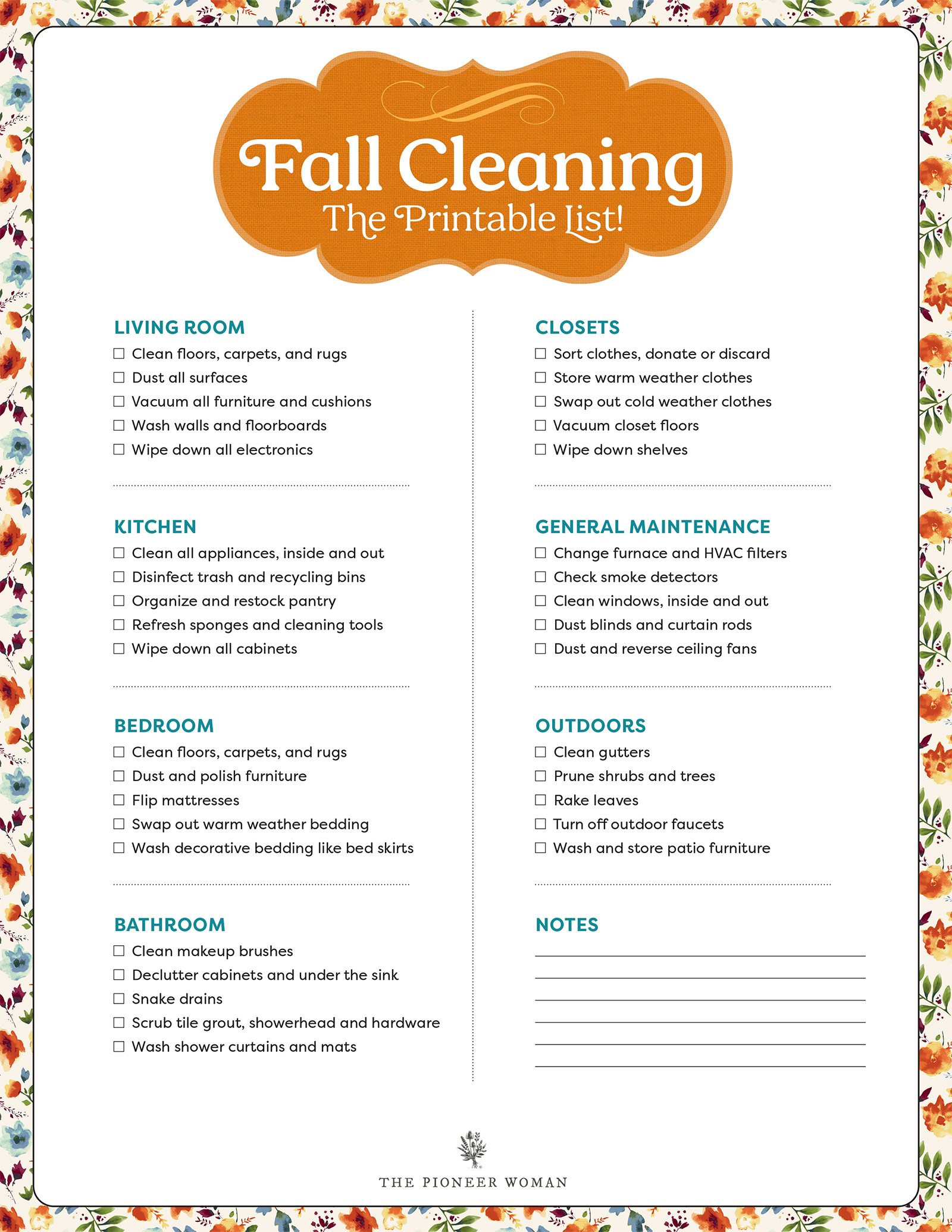
Weekly chores can be allocated to specific days, allowing for focused attention on particular areas. Examples include dedicating a day to cleaning bathrooms, another to dusting, vacuuming, or mopping floors, and setting aside time for changing bed linens. This systematic rotation ensures all areas receive regular attention without overwhelming any single day. The remaining days of the week can be used for catching up on missed tasks or addressing larger projects like organizing a pantry or cleaning the garage.
Monthly tasks, while less frequent, are crucial for deeper cleaning and maintenance. These may involve cleaning baseboards, washing pillows, throws, and heavy bedding, cleaning appliances, changing HVAC filters, vacuuming and cleaning upholstery, and washing windows. Integrating these tasks once a month helps prevent extensive build-up and keeps the home thoroughly clean.
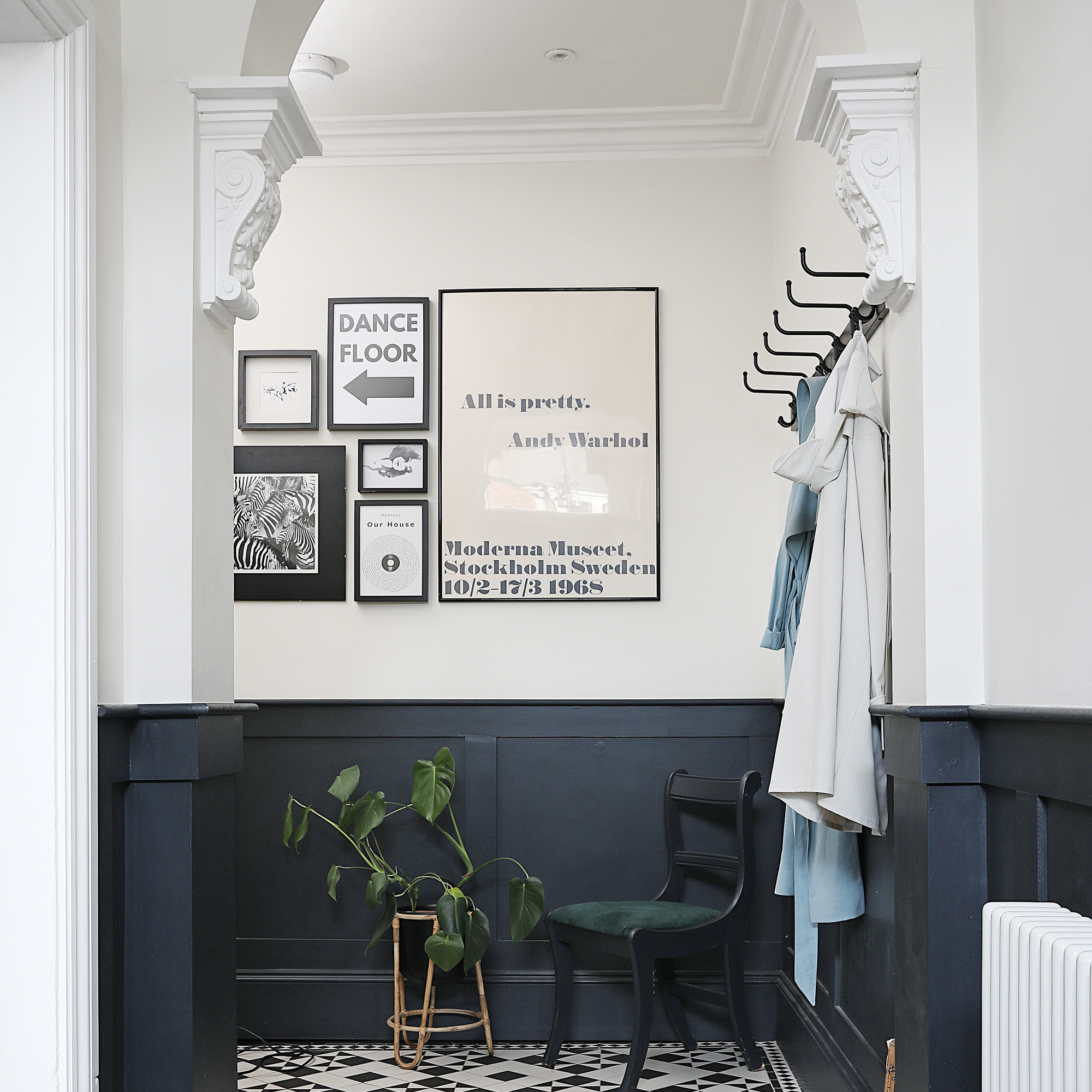
Effective cleaning also heavily relies on tidying up and decluttering. One daily "must-do" is addressing clutter that tends to accumulate in high-traffic areas like entryways, kitchens, living spaces, and bedrooms. Developing habits such as immediately putting items back in their designated places (e.g., shoes in a basket, keys on a hook) significantly reduces visual clutter. Staying on top of laundry by doing a load daily prevents large piles from forming. Utilizing baskets to separate laundry and setting a routine for washing, drying, folding, and putting away clothes before bedtime helps manage this ongoing task. Additionally, dedicating 10 minutes before bed to prepare for the next day, such as gathering necessary items, further contributes to an organized home.
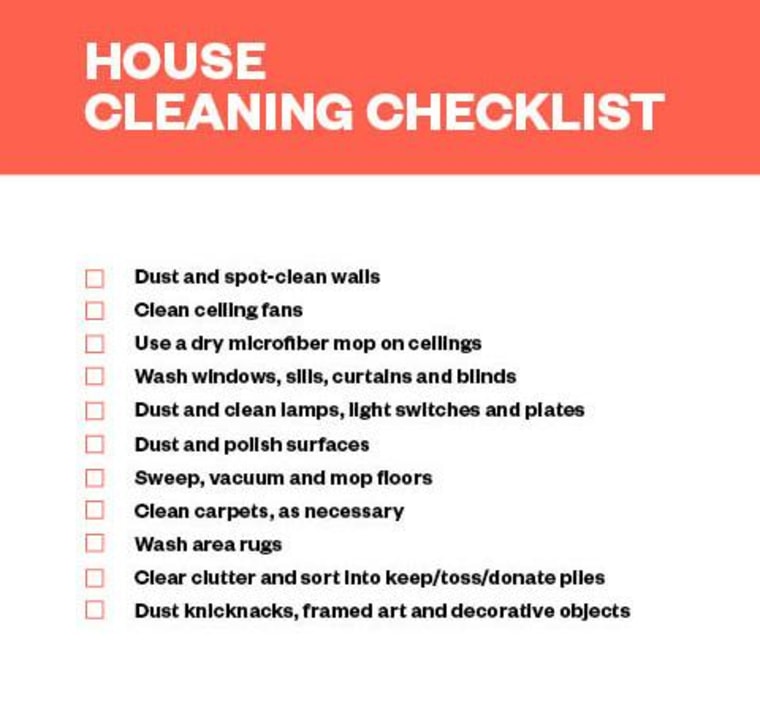
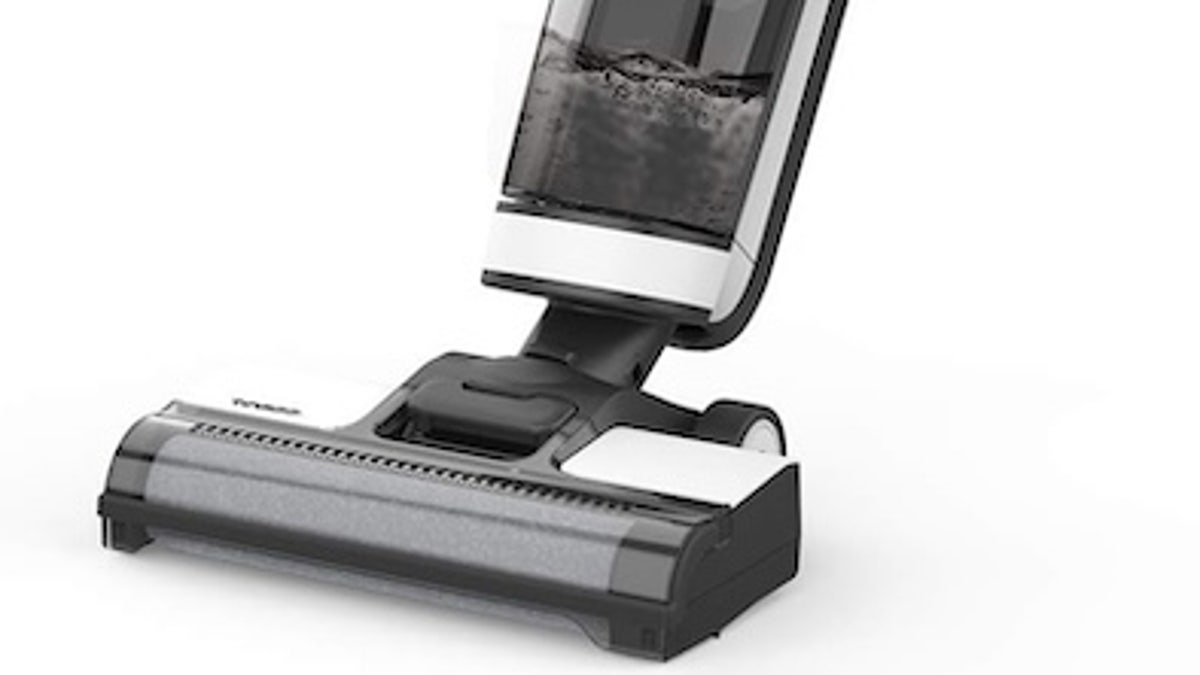
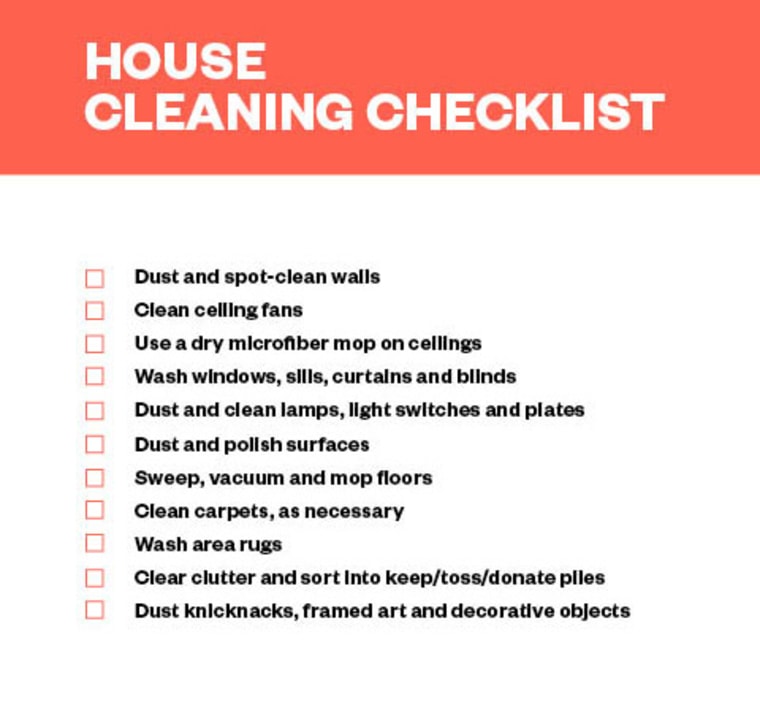
When undertaking more thorough cleaning, a "top-down" approach is recommended. This involves starting from the highest points in a room, such as ceiling fans and light fixtures, and working downwards to furniture, surfaces, and finally the floor. This method ensures that dust and debris fall downwards, preventing the need to re-clean surfaces. Alternatively, cleaning can proceed in a clockwise or counter-clockwise direction around a room to ensure no section is overlooked. Specific cleaning guidelines are provided for different areas of the home.
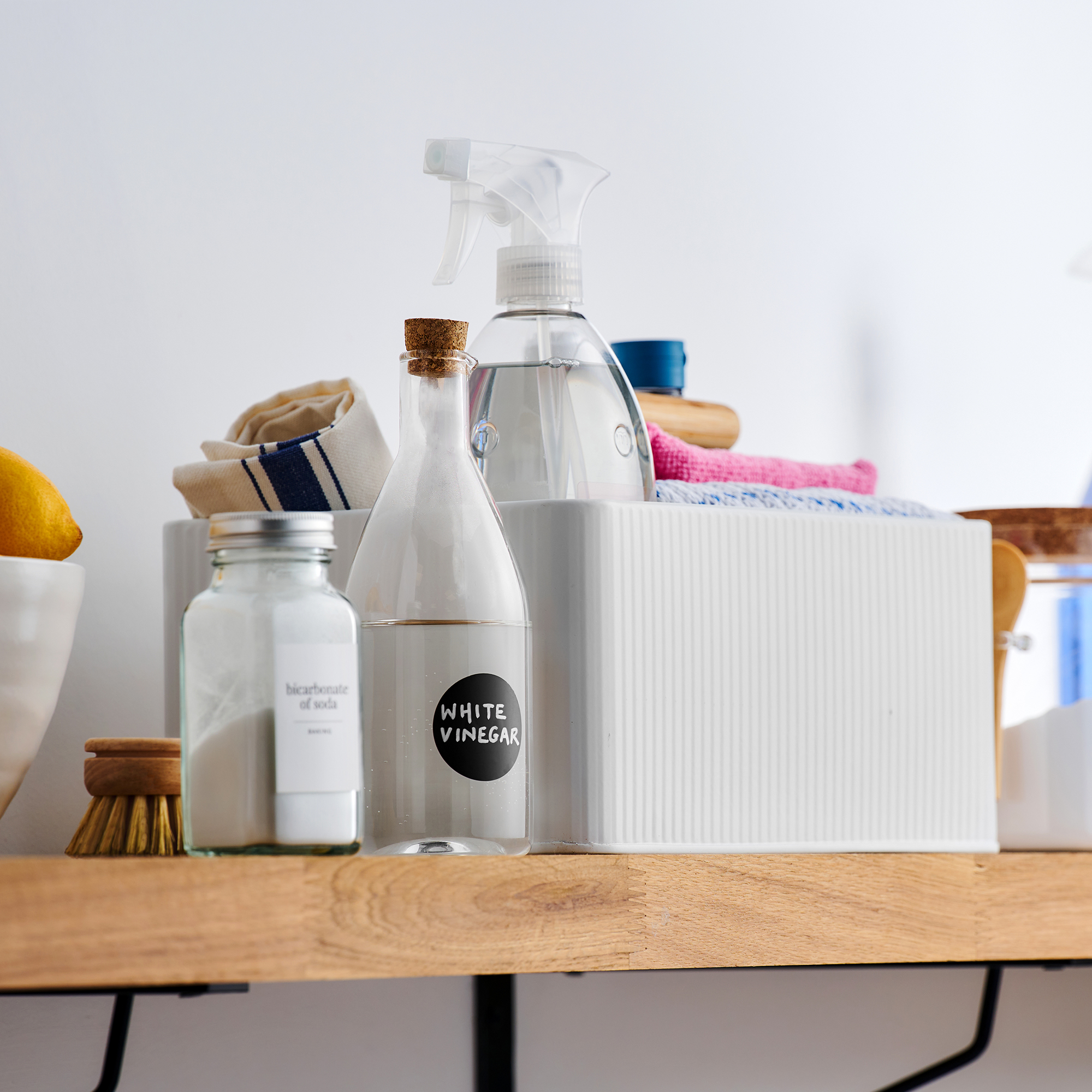
For living spaces, this includes dusting cobwebs, ceiling fans, light fixtures, tabletops, shelves, and window coverings. Glass surfaces and mirrors should be cleaned with a diluted distilled white vinegar solution and a microfiber cloth. Upholstered furniture requires vacuuming and spot-cleaning, while wood furniture needs dusting and polishing. The final step is vacuuming or mopping the floor.
In bedrooms, the process starts with picking up clothes and shoes, putting them away or in the laundry hamper, and changing bed linens. Similar to living spaces, a top-down approach is used for dusting ceiling fans, light fixtures, window coverings, and furniture, concluding with vacuuming or dust mopping the floor.
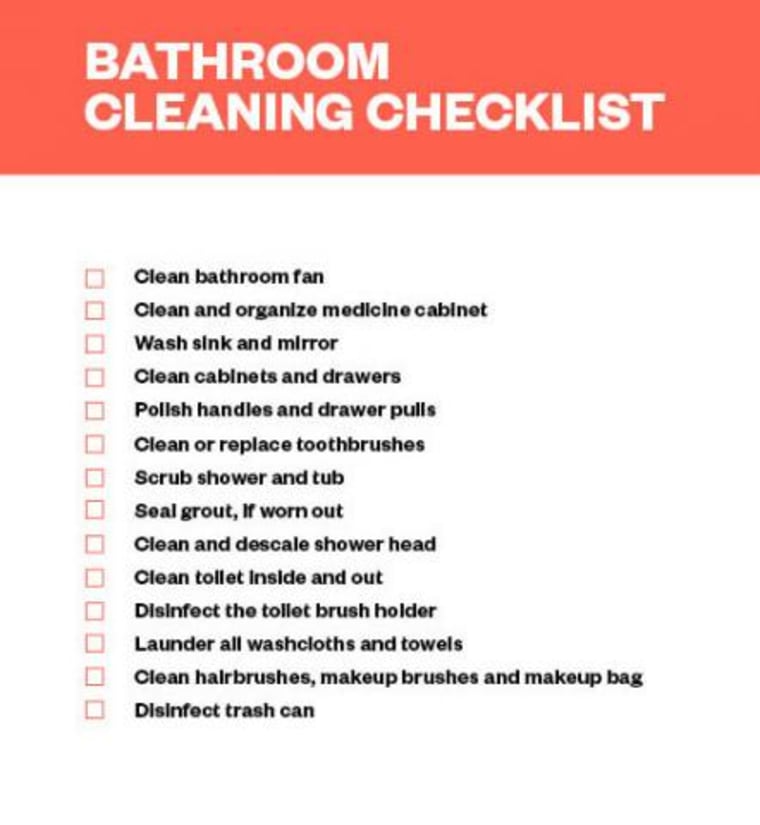
For deep cleaning the bathroom, an all-purpose cleaner is sprayed on the sink, countertop, shower, and bathtub, with toilet cleaner added to the toilet bowl, allowing them to sit for about 10 minutes to break down grime. Towels and bathmats are collected for washing. Surfaces are then scrubbed with a soft-bristled brush, rinsed, and dried with a microfiber cloth to prevent streaks. The toilet bowl is thoroughly scrubbed, including under the rim, and the handle, seat, and exterior are wiped with a disinfecting wipe. Mirrors are cleaned with diluted white distilled vinegar and a lint-free microfiber towel, and the floor is mopped last.
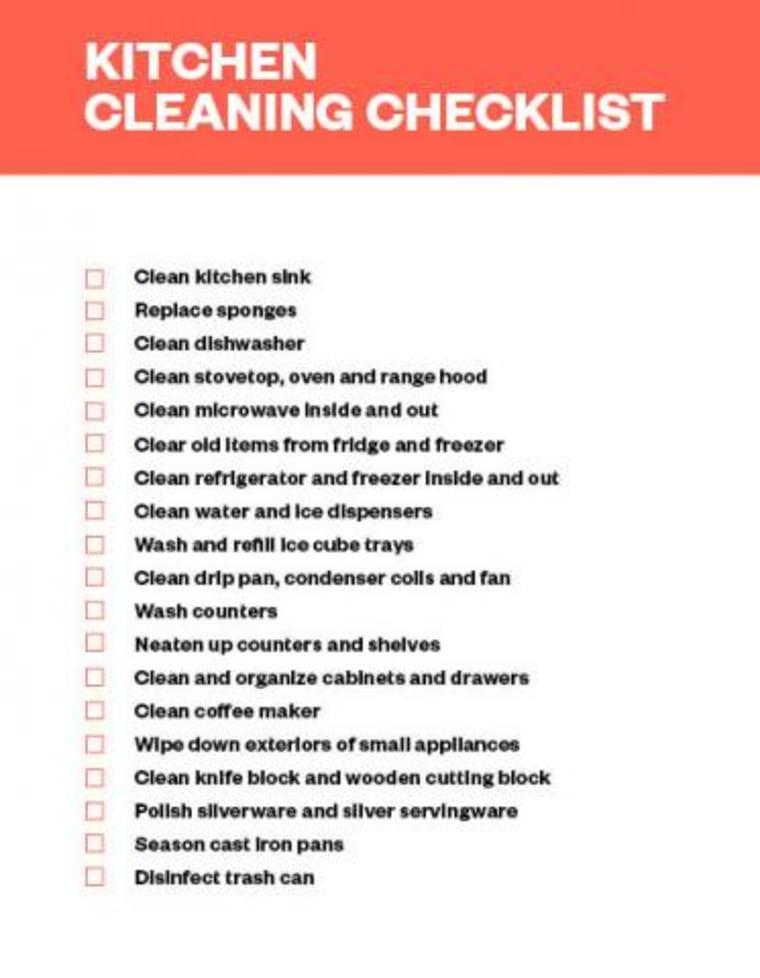
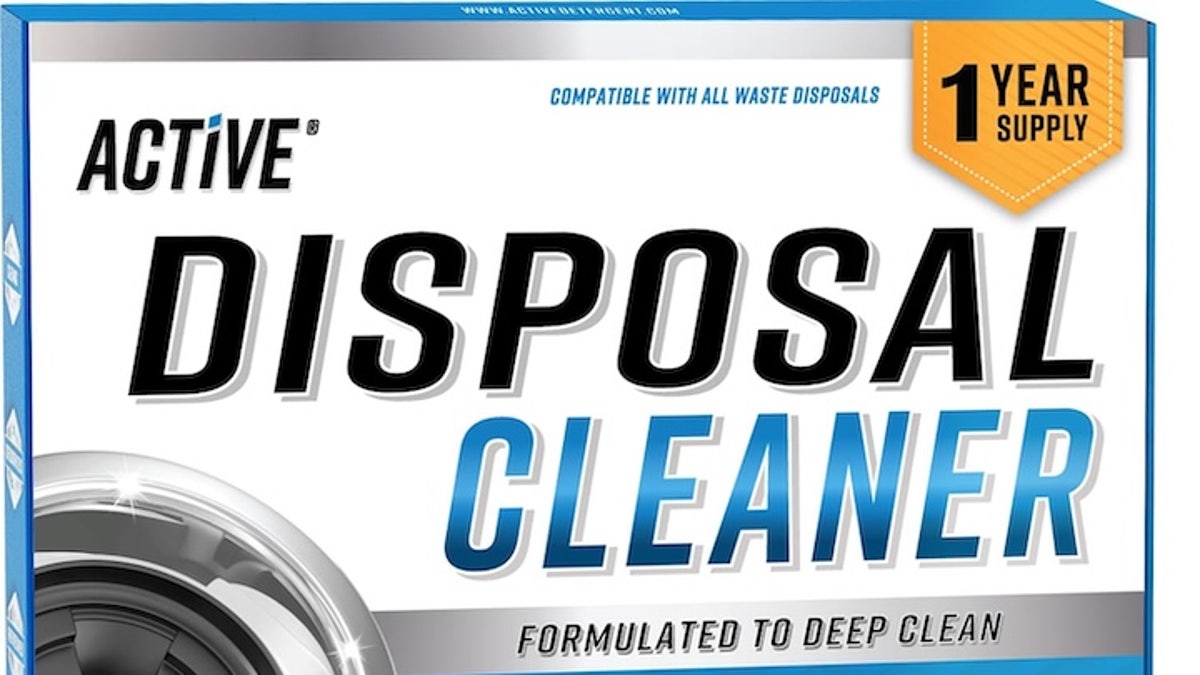
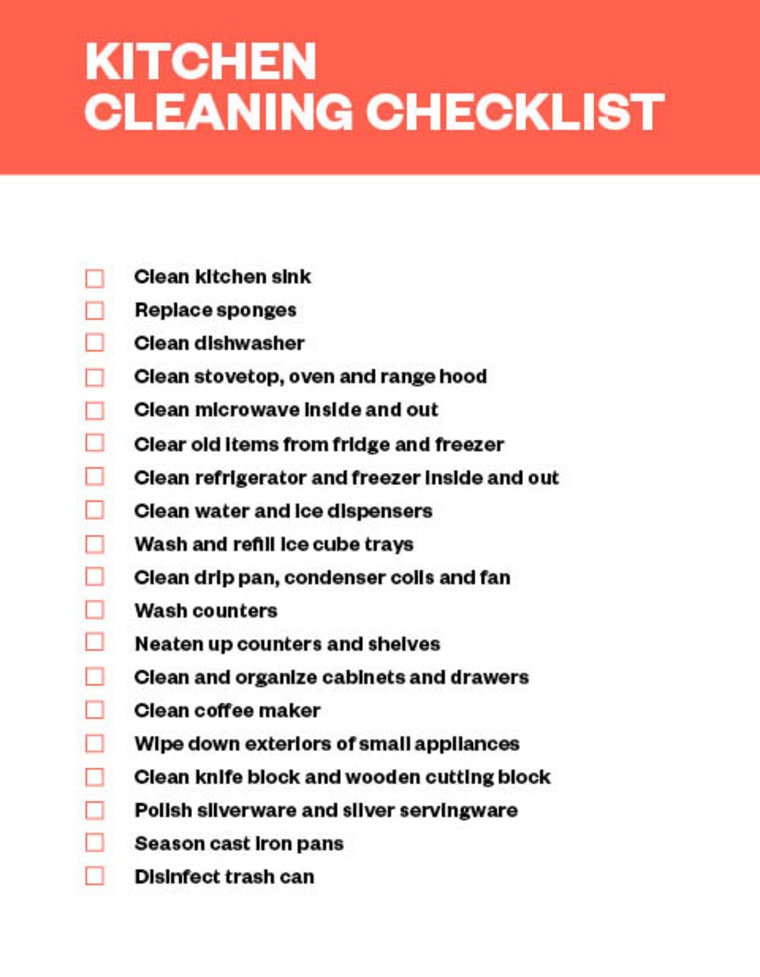
Kitchen deep cleaning involves wiping grease, splatters, and fingerprints from cabinet doors. Dishes are washed or loaded into the dishwasher. Counters are wiped to remove crumbs and spills, then disinfected. The refrigerator is checked for expired food and cleaned of spills. The microwave and other small appliances are cleaned, along with the cooktop and oven if necessary. The sink and garbage disposal are cleaned, the trashcan is emptied and washed, and finally, the floor is mopped.
A crucial tip for cleaning and disinfecting hard surfaces involves first removing any visible dirt. A disinfectant is then applied, ensuring the surface remains wet for at least six minutes to allow the product to work effectively. Unless specified as food-safe, the surface should be rinsed with a damp sponge or cloth. To maintain consistency, establishing a regular cleaning schedule and adhering to it for several months helps solidify it into a routine. Additional tips include assigning tasks to family members, posting a cleaning calendar, understanding product directions to maximize effectiveness (e.g., allowing cleaning agents sufficient dwell time), keeping cleaning supplies readily available in multiple rooms for quick touch-ups, and reducing paper clutter by going digital and promptly recycling or shredding physical documents.
#HomeCleaning #CleaningRoutine #HouseholdChores #OrganizationTips #DeepCleaning #HomeMaintenance #ProductivityHacks #ExpertAdvice #HomeCleaning #CleaningRoutine #HouseholdChores #OrganizationTips #DeepCleaning #HomeMaintenance #ProductivityHacks #ExpertAdvice
0 comment in total
 No comments yet
You may also like
Best Cleaning Advice & Tips

Spring Cleaning Checklist: A Room-by-Room Cleaning Guide


5 of the Best Cleaning Services in America, Vetted


How to Clean Your Bathroom in 15 Minutes—Without Missing a Spot
8 Things You Should Never Clean with a Swiffer

New Year cleaning checklist: 10 places to focus on in 2025

6 Things You Should Never Clean With All-Purpose Cleaner
A Professional Organizer’s Guide to Storing Cleaning Supplies
Spring cleaning mistakes - 6 common pitfalls to avoid during your spring clean
A professional cleaner just revealed the most obvious bathroom cleaning hack, and I'm shocked I never thought of it

These 5 household chores should be done every week without fail, experts warn

I swear by this incredibly easy 5-step method for cleaning real wood floors
Use Our Ultimate Spring-Cleaning Checklist to Give Your Home a Total Refresh

The 22 Best Cleaning Products for Your Home That Basically Do the Work for You

Hate cleaning? These 11 workhorse products will save you time and simplify everyday chores

The 7 dirtiest places in an entryway – and how to keep them sparkling

A daily cleaning checklist – 6 cleaning tasks you should be doing every day, according to experts
I tried my mom's three-day spring cleaning blitz – and the intensive program makes total sense

Spring-Cleaning Checklist 2022 - TODAY
Yes, You Should Be Fall Cleaning―Here's a Handy Dandy Checklist