1/2
Got an Area Rug? Here’s the Biggest Mistake You’re Making When Vacuuming It
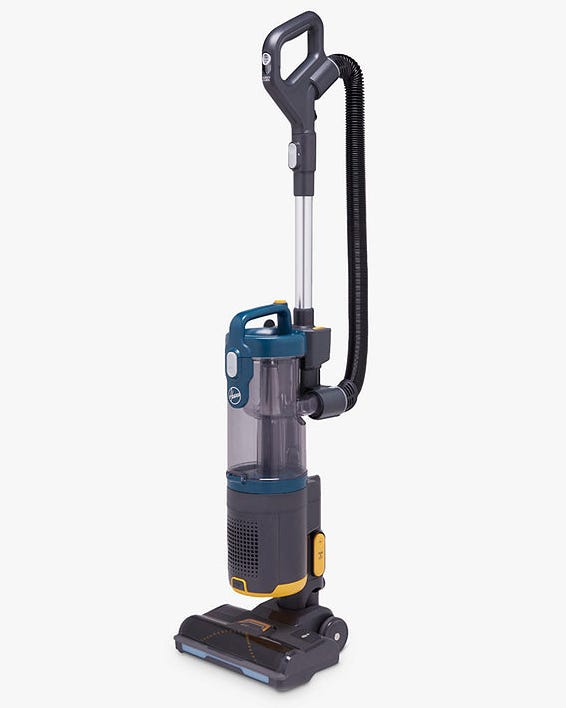
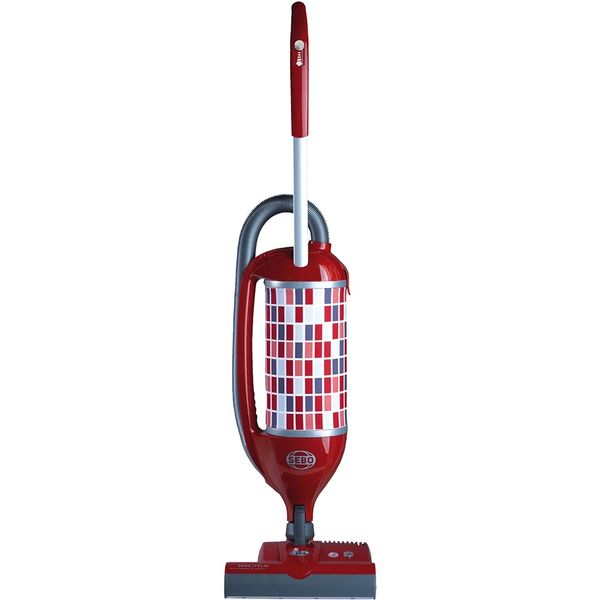
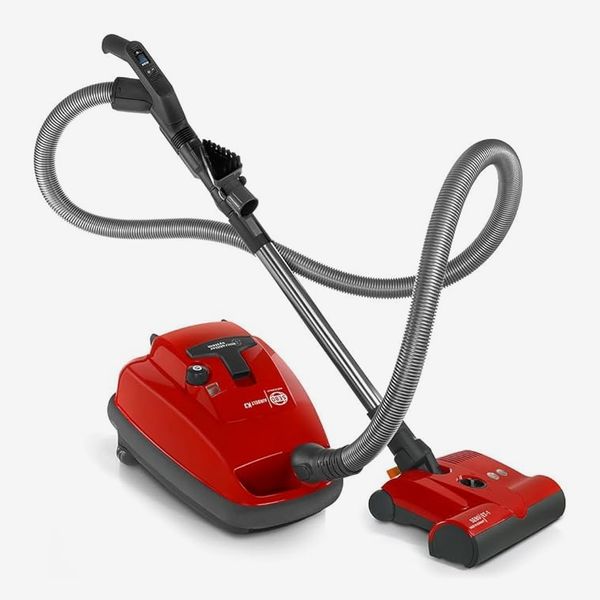
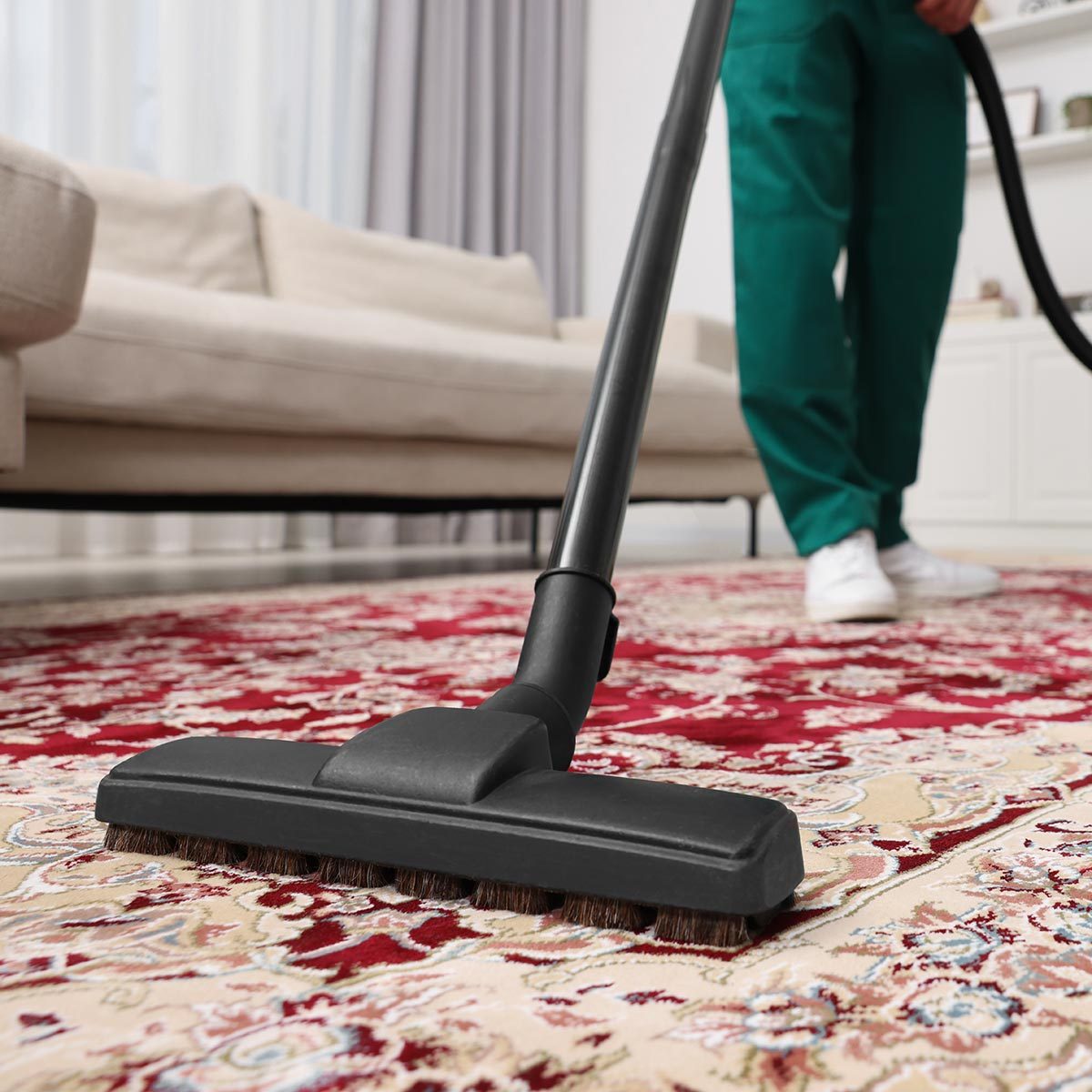
Many people unknowingly damage their area rugs by using incorrect vacuuming techniques and settings. While it's commonly believed that more suction leads to a cleaner rug, the wrong approach can cause fraying, thinning fibers, snags, and permanent damage, often going unnoticed until it's too late. To prevent this, it's crucial to understand the specific needs of different rug materials and adjust vacuum settings accordingly. This guide, based on insights from carpet experts Ryan Knoll and Cameron Welch, explains the challenges of cleaning area rugs, the biggest vacuuming mistake, and how to properly care for various rug types.
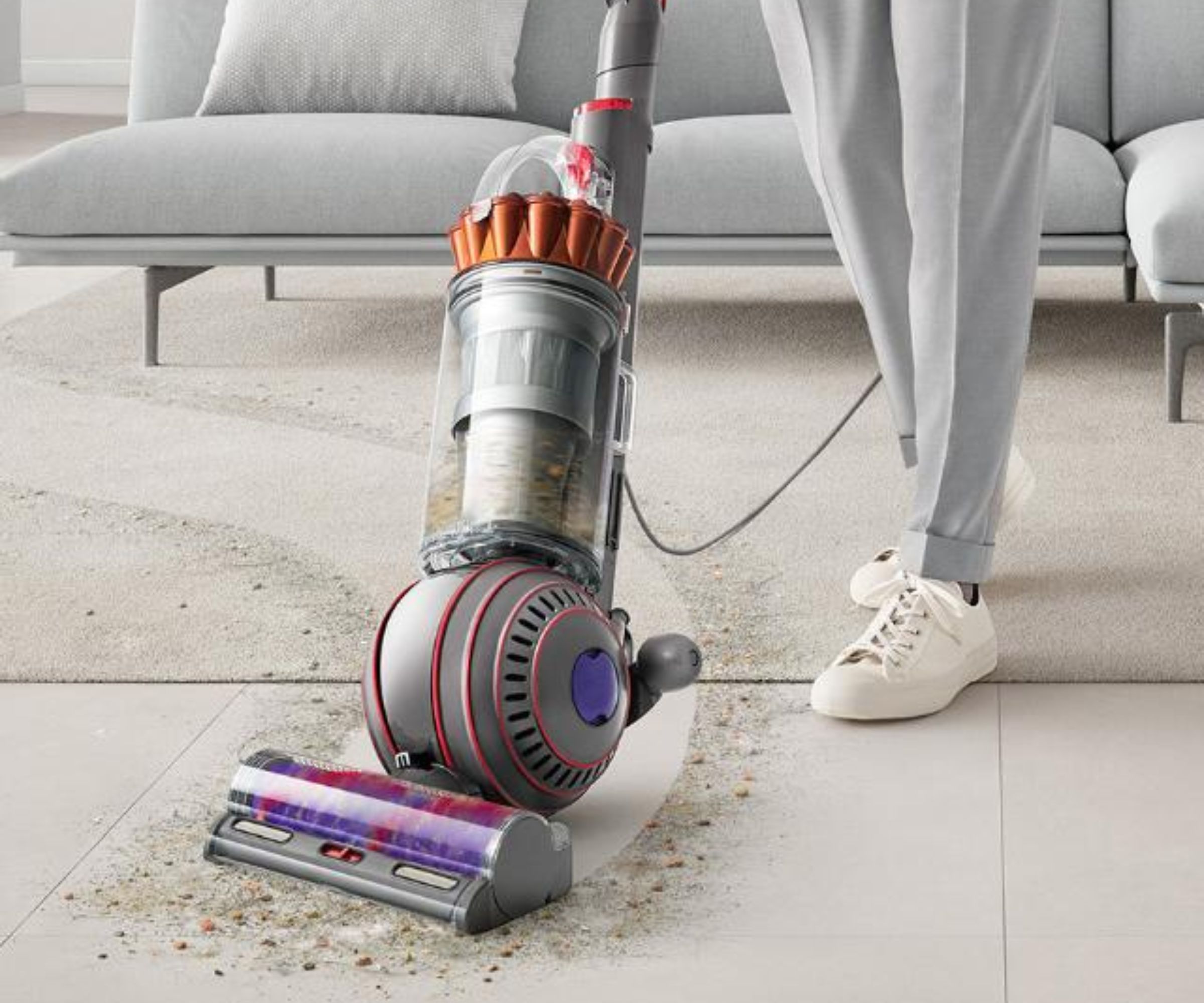
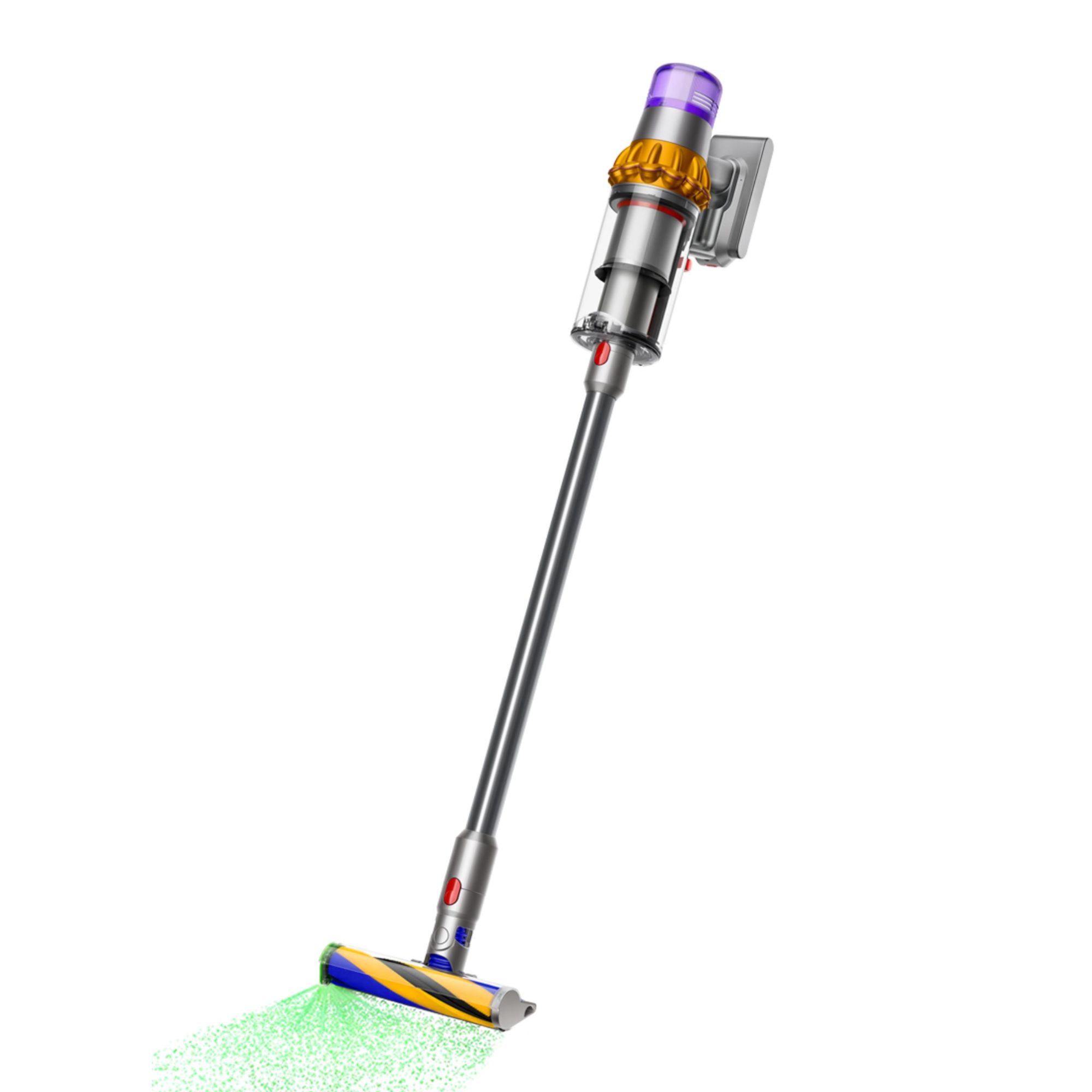
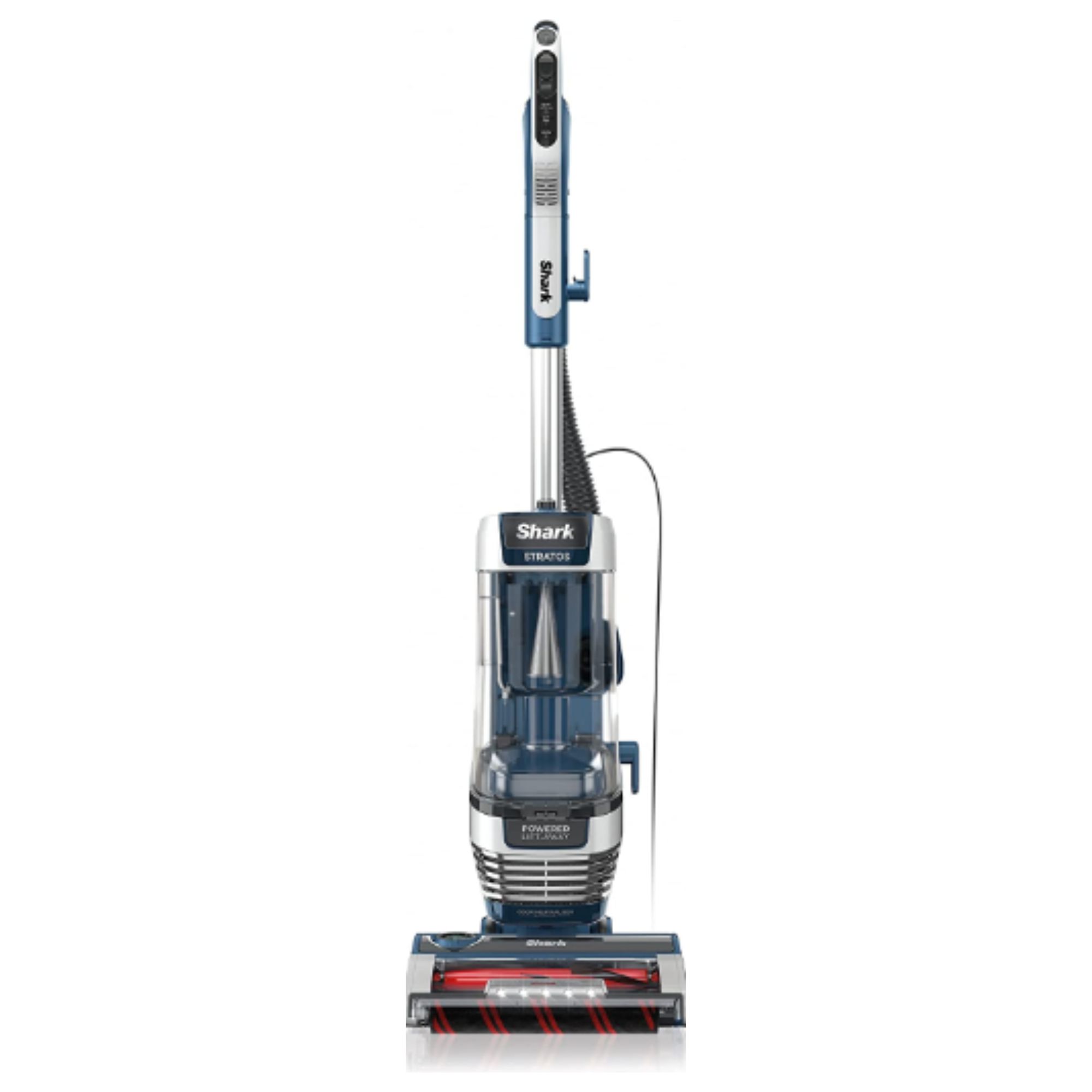
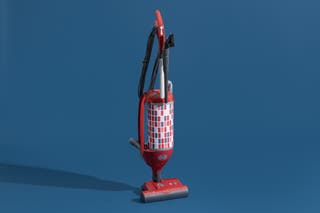
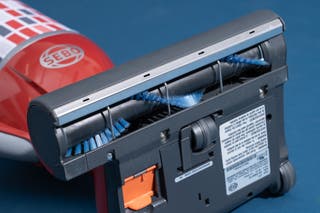
Area rugs come in a wide variety of materials, from durable synthetics to delicate natural fibers, each requiring a specific cleaning method. Unlike wall-to-wall carpeting, area rugs tend to trap more dust, dirt, and pet hair because they lack the same tension. The most significant mistake made when cleaning area rugs is using the wrong vacuum setting. Different materials necessitate different levels of suction and brush bar usage. For instance, silk rugs require the lowest suction and a brush attachment to prevent fraying and fiber loss, while wool rugs benefit from medium suction and a high-pile setting, avoiding rotating brushes unless the weave is exceptionally durable. Loop rugs, such as Berber, should be vacuumed with low to medium suction and no beater bar to prevent snagging. Cotton rugs can handle moderate suction and rotating brushes for sturdier weaves, but excessive force can cause wear and fading. Synthetic rugs are generally robust and can withstand medium to high suction with a rotating brush, though excessive heat can melt fibers. Natural fiber rugs, like jute or sisal, are highly sensitive to water and aggressive brushing, so only suction should be used.
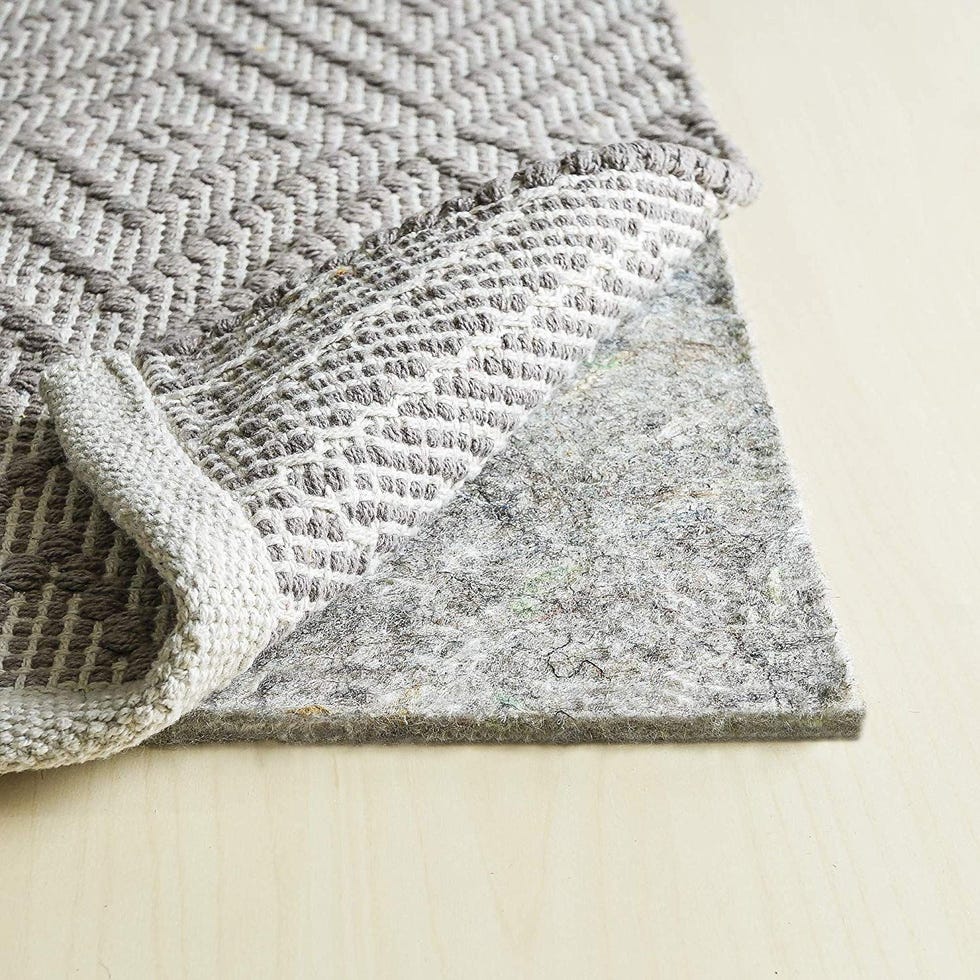
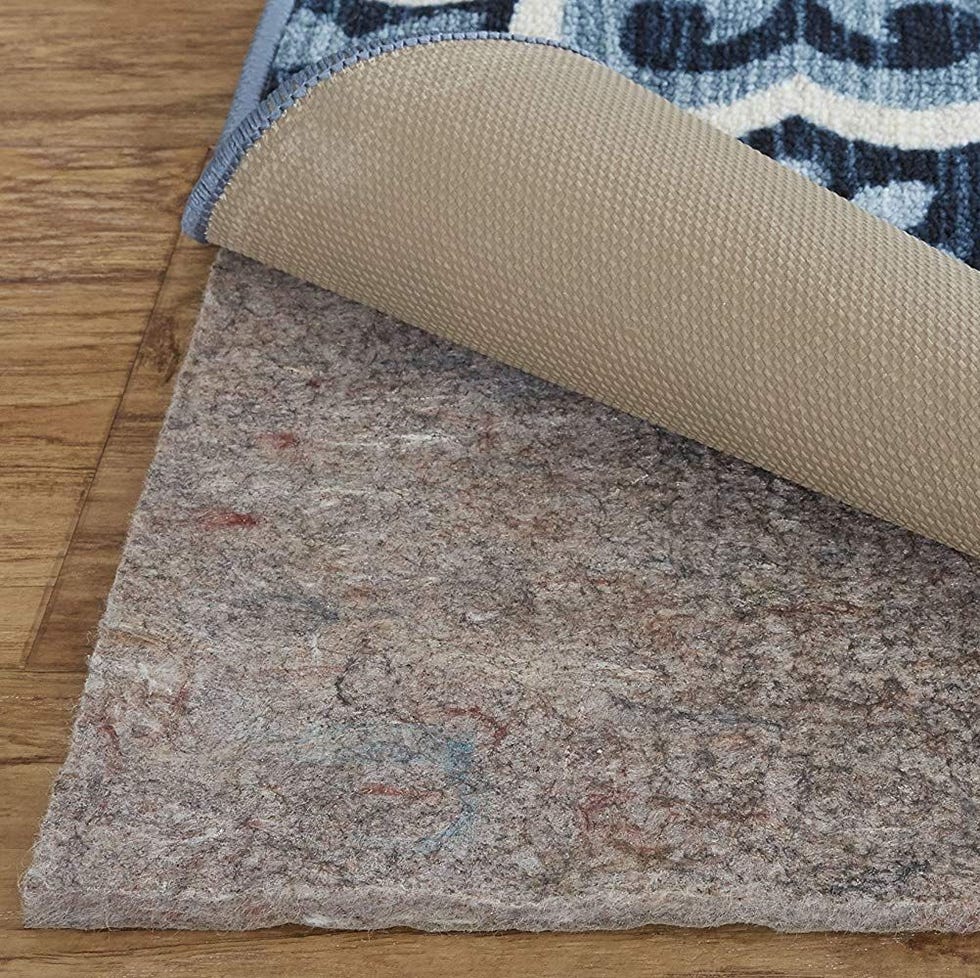
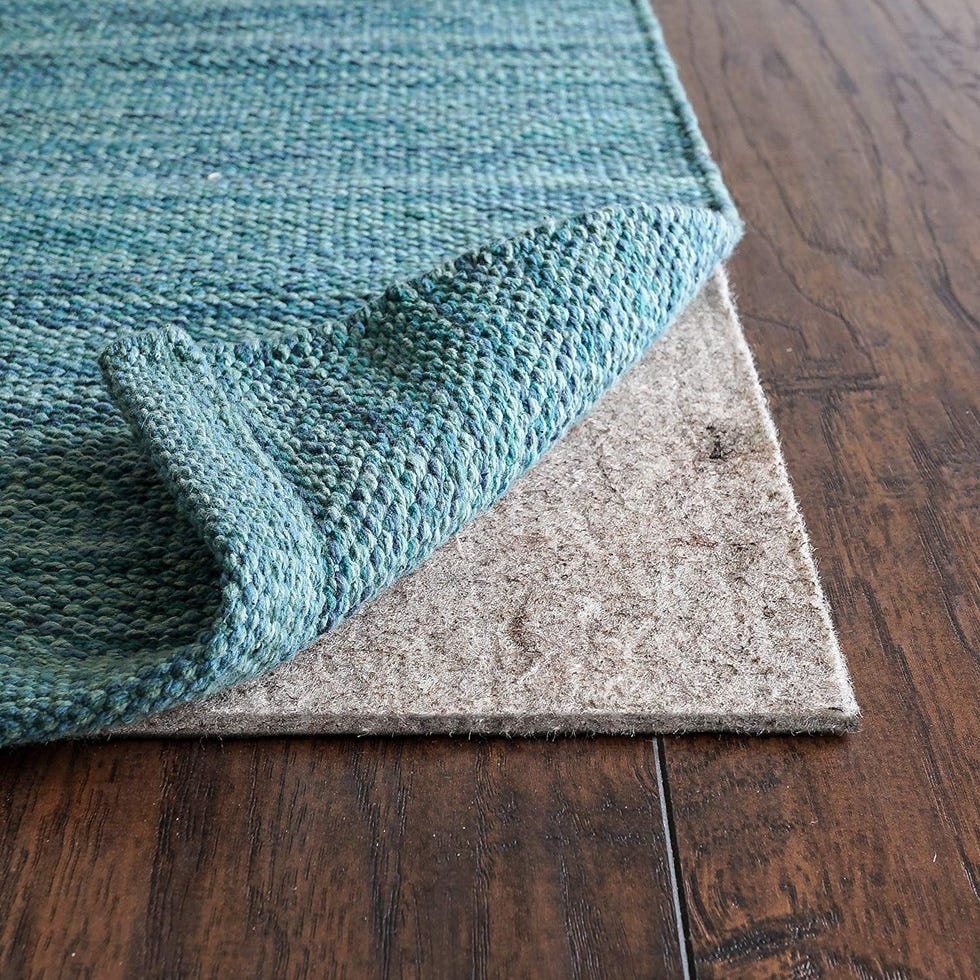
Care tags on rugs provide specific cleaning instructions, but for older rugs or those without tags, expert recommendations for vacuum settings should be followed. A helpful tip is to occasionally flip the rug and vacuum both sides to remove deep-seated dirt and use a rug pad to prevent slipping, stretching, and unnecessary wear. Damage may appear immediately, such as pulled loops or color loss, or gradually over time, manifesting as thinning, dullness, or a 'worn-out' appearance. If a vacuum sounds like it's overworking or the rug shifts excessively, it indicates an improper setting. Should damage occur, immediate action is advised, such as trimming loose threads or fluffing flattened areas. More severe issues, like shrinking or color bleeding, may require professional intervention.
Regarding pet-hair removal, lint rollers and rubber brushes like the ChomChom roller are generally safe for most rugs, but caution is necessary with delicate materials, avoiding overly sticky rollers. Metal pet-hair rakes are typically too harsh for delicate rugs, with rubber-bristle rakes being a preferred, gentler alternative. Always test any pet-hair removal product on an inconspicuous area first. The correct way to clean an area rug involves emptying the vacuum canister, checking for loose threads, shaking smaller rugs outdoors, and adjusting vacuum settings based on the rug type. Vacuum slowly, following the nap, then vacuum the underside and the floor beneath. For deeper cleaning, commercially available cleaning products often contain harsh chemicals that can damage rugs. A homemade solution of one part distilled white vinegar and three parts water is a gentler alternative for spot cleaning, also to be tested first.
Regular vacuuming, at least once a week, is recommended, more so for high-traffic areas. Professional deep cleaning is advisable every 12 to 18 months, depending on usage and rug material. Additional maintenance tips include placing doormats at entryways, removing shoes, and regularly changing air filters to minimize dirt buildup. After cleaning, blot excess moisture, improve air circulation with fans or open windows, and flip thick rugs to ensure even drying. Avoid excessive heat from sources like hair dryers or direct sunlight to prevent shrinking. These practices contribute to extending the life and maintaining the appearance of area rugs.
#AreaRugCare #VacuumingTips #HomeCleaning #RugMaintenance #CarpetCare #HouseholdTips #PetHairRemoval #DIYCleaning #AreaRugCare #VacuumingTips #HomeCleaning #RugMaintenance #CarpetCare #HouseholdTips #PetHairRemoval #DIYCleaning
0 comment in total
 No comments yet
You may also like
6 Vacuum cleaner mistakes to avoid – and why they aren’t cleaning your home


Carpet mistakes to avoid – 5 expert-approved tips to ensure perfect flooring

Designers Say This Is the #1 Living Room Mistake Everyone Makes

6 Things You Should Never Clean With All-Purpose Cleaner

The Big Mistake Most People Make With Their Living Room Rugs


This is the single biggest rug mistake you can make, says Jake Arnold – and what to do instead
5 Bathroom Cleaning Mistakes Even The Tidiest People Make
You're cleaning your bathroom floor wrong, experts warn – here's how to get it right

5 Common Sofa Cleaning Mistakes You Might Be Making

3 Common Decluttering Mistakes You’re Making and the Best Ways to Fix Them, From $10

What’s the Best Vacuum for Carpets? | Reviews by Wirecutter
The best vacuum cleaners to buy in 2025: Cordless, robot, handheld and more


5 Living Room Rug Mistakes You’re Probably Making—And How To Fix Them, According To Designers
The best carpet cleaners to get rid of what your vacuum leaves behind

How often should you vacuum? Experts weigh in on the damage caused by doing the bare minimum
The 10 Very Best Vacuums | The Strategist
6 couch cleaning mistakes that pros say could lead you to 'serious upholstery heartbreak'
8 Things You Should Never Clean with a Swiffer
News Flash: You're Buying the Wrong Rug Pad

6 Things You Should Never Clean With All-Purpose Cleaner