1/13
I've Tested Dehumidifiers for 25 Years: These Are the Most Reliable
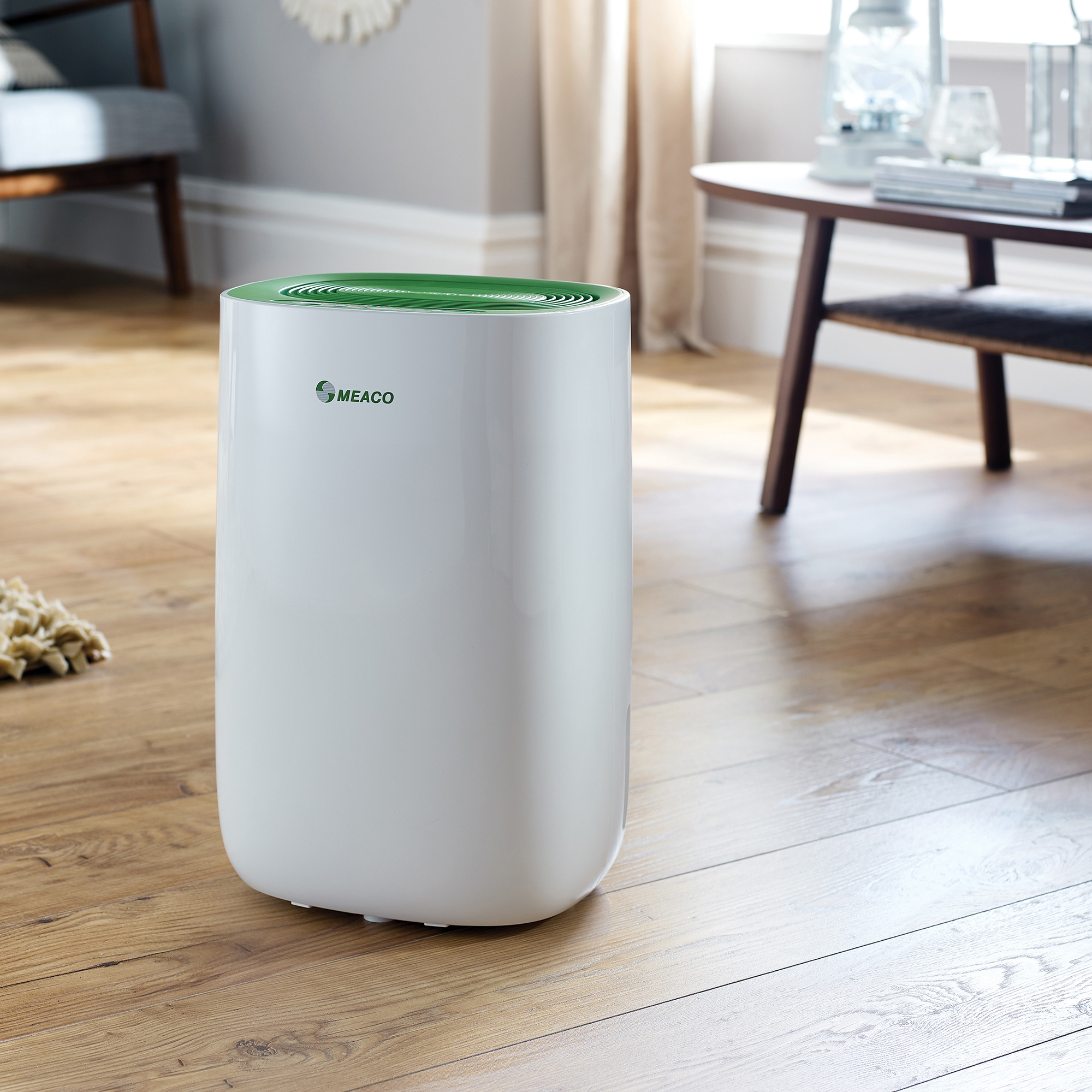
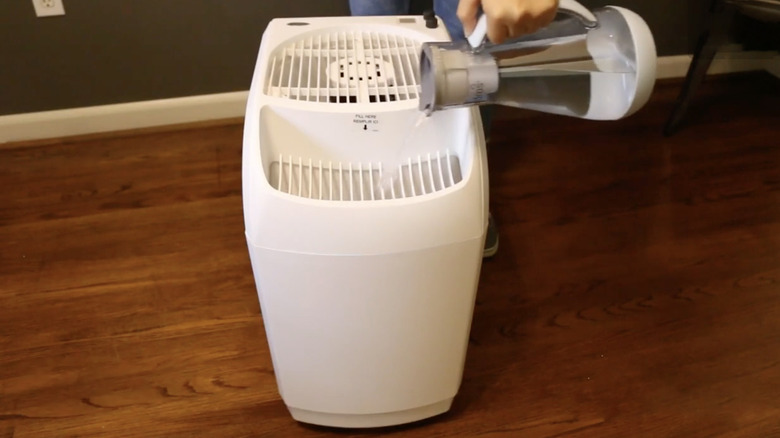
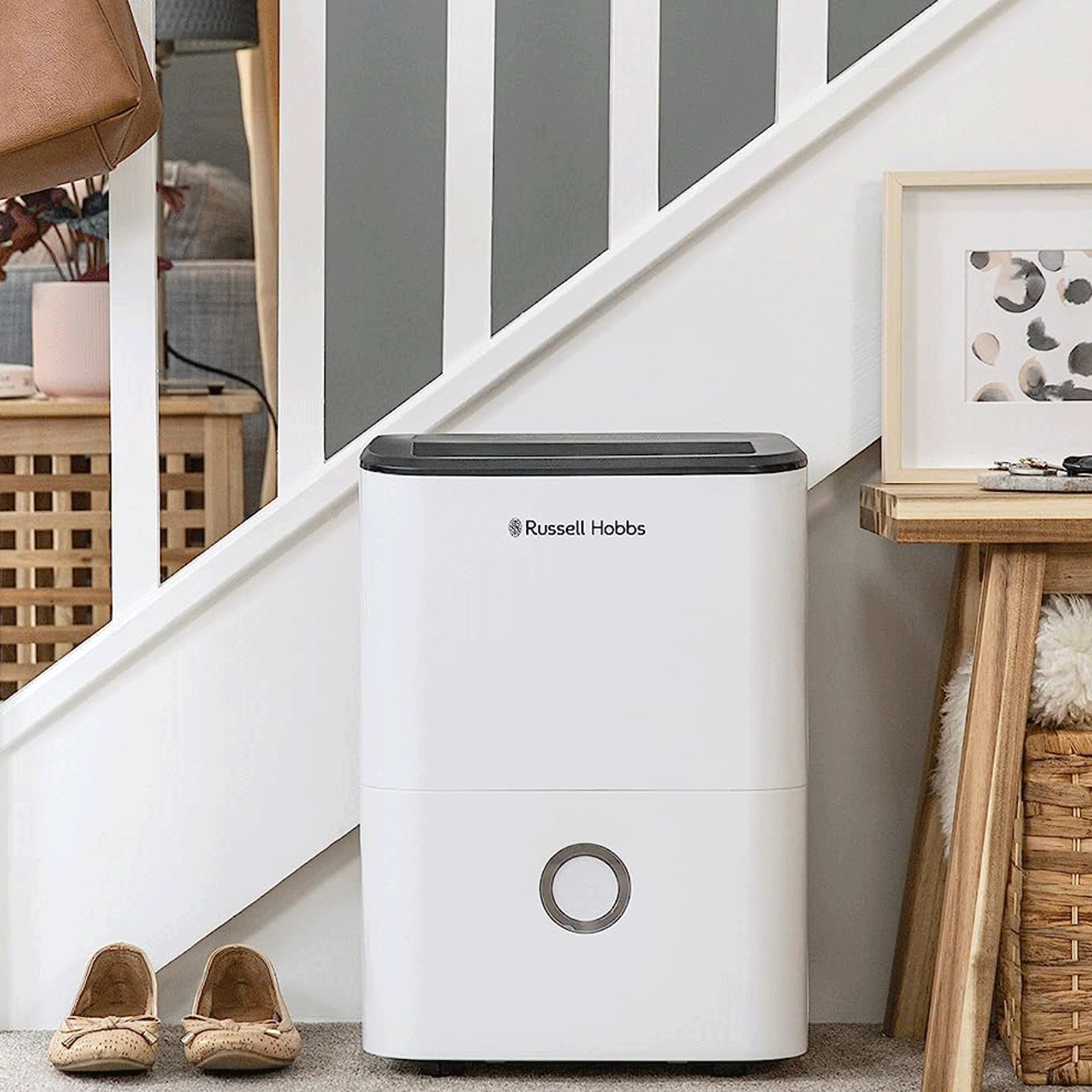
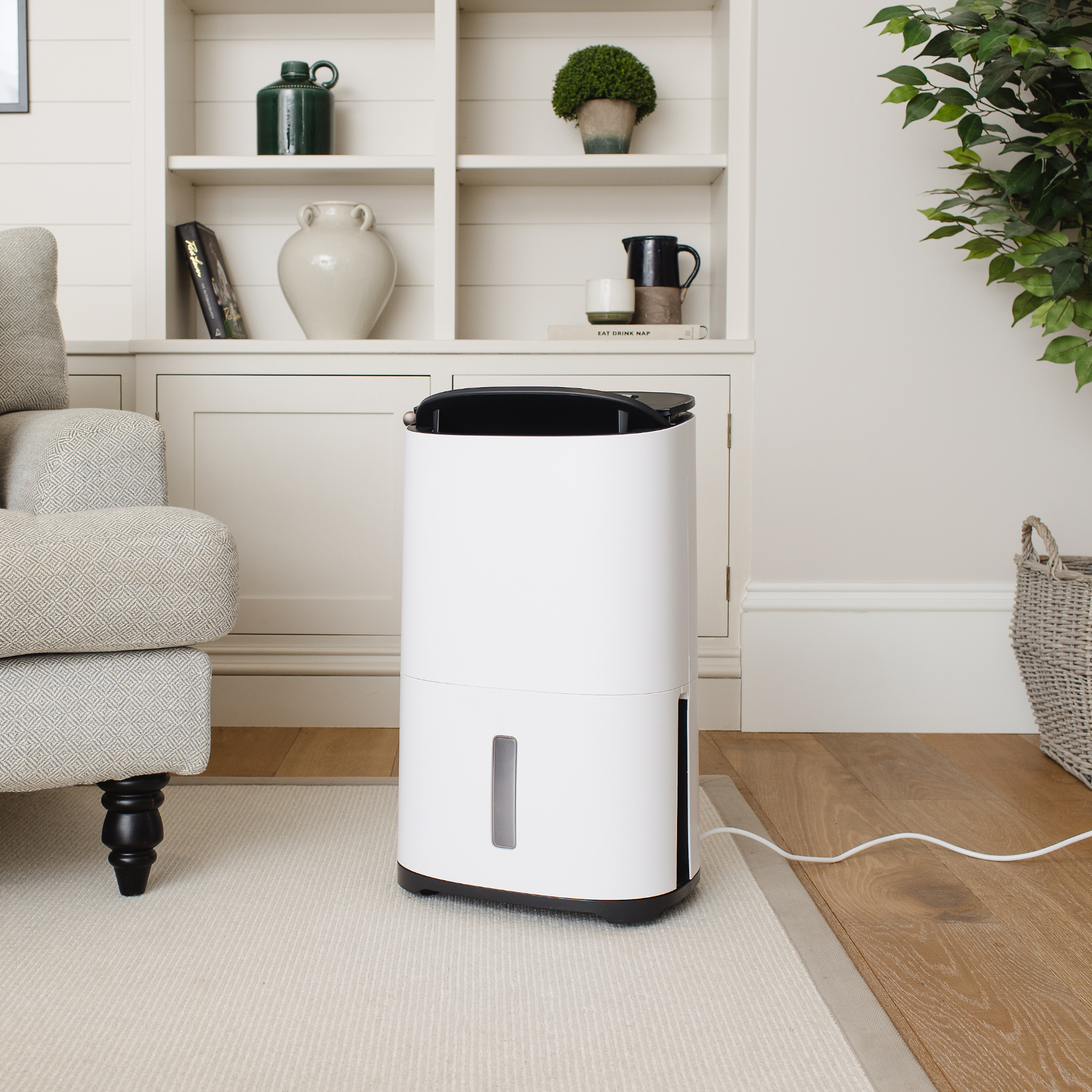
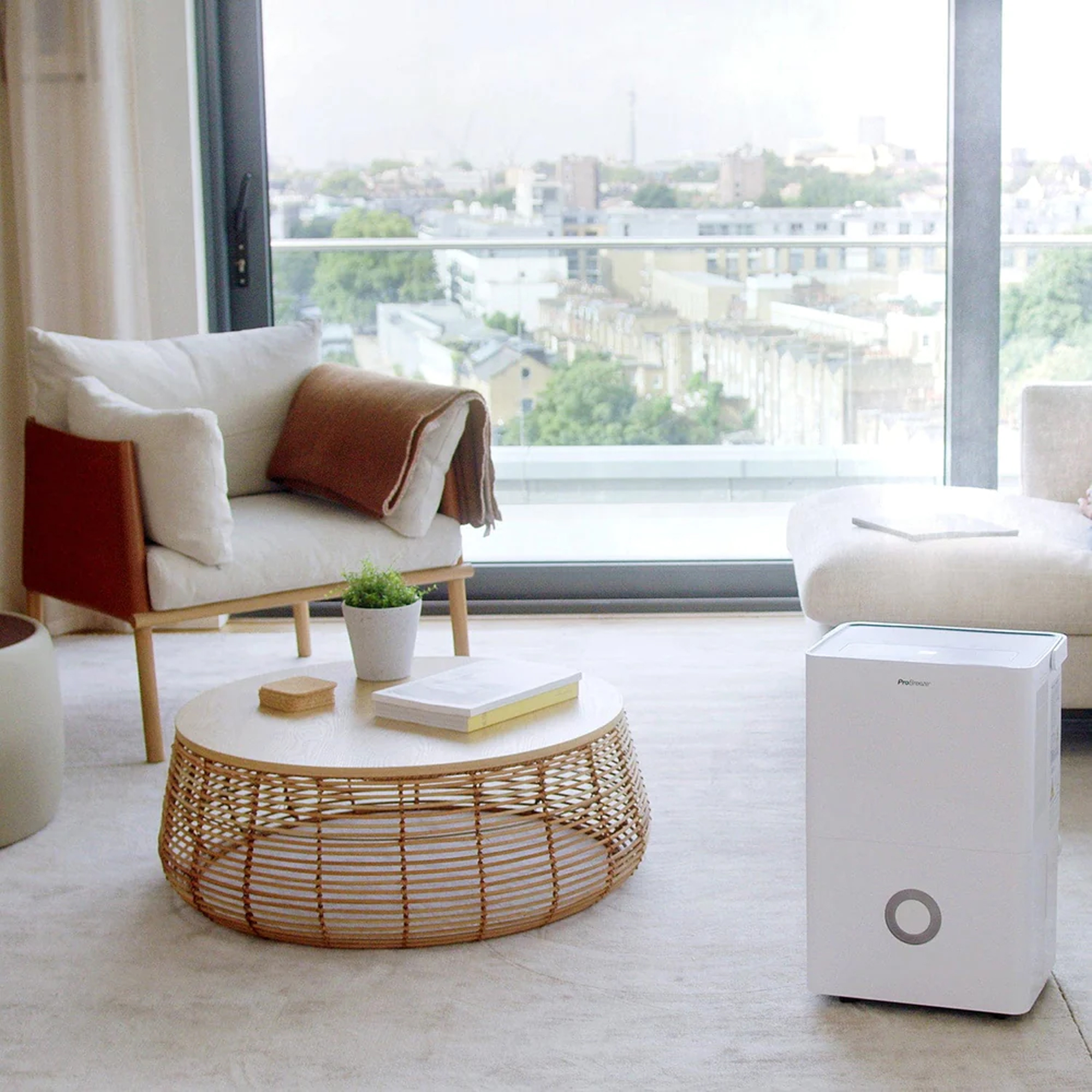
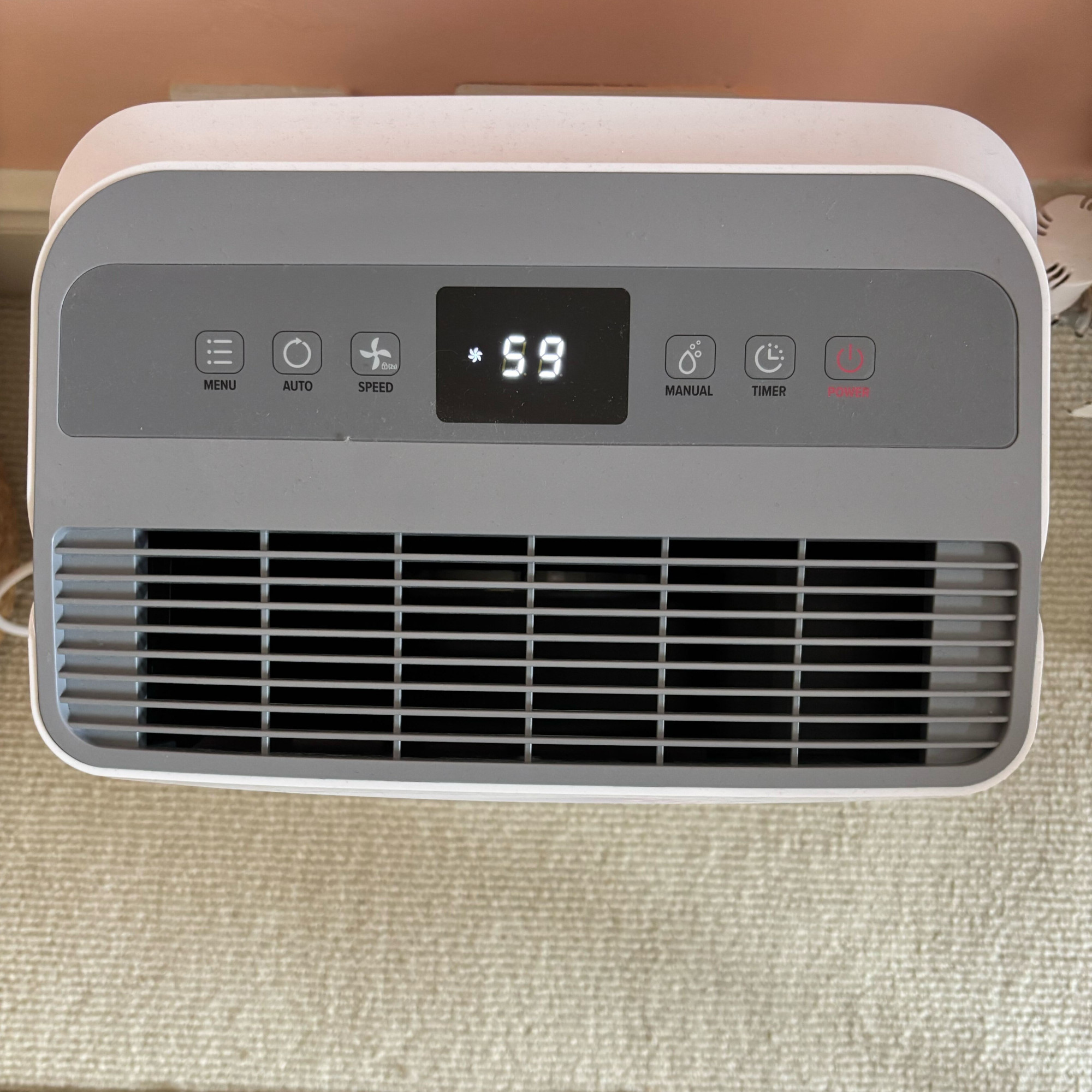
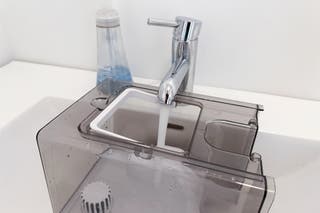
Dehumidifiers are essential appliances for maintaining comfortable and healthy indoor environments, particularly in areas prone to high moisture, such as basements, bathrooms, and crawl spaces. The Good Housekeeping Institute's Home Improvement & Outdoor Lab conducted extensive testing on over a dozen dehumidifiers to identify the most effective and durable models. The evaluation focused on key performance metrics like moisture removal efficiency, consistency, and real-world performance, accounting for factors such as changing temperatures and airflow in homes. Usability features, including portability, intuitive controls, ease of cleaning, and noise levels, were also critically assessed. Customer service was evaluated by contacting support lines with mock issues to gauge responsiveness and problem-solving efficiency.
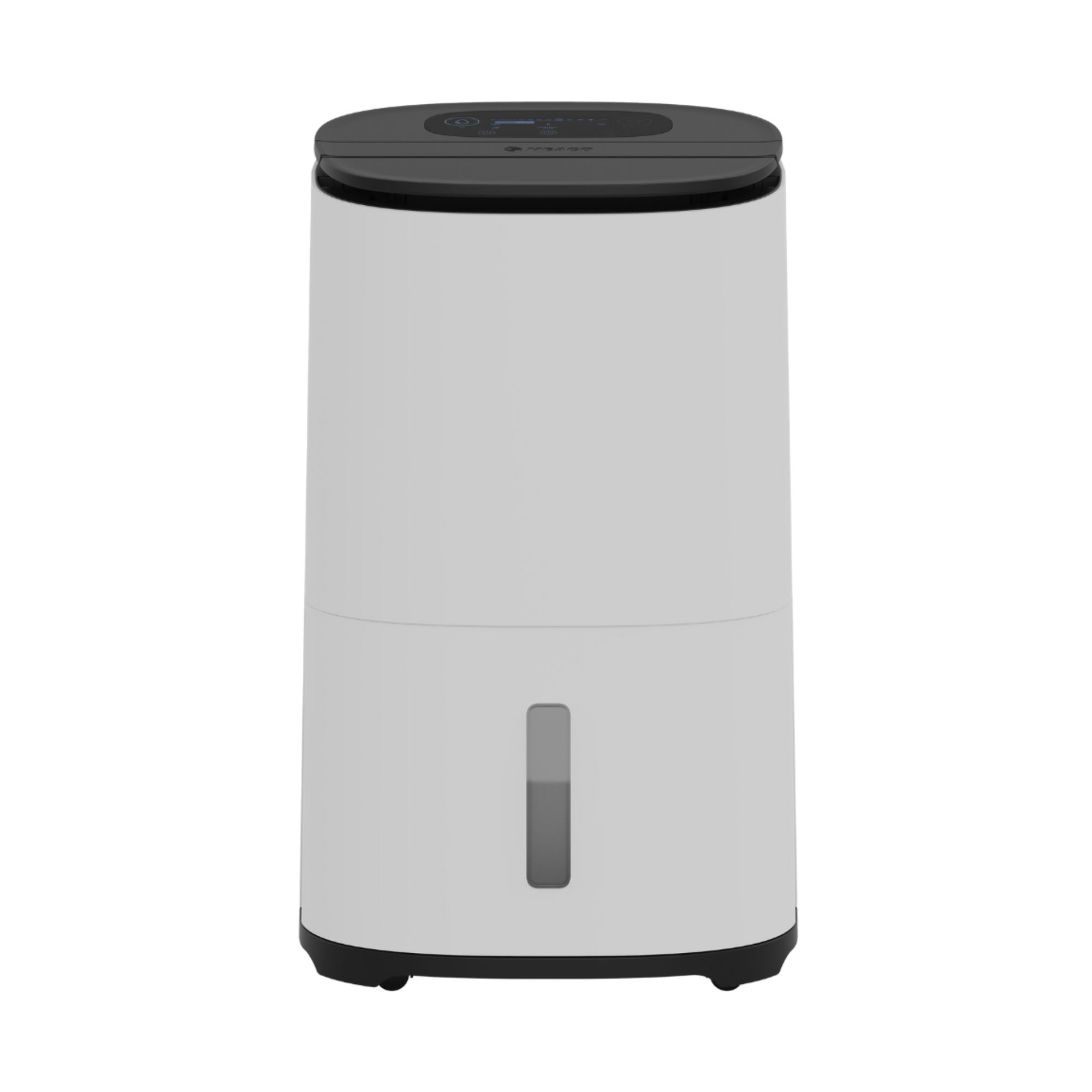
Among the top recommendations, the Honeywell 50-Pint Dehumidifier with Built-In Pump was recognized as the best overall choice. This model excels in rapidly capturing moisture and maintaining stable humidity levels. Its built-in pump allows for continuous drainage, even vertically up to 15 feet, making it ideal for basements. The Honeywell unit is Energy Star Most Efficient certified, indicating superior energy performance. Its user-friendly design includes an easily removable front-loading bucket and simple digital controls, making maintenance straightforward. However, its larger size and higher noise output on maximum settings make it better suited for utility areas rather than main living spaces.
For budget-conscious consumers, the Black+Decker 30-Pint Dehumidifier offers good value for moderate moisture control in living rooms or bedrooms. While not suitable for heavy-duty basement conditions, it effectively removes moisture and operates quietly in appropriate settings. This model includes an option for continuous drainage via a hose but lacks a built-in pump, meaning it cannot elevate water. A larger 50-pint Black+Decker model is available for spaces up to 4,500 square feet, albeit at a higher price point.
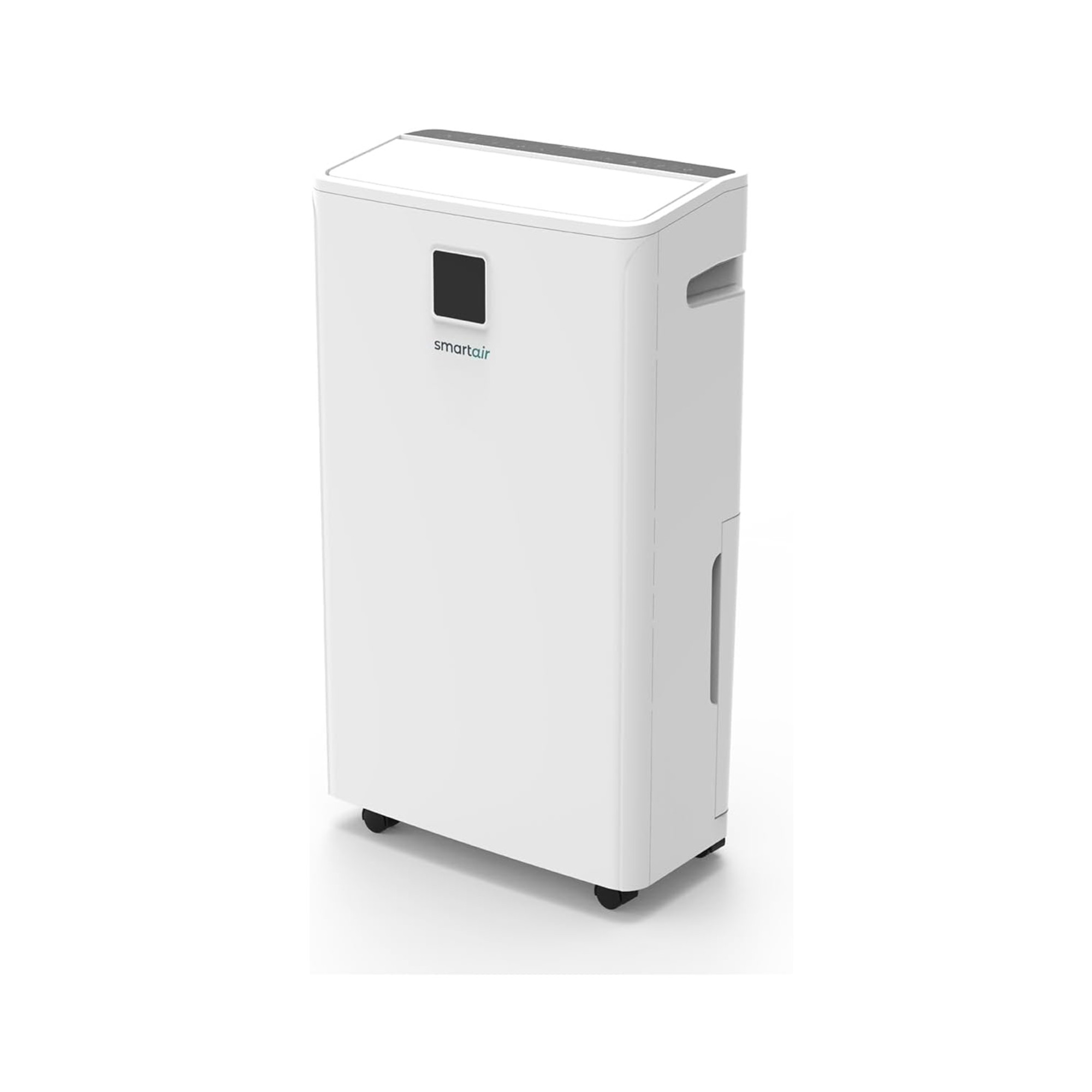
The TCL 50-Pint Smart Dehumidifier is recommended for large, damp spaces like unfinished basements, capable of managing up to 4,500 square feet. This Energy Star-certified unit efficiently pulls moisture from the air and features Wi-Fi connectivity for remote control via an app. An auto-defrost function allows it to operate effectively in temperatures as low as 41°F. Similar to the Honeywell, its fan can be loud at high settings, suggesting placement in less-frequented areas.
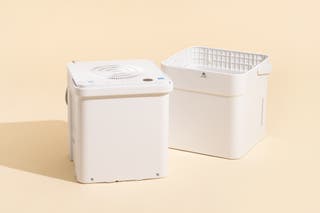
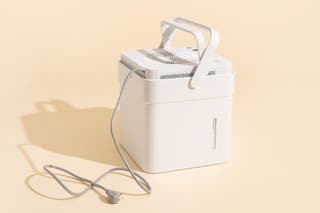
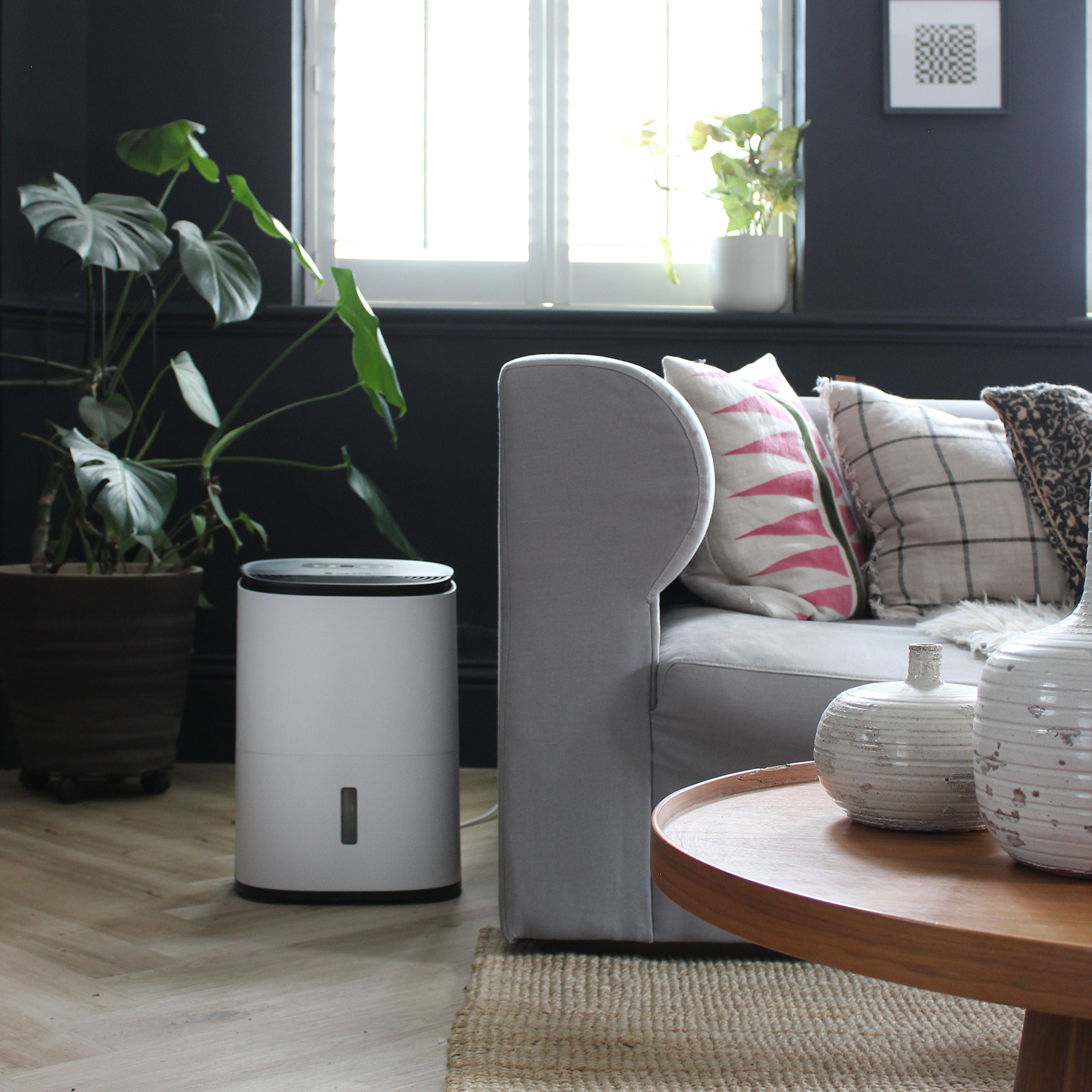
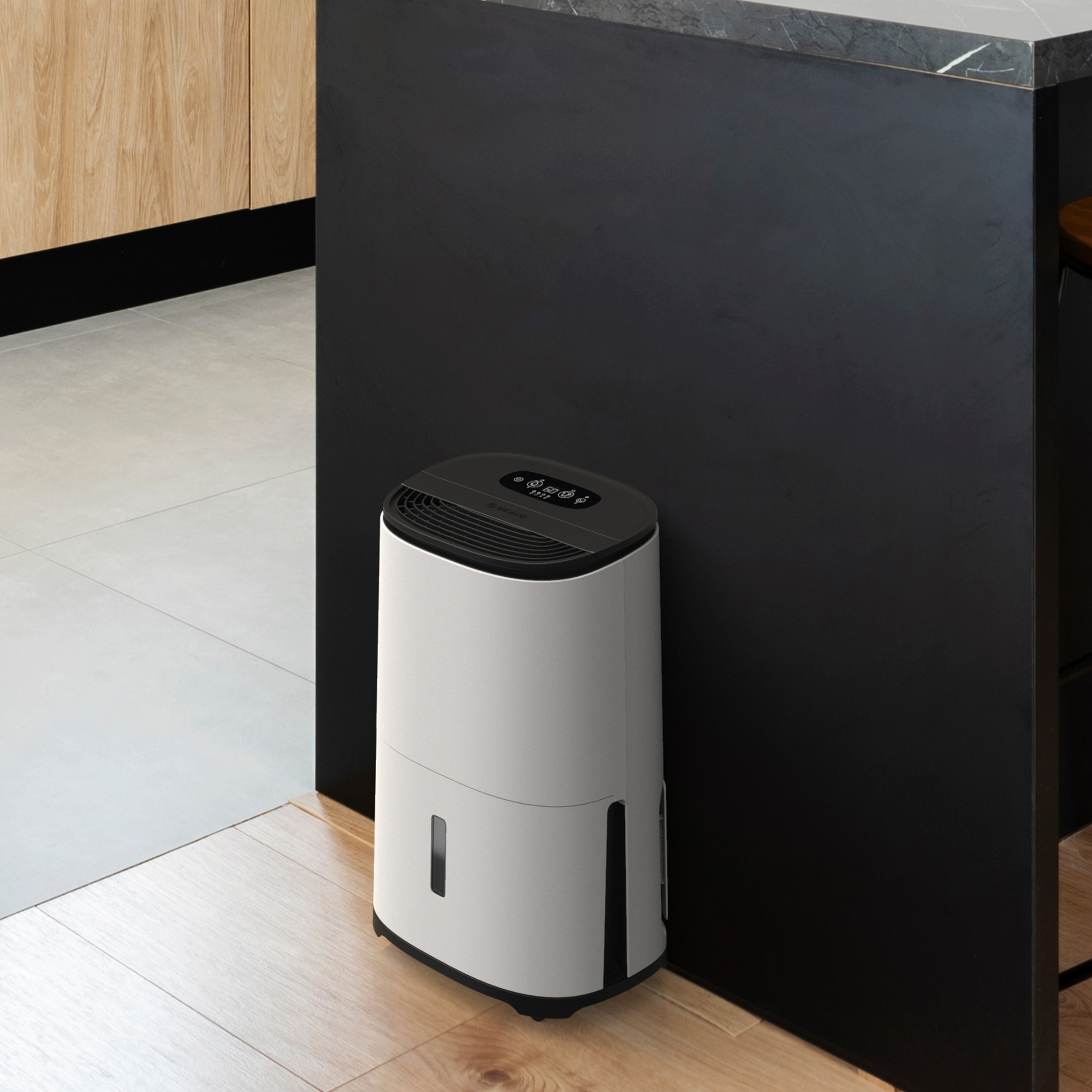
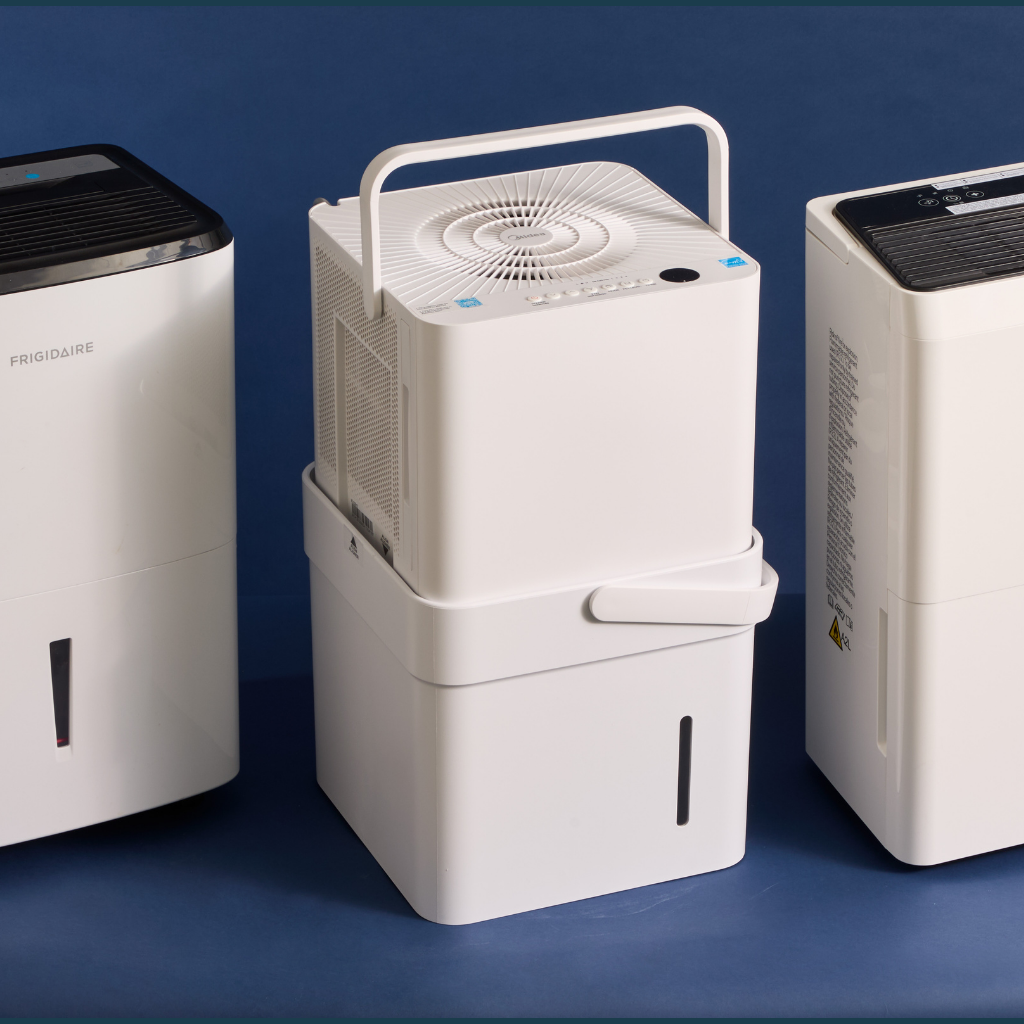
The Midea Cube 50-Pint Dehumidifier stands out for its unique collapsible design, which facilitates easy storage and allows its tank to hold three times more water than conventional models. This unit delivers excellent air-drying power for spaces up to 4,500 square feet with minimal motor noise and includes a built-in pump. Its auto-defrost feature ensures functionality in colder environments. However, handling its two-part design, particularly when full, might be challenging for some users.
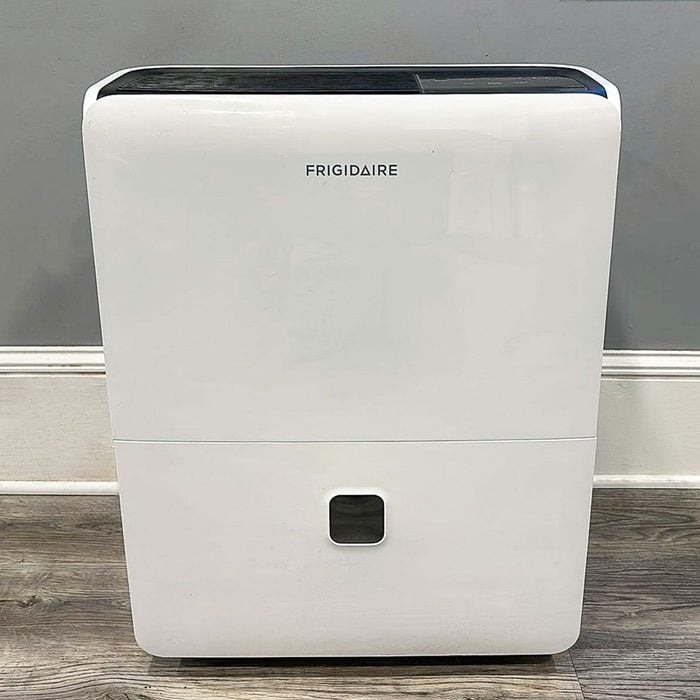
Frigidaire offers two notable models: a 50-Pint Dehumidifier for large living spaces and a 35-Pint Dehumidifier for smaller living spaces. The 50-pint model excels in moisture removal and includes an on-board pump for continuous drainage to elevated spots. Its user-friendly features, such as intuitive controls and an accessible water bucket, received high praise. However, it lacks a frost control sensor, making it unsuitable for temperatures below 40°F. The 35-pint Frigidaire is ideal for small, confined areas like bathrooms or home offices, offering portability and efficient water removal with user-friendly features like a digital readout and easy-to-empty reservoir. It also lacks a pump for elevated drainage and can be noisy on its highest fan setting in small rooms.
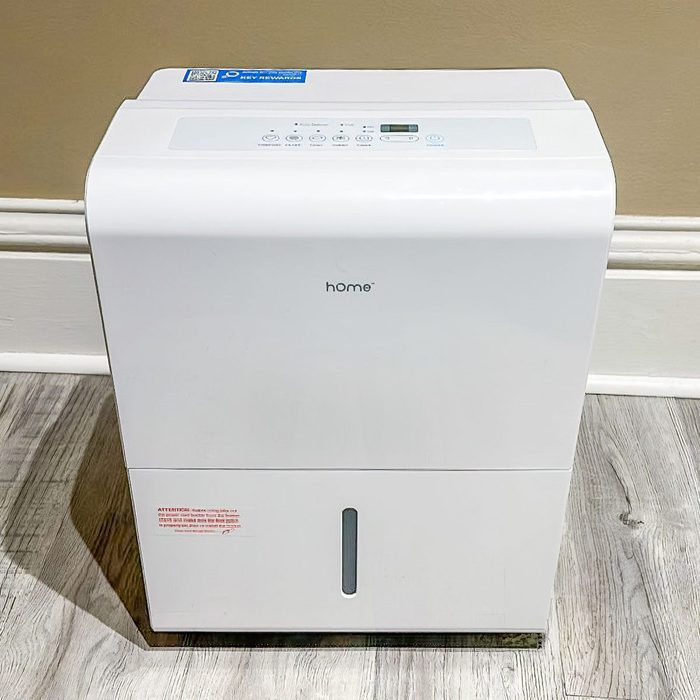
Additional dehumidifiers recommended include the GE 50-Pint Dehumidifier with Pump, Midea 35-Pint Dehumidifier (standard design), and hOmeLabs 22-Pint Dehumidifier for various room sizes and specific needs. The article concludes by explaining the mechanism of dehumidifier operation, involving heat exchangers and a condenser to extract moisture, and reiterates the importance of considering size, noise, key features (hose connection, pump, auto-humidistat, low-temperature settings), and maintenance ease when selecting a dehumidifier.
#Dehumidifier #HomeAppliances #MoistureControl #AirQuality #ProductReview #EnergyEfficiency #SmartHome #HomeMaintenance #Dehumidifier #HomeAppliances #MoistureControl #AirQuality #ProductReview #EnergyEfficiency #SmartHome #HomeMaintenance
0 comment in total
 No comments yet
You may also like
Best dehumidifiers 2025, tried and tested for tackling damp

We Tested the Best Humidifiers and Our Top Pick Covers the Largest Square Footage We've Seen


Major Humidifier Brands Ranked Worst To Best
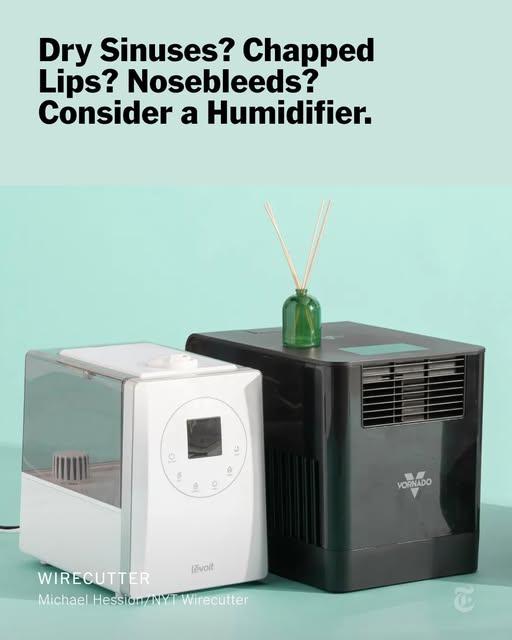
The best humidifier we found does everything right: It’s low-maintenance and easy to clean, and it humidifies the air quickly and (almost) silently. It’s also one of the very few ultrasonic humidifiers we’ve tested that can stop themselves before they turn your roo
The 3 Best Dehumidifiers of 2025 | Reviews by Wirecutter
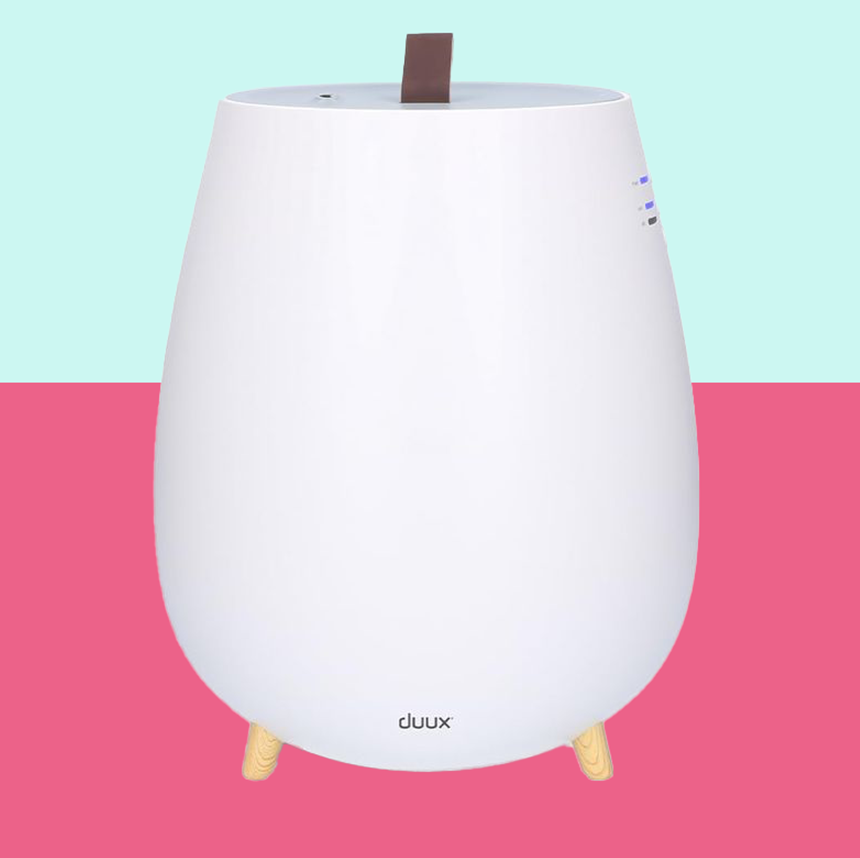
These are the best humidifiers for your home, tried and tested by the GHI

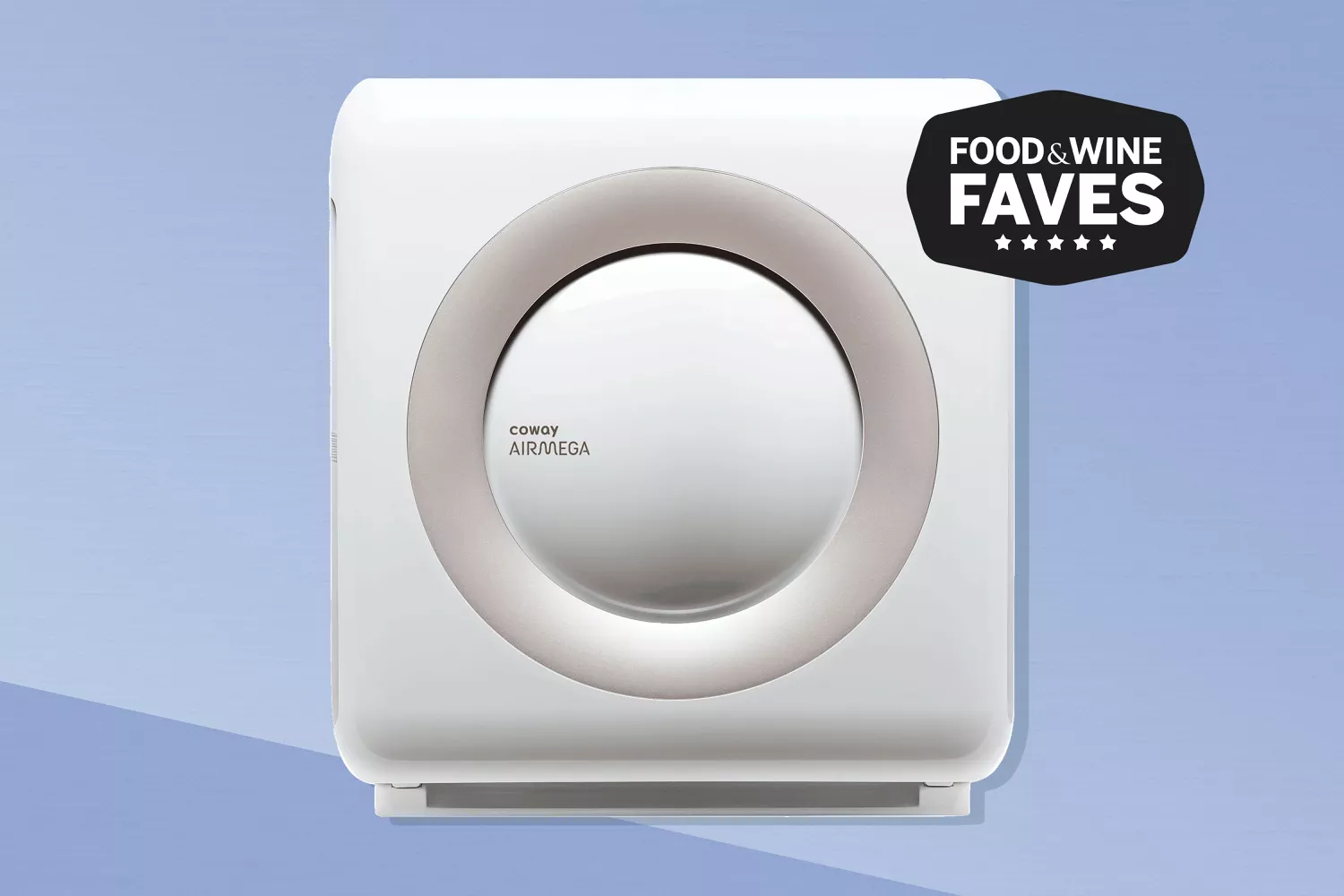
We’ve Been Testing Air Purifiers for Years — These Are the Ones We Keep in Our Kitchens


The 4 simple tricks that stopped condensation from forming on my bedroom windows – I no longer have to wipe my windows down every morning
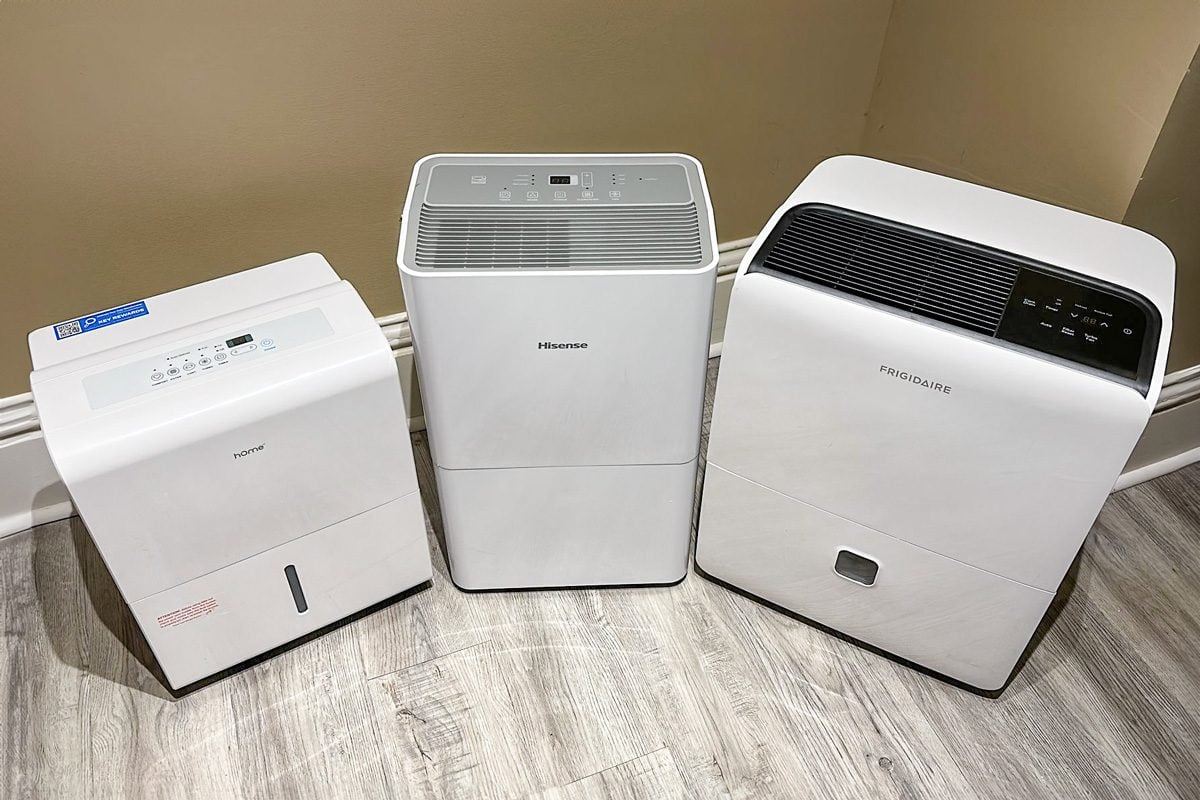
The 9 Best Dehumidifiers for Basements to Get Ahead of Moisture Issues

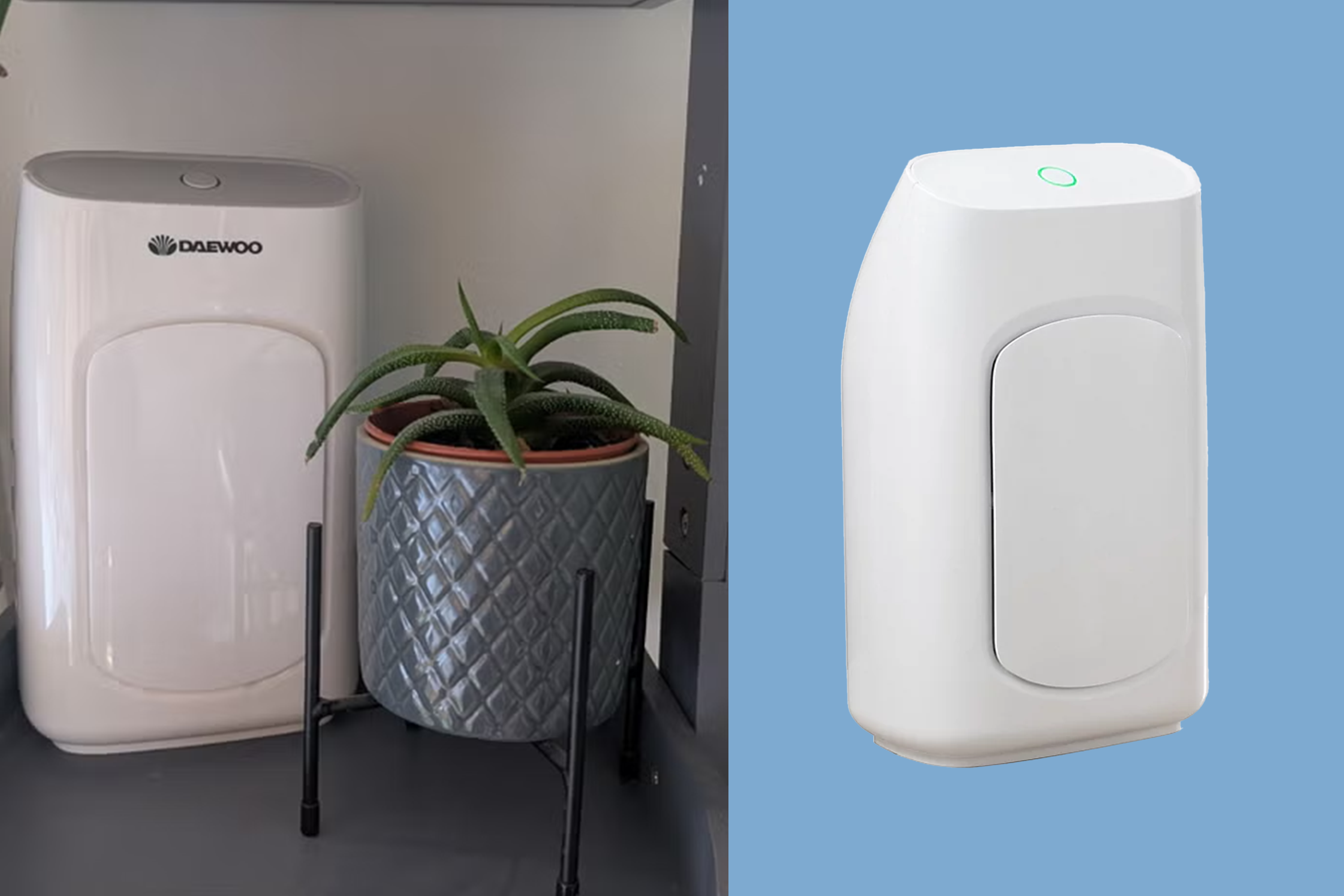
You can stop worrying about damp in your home thanks to this budget appliance
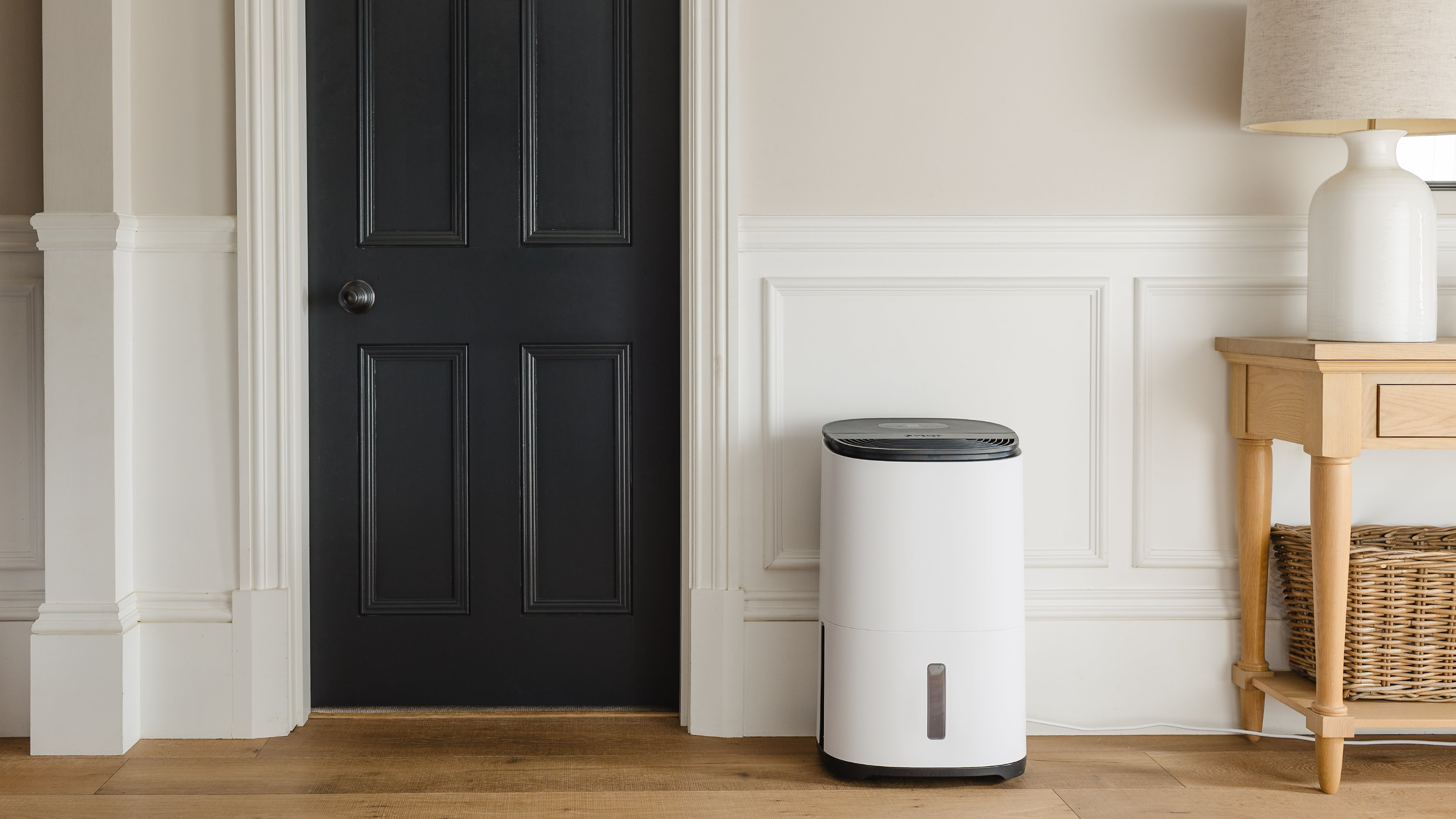
Can a dehumidifier dry out damp walls? Expert tips you need to know to drive out unwanted moisture this winter
The Best Air Purifiers of 2025, Tested and Reviewed by Our Experts
We've Tested 68 Humidifiers—These Are the Best Options To Get You Through a Dry Winter

The Most Reliable Water Heaters You Can Buy, According to Testing

After Testing Hundreds of Vacuums, These Are Our Top Recommendations
After 25 Years of Testing Toilets, These Are My Top Picks for Every Bathroom
The Best Humidifiers | Lab Tested & Ranked

These simple mistakes could be why your dehumidifier isn't working properly – and here's how to avoid them
The Best Dryers of 2025


Humidifiers Are Notoriously High-Maintenance. Not This One. | Reviews by Wirecutter