1/15
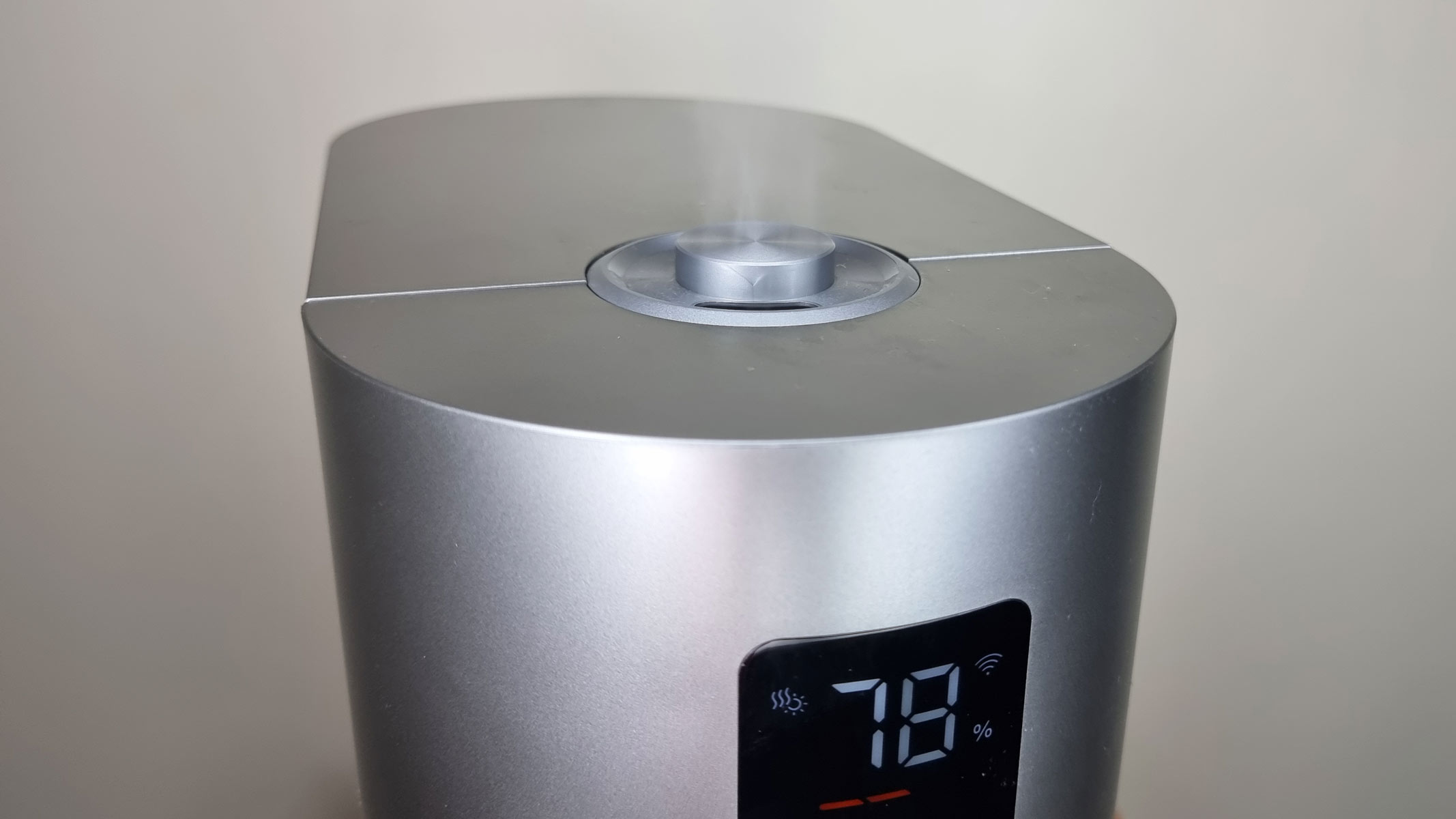
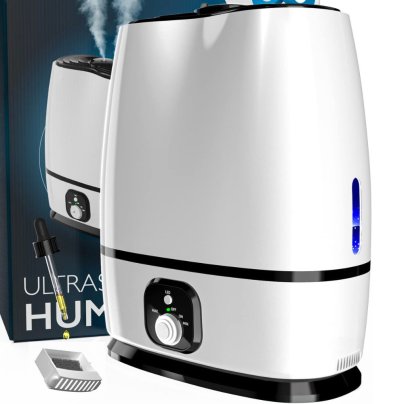
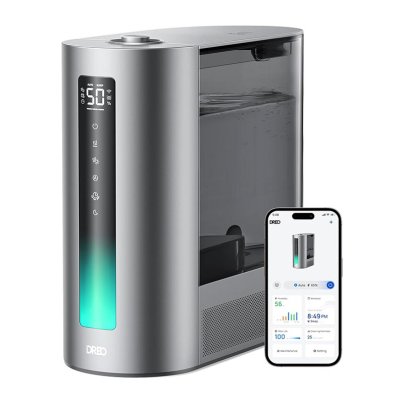
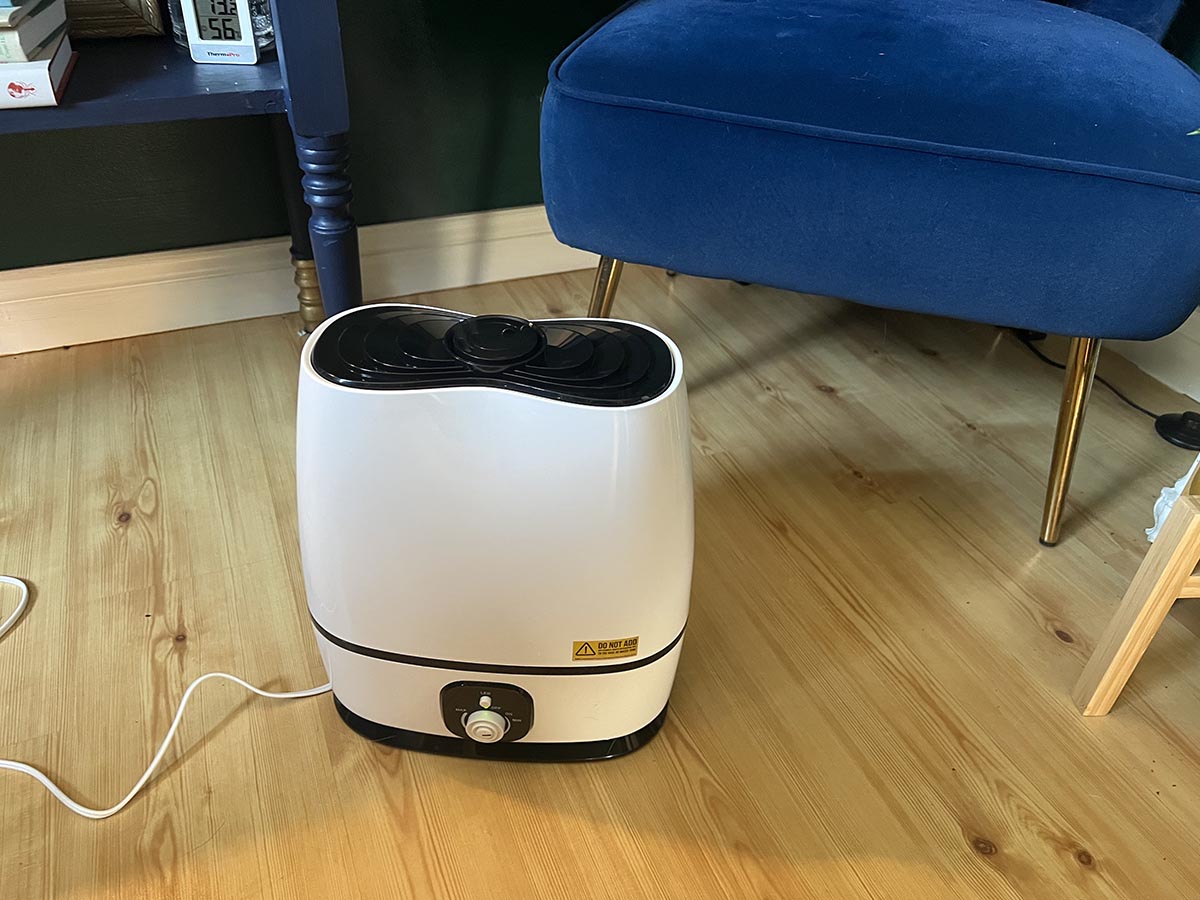
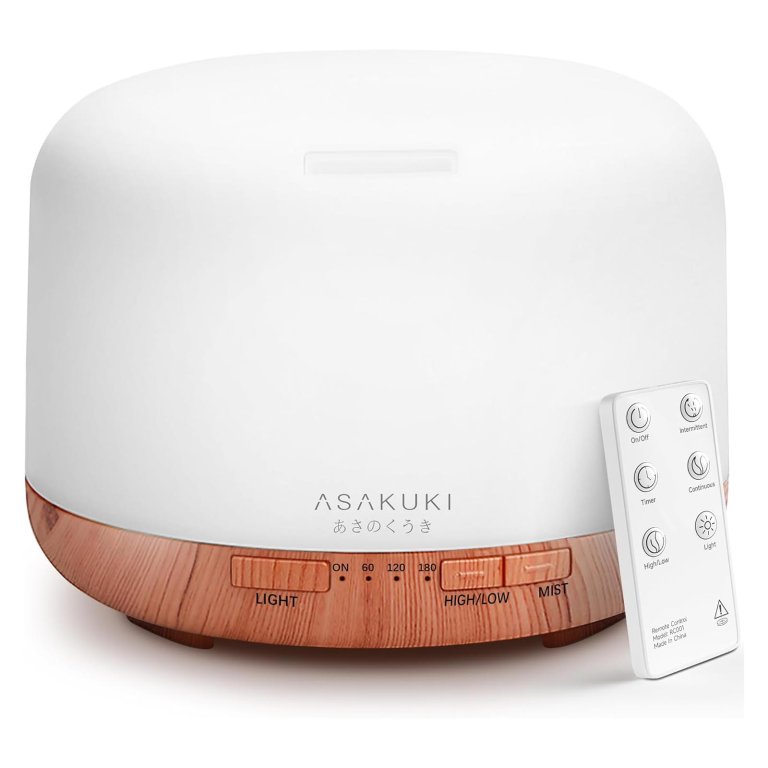
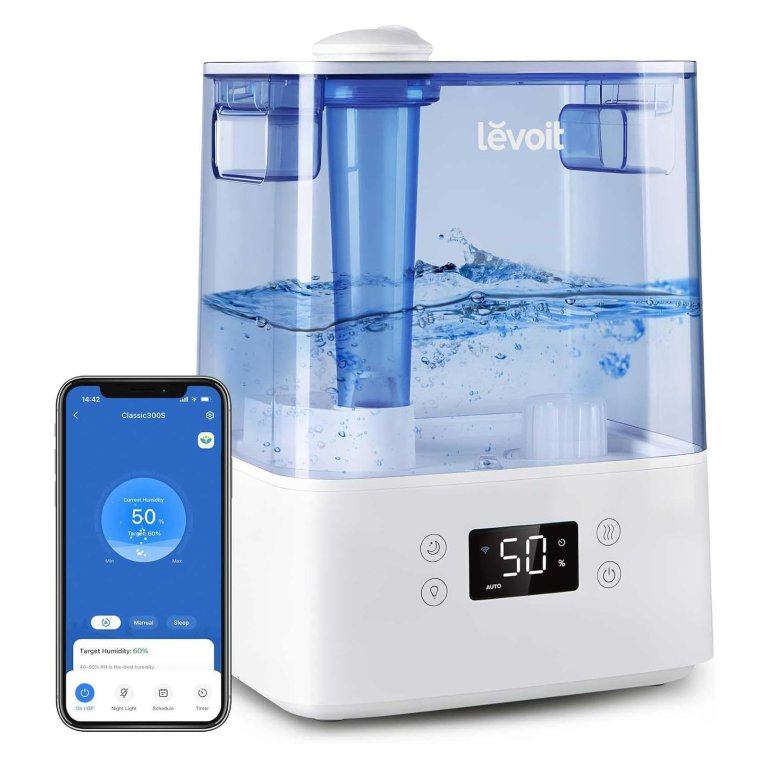
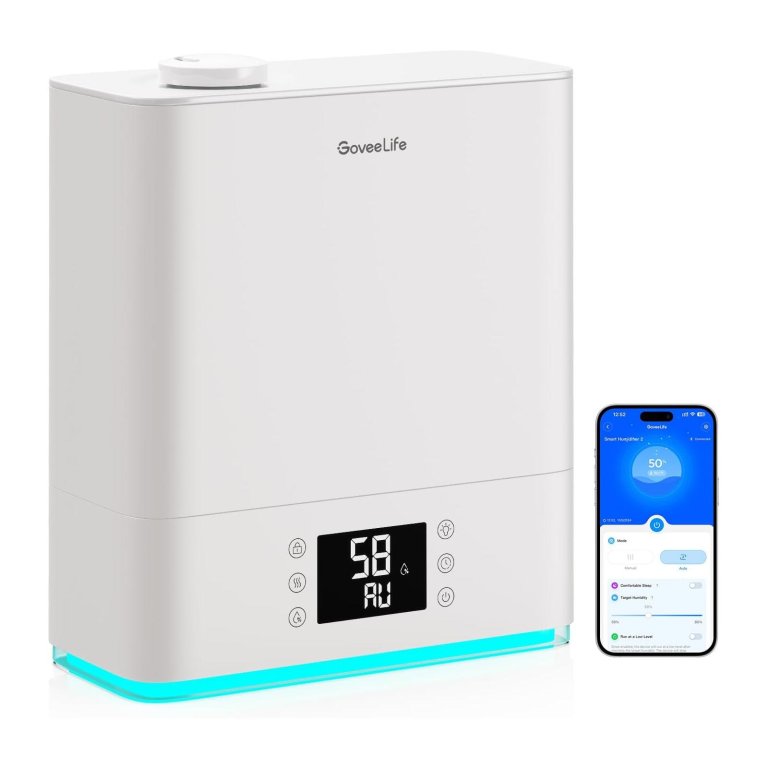
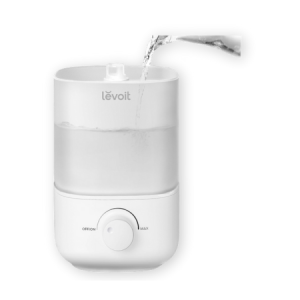
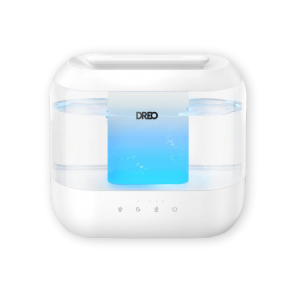
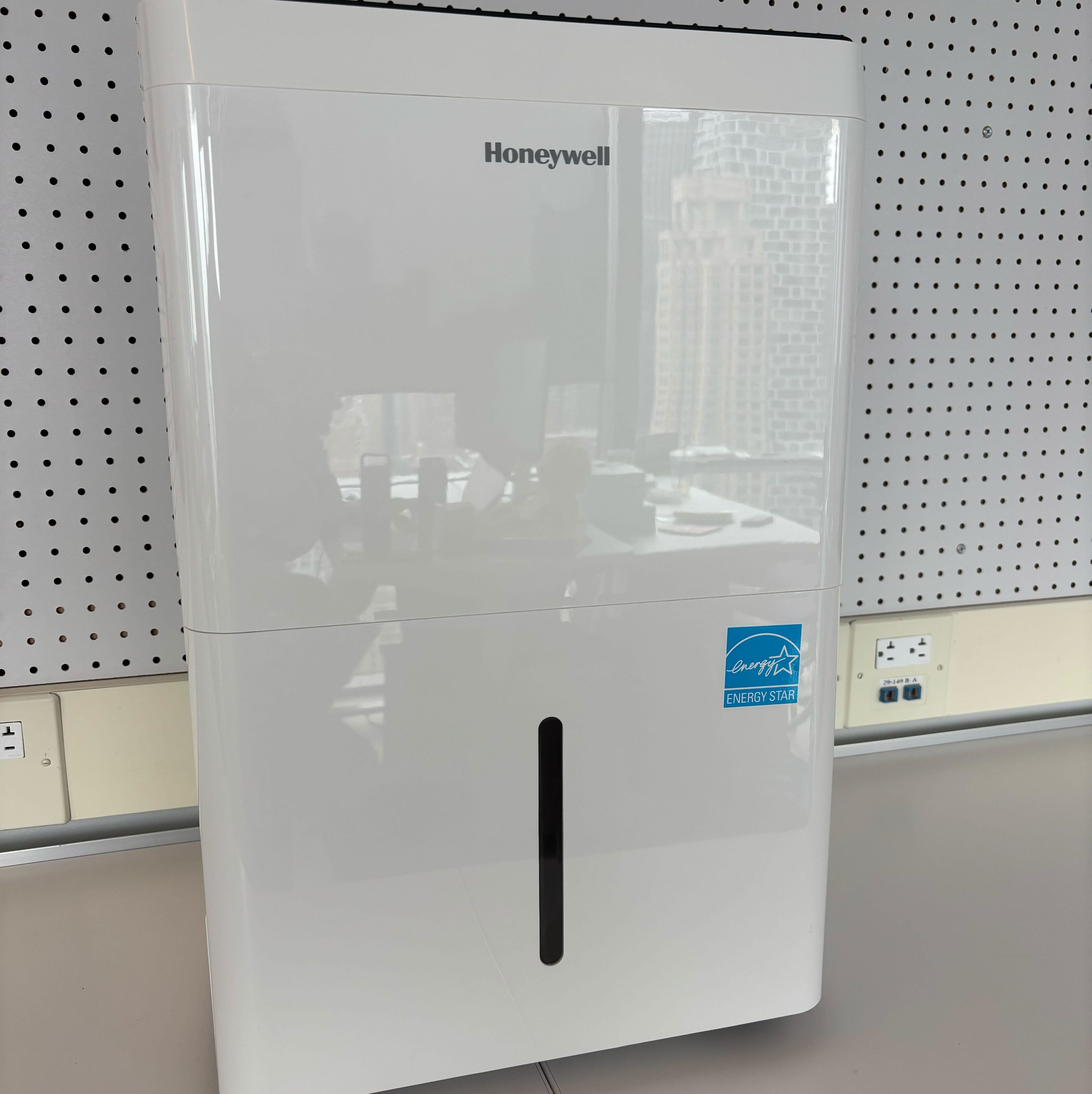
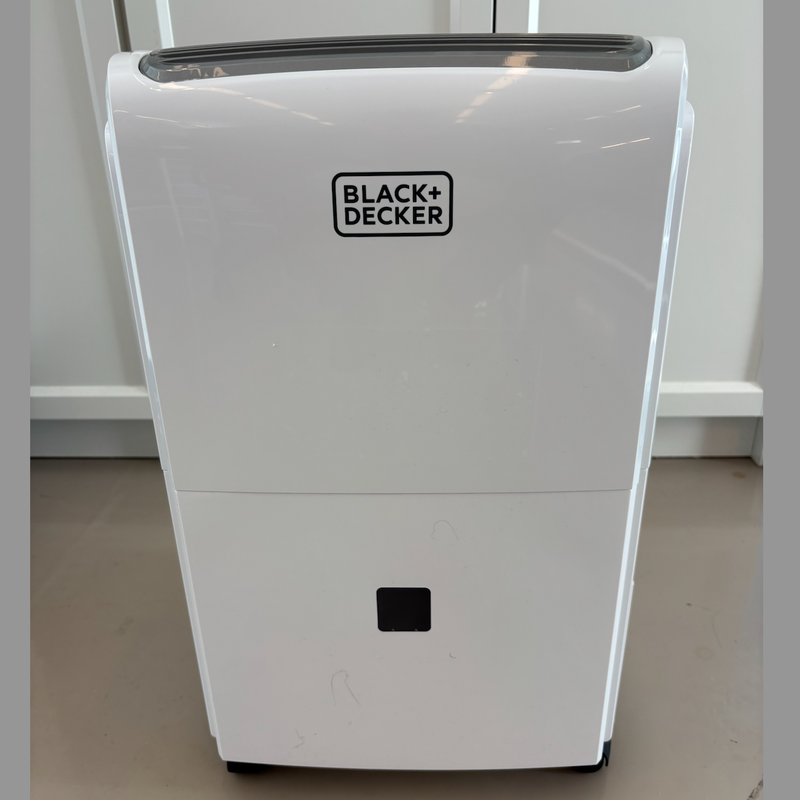
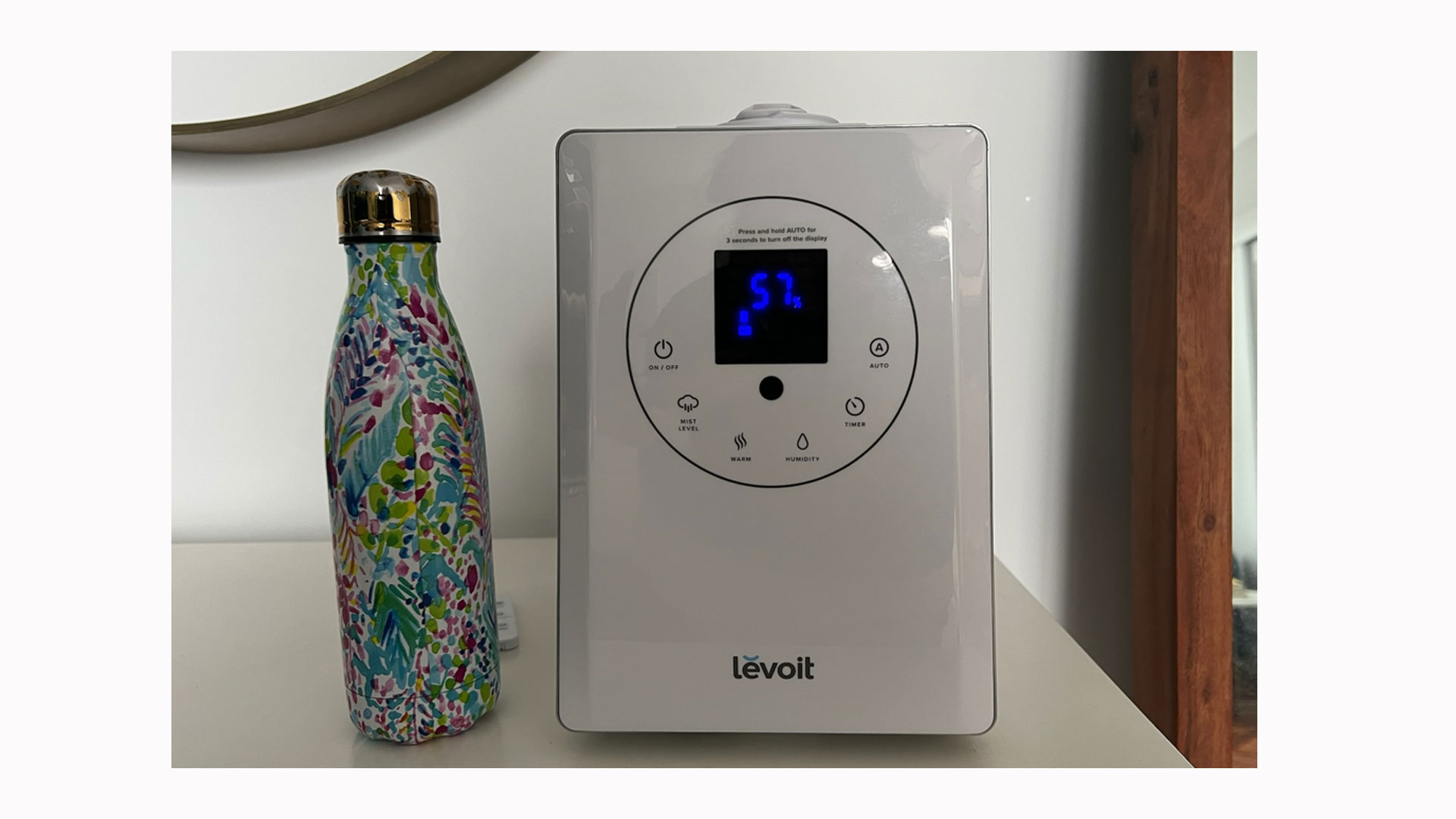
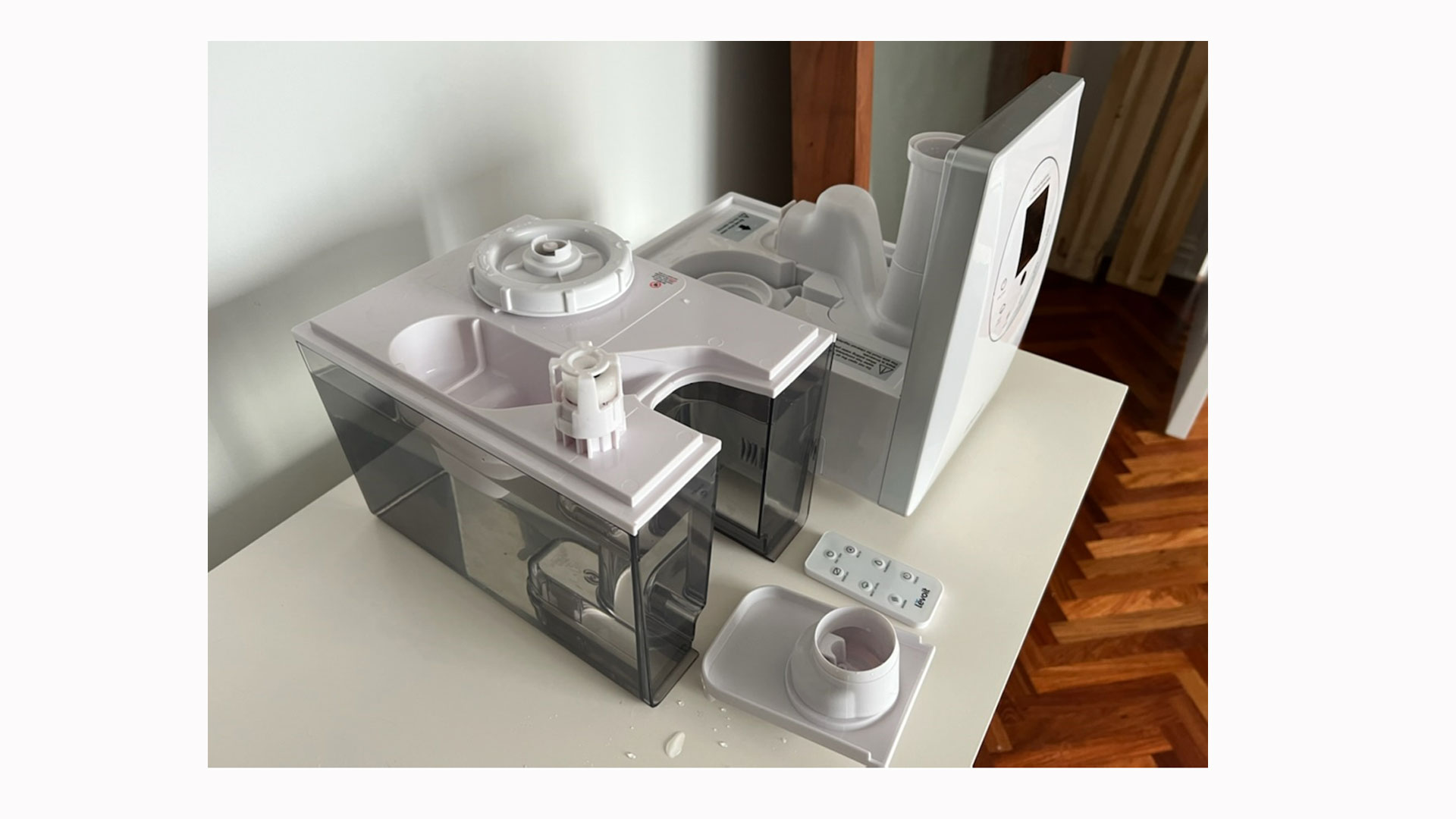
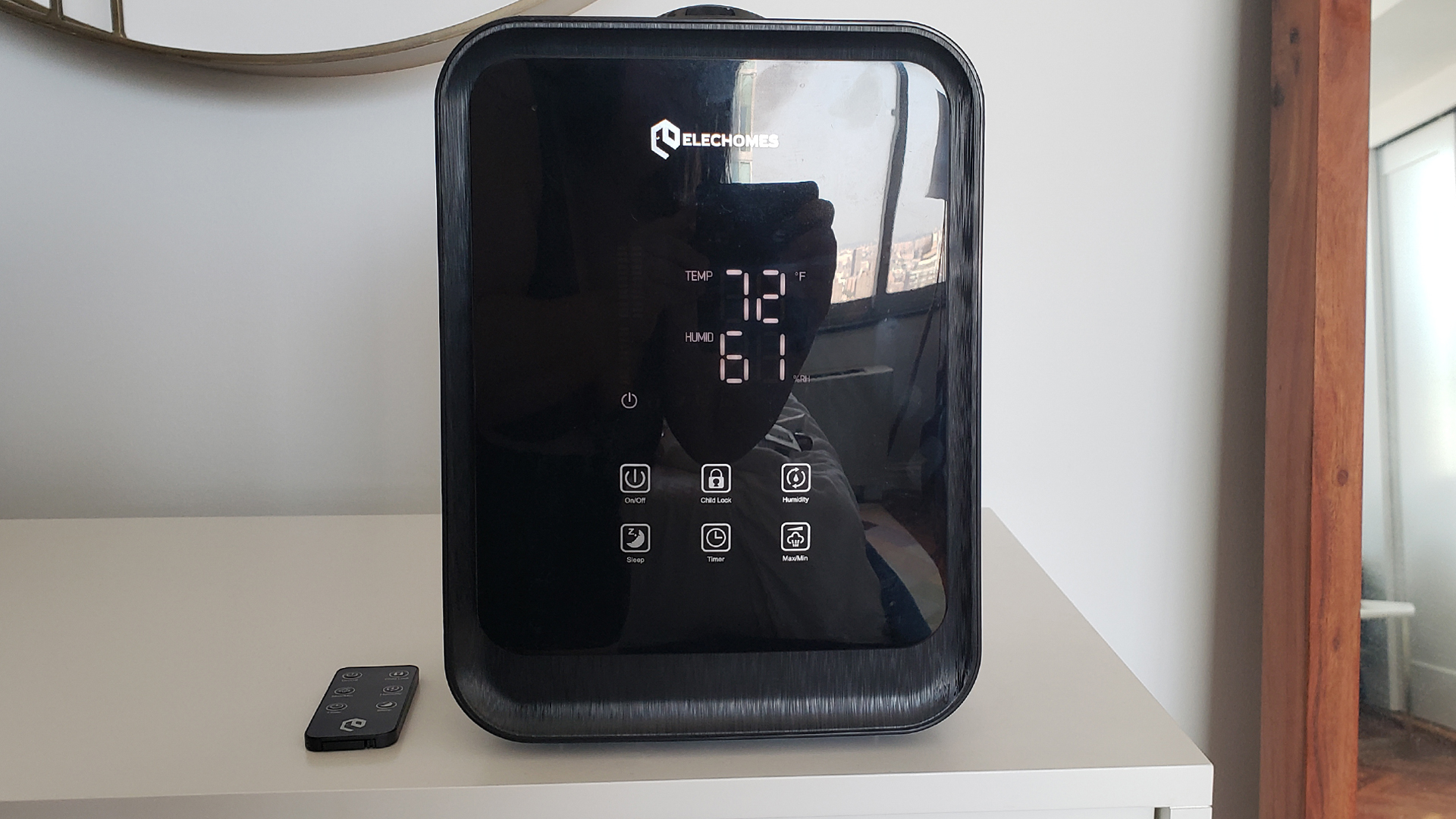
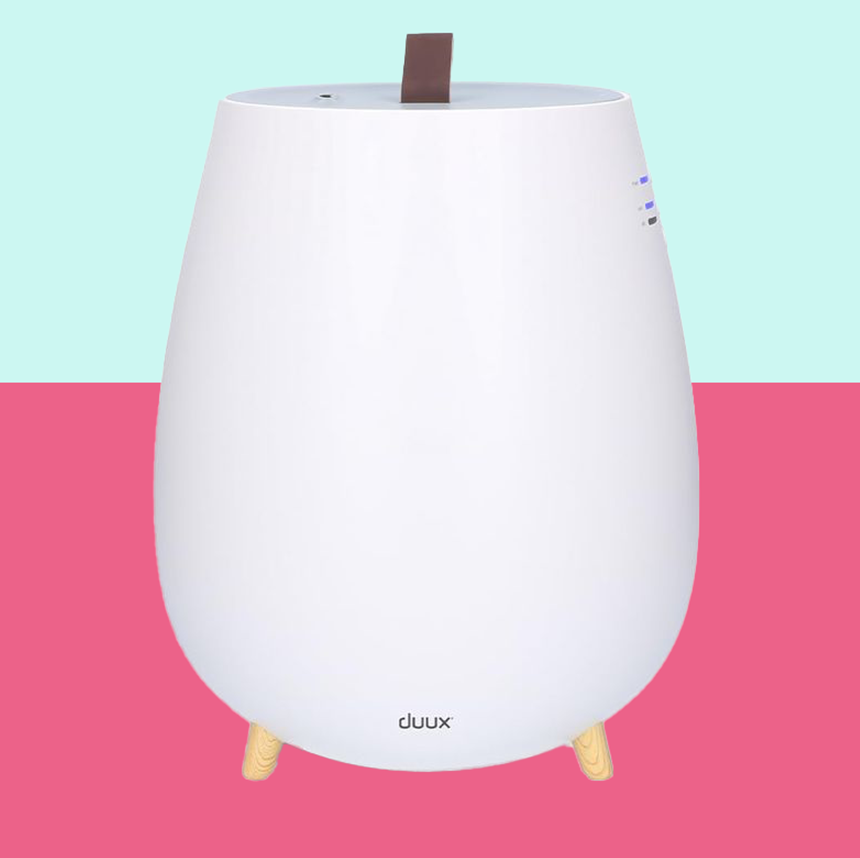
These are the best humidifiers for your home, tried and tested by the GHI
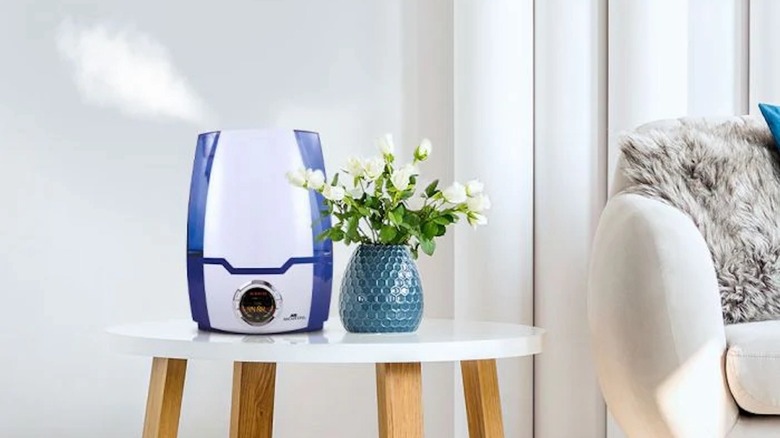
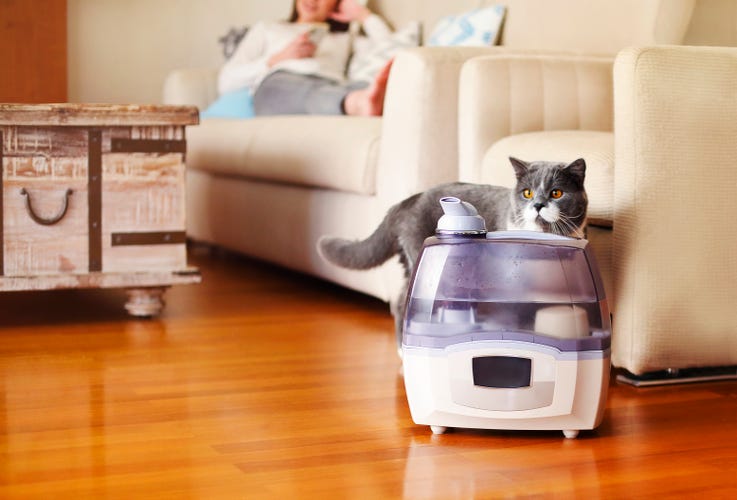
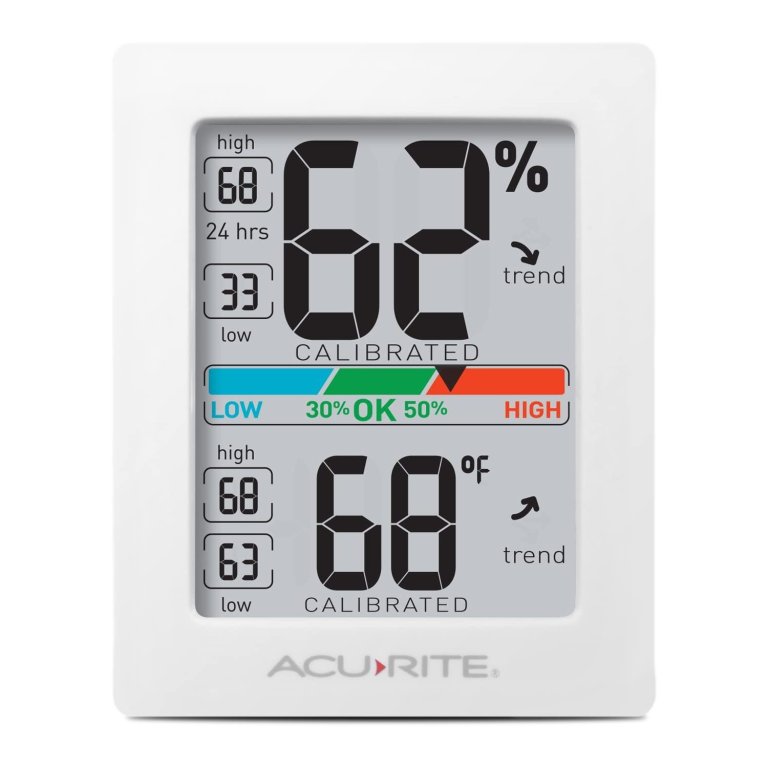
Humidifiers introduce a fine mist of moisture into the air, benefiting skin, sinuses, and even houseplants, particularly in environments made dry by heating or air conditioning. Optimal indoor relative humidity should range between 30% and 50%; exceeding this can foster the growth of allergens like house dust mites and mold. House dust mites thrive in humidity above 50%, with their airborne droppings triggering allergic rhinitis, characterized by symptoms such as a blocked or runny nose, sneezing, and an itchy nose. Mold, on the other hand, requires humidity levels above 70% for an extended period to grow and often develops in hidden, dark areas, which humidifiers would only exacerbate. Individuals considering a humidifier for medical conditions, especially allergies, should consult a doctor or allergy specialist, and regular maintenance, including filter changes, is crucial to prevent dust and bacteria buildup.
For skin conditions, humidifiers offer similar benefits and caveats. While low humidity can lead to dry, itchy skin by accelerating moisture evaporation, excessively high humidity can make skin sticky and worsen conditions like acne and fungal infections. Humidifiers can help alleviate dry skin and eczema by maintaining adequate moisture levels in the air, thereby reducing moisture loss from the skin and irritation. However, they are not a standalone solution for significant eczema or underlying skin diseases, for which medical consultation is advised. Proper maintenance is also paramount for skin health, as uncleaned humidifiers can harbor bacteria and mold, potentially exacerbating skin issues or causing respiratory problems. Alongside humidifier use, individuals with dry skin are recommended to use gentle, moisturizing cleansers, apply rich moisturizers regularly, avoid long hot showers, and ensure adequate hydration.
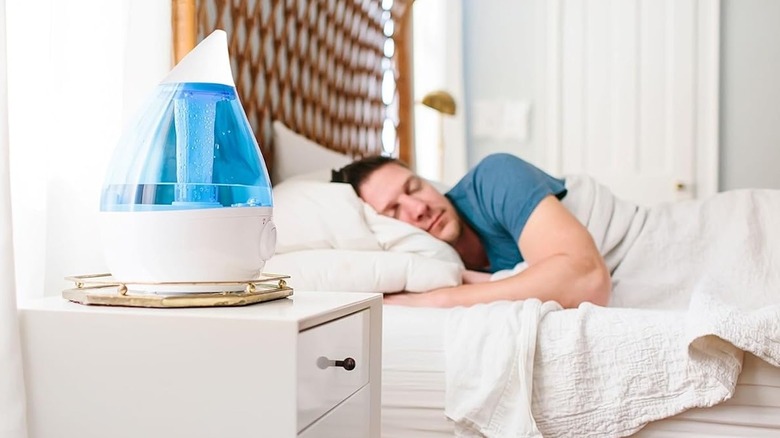
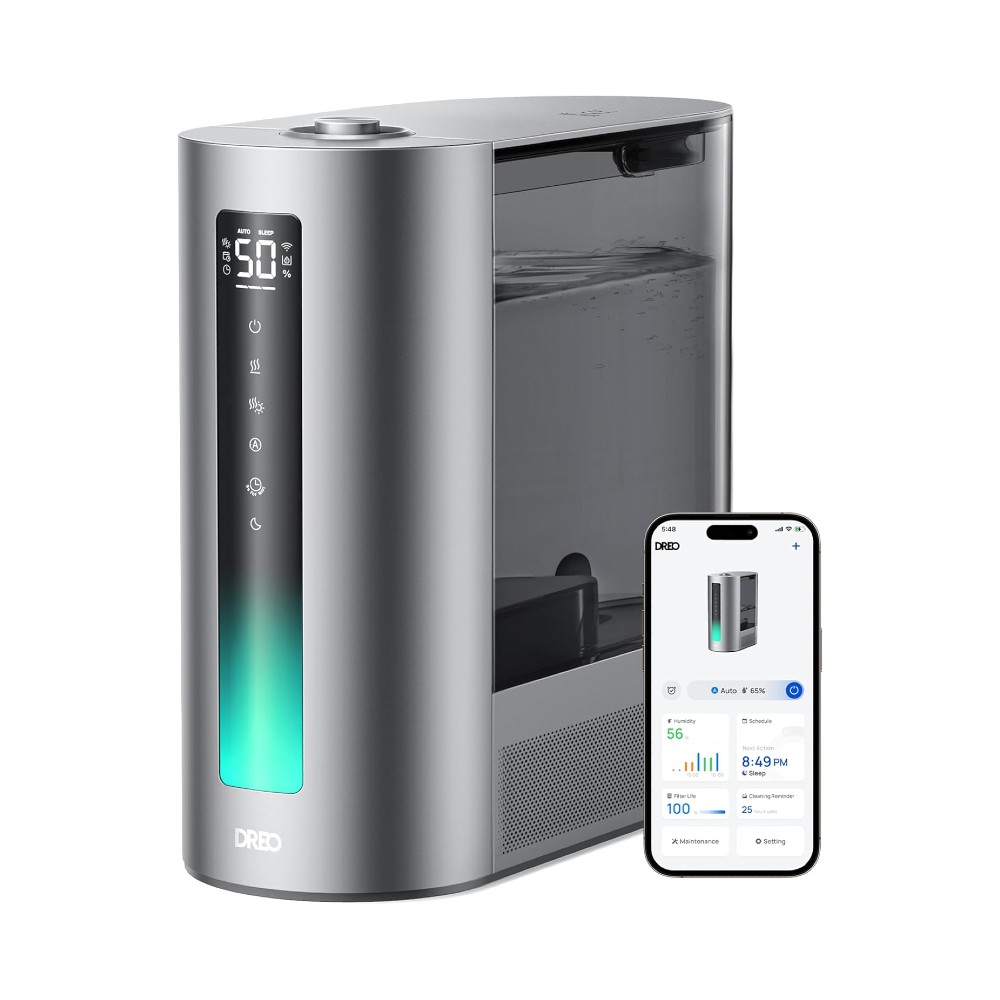
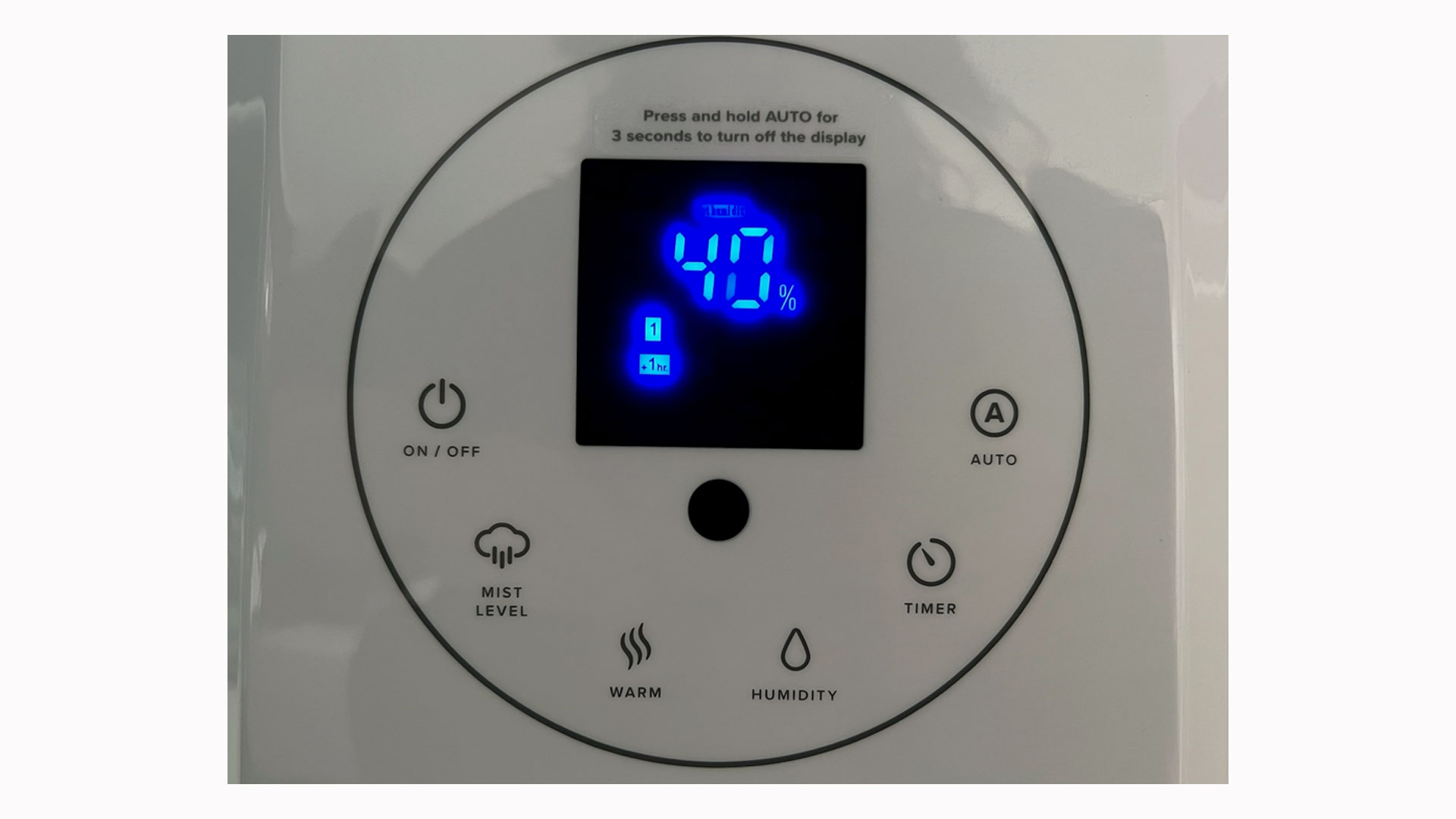
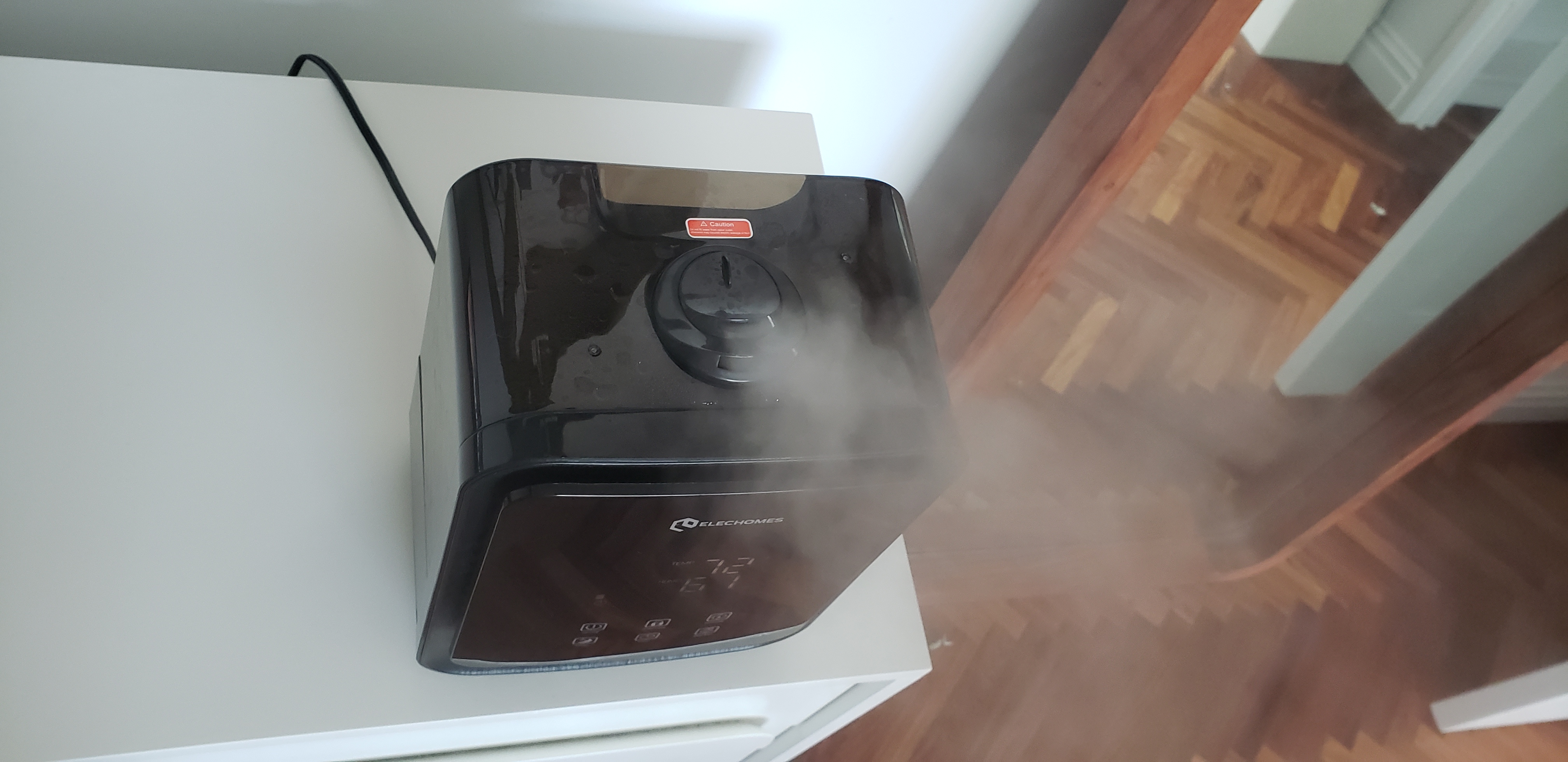
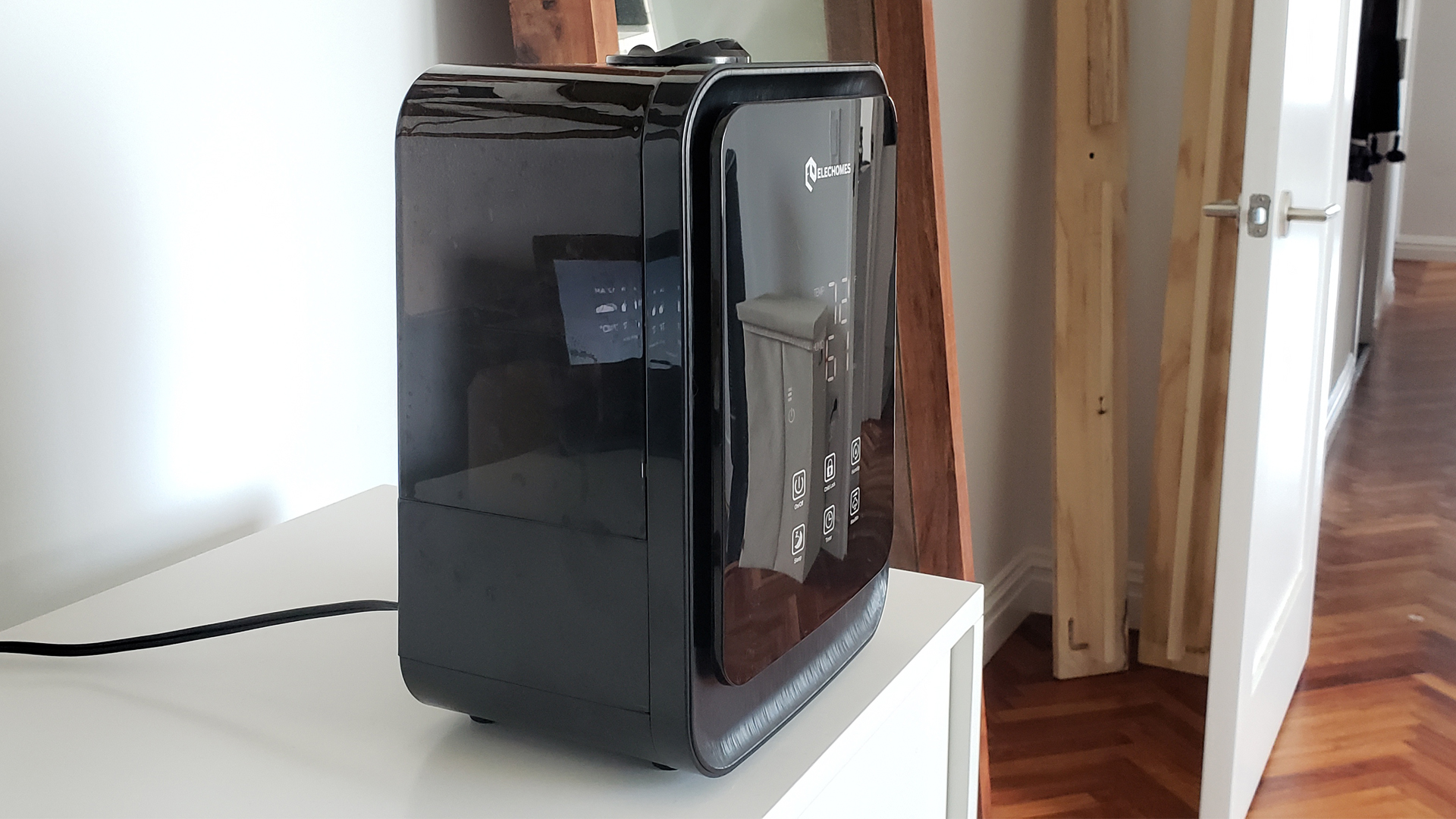
Beyond personal health, humidifiers can benefit moisture-loving houseplants, providing the necessary humidity that might otherwise be difficult to achieve indoors. When selecting a humidifier, key features to consider include a humidistat, timer, or automatic shut-off settings to maintain humidity levels within the recommended 50% range. Models offering both cool and warm mist are versatile for year-round use. Cool mist humidifiers are either ultrasonic, using high-speed vibrations, or evaporative, which can be noisier due to internal fans. Regardless of the type, ease of cleaning and maintenance should be prioritized for hygiene. For bedroom use, quiet operation or a night setting is essential, and some advanced models include additional features like aromatherapy, air purification, or act as a night light.
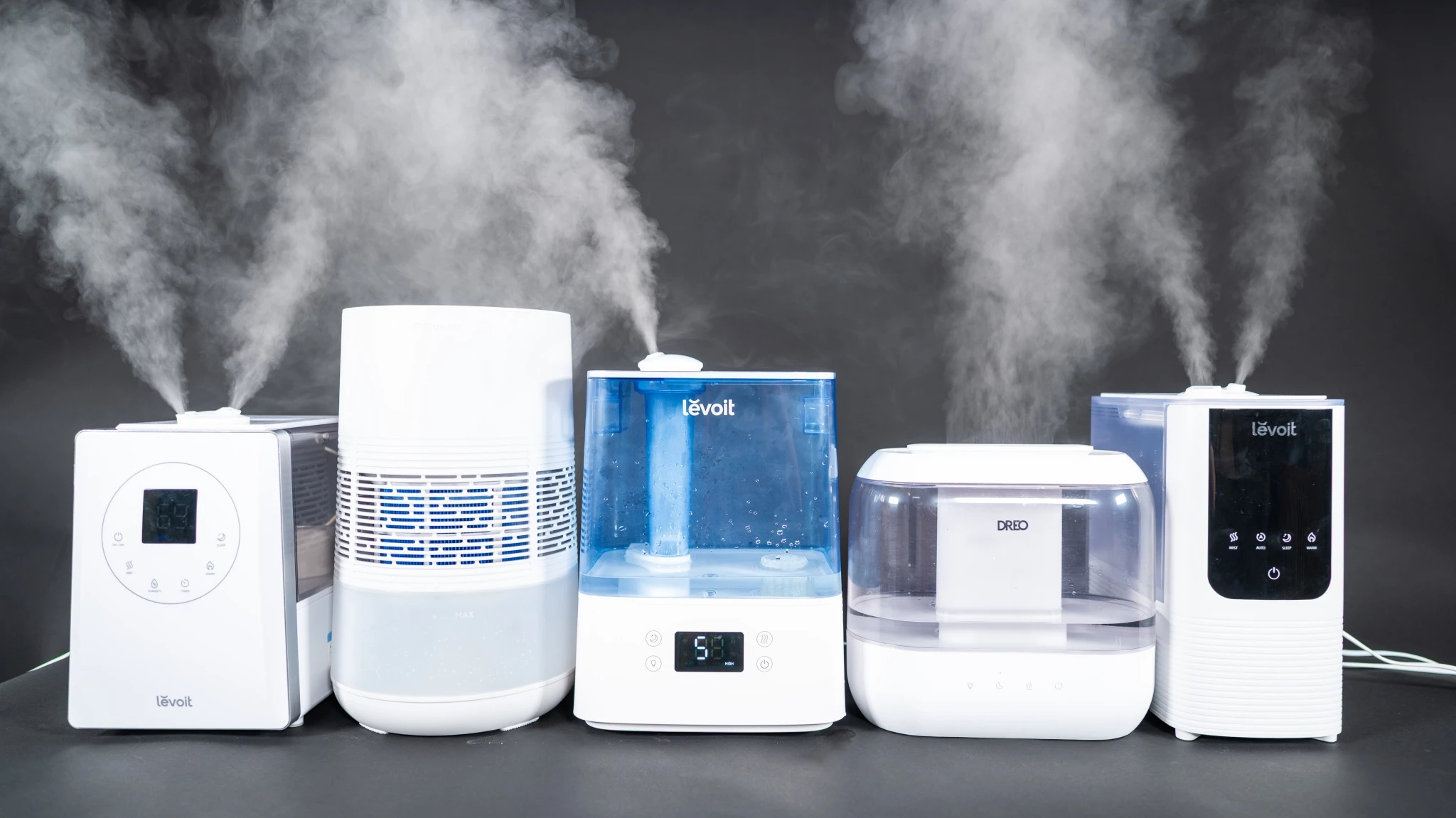
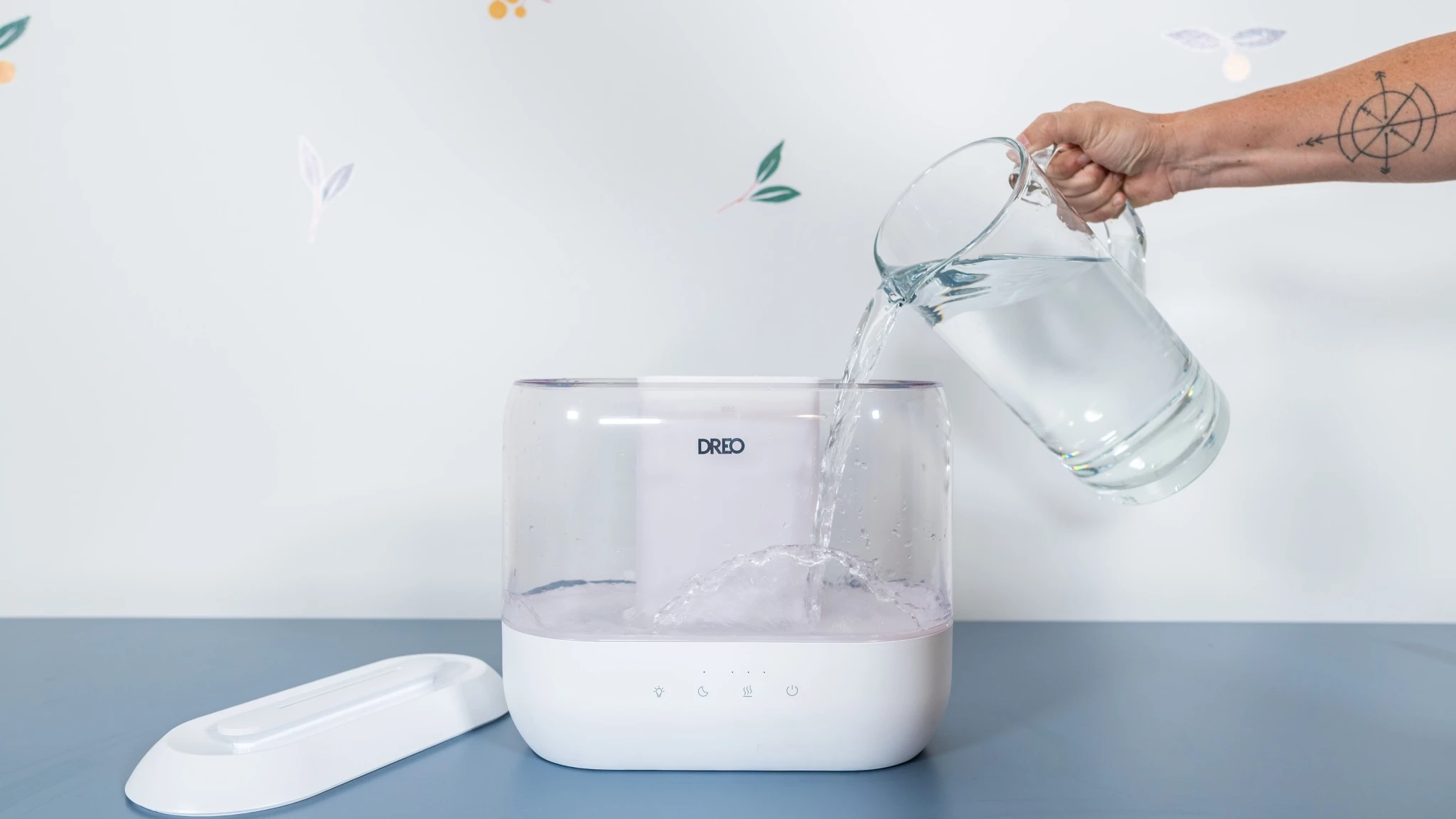
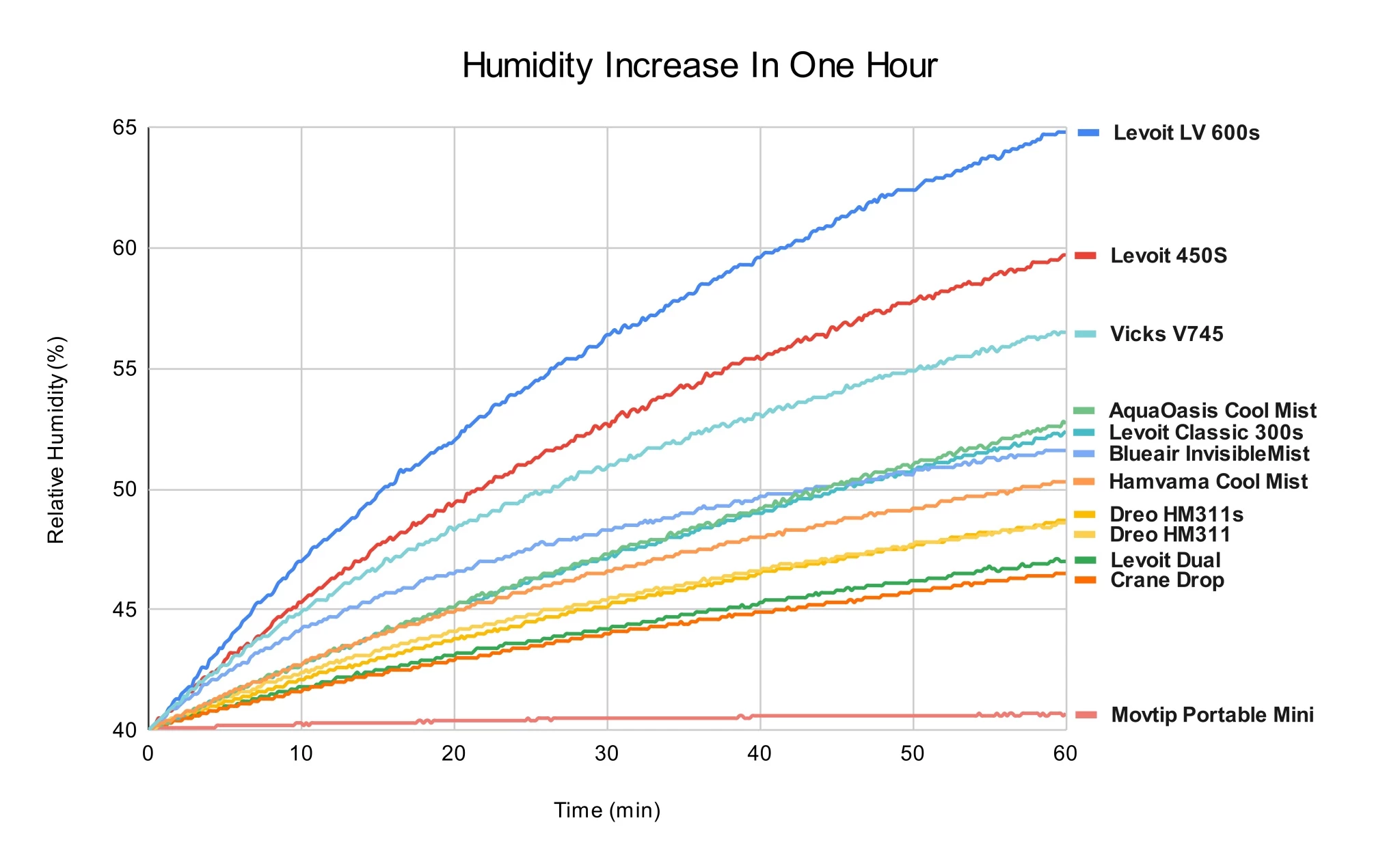
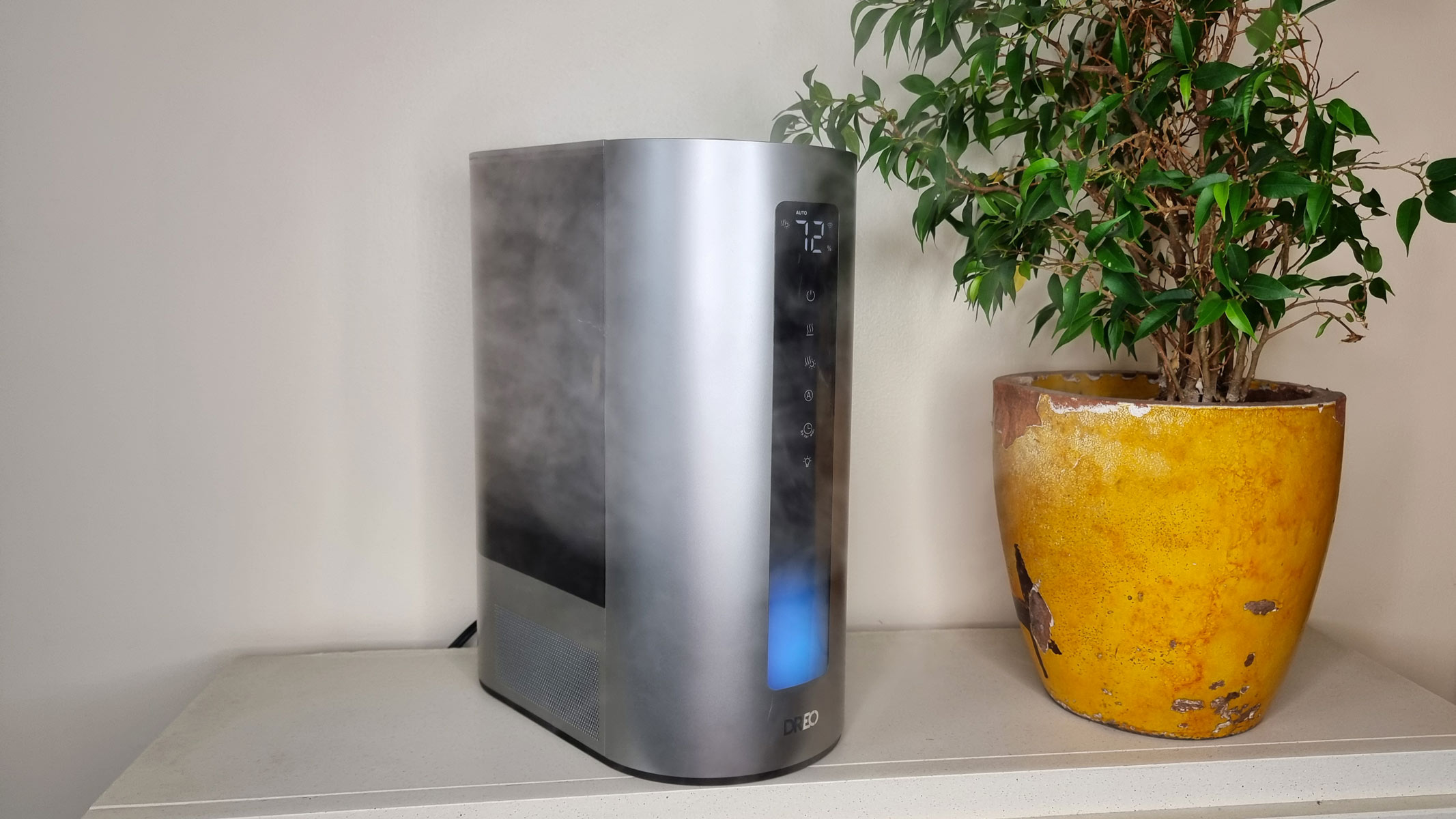
The Good Housekeeping Institute (GHI) conducts rigorous testing of humidifiers, collaborating with a specialist lab to assess their performance under controlled conditions. Tests involve measuring humidity changes at both highest and lowest settings over an hour, and evaluating the humidistat's responsiveness to maintain desired humidity levels. Energy consumption is also monitored, though most units are found to be very energy-efficient. Experts also evaluate setup ease, usability, and clarity of instructions, ensuring that all features, even if not scored, are tried and tested to confirm their efficacy in a home environment.
#humidifier #airQuality #homeComfort #skinHealth #allergyRelief #plantCare #productReview #householdAppliances #goodHousekeepingInstitute #humidifier #airQuality #homeComfort #skinHealth #allergyRelief #plantCare #productReview #householdAppliances #goodHousekeepingInstitute
0 comment in total
 No comments yet
You may also like
The Best Humidifiers | Lab Tested & Ranked


Amazon Drops Humidifiers to Clearance Prices for Last-Minute Shoppers – Top Deals from Dreo, Levoit & More

The 3 Best Dehumidifiers of 2025 | Reviews by Wirecutter

Humidifiers Are Notoriously High-Maintenance. Not This One. | Reviews by Wirecutter

Major Humidifier Brands Ranked Worst To Best
12 Best Humidifiers for Pet Parents in 2025


Wondering Where to Place Your Humidifier? These Tips Will Help

These simple mistakes could be why your dehumidifier isn't working properly – and here's how to avoid them
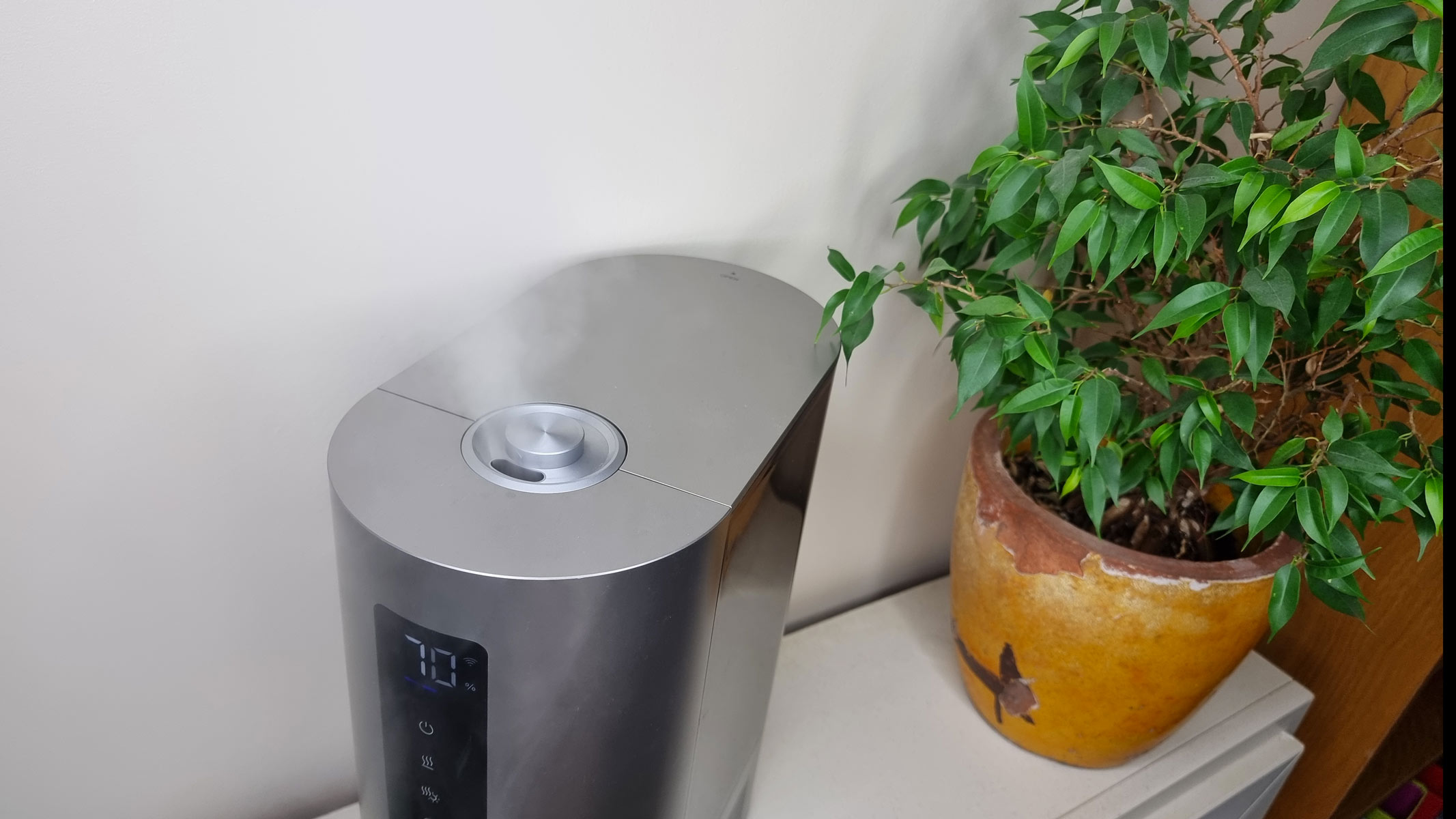
Struggling with dry air? Breathe easy with these 6 excellent humidifiers

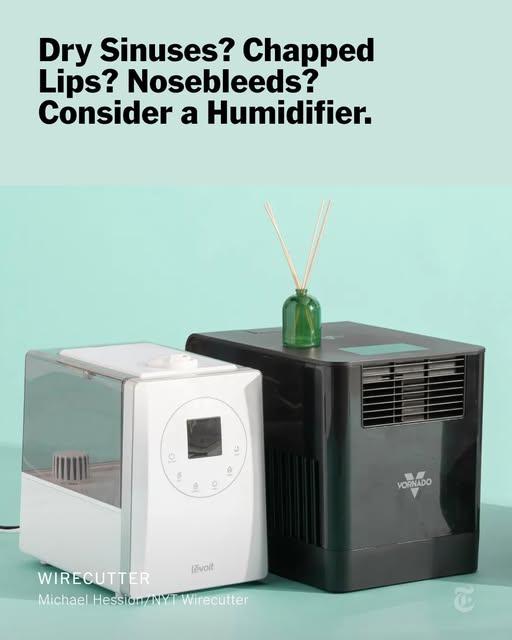
The best humidifier we found does everything right: It’s low-maintenance and easy to clean, and it humidifies the air quickly and (almost) silently. It’s also one of the very few ultrasonic humidifiers we’ve tested that can stop themselves before they turn your roo
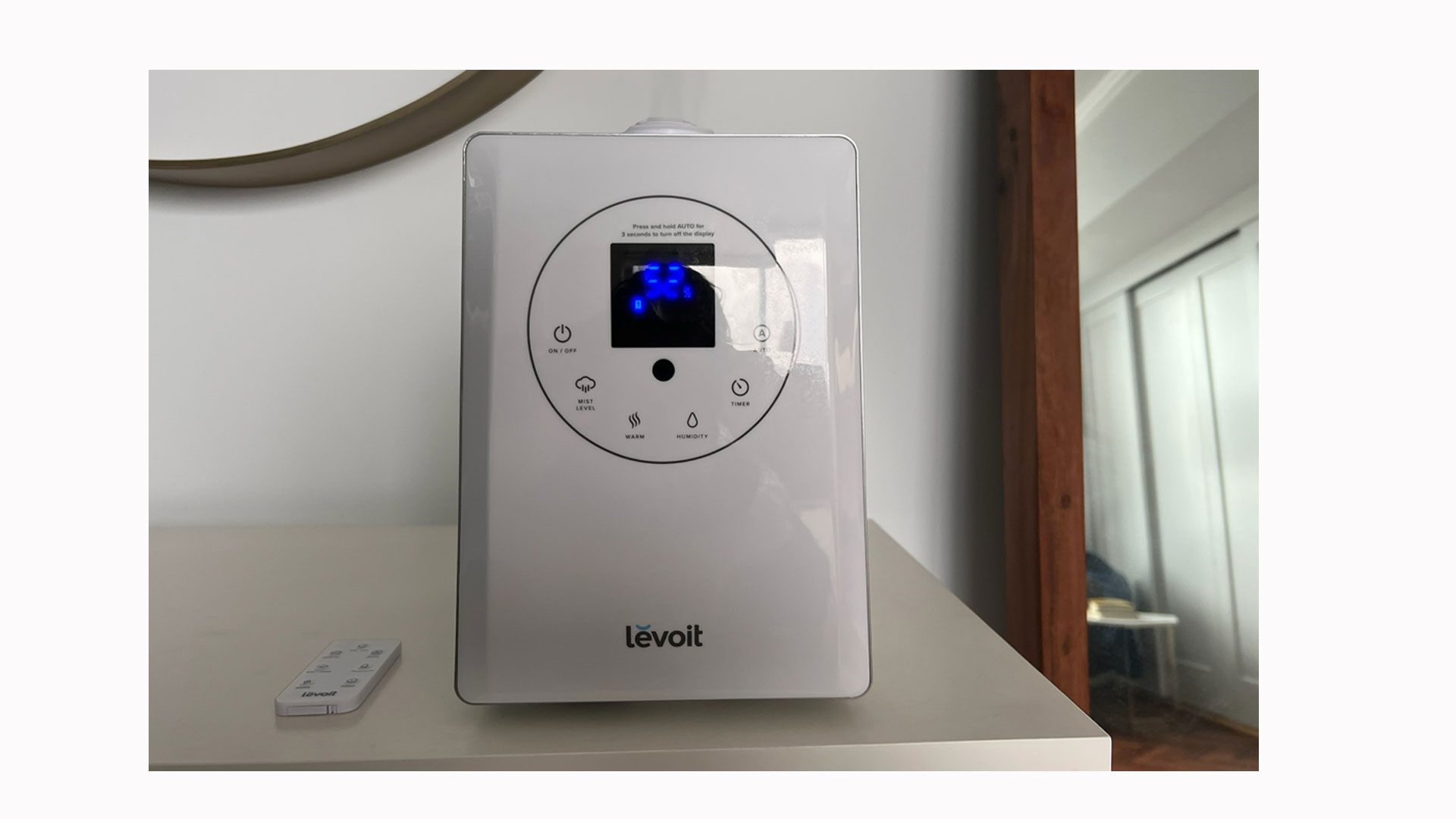
Levoit LV600HH humidifier review

14 Easy Ways to Increase Humidity in a Dry House
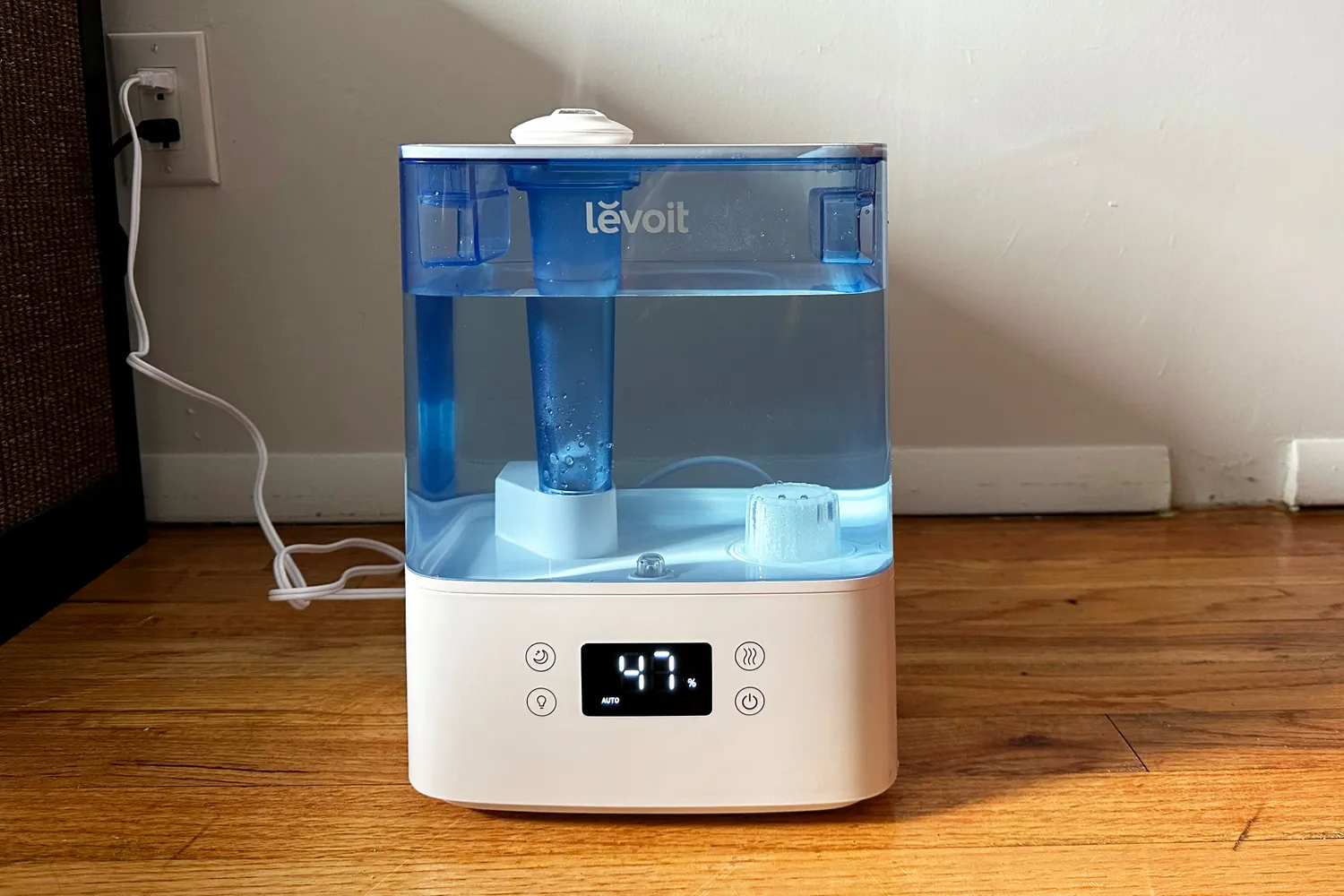
We've Tested 68 Humidifiers—These Are the Best Options To Get You Through a Dry Winter

I've Tested Dehumidifiers for 25 Years: These Are the Most Reliable

Elechomes HTJ-2119 Ultrasonic Humidifier review
The 9 Best Dehumidifiers for Basements to Get Ahead of Moisture Issues

We Tested the Best Humidifiers and Our Top Pick Covers the Largest Square Footage We've Seen
Best dehumidifiers 2025, tried and tested for tackling damp

Vetted: The Best Bathroom Fans for Moisture and Humidity Control
Clairu Humidifier Review 2025: Best for Respiratory Health