




1/4
Lots of rain can mean mould, this is how to get rid of it. - ABC Emergency
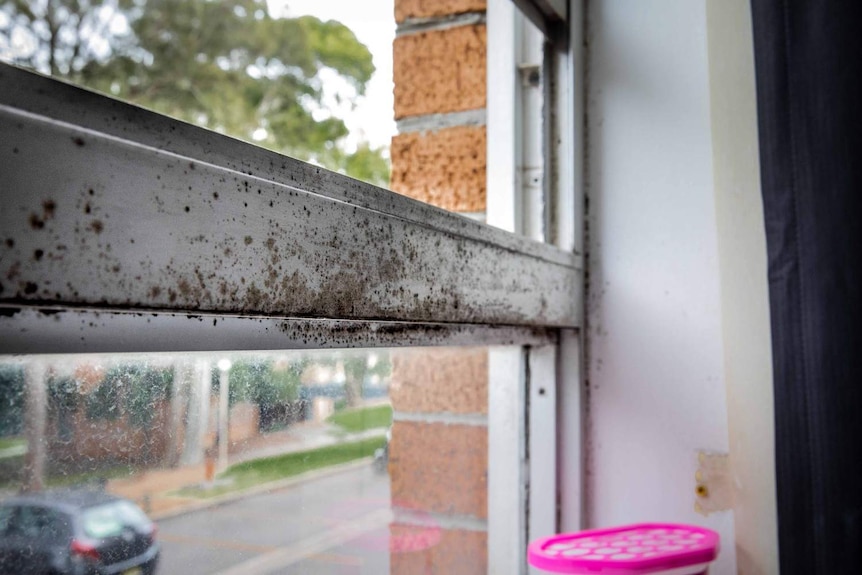
Mould growth in homes and buildings is a common issue, especially during prolonged wet weather or after flooding. It can appear on various surfaces like clothes, walls, doors, furniture, and ceilings. If not properly addressed, mould can lead to significant health problems. This guide provides comprehensive advice on preventing and removing mould, emphasizing the importance of proper ventilation and moisture control.
After a flood, it's crucial to open all doors and windows in affected buildings to facilitate drying. Using air conditioners in dry mode or fans can accelerate this process. Roof spaces, if flooded, require extra ventilation. Porous items that have been wet for more than two days and cannot be easily cleaned, such as mattresses, carpets, leather goods, and ceiling insulation, should be discarded. Controlling moisture is key to prevention, which involves repairing leaky plumbing and roofs promptly. Incorporating anti-mould solutions into paint when redecorating can also help. Plants and bushes near exterior walls should be cleared to reduce moisture retention. Moisture-removing packs in wardrobes and regular dusting can further deter mould. In enclosed spaces, infrared or UVC lamps may prevent mould on clothes and shoes. Continuous air circulation with fans and the use of dehumidifiers are also recommended.
For recurring mould issues, identifying and rectifying the source, such as plumbing problems or structural leaks, is essential. Individuals with mould allergies or compromised immune systems are advised against cleaning mould themselves and should instead hire professional removal services.
Cleaning mould from shoes, fabrics, and soft furnishings requires specific precautions. Personal protective equipment, including rubber gloves, N-95 masks, eye protection, covered shoes, and long-sleeved attire, is necessary, along with a well-ventilated workspace. While clove oil can be effective on fabric, hospital-grade disinfectant is recommended for leather and semi-porous materials like suitcases. Microfibre cloths are preferred for their ability to trap spores. For mould on soft furnishings, a HEPA-rated vacuum should be used to prevent spore dispersal. If mould persists after vacuuming, the item should be disposed of. For clothes with widespread mould, vacuuming followed by washing in warm vinegar water is suggested, with disposal as a last resort if cleaning is ineffective.
On hard surfaces like plasterboard, the process involves initial cleaning with a detergent like sugar soap to remove physical mould and dirt. Subsequently, bleach, hospital-grade disinfectant, or hydrogen peroxide can be used to kill residual mould. Vinegar, particularly canning vinegar for its strength, is also an option, though caution is advised due to its irritating properties. A three-bucket system with multiple microfibre cloths should be employed to prevent cross-contamination, with cloths rinsed in separate buckets. Used cleaning cloths can be washed on a hot cycle with vinegar, provided it is safe for the washing machine. For wooden furniture, microfibre cloths and hospital-grade disinfectant are recommended, avoiding bleach and hydrogen peroxide which can cause damage or discolouration. Again, a three-bucket rinsing system for cloths is crucial. Safety during mould removal includes ensuring good ventilation, wearing protective gear, and avoiding brushing mouldy areas to prevent airborne spore inhalation. Items that cannot be thoroughly cleaned, such as cardboard boxes and mattresses, should be discarded.
#MouldRemoval #HomeMaintenance #FloodRecovery #MoistureControl #HouseholdCleaning #HealthHazards #Disinfectants #AirQuality #PreventativeMeasures #MouldRemoval #HomeMaintenance #FloodRecovery #MoistureControl #HouseholdCleaning #HealthHazards #Disinfectants #AirQuality #PreventativeMeasures
 No comments yet