1/2
How Much Does It Cost To Repair Damp?
This article provides an in-depth guide to understanding the costs associated with repairing various types of damp issues in a home, offering insights into typical damp treatment and damp proofing expenses. It emphasizes the importance of accurate diagnosis and encourages homeowners to be informed to avoid unnecessary costs. The content is based on data compiled in collaboration with the Royal Institution of Chartered Surveyors (RICS), leveraging their Building Cost Information Service (BCIS) database, which includes labor, materials, preliminary work, contractor overheads, profit, and VAT, all benchmarked against national averages and current wage agreements. The information is current as of November 2023.
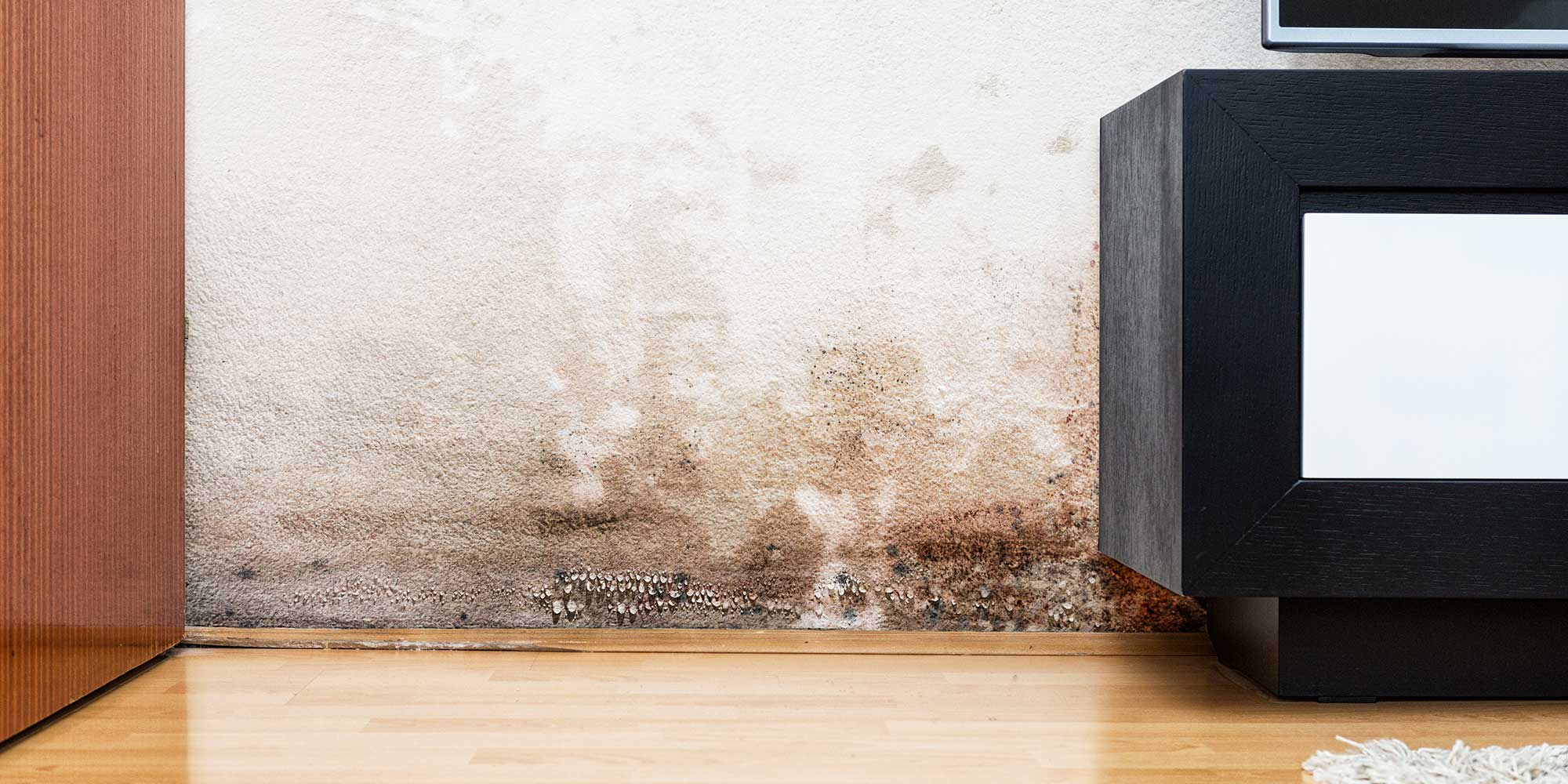
The guide breaks down potential damp problems into several categories, detailing the recommended solutions and estimated costs for different house types (terraced, semi-detached, detached) or specific areas (one wall, whole house, by square meter, or room size). For instance, if an existing damp-proof course (DPC) is below ground level, solutions include excavating soil only or excavating and laying a new gravel path, concrete paving slabs, or a 10cm-thick concrete path, with costs varying significantly based on the scope of work. When walls are damp at a low level due to a damaged or non-existent DPC, solutions involve injecting silicone damp-proofing or inserting a new damp-proof course, which entails cutting out brickwork, inserting bitumen-coated hessian, and making good the brickwork.
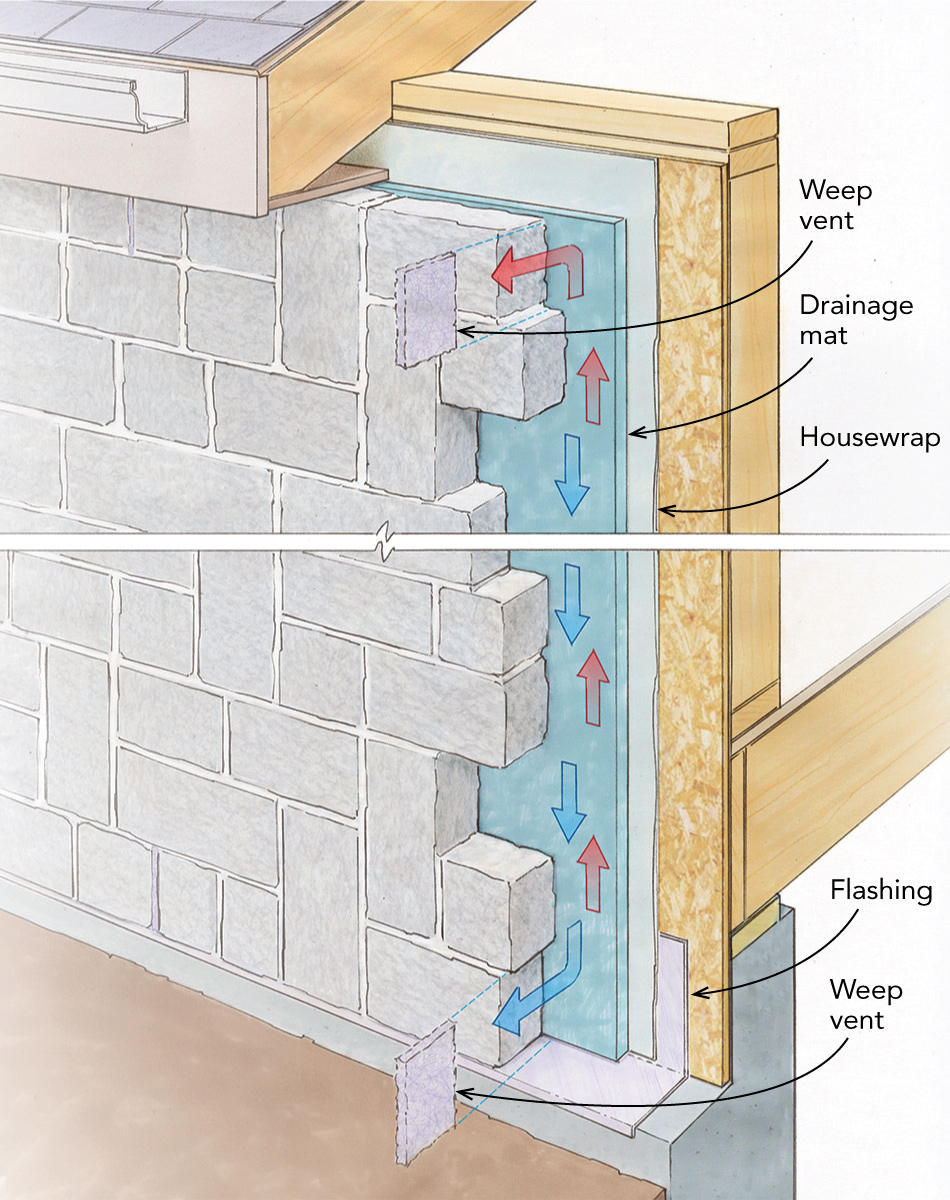
Cavity wall damp penetration issues can be resolved by clearing blocked cavities, a process that can be done from the outside by removing and replacing bricks. For damp penetrating walls at different heights, around windows and doors, or at ceiling height, inserting a cavity tray or a new damp-proof barrier/course is suggested. The article specifies options like polypropylene cavity trays and, for stepped trays, a combination of polypropylene and lead, differentiating costs based on whether scaffolding is required for high-level work. If exterior surfaces are damaged, leading to damp penetration, applying waterproof paint to brickwork, concrete, or rendered surfaces is presented as a solution, with costs depending on the area to be covered and height.
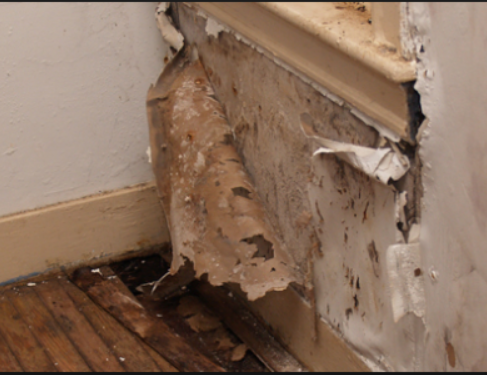
Internal wall dampness often requires 'tanking'—sealing walls with damp-proofing material like asphalt or bitumen-coated polyethylene membrane. This process involves removing old plaster, clearing brickwork joints, applying sealing coats, rendering the walls, and reinstating skirting boards. Similarly, damp floors are treated by 'tanking' with bitumen-coated polyethylene membrane or mastic asphalt, necessitating the removal of flooring, screed, and skirting before reinstallation. For kitchen or bathroom damp, installing an extractor fan in an external wall is a practical solution, covering the cost of forming a hole through the cavity wall or window glass. The article also includes a jargon buster for common damp treatment terms, such as DPC, DPM, silicone damp-proof barrier, cavity tray, and tanking, explaining their functions.
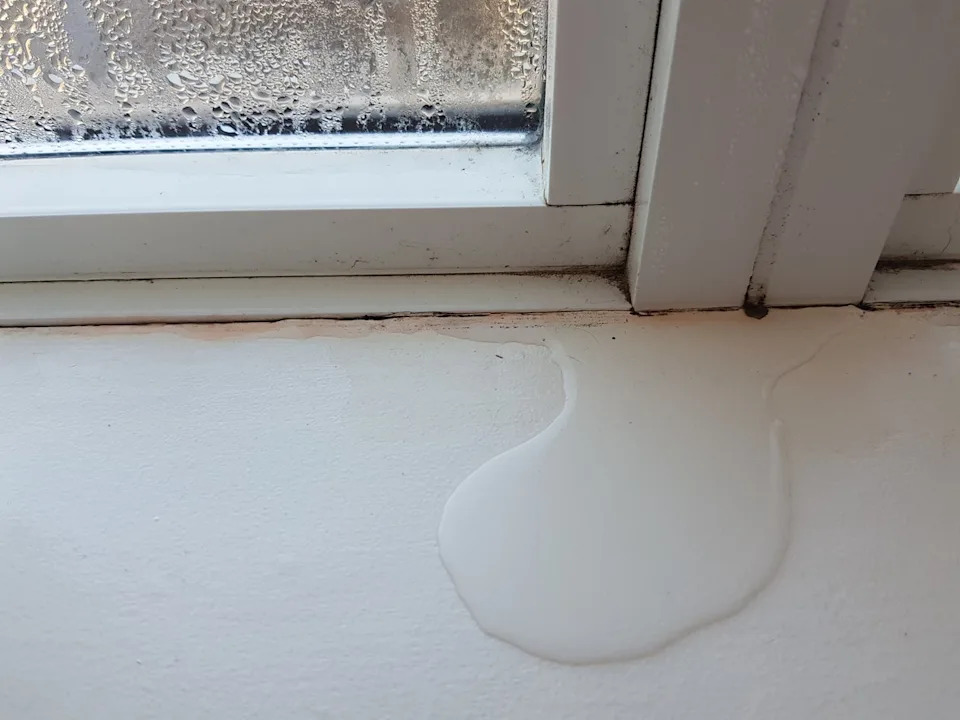
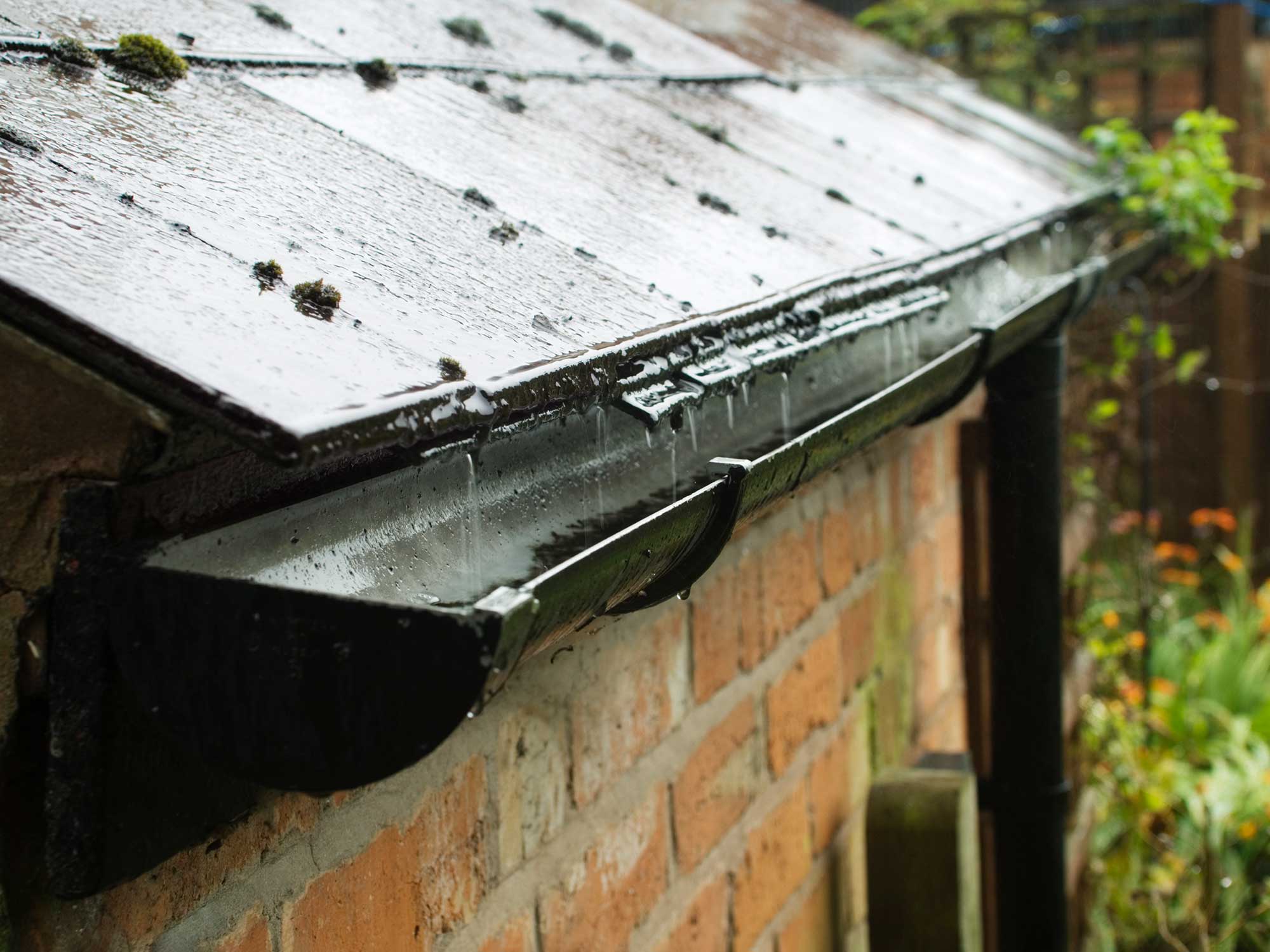
Crucially, the article advises against paying for unnecessary damp treatment by emphasizing that not all damp issues require expensive professional intervention. Simple measures like improving ventilation, not drying clothes indoors, clearing gutters, or fixing loose tiles can resolve common problems like condensation damp and some types of penetrating damp. It notes that rising damp, while potentially expensive to fix, is one of the least common types. Homeowners are encouraged to monitor damp problems and try inexpensive solutions first. If professional help is deemed necessary, the article recommends obtaining multiple quotes and considering an independent damp specialist's advice to ensure the proposed treatment is genuinely required and cost-effective. It also directs readers to Which? Trusted Traders for reliable professionals.
#DampProofingCosts #HomeMaintenance #DampTreatment #PropertyRepair #RICSData #BuildingCosts #HomeImprovements #MoistureControl #DampProofingCosts #HomeMaintenance #DampTreatment #PropertyRepair #RICSData #BuildingCosts #HomeImprovements #MoistureControl
0 comment in total
 No comments yet
You may also like
Solved! Here's What to Do About Water Leaking Into the Basement After Heavy Rain
5 common types of water damage to your home – and how to fix them


How to get rid of damp
Advice on Damp problems – are these damp specialists trying to make a quick buck?

Bathroom renovation costs: a cost breakdown

Damp guarantee – is it worthless?


How much does it cost to waterproof a basement? An expert lays down the figures

How to Remediate A Damp Exterior Wall Cavity

Calculate Your Home Renovation and Repair Costs

Get your foundation fixed now with AFS Foundation Repair & Waterproofing Specialists