4 ways to prevent flood damage to your car during a storm
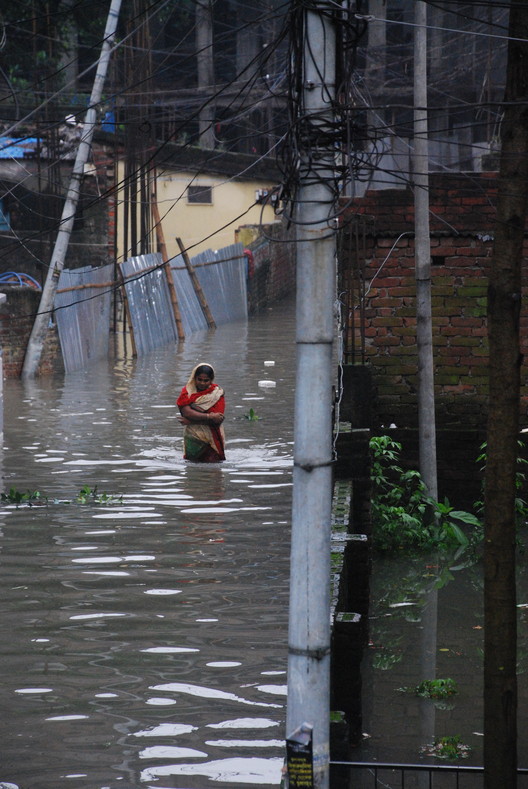
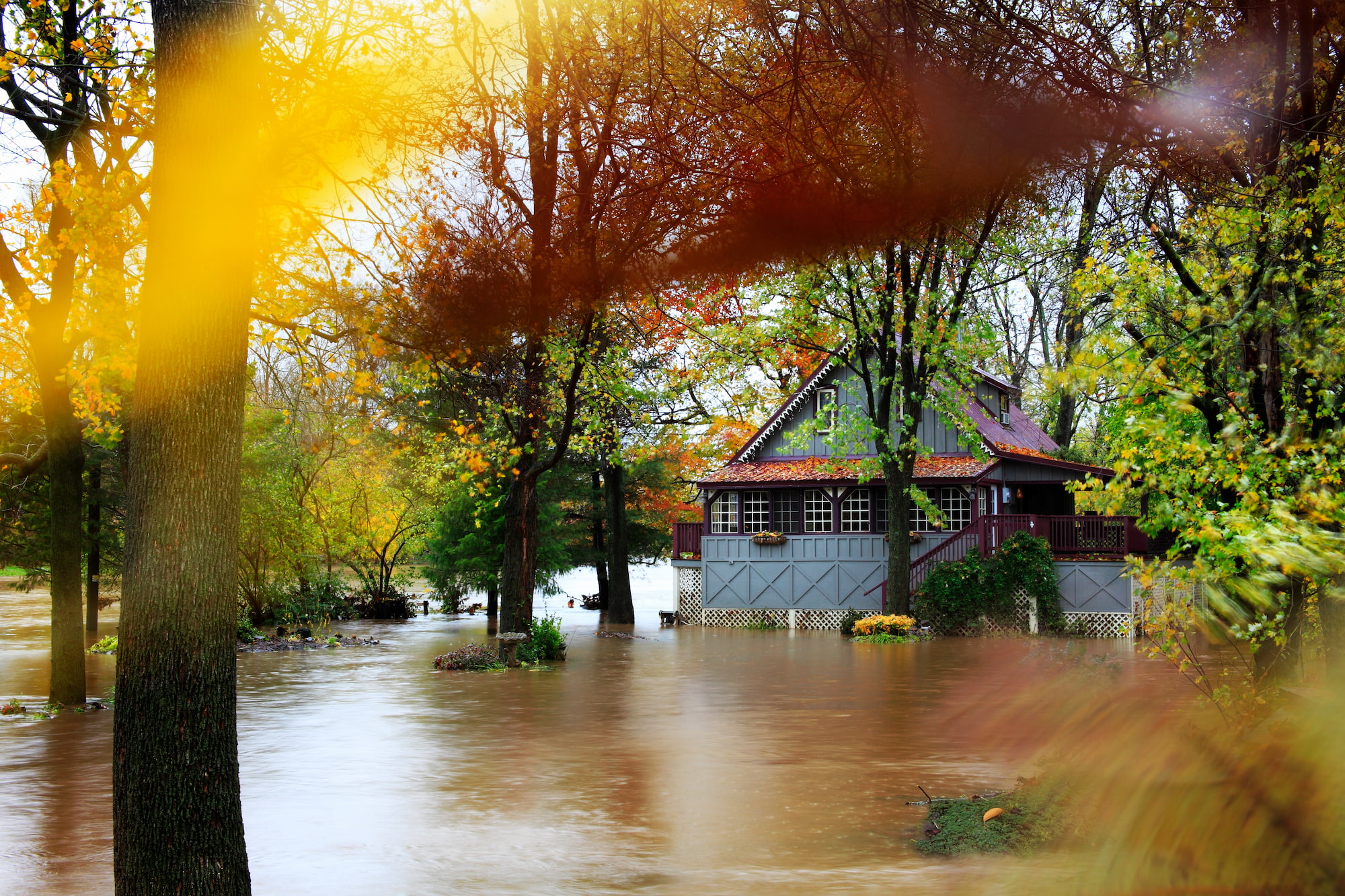
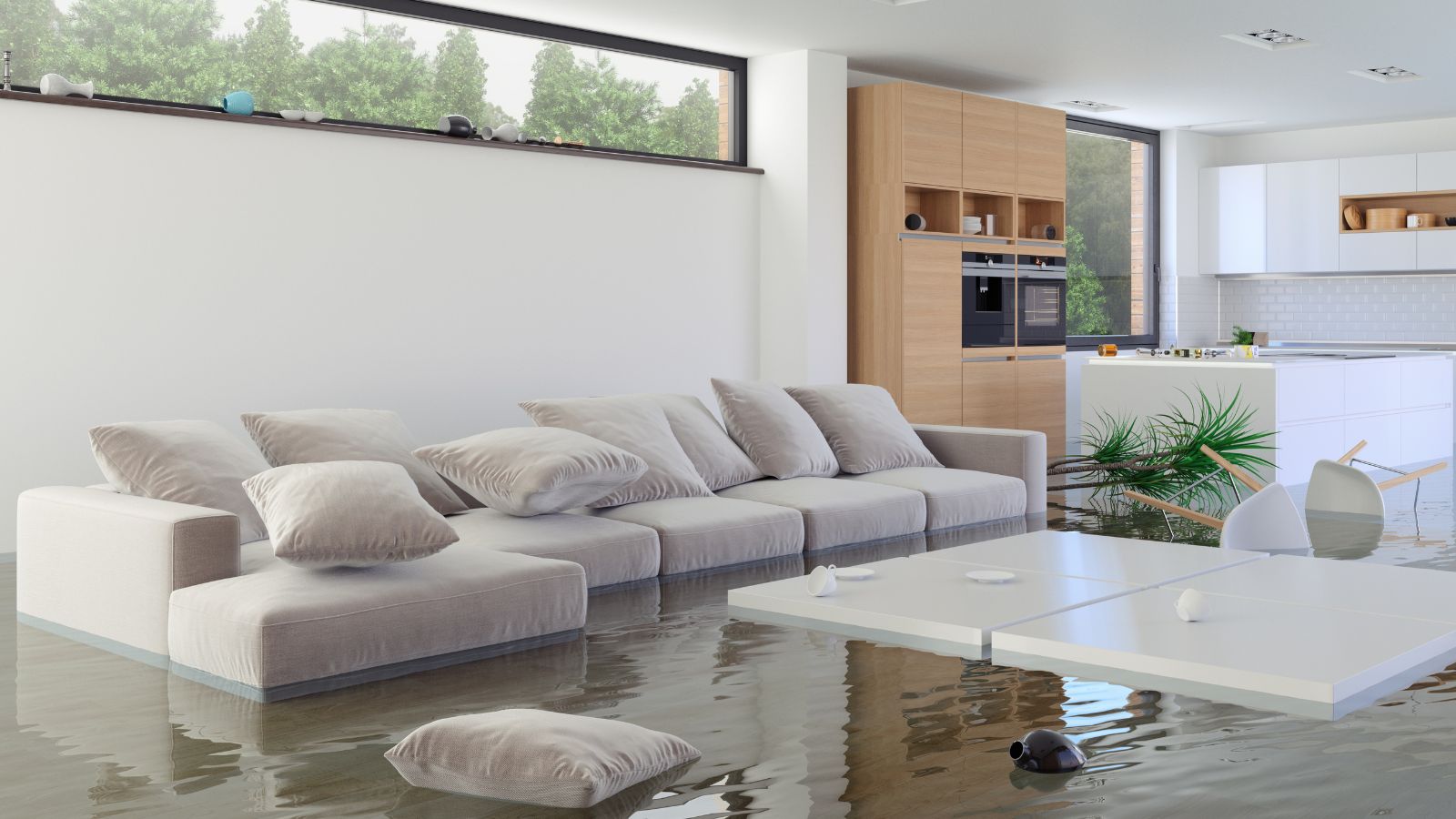
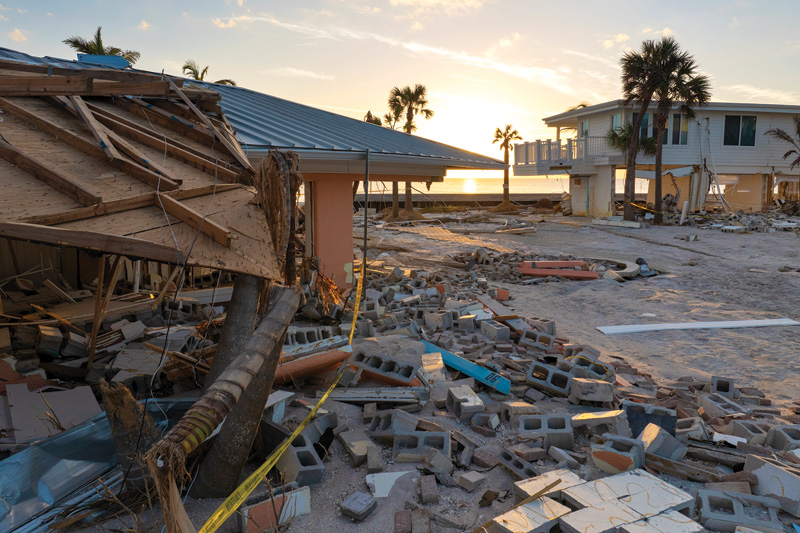
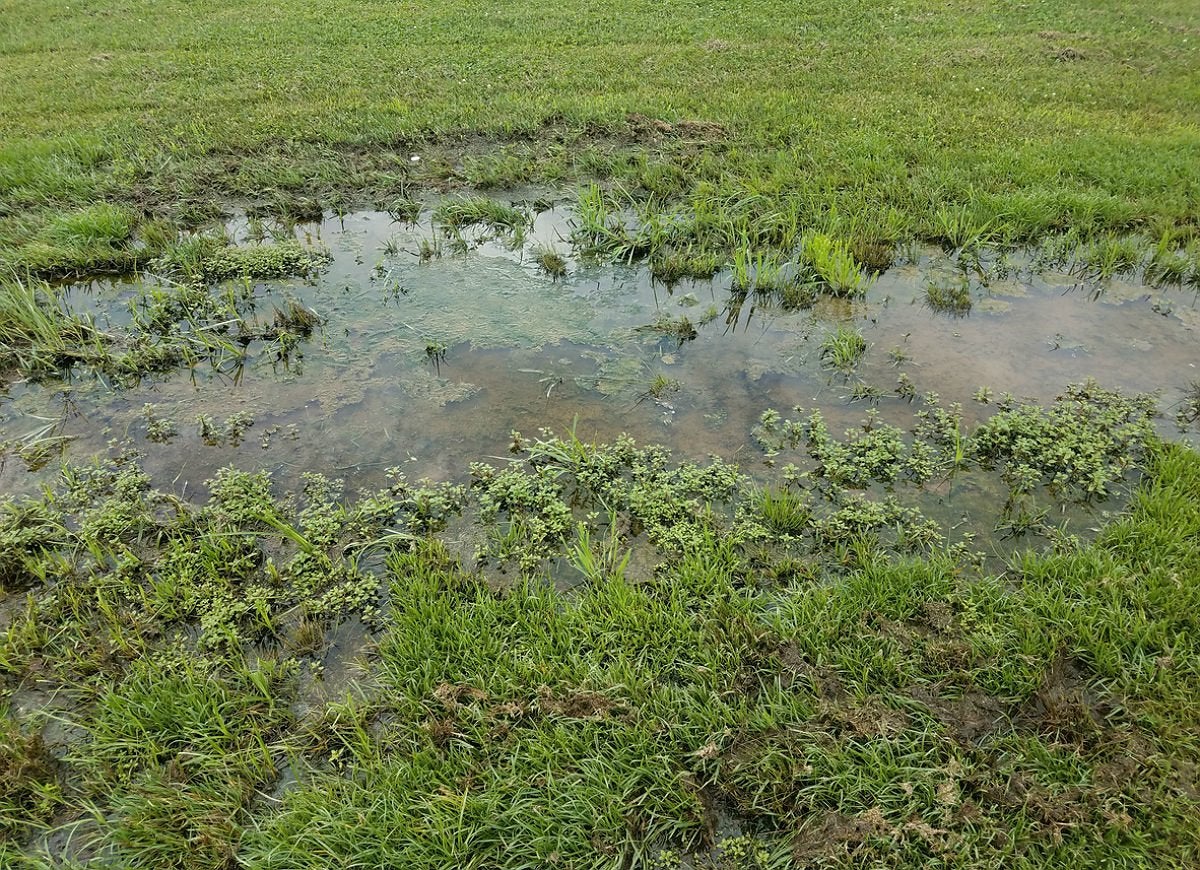
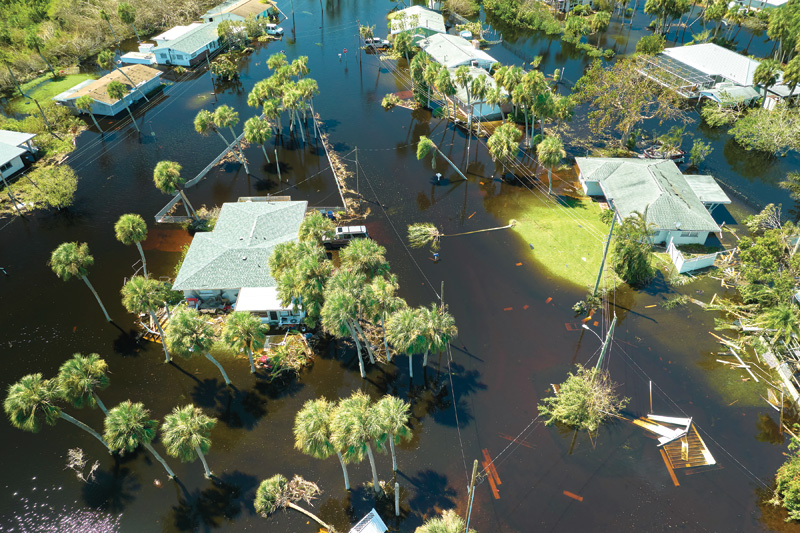
California is currently experiencing significant flooding and mudslides due to historical rainfall caused by an atmospheric river, affecting areas across Central and Southern California, including Los Angeles and Orange County. This event highlights the critical need for protective measures against flood damage, not only for homes but also for vehicles, which represent a substantial asset for many individuals. Floodwaters pose a severe threat to cars, potentially causing irreparable damage. Electrical systems are particularly vulnerable to corrosion and short-circuiting when exposed to water, while the mixing of water with essential fluids like oil and transmission fluid can lead to extensive internal damage. The presence of saltwater exacerbates this damage, accelerating corrosion significantly. Driving through floodwaters is extremely dangerous and is a leading cause of flood-related fatalities, according to the Centers for Disease Control. Even shallow water, as little as six inches, can reach critical components of a passenger vehicle, resulting in costly and widespread damage.
To safeguard a vehicle from such damage, several strategies can be employed. Firstly, securing comprehensive auto insurance coverage is paramount. This type of coverage typically includes protection against damage from natural disasters, including storms and floods, provided it's part of the policy and subject to a deductible. This ensures that repair or replacement costs are covered, although policy details can vary, necessitating a review with an insurance professional. It's important to note that home insurance policies do not cover vehicles, even if they are damaged by floodwaters while parked on the property.
Secondly, the most effective preventative measure is to relocate the vehicle to higher ground away from flood-prone areas. This is especially crucial for residents in designated flood zones. During an active flood, there are no practical methods to remove water from a submerged vehicle, making pre-emptive relocation the best defense.
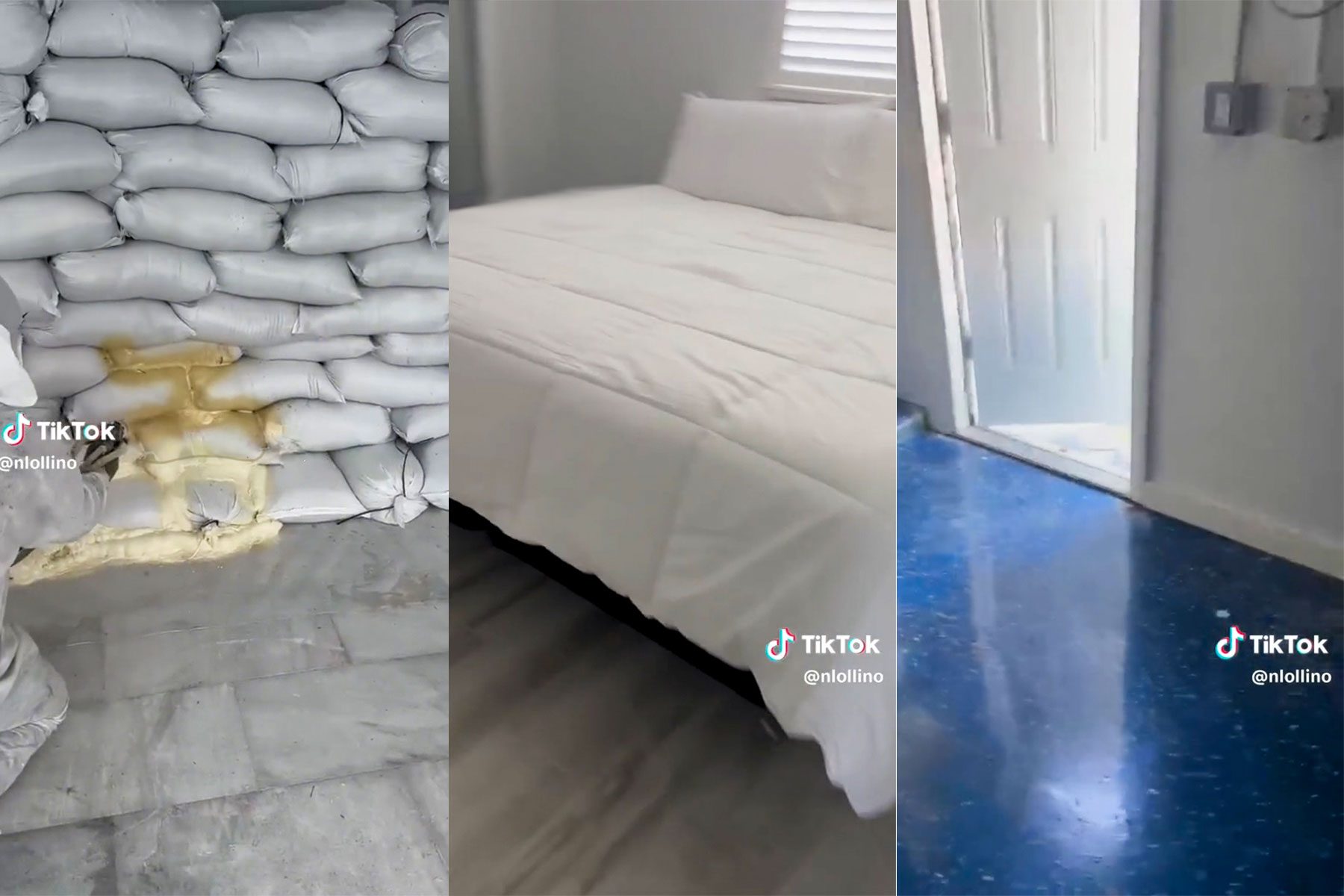
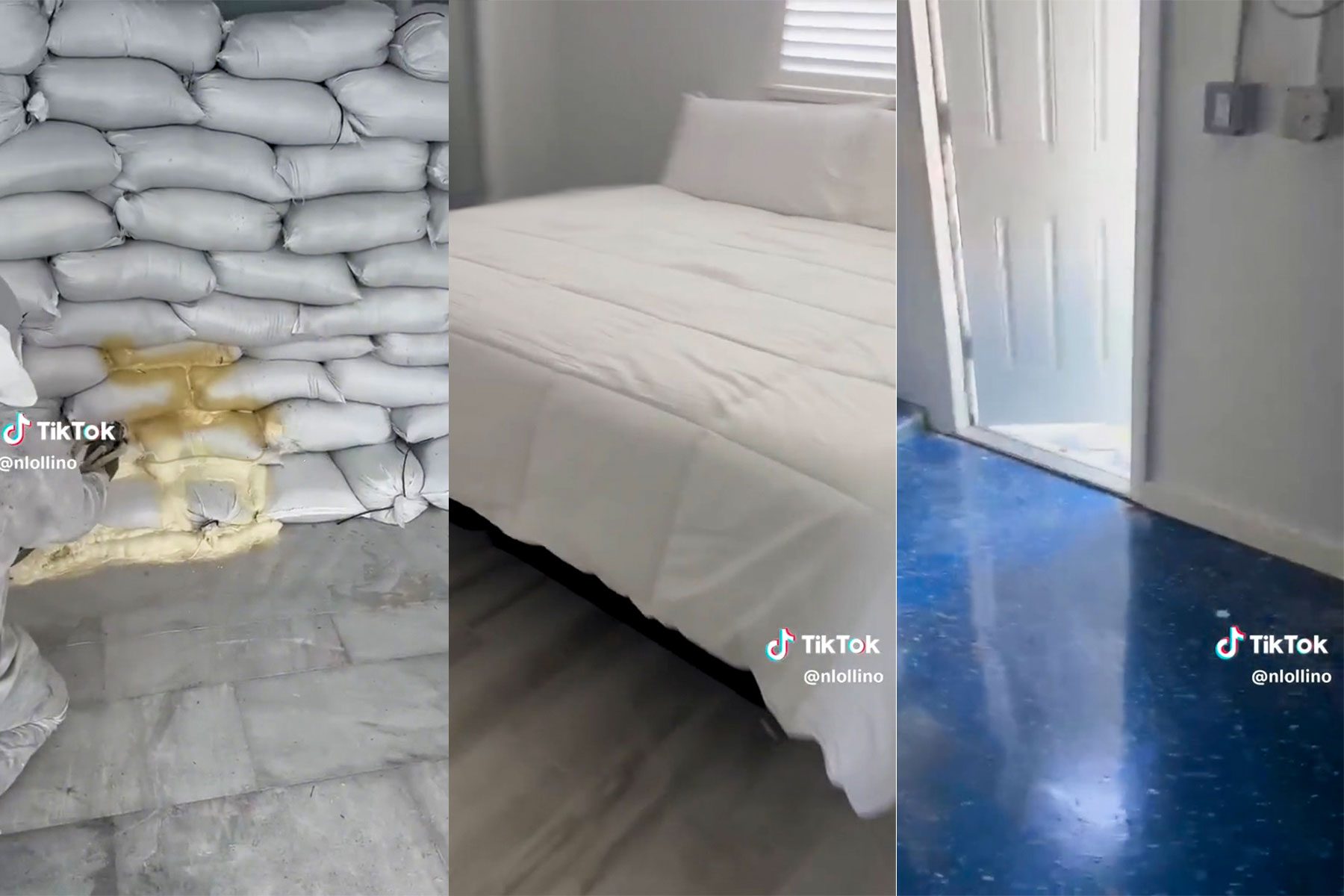
Thirdly, flood-proofing a garage can provide a protective environment for vehicles. Dry floodproofing techniques, which involve sealing garage openings and applying waterproofing compounds to walls and floors, are effective in preventing water ingress. This method is relatively economical and can significantly reduce the risk of water damage to cars stored within the garage. While dry floodproofing cannot guarantee absolute protection against all forms of water seepage, it greatly reduces the likelihood of damage.
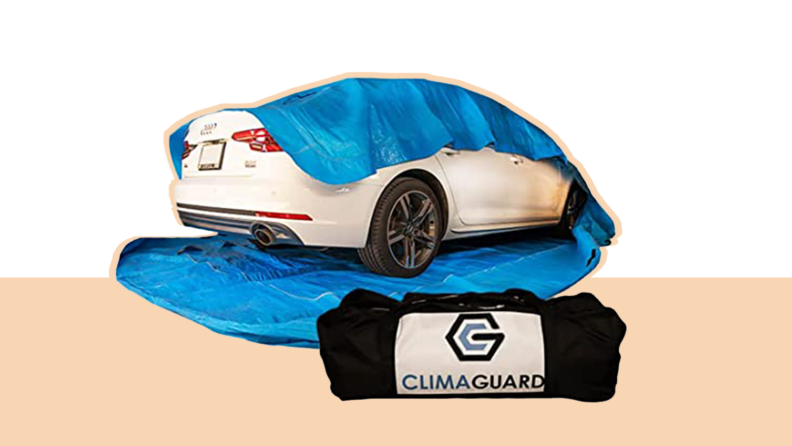
Finally, creating physical barriers around the car offers an additional layer of protection. Products like weather-proof protective car covers made from military-grade polyethylene can shield a vehicle from elements like rain, sea spray, and humid air, which contribute to corrosion and rust. These covers are portable and can be used both indoors and outdoors. Furthermore, temporary flood barriers such as water-filled expandable dams or sandbags can be deployed around the vehicle's perimeter. These barriers can protect against floodwaters up to two feet high, with the added recommendation of using a waterproof tarp to enhance their effectiveness. These measures, when combined, offer a comprehensive approach to mitigating flood damage to vehicles during severe weather events.
#FloodDamagePrevention #CarProtection #AutoInsurance #EmergencyPreparedness #GarageFloodproofing #WeatherPreparedness #VehicleSafety #NaturalDisaster #FloodDamagePrevention #CarProtection #AutoInsurance #EmergencyPreparedness #GarageFloodproofing #WeatherPreparedness #VehicleSafety #NaturalDisaster
0 comment in total
 No comments yet
You may also like
Ways to protect your home from flooding – safeguard your space from storms


When Rivers Rise Fast – Flood-Smart Living: Simple Steps to Protect your Home
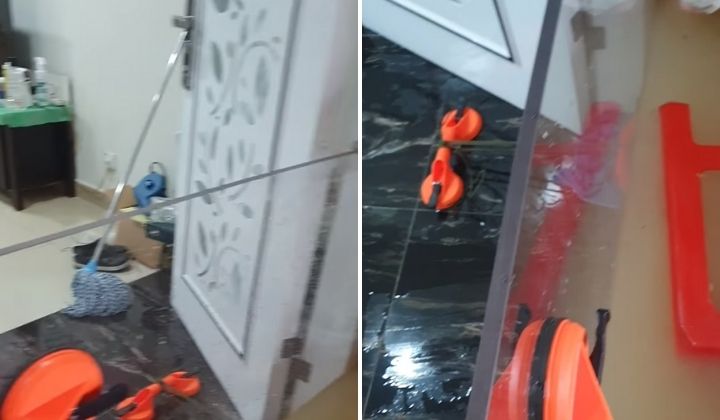
How To Keep Floodwaters From Entering The House Through The Front Door And Bathroom
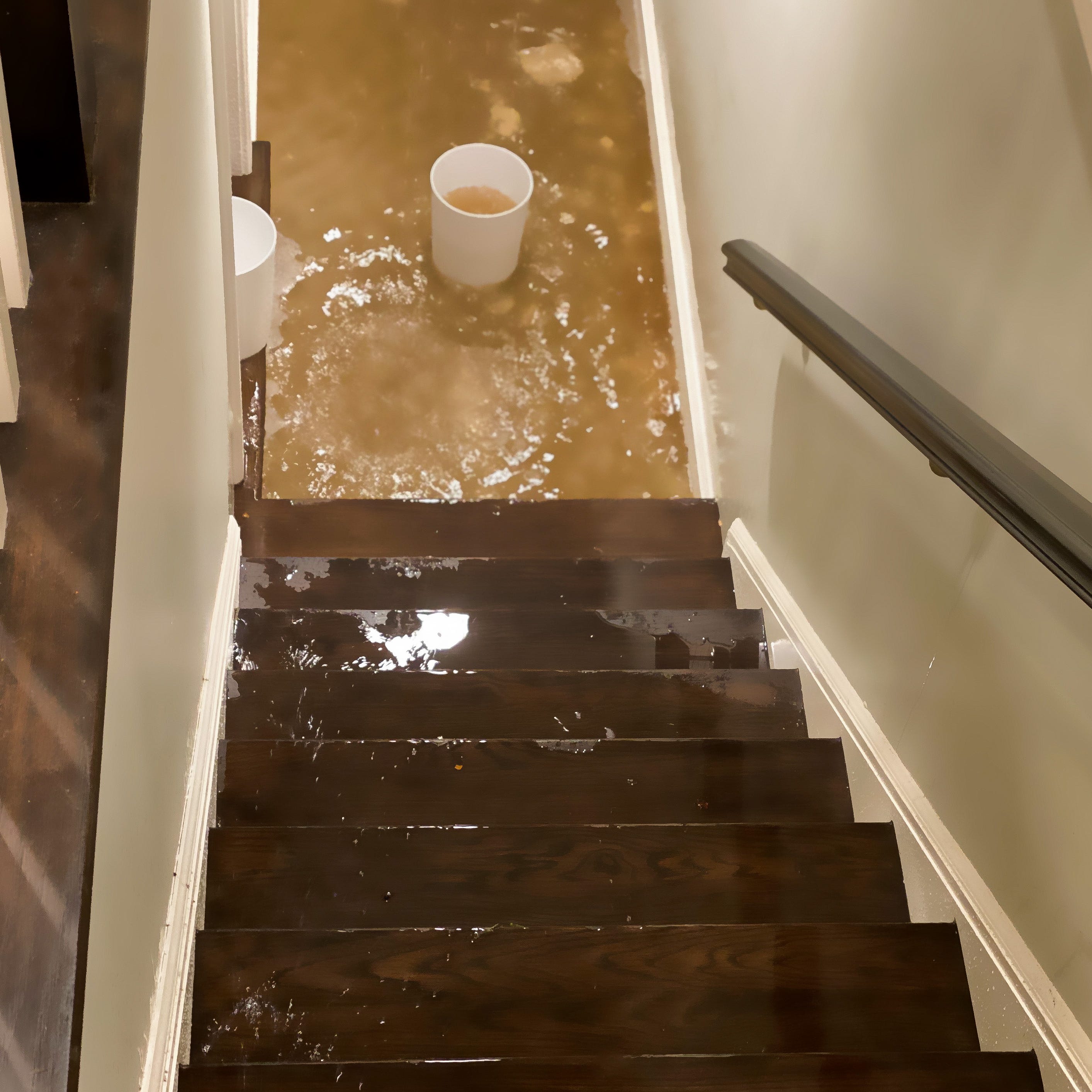
What to Do If Your Basement Floods During a Storm, According to Experts

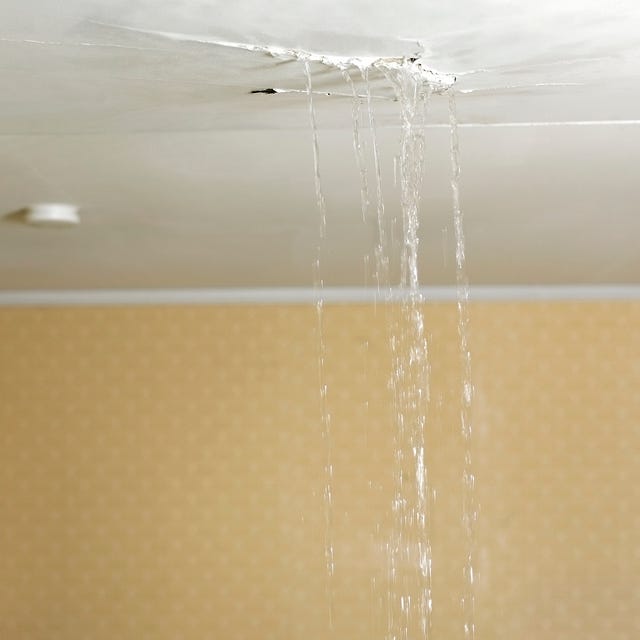
The BEST Ways to Protect Your Home From Water Damage, According to Experts
Everything I Did to Flood-Proof My Old House | Reviews by Wirecutter
Can Flex Seal Prevent Water Damage in Floods?

Living with water: four buildings that will withstand flooding

7 ways to flood-proof your home during Thailand’s storm season
Four ways to storm-proof your home for hurricane season


Reducing Urban Flood Risk Through Building- and Lot-Scale Flood Mitigation Approaches: Challenges and Opportunities
6 Smart Ways to Prevent a Soggy Yard with Every Rain Shower

6 waterproof storage solutions to protect your stuff from flood damage

Worried about your basement flooding? Install these temporary measures before heavy rainfall
6 ways to future-proof your home against extreme weather – your home (and wallet) will thank you
Here’s What to Do With Your Carpets After a Flood

How Can Architecture Combat Flooding? 9 Practical Solutions


Floodproofing a house — 12 things experts say you can do
Hurricanes and flooding: Advancing building strategies for resilience
So Your Basement Is Severely Flooded. Now What?