1/7
Hurricanes and flooding: Advancing building strategies for resilience
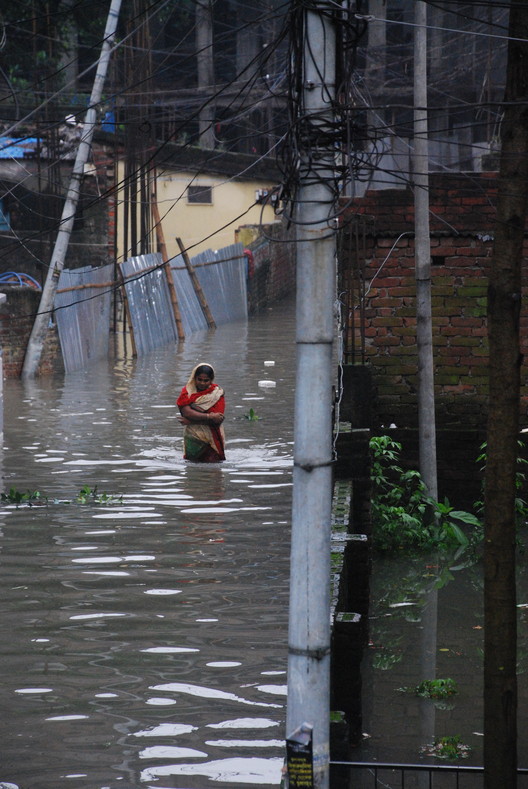
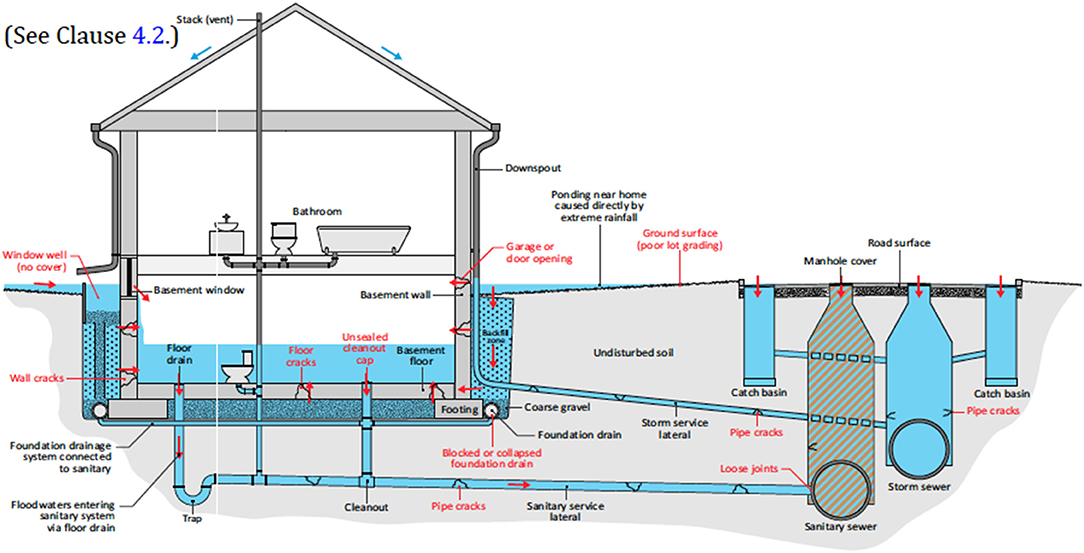
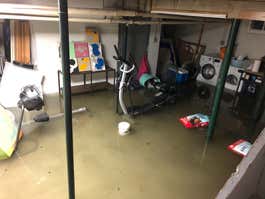
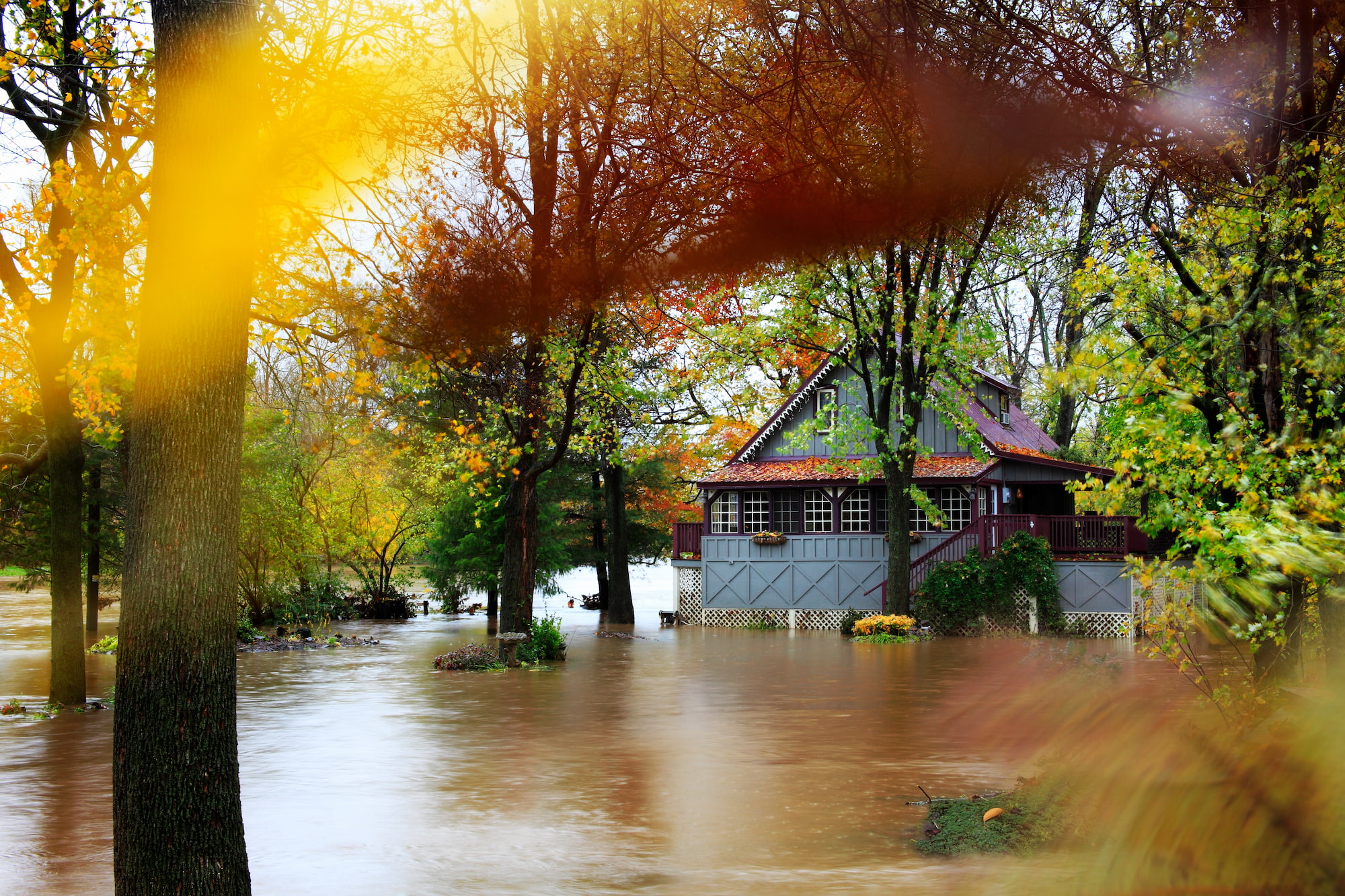
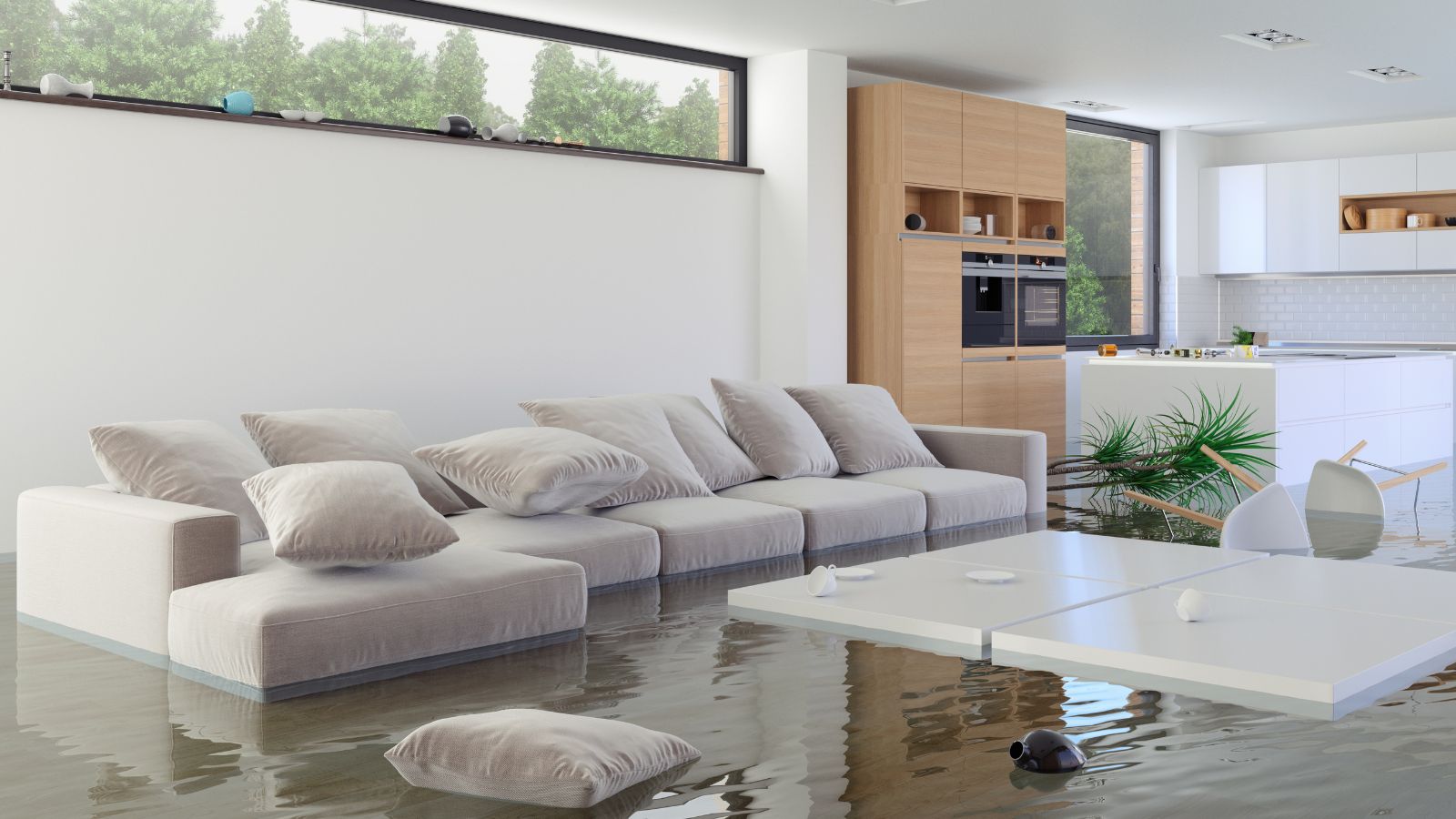
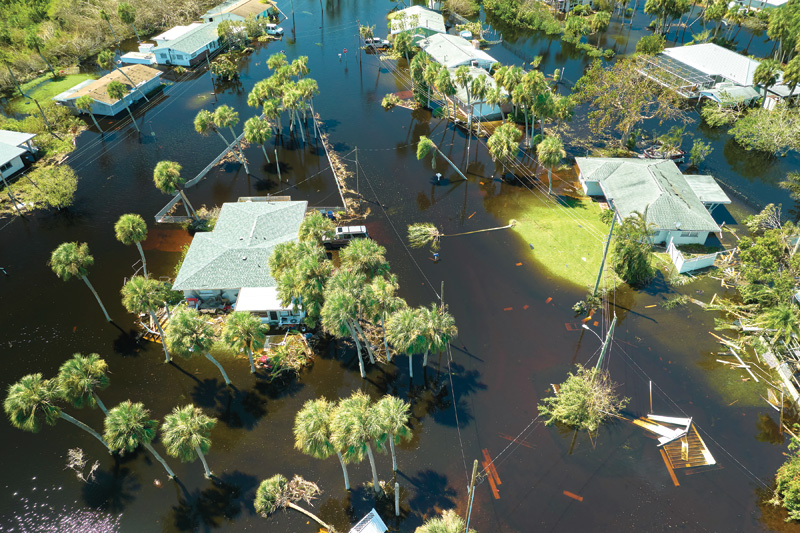
Hurricanes and flooding pose significant and escalating threats across the United States, impacting both coastal and inland regions. While hurricanes are often characterized by high winds, flooding remains the most destructive and deadly consequence, contributing to the majority of natural disaster damages. Recent events, such as the 2024 hurricane season and severe floods in the Midwest and Northeast, underscore the urgent need for enhanced flood preparedness and resilient building strategies nationwide. The financial and health repercussions of flooding are substantial; even a minor flood can cause extensive damage to homes and commercial properties, leading to significant monetary losses, mold growth, waterborne diseases, and compromised indoor air quality.
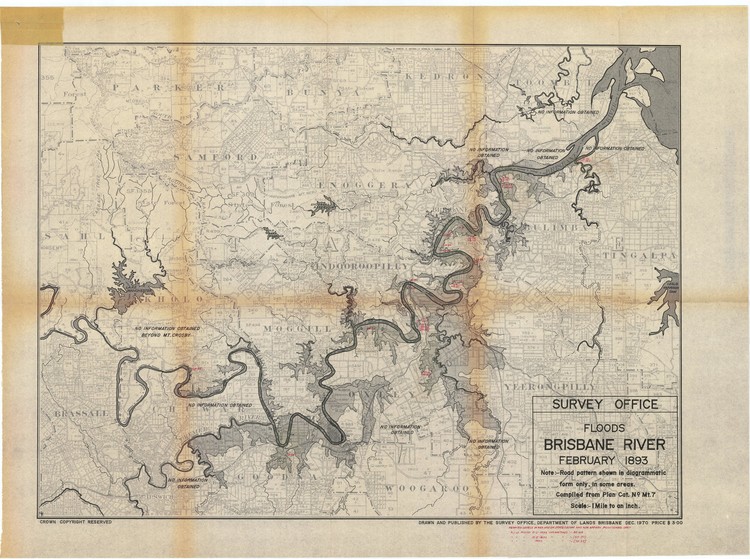
The growing flood risk is attributed to several factors, including rising global temperatures leading to heavier rainfall and more intense storms. Urbanization and deforestation exacerbate this issue by increasing surface runoff and reducing natural water absorption, while population growth expands into high-risk flood zones. A 2023 report indicated that millions of properties across the U.S. face significant flood risk, often outside FEMA-designated flood zones, highlighting the widespread nature of this threat.
To counter these challenges, comprehensive flood testing of building materials and infrastructure is crucial. This process involves structural integrity assessments, water intrusion testing, material performance validation, and compliance with regulatory standards like FEMA’s National Flood Insurance Program (NFIP) and ASCE 24-24. Testing also includes evaluating system performance of flood protection components such as floodgates and barriers, and employing full-scale physical mock-ups and simulation modeling to predict system responses under various flood conditions.
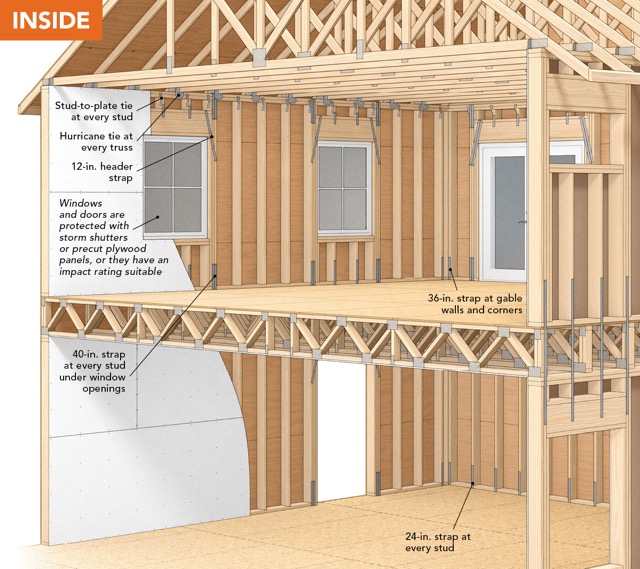
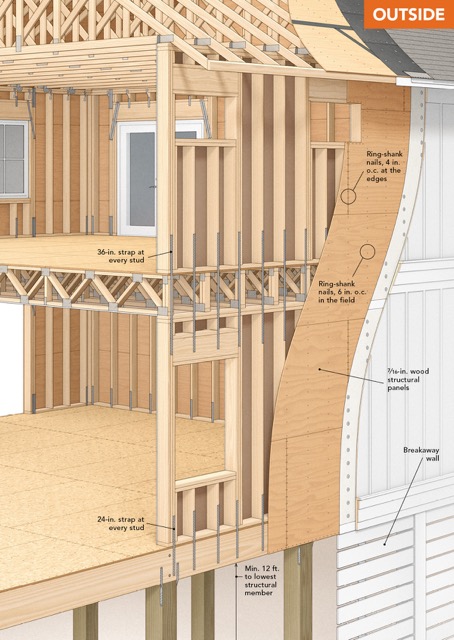
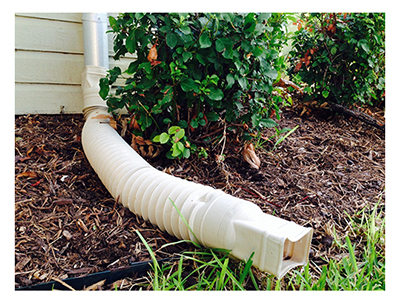
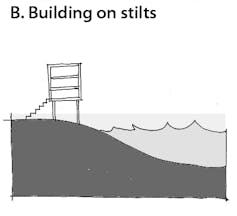
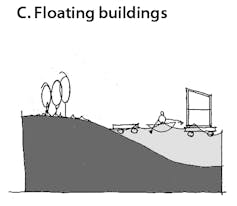
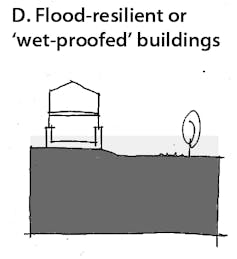
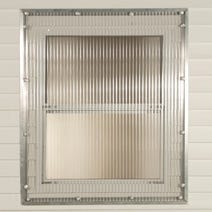
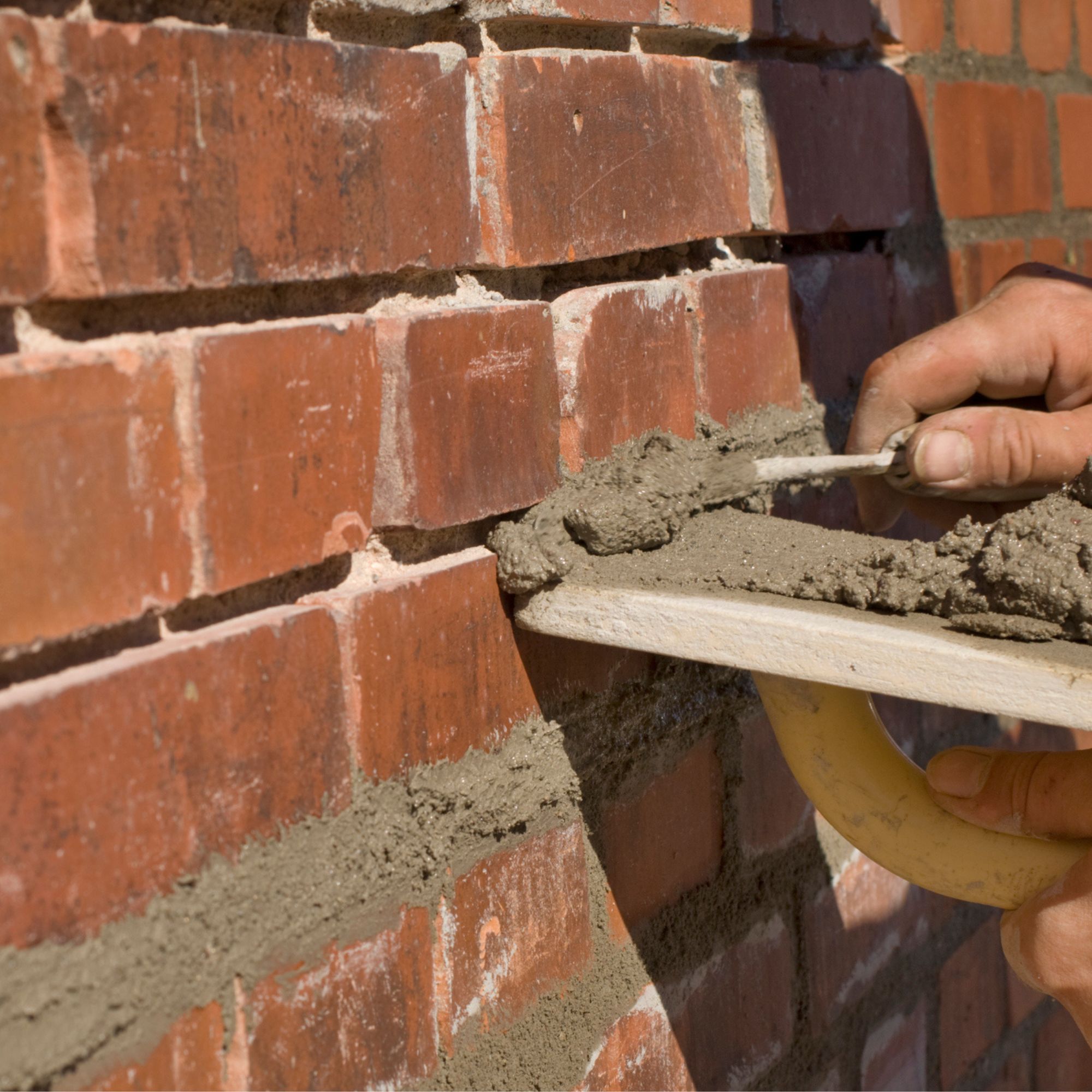
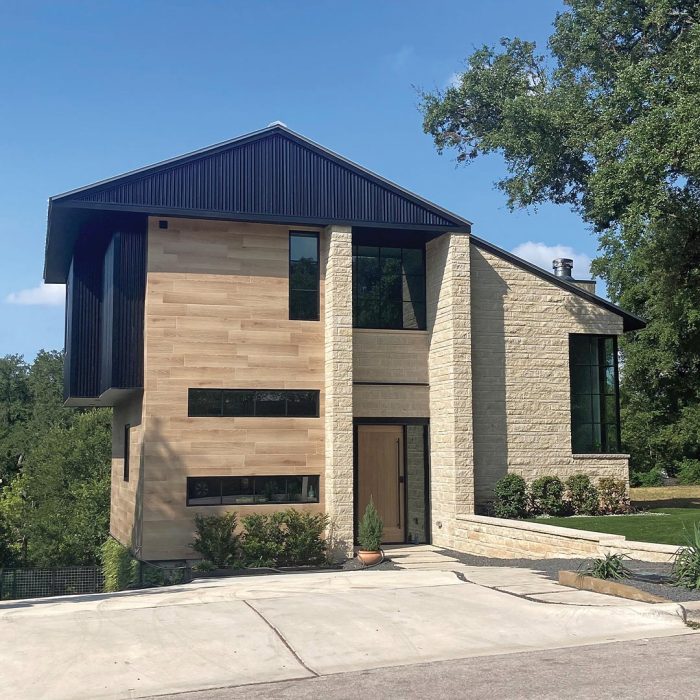
The building envelope, encompassing windows, doors, roofs, and walls, is particularly vulnerable during flood events. A well-designed, flood-resilient building envelope acts as the primary defense against water intrusion and structural damage. Key engineering principles for achieving this include elevated construction, utilizing durable non-porous and water-resistant materials, sealing openings with watertight gaskets, implementing effective drainage and water diversion systems, and reinforcing structural elements. Additionally, impact-resistant openings, proper roof rainwater management, and specialized protective coatings and barriers contribute significantly to resilience. Site design strategies, such as bioswales, rain gardens, permeable surfaces, and preserving natural floodplains, further mitigate flood risk by managing stormwater at the source.
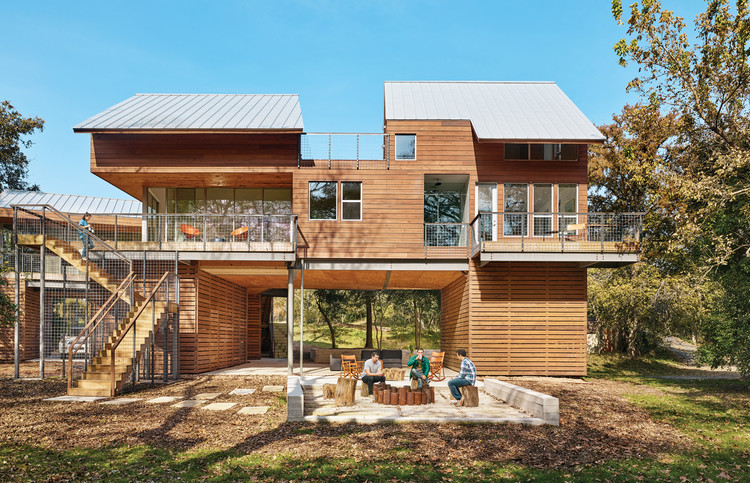
The Louisiana Children’s Museum in New Orleans serves as an exemplary case study for flood-resilient design. Following extensive flooding from Hurricane Katrina, the museum was engineered to manage significant floodwater volumes, elevated above grade, and incorporated native plantings and pier-based construction to enhance flood mitigation and environmental education. The future of flood resilience involves integrating advanced technologies like permeable surfaces, smart drainage systems, and modular flood barriers into urban planning. Ongoing research focuses on developing next-generation materials and smart monitoring systems that leverage sensors and AI for real-time flood risk assessments and optimized drainage management. Continuous innovation and adaptive policies are essential to strengthen the built environment against the intensifying threats of climate change and extreme weather events, ensuring long-term sustainability and resilience in vulnerable areas.
#FloodResistantDesign #BuildingEnvelope #HurricanePreparedness #CoastalResilience #FloodTesting #ClimateChange #ResilientConstruction #UrbanPlanning #Waterproofing #FloodResistantDesign #BuildingEnvelope #HurricanePreparedness #CoastalResilience #FloodTesting #ClimateChange #ResilientConstruction #UrbanPlanning #Waterproofing
0 comment in total
 No comments yet
You may also like
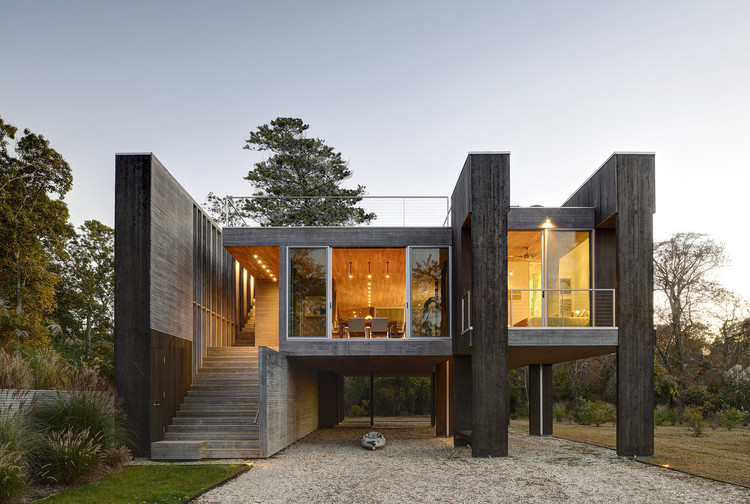
How Can Architecture Combat Flooding? 9 Practical Solutions

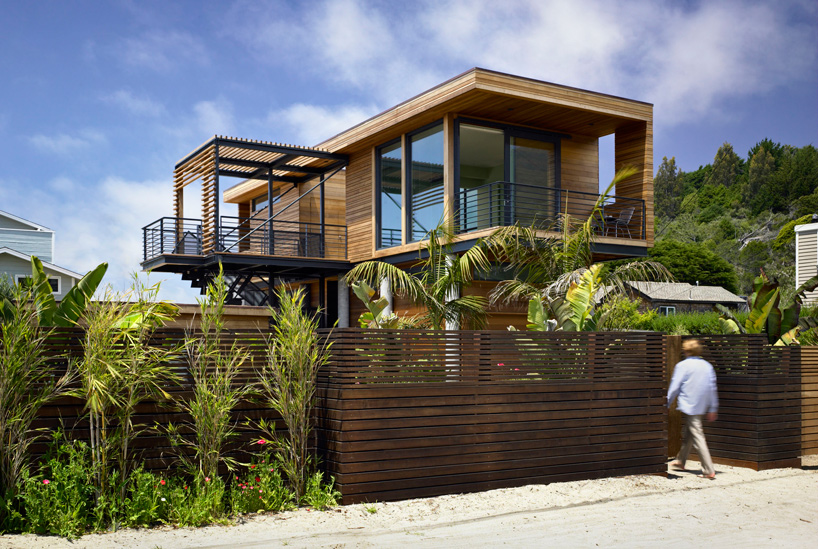
flood proof house by studio peek ancona
7 ways to flood-proof your home during Thailand’s storm season

Four ways to storm-proof your home for hurricane season

Hurricane-Proof Construction with the Fortified Home Standard

Ways to protect your home from flooding – safeguard your space from storms


How to Prepare if You Live or Work in a Floodplain

Everything I Did to Flood-Proof My Old House | Reviews by Wirecutter

When Rivers Rise Fast – Flood-Smart Living: Simple Steps to Protect your Home
How Strong Gable Ends and Wall Bracing Can Protect Your Home in Natural Disasters

Rebuilding After Hurricane Helene and Milton: Flooring and Cabinet Solutions from Naffco


Building a Fire-Resistant House

Deluge defence: smart solutions for when the rain comes
Let’s Architect! Resiliency in architectures
6 Best Hurricane Shutters to Protect Your Home During Storm Season


6 ways to future-proof your home against extreme weather – your home (and wallet) will thank you
Living with water: four buildings that will withstand flooding

Reducing Urban Flood Risk Through Building- and Lot-Scale Flood Mitigation Approaches: Challenges and Opportunities

Floodproofing a house — 12 things experts say you can do

Tag: climate