Deluge defence: smart solutions for when the rain comes
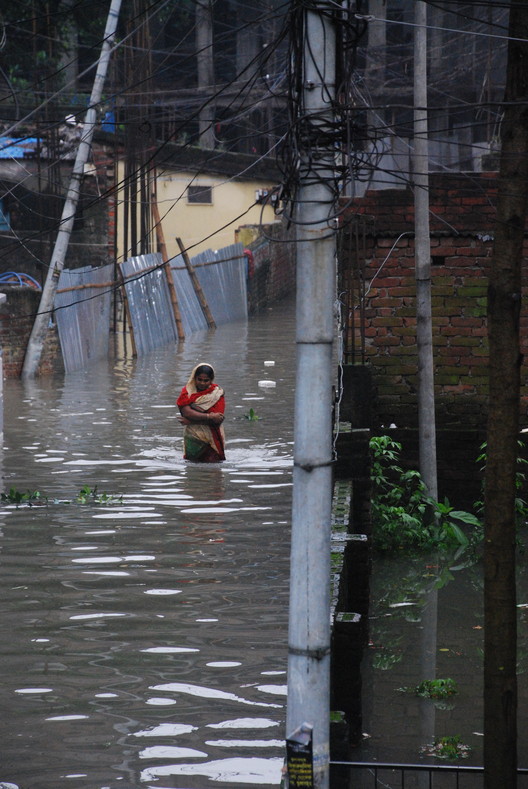
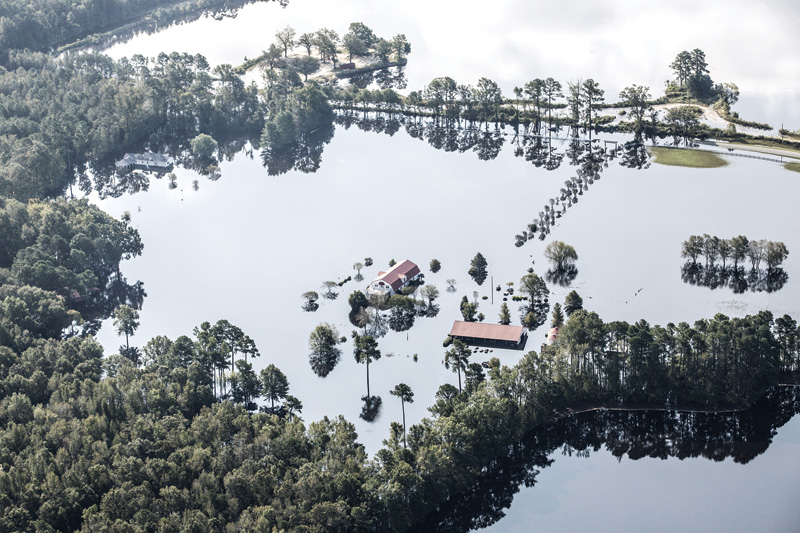
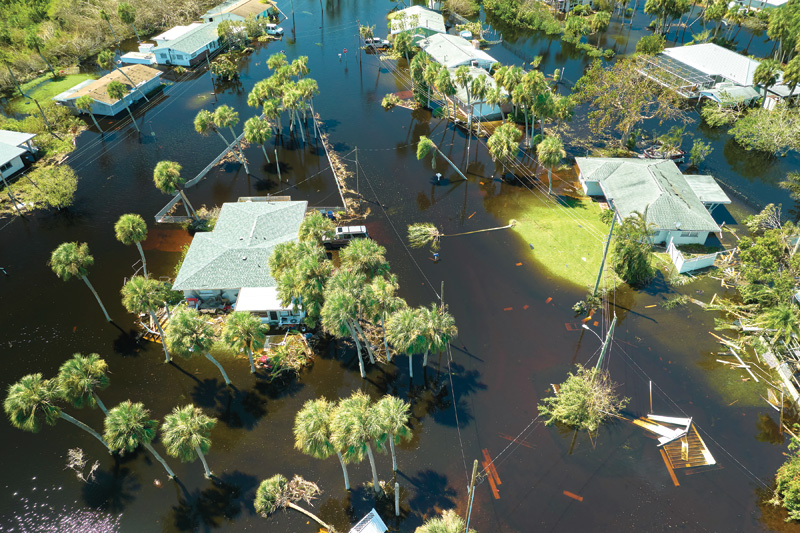
The article addresses the growing concern of increased severe weather events, specifically extreme rainfall and widespread flooding, due to global climate change. It highlights that even regions historically less prone to such phenomena, like the Sahara Desert and Saudi Arabia, have experienced significant flooding. The central theme revolves around innovative solutions and evolving strategies to protect homes and infrastructure from flood damage.
The piece notes the emergence of a specialized industry focused on flood mitigation over the past two decades, offering advancements beyond traditional methods like sandbags. It underscores the devastating impact of even minimal floodwater ingress, emphasizing the financial and emotional toll on homeowners. Ian Gibbs MRICS, national technical manager at Sedgwick International UK and chair of the DEFRA Flood Resilience Roundtable, provides expert insights. He points out that while winter storms have always brought flood risks, the current climate necessitates preparedness for intense rainfall events throughout the year, regardless of a property's proximity to rivers or coastlines.
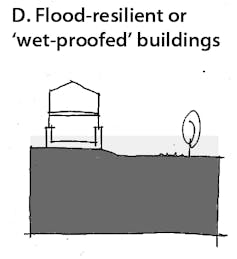
Gibbs explains that insurers seek not just theoretical risk reduction but tangible proof of effectiveness from flood resilience measures. He discusses the shift from purely resistance measures (designed to stop water entry, such as flood doors and barriers) towards a greater acceptance of recoverability measures, which aim to minimize damage and accelerate recovery when water does enter a property. This approach reduces the need for constant intervention and maintenance.
The article then details several practical and technological solutions for flood defence. Mobile flood barriers are presented as a versatile option, including lightweight, reusable fences like Boxwall, and systems like Aquafence, which famously protected Tampa General Hospital during Hurricane Milton. Other innovations include interlocking plastic crates, such as the Floodstop Barrier by Fluvial Innovations, and the WIPP (water-inflated property protector) system, a large, inflatable barrier that uses floodwater itself for deployment and can be compactly stored. For domestic use, barrier socks offer a simpler alternative to sandbags, swelling with moisture to block water entry.
Beyond physical barriers, the article explores high-tech solutions. The University of Sheffield's CENTAUR system, an AI-powered sewer management tool, is highlighted for its ability to monitor drainage networks in real-time, identify spare capacity, and divert water to prevent urban flooding. While successful in trials in cities like Coimbra and Toulouse, its limitation lies in scenarios where no spare sewer capacity exists. LiDAR technology, although not directly preventing floods, is presented as a crucial mapping tool for identifying flood-vulnerable areas, offering detailed topographical scans to improve flood modelling. An automated flood barrier by Hochwasserschutz Reitthaler, which detects heavy rainfall and automatically raises to protect properties, is also mentioned.
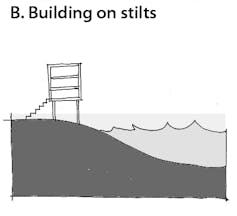
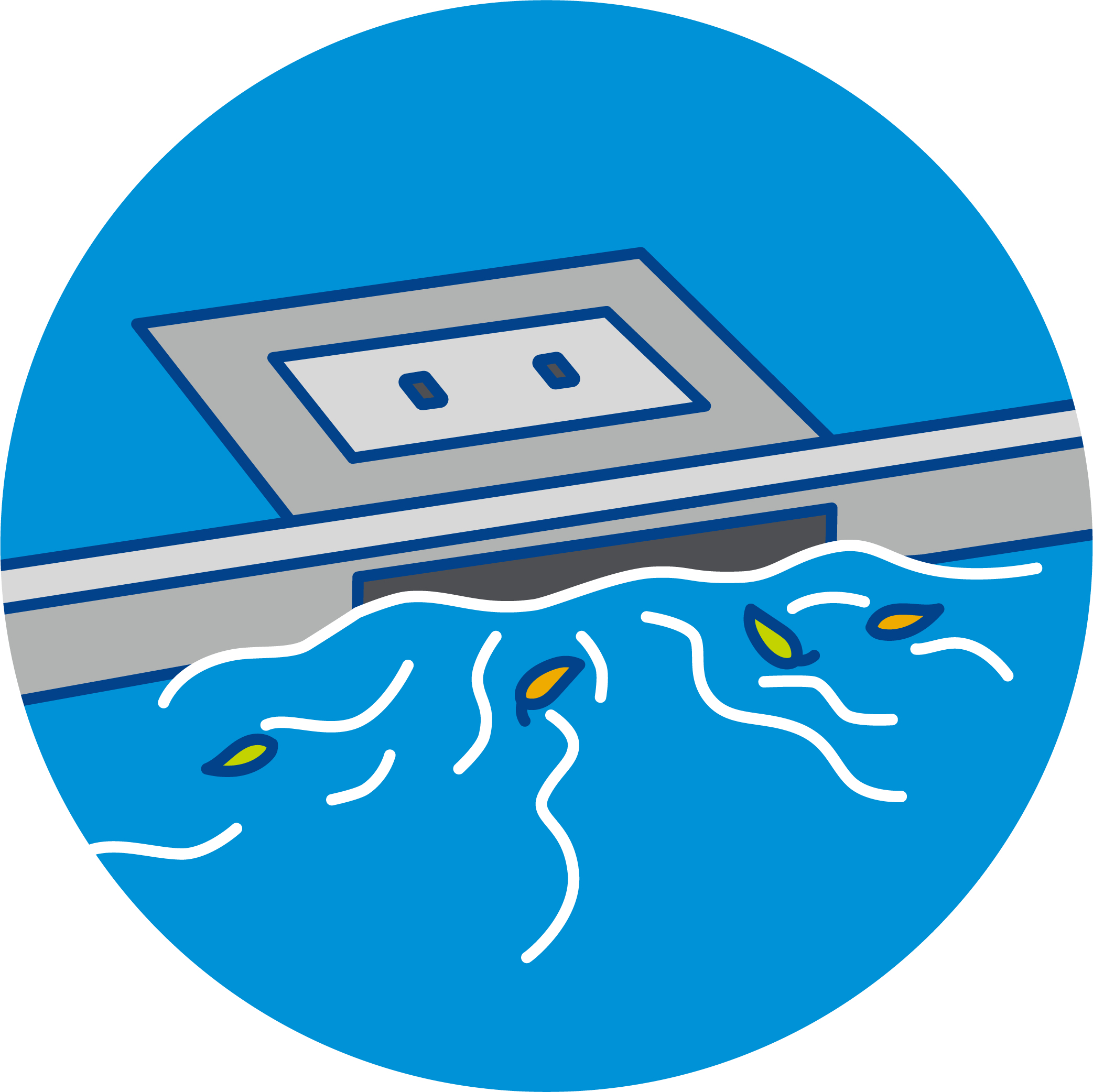
Permeable road surfaces are introduced as an urban solution to reduce water pooling. These surfaces, often made with loosely packed granite chips, allow hundreds of litres of water per square metre per minute to drain through, preventing surface water accumulation. Finally, the concept of flood resilience is discussed for highly flood-prone areas. This approach advocates for adapting homes to minimize damage rather than solely fighting water entry. Examples include raising electrical sockets, installing non-return valves, and using waterproof flooring. Gibbs emphasizes that there is no universal solution and stresses the importance of consulting qualified surveyors who follow established codes of practice to develop tailored flood resilience strategies combining resistance and recoverability measures with increased preparedness from occupants.
#FloodResilience #ClimateChangeAdaptation #SmartSolutions #UrbanPlanning #WaterManagement #PropertyProtection #DisasterPreparedness #InfrastructureDevelopment #FloodResilience #ClimateChangeAdaptation #SmartSolutions #UrbanPlanning #WaterManagement #PropertyProtection #DisasterPreparedness #InfrastructureDevelopment
0 comment in total
 No comments yet
You may also like

When Rivers Rise Fast – Flood-Smart Living: Simple Steps to Protect your Home
Living with water: four buildings that will withstand flooding

7 ways to flood-proof your home during Thailand’s storm season

Rainscreen walls: An updated definition for today’s construction environment

How Can Architecture Combat Flooding? 9 Practical Solutions


Floodproofing a house — 12 things experts say you can do
How to Prepare if You Live or Work in a Floodplain
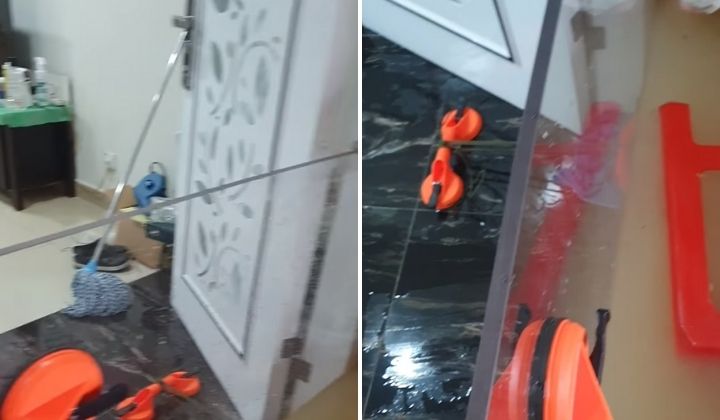
How To Keep Floodwaters From Entering The House Through The Front Door And Bathroom
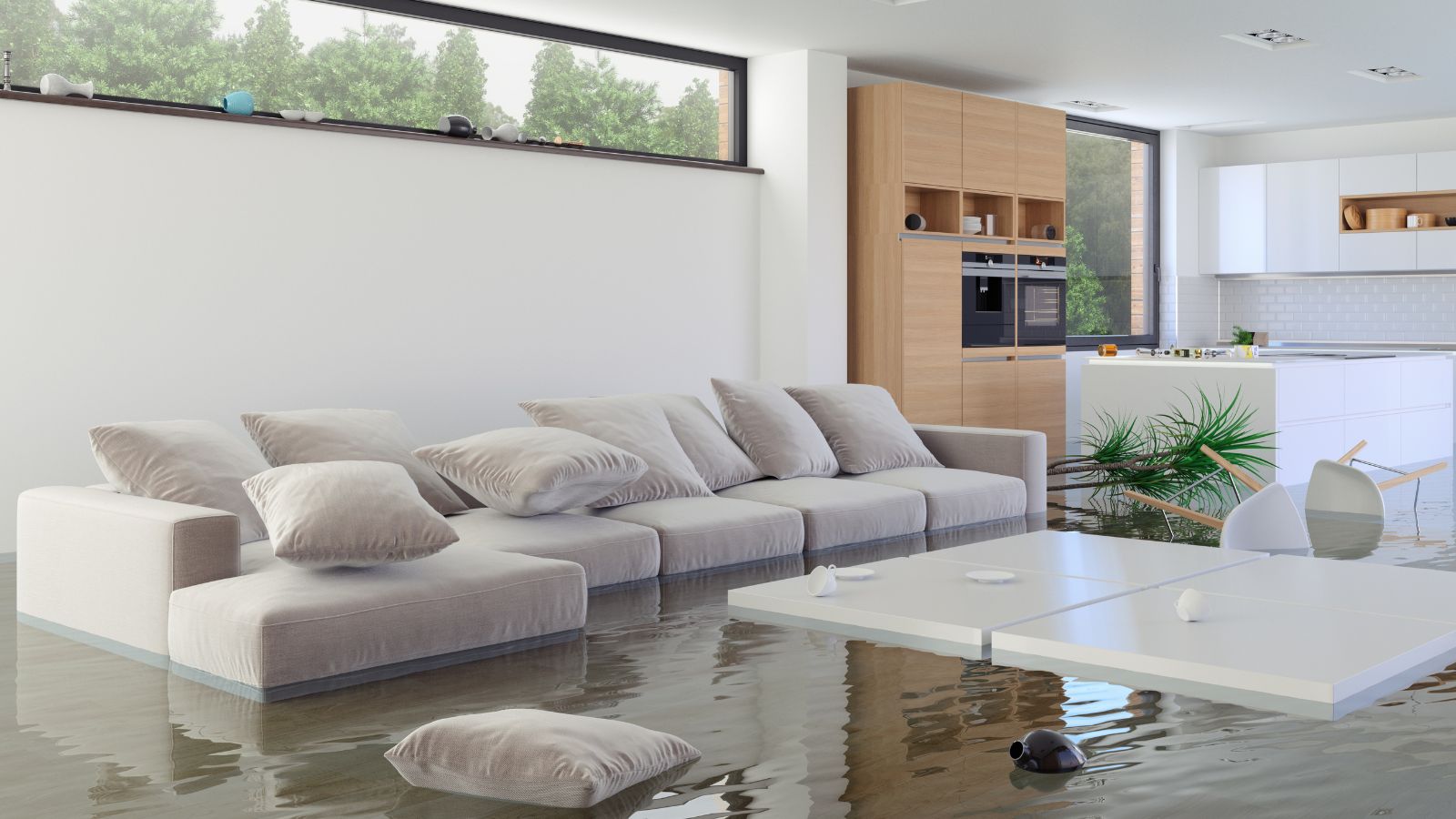
Ways to protect your home from flooding – safeguard your space from storms

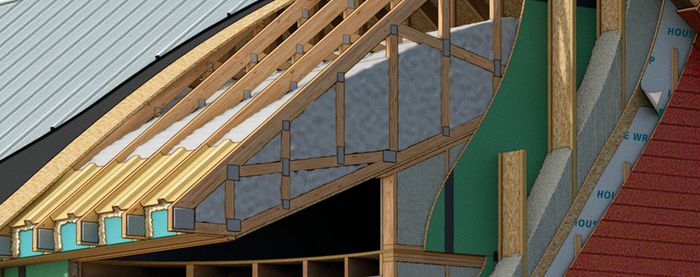
Understanding Rainscreens

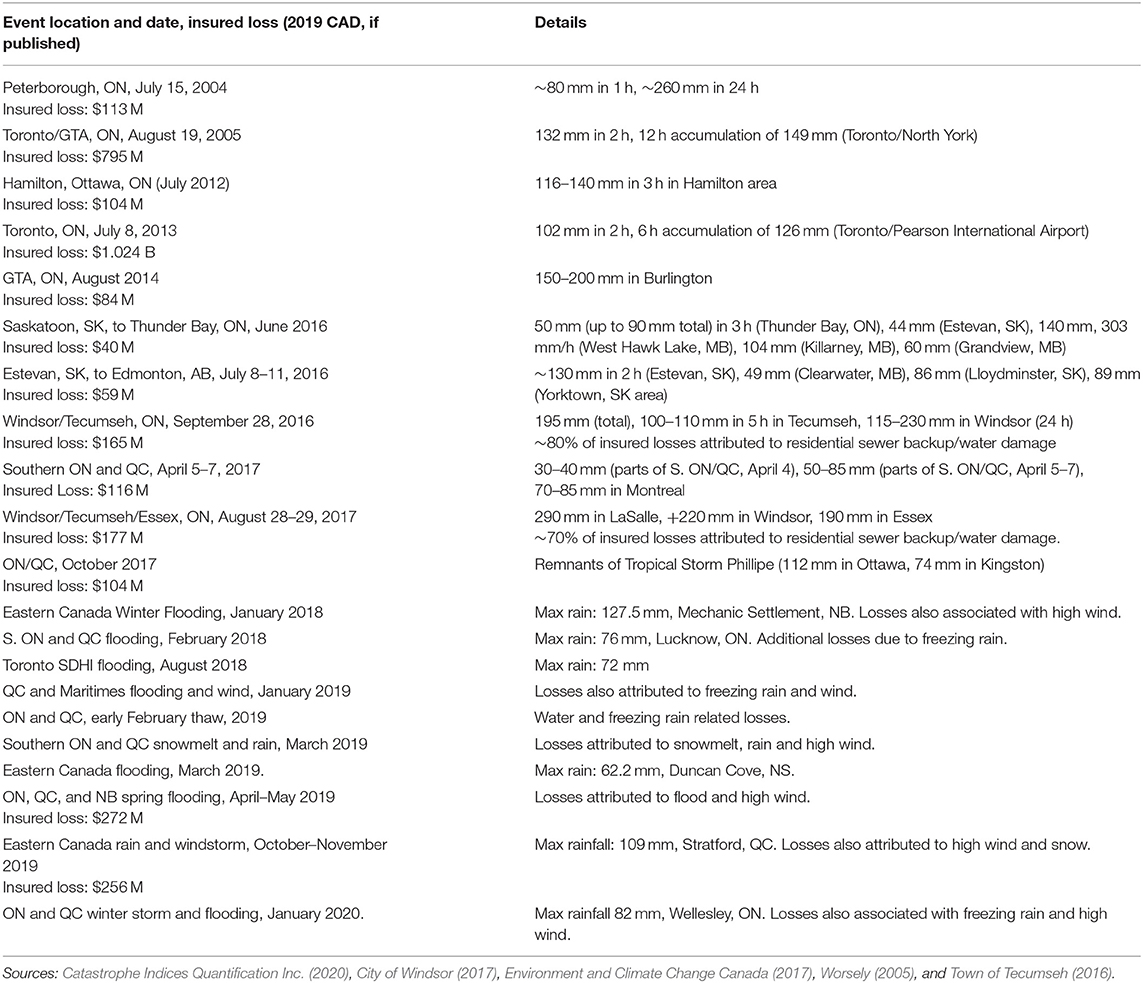
Reducing Urban Flood Risk Through Building- and Lot-Scale Flood Mitigation Approaches: Challenges and Opportunities
6 Smart Ways to Prevent a Soggy Yard with Every Rain Shower

4 ways to prevent flood damage to your car during a storm

Learn How to Install Rainscreen Siding Like a Pro
12 exterior areas of your home that are prone to leaks in rainy season – and how to prevent moisture getting inside

How to waterproof a basement – 5 steps from experts to safeguard this space
Hurricanes and flooding: Advancing building strategies for resilience

Drainage system

Worried about your basement flooding? Install these temporary measures before heavy rainfall

Why You Shouldn't Buy a House That Was Built in the Rain