1/2
Why You Shouldn't Buy a House That Was Built in the Rain
The article discusses the potential risks associated with purchasing a house constructed during rainy weather, prompted by a viral TikTok video highlighting issues with sheathing materials like OSB and particle board in new builds. While framing materials are generally treated to withstand some moisture, experts like Russell Vent from Paul Davis Restoration note that residential home builders often lack expertise in structural drying, mold prevention, or remediation. Josh Rudin from ASAP Restoration adds that houses built in wetter months can experience dimensional challenges, causing wood to warp and leading to creaking or cracking as temperatures change.
Rain can cause structural damage, particularly to particle board, which is rarely used for sheathing due to its vulnerability to moisture. Although plywood is more moisture-resistant, builders often opt for the more affordable oriented strand board (OSB). While OSB is water-resistant, prolonged exposure to moisture can cause it to swell permanently, leading to structural issues. The primary concern is not just initial exposure to rain, but prolonged moisture or the sealing of damp materials during construction, which creates an ideal environment for mold growth. For instance, if a wood subfloor gets wet but dries quickly, mold is less likely to form than if it remains damp or is sealed before drying.
Homeowners can look for signs of water damage, such as staining on drywall and exposed wood, or rust on metal components, which may indicate serious structural problems. Finished homes might also show cracks in drywall and uneven surfaces. Although building inspectors typically require corrections before these issues become severe, some problems might be missed or not yet apparent during inspection. To assess the risk, individuals can review weather records from the construction period and inquire with builders about their water mitigation practices, including whether frames were covered during storms or standing water was promptly removed from foundations.
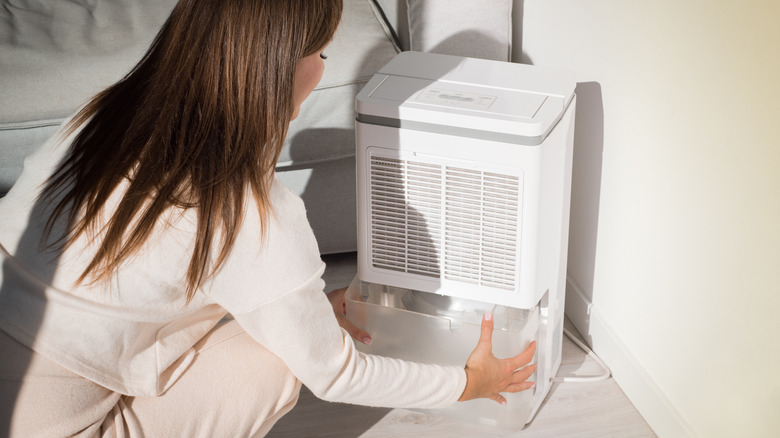
To prevent mold if a house was built during rainy conditions, it is advisable to hire a professional inspector to assess humidity levels, wet building materials, construction flaws, and mold. Experts like Vent recommend consulting mold inspectors, home inspectors, industrial hygienists, or indoor environmental professionals. If mold is detected, professional remediation is necessary. Additionally, maintaining a dry indoor environment through the use of fans and dehumidifiers in moisture-prone areas like crawlspaces and basements can help. Preventing condensation on windows and sealing areas that allow moisture intrusion are also crucial. Rudin emphasizes the importance of keeping wood, drywall, and porous surfaces free from standing water, as mold spores are ubiquitous, and controlling moisture is the only way to prevent their growth.
#HomeConstruction #RainyWeather #StructuralDamage #MoldPrevention #WaterDamage #BuildingMaterials #HomeInspection #MoistureControl #RealEstate #HomeConstruction #RainyWeather #StructuralDamage #MoldPrevention #WaterDamage #BuildingMaterials #HomeInspection #MoistureControl #RealEstate
 No comments yet
20 Things Home Buyers Will Hate About Your House
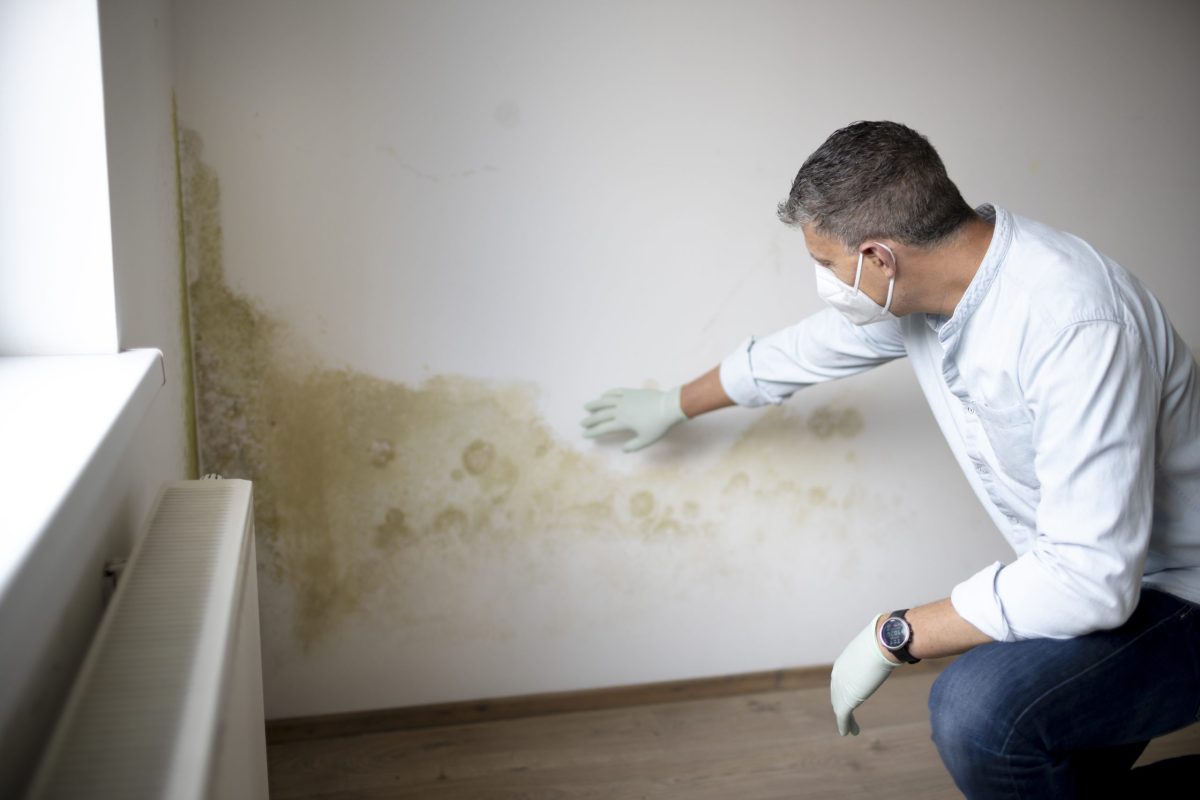
Why new homes can be damp – and what we can do about it

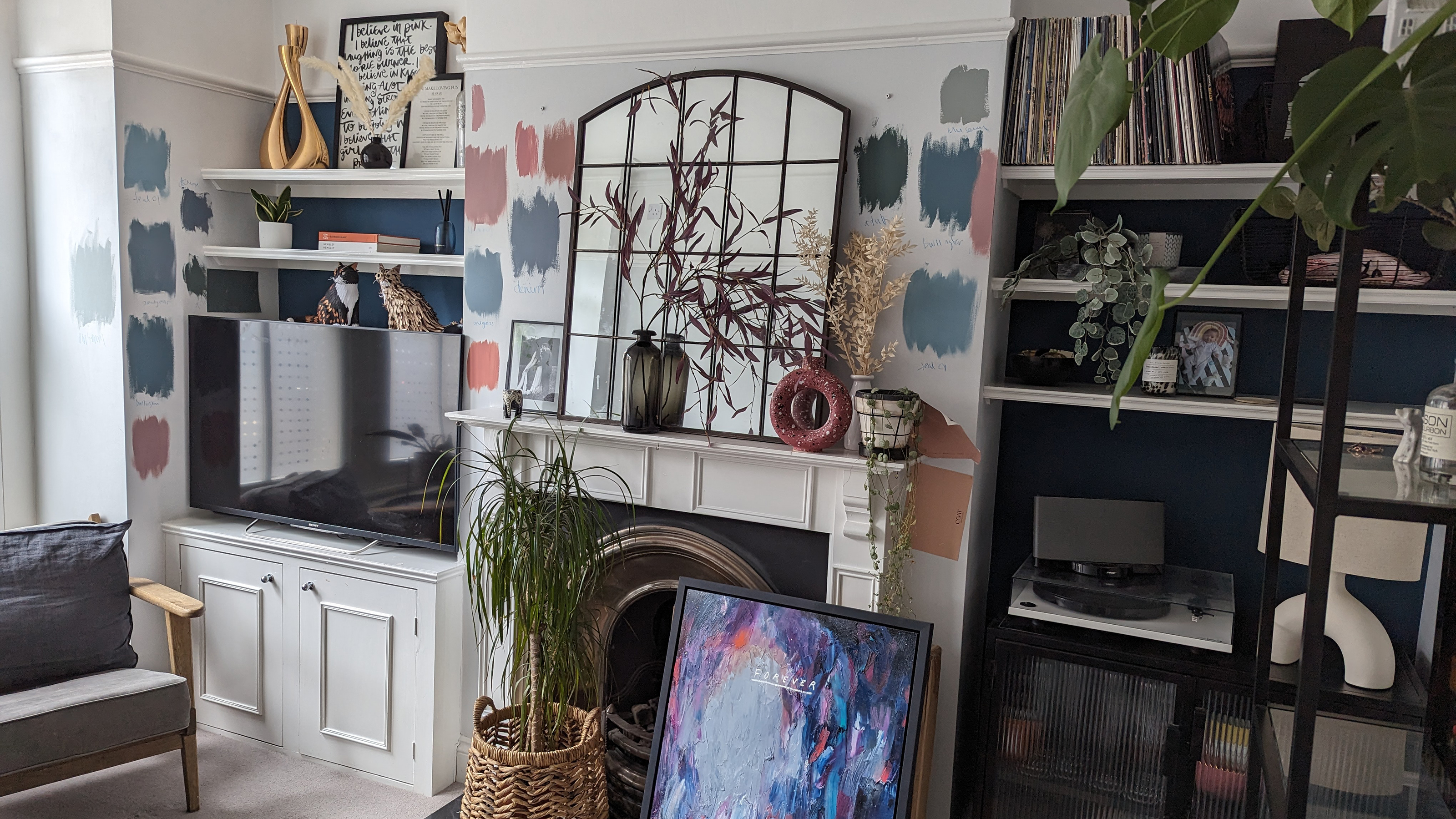
Unpopular Opinion: My house will never be finished, and neither will yours
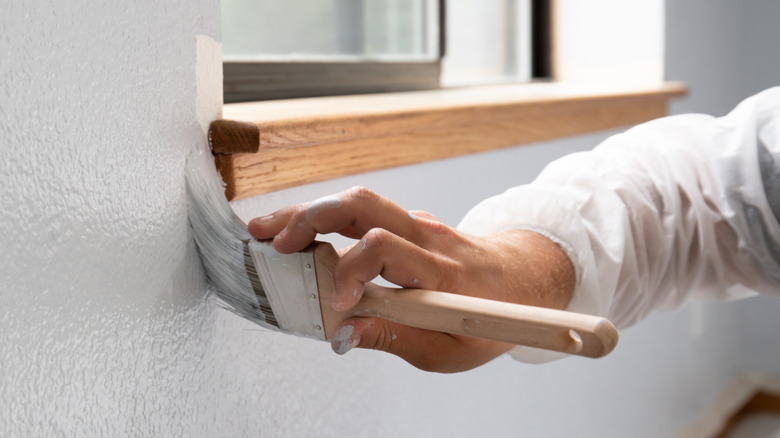
Why You Should Think Twice Before Painting Your Home's Interior On A Rainy Day

Why buildings fail: damp can become dangerous
Top 5 Things That Go Wrong in Too-Fast Construction