1/5
Worried about your basement flooding? Install these temporary measures before heavy rainfall
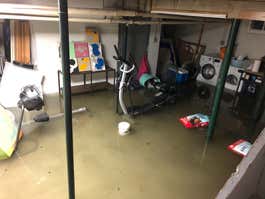
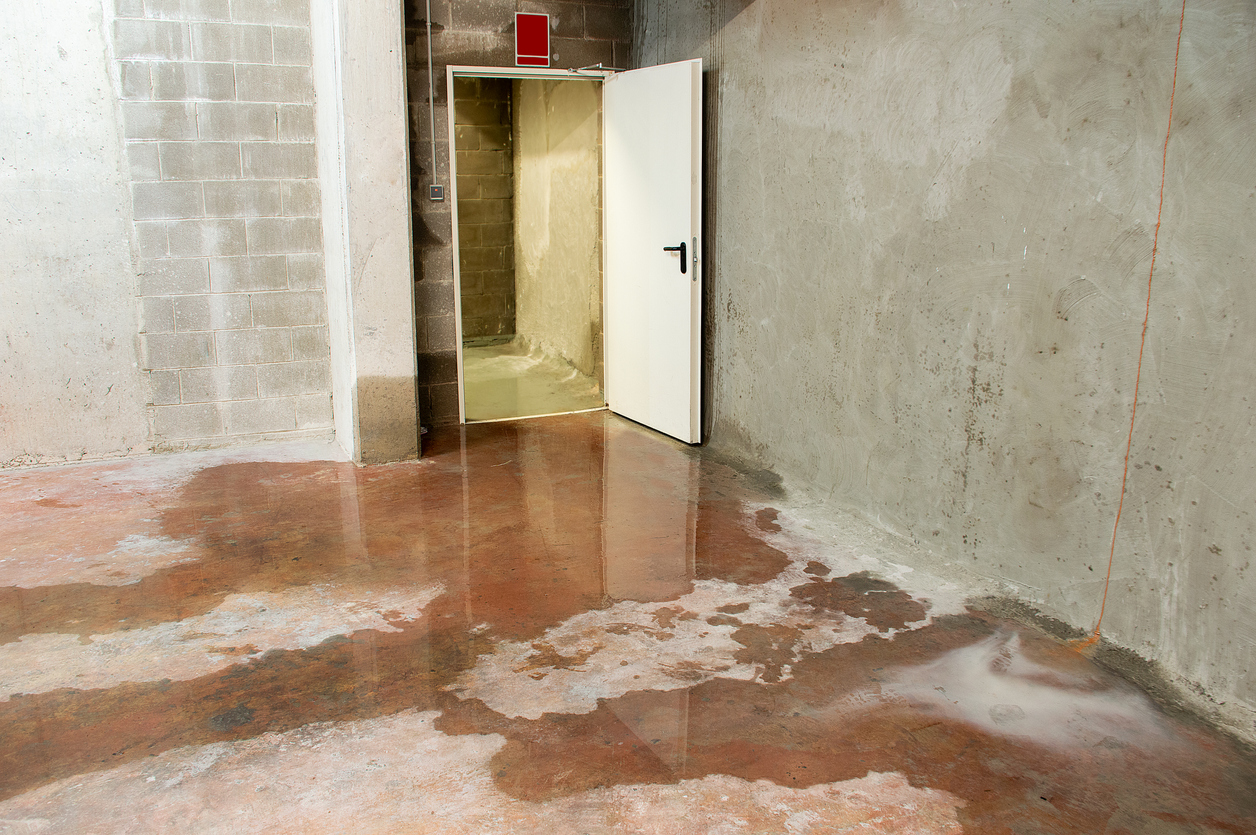
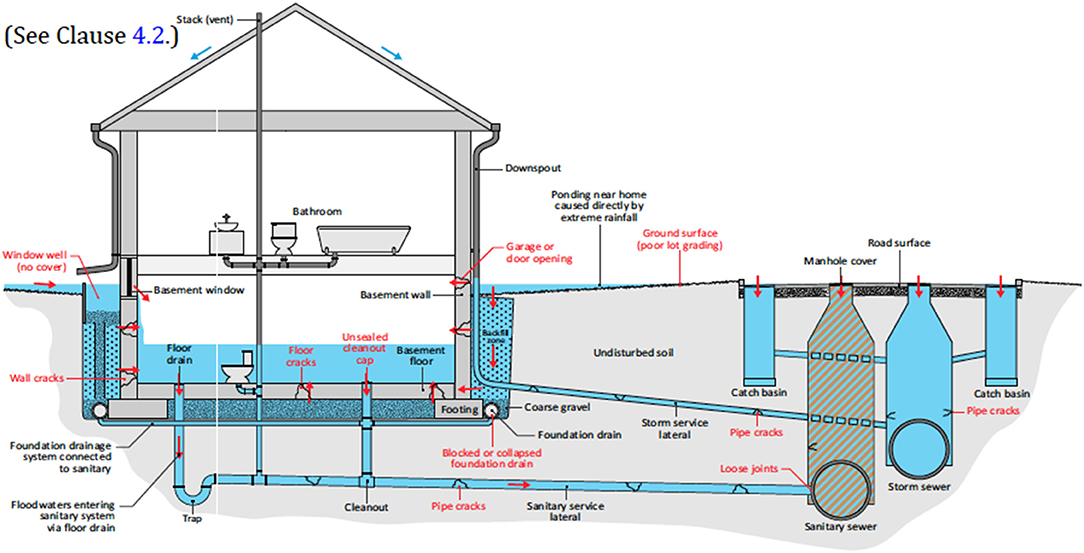
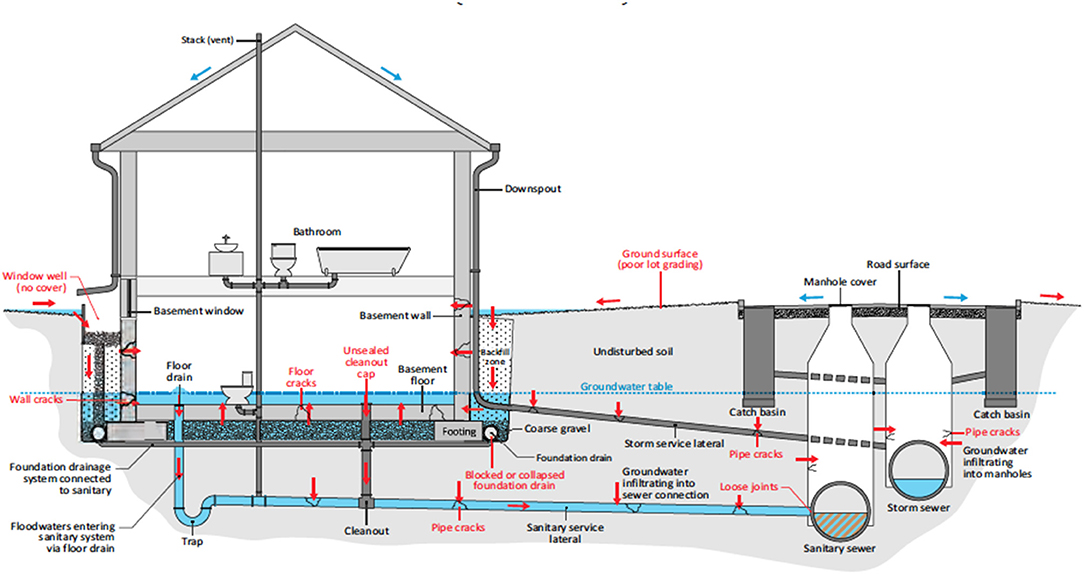
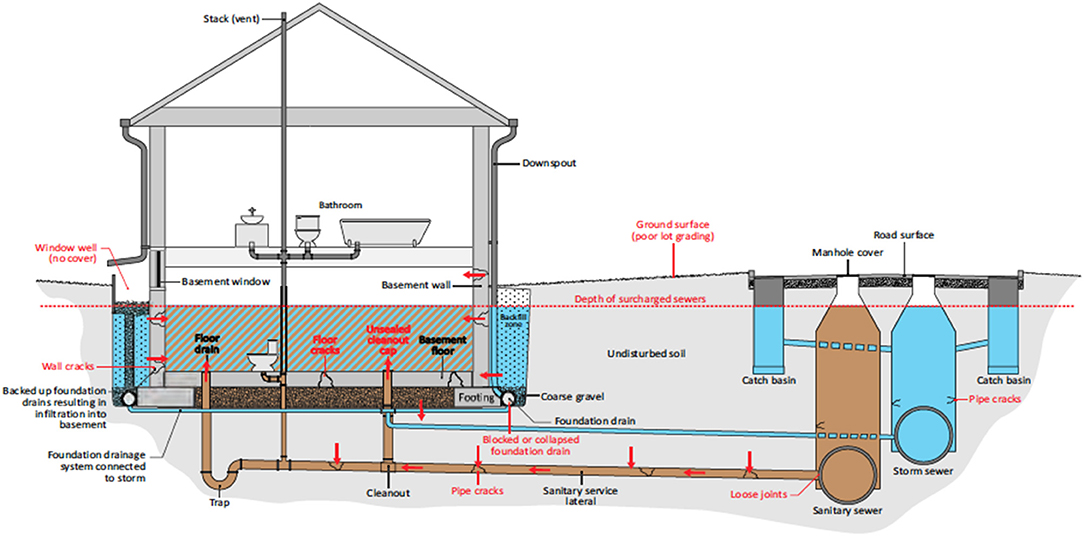
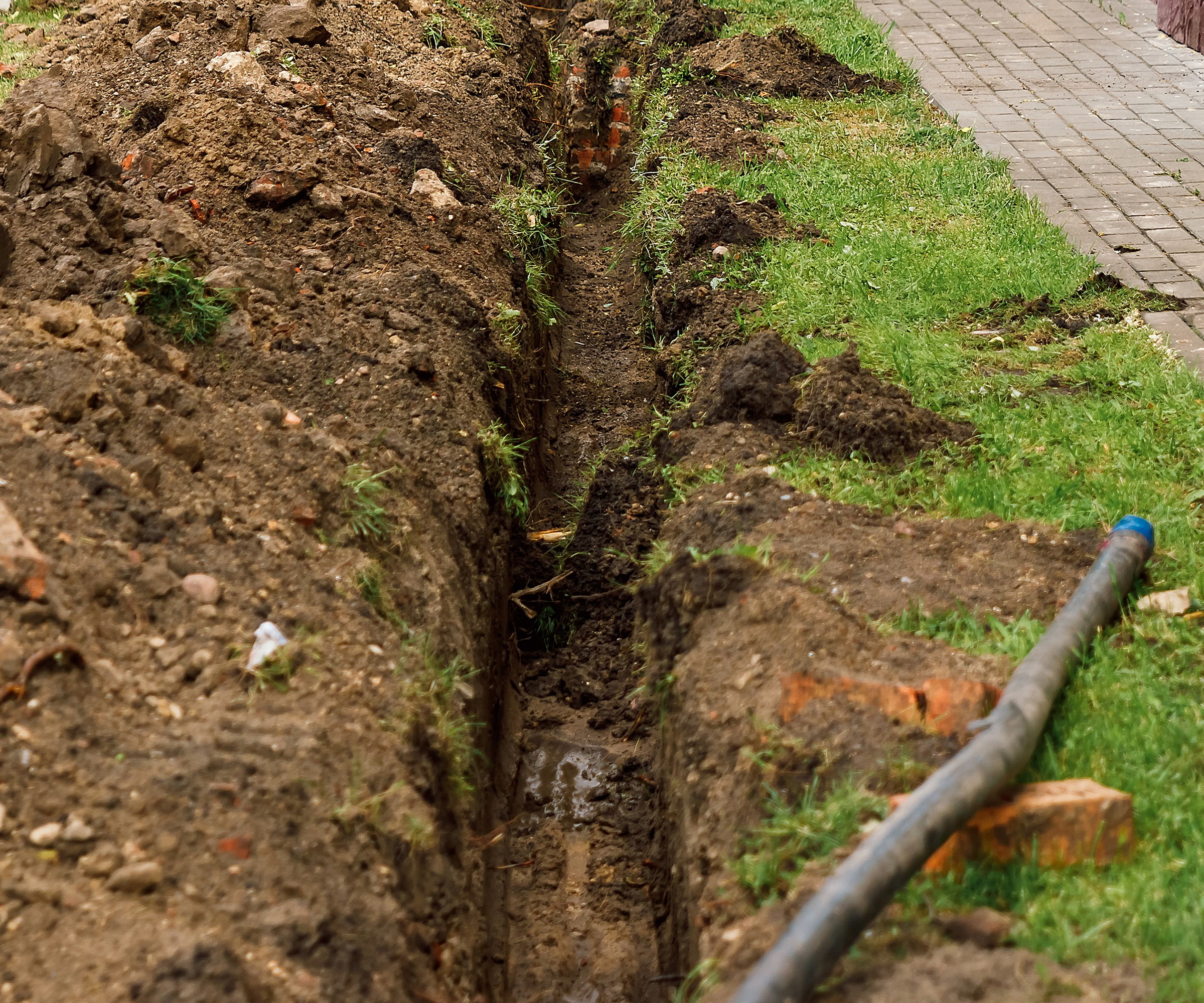
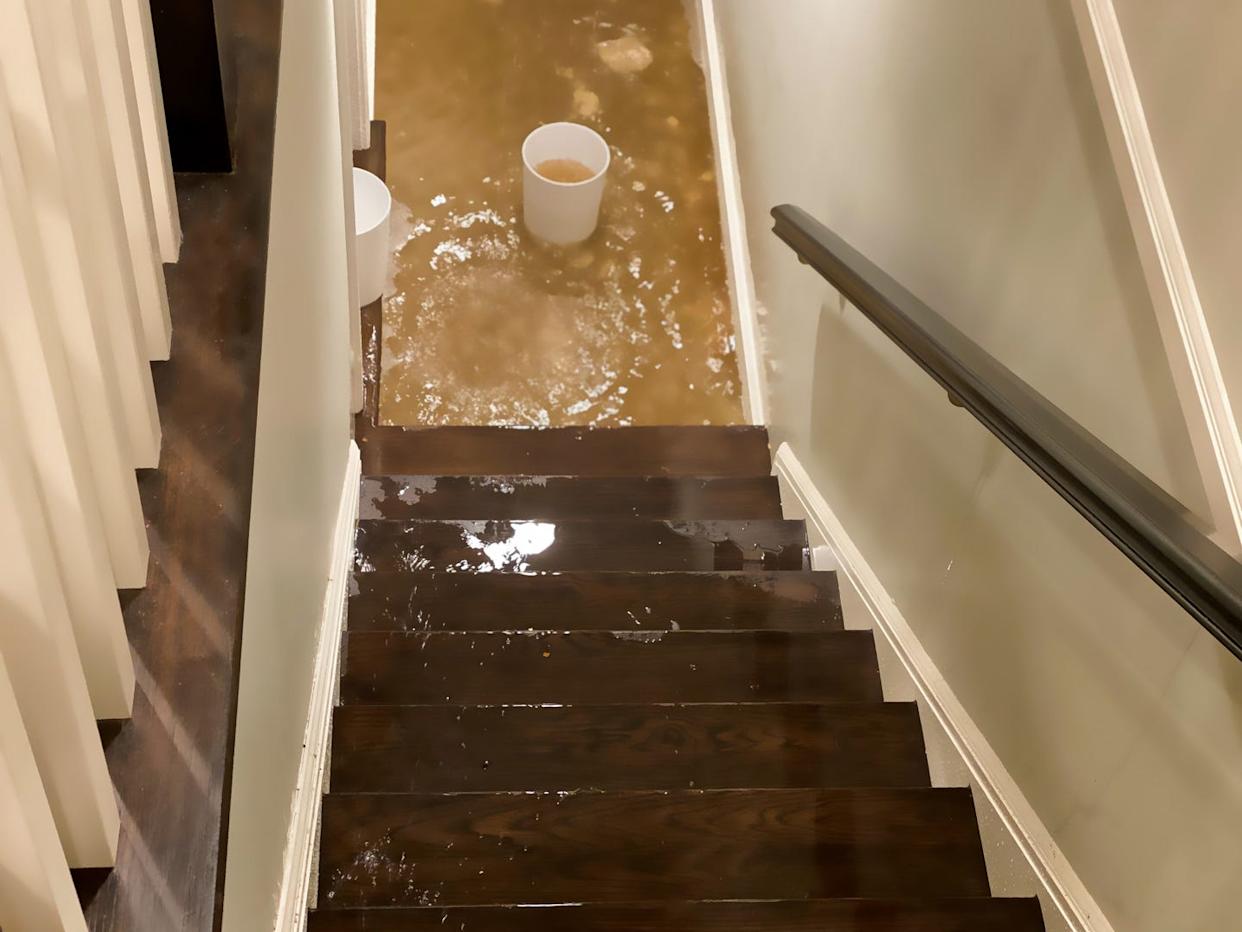
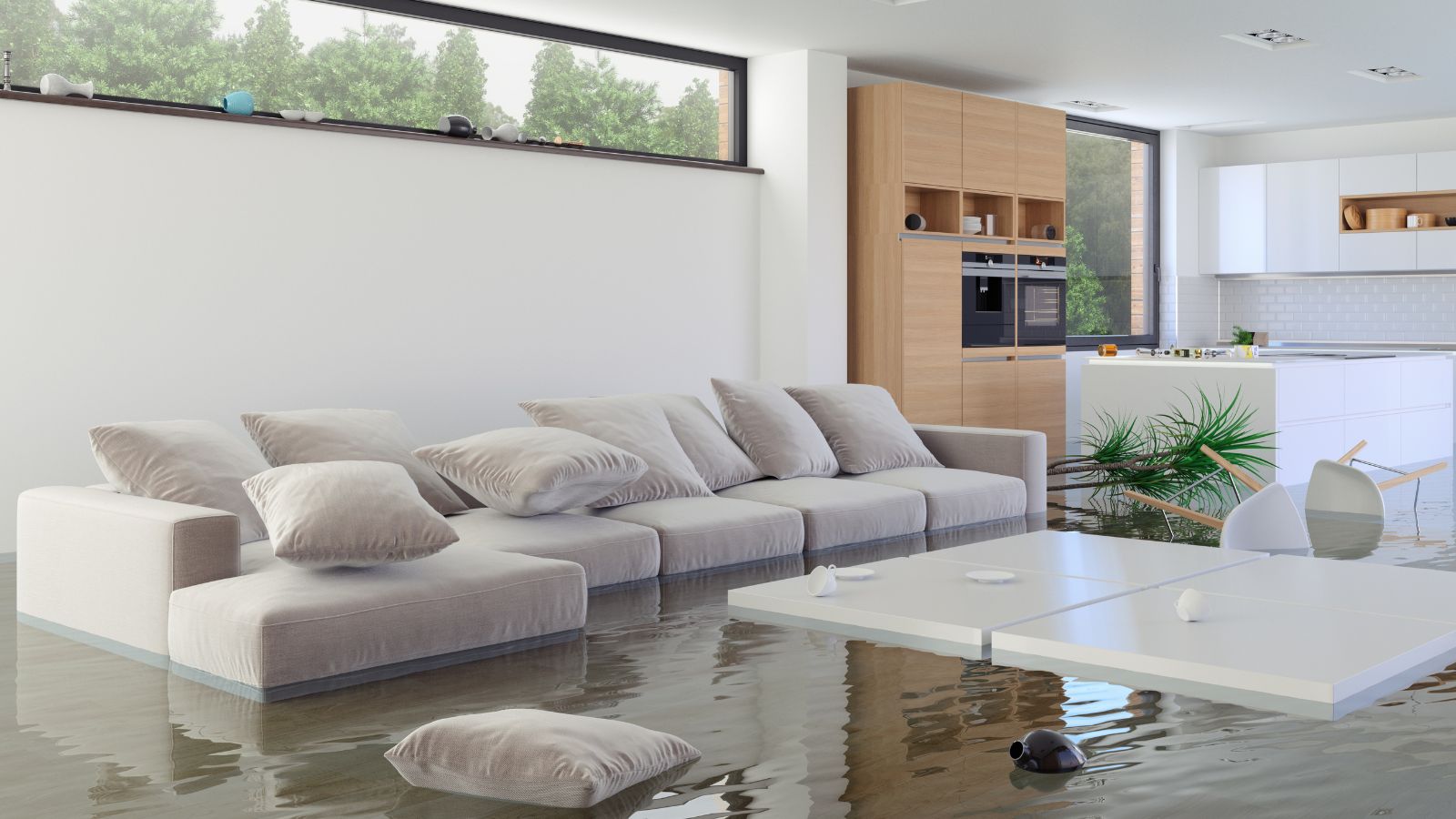
Basement flooding can be a significant concern, especially in areas prone to heavy rainfall. While long-term waterproofing solutions are ideal, this article focuses on temporary measures that homeowners can implement quickly to protect their basements from water damage during impending storms. These short-term fixes are crucial for preventing extensive property damage and maintaining the integrity of the home's foundation.
One of the most effective temporary solutions involves using sandbags or specialized flood barriers. These items create a physical barrier around vulnerable entry points like exterior doorways, windows, and any low-lying areas where water might infiltrate the basement. Experts recommend layering sandbags to accommodate rising water levels and keeping spares on hand for immediate deployment. Several product options are available, such as Quick Dam Water Activated Flood Bags, Hydra Barrier Ultra, and various reusable flood prevention sandbags, which are compact and efficient for quick setup.
Another critical step is to seal air vents located in foundation walls. Standard vents are often situated at ground level, making them direct access points for floodwaters. Covering these vents with durable plastic sheeting, securely fastened with duct tape, can create a temporary watertight seal. This method has been shown to withstand significant water pressure, effectively preventing water from entering through these openings.
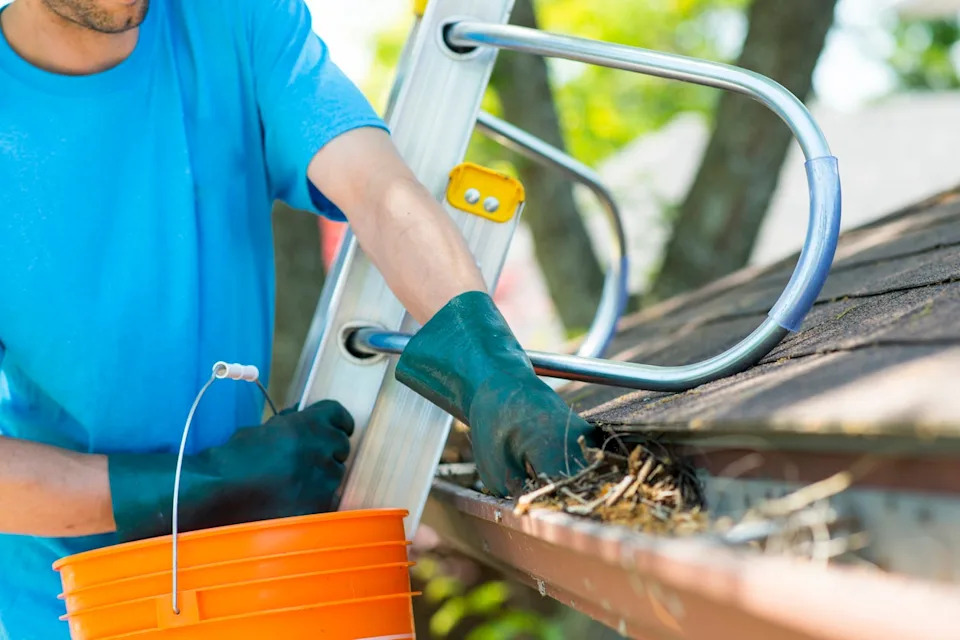
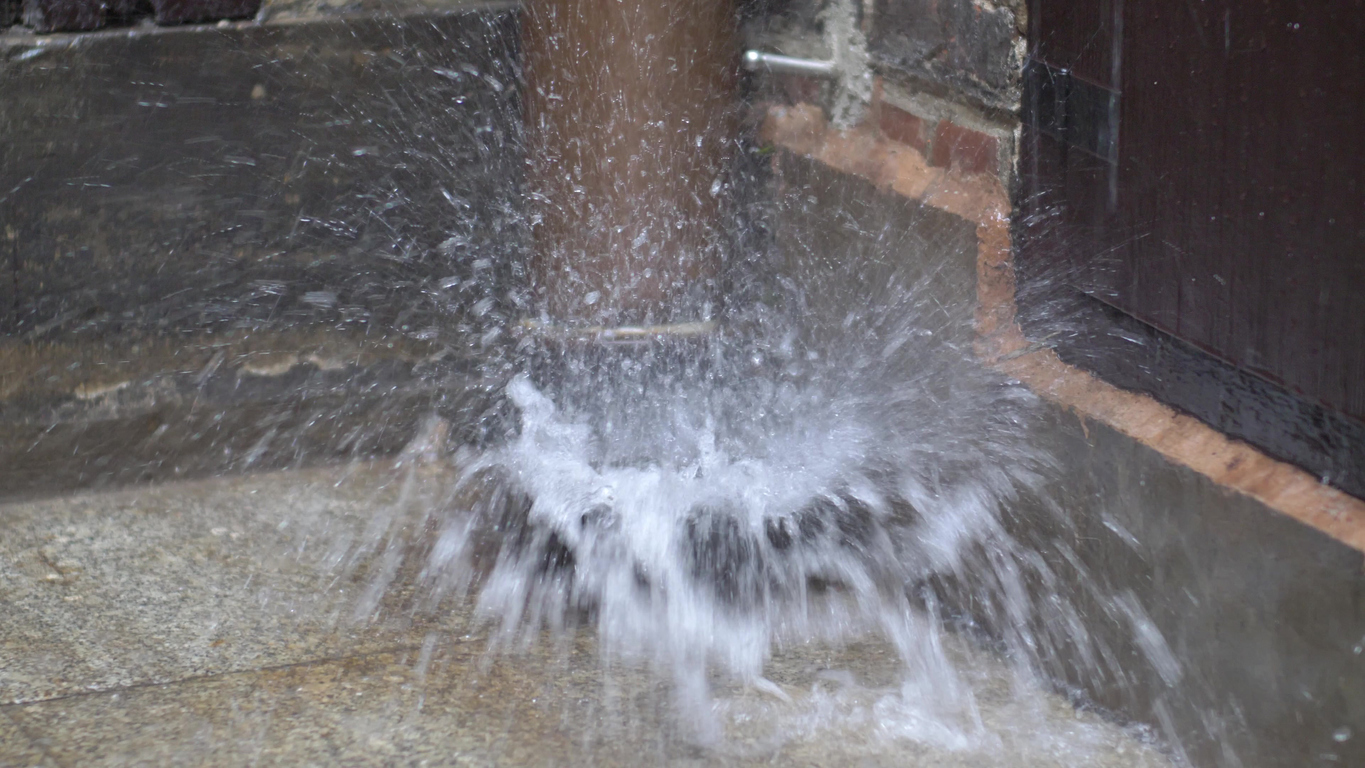
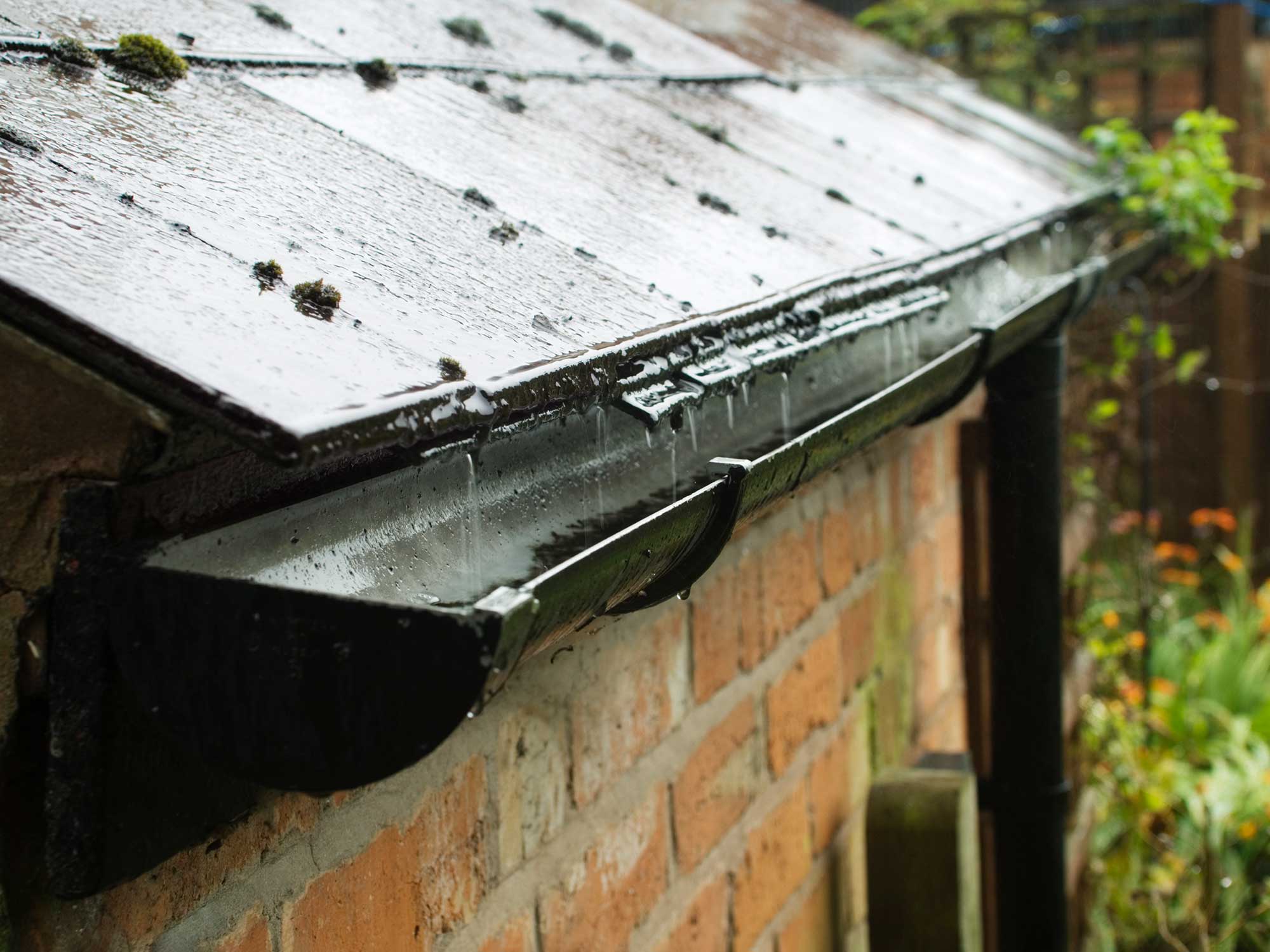
Proper maintenance of gutters and downspouts is also essential. Debris-clogged gutters can cause water to overflow and pool around the home's foundation, increasing the risk of basement flooding. Regularly clearing gutters and ensuring that downspouts direct water away from the house are proactive measures. Utilizing gutter guards can further prevent debris accumulation while allowing water to flow freely, reducing the need for frequent cleaning.
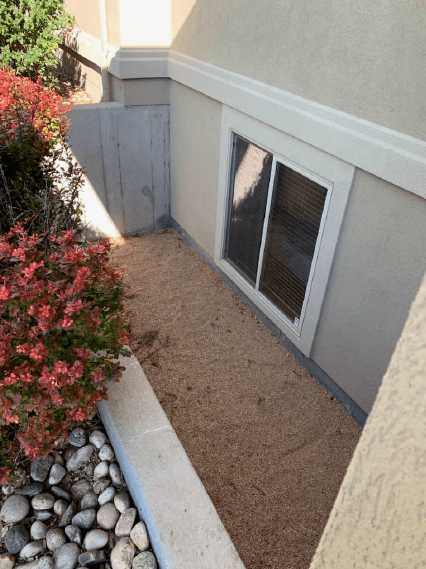
For basements with window wells, installing covers is a simple yet impactful way to prevent rainwater from collecting and seeping into the basement through windows. While some high-quality covers can be a substantial investment, they offer long-term protection against water infiltration and can save significant costs in potential water damage repairs.
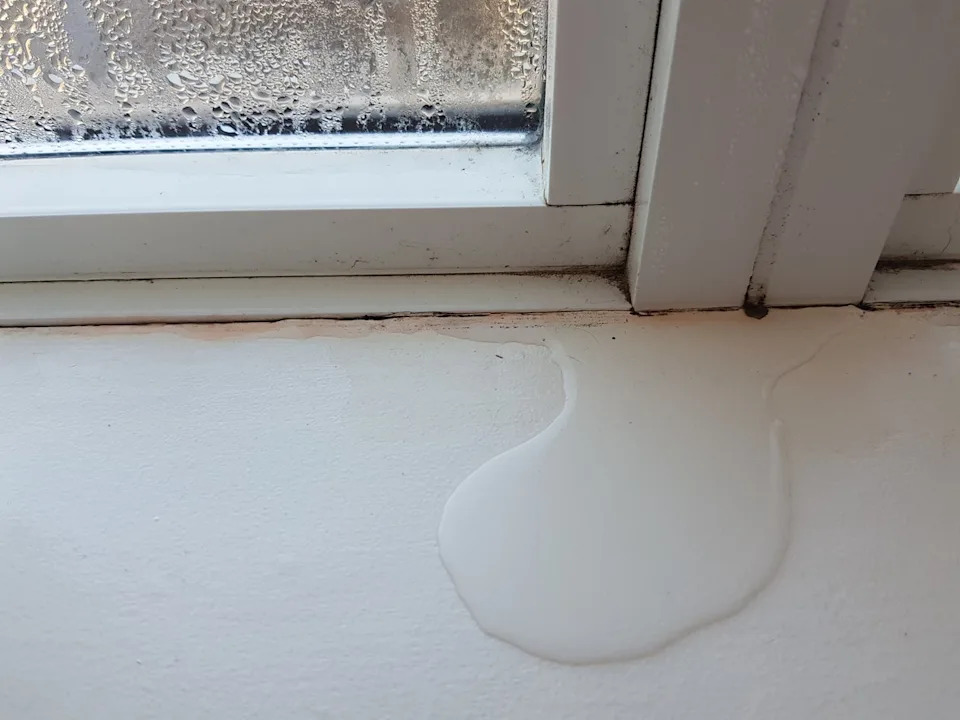
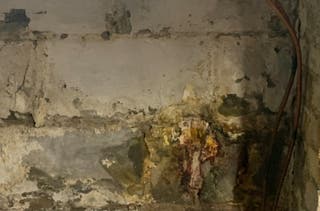
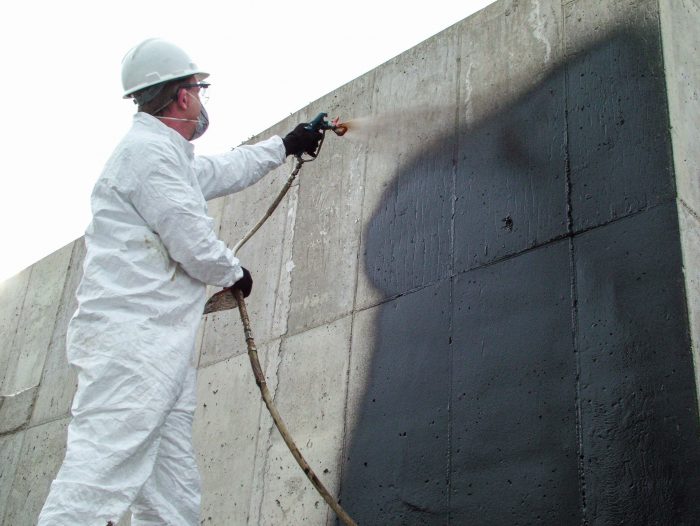
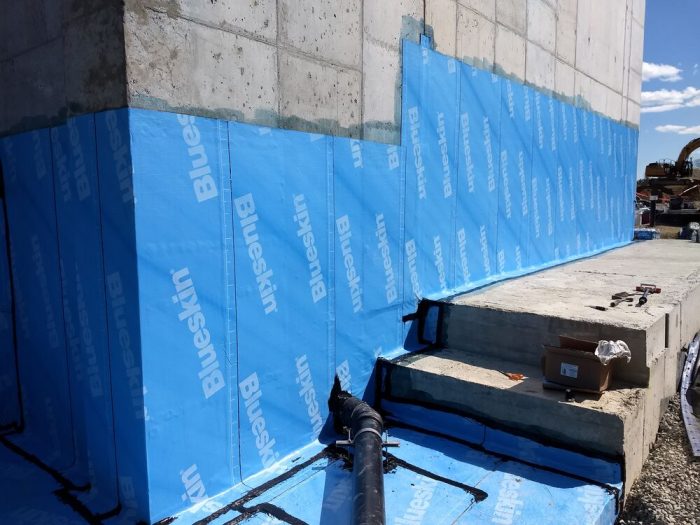
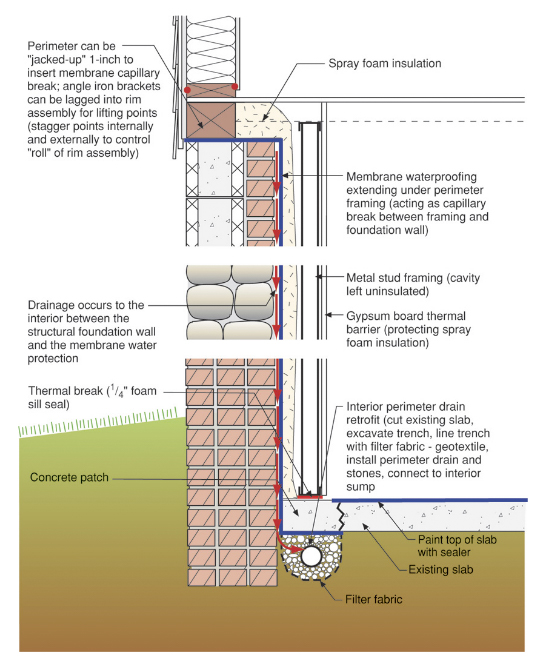
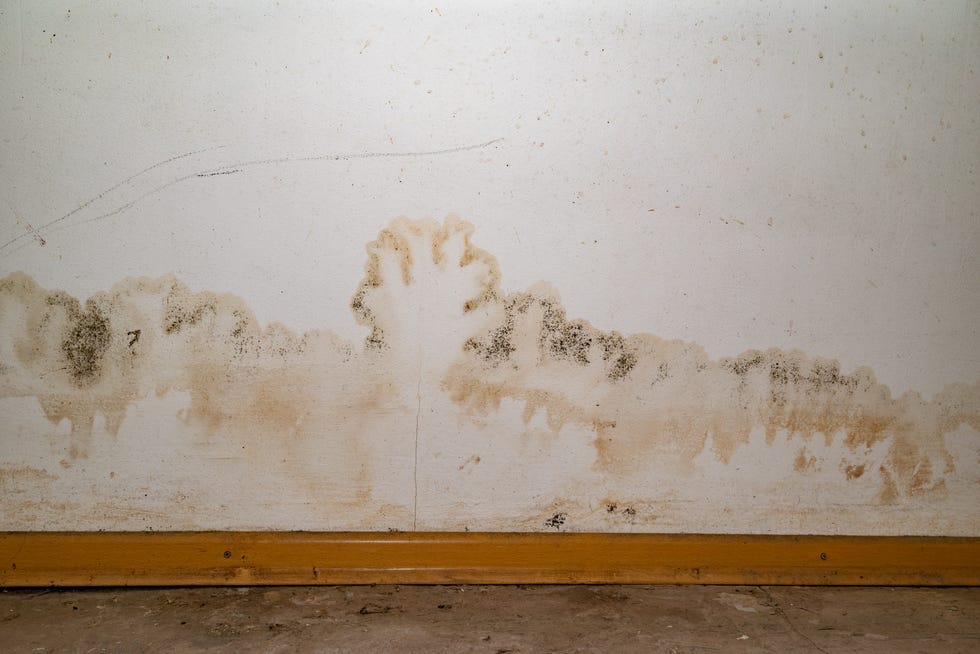
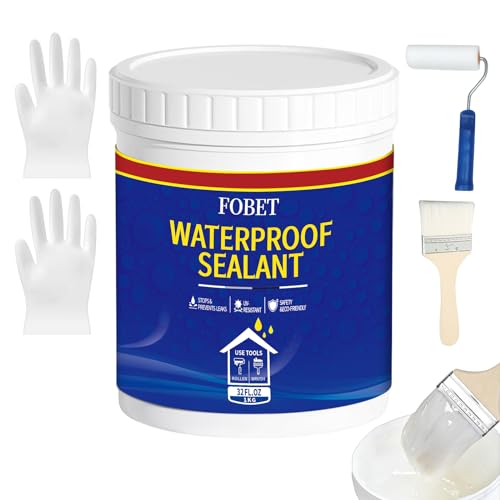
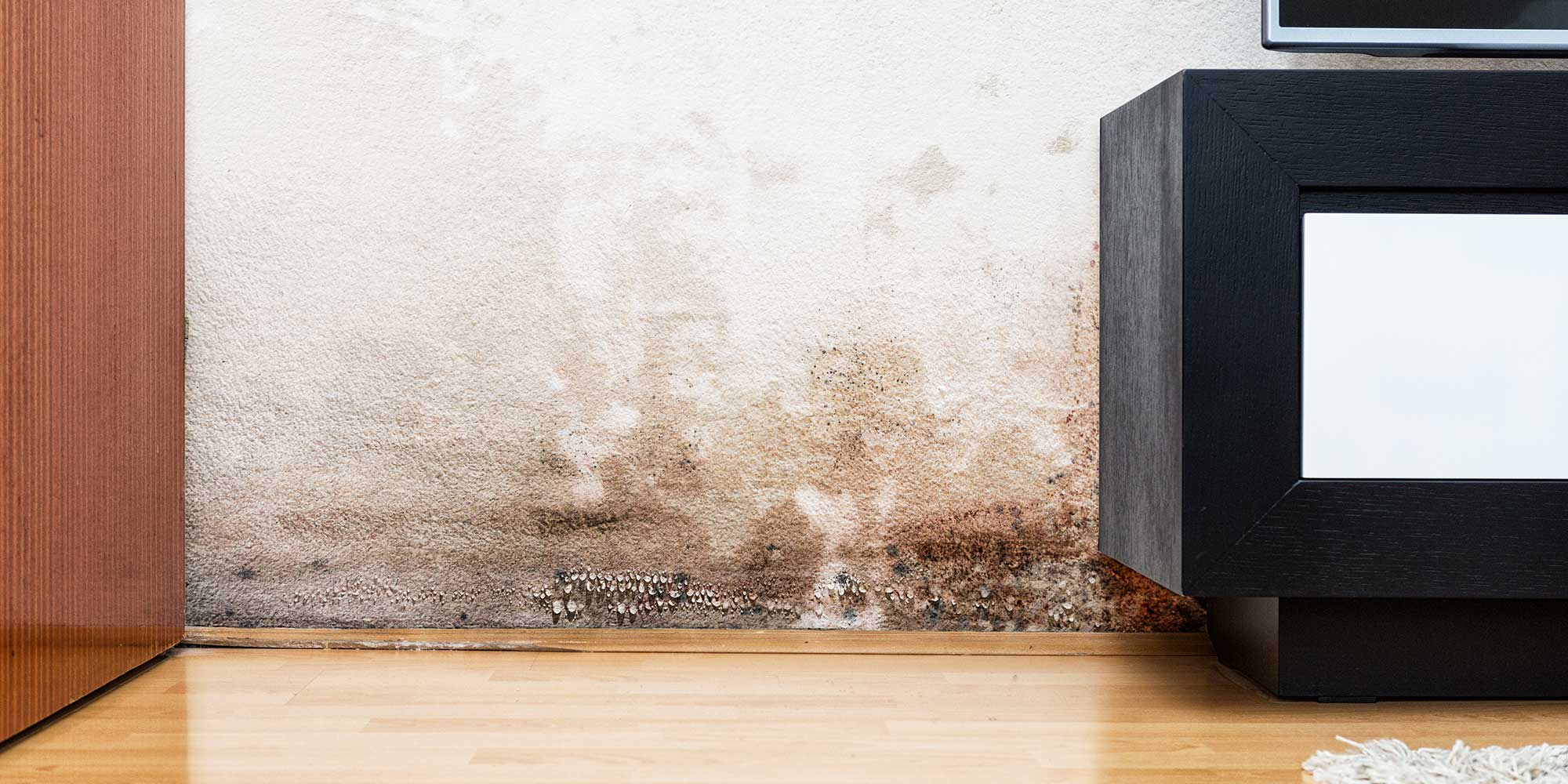
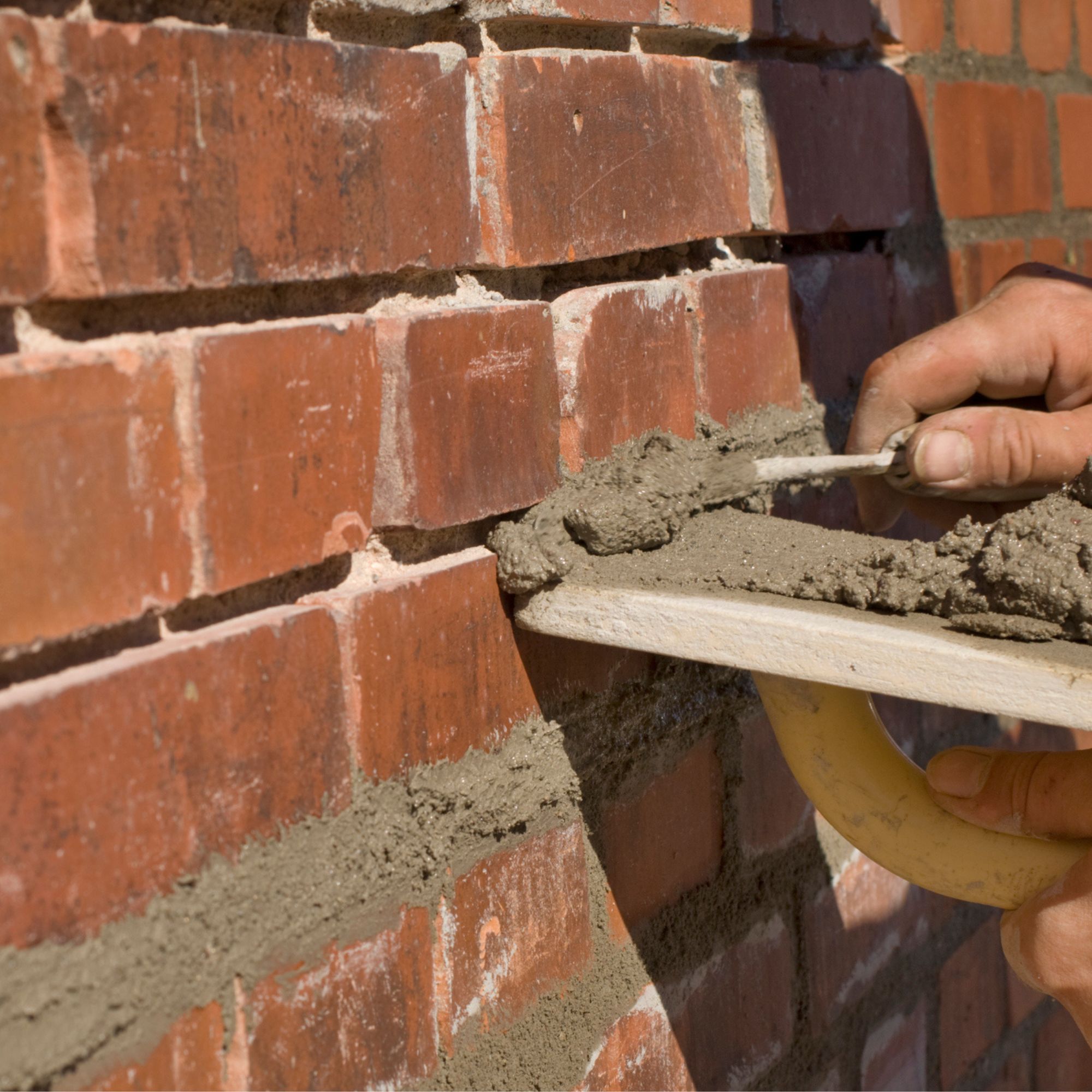
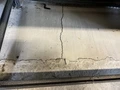
Inspecting and sealing gaps, cracks, or leaks in basement walls, floors, and windows is paramount. Even small openings can become major entry points for water. Replacing worn seals or caulking around doors, windows, vents, and utility pass-throughs is vital. For more substantial cracks, applying water-resistant caulking or epoxy can provide a temporary seal. Although professional repairs often involve exterior wall waterproofing and structural reinforcements, quick fixes like these are necessary when time is limited.
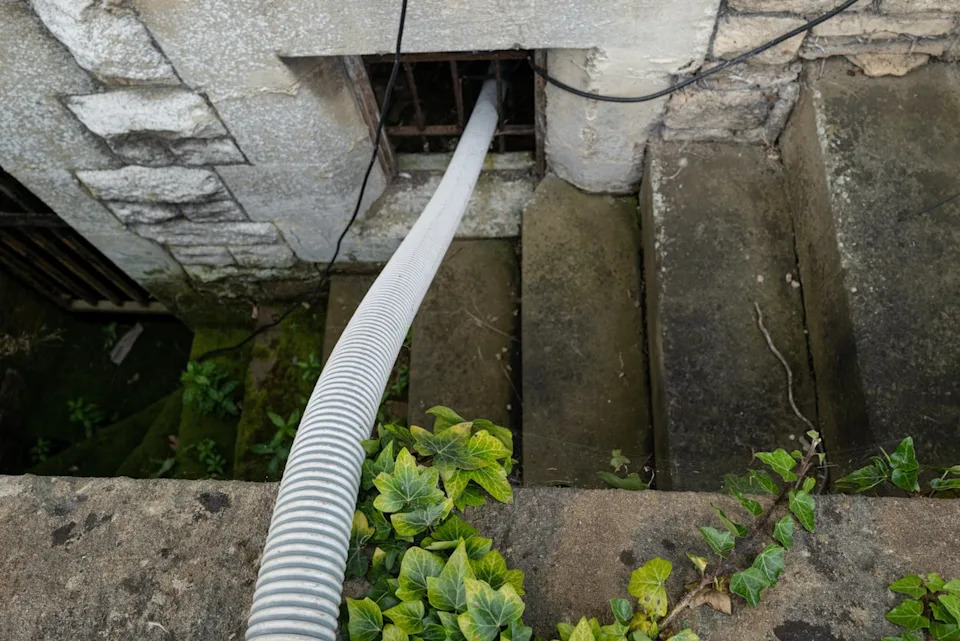
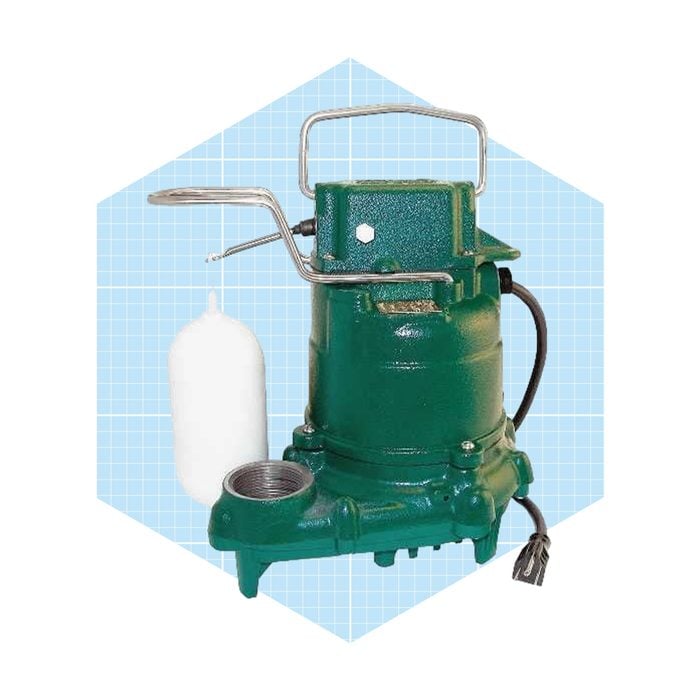
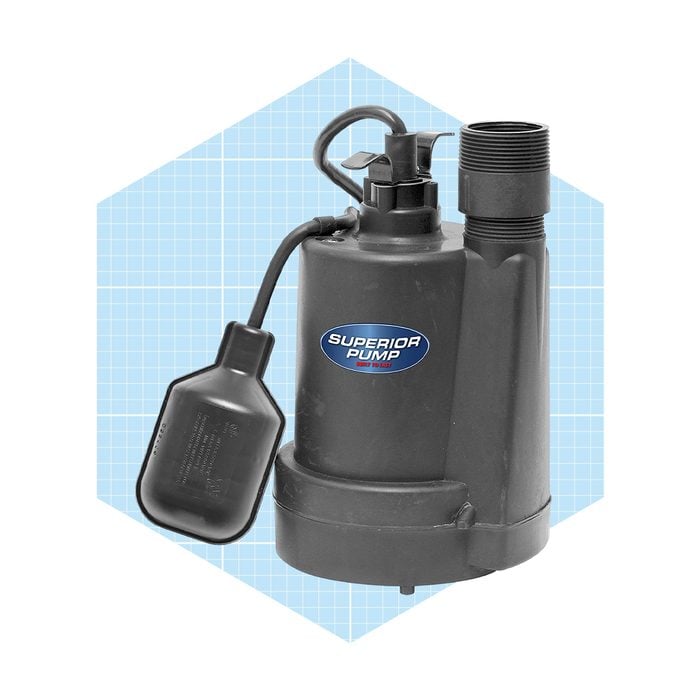
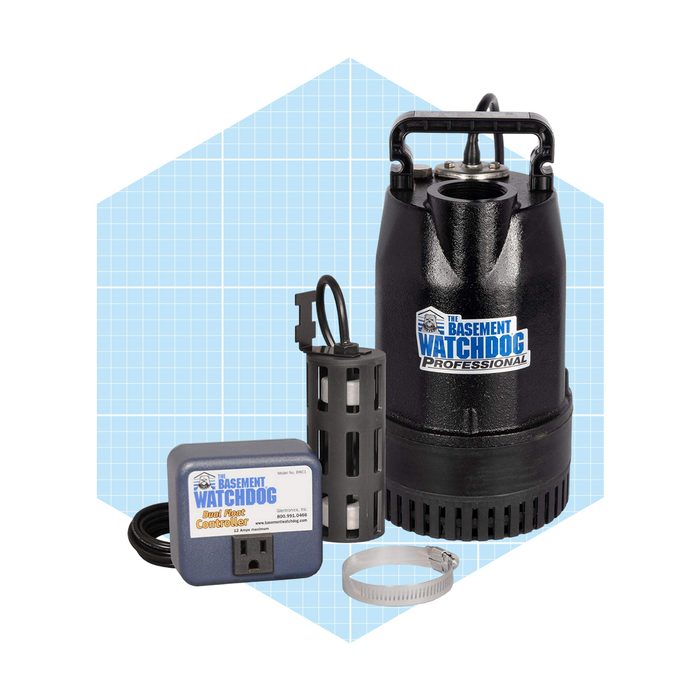
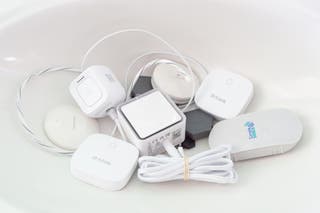
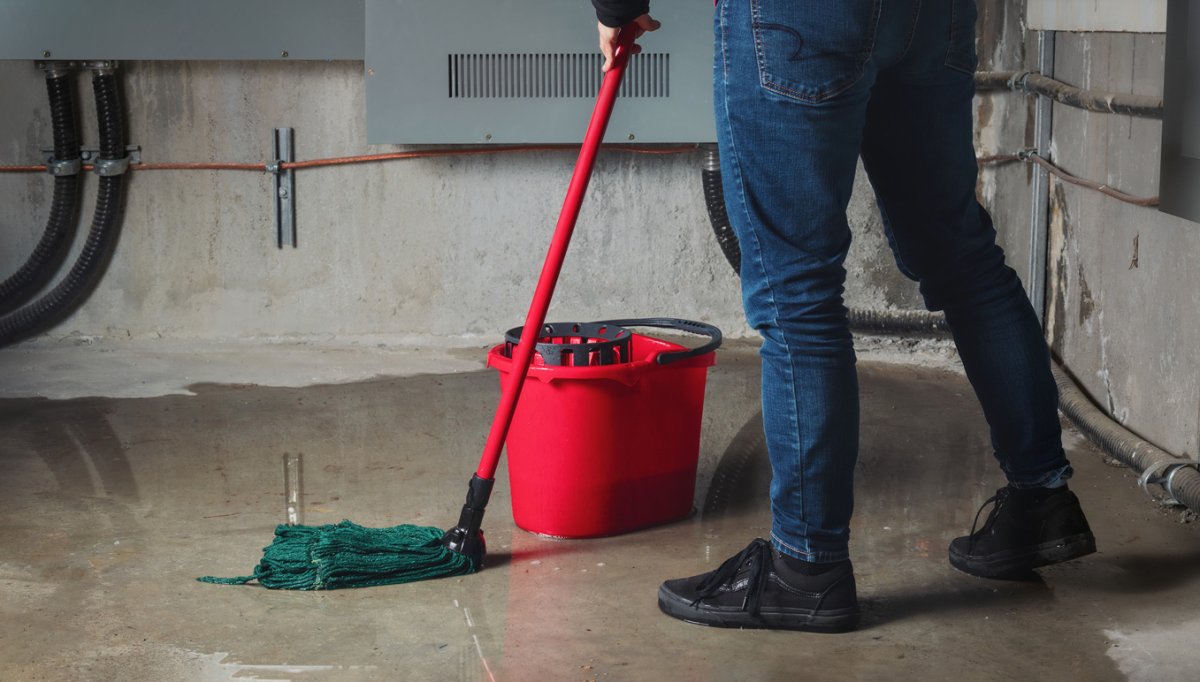
Beyond these preventative steps, having emergency water removal equipment readily available is advisable. Wet/dry vacuums and water pumps can be invaluable for quickly extracting water if flooding occurs. Installing a water alarm system provides an early warning by detecting water accumulation as little as 1/16th of an inch, triggering an 85-decibel siren. This early alert allows homeowners more time to respond or evacuate. Staying informed about weather forecasts is also crucial for anticipating heavy rainfall and implementing measures proactively. Finally, elevating valuable items and furniture off the basement floor can protect belongings from water damage, and ensuring sump pumps are functional with a secondary power source can safeguard against power outages during a flood.
#BasementFlooding #FloodPrevention #HomeProtection #WaterDamage #EmergencyPreparedness #HomeMaintenance #SeasonalPreparation #DIYHomeSolutions #BasementFlooding #FloodPrevention #HomeProtection #WaterDamage #EmergencyPreparedness #HomeMaintenance #SeasonalPreparation #DIYHomeSolutions
0 comment in total
 No comments yet
You may also like

How to waterproof a basement – 5 steps from experts to safeguard this space
Reducing Urban Flood Risk Through Building- and Lot-Scale Flood Mitigation Approaches: Challenges and Opportunities
6 Best Sump Pumps to Flood-Proof Your Basement

Kuffa: Simple, inexpensive solutions to a wet basement
Solved! Here's What to Do About Water Leaking Into the Basement After Heavy Rain
Dampproofing and Waterproofing for Foundation Walls

My Basement Flooded…What I Wish We’d Have Known to Better Prepare, and What We Learned


These Simple Gadgets Alert You to Water Leaks Before They Become a Flood

Everything I Did to Flood-Proof My Old House | Reviews by Wirecutter
What to Do If Your Basement Floods During a Storm, According to Experts


How to get rid of damp
Highlander Waterproofing and Foundation Repair - Tribune-Review
So Your Basement Is Severely Flooded. Now What?

12 exterior areas of your home that are prone to leaks in rainy season – and how to prevent moisture getting inside

Floodproofing a house — 12 things experts say you can do
The 5 Best Basement Sealers to Waterproof Your Space
Solved! Why Is Water Seeping Through My Basement Floor?

Ways to protect your home from flooding – safeguard your space from storms
7 ways to flood-proof your home during Thailand’s storm season

What to Know Before You Finish Your Basement