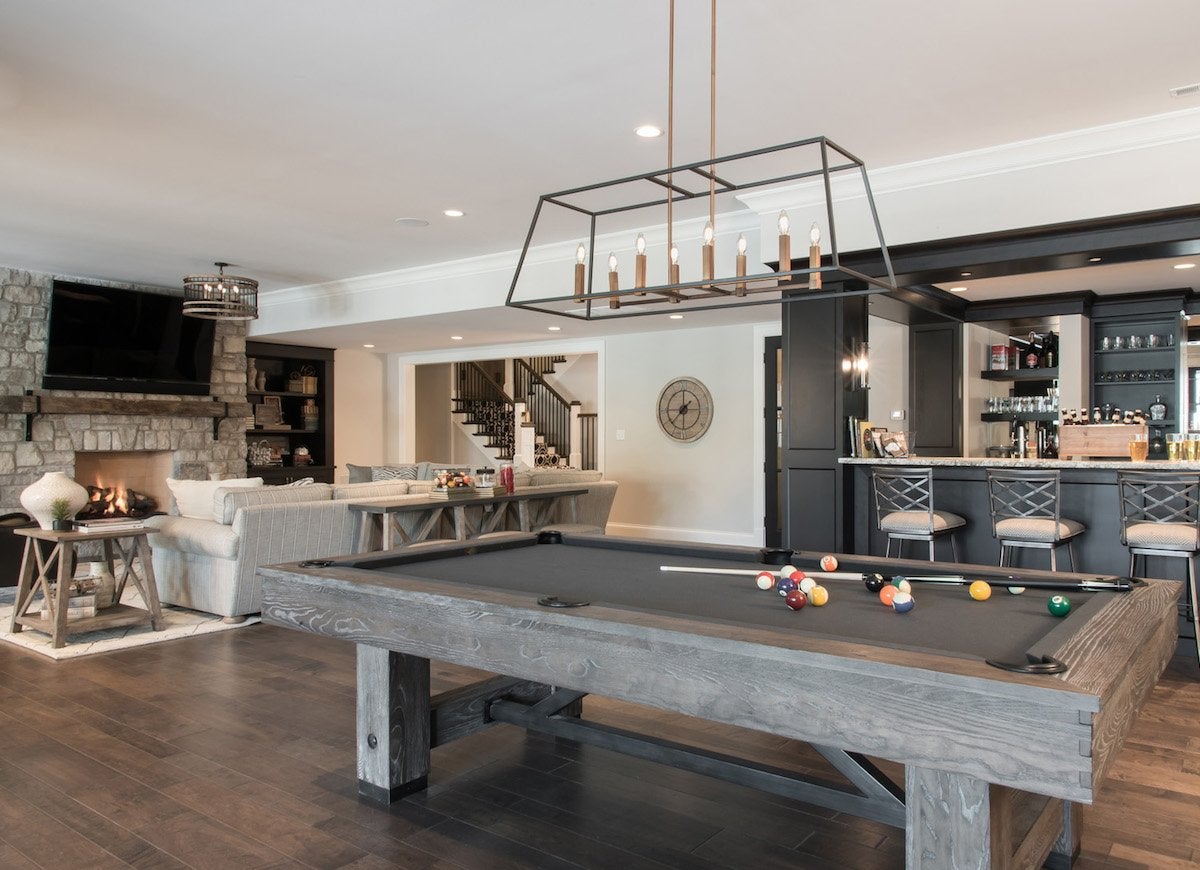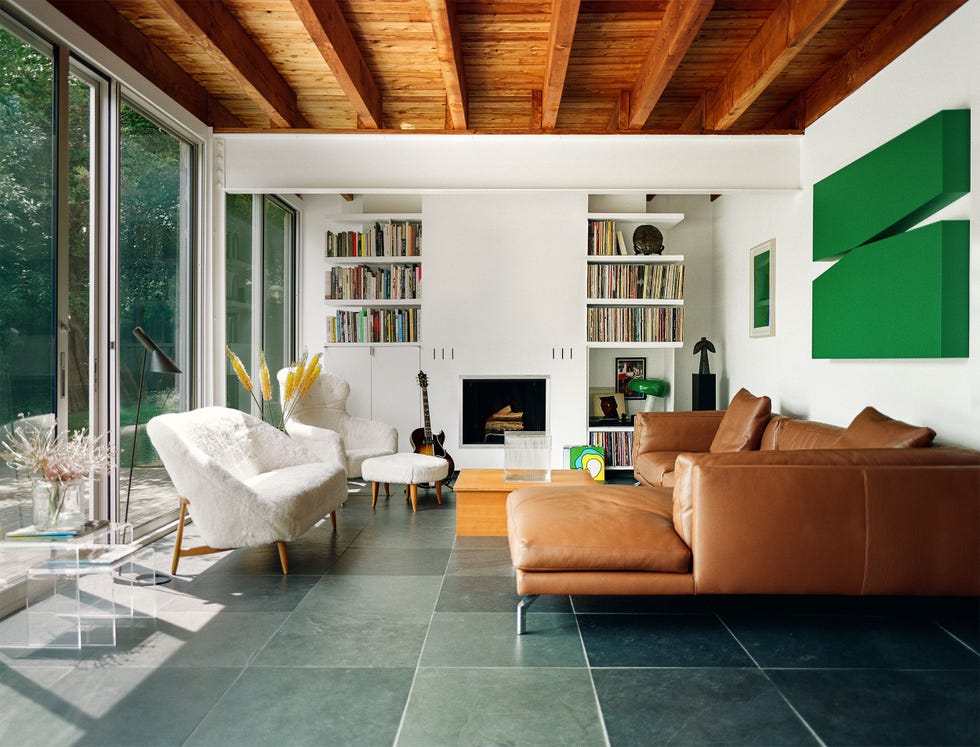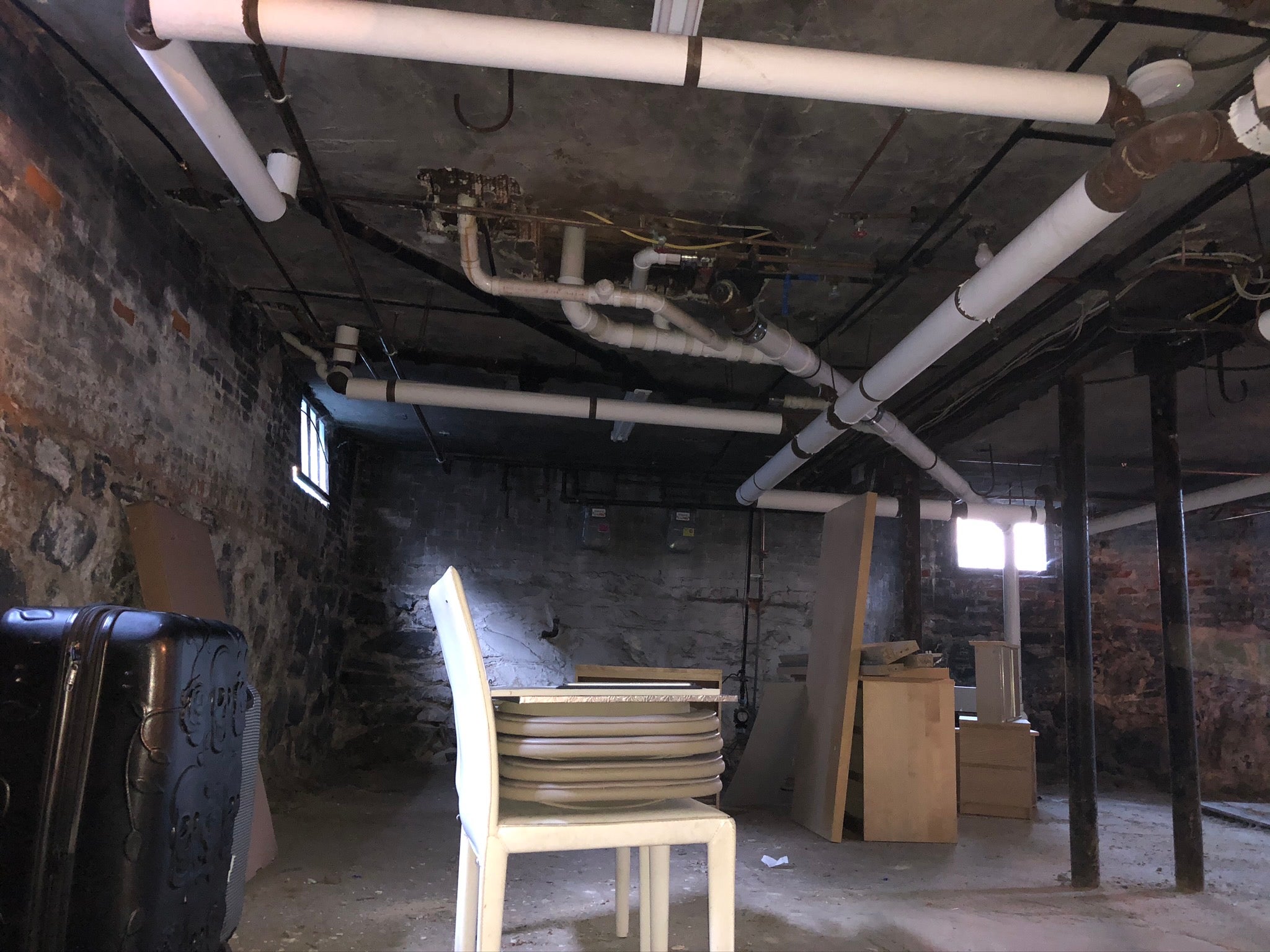
What to Know Before You Finish Your Basement
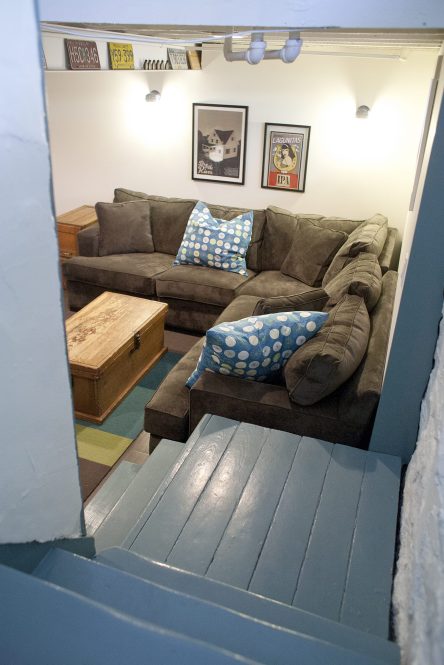
Finishing a basement can significantly increase a home's living space and value, but it's a complex project that requires careful planning and consideration. This process goes beyond mere aesthetic upgrades, involving structural integrity, moisture management, and adherence to building codes. Many basements, especially older ones, were not originally designed for habitation and may present unique challenges that differentiate them from above-ground renovations. Therefore, a thorough understanding of these specific aspects is crucial before commencing any work.
One of the primary considerations for a basement finishing project is water management. Basements are inherently susceptible to moisture issues, including leaks, seepage, and humidity. These problems can lead to mold growth, structural damage, and poor air quality if not properly addressed. Before any construction begins, it's essential to inspect for existing water problems and implement effective solutions, such as exterior waterproofing, interior drain tile systems, and proper sump pump installation. Addressing moisture proactively will prevent costly repairs and health hazards down the line. Additionally, good ventilation is necessary to prevent condensation and maintain a healthy indoor environment, especially in a below-grade space.
Building codes are another critical aspect that homeowners must navigate. Unlike above-ground rooms, basements have specific regulations related to ceiling height, egress windows, fire safety, and ventilation. Egress windows are particularly important for safety, as they provide an emergency exit and allow natural light and ventilation. Local building departments often have strict requirements for the size, placement, and type of egress windows. Failing to comply with these codes can result in significant penalties, difficulty selling the home, and, more importantly, create unsafe living conditions. It is highly recommended to consult with local authorities and obtain all necessary permits before starting the project.
The cost of finishing a basement can vary widely depending on the size of the space, the quality of materials, and the complexity of the design. Homeowners should create a detailed budget that accounts for all potential expenses, including labor, materials, permits, and unforeseen contingencies. While it can be a significant investment, a well-finished basement often yields a high return on investment, making it a worthwhile project for many homeowners. This added living space can serve various functions, such as an extra bedroom, a home office, a recreation room, or a rental unit, thereby enhancing the home's functionality and market appeal.
Finally, the decision to hire professionals or undertake a DIY approach depends on the homeowner's skill level and the project's scope. While some basic tasks can be handled by experienced DIYers, complex aspects like plumbing, electrical work, and structural modifications should ideally be left to licensed contractors. Engaging professionals ensures that the work meets safety standards, local codes, and achieves a high-quality finish. Careful planning, addressing potential challenges, adhering to regulations, and managing the budget effectively are key to a successful basement finishing project that adds significant value and comfort to a home.
#BasementFinishing #HomeImprovement #Renovation #BuildingCodes #Waterproofing #HomeValue #DIYHome #RealEstate #MoistureControl #BasementFinishing #HomeImprovement #Renovation #BuildingCodes #Waterproofing #HomeValue #DIYHome #RealEstate #MoistureControl
0 comment in total
 No comments yet
You may also like
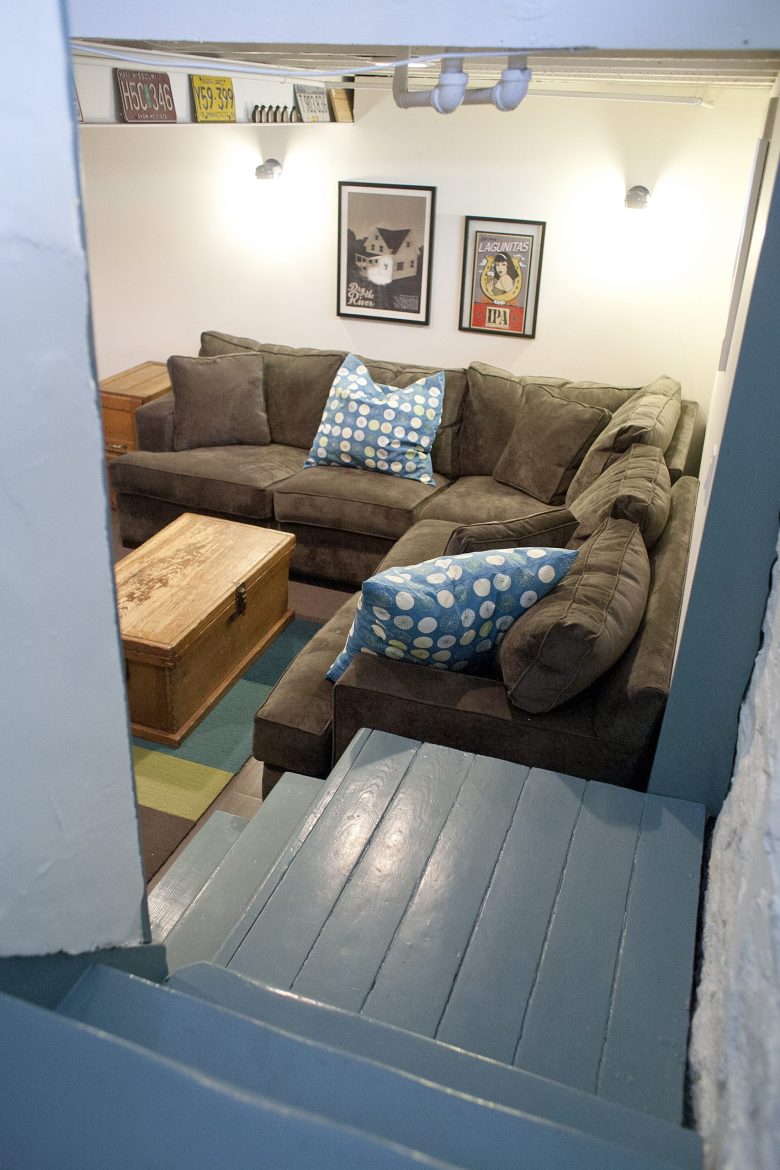
Finished basements


Dope Basement Renovation

Exposed Beam Ceilings: What You Need to Know Before Committing

The Inside Outside Guys: Finishing a basement: part one

A Finished Basement Is Just What Your Home Needs in 2025


How to waterproof a basement – 5 steps from experts to safeguard this space

Is it better to finish the basement as part of the build or later on?

5 Best Types of Flooring for Your Basement in 2022


9 Things You Need to Know Before Renovating Your Home, According to Experts

5 Things To Consider Before Starting A Basement Remodel, According To Builders
Worried about your basement flooding? Install these temporary measures before heavy rainfall

8 Basement Flooring Ideas to Elevate Your Subterranean Space
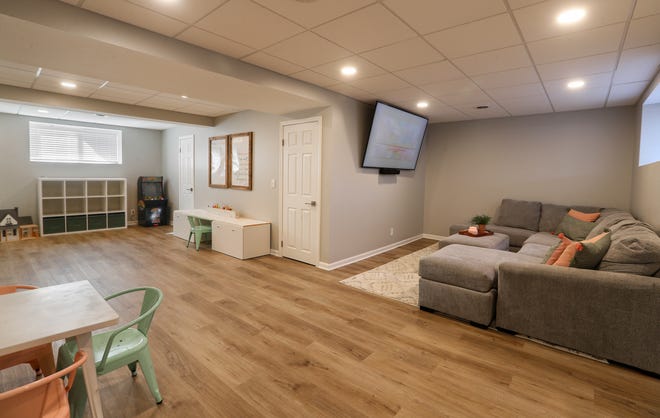
Finishing your basement can add space and value but you have to do it right
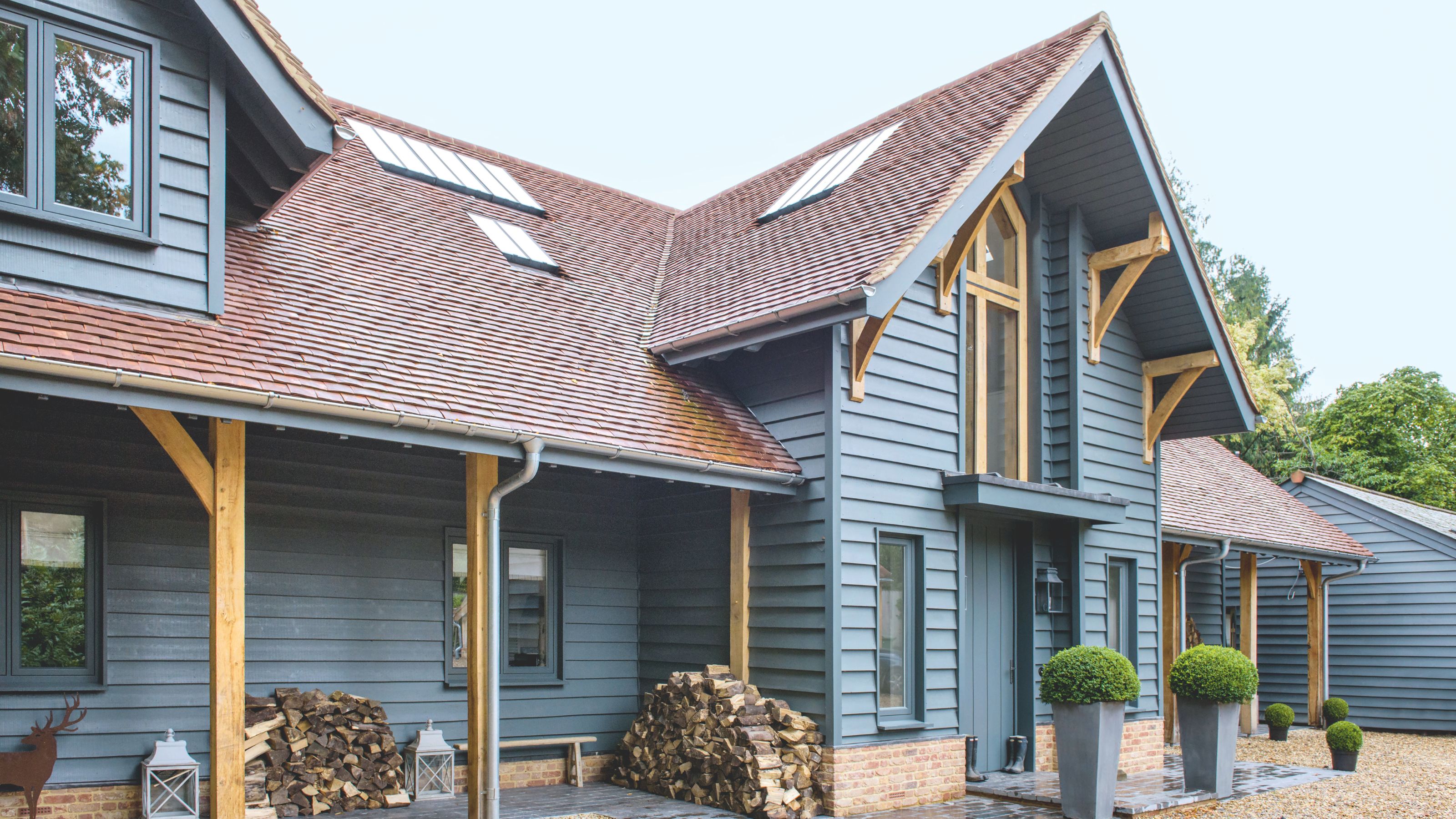
5 things to know before cladding your home's exterior
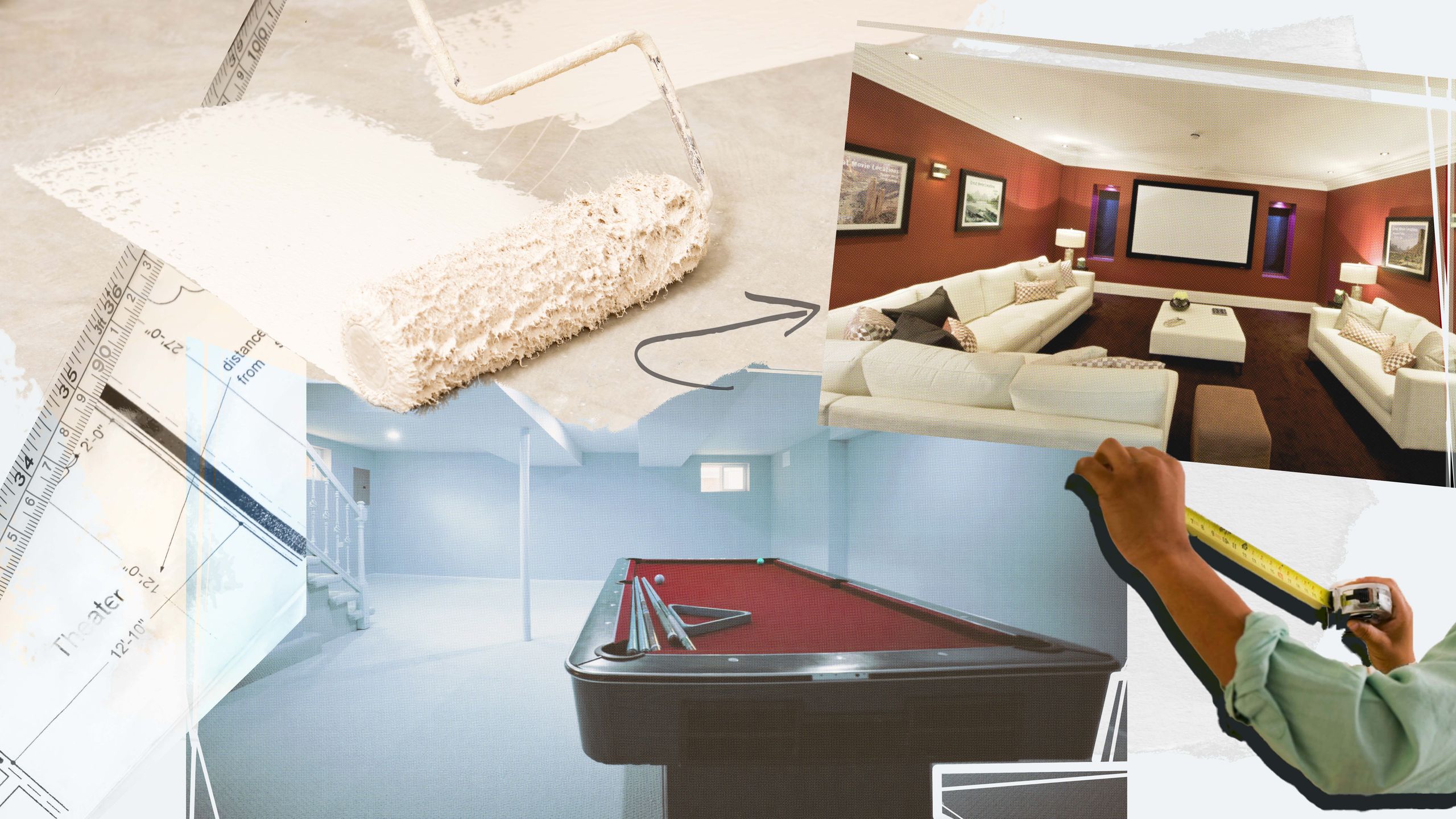
13 Creative Basement Ideas That Go Beyond Adding a Ping-Pong Table


26 Basement Bar Ideas For the Best Holiday Parties Ever

25 Finished Basement Ideas to Inspire Your Next Remodel


What You Should Know Before Painting Hardwood Floors


Beautiful Basements: 13 Surprisingly Cool Underground Amenities in Real American Homes
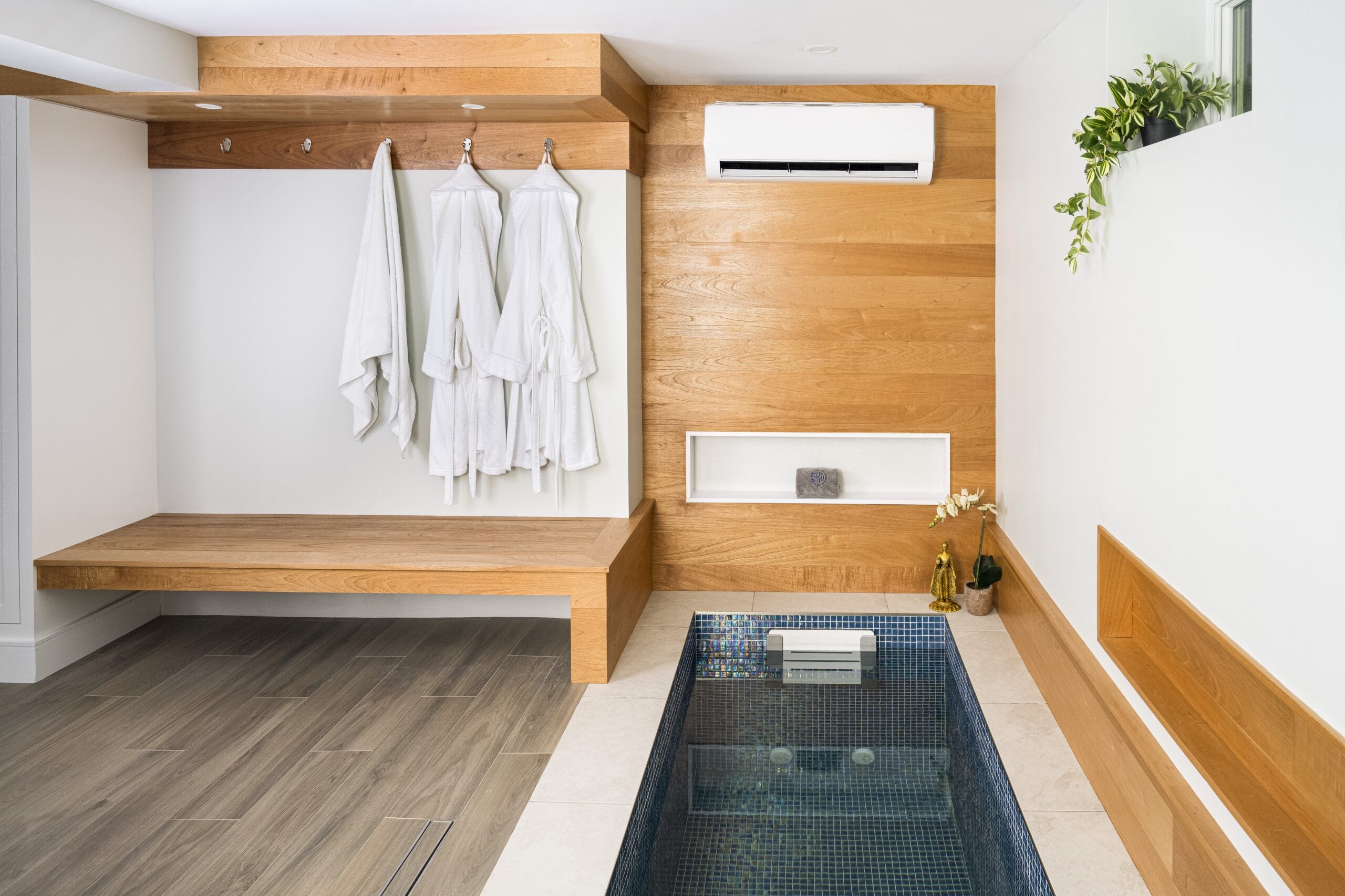
Taking the plunge on a basement renovation — literally